RSS
 

Posts Tagged ‘Business’

The Foundations of Starting a Photography Business

14 Dec

Starting a photography business can be a very exciting yet scary thing. It’s exciting to share your talents with others, yet the business can be overwhelming!

Sebastien Wiertz

By Sebastien Wiertz

If you’re at all like me when I started a photography business, you are worried that you won’t make any money. Taking pictures was so much fun, but would anyone pay for my work? With a lot of blind faith I jumped in and began working towards my dream. For me that meant many late nights and long weekends, shooting as much as I could and learning as I went along. Through years of growth, mistakes, and many successes, I learned so many things to share with you and help you to start your own business successfully.

Every business needs a solid foundation, so start there. Once you’ve got your feet off the ground, the business triangle will help you build a strong company.

Setting your foundation

Depending on where you live, you will need to be legally set up for business. Check with your city, town, state or province to find out what steps you need to take to be an official business. Learn if you need to pay sales tax. Work with a professional that can help you, like an accountant or attorney.

Once you are set up legally, you can also work through this checklist to get you started:

  • Your branding
  • Set up a website and blog
  • Set up accounts in social media
  • Get business cards
  • Set up a bank account
  • Find out about taxes if applicable
  • Choose a printing lab and packaging
  • Get insurance

The business triangle

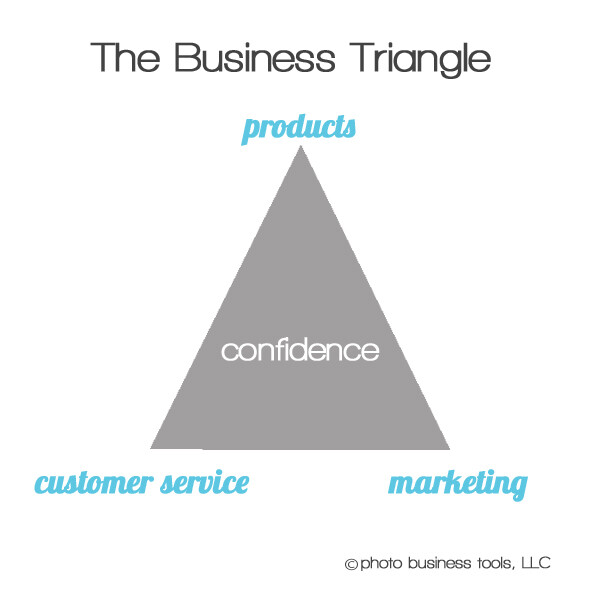
After you’ve set up your company, the business triangle is your next step. This business triangle was designed to help you get organized as you start and maintain a photography business. Each of the points represents a different area of your business. If you are weaker in one area, then your business (and the triangle) is in jeopardy of failing. Evaluate yourself with each point to see where your business needs to improve to be stronger. You can use a rating system of one through 10.

Image 1

Confidence

The first part of the business triangle is the center or the core. Like the core of the human body is important for wellness and function, the core of the business triangle (confidence) is important to your business.

Having confidence will help propel you forward on your journey. It can help you turn your stumbling blocks into stepping stones, and take you from one level to the next. If you feel that you’re confidence could use a boost, try a few of these tips.

  1. Recognize all of your wins, big or small.
  2. Focus on your end result.
  3. Always work on your camera skills.
  4. Don’t compare yourself to others.

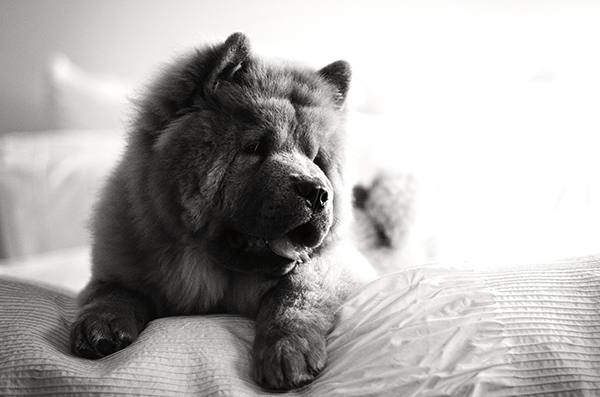
Image 2

Products

The next part of the business triangle is products. This includes any business products such as your images and the items you sell to your clients, like prints or canvases.

Your images are your number one form of marketing. The better they are, the more clients will want them. This might mean taking classes or workshops and participating in forums to continually get better. Never stop improving your skills.

In addition to improving your photography skills, you also need to provide great products for your clients. Many clients want the digital files which are easy to provide and less hassle. However, there are some benefits to selling prints. One is that you have an opportunity to increase your overall sales. Also, having the actual prints in your client’s home can be great word of mouth marketing. Many photographers today are offering both prints and digital files.

Working in the products category of the business triangle also includes figuring out how to price your work. You want to take into consideration the following:

  • Your time involved
  • Your expenses
  • Your desired income
  • Your local market
  • Your skill level

Carefully analyze each of these categories to come up with a solid pricing structure that will work for you.

Image 2a

Marketing

Next on the business triangle is marketing. Even if you live in a saturated market, if you get your name and your work out there, you will find there is still a need for your photography.

There are three areas of marketing that you will want to focus on with your business; word of mouth, online and local marketing.

The best form of marketing is word of mouth. Because getting photographs taken is so personal, clients will not likely hire just anyone. Instead, they will hire someone who has been recommended by a friend, or someone with an established reputation. These recommendations are earned by creating experiences for your customers that are above and beyond what other photographers are doing.

The next form of marketing is online. In today’s world you need to have a strong online presence. Your clients will be looking for you through a website, blog, and social media. Make sure you are there so they can find you.

Getting into your local community is the last form of marketing. This can be one of the most rewarding ways to build your business. Look for companies in your area that you can partner with to help build both of your businesses. You can partner with any type of business; from dairy farms, to clothing boutiques, or real estate offices. Almost every company needs pictures for their marketing and they have clients that need you.

Customer service

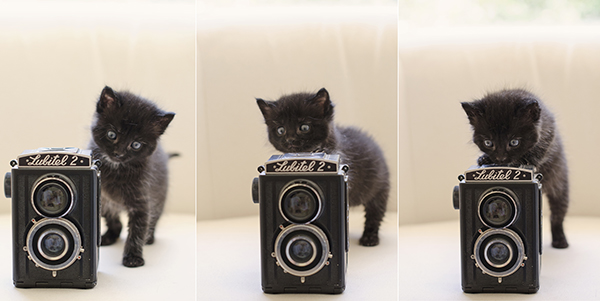
Image 3

The last part of the business triangle is customer service. Creating excellent customer service is the best way to keep your clients around year after year.

The most important thing to remember when building and growing a business is to make your customers feel special. How your clients feel when they leave you will determine how much they will tell their friends and family about you. Those family and friends are tomorrow’s clients!

Use the following ideas to create a memorable experience for your clients that will keep them coming back for years to come:

  • Good communication
  • Honest and sincere compliments
  • Provide excellent products
  • Amazing packaging
  • Bring water bottles to the session
  • Treat them like they are your best friends
  • Give a thank you gift

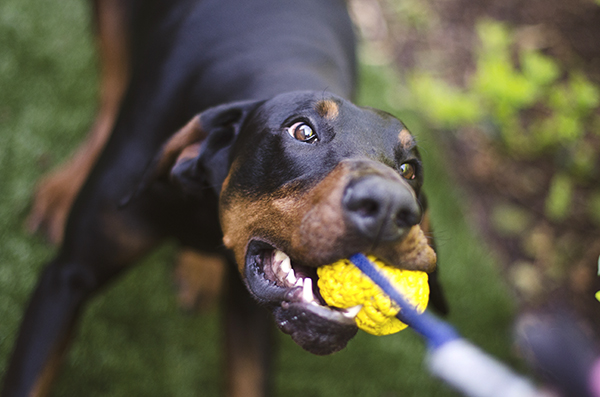
Image 4

One of my favorite sayings is: “luck favors the prepared”. Although it may seem scary to start a photography business, break down your tasks of getting set up legally, then follow the business triangle to continue to build a strong a solid business.

googletag.cmd.push(function() {
tablet_slots.push( googletag.defineSlot( “/1005424/_dPSv4_tab-all-article-bottom_(300×250)”, [300, 250], “pb-ad-78623” ).addService( googletag.pubads() ) ); } );

googletag.cmd.push(function() {
mobile_slots.push( googletag.defineSlot( “/1005424/_dPSv4_mob-all-article-bottom_(300×250)”, [300, 250], “pb-ad-78158” ).addService( googletag.pubads() ) ); } );

The post The Foundations of Starting a Photography Business by Amy Fraughton appeared first on Digital Photography School.


Digital Photography School

 
Comments Off on The Foundations of Starting a Photography Business

Posted in Photography


5 Fears to Overcome When Starting a Photography Business

31 Oct

As you enter the field of professional photography, there is one thing that will become immediately clear. One of your biggest obstacles will be fear. You will worry that you are not prepared for a job, that you are not experienced enough, that something will go wrong, or that they will not like your images.

Business Portrait

Business Portrait.  Each photography job will have a different makeup and you should create a game plan going in.

This is normal and I have bad news for you; the fear will never fully go away. It will get easier however, and you will become better at pushing through it. As time progresses you will find yourself confidently going into jobs that you used to make you petrified. But even then, a whole new set of fears will arise as you move into more advanced jobs.

This can paralyze you, especially as you are starting out. It is the biggest obstacle that will stand in your way towards becoming successful. But fear not, because you are not alone. Even the more experienced photographers stay up sleepless the night before jobs.

The key is to harness that fear and understand that it is normal. It is good in fact, because it means that you are progressing and trying new things. It means you are doing something interesting that you will be proud about afterwards. As you learn, you will make mistakes, but it is how you deal with those mistakes, how you learn from them, and how you push through the fear that will be the impetus for your success.

Here is a list of my toughest fears to push through as a professional starting a photography business, and how I deal with them.

1. Is my work good enough? What if I’m not experienced enough for a job?

When you begin to think about starting a business the scariest question is whether your work and your abilities are good enough. You may have heard you are talented or that you have a gift for image making, but the reality is that being a good photographer is based on your experience and the amount of effort, thought, and study that you put into your work. Anyone can take a good photograph, but professionals learn to do it day in and day out in a variety of circumstances.

If you are starting out, no matter how good you are, you will have a lot to learn. It is important to know this. Everyone started somewhere. Spend time researching people who do the type of work that you want to do and figure out how they do it. Learn from them. Read about photography and settings and situations. Use websites like dPS to improve your skills. Before you do a job research what you want the photographs to look like and plan out how you will pull them off. Go into the job with a plan.

Portraiture

Environmental Portrait. If you are an introvert like me, interacting with subjects to get them in the right mindset will make you nervous. This will improve with experience and you should study other photographers to pick up tips on how to best interact with subjects.

If you treat your image making like this and put the work into it, even if you are not currently ready, you will be soon. The more prepared you are, the more confident you will be when going into jobs and marketing yourself. All of the information is out there for you to prepare yourself, it is just a matter of doing it.

You will most likely look back on your work two years from now and see how much better you have become, and that is the point. Everyone had to start from somewhere and it is the prepared and thoughtful photographers who ultimately become successful.

2. Am I charging the right amount of money?

Pricing is an artform based on experience. At first it can be scary because you will not have any experience with it. Also, if you are not confident in your work or your ability, then how can you be confident in pricing your work?

If you are entering the professional world you have to understand that you are starting a business. You need a business plan. You have to charge enough to make a living. If you are making the commitment to do this, even if you are not fully comfortable yet, you still have to make a living.

Research other photographers in your area or field and figure out what they are charging. Put yourself in the customer’s shoes and think about what they might be willing to pay. Create a pricing structure based on this and raise your prices as you become more experienced. Some jobs you will lose because you are too expensive. No matter what you charge, there are always people who will think you are too expensive. Do not let these people affect your opinion of what you charge. Other customers will pass you by because you are not expensive enough! That happens.

Portraiture

Environmental Portrait. Some jobs will be much easier than others but always plan for the worst.

Imagine you are hiring a wedding photographer with a budget of $ 5,000 and you like two photographers who seem like they have fairly similar experience, but one charges $ 2,000 and the other charges $ 4,500.  Which one will you hire? Some might hire the $ 2,000 photographer but many would hire the $ 4,500 photographer because they would assume that this photographer was more experienced solely based on the price they command. They would not want to risk hiring the cheaper photographer for the most important day of their lives.

Also, if people tell you your prices are too high, educate them on why you charge what you do. Many people who hire you will not understand photography. There are a lot of people out there who think photography is just about getting a camera, showing up for an hour, going home, and sending the photos. That is so, so far from the truth. Explain what you will be doing for them, the time and knowledge that goes into the job, and why it is priced where it is. Some people will understand, be happy that you explained it to them, and will then hire you. Some will not, but then you don’t want to work with those people in the first place.

Do not be afraid to lose a job because of price. That will inevitably happen and it should not dictate your pricing strategy.

3. Will my equipment break?

This one scares the heck out of me. What if something breaks while I am on a shoot? If you are creating a photography business, you need to have backups in place. A photographer plans based on contingencies. This is not only a vital business practice, but very important for your peace of mind and confidence.

Have an organized system for your equipment and bags and a consistent way of packing them for jobs. Have a backup of everything. If you do the same job regularly, then it is worth it to purchase two of everything that you use regularly. You can consider renting equipment for jobs that you do not do as frequently.

5-engagement

4. The neverending job and difficult clients

I used to have a big problem taking jobs that I shouldn’t have gotten involved in. I would be flattered that someone wanted to hire me and I hated to turn down income, particularly during the lean times. This became a huge problem, especially with the difficult clients who kept changing the job parameters and asking for more. This mistake cost me a lot of time and ultimately money.

Your time is valuable and certain jobs, particularly when you are starting, will not be worth your time. If you are starting a photography business you need to build up a steady stream of clients and having one take up an inordinate amount of your time, particularly if they are not paying you well, is just not worth it. You could be spending that valuable time marketing yourself and building your knowledge and business.

Always get all of the information up front from the client before you quote a price and size them up. It can be obvious, sometimes right away, when a client will be difficult. When you get all of the details stated up front, if the parameters of the job happen to change later in the process, then you will have the grounds to ask for more money for the extra work they are asking you to do. This will keep clients from taking advantage of your time and asking for more than what was agreed upon. Sometimes they will not even remember what they had asked for at the beginning.

An engagement portrait. Some clients will prefer more posed portraiture that looks like it came out of a magazine. Some will want both. The better you know your clients the better you can anticipate what the will want.

An engagement portrait. Some clients will prefer more posed portraiture that looks like it came out of a magazine. Some will want both. The better you know your clients the better you can anticipate what the will want.

5. Will the client like my work?

I have been doing photography jobs for a decade now and I still get nervous every single time I have to press the send button for the final images. No matter how confident I am in them, that fear is never going to go away for me. It might be the same for some of you.

However, it used to be more debilitating than it is now. At the beginning it would cause me to procrastinate and it would cause me to take so much longer editing the images than it should have. I notice that this happens to a lot of photographers. Newer photographers often spend much more time on the editing than the more experienced photographers. Some of this is based on speed and experience, but I find that the biggest factor is that the experienced photographers have their editing process down to a science. There is a structure to the way they do things that makes everything more efficient and having this structure also helps reduce the fear.

Create a consistent structure for how you edit jobs. Here is mine:

  • I first start by choosing my final selection of RAW negatives that I will send to the client. I go through all of the images in Adobe Lightroom and star everything that I think is decent as three stars.
  • I then take a break to clear my head and eyes and go through the three star images and make the best of that bunch four stars.
  • The four starred images will be the ones that I will send the client.
  • I do a second and sometimes a third round through, moving some of the four starred images back to three stars and making the best images five stars. The five starred images are in case I want to send a small edit of the top photos or if I want to access them later for my portfolio.

    Business Portrait

    Friendly and natural business portraits. When you need to create images that feel natural you need a game plan for how you are going to make the subjects feel relaxed. Think ahead of time about what you can say or do to achieve this relaxed environment.

Once I have this done, the path to the finished product is laid out before me. I then go through all of the negatives and get them to the exact crop that I want. I do this because I want to see the whole sequence of images that I will be sending to the client before I start editing the final look of them.

Finally, I go through and edit the images. The hardest aspects for me are getting the color balance, contrast, and exposure to be perfect. Also, one of the toughest things to do is to make all of the photos feel consistent. This is why I like to have the final edit of negatives chosen and cropped before I begin to work on the aesthetics. It gives me a clear path to get to this endpoint.

Do you see how an efficient system can cut out hours and even days of editing time? It keeps you organized and this organization is meant to break through any procrastination and worry about the final photographs. Then, all you have to do is stand up for a second, take a deep breath, close your eyes, and hit the send button.

Take yourself seriously, especially when you are starting out. If you are starting a photography business, commit to it. You are a photographer, you don’t do photography. You have a product that takes a lot of effort, knowledge, and skill. Your product has a lot of value and not everyone with a DSLR can do what you do.

Need more help with business? Try these other dPS articles:

  • 30 Things you Should Know to Help you Start a Photography Business
  • 36 of the Best Online Tools to Boost Your Photography Business
  • 5 Things to Consider Before Starting Your Photography Business
  • 5 Tips to Expand your Photography Business Skills
  • 5 Ways to Dip your Toe into the Business of Photography
  • The Ultimate Guide to Going Pro as a Photographer

The post 5 Fears to Overcome When Starting a Photography Business by James Maher appeared first on Digital Photography School.


Digital Photography School

 
Comments Off on 5 Fears to Overcome When Starting a Photography Business

Posted in Photography


Essential Photography Business Kit: 5 Things to Keep Handy at All Times

27 Oct

Even if you don’t have a business plan, or much of a business to speak of, if you’re going to be or already are a professional photographer, there are certain things you will need and often will be asked for over and over again. Luckily, you don’t have to do extra work every time to meet these needs — instead, Continue Reading

The post Essential Photography Business Kit: 5 Things to Keep Handy at All Times appeared first on Photodoto.


Photodoto

 
Comments Off on Essential Photography Business Kit: 5 Things to Keep Handy at All Times

Posted in Photography


Five Things You Need to Know Before Starting a Pet Photography Business

02 Oct

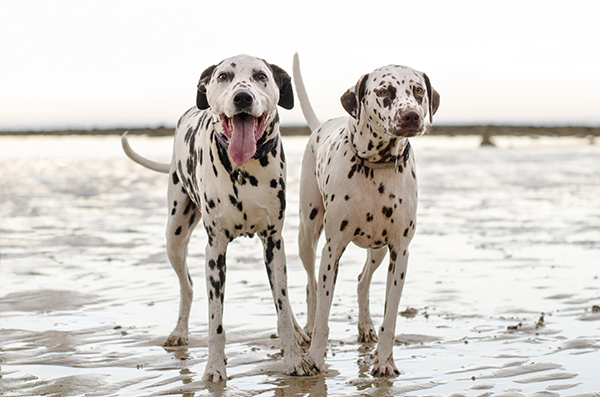
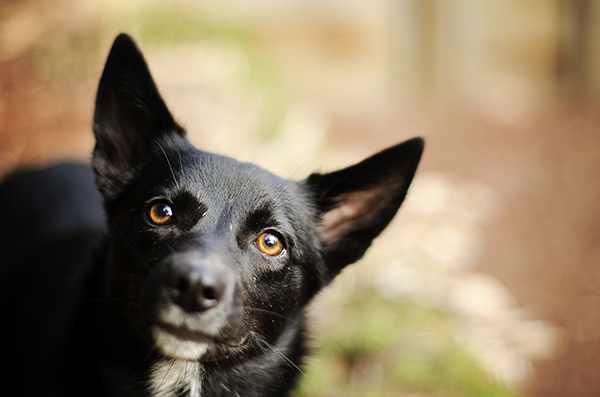
Pet photography is a fast growing and super fun genre of photography, and it’s awesome to see so many people wanting to celebrate animals and the role they play in our lives! But how do you turn your passion for animals and photography into a thriving and successful business? What do you need to consider before setting up your business? Today I’m sharing the knowledge I’ve gathered over the last three years to help you prepare yourself for what is the best job in the world.

Image Nine

#1 Do you really love animals?

Pet photography is messy, dirty, and at times incredibly frustrating work. You need to be comfortable with being jumped on by Great Danes, pawed by pugs, and scratched by cats. You need to be happy crawling through the mud, and bending and stretching at weird angles.

Image Six

This was shot lying on the wet ground on a freezing cold morning – but totally worth it!

You also need to be exceptionally patient. Often at the start of a shoot your subject will spend about half an hour running around like crazy, and jumping all over the place before finally calming down enough for you to photograph. You also need to accept that you will never have that much control over your subject – try telling a puppy to sit still and tilt his head 45 degrees!

At some point, your camera equipment will get covered in drool, your shoes will get peed on, and you will end up ruining several pairs of pants. So if you don’t really, truly, love animals, you are going to find the whole process miserable and give up very quickly.

#2 Is there a market for it?

I am lucky enough to live in a city (Melbourne, Australia) that has the highest rate of dog ownership in the country. People here absolutely adore their pets. There are high-end pet stores, hundreds of dog friendly cafes and parks, and so many Pet Expos that I have lost count. But that’s not always going to be the case for your area, so do your research. Some good things to find out are:

  • What’s the rate of pet ownership? Your local council is a good resource.
  • What is the general attitude towards pets? Do people see dogs as “just dogs” or are they part of the family or substitute children?
  • Are there lots of pet friendly cafes, restaurants, and parks? What are the pet shops in your area like? Do they sell just the basics or are they a bit fancier?
Image One

Kimbo is most definitely part of the family.

It’s also a good idea to factor in things like the amount of disposable income the average pet owner has, and the general cost of living. One really handy tip – if the area you are in isn’t particularly pet friendly, focus your marketing on areas further afield.

#3 Do you have the right equipment and know how to use it?

Pet photography is similar to sports and wedding photography in the sense that if you miss a moment, it’s not likely to be repeated. We all know that equipment doesn’t make the photographer, but at a minimum you want to have a DSLR, prime lenses that autofocus (the 50mm f/1.4 is a great place to start), a good quality zoom lens, high-speed memory cards, and an speedlight you can use off-camera if necessary.

Image Two

Proof that with the right equipment, you can make it look as if a puppy is standing still.

Get to know your equipment back to front before you start charging for your work. Figure out how to change your shutter speed, aperture, and ISO without looking, and know how to change your lenses quickly. Some of the best shots come without warning, and if you’re staring at your camera wondering why something isn’t working, you’ll miss the shot.

As you know, practice makes perfect, and the only way to get really good at photographing pets and knowing your equipment is to find the most badly behaved animals you can and shoot, shoot, shoot. There’s no point in using well behaved, well trained dogs, because there are so many that aren’t. You know the friend who has a dog that jumps all over the furniture and runs in circles constantly? The friend with the cat who hates everyone? Practice with these sorts of pets and your camera will become like an extension of you before too long.

#4 What’s your style?

You know you’ve made it as a photographer when people can pick out your work from a line up. Having a distinct style is so important for setting you aside from the crowd. Here are some things to consider to help you find your style:

Are you a natural light or a studio photographer?
Do you like clean, clear backgrounds that don’t distract from the pet, or do you like contrasting backgrounds that add to the photo?
Do you like posed shots or natural?
How do you feel about styled shoots? Using props?
Do you want a soft or high contrast feel to your shots?
Do you like obvious post production or a more subtle approach?
Do you want to incorporate the pet owners in the shots?

When I started my business, I saw a gap in the market for really beautiful, shallow depth of field shots of pets. I also happen to love shooting with my lenses wide open, so that became my style. It has been refined over the years, but people hire me because they want beautiful, close up, emotive shots with a sense of warmth and humour to them. I only shoot in soft natural light, no direct sun, and I don’t do high action shots such as agility shows. I also very rarely photograph people with their pets, because it’s not my thing.

Image Four

Props can be an awesome way to bring a bit of humour to your shots.

Remember – do what you love and what feels good for you. Copying another photographer’s style is a waste of time and won’t help you grow.

#5 How are your animal handling skills and knowledge?

This is such an important thing to consider before you start your business. Safety (both yours and your subject’s) is extremely crucial. At best, you can be opened up to a law suit, at worst, you could seriously injure or kill someone’s pet.

Image Eight

When you’re dealing with 40 kilos (88 pounds) of Doberman, you want to be confident with your animal handling skills.

Be honest with your skill level. For example, I have grown up and volunteered around cats my entire life, and I’m very comfortable with them. I also know their body language, signs of stress, and how to play with them properly. But I didn’t know nearly as much about dogs. I volunteered for a shelter walking dogs, taking photos, and doing general handling, which helped me a huge amount. I also did some basic dog handling courses, as well as reading up on different breeds and their personalities. I’m now at the stage where I’m 100% comfortable dealing with all breeds and sizes of dogs.

Image Three

Ellie is fourteen years old, so I was very mindful of her range of mobility. She was happiest lying on her bed, so I shot around this rather than forcing her to stand up.

Even if you grew up with dogs, it’s a great idea to read up on the different breeds and their traits. This will help you so much when you are shooting, and by knowing what makes a certain breed tick you’ll be able to produce some great pictures.

Image Five

Ralph and Gidget were on lead for this session, and the leashes were removed later in Photoshop. We had so much more fun knowing that there wouldn’t be any unforeseen accidents.

Unless you’re shooting in a fenced in, off-lead area, it’s better to be safe than sorry and keep the dog on a long lead. That way you avoid any accidents, and you can always edit leads out later in Photoshop (a big secret of pet photographers). Never, ever force a dog or cat to do something physically uncomfortable.

Lastly, one final safety tip – always talk to the owner BEFORE you start shooting. Find out as much as you can about their pet. That way, if certain things terrify or stress them, you know what to avoid. Always check for food allergies before offering treats!

Image Seven

Did someone say treats??

I hope that this article has given you some things to consider – and most importantly, don’t forget to have fun!

The post Five Things You Need to Know Before Starting a Pet Photography Business by Erin McNulty appeared first on Digital Photography School.


Digital Photography School

 
Comments Off on Five Things You Need to Know Before Starting a Pet Photography Business

Posted in Photography


5 Psychology Studies to Make Your Photography Business More Effective

24 Sep

The vast majority of marketers are not psychologists, but they do know how to apply psychology studies to attract and engage customers. This is not some kind of special knowledge or secrets of the Mayans – it’s quite obvious things you might have never been thinking about. I’ve been putting together five psychology studies and wanting to make us better marketers Continue Reading

The post 5 Psychology Studies to Make Your Photography Business More Effective appeared first on Photodoto.


Photodoto

 
Comments Off on 5 Psychology Studies to Make Your Photography Business More Effective

Posted in Photography


How to Effectively Use Instagram to Boost Your Photography Business

15 Sep

Last year, Instagram became a part of our everyday life. With over 200 million users, this network is one of the most powerful tools these days to promote your photography business. If you have not used it for business purposes, I have to say you’re losing a great opportunity. Instagram as a photo and video sharing application is a perfect Continue Reading

The post How to Effectively Use Instagram to Boost Your Photography Business appeared first on Photodoto.


Photodoto

 
Comments Off on How to Effectively Use Instagram to Boost Your Photography Business

Posted in Photography


How to Grow Your Photography Business with an Email Newsletter

11 Sep
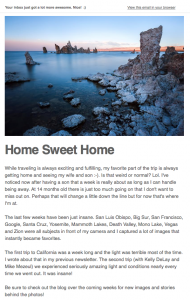
Sample From My Newsletter

Sample From My Newsletter

Ready for some controversy? Well, here it goes: One of the most useless things I see a lot of photographers doing with their time is trying to get popular on social media. There, I said it! Now, please let me explain.

There are certainly benefits of having a strong social media presence. I would be an idiot not to realize that. Just look up people like Colby Brown, Chris Burkhard, Nicole S. Young, Trey Ratcliff, Hilary Fox, etc. These people get flown around the world by large and small companies because of their social reach. The fact is, most of them either have unheard of work ethics or had some big breaks along the way to help kickstart their social media presence. And guess what…a lot of them have very successful and large newsletter (email) lists.

So, how much time do you spend every week posting your images to Facebook, Twitter, Google+, 500px, etc? For a lot of you, it’s countless hours. Do you ever feel like you’re spinning your wheels? How much of your income have you earned from doing so?

I started offering workshops through my photography business in January of 2014. I had done a couple local ones before, but never out of state. I started my (email) newsletter in January of 2013 and was fortunate enough to build it up to around 10,000 by the time I announced the first workshop.

So here’s the rundown: At the time I probably had around 40-50,000 followers on Google+, 5-6,000 on Twitter, 1-2,000 on Facebook and of course the 10,000 on my newsletter. When I announced the first workshop I was pretty nervous (stepping out like that and going for something I hadn’t done before on this scale). To my absolute surprise, the workshop sold out in less than 17 hours!

Here’s the crazy part; every single person that purchased a spot on my workshop came from my newsletter. I ran the workshop with my buddy Mike and he didn’t even have a chance to announce the workshop to his followers before it sold out! Not a single spot sold from my social media following, which outnumbered my newsletter numbers almost six-fold.

You can find plenty of stats out there that say newsletter subscribers convert into sales at a rate of around 250% more than social media. In my case it’s much much higher.

Where to Start

Freddie_winkAs Lao Tzu said so eloquently, “A journey of a thousand miles begins with a single step”. I highly suggest making that first step by heading over to MailChimp (note from dPS use this link to get a $ 30 credit when you sign up, disclaimer: yes we get a credit also) and getting your first newsletter set up. Their account is 100% free up to your first 2,000 subscribers, which is quite insane if you ask me! That’s a LOT of free subscribers! After you exceed that 2,000 mark you will have to start paying. In fact, my newsletter is currently pushing well past the $ 160/month mark. That’s fine though, because it forces me to make sure I send out a newsletter on a regular basis to make sure I’m not throwing that money away. And trust me, that $ 160 monthly fee is well taken covered.

MailChimp is, at least in my opinion, the absolute best newsletter engine out there. The design is fantastic, it’s easy and intuitive to use, and they recently updating their pricing methods which is saving me a ton of money. That isn’t an affiliate link to their website either, I just truly believe they are the best.

How to Make Your Newsletter Successful

This section is a bit difficult to address considering it’s a bit personal, but I’ll do my best. My experience has been that simply being open, honest, and transparent is what people want. I don’t have anything to hide, I wear my heart on my sleeve, and I think people appreciate that (at least the ones on my newsletter list do). If every newsletter you send out is selling something then you are going to start losing the trust of your subscribers. I don’t sell something through my newsletter unless I know it’s going to benefit my subscribers in some way. Instead of selling stuff at every chance I get, I fill my newsletters with free photo tips, free presets, updates on my life, my travels, my family, etc. I want to make sure that when they see my newsletter in their inbox, it will bring a smile to their faces.

Don’t be irresponsible with it

Another way to make your newsletter successful is by not doing anything irresponsible with it. Everything kind of black hat tactic to getting a bigger list in a faster manner, is shooting yourself in the foot. Subscribers cost you every month, so it would be really dumb to start trying to buy up lists of email addresses from folks who didn’t actually subscribe to your list. These will not be targeted subscribers, and your list’s health will reflect that. Even if the email addresses are industry specific, they won’t be people who actually wanted to be on your list.

Your subscribers are not for sale

Another thing you should never do is sell your subscriber list. You will get caught. There are plenty of people out there smart enough to use unique email address for your newsletter so they can track whether or not you sell their information (check this article out for more info).

Be cautious with affiliate sales

There were rumours going around a few years ago saying that including affiliate links in your newsletters (specifically with MailChimp) would get you banned. This ultimately was not true (here’s MailChimp’s response) but they suggest using caution with affiliate links. Some companies are very clear about doing this when people sign up for their newsletter (think Snapndeals, PhotoWhoa, PictureCorrect) but the basic premise is that when someone signs up for your newsletter, they are signing up to hear about you and potentially purchase things from you, not someone else. If this sort of thing gets abused and your list stats reflect spam, you could easily get your newsletter yanked. All that work, gone.

Give your followers a reason to subscribe

cover

I’m very, very picky about which newsletters I subscribe to. I get enough email as it is already. I also read articles on plenty of websites, and have a tons of things to do for my photography business each and every day. So if I’m going to allow a person or business into my inbox, it had better be worth it. I keep that in mind every time I send out a newsletter. I ask myself, is this worth sending out for the people receiving it? I have deleted three or four entire newsletters when the answer was no.

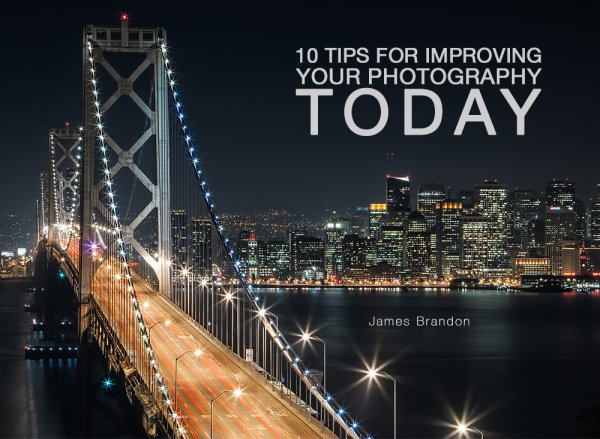
That being said, how do you make your newsletter worth subscribing to? Well, the best way to entice subscribers is by giving away something free. I put together an entire ebook just for my newsletter subscribers called: 10 Tips For Improving Your Photography Today, and it has consistently gotten great feedback. It’s short, to the point, and each tip is truly something useful that they can put into practice immediately if they so desire.

Another method is to use auto-responders (now called Automation inside MailChimp) to send out a multi-email campaign when someone subscribes. This could be a three part series, or three different ebooks, that get sent out at specific times after a successful subscription. For example, your first free gift could go out immediately after they subscribe. The second could go out a few days later and the third a few days after that. This gets the subscribers pumped up and happy to be part of your list. Just don’t set them up for a newsletter that is non-existent or not worth reading afterwards.

Acknowledge that your subscribers are your #1 fans, and act accordingly

When I click Like on a photographers Facebook page, I’m not really any more committed to them than I was before. I just want to keep up with them more. When I start reading their blog on a regular basis they have really struck a chord somewhere, and I am very interested in what they have to say. For me, to subscribe to their newsletter means that I am a huge fan of whatever they are doing. Be sure to remember that when you conduct your business!

My newsletter subscribers are first in line for everything. They get access to workshops before I announce them publicly. They get exclusive discounts that nobody else gets. They get random free stuff like presets and video tutorials. They get a deeper look into my personal life and what drives me. Essentially, I make sure they are taken care of because I truly, honestly, appreciate and value their time and their willingness to follow what I do.

So What Would You Use a Newsletter for?

I sell products (ebooks, presets, textures, video courses, etc.) and workshops through my newsletter. I realize not everyone does that. But if you are in business (making anywhere from 1-100% of your income through photography) then you have something to sell. Use your newsletter to primarily keep in touch with your clients and keep them updated on the happenings of your photography business. This keeps you in their sights and makes sure they don’t forget about you. Clients love connecting with the people they do business with, and a newsletter is perfect for this. From time to time you can send discounts for photo sessions or on print orders, do giveaways where you send a winner a free print, and so on.

Conclusion

I’ve been wanting to write this article for a long time now. Having a good, healthy newsletter is almost like having this huge secret that nobody else seems to be pursuing. I see so many photographers out there grinding it out on social media while their efforts could be spent so much better at getting a newsletter started.

I would be remiss if I didn’t invite you join my newsletter after writing an article about the importance of one. If you join through this link I’ll make sure you are taken care of handsomely! Not only will you get my standard free ebook and a discount code to my online store, I’ll also throw in my best selling ebook Tack Sharp as well as a set of 20 Lightroom presets – all totally FREE. On top of that, you’ll be able to read my newsletter that I work so hard on and extract some tips from how I use it.

If you really want to brighten up your inbox, be sure to also sign up for the dPS Newsletter (sign up box at the top of every article). I’ve been subscribed years and love it!

The post How to Grow Your Photography Business with an Email Newsletter by James Brandon appeared first on Digital Photography School.


Digital Photography School

 
Comments Off on How to Grow Your Photography Business with an Email Newsletter

Posted in Photography


20 Superb Infographics & Cheat Sheets to Help You Grow Your Photography Business Fast

01 Aug

You probably know that a picture is worth a thousand words. If a reader has a choice between 1000-word articles and the infographic that needs just a few scroll downs…he’ll obviously go with the infographic! Visual information is more likely read and understood than other types of data presentation. That’s why I collected helpful infographics and cheat sheets on photography for Continue Reading

The post 20 Superb Infographics & Cheat Sheets to Help You Grow Your Photography Business Fast appeared first on Photodoto.


Photodoto

 
Comments Off on 20 Superb Infographics & Cheat Sheets to Help You Grow Your Photography Business Fast

Posted in Photography


40 Creative Examples of Photography Business Card Designs for Inspiration

04 Jul

What do a graphic designer, an owner of a local cafe, a hairdresser and a photographer have in common? It’s a business card, of course! Tons of similar, ordinary business cards made on a white piece of paper with black lettering on them overload the market. These days, you need to have a really creative business card to impress your Continue Reading

The post 40 Creative Examples of Photography Business Card Designs for Inspiration appeared first on Photodoto.


Photodoto

 
Comments Off on 40 Creative Examples of Photography Business Card Designs for Inspiration

Posted in Photography


36 of the Best Online Tools to Boost Your Photography Business

04 Jul

As a beginner photographer, I put most of my time and energy into the product side of my business. I need to practice, improve my shooting and post processing skills, and just grow as a photographer. However, I have a strong intention to make photography my full-time job and be successful in it, which is hardly possible without a business strategy. Besides, with over five years of experience in social media and content marketing, I know for sure that establishing a sound online presence and effective marketing channels may not show you the money today, but it will shape your business in the long run.
35 photography marketing tools

In this article, I’m sharing the results of my recent research on the online marketing and workflow organizing tools for photographers. I use some of these services on a daily basis; others are carefully stored in my bookmarks, eagerly waiting for the moment to come in handy. Each tool category includes several noteworthy options (both big players and lesser known tools), so that you can use this article as a catalog to refer to in your marketing pursuits.

Photography Website Builders

1. MotoCMS

Since I was looking for a self-hosted solution with no additional costs for the tools I don’t need just yet, this one worked perfectly for me. For $ 139, I got a modern website template based on the quite powerful MotoCMS. Among the key features are advanced drag-and-drop website editor, SEO & social media tools, e-commerce widget, etc.

2. Squarespace

Squarespace offers 25 modern-looking templates with e-commerce integration, custom domains (no self-hosting, though), mobile-ready websites and support. There’s no free plan, but prices start from $ 8 per month, and you have 14 days to give it a try for free.

5. Portfoliobox

There’s a free account option allowing you to select a clean template and fill it with up to 40 images. A $ 6.90/month Pro plan (paid yearly) with Portolfiobox includes more design and marketing options, as well as a custom domain name and email.

6. Wix

The free plan includes a wide gallery of templates, unlimited pages and hosting. Premium plans start from $ 4.08/month, but your website will carry Wix brand ads both on desktop and mobile.

7. Pixpa

Pixpa offers hosted portfolios with private galleries, ec-ommerce with Fotomoto, custom domains, social media sharing and other features. All-inclusive plans start from $ 4.00/month (billed annually) with a 50% discount available for students.

8. Portfolio Lounge

A custom domain is included in Portfolio Lounge’s free plan, which is nice! Upgrading to the Pro ($ 7.99/month) and Max ($ 16.99/month) will get you extra storage space. This is quite a simple service with no pricing gimmicks and overwhelming feature sets.

9. Folio Websites

Folio Websites templates are based on WordPress, which is quite a benefit these days. There’s just one plan available – $ 175/year, and your decision to sign up may only be based on examples and promises since there’s no trial period offered.

10. Carbonmade

Carbonmade is a kinda hipster among portfolio builders – its design is funky, the words are fun, and the service is on trend. Opting in for the free “Meh” plan, you get a 35-image portfolio on the carbonmade.com domain. Upgrade to the $ 12/month “Whoo!” plan, and you get 500 images and 10 video slots, domain binding, ad-free site, private projects and tech support.

10b. Zenfolio (added by the Editor)

Editor’s note: I personally use Zenfolio for my portfolio, and have for several years. The benefits of choosing something like Zenfolio over just a portfolio site is that they also offer a way to sell your images, preview them for clients, have locked or private galleries and even a blog element. Their Basic Plan is only $ 30/year but if you want unlimited uploads, and the ability to price your own work go for the Premium at $ 140/year. This can also act as you backup as well with unlimited storage of images. They do offer a free trial.

By DAVID MELCHOR DIAZ

Have you ever wondered why crappy photographers do better than you? It’s because they know that both creative and business sides of photography are critical for success.

Cloud Storage and Media Library

11. Flickr

With a colossal 1TB of free storage on the table, Flickr remains a first-class service for photographers of all levels. I’m using it to store my photos, too. However, I really hope their sluggish interface will be updated very soon.

12. Streamnation

Streamnation supports a pile of photo file formats, including RAW and C2R – a feature any photographer would appreciate. 20GB of storage is free. The price varies from $ 4/month for 100GB to $ 19/month for unlimited space biled annually.

13. Dropbox

While Dropbox’s experience for photographers still feels half-baked, it’s definitely a solution to consider since, unlike your average cloud hosting startup, the established service provides welcome peace of mind.

14. Google+

You can store up to 15GB in Google+ Photos, Gmail, and Google Drive for free and then pay for additional storage (up to 16TB) as your account grows. A neat thing about Google’s offer is that, unless your photos exceed 2,048 pixels by width, Google won’t count them against your total amount of available space.

15. Crashplan

A neat feature about Crashplan is that you can recover a deleted file no matter how much time has passed. Prices for unlimited online backup to the Crashplan cloud start at $ 5/month with annual billing.

16. Zoolz

Unlike most cloud hosting services, Zoolz is a long-term storage unit designed for storing your data on the cloud for a lifetime. With a 5-year subscription you can have your photos reside on reliable Amazon AWS servers for as low as $ 2/month.

16b. Zenfolio

Editor’s note: see above for Zenfolio info under the website section, also works for image backup.

By Anca Mosoiu

Image Proofing and Selling Prints

17. Pixieset

Pixieset is my number one tool to create beautiful client galleries. It has all the key features to help you deliver, proof, and sell your work (unlimited galleries, proofing system, instant download, password protection, audio, just to name a few). The best part is that all this is available in their free plan. If you’d like more space and a custom domain, you can upgrade your plan (prices range from $ 8/month for 10GB to $ 40/month for 1TB).

18. Nextproof

Nextproof a pay-as-you-go service with a $ 0 plan (1GB of space and a 15% transaction fee) on the table and a free 30-day trial available for every paid plan (ranging from $ 9-99/month).

19. OnlinePictureProof

There’s a single, $ 29/month plan you can buy. Among the key features are slideshows, mobile app and a shopping cart. Online Picture Proof is a simple yet professional picture proofing and sales solution.

20. ProofBuddy

If your website runs on the WordPress platform, you can make use of this free WP plugin, ProofBuddy, to activate a fully-functional proofing system built to show your proofs and accept orders from clients.

21. ShootProof

With ShootProof, you can create public or private galleries that work equally well on desktop and mobile devices. The great feature is that each visitor’s activity is displayed in detail to you. ShootProof has a flexible payment plan (commission-free $ 10-50/month) as well as a free plan allowing up to 100 uploads.

20b. Zenfolio

Editor’s note: see above for Zenfolio info under the website section, also works for image proofing and sales.

By zizzybaloobah

Scheduling

22. Setmore

Getting started with Setmore is very easy thanks to a clean, intuitive interface and wizard-like design. Standard features are free to use and include unlimited appointments, services and customers, as well as the ability to add up to 20 staff members to your account. Upgrading to $ 25/month brings you to the premium level with Google Calendar sync, unlimited SMS (text) reminders and recurring appointments.

23. Ubooq

Ubooq makes it easy for clients to schedule an appointment with an easy-to-use, online reception page. Appointment ticket and reminders help avoid no-shows. You can schedule up to 30 appointments in Ubooq for free, and then, if you like it, pick a plan that suits your needs. There is a 5-grade plan system, with prices starting at $ 19 for the monthly service.

24. BookedIn

A pretty cool feature in BookedIn, that I didn’t see on similar services, is that you can add a booking app to your Facebook timeline. Payment plans include a pay-as-you-go model (you purchase a block of booking for 50 cents each) and a monthly plan costing $ 20/month. You can try out the complete set of features for free during 30 days.

Note: other free options: Calendly and TimeTrade (also have a paid version for more appointments)

By keso s

CRM (Customer Relationship Management) System

25. Simply Studio

For $ 29/month (billed annually) with Simply Studio you get a full-fledged, web-based CRM system with client-money task management, accounting, invoicing and bookkeeping, online proofing, polls and email marketing. All features are included in a free trial version available for 15 days. My workflow of a newbie obviously does not require such software yet, but I surely love the features-price ratio of Simply Studio, as well as the simplicity of its interface. So Simply Studio is already in my bookmarks waiting for my photography business to grow and call for it.

26. StudioCloud

StudioCloud is free desktop software for photography studios. Standard features include cloud syncing, a client database, scheduling, billing, order management and other business-management tools. While the basic functionality (which is quite rich, though), is free to download, some extra tools, such as multiple users, online proofing and automatic client reminders, will cost you between $ 10-60 per month.

27. ShootQ

ShootQ offers the most comprehensive list of management tools, which naturally reflects in pricing. There are three all-inclusive and monthly plans to choose from, and prices range from $ 39.95 to $ 79.95 depending on the desired number of users, pages and amount of storage.

Organization and Automation

28. IFTTT

This brilliant service saves me lots of time for shooting. Using IFTTT’s straight-forward formula, you can automate a variety of tasks, such as tweeting your new blog posts or notifying you of the latest dPS posts.

29. Buffer

A dead simple, yet useful tool, to schedule your social media posts. If you’re a heavy social network user, Hootsuite might work for you better, but if you just don’t want your Twitter and Facebook get dusty while you’re on vacation, Buffer has you covered.

30. Nutcache

Nutcache enables you to easily create unlimited number of invoices, do estimates, and track time. Great tool to operate your photo business in the cloud. It’s also multilingual.

By Staffan Scherz

You won’t believe how many tasks you can manage with some organization and system put in the process.

Mobile Client Galleries

31. Myphotoapp

Myphotoapp boasts the widest library of tools among mobile photo gallery builders. Client email collection, integration with MailChimp and advanced app analytics are some really neat features that make this service my number one choice. I hope, though, the usability of the administrative panel will be soon revised towards a simpler and more intuitive interface.

32. StickyAlbums

Create mobile photo apps that your clients can save on their iPhones, iPads and most Android devices using Sticky Albums. Features include custom branding, built-in Facebook sharing, password protected albums, photo album hosting and sharing via SMS. Prices start at $ 19/month with a free, 14-day trial available.

33. ProImageShare

If you’re a Lightroom diehard, it’s an easy winner here. ProImageShare lets you publish and host your own web app that can be downloaded on iOS devices with the appearance of a custom app. With a one-time payment of $ 69, you can publish as many apps as you want to your own unlimited, shared-web host.

Photograph Rings on her toes by Vanessa Kay on 500px

Rings on her toes by Vanessa Kay on 500px

Brides will definitely appreciate a custom app with their wedding pictures. Expect referrals to come your way!

Multi-platforms and Services

34. Photoshelter

I bet you’ve heard about Photoshelter, as it’s one of the industry’s “big dawgs”. Portfolio websites, integrated e-commerce, cloud storage and client-proofing system are the tools you can find under this shelter. Prices vary from $ 9.99/month for the basic feature set, to $ 49.99/month for the premium toolbox.

35. Zenfolio

Zenfolio is another giant in the field of digital marketing for photographers. The number of features here is impressive, too. One of the recently added ones is Photo Books (order and sell). Prices start from $ 30/year with a free, 14-day trial on hand.

36. Queensberry Workspace

Built around Quensberry’s range of print products, Workspace enables you to create, organize, and market your online presence, as well as order and sell photo books, albums, frames, etc. Its basic version is available for free and you can upgrade from $ 4 monthly.

Editor’s note: once upon a time I was a consultant for Queensberry Albums (for 9 years) and I can attest to their dedication to quality albums, products and software. They also make Photojunction, a powerful album design tool.

Another biggie in this area is SmugMug. Slightly more than Zenfolio with many of the same features.

Last Click

Defrozo

I didn’t include Defrozo on the round-up because currently it’s a private beta, but the features listed on the “coming soon” page make it so worth mentioning.

Website builder, Media Library, Image Delivery and Proofing, Scheduling, E-commerce, CRM system, and Websites for Clients make the initial toolbox Defrozo is going to deliver from the start. Moreover, photo book design tools and retouch services are scheduled to be added to the products’ following updates. How do I know that? Well, I subscribed for early access and received an invitation from the Defrozo team to join the focus group of photographers from 30 countries worldwide. I recommend that you sign up, too, since a new player on the market will likely offer something extraordinary to attract users. There are good chances that it’s gonna be a freemium or at least offer extra benefits to early adopters.

By Pascal

Defrozo seems to have a potential to be the ultimate weapon for your business to reach zen.

What’s in your digital toolbox?

I hope my research will come in handy, and I’m sure there are a lot of other tools and services worth mentioning here that I missed. What do you use to manage your photography workflow and business? Is there any all-in-one tool out there you could recommend? Please share your suggestions and experience in the comments below.

The post 36 of the Best Online Tools to Boost Your Photography Business by Julia May appeared first on Digital Photography School.


Digital Photography School

 
Comments Off on 36 of the Best Online Tools to Boost Your Photography Business

Posted in Photography