RSS
 

Posts Tagged ‘Business’

Sony finalizes buyout of Toshiba’s sensor business

05 Dec

Back in October, Sony announced its intention to buy out Toshiba’s sensor business, and today they’ve sealed the deal. Sony is spending ¥19 billion ($ 154 million) on the acquisition.

Toshiba says that they will ‘transfer semiconductor fabrication facilities, equipment and related assets of Toshiba’s 300mm wafer production line, mainly located at its Oita Operations facility, to Sony Semiconductor as part of the deal’. The company’s 1,100 workers will be offered positions at Sony after the merger closes by the end of the first quarter 2016.

This deal potentially affects every camera manufacturer that has used Sony and/or Toshiba APS-C (and smaller) sensors in the past – which is to say virtually all of them. Except for Canon and Samsung, both of which manufacture their own APS-C and larger sensors, every other camera manufacturer, including Nikon, will now pretty much have to rely on Sony.

That is, assuming Samsung doesn’t become a supplier in its own right. With a question mark hanging over the future of the NX system and long-standing rumors about the company’s investment in full-frame, it is possible that Samsung could step in to provide Nikon, Ricoh and Fujifilm with an alternative to Sony. 


Press release:

Sony and Toshiba Sign Definitive Agreements for the Transfer of Semiconductor Fabrication Facilities

Tokyo, Japan, December 4th, 2015 — Based on the memorandum of understanding entered into between Sony Corporation (“Sony”) and Toshiba Corporation (“Toshiba”) on October 28, 2015, the parties today announced that they have signed definitive agreements to transfer to Sony and to Sony Semiconductor Corporation (“SCK”), a wholly-owned subsidiary of Sony, certain Toshiba-owned semiconductor fabrication facilities, equipment and related assets in its Oita Operations facility, as well as other related equipment and assets owned by Toshiba (the “Transfer”). 

Under the agreements, Toshiba will transfer semiconductor fabrication facilities, equipment and related assets of Toshiba’s 300mm wafer production line, mainly located at its Oita Operations facility. The purchase price of the Transfer is 19 billion yen. Sony and Toshiba aim to complete the Transfer within the fiscal year ending March 31, 2016, subject to any required regulatory approvals. 

Following the Transfer, Sony and SCK plan to operate the semiconductor fabrication facilities as fabrication facilities of SCK, primarily for manufacturing CMOS image sensors. 

The parties expect to offer the employees of Toshiba and its affiliates employed at the fabrication facilities to be transferred, as well as certain employees involved in areas such as CMOS image sensor engineering and design (approximately 1,100 employees in total), employment within the Sony Group, upon the completion of the Transfer.

Outline of 300mm wafer fabrication facilities, Toshiba Oita Operations

  • Building completion: February, 2004
  • Location: 3500 Oaza Matsuoka, Oita City, Oita Prefecture, Japan
  • Building area: 24,100 m2
  • Total floor space: 48,800 m2
  • Main products: CMOS image sensors, memory controllers

Articles: Digital Photography Review (dpreview.com)

 
Comments Off on Sony finalizes buyout of Toshiba’s sensor business

Posted in Uncategorized


Toshiba to sell sensor business to Sony for $165 million

26 Oct

Toshiba is finalizing plans to sell its image sensor business to Sony for an estimated $ 165 million (¥20 billion) in a bid to raise cash after a $ 1.3 billion accounting scandal. Toshiba has been unloading assets as part of its restructuring plan. Sony currently has 40% of the growing image sensor market, and is quadrupling spending to keep up with demand.

Articles: Digital Photography Review (dpreview.com)

 
Comments Off on Toshiba to sell sensor business to Sony for $165 million

Posted in Uncategorized


5 Trends to Take Your Photography Business to the Future

04 Oct

As an owner of a photography business, you need to have the ability to wear many different hats; you need to be a marketer to promote your brand, a designer to create and update your site, and a tech-savvy person to understand the innovation and new products that are constantly appearing on the market.

In this article you’ll learn some of the trends in digital marketing, web design, and mobile technologies that any smart photographer needs to be familiar with.

Sergey Galyonkin

By Sergey Galyonkin

Digital Marketing

In the following years we can expect a growing number of desktop and online software solutions geared at photographers. Tough competition in this market constantly gives birth to many interesting offerings.

For instance, Defrozo is looking to be a one-stop, free platform for photographers to update their website and blog, proof images and sell prints online, as well as manage their client base in a built-in CRM (customer relations management). Snapizzi is another interesting tool which uses a smart QR-code scanning technology to enable photographers to automatically upload and sort out event photos for online sales, literally in minutes. And if you’re looking for an album proofing tool that could be integrated with your existing website AlbumParrot is here to help.

These are just a few of the new apps and services worth your attention, you can discover more photography startups on Betalist.
Dickson Phua

By Dickson Phua

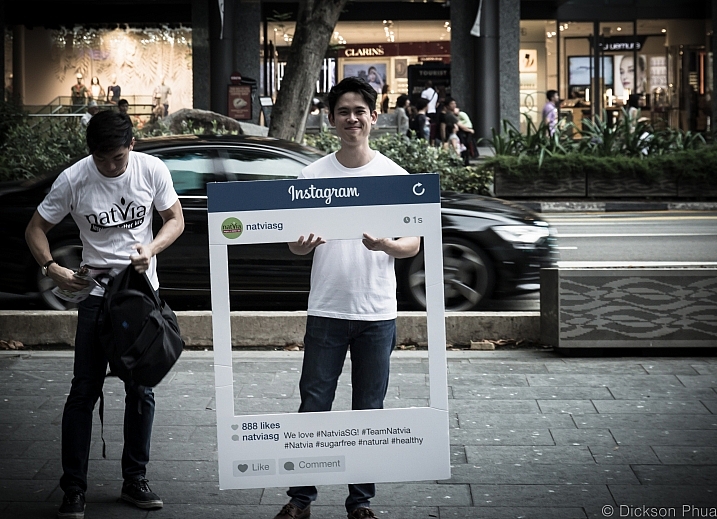
With advertising coming to Instagram, and Facebook limiting its organic reach in favor of paid-for posts, email marketing becomes even more attractive for small business, and photographers are no exception. Some of the major trends in this area are personalization and automation, with most services like MailChimp and MadMimi extending and improving their functionality in this area. As a result, it gets quite easy to create a sequence of emails that will be triggered when someone subscribes for your updates, or send out your special offers to small segments of your contact list in order to maximize relevancy and click-throughs.

The popularity of visual storytelling will continue to grow which is obviously great news for photographers. Big companies will be employing professional photography to communicate their brand philosophy and aesthetics. So consider adjusting your proposition to accommodate corporate clients.

Web Design

Talking about web design, there are a few standards you might want to take into account while updating your photography portfolio.

Image-focused design featuring clean typography and ghost buttons is going to be a winner, just like last year. Sticking to the storytelling trend in content marketing, full-size videos and images will take the world by storm contributing to a website’s interactivity, and increasing return visits.

David Joyce

By David Joyce

Moreover, custom photo galleries and slideshows available for mobile viewing will become more and more popular. Don’t forget to make your site mobile-friendly this year, if you have not done it yet. In 2016 a mobile version of your portfolio will rock, otherwise you run the risk of losing over 40% of your potential clients.

Mobile

While there’s a lot of buzz around the revolutionary potential of mobile payments, it’s unlikely that the photography industry is going to adopt this trend too soon. However, mobile payments are definitely something to keep your eye on since mobile is conquering nearly every sphere of our life.

Mobile usage is going to increase even more. For example, the latest data shows that the U.S. users spend 51% of their media time on mobile compared to 42% on desktop.

Byronv2

By byronv2

This means mobile Internet users should be kept at the forefront, whenever you start a marketing campaign. Planning to print a solid pack of flyers for an upcoming tradeshow? Consider putting a QR code on it. Do you know image editing inside out? Think about creating your own mobile app, or figure out a mutually beneficial arrangement with app developers. Smartphones and tablets will keep their leading position in the coming years, so make the most out of this growing trend.

Technology

Wearable devices are by far one of the most exciting trends to follow. With the competition fuelled by Apple Watch, this market is about to bring photographers a lot of neat capabilities via wearables.

Sdu7cb

By Sdu7cb

Drones are another major trend in the tech field. A lot of models with features ranging from built-in cameras shooting 12 megapixel RAW, to smartphone app remote control, were on display at this year’s CES.

CES 2015 also brought a few interesting solutions to the ever-increasing problem of image storage. Thus, Canon has introduced Canon Connect Station CS100 that connects wirelessly to phones and Wi-Fi enabled cameras, and uploads images to be displayed on a TV. Another potentially interesting technology was presented by Toshiba. The new memory cards from this manufacturer can be read with a NFC-enabled Android phone. This invention is rather raw at the moment, but it hints at advancing possibilities in the near future.

Printing

A printer about the size of a smartphone, that doesn’t require ink, and is controlled via your smartphone? Any event or wedding photographer could utilize a thing like that. Well, it’s actually a reality now. Meet Polaroid Zip. Presented at the CES 2015, this neat device is a glance into the future of compact printers which definitely moves towards compactness, wireless connection, and fast work.
Son Of Groucho

By Son of Groucho

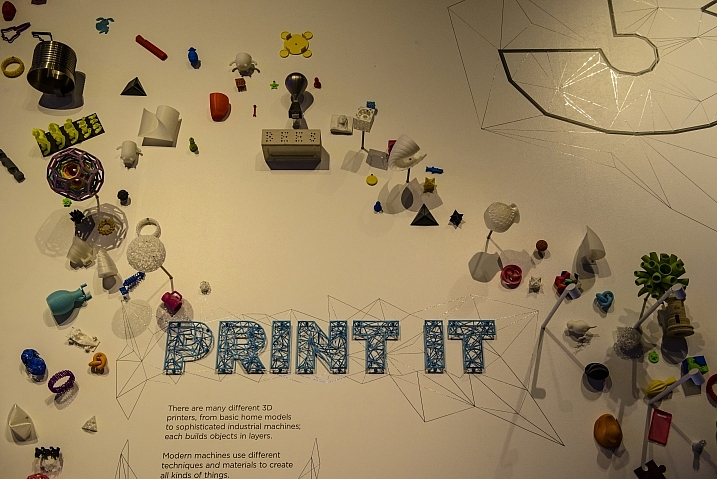
3D printing is becoming more accessible for end consumers and opens new opportunities for photographers. For instance, Amanda Ghassaei created amazing 3D prints that feature subtle texture and high precision, when backlit with a diffused light. If you’d like to utilize this one-of-a-kind method before it hits the mainstream, the artist shared the instructions on how to do it.

Interior Design

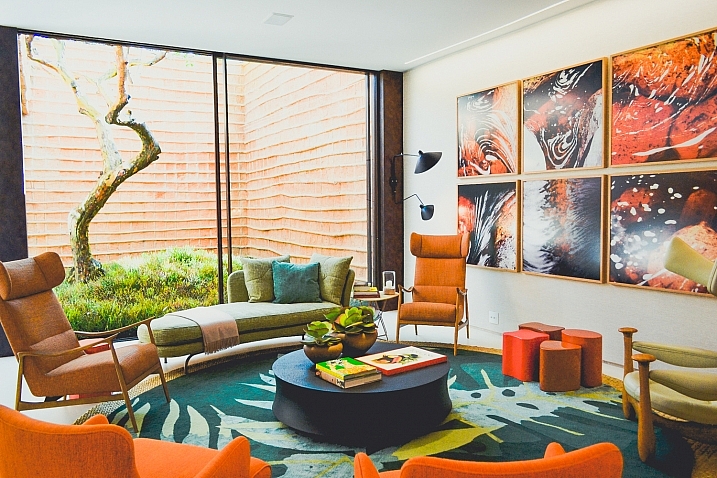
The meeting room climate can make or break your deal, so knowing what design elements get people hooked these days is a must for a savvy photographer, no matter whether you meet clients in your studio or apartment.
Paulisson Miura

By paulisson miura

In 2015 electric modern vibe and unexpected textures are finding their way out. More sophisticated looks featuring natural textures, gold hardware, and mid-century modern undertone are the latest fashion. For example, one sophisticated idea of the kind is a cowhide rug, which would be a perfect decoration for your meeting room.

Wallpapers with natural flowers and textures have come back this year too. Blue seems to be one of the most popular colors for interior decorations. Taking into account the latest trends, you can create a cool, impressive look for your office or spice up your home interior.

Bottom Line

Staying informed about the modern novelties and trends in different areas of our life can be a great way to single out your photography brand, and differentiate you from the competition while taking your career to the next level.

What recent trends do you find most exciting and promising? Let us know your thoughts by leaving a comment below.

googletag.cmd.push(function() {
tablet_slots.push( googletag.defineSlot( “/1005424/_dPSv4_tab-all-article-bottom_(300×250)”, [300, 250], “pb-ad-78623” ).addService( googletag.pubads() ) ); } );

googletag.cmd.push(function() {
mobile_slots.push( googletag.defineSlot( “/1005424/_dPSv4_mob-all-article-bottom_(300×250)”, [300, 250], “pb-ad-78158” ).addService( googletag.pubads() ) ); } );

The post 5 Trends to Take Your Photography Business to the Future by Julia May appeared first on Digital Photography School.


Digital Photography School

 
Comments Off on 5 Trends to Take Your Photography Business to the Future

Posted in Photography


5 Tactics to Make Your Photography Clients a Wellspring of Repeat Business

11 Sep

Have you ever wondered why some photographers have their doorbell ringing all day long while others are struggling week to week in order to sell their work? The secret is simple – successful photographers are also successful psychologists who invest most of their time and effort in developing long-lasting relationships with their clients. Building bonds with people may get rather Continue Reading

The post 5 Tactics to Make Your Photography Clients a Wellspring of Repeat Business appeared first on Photodoto.


Photodoto

 
Comments Off on 5 Tactics to Make Your Photography Clients a Wellspring of Repeat Business

Posted in Photography


Advertise Your Business by Using Custom Print Balloons

06 Sep

Where is the best place to put printed advertisement? You can print your advertisement on classifieds, hoping that newspaper readers will take a look at it and pay special attention to it. However, your expectation will soon vanish because your advertisement is just a tiny spot in the middle of the ocean of thousands of […]
Digital Photography Information Center

 
Comments Off on Advertise Your Business by Using Custom Print Balloons

Posted in Equipment


7 Major Elements of Photography Business Plan

06 Jul

Did you know that entrepreneurs who create a proper business plan are usually two times more successful in developing and growing their business than those who have no business plan? This is according to a study conducted by Palo Alto Software. Just as you wouldn’t typically begin a photo shoot without proper lighting and gear setup, starting your own business Continue Reading

The post 7 Major Elements of Photography Business Plan appeared first on Photodoto.


Photodoto

 
Comments Off on 7 Major Elements of Photography Business Plan

Posted in Photography


Utilising Meerkat and Periscope for Your Photography Business

02 Jun

In this article we’re going to talk about Periscope and Meerkat apps and how a photographer can benefit from these services. Use technologies of the future to grow your business! What are Meerkat and Periscope Meerkat is a live video streaming app. It’s available on iOs and Android. Meerkat links directly to Twitter profiles, which lets people stream a live Continue Reading

The post Utilising Meerkat and Periscope for Your Photography Business appeared first on Photodoto.


Photodoto

 
Comments Off on Utilising Meerkat and Periscope for Your Photography Business

Posted in Photography


4 Things Commercial Photographers Need to Discuss with Their Small Business Clients

20 Apr
Lead architects of a high-end design firm.

Lead architects of a high-end design firm.

Providing successful images for a business can be very rewarding, especially when it’s for a budding business that you get to witness growing. While all businesses, big and small, essentially have the same demands, a small business is most likely still learning how to work with various professionals and creating their processes as they go. Diving into a project with a small business can lead to lots of time and money being wasted if terms and project details are not discussed openly, early on. The following are some key factors to discuss with your small business client during an initial consultation so that conflicts can be avoided down the line:

1. Brand

Large family-run urban farm.

Large family-run urban farm

While we are hired in part because of the individual style that we have developed over time, a business’s brand is the first thing that needs to come across to their audience. When working with a small business especially, the branding should be clearly defined in order to be able to provide images that will be a great benefit to them. Do they have certain color palettes they work with? Are their graphics portraying a more formal brand, or a very casual brand? Are they nature-oriented, or do they work in traditional office spaces? What clientele are they catering to? All of these are questions that should be addressed in the initial consultations. A small business may still be developing their brand or creating a branding package, so without a brand to guide the images, there may be a need for updated photos once the brand is clearly defined. Expressing this to a client will not only help them understand that professional photography is an investment intended to last a long time, but it will also show them that you are keeping their best interest in mind for their long-term success.

2. Budget

Small businesses will typically have very low budgets, so the decision to invest in professional photography services will be a big one for them. Regardless of the cost for your services, there is likely to be very little (if any) wiggle room in their budget allowance. Being aware, and respectful, of the client’s budget restrictions will not only help ensure that there is less run-around in the planning stages, but it will also give the client more confidence that you are an ally. If you offer packages geared towards commercial work, consider having several options to select from, or to use as a kick-off for budget discussions. Often a custom quote is required depending on their specific needs, but some packages to give the client a ballpark idea of pricing can let them know what they can expect to spend.

Independent financial advisor.

Independent financial advisor

3. Timeline

Depending on how experienced your small business client is, their timeline for getting final images may not be very realistic. This is where it’s your job to educate clients on your process and, more importantly, on your specific ability to turn around jobs in a time crunch. Knowing their expectations about timing and delivery will be vital in creating a quote, coordinating any vendors (venue, props, assistants), and making sure that the client gets their images in time to use them.

Do they require any extensive editing techniques or talent that requires outsourcing? Did they request a location or backdrop that requires reservations and a long wait for booking? Will they need models, and if so, do they have specifics in mind? Are they planning on using these images for a specific event, or marketing campaign that has a set date? Which leads to the final factor to keep in mind…

Home-based food business products.

Home-based food business products

4. Usage

Many folks will assume that if they hire you to take photos, they then get to keep the photos and do as they wish with them. In reality, commercial work is generally very specific about what usage is permitted. If they are planning to use the photos on a product label, do you get any royalty from that product sale? If they are hiring you because of a large print marketing campaign, can they then use the images in email campaigns several years down the line? Are you granting them use for a certain amount of time, or can they use these images forever? Once you turn over the images, are they allowed to do any alterations to them?

While there is no one answer to these questions, be sure to discuss the planned use of these images and to clearly specify it in a contract. Both parties need to be in agreement with what is decided, and having this discussion up front will once again show your client that you value your work and intend to be completely open with them about terms.

Owner of a co-working space.

Owner of a co-working space

Although there are many factors to discuss with your client at the beginning of a project, these four points will help get the basic information clarified, and get both parties on the same page. These discussion points will also go a long way to helping you create a quote for them that is accurate and all-inclusive; avoiding time-consuming confusion farther into the project.

Do you have any additional points of conversation that are a must for initial client consultations? Please share in the comments below.

googletag.cmd.push(function() {
tablet_slots.push( googletag.defineSlot( “/1005424/_dPSv4_tab-all-article-bottom_(300×250)”, [300, 250], “pb-ad-78623” ).addService( googletag.pubads() ) ); } );

googletag.cmd.push(function() {
mobile_slots.push( googletag.defineSlot( “/1005424/_dPSv4_mob-all-article-bottom_(300×250)”, [300, 250], “pb-ad-78158” ).addService( googletag.pubads() ) ); } );

The post 4 Things Commercial Photographers Need to Discuss with Their Small Business Clients by Natalia Robert appeared first on Digital Photography School.


Digital Photography School

 
Comments Off on 4 Things Commercial Photographers Need to Discuss with Their Small Business Clients

Posted in Photography


10 Low-Cost Marketing Strategies for Your Photography Business

05 Apr

Marketing-logosWhether you already have clientele or are looking to build a client list, marketing is a never-ending task for photographers. You’ve already focused in on a target market (or two), but where to start? Are you unsure of how to get things started with a shoestring budget? Here are 10 low-cost marketing strategies for your photography business:

1. Get out of the house

This biggest thing you can do to spread your name is to be out there. Finding events and activities where your target market may be is key. Meetup.com has a huge selection of groups that host events, many for no cost. While it can be overwhelming, and may take some trial and error, there are loads of opportunities on that site. Your local Chamber of Commerce also has events that are open to the public and offer networking time. They are ideal if you’re looking to connect with local small businesses that may need your services. If your target market is within a certain profession, you can look into professional organizations in your area. Most professions have local and national chapters that meet regularly, and most of these groups welcome guest speakers. Offer to speak to their members about what you do, and how it relates to their work. It’s a perfect opportunity to put yourself in front of potential clients at no cost but your preparation time.

2. Get charitable

Is there a cause that is close to your heart? How can your photo skills help them out? Maybe a local animal shelter could use professional photos of the animals to help them get adopted quickly. Maybe there is an organization that helps the homeless find work, and those folks could use headshots. Make it something that resonates with your cause, or with your target clientele.

Donated Product Photography for African Refugee Business Owners

Donated product photography for African refugee business owners

3. Tell your friends and family

Often just telling people what you’re enthusiastic about will also get them excited and make them want to help you. By just letting people you know what you’re working on, and what you have planned, they will often make suggestions or give you leads. There’s no need to do a sales pitch to them; just tell them about your life and what you have going on.

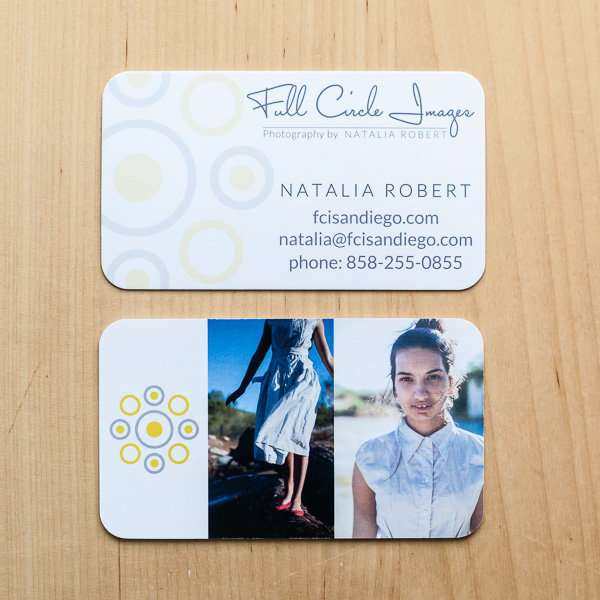
4. Put a photo on your business cards and hand them out to EVERYONE

We all have some sort of business card, so why not put a photo on there that will make people notice? It will give them something to “ooh and aah” over when they first get your card, and it will be a memorable card that they’ll recall easily.

Color photos on back side of business card

Color photos on back side of business card

5. Seek out opportunities and ask for a chance

If you want to shoot large events, check local calendars or your convention center for what’s going on in your area. Contact these organizations and see if they have photography coverage booked. Sometimes all it takes is asking. Have you participated in a great event and want to be involved as a photographer? Ask them! Having someone help that has already been involved in the event will be a big bonus for them.

6. Become a source

Write articles. Start a blog. Use Meetup.com to start a group and lead photo walks or workshops. Use social media to follow folks you admire, and connect with them. Interaction is key. If they post something of interest to you, thank them for it or ask a follow-up question. If you have a link (not necessarily your own) that relates to something they are speaking about, be a resource for them and share the link. By doing so, you build credibility and create a professional relationship, and will therefore be someone that comes to mind for future needs.

Marketing-tags2

7. Make sure you love the work that you’re sharing

Passion is contagious and palpable. If you’re excited, others will get excited and will be more willing to help out in any way they can. It’s that simple.

8. Offer a free session to a strategic friend or family

The key word here is strategic. If you give away services that you would normally charge for, be sure that there is a reason for giving it away. For example, if you are looking to do more family portraits, offer a session to a well-connected friend with kids. Be sure that it’s someone who is active on social media so that they will share your work if they like it. Also, be sure to ask for a testimonial for your website.

A free sample session for marketing to families

A free sample session for marketing to families

9. Collaborate

Strategic partnerships are much better when you create something cool together that you can show off. Maybe you organize a styled wedding shoot with other wedding vendors (and then you can submit images for features in local wedding publications). For kids, maybe you put together an elaborate cake smash session with folks that do cakes, kids clothing, party decor. Not only do you have something beautiful to show from your collaboration, but these fellow vendors will be a great source for referrals as well.

Strategic collaboration with a food stylist and wine brand

Strategic collaboration with a food stylist and wine brand

10. Incentives

You may have heard of giving incentives for referrals or to new clients, but how about giving incentives to your existing client base? If you do family sessions, you can send an email offering a small discount for booking their following year’s portrait session early. If you have wedding clients, touch base with them on their first anniversary, and then again at milestones to offer a discount for booking with you for updated portraits. If you’ve worked with a local business before, contact them periodically and offer a small discount to book for new product shots, new headshots, or photos of their new location. Be sure to put an expiration date on these discounts to encourage folks to book early.

One thing to keep in mind with any marketing tactic is that it will most likely not provide instant results, so you need to be patient and consistent. Only you can determine when it’s time to give up, and move on to something that will be a better fit for your business, but patience and consistency will help yield results.

What marketing strategies have you made that had great results? Do you have other ideas for free or low-cost marketing? Please share in the comments below.

googletag.cmd.push(function() {
tablet_slots.push( googletag.defineSlot( “/1005424/_dPSv4_tab-all-article-bottom_(300×250)”, [300, 250], “pb-ad-78623” ).addService( googletag.pubads() ) ); } );

googletag.cmd.push(function() {
mobile_slots.push( googletag.defineSlot( “/1005424/_dPSv4_mob-all-article-bottom_(300×250)”, [300, 250], “pb-ad-78158” ).addService( googletag.pubads() ) ); } );

The post 10 Low-Cost Marketing Strategies for Your Photography Business by Natalia Robert appeared first on Digital Photography School.


Digital Photography School

 
Comments Off on 10 Low-Cost Marketing Strategies for Your Photography Business

Posted in Photography


10 Fresh Photography Business Articles to Help You Thrive in 2015

02 Mar

Finally, spring came up and it’s a wonderful time of the year to start grow your business and improve yourself as a photographer. We do a little search to find the best fresh photography business articles from leading blogs which will help you to thrive in 2015. Here you’ll see 80 online and offline marketing strategies for photographers, the recipe Continue Reading

The post 10 Fresh Photography Business Articles to Help You Thrive in 2015 appeared first on Photodoto.


Photodoto

 
Comments Off on 10 Fresh Photography Business Articles to Help You Thrive in 2015

Posted in Photography