RSS
 

Posts Tagged ‘Best’

You Are Your Own Best Teacher – Learning From Your Photography Mistakes

11 Feb

The post You Are Your Own Best Teacher – Learning From Your Photography Mistakes appeared first on Digital Photography School. It was authored by Herb Paynter.

Personal experience is the very best teacher. Reading tutorials, studying the professionals, and mastering the fundamentals will certainly incrementally improve your photographic skills, but you’ll grow exponentially when learning from your photography mistakes. This is most true when you study your mistakes. You only learn when you make a mistake and know why.

James Baldwin

Learning from your photography mistakes

Conversely, if you don’t seriously study the shots that you captured from each outing (both good and bad), you’ll be more prone to make those mistakes again and again and never clearly understand why. Discovering how camera settings and scene lighting produced specific results can give you real insights that even a private tutor may not deliver. You are your own best teacher because this kind of lesson is concentrated on you alone and concerns you alone. You aren’t competing with anybody else, nor are you being judged by anyone else.

Metadata and EXIF Information

Metadata is the techno-term for the settings your camera uses to capture digital pictures; which includes File Properties and Exif (camera capture data). Every camera collects facts that describe just about everything your camera knows about the pictures it takes.

Metadata and Exif information accompanies every image captured and is disclosed by a variety of different software applications, and it is exhaustively disclosed in Adobe’s Bridge software. The illustrated examples in this article have were captured from Bridge. While Lightroom delivers a small subset of this information, Bridge lists virtually everything and acts as a “bridge” (clever name) between the files and other Adobe software to catalog and process the images.

1 - Learning from your photography mistakes

Metadata reveals that this photo was set up in Auto mode with AWB (Auto White Balance) and Matrix metering which opened the Aperture to 3.5, evenly exposing the scene and allowing the camera to correctly balance the colors based on the neutral gray elements in the scene.

2 - Learning from your photography mistakes

This shot illustrates the danger of setting the camera for full Manual operation but incorrectly selecting Tungsten lighting as the light source which biases the colors toward the cooler (blue) side of the spectrum. Tungsten setting expects the yellow cast of tungsten lights, however, the outdoor lighting was shaded sunlight. The Aperture was set manually to f/22 which did not allow enough light to expose the darkened scene.

Discover what works and what doesn’t

Get hard on yourself and discover what works and what doesn’t. Then try to repeat the results you received from your best shots. If you make this exercise a habit, and seriously analyze why some shots worked, and others didn’t, you’ll improve with every outing. Learn to appreciate the “keepers” but don’t view the rejects as failures… they are merely lessons from which to learn.

Note the difference that the time of day makes and the angles (and severity) of the shadows produced during different hours of the day. Take notes on why some shots are 5-star picks, and some others are rejects. Become a student of your work and watch your learning curve shorten.

This metadata also teaches you the limitations and restrictions of specific settings. Sometimes processes that fail are caused by equipment failure rather than judgment error. Here’s an example of the camera being set up for a flash image but encountering an entirely different lighting condition when the flash failed to fire. The ripple effect of a flash misfire caused a massive failure in the camera’s exposure, focus, and color.

3 - Learning from your photography mistakes

The metadata reveals that this image was captured correctly. All processes functioned as expected, resulting in a color-correct, well-exposed picture.

4 - Learning from your photography mistakes

The metadata in this file reveals why the image is overexposed, grossly discolored, and blurry. While the flash was instructed to fire, it failed (probably because the flash was fully charged and ready to fire). This resulted in an image that the camera’s settings (Aperture Priority and Auto exposure) forced the camera to compensate the lack of flash lighting with extremely slow shutter speed. The yellow cast was the result of tungsten lighting in the room while the image sensor’s color balance expected daylight (flash temperature) settings.

Develop a routine

Develop a routine and a personal discipline that forces you to shoot during the same time of day for a full week. Note that I said “force,” rather than try. Personal discipline is a wonderful trait and one that can improve your photographic skills very quickly. Who knows, it might actually affect other areas of your life that need improvement too.

If you only shoot occasionally, you’ll develop skills at a slower pace. Moreover, if you only critically review your work occasionally, you’ll learn at a snail’s pace. Make the review process a regular exercise, and it becomes habit… a good one. I once had a professor who stated in almost every class, “repetition is the exercise of your mental muscle.” The advice sounded strange back then, but it makes perfect sense now.

Every session you shoot produces winners and losers. Make it a habit to examine all metadata from your session to deduce what went right and what didn’t. More importantly, you’ll learn why. Take ownership of your mistakes, especially errors in judgment. You only grow when you recognize a mistake and work to overcome it. While you’ll always be very proud of the great shots you take, you’ll learn more from the shots that didn’t work!

5 - Learning from your photography mistakes

The metering used in this shot was Pattern or Matrix, which averages light readings from the entire frame to influence the shutter speed. The average exposure was based on middle-tone (18%) gray. The sunlight reflecting from the sand on the ground and the black feathers in the bird’s wings established the outer parameters of the exposure, producing an unacceptably dark overall exposure. Had I chosen Spot metering, the picture would have considered only the tones in the middle of the frame, thus lightening the overall exposure.

More often than not, this examination shows you how your camera reacts to specific lighting in a scene. It sometimes produces profound shifts in exposure from small differences in the framing of a scene. Weird but true. While cameras are thought to have “intelligence,” in reality they have no intelligence or no judgment capabilities of their own. They’re merely algorithms that affect settings based on the lighting observed in the scene.

6 - Learning from your photography mistakes

The camera angle was shifted to reduce the amount of sunlight reflection in the frame which, in turn, changed the lighting ratio and lightened the resulting exposure. Reviewing this result taught me to carefully evaluate a scene for content before choosing a metering system.

There are many ways to learn

There are many ways to learn. Taking courses online, reading tutorials and technique books, and tips and tricks columns all teach us a little something more. Years ago I decided to learn how to play the game of golf. After shooting some very embarrassing and humbling rounds, I realized that I desperately needed help. I bought many golf magazines and tried to mimic the stance and swings pictured in the exercises. I watched a large number of video tutorials and listened to advise from everybody, but my game remained poor.

Nothing improved and I only became discouraged. It was when I practiced the disciplines on a regular basis and took serious notes on what worked and why that my game began to improve. I continued to fail simply because I didn’t analyze (and learn from) my mistakes. You learn a lot when you expose yourself to the valuable experience of others, but you’ll only truly grow in your photography skills after you study your own results. So here’s an exercise:

An exercise to help you learn

Open any of the excellent software packages that display both the Metadata (aperture, metering type, ISO, color mode, and shutter speed) and Camera Data, or Exif information (exposure mode, white balance, focal length, lens used, light source, flash behavior, etc.) from both RAW and formatted photos.

Set the View in the software so that you can observe the images in browser or catalog mode, allowing you to see thumbnail views of the files in each session. Also, set the window to display the settings for each image as you step from one image to another.

Whether you shoot in Manual, Aperture or Shutter priority, or even Auto mode, the software lists the individual camera settings exhaustively for each image.

Next: note the variations in lighting between the images and recognize what changes in the camera settings cause the small shifts in the results. Each variation gets linked to one or more of the camera settings; sometimes just a small shift in ISO.

If you allow Auto to control any aspect of your shots, the camera makes subtle changes to shutter speed, ISO, or aperture. Using Auto can be very beneficial in this learning stage because you’ll see how each of these controls affects the appearance.

Make a short columned note card and enter the basic settings for the keepers. Add the weather and lighting conditions that existed at the time of the shot.

Keep this note card in your camera bag and try to replicate the results from the keepers.

Repeat this exercise regularly and watch your results, judgment, and predictability improve.

Conclusion

You are your best teacher and your camera’s metadata and EXIF information recorded automatically with every shot is the notebook recording detailed information about every shot. Your confidence and efficiency should improve along with your photography when you study your notes. Who knows, this could be the shot-in-the-arm that pushes you forward.

Share with us how you have learned from your own mistakes in the comments below.

The post You Are Your Own Best Teacher – Learning From Your Photography Mistakes appeared first on Digital Photography School. It was authored by Herb Paynter.


Digital Photography School

 
Comments Off on You Are Your Own Best Teacher – Learning From Your Photography Mistakes

Posted in Photography


Comparative review: The best pocket printer in 2019

27 Jan
From left to right: Fujifilm Instax Share SP-2, Canon Ivy, Polaroid ZIP

With the resurgence of the instant camera, photographers and non-photographers alike have found a new love for printed photos. Enter pocket printers, a recent addition to the accessories market that offer portable, fast and simple photo printing. These pocket printers all work in basically the same way: They’re powered by rechargeable batteries, and once you connect your smartphone or camera via Wi-Fi/Bluetooth you pick your image, make an edit via the app (if you want to) and then click print.

Our selections were the Polaroid ZIP, Canon Ivy and Fujifilm Instax Share SP2

For a lot of photographers, these printers will feel a little gimmicky, but that doesn’t mean they aren’t useful and fun. So, we took three of the most popular models and played around with them to see which one we like best. Our selections were the Polaroid ZIP, Canon Ivy and Fujifilm Instax Share SP2, though it should be noted that many other brands have comparable offerings including HP and Kodak.

Specifications compared

Polaroid ZIP Canon IVY Fujifilm Instax Share SP-2
Dimensions 2.9 x 4.7 x 0.9 in 3.2 x 4.7 x 0.7 in 3.5 x 5.2 x 1.5 in
Weight 6.6 oz. (186g) 5.6 oz. (159g) 8.8 oz. (250g)
Powered by Micro USB Micro USB Micro USB
Battery Rechargeable 500mAh Lithium Polymer battery Rechargeable 500mAh Lithium Polymer battery Rechargeable 500mAh Lithium Polymer battery
Charge Time 1.5 hours 1.5 hours 1.5 hours
Prints per charge 25 20 20
Print time ~45 sec ~51 sec ~20 second + ~5 minutes to develop
Print paper / ~cost per shot Zink photo paper / ~$ 0.50 per shot Zink photo paper / ~$ 0.50 per shot Instax Mini /
~$ 0.50 per shot
Print format 2 x 3 in 2 x 3 in 1.8 x 2.4 in
Connectivity Bluetooth Bluetooth Wi-Fi
Price $ 99.95 $ 129.99 $ 139.95

Spec-wise, the Canon and Polaroid are virtually the same (this will come up again). With that out of the way, lets start with the obvious. The Fujifilm is a bit thicker and heavier than the other two. While the Canon and Polaroid are pretty comparable to a portable hard drive, the Fujifilm feels closer to single-serving cereal boxes in size. While the size is definitely noticeable, the weight difference is pretty negligible given that none of these printers are heavy by any stretch of the word.

To get an idea of their size, here’s all three printers next to a standard pack of playing cards.

The other major difference comes down to the printing format. The Polaroid and Canon both use ZINK paper (meaning, Zero Ink). This process works through cyan, yellow and magenta layers within the paper that respond to heat provided by the printer, making your photo possible. Meanwhile, the Fujifilm uses the same instant film as the Fujifilm Instax Mini line of cameras. (Note: Fujifilm also offers a square format printer that we assume works identically) ZINK paper prints as a 2″ x 3″ image with no border (by default, more on that later) on a sticky backed paper (read: sticker) while the Fujifilm instant film prints a 1.8″ x 2.4″ image with the instant film border that we all know and love (or maybe just know… I love it, but that’s just me).

Polaroid ZIP Canon Ivy

Design wise, the Polaroid and Canon basically just look like cute little hard drives and the Fujifilm has kind of an odd sleek sci-fi aesthetic to it. The Polaroid and Canon are available in a couple of colors (mostly pastels,) while the Fujifilm is available in silver or gold. The corners on the Polaroid and Canon are very round while they are a little more angular on the Fujifilm but still not sharp in any sort of way. The Canon also features a small loop for a strap.

In use

Ultimately, these three printers work in very similar ways. Of the three apps the design on the Canon app is definitely the most attractive though the Polaroid app is in a close second with just little bit less attention paid to how things flow. The Fujifilm app is ugly with colored tiles that feel like they were picked with very little design intent. That being said, I actually found that the interface of the Fujifilm app was the best when it came to usability. The differences here are minimal and in the end each app worked just fine.

One nice touch on the Fujifilm is that it will display the number of prints left

The apps feature a slew of options and customizability including: frames you can add to your photos, filters, basic color and exposure adjustments, cropping, and “stickers” you can add on top of photos. Outside of the frames, I didn’t find much appeal in most of these features. The color and exposure adjustments I tried seemed to only degrade the image quality and didn’t improve things much. I would say you’re better off using whatever editing software your smartphone comes with and just printing the edited photo through the printer’s app.

An example of one of the many lovely border options on the Polaroid ZIP app. Note: the sticker peeling after ~2 weeks.

Physically, they’re all fairly portable (though again, the Fujifilm less so), charge with a simple Micro USB cable, and use a variety of green, red and white lights to indicate their charging status or if there’s an error. One nice touch on the Fujifilm is that it will display the number of prints left in the pack when you turn it on. Loading film into all three of these is as easy as can be though the Fujifilm requires some reading/fiddling to figure out the first time.

The Fujifilm also allows you to remove and replace the NP-45S battery

Another nice feature on the Fujifilm is that it stands up on it’s own, taking up less desk space. The other two can only lay flat. The Fujifilm also allows you to remove and replace the NP-45S battery while the other two don’t have removable batteries.

All three of these printers were fun and easy to use.

In terms of the print time, there’s a clear winner: Fujifilm. If you’re looking to hand out prints fast, the SP-2 can churn them out in 20 seconds. That said, the 45-60 second range of the Polaroid and Canon didn’t feel excessive at all.

Lastly, the Fujifilm has one very big feature that only applies to those that own other modern Fujifilm cameras. Unlike the Polaroid and Canon (and most other pocket printers on the market) the Fujifilm can print directly from a handful of Fujifilm cameras. The compatible models are as follows: GFX 50S, GFX 50R, X-H1, X-Pro2, X-T3, X-T2, X-T20, X-T100, X-E3, X-A5, X100F.

Print Quality

The prints are just a bit smaller than an average playing card (left to right: Fujifilm, Canon, Polaroid).

Well let’s just get this right out of the way – compared to a dedicated inkjet photo printer, they all suck. These 3 pocket printers are exactly that, pocket printers. If you’re expecting true high quality prints out of these things then you’ll be disappointed.

$ (document).ready(function() { SampleGalleryV2({“containerId”:”embeddedSampleGallery_7886118704″,”galleryId”:”7886118704″,”isEmbeddedWidget”:true,”selectedImageIndex”:0,”isMobile”:false}) });

Let’s talk about the Polaroid and Canon prints first. I noticed a lot of over-sharpening in these both. Interestingly, despite the near-identical design, they show a really obvious difference in their prints; the Polaroid leans warmer and the Canon leans cooler. The Canon prints also seem to have a bit less of that over-sharpening which definitely helps in making people’s skin look more natural. Definitely keep in mind that these are small prints. Not your standard 4×6 but rather, half of that.

Keep in mind that these are small prints. Not your standard 4×6 but rather, half of that

As for the Fujifilm, because it uses instant film as opposed to photo paper, there’s a much different look to these prints. They’re soft and almost blurry, especially in comparison to the look of the Canon and Polaroid. The color seems to lean a bit cooler as well but I found that the color reproduction on the Fujifilm prints was without a doubt the best of the three. The Fujifilm prints also have a glossier finish than the others.

And the winner is… Fujifilm

Film (or paper) will cost money.

The Polaroid and Canon are extremely portable and if nothing else make for a really easy way to print custom stickers that reference specific memories you’ve captured on your phone. But the Fujifilm Instax Share SP-2 produced the most-pleasing images, prints the fastest, can connect to Fujifilm cameras and indicates the number of prints left. For that reason, it’s our choice.

Our pick: Fujifilm Instax Share SP-2

What we like:

  • Most pleasing print-quality
  • Prints in 20 secs
  • Indicator for number of prints left
  • Stands up-right
  • Print directly from Fujifilm digital cameras

What we don’t:

  • Larger and heavier than the competition
  • App design is ugly
  • Prints are pricey

Note: All of the images printed were taken with and printed from the apps on a Samsung Galaxy S9.

Articles: Digital Photography Review (dpreview.com)

 
Comments Off on Comparative review: The best pocket printer in 2019

Posted in Uncategorized


Fujifilm X-T3 versus Fujifilm X-H1: The Best Mirrorless Camera for You?

14 Jan

The post Fujifilm X-T3 versus Fujifilm X-H1: The Best Mirrorless Camera for You? appeared first on Digital Photography School. It was authored by Suzi Pratt.

Fujifilm was on a roll this year releasing a slew of gear including two very popular mirrorless cameras: the Fujifilm X-H1 and Fujifilm X-T3. Released a mere 7 months apart, these two cameras have amateurs and professionals alike wondering which is better suited for their needs.

Key Specs

Fujifilm X-H1 vs X-T3

Fujifilm X-T3

One of Fujifilm’s most popular cameras to date has been the X-T2, so it’s no surprise that many loyalists to the X-T line were awaiting the third generation. The Fujifilm X-T3 is the newest Fuji camera to date, using a brand new sensor and processor. As a result, it has quite a few advantages over all other Fujifilm cameras, including boosted battery life. It continues to enhance photography features with its larger sensor resolution (8% more pixels), 100 more focus points, faster continuous shooting (6 fps faster), and the inclusion of a flash sync port. Fujifilm also added a slew of video features such as 4K60p, higher bit rate (400mbps), and a headphone port. All in all, the X-T3 is made to entice today’s hybrid photo and video shooters.

  • Announced: September 2018
  • Fujifilm X-Mount
  • Comes in black or silver
  • 26MP – APS-C BSI-CMOS Sensor
  • No Anti-aliasing (AA) filter
  • ISO 160 – 12800
  • 3.2 Tilting Screen
  • 3690k dot Electronic viewfinder
  • 20.0 fps continuous shooting
  • 4096 x 2160 video resolution
  • Built-in Wireless
  • 539g. 133 x 93 x 59 mm
  • Weather Sealed Body

Fujifilm X-H1 vs X-T3

Fujifilm X-H1

Brand new to the Fujifilm X-Series lineup is the X-H1. It is the first X-Series camera to have in-body image stabilization (IBIS), which is essential for shooting more stable handheld video and lowlight photos. This is the main advantage that the X-H1 has over the X-T3.

  • Announced in February 2018
  • Fujifilm X-Mount
  • 24MP – APS-C CMOS Sensor
  • No Anti-aliasing (AA) filter
  • ISO 200 – 12800
  • Sensor-shift Image Stabilization
  • 3 Tilting Screen
  • 3690k dot Electronic viewfinder
  • 14.0 fps continuous shooting
  • 4096 x 2160 video resolution
  • Built-in Wireless
  • 673g. 140 x 97 x 86 mm
  • Weather Sealed Body

3 reasons to pick the X-H1 over the X-T3

1. Built-In Image Stabilization (IBIS)

As mentioned above, the X-H1 is the only Fujifilm camera to offer in-body stabilization. This means that even your lenses without Optical Image Stabilization (OIS) will be stabilized by the camera. With that said, if you use an OIS lens on the X-T3, you can still get a degree of stabilization even without IBIS.

2. Top LCD

The X-H1 physically resembles DSLRs in several ways, namely via its top LCD. This can be helpful for viewing and changing settings in the dark, and also for seeing your battery levels without turning the camera on.

Fujifilm X-H1 vs X-T3

3. Larger overall footprint.

Overall, the X-H1 is physically larger than the X-T3 and is closer in looks to the Fujifilm GFX camera line. The X-H1 is about 134 grams heavier and has a noticeably larger right-hand grip. While many people purchase mirrorless cameras with the idea of having a smaller, more compact camera, you may prefer the X-H1’s larger size if you have big hands or tend to use Fujifilm’s large red badge lenses.

4 reasons to pick the X-T3 over the X-H1

1. Enhanced Autofocus

Fujifilm made significant autofocus improvements to the X-T3, now offering 425 hybrid autofocus points. That’s 100 more autofocus points than both the X-T2 and the X-H1. Additionally, both face and eye detect have been enhanced and they are much more responsive and accurate on the X-T3 than on previous Fujifilm cameras. I will say, however, that Sony still leads the pack in terms of face and eye detect in particular.

Fujifilm X-H1 vs X-T3

2. Faster continuous shooting

The X-T3 also ups the ante in continuous shooting. Now able to shoot 11 frames-per-second (fps) with the mechanical shutter, 20 fps with the electronic shutter, and 30 fps in 1.25x crop mode with the electronic shutter. In comparison, the X-H1 also shoots 11 fps mechanical, but only 14 fps with electronic. If frames per second and continuous shooting are of importance to you, the X-T3 is your best bet.

3. Higher quality video settings

Despite the X-H1 being intended as Fujifilm’s video-oriented mirrorless camera, the X-T3 doesn’t skimp on video features. In fact, the X-T3 outperforms the X-H1 when it comes to bitrate (400mbps vs 200mbps), and its ability to shoot at 4K60p (compared to the X-H1’s 4K30p). Also, the X-T3 has a headphone jack to monitor audio–this is a feature you can only get on the X-H1 if you use the accompanying battery grip.

4. Lower price point

In addition to a new processor and sensor, the Fujifilm X-T3 also boasts a lower price point of $ 1499 versus $ 1899 for the camera body only. That’s a $ 400 difference that could be put towards a new lens or camera accessory.

Fujifilm X-H1 vs X-T3

Common ground – X-H1 and X-T3

Both the Fujifilm X-H1 and X-T3 have many features to make them viable competitors in today’s hot mirrorless camera market. Here’s what they have in common:

  • Wireless and Bluetooth connection
  • Smartphone camera control via an app
  • Articulating rear touchscreen LCD screens (but no selfie flip out screen)
  • Timelapse recording
  • 2 SD card slots
  • Ability to shoot in RAW and JPG (for stills) and f-log (for video)
  • Fujifilm’s famous film simulations, including the newest Eterna
  • Firmware updates that are actually helpful — Fujifilm is known for listening to its customer base and releasing significant firmware updates for cameras and lenses.

In Conclusion

As a newer camera with more photography and video features AND a lower price point, the Fujifilm X-T3 will probably be the camera of choice for most people. Even Fujifilm seems to have realized this as the X-H1 has dropped in price to be very competitive with the X-T3. However, if you’re a serious videographer who isn’t in a hurry to get a new camera, it is probably worth waiting to see what Fujifilm does with the next generation of the X-H1: the X-H2. Although nothing official about the X-H2 has been announced yet, Fujifilm is famous for taking customer feedback seriously and many Fuji enthusiasts believe the X-H2 will be the ultimate video camera. We’ll wait and see!

Video with sample images and footage

Most comparisons were done in video form, so please check out the video below to see X-H1 and X-T3 sample video and photos.

?

The post Fujifilm X-T3 versus Fujifilm X-H1: The Best Mirrorless Camera for You? appeared first on Digital Photography School. It was authored by Suzi Pratt.


Digital Photography School

 
Comments Off on Fujifilm X-T3 versus Fujifilm X-H1: The Best Mirrorless Camera for You?

Posted in Photography


Best Photos of 2018 by JMG-Galleries Blog Readers

09 Jan

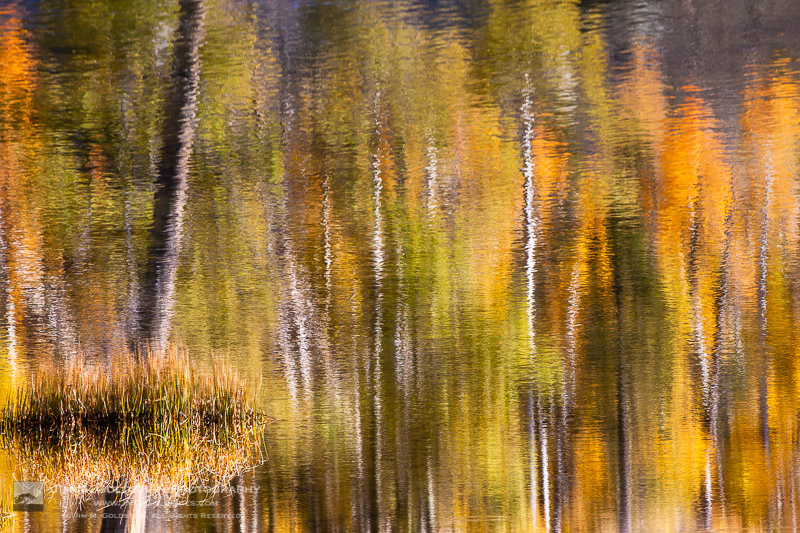
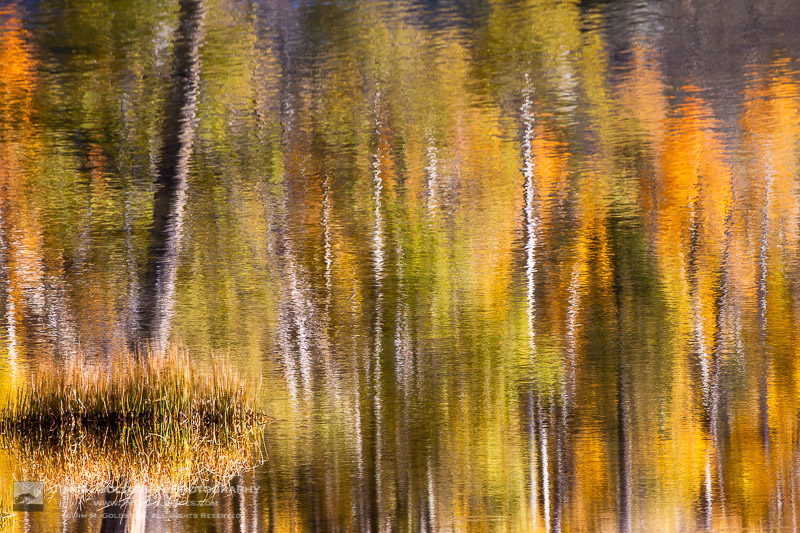
Fall Color AbstractI’m excited to share the results of my 12th annual Best of Photos project.  115 photographers from around the world (amateur and professional alike) have shared their best photos of 2018.  I’m always amazed at the quality of work shared and I hope it’s a source inspiration to you for the coming year.

For those who are new to my blog project, photographers taking part span the gamut of photo enthusiasts to professionals. The great thing about photography is that no matter what your skill level we all can relate equally in our love for the art of photography and visually exploring. With that in mind I encourage you to reach out to photographers whose work you enjoy to keep sharing & growing as an artist.  I am incredibly thankful that this tradition has been embraced and enjoy seeing how familiar faces have evolved their work & grown over the years.  I hope reviewing your best photos of the year and comparing them to years pasts keeps you inspired and aware of your progress as a photographer.

If you’d like to take part next year and be informed when submissions open for the “Best Photos of 2019” blog project add your name to my mail list. You won’t be spammed. I send out newsletters quite infrequently.

Thank to everyone who took part!  I invite you to visit each link below as I have and introduce yourself to many of the participating photographers.

Best Photos of 2018

  1. Jim Goldstein – Best Photos of 2018 by Jim M. Goldstein
  2. Michael Russell – My Top 10 Photographs Of 2018
  3. Dave Wilson – Best of 2018
  4. Joseph Smith – 2018 Favorites – A Baker’s Dozen
  5. Randy Langstraat – My Ten Favorite Photos of 2018
  6. Chuq Von Rospach – Chuqui 2018 Best Of Photos
  7. Rachel Cohen – Best of 2018
  8. Lucy Autrey Wilson – A Thousand Words
  9. Romain Guy – Best of 2018
  10. Alexander S. Kunz – My Favorite Photos from 2018
  11. Stefan Baeurle – Top 10 Favorites of 2018
  12. QT Luong – 2018 in Review
  13. Jenni Brehm – Best pf 2018 – Changing Perspectives
  14. Sean Bagshaw – My Favorite Photos Of 2018
  15. Johann A. Briffa – 2018: A Photographic Retrospective
  16. Exploring Light – 2018: A Year In Review
  17. Drake Dyck – Top Ten (favourite) Images of 2018
  18. Richard Wong – Fine Art Photography Prints – 2018
  19. Ramen Saha – 2018 – Ten moments
  20. Martin Quinn – Quinn Images 2018 Favorites
  21. TheDarkSlides – TheDarkSlides Best of 2018
  22. Denise Goldberg – top photos :: 2018
  23. Peter Carroll – Favourites of 2018
  24. Jeff Hubbard – Ten Favorite Photos 2018
  25. Gary Crabbe – My Favorite Landscape Photos of 2018 – A Year-End Retrospective
  26. Harold Davis – Harold Davis – Best of 2018
  27. Werner Priller – My Favorite Images of 2018/
  28. Phil Colla – Natural History Photography – Best Photos Of 2018
  29. Aaron Hockley – Tech Photo Guy: Best Photos of 2018
  30. Dan Baumbach – 2018 in Review
  31. Jao van de Lagemaat – Jao’s best images of 2018
  32. Pete Miller-USKestrel Photography – Favorite Images of 2018
  33. Shikha – Eastern Sierra – My favorite images of 2018
  34. Bruce Leventhal – Reflecting on 2018
  35. Christopher Sheppard – The Stories Behind My Favorite Photographs of 2018
  36. Alan Majchrowicz – Photo Highlights 2018
  37. Tom Whelan – Nature Diary
  38. Todd Henson – Best Photos of 2018: My Favorites of the Year
  39. Khürt Williams – Island in the Net
  40. Patricia Davidson – My Top 10 Favorite Photos of 2018
  41. Russ Bishop – 2018 – The Year in Pictures
  42. Jim Coda – Some of My Favorite Images from 2018
  43. Steve Cole – Birds Eye View of 2018
  44. Fred Mertz Photography – Best Photos of 2018
  45. Martijn van der Nat – Best of 2018
  46. Graf Nature Photography – Twenty Eighteen Wanderings
  47. Scott Thompson – My Top 10 Tahoe Area Photos of 2018
  48. Kyle Jones – 2018 Favorites
  49. Clint Losee – My Best Landscape and Nature Photos of 2018
  50. Caleb Weston – Caleb Weston – Dubland Media
  51. Greg Clure – Best of 2018
  52. Rick Holliday – Favorites from 2018
  53. J.J. RAIA – J.J. RAIA Best Photos of 2018
  54. Francis Gagnon – Francis Gagnon Best Photos of 2018
  55. Mike Chowla – My Ten Best of Images of 2018
  56. Carl Donohue – 2018 in photos
  57. Kurt Lawson – 10 Favorites of 2018: From Lava Rivers in Hawaii to Yosemite Snowstorms
  58. William Bean – William Bean
  59. T.M. Schultze – My Favorite Photographs of 2018
  60. Andrew Thomas – Aerial Adventures – Best of 2018
  61. Matt Conti – 2018 Top 20 Photos
  62. Daniel Leu – Favorites – 2018
  63. Carol Schiraldi – Best of 2018 from Carol’s Little World
  64. Alan Dahl – 2018 Favorite Photos
  65. Milan Hutera – 2018 in Pictures
  66. Kathy Barnhart – Flickr Sensing Light Best of 2018 Album
  67. Greg Russell – Alpenglow Images 2018 Year in Review
  68. Derrald Farnsworth-Livingston – Top 10 Favorite Images from 2018
  69. Kevin Ebi – Living Wilderness: Best of 2018
  70. Jackson Frishman – Favorites of 2018
  71. Greg A. Lato – My Favorite Photos of 2018
  72. Mike Shipman – Mike Shipman’s Best of 2018
  73. Beth Young – Best Photos of 2018
  74. Dale Grosbach – My Favorites – 2018
  75. Brent Huntley – Photography and Travel
  76. Charlie Russell – Best Wildflower Photos for 2018
  77. Bryan William Jones – Jonesblog
  78. Tony Wu – Favorite Photos of 2018
  79. Adrian Klein – 2018 Photo Retrospective
  80. Scott McGee – Top 10 of 2018
  81. William Neill – My Favorite Photographs of 2018
  82. Thomas Yackley – Yackley Photo
  83. Anne McKinnell – Best Photos of 2018
  84. Holly Davison – Top Ten of 2018
  85. Brian Knott – Brian Knott Photography 2018 Year In Review
  86. Anna DeStefano – Affirmation Photography’s Best of 2018
  87. Ingeborg Fernau – Magicalglow Photography Blog
  88. Emil Powella – Top 10 of 2018
  89. Elduro Tuco – Elduro Tuco
  90. Eric Chan – Favorites From 2018
  91. TP Chapman – Best of 2018
  92. Ilias Katsouras – Okrivadas
  93. Molly Dean – Best Photos of 2018
  94. Sarah Marino – 2018 Wrap-Up and a Few Favorite Photographs
  95. Michael Frye – My Top Photographs of 2018
  96. Jim Stamates – Memories of 2018
  97. Tim Aston – Favorites from 2018
  98. Samantha Decker – My Best Photos of 2018
  99. Bryn Tassell – Bryn Tassell favourites of 2018
  100. Mike Cleron – 2018 Favorites
  101. Carla Overduin – Best Photos of 2018
  102. Peter West Carey – Best Photos of 2018
  103. Simon C Ponder – SponderPoints
  104. Ron Niebrugge – Favorite Photos from 2018
  105. Steve Cozad – Best of 2018
  106. Björn Göhringer – My Top 15 Photos From 2018
  107. Neil Corman Photography – 12 Favorite Images from 2018
  108. Maurice O. Weaver – Best Photos of 2018
  109. Michael McCloskey – Best Photos of 2018
  110. Stephen L. Kapp – Best Photos of 2018
  111. Robin Black – Best Photos of 2018
  112. Kelly Castro – 10 FROM 2018
  113. Jeff Sullivan – My Top 10 Photos of 2018
  114. David Leland Hyde – Landscape Photography Blogger/Best Photographs of 2018
  115. Larry Angier – A collection of my best/favorites from 2016


Have a great 2019!

The post Best Photos of 2018 by JMG-Galleries Blog Readers appeared first on JMG-Galleries – Landscape, Nature & Travel Photography.


JMG-Galleries – Landscape, Nature & Travel Photography

 
Comments Off on Best Photos of 2018 by JMG-Galleries Blog Readers

Posted in Equipment


Best Photos of 2018 by Jim M. Goldstein

02 Jan

2018 has been quite the year. You wouldn’t know it from my blog, but it’s been one of the most hectic years I’ve had in a long time. Much of that centered around establishing a new home base for my family, albeit in the same area. Uprooting a family of 4 in the SF bay area is not for the light hearted. Luckily everyone has been quite excited about our move, but it has taken up most of my free time. I’m happy to say that I’m starting to get my nose above water and eager to do a bit more photography.

Another development this year was my acquisition of the domain calphoto.com and the CALPHOTO California photographic condition mailing list associated with the domain. Interested in real-time photo conditions across California? Then be sure to join. CALPHOTO is comprised of a great community of people who share a common interest in photographing and preserving the beauty of our state.

With limited time this year I focused on trips for my kids versus dedicated photo trips. In years past I’ve mentioned how my focus was to foster a deep appreciation of nature and the outdoors with my boys and that has firmly taken hold. I am regularly asked when our next camping trip will be and what other cool places we can visit. I also get a great deal of joy from the kids when we’re driving around town and an epiphany hits that we haven’t been to Yosemite in a while. I suppose that adds to the prospect of more photography and photo trips as they’ve been picking up an interest in taking photos too.

That should give you an idea of 2018 in a nutshell. Here are my 8 best photos of 2018…

Landscapes


Fall Color Abstract


Redwood Circle of Life


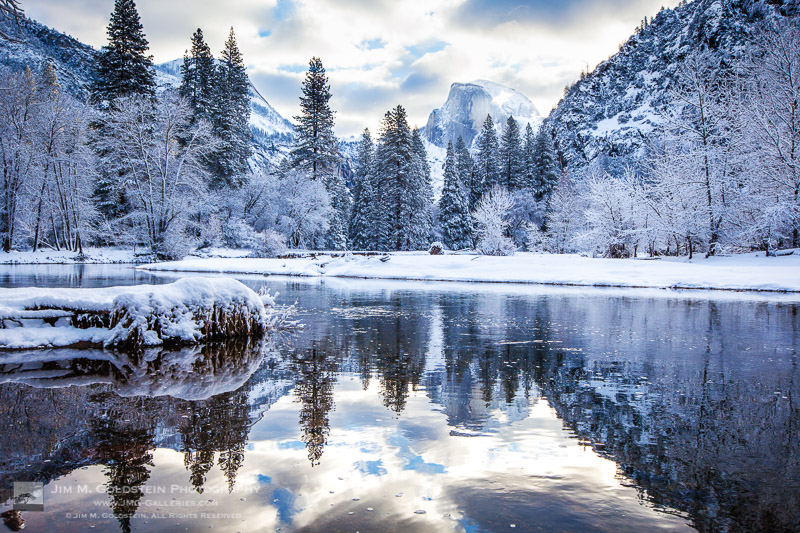
Fresh Snow in Yosemite Valley


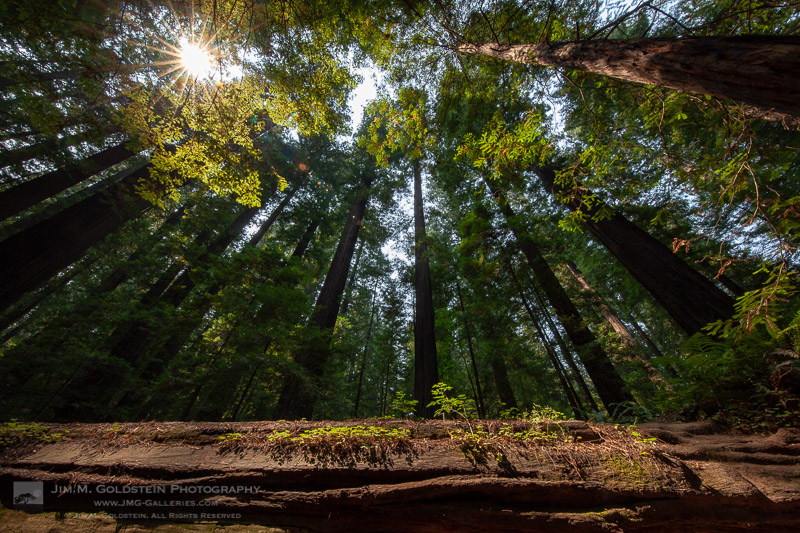
Rays of Sun in the Redwoods National Forest

Family Fun


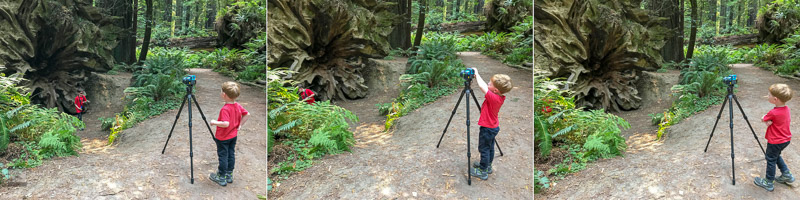
Someone has picked up good tripod technique by watching his dad. He started doing this on his own randomly during our trip. He was insistent he use my tripod even if he was just resting his camera on top of it without a base plate.


Fun at the Trees of Mystery


Trees of Mystery Portrait


Holiday Photo Hijinks

Thanks for looking and have a great new year!

The post Best Photos of 2018 by Jim M. Goldstein appeared first on JMG-Galleries – Landscape, Nature & Travel Photography.


JMG-Galleries – Landscape, Nature & Travel Photography

 
Comments Off on Best Photos of 2018 by Jim M. Goldstein

Posted in Equipment


DPReview TV: Best and worst of 2018

23 Dec

For weeks, we’ve been getting hammered with the question “Will Chris and Jordan continue their tradition of doing a Best and Worst year-end episode?”

Oh yes, dear readers, they will. And here it is. Pour yourself a cocktail and enjoy. And if you must, get ready to throw some rotten tomatoes at the screen if you don’t like their selections, and tell us why you disagree in the comments. They won’t take it personally – we promise.*

Get new episodes of DPReview TV every week by subscribing to our YouTube channel!

  • Introduction
  • Best Lens
  • Best Video
  • Best Camera
  • Worst Video
  • Worst Lens
  • Worst Camera
  • Wrap-up
  • Bonus Content

*They will probably take it personally, but go ahead and leave your comments anyway.

Articles: Digital Photography Review (dpreview.com)

 
Comments Off on DPReview TV: Best and worst of 2018

Posted in Uncategorized


Have your say: Best gear of 2018

19 Dec

Have your say: Best gear of 2018

For the past few weeks, our readers have been voting on their favorite photographic gear released in the past year in a wide range of categories. Now that the first round of voting is over, it’s time to reveal the winners.

Remember, it isn’t over just yet! It’s time now to pick an overall winner. Don’t miss your chance to cast your ballot – this one’s for all the marbles.

Best prime lens – Runner-up: Canon RF 50mm F1.2L USM

The 50mm F1.2 is a lovely, sharp lens for Canon’s fledgeling full-frame mirrorless lineup. It’s the lens we were most excited to get our hands on when the system made its debut, and it did not disappoint. Clearly, our readers agree that it’s a standout.

Best prime lens – Winner: Sony FE 24mm F1.4 GM

As impressive as the RF 50mm F1.2L is, Sony ultimately came up with the prime lens that our readers liked the best this year. The FE 24mm F1.4 GM is truly worthy of its ‘G Master’ designation, and best of all – it’s lighter than Canon and Nikon’s equivalent offerings. Lighter in weight and big on optical performance turns out to be a real winning combination.

Best zoom lens – Runner-up: Canon RF 28-70mm F2L USM

The RF 28-70mm F2L is an ambitious lens – and likely a hint of things to come for Canon’s full-frame mirrorless system. In use the 28-70mm F2 has impressed us with excellent image quality throughout its range, and our readers were clearly impressed too.

Best zoom lens – Winner: Tamron 28-75mm F2.8 Di III RXD

Sure, the appeal of a massive, fast zoom like the RF 28-70mm F2L is hard to deny. But there’s a special place in our readers’ hearts (ours too) for a lens that’s versatile as well as small and lightweight. It’s not quite as fast as this category’s runner-up, but its combination of size and optical performance put it ahead of the competition.

Best compact / fixed-lens camera – Runner-up: Panasonic LX100 II

We’re putting the finishing touches on our full Panasonic LX100 II review, but we’ve seen enough already to know that its image quality is solid. We think the Mark II version builds on what we already liked about its predecessor, and it seems that plenty of our readers agree that it’s more of a good thing.

Best compact / fixed-lens camera – Winner: Sony Cyber-shot RX100 VI

While there was plenty of love for the LX100 II in our poll, the Sony RX100 VI just couldn’t be caught. It’s our pick for the best fixed-lens camera of the year too – the RX100 series’ strong feature set pairs nicely with a longer zoom lens, making it the first true ‘travel zoom’ compact in the lineup.

Best entry-level ILC – Runner-up: Canon EOS M50

The Canon M50 offers an appealing combination of size and capabilities, and though its heavily-cropped 4K video leaves something to be desired, it’s one of our top picks of the year and it’s a favorite among our readership too.

Best entry-level ILC – Winner: Fujifilm X-T100

Our readers’ top pick in the category is another camera with a strong still photography pedigree: the X-T100. It combines a built-in EVF, tilting touch-sensitive LCD and the Fujifilm JPEG image quality we know and love so well. It’s a total package with a lot of appeal for those inclined toward street shooting.

Best mid-range ILC – Runner-up: Fujifilm X-T3

This was one of the closest races in our 2018 polls, and really, we had no doubt it would be. Coming in just shy of the winning camera is the X-T3 – a fantastic stills camera that happens to record excellent video as well. We think it’s one of the best all-around performers in its crop frame class, and our readership seems to agree.

Best mid-range ILC – Winner: Sony a7 III

The Sony a7 III just edged out the X-T3 to take the category, winning by under 3% of the vote. But even in a category of high-quality, versatile cameras, the a7 III stands out. That’s because it represents Sony at its best – bringing several generations’ worth of features and improvements together in a highly impressive package. It wins a competitive category and is sure to be a front-runner for Product of the Year.

Best high-end ILC – Runner-up: Nikon Z7

Nikon’s first step into the high-end, full-frame mirrorless market was a solid one. The Z7 is well-rounded and capable of seriously impressive image quality. In some ways it feels like a first-generation camera, but ultimately it’s a highly capable tool and one of the highlights of the year in our readers’ eyes.

Best high-end ILC – Winner: Fujifilm GFX 50R

The allure of medium-format, the ergonomics of a rangefinder-style camera and Fujifilm’s irresistible film simulation modes likely helped put the GFX 50R at the top of this category. It’s smaller and less expensive than the existing GFX 50S, making it one of the most approachable entry points yet to the world of digital medium-format shooting.

Have your say

You helped determine the winners in these individual categories, so now’s the time to cast your vote in one last poll! Choose up to three favorites from this list of winners and runners-up between now and January 4th, 2019 at midnight PT when the final poll closes. Watch for an announcement of the winners soon after.

As always, thanks for casting your votes and being a part of our community throughout the year.

.


Have your say

$ (document).ready(function() { Poll({“pollId”:”5001986557″,”openForVoting”:true,”mainElementId”:”poll0″,”slot”:null,”isSingleChoicePoll”:false,”minNumberOfChoices”:1,”maxNumberOfChoices”:3}); })

Have your say: Best product of 2018
Your answers
1. Required
2. Optional
3. Optional
You need to login to vote

Canon RF 50mm F1.2L

Sony FE 24mm F1.4 GM

Canon RF 28-70mm F2L USM

Tamron 28-75mm F2.8 Di III RXD

Panasonic LX100 II

Sony Cyber-shot RX100 VI

Canon EOS M50

Fujifilm X-T100

Fujifilm X-T3

Sony a7 III

Nikon Z7

Fujifilm GFX 50R

Voting is easy – you pick your favorite products by dragging and dropping. You can pick up to three, and rank them in order of priority.

Poll Rules:

This poll is meant to be a bit of fun. It’s not sponsored, promoted or paid for in any way and DPReview doesn’t care how you vote, so please don’t start a flame-war in the comments. Our readers’ polls are run on the basis of trust. As such, we ask that you only vote once, from a single account, and don’t vote purely just to sandbag another product or brand. Don’t be that guy.

Articles: Digital Photography Review (dpreview.com)

 
Comments Off on Have your say: Best gear of 2018

Posted in Uncategorized


Sony a7 III vs. Canon EOS R vs. Nikon Z6, which is best?

18 Dec

Introduction

Sony had the full-frame mirrorless market to itself for nearly five years. And, while it’s been doing clever and interesting things with the likes of the a9, it’s the more basic a7 models that have had the most impact. The original a7 was the least-expensive full-frame camera yet launched, which helped make the format look more accessible than it had been since the film era.

They’re all good cameras but there are practical differences

But it’s no longer alone, with both Nikon’s Z6 and Canon’s EOS R both arriving priced in the $ 2000 region. The Canon stands out a little, costing 15% more and, with its simpler control system, not being so overtly aimed at committed enthusiasts. But in most respects, these cameras are direct competitors.

Before going any further, we should make clear that they’re all good cameras (most modern cameras are), they’re all very well built and can all take great photos, so don’t listen to anyone who says any one of them is terrible. However, there are practical differences, so we’re going to look at what each offers in different shooting situations.

Loyalty and inertia

This article primarily looks at the cameras themselves, but lenses should play a fundamental role in any decision. If you have no commitment to an existing system, you can skip ahead to the next slide, but if you already own some lenses, does that mean you have to stay on-brand?

It might be worth taking stock of how committed you really are to your existing lenses

Owners of Nikon lenses can adapt them to work on Sony cameras (and, in theory, someone enterprising could develop an F-mount to Canon RF adapter). But Nikon’s complex legacy of autofocus and aperture actuation systems mean adapting them to other bodies often gives a pretty poor experience. This gives the Nikon Z6 a bit of an edge for F-mount shooters but even then, any lens without its own AF motor is rendered manual focus only on the Nikon.

Legacy DSLR lens compatibility
Canon EF mount lenses Nikon F mount lenses Sony/Minolta A-mount lenses
Canon EOS R Full function (+ optional control ring or filter) Unproven or limited* Unproven or limited*
Nikon Z6 Unproven or limited* Full function with AF-S, AF-P and AF-I lenses. Others MF only Unproven or limited*
Sony a7 III Full Function with Sigma MC-11 or Metabones adapters Unproven or limited* Full Function
*While such adapters are theoretically possible, most that exist at the time of writing are simple adapter tubes with significant limitations in terms of focus and aperture control.

Canon EF lenses work similarly well on the EOS R and on the Sony a7 III, so need not be a deciding factor in making that choice (though long teles work better on the EOS R). If you own any other Canon accessories, that might tip you towards the EOS R, but if anything, Canon’s forward-thinking in the 1980s means EF lens owners have the most flexibility.

However, especially if you’re coming from APS-C, it might be worth stopping and taking stock of how committed you really are to your existing lenses. That prime lens you like so much on APS-C won’t fulfill the same role on full-frame. And if you only have one really great lens, you may find its second-hand value allows you to switch systems without too much of a loss.

Native lenses

With its five year headstart, Sony has a wider range of native lenses available for its E mount. Sony advocates point to the sheer number of lenses when trying to point-score, and it’s true that the company has developed some small lenses with fast, well optimized autofocus. But the E-mount is a relatively young, raw system and some of those lenses (the 28-70mm F3.5-5.6, the 85mm F1.4, 35mm F1.4 and 24-70s, for instance), possess various quirks in terms of optical quality or AF speed. Others, such as the 24-105mm F4 and 24mm F1.4 are fantastic, though.

These are all young systems so, as well as checking whether the lens you want exists, it’s probably worth researching their performance

However, it’s not safe to assume Canon and Nikon will steer clear of these same pitfalls. Canon’s 24-105mm F4 seems very good. It’s fast and quiet to focus and has been well optimized for video (presumably for some future body that’s good at video). But its 35mm F1.8 and 50mm F1.2 aren’t as snappy, either because they have a long focus throw (the 35mm is a Macro), or because they use ring-type focus motors better suited to DSLRs.

It’s a similar story with Nikon. The 24-70mm F4 is a solid all-round zoom but the bokeh on the 50mm F1.8 isn’t exactly attractive, which is disappointing on a 50/1.8 costing $ 600. Also, it’s interesting to note that the native Z-mount lenses appear to focus more slowly than some F-mount lenses designed for DSLRs. There’s a chance that from a future perspective, these early Z lenses will stand out as the ones to avoid if you want full AF performance on Z cameras.

Sony’s willingness to share its mount specs means an increasing degree of third-party support

Sony’s headstart, but also its willingness to share its mount specification means it has an increasing degree of third-party support. This spans the range from dedicated, full-function mirrorless-specific designs, such as Tamron’s 28-75mm F2.8 and Samyang’s 35mm F2.8, through to the modified DSLR lenses from Sigma and a host of niche manual focus lenses from smaller makers, such as Venus Optics. It’ll be interesting to see which of these get reverse-engineered to work with the RF and Z mounts, but neither camera maker seems supportive of this process.

Ultimately these are all young systems so, as well as checking whether the lens you want exists, it’s probably also worth doing some research into their performance, to ensure you’re not paying to be a guinea pig for a large corporation. You might also consider whether a good F4 zoom gives you much of a benefit over an F2.8 on APS-C. Or perhaps choose to wait to see how each system develops.

Core features

The three cameras have some similarities but there’s also a divergence of spec that suggests none of the camera makers have yet worked out who the target photographer is, and what they need.

The Sony and Nikon both offer 24MP sensors (which are likely to be pretty similar other than, perhaps, differences in phase-detection layout and masking). The Canon offers a variant of the 30MP Dual Pixel chip used in the EOS 5D IV. The difference between 24 and 30MP is pretty small: 11% in each direction, but that Dual Pixel design offers something distinctive.

The Sony has more control dials (three plus a dedicated exposure comp dial), while the other two have top-plate settings displays, which appear to be making an unexpected comeback. All three cameras are solidly built and have pretty comfortable hand grips, and each promises some degree of environmental sealing. The main handling difference is how the cameras let you choose your AF point:

AF Joystick Touchscreen AF Touchpad AF
Canon EOS R No Yes Yes
Nikon Z6 Yes Yes No
Sony a7 III Yes Yes Yes

However, while the a7 III’s touchscreen is put to good use for AF point control, it’s the least well utilized for other functions. Both the Canon and Nikon provide more extensive touch control of menus and settings, giving a more consistent experience.

One of the other big spec differences is that the Sony still uses a 2.36M dot viewfinder and 0.9M-dot rear screen, while the Nikon and Canon both go to 3.68M-dot finders and 2.1M dot touchscreens. Finally, the a7 III has a much larger battery than the other two, giving it a huge advantage.

But, rather than dwelling on specifications, we want to look at how the three cameras have performed in different shooting situations.

Portraits

Our choice: Sony a7 III

Anyone arriving from DSLRs is likely to be impressed by any of these cameras for portrait shooting. They can all focus precisely, even when using off-center AF points with a level of consistency that DSLRs can’t match, and will do so even if you choose to shoot with shallow depth-of-field.

The Sony is the easiest of the three to shoot portraits with. Eye-detection AF has existed for a while but Sony’s push-button implementation is hugely impressive for its ability to identify and tenaciously follow your subjects’ eyes. Canon’s Pupil Detection isn’t quite as dogged and only works for single AF acquisition, requiring that your subject stays much more still. It’ll happily focus the 50mm F1.2 wide-open, though, so it does its job.

All three cameras focus precisely, even when using off-center AF points in a way that DSLRs can’t match

The Nikon is weakest in this regard. Its Face Detection doesn’t focus specifically on eyes, so can leave focus mis-placed when working at wide apertures. Its small AF point is effective in some situations but the smaller ‘Pinpoint AF’ system is contrast-detect only, which can be too slow, both to position and to focus, so you’ll need much more patient subjects.

The Sony has the fastest flash sync speed, at 1/250th second but modern high-speed sync and the other cameras’ compatibility with their respective radio-frequency flash triggers may outweigh this small, 1/3EV advantage.

Historically Canon’s JPEG skintones have been widely admired (though the other two brands are closing this attractiveness gap). This may make no difference to you at all, though, if you have a well-honed Raw workflow.

The slightly smaller size of a Sony a7 III with something like the 85mm F1.8 might make it a touch less intimidating than the other, larger cameras, but it’s really the Eye-AF that makes the Sony stand out from the crowd for portraiture.

Sports and Wildlife

Our choice: Sony a7 III

None of these cameras is primarily intended as a sports or wildlife camera but it’s fair to consider how well they can dabble at it.

Sony’s subject tracking system is the best polished and most reliable of the three. The Canon also does well, albeit at a much slower frame rate, while the Nikon Z6 wrestles with an awkward interface and somewhat unreliable subject recognition. In more simple modes, trying to manually keep an AF point over your subject, the performance is more similar, and all three do a reasonable job of refreshing the viewfinder to let you follow action.

The Sony and Nikon both do a good job of balancing shooting speed and buffer depth, despite the Sony depending on the generally slower SD format. The Canon shoots away quite happily but at around half the speed of the other two.

Unsurprisingly, the Sony has the best native telephoto options, with the 100-400mm GM being especially good. The other two cameras do a decent job driving their respective DSLR tele lenses, though.

Overall, we see the Sony as the most reliable performer for sports and wildlife, with the other two falling behind, either in AF reliability or shooting speed.

Wedding and Events

Our choice: Sony a7 III

The price tags and feature sets of these cameras make clear that they’re not the dedicated pro cameras in their lineup, but cameras such as the Nikon D750 have raised expectations of what should be possible for the price. As such it’s fair to assess how well these will behave as second cameras for a professional wedding shooter or as the primary camera for someone shooting weddings as a side-line.

The once-in-a-lifetime nature of weddings is one of the few strong arguments for worrying about the number of card slots a camera has. Whether it’s for separate stills/video capture or the peace-of-mind that redundant backups bring, weddings are one of the areas where the Sony’s twin card slots give it an edge.

The once-in-a-lifetime nature of weddings is one of the few arguments for worrying about the number of card slots

Battery life again plays a big role when shooting weddings and events because, while it only takes a second or two to swap batteries, the need to charge-up spares just ends up adding another pre-event task and another thing to go wrong. The Sony can be expected to offer around twice the battery life of the Nikon and nearly three times that of the Canon.

The Sony’s AF performance, whether in terms of Eye-AF, subject tracking or low light performance, is the most flexible and dependable of the three. The EOS R continues to work in very low light, which is a major asset for this kind of work, making the EOS R and 50mm F1.2 a tempting option, though probably as a second camera.

Sony’s native lens lineup includes more of the classic workhorse lenses than the new RF or Z systems. That said, both the Canon and Nikon are compatible with DSLR-mount versions of these lenses, if you already have them (we wouldn’t generally recommend buying DSLR lenses specifically to adapt to a new system).

The Canon and Nikon are compatible with their respective brands’ RF and IR flash trigger systems, if you own or are renting strobes. That said, none of the three cameras will fire the focus assist lamp on these flashes, which can be a drawback.

Again, Canon’s much-liked JPEG color may play a role in your decision, depending on how much Raw processing your workflow usually entails.

Of the three, we’d feel most comfortable shooting a wedding with the Sony.

Video

Our choice: Nikon Z6

All three cameras promise 4K video, but that’s about where the similarities end. The Canon is clearly the weakest of the three in that it derives its video from a 1.83x cropped region of its sensor and does so with significant rolling shutter.

Both the Sony and Nikon use the full 16:9 region of their sensors, giving detailed, significantly oversampled video. Both have features such as focus peaking and zebra warnings, to help monitor focus and exposure, though the Nikon can’t do both simultaneously. Both cameras are similarly good at video AF.

The Sony and Canon can shoot Log footage internally but only do so in 8-bit, which can limit the files’ flexibility. The Nikon and Canon, meanwhile, will both output 10-bit Log footage to an external recorder over HDMI, giving an advantage in exactly the situations you might need to shoot Log.

The Nikon is the easiest of the trio for switching back and forth between stills and video

The Nikon pulls ahead by retaining separate exposure settings for stills and video. It also gives you the option to use different white balance and color settings. Furthermore, it allows you to define a different i-menu for video and stills shooting. And, in common with the Sony, it lets you define different custom buttons for stills and video. All this makes the Nikon the easiest of the trio for switching back and forth between the two shooting methods.

Ironically, the Canon comes closer to the Nikon in terms of ease of stills/video switching, again maintaining distinct exposure settings and buttons settings, though not distinct white balance settings. Unfortunately, in a camera without in-body stabilization to keep your horizons straight, that offers disappointing resolution, significant rolling shutter and the image quality of a sub-APS-C sensor. Still, it’s a positive sign for whatever comes next.

Of course, if you really find yourself getting into video, Sony’s E-mount is the only one of these three that currently has pro-grade video lenses and cameras available.

Landscape

Our choice: Nikon Z6 or Sony a7 III

Resolution and dynamic range are the critical image quality factors for landscape shooting. The Canon has the edge in resolution, while Sony (in uncompressed Raw mode, at least) wins out in terms of dynamic range. The Nikon is a fraction behind the Sony in this respect, as slight banding can be revealed from the deep shadows if you try to use its full dynamic range.

Close inspection makes the Nikon appear to have the most substantial weather sealing, but the Canon and Sony also make the same claims. The Sony is the only one that can be powered over USB while being used, somewhat ironically since it’s the one that lasts longest on its own battery. All three cameras can be charged over USB.

We’ve also found the Nikon the easiest of the three to operate while wearing gloves

The Nikon has a pretty sophisticated intervalometer and time-lapse move mode, which the other two lack. We’ve also found the Nikon the easiest of the three to operate while wearing gloves, with the Sony a little behind. The Canon and Sony don’t offer any internal interval shooting controls, which is a particular shame on the a7 III, since it can run from an external USB power source and its predecessor let you install a time-lapse function.

The Canon is alone in needing stabilized lenses if you don’t have a tripod, since the other two have in-body stabilization.

Travel

Our choice: Sony a7 III (but they’re all pretty good)

Travel is perhaps the most difficult use-case for any of these cameras, since it could require a little of everything. On top of the capabilities already discussed, all three have pretty good Wi-Fi systems for sharing your images with the people back home.

Some of the strongest lenses in all three systems are the 24-something F4 zooms, with the Canon and Sony examples extending out to a more versatile 105mm focal length. Nikon’s 24-70mm is smaller as a result of its shorter reach, though. Sony’s willingness to share its mount details means Tamron’s 28-75mm F2.8 should also be considered. All three cameras with these do-everything lenses make pleasant (if somewhat large) travel companions, though.

Some of the strongest lenses in all three systems are the 24-something F4 zooms, ideal for travel photography

Nikon’s weather sealing might be more reassuring when you’re out-and-about but its reliance on XQD cards might leave you in a tricky spot if you lose or fill your card on a long trip.

The Sony would probably be our favored travel camera, though. It’s the smallest of the three bodies and for now, at least, has a wider choice of small lenses. It’s got the most capable (though probably most complex) autofocus system, for shooting whatever you encounter. But, most significantly, it offers by far the best battery life.

Conclusion

Even without thinking about lenses, it’s clear that Nikon and Canon still have some work to do to catch up with Sony’s half-decade headstart. It’s not an insurmountable difference, though and both brands have brought their extensive experience of ergonomics and user interfaces, which Sony should probably be worried about.

The camera body you choose now is likely to commit you to a new lens system for the foreseeable future

All three cameras can produce excellent images but the Sony more readily adapts to a wider range of situations. The Nikon acquits itself well for certain types of photography, while also doing unexpectedly well at video, but the Z6 has the least dependable AF system of the trio, which counts against it. Canon has tried to make an easy-to-use camera, rather than simply mimicking its DSLRs, but, while we’re not fully convinced by the results of this first attempt, it’s still a very able camera.

Ultimately, though, the decision is likely to come down to what lenses you own, which lenses you plan to buy and how much faith you have in each company to produce camera bodies to match your needs, several years down the road. Because, if you’re trying to avoid major costs later, the camera body you choose now is likely to commit you to a new lens system for the foreseeable future.

Articles: Digital Photography Review (dpreview.com)

 
Comments Off on Sony a7 III vs. Canon EOS R vs. Nikon Z6, which is best?

Posted in Uncategorized


Blog Project: Your Best Photos From 2018

17 Dec

It’s that time of year again, it is time to kick off the 12th annual best photos of the year blog project. I’m proud to say over the years that hundreds of photographers have taken part (see Best Photos of 2017, 2016,  2015, 2014, 2013,  2012, 2011, 2010, 2009, 2008 and 2007).  It’s great to see the community of photographers that have developed around this blog project. As always I hope the exercise of picking your best photos helps improve your photography (10 Ways to Top Your Best 20xx Photographs).

So without any further delay here is how you take part to submit your best photos of 2018.

How to Participate (Read Carefully)

  1. Review & select your best photos from 2018.
    Note: Photo edit carefully narrowing down your results to your best 10 or 5 photos. Reference Pro Tips: Photo Editing with Gary Crabbe for pointers.
  2. Create a blog post on your website or a Flickr set containing your best photos from 2018.
  3. Complete the form below by Tuesday JANUARY 4th at 11:59PM PST to take part. The following Tuesday, or thereabout, I’ll post a link to all submitted sites and photos on my blog. Throughout the week I’ll also share the results across all my social media accounts.

Spread the Word!
Feel free to spread the word of this project on Twitter, Facebook, and Instagram, Google+ (even if it is about to die), photo forums you frequent and/or your blogs. All who are interested in taking part are invited.


Loading…

The post Blog Project: Your Best Photos From 2018 appeared first on JMG-Galleries – Landscape, Nature & Travel Photography.


JMG-Galleries – Landscape, Nature & Travel Photography

 
Comments Off on Blog Project: Your Best Photos From 2018

Posted in Equipment


10 of the Best Wide Angle Lens for Landscape Photography

13 Dec

There’s a reason that wide-angles are the go-to lens of choice for most landscape photographers. With their ability to get the bigger picture –wide-angles are perfect for capturing sweeping landscapes, adding depth and dimension to an image, and drawing the viewer into the scene. Wide-angles certainly offer a number of benefits for landscape photographers –compositions that include plenty of interesting Continue Reading

The post 10 of the Best Wide Angle Lens for Landscape Photography appeared first on Photodoto.


Photodoto

 
Comments Off on 10 of the Best Wide Angle Lens for Landscape Photography

Posted in Photography