RSS
 

Archive for September, 2016

Leica adds 60mm F2.8 macro to TL lens lineup

02 Sep

Leica has announced a 60mm F2.8 macro lens for its TL-mount cameras, which is just the T (Typ 701) at this point.

The company was very short on details about the APO-Macro-Elmarit-TL 60mm F2.8 ASPH, aside from saying that it will have a 1:1 reproduction ratio and will arrive this Fall in black or silver. When mounted on the APS-C ‘T’, the lens will be equivalent to 90mm.

This will be the sixth lens for the TL mount.

Press release:

Leica Announces Newest Addition to the T Lens Portfolio: the Leica APO-Macro-Elmarit-TL 60mm

All future lenses for the Leica T camera system will be marketed under a new name: “TL”

September 1, 2016 – Beginning today, a new prime lens is available for the Leica T camera system – the Leica APO-Macro-Elmarit-TL 60 mm f/2.8 ASPH. Considered to be the reference lens in the APS-C segment, this lens delivers macro exposures with a reproduction ratio of 1:1 and impresses with best imaging performance.

Like the Leica Summilux-TL 35 mm f/1.4 ASPH., the Leica APO-Macro-Elmarit-TL 60 mm f/2.8 ASPH. is available in both black and silver.

With this new addition, the lens portfolio of the Leica T camera system now offers a total of six lenses – including three prime lenses and three zoom lenses – that together offer a range of focal lengths for every photographic situation. The two fast prime lenses, the Leica Summicron-TL 23 mm f/2 ASPH. and the Summilux-TL 35 mm f/1.4 ASPH, are classic focal lengths for reportage photography. The APO-Macro-Elmarit-TL 60 mm f/2.8 ASPH. complements them ideally as a lens for finely detailed close-up photography. Finally, the three compact zoom lenses, the Leica Super-Vario-Elmar-TL 11–23 mm f/3.5–4.5 ASPH., Vario-Elmar-TL 18–56 mm f/3.5–5.6 ASPH., and APO-Vario-Elmar-TL 55–135 mm f/3.5–4.5 ASPH., cover an entire range of focal lengths equivalent to 17 to 200 mm in 35 mm format and deliver outstanding images with rich contrast from corner to corner of the frame.

As the Leica T and the new Leica SL share the same L bayonet mount, the name ‘TL’ will be implemented for all new Leica T lenses moving forward. Thanks to the flexibility offered by the TL-Lenses for a wide range of applications on cameras with the L-Bayonet, Leica once again showcases the company’s fundamental principle of system-compatibility and sustainability and offers users access to an even wider portfolio of Leica products

All Leica TL-Lenses impress with outstanding imaging performance at lengths that range from infinity to their closest focusing distance and deliver images with the unique Leica look and bokeh. Designed by the optical engineering specialists in Wetzlar, the lenses all offer the exceptional imaging performance for which Leica lenses are renowned. The combination of optical and technical expertise and the use of only the finest materials guarantee consistent quality and reliability in every situation.

Articles: Digital Photography Review (dpreview.com)

 
Comments Off on Leica adds 60mm F2.8 macro to TL lens lineup

Posted in Uncategorized


Spiraling Skyscrapers: Rounding Up the World’s Tallest Twisting Towers

01 Sep

[ By WebUrbanist in Architecture & Offices & Commercial. ]

tallest towers

The Council on Tall Buildings and Urban Habitat, an organization responsible for world records in architecture, has announced its definitive list of the world’s highest twisting skyscrapers (either completed or under construction), many of which are truly stunning. The CTBUH “defines a ‘twisting’ building as one that progressively rotates its floor plates or its façade as it gains height. Usually, but not always, each plate is shaped similarly in plan and is turned on a shared axis a consistent number of degrees from the floor below.”

diamond tower

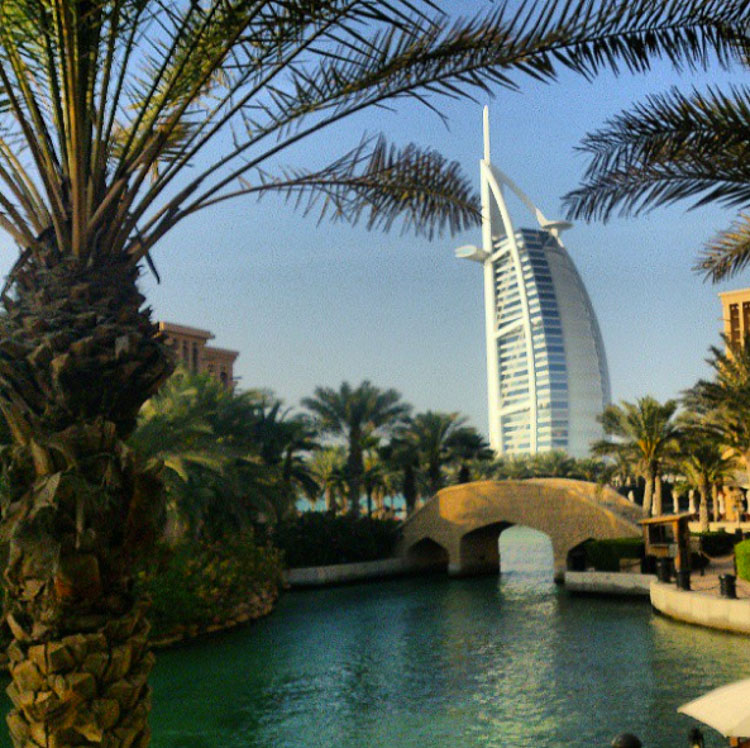
The Diamond Tower (above) being built in Dubai is perhaps the most impressive such spiral structure, its rotating floors extending out from a central spire and adding a dynamic visual layer. It is the second-tallest in the list.

shanghai tower

At 2073 feet, the Shanghai Tower by Gensler is the tallest to date (also the second-tallest tower in the world aside from its twist).  The CTBUH reports that these approach to tall architecture is trending around the world. While any single reason would be speculative, one can assume that the variation from floor to floor is part of the appeal, both for internal occupants and in terms of the dynamic profiles this variety entails.

cayan towe

The third-tallest is the Cayan Tower in Dubai by SOM. “A stunning variety of textures, view angles, and ripple effects results from these manipulations, making these ‘twisters’ some of the world’s most iconic buildings – and in many cases, aerodynamic and energy-efficient. In this study, we rank the world’s 28 tallest twisting towers (either completed or under construction as of July 2016) and display selected variations on the theme.”

Share on Facebook


[ By WebUrbanist in Architecture & Offices & Commercial. ]

[ WebUrbanist | Archives | Galleries | Privacy | TOS ]


WebUrbanist

 
Comments Off on Spiraling Skyscrapers: Rounding Up the World’s Tallest Twisting Towers

Posted in Creativity


How to Shoot Vertical Panoramas (Vertoramas)

01 Sep

PWC-Oregon2012-0205-0684-PanoThe Eiffel Tower. The Statue of Liberty. Redwood trees. Not all the world fits into our horizontal frame of it. Some of it climbs up and up! For those images you need to learn a new technique; vertical panoramas, or vertoramas as they are known.

What are vertoramas?

A vertorama is simply a panorama, but shot vertically. It is for the tall things of the world, and uses much of the same techniques as a panorama, but with some important considerations I’ll touch on later in this article.

They are as simple as two shots combined to capture more foreground, or a chance to capture the tallest of the tall things on the planet without a wide-angle lens. They are a great option when you don’t have a super-wide angle lens, or you want to capture more detail than that wide angle lens will provide in one shot.

Picking the best subjects

Tall things are the obvious choice for making vertical panoramas, but also look at your normal images to see what can be included in the foreground.

For instance, this view of Mount Lassen in Lassen Volcanic National Park is pretty enough.

PWC-Travel2016-0624-8343

But what else is going on in the foreground? And not just the foreground, but the extreme foreground?

PWC-Travel2016-0624-8329-Pano

A Vertorama can take your normal landscape image and give it depth, like this image of Delicate Arch in Utah.

I pick subjects where my vantage point gives me something above and below a level view of the subject. This view of a temple in Bhutan is such a location, as I was on a balcony with subjects below and certainly above.

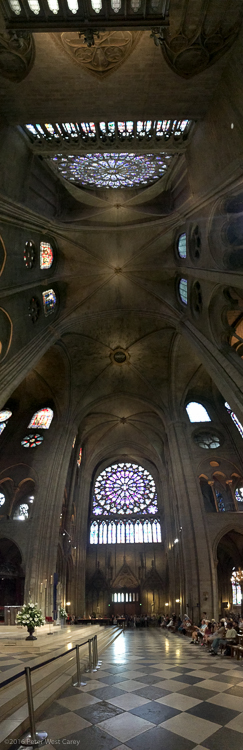
Vertoramas are also used to emphasize the enormity of an area. In this case I used my iPhone’s panorama mode, turned the phone sideways, and kept panning up and up, and then back over the top of my head (flexibility is a key with this format!) to show the grandeur of the structure. Shot inside the amazing Cathedral Notre-Dame de Paris.

PWC-France2015-083121-0711

Waterfalls, statues, buildings, trees, landscapes…they are all ripe for the format.

How to shoot vertoramas

Shooting vertoramas is not much different than shooting panoramas, but there are some important considerations. First, if you need help with panoramas, dPS writer Barry J Brady has a good article on them here: How to Shoot Panoramic Photos. The settings are the same for vertical panos, but you need to make sure you can pan all the way up with your subject, which is sometimes hard to do with a tripod.

Where it gets a little trickier is in the distance of your subject. This is fundamentally different than panoramas, because for the most part, panoramas have a roughly equal distance from the camera to all parts of the scene. Roughly.

But a vertorama often has a subject leading away from it and this can cause distortion.Can you imagine the truck of this redwood tree being much closer than the 200 foot tall top?

PWC-Sequoia in Mariposa Grove

In which case, give yourself plenty of room at the bottom of the image as that will be your constriction point when you go to crop. I shoot landscape orientation (camera in horizontal position) for almost all of my vertoramas, in order to have enough space to crop.

Editing Options

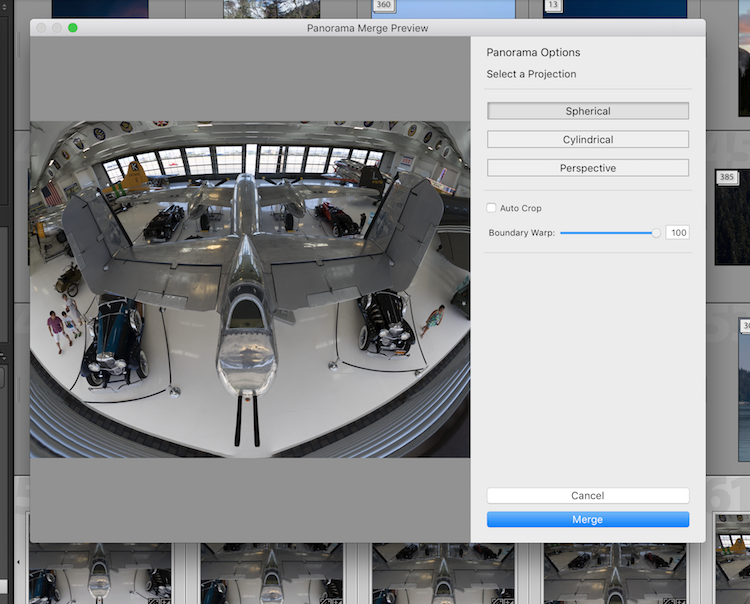
I find more and more that the PhotoMerge -> Panorama feature in Adobe Lightroom works just fine for vertoramas. So does the same feature in Photoshop proper, maybe 80% of the time. Where it comes up short is in the variety projections.

PWC-Vertorama-screenshot

If you are looking for a little more power, try AutoPano Giga by Kolor (now owned by GoPro). There are a number of projections that can help with vertoramas, including Hammer. Plus it has the fun Little World projection that helps make those funky, little world images.

Both programs are run just as they would be for a horizontal panorama.

Things to consider

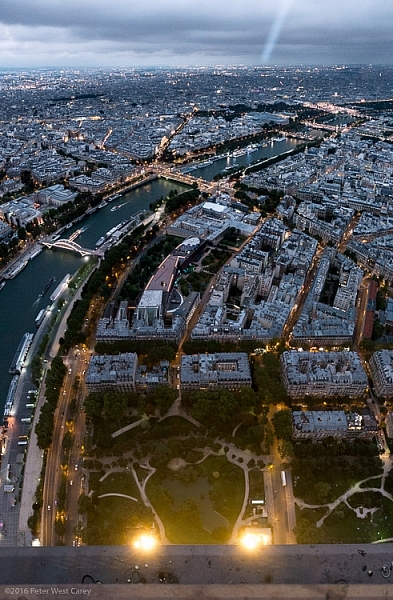
Sometimes I look at vertoramas and I think they have no place in our digital world. When so much of what we view is on a horizontal screen, it’s hard to see their full beauty. You can turn your phone sideways, but you’re still missing the scale of the shot. Have you found yourself scrolling a lot in this article, and maybe not even seeing the whole images?

PWC-France2015-083117-0943-Pano

That being said, I love how vertoramas look when they are printed. Printing can be done at Costco, Walgreens or any place that prints panoramas.

Vertoramas can be trickier to shoot than a regular panorama as your tripod doesn’t typically pan up and down as smoothly as side to side. I suggest getting more acquainted with shooting these images handheld. It’s not hard to do.

Also, use your smartphone camera. That panorama mode works perfectly fine when you pan the camera skyward. Most newer phones even realize you made a vertorama and flip the image so it looks proper.

Lastly, vertoramas don’t all need to be skinny and tall. They are also used to create a more formal aspect, even a nice square, of a subject hard to capture in a single frame. This image of Central Park in New York is an example as it was shot with a 50mm lens on a crop sensor camera, far from being wide angle. But the result is a nice, wide image that gives more depth to the scene. See also: 5 Steps to Rock the Brenizer Method.

A vertical panorama of trees and tourists in Central Park, New York City, New York, USA

A vertical panorama of trees and tourists in Central Park, New York City, New York, USA

Conclusion

Vertoramas are a fun way to explore the world. They stretch our normal view, and force us to think creatively to capture what we are after. I personally love the format for what the extra foreground can bring to the story.

If you’ve shot vertoramas before, what are some of your favorite subjects? Any other advice you might give to beginners? Please share in the comments below, along with your vertical panorama images.

googletag.cmd.push(function() {
tablet_slots.push( googletag.defineSlot( “/1005424/_dPSv4_tab-all-article-bottom_(300×250)”, [300, 250], “pb-ad-78623” ).addService( googletag.pubads() ) ); } );

googletag.cmd.push(function() {
mobile_slots.push( googletag.defineSlot( “/1005424/_dPSv4_mob-all-article-bottom_(300×250)”, [300, 250], “pb-ad-78158” ).addService( googletag.pubads() ) ); } );

The post How to Shoot Vertical Panoramas (Vertoramas) by Peter West Carey appeared first on Digital Photography School.


Digital Photography School

 
Comments Off on How to Shoot Vertical Panoramas (Vertoramas)

Posted in Photography


Throwback Thursday: the Samsung NV10

01 Sep
Pretty? Yes. Well-built? Yes. Image quality? Ehhh…

In 2007, I was chiefly concerned with three things: fixing whatever had recently broken on my 1980 Datsun 210, scouring the electronics section of the local Goodwill in an endless quest for a louder stereo, and finding older computer games that my home-built PC would play acceptably well. Despite where I’ve ended up, it turns out that photography wasn’t really near the top of my priorities list.

Regardless, I was dead-set on spending every penny of savings from my job at Dairy Queen to take a trip to Europe with three friends after our high school graduation, and my grandmother had offered to help me buy a new camera for the trip. That’s where this Samsung NV10 comes in.

It may look a little odd today, but Samsung’s ‘Smart Touch’ technology actually made for a responsive and engaging way to manipulate the camera’s controls and settings before the advent of affordable touch screens.

The Samsung NV10, which we reviewed back in 2006, is a compact camera with a 35-105mm equiv. F2.8-5.1 zoom lens, a 10.3MP 1/1.8″ CCD sensor, and Samsung’s ‘Smart Touch’ user interface. Most importantly to the mini-me at Omega Photo in Bellevue, WA, it was small – it could just about fit in a jeans pocket. It was smaller than the hand-me-down Canon PowerShot A70 I had used during high school when my Samsung VGA flip-phone wouldn’t cut it. I liked the NV10’s all-metal, all-black design, and though I really had no idea why I needed the option, it offered at least some control over exposure parameters.

So despite the best efforts of my dad, who wanted me to get that absolute behemoth that was the Canon PowerShot S3 IS for a similar price (my 18-year-old self couldn’t fathom why anyone would want to carry a camera around his or her neck), I opted for the svelte little Samsung. After some time with the NV10, I decided – in typical American teenage fashion – to ignore nagging suspicions that my dad had been right all along.

The NV10 produced fairly clean, punchy files so long as there was enough light. I don’t know why I was making that face, nor why I felt I needed to stage a photograph of my car on this lawn. Samsung NV10 @ 35mm equiv. ISO 100, 1/250 sec, F2.8.

Photo by Erin Bynum

So, what did I find to be positive about the NV10 besides its design, pocketability and control scheme? Unfortunately, not much.

As Simon stated in our full review, the NV10 produced files that were excessively saturated and overly contrasty. This often led to clipped shadows and highlights, and though you wouldn’t have expected a Raw option on this camera, there were no options to adjust the JPEG output at all. The battery life was rated at an unimpressive 180 shots and the lens’ wide-angle equivalent left me wanting something a bit wider at the time (today, I find that 35mm equivalent is wide enough). One interesting tid-bit? It did at least support USB charging.

You want punchy colors? You got ’em. Samsung NV10 @ 35mm equiv. ISO 100, 1/200 sec, F7.1.

Photo by Carey Rose

Of course, this is a point-and-shoot compact camera from 2006, and as such, has a very limited ISO range. You could push it up to ISO 1000, but things really started to fall apart around ISO 400. The problem there was that in anything but reasonably bright light, the camera would drag the shutter, likely resulting in a photo that was blurred and noisy, and the slow aperture at the telephoto end of the zoom range meant you were sticking to the wide end if you wanted to avoid using the flash.

Can’t skip the cat photo. Check out that noise at ISO 400, and the handheld blur from an over-caffeinated teenager. I’m probably hitting the minimum focus distance without macro mode as well. Samsung NV10 @ 35mm equiv. ISO 400, 1/20 sec, F2.8.

Photo by Carey Rose

Despite all of this, I managed to convince myself that the Samsung NV10 was fine at the time. In hindsight, I was wrong. Full disclosure, though: my limited knowledge of photographic basics hurt my experience with the camera at least as much as the camera’s limited capabilities. Someone doing a “Pro Tog, Cheap Camera” challenge with the NV10 would likely turn out some good results, but they’d better keep an eye on the ISO value.

To round things up, then, this was a camera for my graduation trip to Europe, and therefore you may be wondering where all those European photos might be. Well, I ended up losing the camera on a train in Germany, and therefore losing around 600 thoroughly mediocre photos. Turns out, my dad was right – I needed a camera that would stay comfortably slung around my neck.

I got back home from my trip, saved up some money and bought that PowerShot S3 IS, and never looked back.

Naches, WA. Samsung NV10 @ 93mm equiv. ISO 200, 1/200 sec, F12.3.

Everyone makes mistakes. Do you have a camera that you realized you bought too hastily, or have even regretted purchasing? Did you keep it, or trade it out for something else? Let us know in the comments!

Samsung NV10 real-world sample gallery

Articles: Digital Photography Review (dpreview.com)

 
Comments Off on Throwback Thursday: the Samsung NV10

Posted in Uncategorized


Tamron announces 2nd generation SP 150-600mm Di VC USD ‘G2’

01 Sep

Tamron has announced a new version of its popular 150-600mm telezoom – the SP 150-600mm F5-6.3 Di VC USD G2. The ‘G2’ stands for second generation, reflecting several improvements to the design.

These improvements include more effective image stabilization (to a claimed 4.5 stops of benefit), faster AF speed and compatibility with Tamron’s ‘TAP-in’ Console, for lens firmware updates and customization. A ‘Flex Zoom Lock’ mechanism has also been added to keep the lens barrel fixed at any focal length. Flourine coating has been added to the front lens element, and the entire lens barrel offers greater moisture resistance.

The SP 150-600mm F5-6.3 Di VC USD G2 will sell for $ 1399 and will go on sale in Japan starting September 23rd in Nikon and Canon mounts, arriving in the US soon after. A Sony A-mount version will follow later. A pair of new teleconverters designed for use with the 150-600mm have also been announced.

Press release

INTRODUCING THE PINNACLE OF ULTRA-TELEPHOTO ZOOMS WITH ADVANCED FEATURES, ENHANCED PERFORMANCE, AND IMPROVED ERGONOMICS

New generation “G2” lens boasts faster AF speed and enhanced VC

SP 150-600mm Di VC USD G2 (Model A022)

September 1, 2016, Commack, New York – Tamron, a leading manufacturer of optics for diverse applications, announces the launch of the SP 150-600mm F/5-6.3 Di VC USD G2 (Model A022). This second generation “G2” lens builds upon the success of the SP 150-600mm F/5-6.3 Di VC USD (Model A011), which launched in December 2013 and continues to successfully meet photographers’ needs in the ultra-telephoto category. The new G2 version was developed to provide superior optical performance with today’s high resolution DSLRs and to add improvements to several features including speed and accuracy of AF and VC (Vibration Compensation). Also, several new features have been added: FLEX ZOOM LOCK mechanism, Fluorine Coating and optional teleconverters. The new lens delivers outstanding performance and a luxurious, upscale appearance, including a metal lens barrel.

Delivery of the new lens in Canon and Nikon mounts will start on September 23 in the Japanese market and soon thereafter in the U.S. market (Sony A-mount to be delivered at a later date) at a price of $ 1399.

PRODUCT HIGHLIGHTS

1. Optical design refreshed to achieve even higher performance
Three LD (Low Dispersion) lens elements completely eliminate axial and transverse chromatic aberrations. The design also features an upgraded optical construction (21 elements in 13 groups) and leverages improvements in manufacturing technology. As a result, the lens delivers high resolution, improved sharpness and overall better performance.

2. Tamron’s sophisticated eBAND Coating for eliminating ghosting and flare
eBAND (Extended Bandwidth & Angular-Dependency) Coating is a nano-structured layer deployed on the lens element surface. In addition to regular anti-reflection coatings, eBAND Coating offers higher light transmission and significant improvement in anti-reflection characteristics, especially against angulated incident rays. Combined with BBAR (Broad-Band Anti-Reflection) coatings, flare and ghosting are reduced to imperceptible levels.

3. MOD reduced to provide optimum tele-macro photography
Tamron’s advanced manufacturing technology has made it possible to reduce the MOD (Minimum Object Distance) to 86.6 in (2.2m), compared to 106.3 in (2.7m) for Model A011, and has allowed for the wonders of tele-macro photography with its 1:3.9 Maximum Magnification Ratio.

4. AF speed is faster and much more responsive with moving subjects
The Model A022 is equipped with a USD (Ultrasonic Silent Drive) ring-type motor that delivers excellent responsiveness and control. AF speed is significantly improved from the current model, and it enables accurate high-speed focus even when capturing moving subjects. When shooting with AF, the Full-time Manual Focus override allows you to instantly make fine-focusing adjustments manually, without having to switch between modes.

5. VC performance is now 4.5 stops and offers 3 modes optimized for different situations
The VC (Vibration Compensation) effectiveness is equivalent to 4.5 stops, based on image stabilization performance levels established by CIPA (Camera & Imaging Products Association) when using VC MODE 3. Model A022 now has three types of VC modes, and it is possible to choose the optimum VC mode according to the situation for taking a photograph, such as when panning.

  • VC MODE 1 is the standard mode that strikes a great balance between the stability of the viewfinder image and the stabilization effects.
  • VC MODE 2 is exclusively used for panning.
  • VC MODE 3 prioritizes the stabilization of the captured images and forgoes the stabilization of the viewfinder image.

A new VC Mode can be programmed with the optional TAMRON TAP-in Console™. You can overwrite VC Mode 1 with a new VC Mode that allows stabilization to be engaged constantly for videography purposes. In this mode, the LCD screen is used.

6. New FLEX ZOOM LOCK mechanism enables locking of the zoom ring at any position
The FLEX ZOOM LOCK mechanism quickly locks or unlocks the zoom at any position simply by sliding the zoom ring. Photographers can shoot from any angle without the zoom extending unintentionally. Additionally, the lens features the conventional Zoom Lock switch to prevent unwanted barrel extension during transportation.

7. Fluorine Coating and Moisture-Resistant Construction for a more user-friendly lens
The front surface of the lens element is coated with a protective fluorine compound that is water- and oil-repellent. The lens surface is easier to wipe clean and is less vulnerable to the damaging effects of dirt, dust, moisture and fingerprints. For greater protection when shooting outdoors, leak-proof seals throughout the lens barrel help protect your equipment.

8. Electromagnetic diaphragm system now used for Nikon-mount lenses
An electromagnetic diaphragm system, which has been a standard feature for Canon-mount lenses, is now employed in Nikon-mount lenses[1]. More precise diaphragm and aperture control is possible because the diaphragm blades are driven and controlled by a motor through electronic pulse signals.

9. Lightweight and easy-to-hold tripod mount is compatible with an Arca-Swiss style quick release plate
A new textured grip and Arca-Swiss style tripod interface enhances both speed and utility. And because the tripod mount is made of lightweight magnesium, it is much easier to carry.

10. Compatible with TAMRON TAP-in ConsoleTM, an optional accessory product
The optional TAP-in Console provides a USB connection to your personal computer, enabling you to easily update your lens’s firmware as well as customize features including fine adjustments to the AF and VC.

11. Teleconverters exclusively for the Tamron lens now developed
Two exclusive teleconverters[2], which perfectly match the optics of the new SP 150-600mm G2 (Model A022), offer 1.4x and 2x magnification, and provide a maximum zoom range up to 1200mm. These new teleconverters extend focal length of the master lens, making it possible to take pictures in farther ultra-telephoto ranges.

Changes in zoom range when used with SP 150-600mm F/5-6.3 Di VC USD G2 (Model A022)

  Mounted on 35mm full-frame DSLR camera Mounted on APS-C format DSLR camera
 Without teleconverter  150-600mm  Approx. 233-930mm
 With 1.4x teleconverter  210-840mm  Approx. 326-1302mm
 With 2.0x teleconverter  300-1200mm  Approx. 465-1860mm

Changes in magnification ratio when used with SP 150-600mm F/5-6.3 Di VC USD G2 (Model A022)

  Maximum Magnification Ratio 
Without teleconverter 1:3.9
With 1.4x teleconverter 1:2.8
With 2.0x teleconverter 1:2

Available focusing mode when used with SP 150-600mm F/5-6.3 Di VC USD G2 (Model A022)

  When using viewfinder When using live view mode
 With 1.4x teleconverter AF*1*2/MF  AF*2/MF
 With 2.0x teleconverter MF   AF*2/MF

*1 Autofocus functions normally on any camera that offers F/8 autofocusing (see your camera’s instruction manual for your camera’s ability).
*2 Subjects with low contrast and/or luminosity values can sometimes result in out-of-focus images.

12. Based on the rigorous quality standards worthy of the SP series, this new lens is manufactured with thorough attention to details
For the SP series products in particular, Tamron has established rigorous design and quality standards. These standards apply to the optical design, mechanical design and the cosmetic appearance, as well as to such wide-ranging areas as the product’s robustness and improvements in various individual functions. Tamron thoroughly reviews of all of the design and manufacturing processes in order to offer products to customers with ever-higher precision and quality levels.

For the SP 150-600mm G2 (Model A022), the optical design was refreshed, mechanical parts were improved and a new exterior design was adopted. To maximize the optical performance intrinsic to this product, Tamron improved the accuracy of component parts and increased the precision of the overall zooming mechanism.

Design Concept
The new design adopted for the four SP series lenses already on the market is essentially the fusion of engineering and style, the pursuit of functional beauty and craftsmanship achieved by giving meticulous attention to minute details. Using metal as the exterior material creates a high-grade design based on the concept that emphasizes “Human Touch” characteristics, and significantly improves user-friendliness. The SP models feature a novel design for the switches, easy-to-read characters, an enlarged window over the distance scale and the adoption of organic forms easy for the photographer’s fingers to hold onto.

This design philosophy-the pursuit of functional beauty with a “Human Touch”-is applied even to the most minute details of the new SP 150-600mm G2 (Model A022) ultra-telephoto zoom. By using metal for the exterior material and adding new functions such as the FLEX ZOOM LOCK mechanism, the Model A022 achieves a size and weight that makes comfortable handheld shooting possible, with a slim and stylish appearance design to top it all off.

[1]Available only with cameras compatible with the electromagnetic diaphragm (D3100, D3200, D3300, D5000, D5100, D5200, D5300, D5500, D7000, D7100, D7200, D300, D300s, D600, D610, D700, D750, D800, D800E, D810, D810A, D3x, D3s, D4, D4s, Df, D500, D5). (As of September 1; Tamron)
[2] Additional information will be available on Tamron’s website at a later date.

Optical Construction:

MTF:

SPECIFICATIONS

  • Model : A022
  • Focal Length : 150-600mm
  • Maximum Aperture : F/5-6.3
  • Angle of View (diagonal) : 16°25′ – 4°8′ (for full-frame format): 10°38′ – 2°40′ (for APS-C format)
  • Optical Construction: 21 elements in 13 groups
  • Minimum Object Distance : 86.6 in
  • Maximum Magnification Ratio : 1:3.9
  • Filter Size : Ø95mm
  • Maximum Diameter : Ø108.4mm
  • Length[1] : for Canon 10.2 in / for Nikon 10.1 in
  • Weight[2] : for Canon 70.9 oz / for Nikon 70.2 oz
  • Aperture Blades : 9 (circular diaphragm[3])
  • Minimum Aperture : F/32-40
  • Image Stabilization Performance: 4.5 stops (using VC Mode 3) CIPA Standards Compliant (For Canon : EOS-5D Mark III is used / For Nikon : D810 is used)
  • Standard Accessories : Lens hood, Lens caps, Lens case
  • Compatible Mounts : Canon, Nikon, Sony A-mount[4]

Specifications, appearance, functionality, etc. are subject to change without prior notice.

[1]Length is the distance from the front tip of the lens to the lens mount face.
[2] Weight includes the weight of the detachable tripod mount
[3]The circular diaphragm stays almost perfectly circular up to two stops down from maximum aperture.
[4]The Sony mount model does not include VC, since the bodies of Sony DSLR cameras include built-in image stabilization functionality.

Tamron SP 150-600mm F5-6.3 Di VC USD G2 specifications

Principal specifications
Lens type Zoom lens
Max Format size 35mm FF
Focal length 150–600 mm
Image stabilization Yes (VC – Vibration Compensation)
Lens mount Canon EF, Nikon F (FX), Sony/Minolta Alpha
Aperture
Maximum aperture F5
Minimum aperture F32
Aperture ring No
Number of diaphragm blades 9
Optics
Elements 21
Groups 13
Special elements / coatings eBAND (Extended Bandwidth & Angular Dependency) Coating
Fluorine Coating
Focus
Minimum focus 2.70 m (106.3)
Maximum magnification 0.2×
Autofocus Yes
Motor type Ultrasonic
Full time manual Yes
Distance scale Yes
DoF scale No
Physical
Weight 2010 g (4.43 lb)
Diameter 106 mm (4.16)
Length 258 mm (10.15)
Filter thread 95.0 mm
Hood supplied Yes

Articles: Digital Photography Review (dpreview.com)

 
Comments Off on Tamron announces 2nd generation SP 150-600mm Di VC USD ‘G2’

Posted in Uncategorized


The City Is Your Living Room: 15 Modern Street Furniture Designs

01 Sep

[ By SA Rogers in Design & Furniture & Decor. ]

city furniture main

Smart, well-designed urban seating encourages more interaction with the cities we live in and with each other, infusing them with vibrancy and a sense of connection. It’s even cooler when it’s built right into a park or sidewalk as a multifunctional element to add some sculptural visual interest, delineate different zones or offer opportunities for fitness and play.


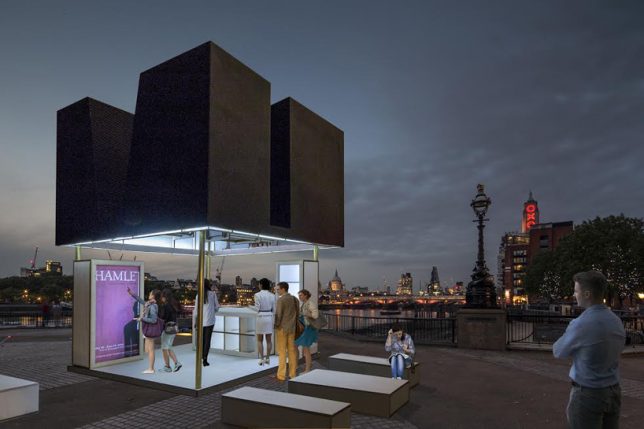
Just a Black Box: Furniture Transforms Into Kiosk

city furniture black box 1

city furniture black box 2

city furniture black box 3

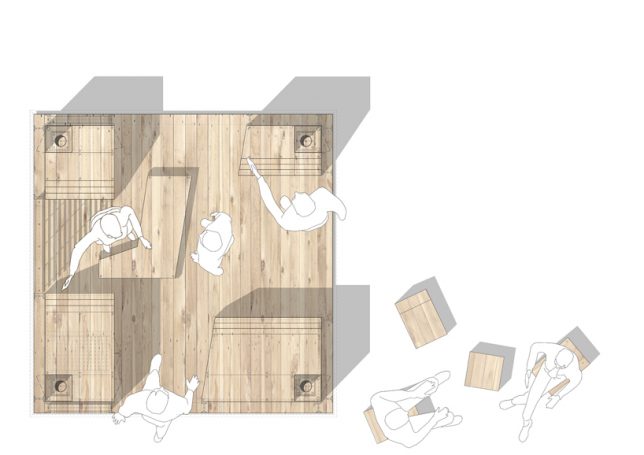
A cube of semi-private seating by day, ‘Just a Black Box’ by Max Boano and Jonas Prismontas transforms into a kiosk for commercial or public use at night (or whenever else it’s desired.) The box elevates itself on its own hidden hydraulic columns to become a customizable space that can be used for retail, cafes, bike repair, selling tickets or even as a mini theater.

3 Urban Hammock Installations

city furniture hammock

city hammocks 2

city hammocks 3

city hammocks 4

city hammocks 5

Comfy hammocks come to public spaces in various forms to create some of the most nap-worthy urban furniture you’ll ever see, including a series of nets strung over the grass by The Chartered Institute of Housing, bright blue hammocks inserted into a void in a promenade along Paprocany Lake in Poland, and re-purposed fire hoses hung from a steel grid in Copenhagen.

Vanke Cloud City by Lab D+H

city furniture cloud city 1

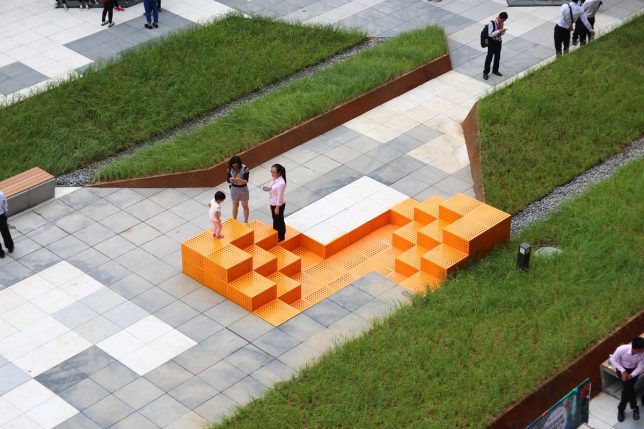
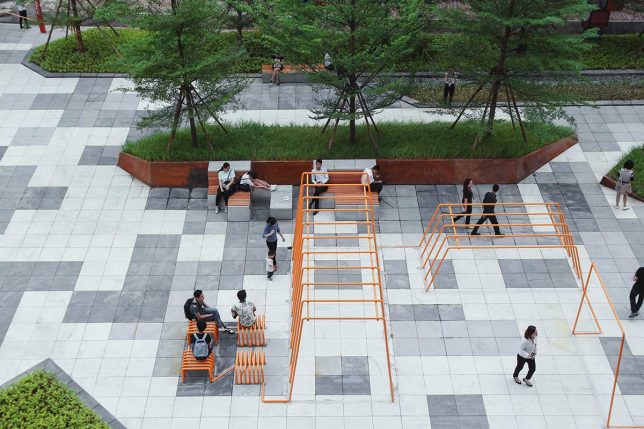
vanke cloud city 3

Vanke Cloud City is a mixed-use development project in Guangzhou, China boasting a series of creative public seating strategies by Lab D+H. The Cloud Line is a continuous tubular steel structure offering benches, monkey bars, parallel bars and other uses, while Cloud Seat is a modular set of interacted spaces made of perforated steel plate, with vertically stacked seating.

Meeting Bowls for NYC

meeting bowls meeting bowls


Small groups can get together and chat face-to-face in a comfortable, breezy space with ‘Meeting Bowls’ by the Madrid-based design firm mmmm… in partnership with the Times Square Alliance. The urban furniture installation was situated in the center of Manhattan’s busiest plaza in summer 2011to facilitate interactions and dialogue between friends and strangers alike. The base of each bowl gently rocks to imitate the sensation of floating.

Next Page – Click Below to Read More:
The City Is Your Living Room 15 Modern Street Furniture Designs

Share on Facebook


[ By SA Rogers in Design & Furniture & Decor. ]

[ WebUrbanist | Archives | Galleries | Privacy | TOS ]


WebUrbanist

 
Comments Off on The City Is Your Living Room: 15 Modern Street Furniture Designs

Posted in Creativity


Book City: Retail Space for Reading Mimics the Look of Urban Spaces

01 Sep

[ By SA Rogers in Design & Fixtures & Interiors. ]

book city 1

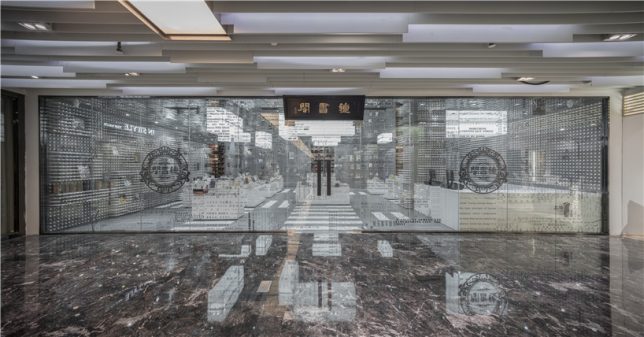
The appearance of the city outside – complete with crosswalks and grids resembling aerial views of urban blocks – acts as a transition space between the entrance of a bookstore and the quiet, private spaces beyond. This space by XL-muse, located on the fourth floor of the Réel Mall in Shanghai, references the orderly aspects of urban aesthetics, carrying them from the sunny, exposed main room into the darkened alleys full of floor-to-ceiling shelves.

book city 2

book city 5

book city 6

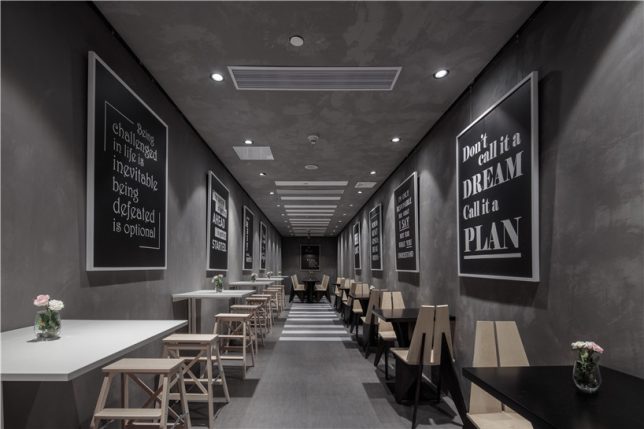
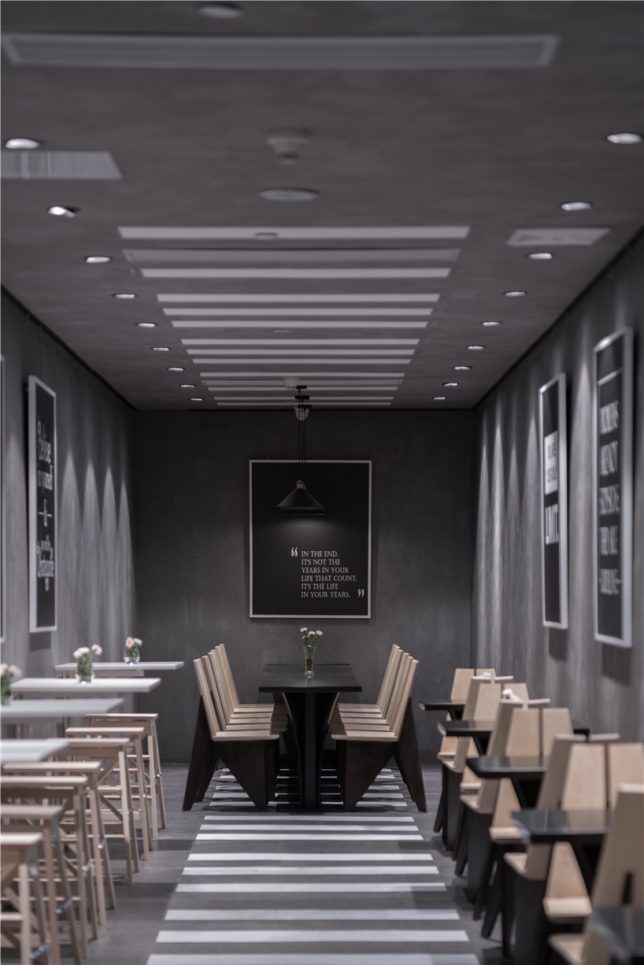
Street lights gently illuminate the rows of books in these tranquil hallways, organized like pedestrian promenades complete with central park benches and displays. Mirrors are employed to visually double the height of the shelves, making them feel as if they continue up into the sky and stretch far deeper into the building than they really do. Paths direct you from one ‘house’ of books to the next as you explore the shop.

book city 4

book city 7

book city 3

In these atmospherically-lit areas bursting with dark-stained wood, shoppers feel like they’re navigating the city late at night, when the traffic has died down and the streets are eerily silent. The crosswalks continue into the small cafe, stepping right up onto the ceiling and then back out into the showroom, where white pegs inserted into the concrete walls can be pulled or pushed to create display niches.

Share on Facebook


[ By SA Rogers in Design & Fixtures & Interiors. ]

[ WebUrbanist | Archives | Galleries | Privacy | TOS ]


WebUrbanist

 
Comments Off on Book City: Retail Space for Reading Mimics the Look of Urban Spaces

Posted in Creativity


Canon introduces global shutter CMOS sensor with improved dynamic range

01 Sep

Canon has announced a global shutter CMOS sensor with a re-designed pixel structure aimed at boosting dynamic range. Using global shutter presents a clear benefit for the sensor’s videography applications, as it doesn’t suffer from the distortion effects that a standard ‘progressive scan’ sensor does when capturing fast-moving subjects.

However, global shutter designs have tended to offer less dynamic range than their conventional counterparts. Canon says that the sensor’s drive system (the way it’s read out) increases the amount of light the sensor can capture before overexposing. This is combined with a more efficient pixel structure and ‘optimized internal configuration’ to reduce noise and increase sensitivity. The result should be improved dynamic range, though it’s not clear how this improved performance will compare with traditional chips of the kind that exhibit rolling shutter.

Canon says it will explore use of the chip in measurement and industrial applications, and consider applications in video production. No details of the sensor’s size or resolution were given.

Press release:

Canon develops global shutter-equipped CMOS sensor that achieves expanded dynamic range through new drive method

TOKYO, August 31, 2016—Canon Inc. today announced that it has developed a new CMOS sensor equipped with a global shutter function that, because it exposes all of the sensor’s pixels at the same time, enables the capture of distortion-free images even when shooting fast-moving objects. Employing a new signal-readout drive system and new pixel structure that significantly expands the full well capacity and reduces noise, the sensor contributes to high-image-quality video capture by making possible the realization of a wide dynamic range.

Distortion-free image capture when shooting fast-moving objects

Standard CMOS sensors make use of the rolling shutter method, which sequentially exposes the pixels one row at a time. Because rolling shutters can create slight discrepancies in signal-readout timing depending on the location of the pixel, images of fast-moving objects may appear distorted and flash photography may result in the occurrence of the flash band phenomenon, in which the upper and lower portions of images display different levels of brightness. Because Canon’s newly developed CMOS sensor employs a global shutter, when shooting such fast-moving objects as a rotating propeller or a speeding train, subjects are able to retain their proper form to create distortion-free images. Enabling the confirmation of object shapes with a high degree of accuracy, the sensor offers potential benefits in industrial applications, including as a sensor for use in inspection cameras.

Wide dynamic range realized through new proprietary drive method and pixel structure

When the newly developed CMOS sensor converts light into electrical signals and stores the signal charge in memory, the new drive system achieves a significant expansion in full well capacity. Also, because it employs a structure that efficiently captures light and each pixel incorporates an optimized internal configuration, the sensor makes possible increased sensitivity with reduced noise. The expanded full well capacity, realized through the sensor’s new drive system, and substantial reduction in noise, enabled by the new pixel structure, combine to deliver a wide dynamic range, facilitating the capture of high-image-quality, high-definition footage even when shooting scenes containing large variances in brightness.

Canon will explore various industrial and measurement applications for the newly developed CMOS sensor and consider deploying it in the field of video production for cinema production applications, TV dramas, commercials and more.

Articles: Digital Photography Review (dpreview.com)

 
Comments Off on Canon introduces global shutter CMOS sensor with improved dynamic range

Posted in Uncategorized


5 Things Newbies Should Know About Getting Started in Photography

01 Sep

Getting started in photography can be quite scary. We all start by investing in a DSLR, and think we are going to take amazing images. In reality it is a bit more difficult, because if it was easy… well everybody would sell prints, quit their day job, and live off photography.

Just like any art, photography has to be learned, and practiced – a lot. It is a trial and error process, we all start at the bottom and build our way up.

5 tips photography 1

If your images do not look like you imagined them, then try a different approach. Just do something. Einstein said that the definition of insanity was doing the same thing over and over and expecting different results.

#1 – Gather information and knowledge

Photography is the best hobby you could have, but it is a lot of hard work. I personally don’t believe in talent. The first tip I can give you is to absorb as much information as possible. How do you do that ? Well you have so many free resources on the internet, the only need to take advantage of it. Since you are reading this, then you’re on the right track.

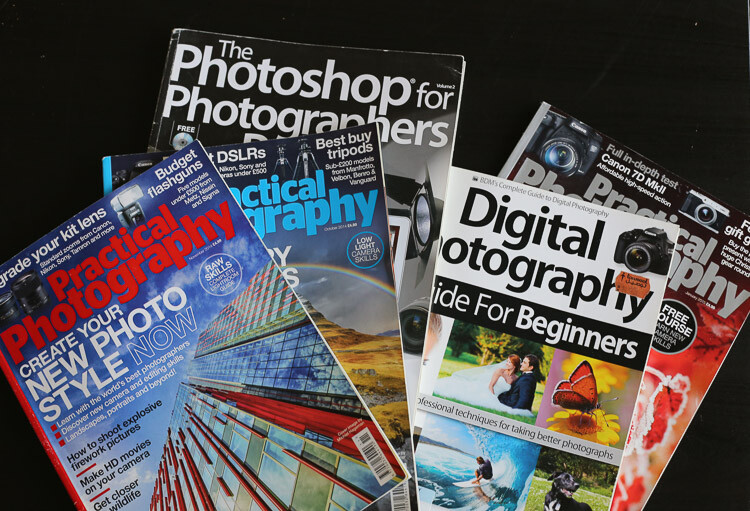
By resources, I mean articles online, magazines, and YouTube tutorials. You can learn so much in less than 30 minutes. One other tip I can also give is to check multiple resources for the same topic.
5 tips photography 2

Read photography magazines. They have amazing stories and tutorials.

For example you want to learn how take portraits – don’t read or watch only one tutorial. The more you research, the more you will learn, because sometimes one article won’t give you all the answers to your questions, but another article will.

You should also anticipate. What I mean by that, is to learn about it, before trying to do something.

For example, say you want to buy a new DSLR. You should learn how to use it before you actually buy it, read reviews and tutorials. If you are planning a trip to the sea, then learn seascape photography before travelling.

5 tips photography 3

Photography is spending hours and hours on research.

#2 – Try all kinds of photography

This brings me to my second tip: don’t focus on only one type of photography. Of course, if you like portrait photography then do that. What I’m trying to say, is that you should explore all the possibilities, before focusing on only one type of photography. Try to add variation by learning about macro photography, landscapes, portraits, wildlife, etc.

5 tips photography 4

Try super sports car photography. It’s so fun, just protect your ears.

You may be surprised by the results you get, and if you never try, you will never know if you actually like photographing birds or not. From my experience, the more you learn, the more you’ll be able to do things. It’s better knowing how to do five things than only one. Starting photography and only wanting to take portraits is not the right mindset. It’s just like food, if you don’t try new food, you will never know if you like it or not.

#3 – Photography is an investment

The third thing you should know is that photography is a big investment. You will need to buy lenses, camera bodies, tripods, and filters, which will end up being quite expensive. If you are not smart with your decisions, then your bank account can end up in tears.

It may seem confusing when I tell you to try different types of photography, but then warn you about buying too much gear. If you want to try macro photography, don’t buy a macro lens right away. Just buy extension tubes (or close-up filters) until you know if you are serious about macro. They cost a lot less, and increase your focusing distance dramatically.

5 tips photography 5

A very inexpensive $ 30 ND Filter.

For filters, you can buy $ 20 Neutral Density filters for your landscape photography. Of course they won’t have the same quality as the professional ones, but it’s a good place to start.

I started photography with a phone, then moved up to an entry level DSLR, and now I own a full frame camera. But, it took me four years to go from my phone to full frame, so don’t go out and buy the best DSLR ever, find something that will suit where are you starting first.

5 tips photography 6

Phone photography

Make smart decisions, a normal kit lens is enough to get started in landscape photography.

#4 – Post-processing is a good thing

The fourth tip is about post-processing. Most beginner photographers underestimate the power of post-processing. It can make or break an image, that’s why my first point is important. You have to learn and fail in order to succeed – once you learn how to master software like Lightroom and Photoshop, your photography will become more like a process, because you will automatically think about post-production.

5 tips photography 7 5 tips photography 8

For post-production, I also recommend learning about the same topic from different sources. There are a lot of different ways to do the same thing, you just have to find which way works the best for you. It doesn’t matter how you do it, the important thing is the end result.

For example, for dodging and burning an image I prefer using a curves layer with a mask, but that doesn’t mean I don’t know how to dodge and burn using grey layers.

Post-production can be quite scary because there are so many tools, but once you master a certain software, you will be able to work on your worst shots and get the best out of them.

I would say that post-production is almost indispensable. There are a lot of photographers who want natural photography, but that doesn’t exist. Your colours will get interpreted anyway, it’s up to you to decide if you want your camera to do it automatically, or if you want to take control over everything.
5 tips photography 9

Simple snapshot with my own interpretation of colors.

#5 – Good photographers create depth in their images

The last thing you should know is that photography is all about creating depth. There are many ways of creating depth; you can do it with light and contrast, colours, movement, a solid composition, and with depth of field.

You should aim to have at least one of these elements in your images. If you can mix all these elements in one image, then your result will be even better.

With light and contrast you can play around with shadows, and dodging a burning. The main purpose is to have uneven lighting on purpose – try to avoid flat lighting. Some area should be lighter than others, and some darker. You also want to know which lighting conditions will give you the best results. For example, if you like shooting landscapes then you will want to know that you get the best light during the magic hour (blue hour).


Composition is the most important thing, try to use a foreground, middle ground and a background. The rule of thirds is also really useful to frame your subject in a pleasing way.
5 tips photography 10

With colours, the main purpose is to have tones that go together. Always look at your colour palette and see what works best. This is quite difficult to do, but one tip I can give you, is that when the colours do not look good, convert your image to black and white.

For movement, try long exposures, they are a good way to create a surreal images.

The last thing is depth of field. This is very important if you’re taking portraits, the amount of background blur can completely change an image. If you want to learn about it here’s another article I wrote: How to Achieve Background Blur or Bokeh where I explain three easy ways to achieve a nice bokeh.

IMAGE 2

Summary

So if you’re just getting into photography, consider these five things as you begin your journey. Learn everything you can from multiple sources, try different kinds of photography to see what you like, don’t get caught in gear envy, don’t be afraid of post-processing and remember to add depth to make more interesting images.

Are you further along in photography? What other advice would you offer to new photographers? Please share in the comments below.

googletag.cmd.push(function() {
tablet_slots.push( googletag.defineSlot( “/1005424/_dPSv4_tab-all-article-bottom_(300×250)”, [300, 250], “pb-ad-78623” ).addService( googletag.pubads() ) ); } );

googletag.cmd.push(function() {
mobile_slots.push( googletag.defineSlot( “/1005424/_dPSv4_mob-all-article-bottom_(300×250)”, [300, 250], “pb-ad-78158” ).addService( googletag.pubads() ) ); } );

The post 5 Things Newbies Should Know About Getting Started in Photography by Yacine Bessekhouad appeared first on Digital Photography School.


Digital Photography School

 
Comments Off on 5 Things Newbies Should Know About Getting Started in Photography

Posted in Photography


Peak Design adds Range Pouch to Everyday lineup

01 Sep

Peak Design has added the Range Pouch to its lineup of versatile Everyday camera bags. The pouch is designed to carry a lens on a belt, in a bag or on a strap, and is available in three sizes. The smallest is designed for kit and prime lenses, and the large will fit up to a 70-200mm. The pouches pack down flat when not carrying a lens, and the larger models can be configured to fit a couple of smaller lenses stacked on top of each other.

Right now the Range Pouch is available as an add-on when you back Peak Design’s current Kickstarter campaign. The small Range Pouch can be added for $ 29, the medium for $ 34 and the large for $ 39. Following the campaign, the small will cost $ 35, the medium $ 40 and the large $ 45.

Articles: Digital Photography Review (dpreview.com)

 
Comments Off on Peak Design adds Range Pouch to Everyday lineup

Posted in Uncategorized