RSS
 

Archive for September, 2016

Garmin VIRB Ultra 30 4K action cam unveiled with voice control

03 Sep

$ (document).ready(function() { SampleGalleryV2({“containerId”:”embeddedSampleGallery_1954745106″,”galleryId”:”1954745106″,”isEmbeddedWidget”:true,”standalone”:false,”selectedImageIndex”:0,”startInCommentsView”:false,”isMobile”:false}) });

Garmin has introduced the VIRB Ultra 30, a rugged action camera capable of recording 4K/30fps footage. Despite its small size, Garmin packs a bunch of sensors and features into the camera, including GPS, voice control to start recording, a touchscreen display and a high-sensitivity microphone. The VIRB offers what Garmin calls 3-axis image stabilization, but it’s available up to 1440/60p, which leads us to believe it’s digital.

In addition to 4K footage, the new VIRB action camera can record 720p/240fps slow motion video and can capture 12 megapixel still images. Content is stored on a microSD card. The touchscreen display works when the camera is enclosed in its waterproof case, as does the microphone, according to Garmin. That waterproof case includes an anti-glare coated and water-repellant lens.

In addition to changing settings via the touchscreen display, the VIRB Ultra 30 supports Sensory TrulyHandsfree voice control. Commands like ‘OK Garmin, remember that’ for tagging moments and ‘OK Garmin, start recording’ are supported. Additionally, the camera can be controlled remotely using the VIRB app on a tablet or smartphone. The VIRB app is complemented by the Garmin VIRB Edit desktop software for post-processing.

The Garmin VIRB Ultra 30 is available in the U.S. now for $ 499, and will be available in the UK for £449 in Q3 2016.

Via: Garmin Blog

Articles: Digital Photography Review (dpreview.com)

 
Comments Off on Garmin VIRB Ultra 30 4K action cam unveiled with voice control

Posted in Uncategorized


Looking up: Sixteen-year-old John Kraus is a rocket launch photographer

03 Sep

John Kraus rocket launch photography

SpaceX’s Falcon 9 rocket launches cargo and science to the ISS, and the first stage of the rocket comes back and lands at Cape Canaveral Air Force Station in July of 2016. Photo by John Kraus

Growing up in Satellite Beach, Florida, John Kraus has been watching launches for as long as he can remember. He’s now a photojournalist who covers rocket launches for AmericaSpace.com. Oh, and he’s just sixteen years old. Feel old yet? Keep reading to see more of his images and find out more about him.

You can follow John on Instagram and see more of his photos on his website.

John Kraus rocket launch photography

United Launch Alliance’s Delta IV Heavy rocket launches a classified mission, NROL-37, for the National Reconnaissance Office in June 2016. Photo by John Kraus

How did you get started in photography, and what do you shoot with now?

I decided to start photography randomly in January of 2015. I figured it could be a fun hobby to pick up and learn about. I use a Nikon D7100, but my closeup images of launches are captured with a D3300.

John Kraus rocket launch photography

ULA’s Atlas V rocket launches Morelos-3 in their 100th launch in October 2015. Photo by John Kraus

How did you start working as a photojournalist at such a young age?

Since I always watched launches, once I bought my camera, I started photographing them. After almost a year of experience, I was lucky enough to be credentialed under AmericaSpace.com as a media member.

John Kraus rocket launch photography

SpaceX’s Falcon 9 launches Thaicom 8 satellite in May 2016. Photo by John Kraus

How have you continued to learn as a photographer?

I’ve learned a lot from my photo a day challenge that I’m doing this year. I’m taking a photo every day of the year. That’s it. Take a photo, upload it to Instagram by midnight. So far, I haven’t missed a day. It’s given me a way to be creative daily. Some photos aren’t so good, some are great. It’s a learning experience!

John Kraus rocket launch photography

Even in a light polluted city on Florida’s Space Coast, with proper editing I was able to bring out detail in the Milky Way. Also shown is a Perseid meteor and the Andromeda galaxy. August 2016. Photo by John Kraus

Do you hope to pursue a career in photography?

I plan to keep shooting, whether it’s professionally or as a hobbyist. I’m not sure yet!

John Kraus rocket launch photography

United Launch Alliance’s Atlas V rocket launches a classified mission, NROL-61, for the National Reconnaissance Office in July 2016. Photo by John Kraus

What have been some of the most memorable launches you’ve photographed?

Both SpaceX landings have been amazing to see. I was able to capture long exposure photographs of each launch. The recent United Launch Alliance Delta IV Heavy launch in June was spectacular, and very loud.

Articles: Digital Photography Review (dpreview.com)

 
Comments Off on Looking up: Sixteen-year-old John Kraus is a rocket launch photographer

Posted in Uncategorized


Tamron announces new 1.4X and 2X teleconverters

03 Sep

Tamron has announced two new teleconverters, designed to be used with select telephoto Tamron lenses, starting with the company’s new SP 150-600mm F5-6.3 Di VC USD G2. The 1.4X and 2X converters are moisture and dust-resistant, and turn the 150-600mm into a 210-600mm or 300-1200mm equivalent zoom, respectively. Both teleconverters use Tamron’s BBAR (Broad-Band Anti-Reflection) coatings to reduce ghosting and flare, and the 2X converter uses a low-dispersion element to suppress aberrations.

The 1.4X and 2X converters will cost $ 419 and $ 439 respectively. They’ll be available in Canon and Nikon mounts starting September 23rd in Japan, with availability in the US soon after.

TAMRON ANNOUNCES TWO TELECONVERTERS

New models designed exclusively for Tamron lenses

TELECONVERTER 1.4x (Model TC-X14)
TELECONVERTER 2.0x (Model TC-X20)

September 1, 2016, Commack, New York – Tamron, a leading manufacturer of optics for diverse applications, announces the launch of two teleconverter models exclusively[1] for select Tamron lenses. These accessories make it easy to expand the versatility of the new SP 150-600mm F/5-6.3 Di VC USD G2 (Model A022) ultra-telephoto zoom lens. TELECONVERTER 1.4x (Model TC-X14) increases the focal length by a factor of 1.4x, while TELECONVERTER 2.0x (Model TC-X20) doubles the focal length. Delivery of the new teleconverters, each available in Canon and Nikon mounts, will start on September 23 in the Japanese market and soon thereafter in the U.S. market at a price of $ 419 for the 1.4X and $ 439 for the 2X.

PRODUCT HIGHLIGHTS

1. Increases maximum focal length
Although the maximum focal length is increased, the minimum object distance remains nearly the same, so the magnification ratio during close focusing is enhanced. Both teleconverters are carefully designed and constructed to preserve the original superior image quality of the lens. The 2.0x model uses one LD (Low Dispersion) lens element to suppress aberrations. BBAR (Broad-Band Anti-Reflection) coatings are deployed on both models to help minimize ghosting and flare.

2. Autofocus and VC features are retained with compatible lenses
Autofocus functions normally with compatible lenses (please refer to Compatible Tamron Lens List below). VC (Vibration Compensation) performance is maintained.

3. Moisture-Proof and Dust-Resistant Construction
The new teleconverters are ideal for use in outdoor photography when matched with any lens that has a Moisture-Resistant Construction because special seals that are dust-resistant and moisture-proof are used at every joint and seam.

4. Sturdy, durable barrel design
The barrel frame of the teleconverters are made of die cast aluminum, except for some parts of the exterior finish, to maintain extra strength when used with large lenses. The design utilizes a bayonet mount made of brass on the camera side and stainless steel on the lens side to ensure excellent durability even with repeated mountings and detachments.

Design Concept

These accessories embody Tamron’s new design that’s born from the pursuit of functional beauty and achieved by smoothly blending engineering and design enhancements. Meticulous craftsmanship is applied to every detail. The new teleconverters feature a metal lens barrel and share this same design concept. Both teleconverters provide remarkable ease of use-even the release lever offers a comfortable touch to the photographer’s finger.

Compatible Tamron Lens List (As of September, 2016)

SP 150-600mm F/5-6.3 Di VC USD G2 (Model A022)
For Canon and Nikon

Changes in zoom range when used with SP 150-600mm F/5-6.3 Di VC USD G2 (Model A022)

  Mounted on 35mm full-frame DSLR camera Mounted on APS-C format DSLR camera
 Without teleconverter  150-600mm  Approx. 233-930mm
 With 1.4x teleconverter  210-840mm  Approx. 326-1302mm
 With 2.0x teleconverter  300-1200mm  Approx. 465-1860mm

Changes in magnification ratio when used with SP 150-600mm F/5-6.3 Di VC USD G2 (Model A022)

  Maximum Magnification Ratio 
Without teleconverter 1:3.9
With 1.4x teleconverter 1:2.8
With 2.0x teleconverter 1:2

Available focusing mode when used with SP 150-600mm F/5-6.3 Di VC USD G2 (Model A022)

  When using viewfinder When using live view mode
 With 1.4x teleconverter AF*1*2/MF  AF*2/MF
 With 2.0x teleconverter MF   AF*2/MF

*1 Autofocus functions normally on any camera that offers F/8 autofocusing (see your camera’s instruction manual for your camera’s ability).
*2 Subjects with low contrast and/or luminosity values can sometimes result in out-of-focus images.

[1]Compatible model is SP 150-600mm F/5-6.3 Di VC USD G2 (Model A022) (As of September 1; Tamron)

Optical Construction:

SPECIFICATIONS

TELECONVERTER 1.4x

  • Model : TC-X14
  • Magnification : 1.4x
  • Optical Construction : 6 elements in 3 groups
  • Maximum Diameter : for Canon Ø70mm / for Nikon Ø62.6mm
  • Length[1] : for Canon, Nikon 0.8 in
  • Entire Length[2] : for Canon 1.3 in (34.1mm) / for Nikon 1.3 in (32.3mm)
  • Weight : for Canon 7.2 oz / for Nikon 6.3oz
  • Standard Accessories : Mount cap, Rear cap, Lens case
  • Compatible Mounts : Canon, Nikon

*Use of the TC-X14 tele converter reduces the effective aperture by one f/stop.

TELECONVERTER 2x

  • Model : TC-X20
  • Magnification : 2x
  • Optical Construction : 9 elements in 5 groups
  • Maximum Diameter : for Canon Ø69.8mm / for Nikon Ø62.3mm
  • Length[1] : for Canon, Nikon 2.1 in
  • Entire Length[2] : for Canon 2.6 in (66.8mm) / for Nikon 2.6 in (65mm)
  • Weight : for Canon 12.7 oz / for Nikon 10.8oz
  • Standard Accessories : Mount cap, Rear cap, Lens case
  • Compatible Mounts : Canon, Nikon

*Use of the TC-X20 tele converter reduces the effective aperture by two f/stops.

Specifications, appearance, functionality, etc. are subject to change without prior notice.

[1]Length is the distance from the front tip of the lens to the lens mount face.
[2]Entire Length is the distance between the tip of the lens and the tip of protrusion.

Articles: Digital Photography Review (dpreview.com)

 
Comments Off on Tamron announces new 1.4X and 2X teleconverters

Posted in Uncategorized


Getty Images Reportage shifts from editorial to commercial focus

03 Sep
Getty Images Reportage has gained a reputation for photojournalism and covering important issues.

Getty Images has reportedly communicated a change in strategy for Getty Images Reportage. Launched in 2007, Reportage represented top photojournalists, as well as emerging photographers, with a focus on in-depth features that addressed important issues and stories. Some of these have included the Haiti earthquake, the war in Afghanistan, Nigerian and Somali pirates, and the nuclear legacy of Northeast Kazakhstan.

The company announced that as of October, Reportage will no longer represent its photographers for editorial assignments. In its place, Getty will back a new commercial agency called Verbatim, which will represent Reportage’s photographers to commercial clients instead. According to the report in TIME, Reportage will keep its Emerging Talent program, but will become mainly an archive following the transition.

Articles: Digital Photography Review (dpreview.com)

 
Comments Off on Getty Images Reportage shifts from editorial to commercial focus

Posted in Uncategorized


DJI Osmo Mobile brings 3-axis gimbal stabilization to smartphones

03 Sep

DJI has introduced the Osmo Mobile, a variation of its previously launched Osmo that is, in this case, designed for smartphones. With Osmo Mobile, users can insert a smartphone into the mount and record smooth, stabilized footage with the handset thanks to the SmoothTrack technology and 3-axis gimbal stabilization. The stabilizer works with the DJI GO App for livestreaming videos, sharing content, and tracking moving objects via DJI’s ActiveTrack.

The Osmo Mobile’s 3-axis stabilization claims accuracy down to 0.03 degrees, while the SmoothTrack tech works to reduce small movements and shaking. Trigger control enables switching between the handset’s front and rear camera, as well as re-centering and locking the gimbal direction. Standard, Portrait, Flashlight, and Underslung operation modes are available.

The DJI GO App offers, in addition to ActiveTrack, functions including access to camera settings, Panorama, Long Exposure, Live Stream, and Motion Time Lapse. Other Osmo features include Bluetooth, a 3.5mm charging/upgrade port, and compatibility with Osmo accessories. DJI says Osmo Mobile ‘should’ support any smartphone between 2.31 and 3.34 inches wide; this includes the most recent high-end smartphones, including the Galaxy S7, iPhone 5/6/6s Plus, and the Huawei Mate 8.

The Osmo Mobile is available as of today for $ 299.

Via: PRNewswire

Articles: Digital Photography Review (dpreview.com)

 
Comments Off on DJI Osmo Mobile brings 3-axis gimbal stabilization to smartphones

Posted in Uncategorized


Polaroid LED photo studio color box light offers portable, low-heat lighting

03 Sep

A new Polaroid-branded LED photo studio color box light has been introduced: a 907g / 2lb lightweight offering with an attachable handgrip, remote control and quiet operation easy-press buttons. Information including the color temperature, brightness and mode, as well as battery life, are displayed on an integrated LCD.

The new color box light is designed to be highly portable with support for both handheld and tripod usage; it can also be connected to other photo boxes for larger projects. According to Polaroid, the light features 600 LEDs and can achieve up to a 93% efficiency. 

The Polaroid LED photo studio color box light is available from Amazon now for $ 120.

Articles: Digital Photography Review (dpreview.com)

 
Comments Off on Polaroid LED photo studio color box light offers portable, low-heat lighting

Posted in Uncategorized


Invisible Buses: Photorealistic Prints Provide Moving Urban Camouflage

03 Sep

[ By SA Rogers in Art & Street Art & Graffiti. ]

disappearing bus 1

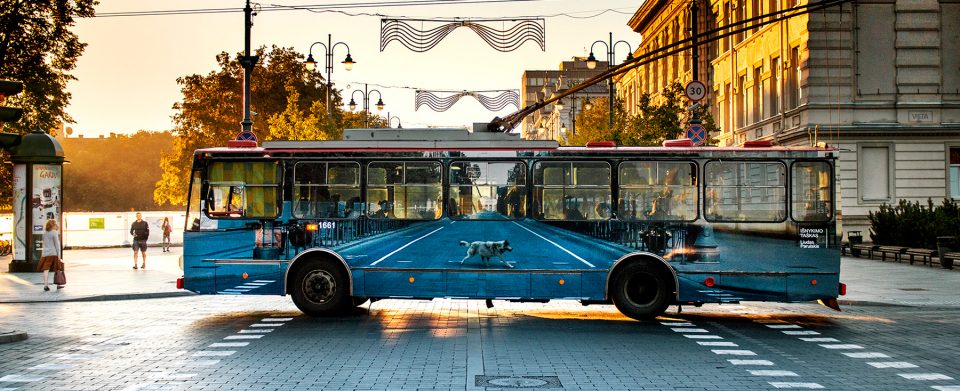
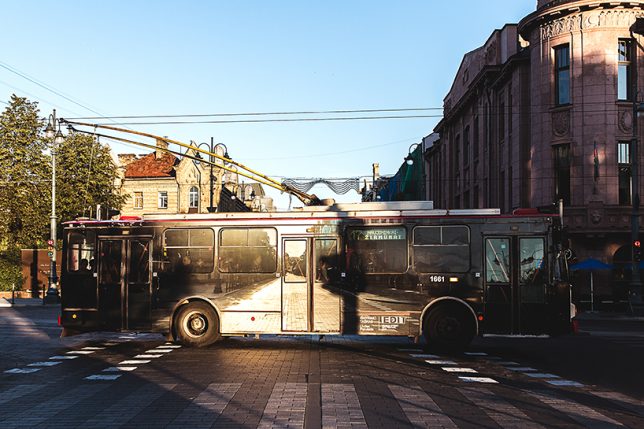
The streets of Vilnius, Lithuania are full of ghost buses that blend right into their surroundings while passing through intersections as if only existing in translucent ethereal form. Matching up to the scenery beyond when glimpsed at just the right moment, the buses are momentarily camouflaged thanks to photorealistic printed imagery mounted to their exteriors for this summer’s Vilnius Street Art Festival.

disappearing bus 2

Illusion

A photo posted by Karolis (@draugas) on

Lithuanian artist Liudas Parulskis collaborated with Studio Vieta to print full-scale scenes from the city onto public trolleybuses, a charmingly retro mode of transportation that has remained popular here despite being replaced by newer transit systems in many modern metropolises. ‘Vanishing Trolleybus’ is a temporary installation encouraging pedestrians to try to catch a glimpse or a photo of the effect in action at just the right ‘vanishing point.’

disappearing bus 3

Jau vaziuoja! #vilnius #vilniusstreetart #vsaf #vilniusstreets

A photo posted by Vilnius Street Art Festival (@vilniusstreetartfestival) on

Camouflage ? #vilniusstreetart @vilniusstreetartfestival Pusdienis planavimo, žadintuvas 5 valand? ryto, skambutis ? troleibus? parko dispe?erin?, netik?tas sve?ias, valanda laukimo ir dvi valandos retušavimo. Manau, kad visai pavyko ? Credits: Netik?tas pagalbininkas – @sveikutiss Id?ja ir ?kv?pimas – @michaelste

A photo posted by Kristijonas Trink?nas (@tabarzda) on

One bus appears to be covered in imagery depicting traditional local architecture, while others capture specific street scenes around the city. Parulskis added a wolf running across an intersection to one of the buses, winking at the unofficial mascot of the city.

Share on Facebook


[ By SA Rogers in Art & Street Art & Graffiti. ]

[ WebUrbanist | Archives | Galleries | Privacy | TOS ]


WebUrbanist

 
Comments Off on Invisible Buses: Photorealistic Prints Provide Moving Urban Camouflage

Posted in Creativity


Take a peek at some of the contenders for Wildlife Photographer of the Year 2016

03 Sep

First Wildlife Photographer of the Year 2016 images

Splitting the catch. Audun Rikardsen / Wildlife Photographer of the Year

A 40 minute, 104°F wait for a hornbill to toss a termite. Hours in cold water waiting for a crowd of giant cuttlefish to strike the right pose. If there’s a lesson to be learned from this year’s Wildlife Photographer of the Year finalists, it’s the importance of patience in wildlife photography.

Now in its 51st year, the Natural History Museum’s Wildlife Photographer of the Year competition attracts entries from all over the world. Winning images will go on display at the London museum starting October 21st, but you can get an early preview of some of the finalists here. They’ve been selected from nearly 50,000 entries coming in from 95 countries. If the early results are any indication, we’re in for a treat when all of the winners are revealed.

Wildlife Photographer of the Year is developed and produced by the Natural History Museum, London.

First Wildlife Photographer of the Year 2016 images

Splitting the catch. Audun Rikardsen / Wildlife Photographer of the Year

Sometimes it’s the fishing boats that look for the killer whales and humpbacks, hoping to locate the shoals of herring that migrate to these Arctic Norwegian waters. But in recent winters, the whales have also started to follow the boats.

Here a large male killer whale feeds on herring that have been squeezed out of the boat’s closing fishing net. He has learnt the sound that this type of boat makes when it retrieves its gear and homed in on it. The relationship would seem to be a win-win one, but not always. Whales sometimes try to steal the fish, causing damage to the gear, and they can also become entangled in the nets, sometimes fatally, especially in the case of humpbacks. The search for solutions is under-way, including better systems for releasing any whales that get trapped.

Having grown up in a small coastal fishing community in northern Norway, Audun has always been fascinated by the relationship between humans and wildlife. And for several years, he has been trying to document the interactions between whales and fishermen. A specially designed, homemade underwater camera housing allows him take split?level pictures in low light. But he needs to get close to a whale, though not close enough to disturb it or be dragged under a boat’s side propeller. So having the fishermen’s permission to snorkel by their boats has been as important as being tolerated by the whales.

Canon EOS 5D Mark III + 11– 24mm f4 lens at 11mm + 1.2 Lee filter; 1/200 sec at f6.3; ISO 640; custom-made housing.

First Wildlife Photographer of the Year 2016 images

Termite tossing. Willem Kruger / Wildlife Photographer of the Year

Termite after termite after termite – using the tip of its massive beak-like forceps to pick them up, the hornbill would flick them in the air and then swallow them. Foraging beside a track in South Africa’s semi-arid Kgalagadi Transfrontier Park, the southern yellow-billed hornbill was so deeply absorbed in termite snacking that it gradually worked its way to within 6 metres (19 feet) of where Willem sat watching from his vehicle.

Though widespread, this southern African hornbill can be shy, and as it feeds on the ground – mainly on termites, beetles, grasshoppers and caterpillars – it can be difficult for a photographer to get a clear shot among the scrub. The bird feeds this way because its tongue isn’t long enough to pick up insects as, say, a woodpecker might, and though its huge bill restricts its field of vision, it can still see the bill’s tip and so can pick up insects with precision. What Willem was after, though, was the hornbill’s precision toss, which he caught, after a 40-minute, 40°C (104°F) wait.

Nikon D3S + 600mm f4 lens; 1/5000 at f4; ISO 800; Kirk WM-2 window mount + Benro GH-2 Gimbal tripod head.

First Wildlife Photographer of the Year 2016 images

Golden relic. Dhyey Shah / Wildlife Photographer of the Year

With fewer than 2,500 mature adults left in the wild, in fragmented pockets of forest in northeastern India (Assam) and Bhutan, Gee’s golden langurs are endangered. Living high in the trees, they are also difficult to observe. But, on the tiny man-made island of Umananda, in Assam’s Brahmaputra River, you are guaranteed to see one.

Site of a temple dedicated to the Hindu god Shiva, the island is equally famous for its introduced golden langurs. Within moments of stepping off the boat, Dhyey spotted the golden coat of a langur high up in a tree. The monkey briefly made eye contact and then slipped away. Today, there are just six left on the island, and, with much of the vegetation having been cleared, the leaf-eating monkeys are forced to depend mainly on junk food from visitors.

Canon EOS 500D + 55–250mm f5.6 lens; 1/250 sec at f5.6; ISO 1250.

First Wildlife Photographer of the Year 2016 images

Nosy neighbour. Sam Hobson / Wildlife Photographer of the Year

Sam knew exactly who to expect when he set his camera on the wall one summer’s evening in a suburban street in Bristol, the UK’s famous fox city. He wanted to capture the inquisitive nature of the urban red fox in a way that would pique the curiosity of its human neighbours about the wildlife around them.

This was the culmination of weeks of scouting for the ideal location – a quiet, well?lit neighbourhood, where the foxes were used to people (several residents fed them regularly) – and the right fox. For several hours every night, Sam sat in one fox family’s territory, gradually gaining their trust until they ignored his presence. One of the cubs was always investigating new things – his weeping left eye the result of a scratch from a cat he got too close to. ‘I discovered a wall that he liked to sit on in the early evening,’ says Sam. ‘He would poke his head over for a quick look before hopping up.’ Setting his focus very close to the lens, Sam stood back and waited. He was rewarded when the youngster peeked over and, apart from a flick of his ear, stayed motionless for long enough to create this intimate portrait.

Nikon D800 + 17–35mm f2.8 lens at 17mm; 1/6 sec at f4.5; ISO 800; Nikon SB-700 + SB-800 flashes; PocketWizard Plus III remote release; Manfrotto tripod.

First Wildlife Photographer of the Year 2016 images

The disappearing fish. Iago Leonardo / Wildlife Photographer of the Year

In the open ocean, there’s nowhere to hide, but the lookdown fish – a name it probably gets from the steep profile of its head, with mouth set low and large eyes high – is a master of camouflage.

Recent research suggests that it uses special platelets in its skin cells to reflect polarized light (light moving in a single plane), making itself almost invisible to predators and potential prey. The platelets scatter polarized light depending on the angle of the sun and the fish, doing a better job than simply reflecting it like a mirror. This clever camouflage works particularly well when viewed from positions of likely attack or pursuit.

What is not yet clear is whether the fish can increase its camouflage by moving the platelets or its body for maximum effect in the ocean’s fluctuating light. The lookdowns’ disappearing act impressed Iago, who was free-diving with special permission around Contoy Island, near Cancun, Mexico. Using only natural light, he framed them against a shoal of grey grunt to highlight the contrast between them.

Canon EOS 5D + 20mm f2.8 lens; 1/320 sec at f11; ISO 400; Ikelite housing.

First Wildlife Photographer of the Year 2016 images

Blast furnace. Alexandre Hec / Wildlife Photographer of the Year

When the lava flow from Kilauea on Hawaii’s Big Island periodically enters the ocean, the sight is spectacular, but on this occasion Alexandre was in for a special treat.

Kilauea (meaning ‘spewing’ or ‘much spreading’) is one of the world’s most active volcanoes, in constant eruption since 1983. As red-hot lava at more than 1,000°C (1,832?F) flows into the sea, vast plumes of steam hiss up, condensing to produce salty, acidic mist or rain. Alexandre witnessed the action and returned in an inflatable the following evening to find that a new crater had formed close to the shore.

Capturing the furious action in a rough sea was no easy task. From 100 metres (328 feet) away, he was blasted with heat and noise – ‘like a jet taking off’. In a moment of visibility, his perseverance paid off, with a dramatic image of glowing lava being tossed some 30 metres (98 feet) into the air against the night sky.

Nikon D300 + 70–200mm f2.8 lens at 70mm; 1/350 sec at f4; ISO 800.

First Wildlife Photographer of the Year 2016 images

Playing pangolin. Lance van de Vyver / Wildlife Photographer of the Year

Lance had tracked the pride for several hours before they stopped to rest by a waterhole, but their attention was not on drinking. The lions (in South Africa’s Tswalu Kalahari Private Game Reserve) had discovered a Temminck’s ground pangolin. This nocturnal, ant-eating mammal is armour-plated with scales made of fused hair, and it curls up into an almost impregnable ball when threatened.

Pangolins usually escape unscathed from big cats (though not from humans, whose exploitation of them for the traditional medicine trade is causing their severe decline). But these lions just wouldn’t give up. ‘They rolled it around like a soccer ball,’ says Lance. ‘Every time they lost interest, the pangolin uncurled and tried to retreat, attracting their attention again.’

Spotting a young lion holding the pangolin ball on a termite mound close to the vehicle, Lance focused in on the lion’s claws and the pangolin’s scratched scales, choosing black and white to help simplify the composition. It was 14 hours before the pride finally moved off to hunt. The pangolin did not appear to be injured, but it died shortly after, probably not just from the stress of capture but also from being out in the heat all day.

Canon EOS 5DS R + 500mm f4 lens; 1/1600 sec at f4; ISO 1600.

First Wildlife Photographer of the Year 2016 images

Thistle-plucker. Isaac Aylward / Wildlife Photographer of the Year

Try keeping a flying linnet in sight while scrambling down rocky embankments holding a telephoto lens. Isaac did, for 20 minutes. He was determined to keep pace with the linnet that he spotted while hiking in Bulgaria’s Rila Mountains, finally catching up with the tiny bird when it settled to feed on a thistle flowerhead.

From the florets that were ripening, it pulled out the little seed parachutes one by one, deftly nipped off the seeds and discarded the feathery down. Isaac composed this alpine-meadow tableau with the sea of soft purple knapweed behind, accentuating the clashing red of the linnet’s plumage.

Canon EOS 1200D + 75–300mm f5.6 lens; 1/640 sec at f5.6; ISO 400.

First Wildlife Photographer of the Year 2016 images

Collective courtship. Scott Portelli / Wildlife Photographer of the Year

Thousands of giant cuttlefish gather each winter in the shallow waters of South Australia’s Upper Spencer Gulf for their once-in-a-lifetime spawning. Males compete for territories that have the best crevices for egg?laying and then attract females with mesmerizing displays of changing skin colour, texture and pattern.

Rivalry among the world’s largest cuttlefish – up to a metre (3.3 feet) long – is fierce, as males outnumber females by up to eleven to one. A successful, usually large, male grabs the smaller female with his tentacles, turns her to face him (as here) and uses a specialized tentacle to insert sperm sacs into an opening near her mouth. He then guards her until she lays the eggs. The preoccupied cuttlefish (the male on the right) completely ignored Scott, allowing him to get close.

A line of suitors was poised in the background, waiting for a chance to mate with the female (sometimes smaller males camouflage themselves as females to sneak past the male). Scott’s hours in the cold water were finally rewarded when the onlookers momentarily faced the same way, and he framed the ideal composition.

Canon EOS 5D Mark III + 15mm f2.8 lens; 1/200 sec at f18; ISO 320; Seacam housing; two Ikelite DS161 strobes.

First Wildlife Photographer of the Year 2016 images

Swarming under the stars. Imre Potyo? / Wildlife Photographer of the Year

Imre was captivated by the chaotic swarming of mayflies on Hungary’s River Rába and dreamt of photographing the spectacle beneath a starlit sky. For a few days each year (at the end of July or beginning of August), vast numbers of the adult insects emerge from the Danube tributary, where they developed as larvae. On this occasion, the insects emerged just after sunset.

At first, they stayed close to the water, but once they had mated, the females gained altitude. They filled the air with millions of silken wings, smothering Imre and his equipment in their race upstream to lay their eggs on the water’s surface. Then they died, exhausted, after just a few hours. This ‘compensatory flight’ – sometimes as far as several kilometres upstream – is crucial to make up for the subsequent downstream drift of the eggs and nymphs, and luckily for Imre, it was happening under a clear sky.

To capture both the mayflies and the stars, he created an in-camera double exposure, adjusting the settings as the exposure happened. A flashlight added the finishing touch, tracing the movement of the females on their frantic mission.

Nikon D90 + Sigma 17–70mm f2.8–4.5 lens at 17mm; double exposure 1.3 sec at f14 and 30 sec at f3.2; ISO 800; in?camera flash; flashlight; Manfrotto tripod + Uniqball head.

Articles: Digital Photography Review (dpreview.com)

 
Comments Off on Take a peek at some of the contenders for Wildlife Photographer of the Year 2016

Posted in Uncategorized


Weekly Photography Challenge – Stripes

03 Sep

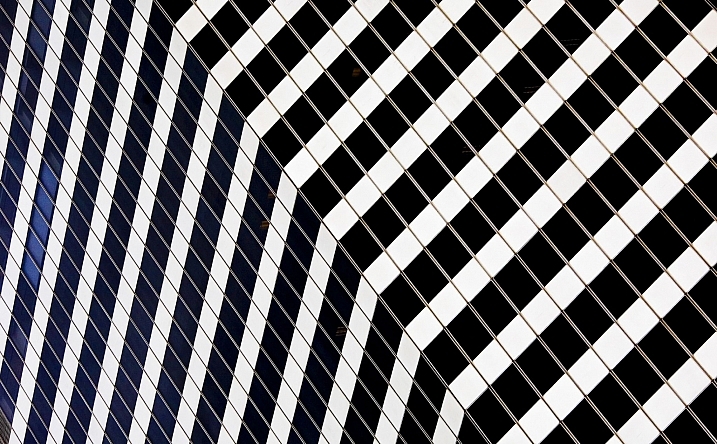
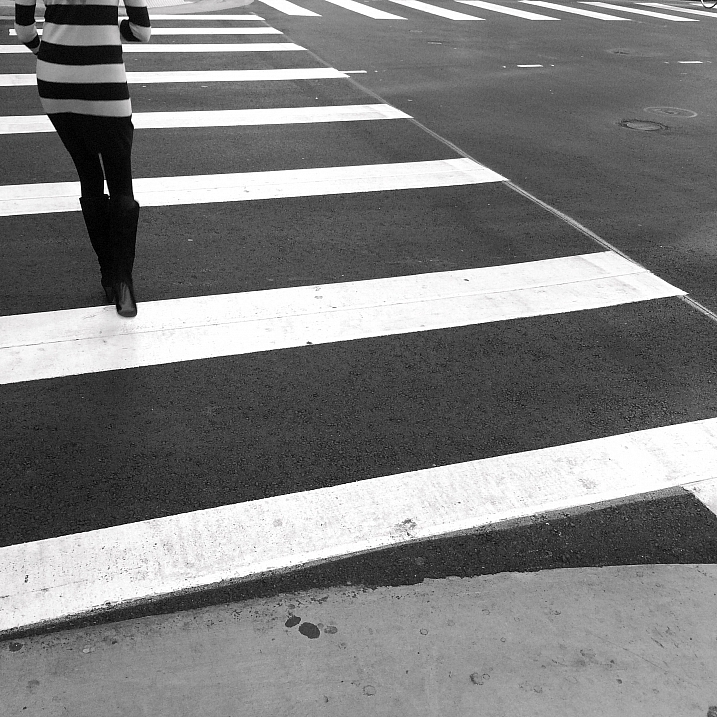
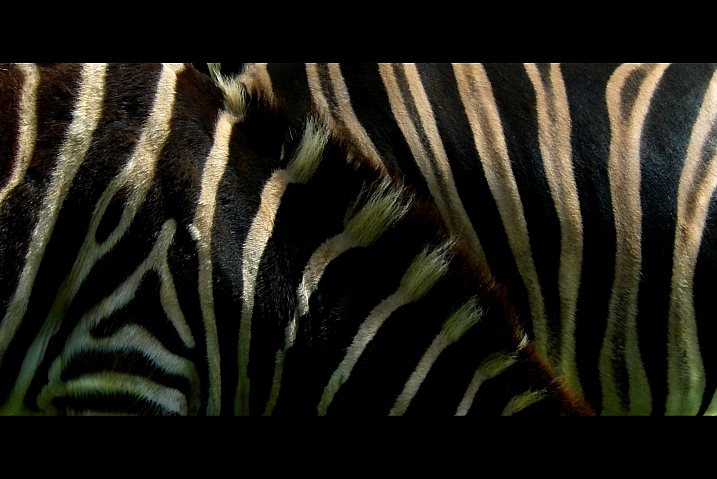
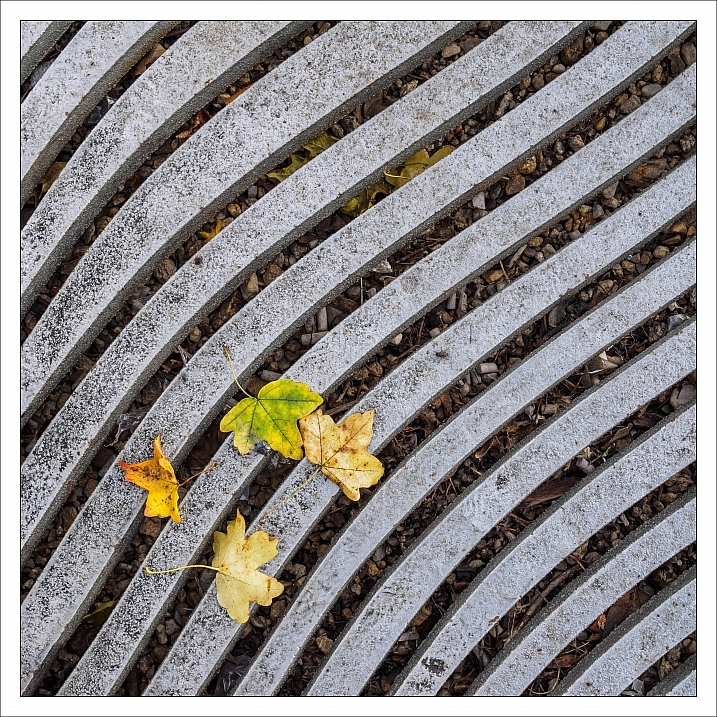
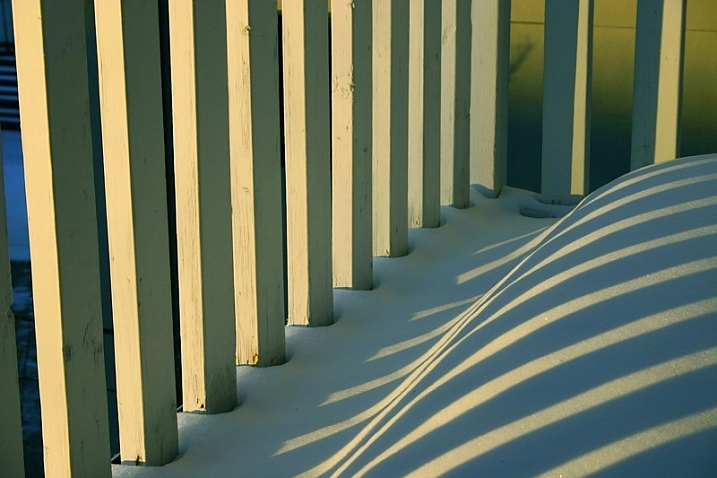
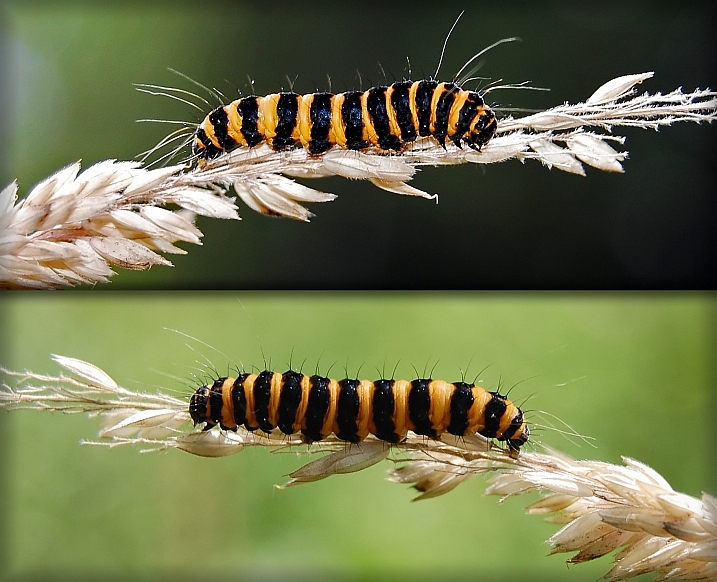
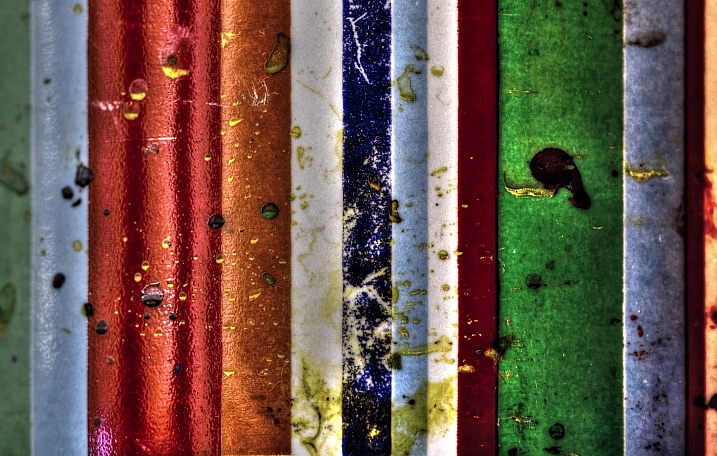
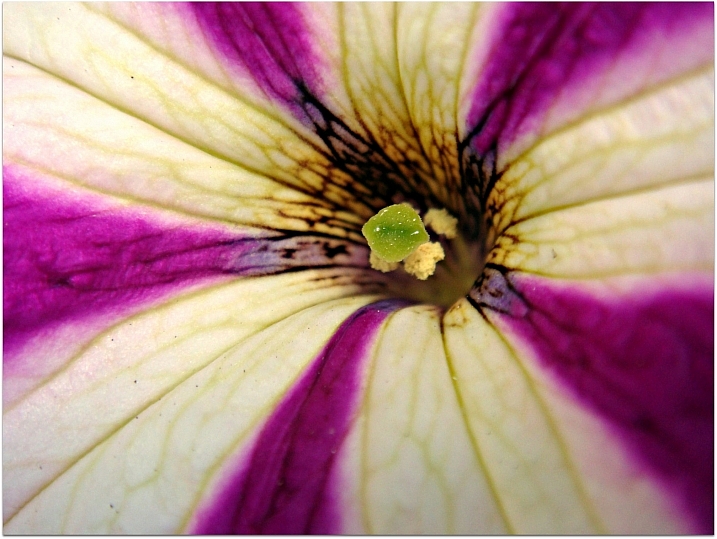
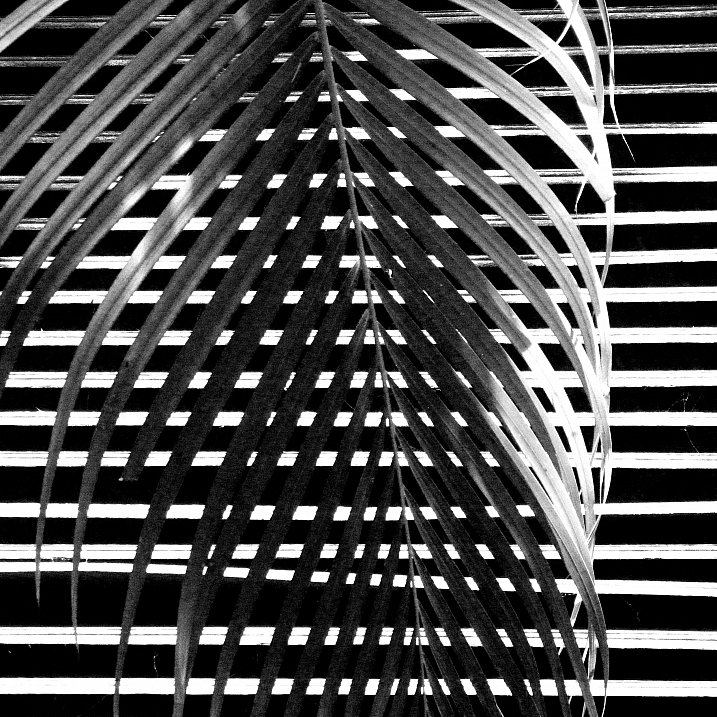
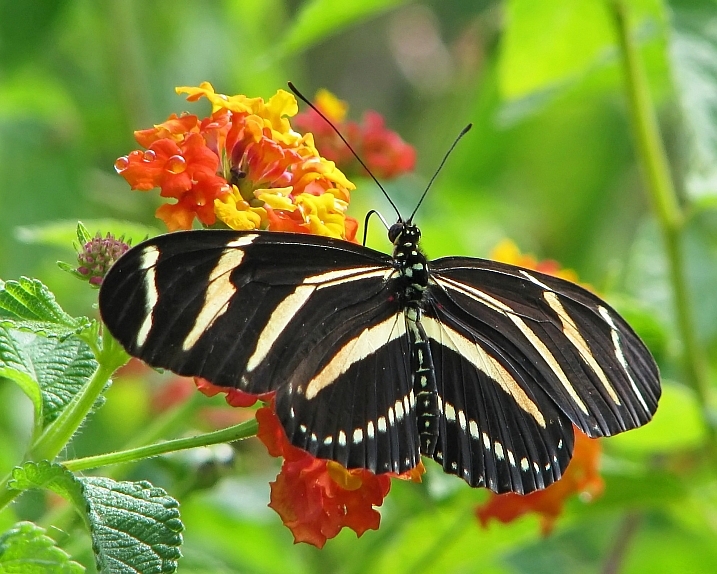
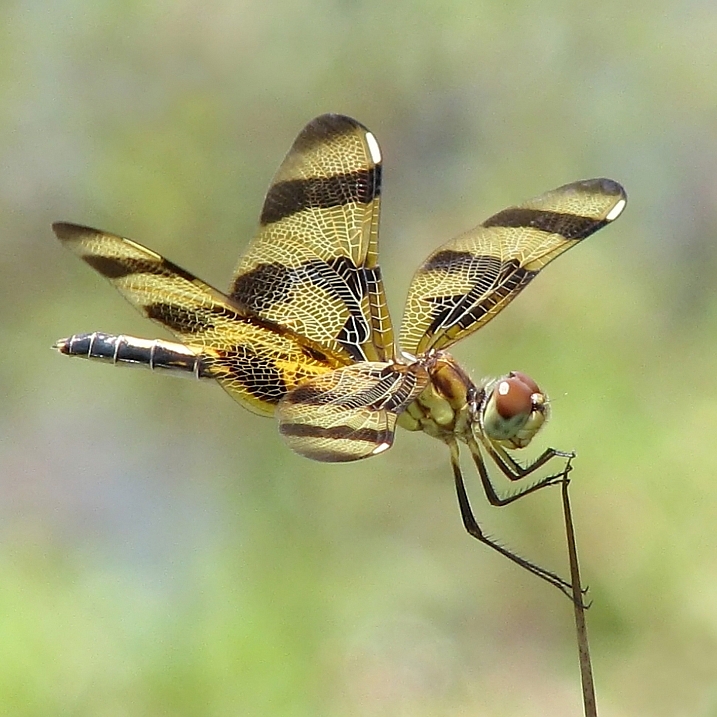
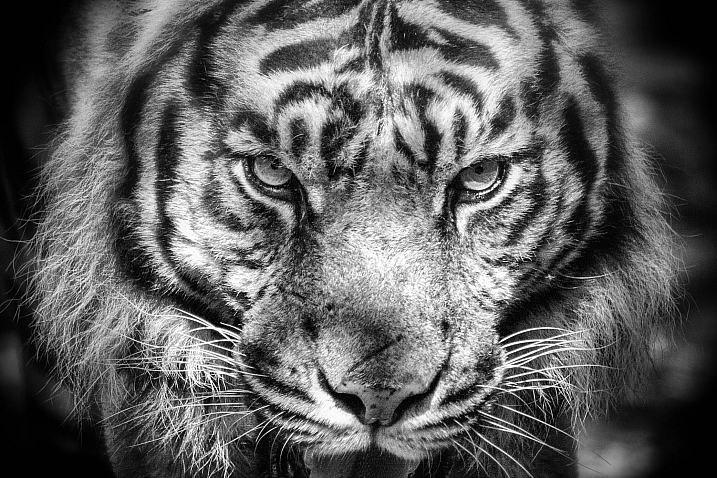
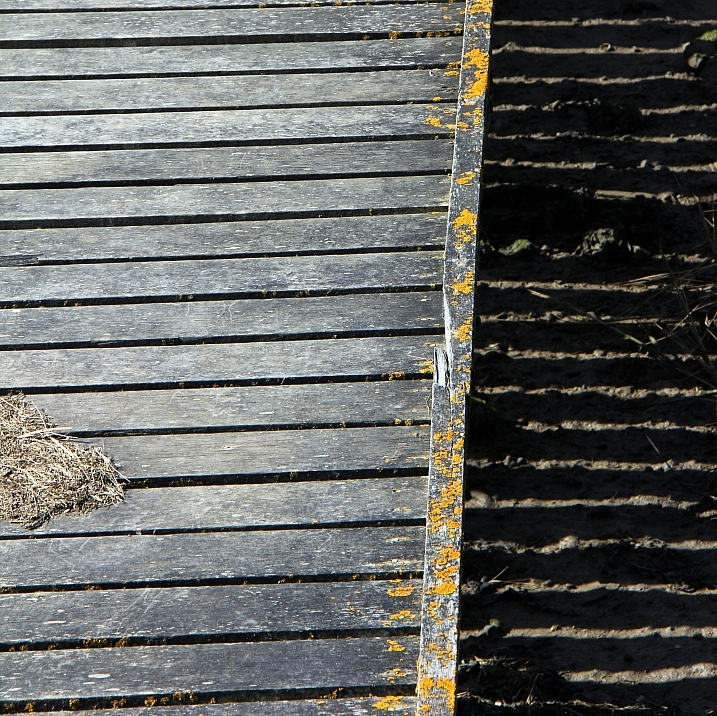
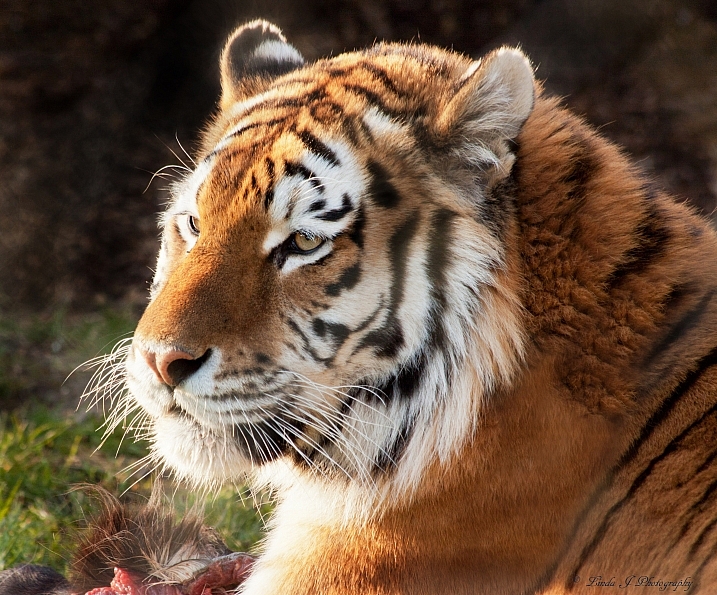
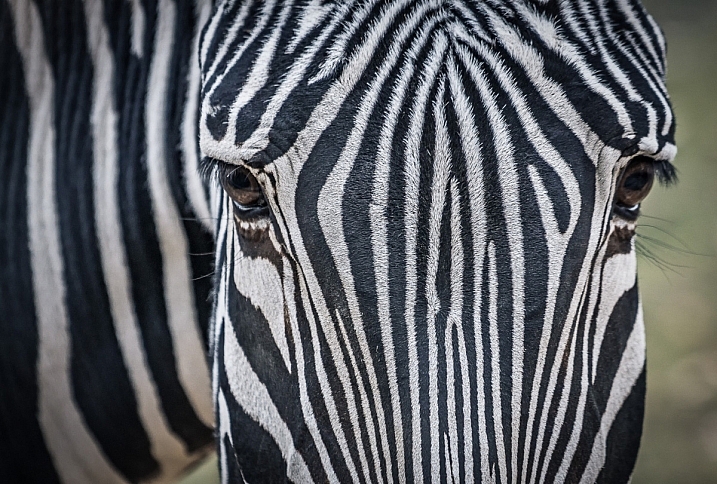
Finding unique photography subjects can be a challenge sometimes. Contrast draws attention, and stripes carry inherent contrast. Like this images of stripes.

Evelyn Berg

By Evelyn Berg

Weekly Photography Challenge – Stripes

Leading lines is a great element of composition to use to create dramatic images. Taking that to the extreme and you have stripes!

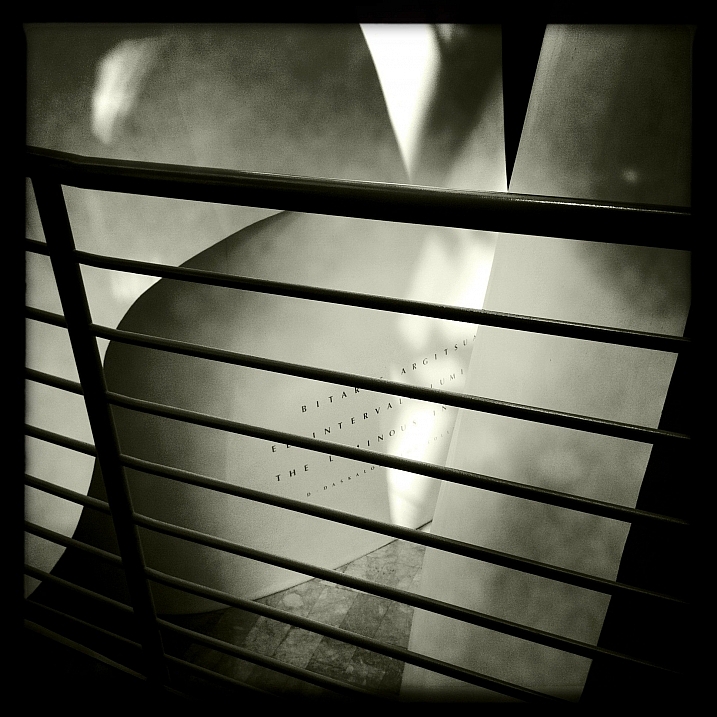
This week for the photography challenge you need to find or create some stripes to photograph. That might be painted striped on a road or crosswalk (be safe please), blinds or light coming through them, shadows or a fence, etc.

Use your thinking cap and add a little creativity and see what you can come up with for stripes.

Tanakawho

By tanakawho

Mike Steinhoff

By Mike Steinhoff

Tuncay

By Tuncay

Share your images below:

Simply upload your shot into the comment field (look for the little camera icon in the Disqus comments section) and they’ll get embedded for us all to see or if you’d prefer upload them to your favourite photo sharing site and leave the link to them. Show me your best images in this week’s challenge. Sometimes it takes a while for an image to appear so be patient and try not to post the same image twice.
Share in the dPS Facebook Group

You can also share your images on the dPS Facebook group as the challenge is posted there each week as well.

Evelyn Berg

By Evelyn Berg

Evelyn Berg

By Evelyn Berg

Maria Keays

By Maria Keays

VanessaC (EY)

By VanessaC (EY)

googletag.cmd.push(function() {
tablet_slots.push( googletag.defineSlot( “/1005424/_dPSv4_tab-all-article-bottom_(300×250)”, [300, 250], “pb-ad-78623” ).addService( googletag.pubads() ) ); } );

googletag.cmd.push(function() {
mobile_slots.push( googletag.defineSlot( “/1005424/_dPSv4_mob-all-article-bottom_(300×250)”, [300, 250], “pb-ad-78158” ).addService( googletag.pubads() ) ); } );

The post Weekly Photography Challenge – Stripes by Darlene Hildebrandt appeared first on Digital Photography School.


Digital Photography School

 
Comments Off on Weekly Photography Challenge – Stripes

Posted in Photography


21 Banded Images of Stripes

03 Sep

Light and dark, highlight and shadow. That’s what photography is all about.

When contrast appears, an image can be made.

Let’s have a look at what some photographers did with extreme contrast – stripes.

Newelly54

By newelly54

Thomas Hawk

By Thomas Hawk

Mrs Airwolfhound

By Mrs Airwolfhound

Rob Deutscher

By Rob Deutscher

Michael Levine-Clark

By Michael Levine-Clark

Jeremy Brooks

By Jeremy Brooks

Sarah Horrigan

By Sarah Horrigan

Andreas Manessinger

By Andreas Manessinger

Evelyn Berg

By Evelyn Berg

Robert Keller

By Robert Keller

Gabriel Caparó

By Gabriel Caparó

Tom Blackwell

By Tom Blackwell

Jon Bunting

By Jon Bunting

CameliaTWU

By CameliaTWU

Evelyn Berg

By Evelyn Berg

Vicki DeLoach

By Vicki DeLoach

Vicki DeLoach

By Vicki DeLoach

Patrick Bouquet

By Patrick Bouquet

Jurek D.

By jurek d.

Herefordcat

By herefordcat

Linda Stanley

By Linda Stanley

googletag.cmd.push(function() {
tablet_slots.push( googletag.defineSlot( “/1005424/_dPSv4_tab-all-article-bottom_(300×250)”, [300, 250], “pb-ad-78623” ).addService( googletag.pubads() ) ); } );

googletag.cmd.push(function() {
mobile_slots.push( googletag.defineSlot( “/1005424/_dPSv4_mob-all-article-bottom_(300×250)”, [300, 250], “pb-ad-78158” ).addService( googletag.pubads() ) ); } );

The post 21 Banded Images of Stripes by Darlene Hildebrandt appeared first on Digital Photography School.


Digital Photography School

 
Comments Off on 21 Banded Images of Stripes

Posted in Photography