RSS
 

Archive for September, 2016

Fujifilm to introduce monochrome instax mini film

06 Sep

Fujifilm has announced monochrome film for its instax instant cameras and Share printer. It will go on sale worldwide in October, and like the color film, will be sold in cartridges of 10 sheets each. No price has yet been given for the monochrome film, but currently a twin pack of color film with 20 sheets goes for about $ 12.

Press release

“instax mini film Monochrome”
A new film that expands the possibilities of photographic expression using instax film

September 6, 2016

PHOTOKINA 2016, COLOGNE, GERMANY, September 20, 2016—FUJIFILM Corporation (President: Kenji Sukeno) is pleased to announce the launch of the “instax mini film Monochrome”, which will be released worldwide in October 2016.

The “instax mini film Monochrome” responds to the increasingly sophisticated demands of users, enabling them to expand the artistic potential of their photographic expression and adding a further dimension of fun to use instax cameras and films.

Product Name: “instax mini film Monochrome”

Availability: From October 2016

Main features:

  • Includes 10-frame, printable instax monochrome film.
  • Expands the potential for artistic, fashion and street photography.

Fujifilm is committed to offering new products and services that meet various consumer needs by leveraging innovative technological advancements. Fujifilm is also dedicated to enhancing the enjoyment of photography worldwide, and encourages users to experience the value of shooting, preserving, displaying and gifting photo images that deliver the message of “enrich your life with photographs.”

Articles: Digital Photography Review (dpreview.com)

 
Comments Off on Fujifilm to introduce monochrome instax mini film

Posted in Uncategorized


Overview of the Lensbaby System – Is it for you?

06 Sep

Are you interested in taking your photography to another level? Do you like the bokeh effect, or images that have a painterly look to them? Then perhaps you might want to give the Lensbaby lenses and optics a try.

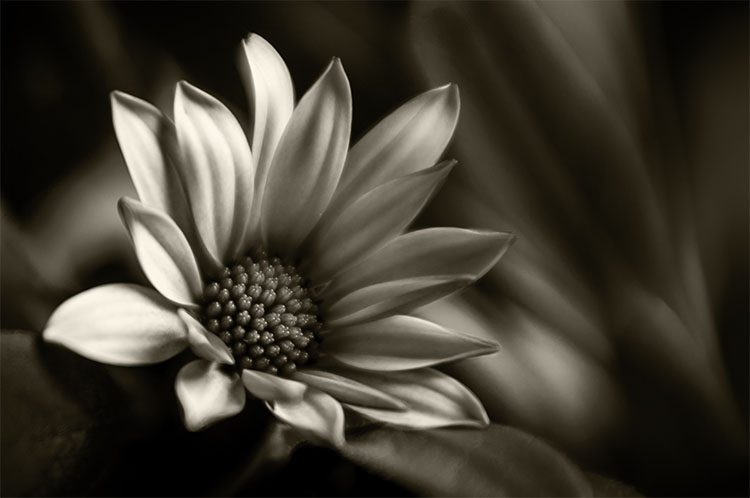
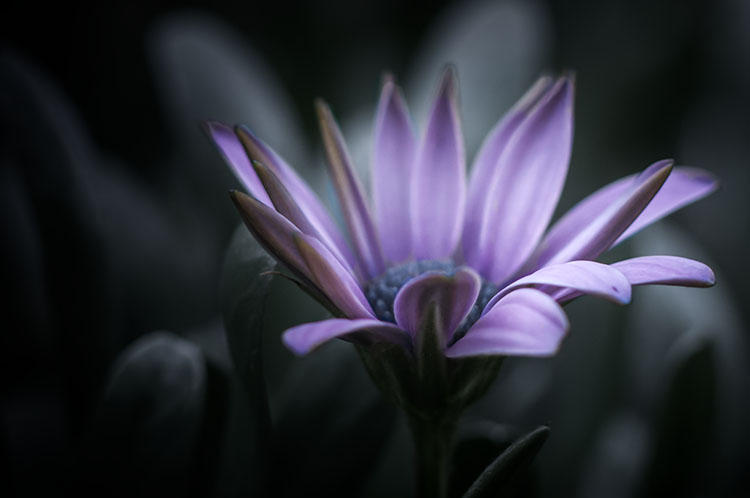
leannecole-lensbaby-macro-flower-colour

Taken in the garden with using the macro converters, giving this image a very soft, painterly look.

Lensbaby is a system that allows you to insert, and use, different optics to a base lens. The most common one is the Composer Pro which has a rotating ball so you can use different angles when taking photos. You can get interesting effects with them by using selective focus, great bokeh, and you can achieve very painterly style images.

The company, Lensbaby, makes the lenses for cameras with interchangeable lenses, like DSLRs and mirrorless bodies. They have been designed to help you photograph the world in a new way. You can achieve some amazing results and can very quickly become addicted.

How long has Lensbaby been around?

Their story began in 2004 when one of their founders, Craig Strong, “joined an old Speed Graphic lens with a short Shop-Vac hose to shoot images otherwise impossible with an DSLR lens, which inspired the original Lensbaby lens.” From there the company has continued to grow and develop the lens swap system.

What is a Lensbaby?

The idea behind Lensbaby is an optic swap system. You get one of the systems that can use various optics, such as the Composer Pro. This is the part that connects directly to your camera, like a lens. There are two components to it, which are joined via a metal ball, that allows the second part to rotate so you can change your point of focus.

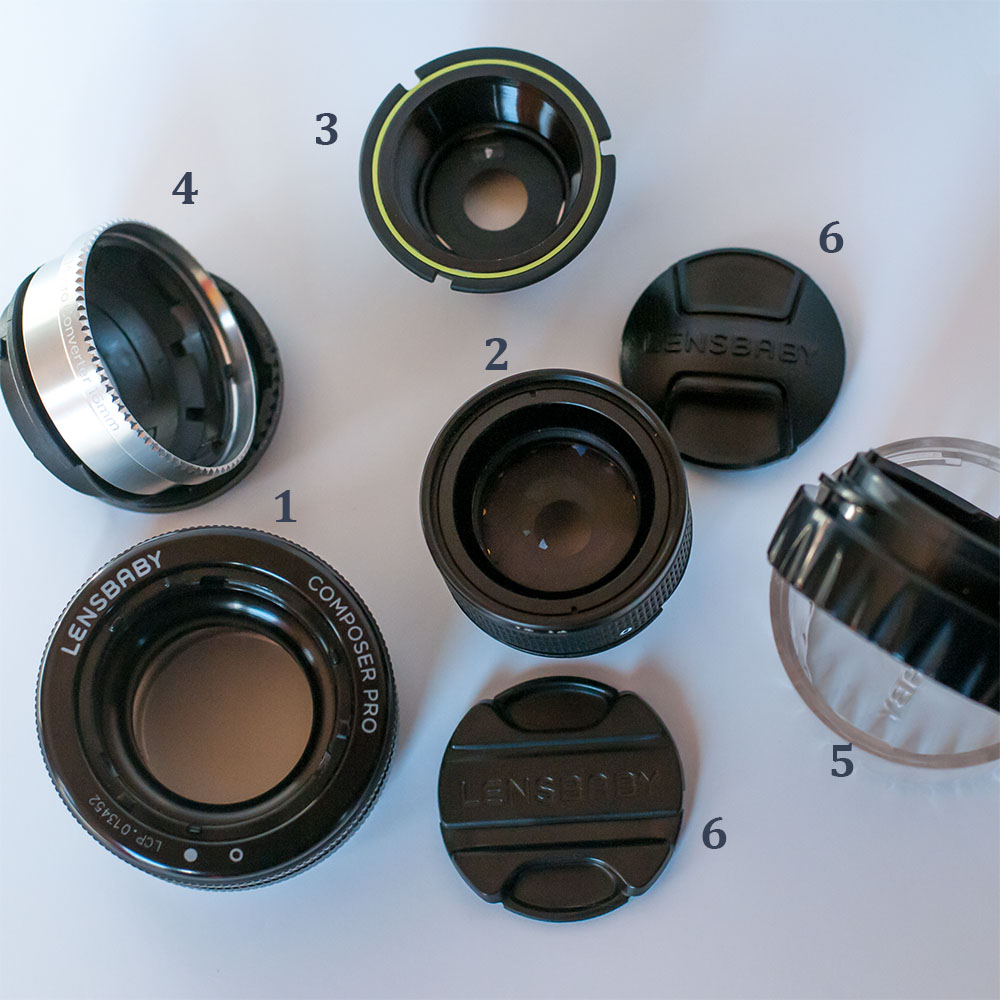
leannecole-lensbaby-lenses-optics

The Lensbaby lenses I have, 1) The Composer Pro, 2) Edge 80 Optic, 3) Double Glass Optic with f/4, 4) Macro Converters, 5) The containers they come in that are also tools, and 6) lens cap.

You put the optics into the Composer Pro. There is a range of options available that allow you to use the lens as a normal lens, a fisheye, a macro lens, etc. Each of the optics give you different effects. For this article the optics used where the Edge 80, Fisheye Optic and the Double Glass optics.

There is also a range of optics available for the iPhone. You can put them on your phone to get similar results.

Lensbaby also has a new lens now, the Velvet series. They look like real lenses, but deliver a soft, glowing effect at larger apertures. They don’t have optics that you swap in and out, however, and are also manually focused.

What do the lenses do and what effects do you get?

With the different optics you can get a lot of different effects. You can create images that have a tilt-shift look, so the subject in the image looks miniature. You can isolate certain areas, or the subject. For example, if you want to photograph a flower that is in amongst many others, you could isolate it so only that one flower is in focus.

One thing it is great for is bokeh. That same flower can have a fantastic blurred background by using a large aperture. The out of focus areas often look like they were painted as well, which, again, depends on the optic and the aperture that you use.

You don’t really get what you expect with normal photography or lenses, meaning really sharp images. You have to take a different approach to using a Lensbaby. If you are the type of photographer who is very technical, where the light and sharp focus is very important, you may not like these. However, if you like to experiment, see what you can achieve, and like dreamy painterly images, then you will love the Lensbaby.

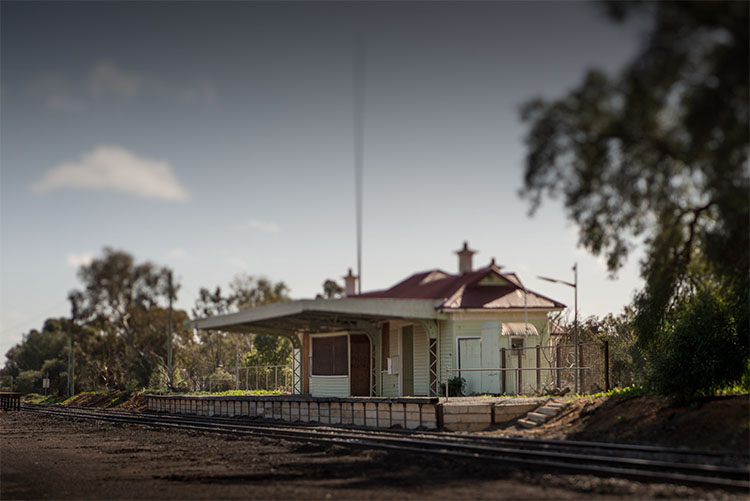
leannecole-lensbaby-old-train-station

The Edge 80 Optic is also good for creating tilt shift images, to make your subject seem miniature.

What do you need to use a Lensbaby?

When compared to normal lenses the price is not too bad. But it does depend on how addicted you become, and how many different ones you want to try. I was given quite a few different optics, but I still went and purchased more.

However when starting with the system, you can begin with something simple, such as the Spark. It comes with one optic, and you can just go out and use it. The Composer Pro can also be purchased with an optic, and is perhaps the easier of the two to use.

To decide which one is for you, take a look at the Lensbaby gallery on their website. See what looks appeal to you, and which products were used to create them. Start there.

leannecole-lensbaby-old-car

Using the Double Glass Optic again, it has given focus to just a small part of the old car.

How easy are they to use?

They take a bit of getting used to, and there is a steep learning curve. You can’t simply put them on your camera and begin. To get the best results you need to do some research and learn how to use them. Once you have a good idea, then it is just a matter of getting out there to try it. You need to experiment a lot, and you will delete many photos, but as you gain experience you will get images that you are proud to show.

The focusing system seems to be the hardest to get used to, at least it was for me. Having to manually focus the lens is a task in itself. For some of the optics it is easy though. Once the focus is sorted at the start, you can just move the composer pro around on the ball, and get it to the point and look that you want.

As with anything new, there is some trial and error. So be prepared to mess up a lot. It isn’t a good idea to take your new Lensbaby somewhere really important the first time you use it, like a wedding. Get to know it first before using it for anything critical.

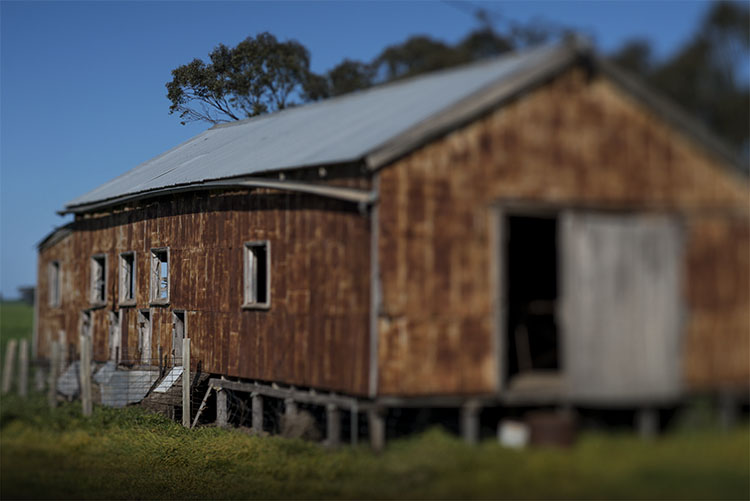
leannecole-lensbaby-old-shearing-shed

Focusing on just a small part of the shearing shed to emphasis where the viewer should look.

Why are they better than other similar effects?

The results you get with the lenses are quite unique to the system. You can try and emulate the effects in Photoshop, but they don’t quite work the same.

Who would use them?

Anyone who is interested in trying something different, and to test themselves, should give Lensbaby a try. If you are interested in trying new types of photography, then you will love the Lensbaby. The effects are different every time, especially when you use different angles.

Through the lens, you see a whole new world. As you find yourself succeeding at taking photos with them, you will become addicted. The softness of the blur is very different, and being able to concentrate attention exactly where you want in the scene is wonderful.

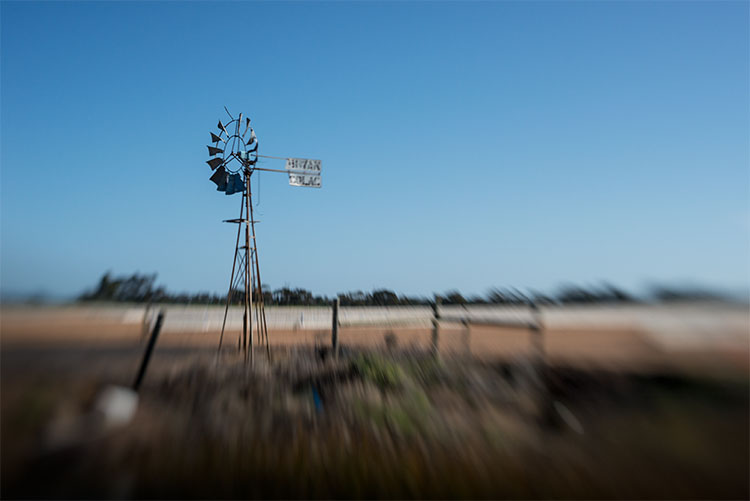
leannecole-lensbaby-old-windmill

The Double Glass optic has helped to lessen the effect of the distracting foreground so you focus only on the windmill.

Manual focus

All the lenses are manually focused. If you aren’t very good at doing that, then the Lensbaby may not be for you. However, if you don’t have an issue with it, you will have a lot of fun as you experiment.

One problem was the aperture rings. The further you close it down, the darker it gets in the camera viewfinder, and it can be hard to focus. This is especially the case when you are using the Edge 80 optic with the Composer Pro. When the aperture is wide open you can see through your viewfinder quite well. But as you start to close it down to around f/8, the light dims and it is harder to see, and therefore focus.

The farther away the subject is, the easier it is to focus. Anything up close is harder, and requires a lot of practice. If you have trouble focusing and holding the camera still, use a tripod. There is some literature out there that says you can’t use a tripod with a Lensbaby, but that is not true.

Perhaps using the lens straight on will also be of benefit at the beginning. Learn to use them in a basic way first, then you can start to see what is possible as you experiment.

leannecole-lensbaby-macro-flower

A macro flower taken using the Double Glass Optic in the Composer Pro. The camera was on a tripod to ensure sharp focus.

Are they for you?

If you have read this far, then you are probably interested in trying them out. The Lensbaby website has some great resources for helping you to learn about their products. There are also lots of tutorials on YouTube that help you to figure them out.

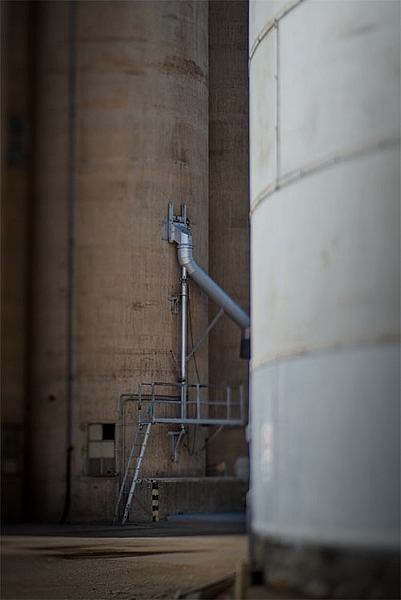
leannecole-lensbaby-old-silos

The Edge 80 Optic is ideal for doing straight parts of the image. I used it to help highlight the silo in the background.

The Lensbaby lenses and optics are a great addition to any kit bag. The effects that are created from them are unique, and can give your photography a whole new look. They will help the artist in you, achieve the artistic impressionist images that you haven’t been able to get, with regular photography lenses that are available.

Here is a video from Lensbaby to give you a quick overview of some of the options.

Have you tried a Lensbaby before? Please share your thoughts and images in the comments below.

googletag.cmd.push(function() {
tablet_slots.push( googletag.defineSlot( “/1005424/_dPSv4_tab-all-article-bottom_(300×250)”, [300, 250], “pb-ad-78623” ).addService( googletag.pubads() ) ); } );

googletag.cmd.push(function() {
mobile_slots.push( googletag.defineSlot( “/1005424/_dPSv4_mob-all-article-bottom_(300×250)”, [300, 250], “pb-ad-78158” ).addService( googletag.pubads() ) ); } );

The post Overview of the Lensbaby System – Is it for you? by Leanne Cole appeared first on Digital Photography School.


Digital Photography School

 
Comments Off on Overview of the Lensbaby System – Is it for you?

Posted in Photography


Cooke Optics to offer miniS4/I lens range in mounts for DSLR and mirrorless cameras

06 Sep

UK lens manufacturer Cooke Optics has announced that it is to produce a much wider range of mounts for its compact miniS4/i family of lenses to allow access for DSLR and mirrorless camera owners. From October the lenses will be available in mounts for Canon EF, Nikon F, Sony E and Micro Four Thirds systems, as well as the normal PL mount for movie cameras. In addition the company will offer the new mounts on their own for existing miniS4/i lens owners who will be able to switch the fittings themselves.

The Cooke miniS4/i series is designed to offer movie makers a smaller, lighter alternative to the company’s S4/i lenses through the use of a T2.8 maximum aperture instead of the T2 opening of the S4/i range. There are ten prime lenses in the series ranging from 18mm to 135mm, and each is capable of covering a Super 35mm frame.

Although the miniS4/i series is considered to be a cost-effective alternative to the company’s larger lenses, a set of all ten costs around $ 69,500 while the individual lenses are priced at about $ 7300 each. The price of the individual mounts has yet to be announced.

For more information see the Cooke Optics website.

Press release

Cooke Optics introduces multiple mounts for miniS4/i lens range

Users of Canon EF, Nikon F, Sony E and micro 4/3 cameras now have access to the Cooke Look

Leicester, UK- Cooke Optics, the multi-award winning manufacturer of precision lenses for film and television, is pleased to announce that it is introducing multiple mounts for its acclaimed miniS4/i lenses, enabling more cameras and productions to benefit from the ‘Cooke Look®’. The new mounts, including Canon EF, Nikon F, Sony E and micro 4/3, will be available to view at IBC 2016 on Stand 12.D10 and will ship from October 2016.

A single mount will fit every focal length lens in the miniS4/i series. For existing miniS4/i lenses, users can simply unbolt the PL mount that comes as standard, bolt on the replacement mount, and shim as required. The mounts can be used on any miniS4/i lens, regardless of delivery date. For new miniS4/i deliveries, starting from October 2016, the lenses will be available with the mount of choice from the factory. The mounts are designed for the MIRRORless cameras.

Les Zellan, Chairman and Owner, Cooke Optics, said, “The miniS4/i lenses are steadily gaining popularity for many genres of production, since they have all the coveted attributes of Cooke prime lenses in a smaller, lighter and more affordable form. With the introduction of these interchangeable mounts, we can now bring the Cooke Look to many more cameras and productions, giving even more choice to directors of photography.”

miniS4/i lenses were recently used to shoot the popular UK TV drama Midsomer Murders and the Spanish feature film El Pregon.

Cooke will also show the new 35-140mm Anamorphic/i zoom lens at IBC 2016, alongside a variety of Anamorphic/i, 5/i, S4/i and miniS4/i lenses.

Articles: Digital Photography Review (dpreview.com)

 
Comments Off on Cooke Optics to offer miniS4/I lens range in mounts for DSLR and mirrorless cameras

Posted in Uncategorized


Field Test: Shooting action with the Nikon D5

06 Sep

Nikon’s D5 is a full-frame professional DSLR designed for shooting fast action in tough environments. To test the D5’s market-leading autofocus system, we took the camera out to Santa Fe, and put one in the hands of professional photographer Michael Clark.

In this field test, DPReview’s technical editor Rishi Sanyal joined Michael to shoot a range of activities, including dirt bikes and white-water kayaking. Watch the video to see how the D5 performed. 


This is sponsored content, created with the support of Nikon. What does this mean?

Articles: Digital Photography Review (dpreview.com)

 
Comments Off on Field Test: Shooting action with the Nikon D5

Posted in Uncategorized


Forest of Resonating Lamps: Brilliant Interactive Illuminated Installation

06 Sep

[ By SA Rogers in Art & Installation & Sound. ]

teamlab maison 4

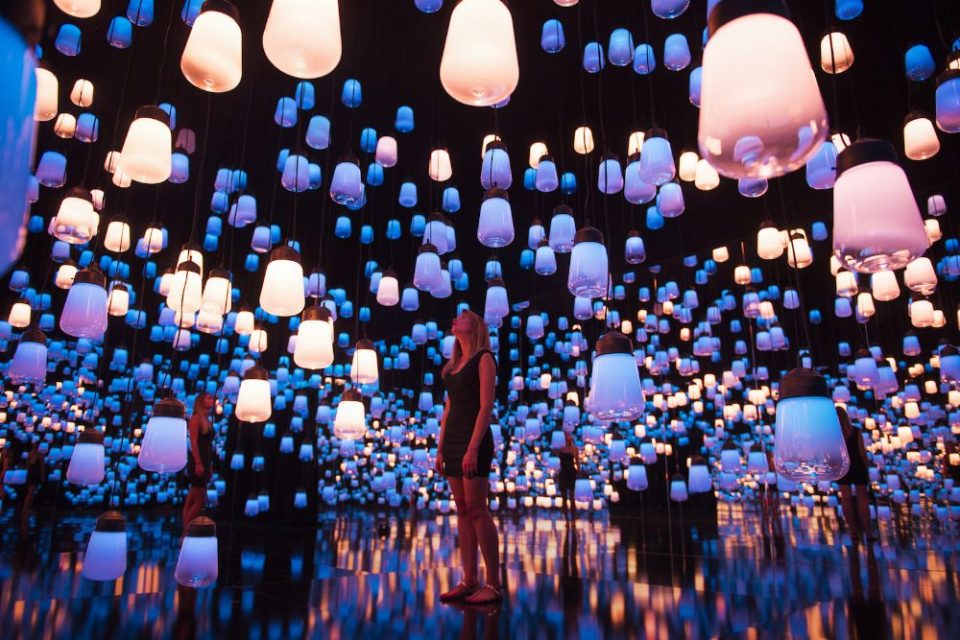
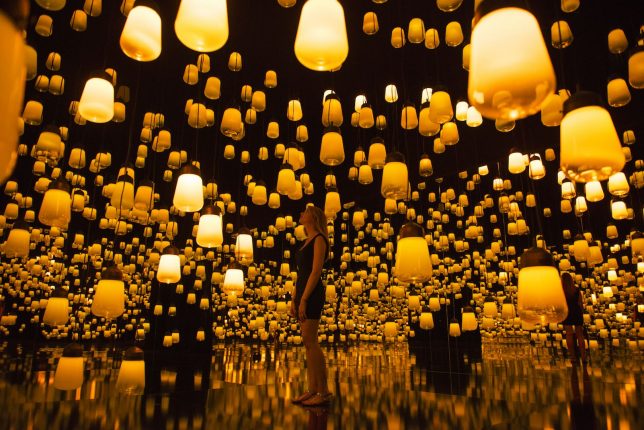
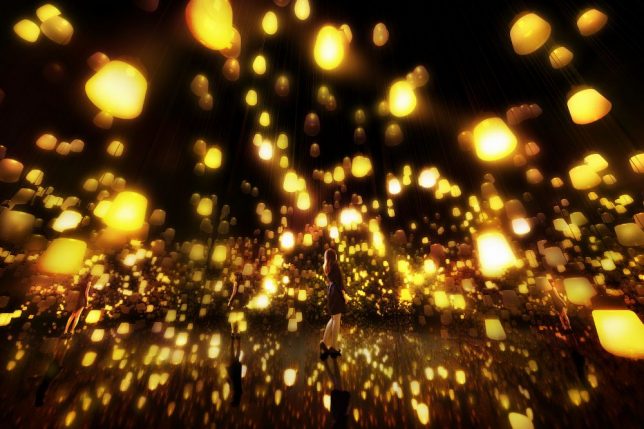
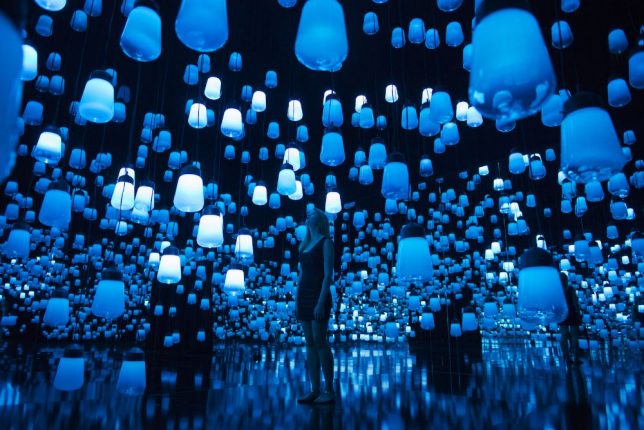
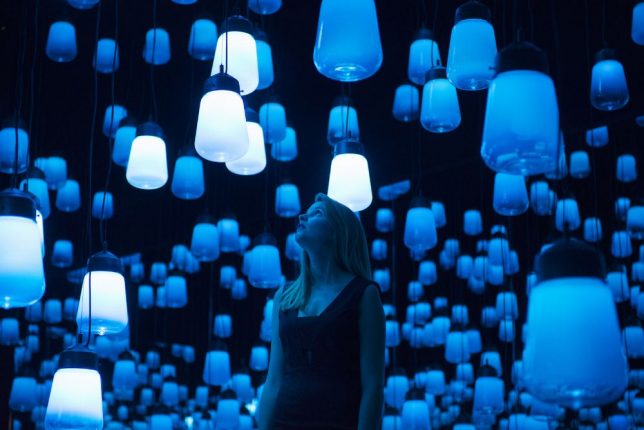
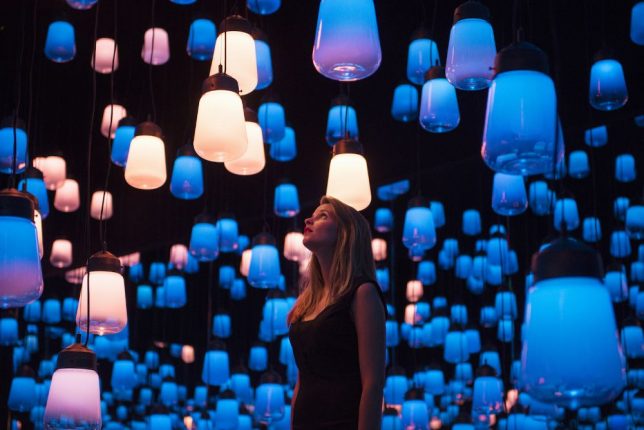
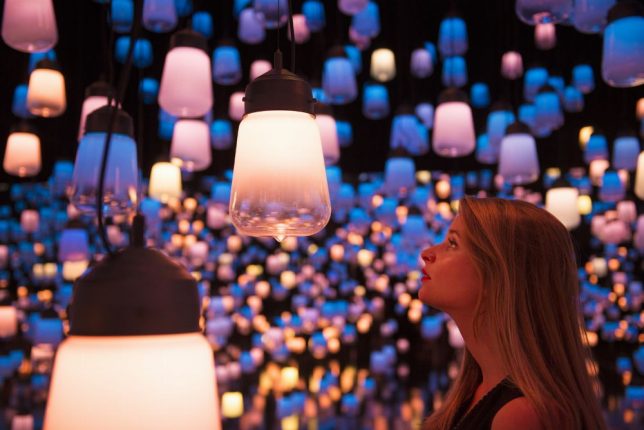
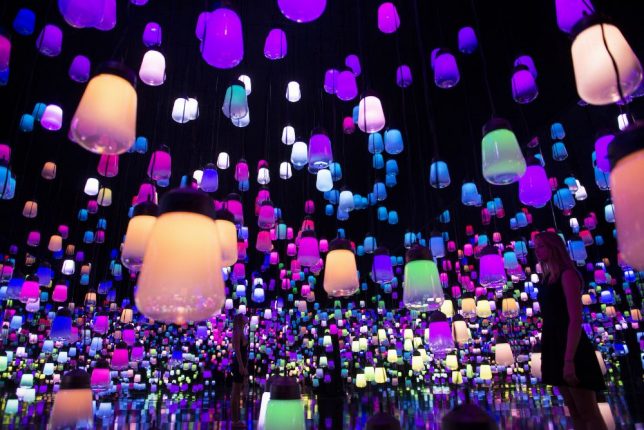
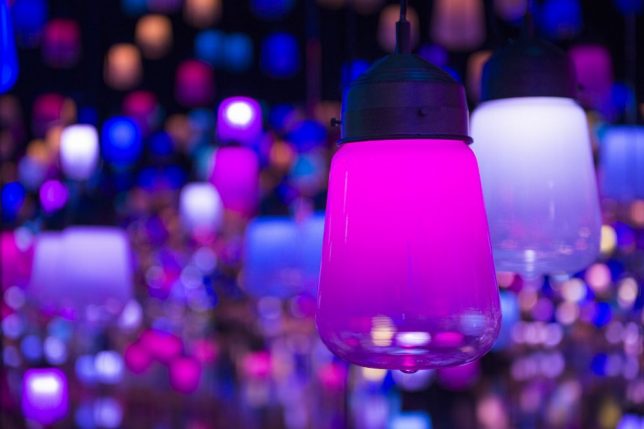
Dangling from a darkened ceiling like strange bioluminescent blooms, hundreds of high-tech lamps respond to the movements of people in the room, glowing in a particular color that resonates outward, spreading to more and more lamps. This chain reaction shifts as observers navigate the space, contrasting with the patterns created by others. ‘Forest of Resonating Lamps’ is an immersive installation by Japanese collective Teamlab, created for Maison et Objet 2016.

teamlab maison

teamlab maison 12

Occupying the junction of art and technology, the installation is not just about a single decorative object, beautiful as it may be. The lamps themselves are made of Murano glass and equipped with LED bulbs, hung from the gallery ceiling in a space with mirrored walls that multiply them so they seem to go on forever, a la Yayoi Kusama’s Infinity Room installations.

teamlab maison 2

teamlab maison 3

teamlab maison 5

As an observer approaches a lamp, it shines brightly, emitting a color tone that is transmitted to lamps nearby. If you’re the only person in the room, the light is entirely centered upon you, but as soon as someone else enters, you become aware of the ripple effect created by their own movements. While the lamps seem to be scattered randomly throughout the space, they’re actually placed to form a continuous line from select lamps that act as starting points.

teamlab maison 6

“The planar arrangement of the lamps is staggered in zigzag to fill a space, staying in a perfectly ordered grid,” says Teamlab. “This is the first constraint. The second constraint is the height and width of the room and the pathway that people walk through, thus creating a ‘boundary condition.’ The third constraint is that all the lamps, when connected to its two closest lamps three-dimensionally, form a unicursal pattern with the same start and end points.”

teamlab maison 7

teamlab maison 8

“The arrangement of the lamps thus created is beautiful not only in an immobilized, static kind of way, but more so in a dynamic way caused by people approaching these lamps. It demonstrates the space of new era: the space freely designed through digital technology, and adapting the change and movement made by people’s existence in it.”

Share on Facebook


[ By SA Rogers in Art & Installation & Sound. ]

[ WebUrbanist | Archives | Galleries | Privacy | TOS ]


WebUrbanist

 
Comments Off on Forest of Resonating Lamps: Brilliant Interactive Illuminated Installation

Posted in Creativity


Record Breakers: 12 Legitimately Sky-Scraping Tower Projects

06 Sep

[ By SA Rogers in Architecture & Offices & Commercial. ]

432 park avenue 2

After a few years of recession-induced stalling, record-smashing skyscrapers are going up around the world at a steady pace, knocking each other out of the top positions every year or so. While Dubai’s Burj Khalifa has held strong as the world’s tallest building, a number of new super-tall structures have sprouted up in the last two years to claim titles as the tallest in various cities and hemispheres, and a few proposals that are almost too tall to be believed aim to surpass the Burj by 2020.

432 Park Avenue, New York City

skyscrapers 432 park

432 park avenue 3

The tallest residential building in the world stands at 432 Park Avenue, topping out at 1,396 feet of exclusive condominium apartments. Completed in December 2015, the building is the third-tallest building in the United States and the second tallest building in New York City, behind One World Trade Center and ahead of the Empire State Building. It’s expected to be equaled in height by the 111 West 57th Street project in mid-2018. The video above documents the construction of the tower over the course of the entire building process.

MahaNakhon Skyscraper by Ole Scheeren, Thailand

tallest buildings maha

tallest buildings maha 2

tallest buildings maha 3

Pixelating in two sections along the way to its 1,030-foot-high pinnacle, the MahaNakhon tower by Ole Scheeren is a striking new addition to Bangkok’s skyline. Located in the city’s central business district, the tower is Thailand’s tallest building and contains a public landscape plaza, retail center, 200 serviced apartments and a 150-room boutique hotel.

The Tower in Dubai by Santiago Calatrava

skyscraper tower dubai

skyscraper tower dubai 2

skyscraper tower dubai 3

Famed architect Santiago Calatrava announced this year that he has been chosen to design and build the world’s tallest building, set to surpass the Burj Khalifa. Planned for Dubai Creek Harbor, ‘The Tower’ is a landmark observation structure offering panoramic views across the city from ‘The Pinnacle Room’ and observation garden decks attempting to recreate the legendary Hanging Gardens of Babylon. The tower will also contain a luxury boutique hotel, and is expected to be completed in advance of Dubai’s turn hosting the Expo 2020.

Grand Tower, Germany’s Tallest Residential Skyscraper

skyscrapers grand tower 1

skyscrapers grand tower 2

s,yscrapers grand tower 3

Germany’s tallest residential skyscraper is set to send 400 floors of high-end residences straight up into the sky of Frankfurt, creating a new urban landmark. The height of the tower will far surpass that of Germany’s provost tallest residential structure, the Colonia-Haus in Cologne. The penthouses at the top will enjoy wraparound glass-walled balconies gazing out onto the city.

Next Page – Click Below to Read More:
Recent Record Breakers 12 Legitimately Sky Scraping Tower Projects

Share on Facebook


[ By SA Rogers in Architecture & Offices & Commercial. ]

[ WebUrbanist | Archives | Galleries | Privacy | TOS ]


WebUrbanist

 
Comments Off on Record Breakers: 12 Legitimately Sky-Scraping Tower Projects

Posted in Creativity


Get Outside Your Photography Comfort Zone to Learn and Grow as a Photographer

06 Sep

As photographers, we usually start out photographing everything and anything. All subjects are game as we explore our new found passion. When we grow and get more serious about our craft, we often try to find our unique place in the industry. Our niche, our comfort zone, where we can specialize and make a name for ourselves.

This is a good thing! A photographer that has a unique niche is more memorable than a photographer that covers every subject. It’s better to be the dog portrait guy, or the black and white waterfall girl, than to be forgettable.

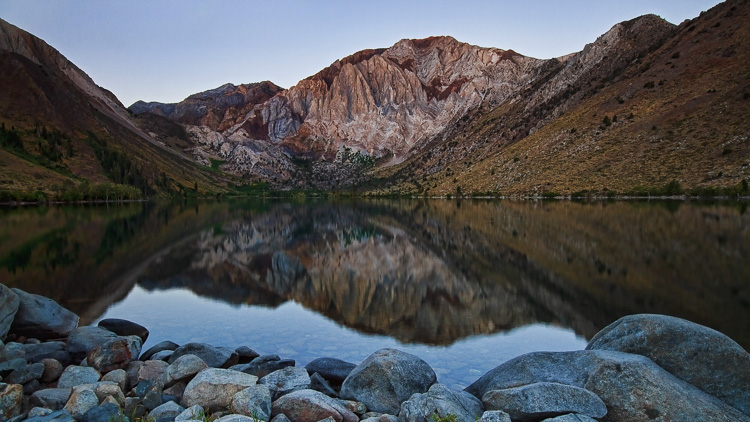
Convict Lake California by Anne McKinnell

One of my favourite things to photograph: water scenes at twilight.

But just because you’ve specialized in a particular area of photography doesn’t mean you can’t continue to explore your craft. There is much to be learned from photographing other things, and applying any lessons learned to your niche. In fact, there is much you can learn from photographing things that you specifically don’t like to shoot.

Get out of your photography comfort zone

So I challenge you to come up with a short list of things you don’t like to photograph, and then give them a try. Remember, you don’t have to be good at it. Don’t worry about trying to create a masterpiece. You’re not going to show these photos to anyone. But, by getting outside of your comfort zone and giving yourself the permission to play, you’re bound to learn something along the way.

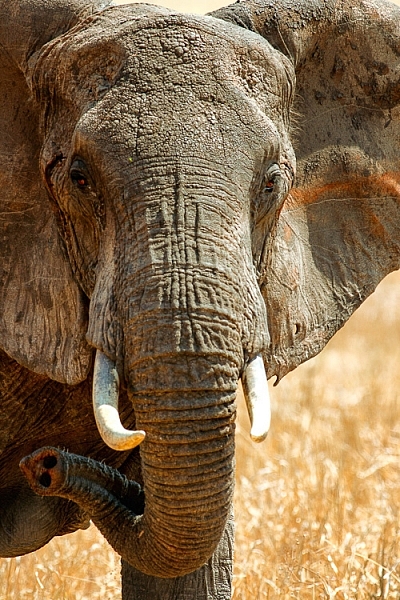
Elephant in Tarangire National Park, Tanzania by Anne McKinnell

Applying lessons learned about shadow and light in portrait photography to wildlife photography.

Afraid of portraits? Photograph one

For example, when I did this exercise, the thing on the top of my list was portraits. I’ve always been somewhat terrified of doing portraits! Also on my list was sports, cars, and architecture.

It was serendipitous when a friend of mine asked me to photograph her newborn. As the terror swept through me, I remembered my list and realized I should take the opportunity. Of course I advised her to hire a real newborn photographer since I had no experience in this area. But I still tried, and I made some images that were pretty good. But more importantly, I learned some things that I could apply to the areas of photography I was more interested in, like landscapes and wildlife.

Working inside was new to me and since I didn’t own any lights, I worked with natural light from the window. As I positioned my subjects around the room, I noticed how the light fell on their faces, and learned to pay very close attention to the direction of the light. I also noticed how important it was not to have any distracting things in the background, which also applies to many other areas of photography.

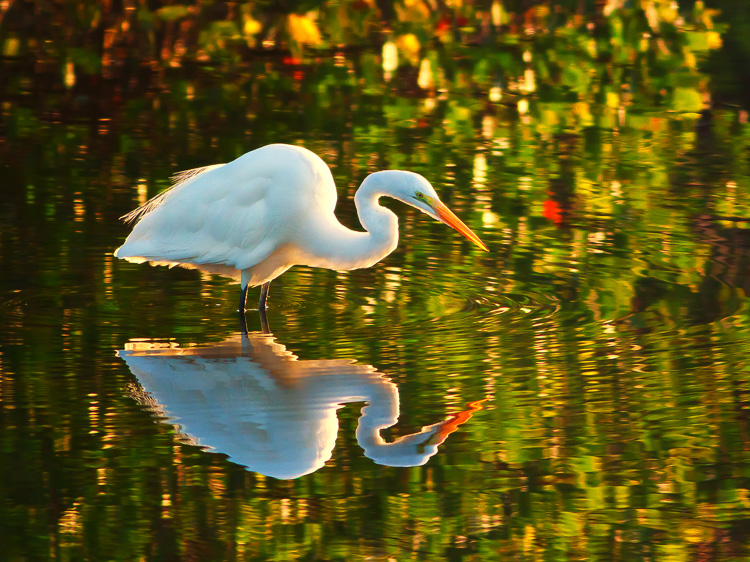
Great White Egret by Anne McKinnell

Using rim lighting and non-distracting backgrounds (learned doing portraits) in wildlife photography.

Try sports photography

The second thing on my list of things I wasn’t interested in photographing was sports. So I headed up to the local university where there is always something happening on a weekend, and found a rugby game to photograph.

I learned something very important that day. You see, I don’t know a thing about rugby, and it quickly became obvious that I couldn’t capture a special moment, because I had no idea when it was going to happen. I had to sit and watch, and try to figure out how the game worked, and only then did I have a chance.

I didn’t make any good images that day, but I sure learned a lesson that I apply to wildlife photography all the time. I sit and watch, and learn the behaviour of the animals before I try to photograph them. That way I can anticipate what is going to happen, and come away with a photograph that captures a special moment in time.

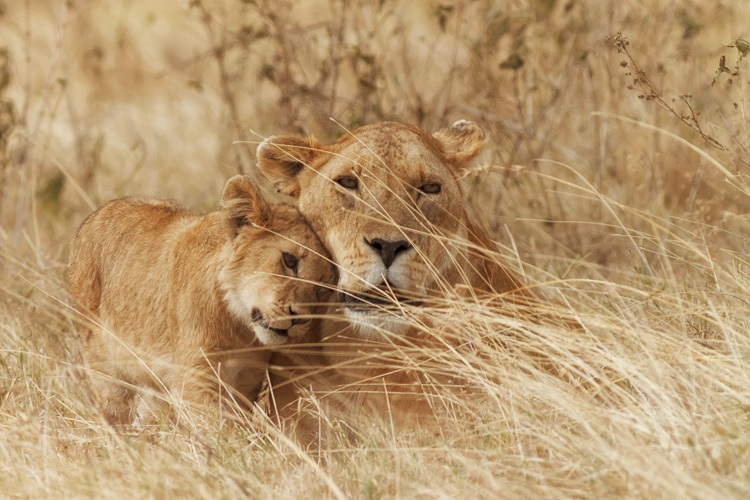
Lion and cub at Ngorongoro Crater, Tanzania by Anne McKinnell

Anticipating the special moments in wildlife photography.

How about architecture photography?

Another thing on my list at the time I did this exercise was architecture, but after playing with it for awhile I discovered a new passion. Now I love photographing architecture. One thing I learned is that most architectural subjects are inherently symmetrical, and while the rule of thirds works, symmetrical compositions work really well too. Now I apply this principle to other subjects that are inherently symmetrical as well.

Yucca at White Sands National Monument, New Mexico by Anne McKinnell

Using a symmetrical composition in landscape photography.

Challenge yourself! Give yourself time to play! Remember that this is an exercise just for you, to help you explore your craft and grow as a photographer.

Exploring subjects is just one way to accelerate your photography learning curve. (It’s a great way of finding your niche too!) For more ways to speed up the learning curve, check out my eBook “8 Ways to Accelerate Your Photography.”

googletag.cmd.push(function() {
tablet_slots.push( googletag.defineSlot( “/1005424/_dPSv4_tab-all-article-bottom_(300×250)”, [300, 250], “pb-ad-78623” ).addService( googletag.pubads() ) ); } );

googletag.cmd.push(function() {
mobile_slots.push( googletag.defineSlot( “/1005424/_dPSv4_mob-all-article-bottom_(300×250)”, [300, 250], “pb-ad-78158” ).addService( googletag.pubads() ) ); } );

The post Get Outside Your Photography Comfort Zone to Learn and Grow as a Photographer by Anne McKinnell appeared first on Digital Photography School.


Digital Photography School

 
Comments Off on Get Outside Your Photography Comfort Zone to Learn and Grow as a Photographer

Posted in Photography


7 Ideas to Inspire Your Creativity

06 Sep

When I’m stuck in a rut and not feeling like my photos are that amazing, it usually just takes going to a beautiful new place or going out when the light is incredible to get my back on the path of being excited about taking photos. But not always. Sometimes I need some added inspiration for my creativity. Can you relate?
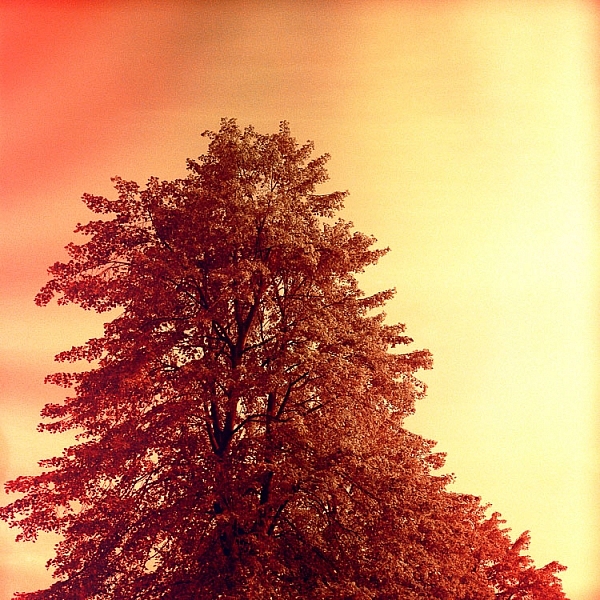
Inspire Your Creativity - red tred

Sometimes I think all the busyness of my mind, the client who wants something yesterday, the endless emails that needs answering, the toilet that needs fixing in my studio, take over that part of my brain that is flowing and waiting to take photos. It’s almost like these tasks put a huge stopper on my creative flow.

When this happens I like to turn to minds wiser than my own. Over the years I’ve come across ideas that have sparked something in me, helping me to look at the world in new and different ways. Just remembering these ideas when I am down in the depths of not-creating, usually helps to jumpstart my mind and get me back into creating again.
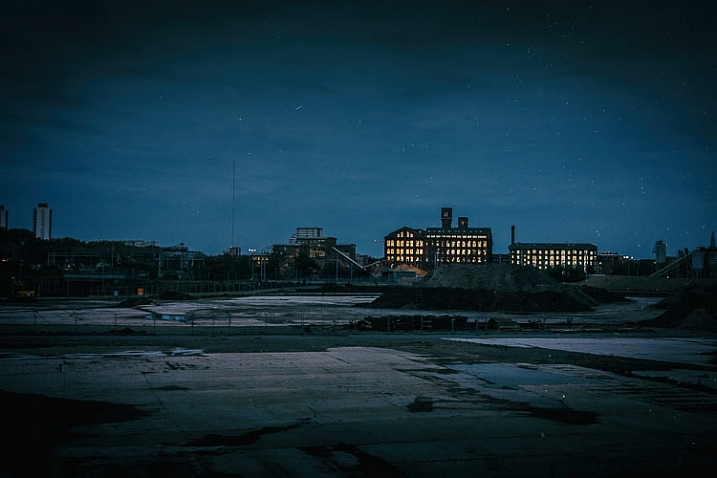
Inspire Your Creativity night shot

I love hearing advice about creativity from all sources, because it is an act regardless the medium. From singers (“Sometimes you have to play a long time to be able to play like yourself.” Miles Davis) to painters (“Art washes away from the soul the dust of everyday life.” Picasso), everyone has something illuminating to share about the creative act.

Here are some of my favourite ideas to inspire creativity:

1. Look for indirect inspiration (via Ernst Haas)

I love looking at other photographers’ work. I like to put myself into a place where I am inspired by other people’s creative visions. But when I am stuck in my own photography, looking at other photographer’s work is probably the worst thing to do.

Funny enough, my favourite photographer of all time – Ernst Haas – agreed! He warned against seeking too much direct inspiration, as it:

“leads too quickly to repetitions of what inspired you,” and instead he recommends you should: “refine your senses through the great masters of music, painting, and poetry. In short, try indirect inspirations, and everything will come by itself.”

So fill your life with beautiful, joyful, and interesting things. Things that make the hair on the back of your neck tingle.
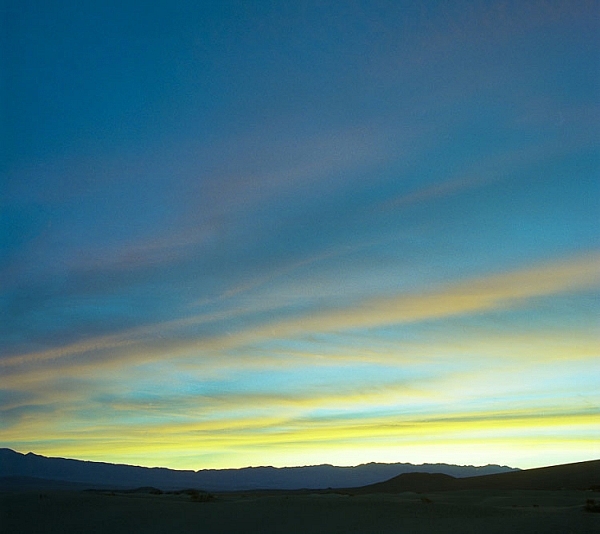
Inspire Your Creativity

2. Beware the barrenness of a busy life (via Socrates)

Let’s just assume something: our work and your life responsibilities are an endless flow of stuff, and you will never get it all done. Ever. It’s impossible. So stop trying, and give yourself permission to just wander, percolate, get bored. Day dream and do all those awesome things that eventually lead to creativity.

So given that it’s endless, how about deciding that in order to have a happy life, one that is rich with fulfilment and fun and adventure, you have to break free occasionally. Because it’s so satisfying.

Socrates said: “Beware the barrenness of a busy life.”

Think about the things that really make you feel fulfilled and inspired. Things that nourish you deep down, that make you feel happy to be alive. You need more of that and less of the constant emails – right?

Turn off the faucet of tasks and prioritize being creative.
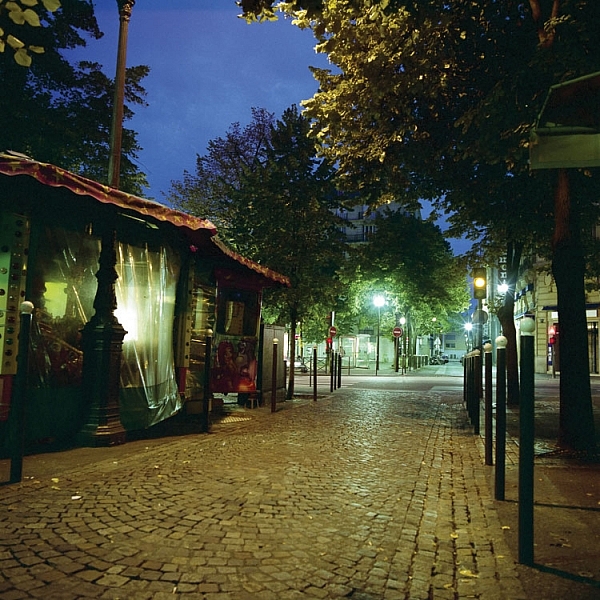
Inspire Your Creativity square image

3. Kill perfectionism (via Anne Lamott)

When I start a photo project I am visited by that evil force – perfectionism. (It visits me towards the end too, and usually in the middle, in that vast sea when I am unanchored and often unsure of where to go next. It always catches me when I am feeling most vulnerable). I start to worry – “What if my best shot is behind me, what if I’ll never shoot anything amazing again, what if, what if…!?”

And, wow, is perfectionism easy to get sucked into. It’s something on which we believe, that we’re just being super focused. When in fact:

“At its root, perfectionism isn’t really about a deep love of being meticulous. It’s about fear. Fear of making a mistake. Fear of disappointing others. Fear of failure. Fear of success.” – Michael Law
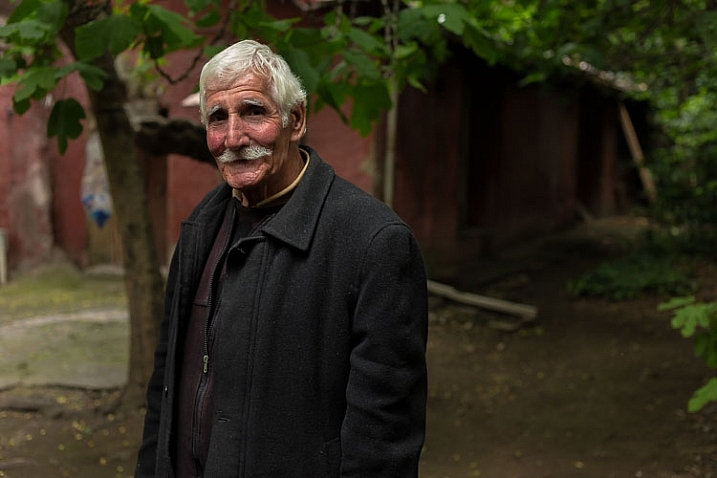
Inspire Your Creativity people photo

That’s why you have to kill it, because perfectionism will stop you in your tracks. It will stop you before you even get started.

Perfectionism often appears when you’ve cleared everything out of the way and are ready to get down to it. You’ve turned off your phone, cleared the diary, extracted yourself from the ever flowing font of responsibilities. When you are faced with the actually doing.

But what happens if you give into it, and keep giving in to it and never get started?

“Oh my God, what if you wake up some day, and you’re 65, or 75, and you never got your memoir or novel written; or you didn’t go swimming in warm pools and oceans all those years because your thighs were jiggly and you had a nice big comfortable tummy; or you were just so strung out on perfectionism and people-pleasing that you forgot to have a big juicy creative life, of imagination and radical silliness and staring off into space like when you were a kid? It’s going to break your heart. Don’t let this happen.” – Anne Lamott
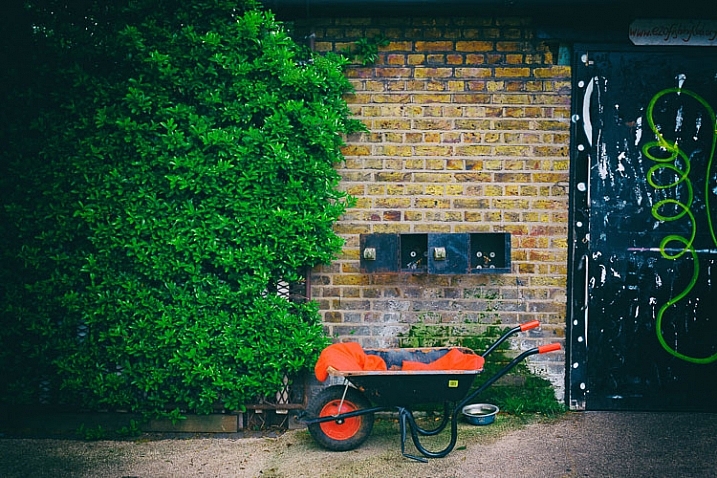
Inspire Your Creativity street scene

So how do we deal with this beast? Weirdly what seems to work the best for me, is to say to myself, “It doesn’t matter if what you do is terrible, just do it.” In fact I slightly encourage myself to be terrible, so that I have removed all that pressure to achieve something amazing. Therefore I’ve killed perfectionism at the root (because perfectionism is a desire to either be perfect or pretty amazing).

Then once I’m out the door and taking photos, I’ll fall into the flow and forget all about that horrible perfectionism. Most of the time I’ll even end up with some pretty good shots! Getting started is better than never striking out. Or as Seneca said:

“It is not because things are difficult that we do not dare, it is because we do not dare that they are difficult.” – Seneca
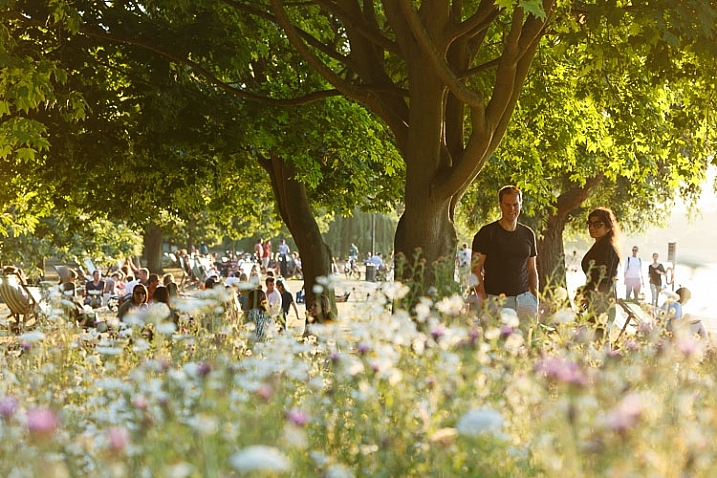
Inspire Your Creativity park sunlight

4. Make creativity a habit (via Maya Angelou)

I read this quote to my 10 year old son the other day because he had started writing a story. After an initial burst of enthusiasm he said his inspiration had disappeared and he didn’t want to carry on.

“In writing, habit seems to be a much stronger force than either willpower or inspiration.” – John Steinbeck.

Although this may be about writing, it is totally true of any creative pursuit. That is because:

“You can’t use up creativity. The more you use, the more you have.” – Maya Angelou

I love that quote because it shows that making an active effort to be be creative on a regular basis (whether it’s every Sunday afternoon, each morning for an hour at 6am, or Wednesday evenings) will guarantee that you will generate more creativity. It’s all about making the time to do it. Because, by the way, there is never the right time, or enough time for everything else. Even professional photographers, like me, need to literally carve out time to be creative.
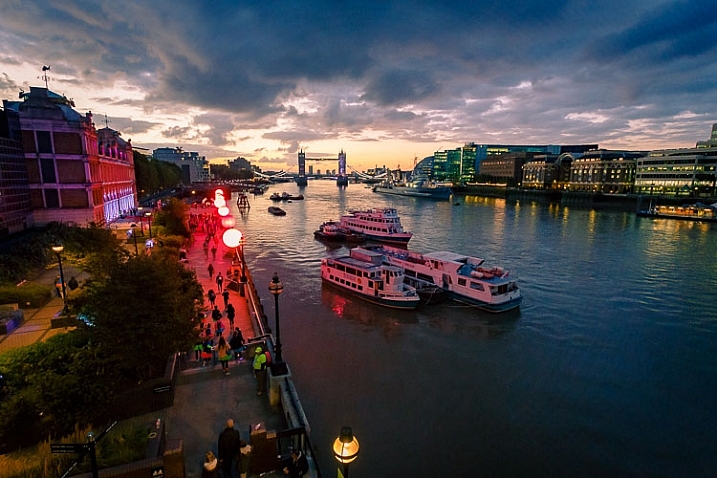
Inspire Your Creativity London at night

5. But on the other hand….destroy your other habits (via Henry van Dyke)

“As long as habit and routine dictate the pattern of living, new dimensions of the soul will not emerge” – Henry van Dyke

Because our brain is a very helpful entity, wanting to make our lives as simple as possible (thank you brain), it creates habits very quickly. Although that makes it easy to get up in the morning, make breakfast, get ready for work, get to work and do your job without actually thinking about it too hard, or making any huge decisions – this is terrible for your creativity.

Why?

Because most of the activities you do are by habit. That includes 70-80% of the thoughts you have today, you had yesterday (and will have tomorrow. Scary!) Which means you are for the most part living your life on autopilot. So if you want to create something new, in fact just the act of creating is by nature doing something new, you have to abandon those habits that keep you thinking and living the same way over and over again.

To be aware is to not be locked in habit, or lost in a sea of your ever-revolving thoughts. So take a new route to work, change your morning routine, take a walk in the evening – anything that wakes up that mind of yours and gets you doing and thinking in new ways.
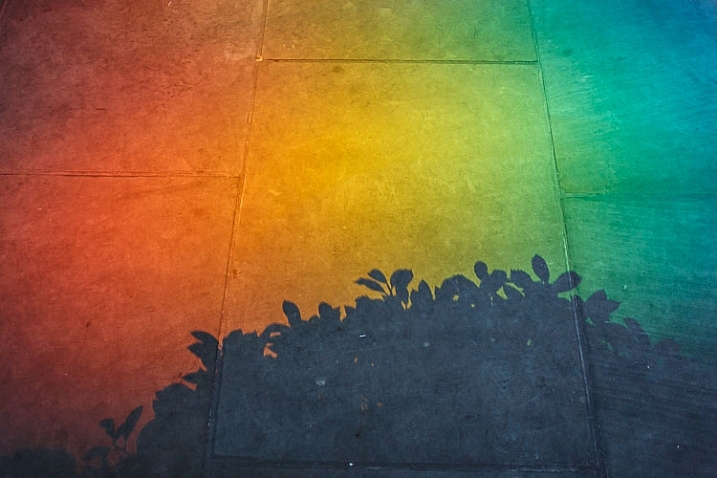
Inspire Your Creativity rainbow

6. Your mind is made of play-doh (via Gandhi)

On my workshops many people come with preconceived ideas of what they are good at, and most definitely what they are not good at. Although I agree we all have predispositions to being naturally good at certain things, what science is now learning about the brain, is that it can continue to learn, change, adapt and evolve throughout your whole life.

“New research shows many aspects of the brain remain changeable (or “plastic”) even into adulthood.” – Wikipedia

How exciting is that? So when Gandhi said this:

“Man often becomes what he believes himself to be. If I keep on saying to myself that I cannot do a certain thing, it is possible that I may end by really becoming incapable of doing it. On the contrary, if I have the belief that I can do it, I shall surely acquire the capacity to do it even if I may not have it at the beginning.” – Gandhi
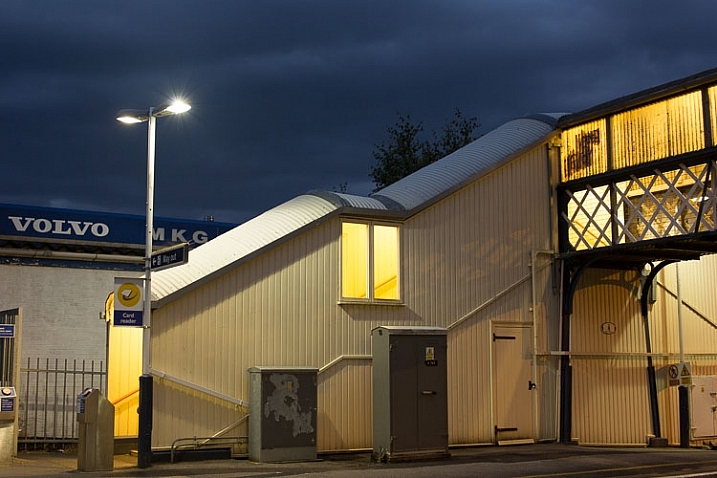
Inspire Your Creativity night shot

Not only was he totally right, but he was showing us that when we put our minds to something, and really focus and concentrate, we can learn and create whatever we want. As Thomas Edison said:

“If we all did the things we are really capable of doing, we would literally astound ourselves.”

So not being good at something now, or not being a very technical or creative person should not limit you. If you want to be more creative – go out there and work at being creative. If you want to become a technically adept person – do it! Everything is possible if you believe (that’s science saying that, not me).

When I get stuck with the things I struggle with photographically, I remember that I need to not give in to that thought, and instead push through with what I want my photography to be.
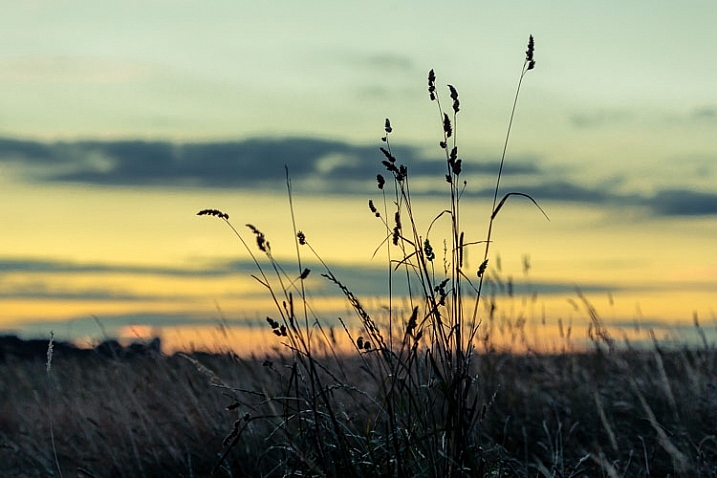
Inspire Your Creativity sunset

7. Dreaming with your eyes wide open (via Ernst Haas)

Being open and creative is something that all children excel at, but it is often squeezed out of us as we grow up. Children are amazing at making connections between disparate ideas; they have an openness and freedom to look at things without thinking, “I can’t think that, I can’t do that, I can’t try that, I’m not good at that.”

So as you were creative as a child, you can be creative again!

It’s about opening yourself up to the wondrous magic that is in the world all the time. Take a walk with a three year old, and it won’t be in a straight line. It will take four or five times longer, or more! Children are not goal-orientated, they are all about noticing that beautiful flower or funny face in the shop, a piece of colourful glass on the floor, or a ladybird!
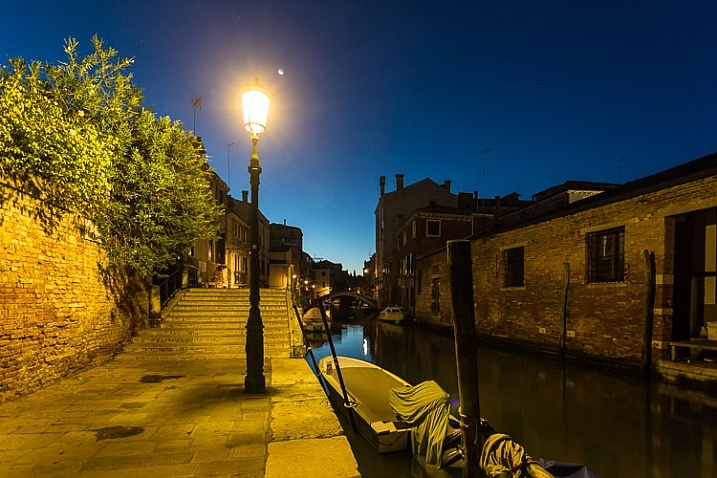
Inspire Your Creativity canal

Haas calls it “dreaming with your eyes wide open”. I love that it’s about shaking off the shackles of that adult training. So just look, wander, get lost, daydream. That’s when you start seeing things that you’ve blocked out in your ordinary day to day life.

Finally, I think many of us have become a culture aimed towards being too goal-orientated, so used to spending our time achieving things, and exchanging our time for achievement. But while it’s important to regularly take time to be creative, it doesn’t always have to lead to an outcome. Just the act of being creative, or looking, is fuel for the fire, even if it never leads anywhere. In fact let’s just throw outcomes out of the window, and get involved in taking photos for the sake of taking photos.

I think being creative is an incredible way to live, because it’s not just being locked into doing stuff, achieving stuff, focused on outcomes. It’s about being in wonder and awe of life.
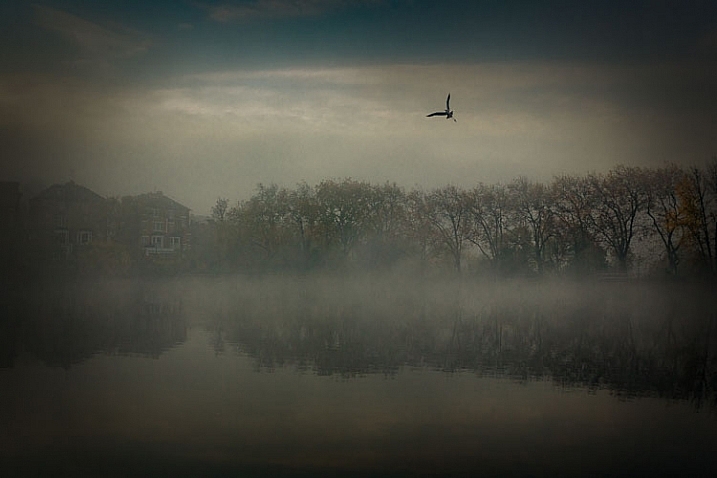
Inspire Your Creativity quote fog

I think Henry Miller summoned it up perfectly when he wrote:

“The aim of life is to live, and to live means to be aware, joyously, drunkenly, serenely, divinely aware.”

googletag.cmd.push(function() {
tablet_slots.push( googletag.defineSlot( “/1005424/_dPSv4_tab-all-article-bottom_(300×250)”, [300, 250], “pb-ad-78623” ).addService( googletag.pubads() ) ); } );

googletag.cmd.push(function() {
mobile_slots.push( googletag.defineSlot( “/1005424/_dPSv4_mob-all-article-bottom_(300×250)”, [300, 250], “pb-ad-78158” ).addService( googletag.pubads() ) ); } );

The post 7 Ideas to Inspire Your Creativity by Anthony Epes appeared first on Digital Photography School.


Digital Photography School
 
Comments Off on 7 Ideas to Inspire Your Creativity

Posted in Photography


2016 Roundup: 4K action cameras

05 Sep

Action cameras have come a long way since the very first GoPro hit the market in 2005 (it used 35mm film, if you can believe that.) They’ve increasingly shrunk in size, and video quality has improved dramatically with each new generation. Many offer rear LCDs (a rarity a few years ago), some are even waterproof/shockproof without the need for a case and certain models can even be used for live broadcast. All of them pair with dedicated apps.

Of course, there are a lot of action cameras available on the market, but there are far fewer capable of 4K video capture. This roundup takes a look specifically at several of the most popular 4K action camera models as well as some lesser known ones too. 

While Sony and GoPro are both big names in the action camera world, and Ricoh has been making rugged cameras for years, companies like Yi and Wimius may be less familiar. Both are convincing GoPro lookalikes that retail for far less. The Yi 4K sells for $ 250 and in many ways out-specs the GoPro’s current flagship. The Wimius Q1, on the other hand, retails for around $ 70 and was included in this roundup as the inexpensive dark horse in the 4K action cam race.

In addition to 4K action cameras, this roundup also includes the Olympus TG Tracker, a video-capable data-capturing device (read our shooting experience). It has the ability to not only record 4K video but also capture information like altitude, temperature, location, acceleration and more. 

We’ve included the following 4K-capable action cameras in this roundup:

  • GoPro HERO4 Black
  • Olympus Stylus TG-Tracker
  • Ricoh WG-M2
  • Sony FDR-X1000VR
  • Wimius Action Cam Q1
  • Yi 4K

All of the 4K samples footage was shot using each camera’s default settings. You can also view a super cut from our field testing, with footage from each camera, below:

*Note: Due to technical issues, we were unable to shoot 4K footage with the Sony X1000V at Mount Hood. Sample 4K footage from the X1000V can be viewed here.

Articles: Digital Photography Review (dpreview.com)

 
Comments Off on 2016 Roundup: 4K action cameras

Posted in Uncategorized


7 Steps to Capturing Truth in Your Portraiture

05 Sep

A stunning portrait, one that stops you in your tracks and demands attention, is a beautiful thing. There’s something magical when a portrait intrigues and connects with us. It’s not about celebrity or beauty; it’s about humanity. For my money, the moment you capture truth and humanity in your portraiture, is when photography and art collide.

DPS7

From the moment you raise a camera to take a photograph of someone, there are many variables to keep under control. It is easy to get lost and allow your focus to drift. This is the one time in photography when you need to be incredibly present.

Following this mini guide of seven steps, can help you to improve your portrait photography, and connect better with your subjects.

Step One: Photograph within your technical capabilities

The last thing you need to be worried about when you start a shoot is the technical side of things. Practice ahead of time and nail your technique. Get to know all of your equipment, and iron out any technical kinks before the day of the shoot. Your subject is bound to become nervous if you seem uneasy with your kit, or project any uncertainty. Things can still go wrong on the day, but the more relaxed you are overall, the more you will be able to handle it without panicking.

DPS2

Step Two: See images of your subject beforehand

It can be handy to see images of your subject ahead of shoot day. I like to ask clients to send me a picture of themselves which they really like. This is useful in several ways.

You can get a good idea of their skin tone and the planes of their face, which helps you to consider your lighting set up and any adjustments you will need to make. You also get a good idea of how the client wants to be perceived, and what they want an image to say about themselves.

This will not always balance with what you see in them, but herein lies the magic. As a photographer, you are seeing the subject in a new light. When you add that into the process, alongside trying to capture what they like about themselves, you make a unique portrait.

DPS1

Step Three: Have a plan

You absolutely must have a plan ahead of time. Use the what you’ve learned by having seen an image of your subject ahead of time, to help you plan your lighting and background choices. Obviously consider the weather if you are planning any natural light or outdoor shots.

It’s worth mentioning at this point that natural light doesn’t always mean you actually have to be outside. Being close to large windows or open doors can provide a beautiful light, but it absolutely depends on the weather. You should also plan what framing you might use. The goal is not to end up with a contrived shoot, it’s still important to stay in the moment. But, if session is slowing down, and you at least have some ideas in mind, you can refer back to your mental plan and get things going again by changing it up.

Author photo

Step Four: Take charge

When you lift that camera, you must take charge of your set. This is a collaborative process, but you are definitely in the driver’s seat. It’s up to you to be vocal with your subject, to keep their energy levels up, and to make sure they feel good about themselves. It’s no good just shouting out stage directions, “left a bit, chin down,”. You must encourage them, and keep them having fun, because tension is not your friend! No matter how many times your subject has been in front of a camera, each one is a new performance and needs to be directed as such.

Wherever your shoot is taking place, you are in charge of that space. Define the space in your mind, and remove as many distractions as possible. Obviously if you are shooting in a public place, a park for example, you can’t remove everything. But if you can choose an area away from the main pathways, that will make life easier.

DPS3

If you are indoors music is a must. It’s a great leveller, and helps everyone to relax. You can create a playlist specially for your shoots, include some cheesy music to put a smile on people’s faces. It’s a good idea to choose different genres/decades depending on your client’s age, style, etc.

Step Five: Learn to read people

Learning to read people is a skill you absolutely must acquire in order to progress as a people photographer. Try to connect with your subject and chat to them, tell stories – humanizing the experience is vital. The more they relax, the more you will get out of them, and the more authentic the photograph will be.

DPS5

You must learn to pick up on signs and signals: Are they losing focus? Change up the setting. Are they uncomfortable? Try standing or sitting instead. You don’t want to waste shots on unusable images, where the subject is not present or is clearly not in the zone.

Another way in which you can learn to read people has to do with their personality. Determining early on that they are nervous, might mean you tell some jokes, or explain the setup to put them at ease. A giggly, happy person definitely needs to be represented as such, but there is always room for a more serious look, which will be up to you to direct them towards.

DPS6

Step Six: Set the tone

So once you have gained control and confirmed that you are in charge, you must set the tone for the whole shoot. When you look at a portrait which you love, consider what you like about it and how you too can take this sort of image. Keeping in mind that any picture you take will have your own voice, and that develops over time. The connection or level of engagement in that photograph is entirely dictated by you, the photographer.

Your subject feeds off your energy and pace, so you must keep this in mind at all times. If they seem to be wilting, it’s your job to bring them back up to speed. Make sure to check your own performance so that you are giving out the right vibes.

DPS9

Step Seven: take your time

This last step has to be one of the most important – take your time! Please trust me on this one, slow down and keep your head in the game. A shoot can run away from you in no time, and the last thing you want is to look at back at your shots and discover you haven’t captured what you wanted. You may find that you have spent too long on one look or background, and not captured another enough. Just as you want your subject to take mini breaks to refocus themselves, you must take the opportunity too.

Personally, I know that if at the end of a shoot I don’t feel a bond with my client, I haven’t nailed it – I’ll have some great images of them but it won’t be what I set out to capture.

DPS4

Your turn

Do you do portraits? How do you inject some truth into your portraiture? Please share your tips and tricks in the comments below. If you have any questions I’ll try and answer them as well.

googletag.cmd.push(function() {
tablet_slots.push( googletag.defineSlot( “/1005424/_dPSv4_tab-all-article-bottom_(300×250)”, [300, 250], “pb-ad-78623” ).addService( googletag.pubads() ) ); } );

googletag.cmd.push(function() {
mobile_slots.push( googletag.defineSlot( “/1005424/_dPSv4_mob-all-article-bottom_(300×250)”, [300, 250], “pb-ad-78158” ).addService( googletag.pubads() ) ); } );

The post 7 Steps to Capturing Truth in Your Portraiture by Alex Lagarejos appeared first on Digital Photography School.


Digital Photography School
 
Comments Off on 7 Steps to Capturing Truth in Your Portraiture

Posted in Photography