RSS
 

Archive for September, 2016

Brutalist Reality: Tower Blocks Can Be Dystopia For Real-Life Residents

20 Sep

[ By SA Rogers in Architecture & Cities & Urbanism. ]

brutalism-laurent-1

Architecture enthusiasts might love the cold, harsh lines of Brutalist buildings, but for the people who actually live in the iconic London tower blocks and other modernist complexes for low-income residents, they can be – well – brutal. News that the tower blocks of Thamesmead in the city’s southeast quadrant are due for a pricey facelift drew a backlash from many Brutalist admirers, but it’s important to face the fact that these estates are far from the utopias they were promoted to be back in the ‘60s and ‘70s.

brutalism-laurent-2

For many of us, the stark, institutional qualities of Brutalist architecture are part of the appeal. It’s where it gets its name, after all. But the same endless planes of uninterrupted concrete, stilted proportions and labyrinthine layouts that make for a visually interesting museum, monument or even a luxury residence for a well-to-do enthusiast don’t necessarily translate well to low-income apartments. In these environments – as exploited in the recent film High-Rise starring Tom Hiddleston – the gloom of the architecture itself can become oppressive, especially when it’s not properly cared-for.

brutalism-laurent-3

In a recent editorial at The Guardian, Rhiannon Lucy Cosslet notes that the dream of modern “concrete utopias” for working-class people broke down quickly once people were actually living in complexes like the Alexandra Road Estate, the Barbican, Trellick Tower and Balfron Tower.

brutalism-laurent-4

brutalism-laurent-6

“The lifts broke down, the stairwells were awash in urine, there was poor lighting and scant green or communal space. A visitor to the Holly Street estate in east London, quoted by Dominic Sandbrook in State of Emergency, wrote of ‘dark passages, blind alleys, gloomy staircases,’ corridors that were a ‘thieve’s highway’ and people who would ‘stick to the lit areas and walk hurriedly.’ No kind of paradise, in other words, and hardly embodying the social progressivism claimed by postwar city planners.”

alexandra-road-estate

barbican-estate

But even beyond these issues, which could arguably be ascribed to just about any poorly managed low-income housing, are the sci-fi aesthetics when rendered all too real by daily life within. French photographer Laurent Kronental spent four years capturing the ‘grand ensembles’ housing projects in Paris, which are largely occupied by elderly residents, finding a fascinating juxtaposition of that crumbling modernist utopia and its marginalized occupants (top five images). “There is an unsettling paradox of life and void,” he says.

trellick-tower

balfron-tower

Could a middle ground be found with better planning, or converting some of the structures to new uses? It seems possible, but so far developers have been brutal (sorry) in flushing out existing residents to transform structures like Trellick Tower and Balfron Tower to posh residences for higher-income buyers. Both are set to become luxury housing developments, thereby eliminating the egalitarian intentions of their creators, rather than making them more livable for a broader swath of the population.

Share on Facebook


[ By SA Rogers in Architecture & Cities & Urbanism. ]

[ WebUrbanist | Archives | Galleries | Privacy | TOS ]


WebUrbanist

 
Comments Off on Brutalist Reality: Tower Blocks Can Be Dystopia For Real-Life Residents

Posted in Creativity


Metz mecablitz M400 flash unveiled at Photokina

20 Sep

As promised earlier this month, Metz has launched a new flash at Photokina, the Metz mecablitz M400. This model is the flagship for the company’s new line of compact flash devices; it is more than 30-percent smaller than ‘traditional flash units,’ says Metz. Despite its compact size, the M400 is said to offer high-performance for all varieties of photographers and videographers.

The mecablitz M400 flash offers Auto TTL mode, an adjustable LED video light, a max guide number of 40 (ISO 100), a 24-105mm motor zoom function, a 12mm integrated wide-angle diffuser and a completely pivotable reflector including a removable reflector card. The flash also includes an integrated OLED display with what Metz says is a simplified user interface for viewing and adjusting settings.

The flash is available in variants for Sony, Nikon, Canon, Fujifilm, Pentax and Olympus/Panasonic/Leica cameras. Though the M400 is currently listed on Metz’s website, pricing and availability information hasn’t yet been provided.

Via: Metz

Articles: Digital Photography Review (dpreview.com)

 
Comments Off on Metz mecablitz M400 flash unveiled at Photokina

Posted in Uncategorized


Fujifilm goes medium format: What you need to know about the GFX 50S

20 Sep

Meet the digital medium format Fujifilm GFX 50S

Forget full-frame, Fujifilm is diving head first into the world of digital medium format and we’re frankly pretty excited. The GFX 50S will make use of a 51.4MP CMOS sensor and X-Processor Pro imaging processor. In terms of surface area, the sensor is 43.8 × 32.9mm or about 4 times the size of sensors used in the company’s APS-C cameras (and 1.7x larger than a full-frame sensor.) And if 51.4MP sounds familiar, that’s because it’s the same pixel count as the Pentax 645Z and Hasselbled X1D (though Fujifilm says their sensor is newly developed.)

Meet the digital medium format Fujifilm GFX 50S

The GFX 50S is a mirrorless camera and the body itself looks a bit like a jumbo-sized XT-2. Set to launch in early 2017, several accessories will be available including a pretty cool clip-on accessory EVF ‘prism’ that can be tilted and rotated once affixed.

Meet the digital medium format Fujifilm GFX 50S

Other accessories include a vertical battery grip, which adds an additional shutter release for use in the vertical orientation, control wheel and additional power. Like the camera, the grip is weather and dust-sealed by design. The camera is also freezeproof down to 14°F. Though we’ve yet to hold it, Fujifilm claims the GFX 50S is much lighter than traditional digital medium format cameras and also a good bit smaller. 

Meet the digital medium format Fujifilm GFX 50S

The GFX 50S’ default aspect ratio is 4:3, however the camera can be set to shoot in a variety of other aspect ratios including: 3:2, 1:1, 4:5, 6:7 and 6:17. 

Meet the digital medium format Fujifilm GFX 50S

New sensor size, new lens mount: The GFX 50S uses Fujifilm’s new G-Mount, which has a flange distance of 26.7mm. When the camera launches (sometime in early 2017), three G-Mount lenses will be available. The GF 63mm F2.8 WR, shown above, is one of them. It offers a 50mm equiv. field-of-view (due to a 0.79x crop factor). There’s a possibility Fujifilm will kit that lens with the camera body and according to Fujifilm reps, that kit should cost ‘well under $ 10,000.’

Meet the digital medium format Fujifilm GFX 50S

Also in early 2017, Fujifilm will be releasing a GF 32-64mm F4 LM WR wide to normal zoom with about a 25-50mm equiv. field-of-view. Like the 63mm F2.8 WR (and actually all G mount lenses) the 32-64mm is weather-resistant.

Meet the digital medium format Fujifilm GFX 50S

The third lens to ship around the same time as the camera is the GF 120mm F4 Macro R LM OIS WR lens (bottom, left of center). It offers a 95mm equiv. field-of-view and optical image stabilization.

It’s obviously no small task launching an entirely new system with new lens mount. But as far as glass is concerned for the GFX 50S, a normal fast prime, wide to normal zoom and a macro lens feels like a good start. And there are other lenses that will be coming later in the year, more on that on the next page…

Meet the digital medium format Fujifilm GFX 50S

In mid 2017, Fujifilm hopes to ship the GF 23mm F4 R LM WR and GF 110mm F2 R LM WR lenses. The former offers an 18mm equiv. field-of-view and the latter an 87mm equiv. Also, in late 2017, the company will release the GF 45mm F2.8 R WR lens with a 35mm equiv. field-of-view.

That’s all we’ve got for now. We’ll update this article with more information and images once available. But for now, what do you think, is the Fujifilm GFX 50S a camera you’d buy?

Articles: Digital Photography Review (dpreview.com)

 
Comments Off on Fujifilm goes medium format: What you need to know about the GFX 50S

Posted in Uncategorized


5 Tips for Developing an Eye for Details in Your Photography

20 Sep

I’m a firm believer in the power of photographing details. Take a particular scenario… let’s say you walk into a restaurant. It’s busy, packed with people, and perhaps a little on the noisy side, even. You have just been told by the staff that it’s a 30-minute wait for a table and you have seconds to make up your mind. You take another glance at the buzzing scene before you and decide you like the feel of the place so you wait patiently in the queue. And then you ponder why….what made you stay?

You made your decision on a whim, a gut feeling, a mere glance at the place. Surely, there has to be a reason why this place has evoked such feeling enough for you to stay and wait. So you look carefully and analyze why.
5-tips-photographing-details-tutorial_0003

What’s in the details

The lights, they are all moody, set at different heights and levels, in nooks and crannies, giving an atmospheric ambience to the room. The low slung sofas in the corners are covered with lush velvet cushions, inviting you to come sit and relax. You feel relaxed already just at the thought of hunkering down on one of those. You then notice the little fireplace, alit with slow burning crackling flames, some interesting contemporary art hung above it on the chimney breast.

Your eyes dart to and fro across the room as you see many mismatched chairs full of character and wear and tear from being loved over the years. Each one deserving of a good look and admiration. Wild flowers and plants on the tables, a shelf filled with books and another with vinyls next to a turntable. It’s like your eyes have been opened and the list of details goes on. Now you know why.

The details – they may seem small and insignificant but never underestimate their power. It is the details that make anything – a place, a wedding, a special birthday, an anniversary, a family photoshoot.

Training your eye to see details

However, it takes a special eye and some practice to notice details immediately. In fact, practice help make you look for details instantly. What is so unique about the place, the wedding, or your client’s home? What is the trademark of the couple that makes the photoshoot so them? The fabric and designs on the clothes they wear, their accessories, their props, the style they have decorated their home, the colors. What is the place known for, what makes them stand out from the crowd? Often, the answer is in the details.

I have been a professional photographer for eight years and over that time I have learned to see details so that they are the first things I look for at a location. If you are new to this concept of photographing details, here are five quick tips to get you started and you’ll be capturing places and people’s uniqueness in no time. You don’t need to practice on a photoshoot to see details. You can make your own detail-finding project, use a family day trip, or just go for a walk outside your house. Details are everywhere. The trick is in the selection and in the art of seeing them.

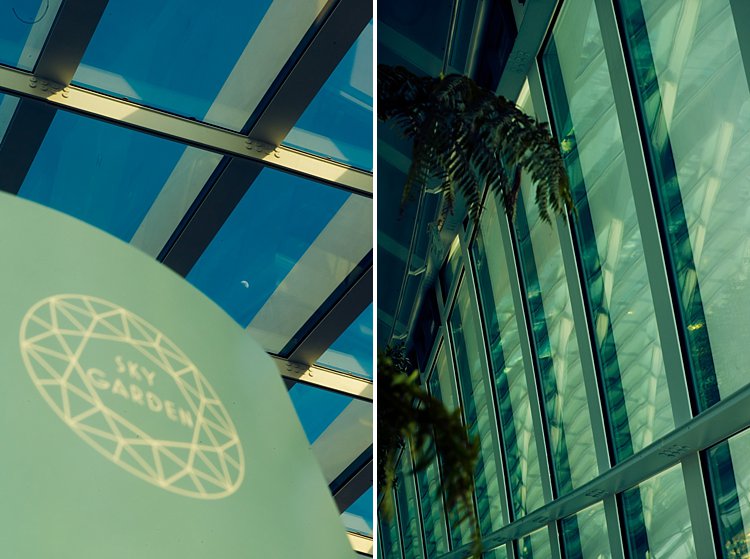
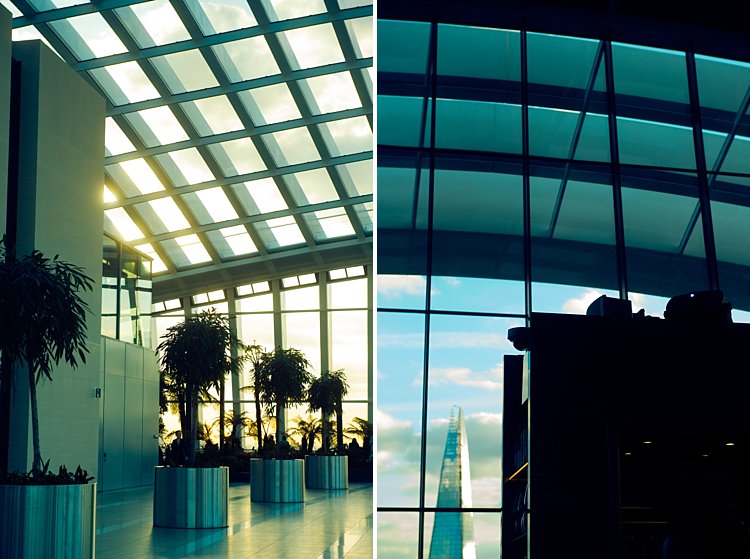
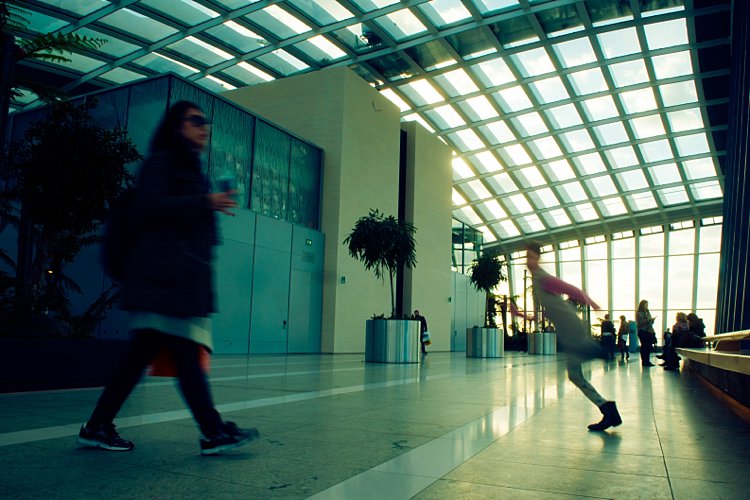
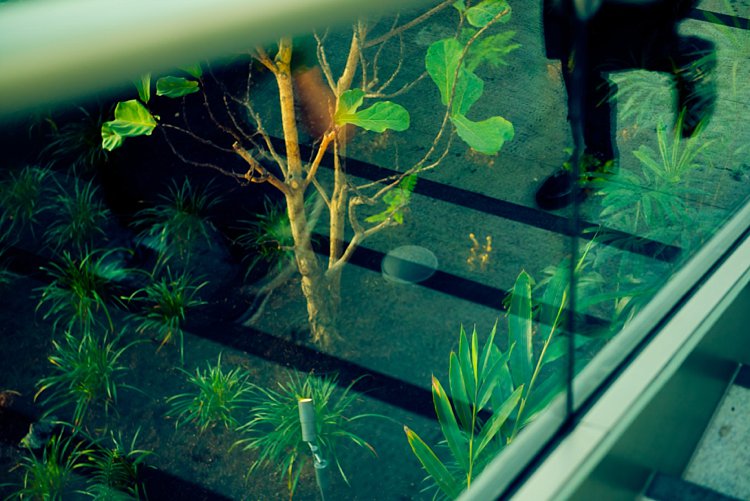
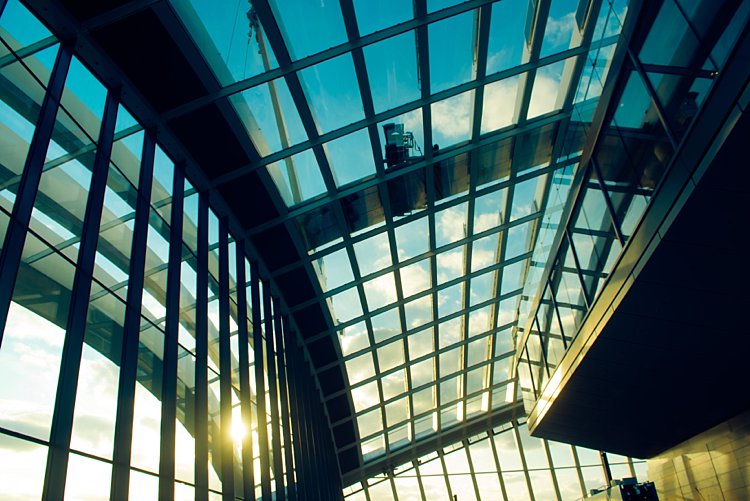
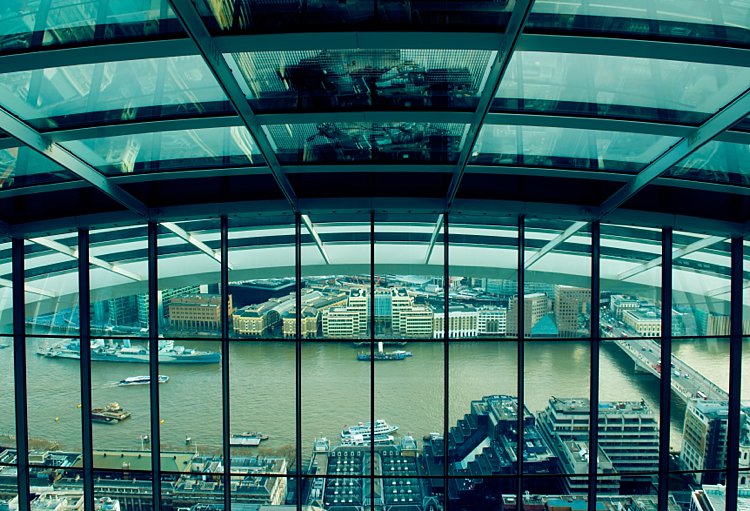
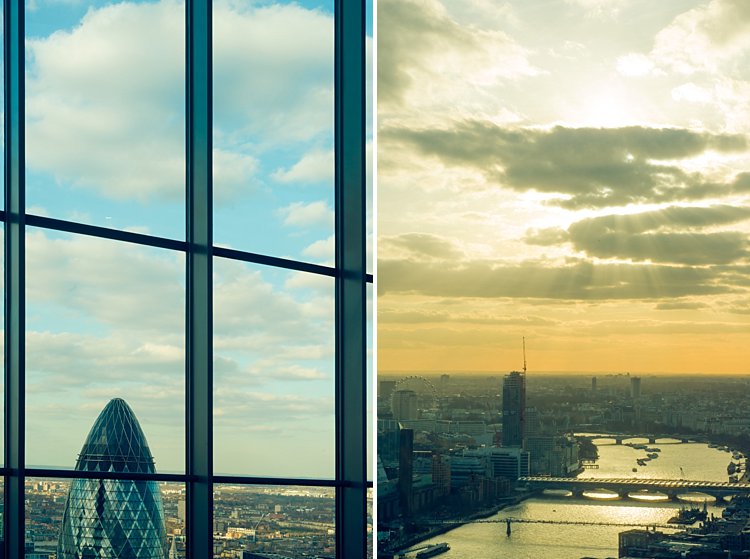
The photos below have been taken from a family visit to the Sky Garden in London.

#1 Follow the light

5-tips-photographing-details-tutorial_0000

Light is the most important element in photography. Study light, follow it, position yourself correctly in relation to the light when you take your image and you will be fine!

Soft light comes early and late in the day, filtering through at an angle, creating soft shadows. Adversely, harsh light often comes from when the sun is shining right over your subject or when they are facing the sun directly. This light creates harsh and dark shadows and is often avoided by photographers. Of course, there are ways you can counteract this effect by using strobes and light modifiers so that it is irrelevant at what time of day or night you shoot. It is important to understand light, its effect on your subject, and to look for light when you take your images.

#2 – Find patterns and shapes

Anything that looks interesting or repetitive can be a good starting point for a good image. The images below were simply table lamps and candlesticks waiting to be placed on the tables, that were arranged at the back of the bar. I liked the different textures at play here: shiny against matte, metallic against vinyl.
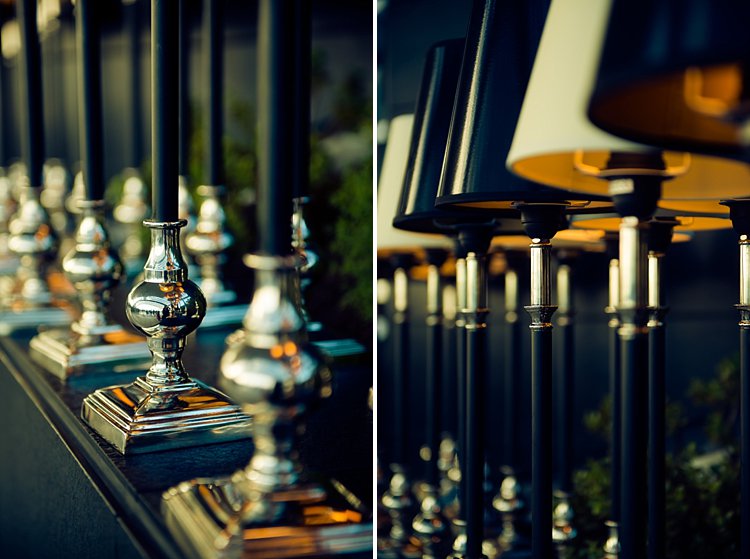
5-tips-photographing-details-tutorial_0002

5-tips-photographing-details-tutorial_0011

5-tips-photographing-details-tutorial_0006

#3 – Look for contrast

Contrast is so crucial in photography. Without it, you will have a very flat image. You want enough contrast going on in your image so that it looks more 3 dimensional, with details intersecting planes and adding more interest to your picture. Possible contrasts include:

  • Light and shadow
  • Round and straight
  • Warm light and cold steel
  • Silhouettes against clouds or sky
  • Solid against translucent or transparent
  • Opposing colors in the spectrum
  • Motion and a still structure

5-tips-photographing-details-tutorial_0015

5-tips-photographing-details-tutorial_0013

5-tips-photographing-details-tutorial_0014

#4 – Train your eye to see the unusual

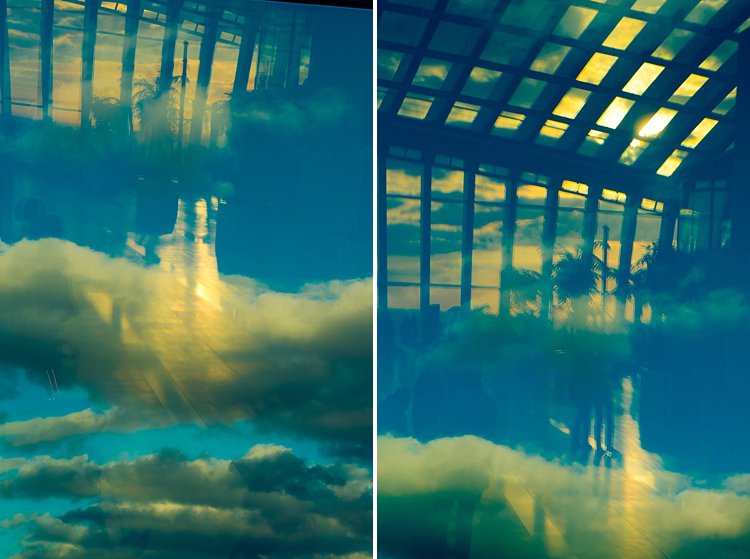
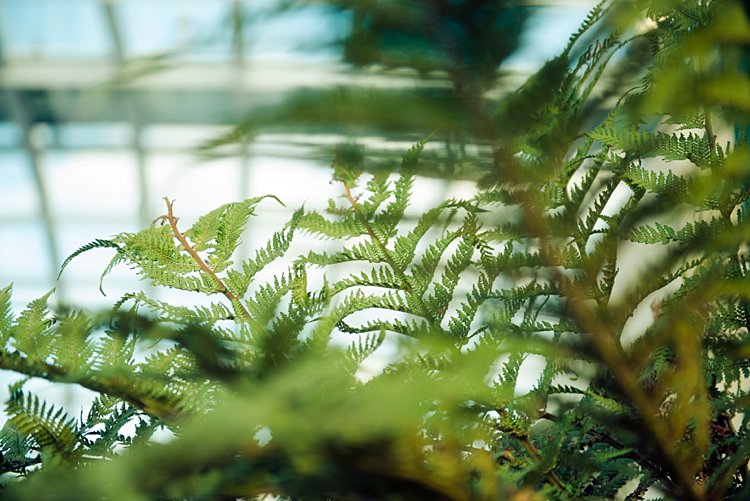
This is one of my favorite challenges. Often I have to push myself to really see the unusual or have an original take on something that is otherwise cliche. Reflections help a lot here, as does layering. Positioning yourself at uncommon angles just to get a fresh view helps.
5-tips-photographing-details-tutorial_0005

5-tips-photographing-details-tutorial_0004

5-tips-photographing-details-tutorial_0008

#5 – Use juxtaposition

Quite possibly the most difficult thing to do out of these five tips is using juxtaposition. It is tricky and requires a strong sense of what goes together effectively. It is one of those times when you just have to trust your gut a bit more and listen to that inner voice that says ‘”That does not quite look right” or “Yes those two go perfectly together”.

This is difficult to describe and rationalize in my own opinion but something that will probably come to you naturally after training yourself at looking enough. So remember to be patient with yourself, take your time, and most of all enjoy the journey.

5-tips-photographing-details-tutorial_0012

5-tips-photographing-details-tutorial_0010

I hope you found these tips helpful. Do share in the comments below your images of details or any additional tips you may have.

googletag.cmd.push(function() {
tablet_slots.push( googletag.defineSlot( “/1005424/_dPSv4_tab-all-article-bottom_(300×250)”, [300, 250], “pb-ad-78623” ).addService( googletag.pubads() ) ); } );

googletag.cmd.push(function() {
mobile_slots.push( googletag.defineSlot( “/1005424/_dPSv4_mob-all-article-bottom_(300×250)”, [300, 250], “pb-ad-78158” ).addService( googletag.pubads() ) ); } );

The post 5 Tips for Developing an Eye for Details in Your Photography by Lily Sawyer appeared first on Digital Photography School.


Digital Photography School

 
Comments Off on 5 Tips for Developing an Eye for Details in Your Photography

Posted in Photography


Fujifilm working on square format Instax camera and film

20 Sep

Fujifilm has announced that it’s developing a 1:1 format instant film and accompanying Instax camera for release in spring of 2017. The film itself will measure 85.6mm x 72mm, while the image itself will measure a square 62x62mm. That’s the extent of the information released at this point, though Fujifilm has created a teaser page for Instax Square.

Press release

New Square Format for instax Series
A new format that drastically enhances the potential of photographic expression of instax

PHOTOKINA 2016, COLOGNE, GERMANY, September 19, 2016—FUJIFILM Corporation (President: Kenji Sukeno) is pleased to announce that its next generation format “instax SQUARE format film” and “instax SQUARE camera” are currently under development.

With its 1:1 aspect ratio, square format photography is ideal for both portraits and landscapes, and has long been the format of choice for users enhancing their artistic expression. In recent times, the popularity of square format has increased to such an extent that it has become the de facto standard of smartphone cameras and timeline photos on social media platforms.

Fujifilm believes that the instax square format has the potential to drastically evolve the role and presence of instant photography. By adding this new format to the existing mini and wide, a new dimension will be added to the wealth of possibilities of instax photographic expression, users will have a wider choice, and instax cameras and films will be able to respond to a broader range of photographic subjects and situations than ever before.

In addition to the new square format film, a new camera which is able to fully express the attractions of square format photos is also under development. Further details are available at the below website.

instax SQUARE Special content (http://instax.com/square/)

Availability:
Spring 2017

Features:
“instax SQUARE format film”:
Image size: Height 62mm x Width 62mm
Photo size: Height 85.6mm x Width 72mm
“instax SQUARE format camera”: TBD

Articles: Digital Photography Review (dpreview.com)

 
Comments Off on Fujifilm working on square format Instax camera and film

Posted in Uncategorized


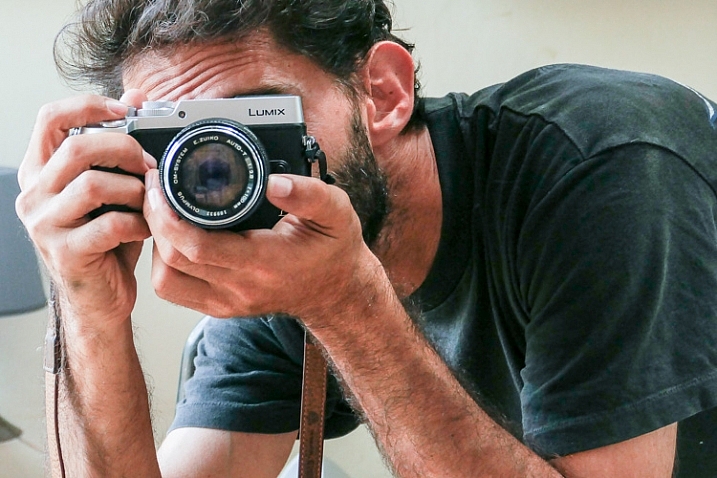
How Using a Manual Focus Lens Can Make You a Better Photographer

19 Sep

Back in the days of all manual, focusing your lens was a  skill that every photographer had master. Focusing used to be that thing that made your camera an extension of your hand, therefore a direct extension of your photographer’s eye. That whole agenda came to an end in the early 1990s with the arrival of autofocus systems that were able to actually focus faster than us humans.

That is another key frame along the medium’s timeline. Where new technology started a chain reaction that changed the face of photography forever. Until the appearance of mirrorless cameras that is.

Manual Focus Ouria Tadmor

A photographer looking to purchase a new lens for their mirrorless camera in 2016 might find that there are many manual focus lenses made nowadays alongside the autofocus ones. That means one thing: the market has said the word, manual focus is not dead.

Feed your spirit with the following thoughts to learn how manual focusing can make you a better photographer.

Doing versus supervising

And old carpenter once said, “If you want something done right the first time, do it yourself.” That was always reiterated when a new machine came to the industry to perform a task better, faster, and more efficient than a trained man could ever do.

Instead of being a skilled craftsman, now all you need to know is how to make sure that the machine is doing its job, that’s the truth about an autofocus camera. It is one thing for your brain to rotate the focusing ring with your left hand and stop rotating at the correct focus, and a whole different thing to wait for the green light or beep confirming focus has been achieved. 

Manual Focus Ouria Tadmor

Sometimes you might choose to use only one central focusing point, lock it on your subject and then recompose your frame. That way you are still doing some of the work yourself, but you do it by pressing a button rather turning a ring with your left hand.

Pressing a button (or half-pressing the shutter, in most cases) is a very different connection between your hand and the machine than turning a ring with your left hand. Allowing your hand to learn the feel of the lens. Letting your hand know when and where to turn the dial and where to stop. It takes a greater effort of your brain, but only until your muscles learn it and bypass the need to think about the action. Then it frees your brain to think about the picture. In autofocus mode, your brain always has to check on the machine, make sure that focus is where you want it. That takes brain power every time. Brain power that could have been used to be more creative.

The need for speed

Manual Focus Ouria Tadmor

It’s true, the autofocus machine is indeed faster at turning the lens to the right distance than any human hand will ever be. But then it needs to wait for the brain to approve it before the shutter is pressed all the way and the photo is taken. So it is actually you that slows down the machine.

There are ways to overcome the speed limit of manual focus. For example, one way is to pre-focus on the distance your subject will be positioned at the moment of exposure. This is a technique that was very popular among sports photographers in the days before predictive dynamic autofocus. It required a fair amount of planning and knowing the nature of your subject. A property that let to visualization of the final image even in sports photography.

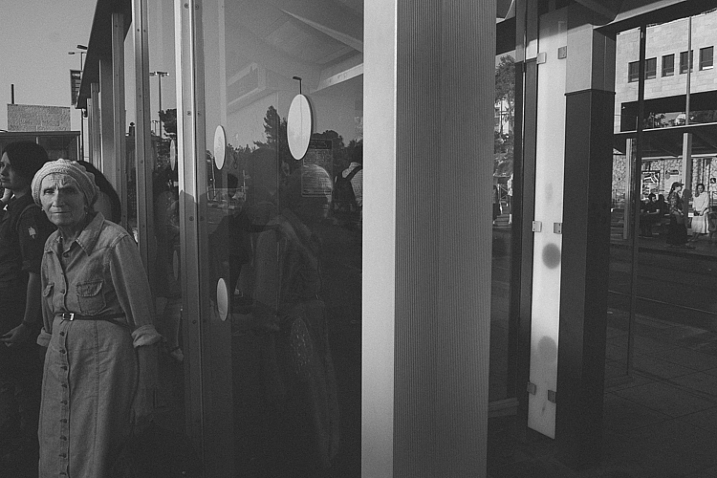
Another way, more popular among street photographers is called Zone Focus. You approximate the distance of your subject and make sure that they are within the depth of field by setting the focus and aperture correctly. It is a fast and simple technique that will force you to plan your frames. Thus forcing you to be more sensitive to your surroundings than a photographer who responds to a moment by half-pressing the shutter and then pressing it all the way. A street photographer trained in zone focusing does not have to pay attention to focus at all because they adjust their focus and aperture with every change in the scene without even thinking about it.

Manual Focus Ouria Tadmor

Move slow, think fast

When photographing a portrait with a fast telephoto lens you want to have the subject’s nearest eye in focus. There are many ways to achieve that with autofocus cameras. Some of the modern mirrorless cameras will lock on the near eye and stay focused on it for you as long as it’s there.

What a manual focus lens does for you is exactly the opposite. It is almost impossible to keep the near eye in focus with a portrait lens at a wide open aperture. The shallow depth of field means you will have to pay attention to your subject’s smallest moves such as breathing. By doing so it will focus your attention on the subject and you will start noticing facial features that would have been left behind at the photographing speed of autofocus lenses.

Manual_Focus_OT

Zen and manual focus

Use manual focus to put control of your photography back in your hands. It will slow you down and make you think more. For many of the greatest photographers throughout history, the process was as important as the final picture. When you let yourself indulge the process your photographs will benefit.

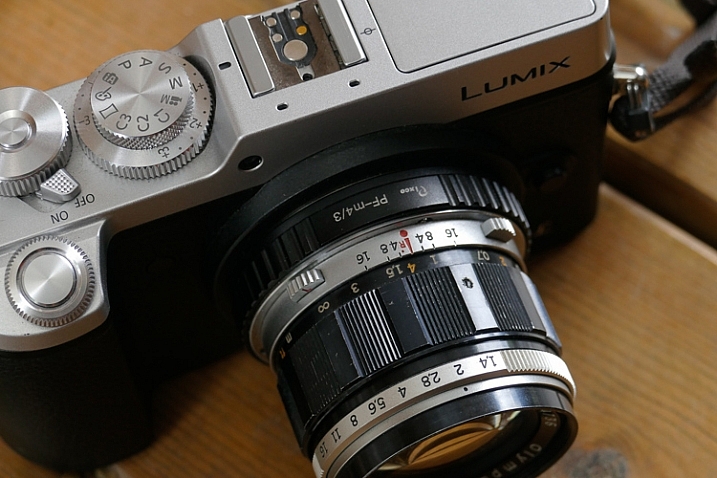
It is a totally different experience to manual focus using a lens that was created for autofocus than one that was made to be focused by a human. Invest in yourself and buy a vintage affordable lens that fits on your camera then go out shoot with only that lens. This way you will be able to feel what it is like to really do manual focus photography.

googletag.cmd.push(function() {
tablet_slots.push( googletag.defineSlot( “/1005424/_dPSv4_tab-all-article-bottom_(300×250)”, [300, 250], “pb-ad-78623” ).addService( googletag.pubads() ) ); } );

googletag.cmd.push(function() {
mobile_slots.push( googletag.defineSlot( “/1005424/_dPSv4_mob-all-article-bottom_(300×250)”, [300, 250], “pb-ad-78158” ).addService( googletag.pubads() ) ); } );

The post How Using a Manual Focus Lens Can Make You a Better Photographer by Ouria Tadmor appeared first on Digital Photography School.


Digital Photography School

 
Comments Off on How Using a Manual Focus Lens Can Make You a Better Photographer

Posted in Photography


Sony announces alpha 99 Mark II

19 Sep

Sony has announced the a99 II, a 42MP A mount SLT camera to mark the tenth anniversary of the alpha series. It features 5-axis image stabilization and 4K photo with no binning.

The camera will be capable of shooting at 12 frames per second with AF/AE tracking. It has 79 AF points on its dedicated PDAF sensor, which work in conjunction with 399 on-sensor PDAF points.

Kimio Maki VP of Digital Imaging Group said: the market is changing. The move is towards an increased proportion of enthusiast photographers, he said. These customers demand sensitivity, resolution and speed.

Articles: Digital Photography Review (dpreview.com)

 
Comments Off on Sony announces alpha 99 Mark II

Posted in Uncategorized


Creative Crosswalks: Artist Adds Color to Brighten Crossings for Students

19 Sep

[ By WebUrbanist in Art & Street Art & Graffiti. ]

creative crosswalks

Part art project and part urban safety experiment, this series of Funnycross installations in Madrid have been positioned outside a cross section of city schools.

funnycross installation art

art crosswalk

Designed by Bulgarian artist Christo Guelov (images by Rafael Perez Martinez, the creative crossings weave diamonds, circles and other shapes into the visual language of existing horizontal wide lines.

colorful creatie sidewalk crossings

sidewalk art school

The brightly-colored interventions are designed to enliven the streets beyond conventional sign-posting while their eye-catching patterns are aimed at making the crossing points more visible.

dots circle cross

artistic crossing pattern

The artist also aims to raise larger questions about the role of color in cities, where infrastructure is often monochromatic, systematic and ultimately dull.

crosswalk geometries

“Opening up new horizons for human experience has always been the main source of creative energy, both in science and in art,” says guelov. “To inquire into something apparently non-existent or invisible to others and to provide it with real presence has always been the natural mechanism to generate usefulness for art objects.”

Share on Facebook


[ By WebUrbanist in Art & Street Art & Graffiti. ]

[ WebUrbanist | Archives | Galleries | Privacy | TOS ]


WebUrbanist

 
Comments Off on Creative Crosswalks: Artist Adds Color to Brighten Crossings for Students

Posted in Creativity


Behind the Scenes of Marvellous Macro Insect Imagery

19 Sep

This project by British photographer Levon Bliss and the Oxford University Museum of Natural History is a breathtaking. Levon spends weeks taking thousands of images of a single insect and then edits them together into incredibly high resolution images of these tiny creatures.

See more of Levon’s work on the Microsculpture site.

Learn About Macro Photography

While not on the scale of Levon’s project above we’ve compiled some Macro tutorials for those of you inspired to begin to explore this space.

  • Everything You Need to Know about Macro Photography
  • Getting Started Guide to Macro or Close-Up Photography
  • Macro Photography for Beginners (also see Part 2)
  • Tips for Depth of Field Control in Macro Photography
  • Macro Photography on a Budget: An introduction to Close-up Filters
  • It’s a Bug’s Life – 27 Super Macro Photography Images

googletag.cmd.push(function() {
tablet_slots.push( googletag.defineSlot( “/1005424/_dPSv4_tab-all-article-bottom_(300×250)”, [300, 250], “pb-ad-78623” ).addService( googletag.pubads() ) ); } );

googletag.cmd.push(function() {
mobile_slots.push( googletag.defineSlot( “/1005424/_dPSv4_mob-all-article-bottom_(300×250)”, [300, 250], “pb-ad-78158” ).addService( googletag.pubads() ) ); } );

The post Behind the Scenes of Marvellous Macro Insect Imagery by Darren Rowse appeared first on Digital Photography School.


Digital Photography School

 
Comments Off on Behind the Scenes of Marvellous Macro Insect Imagery

Posted in Photography


PocketWizard introduces FlexTT5 TTL radio system for Panasonic

19 Sep

$ (document).ready(function() { SampleGalleryV2({“containerId”:”embeddedSampleGallery_7935285546″,”galleryId”:”7935285546″,”isEmbeddedWidget”:true,”standalone”:false,”selectedImageIndex”:0,”startInCommentsView”:false,”isMobile”:false}) });

PocketWizard is making its FlexTT5 TTL radio system available to Panasonic shooters, bringing wireless control to Panasonic’s speedlights without requiring a line of sight configuration. When used with the DMW-FL360L and DMW-FL580L the FlexTT5 will allow for sync speeds of 1/8000sec. TTL compatibility will be limited to those two flash units and the Lumix GH4 at launch; PocketWizard plans to add support for other bodies and flashes with firmware updates.

The PocketWizard FlexTT5 for Panasonic will be available worldwide at the end of October at $ 186 for a single radio or $ 299 for two radios and a bag.

Press release

{PressRelease}

PocketWizard Launches FlexTT5 TTL Radio System for Panasonic

Panasonic photographers can now benefit from PocketWizard’s wireless transceiver radio technology for remote TTL flash and camera triggering.

So. Burlington, VT (September 19, 2016)– LPA Design, Inc., manufacturers of PocketWizard brand products, the world leader in reliable wireless control of cameras, flash lighting and light meters, developed the first TTL radio system specifically for Panasonic ‘s mirrorless cameras. Panasonic photographers can now take advantage of PocketWizard’s patented wireless TTL, HSS and HyperSync® technology, enabling them to be more creative in every lighting setting.

“We have been developing a TTL radio system for Panasonic’s mirrorless gear, specifically the GH4 which is targeted towards professional photographers. Now at last, we have optimized the PocketWizard TTL operating system specifically for their cameras and flashes,” states Steve Padnos, Senior Firmware Engineer and Project Manager.

The benefits of off-camera flash are impactful and dynamic. PocketWizard is the global leader in wireless triggering, range and reliability with patented technologies engineered into every radio. With the FlexTT5 for Panasonic, GH4 photographers can now trigger any number of remote flashes without line of site limitations.

HSS with Panasonic DMW-FL360L and DMW-FL580L speedlights will allow for a full range of sync speeds up to 1/8000- often overpowering bright sunlight in outdoor settings. Studio flash is easily incorporated into a lighting set up with PocketWizard’s HyperSync® technology, which allows photographers to shoot at higher sync speeds, stop action and control both ambient light and flash at the same time.

“With the FlexTT5 for Panasonic, we’re giving a whole new group of photographers access to the PocketWizard family of products and opening up unlimited possibilities in their work. PocketWizard engineers have made this possible,” noted Karen Marshall, CEO of LPA Design.

PocketWizard is currently developing a remote camera cable which will allow Panasonic photographers to trigger a remote camera with their FlexTT5 or any other PocketWizard radio.

At release, the PocketWizard FlexTT5 for Panasonic is currently TTL compatible with the Lumix GH4 camera and DMW-FL360L and DMW-FL580L flashes. Compatibility with other Panasonic camera and flash models will be offered through firmware updates. The FlexTT5 for Panasonic is compatible with existing PocketWizard transceivers including the Plus IV and Plus III in manual trigger mode. It also communicates with all PocketWizard-enabled photo gear including select Profoto, Dynalite, Norman and Photogenic flash systems and Sekonic light meters in manual mode.

The FlexTT5 for Panasonic will be on display in the Panasonic booth at the Photokina trade fair in Cologne, Germany from September 20-25, 2016. There will be a daily 15 to 20 minute presentation in the Panasonic booth for the duration of the show. Any press interested in learning more about the product are either encouraged to attend this presentation or contact heather@pocketwizard.com to set up an appointment to learn more about the new FlexTT5.

The PocketWizard FlexTT5 Transceiver for Panasonic will be available at PocketWizard Authorized dealers across the globe at the end of October, 2016. Photographers will have the option of purchasing individual radios or a set of two. The US MAP price of a single FlexTT5 for Panasonic radio will be $ 186.00 and a set of two radios which includes a PocketWizard G-Wiz Trunk bag will come in at $ 299.00 US MAP.

{PressRelease}

Articles: Digital Photography Review (dpreview.com)

 
Comments Off on PocketWizard introduces FlexTT5 TTL radio system for Panasonic

Posted in Uncategorized