RSS
 

Archive for July, 2016

Stopped Steps: 10 Declining Abandoned Escalators

18 Jul

[ By Steve in Abandoned Places & Architecture. ]

abandoned_escalator_8b

Well, that did NOT escalate quickly. These busted up and broken down abandoned escalators won’t be devouring any CROC plastic sandals anytime soon.

abandoned_escalator_8a

abandoned_escalator_8c

An outdoor escalator? In damp, rainy England? It’s more likely than you think, and most likely to be abandoned like this mossy ex-people-mover in Leeds. Snapped by Flickr user Paul Williams (Bluelemur), the long-neglected electric stairway once ferried shoppers from a pedestrian underpass up to a shopping mall. These images were taken in March of 2006; both the mall and its escalators were demolished shortly thereafter.

Somewhere Under The Rainbow

abandoned_escalator_3b

abandoned_escalator_3c

Think “La Rainbow Hotel” and a spectrum of brilliant colors come to mind. The above post-apocalyptic scene certainly wasn’t in the minds of those who named the long-abandoned hotel though it DOES display an impressive visual palette. Jordy Meow of Haikyo.org captured the former (1990-97) hotel’s silent, seized-up & spooky escalator in July of 2012.

Narrowed Down

abandoned_escalator_6a

abandoned_escalator_6b

abandoned_escalator_6c

When Hunter’s Point Naval Shipyard in San Francisco, CA closed in 1994, the “tallest industrial escalator” (according to Flickr user TunnelBug) closed along with it. We’re guessing it was the narrowest industrial escalator as well though no one to our knowledge has done a comparative survey. The images above date from 2006, 2005 and 2009 respectively.

Out Of Warranty

abandoned_escalator_7b

abandoned_escalator_7a

If Hyundai built this escalator as well as they build their current automobiles, it might still be working today. Instead, however, the abandoned mobile stairway in South Jakarta, Indonesia’s Tebet market dates from a time when Hyundai exported the infamous Pony and Stellar to unsuspecting North American shores… just typing those names evokes the aroma of cooked engine oil. Phew!

Next Page – Click Below to Read More:
Stopped Steps 10 Declining Abandoned Escalators

Share on Facebook


[ By Steve in Abandoned Places & Architecture. ]

[ WebUrbanist | Archives | Galleries | Privacy | TOS ]


WebUrbanist

 
Comments Off on Stopped Steps: 10 Declining Abandoned Escalators

Posted in Creativity


6 Tips for Capturing Character and Personality in Wildlife Photography

18 Jul

If you want to take your wildlife photography to the next level, then you need to look at capturing the character and personality of an animal. This makes for a much more appealing image, rather than simply a bird on a stick. A photo always needs to tell a story, but I think many photographers don’t realize that this applies to wildlife photography too.

Even though we can’t directly relate to most wild animals, it is still possible to document a story through a single image, or a sequence of images.

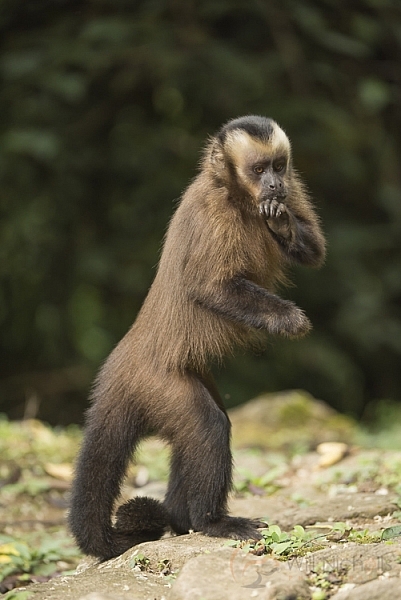
Tufted Capuchin

Tufted Capuchin

Without anthropomorphising animals, many do have their own personalities. I am doubtful this applies to something like an ant, but mammals in particular can be observed to have particular traits and habits. Some may be bold and investigate new things, whereas others may retreat and shy away from disturbances. This can be seen as the animal’s personality, and it is up to us as wildlife photographers to capture this on camera.

It’s definitely not easy though, as stills photography captures one moment in time and freezes it forever. Working with video makes it far easier to convey character, but it’s not impossible to do it in a single frame. Here are some tips to help you get character in your wildlife photography.

#1 – Behaviour

As a zoologist, I am fascinated by animal behaviour. Some behaviours we see as normal and predictable, whereas others shock and surprise us. Did you know that fish swallow small stones to aid digestion?

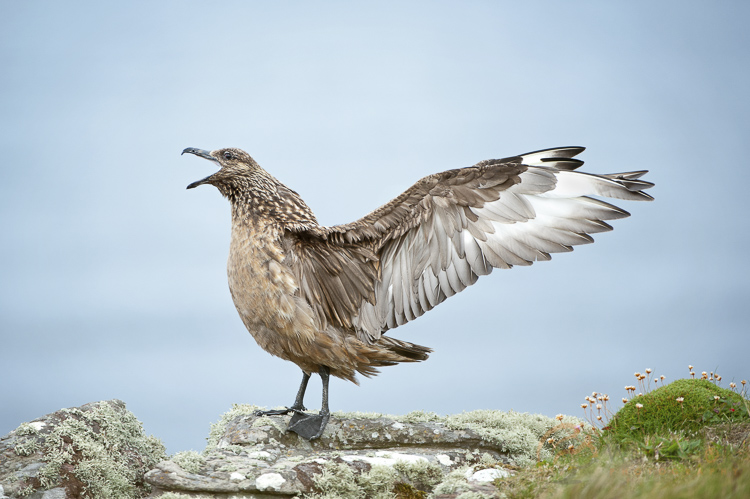
It’s capturing these interesting behaviours on camera that properly conveys the essence of a particular species. When you’re behind the camera, it’s easy to stare through the viewfinder and get tunnel vision. But if you step back and study an animal, reading up about it beforehand, you’ll learn what you need to look out for. Many animals have giveaway moves that warn you of an impending display – which is the case with great skuas, a seabird found in the northern hemisphere.

great skua

Great Skua, photographed in Scotland (Stercorarius skua)

In this particular case, the skua was preening its feathers continuously. This is a typical thing for birds to do before flapping their wings or displaying. It’s almost like a big stretch and yawn. I waited patiently for 15 minutes while the bird preened, knowing that I would probably be rewarded with such a display afterwards (image above).

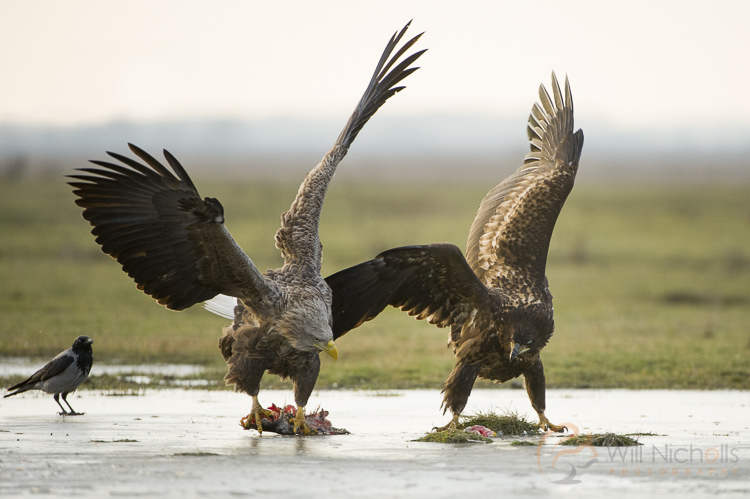
Confrontations between two animals are commonplace. If you see one animal, even if it’s of a different species, approaching another, then chances are you’ll see some sort of interaction. Take these white-tailed eagles, for example. I was pretty sure that they’d both have a disagreement over who had rights to the tasty fish laying on the ice. With my focus nailed, I kept the shutter half-pressed and fired as soon as they lifted their wings.

white tailed eagles

White-tailed Eagles, photographed in Hungary.

#2 – Humour

While animals won’t inherently try to be funny, they often do things that make us chuckle. These are usually opportunistic photos that you can’t prepare for, but being poised and ready at all moments is key to capturing them.

When I lead workshops, one of the main things I try to get my clients to realize is that as soon as you drop your camera down, you’re risking missing the shot. If your subject is in front of you, then you’ve done the hard bit of waiting for an appearance – keep your eye to the viewfinder and remain at the ready, almost like a sniper training his eye on a target.

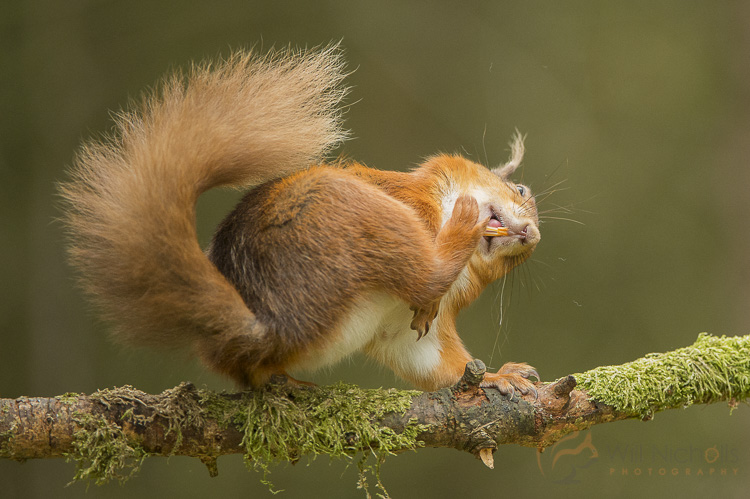
red squirrel

Eurasian red squirrel (Sciurus vulgaris), photographed in England.

A quick scratch from a squirrel lasting just a couple of seconds was possible to catch on camera, because I was already following its progress along the branch through the viewfinder.

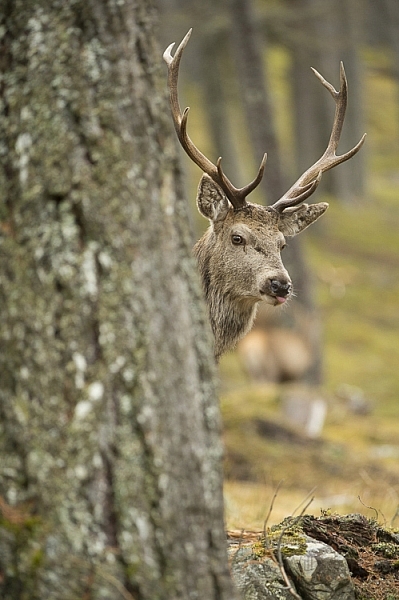
Red deer

A red deer stag in the Scottish Highlands.

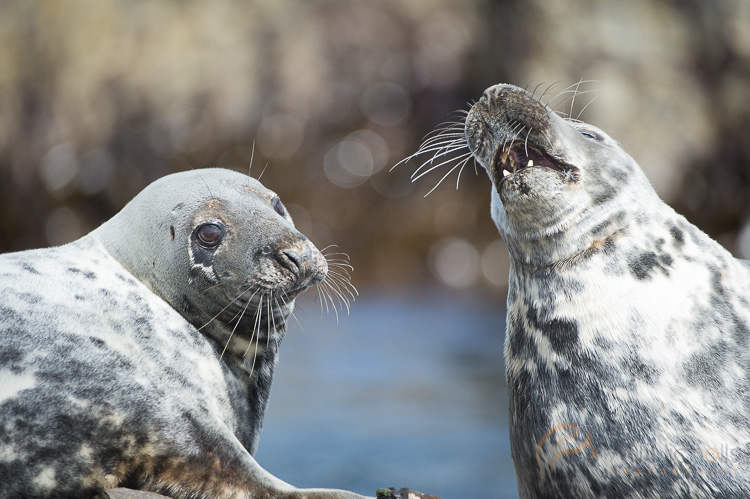
I had been looking to capture a stag peering through the trees, and while this wasn’t my intended outcome, I couldn’t help but click away when this stag stuck its tongue out round the tree. It’s little things like this that bring a smile to the viewer, and bring in personality and character to your wildlife photos. Although they make some chuckle more than others…

atlantic seals

#3 – Tight in the Frame

All the images I’ve shared so far in this article are fairly tight in the frame. This is a particularly useful composition technique you can use to bring the focus solely to the animal. The bokeh also helps, isolating the subject against the background – this is done using a wide aperture (and subsequently a shallow depth of field), most often successfully with a telephoto lens.

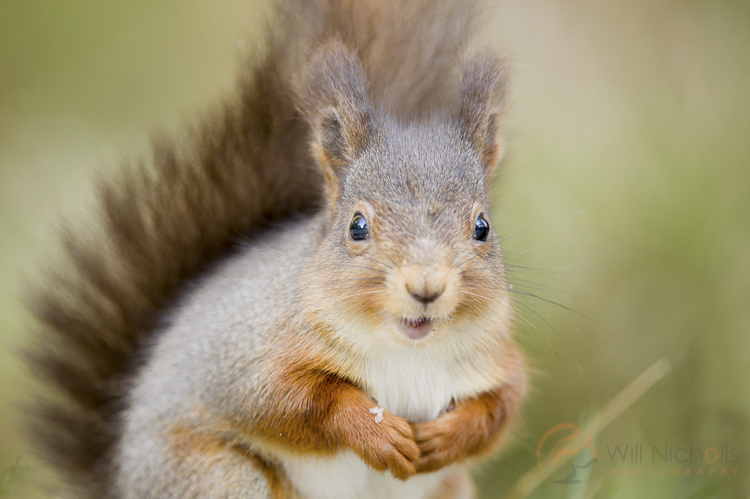
red squirrel

Eurasian red squirrel (Sciurus vulgaris).

When the attention of the viewer is trained on the animal alone, without distracting background elements to tear the eye away, then they feel more interacted with the animal in the image. It perhaps sounds a little cliché, but it is true. In this image of a squirrel, you can see that eye contact, along with a catchlight in the eye, really makes the photo pop.

When doing tight compositions like this, be careful not to chop limbs off half way down their length. It’s all or nothing, I always say!

#4 – Family Ties

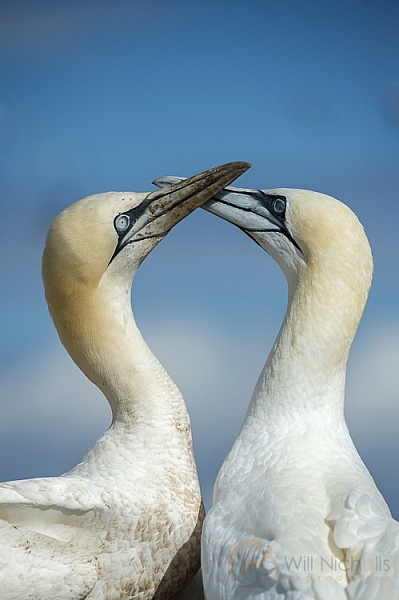
If there’s anything humans can relate to with animals, it’s the bond between parents and offspring. Not all animals care for their young, of course, but those that do can be seen to care and work endlessly to raise their young. Take these two gannets – a male and a female – courting to reaffirm their bond each time the other returns to the nest from gathering fish.

gannet

Northern gannets (Morris bassanus).

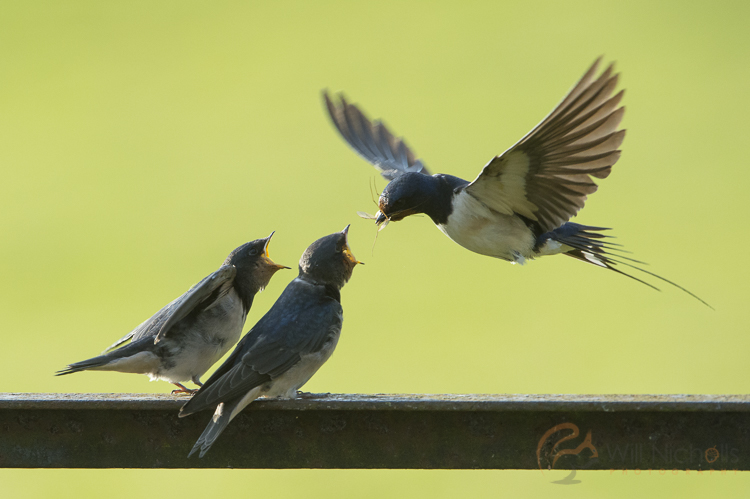
If you can capture the parents feeding their young, even better. It doesn’t have to be a feeding behaviour though, and in particular playful shots between a family will give your shots the aww factor. Obviously, you have to be in the right place at the right time, and these particular kinds of shots require a lot of dedication and time to achieve, due to their rare nature.

barn swallow

Barn swallows feeding fledglings in British countryside.

#5 Try Something Different

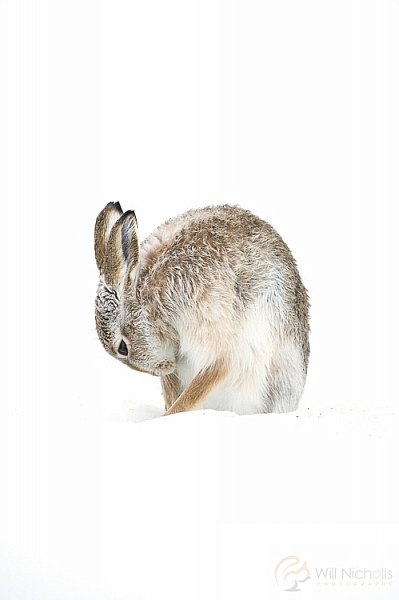
Experimenting is something you’ve probably been told to do again and again – but it works. I am a particular fan of the high-key style of photography for wildlife, isolating the subject against the background by blowing out the highlights in an image. This mountain hare was grooming its fur, but as it bowed its head it looked rather solemn. The white background makes it almost look like a painting, and personally I think this is a rather intimate portrait.

Mountain Hare

Be prepared to step outside your comfort zone. That is where the photos are, that set you apart from the endless bird on a stick shots we see day to day. At first it’ll probably all go wrong, but that’s okay! You know all those rules you’ve been told? Rule of thirds, golden triangle, etc., break them, and see what happens.

#6 – Light

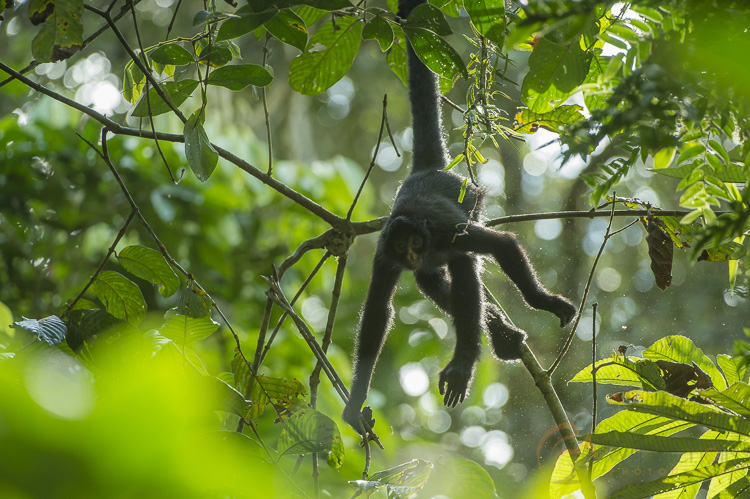
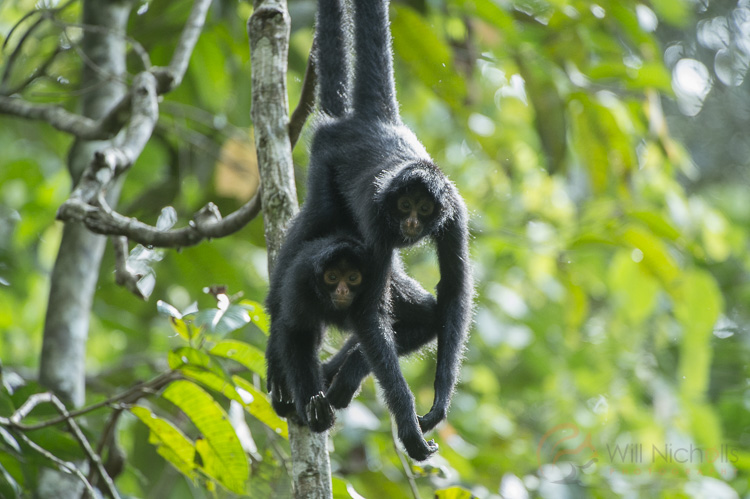
Ooh, it’s that scary unknown again. Light. It’s a maker or breaker for photography, and that doesn’t change when you step into nature photography either. Backlighting is particularly effective for conveying mystery and magic in an image. I used this to my advantage when photographing Peruvian spider monkeys – a primate that is unfortunately on the endangered list. Even so, the backlighting breaking through the rainforest canopy makes this image appear magical.

A backlit Peruvian spider monkey in the Amazon Rainforest in Manu, Peru.

A backlit Peruvian spider monkey in the Amazon Rainforest in Manu, Peru.

If you see interesting light like this, then be careful about your exposure. It’s important not to blow the highlights rim-lighting the animal, while at the same time keeping the individual exposed properly too. But when it works, it really works.

I feel that to end an article about character and personality, it is only right to use primates as an example. We can really relate to them, more than any other animal, due to our close relations. They’re curious, intelligent, and a clear example of an animal capable of emotions.

A male and female black-faced spider monkey stick together in the Peruvian Amazon Rainforest. These two individuals are displaying courting behaviour.

A male and female black-faced spider monkey stick together in the Peruvian Amazon Rainforest. These two individuals are displaying courting behaviour.

So keep clicking the shutter each time something of interest happens. Don’t wait and savour space on your memory card, because you might just miss something amazing.

This week we are doing a series of articles to help you do better nature photography. See previous articles here:

  • 3 Habits Every Outdoor Photographer Should Develop to Avoid Missing Shots
  • 5 Tips for Better Nature Photography
  • 27 Serene Images of the Natural World
  • Weekly Photography Challenge – Nature
  • 10 Ideas for Photographing Nature in your Backyard

googletag.cmd.push(function() {
tablet_slots.push( googletag.defineSlot( “/1005424/_dPSv4_tab-all-article-bottom_(300×250)”, [300, 250], “pb-ad-78623” ).addService( googletag.pubads() ) ); } );

googletag.cmd.push(function() {
mobile_slots.push( googletag.defineSlot( “/1005424/_dPSv4_mob-all-article-bottom_(300×250)”, [300, 250], “pb-ad-78158” ).addService( googletag.pubads() ) ); } );

The post 6 Tips for Capturing Character and Personality in Wildlife Photography by Will Nicholls appeared first on Digital Photography School.


Digital Photography School

 
Comments Off on 6 Tips for Capturing Character and Personality in Wildlife Photography

Posted in Photography


Fujifilm X-Pro2 versus X-T2: Seven key differences

17 Jul

Fujifilm X-Pro2 versus X-T2: Seven key differences

In the X-T2 and X-Pro2, Fujifilm offers two flagship cameras that have a lot in common, but are designed for slightly different purposes. So which one should you buy? We’ve broken down the key differences.

Video

Let’s get probably the biggest differentiator out of the way right up front – the X-T2 offers 4K video, while the X-Pro2 makes do with standard HD. The addition of 4K to the X-T2 surprised us a little when we first saw it on the spec sheet, but it’s clear that Fujifilm sees this feature as an important ‘must have’ in a camera as versatile as the X-T2. The X-T2 can record video in clips up to 10min duration, or 30min when the optional power booster grip is attached. 

The X-Pro2, on the other hand, is meant for a different kind of photographer – one who is more stills-oriented, and more likely to shoot with prime lenses than zooms. The addition of 4K to the X-Pro2 would have certainly increased its cost – and the engineers tell us that it would also have increased its size and weight as a consequence of the necessity for a beefed-up heat sink. So if you need 4K, the X-T2 is the camera for you. 

Rear LCD screen

The X-Pro2, being the more ‘traditional’ of the two cameras, has a simple, fixed rear LCD. In contrast, and in keeping with its ultra-versatile ‘do anything’ design philosophy, the X-T2 features a complex, multi-articulating screen that enables easy framing from high and low angles in both landscape and portrait orientations. This articulating design is also more useful for video work.

The decision by Fujifilm (which actually manufactures capacitive membranes for touchscreens) not to include touch sensitivity in either camera is a little disappointing. Also a bit odd is the resolution difference between the screens on the back of the X-T2 and X-Pro2. The X-Pro2’s screen resolution is 1.6 million dots – somewhat higher than the 1.04 million-dot screen on the back of the X-T2 (it’s the difference between 900 x 600 rather than 720 x 480 pixels).

So in summary: If you want screen articulation, go for the X-T2. If you don’t mind a fixed screen, you’ll get slightly higher resolution from the X-Pro2.

Viewfinder

At a quick glance, the electronic viewfinder specifications of the X-Pro2 and X-T2 are very similar. Both are centered around the same 2.36 million-dot OLED display, and both offer a window on the world that is both sharp and detailed. But the X-T2’s electronic viewfinder is the better of the two, for a couple of important reasons.

First is the addition of ‘burst mode’ to the X-T2, which increases the refresh rate of the live view image in the camera’s viewfinder to 100fps. And second is the complex optical assembly (shown above) that focuses the viewfinder’s image into your eye. The X-T2’s EVF is one of the best electronic finder that we’ve ever used. Its unusually high magnification of 0.77X and 100% frame coverage place it a level above the 92% coverage and 0.60X of the X-Pro2.

But before we dismiss the X-Pro2 altogether…

Viewfinder

The X-Pro has one major trick up its sleeve – its viewfinder is a ‘hybrid’ type, that also offers a rangefinder-style optical view, which employs frame-lines to preview composition.

The difference between an optical and electronic viewfinder experience is hard to explain until you’ve compared them directly, but if you’re shooting with prime lenses between 28 and 50mm equivalent, the X-Pro2’s optical finder is a delight. Electronic manual focus assist in optical finder mode is an added bonus. The X-T2’s fully electronic finder is a better choice if you’re primarily a zoom lens user.

Ergonomics

While the basic control logic of the X-T2 and X-Pro2 is very similar (and more or less standard across the entire X-series) the two cameras are ergonomically quite different. The rangefinder-style X-Pro2’s viewfinder is positioned off to the left of the camera (with its back facing you) while the X-T2’s finder sits in a DSLR-style ‘hump’ in line with the lens axis. 

Which of these designs appeals more to you is a matter of personal preference (skip back to the previous slide for a better explanation of the technical differences between the two cameras’ viewfinders) but the experience of shooting with them is subtly different as a result.

The X-Pro2 (shown above) is designed with stills shooters primarily in mind, and more specifically, stills shooters who like to use prime lenses. The X-Pro2 doesn’t handle quite as well with Fujifilm’s longer, heavier zooms, whereas these are the kinds of lenses that the X-T2 is specifically designed to be paired with. With the optional power booster grip attached, the X-T2 balances nicely, even with Fujifilm’s beefiest lenses. And of course, that grip also duplicates key controls for vertical format shooting. 

Faster…

Of these two cameras, the X-T2 is the faster. Designed to cater to the needs of sports and action photographers the X-T2 boasts a maximum continuous shooting rate of 8 fps, with continuous autofocus. This can be increased to 11 fps in boost mode, with the optional grip. The fastest framerate with live view maintained is less, at 5 fps, but this is still plenty fast enough for most subjects. In fully electronic shutter mode, maximum framerate caps out at 14 fps.

The X-Pro2, in contrast, is limited to 8 fps with autofocus, and a mere 3 fps with live view maintained in the viewfinder.

These are different horses designed for different courses. The speed-oriented X-T2 also boasts a USB 3.0 interface, capable of considerably greater data transfer rates than the USB 2.0 interface of the X-Pro 2. In addition both the X-T2’s SD card slots are compatible with the latest UHS-II interface type, whereas only the #1 slot of the X-Pro2 can make full use of these cards.

…and longer

As well as increasing the X-T2’s speed and duplicating its controls for vertical format shooting, the optional power booster grip also triples the camera’s battery life. It’s not magic – the grip simply accommodates an additional two batteries, bringing the total number of available cells to three. Hence three times the endurance, to a rated ~1000 exposures.

The X-Pro2 lacks an accessory grip, and endurance caps out at around 250 exposures with the EVF, and ~350 when the optical finder is used (CIPA ratings in all cases).

Autofocus

The X-T2 incorporates Fujifilm’s most advanced autofocus system yet. It boasts 325 AF points (169 of which offer phase detection) which work in concert to offer a ‘hybrid’ autofocus system. Extensive customization of the X-T2’s continuous autofocus performance is made possible with Canon-style AF setting ‘sets’.

For now, the X-T2’s AF is superior to the very similar system found in the X-Pro2, but this is Fujifilm we’re talking about – the most firmware updatey company of them all (except perhaps Samsung – RIP). As such, we’re told that the X-Pro2’s autofocus system will be brought up to par with the X-T2’s in terms of baseline performance by way of a firmware update scheduled for autumn.

Autofocus

Note that the X-T2’s AF-C customization options (above) will remain unique to this model though, meaning that the X-T2 will remain a better choice if AF performance – or action photography in general – are your priorities. 

Which one should you buy?

If you’re in the market for a new camera and the Fujifilm X-Pro2 and X-T2 are on your list, chances are that both will keep you pretty happy. As far as image quality is concerned, we’re very pleased by the output from their 24MP APS-C sensor, and in video mode, both models are lightyears ahead of previous-generation X-series cameras. The X-T2 scores over the X-Pro2 in terms of video simply by the addition of a pretty impressive 4K specification, and both cameras produce good-looking HD footage.

Beyond the basics, the X-Pro2 is probably a better choice for prime lens photographers, thanks to its off-center hybrid viewfinder which offers both electronic and optical viewing options. If you mostly shoot candids, street portraits or non-moving subjects in general, its lower maximum shooting rate, (slightly) more basic AF system and non-articulating LCD screen might not bother you at all.

In contrast, the faster, more action-oriented X-T2 is a better all-rounder. It can take pictures more quickly, its viewfinder can refresh more quickly, the rear LCD articulates in useful ways, and with the optional power booster grip attached, it offers a vastly better battery life. It’s also much more comfortable to use with Fujifilm’s heavier zoom lenses than the boxier X-Pro2.

Did we miss anything? Let us know in the comments. 

Articles: Digital Photography Review (dpreview.com)

 
Comments Off on Fujifilm X-Pro2 versus X-T2: Seven key differences

Posted in Uncategorized


Side by Side Comparison: The Sony a6300 Versus Fujifilm X-Pro2

17 Jul

The Sony a6300 and Fujifilm X-Pro2 are two mirrorless cameras that debuted very recently as updated versions of their popular and beloved predecessors. Both cameras are comparable in technical specs and appeal, but how does each fare when compared side-by-side? Find out below!

Fujifilm X-Pro2 versus Sony a6300 6

Technical Specs: Main Similarities

Camera Sensors and Format

Both the a6300 and X-Pro2 are APC-C crop sensor bodies with a 1.5x crop factor. Each has a CMOS sensor with 24-megapixel resolution and is capable of shooting in both JPG and RAW on SD memory cards.

Solid, Weather-Resistant Body

Perhaps the biggest cosmetic upgrade that Sony made to the a63000 was including a tougher, more weather-resistant body. Like the X-Pro2, the a6300 is composed of magnesium alloy promises to be dust and moisture resistant.

Fujifilm X-Pro2 versus Sony a6300 6

In-Camera Wi-Fi

Like most modern digital cameras, both the X-Pro2 and a6300 have built-in Wi-Fi, making it a snap to transfer photos from your camera to your mobile phone, or shoot remotely via a mobile app.

Technical Specs: Main Differences

Price

The a6300 can be purchased body-only for $ 998.00, while the X-Pro2 is quite a bit more expensive at $ 1,699.00. Accompanying Fujifilm lenses also tend to be pricier than Sony equivalents.

Size and Weight

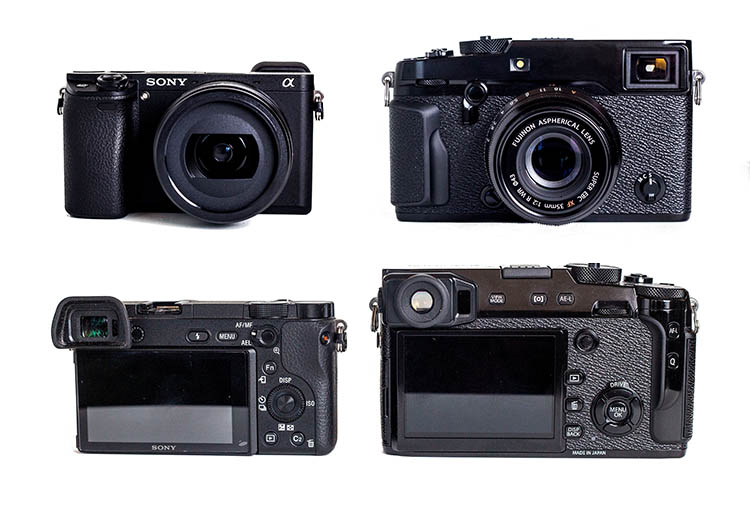
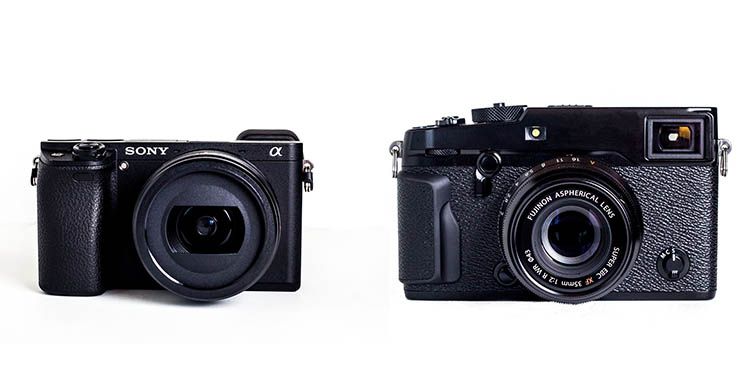
The X-Pro2 is quite a bit bulkier and heavier, weighing in at 15.70 ounces (445 g) body-only compared to the a6300’s 14.25 ounces (404 g). In terms of dimensions, the X-Pro2 is also slightly bigger with dimensions of 5.5 x 3.3 x 1.8″ (141 x 83 x 56 mm), compared to the a6300’s dimensions of 4.7 x 2.6 x 1.9″ (120 x 67 x 49 mm). Accompanying Fujifilm lenses are also heavier and larger than Sony equivalents.

Sony a6300

Sony a6300

Fuji X-Pro2

Fuji X-Pro2

Both shot with the same settings. Images are straight from the camera, unedited.

Video

The a6300 can record 4K video, while the X-Pro2 can only record video at 1080p. Interestingly, the Fujifilm offers two SD-card slots compared to the Sony’s single SD-card slot. You’d think Sony would squeeze in another slot to accommodate their higher-quality video formats.

Viewfinders

Among the unique features of Fujifilm’s digital cameras is their signature hybrid viewfinder which really shines on the X-Pro2. For those unfamiliar, the hybrid viewfinder offers the ability to switch between optical (rangefinder style) and electronic viewfinders , which can be a huge advantage for photographers who dislike shooting with electronic viewfinders only, which is what you get with the a6300.

Focus Tracking

Besides the inclusion of 4K video, the main selling point of the a6300 was its brand new sensor, and what Sony claims is the world’s fastest autofocus (dubbed “4D focus”) with 425 phase detection autofocus points. Combined with the Sony’s ability to shoot at up to 11 frames per second and accurate lock-on AF, the a6300 is a beast for shooting sports and action photography.

Comparatively, the X-Pro2 sports a total of 273 AF points including 169 embedded phase-detect AF points, plus a maximum burst rate of 8 frames per second.

Sony a6300

Sony a6300

Fuji X-Pro2

Fuji X-Pro2

Display Screen

While both cameras have a 3-inch rear LCD screen, the a6300 has a pop-out tilting screen, while the Fujifilm’s screen is melded to the camera body.

Built-in Flash

The a6300 offers a small pop-up flash that can be angled to bounce off the ceiling, in addition to a hot-shoe mount, while the X-Pro2 does not have a built-in flash (only a hot-shoe mount).

In Practice

Given the technical similarities and differences above, how did it actually feel to handle both cameras? The Fujfilm’s weight and size were definite factors, especially while switching between the smaller, lighter-weight Sony. With that being said, one could definitely argue that Fujifilm’s heavier, more solid camera and lenses felt like a higher-quality investment compared to some of Sony’s lightweight, plastic-based lenses.

Sony’s newly engineered 4D focus tracking was incredibly spot-on and accurate, especially compared to the Fuji. However, unless you’re shooting a ton of action scenes, Sony’s ultra-fast autofocus is a luxury that isn’t a make or break feature. One feature on the Sony that did come in handy was the flexible pop-up flash that would have been nice to have on the Fuji.

Fujifilm X-Pro2 versus Sony a6300 6

Sony a6300 photo on the left; Fujifilm X-Pro2 photo on the right. Both shot with the same settings. Images are straight from the camera, unedited.

The X-Pro2 has a clear vintage, rangefinder look and feel to it, which some photographers may prefer. Personally, I preferred the feel and overall button placement of the Sony, and was ultimately able to customize buttons and settings to operate it similarly to my Canon 5D Mark III.

On both cameras, the built-in Wi-Fi was a little tricky to set up, but from then on was incredibly intuitive and easy to wirelessly transfer images straight from the cameras to cell phones.

Sony a6300

Sony a6300

Fuji X-Pro2

Fuji X-Pro2

One last consideration – lens availability

Since both the a6300 and X-Pro2 are interchangeable lens cameras, compatible lens selection is another crucial difference between the two brands. Fujifilm lenses, while more solid and often more expensive, are contained to primes with a rather limited selection of zoom lenses, most of which have variable maximum apertures. In comparison, Sony offers a slightly more varied selection of lenses from primes and wides to mid-range and telephoto zooms.

Which is better for you?

Both the X-Pro2 and a6300 are feature-packed, brand new cameras that will appeal to different types of photographers.

Go Sony: If you value wicked fast autofocus, enhanced video recording capabilities, and/or are on a bit of a budget, the Sony a6300 is probably best for you.

Go Fuji: If you love the look and feel of a rangefinder camera, value Fuji’s unique hybrid viewfinder, and/or have a larger budget, the X-Pro2 will be your new favorite camera.

Sony a6300

Sony a6300

Fuji X-Pro2

Fuji X-Pro2

Have you tried either or both of these cameras? What are your thoughts?

googletag.cmd.push(function() {
tablet_slots.push( googletag.defineSlot( “/1005424/_dPSv4_tab-all-article-bottom_(300×250)”, [300, 250], “pb-ad-78623” ).addService( googletag.pubads() ) ); } );

googletag.cmd.push(function() {
mobile_slots.push( googletag.defineSlot( “/1005424/_dPSv4_mob-all-article-bottom_(300×250)”, [300, 250], “pb-ad-78158” ).addService( googletag.pubads() ) ); } );

The post Side by Side Comparison: The Sony a6300 Versus Fujifilm X-Pro2 by Suzi Pratt appeared first on Digital Photography School.


Digital Photography School

 
Comments Off on Side by Side Comparison: The Sony a6300 Versus Fujifilm X-Pro2

Posted in Photography


Speed Up Your Photography Site

17 Jul

Speed Up Your Photography Site

I recently started paying more attention to my site’s loading speed since that is a very important aspect of Google’s algorithm. Google wants to provide a great user experience and a slow site will be penalised.  As a photographer I have lots of images and many images are really big – I really like my full screen slide show very much.


So what to do if you’re a WordPress user with lot’s and lot’s of big images?  Below is a workflow and some of the free tools and WordPress plugins I’m using to load faster and rank higher.


4 Easy And Free Steps to Speed Up Your Site And Rank Higher #photography
Click To Tweet


 – Start by testing your site loading speed. I use Pingdom.com’s Free Loading Speed Test Tool. Make a note of the  and/or rank and refer to this later on to evaluate your success.


– Trash un-necessary plugins that might cause your site to load slower.  Just today I trashed 3 plugins that didn’t contribute anything, on the contrary, they just bloated my site and made it load slower. Take a long hard look and weigh the benefits vs. the cost.  Kill your darlings.


– Optimize and re-size your images. It might seem contradictory to first tell you to trash plugins and in the next step tell you to install a new one, but believe me – this will really help. I’m using the free WP plugin EWWW Image Optimiser. There are a number of other ones as well but I really like the bulk optimise option of EWWW. it took me about 15 minutes to optimise and re-size all of my images on my site – Sweet!


– Cloudflare – speed up your site.  This free tool allows You to dramatically speed up and at the same time protect Your site by distributing your content around the world –  so it’s closer to your visitors = speeding up your site.


Having done all the steps above I saw an instant improvement – going from a load time of about 9 seconds (which means that my site was in the slowest 10%) to a load time of about 4-5 seconds. This puts my site in the fastest 40% – Not bad for a very image heavy site!


IMAGE SOURCE:

Feature image & image 1: courtesy of Per Zennstrom


Fashion Photography Blog

 
Comments Off on Speed Up Your Photography Site

Posted in Uncategorized


Concept To Creation: Editorial Versus Campaign

17 Jul

Editorial vs. Campaign


Hey FashionPhotographyBlog.com readers.


Thanks for joining us on our “Concept to Creation” series where we walk you through the process of taking an idea into an image. If you were here with us last time, we investigated examples of how working fashion photographers in the industry turn their inspirations into a concepts.


Concept – crucial to binding your images together. You’ll find that any high end magazine only published editorials that has a concept holding the story together so today we are going discuss the difference between editorial and campaign images and how these can affect the concept for your shoots.


There’s a bit of a formula to it all. A set of rules that can, and are, broken.. But for the most part hold true to all editorials and campaigns you see.


Campaigns


Typical, successful campaigns do a few things. Obviously, they showcase the clothing. If you can’t see the clothing, you’re not getting paid. In fashion, clothing is king. It comes before all else.


You’ll notice that campaigns shot on location tend to stick to one area. If you’re on a sofa in a house- you’re on that sofa, in that house, for all of the images. A lot of campaign images tend to look the same. That’s a job well done! It’s this repetition that makes you remember “Oh, the girl on the blue couch with a million men is that Brian Atwood campaign.” So every time you see a girl on a blue couch with a million men, what do you think? That’s right! Subconsciously you recall Brian Atwood’s name!


Brian Atwood’s Fall 2012 Campaign by Mert & Marcus:


Notice all the images have the same general perspective, are in the same place, and are essentially the same image (with variations).

brian-atwood-fall-2012-campaign-by-mert-and-marcusbrian-atwood-fall-2012-campaign-by-mert-and-marcusbrian-atwood-fall-2012-campaign-by-mert-and-marcus


Louis Vuitton Spring 2012 by Steven Meisel

Notice a pattern?louis-vuitton-2012-by-steven-meisellouis-vuitton-2012-by-steven-meisel

EDITORIALS


With an editorial, you have more freedom! You’re not glued to one location, you can play with lighting (it should be relatively consistent but doesn’t necessarily have to be exactly the same in every shot), you can play with angles, etc.


As long as all the images are tied together via concept, have some fun with it. Editorials do showcase clothing however you can be a bit more liberal and artistic with how it’s shown. And one day, if you have enough power in the fashion world like Steven Meisel or Steven Klein, you can sometimes get away with having the dress you’re supposed to feature laying on the floor or hardly showing. (This only applies to the big players in the fashion photography industry.. don’t get any ideas!)


Steven Klein for Interview Magazine


Observe that there is a definite concept. However, unlike a campaign, there is more variation between the shots.

steven-klein-for-interview-magazinesteven-klein-for-interview-magazinesteven-klein-for-interview-magazinesteven-klein-for-interview-magazine 

Tim Walker (& Tim Burton!) for Harper’s Bazaar


tim-walker-and-tim-burton-for-harpers-bazaartim-walker-and-tim-burton-for-harpers-bazaartim-walker-and-tim-burton-for-harpers-bazaartim-walker-and-tim-burton-for-harpers-bazaar

I hope you all enjoyed discovering the difference between editorial and campaign images. It’s definitely something you want to keep in mind when you’re translating your inspirations into concepts. With a better understanding of the concept to creation process, you’ll be able to turn your shoot ideas into reality.

As always, if you have any questions, feel free to shoot over an email!


Alana


IMAGE SOURCE:

Feature image & images 1-3: Mert & Marcus for Brian Atwood’s Fall 2012 Campaign

Images 4 & 5: Steven Meisel for Louis Vuitton Spring 2012 by Steven Meisel

Images 6-9: Steven Klein for Interview Magazine

Images 10-13: Tim Walker (& Tim Burton!) for Harper’s Bazaar


Fashion Photography Blog

 
Comments Off on Concept To Creation: Editorial Versus Campaign

Posted in Uncategorized


10 Ideas for Photographing Nature in your Backyard

17 Jul

Have you noticed how many photographers are fascinated with the natural world? Even if we specialise in another genre, few of us can resist a gorgeous flower, or a branch of autumn leaves.

One of the best things about photographing nature is that it is so accessible. You needn’t travel far to find it, because it’s all around you. You may take it for granted because you see it every day, but your own backyard is treasure trove. Every hour of every day and every season, bring something new.
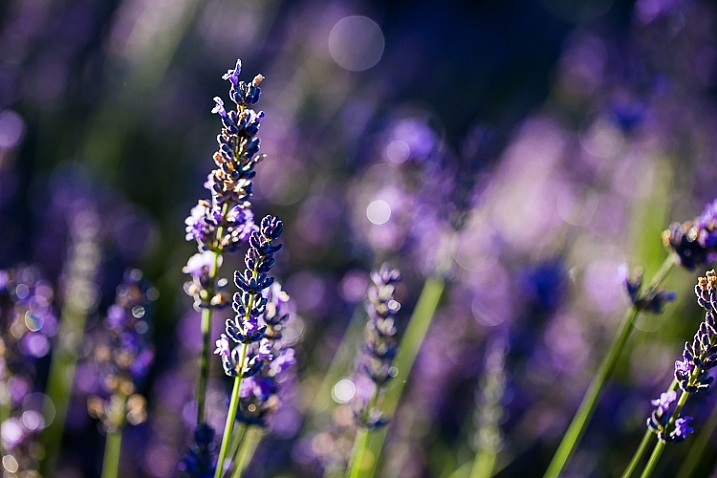
image showing photographing nature in your backyard

Summer lavender: ISO 100, f/3.5, 1/200th

Backyard needn’t be taken literally here. If you don’t have a backyard, you’ll find plenty of nature to photograph just by wandering the streets or public parks and gardens.

Tech details: All of the photographs in this article were shot on my Canon 5D Mark III. Unless otherwise stated, I have used my Canon macro 100mm f/2.8 lens. I have included details of ISO, aperture and shutter speed settings.

#1 – Flowers and leaves

Flowers and leaves are often the first things that come to mind when we look for subjects in our own backyards. They offer an endless variety of colours, shapes and textures for you to photograph. You could create a collection based on a single colour scheme, or try to find as many different leaf or flower shapes as possible.
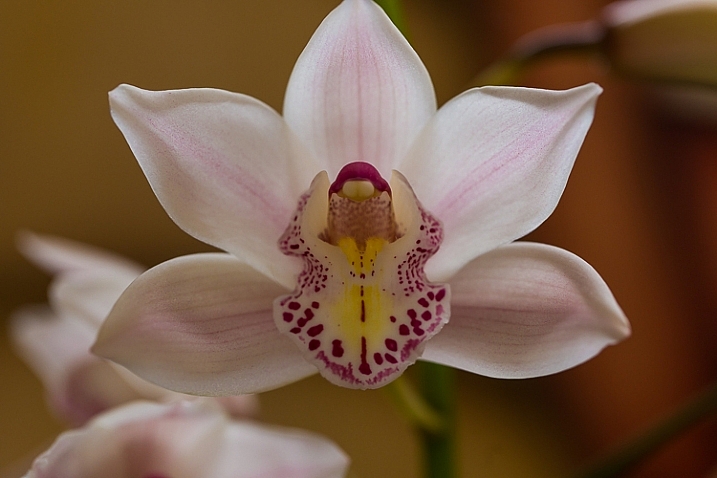
iso 640, f4, 1/100 sec

Cymbidium orchid: ISO 640, f/4, 1/100th
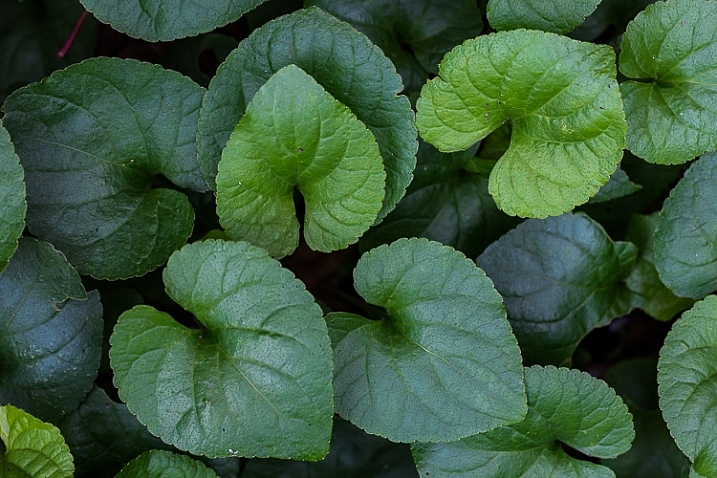
image showing photographing nature in your backyard

Violet leaves: ISO 800, f/8, 1/30th

image showing photographing nature in your backyard

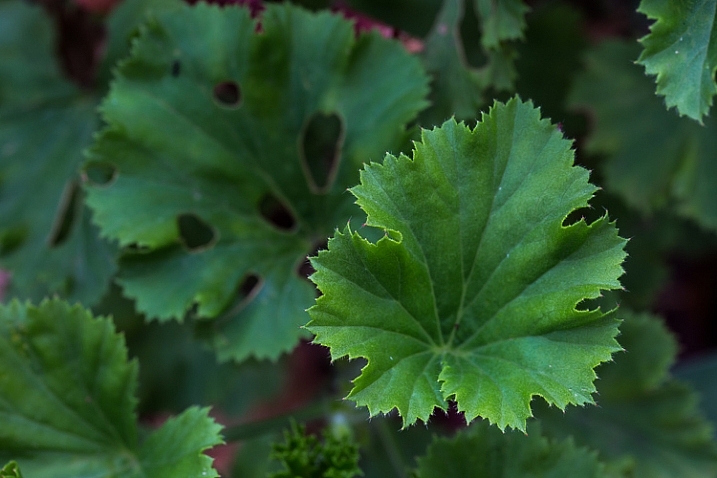
Geranium leaves: ISO 320, f/8, 1/40th

Experiment with different lighting and conditions. I love backlighting for leaves and flowers, as it creates a luminous, almost three-dimensional effect, and you can see details such as veins. Some shapes look better with strong, directional light, and I love how colours are enhanced in the wet.
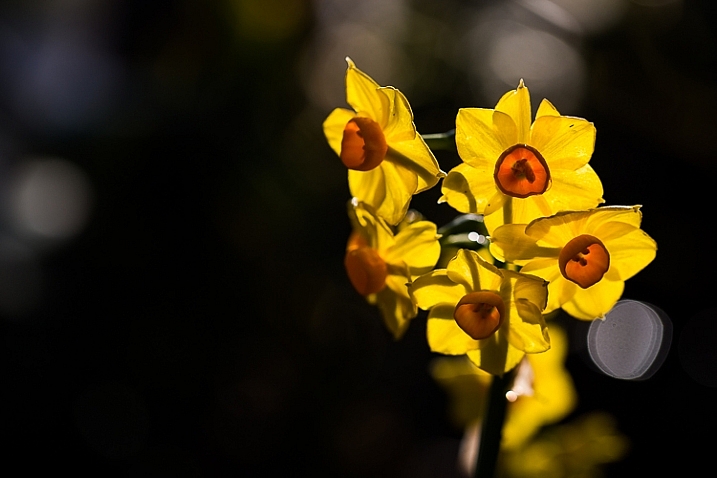
image showing photographing nature in your backyard

Erlicheer daffodils BACKLIT: ISO 100, f/4, 1/640th
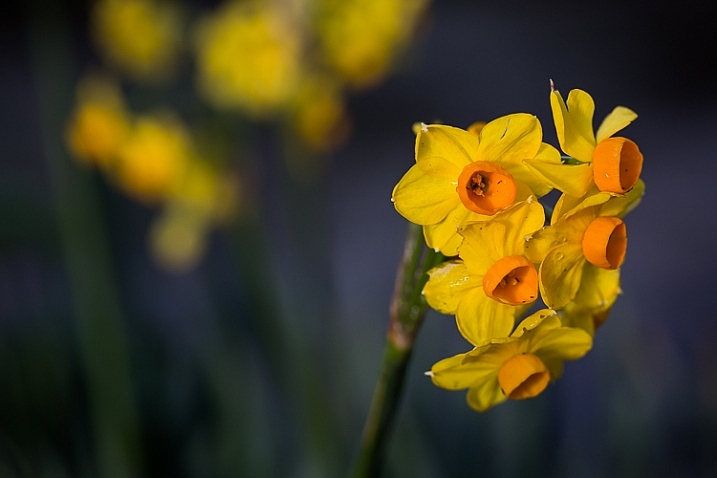
image showing photographing nature in your backyard

The same flower shot with the sun on my back: ISO 100, f/4, 1/800th
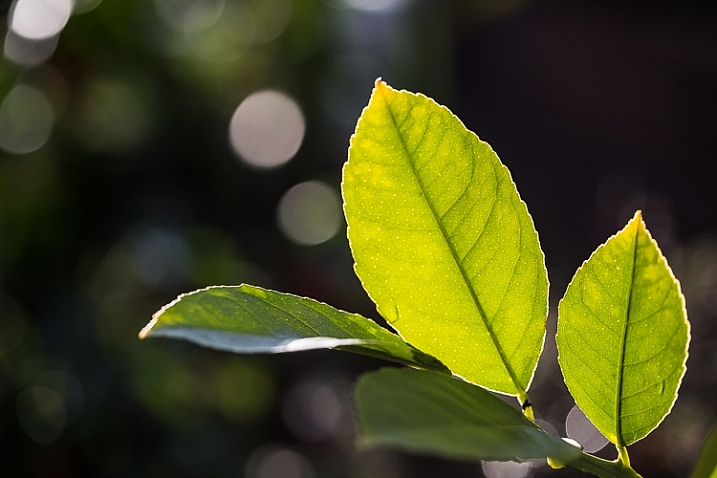
image showing photographing nature in your backyard

Backlighting a leaf reveals details you wouldn’t see if you lit it directly : ISO 100 f/4, 1/250th

Flowers are seasonal, and in temperate zones, spring and summer offer the widest variety. There are still flowers to be found in winter, although you may need to look harder. Don’t forget that weeds, such as dandelions ,are also beautiful! Autumn (fall) provides the greatest colour spectrum in leaves.
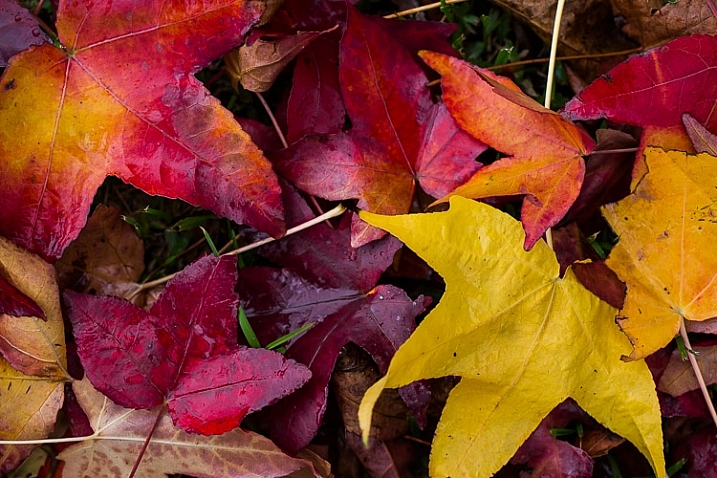
image showing photographing nature in your backyard

Liquidamber leaves photographed en masse: ISO 640, f/4, 1/80th
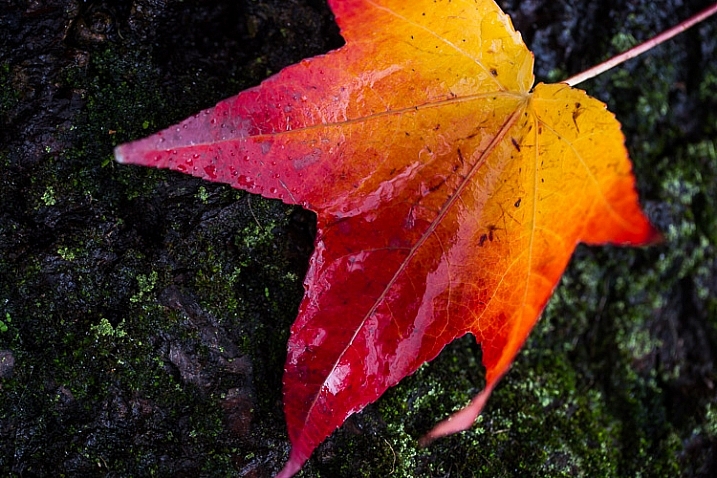
image showing photographing nature in your backyard

A single leaf isolated against a dark background: ISO 640, f/4, 1/30sec

#2 – Fruit, berries and seed pods

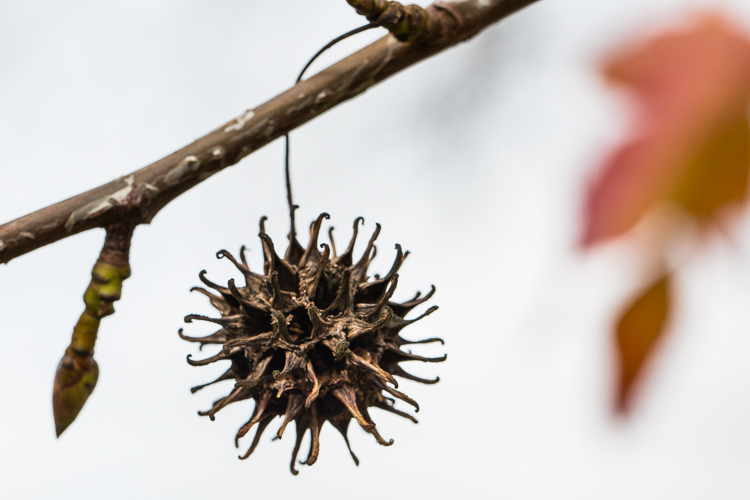
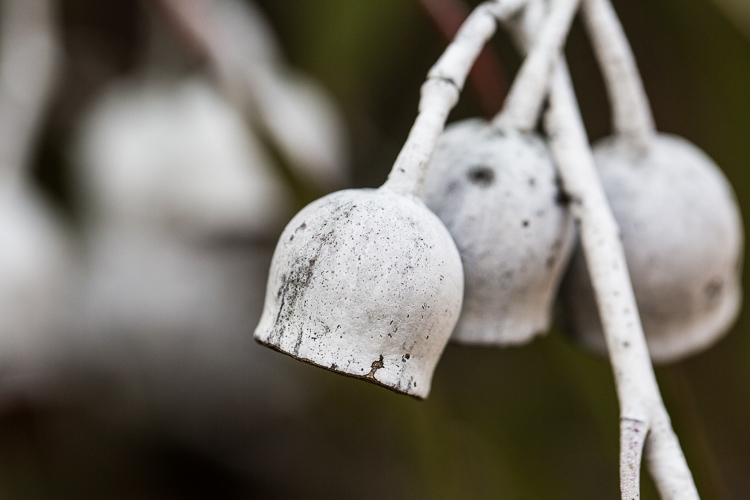
When the summer flowers disappear, fruits and berries are nature’s way of providing for birds and animals throughout the colder months. Many berries and seed pods ripen towards the end of autumn, bringing colour to the winter garden. Citrus trees bear fruit in winter, and persimmon trees lose their leaves to reveal branches of shiny orange fruits. Think also of acorns, pine cones, and nuts.
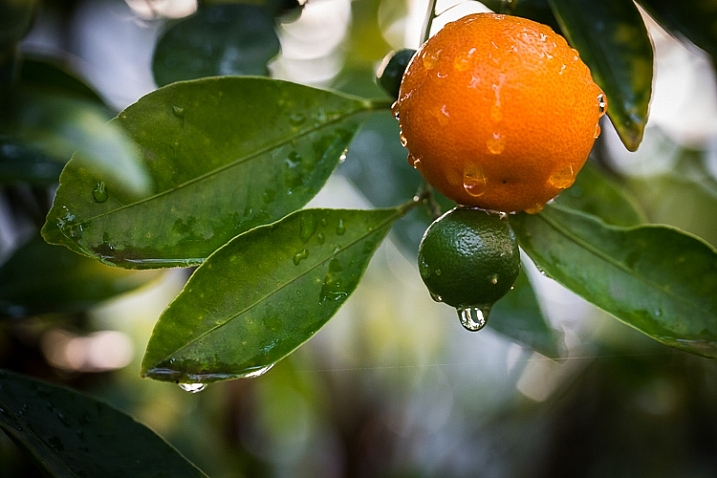
image showing photographing nature in your backyard

Kumquat: ISO 2500, f/4.5, 1/50 sec

photgraphing nature in your backyard

ISO 800, f/8.0, 1/500th.

photgraphing nature in your backyard-4

ISO 500, f/5.0, 1/1250th.

photgraphing nature in your backyard-3

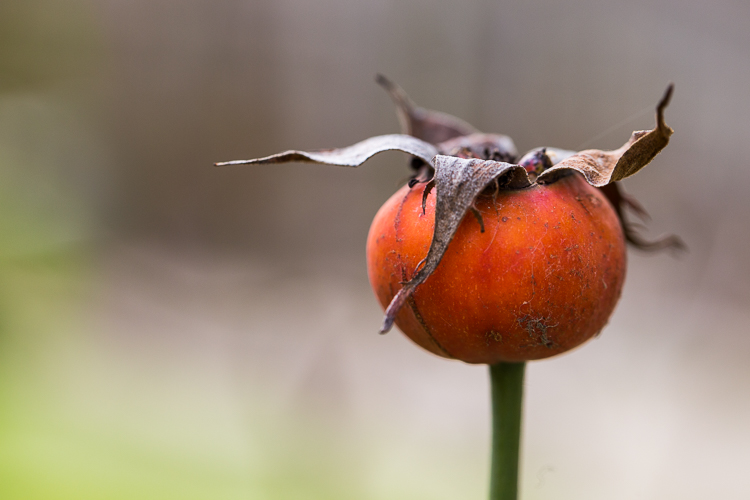
Orange rosehip: ISO 500, f/5.0, 1/160th
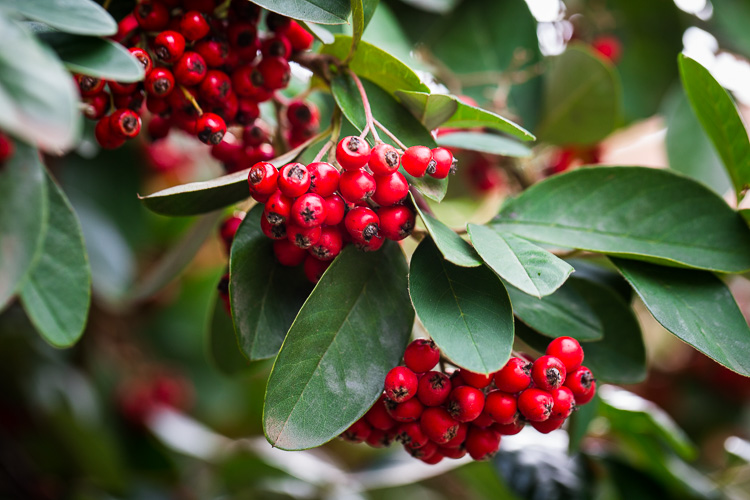
photgraphing nature in your backyard-2

Bunches of red berries: ISO 500, f/5.0, 1/100th.

#3 – After the rain

Raindrops are fascinating through the lens. Try photographing them from various angles, and in different lighting. When photographing a single droplet, or a string of them, isolate them by keeping the background uncluttered. You can do this by creating distance between the droplets and the background, and using a wide aperture to ensure it is blurred. Notice also how water sits in nice round droplets on some types of leaves, but on others it disperses.
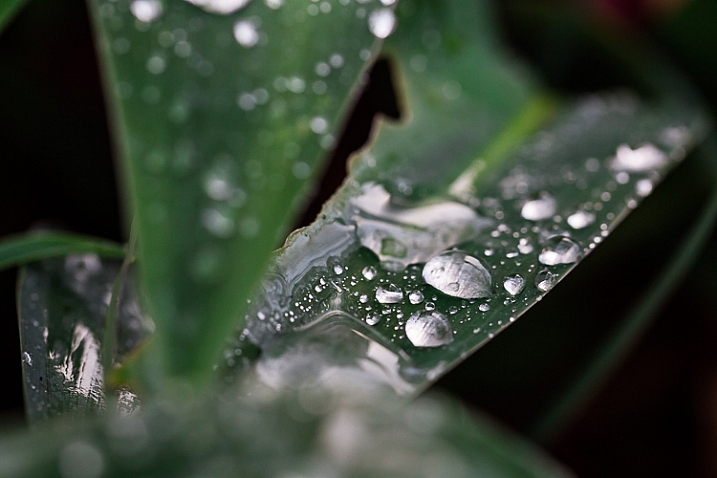
image showing photographing nature in your backyard

Arthrododium leaves after rain: ISO 800, f/4.5, 1/80 sec
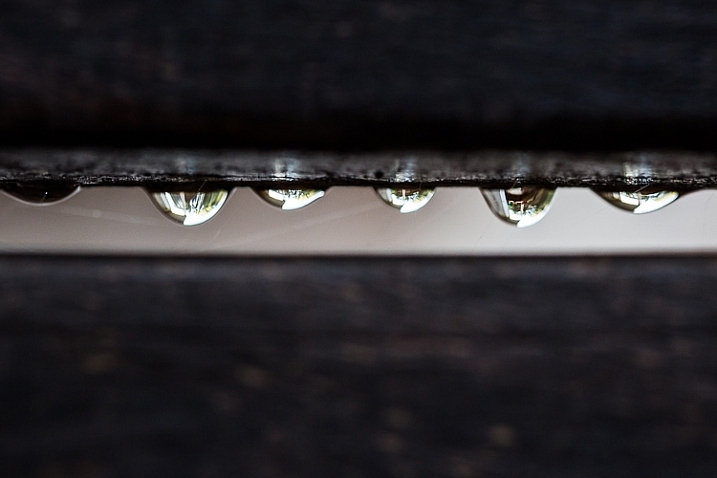
image showing photographing nature in your backyard

Raindrops hang from the slats on the back of a garden chair: ISO 1000, f/4, 1/125 sec
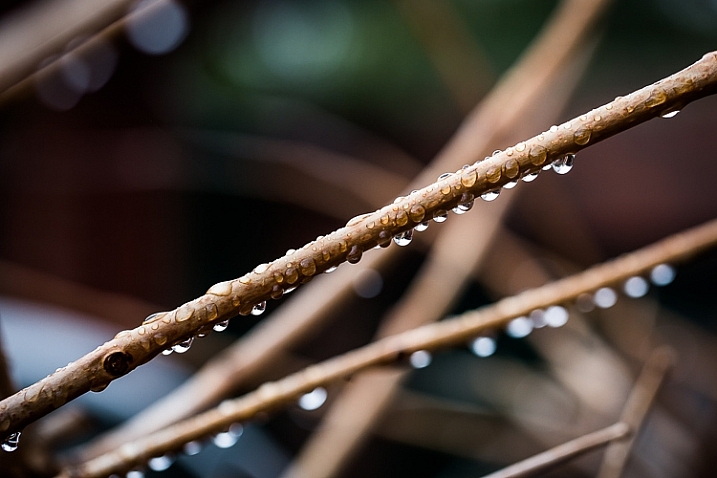
image showing photographing nature in your backyard

ISO 640, f/4, 1/125 sec

image showing photographing nature in your backyard

ISO 1000, f/4, 1/125 sec

#4 – Mushrooms, toadstools and fungi

These are abundant in autumn and winter, but some species pop up throughout the year after rain. Look in damp, mossy places, on the sides of trees and log piles for them.

My personal favourites are the red toadstools with white speckles. They are evocative of fairy tales and magic, and their colours are a nature photographer’s dream!
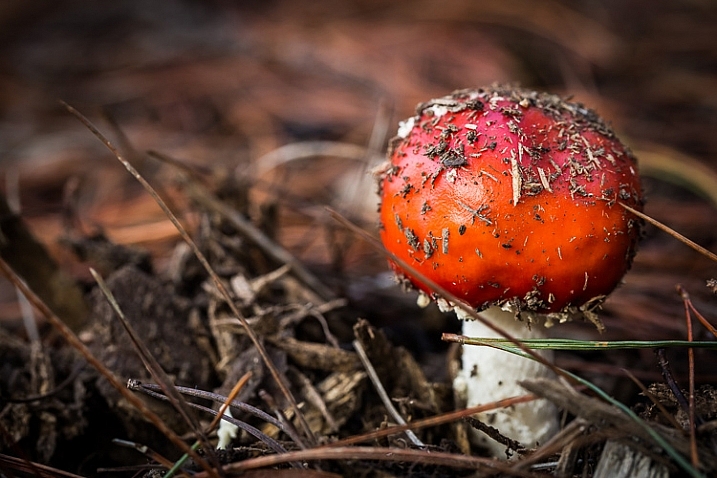
image showing photographing nature in your backyard

Toadstool: ISO 1000, f/6.3, 1/250 sec
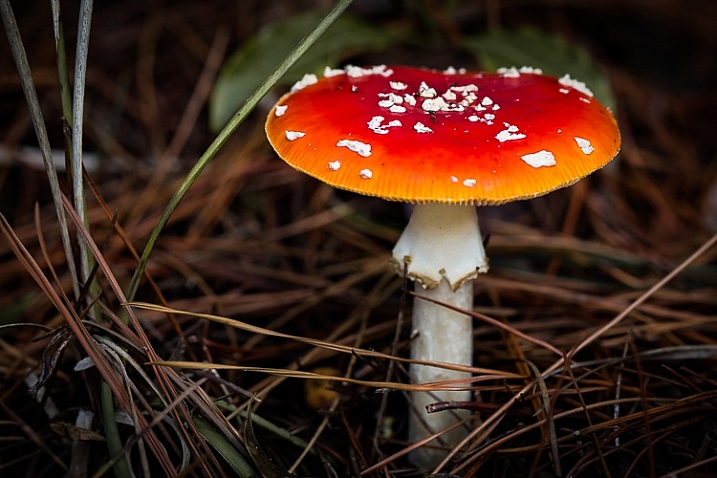
image showing photographing nature in your backyard

ISO 1000, f/6.3, 1/160 sec

Don’t ignore the tiny, dull-coloured mushrooms and fungi. The ones in the photo below were growing in a crevice in the side of my herb garden. You can see by the scale of the woodgrain how tiny they were. From above, they were nondescript, but when I lay on the ground beneath them and shot into the backlight, they became translucent and I could see their delicate structure.
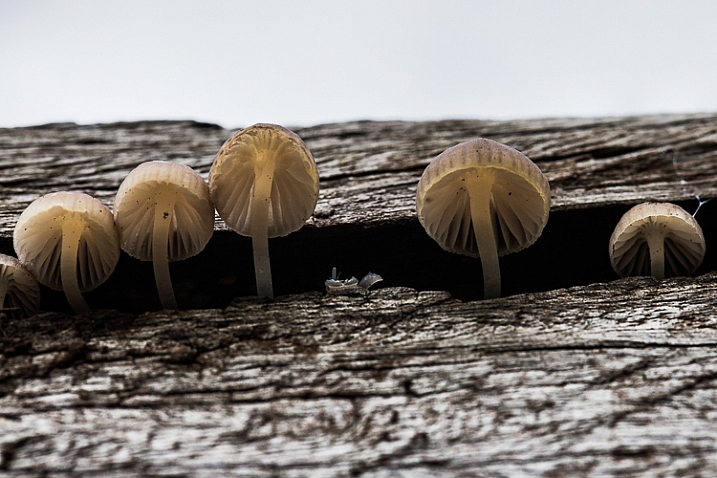
image showing photographing nature in your backyard

These tiny mushrooms were no bigger than the fingernail on my pinky finger! ISO 800, f/8, 1/160 sec

#5 – Look up . . . look down

We have a ginormous tree in our backyard. It was probably planted when our house was first built in the 1920s, and its canopy is as big as the footprint of the house. One of my favourite things to do in the warmer months is to put a picnic rug on the lawn, and lie on my back gazing up into its branches. It is free therapy!

Watching the leaves change from bright spring green through to darker green in summer, the first blush of colour in autumn, through to rich claret just before they drop, never ceases to delight me. I have photographed it time and time again through the seasons. Even lying on the ground with my 35mm lens, I can only capture a small portion of the canopy.
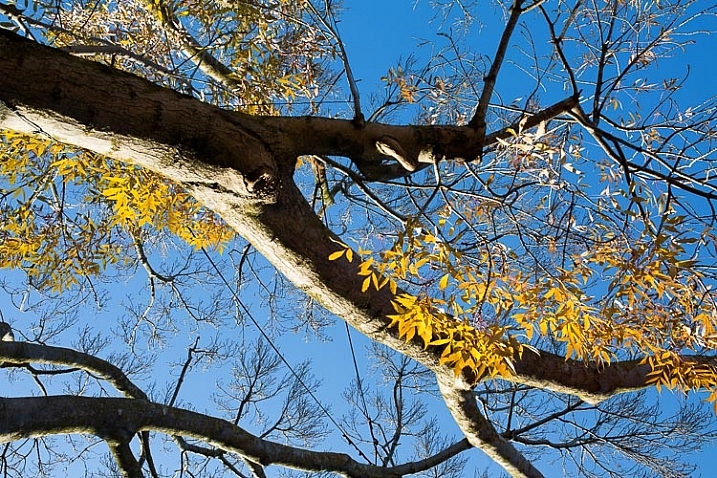
image showing photographing nature in your backyard

Sigma 35mm Art lens, ISO 160 f/11, 1/60 sec
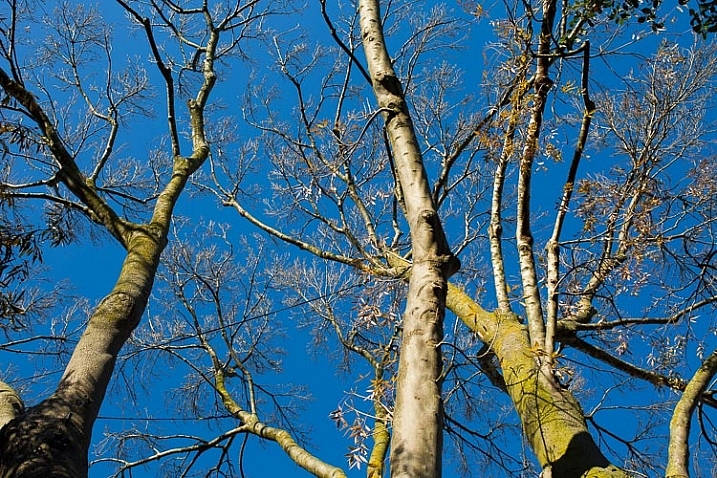
image showing photographing nature in your backyard

Sigma Art lens 35mm, ISO 160, f/11, 1/100 sec

If you are lucky enough to have trees in your garden, try standing or lying directly underneath them and shooting up into the branches. Notice how the light changes from early morning, throughout the day into late afternoon and evening. Branches, whether they are naked or covered with leaves, contrast beautifully against a blue sky. They are equally stunning at sunrise and sunset, and on a moonlit night.
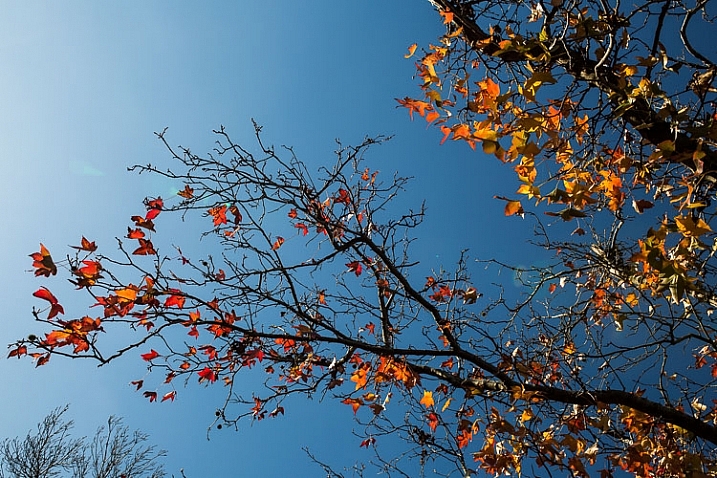
image showing photographing nature in your backyard

Sigma Art lens 35mm: ISO 200, f/11, 1/200

If you haven’t any trees, look for interesting cloud formations to photograph. You can create a collection of skies to use as Photoshop overlays, to add interest to other outdoor photos such as portraits. Look for vertical cloud formations, fat white fluffy ones, and those lovely soft colours around the edge of the clouds at dusk and dawn.

Down on the ground are a million microcosms in the moss, the lawn, between the paving stones, and the fallen bark and leaves. You won’t see them until you get down to ground level, so lie flat on your tummy and peer into another world.
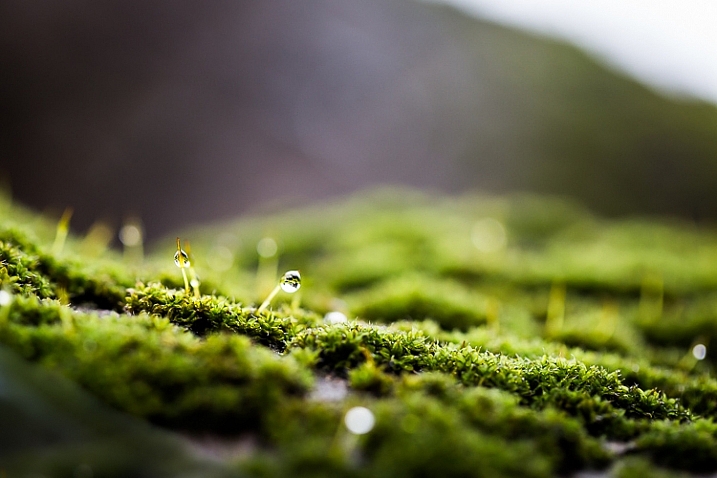
image showing photographing nature in your backyard

Macro world: the moss on a tree trunk. ISO 640, f/4, 1/40 sec

#6 – Black and white beauty

We tend to think of colour photography when we think of nature, but don’t dismiss the idea of black and white. Nature provides sculptural shapes and contrasting textures that make great black and white subjects. If you have succulents or cacti in your garden, they are often more interesting in black and white than they are in colour (except on those rare occasions when they flower). Ditto with white flowers against a dark background. Smooth pebbles, rough bark, snail shells, acorns and pine cones all look fabulous in black and white. Try strong, directional lighting, and a high contrast edit.
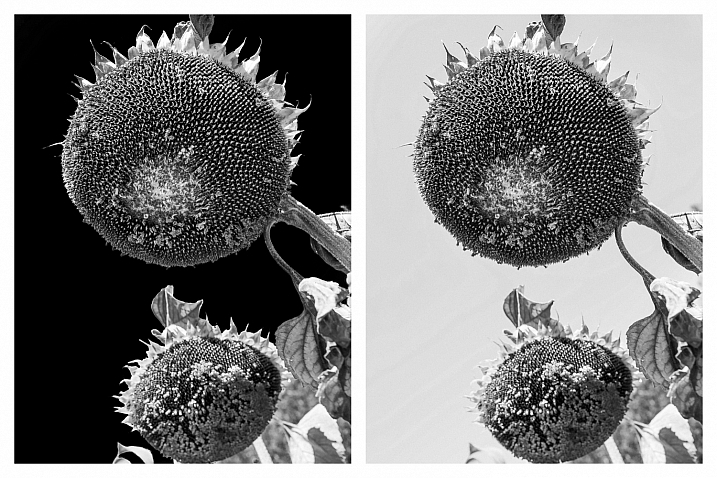
image showing photographing nature in your backyard

When I converted this file to B&W in Lightroom, I played with the sliders in the HSL panel. The photo on the left has the blue slider pulled all the way down to -100 to darken the blue sky. On the right, the blue slider is set to zero.
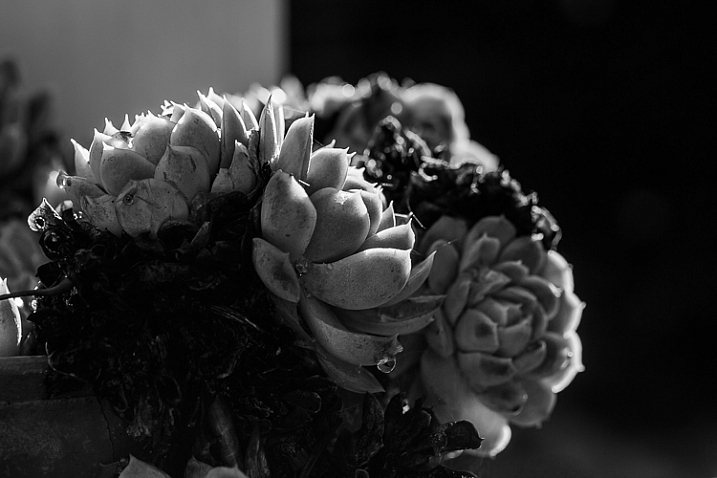
image showing photographing nature in your backyard

ISO 100, f/8, 1/100th. Converted to B&W in Lightroom.

#7 – Experiment with sun flare and haze

Your backyard is one of the best places to experiment with effects and new techniques. Firstly, you become familiar with how things look at various times of the day, and throughout the seasons. Secondly, you don’t need to travel far, so you can respond to anything on a whim. If you spot something amazing while you’re sipping on your morning coffee, you needn’t even get out of your pyjamas to capture it!

The subjects in the two photographs below are both visible from my desk. Every morning last summer, I noticed how this shaft of hazy sunlight would hit the planting of succulents on the pedestal, so I knew exactly what time to capture it at its best. Also sitting at my desk, I saw how the sun caught this spray of orchids just after the rain, and I rushed outside with my camera.
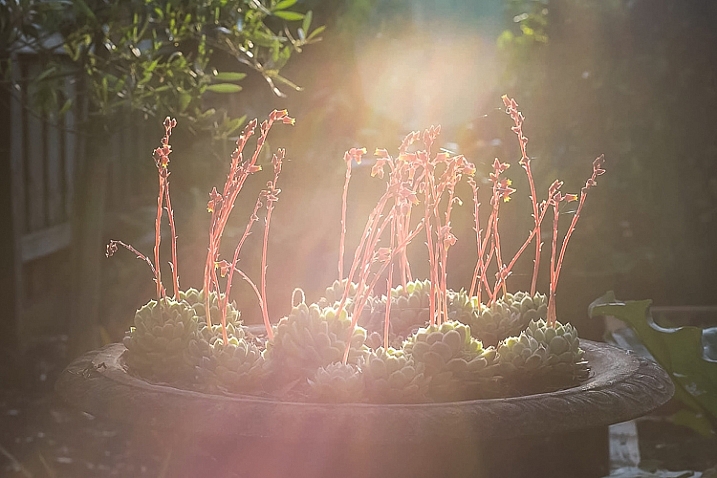
image showing photographing nature in your backyard

Canon 85mm lens, ISO 100, f/4, 1/800th.
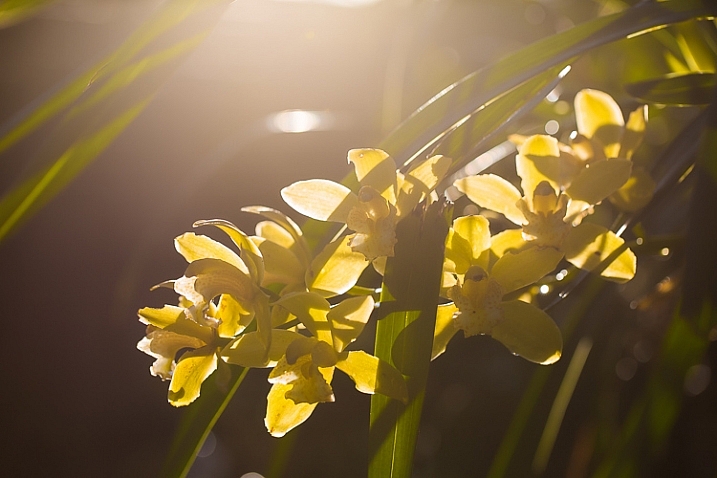
image showing photographing nature in your backyard

Shot with sun flare and no lens hood: ISO 100, f/4, 1/1000 sec
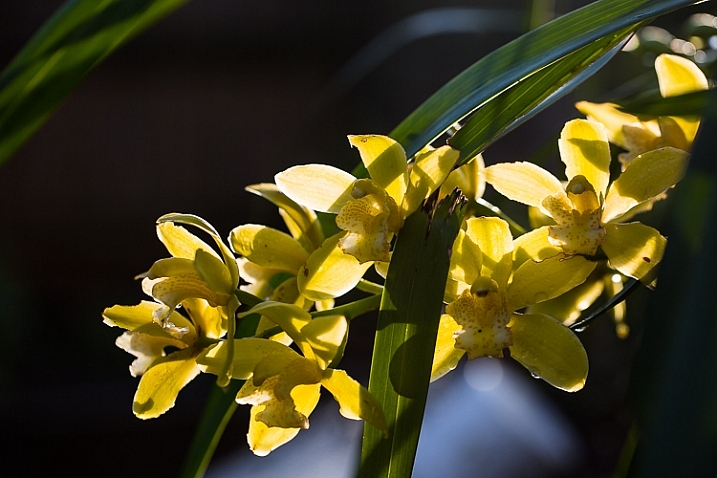
image showing photographing nature in your backyard

For comparison, this is the same scene shot with a lens hood to cut flare: ISO 100, f/4, 1/320sec

#8 – Snails, bugs and spiders

For nine months of the year, there are a million creepy-crawlies in my backyard. Butterflies, cicadas, crickets, praying mantis, caterpillars, moths, bees, wasps and spiders (I could happily do without the latter two). At the time of writing this article, it is winter in Melbourne, so most bugs are hiding or dormant.

#9 – Birds and other wildlife

I’m going to preface this paragraph with honesty. Confession #1: photographing wildlife of any kind requires more patience and a longer telephoto lens than I possess. Confession #2: I have the greatest admiration for those who do it. I have a Pinterest board just for animal photos (you’ll notice a clear bias towards squirrels) and on 500px I follow a number of photographers, one of whom only photographs squirrels!

Editor’s note: our own Will Nichols specializes in photographing squirrels.

The kinds of animals and birds you’re likely to find in your backyard obviously depends on which part of the world you live in, and how built-up your neighbourhood is. You will know which kinds of critters visit your backyard, and what their habits are. With that in mind, find a spot where you won’t be too conspicuous, and be prepared to wait. If you’re using a long lens, you might consider using a tripod or monopod to avoid camera shake. Have your ISO and aperture all set to go, with a fast shutter speed to freeze motion. If you have been watching the animal or bird’s behaviour over several days or weeks, it may be possible to focus roughly on the area you expect them to appear – for example, the birdbath.

Also read: Guide to Attracting Critters to Your Garden for Backyard Wildlife Photography

#10 – Portraits in nature

Nature provides us with the perfect canvas for portraiture. Look for a bank of flowers, a bed of autumn leaves, or just a green hedge – the colours in nature never seem to clash.

When photographing children and pets in particular, I almost always prefer an outdoor location over a studio. My eldest daughter usually runs a mile when she sees the camera, but the chance to roll around with the dog in these glorious leaves was clearly too much for her to resist.

I love how the soft hues flatter her skin tone. If you are shooting outdoors with lots of colours, such as flowers or autumn leaves, take care with your subject’s outfit. These portraits might been too busy if my daughter had been wearing a patterned outfit.
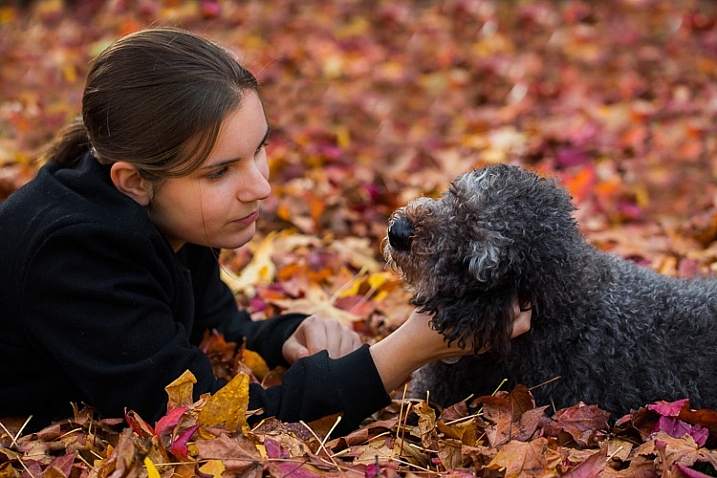
image showing photograph nature in your backyard

Not even teenage daughters can resist these leaves! ISO 320, f/4, 1/400 sec
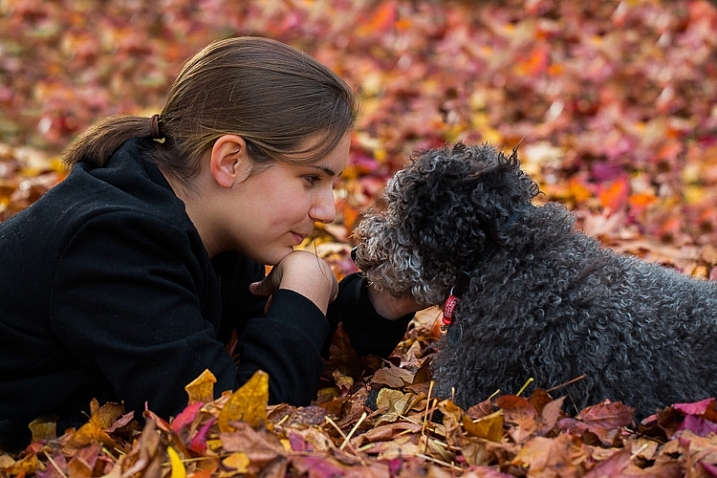
image showing photographing nature in your backyard

ISO 320, f/4, 1/320 sec

Let’s hear from you!

So there you have it – plenty of inspiration to get outdoors and photograph nature in your own backyard. It’s time to stop reading and get out there with your camera. Please share your backyard nature photographs in the comments below … especially if they involve squirrels!

This week we are doing a series of articles to help you do better nature photography. See previous articles here:

  • 3 Habits Every Outdoor Photographer Should Develop to Avoid Missing Shots
  • 5 Tips for Better Nature Photography
  • 27 Serene Images of the Natural World
  • Weekly Photography Challenge – Nature

googletag.cmd.push(function() {
tablet_slots.push( googletag.defineSlot( “/1005424/_dPSv4_tab-all-article-bottom_(300×250)”, [300, 250], “pb-ad-78623” ).addService( googletag.pubads() ) ); } );

googletag.cmd.push(function() {
mobile_slots.push( googletag.defineSlot( “/1005424/_dPSv4_mob-all-article-bottom_(300×250)”, [300, 250], “pb-ad-78158” ).addService( googletag.pubads() ) ); } );

The post 10 Ideas for Photographing Nature in your Backyard by Karen Quist appeared first on Digital Photography School.


Digital Photography School

 
Comments Off on 10 Ideas for Photographing Nature in your Backyard

Posted in Photography


Do You Love What You Do?

17 Jul

Craftsmanship Taking Pride

Utsushi_The-Search-for-Katsuhiras-Tiger_01

There are moments when you get jolted back to what really matters. This short documentation of the process in which classical Japanese metal artist Ford Hallam recreates a lost masterpiece by the 19th century Mito tsuba artist, Hagia Katsuhira is one of them. My jaw was literally on the floor in awe of the commitment and precision – and most of all the beauty of the process itself. The sword-guard that the artist re-created is incredibly beautiful in itself and the journey that Ford Hallam undertook is even more beautiful.


Do you love what you do ?


Is it possible to even remotely approach this level of dedication and precision in your own work? This film made me stop and reflect on all this and I encourage you to invest 30 mins of your time to watch this.


The project and filming was funded by Mr Bob Morrison and took place from June to October 2009.


IMAGE SOURCE:

Feature image & images 1-2: courtesy of Per Zennstrom


Utsushi_The-Search-for-Katsuhiras-Tiger_01


Fashion Photography Blog

 
Comments Off on Do You Love What You Do?

Posted in Uncategorized


Concept To Creation: Finding Inspiration

17 Jul

Hey FashionPhotographyBlog.com readers.


This time around, we’re going to look at something a bit more conceptual. I can give advice and guide you, but ultimately it’s your job to really dig in and put it all together. That being said.. This post we’re going to briefly explore “Concept to Creation.” How to take an idea and turn it into an editorial or, if you’re lucky enough, an advertising campaign. Granted this post (hell- this whole blog) is geared more toward fashion photography, but the same principles apply for all walks of photography.


One of the biggest things I didn’t understand when first starting out was what an editorial really is. Sure, it’s a “story.” It’s a group of images that go together. Easy enough. So what was I doing wrong that I couldn’t get any of my “stories” published? They were good pictures but I lacked concept and intrigue.


When planning a shoot, there is no precise way to tell you how to get from initial inspiration to final image. However, we can look at developing an idea and the unwritten rules behind the images we see.


Inspiration


Let’s start at the beginning. First off, find some inspiration.


Many people ask where to find inspiration. There’s no right or wrong answer. For some people it’s reading a book, watching a movie or going to a museum. For others it’s found walking around town or listening to new music. Everyone gets inspired differently. The hardest part is finding out how you’re inspired and taking it from there. Are you stimulated visually? Auditorily?


The best piece of advice I could give you is to NOT look at fashion photographers work when trying to get inspired. Sounds silly, I know. Look at fashion photographers work all the time! Knock yourself out. But when it comes to initially conceiving an idea and you’re looking at the work of other fashion photographers, you’ll run into a few problems.


1) You’re most likely going to steal a bit of their idea/image subconsciously

2) If you’re looking at the work of masters such as Guy Bourdin or Steven Meisel, you’ll drive yourself mad! There is no way your work can stack up against these guys.


Let your ideas come organically. Bounce ideas off friends. Watch a movie. Go to the Met. (Can’t get to NYC? No sweat! The Met has their collections catalogued online, so does the MoMA


Browsing online and see something you like? Create an inspiration folder on your desktop to keep images for later reference.


francis-bacon-pope

Francis Bacon’s work often focuses on how the face distorts as one screams. I used this as inspiration for some personal images I shot.


alana-tyler-slutsky-personal-work-lighting

Image I shot studying how the face can be manipulated through distortion and lighting. As you can see, Bacon’s work was a big inspiration for this set of images.


Stayed tuned because we will be diving a little further into turning inspiration into concept next time.

Until then –


Alana


IMAGE SOURCE:


Image 1: Francis Bacon

Image 2: Alana Tyler Slutsky


Fashion Photography Blog

 
Comments Off on Concept To Creation: Finding Inspiration

Posted in Uncategorized


Concept To Creation: Turn Inspiration Into Concept

17 Jul


Turning Inspiration Into A Concept

miles-aldridge-vogue-italia-cat-story

Hey FashionPhotographyBlog.com readers.


Thanks for joining us on our Concept to Creation series where we walk you through the process of taking an idea into an image. If you were with us last time, we talked about talked about how to find inspiration for your shoots. On today’s we’re going to jump into discussing how to turn your inspiration into a concept.


Now, this right here is the most important step. You have an idea, great. How do you turn that idea into a set of images? Can it be turned into a picture narrative/story? Now that you have your base idea, it’s time to do some research! Doing an editorial based on the color red? What does the color red evoke? How have people pulled off red editorials in the past? While researching, plan your shoot. Is it in studio? Is it on location? One model or two? Blonde, brunette or redhead? Take this laundry list of ideas and findings and start turning it into a picture in your head.


For some people, it helps to sketch things out. For others, it helps to collage. I tend to collect images while I sit on an idea and then go straight into creating a moodboard.


Look at an editorial or a campaign, you’ll see that there is one main thing that binds all the images together – a concept. When flipping through the pages of a magazine, you can determine when one story ends and another beings purely based on the concept behind the images. You won’t find an editorial that consists of different girls wearing different types of clothing in locations that aren’t relevant to each other. That’s just not how it works.


A concept is what will bind your story together. And the way in which you handle it shows a bit of your voice. A concept goes further than “my model is wearing red in all the images”. That’s purely a way of styling the model. Put some imagination into it.


Hope you all enjoyed this dive into the thought process behind translating an inspiration into a concept. To help explain the points raised in this post further, the next article I’m posting, we’ll dive a little further by showing you some examples of how working fashion editorial photographers pull their inspiration and translating them into concepts.


Until then –

Alana


IMAGE SOURCE:

Feature image & image 1: Miles Aldridge for Vogue Italia


Fashion Photography Blog

 
Comments Off on Concept To Creation: Turn Inspiration Into Concept

Posted in Uncategorized