RSS
 

Archive for March, 2016

Radical Aquatic Recreation: 10 Extreme Water Sports

14 Mar

[ By Steph in Gadgets & Geekery & Technology. ]

water sports jet pack 5

Whether powered by jet packs or taking the capabilities of the human body to whole new depths (literally,) these water gadgets and activities multiply the fun and danger of more conventional water sports like surfing and wake boarding. A shockingly realistic shark-shaped personal watercraft jumps out of the water, an Iron Man suit propels you high up into the air and a water ‘wing’ lets you fly beneath the surface.

Seabreacher
water sports seabreacher 6

water sports seabreacher

water sports seabreacher 2

waters ports seabreachers 3

water sports seabrachers 4

Designed to look like sailfish, killer whales, sharks and other large sea creatures, the Seabreacher is actually a two-person underwater vehicle dubbing itself “the ultimate diving machine.” It looks pretty insane when it bursts up out of the water in a dramatic leap, and has likely terrified more than a few nearby boaters when spotted doing so in the wild. An acrylic canopy and underwater view ports give the pilot and passenger a nearly 360-degree view as they ‘fly’ through the water. The dorsal fin acts like a snorkel during the 5-10 second periods in which you dive below the surface to a depth of 5-6 feet.

Water Wing for Flying Underwater
water sports wing

water sports subwing 2

water sports subwing 3

Have you ever gone wakeboarding and wished that you could dive below the surface of the water temporarily while being pulled behind the boat? A device called the Subwing makes that possible with a twistable joint in the center of a fiberglass or carbon fiber board towed behind a boat. Just angle the board so you dip under the water and stay under for as long as you like, using the bend in the board to steer, before popping back up.

JetSurf
water sports jetsurf

water sports jetsurf 2

water sports jetsurf 3

water sports jetsurf 4

Add a jet ski engine to a surfboard and what you get is a JetSurf, an ultralight carbon and kevlar board that can reach a top speed of 35mph and carry a 3-liter fuel tank that’ll take you on a 45-mile trip. It weighs about 30 pounds, it’s fairly compact and it floats. The experience is intended to be a sort of super-powered version of surfing. The prices start at $ 12K.

Deep Freediving
water sports freediving

water sports freediving 2

water sports freediving 3

Free diving is incredibly dangerous and strikingly beautiful to watch, as evidenced by this video of fearless diver Guillame Néry reaching the bottom of the world’s deepest salt water blue hole attests. Dean’s Blue Hole is an amazing 603 feet deep. Free divers are able to hold their breath for far longer than most people, relying on the capacity of their own lungs rather than breathing apparatus like scuba gear. It’s undoubtedly exhilarating, and there are dozens of things that can go terribly wrong. The world’s greatest free diver, Natalia Molchanova, disappeared in the Balearic Sea in 2015 after failing to surface from a recreational dive. It’s likely that she was swept away by a strong underwater current.

Next Page – Click Below to Read More:
Radical Aquatic Recreation 10 Extreme Water Sports

Share on Facebook


[ By Steph in Gadgets & Geekery & Technology. ]

[ WebUrbanist | Archives | Galleries | Privacy | TOS ]


WebUrbanist

 
Comments Off on Radical Aquatic Recreation: 10 Extreme Water Sports

Posted in Creativity


Geographical Profiling Points to Artist Banksy’s Secret Identity

14 Mar

[ By WebUrbanist in Art & Street Art & Graffiti. ]

banksy identity real life

A set of mathematical processes developed for use in crime-fighting and disease-tracking indicates that one already-suspected individual may indeed be the infamous graffiti and installation artist known as Banksy.

banksy revealed former hoax

The approach of “geographical profiling” is often used to track down repeat offenders, serial criminals whose strikes began to form patterns that can be productively analyzed by experts and run through models by mathematicians.

The findings help paint a picture of probable places of residence and areas of everyday operation, criminal or otherwise, sometimes narrowing the search to an area as small as a few hundred square feet.

banksy street art

Steven Le Comber, a biologist at the the University of London, learned of geographic profiling from Kim Rossmo, a criminologist at Texas State University, growing interested because of potential applications for disease vector studies. The two then began teaming up to find both pathogens and people.

In this case, their modeling shows clusters of activity in London and Bristol based around 140 data points, specifically: sites of known or alleged works by Banksy. Their findings, reported in the Journal of Spatial Science, suggest a handful of addresses in London (a pub, park and residence) all associated with one Robin Gunningham.

Already suspected of being Banksy, Gunningham may yet be a ruse or a plant, but science suggests the individual is very likely connected with the artist, one way or another. As to the question: who is Banksy? We may never really know for sure.

From the abstract: “The pseudonymous artist Banksy is one of the UK’s most successful contemporary artists, but his identity remains a mystery. Here, we use a Dirichlet process mixture (DPM) model of geographic profiling, a mathematical technique developed in criminology and finding increasing application within ecology and epidemiology, to analyse the spatial patterns of Banksy artworks in Bristol and London. The model takes as input the locations of these artworks, and calculates the probability of ‘offender’ residence across the study area. Our analysis highlights areas associated with one prominent candidate (e.g., his home), supporting his identification as Banksy.”

Share on Facebook


[ By WebUrbanist in Art & Street Art & Graffiti. ]

[ WebUrbanist | Archives | Galleries | Privacy | TOS ]


WebUrbanist

 
Comments Off on Geographical Profiling Points to Artist Banksy’s Secret Identity

Posted in Creativity


How to Educate Your Clients to Make Them Comfortable and Get Stellar Shots

14 Mar

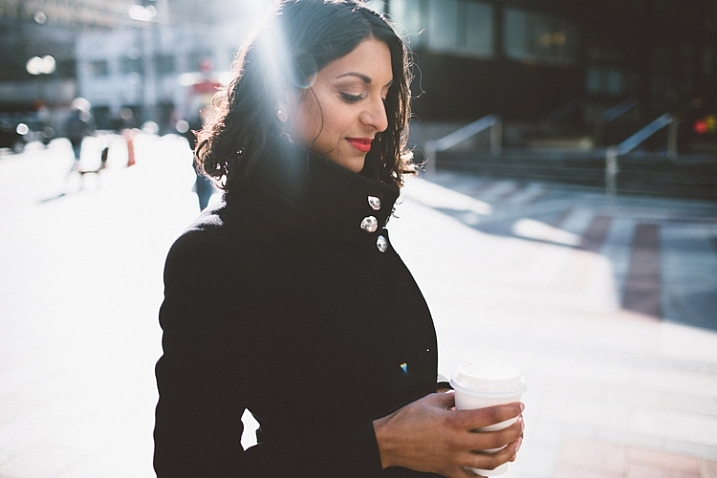
We’ll never forget the look on one of our earliest client’s faces when she arrived at her photoshoot. She stepped out of her car and saw our smiling faces waiting, cameras in hand, ready to take her photo. Abject terror is an understatement. We spent half of the shoot calming her down, soothing her nerves, and making her feel right at home with the camera. Meaning we had half has much time to get the stellar images we were being paid to get.

Her deer-in-the-headlights expression has stuck with us as a constant reminder, that no matter how comfortable we are as photogs BEHIND the camera, most of our subjects in FRONT of the lens are not used to being there. We think of her every time a new client books with us, because the fault was entirely ours for not properly educating her before her shoot.
client-education

An educated client is a confident one. The onus is on you as the photographer to over-educate the client before their shoot: it doesn’t just create happier, more comfortable photo subjects, it helps you create the images you’re both dreaming of. Our goal is to always become stronger in educating our client at each stage of their shoot. We divide client interaction into four distinct categories, each with its own ideal outcome:

#1 Pre-client phase

This phase is when a future client knows about you, but isn’t necessarily in the market to hire you right away. This is the time to develop an indirect relationship with them, and begin the education process before they ever hit send on your contact page.

Your brand is spread out across multiple locations: everything from Instagram, to your interactions with guests at weddings, is announcing who you are, and what you’re about. One of our biggest goals with clients, is for them to be confident that they can trust us to be really solid humans. Being a genuinely good person, is an increasingly valuable commodity in this complex world of endless information. So, when we first started out, we set the simple plan of introducing ourselves to future clients, with every piece of media we created, no matter how subtle.

client-education-2

We knew we had zeroed in on our voice when we began getting email after email saying things like, “I feel like I know you so well already!” or, “We’ve never met, but I just think you’d be so fun to have at our wedding.” BINGO, this was our goal!

Creating a client who trusts you, begins way before you think it does. It doesn’t only hinge on email conversations, or some copy on your website. People research: your personality, brand, likes and dislikes, are attached to every piece of information you put out there, whether it’s a Facebook post or an interaction with a wedding guest.

If you mention something in a blog post that you absolutely love shooting, whether it’s a location, style, or piece of inspiration, people hear that. We casually mentioned that we love having dogs come with on engagement shoots, and suddenly our next three bookings all brought their pups, as we jaunted around town taking their photo.
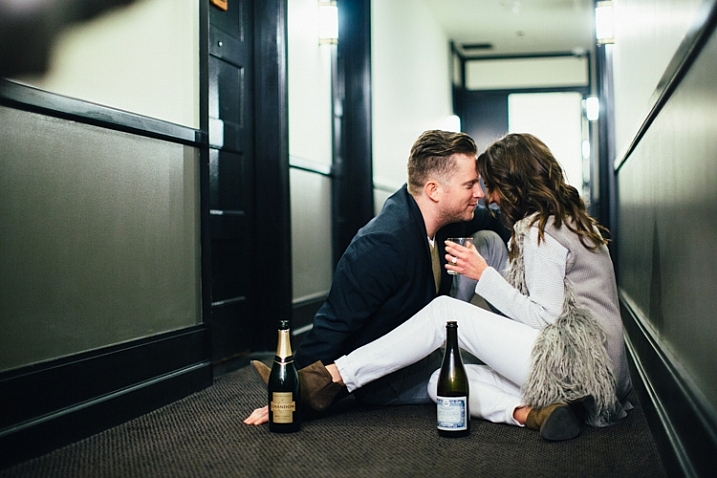
client-education-5

This also works in reverse—without getting negative, if there’s something you despise during shoots (for example, we cannot abide jumping shots or fake smiles directly at the camera), talk about the opposite so people subconsciously gravitate away from it. Keep your brand consistent and true to yourself, and your future clients will begin developing trust in you, and understand what you’re all about before they ever contact you.

Education Goal: Let the world get to know your personality and trustworthiness, and in the process, subtly educate people on what you want.

#3 New client, pre-shoot phase

Woohoo! You’ve got a new client who just booked a shoot, and now they’re sitting around twiddling their thumbs while they wait for the shoot date. What are you going to do with them in the interim?
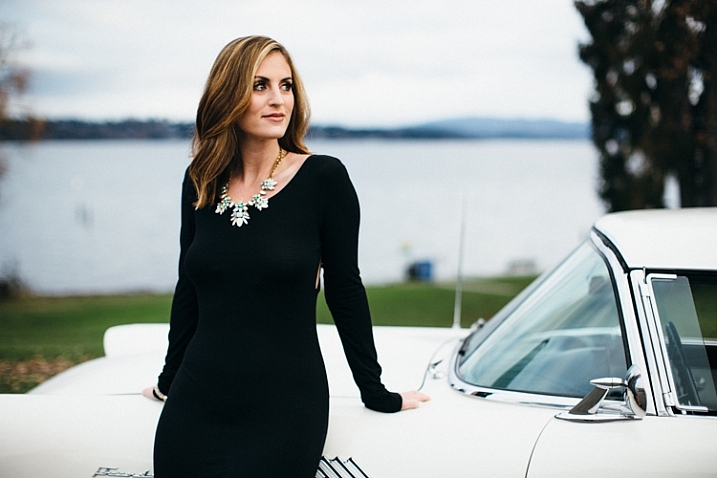
client-education-3

This time frame is solid gold, if you use it well. We realized early on that we could save ourselves a ton of time, and repetitive emails, if we just listened a little more closely to what clients were asking us, and beat them to the punch. The most common questions we get before a shoot are:

  • What should I wear?
  • Where should we go?
  • Do you even KNOW how stupid I look in photos? Wait, this isn’t a question, really. I’m telling you I’m the most awkward human on the planet.

Since we can confidently predict that a client will email us with those questions (and a few more that are more or less consistent depending on the shoot style), we head them off at the pass, and send out a handy little info packet as soon as they put the deposit down on the shoot. In this fun little PDF, we cover clothing options (including How to Put Together an Outfit 101, How to Coordinate with your Lovah, and so on), recommend locations in their area (or lead them to come up with their own ideas by suggesting types of locations that you prefer shooting in), and tell them in no uncertain terms that even Naomi Campbell thinks she’s awkward (probably not a true fact) and that we have our tried and true methods of making anyone look good. At this point, an educated client is a confident client, and confidence is the #1 thing you want when they walk in the door to the shoot.
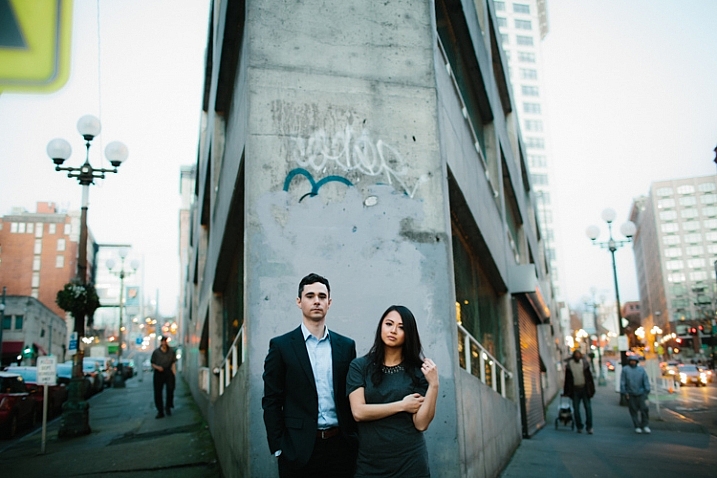
dpsclienteducpation 1

Education Goal: Have the client prance into the shoot feeling like they brought the right clothes, look bomb as can be, are in capable hands, and won’t seem like a nob on camera.

#3 Current client – shoot day phase

The day has finally arrived, the batteries are charged, the lights are on, the client is taking their first foray into being a model. What’s the best part about being the photographer? You are the one in full control of the mood, atmosphere, and pace of the shoot. Ah, the sweet smell of owning your territory. There’s nothing better, or more important on a shoot.

Okay, so you’re also at the mercy of the person in front of your lens, but the goal for the shoot is to create an ongoing verbal education, so your client is equipped to work with you in creating images together. Every photographer is a unique snowflake, and you’ll have their own methods and style for how you arrange and conduct yourself during a shoot. But the only way to tackle this, is to keep it real by continuing the extension of your brand, that you’ve been putting out there all along.
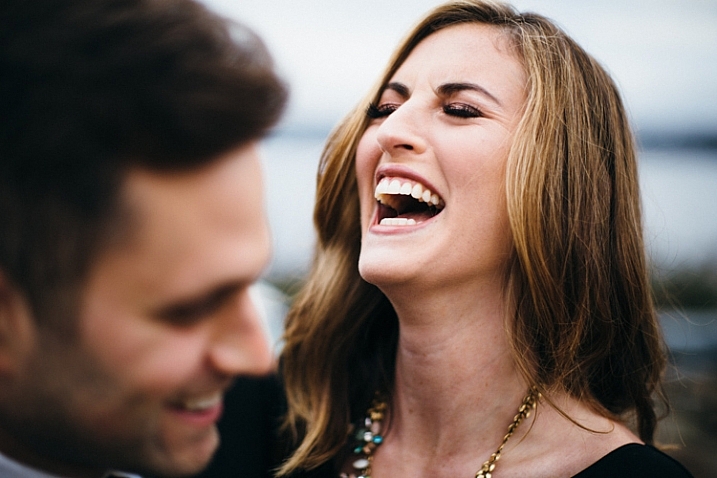
client education (3 of 1)

Our personal strategy, honed through shooting each other through long stints of travel (and never wanting a client to look like a deer in the headlights again), is to talk a ton. Keeping the atmosphere light is what suits us best and makes our clients happiest, but that’s not necessarily the best fit for all photographers. We just watched a documentary on Richard Avedon and couldn’t stop laughing because he was SO DARN SERIOUS all the time—talking about dead dogs, and the end of life with his clients, and otherwise basically being silent! His whole methodology gave us cold sweats, but it was completely true to who he was, and more importantly, obviously produced master-level work. We have complete and utter respect for him, because he practiced his craft in the precise manner that got him the results he was looking for, and was truest to his own brand (even if he wouldn’t have described it as such). Be the same way: cultivate your own methods of shooting and own them.

Education Goal: Make the person in front of the camera think like Beyonce. Or a dead dog, depending on what kind of shot you’re going for.

#4 Archived client – post-shoot phase
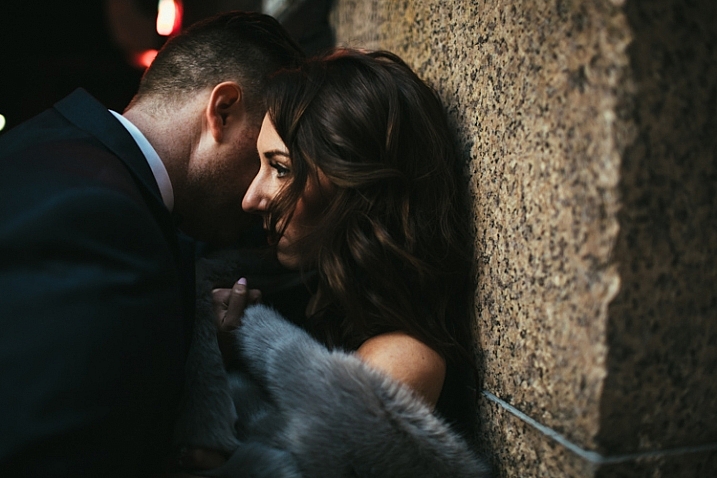
client-education-4

The shoot is over… now what?

Post-shoot is the time when it’s easiest to drop-off in terms of client education. The normal routine is to send the images their way, drop them a little thank you note, and move on with your life. But this is such a great time to step your game up, and help yourself out in the process!

Depending on how you deliver images, sending along a detailed explanation of next steps is a lovely last touch. Explain to your clients how to download, share, and order prints—the things that seem so simple to us, when we deal with them all day long, are surprisingly complex for the first-time print orderer or mother-in-law trying to download a set. We strictly use an online gallery for deliveries, but many photographers are still sticking with a thumb drive or other physical delivery systems. Whatever you choose, make it user friendly and simple, and explain it in detail!
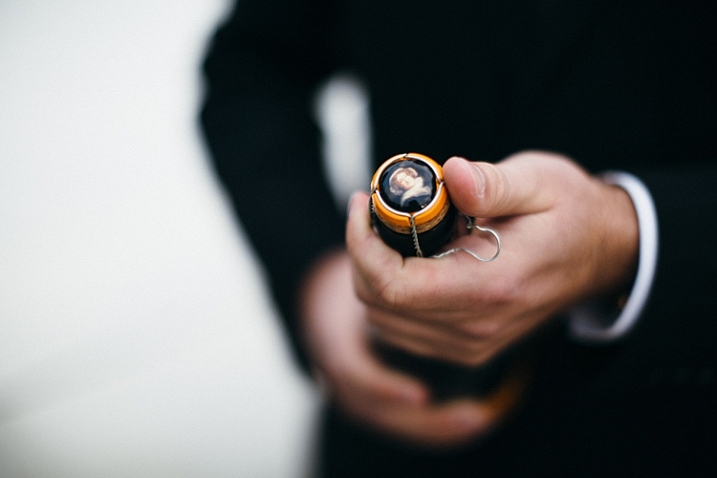
client-education-6

At this point, your client is riding the high of seeing their own images come to life, after so much thought and effort went into them. May we humbly suggest taking advantage of this energy by asking for what you want! In most cases, we are thrilled if a client is happy and recommends us to their friends. At some point, we realized, “Why are we just sitting around hoping that will happen? Why don’t we ask them for help with referrals?”

The key here is to provide excellent service throughout the customer experience, and help educate them towards an experience that benefits not only them, but your business in the long term. Be specific about what you’d like them to do; ask them to like your Facebook page, follow you on Instagram, or tell their friends about their experience with you. This isn’t opportunistic or tacky when it’s done right, and most importantly, when you’ve gone above and beyond in customer service, most people are MORE than happy to pass your name along!

Lastly, sending a thank you note or gift, depending on the client, is a classy little touch that we absolutely adore doing. We look forward to the end of each wedding season, when we sit on our living room floor surrounded by individually-chosen prints and gift boxes and handwritten notes to each of our couples and send a bunch of love out into the world.
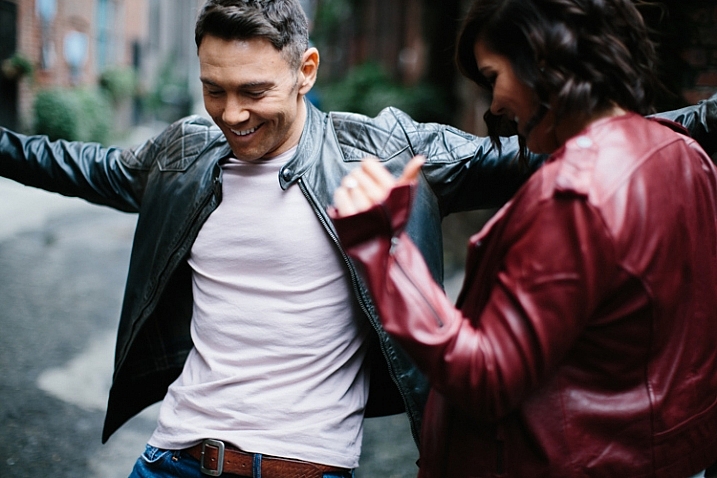
dpsclienteducpation 2

Education Goal: deliver an excellent product and encourage the client to rave about you to their friends.

At the end of the day, the relationships we create through photography never fail to blow us away with their depth and compassion, and educating a client throughout their experience with us makes all the difference. This is a work in progress, and we’re always looking for ways to improve our game, so we’d love to hear your strategies in the comments.

googletag.cmd.push(function() {
tablet_slots.push( googletag.defineSlot( “/1005424/_dPSv4_tab-all-article-bottom_(300×250)”, [300, 250], “pb-ad-78623” ).addService( googletag.pubads() ) ); } );

googletag.cmd.push(function() {
mobile_slots.push( googletag.defineSlot( “/1005424/_dPSv4_mob-all-article-bottom_(300×250)”, [300, 250], “pb-ad-78158” ).addService( googletag.pubads() ) ); } );

The post How to Educate Your Clients to Make Them Comfortable and Get Stellar Shots by Tim Sullivan appeared first on Digital Photography School.


Digital Photography School

 
Comments Off on How to Educate Your Clients to Make Them Comfortable and Get Stellar Shots

Posted in Photography


H2O Yeah! The Water Tank Project Makes NYC Cooler

13 Mar

[ By Steve in Art & Installation & Sound. ]

water-tank-project-0
Like rainwater flowing from rooftops to roads, The Water Tank Project seeks to artistically enhance New York City‘s gritty skyline from the top down.

water-tank-project-1a

Spearheaded by artist/activist Mary Jordan, The Water Tank Project does double duty as both a cool art installation and an innovative awareness campaign spotlighting the global water crisis.

water-tank-project-1b

water-tank-project-1c

Compared by one of the participating artists to “a museum waiting to happen,” NYC’s rooftop water tanks expand the 2D format of advertising billboards into the next dimension!

water-tank-project-3a

water-tank-project-3e

Over 30 artists including Jay-Z and Jeff Koons signed on to transform dozens of otherwise nondescript rooftop water tanks into colorful examples of activist art. The tanks themselves won’t be painted – preparing the exterior surfaces alone would be expensive, time-consuming and environmentally unfriendly.

water-tank-project-10a

water-tank-project-10b

Instead, the artists will work on vinyl “canvases” customized to fit each individual water tank. Once imprinted with the artwork, the rectangular pieces will be wrapped around the tanks and secured against wind and weather. As The Water Tank Project is neither a permanent nor a fixed exhibit, works can be removed and/or replaced quickly and easily as required.

water-tank-project-4a

water-tank-project-4b

The Water Tank Project was organized by Word Above The Street, headed by Mary Jordan, who was inspired to shine a spotlight on wasteful water use after visiting Ethiopia in 2007. “Water is our most challenged but taken-for-granted resource. It’s all around us but virtually invisible,” explains Neville Wakefield, a member of the project’s curatorial team. “By drawing attention to the water tanks, we hope to alert the world to the wastage of our most precious commodity.”

Next Page – Click Below to Read More:
H2o Yeah The Water Tank Project Makes Nyc Cooler

Share on Facebook


[ By Steve in Art & Installation & Sound. ]

[ WebUrbanist | Archives | Galleries | Privacy | TOS ]


WebUrbanist

 
Comments Off on H2O Yeah! The Water Tank Project Makes NYC Cooler

Posted in Creativity


From another planet: Venus LAOWA 15mm F4 Wide Angle Macro quick review

13 Mar

Venus LAOWA 15mm F4 Wide Angle Macro lens
£325 / $ 499 | www.venuslens.net

Chinese company Venus Optics (Anhui ChangGeng Optical Technology Company Ltd.) is a new lens and camera accessory manufacturer started by a group of macro photography enthusiasts who design and create their own macro photography lenses. They began with the Venus 60mm 2:1 macro (which enables twice life-size reproduction), and have followed this up with the LAOWA 15mm 1:1 wide macro of this review. In addition to these lenses, they also offer a twin head macro flash unit, which we think looks quite a bit like an alien on top of a camera.

Features and specifications

The LAOWA 15mm lens is one of the widest full-frame lenses to offer a full 1:1 magnification ratio (meaning that the object in focus is projected at actual-size onto the film or sensor). Admittedly, this magnification only occurs when the object is 0.2 inches (4.7mm) from the rather large front element of this lens, but that’s the trade off between a wide angle of view and the desire for ‘true’ macro abilities.

In addition to the headline feature, this entirely manual lens (manual focus; manual aperture; no communication to the camera body) also includes a shift mechanism to physically move the optics up or down along the lens mount. This shift provides perspective correction for converging lines, as well as a way to create seamless panoramas (though the shift direction is fixed to the frame’s vertical axis).

Focal length  15mm
Max. aperture  F4
Min. aperture  F32
Angle of view 110° (135 frame) / 85° (APS-C)
Shift distances + / – 6mm
Aperture blades 14
Min. focus (1:1) 4.7mm
Filter thread 77mm
Dimensions 83.8 x 64.7mm / 3.3 x 2.5in
Weight 410g / 14.5oz
Available mounts

Nikon F / Canon EF / Pentax K /
Sony A, E, FE / Fuji X / m43

The lens is designed around 12 elements in 9 groups, with three High Refractive elements, and one Extra-low Dispersion lens.

Multi-layer coatings minimize flare and ghosting, while the overall optical design strikes a balance between close focus abilities and wide angles.

Of note is the 77mm filter thread around the non-protruding front element. This allows for easy filter use without requiring the more expensive square filter systems (although for ND grads, those are recommended). Given the wide angle of view, slim filters are still required.

The body surrounding the glass elements is made from aluminum and brass, with engraved aperture and distance scales that are necessary for the all-manual operation.

The aperture ring is ‘clickless’ and located toward the front of the lens, while the focus ring near the back has a relatively short throw for a macro lens (90° of rotation).

The lens comes with a shifting lens mount, allowing for perspective correction by adjusting the center of the image circle on the film or sensor. The range of adjustment is 6mm from the center, either up or down.

The small lever to engage the shift mechanism is just behind the focus ring, at the rear of the lens. There are no scales or gears to finely control the amount of shift.

Shooting experience

1:1 macro at F11. The flare comes from the combination of back-lighting and inability to use the hood at such close working distances.

The LAOWA 15mm is an entirely manual lens, but still easy enough to adjust and work with. This was aided somewhat by testing a K-mount lens on a Pentax APS-C camera body and a Sony a7 II (w/ Novoflex adapter), both of which provide image stabilization (from a manually entered focal length), stop-down metering, and focus confirmation/peaking, despite the low-tech, ‘slab of brass’ lens mount.

When ordering this lens in Micro Four Thirds, Sony E, or Fuji X mount, the folks at Venus bundle an appropriate adapter with either a Nikon F or Canon EF mount lens. (For single-system Sony shooters, there is the option of a native FE mount, without adapter.) However, as our friends at Lensrentals point out, testing a wide-angle lens with an adapter (regardless of manufacturer) can introduce issues, so much of the more technical analysis in this article is based on experience of using this lens on a native Pentax (APS-C) body. 

Ergonomics

The absence of autofocus is not much of a detriment when using this lens for wide-angle macro photography, since adjusting the subject distance while looking at the LCD or viewfinder is typically a much faster way to focus at these minute working distances. Stop-down metering and looking through a dim viewfinder or noisy LCD at smaller apertures (due to the lack of automatic aperture control), on the other hand, is a bit harder to adapt to.

The focus throw is somewhat short for a macro lens, requiring only a bit more than 90 degrees of rotation to go from the closest focal distance (and 1:1 macro) to infinity. Further, the helical is biased toward the macro and close-focus end, so there is only a tiny amount of travel between 2 meters and infinity. This took some getting used to, and initially resulted in enough mis-focused shots to warrant bracketing.

The biggest ergonomic difficulty was getting used to using an aperture ring positioned in front of the focus ring. Adding to the confusion is the fact that both rings are ‘clickless’ and identically sized. Of course, the lack of hard stops on the aperture ring, along with the wide angle and availability in many different lens mounts, combine to make this an interesting option for video work, but that’s beyond the scope of this article.

Macro

The image quality of this unique lens is excellent at closer focus distances, and shows the commitment of the macro photographers at Venus Optics for getting very close and very wide. There is a high degree of sharpness in the center of the frame, even at wider apertures, and the inevitable distortion and falloff along the edges doesn’t interfere at closer focus distances. Being very well corrected for aberrations is another plus as a macro lens.

However, this lens is differentiated by its 1:1 macro focusing, which, unfortunately, comes with some inconveniences. To keep the price of the lens reasonable, the LAOWA relies on manual focus and a manual aperture without linkage (resulting in the dim viewfinder when stopped down, as mentioned above), while the wide angle optical design means a minuscule 4.7mm working distance (for true 1:1) coupled with a rather large front filter ring and hood.

The petal-shaped hood prevents many subjects from reaching the tiny minimum focus distance for 1:1 macros, and furthermore blocks out light that becomes necessary for macros with acceptable depth-of-focus (narrow aperture). After a few experiments with macro flash rigs, resulting in images that looked like ‘flash party photos’ due to the lack of beam spread across the very wide angle of view, natural light (and a tripod for static subjects) was the order of the day. Thomas Shahan, of course, could probably overcome this with aplomb.

Shift ability

Unshifted Shifted +6mm

The addition of a shifting lens mount is a great bonus for a wide angle lens like the LAOWA 15mm, however the optical characteristics of the lens tend to make this function most useful on APS-C or smaller format sensors. In images shot with a full frame body (the Sony a7 II w/ Novoflex adapter), the vignetting and distortion at the edge of the image circle eclipsed the value of shifting the lens (although it is unknown how much of this is due to it being an adapted lens).

One troublesome aspect of the lens shift is that it lacks the gearing and markings for fine control of the shift found on most other perspective control lenses. Press the shift release button and almost immediately the lens slides up (or down) to the maximum shift amount. There is a detent in the middle to reset the lens to an unshifted position, but getting a small or precise amount of shift requires patience and a steady hand.

15mm wide angle

Toronto skyline, as seen from the islands offshore. On the full-frame Sony, the 15mm shows significant degradation at the edges, as evident in the lights on the right side.

When using this lens as a ‘normal’ ultra-wide angle, the results are something of a mixed bag. At close focus distances, the center is quite sharp (where most macro subjects tend to be) at all apertures, while at infinity the corner details appear smeared until the lens is stopped down significantly. Some night shots on the full-frame Sony, and attempts at astrophotography with the Pentax O-GPS Astrotracer, both show significant degradation of the lights at the edges. These examples are perhaps not quite as comprehensive as LensRentals’ OLAF system, but still illustrative. Check out the full resolution images in the gallery below.

Many macro lenses are designed to have a ‘flat field’ for the in-focus region. The LAOWA 15mm is not one of those lenses. Similar to other wide angle lenses, the field of focus curves radically, yet does not flatten out as focus is shifted toward infinity. Add in some edge distortion, and the resultant lack of corner sharpness at infinity is perhaps the biggest issue with the image quality from this lens on full-frame cameras. It requires some acceptance of the ‘dual nature’ of the lens (macro and ultra-wide) to work within this limit. Oddly enough, shifting the lens provides some relief for at least two of the corners, due to the curved field being off-center.

Distortion

Very few ultra wide angle lenses are free from distortion, and this 15mm is no exception. In most shots with the APS-C Pentax, curved lines were minimal (see the shift photos above) and could be corrected in processing if desired.

However, on the full-frame Sony, the barrel distortion along the edges reached a point where it was almost un-correctable. The image to the left shows doors that have very straight edges, but look organically curved in the (uncorrected) photo.

Chromatic aberrations

One area where the LAOWA 15mm is quite competitive is in the control of chromatic aberrations. While there definitely is some lateral CA, particularly visible at high contrast edges in the corners, it is fairly well controlled when stopped down, and quite consistent. A few clicks in most modern Raw processing software removes these distractions very easily. In addition, longitudinal CA (color fringing in the out of focus areas) is almost non-existent, which is excellent for a macro lens, even though many other wide angle lenses tend to be similarly devoid of this aberration.

(Note: none of the images in this article, or the samples, have had software lens corrections applied; whether for distortion, vignetting, chromatic aberrations, or fringing.)

Bokeh

Close focus at F4 Close focus at F16

It’s a bit unusual to discuss the bokeh of an ultra-wide lens: considering the typical design for this kind of lens provides such wide depth-of-field, there is frequently little out of focus anyhow. However, the close focus and macro abilities of the LAOWA 15mm give quite a lot of room for shifting the focal plane, so bokeh is not only visible, it can be an integral part of the image.

With a 16-bladed aperture, the blur discs produced by this lens appear round at all stops, with a slight ‘onion-ring’ artifact when examined closely. More importantly, the falloff in the blur is smooth and gradual, as one would expect from a macro lens. This combines to make the exaggerated field curvature less bothersome at closer focal distances and wider apertures, and becomes another one of the strengths of this lens.

Summing up

The Venus LAOWA 15mm F4 Macro is an unusual lens, both in its pedigree (or lack thereof) and its unique features. With a relatively reasonable price and availability in many different lens mounts, there is now an ultra-wide option for anyone who likes to get really close to their subjects. The lack of autofocus and auto-aperture prevents this from being a ‘snapshot’ lens, and may make it frustrating to use on camera systems that do not support low-tech lenses very well.

There are some compromises in the optical design of this multipurpose lens, including wide field distortion, and some edge softness at infinity. However, wide-angle macro enthusiasts will definitely enjoy this lens, while anyone with patience and a desire to explore the options it provides will similarly find the Venus LAOWA 15mm to be a fun and rewarding addition to their system.

Things we like:

  • Very close focus (1:1 macro)
  • Sharp in the center, even wide open
  • Well built and smooth focusing
  • Shift option is useful for APS-C
  • Nice bokeh for a wide angle

Things we don’t like:

  • Extremely short macro working distance
  • No mechanical aperture linkage (K and F mounts)
  • Significant distortion on full-frame
  • Edges smeared at infinity with wider apertures

Real-world samples

$ (document).ready(function() { SampleGalleryGridV2({“galleryId”:”8066630650″}) })

Venus LAOWA 15mm F4 Wide Angle Macro samples

47 images • Posted on Oct 27, 2015 • View album
Sample photoSample photoSample photoSample photoSample photoSample photoSample photoSample photoSample photoSample photoSample photoSample photoSample photoSample photoSample photoSample photoSample photoSample photoSample photoSample photoSample photoSample photoSample photoSample photoSample photoSample photoSample photoSample photoSample photoSample photoSample photoSample photoSample photoSample photoSample photoSample photoSample photoSample photoSample photoSample photoSample photoSample photoSample photoSample photoSample photoSample photoSample photo

Articles: Digital Photography Review (dpreview.com)

 
Comments Off on From another planet: Venus LAOWA 15mm F4 Wide Angle Macro quick review

Posted in Uncategorized


2 Video Tips for Using the Print Module in Lightroom

13 Mar

Julianne Kost is the premiere Adobe instructor who teaches us about both Lightroom and Photoshop. In these two videos she gives us tips for printing from Lightroom.

In this first one learn some general tips using the Print Module inside Lightroom:

The second video below is a handy tip on how to print multiple images directly to a JPG, using a the Print Module again but this time saving a file, not making a print. This is really good to know if you want to make images to share on social media, your blog or website, etc.

If you want more printing tips check out these dPS articles:

  • Image Size and Resolution Explained for Print and Onscreen
  • Two Useful Lightroom Print Module Custom Layouts
  • How to Create a 2015 Calendar in the Lightroom Print Module (you can figure out how to make one for 2016 too!)
  • Next Steps to Getting Started in the Lightroom Develop Module

googletag.cmd.push(function() {
tablet_slots.push( googletag.defineSlot( “/1005424/_dPSv4_tab-all-article-bottom_(300×250)”, [300, 250], “pb-ad-78623” ).addService( googletag.pubads() ) ); } );

googletag.cmd.push(function() {
mobile_slots.push( googletag.defineSlot( “/1005424/_dPSv4_mob-all-article-bottom_(300×250)”, [300, 250], “pb-ad-78158” ).addService( googletag.pubads() ) ); } );

The post 2 Video Tips for Using the Print Module in Lightroom by Darlene Hildebrandt appeared first on Digital Photography School.


Digital Photography School

 
Comments Off on 2 Video Tips for Using the Print Module in Lightroom

Posted in Photography


The Importance of an Anchor – Why Foreground Matters

13 Mar

Most everyone is familiar with the concept of an anchor in the nautical sense. The anchor keeps the vessel from drifting away, due to current or wind. It fixes the vessel to a certain position. While this is easily understood, fewer people are aware of the need for a similar concept in photography.

I enjoy using wide angle lenses for landscape photography, but I also recognize that a wider focal length brings additional compositional challenges. While a wide focal length can produce visually exciting images, it can also produce really boring, empty feeling images. The nature of wide angle lenses is that they create the feeling of space, of distance. That distance can really disconnect the viewer from your subject, if you are not careful. When using a wide focal length, it becomes incredibly important to anchor your image with a strong foreground.

Trailhead

The trailhead in the foreground of this image, leads you into the grander scene.

The nature of a wide angle means that it distorts the perspective of the objects, closest to the camera. There is a feeling of distance from your background, so the eye needs something closer to engage it, before moving on to the grander scene beyond. I’m sure you’ve seen visually stunning images of famous mountain ranges, sunsets, waterfalls, or wild natural scenes. I’m willing to be that your favorites all feature a small scale object in the foreground. Patterns in the ice or snow, wildflowers, rocks, or fallen autumn leaves. These serve as the visual anchors of the scene. Without them the image becomes much more boring, and far less grand.

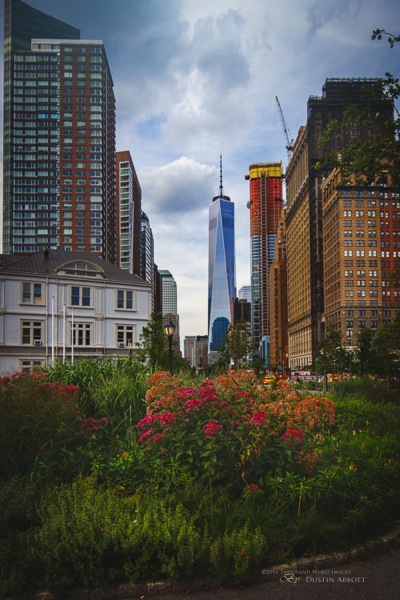
There are many beautiful places on our planet, but photography, much like everything else, is very trendy. It is rare that you have an opportunity to capture something that has never been photographed before. The challenge then, is to find a way to set your work apart from the crowd. Anchoring your image through something unique is one of the key ways to accomplish this. Take for example, the new One World Trade Center in New York City. It has an incredible amount of emotional capital invested in it, because of the events of September 11th, 2001. So, it’s been photographed hundreds of thousands of times already since its completion. I wanted something different, and I saw the opportunity while in Battery Park further up Manhattan Island. Green space is at a premium in the big city, so when I saw an opportunity to shoot the tower, with the anchor of some flowers in the park in the foreground, I jumped on it, and am happy to have a different perspective on a familiar sight (image below).

The City

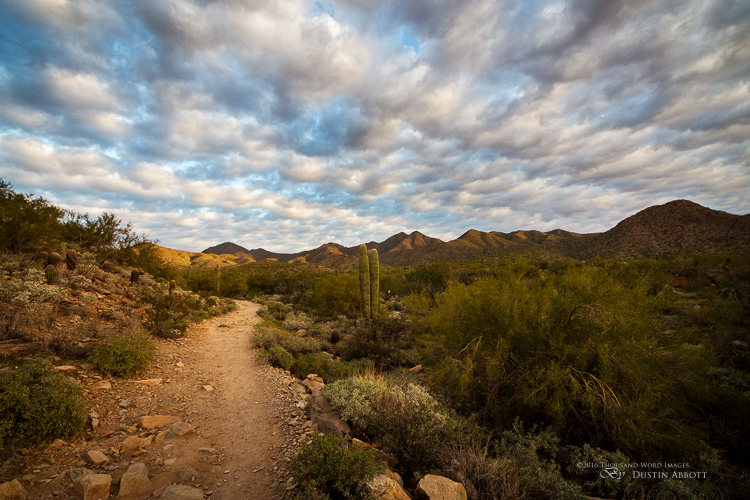
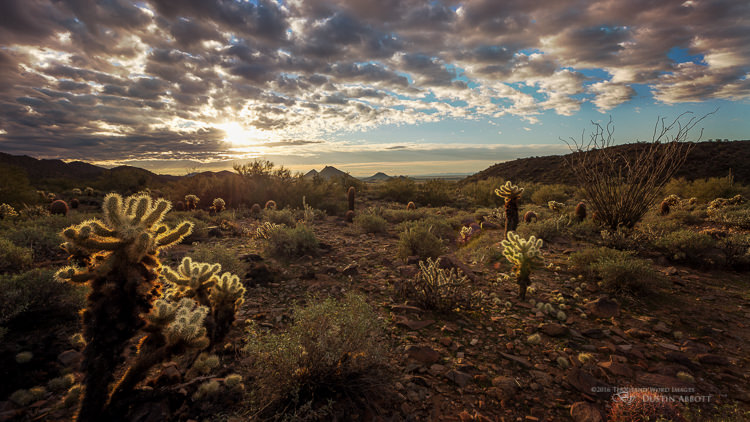
The sunrises and sunsets of Arizona, in the American Southwest, are breathtaking, but can be challenge to capture because of the scale of the wide open spaces. This particular morning brought a gorgeous sunrise with a great, nuanced sky. I composed with a 15mm lens that could capture a lot of the context, but to keep it visually interesting I got about as close as I could to a clump of cholla cacti, that was catching the directional morning light. That grabs your attention first, and as your eyes move on through the scene, you have a great sense of depth of the wide open space because you are already visually anchored to the scene.

Cholla

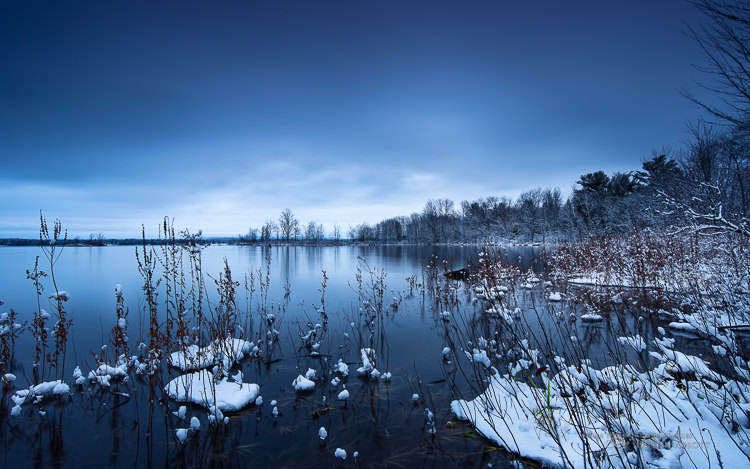
Here’s another example from Ontario, Canada. This was the first snow of the winter, and the rivers and lakes were still not frozen. I shot a long exposure, that has a lot of subtleties in the sky and vibrant blue, wintry tones. But it’s made special by the patches of snow, caught amongst the plants, on the water’s edge in the foreground. These anchor the image, and give depth to it, along with providing some bright points in an otherwise dark scene.

Snow

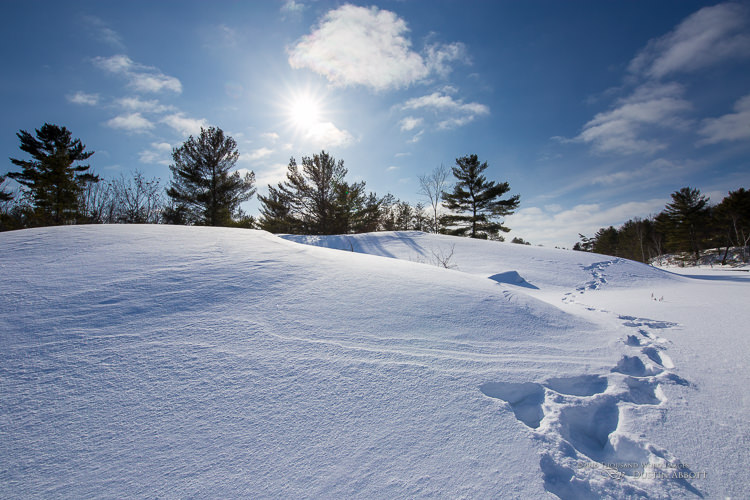
Your anchor can also help to lead you into the scene. In this snowy scene on a cold, clear, winter day, the footprints featured in the foreground help lead your eye through the scene below.

Snow Footprints

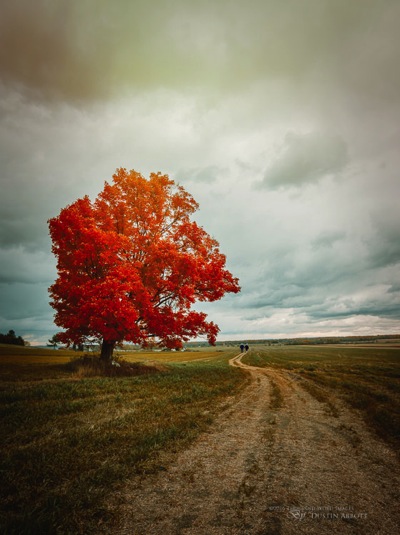
Finally, the path that anchors this beautiful autumn image, eventually leads you to the elderly couple walking hand in hand. The name of this image is “Seasons of Life”, and the use of the anchor to lead the eye through the scene has helped me tell a story, and provide some emotional resonance.

Path

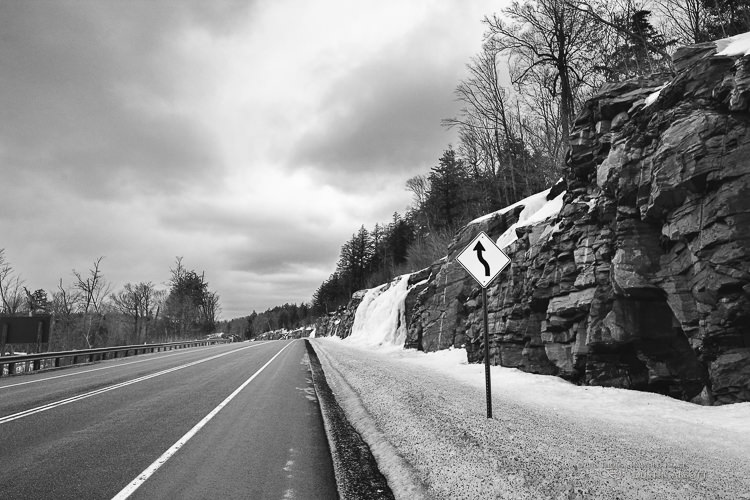
Another purpose of the anchor is to make a scene more visually engaging. Use the wide angle distortion to your advantage. I was driving through Ontario, Canada’s famous Algonquin Provincial Park, and noted the cool frozen cascades along the road. I wanted to include a road sign for more visual interest. Note how this first image, while not distorted, is not particularly interesting.

Less Interesting

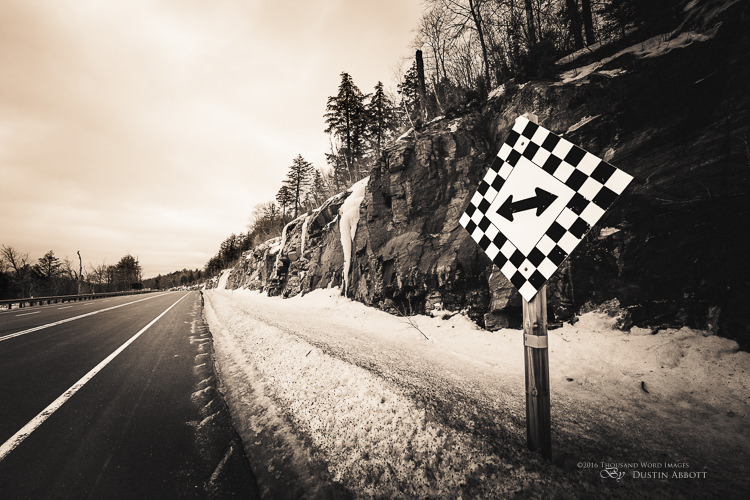
In this second image, however, I got close enough to this sign that the wide angle lens I was using, distorted it. Distortion sounds bad, but the end result here is a more visually interesting image, where the sign helps point the eye into the scene, where you can see the frozen cascades along the road.

Sign

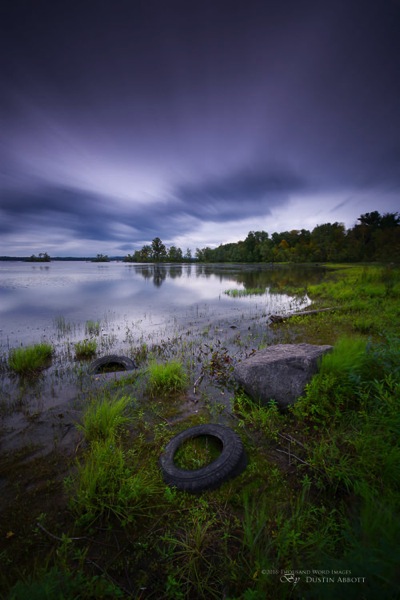
You can also use this to tell your story. I shot a visually lush scene, but wanted my anchor to tell the story of people “Dumping in Paradise”. By getting close to the old tire it becomes unnaturally prominent, but by shooting it with a wide angle lens I’m also able to give the larger context in one shot. I’ve suddenly got an image with a cause attached to it, because of the anchor. Shooting a closer shot of the tire stuck in mud wouldn’t have had the same visual impact.

Dumping in Paradise

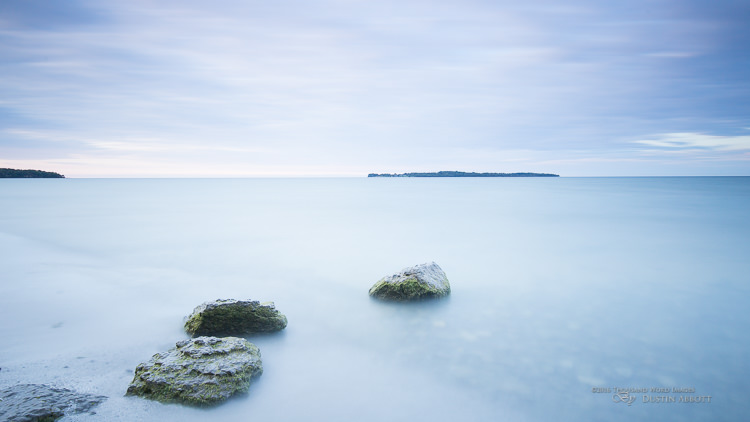
One final way that an anchor is important, is to prevent a scene from feeling empty. The way that long exposures blur water is very cool, of course, but this image would have felt very empty with nothing but blurred water. It would have lacked any true feature. But the foreground rocks that I’ve included in the composition, give the eye something to look at, and that in turn causes the brain to appreciate the image more as a whole. The rocks also point you toward the island in the distance, creating some tension between the little rocks in the foreground, and the big rock beyond.

Zen

These are but a few examples to help you understand the relationship between the foreground and background of an image. The foreground is your anchor, and without that anchor there is a good chance the image is going to, well, drift. A good anchor will help build strong, visually appealing images that will help to set your work apart – and isn’t that what we are all looking for?

Do you use anchors in your wide angle landscape photography? Share your ideas in the comments below.

googletag.cmd.push(function() {
tablet_slots.push( googletag.defineSlot( “/1005424/_dPSv4_tab-all-article-bottom_(300×250)”, [300, 250], “pb-ad-78623” ).addService( googletag.pubads() ) ); } );

googletag.cmd.push(function() {
mobile_slots.push( googletag.defineSlot( “/1005424/_dPSv4_mob-all-article-bottom_(300×250)”, [300, 250], “pb-ad-78158” ).addService( googletag.pubads() ) ); } );

The post The Importance of an Anchor – Why Foreground Matters by Dustin Abbott appeared first on Digital Photography School.


Digital Photography School

 
Comments Off on The Importance of an Anchor – Why Foreground Matters

Posted in Photography


Nesting Architecture: Folding Models of Eastern Bloc Buildings

13 Mar

[ By WebUrbanist in Art & Sculpture & Craft. ]

architecture block nesting dolls

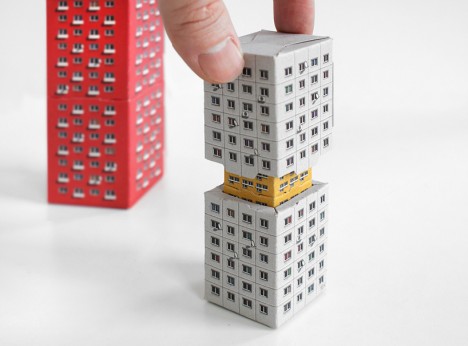
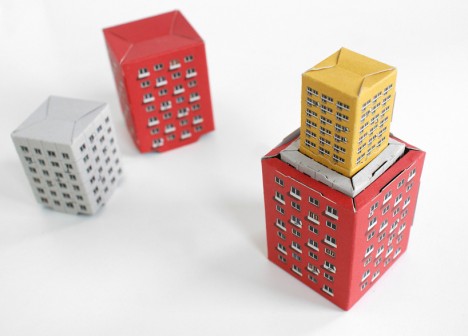
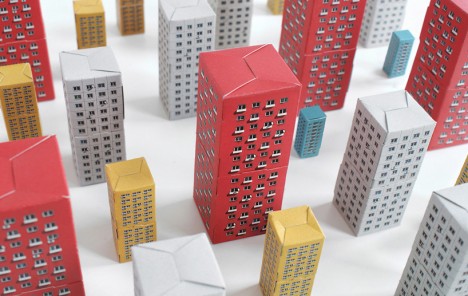
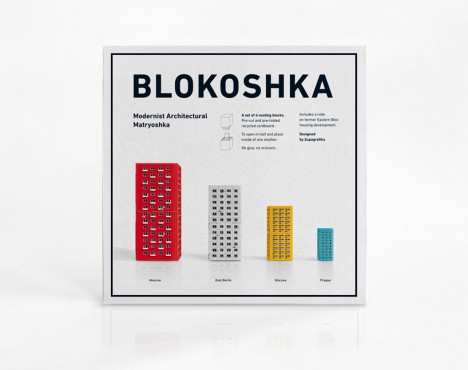
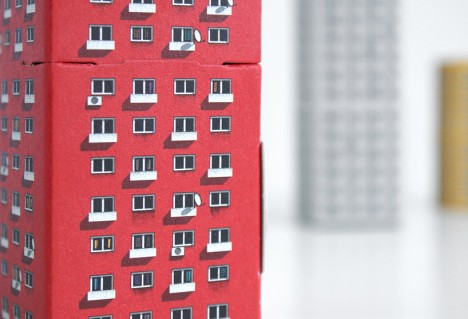
This series of recycled cardboard models references both the functional styles of postwar Soviet architecture as well as the Russian tradition of handcrafted nesting dolls.

architecture nested set

architecture block set

block architecture brutalist postwar

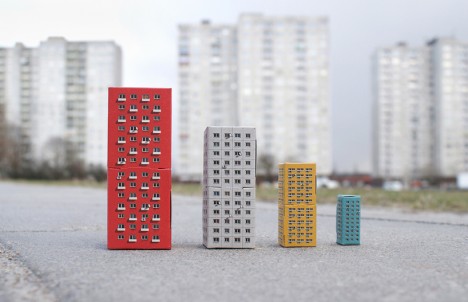
In the wake of World War II, European cities were forced to rebuild in a hurry, focusing on cheap and efficient structures that could effectively be mass-produced. Blokoshka (from: Matryoshka and blocks) by Polish studio Zupagrafika borrows from the pragmatic minimalism of this architectural history.

architecture cardboard sheet

architecture paper construction folding

architecture sheet set assemble

blocksha box set

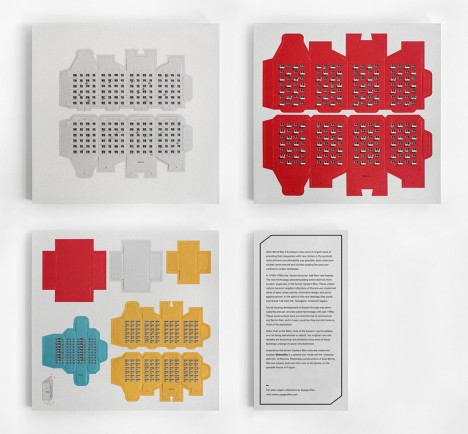
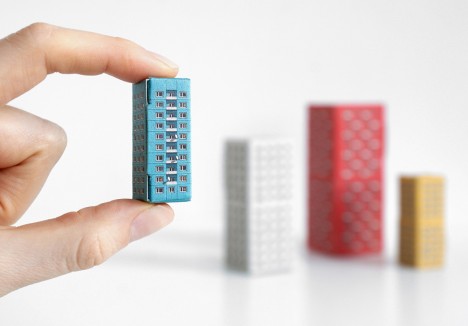
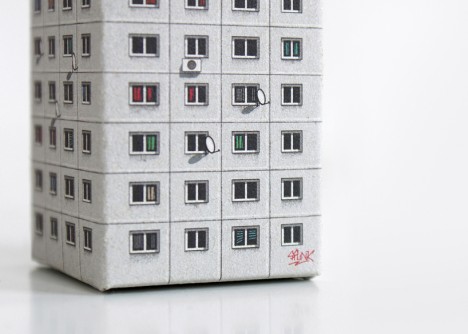
The four units represent four types of building in four places:  the sleeping districts of Moscow, Plattenbau Constructions of East Berlin, ruin-topping estates of Warsaw of moscow, and Panelak blocks of Prague.

architecture tower side

architecture smallest unit

architecture closeup graffiti

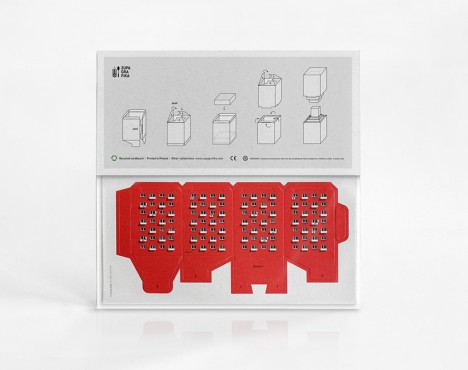
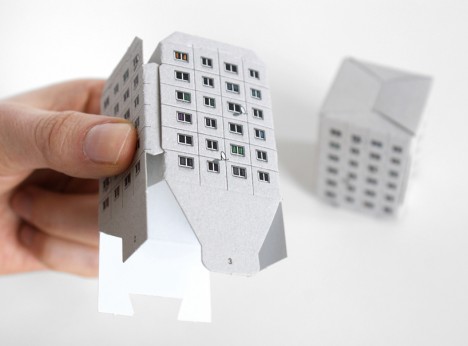
The prefabricated pieces are nestled in sheets of cardboard, ready to be folded into place without the need for glue, scissors or other tools. Each resulting structure tucks neatly into the next, so the sets can be deployed into districts or recombined into shelf-sitting modules.

Share on Facebook


[ By WebUrbanist in Art & Sculpture & Craft. ]

[ WebUrbanist | Archives | Galleries | Privacy | TOS ]


WebUrbanist

 
Comments Off on Nesting Architecture: Folding Models of Eastern Bloc Buildings

Posted in Creativity


Wide Angle Versus Telephoto Lenses for Beautiful Landscape Photography

12 Mar

WILLCK 1 SNEFFELS

An easy assumption to make, when shooting landscapes, is use a wide angle lens. After all, most landscape photographers favor wide angle lenses for a reason, they naturally give you the widest view and allow you to get the full landscape into the frame, from the foreground to the horizon. They have the widest depth of field, so you get the whole landscape in focus too. Their distortion enlarges objects in the foreground, letting you show off close-up details. The same distortion also emphasizes leading lines, enhancing your composition, and giving your image a more dynamic feel. But when you default to wide angle, you miss many hidden opportunities offered by telephoto lenses.

Field of View: The Whole and its Parts

This is the most basic difference between the two lens types: wide lenses give you a wide view, telephoto lenses give you a narrow view. And while landscapes look great in their entirety, it’s a good habit to take a moment and look for details. These are beautiful elements of the landscape that might get shrunken, or ignored in the expanse of a wide-angle image. This is where your telephoto lens comes in. Its narrow field of view is perfect for trimming off the extra elements, and focusing right on small, beautiful scenes like the curve of a mountain, a reflection in a far-off pond, or the silhouette of a tree.

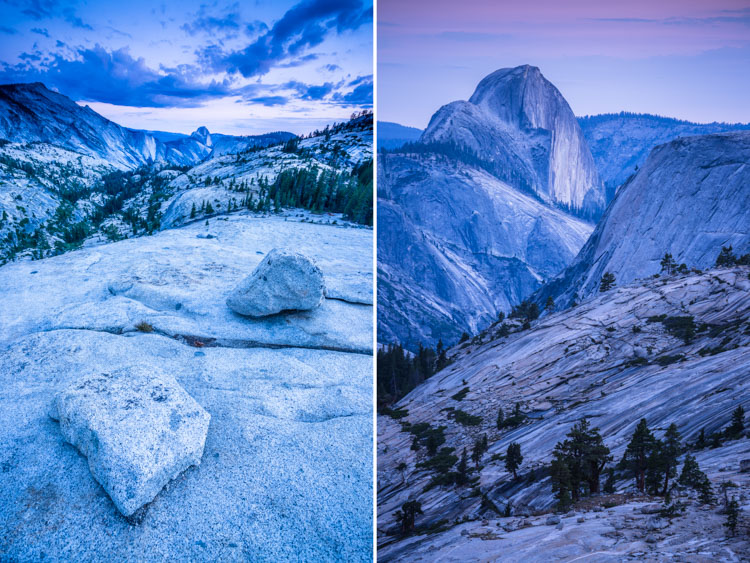
WILLCK 2 YOSEMITE

In the two images above, you can see this in action. They were both taken from Olmstead point in Yosemite National Park, one with a wide angle lens and the other with a telephoto. In the first image, the wide angle shows off the total landscape. It includes both sides of the valley, the up-close textures of the rocks and the far off peak of Half Dome. In the second image, the telephoto lens brings the eye right up to the mountains, showing off their shapes and the details of the geology.

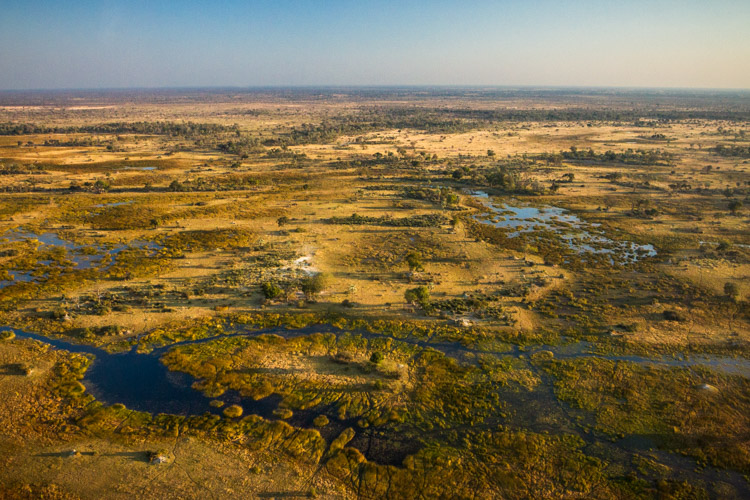
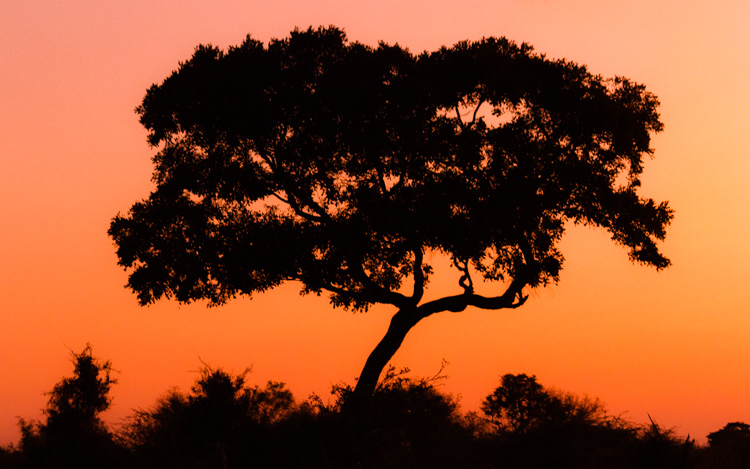
Another pair of images (below), shows this effect even more dramatically. The first image is not just wide-angle, but an aerial shot as well, taken from a small airplane over the Okavango Delta in Botswana. From this vantage point all of the individual elements of the landscape become incredibly small, and your eyes pay more attention to their arrangement than their individual shapes. In the second image, also from the Okavango area, but this time on the ground, a telephoto lens is used to draw attention to the beautiful curves of a single Acacia tree.

WILLCK 3 OKAVANGO wide

WILLCK 4 OKAVANGO tele

Depth of Field: Focusing the Eye

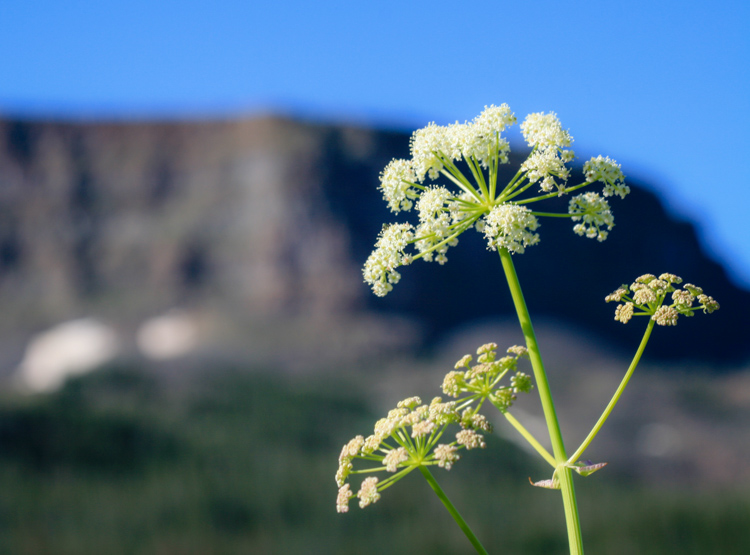
The second major difference between wide angle and telephoto lenses is the innate size of their depth of field. Put succinctly, the higher the focal length, the narrower the area of focus. In practice, this means that when shooting wide, it’s much easier for you to get everything in focus, from the grass at your feet to the ridge on the horizon. This is especially true when you’re trying to use your lens’s sharpest apertures (the so-called sweet spot). However, a narrower depth of field is much better for isolating your subject from the background, and this is where your telephoto lens comes into play. Try shooting a close-up detail at a low aperture, using the landscape as a nice creamy bokeh backdrop.

WILLCK 5 FLATTOPS

WILLCK 6 DENVER

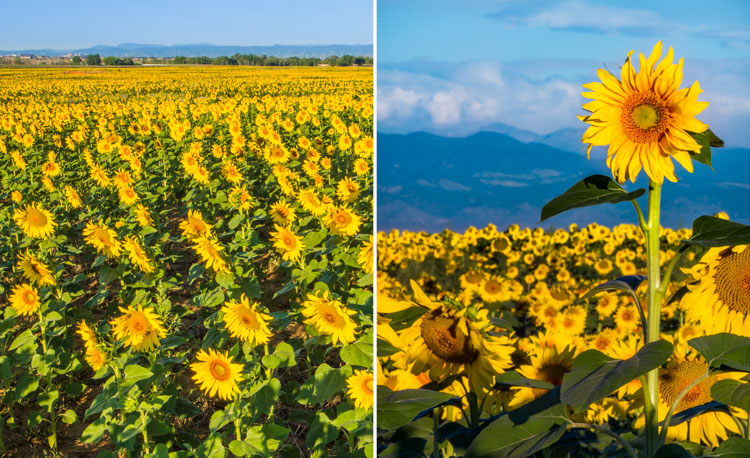
The two images above are perfect examples of this effect. In the first image, the wide angle lens brings the whole landscape into focus, from the close-up sunflowers to the far-off mountains. In the second image, shooting with a telephoto blurs out the flowers and mountains in the background, turning them into a nice soft background for main sunflower.

Depth Compression: Playing with Size

It’s no secret that wide angle lenses expand the sense of depth in an image, by enlarging elements in the foreground and shrinking those in the back. This is great for creating images that make you feel like you could step right into the frame. On the flip-side, you run the risk of making towering, awesome mountains in the distance look like puny hills. Telephoto lenses, on the other hand, compress depth, causing objects near and far to appear more similar in size. A compressed sense of depth is great for abstracting a scene, and bringing out its graphical qualities. Colorful forest canopies, layered mountain ridges, and curving sand dunes, are all great subjects for this kind of shooting.

WILLCK 7 MICA

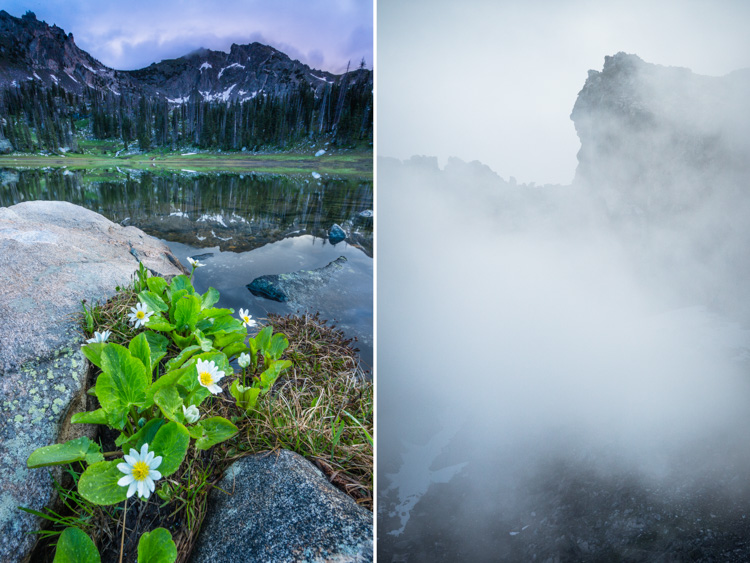
In the first of this pair above, notice how the wide angle lens exaggerates the size of the flowers in the foreground at the expense of the mountains in the background. The mountains are so tall that they’re shrouded in clouds, but the lens keeps them from looking quite as grand. But pull out a telephoto lens and you can zoom straight in on the mountain, showing off the contrast between the rugged outline of the peak and the soft wispy form of the cloud.

WILLCK 8 BIGBEND wide

WILLCK 9 BIGBEND tele

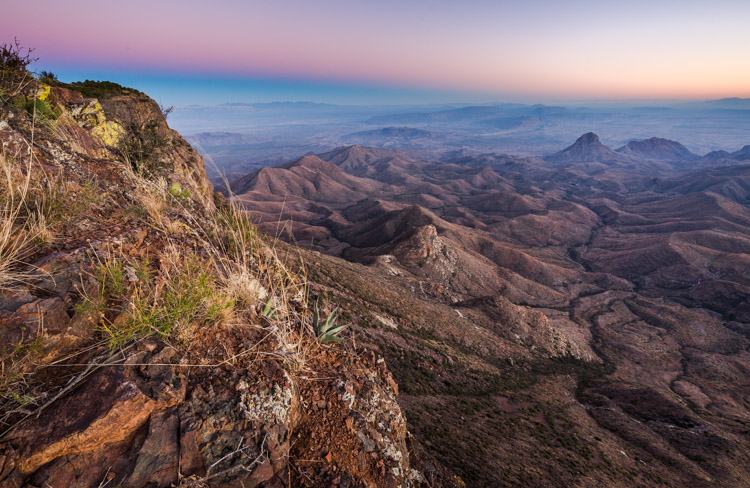
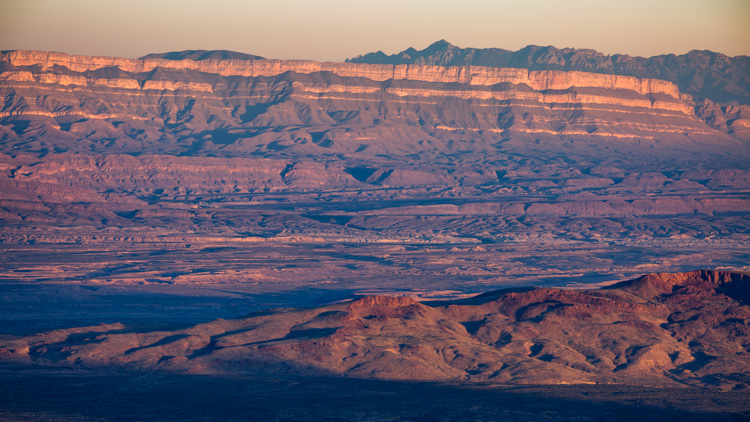
Here are two more images, both taken at the same location in Big Bend National Park, that show off this effect. In the first image, you can see that the wide angle lens increases the size of the plants and rocks in the foreground, while shrinking the large desert mountains in the background. In the second image, a telephoto lens flattens out the depth of the many desert ridges, calling attention to their graphic patterns and outlines.

Summary: Space Versus Object

Have a hard time remembering all these details? Here’s an easy way to summarize it with a simple idea:

Wide angle lenses show off space, telephotos show off objects.

The wide angle lens’s big field of view, ease of uniform focus, and depth-distorting abilities, are great at showing off big, expansive landscapes. However, they take focus away from individual elements within the landscape in favor of showing the whole. Telephoto lenses are naturally the opposite: they’re great at showing off the size, shape, and intricacy, of detail of individual elements within the landscape. But their narrow field of view, small depth of field, and depth-compressing qualities make it hard to capture the landscape as a whole.

WILLCK 10 WILLOW wide

You can analyze this pair of images to see exactly how all of these techniques work together. Starting with the photo above, you can see how the wide angle lens fits the whole landscape into the frame, from close-up rocks, to far off peaks and sky. Because of the lens’s large depth of field, the whole landscape is in acceptable focus as well. The lens’s depth distortion is readily apparent as well: the foreground rocks look very large, creating a pleasing sense of depth, and emphasizing the leading lines that draw the eye from the edges of the frame to the center. Overall, you get a very good sense of the space and the expansiveness of the valley.

WILLCK 11 WILLOW tele

This image was taken in the same place, but the use of a telephoto lens captures it in a very different way. The photo brings out a single element of the landscape – look closely and you can see this peak in the previous image on the top right – and allows the viewer to appreciate its subtle details. Because of the telephoto lens’s narrow depth of field, the sky is slightly out of focus while leaving the details of the peak itself perfectly sharp. And most of all, the compressed sense of depth flattens the image, showing off the rocky mass of the mountain, and calling attention to the beautiful curve of the ridge line. Overall, you get a great sense of the mountain as a solid object, rather than a bounded space.

When to shoot what?

The best way to know which lens to use is to get out there, look, and think. What part of the landscape are you most drawn to? Does the landscape’s expansiveness give it its character? Are there stunning details surrounded by less photogenic elements? Are you shooting spaces or objects?

WILLCK 12 ZODIAC

That said, my personal strategy is to just shoot both, because almost any landscape has enough beauty that just one type of lens isn’t enough to get to all of it.

What is your approach to landscape photography? Do you use a wide or telephoto more often? Please share your thoughts and landscape images in the comments below.

googletag.cmd.push(function() {
tablet_slots.push( googletag.defineSlot( “/1005424/_dPSv4_tab-all-article-bottom_(300×250)”, [300, 250], “pb-ad-78623” ).addService( googletag.pubads() ) ); } );

googletag.cmd.push(function() {
mobile_slots.push( googletag.defineSlot( “/1005424/_dPSv4_mob-all-article-bottom_(300×250)”, [300, 250], “pb-ad-78158” ).addService( googletag.pubads() ) ); } );

The post Wide Angle Versus Telephoto Lenses for Beautiful Landscape Photography by Will Crites-Krumm appeared first on Digital Photography School.


Digital Photography School

 
Comments Off on Wide Angle Versus Telephoto Lenses for Beautiful Landscape Photography

Posted in Photography


Quick Look: Parallelism in Landscape Photography

12 Mar

Part of what can make an image both visually appealing and conceptually interesting is the connection between its different parts. An image is a whole made of differentiable elements, and these elements can either be separate or have a variety of relations between them. To make an image which is indeed a whole and not just different layers on top of each other, a photographer needs to make the layers (or elements) communicate with each other. But how? One way, which I will detail here, is parallelism.

A softly-lit iceberg resembles the contour of Mount Uummannaq, Greenland. An example of simple, low-level parallelism.

When pre-visualizing an image, especially its composition, one needs to take into account the possible similarities, or parallelisms, that the environment offers. For example, it’s very often that there is a lack of connection between the sky and the earth in a landscape shot. But a bold red-colored flower on the ground can parallel a setting sun in the sky, thus strengthening the connection between them and bonding heaven and earth in the image, which has clear philosophical and visual implications.

But it’s not only color – shapes, lines and textures can also parallel each other – light rays in the clouds with lines in the sand, lenticular clouds with rounded pools, the options are endless. The important thing to keep in mind is to make these parallelisms stand out, making the viewer realize our intention in including them in the image.

Parallelism can serve its goals even better if it is of a higher level: more than two parts of the image being parallel to each other in the same way or in different ways, or the same part being parallel in more than one way.

See for example the second image shown here. There are two parallelisms: firstly there’s the one made by the architects who chose to make the famous lighthouse of Kalfshamarsvik, Iceland resemble the basalt columns in the area it was built on. Secondly, the yellow patch in the midst of the dark: on the ground – the yellow vegetation. On top – the light coming out of the lighthouse. Both share color and both stand out of their dark, gloomy, lava-column-shaped surroundings. The choice of dark exposure made these elements stand out even more, strengthening the bond between them and the image’s integrity.

‘Light in the Dark’, Kalfshamarsvik, Iceland

Another good example can be seen in the third image. The parallelism between the shadow cast by the center tree and the flare caused by the sun bonds the ground and the sky, which are in turn both bonded to the main subject – the tree – in different ways: the flare touches and intersects the tree, while the shadow is caused by the tree. The three layers of the image are thus intimately connected, and the image is more interesting and appealing because of this connection.

‘The Valley of the Shadow of Death’, Deadvlei, Namibia

Erez Marom is a professional nature photographer, photography guide and traveler based in Israel. You can follow Erez’s work on Instagram, Facebook and 500px, and subscribe to his mailing list for updates.

If you’d like to experience and shoot some of the most fascinating landscapes on earth with Erez as your guide, you’re welcome to take a look at his unique photography workshops around the world:

Land of Ice – Southern Iceland
Winter Paradise – Northern Iceland
Northern Spirits – The Lofoten Islands
Giants of the Andes and Fitz Roy Hiking Annex – Patagonia
Tales of Arctic Nights – Greenland
Earth, Wind and Fire – Ethiopia

Selected articles by Erez Marom:

  • Behind the Shot: Dark Matter
  • Mountain Magic: Shooting in the Lofoten Islands
  • Behind the Shot: Nautilus
  • Behind the Shot: Lost in Space
  • Behind the Shot: Spot the Shark
  • Quick Look: The Art of the Unforeground
  • Behind the Shot: Watery Grave
  • Whatever it Doesn’t Take
  • Winds of Change: Shooting changing landscapes
  • On the Importance of Naming Images
  • Hell on Earth: Shooting in the Danakil Depression

Articles: Digital Photography Review (dpreview.com)

 
Comments Off on Quick Look: Parallelism in Landscape Photography

Posted in Uncategorized