RSS
 

Archive for January, 2016

DxOMark Mobile report: OnePlus 2

23 Jan

Like its predecessor the OnePlus 2 offers the specification of a high-end phone at a budget price point. The camera’s 13MP resolution isn’t anything out of the ordinary these days, but optical image stabilization and a laser-assisted AF system tend to be found only on expensive top-end models. Additionally, the OnePlus 2 is capable of 4K video and can record 720p slow-motion footage at 120 fps. But in the end, a healthy spec list isn’t enough to put the OnePlus 2 at the top of DxO’s mobile rankings.

Articles: Digital Photography Review (dpreview.com)

 
Comments Off on DxOMark Mobile report: OnePlus 2

Posted in Uncategorized


Weekly Photography Challenge – Big and Heavy

23 Jan

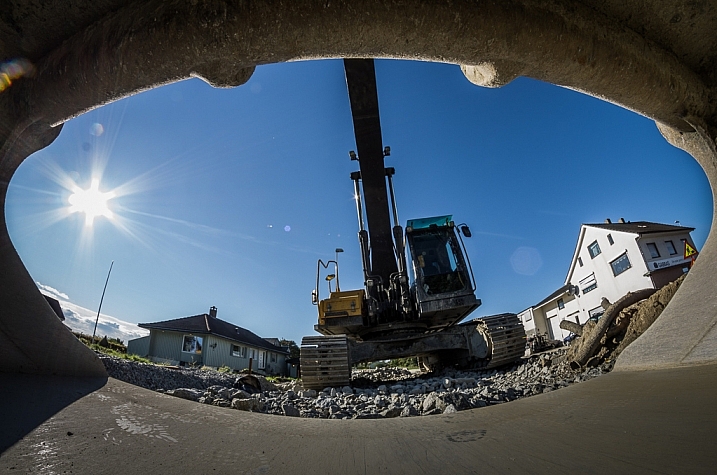
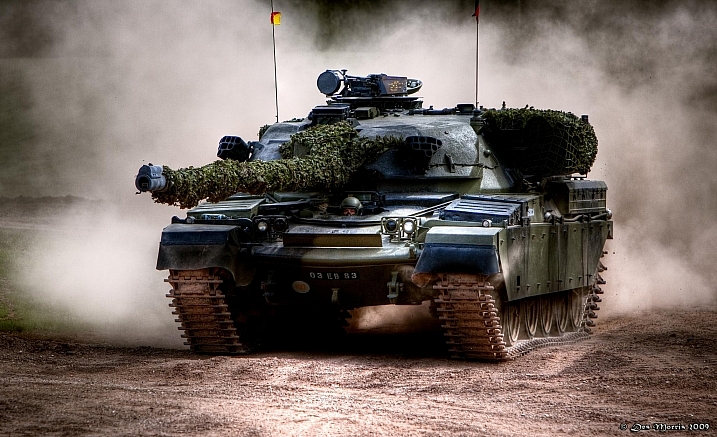
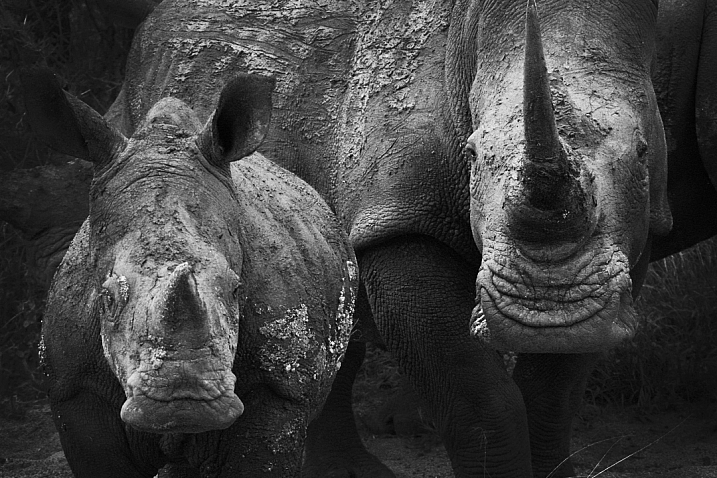
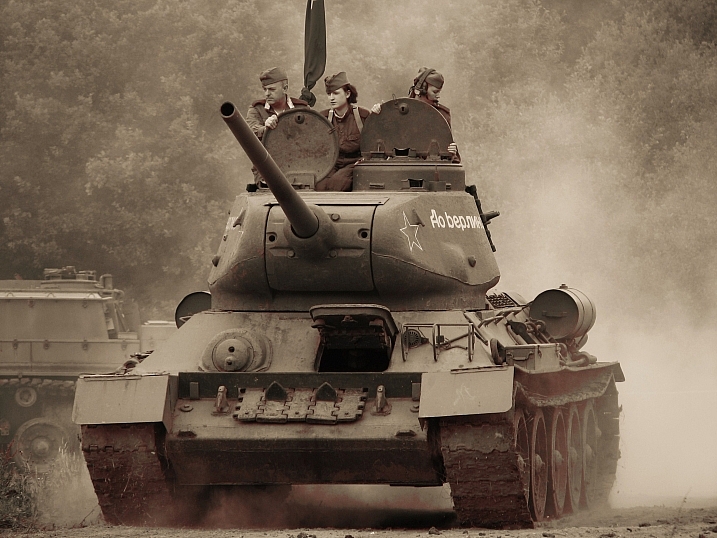
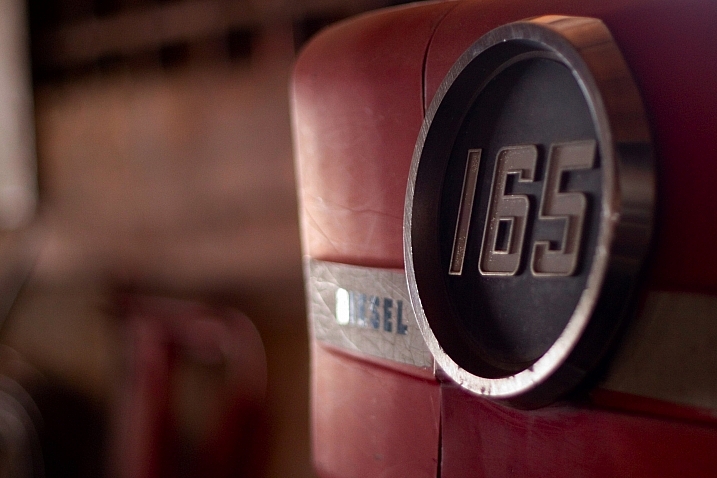
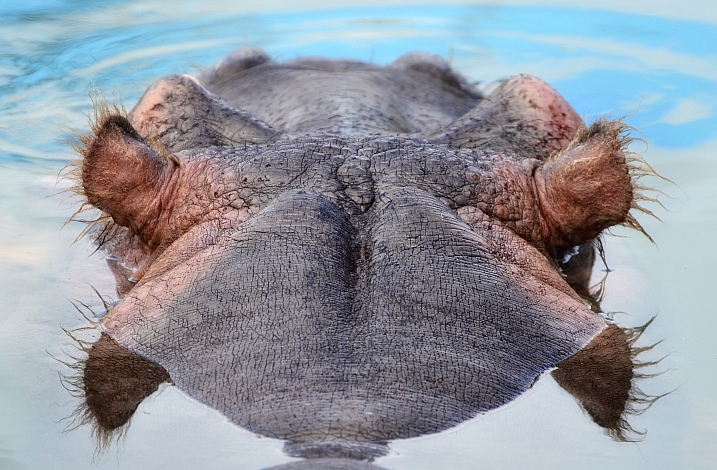
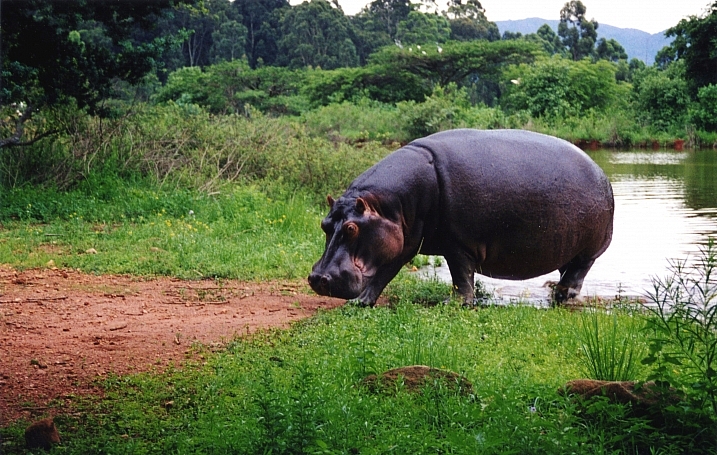
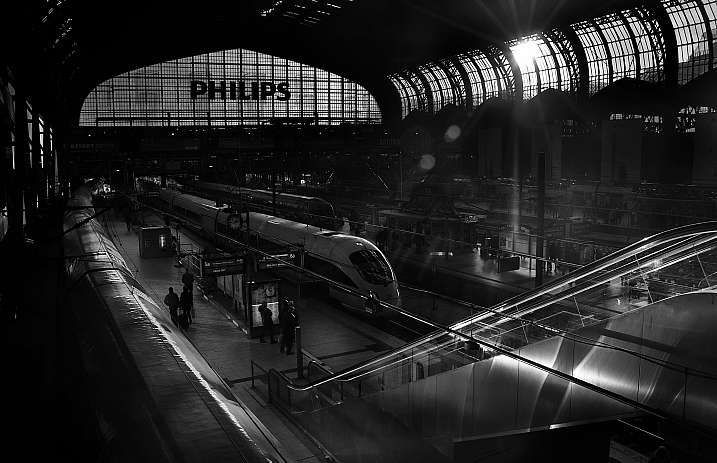
Previously I shared 26 solid images of heavy items done by other photographers. Things like:

  • trains
  • planes
  • automobiles
  • machines
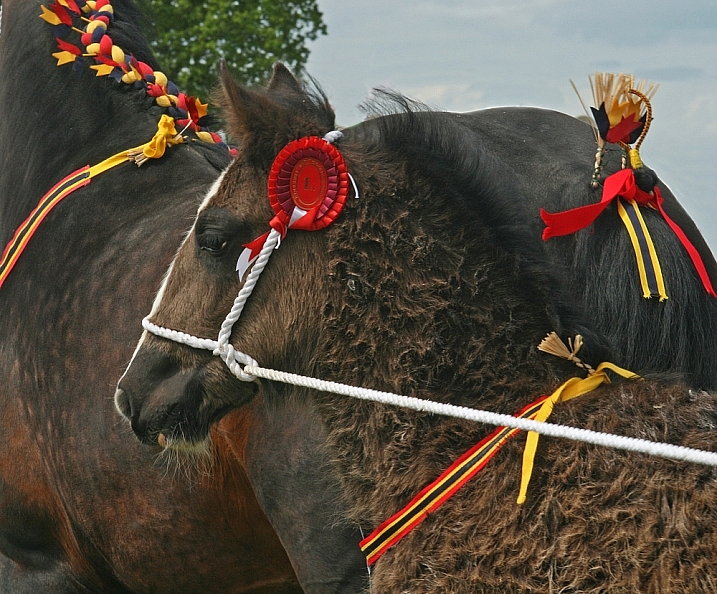
  • large animals
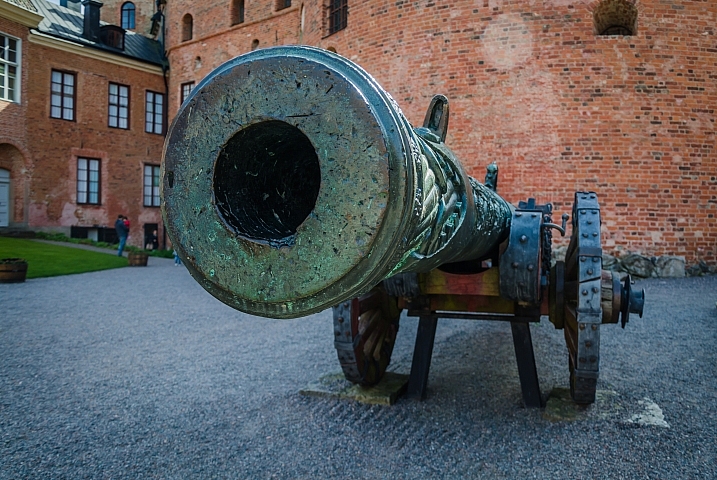
  • things made of steel and metal
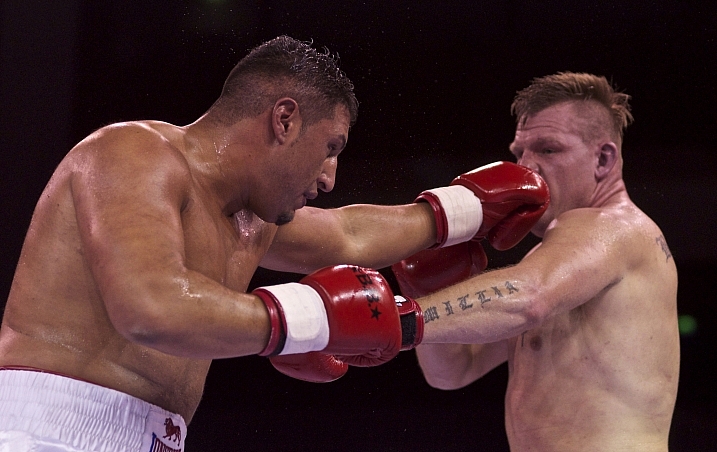
  • heavy metal bands if you want to stretch the meaning

You get the idea. We know this thing is heavy! On the arms and the pocketbook!

Nathan Rupert

By Nathan Rupert

Weekly Photography Challenge – Heavy

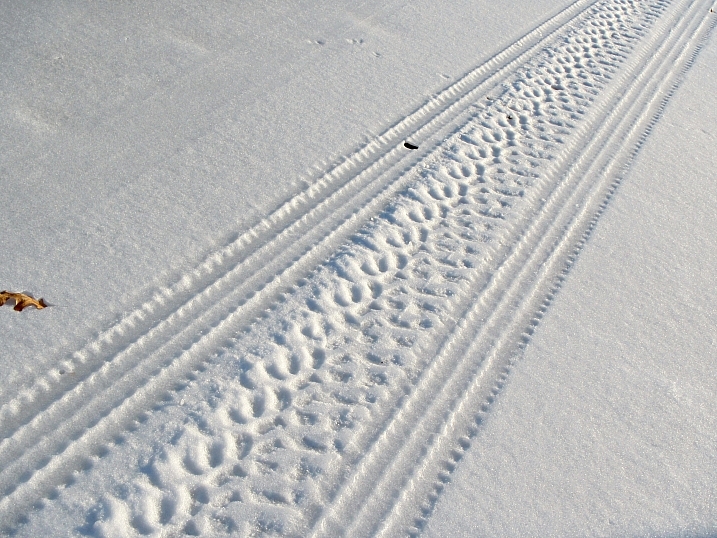
I’ve given you some ideas below but put your own spin on interpreting this one. It could even be heavy hearted, a footprint impression in the sand, you name it. Just go out with the idea of finding something to represents the them of heavy and photograph it in its best light, composition, and make it stand out.

Alan Cleaver

By Alan Cleaver

RayMorris1

By RayMorris1

.craig

By .craig

Geoffrey

By Geoffrey

Vxla

By vxla

Share your images below:

Simply upload your shot into the comment field (look for the little camera icon in the Disqus comments section) and they’ll get embedded for us all to see or if you’d prefer upload them to your favourite photo sharing site and leave the link to them. Show me your best images in this week’s challenge. Sometimes it takes a while for an image to appear so be patient and try not to post the same image twice.

googletag.cmd.push(function() {
tablet_slots.push( googletag.defineSlot( “/1005424/_dPSv4_tab-all-article-bottom_(300×250)”, [300, 250], “pb-ad-78623” ).addService( googletag.pubads() ) ); } );

googletag.cmd.push(function() {
mobile_slots.push( googletag.defineSlot( “/1005424/_dPSv4_mob-all-article-bottom_(300×250)”, [300, 250], “pb-ad-78158” ).addService( googletag.pubads() ) ); } );

The post Weekly Photography Challenge – Big and Heavy by Darlene Hildebrandt appeared first on Digital Photography School.


Digital Photography School

 
Comments Off on Weekly Photography Challenge – Big and Heavy

Posted in Photography


Halfway House: Townhouse Duplex Split Straight Down the Middle

23 Jan

[ By WebUrbanist in Architecture & Houses & Residential. ]

halfway house real

It looks more like an optical illusion or photo edit than a real dwelling, but this hundred-year-old halved townhouse really stands (out) on the streets of Toronto.

half house side view

half house toronto

54 1/2 St. Patrick was built in the early 1890s as part of a set of six homes with shared walls. Starting in the 1950s, owners of the neighboring units started to crumble under pressure from a developer, slowly selling their domiciles one at a time.

half rowhouse remaining plan

As a result, each of the other structures was torn down with surgical precision. When the occupant of the final house in the row refused to sell at any price, they cleaved off the other half of the building and the shared structural wall running down the middle was reinforced and covered in concrete.

halfway house up

halfway house front

The neighboring Village by the Grange opened in the mid-1970s. According to author and photographer Chris Bateman, “54 1/2 St. Patrick is currently vacant. No-one answered when I knocked at the door and the front room has been stripped to the floorboards. Perhaps it’s being spruced up, it would surely be worth it. The current assessment on file with the city lists the value at $ 648,000.”

Share on Facebook


[ By WebUrbanist in Architecture & Houses & Residential. ]

[ WebUrbanist | Archives | Galleries | Privacy | TOS ]


WebUrbanist

 
Comments Off on Halfway House: Townhouse Duplex Split Straight Down the Middle

Posted in Creativity


All cameras are great, but that doesn’t make choosing one any easier

22 Jan

It’s often said all modern cameras are good. And it’s true: That’s the reason most of the cameras we review get some kind of award. But it’s also close to meaningless. It seems to imply that it doesn’t matter which camera you buy, yet that’s as far from the truth today as it’s ever been.

The thing that stood out to me as we selected our recommendations in our recent roundups was that, no matter how much technology improves and cameras converge, there’s still a huge difference in terms of what each camera does well and what it falls down on. Which means there’s still a right and a wrong camera for you.

Not just any camera will do

It is also true of course that it’s your own skills, rather than the limitations of technology, that are most likely to hold you back. But again, this doesn’t mean that just any camera will do.

One of the most witless arguments I regularly see is: ‘it won’t improve your photography – Ansel Adams would get better photos using an iPhone.’ (And it’s always Ansel Adams, isn’t it?).

Follow that logic to its conclusion and none of us would ever use a proper camera. Sure, a great photographer will be able to take better photographs using any old camera, but they’ll probably take an even better photo if you give them a better camera – especially if it’s a better camera for them. And, while it’s obvious that a better camera won’t instantly make me a better photographer, it could result in me enjoying photography more.

There is no ‘best’ camera

Predictably enough, there were howls of outrage at the cameras we recommended, with owners of other brands passionately advocating for the camera they’ve chosen. And it’s easy to see how this comes about: along with a healthy dose of post-purchase justification I’d like to think that a lot of these people have bought cameras that are well suited to their needs. But this doesn’t mean they’d be well suited to everybody else’s.

We recommended the Sony a6000 in our roundups because it’s probably the best all-rounder in its class: it’s got a viewfinder, really good video, excellent autofocus and competitive image quality (despite its age). Yet it’s not the camera I’d buy for myself, in this category.

Just look at the mid-range interchangeable lens camera category. There is no camera that’s best at everything so in the end we selected the Sony a6000. It no longer offers the very best image quality or the very best specs, nor is it the stand-out leader for video at this point. However, without knowing more about the person we’re recommending it to, it stands out as the best all-rounder because it’s consistently competitive in every respect. By this same logic, we didn’t end up recommending a couple of cameras that we as a team really like.

The Fujifilm X-T10, for instance, is a cracking little camera, it borrows most of its technology from the much more expensive X-T1 and retains just about everything we like about that camera (the JPEGs, the controls, the choice of lenses…). However, its continuous autofocus simply isn’t a match for the likes of the a6000, NX500 or D5500 and its video is a significant weak spot, meaning it was never going to be one of our overall recommendations. And yet, for a certain type of photographer, it’s the best camera in its class.

Know your needs and be willing to grow

One of the key lessons, then, is that it’s important to think hard about what you want to use a camera for and what your priorities are. And just as a good camera can encourage you, a limited camera can limit you.

The Nikon D5500 offers some of the best image quality in its class, a well worked-out user interface, great autofocus and excellent battery life. But it’s also one of the bulkiest cameras in its class, one of the least video-friendly and one of the few not to include twin control dials for the price.

I regularly see comments saying ‘I don’t care that my camera isn’t very good at Movie shooting/Dynamic Range/Autofocus tracking, I never use it.’ Which increasingly prompts me to wonder whether that person might use the feature more it their camera was better at it. As I review cameras it’s occasionally frustrating to have to continue to use a feature that doesn’t work very well. I know I’d just stop using it if it wasn’t my job to persevere. So, before you consider your next upgrade, think carefully: might you use a feature more if it was easier to use or gave better results?

It still matters

This is why I think saying ‘all cameras are great’ is such an unhelpful statement: because they’re not equally great at everything and the differences still matter.

The Fujifilm X-T10 is the last camera I’d choose for video work and its continuous autofocus isn’t a match for the best of its peers. Yet there are plenty of people I’d recommend this camera to. Or the Olympus E-M10 II, for that matter.

The difference between the best and worst autofocus performance is the difference between it being easy to get the shot and there being a high chance you’ll miss the moment. The difference between the best sensor and the weakest is the difference between you having the latitude you need when you get to Lightroom and having to work out how to hide the noise. The difference between the best movie shooting camera and the worst is the difference between being able to easily capture great-looking footage and finding yourself thinking ‘can I really be bothered with this?’

So yes, most modern cameras are amazing, but not all of them will encourage, support and inspire you in your photography. And that’s got to matter, hasn’t it?

Articles: Digital Photography Review (dpreview.com)

 
Comments Off on All cameras are great, but that doesn’t make choosing one any easier

Posted in Uncategorized


How to Grow As a Photographer in 2016

22 Jan

Ok, so if you’re like everyone else in the free world, you made some great resolutions this New Year. The three big ones are lose that extra weight, stop drinking so much, and become a better… person, dad, wife, or, if you’re reading this column, photographer. Well, you and I both see that cookie in our hands, and Bunco and Continue Reading

The post How to Grow As a Photographer in 2016 appeared first on Photodoto.


Photodoto

 
Comments Off on How to Grow As a Photographer in 2016

Posted in Photography


26 Solid Images of Heavy Items

22 Jan

Earlier we looked at images of lightweight objects and how some photographers captured their essence.

So how about some heavy items? Large, bulky, hefty, ominous. How would you photograph a large heavyweight thing? Let’s see how these photographers did it:

Gerry Balding

By Gerry Balding

Mikael T

By Mikael T

@mopictures

By @mopictures

Tom Gill

By Tom Gill

Jonathan Gross

By Jonathan Gross

Jdegenhardt

By jdegenhardt

Dawn Beattie

By Dawn Beattie

Patrick Buechner

By Patrick Buechner

Nutmeg66

By nutmeg66

Paulius Malinovskis

By Paulius Malinovskis

CameliaTWU

By CameliaTWU

Donnie Nunley

By Donnie Nunley

Mark Iocchelli

By Mark Iocchelli

Ville Miettinen

By Ville Miettinen

Des Morris

By Des Morris

Steve Evans

By Steve Evans

David Marvin

By David Marvin

Aidan

By Aidan

Mariano Mantel

By Mariano Mantel

Nicki

By Nicki

Dave Shea

By Dave Shea

Anton Bielousov

By Anton Bielousov

RayMorris1

By RayMorris1

Caitlin

By Caitlin


Carlos Andrés Reyes

By Carlos Andrés Reyes

Rachel Melton

By Rachel Melton

googletag.cmd.push(function() {
tablet_slots.push( googletag.defineSlot( “/1005424/_dPSv4_tab-all-article-bottom_(300×250)”, [300, 250], “pb-ad-78623” ).addService( googletag.pubads() ) ); } );

googletag.cmd.push(function() {
mobile_slots.push( googletag.defineSlot( “/1005424/_dPSv4_mob-all-article-bottom_(300×250)”, [300, 250], “pb-ad-78158” ).addService( googletag.pubads() ) ); } );

The post 26 Solid Images of Heavy Items by Darlene Hildebrandt appeared first on Digital Photography School.


Digital Photography School

 
Comments Off on 26 Solid Images of Heavy Items

Posted in Photography


Leica announces €80,000 prize fund for 2016 Oskar Barnack Awards

22 Jan

$ (document).ready(function() { SampleGalleryV2({“containerId”:”embeddedSampleGallery_9743957219″,”galleryId”:”9743957219″,”isEmbeddedWidget”:true,”selectedImageIndex”:0,”startInCommentsView”:false,”isMobile”:false}) });

Leica has increased the value and volume of prizes on offer for the forthcoming Oskar Barnack awards for 2016, with the winner taking home €25,000 in cash on top of a €10,000 M system camera and lens. The newcomer prize has been doubled to €10,000 in cash, and the winner will also receive a Leica rangefinder kit. 

The competition theme will be the relationship between man and the environment, and entrants are expected to submit a series of 10-12 images that work together ‘with acute vision and contemporary visual style – creatively and innovatively’. As well as the main award there will be ten awards of €2500. 

Submitted pictures must have been taken in 2015 or 2016, and all entrants for the main competition must be professional photographers. Prospective professionals who are 25 years old or younger can enter the Newcomer Award – for which there will be a main prize-winner and a further ten photographers will have their work ‘recognized’.  

An online public voting process will also take place via the i-shot-it website, and the winner of that will receive €2500 as well. Voters will be entered into a draw for Leica compact cameras.

The competition opens on 1st March and the closing date will be 15th April 2016. For more information visit Leica’s Oskar Barnack awards website, and to see the submission of last year’s winner, visit the Leica gallery of Swedish photographer JH Engstrom. You can see other successful submissions in the general winners’ galleries. 

Press release: 

Leica Oskar Barnack Award 2016

Prestigious photographic competition continues in 36th year with brand new features and prizes

Now in its 36th year, the Leica Oskar Barnack Award, an international photographic competition for professional photographers as well as up-and-coming photographers under the age of 25, continues its rich tradition in 2016 with numerous new features and significantly more attractive prizes. 

The recipients of this year’s Leica Oskar Barnack Awards will be honoured at an official prize-giving ceremony, to be held in Germany for the first time in many years. Furthermore, the prize value for the winner of the ‘Newcomer Award’ has been doubled to a total of 10,000 euros and, for the first time, the work of ten further entrants will be recognised. 

The Leica Oskar Barnack Award 2016 competition is open for entries from 1 March 2016. Photographers interested in taking part can now submit their applications and photographic projects online, with a closing date of 15 April 2016. Terms and conditions of entry can be downloaded from http://www.leica-oskar-barnack-award.com/. 

With prizes amounting to a total cash value of 80,000 euros, the Leica Oskar Barnack Award is one of the industry’s most prestigious photographic competitions. The winner in the main category will be honoured with a cash prize of 25,000 euros and Leica M-System equipment (a camera and lens) with an additional value of 10,000 euros. The prize money for the Newcomer Award has been doubled this year: the winner in this category will receive a cash prize of 10,000 euros and will also be presented with a Leica rangefinder camera and lens. 

In addition to the main categories, a further ten photographers will be awarded cash prizes of 2,500 euros each and, for the first time this year, will also be recognised as being among the twelve best photographers in the competition. The portfolios of all the finalists will be presented on the web site and published in a special issue of LFI Magazine. 

A judging panel of prominent international experts selects the winners, focusing particularly on the photographers’ unerring powers of observation, and how they show the relationship between man and the environment, expressed graphically in portfolios of up to twelve images. 

The members of this year’s jury are: Karin Rehn-Kaufmann, Art Director Leica Galerien International (Salzburg), JH Engström, photographer and last year’s award winner (Karlstad, Sweden), Christine Ollier, Art Director Galerie Filles du Calvaire (Paris), Chris Boot, Executive Director, Aperture Foundation (New York) and Lorenza Bravetta, Director, Camera – Italian Centre for Photography (Turin).

The Leica Oskar Barnack Award will also include the presentation of a public award, with the winner being chosen by online voting at http://www.i-shot-it.com/, the online platform for photographic competitions. The winner in this category will receive a cash prize of 2,500 euros. A prize draw for non-cash prizes of Leica compact cameras will also be held for all those who participated in the online voting process.

Articles: Digital Photography Review (dpreview.com)

 
Comments Off on Leica announces €80,000 prize fund for 2016 Oskar Barnack Awards

Posted in Uncategorized


Nikon releases D500 4K UHD sample video

22 Jan

Nikon has released a 4K UHD sample video recorded with the newly unveiled D500 DSLR. The Nikon D500 and full-frame D5 are the first Nikons to offer support 4K UHD capture at 3840 x 2160 at 30p/25p/24p. Open the clip above in YouTube, select 2160p and throw it into full-screen mode for the full effect – though you might want to proceed with caution if heights make you queasy.

Articles: Digital Photography Review (dpreview.com)

 
Comments Off on Nikon releases D500 4K UHD sample video

Posted in Uncategorized


Still GReat: Ricoh GR II studio scene and real-world samples

22 Jan
The Ricoh GR II and a predecessor from the days of film – the Ricoh GR1

The Ricoh GR II is a modest update to the well-regarded Ricoh GR, as well an evolution of a beloved film camera, the Ricoh GR1. In this version, the high-quality formula remains: an 18.3mm (28mm equiv.) F2.8 lens in a compact body with a 16MP CMOS APS-C sensor inside. While the update doesn’t bring any image quality changes, it does offer a chance to run the new camera through our studio test scene, as it will be an obvious competitor to the Fujifilm X70 when it arrives. Take a look at how it holds up against other 16MP compacts, and see how the street-friendly camera performs out-and-about.

Articles: Digital Photography Review (dpreview.com)

 
Comments Off on Still GReat: Ricoh GR II studio scene and real-world samples

Posted in Uncategorized


9 Tips that Make Couples Happy During a Portrait Session

22 Jan

Whenever a camera appears, you can bet your caboose that there are emotions swirling for 99% of the human population. From fear and disdain, to reverting to the classic Chandler Bing smile, people tend to exaggerate or warp their behaviour in front of the camera in endlessly inventive ways. But unless you’re going for a Sears portrait look, your job as a photographer is to not only deliver an end-product that thrills your clients, it’s to make the shoot an awesome experience as well.

Here are nine of my favorite, tried-and-true strategies for helping clients forget about the camera, and have a good old time on their shoot.

DpsCouplesimage1

1 – Model the behaviour you want

A shoot can be fraught with stress, so for the love of Annie Leibowitz, don’t add to it. When people arrive at a shoot, they are almost invariably nervous, and will be looking to you for all their cues. Take the lead in creating the atmosphere you’re hoping for, and your clients will follow suit almost subconsciously. You have a huge opportunity to model the relaxed, joyful, behaviour you want to capture, simply by setting the tone and mood of the shoot from the get-go!

This is so simple, but laugh. Crack jokes, if that’s your thing. Show them you’re willing to get weird, and it’ll liberate them to fall into a relaxed zone that brings out great images. It’s not about putting on a performance, but about being so yourself and comfortable in your own skin, that your clients can’t help but do the same.

DpsCouplesimage2

2 – Learn to read people

On that note, hone in your ability to read your clients so they really feel seen as individuals, and not two-dimensional subjects, and adapt to their specific personality. In many ways you have to be a chameleon, ready to provide to whatever the client might need from you to make them comfortable. We usually talk a lot throughout our shoots, and have found that most people react well to constant positive feedback, but not everyone wants a running commentary. There’s a fun balancing act to figure out what your client will respond to, and this is a good life skill as well.
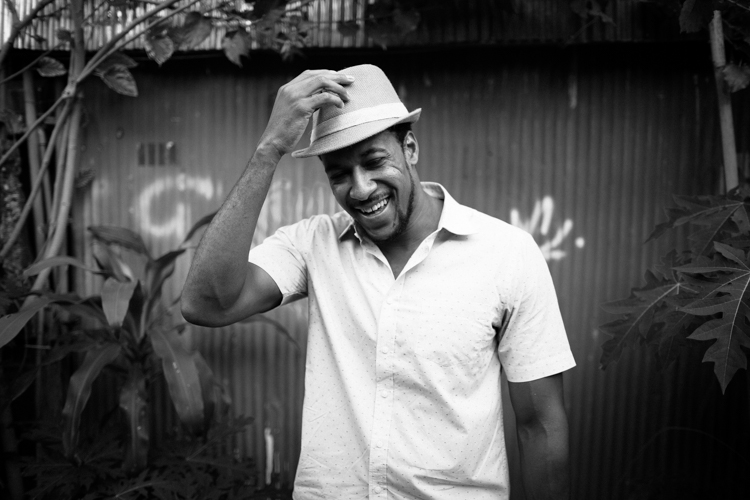
DpsCouplesimage3

3 – Find an in

Whether it’s talking baseball, vintage cars, or Japanese flower arranging, finding some common ground can put even the stiffest of the stiff more at ease. They’ll loosen up, see you as a teammate, and get more invested in following whatever direction you have for them. We’ve established trust with clients by talking with them about everything from beers in Thailand, to Tom Brady’s throwing motion. Chat it out, listen for non-sequiturs and when you find an in, go for it.

4 – Treat your camera like a commonplace object

By treating your camera like it ain’t no thang, with no more emotion connected to it than a chair or a mailbox, you can help couples forget that it’s there (well, almost). When starting a shoot, spend as much time as possible chatting, and relaxing with the couple before you ever lift the camera. Hold it in your hand as if it’s no more consequential than a cup of coffee. This action may seem subtle, but your clients are looking to you for their behavioural cues, and treating the camera like something to not think twice about, will allow them to consider it equally as casually.
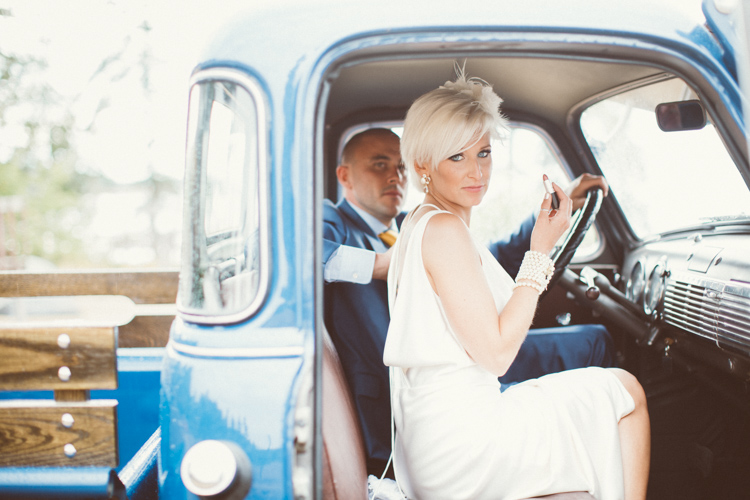
DpsCouplesimage4

5 – Have the subject help you design the shoot

Giving your clients plenty of say in the terms of how the shoot goes, is a huge key to making them relaxed. Doing extra legwork ahead of time, like guiding them with their outfits and locations, allows them to show up already feeling invested and in control over much of their experience. The old relationship advice that “communication is key” could not be more apt. Spending time before the shoot helping people feel like their voice is being heard, is central to great images.
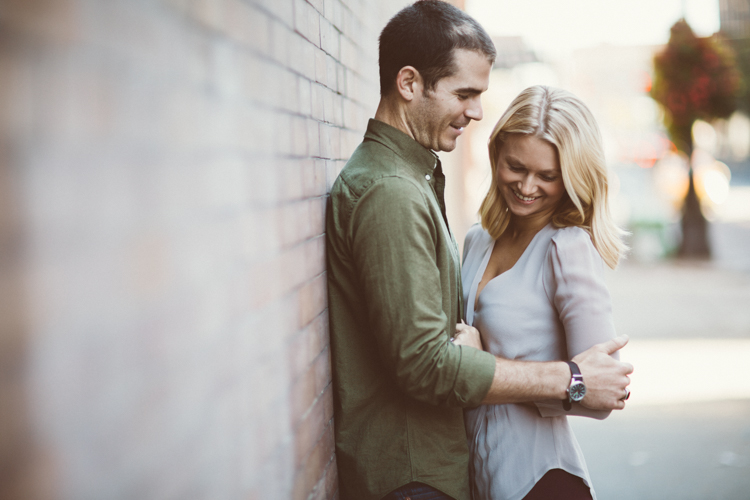
DpsCouplesimage5

6 – Tell a better story

We’ve all been that novice photographer who, in a desperate attempt to capture a mirthful photo of unrehearsed laughter, says something panicked like “okay, now make each other laugh”. That’s not funny, y’all! You gotta be more creative than that. If you’re photographing a couple, ask one of them to tell the other about their most embarrassing childhood moment, using only interpretive dance. Tell them to reenact their first meeting, using emotive eye contact, instead of words. Get detailed and ridiculous in these requests, because then you’ll be able to fully leap into #7.
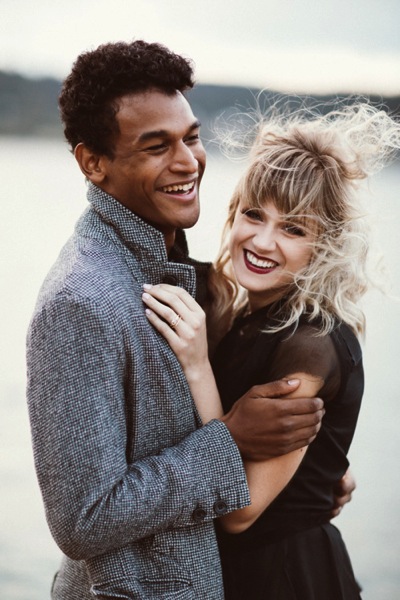
DpsCouplesimage6

7 – Shoot between the lines

You likely won’t keep the image of the poor guy interpretive dancing, but you’ll probably keep the one of the couple cracking up together in between moves. Here’s the real secret to natural looking photos – the in-between photos ARE the photos. The unposed, unrehearsed, laughing at fart jokes, or because your photographer told you they were “just going to test the light” but really you’re capturing them enjoying life together. Those are the images that end up being keepers. Keep that camera at the ready and shoot between the lines to get the good stuff.

DpsCouplesimage7

8 – Keep those hands moving

Every once in a while, we’ll leave the open-ended coaching behind and give a people a very specific pose to try. And no matter what the pose is, no matter how natural it felt when they first tried it, it’s going to get clunky-looking if you make them hold it for long enough. There are a few reasons why someone might need to keep a general pose for a bit — if you’re grabbing different angles, shooting with unique lenses, etc. — but our big piece of advice for them is to always keep their hands moving. With the free-reign to move their hands in whatever way feels natural to them, they’ll avoid the stiff prom-pose look, while still keeping the general idea of the pose you gave them. It sounds silly, but this one seriously works.

9 – Get your own photo taken – often

If you are amongst the hordes of photographers and humans who hate having their own photo taken, this piece of advice goes double for you. You MUST MUST MUST put yourself in your clients’ shoes! Be uncomfortable! Learn what strange tics you have. Know how to comfortably have your photo taken, so you know firsthand how to coach your clients. Standing in their shoes is our number one piece of advice, because as you teach yourself to be in photos comfortably, it’ll become ever-easier to coach your clients to do the same. Get thee in front of a lens. You’ll be a better photographer for it.

So while you may not be able to alleviate someone’s multiple decade love/hate relationship with having their photo taken, focusing on making each client’s shoot experience stellar is the first step on the road to the beautiful, natural, photos you and your client are aiming for. Because if you aren’t having fun, why bother?

googletag.cmd.push(function() {
tablet_slots.push( googletag.defineSlot( “/1005424/_dPSv4_tab-all-article-bottom_(300×250)”, [300, 250], “pb-ad-78623” ).addService( googletag.pubads() ) ); } );

googletag.cmd.push(function() {
mobile_slots.push( googletag.defineSlot( “/1005424/_dPSv4_mob-all-article-bottom_(300×250)”, [300, 250], “pb-ad-78158” ).addService( googletag.pubads() ) ); } );

The post 9 Tips that Make Couples Happy During a Portrait Session by Tim Sullivan appeared first on Digital Photography School.


Digital Photography School

 
Comments Off on 9 Tips that Make Couples Happy During a Portrait Session

Posted in Photography