RSS
 

Archive for January, 2016

America’s Oldest Mall Now Houses Affordable Micro Apartments

26 Jan

[ By Steph in Architecture & Houses & Residential. ]

mall apartments 1

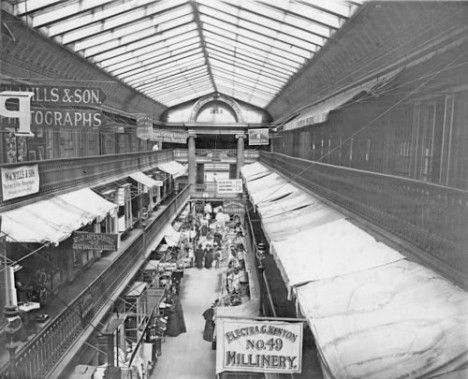
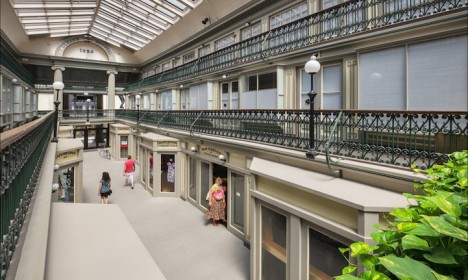
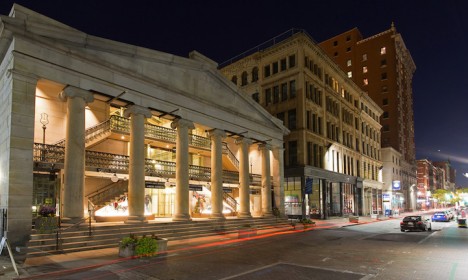
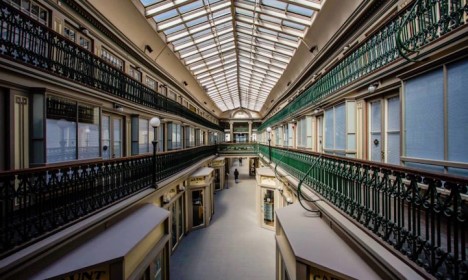
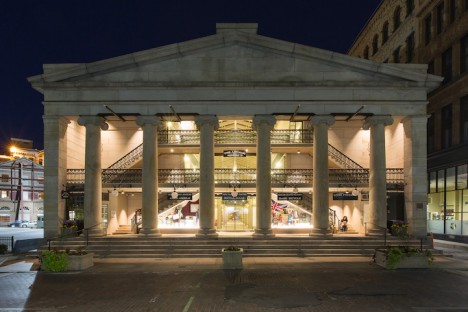
Built in 1828, the first enclosed shopping mall in America now has affordable housing beyond its grand Ionic columns in place of cramped, struggling retail stores, with most of the historic architectural details preserved. Rhode Island’s Providence Arcade began its long tenure in the capital city’s downtown district as Westminster Arcade, three stories of shops under a glass gable roof with sunlight streaming down to the first level in the airy atrium. But even back then, nobody seemed to want to go beyond the first level, putting the mall at risk of being razed decade after decade.

mall apartments 10

mall apartments 2

mall apartments 3

Preservationists intervened to save it in 1944, and it was designated a National Historic Landmark in 1976, which still didn’t do much for business. It languished, with most of its retail spaces empty, until its closure in 2008, when its owners realized it had become “economically obsolete.” But as housing costs in the city rose through the proverbial roof, one developer saw the potential for the Arcade to shift its primary purpose.

mall apartments 4

mall apartments 5

mall apartments 9

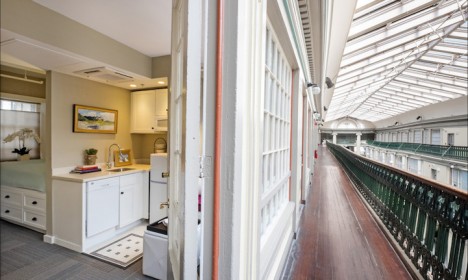
A $ 7million renovation completed in October 2013 added 38 standard rental units  and eight larger apartments to the second and third floors, keeping the bottom floor for commercial use. The micro apartments measure from 225 to 300 square feet and include a bedroom, kitchen, bathroom and storage, including built-in bed platforms and wardrobes. Some even have sleeping spaces for guests in the form of twin Murphy beds.

mall apartments 7 mall apartments 8

Residents at the complex also have access to a game room, laundry facilities and additional storage space, and in case you’re wondering what it would be like to basically live in a mall, the commercial spaces on the bottom floor are enclosed by bay windows to keep noise to a minimum. Rent starts at just $ 550 a month, luring in a waitlist that’s at least 4,000 names deep.

Share on Facebook


[ By Steph in Architecture & Houses & Residential. ]

[ WebUrbanist | Archives | Galleries | Privacy | TOS ]


WebUrbanist

 
Comments Off on America’s Oldest Mall Now Houses Affordable Micro Apartments

Posted in Creativity


Corbis Images content to be distributed by Getty

26 Jan

Getty Images is set to become the exclusive distributor of its rival’s content after a deal in which Corbis Images was sold to a Chinese company that has a partnership with the Getty agency. It was announced recently that Unity Glory, an affiliate of media business Visual China Group (VCG), has bought the assets and brands of Corbis Images for an undisclosed sum. A pre-existing agreement between Unity Glory and Getty will see Getty Images representing the Corbis content in all territories outside China, as the two companies have worked together for over ten years to share content. Once the Corbis still and moving images archives have been migrated into Unity Glory’s own archive, Unity Glory will distribute within China and Getty Images will sell the work in the rest of the world. 

Getty Images and Corbis Images have been rivals since Bill Gates, who was still Chairman of Corbis, changed the name of his Interactive Home Systems company to ‘Corbis Corporation’ and acquired the Bettmann Archive in 1995. The 16 million images of the collection made Corbis the largest supplier of stock images in the world, and the library went on the next year to acquire the rights to 40,000 photographs by Ansel Adams. After numerous other acquisitions Corbis bought the Sygma news agency in 1999, which bought over 40 million images of significant European events into its control. 

Getty Images is said to already control almost 200 million images, including 80 million from its Hulton Archive historical collection. The Getty empire includes iStockphoto (or iStock as it is now), the Tony Stone agency – now called ‘Stone’ – as well as the collection of royalty-free image business PhotoDisc. Thinkstock is Getty’s current royalty-free division. 

The Corbis Images content will be gradually merged into Getty’s own, which may well lead to job losses across the two agencies. An article on the Time Lightbox website quotes Getty Images’ Senior Vice President of Business Development, Craig Peters, as saying that Visual China Group will take over the contracts of all contributing Corbis photographers. “Contributors will [be able] to execute their rights as their contracts stipulate,” he says, according to the report. 

VCG is China’s largest visual media content company and currently has over 14,000 photographers and artists contributing to its collection. It won’t hold the physical assets of the Corbis purchase, such as historic documents and images recorded on film, plate and in print, and Getty will be responsible for taking over the housing and digitising of these. 

Whether this turns out to be good or bad news for contributors we will have to wait and see. Less competition in the market will perhaps stop the downward trend of stock photography prices, but ultimately the likely consequences are unclear. A joint statement from Getty and VCG says ‘details about the transition will be communicated to customers and contributors in the coming weeks’.

For more information see the Getty Images, Corbis Images and Visual China Group websites. 


Press release:

Getty Images and Visual China Group Partner in Exclusive Global Distribution Partnership for Extensive Visual Content Collection of Corbis Images

Getty Images, the world leader in visual content and communications, and Visual China Group (“VCG”), a leading Chinese visual communications and new media business, today announced an exclusive distribution partnership that will enable Getty Images customers to access the extensive visual library from Corbis Images. As a result, the existing Getty Images collection of almost 200 million images will expand to include Corbis Images content, creating an unprecedented collection of images, videos and historic archival content for creative and editorial use worldwide.

The partnership follows VCG’s acquisition announced today of Corbis Images, Corbis Motion and Veer. Under the terms of that agreement, Unity Glory, an affiliate of VCG, will own and manage the worldwide images and motion archives, names and trademarks associated with these three Corbis licensing brands and Getty Images will have exclusive distribution rights to these Corbis brands and content.

VCG has partnered with Getty Images for over a decade to market and distribute Getty Images’ award-winning content exclusively in China.  After a transition period, Getty Images will exclusively offer Corbis creative stills, Corbis Motion content and Corbis archival and documentary content to its global customer base outside of China.

This partnership brings together the best creative and editorial imagery and combines Getty Images’ renowned Hulton Archive, the largest privately held archive in the world with an estimated 80 million images dating back to the beginning of photography, with Corbis’ Sygma and Bettmann archives. The Bettmann Archive is a significant historical image collection comprising of more than 16 million photographs from the 19th and 20th centuries, while the Sygma Archive holds 34 million images covering Europe’s most important historical events.

“As the most trusted and esteemed source of visual content in the world, Getty Images is always innovating and investing to bring customers the most comprehensive and diverse offering of quality content,” said Craig Peters, Senior Vice President, Business Development, Product and Content at Getty Images.

“We are excited to deepen our longstanding partnership with VCG, a trusted business partner for Getty Images in China, and to offer an unprecedented breadth and depth of gold-standard content across creative, editorial, archival and video, which customers will be able to access through an expanded and unified service at gettyimages.com and through our market leading sales teams all over the world.”

Amy Jun Liang, Chief Executive Officer of VCG, said: “We are proud to work with our partner Getty Images to assemble such impressive visual assets and work together to better serve our customers around the world. This maximizes the commercial value of the assets, strengthens our market position in the industry, and marks a significant milestone in the expansion of our business portfolio to the world. As one of the largest companies in the image industry, we foresee a growing interest in China and around the world for premium visual content and we look forward to collaborating with Getty Images to fulfil this demand.”

Getty Images will create specific collections to house this new content on gettyimages.com, where it will sit alongside award-winning content from Getty Images’ own staff photographers, its network of over 200,000 contributors and from approximately 330 existing image partner relationships, including prestigious partners NBC Universal, BBC Worldwide and AFP.

Getty Images’ purchasing options such as Premium Access agreements and recently introduced UltraPacks, the simplest way to buy and download content across creative, editorial, archival and video, will provide streamlined and flexible ways for customers to search, purchase and download imagery.

VCG is China’s largest image licensing company. Its VCG.com website is China’s largest online licensing and copyright distribution for premium visual content, and its contributors’ network includes more than 14,000 photographers and artists and hundreds of image partners globally, serving the needs of advertisers, media outlets, and other organizations using licensed images, videos and musical content.

VCG and Getty Images will immediately begin work to migrate Corbis content, with migration to be completed as quickly as possible to ensure a seamless transition for customers, contributors and other partners. In the interim, Corbis customers will continue to access this content in the usual way via the Corbis websites and sales team.

Articles: Digital Photography Review (dpreview.com)

 
Comments Off on Corbis Images content to be distributed by Getty

Posted in Uncategorized


Sigma demos WR Ceramic lens filter strength with impact test

26 Jan

In a newly released video, Sigma tests the strength of its protective ceramic lens filters in an impact test. Putting claims of toughness to the test, the video shows a 49g / 1.7oz metal ball dropped from a height of about 1.3m / 4ft onto the WR Ceramic Protector as well as three competing lens filters. While the ceramic protector survives unscathed, the competition isn’t so lucky.

In addition to its WR Ceramic Protector, the video features a ‘conventional protector,’ ‘Brand A Chemically Strengthened Glass Protector,’ and a ‘Brand B Chemically Strengthened Glass UV Filter.’ According to Sigma, the WR Ceramic Protector is 1000% stronger than a conventional protector and 300% stronger than a chemically strengthened glass filter. The ceramic filters are also scratch-resistant with a water-repellant coating.

Sigma has a half dozen new WR Ceramic Protectors available now:

  • 67mm for $ 93 USD
  • 72mm for $ 108 USD
  • 77mm for $ 118 USD
  • 86mm for $ 202 USD
  • 95mm for $ 247 USD
  • 105mm for $ 315 USD

Via: Sigma Blog

Articles: Digital Photography Review (dpreview.com)

 
Comments Off on Sigma demos WR Ceramic lens filter strength with impact test

Posted in Uncategorized


Top Photography Accessories to Have in 2016

26 Jan

Photography is an expensive hobby, without a doubt. Some lenses or speedlights may costs even more than a camera body itself. After buying a DSLR camera you may need a few accessories to improve your workflow, keep your gear safe and secure. Thus, we decided to put together 30 extremely valuable photography accessories you may need while shooting. This collection Continue Reading

The post Top Photography Accessories to Have in 2016 appeared first on Photodoto.


Photodoto

 
Comments Off on Top Photography Accessories to Have in 2016

Posted in Photography


Cannabis to Grand Pianos: 14 Radical Modern Retail Designs

26 Jan

[ By Steph in Design & Fixtures & Interiors. ]

retail steinway 2

Whether selling recreational marijuana or grand pianos that cost almost as much as a house, this eclectic mix of retail stores really sets off their products with eye-popping interior design schemes featuring unusual architectural elements. Some of the shops might even be at risk of outshining what they sell with modern sculptural displays, dramatic hanging staircases and faux truck facades.

Stunning Steinway Piano Showroom

retail steinway 1

retail steinway 3

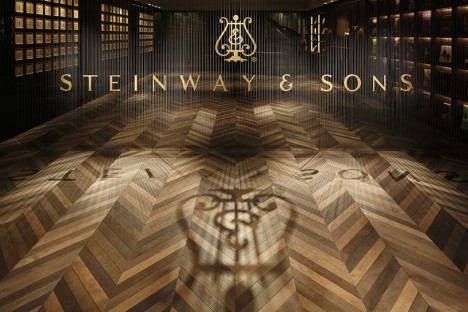
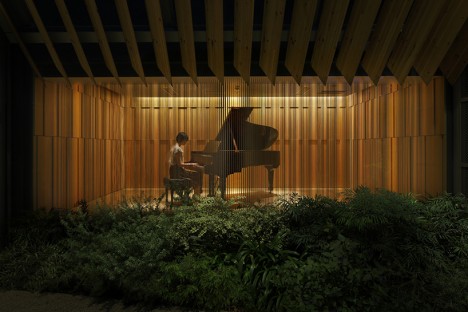
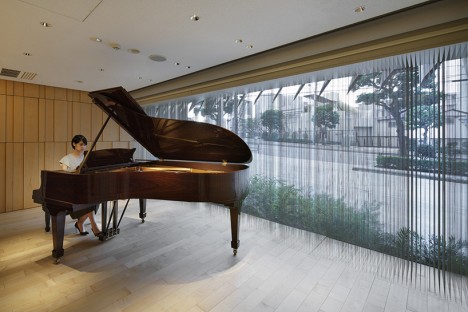
The stainless wires on the facade of the flagship Asian Steinway & Sons showroom mimics those inside the luxury pianos on display, only slightly obscuring them and the people who test them out within the beautifully illuminated space. Designed by SALT, the shop’s main room mimics the living rooms of European manors.

Clear as Day: Crisp White at Optimist Eyewear Store

retail eyewear

retail eyewear 2

retail eyewear 3

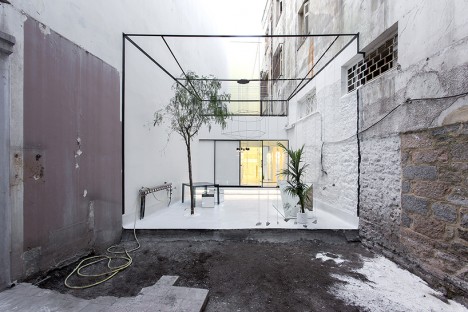
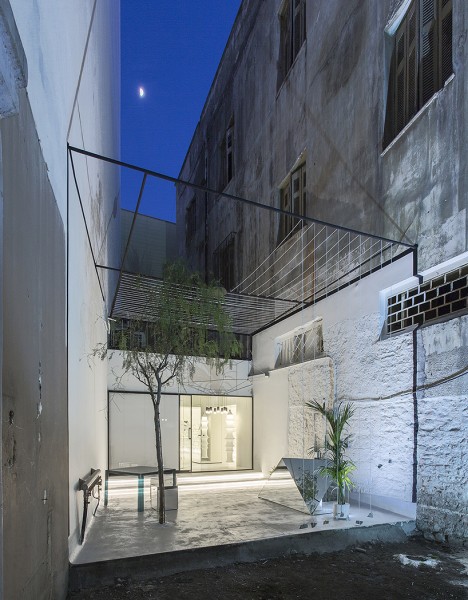
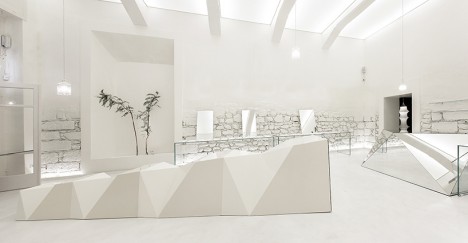
A perfectly clean, crisp white terrace that looks almost like a pristine glass cube from the street is tucked into a dingy alleyway in Greece as part of optical shop c_29 / optimist. The airy space by 314 Architecture Studio modernizes the classic Greek aesthetic, with the products tucked into prismatic sculptural furniture.

Hawaiian Theme for Pineapple Express Cannabis Store
retail pineapple express

retail pineapple express 2

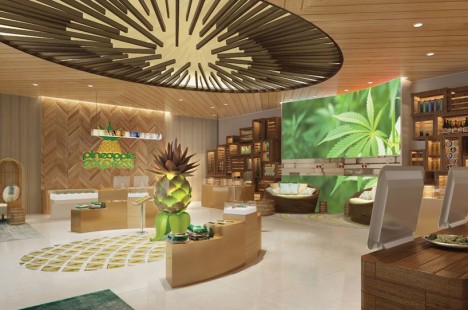
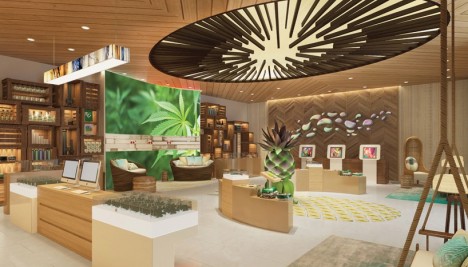
A creative firm called McBride company is anticipating the day when the sale of both medical and recreational marijuana becomes legal nationwide, and has designed a concept for a national chain of cannabis retails stores called Pineapple Express. “The industry needs to provide a sales experience that reflects the evolving perception of marijuana,” says CEO Pat McBride. “The store design and atmosphere we created offers consumers a space that incorporates all the elements of great retail design, but addresses the unique display and service challenges faced by the cannabis retail industry. Our goal was to make this a true retail experience, meaning customers should feel completely comfortable and entertained, while also safe and secure. Some elements of cannabis shops today have the opposite effect, especially when the focal point is a long consultation counter where customers must wait to be helped.”

Greenhouse Effect at Mit Mat Mama in Barcelona
retail mit mat

retail mit mat 2

retail mit mat 3

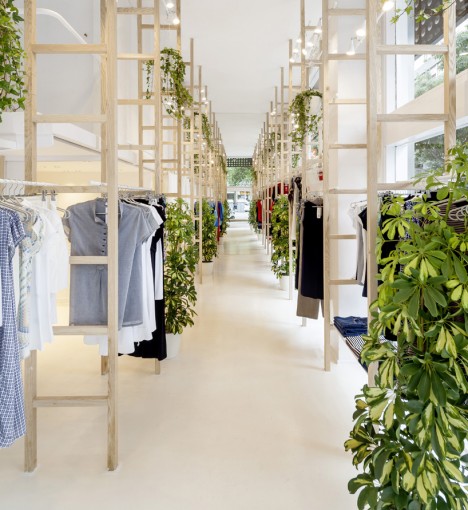
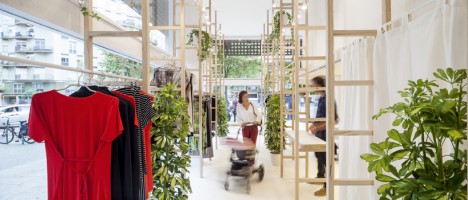
Shoppers feel like they’re walking into a tropical greenhouse as they enter the Mit Mat Mama maternity store in Barcelona by architect Román Izquierdo Bouldstridge. Emphasizing a feeling of freshness, harmony and natural beauty, the store consists of a modular system of wooden ladders stretching up to the ceiling that are used to display plants. The scheme adds visual interest without blocking views of the entire space.

Fiberglass Cave at SND Fashion Store by 3GATTI
retail fiberglass cave

retail fiberglass cave 2

retail fiberglass cave 3

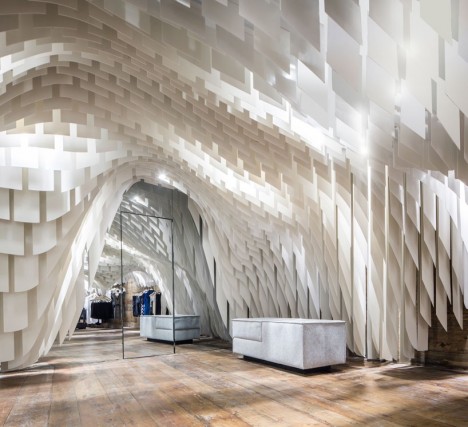
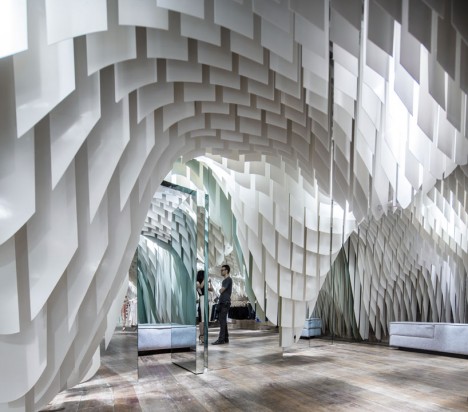
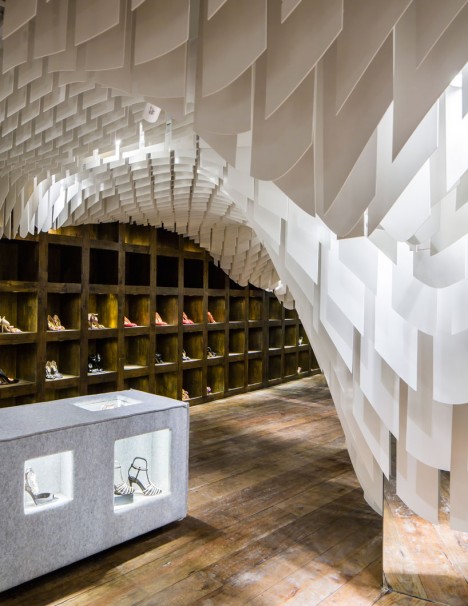
Vertical sheets of white fiberglass hang from the ceiling of SND Fashion Store in Chongqing, China to create an undulating canopy that utterly transforms the entire interior. Shanghai-based studio 3GATTI gets a little catty in their explanation for the design, saying “We used a very thin white translucent fiberglass material because of its fire resistance and the way it reacted to light, thus creating a ceiling landscape that would be a spectacular source of beauty and emptiness; perfect for every fashion victim.”

Next Page – Click Below to Read More:
Cannabis To Grand Pianos 14 Radical Modern Retail Designs

Share on Facebook


[ By Steph in Design & Fixtures & Interiors. ]

[ WebUrbanist | Archives | Galleries | Privacy | TOS ]


WebUrbanist

 
Comments Off on Cannabis to Grand Pianos: 14 Radical Modern Retail Designs

Posted in Creativity


5 Things to Consider Before Deciding to Specialize or Not in Your Photography

25 Jan

There comes a point in every photographer’s career where they ask themselves the proverbial question, “Should I specialize in a specific genre of photography? Or should I just keep photographing anything and everything that comes my way?” There are several schools of thought on this dilemma, depending on who you ask, and what you read. Ultimately the answer is very personal, and specific to each photographer. The point of this article is not to convince you, the reader, of one way verses the other. The objective here is to simply state my personal reasons for how I would answer that question, and leave the final decision making up to you.

Memorable Jaunts DPS Article on Specializing in your photography

#1 Jack of all trades, master of none

I really believe in this age-old motto. I find that when you focus on multiple genres of photography, your photographic style and creative voice takes that much longer to develop. Different genres of photography require different strategies. What works well for family portraits, may not work well for still life. What works great for food photography, may not work for pet photos. Yes, the basic concepts of lighting rules, composition techniques, and technical camera knowledge, are mostly similar, but the style of photography varies depending on the subject. When you focus on multiple genres, there tends to be a mishmash of imagery in your portfolio, which may not be what you want in the long run.

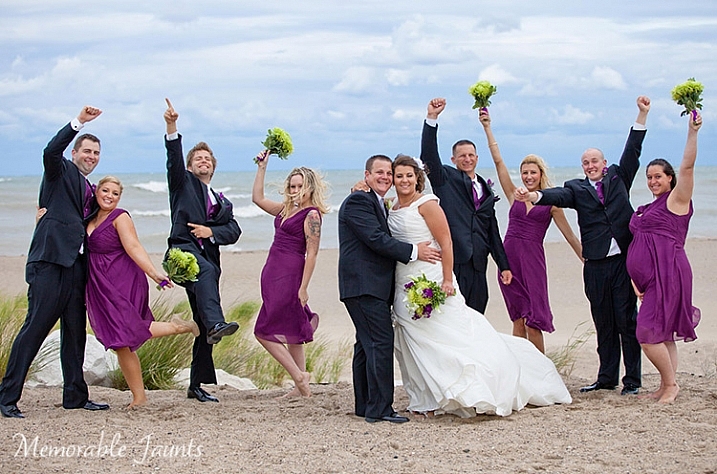
Memorable Jaunts DPS Article Specializing in your photography Wedding Images 01

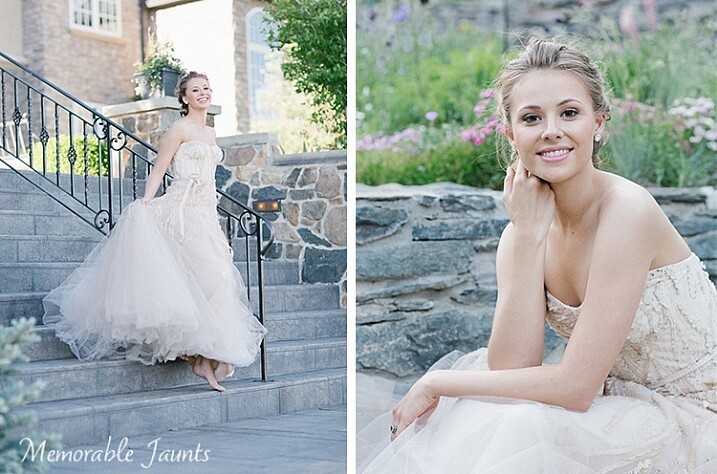
I love capturing weddings and bridal portraits, some of my favorite genres of photography!

#2 Attracting your ideal client

In my mind, an ideal client is one who loves your work, and is willing to pay the right value for your services, no questions asked! Clients always demand and expect the best value for their money. When a client inquires for a particular job, they expect to find someone who is the best at what they are looking for.

For example, a family looking for beautiful, timeless, annual family photos, will expect the photographer they hire to know what he or she is doing, not just from a photography standpoint but also in terms of posing, lighting, post-processing, and delivery. So, when they inquire about family photos, they are expecting to hire someone who has enough experience under their belt so as to make the client’s experience an enjoyable one. Imagine for a moment, they hire a photographer who has limited experience photographing families, but is great with still life or product photography. Now suddenly, halfway through the shoot, the kids decide enough is enough and start acting up. Will the still life photographer, who does not expect his subject to simply get up and walk away, really know how to handle the situation? It’s more than likely that photographer is going to panic, making the client extremely upset, and they will expect to be offered a full refund, no matter how the final images turn out. Remember a positive client experience is the number one priority of any professional photographer!

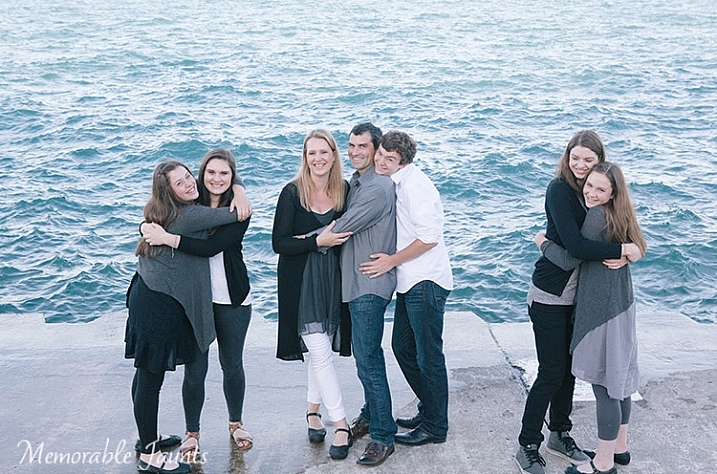
Memorable Jaunts DPS Article Specializing in your photography Family Portraiture Images 02

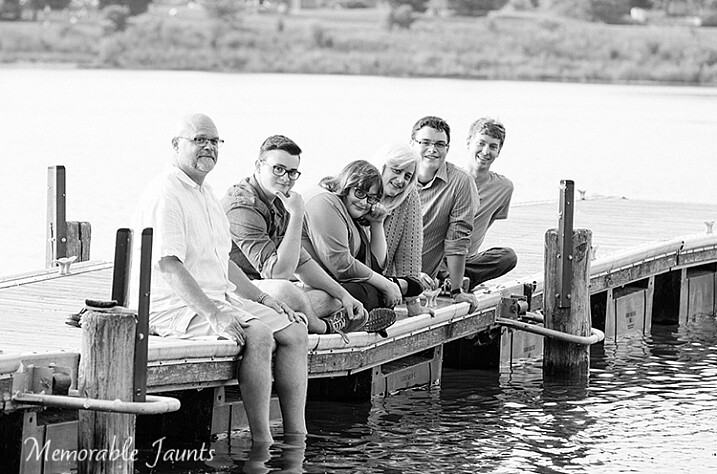
This family session was a highlight of 2014 that got me several clients who wanted extended family photoshoots!

Another family that loved the images from past sessions and moved schedules to accommodate me! - It felt awesome to be appreciated.

Another family that loved the images from past sessions and moved schedules to accommodate me! – It felt awesome to be appreciated.

#3 Understanding your own strengths and weaknesses

I feel like this one is not just relevant for photographers, but for everyone in general. When I get asked what I like to photograph, I immediately know what to say. I love photographing people and travel (preferable with people in the images). I specialize in portraiture because I feel one of my key strengths lies in interacting with people, and getting natural emotions and expressions through my imagery. As an extension to this genre, I love photographing weddings, because it is such an emotional day for all concerned. Being able to document a couple’s special day, surrounded by family and friends, has been a wonderful experience for me.

Now, if you ask me what I don’t like photographing, I have an even faster response ready! Traditional newborn photography is something I absolutely run away from. Don’t get me wrong, I love kids, but there’s just something about hanging baskets, swaddled blankets, and twisted limbs that freaks me out. The only two newborn photo sessions I have done in my five year career, have been newborn lifestyle photoshoot which may not have been exactly what my clients wanted.

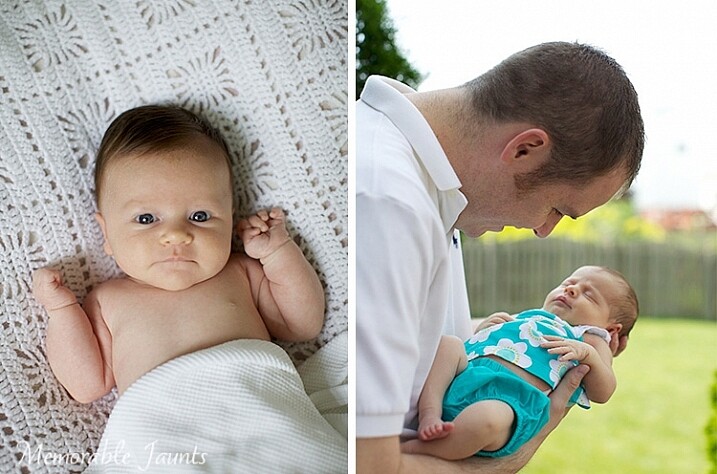
My only attempts at Newborn Photography.

My only attempts at newborn photography.

I love the emotions captured here and it is one of my favorite genres of photography!

I love the emotions captured here and it is one of my favorite genres of photography!

#4 Paying the bills verses having a career

Now you may question this one. Are they not the same? On the surface these two may be the same thing for most people, and I have to admit for a while this was true for me as well. When I was just starting off, while family portraiture was what I gravitated towards, I did take jobs like real estate photography and birthday events because they helped pay my bills. But over time, I realized that the time and effort that I was putting into these so called “bill paying jobs” was not really worth it. The time to get to the event, hire a baby sitter, rent or borrow event specific equipment like light stands and extra flashes, as well image processing time, all added up and when I factored in time-to-money ratio. It just was not bringing in the money I thought it was. Often times we don’t realize that time is more money than money itself.

#5 Doing what you love

This one falls in line with point #3 above. Most of us get into photography because we love taking photos. It is a field where creativity and motivation run high, when we do the things that we really enjoy. However, the moment photography becomes a chore, it looses its charm. We start to feel burdened, and lack motivation and creativity. We all know that photography is a field where a mediocre job is very apparent in the images we produce. Bad lighting, loose composition, and bad editing, very quickly become very apparent to all. But when we photograph things that we really enjoy, we tend to produce stellar imagery that we love.

A blogpost about Film and feeling vulnerable as a photographer when using a film camera got me two wedding inquiries because the brides appreciated my honesty and loved the emotional appeal of the images!!

A blogpost about shooting film, and feeling vulnerable as a photographer when using a film camera, got me two wedding inquiries because the brides appreciated my honesty and loved the emotional appeal of the images!!

With all this being said, I don’t mean to imply that you should say no to jobs that are outside your expertise, especially if you are just starting out in this field. But don’t promote yourself as being the person who says “yes” to everything.

Specializing also doesn’t mean you have to give up photographing all those other things out there. Go ahead and photograph those apples sitting on the counter with the warm mid-day sun streaming through your window, or get the action shot of your kids playing soccer, but those should not make their way to your portfolio. Don’t suddenly start marketing yourself as a sports photographer. It might just repeal that client who is looking for a fashion photographer, which is exactly how you want to be known.

So, what is your speciality?

googletag.cmd.push(function() {
tablet_slots.push( googletag.defineSlot( “/1005424/_dPSv4_tab-all-article-bottom_(300×250)”, [300, 250], “pb-ad-78623” ).addService( googletag.pubads() ) ); } );

googletag.cmd.push(function() {
mobile_slots.push( googletag.defineSlot( “/1005424/_dPSv4_mob-all-article-bottom_(300×250)”, [300, 250], “pb-ad-78158” ).addService( googletag.pubads() ) ); } );

The post 5 Things to Consider Before Deciding to Specialize or Not in Your Photography by Karthika Gupta appeared first on Digital Photography School.


Digital Photography School

 
Comments Off on 5 Things to Consider Before Deciding to Specialize or Not in Your Photography

Posted in Photography


Digging into the Fujifilm X-Pro2: Studio analysis and full-production sample gallery added

25 Jan

Our Fujifilm X-Pro2 First Impressions just got a significant update. With a production-ready camera in hand, we’ve been able to send it through our studio scene and dynamic range tests, make some judgements about image quality from its new 24MP X-Trans image sensor and put together a fresh sample gallery. Compare the X-Pro2 to its peers and take another look at what Fujifilm’s newest flagship can do.

Articles: Digital Photography Review (dpreview.com)

 
Comments Off on Digging into the Fujifilm X-Pro2: Studio analysis and full-production sample gallery added

Posted in Uncategorized


8 Tips to Stay Motivated and Inspired by Your Photography

25 Jan

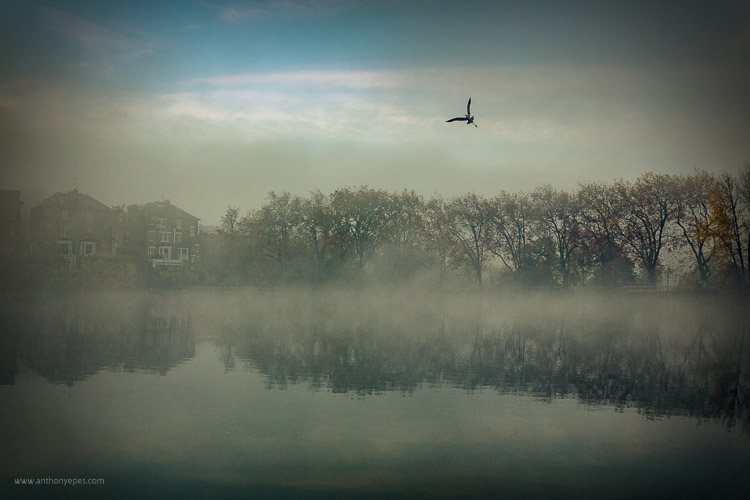
Taking photos is one of the most inspiring and exciting of pursuits. It can encourage you to have adventures, see the world in a newer, fresher way, meet interesting people – all while creating something that is totally unique to you.

“We are born makers, and creativity is the ultimate act of integration – it is how we fold our experiences into our being.” – Brene Brown
DPS AnthonyEpes 01

But what happens when your well of inspiration runs dry, when you can’t get excited by your images or you feel stuck in a rut? Most photographers, even professionals, have periods when creating feels like wading through glue. You get tired or bored with your own images.

So, why do you (we all) get stuck?

The destructive habit of habit

As most of us, you are probably immersed in habit – you do almost the same things each day, every day. Making your coffee in the same way at the same time, going to work on the same route at the same time, eating the same kind of food each evening. It’s almost like you stop thinking and just do.

“As long as habit and routine dictate the pattern of living, new dimensions of the soul will not emerge” – Henry van Dyke

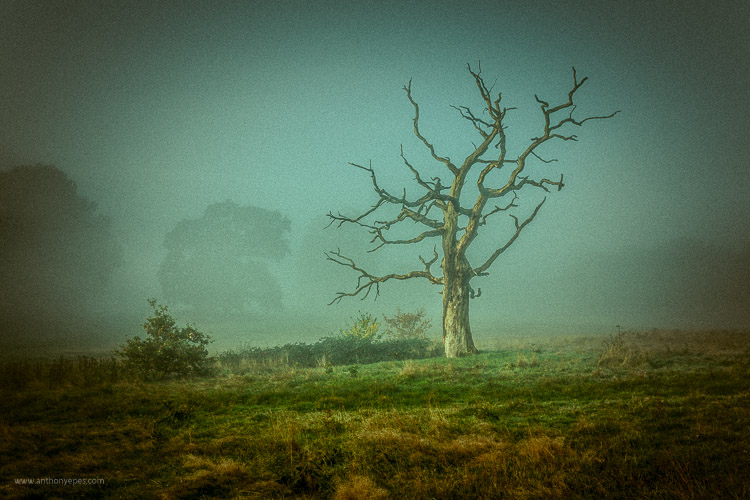
Your brain has made a great effort to get you into the state of habit. It makes life easier for you so that you don’t have to make tonnes of new decisions every day. But, if you are lost in habit you aren’t seeing new things, doing new things, or trying things in new ways. Habit will strangle your creativity.

So how do you get out of this cycle?

The way to fill your life with inspiration and motivation will be different than others – depending on how you create and what drives you. Here are some ideas:
DPS AnthonyEpes 02

1 – Leave your camera at home

If you’re someone who is always out and about with your camera, taking lots of photos – abandon it for a while. It’s easy to get carried away. Instead of taking time to see and compose, you are likely just taking shot, after shot, after shot. If you are bored with the photos you are taking – this is probably what’s happening to you.

I would encourage you to start examining the world in a different way – not as a photographer, but as someone who hears, feels, smells, and absorbs the atmosphere around you. Using all of your senses is a wonderful way to help experience the same world, but in a different way. It will help you gain a different perspective.

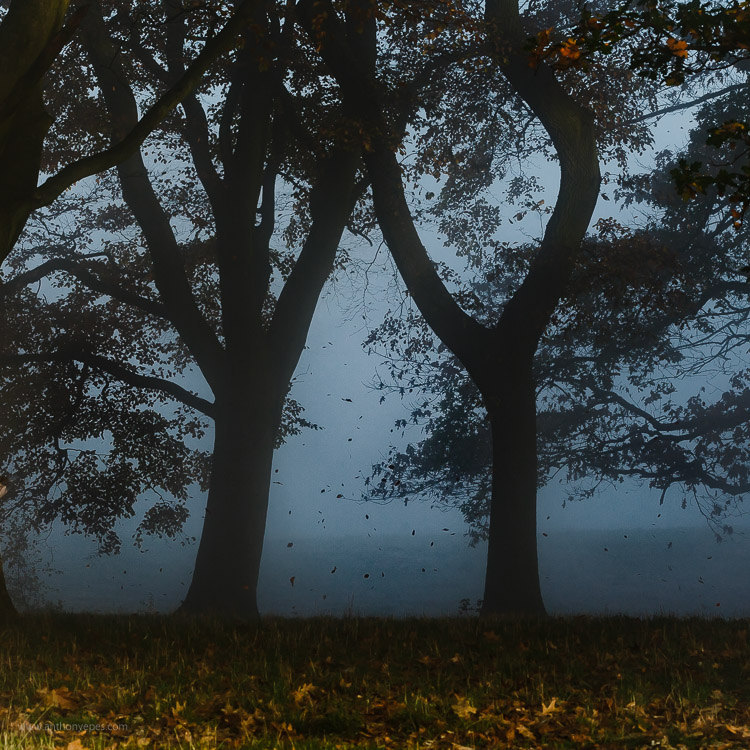
Sound is a particularly evocative sense for me – the crackle of dry autumn leaves under my feet, the low hum of trains on a railway line in the distance behind me, the vibrating thump of music in a bar, a conversation drifting past me. Tuning in to senses that you usually don’t prioritize (because we photo lovers tend to put our sight first, don’t we) will also help you anchor yourself into the present moment, pulling you away from your busy mind, and into the world so you can eventually see more interesting and unique things.

Challenge: When you are ready to start taking photos again, set yourself the challenge of taking just three photos a day, for 15 days. If this sounds hard, then it’s the perfect challenge! This will help you be more precise and thoughtful in your approach. You will work harder to create a smaller number of better photos. So – what will you take with your three images?
DPS AnthonyEpes 03

2 – Make taking photos a habit

Now, let’s consider the reverse. You are someone who doesn’t take photos very often – maybe you wait for an occasion like a walk in a lovely area, good light, or a holiday – then my advice is the opposite. If photography is something that you pick up only now and again, you’ll never get into the rhythm of creating, you’ll never develop the skills of really seeing the world and composing great images. The act of creating is like a muscle – the more you do it the stronger it becomes.

“You can’t use up creativity. The more you use, the more you have.” – Maya Angelou

By creating a habit of creating, you are making a declaration to yourself that photography is a very important part of your life. It also helps to get your subconscious organized in a way that it knows you are going to be calling on it more regularly. It starts preparing. I know this sounds strange but it’s like anything you do regularly, your body and your mind get used to doing it. You are in the mood and the wonderful act of creativity starts to energize you in new and exciting ways.

Challenge: If getting into the habit of taking photos is tough for you, then this is the challenge for you – take 50 photos every day, for 15 days. That will kick start your creativity, and imbue your day with the looking and seeing and noticing that is necessary to take great photos.

3 – Take photos not to see the result, but to enjoy the process
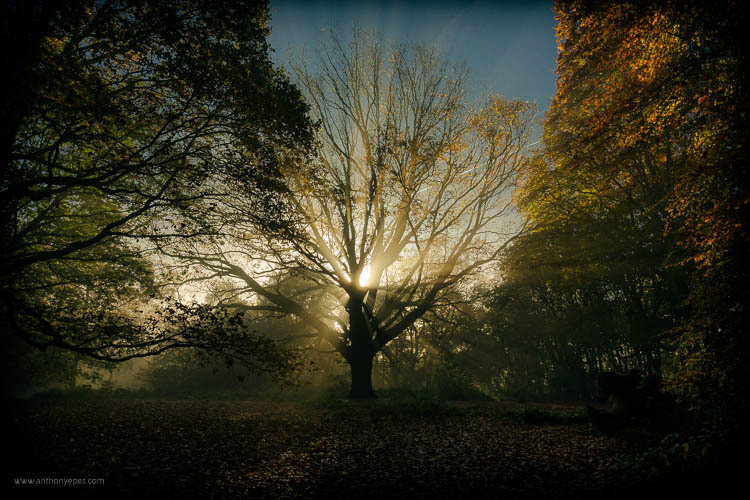
DPS AnthonyEpes 04

When you see small children making art there is a beautiful joy that they get by just doing it. From feeling the feathers before they glue them on an egg box, to painting wild splashes of colour on a sheet of white paper. In fact going out with kids, and watching them look at the world in such an open way, is great training on how to be present with the world around you.

With kids there is a complete enjoyment in the process of making – and that is something we, as photographers, sometimes forget. Perhaps because the act of creating is so instant – the click – we forget that it’s our whole creative process which leads up to that click.

“What moves me about… what’s called technique…is that it comes from some mysterious deep place. I mean it can have something to do with the paper and the developer and all that stuff, but it comes mostly from some very deep choices somebody has made that take a long time and keep haunting them.” – Diane Arbus

I do my best work when I am totally present, totally in the zone, not thinking about emails, or jobs, my to-do list, or my kids – but looking with wonder at a beautiful cloud, or some rain dripping off of a leaf. And if you need encouragement – isn’t it just great to cut yourself off from all of your responsibilities and absorb yourself in the wildness, the peace, the craziness, the beauty of the world?

4 – Start a project
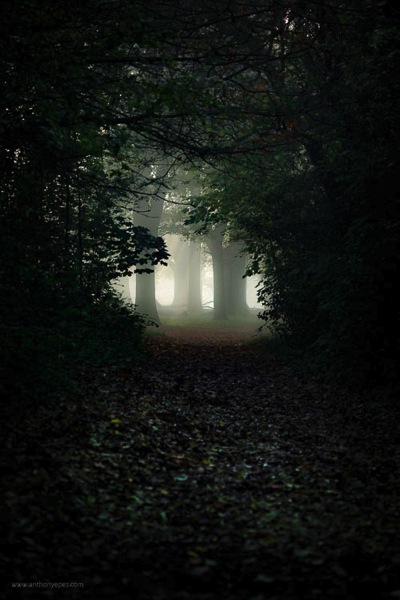
DPS AnthonyEpes 05

Sometimes I find my attention gets fragmented – with all of the work I do, my family, etc., so that I’m jumping from task to task, and not getting deeply involved in anything. A few photos here, a few photos there. This is when I like to jump into a project.

Key advice for projects: Choose a subject that you are blown-away passionate about. It could be anything – the colour violet, armpits, salt mines, trees, your kids, men with mohawks – it doesn’t matter what it is, you can bring something new to a subject if you make the effort.

“I wanted to photograph clouds to find out what I had learned in forty years about photography. Through clouds to put down my philosophy of life – to show that (the success of) my photographs (was) not due to subject matter – not to special trees or faces, or interiors, to special privileges – clouds were there for everyone…” Alfred Stieglitz

The key point is that it’s not so much about technique, but the passion. Why? Because:

  • When you hit a roadblock or life distracts you, you’ll be less likely to abandon the project if you are really excited about it.
  • Passion will help drive you to create a new and interesting perspective on your subject.
  • When you feel something when you are taking photos, you are more likely to take a photo that contains feelings. Why is that important? Because you want people to notice your photo, to feel a connection with it. Most images we look at are flat and devoid of feeling. The best photos communicate both a visual idea and a feeling, we are moved in some way by it.

“Photography for me is not looking, it’s feeling. If you can’t feel what you’re looking at, then you’re never going to get others to feel anything when they look at your pictures.” – Don McCullin
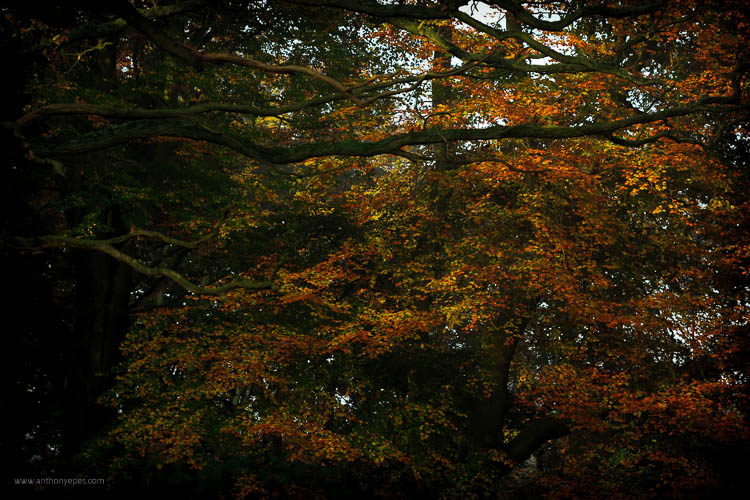
DPS AnthonyEpes 06

5 – Do something completely different

I’ve talked about how habit can be a force of good for your photography – by making you commit to a regular practice, and exercise that creativity muscle. But it can also be a negative force – you get so used to your ways of doing things, or your lifestyle, that you don’t push yourself in new ways.

Think about the kind of things you normally photograph. Now think of some you’d be terrified to photograph, and go and photograph them. So maybe you’re great at landscapes. You like photographing the odd person if they happen to be in the shot. But the idea of taking a close-up or a portrait of them terrifies you. So do that. Or you’ve always wanted to get up onto some rooftops and photograph your city from up high. But the idea of asking for permission, etc., makes you feel nervous. Just go for it!

“You may never know exactly what you need to do, or exactly where you’re going. But if you are willing to start taking tiny steps, and keep going, the dots will connect over time to create something beautiful and fulfilling.” – Lori Deschene

6 – Remind yourself why you take photos
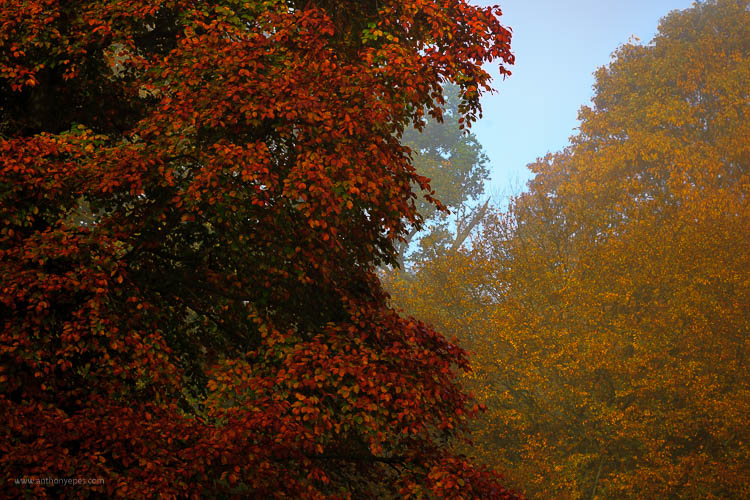
DPS AnthonyEpes 07

It can be easy with your photography to get into that should way of thinking – “I should take more photos! I should be better!” But scolding yourself rarely gets you anywhere (with anything). Instead, I encourage you to think about what photography really means to you, what are the benefits beyond the fun of taking that photo. How does it enrich, energize and enhance your life?

Ask yourself:

  • What does photography give me?
  • How do I want to be creative in my every day?
  • Which of my photos or projects am I really proud of?

When you connect with the reasons why you do things, it’s so much easier to stay committed and motivated.

7 – The trap of perfectionism

Often we stop taking photos, or we start slowing down or moving off on a tangent when we are working on a project, because the feeling of not being good enough starts to insidiously infect us.

“Perfectionism is the voice of the oppressor, the enemy of the people. It will keep you cramped and insane your whole life” – Anne Lamott

Who cares if you try things that don’t work. Who cares if some of your photos aren’t great? Stopping yourself from doing something you love, before you’ve done it, is crazy. Recognize you have the fear, but don’t let that stop you. Fear goes away eventually.

Be aimless and wander. Resist those urges to make your photo explorations productive. Ignore the output and focus instead on what you see. Listen. Follow things that spark your interest.
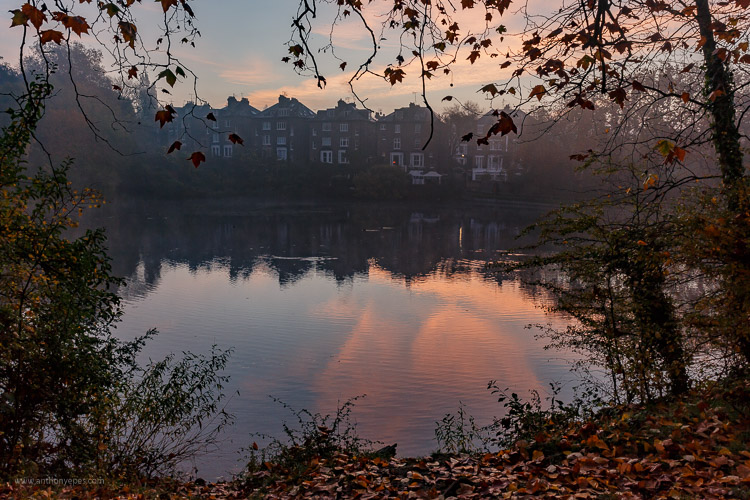
DPS AnthonyEpes 08

8 – Get inspiration – indirectly

I really believe that inspiration for your photos can come from all kinds of places. It just so happens that my favourite photographer of all time, Ernst Haas, agrees (if you don’t know him, look him up). He said:

“Beware of direct inspiration. It leads too quickly to repetitions of what inspired you… Refine your senses through the great masters of music, painting, and poetry. In short, try indirect inspirations, and everything will come by itself.”

So fill your life with creative inspiration of anything that moves you. Beautiful music, looking at bizarre paintings, reading wild adventure books – it doesn’t matter what it is, if it excites and moves you then it’s right for you. The more you remind yourself what feeling excited and creative feels like, the more your body and mind will imprint that into yourself.

Along that vein, I also like to remind myself of times when I have felt super creative, super in the flow, and I was taking great photos. It’s all too easy to fall into the trap of thinking that you’ll never take a good photo ever again (happens to me all the time, especially when I am starting a new book), but just think back to a time when you were taking great photos and in the zone. Remind yourself of that, and it will be easier to get back into that space.

I hope those ideas help. I’d love to know if they do – and what you do when you get stuck. Comment below, I’d love to hear.

googletag.cmd.push(function() {
tablet_slots.push( googletag.defineSlot( “/1005424/_dPSv4_tab-all-article-bottom_(300×250)”, [300, 250], “pb-ad-78623” ).addService( googletag.pubads() ) ); } );

googletag.cmd.push(function() {
mobile_slots.push( googletag.defineSlot( “/1005424/_dPSv4_mob-all-article-bottom_(300×250)”, [300, 250], “pb-ad-78158” ).addService( googletag.pubads() ) ); } );

The post 8 Tips to Stay Motivated and Inspired by Your Photography by Anthony Epes appeared first on Digital Photography School.


Digital Photography School
 
Comments Off on 8 Tips to Stay Motivated and Inspired by Your Photography

Posted in Photography


Uncanny Volley: 15 Abandoned Tennis Courts & Clubs

25 Jan

[ By Steve in Abandoned Places & Architecture. ]

abandoned-tennis-court-1c
Shed no racket tears for these abandoned tennis courts as there’s no bawls in tennis… OK, that’s out of line but these courts ARE out of service.

abandoned-tennis-court-1a

abandoned-tennis-court-1e

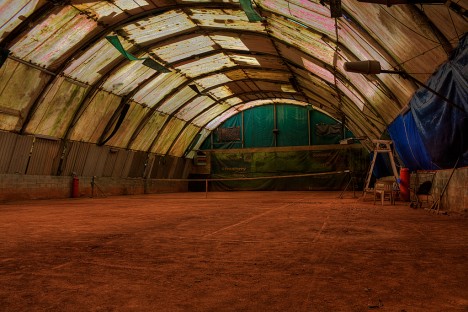
Looking like a set from The Walking Dead, this precariously covered tennis club in Europe’s Benelux region appears to have been abandoned twice – once by tennis players, then by the artist who owns (or owned) the place.

abandoned-tennis-court-1b

abandoned-tennis-court-1d

The former club must have been more than just a private backyard court – at least one line judge’s chair can be seen, shunted off to the side. Odd that the artist adaptively reusing the club as a studio would save such a specialized piece of furniture. Kudos to Flickr user Tunebm, who somehow was able to access the abandoned court in early July of 2010.

Wimble-don’t

abandoned-tennis-court-2a

Flickr user John Haslam (foxypar4) titles the above November 2008-dated photo “Malta in audacious bid to stage ATP Masters Series Final!,” and you can bet that’s an event anyone would gladly pay to see. Set into the long-dry moat surrounding the ancient fortified city of Mdina, the court has at least one thing going for it: chances of a successful Ottoman invasion are very unlikely.

The Open is Closed

abandoned-tennis-court-3a

abandoned-tennis-court-3c

Blue-blooded businessman and banker William du Pont, Jr (1896-1965) was quite the sportsman in his day. In the depths of the Great Depression, he had a grandiose recreation center housing basketball and badminton courts, a bowling alley, a swimming pool and a large clay tennis court built at his Bellevue Hall, Delaware estate.
abandoned-tennis-court-3b

abandoned-tennis-court-3d

By the early 1970’s, none of du Pont’s heirs had any interest in the estate’s deteriorating sports facilities nor the expense required for their upkeep. The property was purchased by the state of Delaware in 1976, opened to the public under the name of Bellevue State Park… and continued its inexorable decay. By 2014 when the above images were taken by Kyle Grantham for The News Journal , the sky-lit tennis court was overgrown with vegetation, infested with wildlife, and had been slated for demolition.
Get A Grip

abandoned-tennis-court-13a

This gorgeous abandoned tennis court in Herzliya, Israel would appear to have everything but regular maintenance and the odd player or two. According to Flickr user Elinor Zach (who snapped the seaside scene on January 2nd of 2008), “This tennis court used to belong to a hotel that was super posh in the 80s. I wish I could see the characters that used to bounce their little green balls there.” That’s what SHE said.

Net Loss

abandoned-tennis-court-4a

Flickr user Franck VIALA (Artretros) got down & funky – or should we say, fuzzy – back in September of 2011 when he snapped this shot of an abandoned French tennis court. “An abandoned tennis court where I used to play since I was 10 maybe,” states the photographer, possibly with the pictured tennis ball.

Next Page – Click Below to Read More:
Uncanny Volley 15 Abandoned Tennis Courts Clubs

Share on Facebook


[ By Steve in Abandoned Places & Architecture. ]

[ WebUrbanist | Archives | Galleries | Privacy | TOS ]


WebUrbanist

 
Comments Off on Uncanny Volley: 15 Abandoned Tennis Courts & Clubs

Posted in Creativity


The gift of connection: A pair of friends photograph Cuba

24 Jan

$ (document).ready(function() { SampleGalleryV2({“containerId”:”embeddedSampleGallery_4273504315″,”galleryId”:”4273504315″,”isEmbeddedWidget”:true,”selectedImageIndex”:0,”startInCommentsView”:false,”isMobile”:false}) });

As a destination for street photographers and photojournalists, there’s no place quite like Cuba. The natural beauty of the island is plain to see, but for photographers and good friends Susan Roderick and Kenna Klosterman, the real pulse of the country can be found talking to its inhabitants. Klosterman and Roderick have been traveling together since they met in 2008, and have made a habit of getting to know the local culture and people of the far-flung destinations they visit. That was certainly the case on their recent visit to Cuba. See a sample of their images here, read more about their trip on Resource Travel and find out how they made a connection with a Cuban hip hop duo.

Articles: Digital Photography Review (dpreview.com)

 
Comments Off on The gift of connection: A pair of friends photograph Cuba

Posted in Uncategorized