RSS
 

Archive for January, 2016

25 Floaty Images of Lightweight Objects

15 Jan

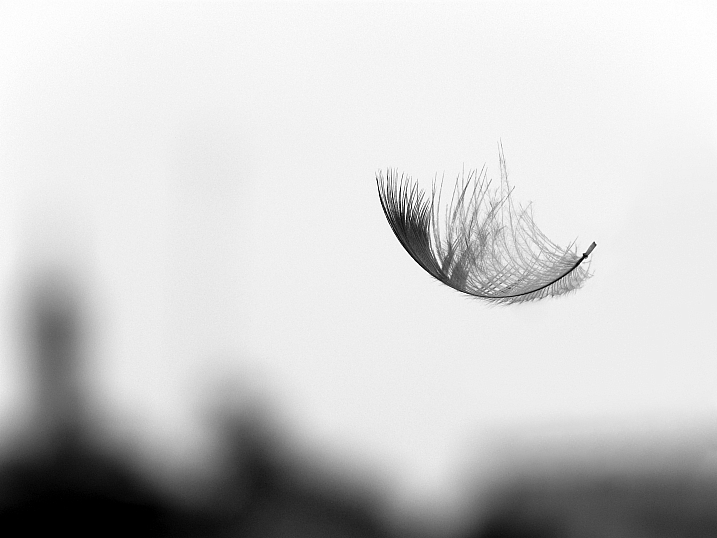
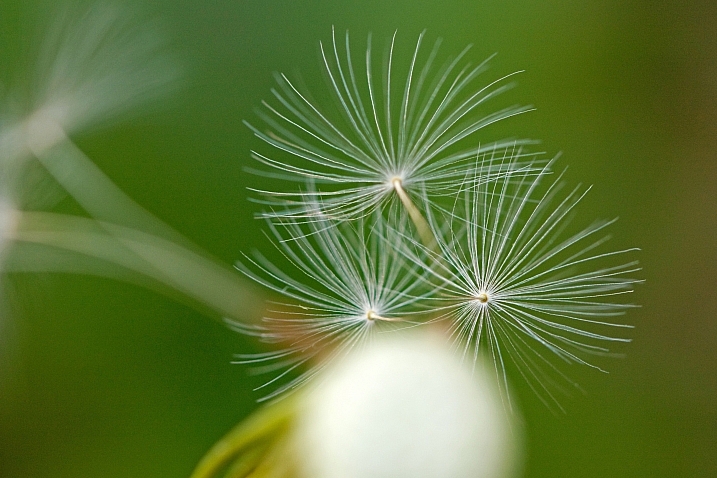
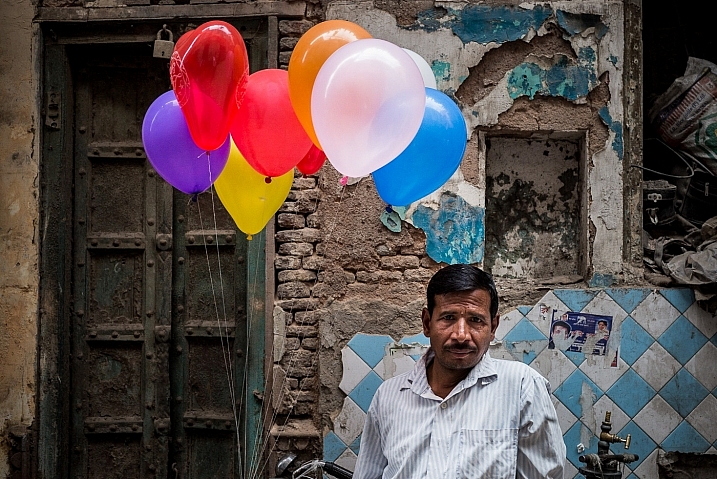
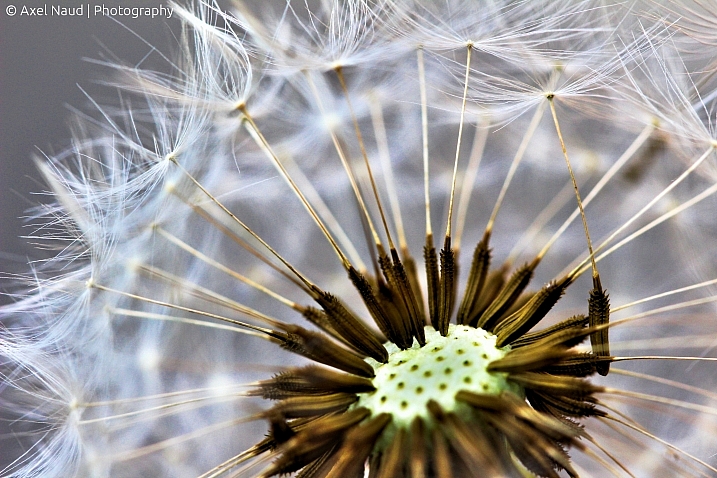
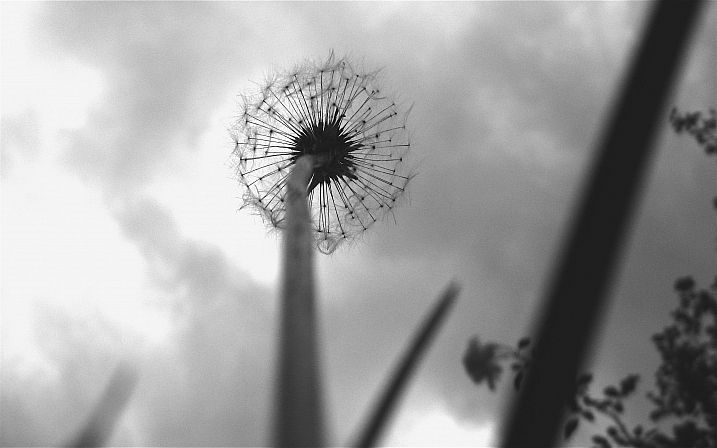
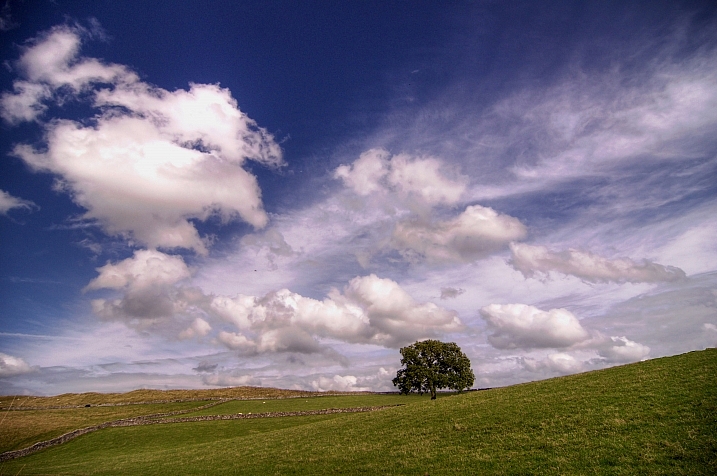
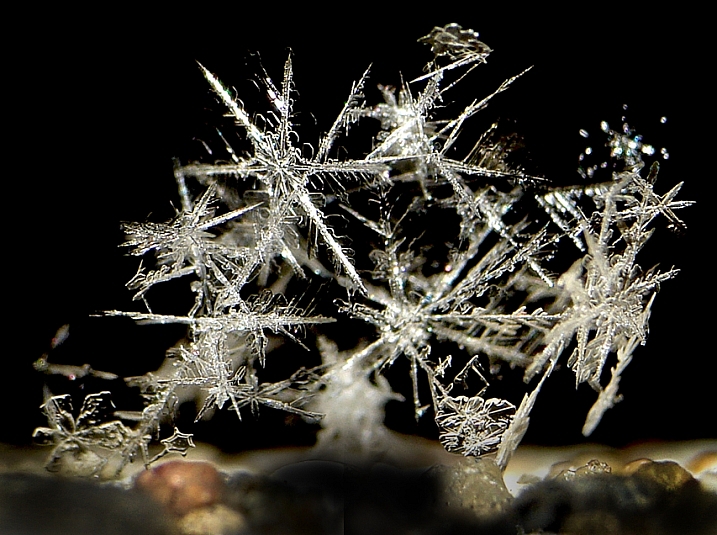
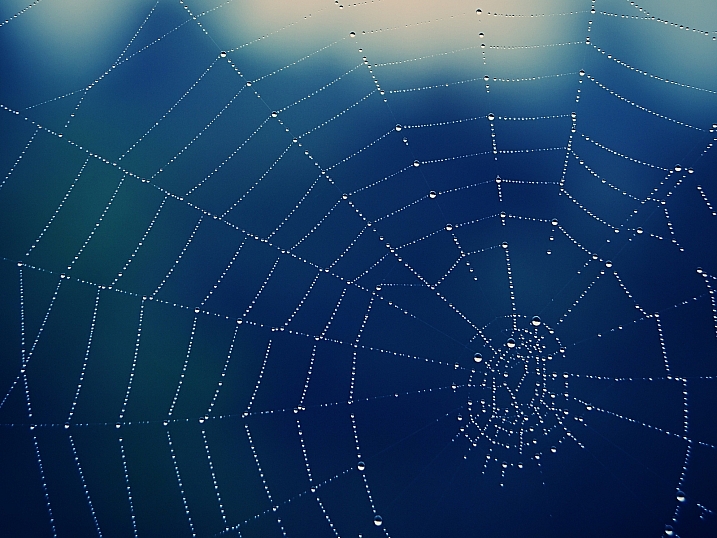
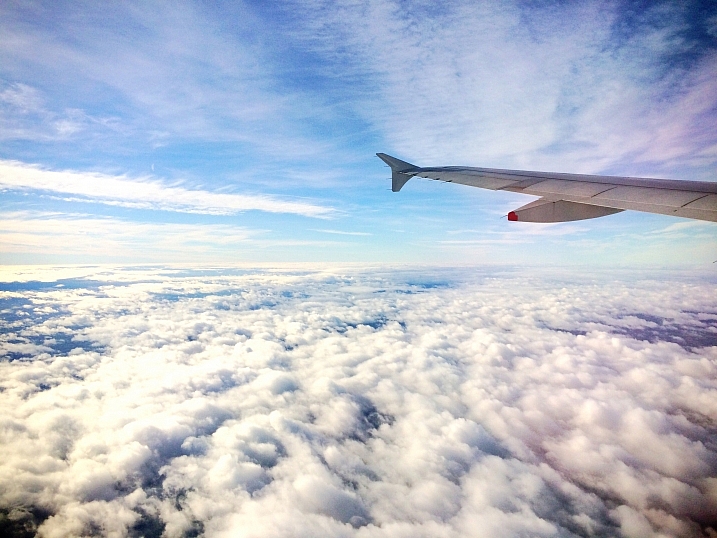
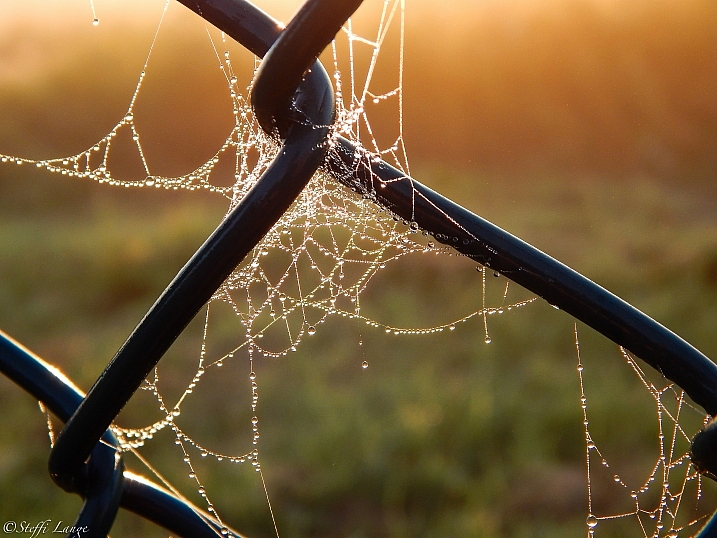
Some things really do float on air. How do you capture that in an image of things which are lightweight, and make the object look delicate and airy?

Let’s see how these photographers did it:

Kasia

By Kasia

Nicolas Raymond

By Nicolas Raymond

J P

By J P

Thomas Hawk

By Thomas Hawk

Partha S. Sahana

By Partha S. Sahana

Michael Levine-Clark

By Michael Levine-Clark

Kalvis

By Kalvis

RebeccaVC1

By RebeccaVC1

Ankakay

By ankakay

Karl Grenet

By Karl Grenet

Axel Naud

By Axel Naud

Pen Waggener

By Pen Waggener

Vivek Jena

By vivek jena

Joe

By Joe

Tanakawho

By tanakawho

Heather

By Heather

Casch52

By casch52

Alison Tomlin

By Alison Tomlin

Stuart Williams

By Stuart Williams

Phil

By Phil

Kailash Gyawali

By Kailash Gyawali

55Laney69

By 55Laney69

Alexey Kljatov

By Alexey Kljatov

Garrett Coakley

By Garrett Coakley

The World Through My Eyes

By The world through my eyes

googletag.cmd.push(function() {
tablet_slots.push( googletag.defineSlot( “/1005424/_dPSv4_tab-all-article-bottom_(300×250)”, [300, 250], “pb-ad-78623” ).addService( googletag.pubads() ) ); } );

googletag.cmd.push(function() {
mobile_slots.push( googletag.defineSlot( “/1005424/_dPSv4_mob-all-article-bottom_(300×250)”, [300, 250], “pb-ad-78158” ).addService( googletag.pubads() ) ); } );

The post 25 Floaty Images of Lightweight Objects by Darlene Hildebrandt appeared first on Digital Photography School.


Digital Photography School

 
Comments Off on 25 Floaty Images of Lightweight Objects

Posted in Photography


How to Use Blender Pen to Turn Your Photos Into Art Objects

15 Jan

When you discover that you can easily transform your digital photos into some unique creative art with just the magic touch of a digital pen, it opens up a whole world of imaginative possibilities. In this article you can find some handy tips on how to use a blender pen for the best results. How it works If you remember Continue Reading

The post How to Use Blender Pen to Turn Your Photos Into Art Objects appeared first on Photodoto.


Photodoto

 
Comments Off on How to Use Blender Pen to Turn Your Photos Into Art Objects

Posted in Photography


Secrets to Shooting the Northern Lights

15 Jan

One sale now 32% OFF at Snapndeals: Collier’s Guide to Night Photography in the Great Outdoors eBook. Now only until January 26th, 2016


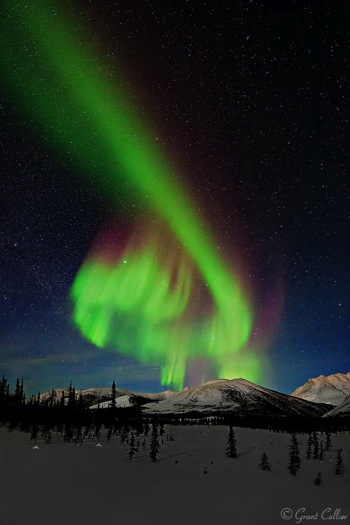
Of all the phenomena you can view in the night sky, the Northern Lights may be the most spectacular. The lights are created by charged particles from the sun, interacting with gaseous particles in our atmosphere. These lights also appear in the southern hemisphere, where they are known as the Southern Lights. Another name for both is the Aurora Borealis.
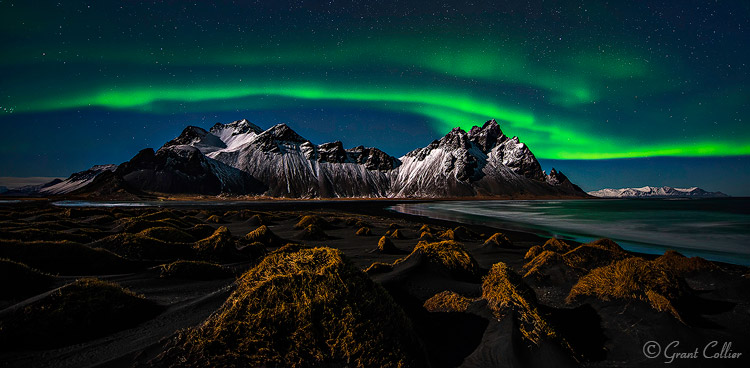
Grant Collier Northern Lights 1

Vesturhorn Mountain, Iceland – 14mm lens, f/2.8, for 10 seconds at ISO 1600

How to find Northern Lights

You can view a forecast for the Northern Lights online here. This website gives you a general idea of where the Northern Lights will be visible on any given night. For example, if you are in the northern continental United States, you might be able to see the Northern Lights if the forecast is 5 or higher. However, to get the best chance of viewing the Northern Lights, you’ll need to travel even farther north. To discover the best locations, try to find a day when the forecast on the above website is a 1 or 2. Anywhere within the bright green circle is a prime viewing spot for the Northern Lights. Some places that are somewhat easier to access in prime viewing areas are Wiseman, Alaska; Yellowknife, Canada; Iceland and northern Norway.

What lens to use

When shooting the Northern Lights, it is very helpful to use a fast lens that has an aperture of f/2.8 or wider. These lenses can let more light into the camera, which will yield higher quality images at night. A good option is the Rokinon 14mm f/2.8, which costs round $ 300. This is an ultra-wide angle lens, which is important when photographing something as expansive as the Northern Lights. Another option is the Nikkor 14-24mm f/2.8. This is a phenomenal lens, but it does cost almost $ 2,000.
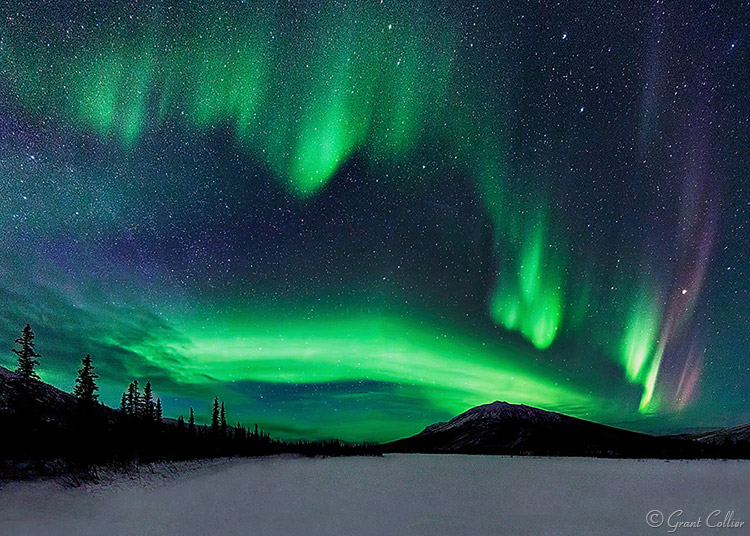
Grant Collier Northern Lights 2

Wiseman, Alaska – 14mm lens, f/2.8, 15 seconds, ISO 6400.

Camera settings and exposure

You’ll typically need to use the widest aperture on the lens, and for shutter speed, you’ll normally want to use exposures between 10-15 seconds. If the lights are moving rapidly in the sky, they can start to blur too much with longer exposures. If the Northern Lights aren’t moving rapidly, you can get away with exposures of 20-30 seconds. You should use the highest native ISO on your camera that doesn’t cause the highlights to be overexposed (a native ISO is one that is represented by a number, as opposed to letters, like H1 or H2). Be careful, though because when the Northern Lights become really bright, it is possible to overexpose the shot.

I recommend underexposing the images a little, so that you won’t risk blowing out the highlights, if the lights suddenly brighten. You’ll want to frequently check your histogram to make sure you’re not coming close to clipping the highlights. If you are, you’ll need to lower the ISO or exposure length.
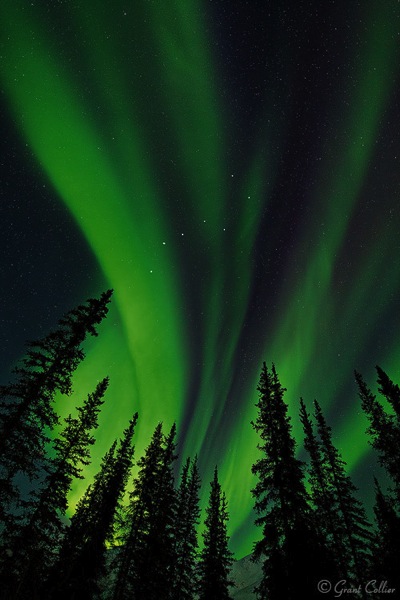
Grant Collier Northern Lights 3

Wiseman, Alaska – 14mm lens, f/2.8, 8 seconds, ISO 6400.

Stitching images

The Northern Lights can fill up most of the sky, and even ultra-wide angle lenses may only capture a portion of the display. To overcome this problem, you can create stitched images to capture more of the scene. A stitched image is one where you take multiple shots, each comprising a small part of the scene you want to photograph. You then later use computer software, like Lightroom or Image Composite Editor (Windows only), to stitch these images together, to produce an image of the whole scene. The great thing about stitched images is that they will also produce larger images with more detail, and less noise.

If the aurora is bright and moving fast, you’ll typically want to use a very wide lens, like 14mm, to create a single-row stitched panorama. You’ll have to take all of the images pretty quickly, otherwise, the aurora can move so much that the images won’t stitch together seamlessly. If the aurora is relatively dim, it doesn’t tend to move as fast. In this situation, it’s possible to do multi-row stitched panoramas with up to 20 images. These large stitched images can help minimize noise, which is more noticeable when the aurora is fainter. I recommend a 24mm lens to capture such images.
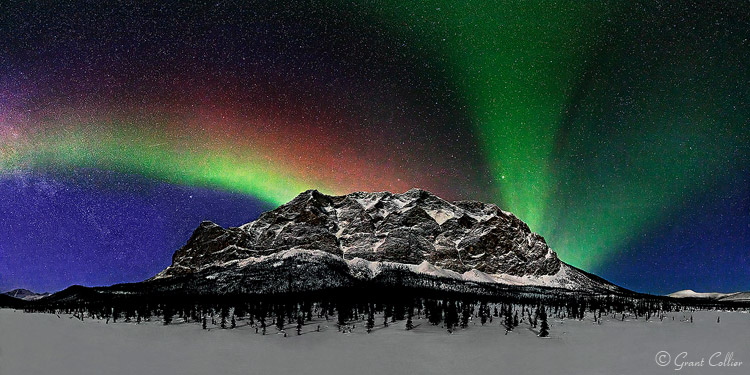
Grant Collier Northern Lights 8

Supapak Mountain, Alaska – 24mm lens, f/2.8, 10 seconds, ISO 6400, 9 images stitched together.

When to look for the lights

The best time of the year to photograph the Northern Lights is near the spring and autumn equinoxes, in March and September. The Northern Lights tend to be somewhat more active during those months than others. Never plan a trip to photograph the Northern Lights between late-April and early-August. During this time, it isn’t dark for very long, if at all, at the far northern latitudes. If you plan a trip in December or January, it will be dark much of the day, if not all of the day. However, it can be bitterly cold during this time, so spring and autumn is still preferable for all but the most adventurous photographers.
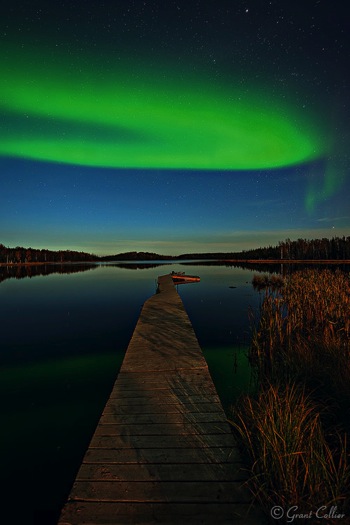
Grant Collier Northern Lights 5

Yellowknife, Canada – 15mm lens, f/2.8, 30 seconds, ISO 1600.

Grant Collier Northern Lights 7

Brooks Range, Alaska – 14mm lens, f/2.8, 10 seconds, ISO 6400.

Other considerations

Since it can be so cold when shooting the Northern Lights, it’s possible that your lens will fog up over the course of the night. Lenses fog up much faster when they are taken from a warm location to a cold one. One way to prevent this is to keep your camera equipment cold, by storing it in the trunk of your vehicle rather than in a warm room. You will, however, want to store your batteries in a warm location, as cold batteries do not last as long as warm ones, so this can help maximize battery life. Another option to prevent a lens from fogging up is to attach hand warmers to the side of it using rubber bands to help keep it warm.
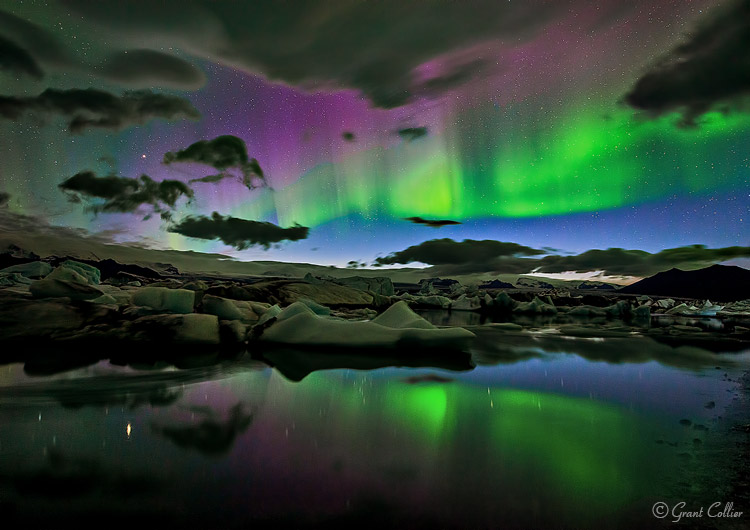
Grant Collier Northern Lights 6

Jokulsarlon Lagoon, Iceland – 19mm lens, f/2.8, 20 seconds, ISO 3200.

You can shoot the Northern Lights under almost any moon phase. The aurora will be brighter under no moon, but any foreground in your shot will likely be rendered as a dark silhouette. Under a full moon, the foreground will be well-illuminated and the aurora will be fainter, but this may not matter. The Northern Lights are often so bright that they will be easily visible under a full moon. My favorite time to shoot the Northern Lights is under a moon that is 20%-50% illuminated. It will be dark enough to see the stars and aurora a little better than under a full moon, and you’ll still be able to render a lot of detail in the foreground. In order to be able to shoot under a variety of conditions, I recommend planning a trip so that you arrive near a new moon, and leave near a full moon.
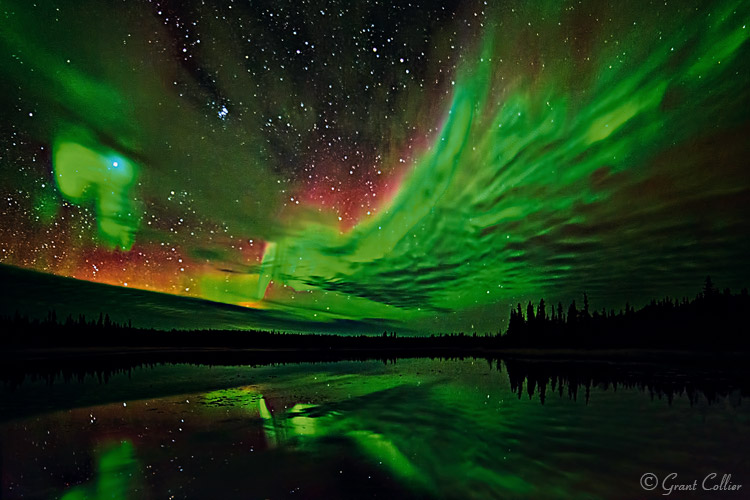
Grant Collier Northern Lights 4

Yellowknife, Canada – 14mm lens, f/2.8, 15 seconds, ISO 6400.

Practice near home first

One mistake I’ve seen photographers make is to go on an expensive trip to see the Northern Lights without having done any night photography beforehand. They come away with subpar images that are out of focus, or improperly exposed. Unless you live in an area where you can see the Northern Lights, I recommend becoming proficient in night photography before paying for an expensive trip to see the aurora. Photographing the Northern Lights is more difficult than photographing most other night scenes. The lights can move fast and may not appear for very long, so you need to be able to make the most of your time when the lights are out. If you practice with easier subjects beforehand, you should be able to come away some great images!


Screen Shot 2015 12 27 at 5 15 21 PMOne sale now 32% OFF at Snapndeals: Collier’s Guide to Night Photography in the Great Outdoors eBook. Now only until January 26th, 2016


googletag.cmd.push(function() {
tablet_slots.push( googletag.defineSlot( “/1005424/_dPSv4_tab-all-article-bottom_(300×250)”, [300, 250], “pb-ad-78623” ).addService( googletag.pubads() ) ); } );

googletag.cmd.push(function() {
mobile_slots.push( googletag.defineSlot( “/1005424/_dPSv4_mob-all-article-bottom_(300×250)”, [300, 250], “pb-ad-78158” ).addService( googletag.pubads() ) ); } );

The post Secrets to Shooting the Northern Lights by Grant Collier appeared first on Digital Photography School.


Digital Photography School

 
Comments Off on Secrets to Shooting the Northern Lights

Posted in Photography


Tamron Contest Winners Announced

15 Jan

The Winners of the Tamron 16-300mm Di II VC PZD Macro All-In-One Zoom Lens and Tamron 18-200MM F/3.5-6.3 Di II VC All-In-One Zoom Lens are…

A HUGE Thank You to everyone who entered our recent contest to win a 16-300mm Di II VC PZD Macro Lens from our friends at Tamron. Again, this was not actually a photography competition, but so many of you shared your beautiful photographs, we encourage you all to go back and scroll the comments section for some wonderful photos, and links to reader pages and sites.

Yet again, the response was absolutely AMAZING with over 430 entries! But now…onto the winners! Drum roll please, and the winners are:

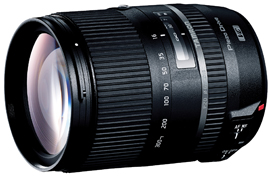
Grand Prize16300VCPZD Tamron 16 300mm

Tamron 16-300mm Di II VC PZD Macro:

The grand prize winner is: Donna Read


Tamron 16-300mm Di II VC PZD Macro – Value $ 629, for canon, Nikon or Sony small-sensor cameras.

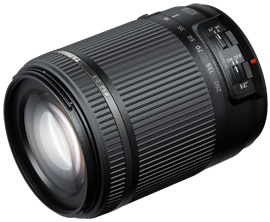
Runner-up Prize18200 B018 Tamron 18 200mm

Tamron 18-200mm Di II VC:

The runner-up prize goes to: Morgan Ocker


Tamron 18-200mm Di II VC – Value $ 249, for canon, Nikon or Sony small-sensor cameras.

We were all thrilled with the entries, you tugged at our heartstrings, made us laugh, made us smile, but most importantly, you made us keep wanting to do more of what we are doing; providing you quality information and guidance to become a better photographer. We were so pleased to see that you came from every part of the world, young adults to grandparents, and everyone in between. Thank you all for your entries!

Here are the posts from the winners of the Tamron 16-300mm Di II VC PCD Macro and 18-200MM F/3.5-6.3 Di II from our December, 2015 Contest:

Donna’s entry (many of you felt she deserved to win):

Last year I was homeless and living in my truck with my 3 cats. This year I’m living with my best friend and her son in the most beautiful place I could ever want. But I have to live on a very small pension of only $ 275 a month (I had to take it at 60 years old instead of waiting for 65) so what I had to do between then and now was the worst thing a photographer can imagine; I had to sell gear. I sold my main camera and a good bag, a 35mm 1.8 and then when my 17 year old cat was diagnosed with cancer, I sold 18-200mm as well so I could have him put down. I’ve been getting jobs finally but I’m having to shoot them with my old backup camera and an 18-55mm kit lens or my really nice 35-70mm 2.8. A longer lens would be a godsend for what I shoot! I mainly shoot non-traditional sports like kite surfing, skateboarding, rodeo and motocross etc. and I’m good at it.

I’m in a good place now and am ready to get back in full swing and one of these lenses would be a huge help getting fully back on my feet. I’m 61 years old and, in the big picture view, I’m running out of time to accomplish all that I want to. 10-20 years isn’t the ‘long time’ it seems when you’re young!

I hope you could consider me for one of these lenses. Thank you for taking the time to read my story.

Morgan’s entry:

I’m an amateur photographer in Texas and I am a 20 year old college student who has a burning passion for photography. I absolutely love this blog and have read most of the entries. It’s my go to when I have a question about my camera or photoshop or if I just needs a tip for something I’m wanting to shoot. I only have 2 basic lenses and I have really really wanted to get a new one but I just don’t have the money because I’m a college student with bills.

I raise money and go on a medical mission trip to Zambia, Africa every year. The people that live in Zambia that we help don’t have mirrors so when I walk around with my camera, women and children often want me to take their pictures so they can see their beautiful faces. For many, that’s the first time they’ve ever seen their face. I would really really enjoy this new lens so I could capture some more beautiful moments of the people hold my heart, in the place I love almost, if not equally, to Texas, my second home.

Special offer for dPS readers

Tamron Road Trip Image

Now, for those of you that didn’t win, Tamron has invited ALL dPS readers download their 2015-2016 eBook Series! You can find those HERE!

The winners will be emailed with details of how to collect their prizes. Please make sure to look for our email. Thanks you again for all the wonderful submissions and to Tamron for sponsoring this competition.

Tamron Rebates

For all of you residing in the USA, when you do purchase your next Tamron Lens, make sure to take advantage of the rebates* up to $ 150 off through February 29, 2016. Find additional information HERE!

*Current rebate offers end January 29, 2016. US RESIDENTS ONLY.

Tamron logo

About Tamron

Disclaimer: Tamron is a paid partner of dPS.

googletag.cmd.push(function() {
tablet_slots.push( googletag.defineSlot( “/1005424/_dPSv4_tab-all-article-bottom_(300×250)”, [300, 250], “pb-ad-78623” ).addService( googletag.pubads() ) ); } );

googletag.cmd.push(function() {
mobile_slots.push( googletag.defineSlot( “/1005424/_dPSv4_mob-all-article-bottom_(300×250)”, [300, 250], “pb-ad-78158” ).addService( googletag.pubads() ) ); } );

The post Tamron Contest Winners Announced by Darlene Hildebrandt appeared first on Digital Photography School.


Digital Photography School

 
Comments Off on Tamron Contest Winners Announced

Posted in Photography


How to Use a Gray Card to Get More Accurate Exposures and Color

15 Jan
how-to-use-a-grey-card-1597

High contrast scenes with delicate colors can prove tricky for your camera’s meter and white balance settings.

If you’re familiar with the fundamentals of camera technique, then you know how much of an effect white balance can have on your images. Also, you probably have a basic understanding of how your camera’s meter works, or at least how to react to its output to change your settings appropriately.

Just beyond these basics, there are a few simple techniques that will allow you to fin- tune your white balance, and get more accurate meter readings from your subject. To take advantage of these techniques, you only need to add a single cheap piece of equipment to your camera bag: a gray card.

These humble accessories start at less than $ 10, yet the amount of control they give you over the final image, can be invaluable in tricky situations. For example, they allow you to obtain a good white balance reading from mixed light sources, or get an accurate exposure reading from your camera’s meter in a high contrast scene.

What is a gray card

A grey card is exactly what it says it is. A card that is gray. More specifically, it is middle gray, or 18% gray. This number is important because 18% gray is what your camera’s meter is trying to calculate when it meters to expose for a scene. This means if you put a grey card in front of your subject, and take a meter reading off it, you will get a correct exposure regardless of any tonal contrast in the scene.

Additionally, when used in conjunction with a camera’s custom white balance feature, you can manually set a perfect white balance for everything you photograph. This becomes especially important when you need to faithfully recreate colors in your images, whether that may be for commercial purposes or record shots.

Metering

The more useful of these two techniques is metering. In this case, a gray card is the closest thing you’ll get to a magic bullet that will allow you to get a near perfect exposure, in almost any situation.

Spot metering

To get started, the first thing you’ll want to do is to set your camera to the spot metering mode. While this is not absolutely necessary, the fact that the camera will only be metering from a small section in the centre of the frame will help a lot, especially in circumstances where you cannot fill the entire frame with the gray card. It will also save you a lot of time if you use manual mode.

Metering

With your metering mode changed, all that you have to do now, to take advantage of this technique, is put the gray card in your scene, point the centre of the frame at it, dial in the exposure your meter gives you and then just take the gray card away. Providing that the light doesn’t change, you will now have an accurate exposure for any subsequent shots that you take in this setup.

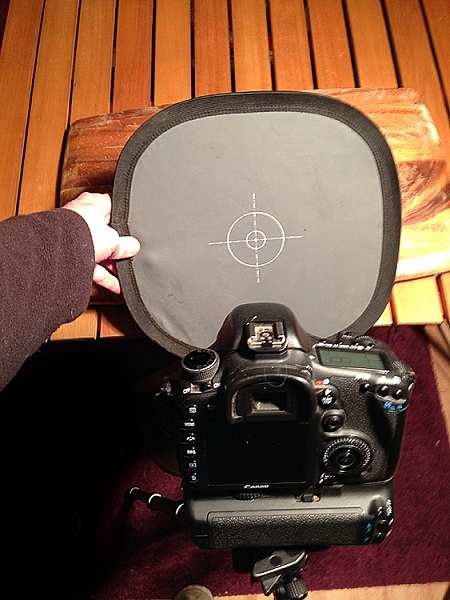
Taking a meter reading with a grey card.

Taking a meter reading with a gray card.

Hints

There are a few things can do that will make this process easier and more accurate.

First, you should make sure that your subject remains in a similar position relative to the light source, from where you took your gray card reading. For example, if you’re taking headshots outdoors and the sun is lighting your subject from the front; that is one exposure reading. If you turn your subject to the side, or completely around, that will affect your exposure and you will need to take another reading.

The second tip is when you’re taking the exposure reading; fill the frame with the grey card as much as possible. This will help to ensure that your meter is only trying to expose for the card, and not anything around the edges.

White balance

Although the basic white balance settings in cameras can be pretty good, they do tend to struggle at times. For example, tungsten bulbs can vary greatly in color temperature, depending on their quality and power output. This may lead to the basic tungsten setting on your camera failing to give you an accurate representation of colors.

There are two ways to use a gray card to set your white balance. The first is to use it to set your camera’s custom white balance. The second method will allow you to use Lightroom to set a white balance for your images after they have been taken. You can also use Adobe Camera Raw (inside Photoshop) if you don’t have Lightroom.

Shifts in White Balance - Left: Daylight Center: Tungsten Right: Custom

Shifts in White Balance – Left: Daylight – Center: Tungsten – Right: Custom

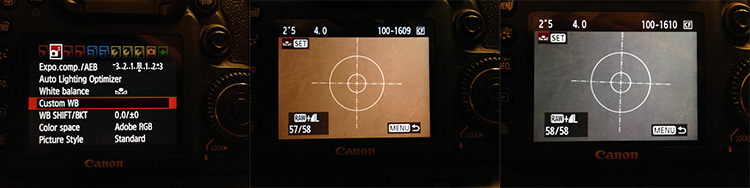
In-camera custom white balance

The technique described here is for Canon users. If you use Nikon, Sony, or any other brand, you will need to consult your manual for instructions on setting a custom white balance.

  • Step 1:  Take a photo of your grey card, ensuring that it fills the frame entirely. Try to make sure that it is flat in the frame and that it is lit evenly, and in the same way as your subject.
  • Step 2: Open the camera’s menu and find the option labeled “Custom White Balance” (or Custom WB). Press the select button and choose the photo of your gray card. Press select again and you have set your custom white balance. Set the camera’s white balance to use the new custom setting and start taking photos.

how-to-use-a-grey-card-canon

If something in your scene changes, such as the lighting, just repeat the steps above and all of your images should have an accurate white balance.

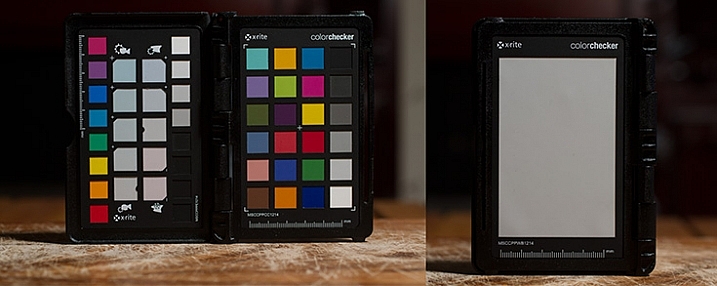
Post-production custom white balance

how-to-use-a-grey-card-1626

The ColorChecker Passport offers even greater control over white balance, and also has a section for setting a custom white balance in-camera.

For the post-production option, the only thing you need to do with your camera is to take a photo of your gray card in all of the scenes that you’re photographing. It may help with organization if you start off any sequence of photos with the gray card image. This way, you will always know which image to use to take a white balance setting from.

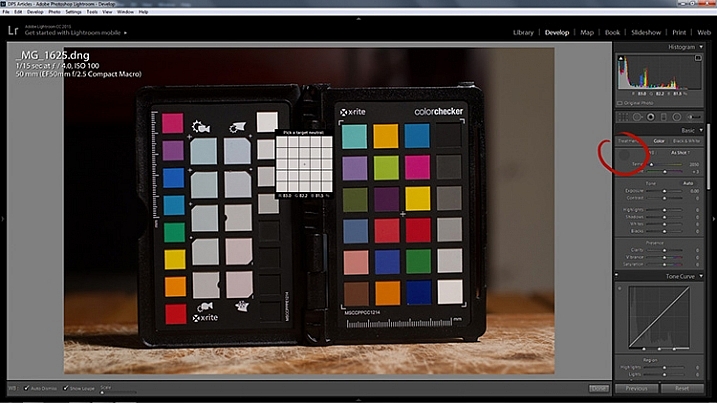
Once you’re on the computer, and have your images loaded into Lightroom, the steps are quite straightforward:

  • Step 1: Select the photo of a gray card that you want to take a white reading, from and enter the develop module.
  • Step 2: Select the eyedropper tool that’s next to the White Balance sliders in the right hand panel, and click anywhere on the image of the grey card. You should now have an accurate white balance setting.

how-to-use-a-grey-card-lightroom-1

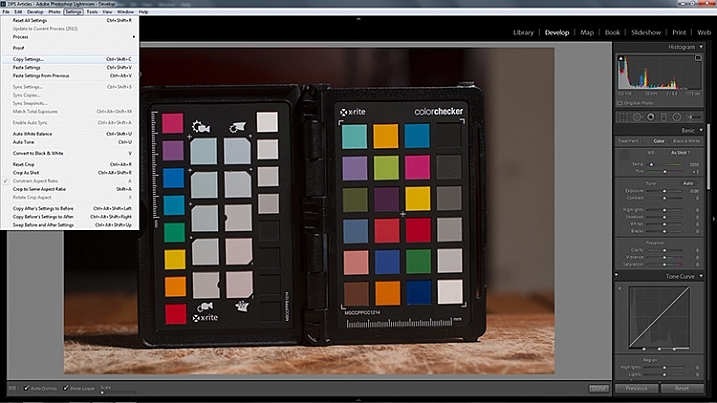
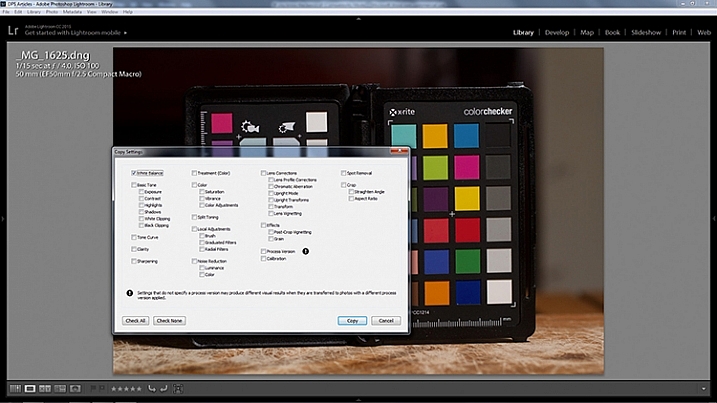
  • Step 3: In Lightroom, to copy your settings, press ctrl+shift+c (CMD+C on Mac) and check the White Balance boxes. Leave all of the other boxes unchecked.

how-to-use-a-grey-card-lightroom-2

how-to-use-a-grey-card-lightroom-4

  • Step 4: In Lightroom, select all of the photos you want to correct (using the filmstrip at the bottom) the white balance on and press ctrl+shift+v (Cmd+V on Mac). Now all of photos you took should have a corrected white balance.

how-to-use-a-grey-card-lightroom-3

Summary

All of the techniques outlined here are simple, and not very time consuming, yet the amount of extra control they give you over your camera makes a gray card one of the most cost effective accessories in any camera bag.

Have you used one before? Do you have any other tips to add? Please share that or any questions you have below.

googletag.cmd.push(function() {
tablet_slots.push( googletag.defineSlot( “/1005424/_dPSv4_tab-all-article-bottom_(300×250)”, [300, 250], “pb-ad-78623” ).addService( googletag.pubads() ) ); } );

googletag.cmd.push(function() {
mobile_slots.push( googletag.defineSlot( “/1005424/_dPSv4_mob-all-article-bottom_(300×250)”, [300, 250], “pb-ad-78158” ).addService( googletag.pubads() ) ); } );

The post How to Use a Gray Card to Get More Accurate Exposures and Color by John McIntire appeared first on Digital Photography School.


Digital Photography School

 
Comments Off on How to Use a Gray Card to Get More Accurate Exposures and Color

Posted in Photography


Leica updates wide-angle M lenses with new optical and design features
15 Jan
Left to right, and not to scale, Leica Elmarit-M 28mm F2.8 ASPH, Leica Summicron-M 28mm F2 ASPH and Leica Summicron-M 35mm F2 ASPH

German camera brand Leica has introduced upgraded versions of three of its wide-angle M lenses that offer improvements to both build and performance, according to the company. The trio of reportage favorites are the Leica Summicron-M 35mm F2 ASPH, the Leica Summicron-M 28mm F2 ASPH and the Leica Elmarit-M 28mm F2.8 ASPH. Each is a direct replacement for the current equivalent model. 

All three of the lenses will be fitted with metal lens hoods and a ring to cover the hood mount when the hoods aren’t in use, and metal lens caps will replace the current plastic units.

The company hasn’t been absolutely clear about the optical changes that it has made, making general statements about sharpness improving across the frame. The 35mm Summicron though now has 11 aperture blades, while the previous versions of the lens had only seven, eight or ten blades. 

The company also comments that both 28mm lenses have significantly improved curvilinear distortion controls that provide better drawing, as well as flatter field projection for increased resolution in the corners of the frame.

The new Leica M lenses are scheduled to be available as follows:

  • Leica Elmarit-M 28mm F2.8 ASPH. (black) – end January 2016, price £1,650
  • Leica Summicron-M 28mm F2 ASPH. (black) – end January 2016, price £2,975
  • Leica Summicron-M 35mm F2 ASPH. – beginning of February 2016, black version price £2,250, silver anodised version price £2,350

For more information see the Leica website. 


Press release: 

Leica introduces new generation of classic Leica M lenses with improved performance

  • Leica Summicron-M 35mm F2 ASPH.
  • Leica Summicron-M 28mm F2 ASPH.
  • Leica Elmarit-M 28mm F2.8 ASPH.

Leica Camera has introduced next-generation models of three of its classic M lenses: the Leica M Summicron-M 35 mm F2 ASPH., Leica Summicron-M 28 mm F2 ASPH. and Leica Elmarit-M 28 mm F2.8 ASPH., each delivering enhanced image performance and quality, thanks to their new optical design.

Additional improvements to the lenses include a more robust construction, now featuring a full metal rectangular lens hood with thread mount, and a threaded protection ring for the front of the lens when the hood is not attached. The lens cap is now also made of metal.

As with all Leica products, this classic trio of reportage lenses offers both optical and technical excellence. Made in Germany, the combination of state-of-the-art technology, the highest quality materials and meticulous manual construction ensures consistent quality, resulting in reliable products with outstanding durability.

The new generation Summicron-M 28 mm F2 ASPH. and Elmarit-M 28 mm F2.8 ASPH. lenses are scheduled to be available from the end of January. The Summicron-M 35 mm F2 ASPH. is scheduled to be available from February in black and, for the first time, also in a silver anodised finish.

The impressive Summicron-M 35 mm F2 ASPH. fast, classic prime lens delivers superior image performance and a unique bokeh. Despite its high speed and exceptional image quality, its dimensions are astoundingly compact. Furthermore, with its eleven blade iris, this new generation lens creates a circular aperture, lending out of focus areas an extremely smooth look and feel. Images are pin-sharp with rich contrast, and almost completely free from distortion with superb bokeh at all apertures and distances – and even when shooting wide open.

High performance and speed are also distinct characteristics of the Summicron-M 28 mm F2 ASPH. wide-angle lens. Its outstanding speed makes it particularly versatile and produces brilliant imaging results, even in difficult lighting conditions. At its maximum aperture, the Summicron-M 28 mm F2 ASPH. delivers rich contrast, differentiated reproduction of even the finest structures, a soft and smooth bokeh, and extremely high resolution. Improvements within the optical design in this new generation lens have made it possible to achieve superior image performance across the entire image field. The significant reduction of image field curvature guarantees better resolution of details from corner to corner within every picture.

The Elmarit-M 28 mm F2.8 ASPH. is the most compact lens in the entire portfolio of Leica M lenses. Thanks to its small size and light weight, this lens is a particular favourite with street and reportage photographers. Compared to the previous model, this new generation lens offers significantly reduced image field curvature, which brings considerably improved image performance with high resolution and brilliant resolution of details. The Elmarit-M 28 mm F2.8 ASPH. is practically distortion-free from infinity to its closest focusing distance of 0.7 metres, and provides an exceptionally clear view through the Leica M viewfinder.

Articles: Digital Photography Review (dpreview.com)

 
Comments Off on Leica updates wide-angle M lenses with new optical and design features

Posted in Uncategorized


Cinematography of Snow: Watch a Film Projected Onto a Blizzard

15 Jan

[ By WebUrbanist in Art & Photography & Video. ]

projected landscape snowfall

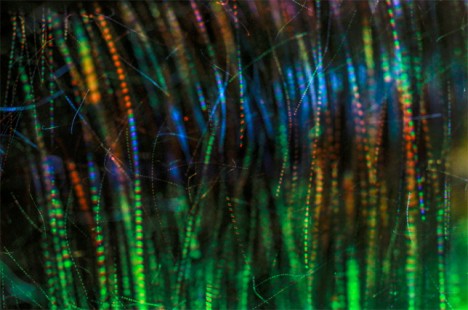
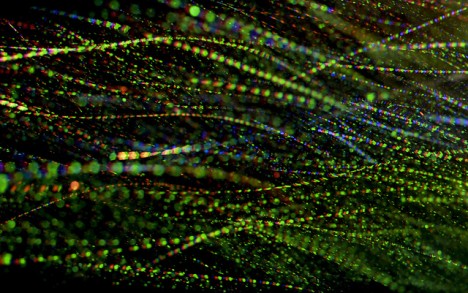
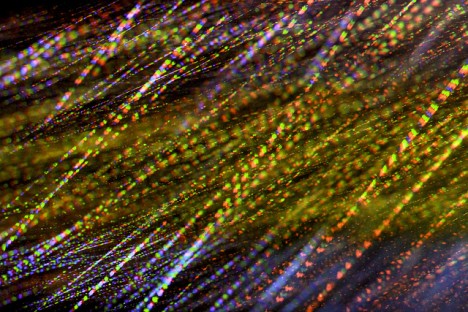
An idle thought while waiting out a snowstorm led to an accidental artistic discovery: projecting a movie on falling snow can result in an visually rich result bordering on magical, in turn captured on film.

projection dancing lights movie

Photographer Brian Maffit had no idea what to expect when he turned his projector to face outside his window during a snowstorm, but when he realized the potential, he began documenting the results with both still and video cameras.

projection base colors

projected snowfall capture film

By zooming in and out, shifting the perspective of the projector and the camera, and taking shots at various degrees of snowy downfall and capturing moments throughout the movie, the images end up spanning a surprising visual range of colors and contrasts.

projection angled snowfall

projection in a snowstorm

“The ‘RGB dots’ were the biggest surprise, I guess when the projector is showing a white screen, it is really rapidly cycling between fully-saturated red, green, and blue screens… thus the dots in a few of the shots.”

projection primary colors

film on snowscape

Aside from the embedded video and stills found here, you can also visit his Flickr page for high-resolution images taken throughout the experience. And the film in question? The Lorax. Perhaps best watched on snow anyway.

Share on Facebook


[ By WebUrbanist in Art & Photography & Video. ]

[ WebUrbanist | Archives | Galleries | Privacy | TOS ]


WebUrbanist

 
Comments Off on Cinematography of Snow: Watch a Film Projected Onto a Blizzard

Posted in Creativity


Leave Your Mark! Customize Photos With Lumi

15 Jan

If you’re not already in love with Lumi, you will be soon. (We know we sure are!)

They’re so amazing that they wrote this article for you, with ideas on how to customize your pics: personalized stamps, signatures, and more. Your work will be even more you.

Whether you’re giving your bestie a super special photo for their b-day, or you just wanna decorate with more than a plain ol’ pic, Lumi’s got you covered.

Get ready to get creative!

(…)
Read the rest of Leave Your Mark!
Customize Photos With Lumi (427 words)


© Taylor for Photojojo, 2016. |
Permalink |
No comment |
Add to
Customize Photos With Lumi”>del.icio.us

Post tags:


Photojojo

 
Comments Off on Leave Your Mark! Customize Photos With Lumi

Posted in Equipment


Nikon 24-70mm F2.8 ED VR real-world sample gallery

14 Jan

Winter can be a stark wonderland in the Pacific Northwest, especially east of the Cascade mountain range. Editor Barney Britton spent some time with the new Nikon 24-70 F2.8 ED VR lens amongst the snow-covered rolling hills, waterfalls, forests, and even sunny beaches our beautiful state provides. VR brings a level of hand hold-ability to a popular range of focal lengths that should make it easier to make sharp images with the 36MP Nikon D810.

Before you follow the link below to see how the lens performed in the set of real-world samples we provide here, it’s worth keeping some things in mind. A high-resolution camera demands critical focus: even the slightest misfocus will be easily visible, and small focus errors aren’t uncommon when using DSLRs in the field. Furthermore, on full-frame, even an aperture of F8 has limited depth-of-field, so infinity-focused shots may show a slight decrease in sharpness for objects closer in the foreground. With these caveats in mind, we still found the sharpness of the lens to be somewhat lacking relative to our high hopes.

We’ve only tested one copy of this lens, and it’s always hard to determine if the sample we received is truly a representative sample. We’ll be requesting a second copy to verify that our sample isn’t an outlier, but based upon findings from both DxOMark and Roger Cicala over at LensRentals, the less-than-stellar sharpness results aren’t too surprising. 

While sharpness is generally good, particularly across the field, absolute sharpness in the center doesn’t appear to be better, or even as good as, the original non-VR 24-70mm F2.8 Nikkor. Roger’s results, as well as DxO’s findings, confirm somewhat decreased central sharpness but increased consistency across the frame. Roger suggests this may in part be due to a prioritization of minimal field curvature and astigmatism with absolute sharpness perhaps being the cost. Our samples do appear to confirm a relatively flat field of focus – which will be useful for many applications. Close-up sharpness sometimes suffers, as does sharpness at the long end, while chromatic aberration continues to be an issue much like the original.

That said, overall build appears to be – at least subjectively – improved, and Nikon’s Vibration Reduction (VR) promises to be a boon for photojournalists. Paired with the D810, our experience and preliminary testing indicates VR to be incredibly effective, and we expect it’ll prove indispensable at times, while overall raising the convenience factor of the body and lens combo. For some, this may even make up for the less-than-ideal sharpness which, by the way, we only call out because of the high bar set by recent primes and venerable zooms like the Canon 24-70 F2.8 II (which lacks VR, mind you). In isolation, this new lens is plenty sharp. 

But without further ado, have a look at the sample gallery yourself, and let us know what you think in the comments!

Articles: Digital Photography Review (dpreview.com)

 
Comments Off on Nikon 24-70mm F2.8 ED VR real-world sample gallery

Posted in Uncategorized


CES 2016: Close up with Kodak’s new Super 8 movie camera

14 Jan

In a bit of a surprise, one of the hottest products to make an appearance at CES 2016 was an analog product: Kodak’s Super 8 movie camera. Built around the classic Super 8 film format, the camera does make some nods to contemporary digital technology: instead of an optical viewfinder there’s a flip out LCD screen, and there’s also a SD card slot for recording sound.

But the film is the real star of the show, and processing is included in the cost. If you’re into the retro thing looking to make some films (or even just someone on a quest for the nostalgic look of Super 8) this might be just the camera you need to go along with your vinyl albums. DPReview editor Dale Baskin talks with Kodak’s Josh Coon to learn a bit more about this camera.

Articles: Digital Photography Review (dpreview.com)

 
Comments Off on CES 2016: Close up with Kodak’s new Super 8 movie camera

Posted in Uncategorized