Das Bild des Tages von: Michael Holzer
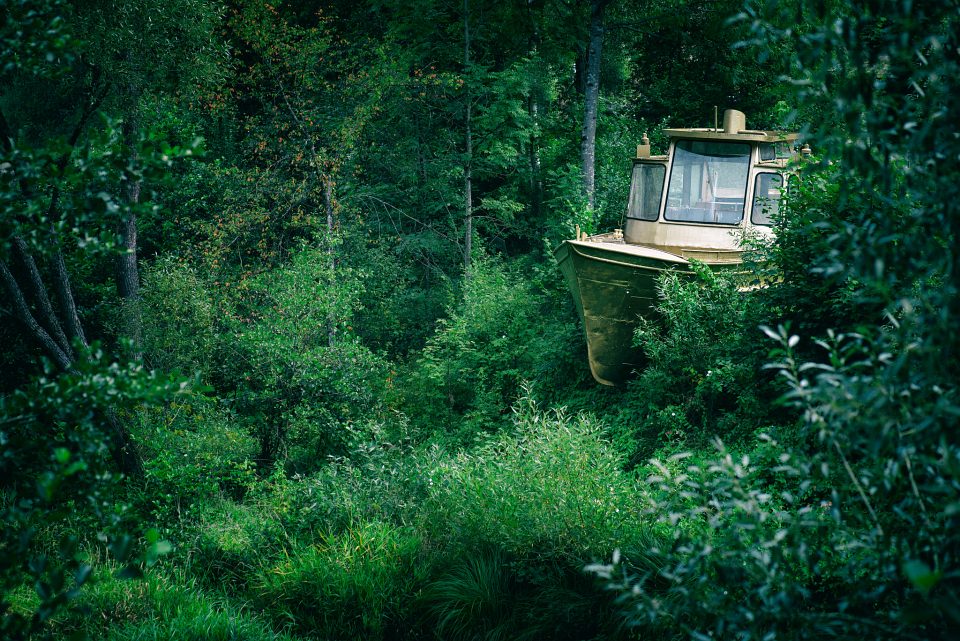
Im Ausblick: Flüchtlinge im Zweiten Weltkrieg, Josef Koudelka und ein DIY Leuttisch.
kwerfeldein – Fotografie Magazin | Fotocommunity
Das Bild des Tages von: Michael Holzer
Im Ausblick: Flüchtlinge im Zweiten Weltkrieg, Josef Koudelka und ein DIY Leuttisch.
kwerfeldein – Fotografie Magazin | Fotocommunity
Vantage Robotics has a new 4K camera quadcopter called Snap, and it’s now up for pre-order. The company calls this a ‘flying camera’, one that fits in a backpack and is safe enough to grab out of the air with a bare hand. Read more
Articles: Digital Photography Review (dpreview.com)
Sony has just announced that its latest cameras will gain the option to shoot uncompressed Raw files. Given the interest that was generated when we detailed the effects of Raw compression, we though it was equally important to make clear the benefits of the newly-added uncompressed Raw option. Here’s what we’ve found so far. Read more
Articles: Digital Photography Review (dpreview.com)
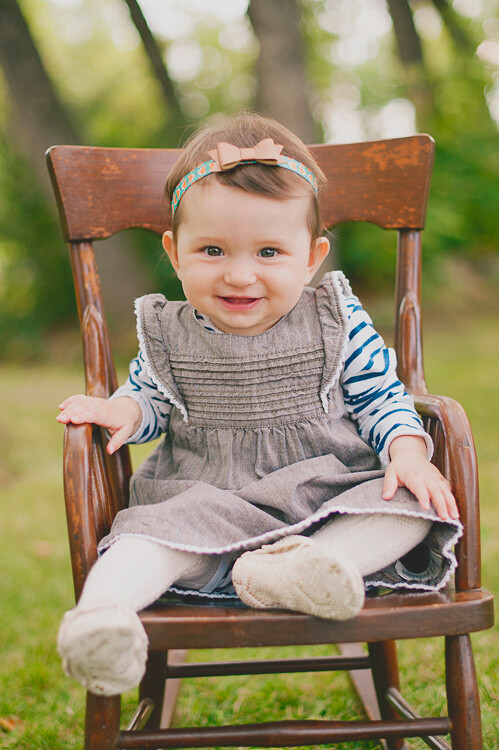
People fascinate me. I love the diversity in personality and expressions, and I love using my camera to capture all those personalities! People are by far my favorite subject to have in front of my camera.
If you are new to photography and getting frustrated that you aren’t creating portraits like you hoped, I’m here to help! Let’s go through six tips to get started with portraits. You’ll be a pro before you know it.
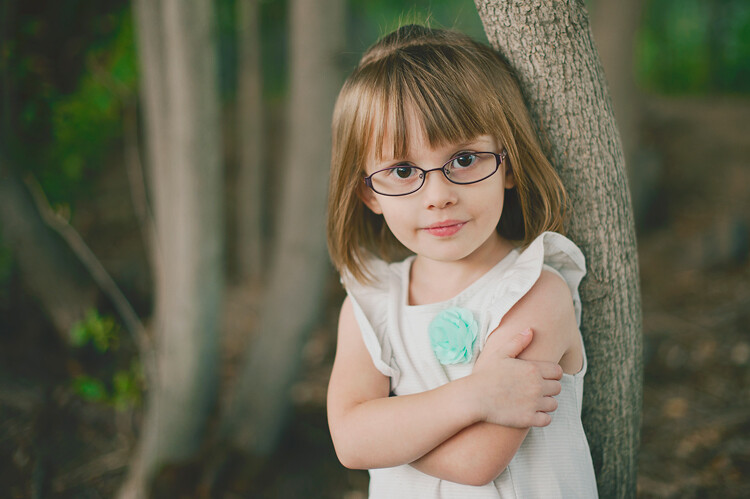
Are there better lenses out there for portraits? Yes. But the 50mm is inexpensive, versatile and great to get started! Once you’ve gotten the hang of this lens, you’ll know what other lenses to invest in later and you’ll never regret having a 50mm prime lens in your bag. Your camera probably came with a kit lens that zooms in and out. The drawback of this lens is that you can’t open the aperture very wide.
Have you noticed portraits that have a creamy blurred background, and the subject just pops? This is achieved by setting the aperture on a very low number, usually between f/1.8 and f/2.8. Look at your kit lens. It probably can only go down to f/3.5, and if you zoom in your lowest aperture number is probably f/5.0. You could get the 50mm 1.4 or, if you’re really unsure about what you want, give the 50mm 1.8 a try. It’s the least expensive lens out there, but it will still give you a lot of bang for your buck. Trust me on this one! If I could only choose one lens to have in my bag for the rest of my life, it would be this one.
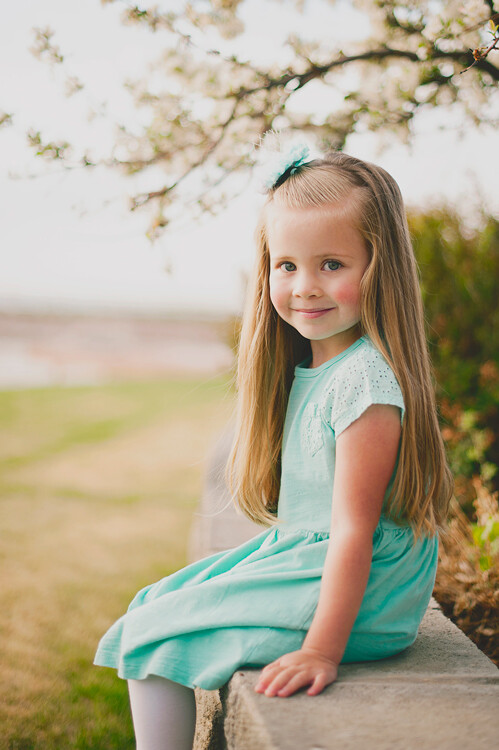
Toggle your focus point of your camera until it’s right on the eyes; if your subject is close to you, put the focus point on one eye (if one eye is closer to you than the other, focus on that one). If you are still letting your camera automatically choose where to focus, change that in your settings now! Pull out that manual you hid away and put it to good use.
If your subject’s eyes are in focus, it will be a much more compelling portrait. After all, the eyes are the window to the soul! If possible, try to position your subject so they have some catchlights (or sparkle) in their eyes.

Be cautious when you are shooting really close portraits. You want to make sure that you have your aperture number high enough that everything you want to be in focus will be in focus. If you are really close to your subject and your aperture number is really low, like f/1.8, you may notice that the eyes are in focus, but the nose is not. Just bump up the aperture a little at a time until you get the look you are going for. When you are learning and experimenting, it’s helpful to zoom in on the preview on the back of your camera after you have taken the photo. Sometimes it may look like everything is in focus, but later when you upload it to your computer, you realize that it definitely was not in focus. If you can find this out WHILE you are shooting, you have a chance to correct things and learn at a faster rate.
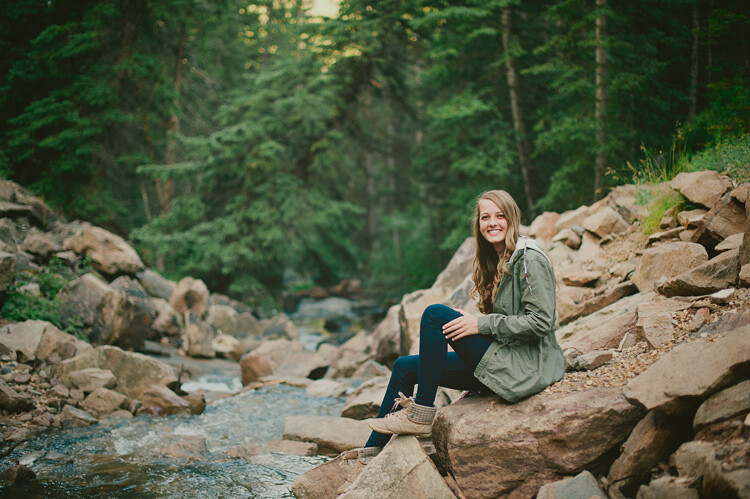
Sometimes as beginners we might get stuck doing things always the same way, like needing to put the subject’s whole body into a portrait, or having the face fill up the frame. Neither is right nor wrong. The important thing is not to produce the exact same photo over and over.
Try stepping back a bit and include the surroundings in your portrait. It might tell a great story about the person you are photographing. Then try getting really close. Now get even closer. Don’t worry about what grandma is going to say – it’s okay to cut off the top of someone’s head in a photo.
You might notice that you almost always shoot vertically (portrait), or maybe you’re stuck shooting horizontally (landscape) all of the time. Don’t let yourself get in a rut! Try close-up portraits horizontally and try vertical portraits that take in lots of the surroundings (and vice versa).
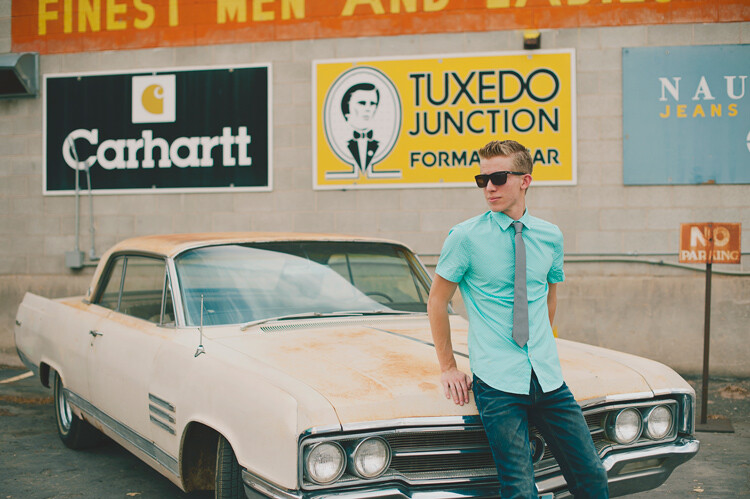
We can stick anyone in front of a paint splattered backdrop, sit them on a stool, turn their shoulders at an angle, tell them to smile and call it a portrait. Or we can use our skills to make a portrait that truly shows who your subject is, and what they are about. I love the portraits that tell a true story about my subject because I know that I have captured something worth keeping.
Try to get to know your subject a little bit and use that knowledge to create a portrait that anyone could look at and know a little bit about who that person is. You could do this with props, expression or posing. If they’re passionate about something, they may want it included in the photo with them. If he’s a person who smiles all the time, a serious portrait may not capture who he really is.
Your job as the photographer is to make a portrait that will be treasured by everyone who knows your subject. They will know that you really caught who he is. It’s also your job to create a portrait that will be compelling to those who don’t know your subject. It should make them want to get to know him and let them know a little bit about who he is, even if they’ve never met.

Good light on your subject’s face is most important in a portrait. I look for good lighting before I look for a good background. The easiest lighting to work with for beginners is an overcast day (if that’s the way the cards fall that day) or shade. On an overcast day, try having your subject facing toward the light source. Even if it’s cloudy, often the direction you have your subject face will either illuminate their eyes or put their face in shadow. If you’re not sure which direction to have him face, just rotate until you have that aha! moment when the light is just right.
You might find shade on the shady side of a building (subject facing out towards the light) or in the shade of trees, but if the light is patchy in the trees have your subject put her back towards the sun. You don’t want to have dappled light on her face, or half-shadow and half-sun. Try to have the light as even on her face as possible. Also, avoid having full sun on your subject’s face. This can cause harsh shadows and make it almost impossible for some not to squint their eyes.
Expose for the face for portraits, even if it causes your background to not be exposed correctly. In a portrait, the person is obviously the most important part, so this makes sense.

It’s important to learn all you can about the rules of photography. Learn them, practice them, use them. Then be creative and have some fun without worrying too much about the rules. If you’re making a portrait, the eyes don’t have to be looking at the camera. The photo doesn’t always have to be divided into the rule of thirds. You don’t have to do what everyone else is doing, either. Be true to yourself and have fun with it! When you create a portrait of someone, it can be truly unique. Nobody else will be able to take that same photo in that same light with that same expression. Make sure it represents who you want to be as a photographer and make sure it represents the person you are creating a portrait for.
Do you have questions about taking portraits? I’d be happy to answer everything I can in the comments. I’d also love to see your favorite portraits you’ve taken!

googletag.cmd.push(function() {
tablet_slots.push( googletag.defineSlot( “/1005424/_dPSv4_tab-all-article-bottom_(300×250)”, [300, 250], “pb-ad-78623” ).addService( googletag.pubads() ) ); } );
googletag.cmd.push(function() {
mobile_slots.push( googletag.defineSlot( “/1005424/_dPSv4_mob-all-article-bottom_(300×250)”, [300, 250], “pb-ad-78158” ).addService( googletag.pubads() ) ); } );
The post 6 Tips to Get Started with Portraits by Melinda Smith appeared first on Digital Photography School.

Wer ist eigentlich Francesca Woodman? Mit dieser Frage beschäftigt sich die neueste Publikation über die Fotografin, welche 2014 in der SAMMLUNG VERBUND und anlässlich der Ausstellung in Wien erschienen ist.
kwerfeldein – Fotografie Magazin | Fotocommunity
[ By WebUrbanist in Conceptual & Futuristic & Technology. ]
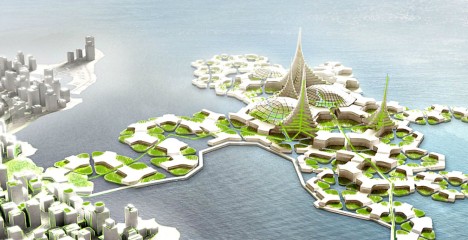
Ocean cities are a longstanding Utopian dream, but many such schemes fail to address the immediate need of cramped urban centers, many of which around the world are bordered and constrained by large bodies of water.
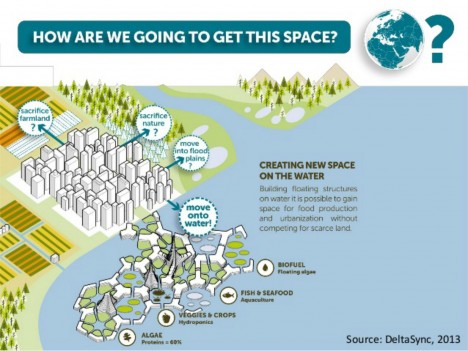
Blue 21, a Dutch architecture and design group, aims to sustainably extend such cities into adjacent lakes and oceans, alleviating the stress on existing metropolitan areas and providing vital resources (like space to grow food) in close proximity to urban cores. The team has experience building floating homes in the Netherlands but wants to take their experience global and work at a larger scale.
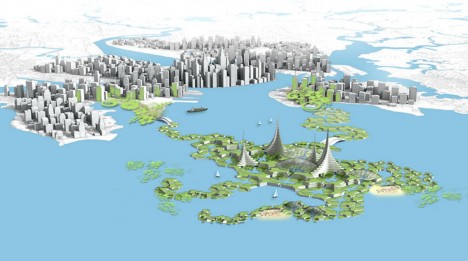
These modular buoyant extensions can be added to over time and used to grow algae, veggies, crops and seafood, producing food and biofuels to support existing populations on land.
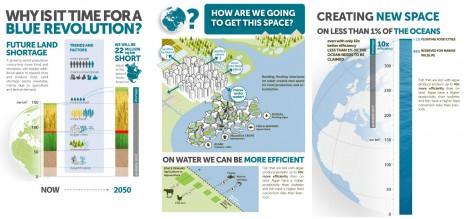
At the same time, they can serve to productively process and recycle city wastes and absorb emissions, becoming a productive rather than consumptive part of the regional ecosystem. “As an integrated concept it proposes floating development that can be ‘plugged in’ to existing cities and help them recycling waste nutrients and CO2 that often end up in the environment, polluting it.”
While Blue 21 may not be a solution on the immediate horizon as yet, it represents an approach that bridges the gap between fantastical floating cities and more realistic solutions that engage accessible stretches of ocean. “We are Blue21, starting a Blue Revolution. This is how: by building world’s first floating city with a positive impact on nature. Because we believe our future is on the water for seven reasons: 1. We are running out of land, 2. Cities on land are vulnerable, 3. Water will save us from our addiction to fossil fuels, 4. Water is the new oil, 5. Water is an innovation playground, 6. We can actually have a positive impact, 7. We can do this, now.”

It sounds at best far-fetched and at worst frightening, at least at first, but this unique water-based energy station is already under construction and is …
Click Here to Read More »»
If human settlements move off of land and into the water in the future, these artificial islands may become our homes in the wet and salty frontier.
Click Here to Read More »»
Modular thinking is brilliant and infectious, expanding and spreading from industrial-revolution technologies to three-dimensional printing to … cities?!
Click Here to Read More »»


[ By WebUrbanist in Conceptual & Futuristic & Technology. ]
[ WebUrbanist | Archives | Galleries | Privacy | TOS ]
After a successful Indiegogo campaign, German startup LUUV is looking to fund mass-production of its smartphone, action cam and compact camera stabilizer solidLUUV on Kickstarter. Read more
Articles: Digital Photography Review (dpreview.com)
Have you ever wondered how you can get more gear onto a plane without paying an excess baggage fee?
We found this interesting video from photographer Peter Leong, a wedding photographer in Japan who travels regularly for overseas weddings, describing how he carries camera gear on board.
Have you worn a photography vest before? What has your experience been when traveling with photography gear and taking it through airport security?
googletag.cmd.push(function() {
tablet_slots.push( googletag.defineSlot( “/1005424/_dPSv4_tab-all-article-bottom_(300×250)”, [300, 250], “pb-ad-78623” ).addService( googletag.pubads() ) ); } );
googletag.cmd.push(function() {
mobile_slots.push( googletag.defineSlot( “/1005424/_dPSv4_mob-all-article-bottom_(300×250)”, [300, 250], “pb-ad-78158” ).addService( googletag.pubads() ) ); } );
The post How to take more Photography Gear through Airports by Darlene Hildebrandt appeared first on Digital Photography School.
Das Bild des Tages von: Victoria Io.

Im Ausblick: Depressionen, die Gefahr von Selfies und das Schlaraffenland.
kwerfeldein – Fotografie Magazin | Fotocommunity
You must be logged in to post a comment.