RSS
 

Archive for September, 2015

Countdown to PIX 2015: David Fitzsimmons and his Curious Critters

24 Sep

With two weeks until PIX 2015, we’re highlighting some of the talented re:FRAME speakers who will be at the show. First up is David Fitzsimmons, who has made it his work to photograph critters for curious young minds. Read more

Articles: Digital Photography Review (dpreview.com)

 
Comments Off on Countdown to PIX 2015: David Fitzsimmons and his Curious Critters

Posted in Uncategorized


Adding it up: Sony a7R II First Impressions Review

24 Sep

The Sony Alpha 7R II has been the topic of much discussion and in our office, much testing. We’ve published a number of articles with results of our tests, picking apart Raw files from its 42MP full-frame BSI CMOS sensor and pushing its 399 on-sensor phase detect AF points to their limits. This first impressions review is the culmination of that work to date, including an in-depth analysis of the camera’s image quality and the effects of shutter shock. Read more

Articles: Digital Photography Review (dpreview.com)

 
Comments Off on Adding it up: Sony a7R II First Impressions Review

Posted in Uncategorized


Q&A With Team Priime: Fave Styles, Cameras, And More!

24 Sep

A little while back, we asked some of our favorite IGers to tell us about their go-to photo editing apps. One that got a lot of love was Priime!

The Priime team is based right by our HQ in San Francisco, so we decided to pop by their office for a visit.

Take a look as we go behind the scenes and chat with them about how they’re taking photo styles to the next level.

(…)
Read the rest of Q&A With Team Priime: Fave Styles, Cameras, And More! (663 words)


© Taylor for Photojojo, 2015. |
Permalink |
No comment |
Add to
del.icio.us

Post tags:


Photojojo

 
Comments Off on Q&A With Team Priime: Fave Styles, Cameras, And More!

Posted in Equipment


Countdown to PIX 2015: Kiliii Fish and Scavenging Guatemala

24 Sep

With PIX 2015 right around the corner, we’re taking the opportunity to introduce you to some of our amazing re:FRAME speakers. Kiliii Fish is an adventure and outdoor photographer who on a recent trip to Guatemala encountered something he wasn’t quite expecting. Read more

Articles: Digital Photography Review (dpreview.com)

 
Comments Off on Countdown to PIX 2015: Kiliii Fish and Scavenging Guatemala

Posted in Uncategorized


Versteckspiel mit Giuseppe Palmisano

24 Sep

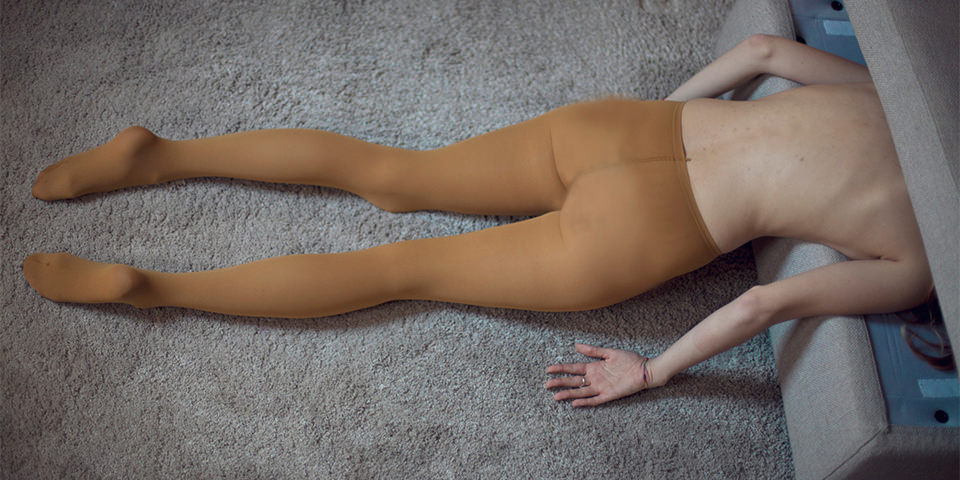
Eine Frau mit dem Kopf im Bettkasten

Giuseppe Palmisano ist ein junger italienischer Fotograf, der unter dem Künstlernamen „iosonopipo“ seine Arbeiten präsentiert. Frauen werden in seinen Bildern zu Lampen, liegen unter Matratzen oder auf Tischen. Meist sind ihre Gesichter nicht zu erkennen, es wirkt wie ein ungeschicktes Versteckspiel.
kwerfeldein – Fotografie Magazin | Fotocommunity

 
Comments Off on Versteckspiel mit Giuseppe Palmisano

Posted in Equipment


Hot Pop-Up Shops: 14 Imaginatively Risky Retail Designs

24 Sep

[ By Steph in Design & Fixtures & Interiors. ]

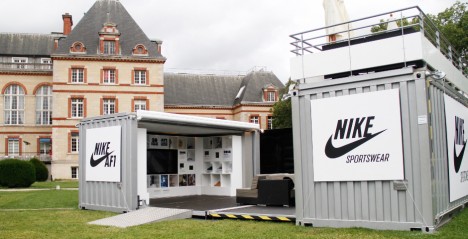
pop up shop nike 4

The temporary nature of pop-up shops seems to inspire a bolder, braver, more experimental approach to retail design, encouraging architects to make use of unexpected materials and play with shoppers’ perception. The resulting spaces are undeniably dynamic and often interactive, grabbing our attention so effectively, it’s wonder we don’t often see permanent stores this creative.

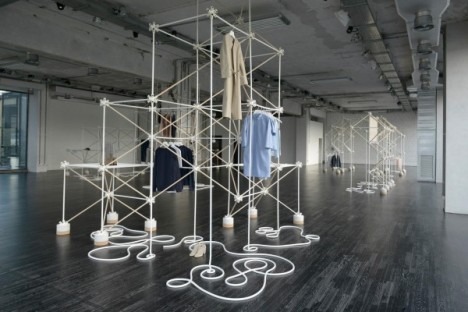
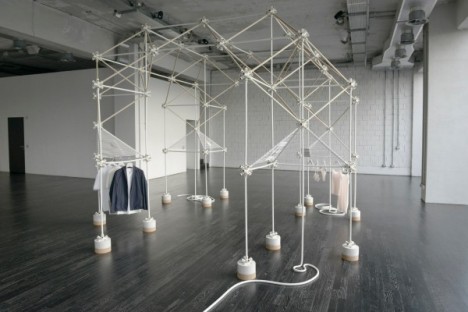
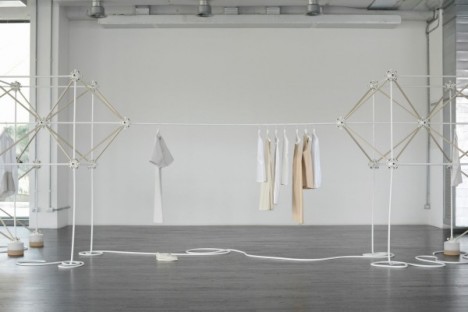
Minimalist COS Shop by Bonsoir Paris
pop up shop COS 1

pop up shop COS 2

pop up shop COS 4

A simple framework system of joints and rods comes together into a geometric installation that serves both as racks for the clothing being sold, and a visual contrast within the stark space. The fuss-free yet graphic style by Bonsoir complements the simple lines of Swedish fashion label COS.

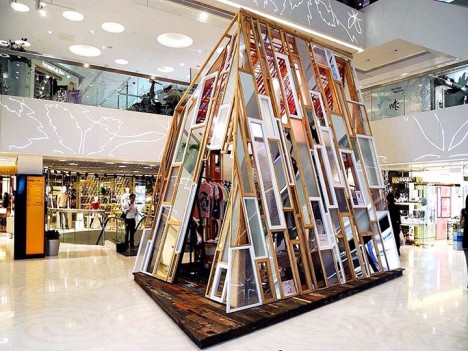
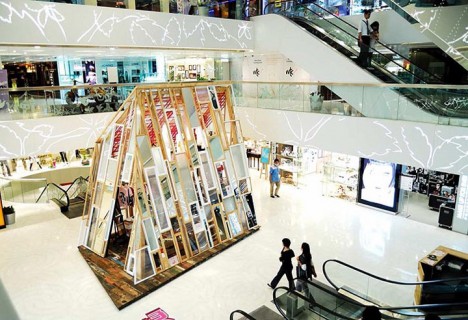
MOMO Recycled Pop-Up By Andy Tong
pop up shop MOMO 1

pop up shop MOMO 2

Made entirely from recycled and reclaimed materials like wood, windows, bubble wrap and mirrors, this pop-up by Andy Tong for MOMO attracts attention in the center of a Hong Kong mall. The designer wanted a temporary space that would stand out against the comparatively sterile corporate identities of the mall brands.

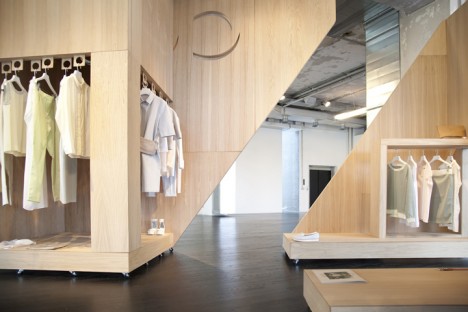
Modular Wood Pop-Up Shop for COS

pop up shp COS wood 2 pop up shops COS wood 4 pop up shop zalando 4 pop up shop COS wood 3
A series of modular wooden elements come together to form a room-within-a-room reminiscent of studio apartment pods where everything you need is cleverly packed into one tiny space. Another creation for Swedish retailer COS, this pop-up for the Salone del Mobile furniture fair has a cozy feel, drawing in passersby without overshadowing the goods themselves.

Mirrored Philip Lim Pop-Up by Schemata Architects

pop up shop philip lim 1

pop up shop philip lim 2

pop up shop philip lim 3

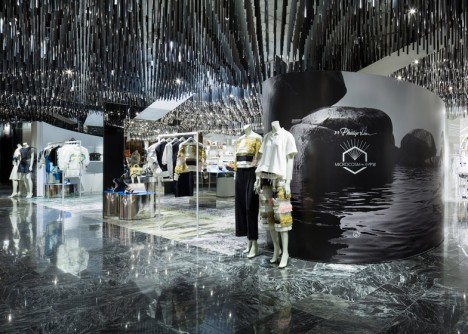
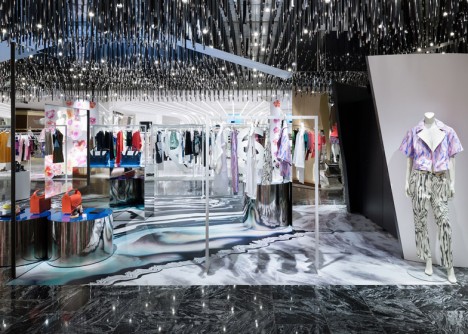
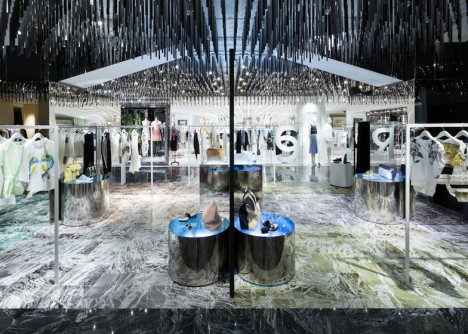
Schemata Architects play with reflection and symmetry to create a disorienting environment where you’re not sure what’s real and what’s illusion. Designed for fashion label Philip Lim, the space features needle-like pendant lights dripping down from the ceiling, glass-topped illuminated plinths and large mirrors facing each other.

Next Page – Click Below to Read More:
Hot Pop Up Shops 14 Imaginatively Risky Retail Designs

Share on Facebook


[ By Steph in Design & Fixtures & Interiors. ]

[ WebUrbanist | Archives | Galleries | Privacy | TOS ]


WebUrbanist

 
Comments Off on Hot Pop-Up Shops: 14 Imaginatively Risky Retail Designs

Posted in Creativity


DxOMark Mobile report: LG G4 takes second place in rankings

24 Sep

DxOMark has released its test results for the LG G4, which boasts a 16MP 1/2.6″ sensor and F1.8 lens. Other camera features include a laser system to support autofocus speed and accuracy, 3-axis optical image stabilization and an LED flash. We’ve updated our LG G4 camera review with a summary of DxO’s findings – find out what makes the G4 worthy of DxO’s top 10 mobile rankings. Read more

Articles: Digital Photography Review (dpreview.com)

 
Comments Off on DxOMark Mobile report: LG G4 takes second place in rankings

Posted in Uncategorized


Soviet Bus Stops: Surreal Architectural Roadside Wonders

24 Sep

[ By Steph in Destinations & Sights & Travel. ]

soviet bus stops 1

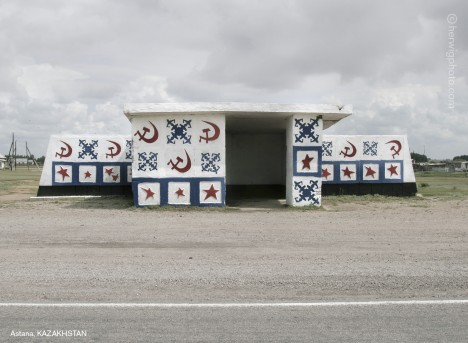
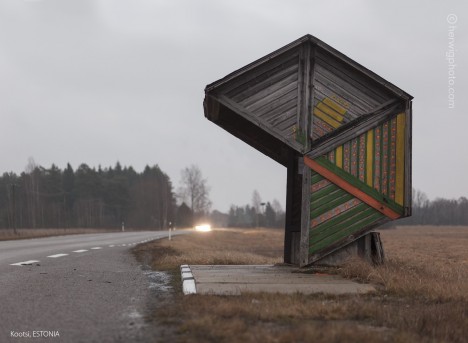
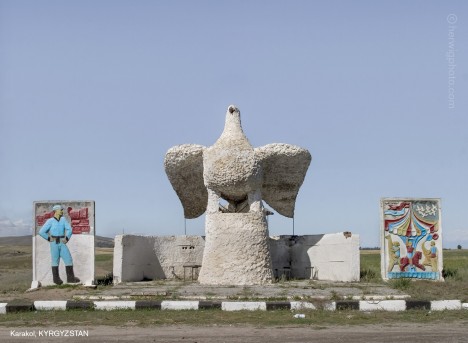
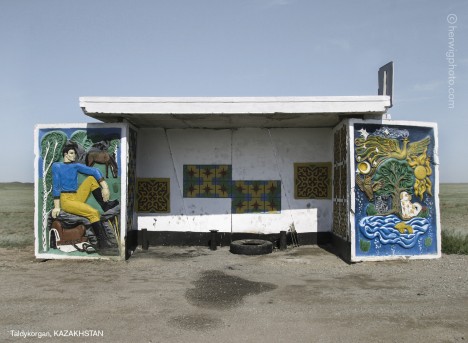
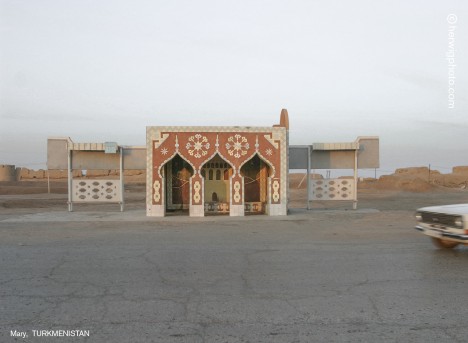
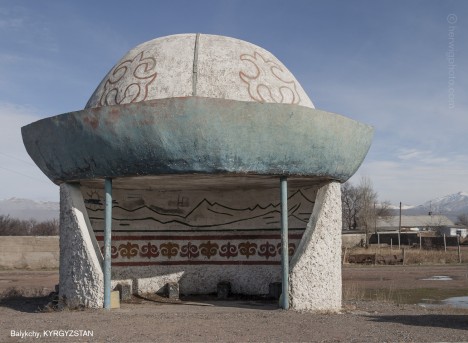
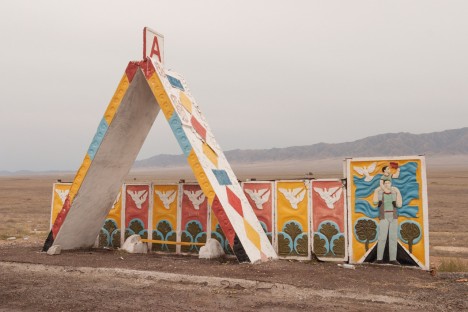
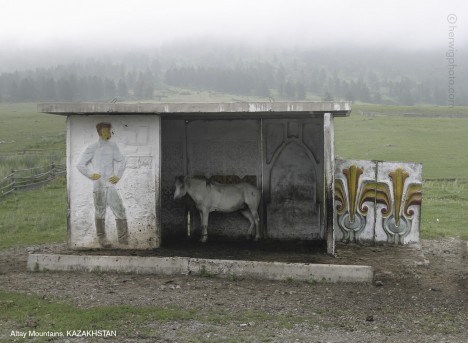
Standing stark against silent desert backdrops like sculptures made for Burning Man, these leftover Soviet structures are actually bus stops scattered throughout one of the most sparsely populated regions on Earth. Photographer Christopher Herwig followed bus routes from Estonia to Armenia to photograph odd little roadside shelters in former Soviet satellite states for a new book.

soviet bus stops 8

soviet bus stops 12

‘SOVIET BUS STOPS’ chronicles dozens of these entirely unique and surprisingly artistic structures in 157 color photographs, exploring the bus pavilion as its own architectural form. “There is a certain amount of [utilitarianism] here,” reads the foreword by Jonathan Meades. “But it is atypical. The norm is wild going on savage. Just as follies were, in the 18th century, often try-outs for new architectural styles, so may some of these wayward roadside punctuation marks have been structural or aesthetic experiments; they certainly don’t lack grandeur and audacity.”

soviet bus stops 5

soviet bus stops 4

soviet bus stops 3

Herwig first discovered the strange beauty of these huts on a long-distance bike ride from London to St. Petersburg in 2002. Designed by local artists, seemingly without any restrictions from the government providing the money, each one displays a bit of the character of the town in which it stands.

soviet bus stops 11

soviet bus stops 10

soviet bus stops 9

Throughout his journey, which took him to 13 countries and through territories that are rarely traversed by tourists, Herwig reports that he was occasionally accused of being a spy. The photographer scoured maps, Google Earth and traveler’s blogs for clues to find many of the shelters, which appear to be in exceptionally good shape for their age.

soviet bus stops 2

soviet bus stops 6

soviet bus stops 7

Twelve years in the making, the photos were originally published in a limited-edition, sold-out version of the book, which is now available in an expanded, smaller-format trade edition. 


Share on Facebook


[ By Steph in Destinations & Sights & Travel. ]

[ WebUrbanist | Archives | Galleries | Privacy | TOS ]


WebUrbanist

 
Comments Off on Soviet Bus Stops: Surreal Architectural Roadside Wonders

Posted in Creativity


Making Sense of Exposure

24 Sep

When I first started out in photography I had a tough time wrapping my head around one of its most fundamental concepts: exposure. I learned everything I could about things like aperture, light, shutter speed, highlights, shadows and dynamic range, but all these were planets orbiting a central sun called exposure and I couldn’t nail down exactly what that meant. I heard terms like “expose for the highlights” and “try to get a good exposure” sandwiched between people talking about “double exposure” and “long exposure” and my head was swimming. I figured things out eventually, but it took trial and error and cries for help to my fellow photographers (not to mention a lot of online research and books). So, then, let me help other aspiring image-makers learn a thing or two by making sense of exposure.
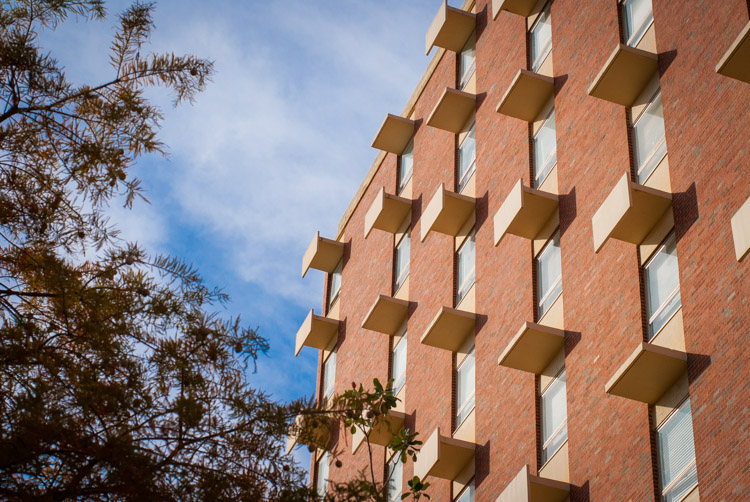
what-is-exposure-building

A properly exposed architecture photo.

Here’s the most basic, but informative, definition I can offer of exposure: it’s how bright or dark your photograph is. If a photo is too bright, it’s considered to be overexposed. Too dark, and it’s underexposed. But the Goldilocks-approved version of almost any picture is what’s known as a proper exposure – it’s neither too dark nor too light. All other bits aside, when people talk about getting a properly-exposed image, or tweaking camera settings to get a good exposure, all it really means is getting an image that’s not too bright or not too dark.

what-is-exposure-birthday

The bright sunlight made getting a proper exposure a bit tricky, but understanding how it works helped me get the photo I was looking for.

Sounds simple, right? It is, and yet it’s much more because photography is not just about getting things to be neither too bright or too dark. It’s up to you as a photographer to know not only how to get an image that’s properly exposed but how to adjust your camera’s settings to get the exposure you want. You might look at a given scene and decide that you want things to be a bit too bright or too dark, or you would really like some of the darker areas of the image to show up brighter, or you want to get a picture of something in broad daylight that’s normally too bright for your camera to deal with. Or perhaps you like images with extremely dark and light areas and you want to purposely create a sense of contrast while also maintaining a certain type of exposure. In Auto mode your camera will almost always try to get what it thinks is a properly-exposed image, but if you can work up the courage to try Aperture Priority, Shutter Priority, or even Manual mode you can start to control the various parameters that combine to make an image and, thus, get the precise type of exposure you want – not what your camera thinks you want.
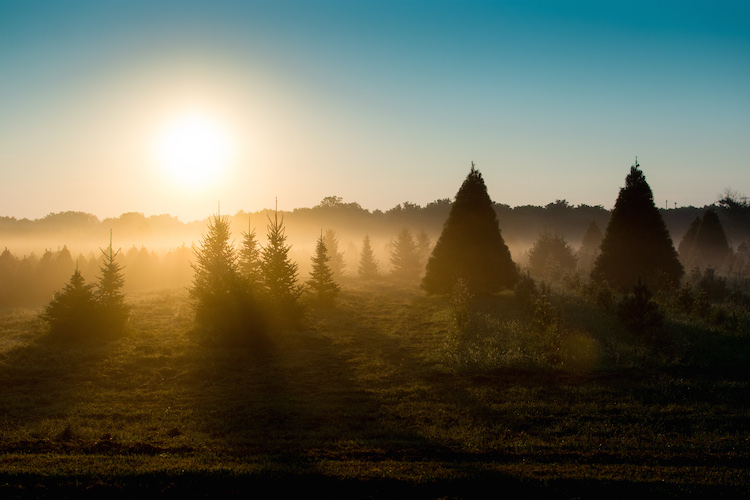
what-is-exposure-trees-sunrise

Knowing how to adjust my exposure was critical to capturing this image. My camera’s Auto function would have left me with an unusable photo.

So how do these other elements affect exposure, and what can you do to manipulate them to get the exposure you want? This is a simple breakdown of the three most important things you need to know:

Aperture: The size of the opening in your camera lens that lets light pass through to the image sensor. A larger aperture will let more light pass through, while a smaller one will not let much light pass through.

Shutter Speed: How long the curtains in front of the image sensor are open. A longer shutter speed will let more light pass through, while a shorter shutter speed will not let much light pass through.

ISO: How sensitive your image sensor is to light. Lower ISO values mean your camera is not very sensitive to light, which means a proper exposure requires either a longer shutter speed, a wider aperture, or both. High ISO values mean your camera is very sensitive to light, which means a proper exposure requires either a shorter shutter speed, smaller aperture, or both.
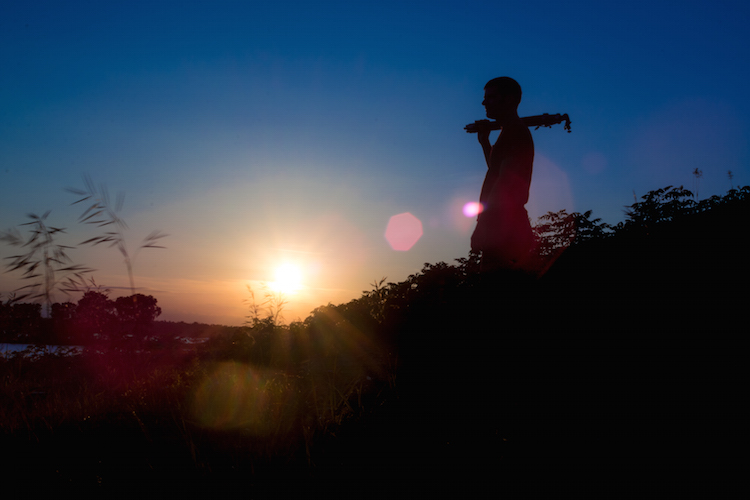
what-is-exposure-silhouette

In this shot, I used a special light-blocking tool called a neutral density filter in order to get the desired exposure.

What does all this mean in practice, and how can you adjust these elements to get the exposure you want? To illustrate a few basic principles, here are some photos that show what can be done to manipulate your camera in order to get the proper exposure (combination of light and dark) that you want.

This first picture has a proper exposure: there’s some bright areas, some dark areas, and a mix of both in various sections of the photo.
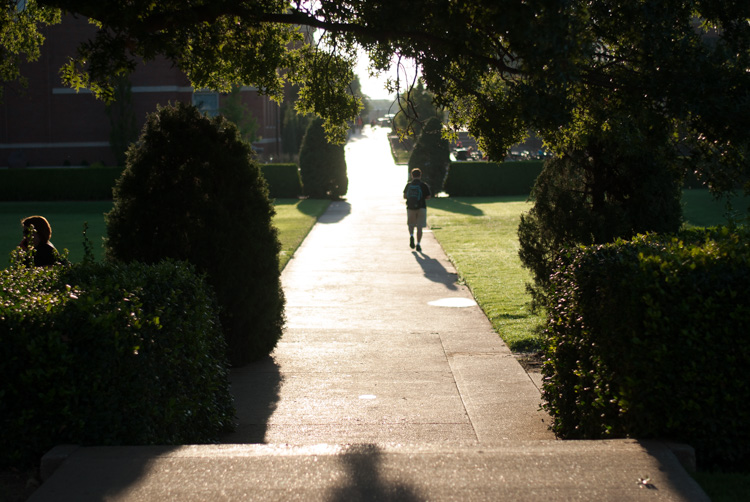
what-is-exposure-even

Early morning on campus with a good overall exposure. 50mm, ISO 100, f/4.0, 1/2000 second.

Now take a look at the next one, which has been exposed for the highlights. This means I wanted to take the bright areas of the picture, specifically the sidewalk as it recedes to the horizon, and make that part be properly exposed. To do this, I had to decrease my shutter speed quite a bit, which meant that only a little bit of light was captured. Since there was so much light shining on the sidewalk, a little bit was all I needed. You’ll notice that the result illustrates a bit of a trade-off: the very bright portions of the  image are now more properly balanced and you can make out a lot more detail in the sidewalk, but the darker portions are now really dark and you can’t see much of anything.
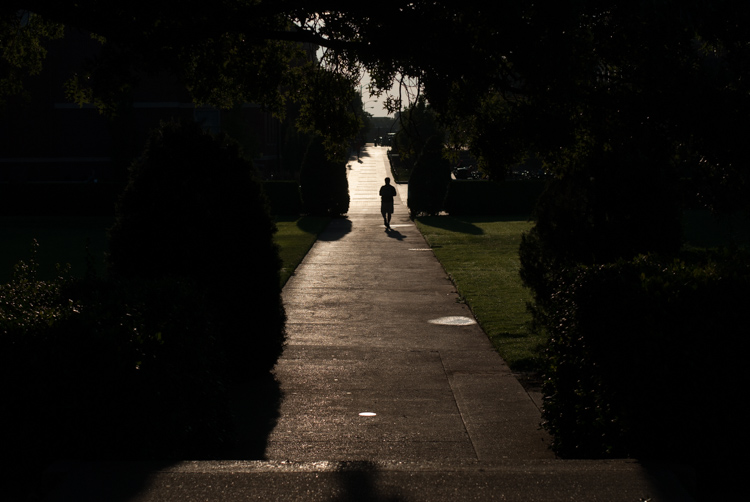
what-is-exposure-highlights

The same scene, exposed for the highlights. 50mm, ISO 100,f/4.0, 1/5000 second.

I also took a photo of the same scene but exposed for the shadows. Since the dark areas of a given composition are not reflecting much light, you’ll need to find a way of capturing as much of it as possible. In this case, I chose to use a much longer shutter speed in order to let in much more light. Once again, you can see an immediate trade-off: the dark areas are much more colorful, but the bright areas are way too bright. If I wanted to emphasize the trees, shrubs and other greenery this is one way to do that, even though it would come at the expense of some of the color and detail on the sidewalk.
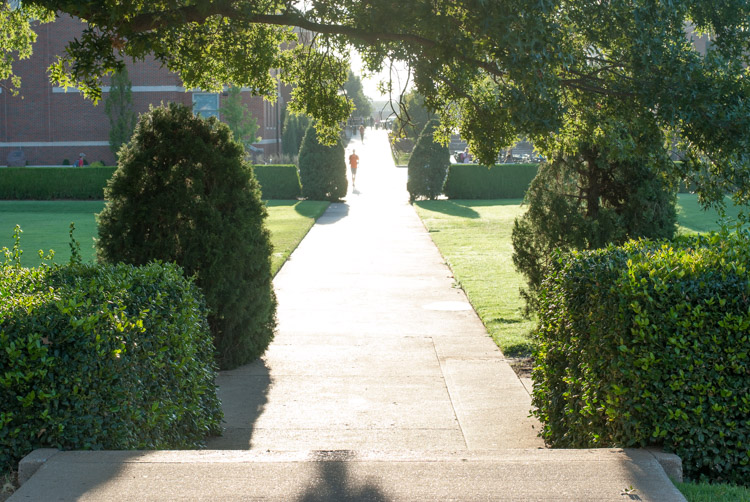
what-is-exposure-shadows

The same scene, exposed for the shadows. 50mm, ISO 100,f/6.7, 1/90 second.

If you want to try altering the exposure of a given photograph the simplest way is to use your camera’s exposure compensation function to quickly over – or under – expose your composition. Alternatively, you can manually adjust the parameters like Aperture, Shutter Speed and ISO to get the desired result. If you want to get really creative you can use different metering modes on your camera (spot, center-weighted, average, etc.) to adjust how your camera takes various sources of light into account in order to get the exposure you are looking for.

As a side note, you might have heard about a technique called HDR which stands for High Dynamic Range, and involves taking multiple exposures of the same scene and combining them on your computer using a program like Photoshop. This means you get the best of all worlds: properly exposed highlights and shadows along with a good overall balance of color throughout the image. It’s just another tool in your kit that you can utilize to get the exact image you are going for, which is why understanding exposure is so critical to photography. By knowing what it is and how to control the exposure of a scene to get the picture to turn out how you want, you can take more control over your pictures and start making creative decisions instead of leaving things up to your camera.

I hope this article clears up some confusion you might have about the subject of exposure, as it’s the kind of piece I wish I had in front of me several years ago. Do you still have questions about what exposure is all about? What are your favorite tips and tricks to deal with exposure? Leave your thoughts in the comments below.

googletag.cmd.push(function() {
tablet_slots.push( googletag.defineSlot( “/1005424/_dPSv4_tab-all-article-bottom_(300×250)”, [300, 250], “pb-ad-78623” ).addService( googletag.pubads() ) ); } );

googletag.cmd.push(function() {
mobile_slots.push( googletag.defineSlot( “/1005424/_dPSv4_mob-all-article-bottom_(300×250)”, [300, 250], “pb-ad-78158” ).addService( googletag.pubads() ) ); } );

The post Making Sense of Exposure by Simon Ringsmuth appeared first on Digital Photography School.


Digital Photography School

 
Comments Off on Making Sense of Exposure

Posted in Photography


Instagram has 400 million active users

24 Sep

It seems there’s just no limit to the growth of Facebook-owned mobile image-sharing platform Instagram. The company just announced it has reached a stunning 400 million active users, an increase of 100 million compared to the figures released in December 2014. Read more

Articles: Digital Photography Review (dpreview.com)

 
Comments Off on Instagram has 400 million active users

Posted in Uncategorized