RSS
 

Archive for September, 2015

Next Level Techniques for Advanced Beginners

28 Sep

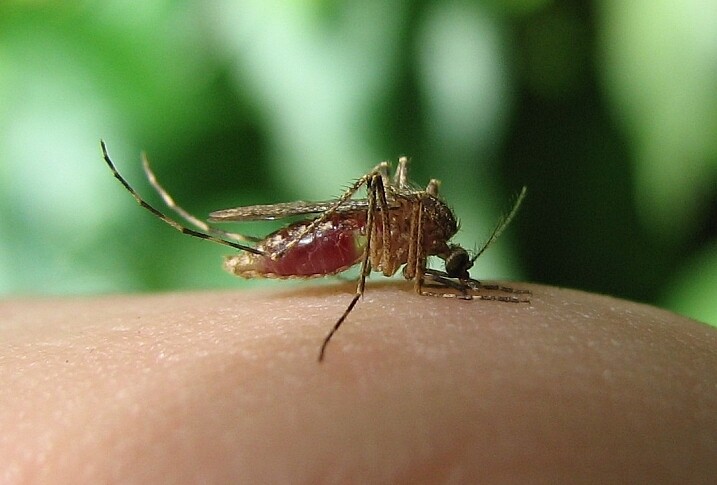
You’ve been bitten by the photography bug – it’s not an actual insect, but you know what I mean.
Andreas.

By Andreas.

After the salesman pried that hard-earned money from your hands, you brought home that tantalizing-looking DSLR and your friends looked at it like it was a dangerous alien device, inquiring what all of those buttons, dials, and switches actually do.

At the time you didn’t really even know what they did, but you did know that once you figured it out, some cryptic combination of clicking knobs, pushing buttons and twisting rings on that lens, you were going to produce some knock-out photos.

Since then, you have spent eons of your life that you will never get back reading and researching on Digital Photography School, and highlighting juicy passages in your camera’s user manual (that last part might not be true). And guess what? It’s paid off!

Now you know how aperture affects depth of field, how to use shutter speed to freeze or blur movement and that once mysterious acronym, ISO, finally means something to you. Looking back you now understand what it is like to be a beginner, and that realization alone has raised you to a new level.
JD Hancock

By JD Hancock

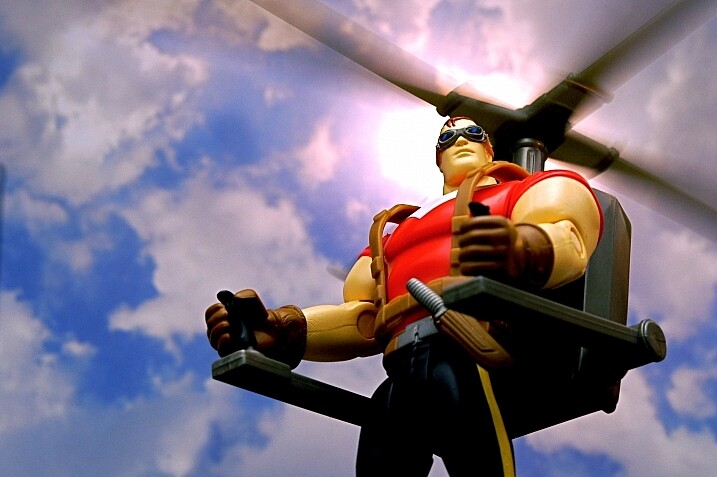
What now? You are getting some shots you are proud of, have a pretty firm grasp of the fundamentals and are ready to take it to the next level. You are ready to learn some new techniques, emerge from survival mode and get out there and photograph with intention.

Let’s take a look at some techniques that just might get you over that hump and give you the skills, knowledge and power to capture great photos consistently.

Understanding and Using Aperture and Shutter Priority Modes

These are features that the vast majority of DSLRs have, and even many point-and-shoot cameras on the market as well. Some purists may balk at the thought of using one of these “automatic” settings, but pro shooters have long ago learned the versatility and usefulness of these controls.
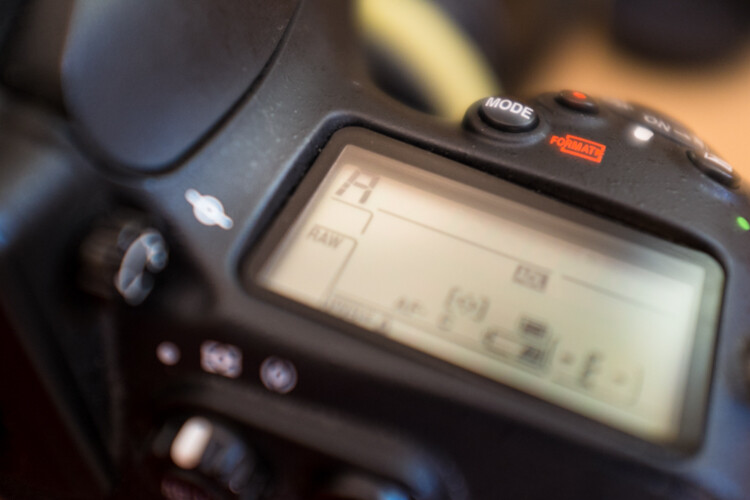
Aperture priority settings

Aperture priority gives you full control of aperture while your camera takes care of the rest.

Although the various options for these settings may vary between manufacturers and camera models, the basic premise remains the same.

As the name suggests, these settings are pseudo-automatic. However, unlike the Program (P) setting, which does allow a minute amount of influence from the shooter, Aperture and Shutter Priority modes let you set certain parameters that change automatically to compensate for other adjustments that you remain in control of.

For instance, if your camera is set to Aperture Priority you retain the ability to adjust the Aperture to alter the depth of field as you see fit, and in conjunction with ISO, the camera will automatically choose the corresponding shutter speed for correct exposure. Many cameras give you the option to control ISO manually or let the camera adjust it for you.

The Shutter Priority setting does what you would expect, allowing you to control the shutter speed while the camera does the heavy lifting of setting the appropriate aperture.
Thomas Hawk

By Thomas Hawk

Some cameras offer the option to set limits on the extent of certain settings. For example, if you are shooting in aperture priority, you can set the camera so the shutter speed won’t drop below a predetermined speed or the ISO won’t exceed a maximum level.

My camera is set to Aperture Priority more often than not – this is personal preference. I know my camera like the back of my hand, and can anticipate how all the settings correspond to one another, so I feel comfortable using this setting under most conditions. It is certainly important to be comfortable using your camera in Manual Mode, however, you are likely to find that once you become accustomed to Aperture or Shutter Priority modes, you will have enough control without having to spin dials as much. Priority modes also help prevent accidental changes which can result in improper exposure.

Exposure Metering, Exposure Lock, and Exposure Compensation
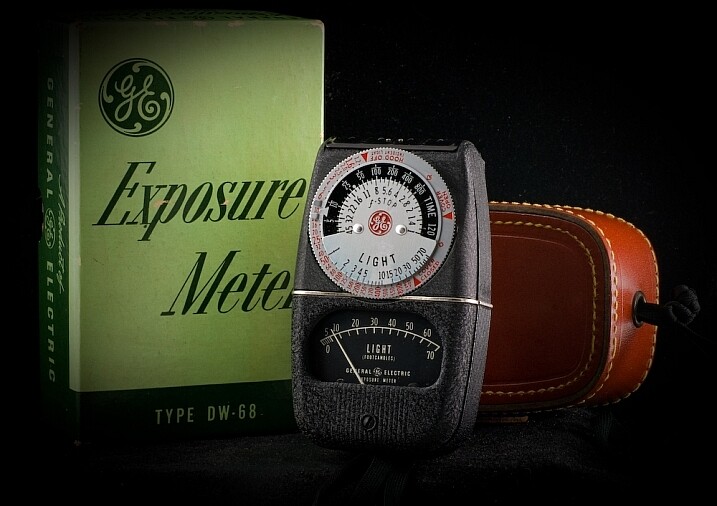
A*J*P

Vintage exposure meter – By A*J*P

While we’re on the subject let’s look at some other ways that you can work with your camera to get proper exposures in all sorts of conditions.

DSLRs give you a few different options as to how they meter and determine exposure for a given scene. The most common are spot, center-weighted and evaluative or matrix metering. Take a look at this handy cheat sheet that should help you wrap your mind around the concept.

Fancy technicalities aside, what are the practical applications of these different settings?

Spot metering

Since spot metering bases exposure on the reading from a very small area of the image, it is a great choice if the subject of your composition is small and significantly lighter or darker than the rest of the image, so you can hone in on the correct exposure. This metering mode can be useful for small backlit subjects, as the light source shining directly at the camera will most often result in an underexposed subject. Keep in mind that regardless of the type of focus points you are using, spot metering will read only about a 4mm radius (depending on the camera) from the very center of the focus point.

Center-weighted metering

Center-weighted metering takes the whole frame into consideration, but puts more value towards the center of the focus points (somewhere in the 12mm range). This setting works great when your subject takes up a larger part of the frame, or the lighting is more even. Consider a close-up portrait where spot metering might be too specific if it reads a shadowed or highlighted area, but center-weighted would give you more of an average.

Evaluative or Matrix metering

The last of three main metering types, evaluative (Canon) or matrix (Nikon) metering, determines exposure in a more complex way by taking into account composition, tones, color and some cameras can even factor in the distance objects are from the camera to estimate what the main subject is. This system of metering works great for landscapes and wide angle shots.

Many cameras are equipped with a dedicated exposure lock button or have customizable settings in order to delegate one. This is used when you want to take an exposure reading and hold it. If your subject fills a large part of the frame, the camera may do a good job at setting exposure. If the subject takes up only a small part of the frame, you can move in close to get an exposure reading, lock exposure and recompose the image.
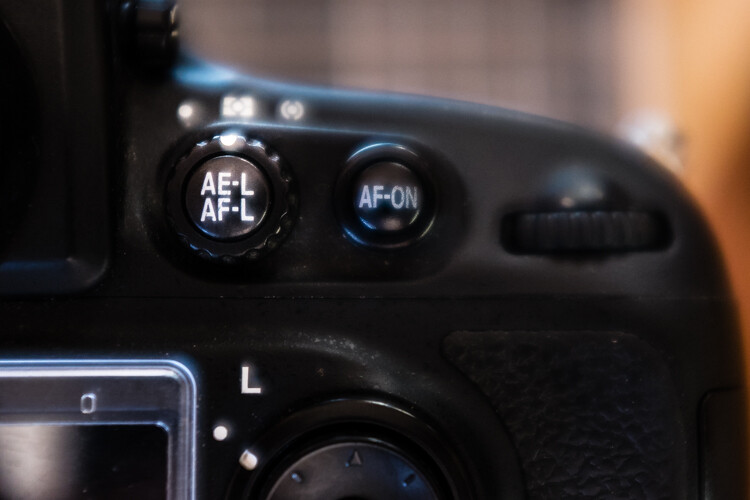
Exposure/focus lock button

Once you familiarize yourself with the exposure/focus lock button, you will be surprised how often you use it.

Exposure compensation

Exposure compensation allows you to over or underexpose the image manually. This is most useful while using automatic or semi-automatic settings like Aperture or Shutter Priority. In the example of a backlit portrait, many photographers prefer to overexpose the camera’s suggested exposure, knowing that the reading will be wrong because of the lighting. You could certainly change your exposure metering to try and secure a more accurate reading, but with experience you can easily predict how the camera’s exposure meter will react ,and use exposure lock or exposure compensation as a more direct, and one-off, route to proper exposure.

Just keep in mind that the most challenging conditions for your camera’s exposure meter are high contrast situations, and with enough experience you will learn to “see” like your camera and easily be able to anticipate necessary compensations.

Selecting Different Focus Settings

To start with, there are two main categories of autofocus settings: Single and Continuous.

Single (One Shot on Canon) is intended for stationary subjects. When the camera finds focus in single servo mode, it holds that focus point until the shutter is released or the autofocus is released and re-activated.

However, single servo focusing can be very useful for action in certain applications. For example, one technique when shooting a moving, yet predictable subject, is to compose the image and lock focus on the spot where you know your subject will be, and wait for it to enter the frame (think panning).

In continuous focus mode, your camera will continually refocus while the autofocus is engaged. This is the setting to use if your subject, or you and your camera, are on the move. In continuous mode, many cameras allow you to choose how many focus points are live. Say you are shooting a sporting event and there are a lot of players, you may want to use fewer focus points in order to single out your subject.

Continuous servo autofocus

Continuous servo focusing is best used to maintain focus on moving subjects – especially if they are moving towards or away from you.

It’s also worth mentioning that just in case you haven’t figured it out already, you can move the focus points around the frame in the viewfinder with the multi-selector. This is key while trying to maintain a certain composition with a moving subject. Consider some basic compositional conventions such as the rule of thirds when setting your focus points for a shot.

Confirm Focus by Previewing Images at 100%, In-camera

As a digital photographer you are extremely fortunate to have access to a feature like this –film shooters didn’t/don’t have this luxury.

The concept is simple: if you are unsure whether you nailed a sharp image, due to camera shake or shallow depth of field, zoom in to 100% and do a little pixel peeping for confirmation. Make a habit of doing this instead of ending up in front of your computer in disappointment at a great shot that’s not sharp.
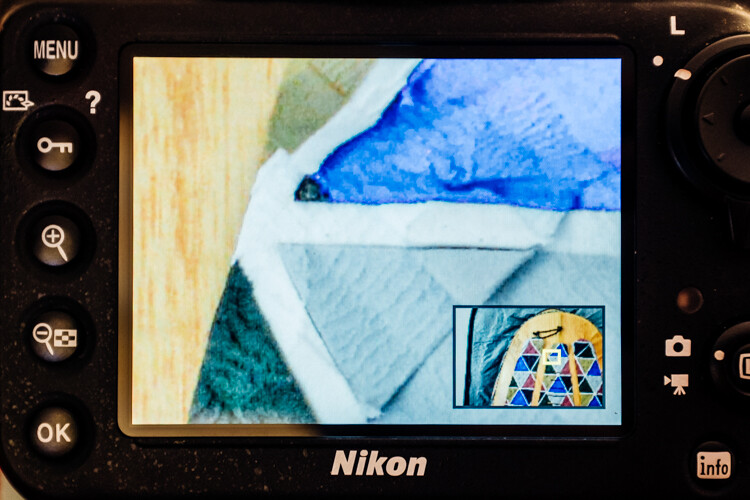
Zoomed to 100% in camera

Zooming to 100% is a quick way to confirm you have a sharp image.

Some cameras (check your user’s manual to see if your camera supports this feature) allow you to customize a button which zooms directly to 100% for this purpose.

Many cameras have a setting (sometimes called shutter release priority) which won’t allow a picture to be taken unless it recognizes that your focus point is actually in focus. Personally, I loathe this setting. I think it is better to take your chances and at least try to get the shot. Although the focus may not be spot on, you still may get a usable image.

Conclusion

These are just a few of the major technical considerations to keep in mind as you bravely forge ahead in your photographic pursuits.

Every situation requires its own approach, and the more tricks you have up your sleeve, the more prepared you will be to nail the best shots. Keep your nose to the grindstone and embrace the challenge!

Do you have any other tips for the advanced beginner? Please share in the comments below.

googletag.cmd.push(function() {
tablet_slots.push( googletag.defineSlot( “/1005424/_dPSv4_tab-all-article-bottom_(300×250)”, [300, 250], “pb-ad-78623” ).addService( googletag.pubads() ) ); } );

googletag.cmd.push(function() {
mobile_slots.push( googletag.defineSlot( “/1005424/_dPSv4_mob-all-article-bottom_(300×250)”, [300, 250], “pb-ad-78158” ).addService( googletag.pubads() ) ); } );

The post Next Level Techniques for Advanced Beginners by Jeremie Schatz appeared first on Digital Photography School.

Digital Photography School

 
Comments Off on Next Level Techniques for Advanced Beginners

Posted in Photography


Eine Frage, viele Antworten – Teil 2

28 Sep

eine frage viele antworten

Heute beschäftigen wir uns mit einer Frage, die man sicher nicht jeder Berufsgruppe stellt und die bei Fotografen leider viel zu gängig ist: „Unter welchen Umständen arbeitest Du kostenlos?“
kwerfeldein – Fotografie Magazin | Fotocommunity

 
Comments Off on Eine Frage, viele Antworten – Teil 2

Posted in Equipment


Floating Farms: Agricultural Barges to Yield 10 Tons Per Year

28 Sep

[ By WebUrbanist in Architecture & Public & Institutional. ]

offshore farm barges

Powered by solar-paneled roofs overhead, these barge farms feature hydroponic space for produce above and support fish farming below, using extant technologies to offshore vast quantities of food to be grown on the water.

floating modular barge farms

Based in Barcelona, Forward Thinking Architecture is pushing its Smart Floating Farms concept to interested cities and investors, boasting the modularity of this system that can start with a single barge or morph into a fleet of connected vessels. Each barge is designed to yield over 8 tons of fruits and vegetables and nearly 2 tons of fish per year.

floating farm yield chart

The barges would be 656 by 1,150 feet and contain its own desalination plant, able to turn saltwater to fresh for farming purposes. Solar, wind and wave power render each platform self-sufficient in terms of energy as well as relatively independent, needing little human interaction or intervention to function.

floating high yield farm

While there is no set date for launching the first of these floating farms, the feasibility of the system is promising. It does not presuppose any technology that does not already exist, and represents a natural expansion of development beyond land to adjacent open spaces on the water.

barge farm interior fish

From the architects: “The world population is predicted to grow from 6.9 billion in 2010 to 8.3 billion in 2030 and to 9.1 billion in 2050. By 2030, food demand is predicted to increase by 50% (70% by 2050). The main challenge facing the agricultural sector is not so much growing 70% more food in 40 years, but making 70% more food available on the plate.”

Share on Facebook


[ By WebUrbanist in Architecture & Public & Institutional. ]

[ WebUrbanist | Archives | Galleries | Privacy | TOS ]


WebUrbanist

 
Comments Off on Floating Farms: Agricultural Barges to Yield 10 Tons Per Year

Posted in Creativity


27. September 2015

28 Sep

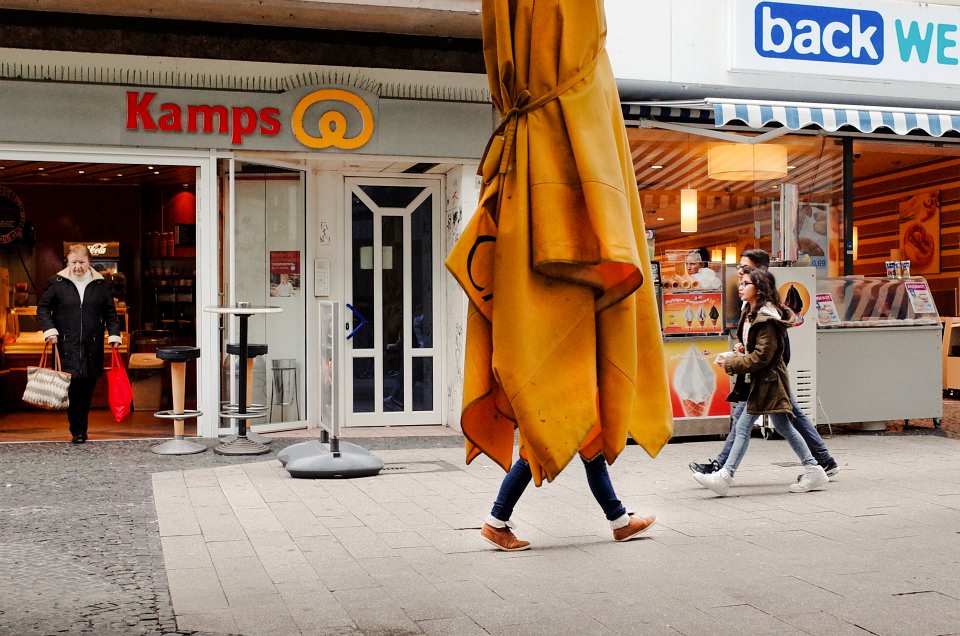
Das Bild des Tages von: Max Slobodda

In der Fußgängerzone: Zwei Beine schauen unter einem geschlossenen Sonnenschirm hervor.

Im Ausblick könnt Ihr den neuesten Modetrend entdecken.
kwerfeldein – Fotografie Magazin | Fotocommunity

 
Comments Off on 27. September 2015

Posted in Equipment


Don’t Lets Tart: 10 Odd & Unusual Pop-Tart Flavors

27 Sep

[ By Steve in Design & Products & Packaging. ]

pop-tarts-many2

Introduced in 1964, Kellogg’s Pop-Tarts have become a pop culture phenomenon boasting a host of odd & unusual flavors only a Nyan Cat could love.

pop-tarts-hello-kitty-1a

pop-tarts-hello-kitty-1b

Strawberry Pop-Tarts taste like strawberries, S’mores Pop-Tarts taste like S’mores, and Hello Kitty Pop-Tarts taste like Japan’s sweetest character cat, of course! Credit Flickr users Valent1ne Apogee and Jason Cosper (boogah) for the photos above.

pop-tarts-hello-kitty-1d

Hello Kitty Pop-Tarts featured “Meow-Berry” filling, whatever that is. Considering the pink frosting iss embedded with little Hello Kitty faces and red hair bows, the sickly sweet gooey red filling must be… noooo, let’s not go there! And ignore the chainsaw in Annellese Zemp‘s photo above as it has ZERO connection to the manufacturing of Hello Kitty Pop-Tarts. Yeah, that’s the ticket!

Scary Stuffed

pop-tarts-pumpkin-pie-2a

pop-tarts-pumpkin-pie-2b

Pop-Tarts may have been inspired by traditional English mince pies but does that mean every possible pie flavor works as a Pop-Tart filling? Whether it works or not, Kellogg’s is gonna give it a shot. Take Pumpkin Pie Pop-Tarts… you were expecting maybe Pumpkin Spice? No doubt those are on the way but for now (actually, autumn of 2013), harvest-flavor aficionados like Mike Mozart will have to feed their craving with Pumpkin Pie Pop-Tarts. Mike appears to be enjoying them but will he look so cheery after nomming all 16?

Patriotart

pop-tarts-american-idol-3a

pop-tarts-american-idol-3b

pop-tarts-american-idol-3c

Hmm, last time someone ate a flag (we’re lookin’ at you, Zoidberg) there was hell to pay. Such considerations didn’t seem to bother Kellogg’s and the producers of American Idol back in July of 2006, however. These limited edition Wild Strawberry-flavored and patriotically-frosted Pop-Tarts were promoted during the 2006 American Idol Tour. Judging from the crowd of snack-samplers above, free Pop-Tarts are the last thing America’s idle need.

Next Page – Click Below to Read More:
Dont Lets Tart 10 Odd Unusual Pop Tart Flavors

Share on Facebook


[ By Steve in Design & Products & Packaging. ]

[ WebUrbanist | Archives | Galleries | Privacy | TOS ]


WebUrbanist

 
Comments Off on Don’t Lets Tart: 10 Odd & Unusual Pop-Tart Flavors

Posted in Creativity


Die 5 Videos des Monats

27 Sep

Urban Media Festival © Aileen Wessely

Welches ist eigentlich die echte Art der Fotografie? Welche bevorzugst Du? In dieser Ausgabe der Videos haben wir alle Varianten an Bord: Den Künstler, der seine Bilder digital verändert, die Dokumentation, die Dokumentation mit einem deutlichen Schwerpunkt in eine Richtung, die Veränderung von vorgefundenen Dingen, das komplett Herbeigeträumte.
kwerfeldein – Fotografie Magazin | Fotocommunity

 
Comments Off on Die 5 Videos des Monats

Posted in Equipment


Tips for Creating Original Images

27 Sep

Years ago I shot an image for a competition that I was sure was a highly original piece of genius. Only to find out when looking at other entries, there seemed to be rather a lot of other highly original geniuses with exactly the same idea.

To get further in competitions I realized I had to start thinking outside the box. So I developed a strategy for getting a bit more original with my photography. Here are some tips you may find helpful for coming up with unique ideas and for creating original images.

Coming up with an idea

If you don’t already have an idea to work from, you can pick one right now – be it the first item you see after reading this sentence, or google your town and see what comes up. For example, the first link might be to a local hairdresser, so your theme could be hair. Try this with some other keywords like; photography or art, or go completely random and google both hair plus the first item to your left.

Send in the clowns

A quote from musician Nick Cave explaining his song writing process:

“Do you want to know how to write a song? Song writing is about counterpoint. Counterpoint is the key. Putting two disparate images beside each other and seeing which way the sparks fly. Like letting a small child in the same room as, I don’t know, a Mongolian psychopath or something, and just sitting back and seeing what happens. Then you send in a clown, say, on a tricycle and again you wait and you watch. And if that doesn’t do it, you shoot the clown.”

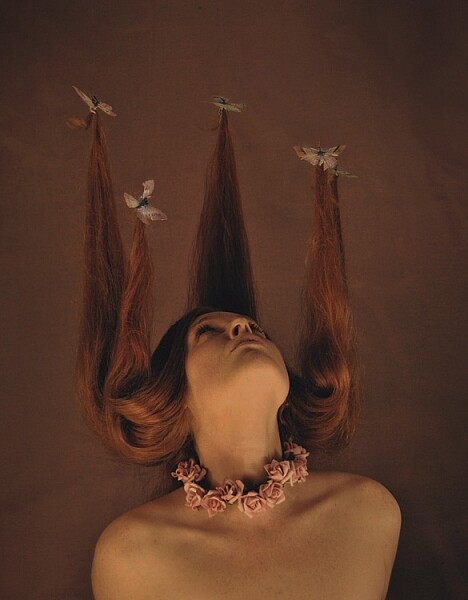
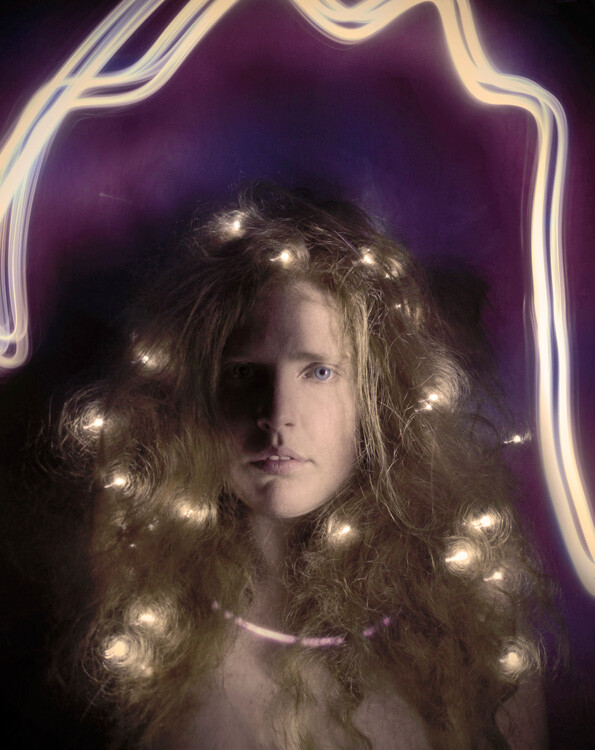
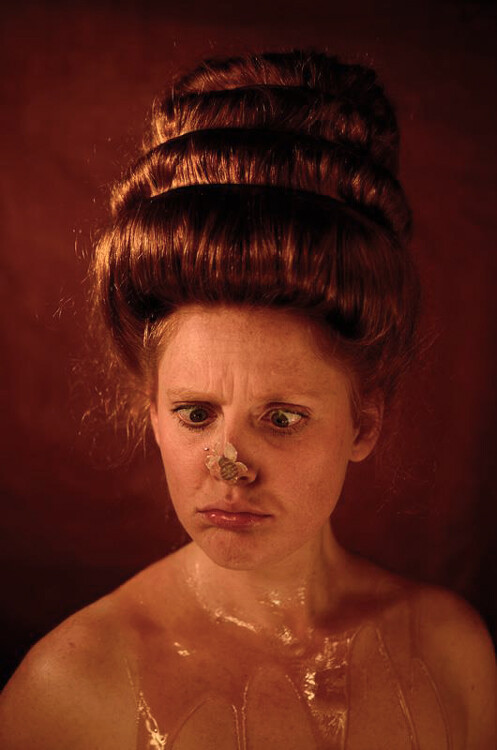
Apply this to your photography. Your theme, that’s your small child. Add to that a certain style of photography, macro , high speed , light painting, that’s your Mongolian psychopath. Now send in the clown, perhaps this could be, as above, the first thing you see to your left, or something available to you that might not be available to other photographers like an awesome local location, unique props, or skills. In my case some mad crafty skills and a friend, with a lot of red hair, to model for me.

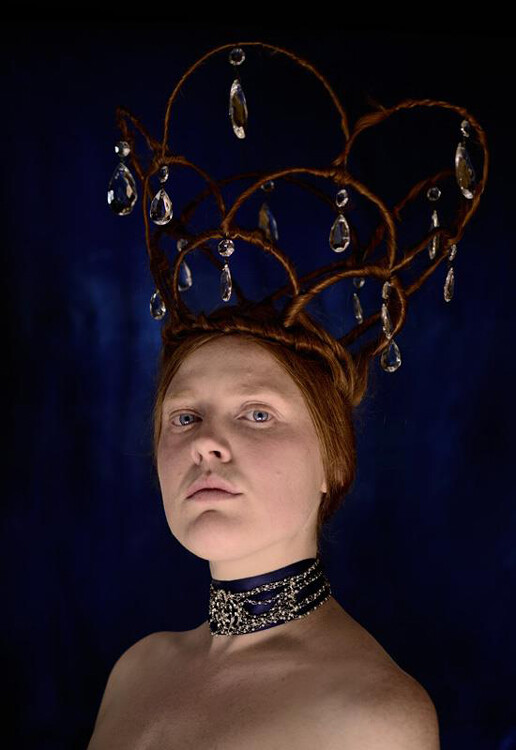
An unusual prop is a good place to start when aiming for an original image.

Combining other skills or hobbies (in this case my crafty skills) with your photography can help to create unique images. I made a crown out of coat hangers and wrapped the model’s hair around it. The jewels in the crown were some old chandelier parts I found at a market. Markets and thrift stores can be a good source for unusual items to inspire an original photograph.

Think about what is available to you

It’s all well and good to want to do a high-speed Kung Fu fighter action shot in low light, when all that is available to use is your mobile phone camera and your dog as the actor, and he has no Kung Fu training whatsoever. Not that it can’t be done, just saying, know your limits – then ignore them, or try to work around them.

Go for a walk

Even if you have a good idea, it’s a good idea to go for a walk.

When you get home, write or sketch further ideas. They don’t have to be good, or fully thought through, just get them down on paper or computer. Make notes of anything that comes to mind, you can sort out what works later. Even if you think your first idea is the one, still try to stretch yourself to come up with at least five to 10 more. This may sound like a lot, but sometimes that is what it takes to get yourself thinking outside the box.

If by then you don’t come up with anything original that you are excited about, go for another walk.

Let it rest

Creativity requires leisure, as they say. I am all for striking while the iron is hot, as they also say, but there is a lot to be said for allowing yourself to just mull over ideas for a while. Send in or shoot a few more clowns, see if you can improve the concept, or add a new element to really make it original.

Research

Google your idea or theme in an image search. This may not only inspire further ideas, but also allow you to check that any you’ve come up, with haven’t already been done a million times before.

Be prepared to re-shoot

Sometimes we can get caught up in an idea. I once went to great length with costume, setup and a bizarre concept, for a competition brief. After a lengthy photo session and editing, I realized the idea didn’t actually make any sense because the concept was too complicated. So I simplified the whole thing back down to basics, shot the clown as Mr. Cave advised, and the second attempt worked a treat. Going that extra mile to keep thinking and photographing, plus a willingness to let go of an idea you have worked hours on, will help you get to that truly original image in the end.

Shoot a series

This works on the same principle as coming up with 10 ideas in the sketching stage before you settle on one. Getting past your first inclinations, and pushing an idea, will get you outside your initial box. Photographing a series, forces you to take that a step further. When you are thinking about an idea over an extended period of time, over several shoots, you really give your creativity a work out. You may surprise yourself with what you come up with by your seventh photo shoot, based on your first concept.

Collaborate

Aristotle said; “The whole is greater than the sum of its parts”. Not all collaborations create equally, but when they work, something wonderful happens. The combination of two or more collaborators can create concepts and ideas that take you far beyond what you would have done on your own.

Even something as simple as asking a portrait subject to bring in some props or personal items of their own, can change a photo shoot from ordinary to original.

Go beyond the sunset

This applies to any form of photography but I’ll use the ubiquitous sunset shot as an example.

Basically what I am saying here is get out of your comfort zone, and take a different approach. Instead of the cliché sunset, try something new with it, be it learning different photographic method such as infrared photography, multiple or long exposures, light painting, or add a new element, some random item. Hair + sunset = a challenge, but it’s going to take you beyond the ordinary sunset photograph.

An exercise to stretch your imagination

Choose one of each from the two lists below, then try a few of the tips above, especially coming up with 10 possible photograph ideas. Then go have a hoot photographing the one you like best!

Items:

  • Something from your refrigerator
  • A bottle
  • A piece of fabric
  • An item from your bathroom

Camera method:

  • Long exposure
  • High shutter speed
  • Black and white
  • Low light

An image from that list could be a low light shot (sunset) and a message in a bottle on the beach, not exactly an original concept. However, just because something has been done before, doesn’t mean you shouldn’t run with it, put your own mark on it, find an original way to show that story.

Should you try the exercise, or any of the above tips, share your results in the comments, let’s have some fun with this!

googletag.cmd.push(function() {
tablet_slots.push( googletag.defineSlot( “/1005424/_dPSv4_tab-all-article-bottom_(300×250)”, [300, 250], “pb-ad-78623” ).addService( googletag.pubads() ) ); } );

googletag.cmd.push(function() {
mobile_slots.push( googletag.defineSlot( “/1005424/_dPSv4_mob-all-article-bottom_(300×250)”, [300, 250], “pb-ad-78158” ).addService( googletag.pubads() ) ); } );

The post Tips for Creating Original Images by Lea Hawkins appeared first on Digital Photography School.


Digital Photography School

 
Comments Off on Tips for Creating Original Images

Posted in Photography


Countdown to PIX 2015: Colby Brown and the Giving Lens

27 Sep

With just over a week until PIX 2015, we’re taking the opportunity to introduce some of our talented re:FRAME speakers. Meet Colby Brown, a veteran travel photographer who’s been to the ends of the earth and back for the shot. Read more
Articles: Digital Photography Review (dpreview.com)

 
Comments Off on Countdown to PIX 2015: Colby Brown and the Giving Lens

Posted in Uncategorized


26. September 2015

27 Sep

Das Bild des Tages von: Hille Thomasson

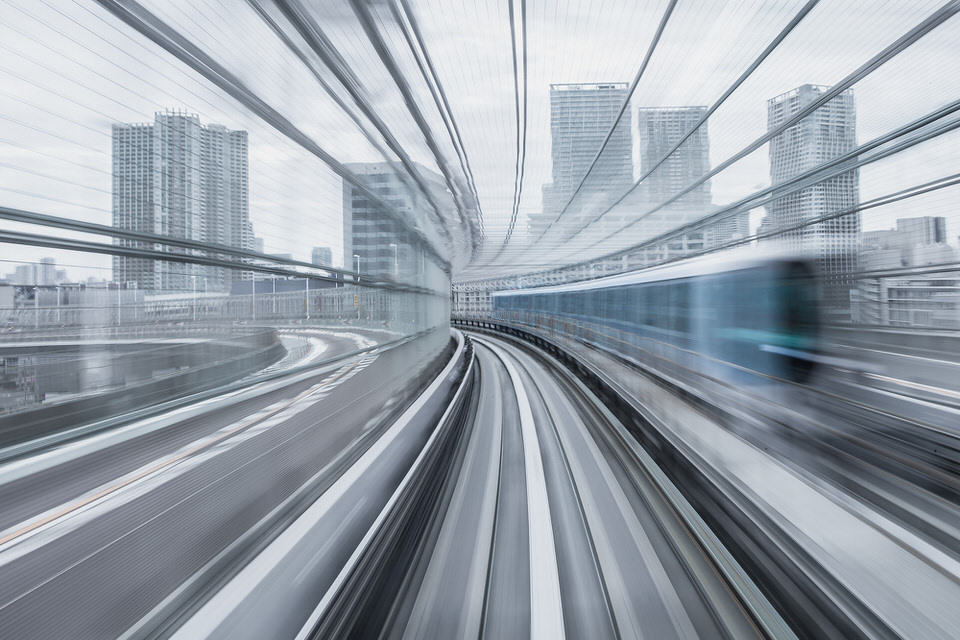
Langzeitbelichtung auf einer Bahnstrecke, im Hintergrund Wolkenkratzer.

Unser Bild des Tages: Eine Langzeitbelichtung aus Tokyo, Japan.
kwerfeldein – Fotografie Magazin | Fotocommunity

 
Comments Off on 26. September 2015

Posted in Equipment


Wayfinding in Subways: 3D Blueprints Show NYC Tunnel Systems

27 Sep

[ By WebUrbanist in Architecture & Cities & Urbanism. ]

nyc underground blueprint render

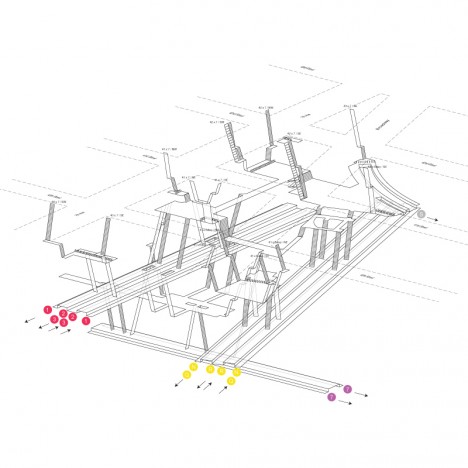
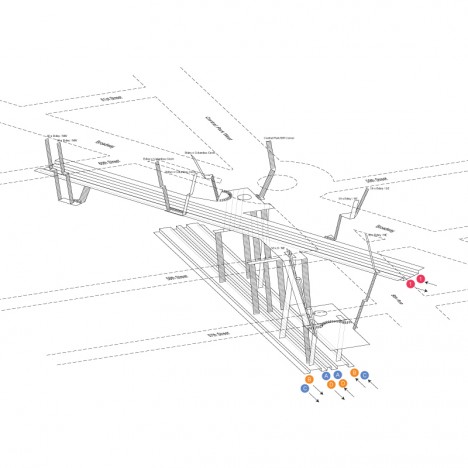
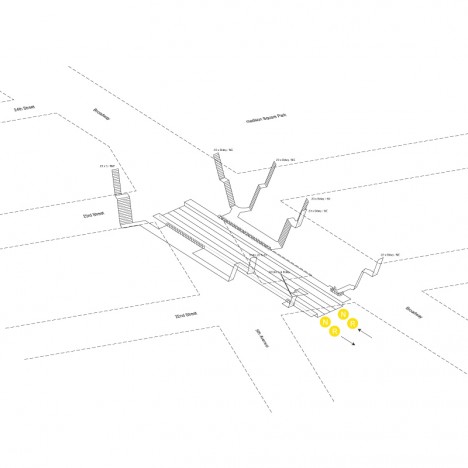
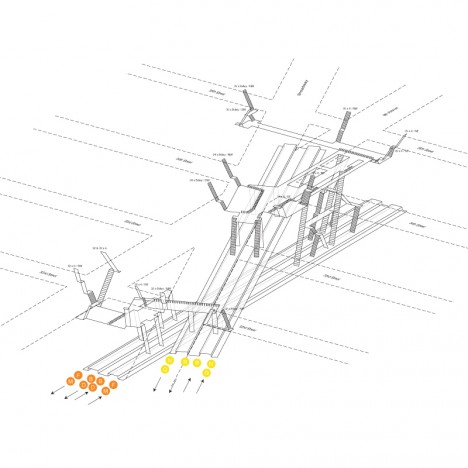
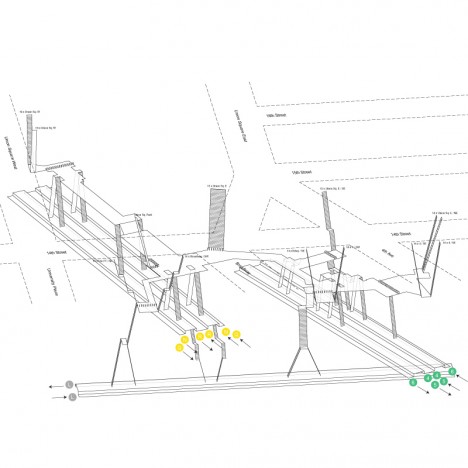
Inspired by detailed three-dimensional maps of Hong Kong subway stations, a New York artist has painstakingly documented and rendered a gorgeous series of helpful underground diagrams.

nyc subway 3d maps

Exiting a subway network can be a disorienting experience. While stair signage and sidewalk compasses can help, anyone navigating based on landmarks or other surface features is lost. Project Subway NYC by Candy Chan is a step in the right direction. Using pen, paper and a camera, she meticulously recorded directions and relative positions of tracks and lines, referring to Google and MTA resources as a baseline.

nyc complex subway navigation

She then took the results into AutoCAD, verified those drawings in person, and proceeded to model and render the results using Rhino, Adobe Illustrator and Photoshop to produce 3D maps. Her explorations have helped her identify pain points for navigating these multilevel stations.

nyc subway station map

From CityLab: “The first batch includes five stops along Broadway: Columbus Circle, Times Square, Herald Square, Madison Square, and Union Square. But Chan hopes to do more, in Manhattan as well as in the outer boroughs. Since the project just launched two weeks ago, she’s gauging people’s reactions to decide which stations to explore next.”

nyc track paths stairs

Still, 3D maps may not in themselves be a solution – murals, screens, signage or other indicators tied to visual landmarks from the world above would be a welcome addition for those who cannot read English or simply navigate using different means and methods.

Share on Facebook


[ By WebUrbanist in Architecture & Cities & Urbanism. ]

[ WebUrbanist | Archives | Galleries | Privacy | TOS ]


WebUrbanist

 
Comments Off on Wayfinding in Subways: 3D Blueprints Show NYC Tunnel Systems

Posted in Creativity