GoPro has introduced a new entry-level action camera, the HERO+ with Wi-Fi. In terms of specification, this model sits above the HERO, but below the recently launched HERO+ LCD. Read more
Articles: Digital Photography Review (dpreview.com)
GoPro has introduced a new entry-level action camera, the HERO+ with Wi-Fi. In terms of specification, this model sits above the HERO, but below the recently launched HERO+ LCD. Read more
Articles: Digital Photography Review (dpreview.com)
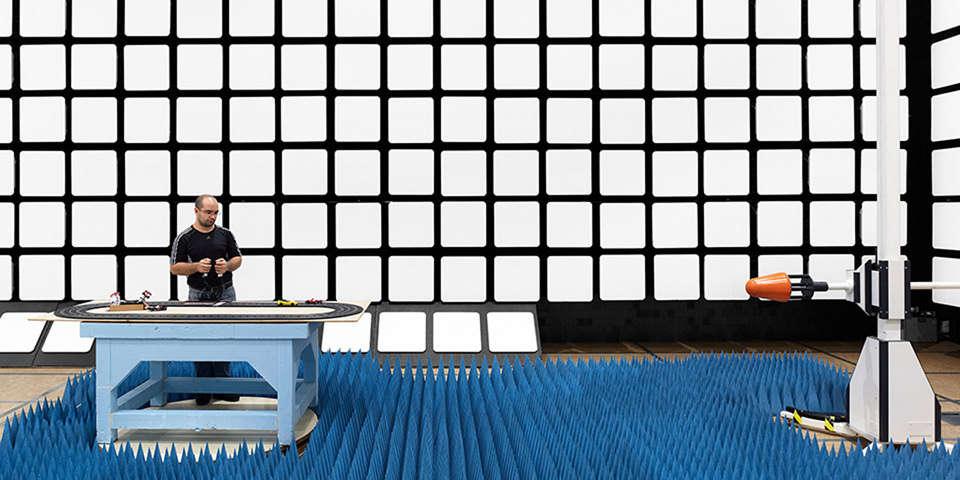
Andreas Meichsner dokumentiert in seiner Serie „The Beauty of Serious Work“ Prüfvorgänge beim deutschen TÜV in Nürnberg. Wir stellen seine Serie vor, die nicht nur über den Charme der Norm informiert, sondern auch die gesellschaftliche Bedeutung von Sicherheit hinterfragt.
kwerfeldein – Fotografie Magazin | Fotocommunity
Samsung is bringing its Ditch the DSLR event to Seattle on October 7th, giving PIX 2015 attendees the opportunity to swap out an old DSLR for a new Samsung NX500. Read more
Articles: Digital Photography Review (dpreview.com)
It seems 360-degree videos might be here to stay. In March, Youtube started to support the immersive video format, and now Facebook has introduced the technology as well. Soon, Facebook users will be able to share and view 360-degree videos in right from their News Feed. Read more
Articles: Digital Photography Review (dpreview.com)
Das Bild des Tages von: Konrad Winkler

Im Ausblick: Ein Affe als Bildurheber, Kirchen in New York und junge Selbstständigkeit.
kwerfeldein – Fotografie Magazin | Fotocommunity
How often have you seen great properties being completely ruined by awful photography? That’s right – terrible interior and exterior photos are a norm, especially when made by average camera users who know next to nothing about composition, lighting or specifications. But the truth is that taking nice rental property photos is within your reach, even if you’re new to Continue Reading
The post 13 Effective Interior Photography Tips for Dummies appeared first on Photodoto.
[ By Steph in Destinations & Sights & Travel. ]
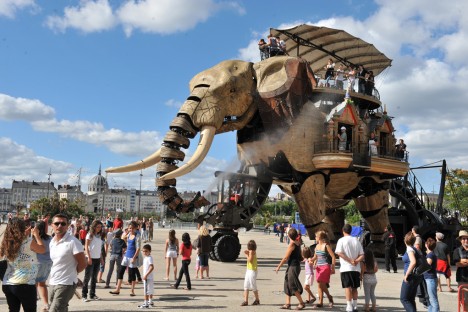
You haven’t really seen France if you’ve never toured a mansion made of pebbles, taken a ride on a gigantic animatronic elephant, checked out Nazi bunkers turned guerrilla art or gazed upon row after row of horrifying anatomical curiosities. These 12 offbeat and little-known sights in Paris and beyond go a bit off the beaten path for a whole new look at one of the world’s most popular tourist destinations.
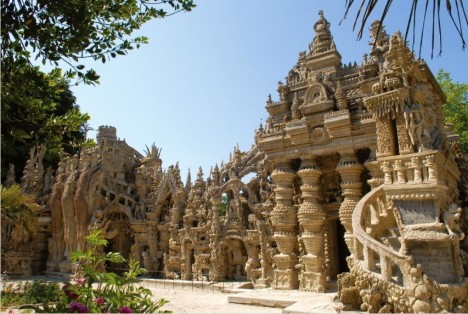
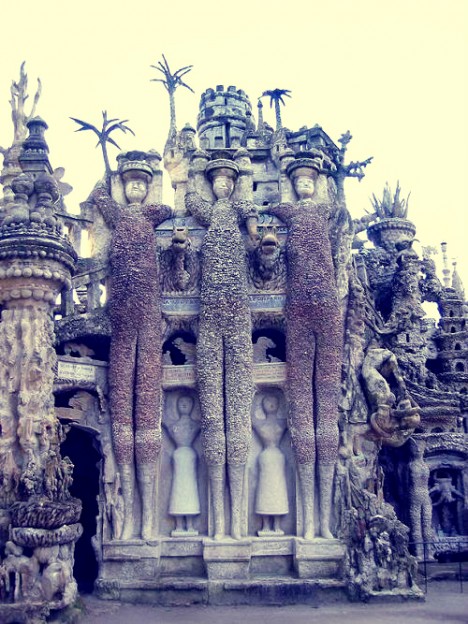
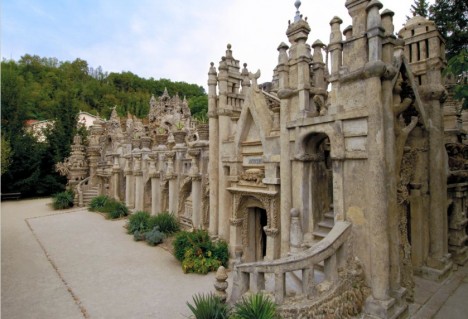
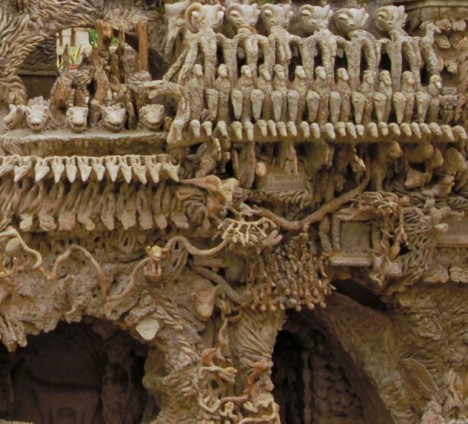
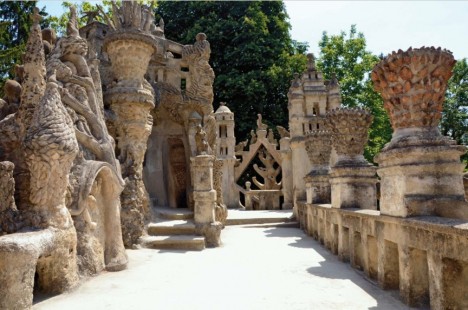
A postman named Ferdinand Cheval spent began building his “Palais Ideale” from scratch using pebbles in 1879, looking for interesting stones along his route and carrying them back in his pockets. As he grew more involved with the project, he began toting them in baskets, and then wheelbarrows. Each night when his shift ended, he would join the stones using cement, lime and mortar by the light of an oil lamp. It took him over twenty years to complete his masterpiece, which is filled with hundreds of incredible tiny sculptures. He also spent over eight years building his own mausoleum nearby, and was buried there in 1924.
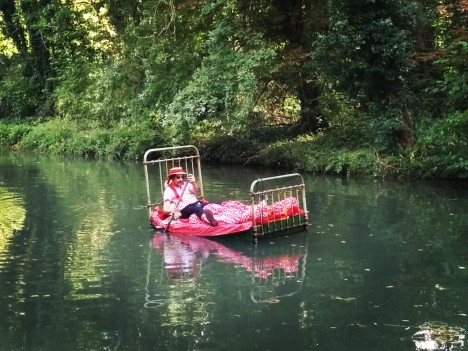
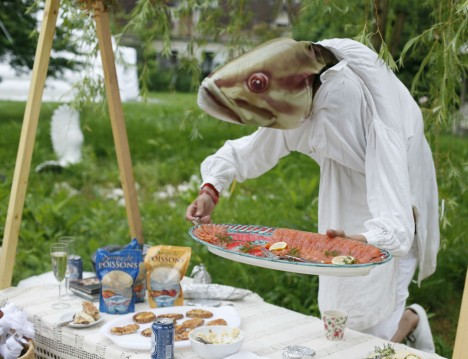
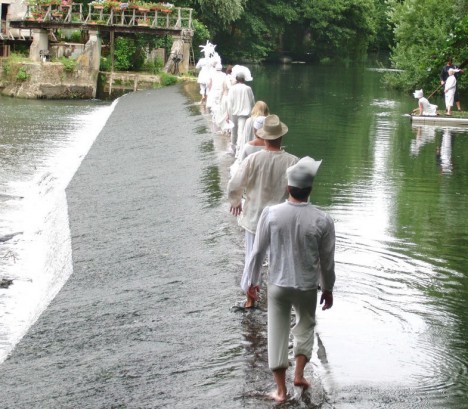
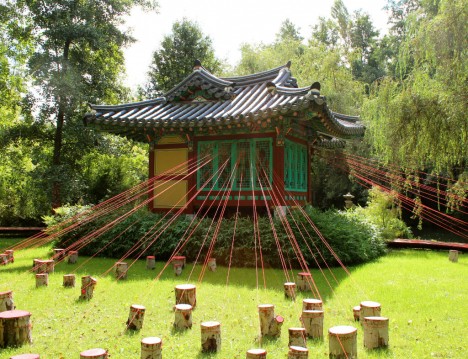
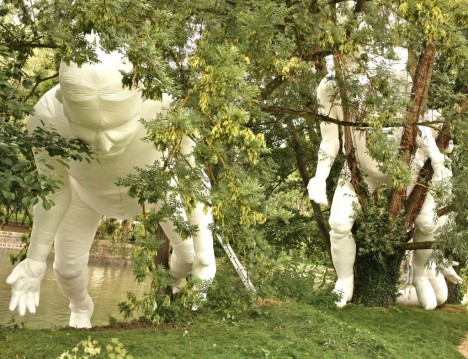
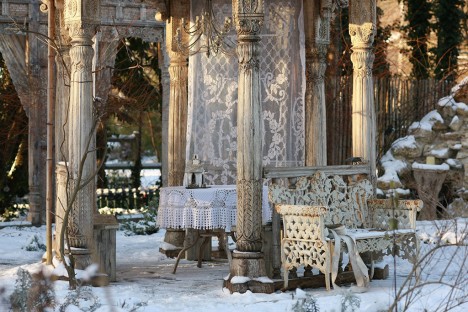
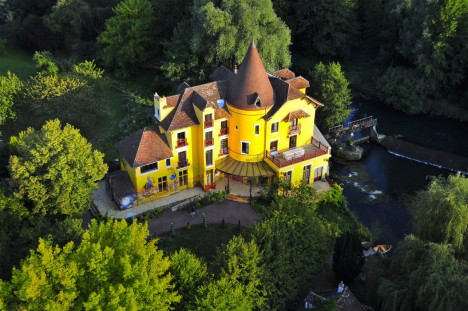
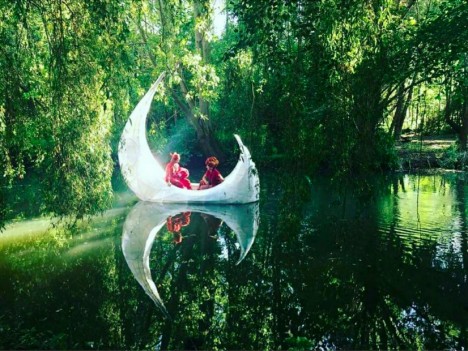
“The Yellow Windmill” is a quirky amusement park an hour’s drive southeast of Paris, with a bright yellow castle and a garden full of strange art installations and circus-like performances. The whole thing was dreamed up and run by a Russian avant-garde performance artist named Slava Polunin, who’s best known for “revolutionizing the art of clowning.” He can be spotted paddling down the Grand Morin river on his bed.
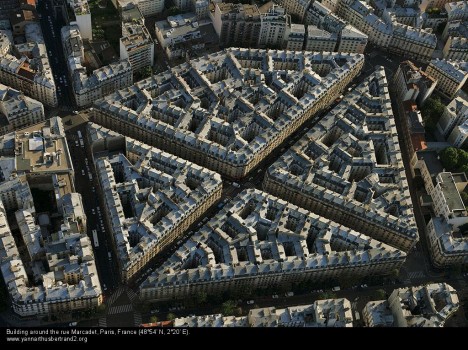
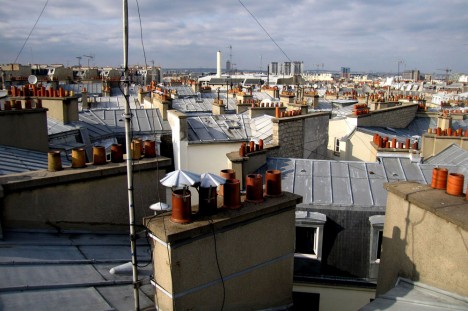
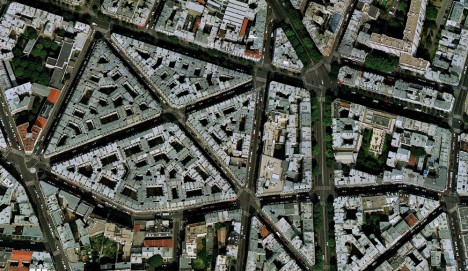
Paris would have had a lawless Kowloon City of its very own, almost exactly like the one that was razed in Hong Kong in 1993, had one 18th century vision for a “proletariat citadel” ever come to pass. The labyrinthine cluster of interconnected buildings in Paris’ 18th arrondissement at the intersection of rue Eugene Sue and rue Simart was built to host 10,000 workers, becoming one of the densest blocks in the city. The idea was that it could function as its own autonomous citadel resistant to the forces of suppression. Internal courtyards are so small, daylight barely pierces them all the way to the ground, and when it was first built, it very likely looked a lot like the real Kowloon. It never became nearly as squalid, however, so it’s not in danger of being demolished.
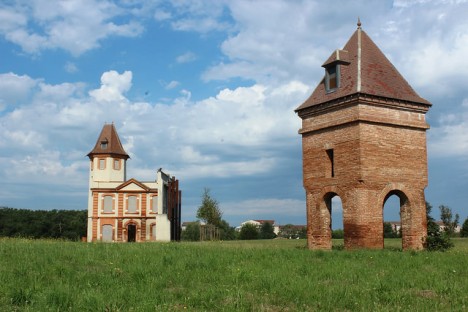
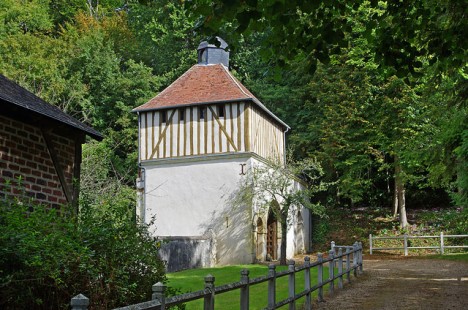
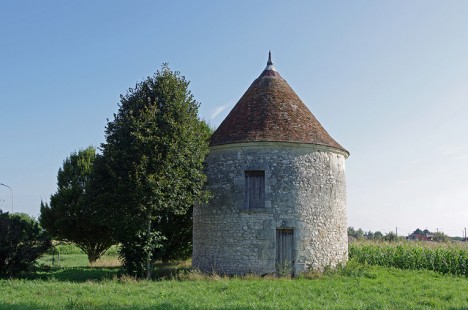
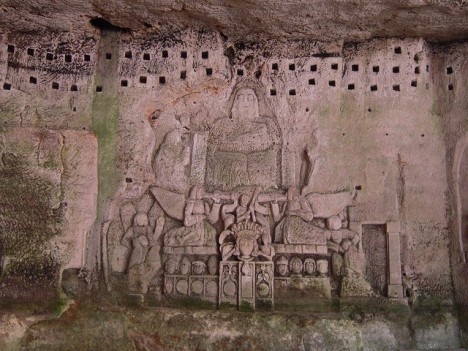
What look like bizarrely tiny castles dotting the French countryside (and other areas of Europe) are not made for humans at all, but rather pigeons. People once built ‘pigeonniers’ (or dovecotes in English) to house the birds, which were raised for their meat, eggsand fertilizer. But by the 14 century, they became a symbol of status, and only landed estates of a certain size were allowed to have them. As other types of meat became more available after the Middle Ages, pigeonneirs fell out o favor, and today many stand as ruins while others are carefully preserved. (images via Daniel Jolivet, alain cielas, patrick janicek)
Created to look like vintage travel posters from Star Wars, Doctor Who and more, these faux advertisements give a new spin to science-fictional and other …
Click Here to Read More »»
Fresh, creative and sometimes strange, these 12 hotels in France – including a hamster-themed getaway with a working man-sized wheel – are fun and unexpected.
Click Here to Read More »»
Kowloon Walled City, the lawless metropolis just outside Hong Kong, was evacuated and destroyed – but there is still one place in the world where it can …
Click Here to Read More »»


[ By Steph in Destinations & Sights & Travel. ]
[ WebUrbanist | Archives | Galleries | Privacy | TOS ]
Have you ever been somewhere with a great view and taken a picture with your widest lens, but wished you had an even wider one that could capture the whole scene?
That is how panoramic photography was born in the 1840s when the pioneer photographers started using Daguerreotype plates pieced together to form very wide-angle scenes.

This panoramic image showing San Francisco from Rincon Hill was photographed by Martin Behrmanx in 1851. It is believed that the panorama initially had 11 plates, but the original daguerreotypes no longer exists.
An image showing a field of view greater than that of the human eye, about 160° by 75° or an aspect ratio of 2:1, or larger may be considered panoramic.
Even thou there is specialized equipment for panoramic imaging, we still find ourselves using the same simple techniques of merging images together more than 150 years later, but now using digital cameras and photo merging software to achieve similar results.
This is a simple and beginner’s approach on how to create a panoramic image like this one:
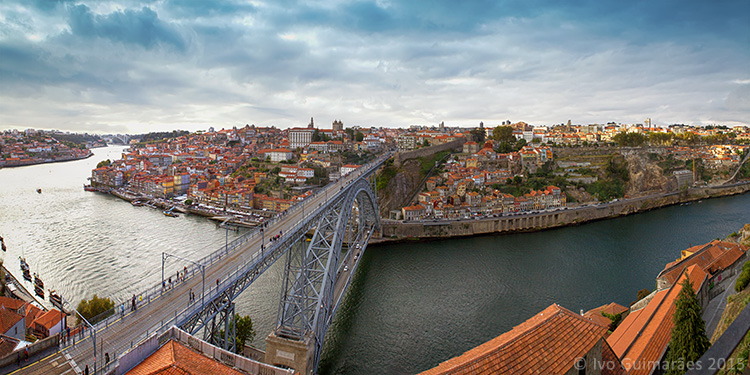
This amazing view of The Dom Luís I Bridge in my hometown Oporto, Portugal, was created by merging four vertical images into a high-resolution panorama.
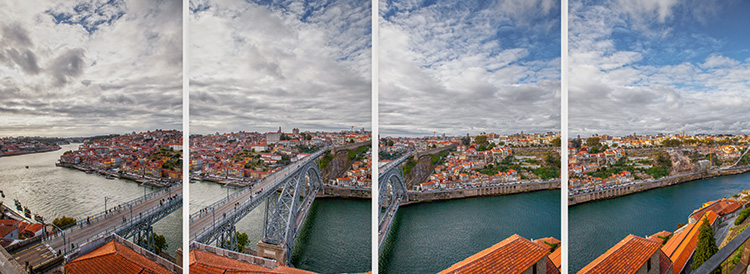
To make sure you get good results in you panorama merging, it’s important to use Manual settings in you camera and try to have similar exposure, focus and white balance in all your images.
In this particular case, the images were photographed with a 20mm lens in a full frame camera body at f/16, 1/125th and ISO100. The focus was set to infinity and the white balance was set at 5500K.
It’s also really important to have at least 30% overlapping between images so that the software can have enough pixels to merge and make the blending seamless.
The more rigorous you are during the image exposure step, the more likely you are to have better results in your final image. The use of a tripod and a bubble level are recommended tools, but on a day with good light you might get away with handheld camera images, as long as you try to follow the horizon line or some reference points for the image overlapping.
The number of images you need depends on the field of view you want to cover, but always try to photograph more area than you need so you can crop after the merging process. Portrait or vertical images are usually a better option because they give a better height and therefore higher resolution to the final image.
As for the stitching process, here are the basic beginner steps in Adobe Photoshop, but keep in mind that there is a lot of software options for this kind of editing that can be taken further with vertical, 360º or multi-row stitching which are a lot more complicated.
You will end up with a final stitched image like this:
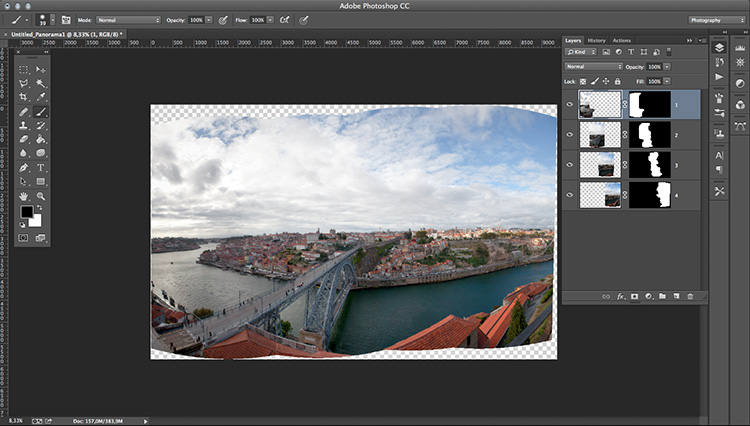
The layer masks are really helpful if you have moving objects, or difficult areas in your image that look weird after stitching and can be edited to enhance the blending.
Now you can flatten the image and just choose the best crop area for your panorama.
So, just add this technique to your bag of tricks and give it a try next time you spot a panoramic view.
googletag.cmd.push(function() {
tablet_slots.push( googletag.defineSlot( “/1005424/_dPSv4_tab-all-article-bottom_(300×250)”, [300, 250], “pb-ad-78623” ).addService( googletag.pubads() ) ); } );
googletag.cmd.push(function() {
mobile_slots.push( googletag.defineSlot( “/1005424/_dPSv4_mob-all-article-bottom_(300×250)”, [300, 250], “pb-ad-78158” ).addService( googletag.pubads() ) ); } );
The post How to do Landscape Panoramic Photography by Ivo Guimaraes appeared first on Digital Photography School.
With just over a week until PIX 2015, we’re taking the opportunity to introduce you to some of our talented re:FRAME speakers. A former features editor at a daily newspaper, Aaron Draper’s passion for lighting is evident from his ‘Underexposed’ photo series. Read more
Articles: Digital Photography Review (dpreview.com)
 |
|||
People are beautiful, and as photographers we have the ability to show that in creative ways!
Photojojo reader and super talented portrait photographer, Hannah Arnzen, has put together her very best tips for snapping portraits.
Read her advice on what it takes before, during and even after a shoot to snap the perfect portrait.
Take it away Hannah…
(…)
Read the rest of Work It! A Guide to Taking Astounding Portraits (509 words)
© Taylor for Photojojo, 2015. |
Permalink |
No comment |
Add to
del.icio.us
Post tags:
You must be logged in to post a comment.