RSS
 

Archive for July, 2015

Red Ink: 10 Closed & Abandoned Tattoo Parlors, Studios & Shops

24 Jul

[ By Steve in Abandoned Places & Architecture. ]

abandoned tattoo shop 1a
Tattoos and tattooists have made their mark on society – pun intended – but what happens to your neighborhood tattoo parlor when the ink finally runs dry?

abandoned tattoo shop 1b

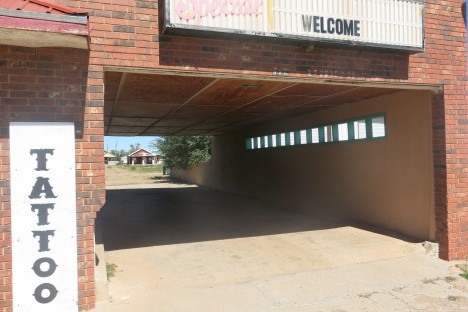
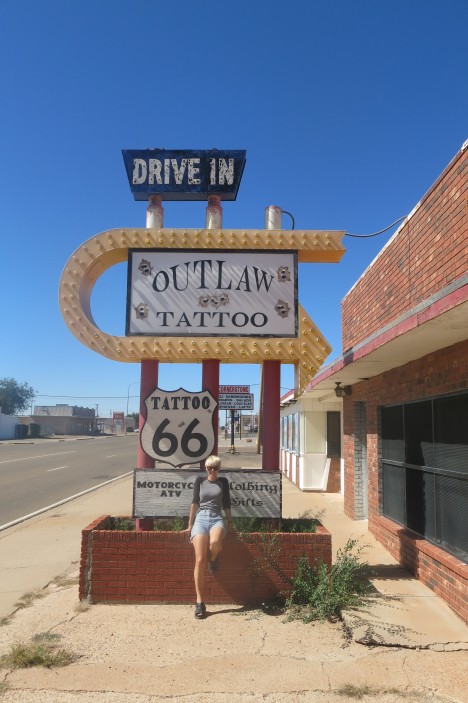
Sure, drive-thru is a convenient option for those visiting banks and fast food joints but tattoos? Permanent body decoration is something that shouldn’t be rushed, amiright? Obviously someone didn’t think things through before opening the Outlaw “Drive-In” Tattoo parlor in Tucumcari, New Mexico. As if Route 66 couldn’t get much cheesier and/or sleazier… wonder how many drivers got their kicks engraved all quick & easy-like while Outlaw Tattoo was open? Kudos to Todd Longwood of A Love Of Two Brains for chancing upon this remarkable discovery in late 2013.

Jersey Sore

abandoned tattoo shop 2

It’s not impossible the infamous Snooki visited this abandoned tattoo parlor in Browns Mills, New Jersey before it bit the proverbial biscuit – one fervently hopes they sterilized the equipment immediately afterwards, ideally from orbit.

OOZ Next?

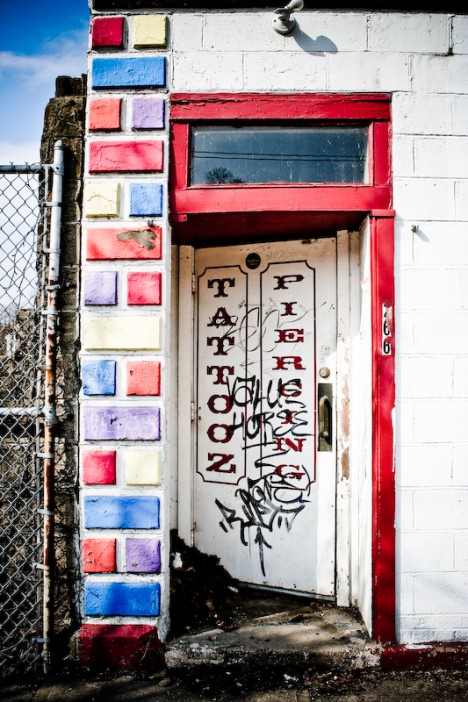
abandoned tattoo shop 9

Flickr user lungstruck snapped the above closed tattoo parlor in Kent, Ohio on March 6th of 2009. Seems even inebriated college students couldn’t keep this colorful operation afloat. Then again, calling your tattoo studio “TATTOOZ” may have been unwise – who wants tattoos that ooze from a place called TATTOOZ? Besides Xzibit, that is.

Next Page – Click Below to Read More:
Red Ink 10 Closed Abandoned Tattoo Parlors Studios Shops

Share on Facebook


[ By Steve in Abandoned Places & Architecture. ]

[ WebUrbanist | Archives | Galleries | Privacy | TOS ]


WebUrbanist

 
Comments Off on Red Ink: 10 Closed & Abandoned Tattoo Parlors, Studios & Shops

Posted in Creativity


The AP and British Movietone publish more than 1 million minutes of historic footage to YouTube

24 Jul

The Associated Press and British Movietone have announced the addition of more than 1 million minutes of digitized historic footage to YouTube. The AP says that this project represents the largest ever upload of historic news content to YouTube, and will serve as a ‘visual encyclopedia’ for witnessing some of the biggest moments in recent world history. Read more

Articles: Digital Photography Review (dpreview.com)

 
Comments Off on The AP and British Movietone publish more than 1 million minutes of historic footage to YouTube

Posted in Uncategorized


10 Tips for Photographing Dragonflies

23 Jul

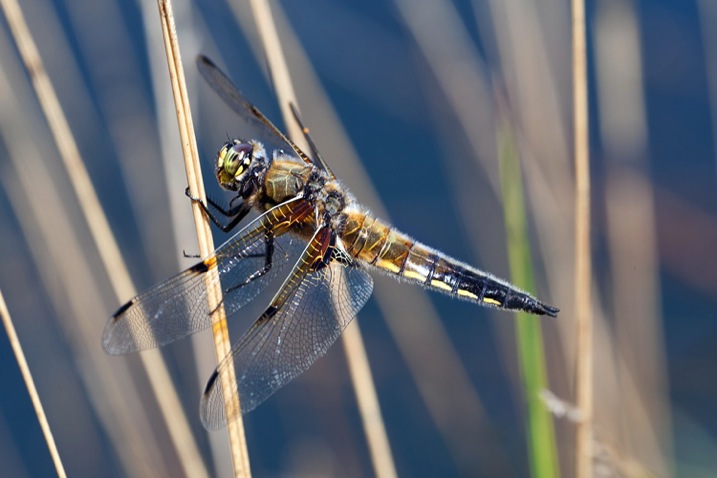
Dragonflies and damselflies are fascinating insects which can be particularly photogenic due to their bright colours and striking patterns. As with any type of wildlife, dragonflies can be challenging to photograph because they can scare easily and never seem to keep still. However, it may be easier than you think to get some great shots of these amazing insects. Here are 10 tips to get you started.

HhhdragonflyDPS

1. Choose the right equipment

As they are slightly larger than other insects, dragonflies can be photographed with anything from a point-and-shoot to a DSLR. The accompanying images have been taken with a DSLR. However, many of the principles remain the same whatever equipment you use.

A good zoom lens (100-400mm) can produce decent results, but a dedicated macro lens has the advantage of providing closer focus for high magnification. If you are using a zoom lens, fitting an extension tube to the lens will allow it to focus closer and should produce good results. This is a cheaper option than buying a dedicated macro lens. However, if you plan to photograph insects on a regular basis, a macro lens may be a worthwhile investment as you will be able to take frame-filling shots from a comfortable working distance so as not to scare away the dragonflies. The macro lens used to take the majority of the shots here was the Sigma 150mm f/2.8.

2. Find a good location

During the summer months, dragonflies can be seen anywhere there is water. Certain species may be found in your garden pond, while others could be found near rivers or streams. Damselflies, for instance, are often weaker fliers and tend to stay close to the water surface, whereas dragonflies can be seen flying further away from the water, sometimes perching at eye level.

Taking the time to research your native species of dragonfly, and their preferred habitats, before you go out will make you much more successful in photographing them. Be prepared to get a bit muddy as you may need to get low to the ground near the water’s edge. Wear appropriate clothing and respect the environment that you are working in.

3. Study their behaviour

Once you have spotted a dragonfly, take some time to watch its behaviour. You will quickly learn where it flies and where it likes to perch; some dragonflies prefer the ground, but others prefer to perch on grass or rocks.

Matingdamsels2DPS

Photographing dragonflies in flight can be pretty tricky. So, for starters, I would recommend trying to get some shots of dragonflies at rest. Rather than chasing a dragonfly around with your camera, I have found it better to watch out for a spot where they land, set up the camera nearby, and then wait. If you see a dragonfly perched on a stick approach slowly and carefully and avoid sudden movements. You should be able to get quite close. However, if the dragonfly does fly off, remain still and wait for a few minutes. It may well return to land on the same spot. Patience is key.

If you are lucky enough to find a dragonfly that is eating, you may be able to get closer as they seem to focus more on their meal rather than you.

Something that I have tried with some success is to take your own perch – a stick or reed – and place it near the water, close enough for you to take some shots should the dragonflies decide to land on it. Adding a couple of water drops could encourage them to land.

4. Get up early

Dragonflies are more active during the hottest part of the day as they require the heat from the sun to warm them enough to fly. If possible, I would recommend going out earlier in the morning, when it is slightly cooler and the sunlight is not as harsh as it would be around midday. You may not find as many dragonflies as you would later in the day, but those you do spot will likely stay still for longer, allowing you to get closer. You may even be lucky enough to get a shot of them covered in early morning dew, if you go out first thing.
DragonflybluepoolDPS

5. Control the aperture for sharp images

Sharpness is vital in macro photography, and to ensure you get sharp images you will have to use the aperture to control the depth of field. You will need to have as much of the dragonfly in focus as possible and one way that you can maximize this is to photograph the dragonfly sideways on. Making sure that the camera’s sensor is parallel to the body of the dragonfly will enable you to use a wider aperture to blur out any distracting background while keeping the whole of the dragonfly in focus.

Getting such a clear, side-on shot of a dragonfly will not always be possible. In such instances, you can increase the depth of field by reducing the aperture. I have found it useful to start off with an aperture of f/5.6, then take a series of shots working down to around f/11 or smaller, changing the shutter speeds and ISO accordingly. However, always ensure that the eyes are in focus and as sharp as possible. Your images will be poorer without this.

6. Get the correct exposure

Getting the correct exposure can be tricky, particularly if you are shooting in bright sunlight. You will get softer, diffused light by shooting earlier in the day or in slightly cloudier conditions.

Even when perched, dragonflies can make a lot of fast movements such as flicking their wings or twitching their heads. Therefore, you will need to work with relatively fast shutter speeds. I would recommend shooting in bursts of three or four frames, as when you are reviewing your shots, you may find one is particularly sharper than the others. You could increase the ISO setting slightly to allow faster shutter speed and smaller apertures, but probably no more than 400 to maximize the quality of your images. A tripod may come in useful if you do have to use slightly slower shutter speeds, however the locations where dragonflies are found are not always too tripod-friendly. If you decide to shoot while hand-holding the camera, make sure you keep a steady hand, maintain a good footing, and ensure image stabilization is switched on (if available).

7. Switch off autofocus

You will often get sharper shots of dragonflies by switching off the autofocus and focusing manually.

One useful (and inexpensive) piece of kit when shooting down low to the ground, is a right angle viewfinder, which attaches to your camera and allows you to look down into the viewfinder rather than having to lie flat on the ground. You could also try using your camera’s live view and zoom in on the detail to make sure the focus is as accurate as possible.

BluedragonflyDPS

8. Pay attention to the background

When lining up your shot, pay attention to the background. Ideally, an uncluttered background of a contrasting colour to the dragonfly will produce shots full of impact. However, some damselflies will land in vegetation closer to the water surface making a clean background almost impossible. Larger apertures will help blur out any distracting backgrounds; this works well if you can take them sideway-on, as previously mentioned. A wider aperture will also help to produce bokeh in the background (circles of light from out-of-focus highlights) depending on your personal tastes.

If possible, when selecting a spot to set up, try to place the subject as far away from any potentially distracting vegetation in the background. Moving a perch, or taking your own with you, may help with getting a cleaner background.

9. Think about composition

With such fascinating subjects, you have a range of options when thinking about composition. Try shooting the dragonfly from a range of angles (sometimes this helps to identify the species when you get home). It is not always necessary for the whole dragonfly to be included in the frame. If you can get close enough, you could attempt an extreme close-up on the eyes or part of the wing detail.

Alternatively, you could capture the dragonfly within its surrounding environment. For example, iridescent demoiselles can look great when perched low down on a riverbank. This works particularly well with slightly larger dragonflies, and as the insect does not have to dominate the image, a dedicated macro lens may not be required.

DragonflyeyesDPS

10. Try to capture some behaviour

Dragonflies look great at rest, but if you can, try to capture some of their behaviour for some unique shots. For example, damselflies mating can make shapes that look a bit like a heart (see above under #3), which can make for a pleasing image. Or, if you are up for a challenge, try to shoot a dragonfly in flight. For this, I would recommend using a telephoto lens of 300-400mm with an extension tube. Spend a few minutes watching how the dragonfly moves as they often follow the same path repeatedly. Once you have observed them flying, focus on a spot on their flight path and wait for the dragonfly to enter the frame. There is an element of luck with this type of shot. I have tried on many different occasions and sometimes the dragonfly will vary its flight patterns seemingly at random. Don’t give up though – patience is key with all wildlife photography and just enjoy the process of observing and photographing these amazing insects.

DragonflyingDPS

I’ve included several dragonfly shots taken in the UK. Please feel free to add your own as a comment below.

googletag.cmd.push(function() {
tablet_slots.push( googletag.defineSlot( “/1005424/_dPSv4_tab-all-article-bottom_(300×250)”, [300, 250], “pb-ad-78623” ).addService( googletag.pubads() ) ); } );

googletag.cmd.push(function() {
mobile_slots.push( googletag.defineSlot( “/1005424/_dPSv4_mob-all-article-bottom_(300×250)”, [300, 250], “pb-ad-78158” ).addService( googletag.pubads() ) ); } );

The post 10 Tips for Photographing Dragonflies by Richard Beech appeared first on Digital Photography School.


Digital Photography School
 
Comments Off on 10 Tips for Photographing Dragonflies

Posted in Photography


Canon PowerShot G3 X added to studio test scene comparison

23 Jul

We’ve already published an initial real-world gallery from the PowerShot G3 X, Canon’s newest enthusiast compact, and now we’ve put its capabilities to the test against our studio scene. The G3 X is weather-sealed and uses a 1″-type 20MP sensor with a 24-600mm equiv. lens, making it an appealing choice for outdoorsy types. Take a look at how it performs compared to its peers. Read more

Articles: Digital Photography Review (dpreview.com)

 
Comments Off on Canon PowerShot G3 X added to studio test scene comparison

Posted in Uncategorized


Photograph Summer Fun From Festivals to Farmers Markets

23 Jul

Street fairs and block parties and farmer’s markets, oh my!

Summer’s the time for outdoor fun. But so much activity can be overwhelming. How do you make sure you capture it all?

You use this list we made just for you! It has all the photo actions you’re gonna wanna take during your next outdoor summer extravaganza.

Now slap on some sunscreen and let’s go!

Photograph Outdoor Summer Memories

(…)
Read the rest of Photograph Summer Fun From
Festivals to Farmers Markets (437 words)


© Taylor for Photojojo, 2015. |
Permalink |
No comment |
Add to
Festivals to Farmers Markets”>del.icio.us

Post tags:


Photojojo

 
Comments Off on Photograph Summer Fun From Festivals to Farmers Markets

Posted in Equipment


Robot City: Entire Fake Town Built to Test Driverless Vehicles

23 Jul

[ By WebUrbanist in Technology & Vehicles & Mods. ]

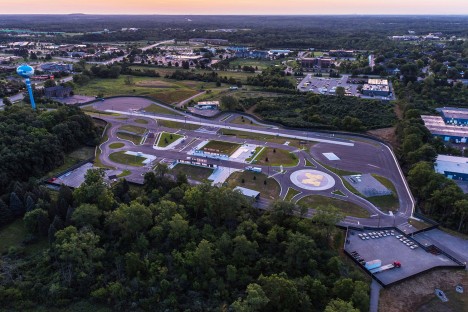
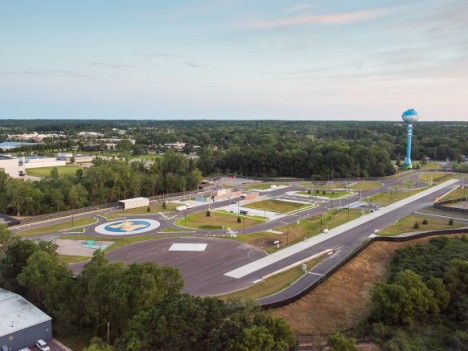
7/15/15               2015 UM Aerials -July                 MCity, North Campus, Munger Grad                            Residency,Campus construction.

Opening this week, Mcity is a completely artificial village for self-driving cars, bringing the future of automobiles back to Michigan, the historical home of Motor City. Taking lessons from military testing facilities like Gravesend in England or Yodaville in the US, the complex is made to simulate a wide variety of conditions.

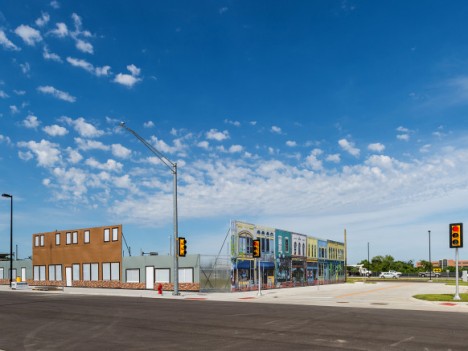
fake town driverless cars

Featuring 32 acres of roads, intersections, sidewalks, streetlights, signals and building facades, Mcity is part of a statewide effort to advance connected technologies and test autonomous vehicles. More than a simulated combination of urban and suburban environments in their ideal forms, these experimental grounds also incorporate stress-testing defects like graffiti and faded lane markings as well as different street terrains, tunnels, roundabouts and multi-lane freeways on a combination of pavement, cobblestones, gravel, grass and dirt.

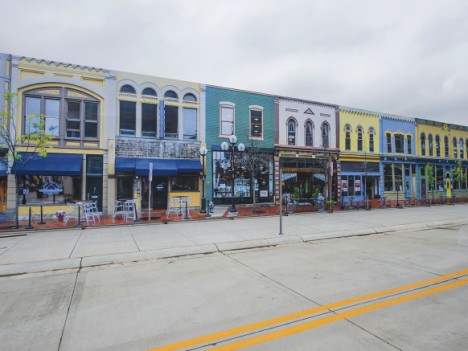
fake city autonomous vehicles

Given that all crashes to date involving autonomous cars have been caused by human error, it is critical not only to test the vehicles themselves but also the people they will interact with on the road. In addition to its proximity to Detroit, a key benefit of the Ann Arbor area is the varied weather in the area, with everything from hot humid midsummer days to serious rain, snow and hail in the winter. The test area can be reconfigured on demand to simulate complex intersections, blind corners and other real-world challenges.

fake city university michigan

The project represents a $ 10,000,000 private/public partnership between the University of Michigan, local governments and various industries, including but also beyond regional and international automotive powerhouses (Ford, GM, Honda, Nissan, Toyota but also State Farm, Verizon, and Xerox).

7/15/15 Aerials of UM Campus and Ann Arbor.

“We believe that this transformation to connected and automated mobility will be a game changer for safety, for efficiency, for energy, and for accessibility,” said Peter Sweatman, director of the U-M Mobility Transformation Center. “Our cities will be much better to live in, our suburbs will be much better to live in. These technologies truly open the door to 21st century mobility.”

“In addition to Mcity, MTC has three on-roadway connected and automated vehicle deployments underway. With the help of the Michigan Economic Development Corporation, MTC is building on a nearly 3,000-vehicle connected technology project launched three years ago by the U-M Transportation Research Institute to create a major deployment of 9,000 connected vehicles operating across the greater Ann Arbor area. MTC is also partnering with industry and the Michigan Department of Transportation to put 20,000 connected vehicles on the road in Southeast Michigan. The third piece of the plan calls for deploying a 2,000-vehicle mobility service of connected and automated vehicles in Ann Arbor.”

Share on Facebook


[ By WebUrbanist in Technology & Vehicles & Mods. ]

[ WebUrbanist | Archives | Galleries | Privacy | TOS ]


WebUrbanist

 
Comments Off on Robot City: Entire Fake Town Built to Test Driverless Vehicles

Posted in Creativity


GoPro mount becomes standard accessory for next year’s Toyota Tacoma, as GoPro plans user-generated-content licensing deals

23 Jul

Toyota has revealed that the 2016 version of its adventure truck will come pre-fitted with a windshield mount for a GoPro camera. Those interested in filming their muddy, dusty and rocky scrambles will be able to fit a camera to point forwards or backwards to capture either the ‘flight’ or passengers reactions. Read more

Articles: Digital Photography Review (dpreview.com)

 
Comments Off on GoPro mount becomes standard accessory for next year’s Toyota Tacoma, as GoPro plans user-generated-content licensing deals

Posted in Uncategorized


Shooting Indoors in Ambient Light: Yoga Photo Session

23 Jul

Shooting indoors is always a challenge unless you have a professional lighting setup with you. The light is usually low, so it’s hard to get any kind of depth of field. Lightbulbs inside of lamps tend to glow orange, while overhead florescent lights show up on the greenish side, and aren’t very pretty. So what do you do? Let your Continue Reading

The post Shooting Indoors in Ambient Light: Yoga Photo Session appeared first on Photodoto.


Photodoto

 
Comments Off on Shooting Indoors in Ambient Light: Yoga Photo Session

Posted in Photography


How to Use Your Tablet or SmartPhone as a Light Source for Photography

23 Jul

In the early 90s I was just a kid, and I remember watching a VHS tape about photography lighting with the great Dean Collins. I was truly amazed with the way things were arranged in the studio and how he placed the light. This was magic to me, and Dean Collins was the magician.

I watched it over and over, trying to find the little tricks behind everything he was doing. Since that day, every time I see a picture, I try to understand how it was done and how the light was placed, the quality of the light, the reflections, and the shadows it casts. What I’ve learned along the way is that a lot of the commercial images you see are done with some really simple lighting setups, and not in the big studios with the big production sets that you might imagine.

The next image is an example.

01

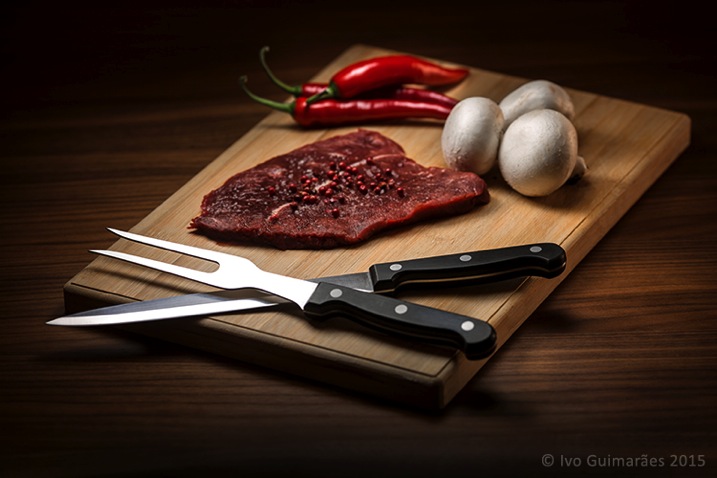
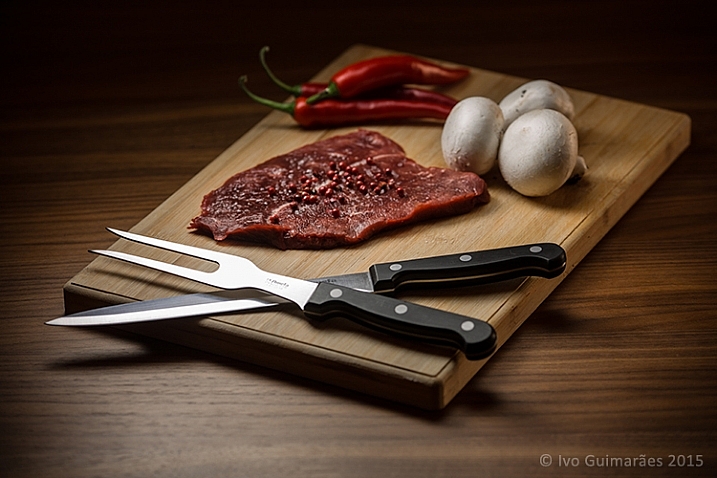
This image might look like a complicated and high-end lighting setup, but in fact, the only light sources used here were simply a tablet and a smartphone.

02

This is a typical light painting image, where the camera is placed on a tripod and the image shot at ISO 50, f/5.6 and a 4 second exposure time. I used the lowest ISO so I could make the image as clean and noiseless as possible. F/5.6 was the chosen aperture to give me the depth of field effect I was looking for, and after a couple of test shots, I realized that 4 seconds was the correct exposure time for the light I was using. It also gave me a comfortable time-frame in which I could move the light around and create the desired effect. An infrared remote shutter release was used to avoid touching the camera and keep it as steady as possible.

Light painting is a technique I use a lot in my work. I used to do it mostly with small lanterns and led light panels, but I realized that a tablet screen light and a smartphone camera led light are fantastic tools to use as light sources in this type of images. There are a few apps that can help to control what shows up on the screen, and transform your device into a mean light-painting machine, but you don’t really need them.

What I’ve done is to create my own masks in Photoshop which I have in my iPad Mini Retina’s camera roll to use when I need. Here are some examples of masks I’ve created.

03

These masks control the shape and colour on the screen, and the brightness can be easily controlled in the device’s screen definitions.

I took some readings with a colour meter. The iPad screen is around 5,500k and the iPhone camera LED light is around 6,500k, so it’s easy to adjust your camera to match the light source’s colour temperature or use different colours on the device’s monitor to create colour effects in the image.

The light from these screens is usually soft; you can make it even softer with some tracing paper in front of the screen and you can control the spread of light with some black card flags.

In this case I was holding the device by hand and moving it around, but you can buy cheap tablet and phone holders with ¼” thread connectors that can be mounted onto tripods, magic arms or even handles that make it easier to hold.

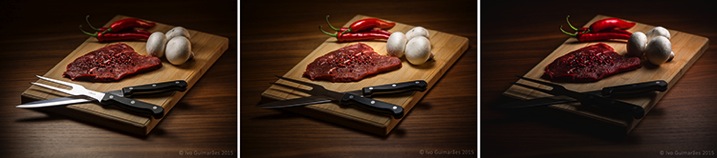
This particular image could have been done with only one exposure, but I decided to take it a bit further with a composition of three images with three different types of light.

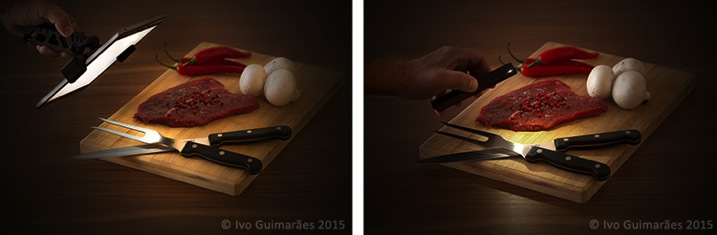
04

04a

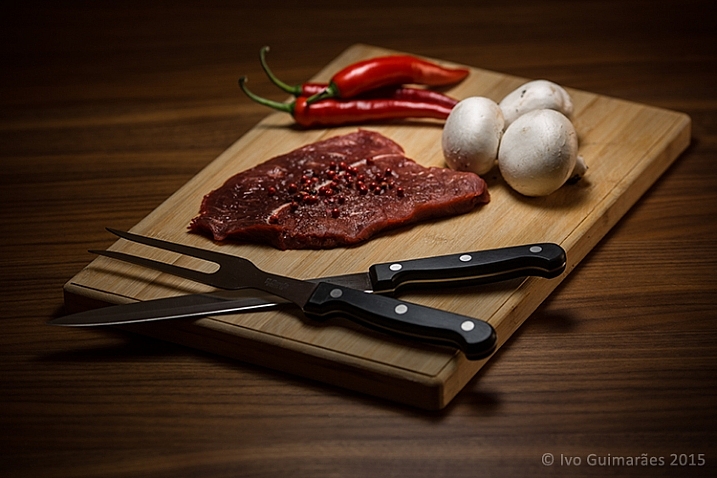
The first image (above) was created with perfect light on the knife and fork, with the iPad positioned at an angle, and with a white screen for a nice light reflection.

The second image (below) has the perfect light on the steak, chilies and mushrooms, with a circular faded mask on the iPad screen.

04b

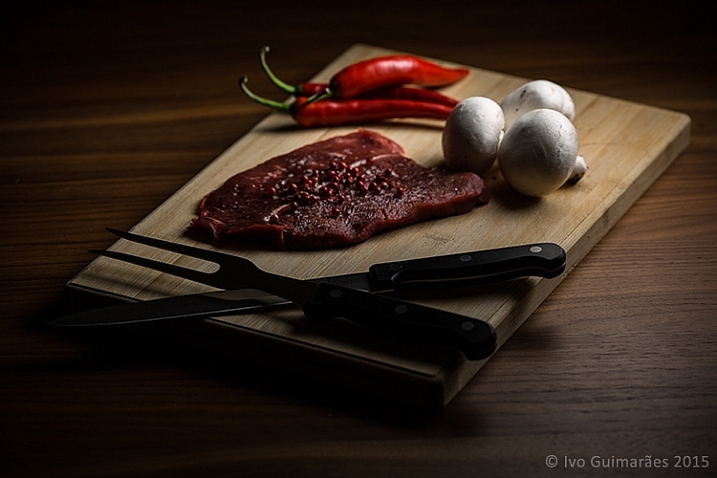
The third image (below) gives a vignette effect and some dramatic light with the LED camera light of the iPhone which is a much harder (smaller) light and therefore casts harder shadows.

04c

Now it’s just a matter of composing the final image in Photoshop using the best that each of these images has to offer.

05

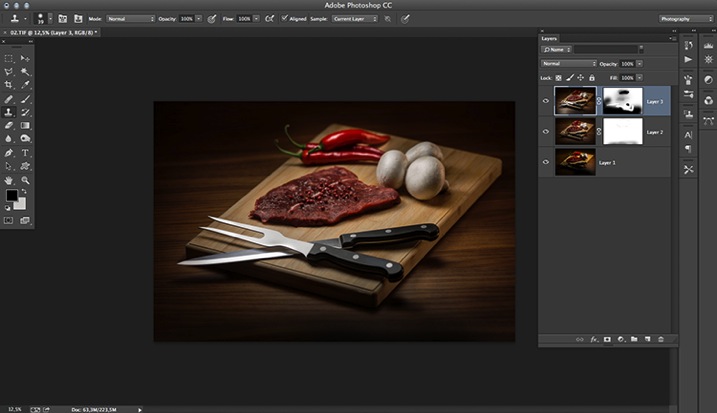
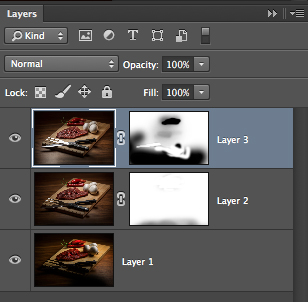
The idea here is to stack the three images and use layer masks to show the good light spots and hide the bad ones. Here is a closer look at the layers with associated masks for each one.

06

These lighting and composition techniques are not exactly new. This was done long before Photoshop and digital photography were around. Film with multiple exposures or darkroom masking techniques were used with similar effects a long time ago. Nowadays, things are just a lot easier with the digital advent, but the fact is that the basics and references are still there, and understanding this puts you on the right path to be a better photographer.

Have you tried this technique before? Give it a go and post any comments or questions you have below.

googletag.cmd.push(function() {
tablet_slots.push( googletag.defineSlot( “/1005424/_dPSv4_tab-all-article-bottom_(300×250)”, [300, 250], “pb-ad-78623” ).addService( googletag.pubads() ) ); } );

googletag.cmd.push(function() {
mobile_slots.push( googletag.defineSlot( “/1005424/_dPSv4_mob-all-article-bottom_(300×250)”, [300, 250], “pb-ad-78158” ).addService( googletag.pubads() ) ); } );

The post How to Use Your Tablet or SmartPhone as a Light Source for Photography by Ivo Guimaraes appeared first on Digital Photography School.


Digital Photography School
 
Comments Off on How to Use Your Tablet or SmartPhone as a Light Source for Photography

Posted in Photography


Taylor Swift’s photography contract revised following criticism

23 Jul

Following several weeks of controversy involving pop singer Taylor Swift and a growing number of music photographers and news publications, Swift’s management has revised the terms of its photo contract. Read more

Articles: Digital Photography Review (dpreview.com)

 
Comments Off on Taylor Swift’s photography contract revised following criticism

Posted in Uncategorized