RSS
 

Archive for May, 2015

ARCKIT: Reusable Model-Making Blocks Built By & For Architects

27 May

[ By WebUrbanist in Design & Products & Packaging. ]

architectural model blocks design

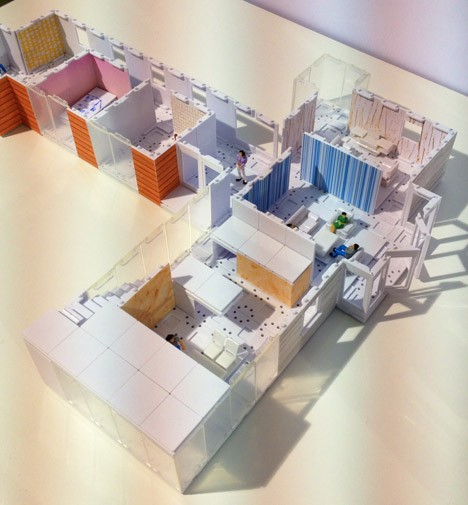
Positioned between robust LEGO-style systems made for easy reuse and refined architectural models that are fragile but permanent, this modeling kit is both a design tool for professionals and rendering mechanism to convey space and materiality to clients.

architecture bricks lego like

arckit imagine built it

Using 1:48 scale, the modular pieces that come with ARCKIT are compatible with conventional imperial measurements (easy inch-to-foot conversions) but also close to 1:50 for metric purposes and compatible with scale trees, furniture and figures already sold to architectural professionals. Different textures can be overlaid on surfaces to create realistic material effects, simulating wood panels, tile floors, stone walls and more.

modular house block system

architecture arckit box design


Easy to attach then disassemble, the pieces strike a balance between process and product, letting users reshape them as a design evolves. The physical blocks also have SketchUp-compatible digital analogs, allowing designers to shift back and forth between 3D modeling software and physical construction.

architect simulated space design

architecture material craft model

Anyone who has spent time on an architectural model knows that so much effort goes into measuring, cutting, gluing and waiting – the idea here is to reduce that frustration but also free up designers from feeling too committed to a lovingly-crafted physical model, reducing incentive to iterate. At the same time, this system is also accessible to non-professionals, both kids and adults, already being compared by many to physical toys (like LEGO) and digital games (like Minecraft).

arckit modes

arckit model

“ARCKIT is a freeform model making system that allows you to physically explore designs and bring your architectural projects to life. The system uses interconnecting components that are completely modular and based on modern panelled building techniques, making it possible to create a diverse range of scaled structures that can be quickly assembled and endlessly modified.”

Share on Facebook


[ By WebUrbanist in Design & Products & Packaging. ]

[ WebUrbanist | Archives | Galleries | Privacy | TOS ]


WebUrbanist

 
Comments Off on ARCKIT: Reusable Model-Making Blocks Built By & For Architects

Posted in Creativity


Canon Rebel T6s/T6i Lab Report added to First Impressions

26 May

We’ve finished putting the Canon EOS Rebel T6s and T6i (760D and 750D) through our battery of image quality tests, and have updated our First Impressions Review with these results, along with explanations of what you might expect out of Canon’s latest 24.2MP APS-C sensors. Curious about their dynamic range? Read our updated First Impressions to learn more

Articles: Digital Photography Review (dpreview.com)

 
Comments Off on Canon Rebel T6s/T6i Lab Report added to First Impressions

Posted in Uncategorized


Backyard Macro Photography Safari

26 May

Editor’s Note: This is part a series on macro photography this week. Look for a new one each day. The next newsletter will have them all if you miss any!

As photographers, we often have the opinion that in order to capture a great image we need to head out to an exotic location. But, what if you don’t have the time or opportunity to go to one of those places? Say you have free time some morning, and would like to go outside and capture some stunning images. You might be surprised at what you can find to photograph right in your own backyard!

If you don’t have a backyard, take a trek to a nearby park. Everywhere you look, you will find subjects to photograph in macro. Spring and summer are great seasons to go on a backyard macro photography safari. There are many advantages to such a shoot. For one, you don’t need to be up and at’em before the crack of dawn to travel – though it is beneficial to take full advantage of the early morning light. Also, keep in mind that if you are planning a Backyard Macro Safari for your weekend, you should put off mowing your grass until after your macro adventure, because your mower will likely destroy some potential subject matter in your yard.

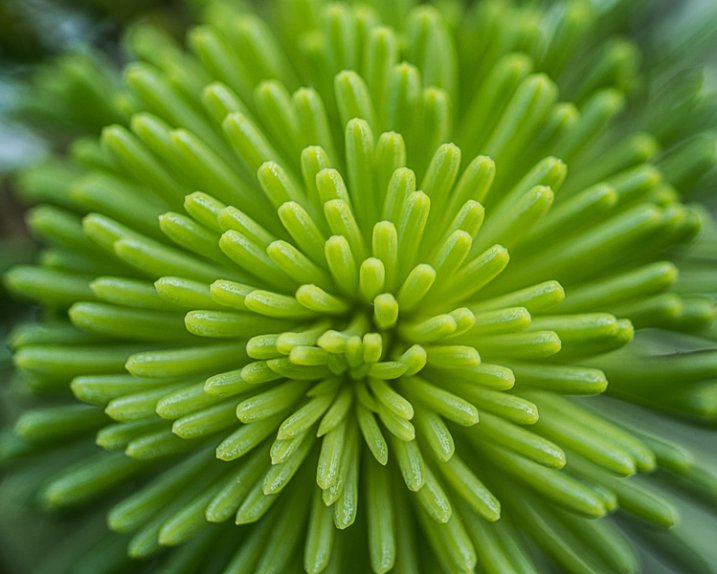
New growth on a pine tree creates a unique color burst effect.

New growth on a pine tree creates a unique color burst effect.

Necessary Equipment:

Keep it simple! Start out with your camera and macro lens on a tripod. Other equipment you might find useful includes a mat or knee pads, an off-camera flash, a reflector, and a diffuser. Another great thing about a backyard safari is, if you decide to use another piece of equipment you can just go back in the house and get it!

Tripod

As with almost every type of photography, the tripod is one of your most important pieces of equipment, for a couple of reasons. The most obvious reason is to avoid camera shake, But also, in many cases, your depth of field will be very shallow, and keeping your camera still on a tripod will help keep your subject in sharp focus. Another benefit to using a tripod is that to do so will slow you down, which is very helpful with setting up the composition and lighting of your image.

Mat or knee pads

Not every capture will be found at standing level. A mat or knee pads are great tools for helping you get to ground level conveniently and comfortably in your yard.

Off-camera flash

Sometimes you’ll find some of the most interesting subjects in the deep shadows of your yard. In these cases, using an off-camera flash will add some light to better reveal or enhance your subject.

Light Reflectors

Reflectors come in very handy when you need to add some light into the shadowy areas of your image.

Light Diffusers

If you are dealing with very harsh light, diffusers or light modifiers can soften the light.

Black and white

Converting to black and white can bring out the patterns and textures of your images.

Take time to look around

Yogi Berra once said “You can observe a lot by just looking around.” In macro photography, sometimes less is more, so slow down and seek out even the smallest detail that could create a great macro image. Try to find new angles that make even the simplest object interesting. Don’t be afraid to experiment with new techniques such as multiple exposures.

What to look for, subject-wise

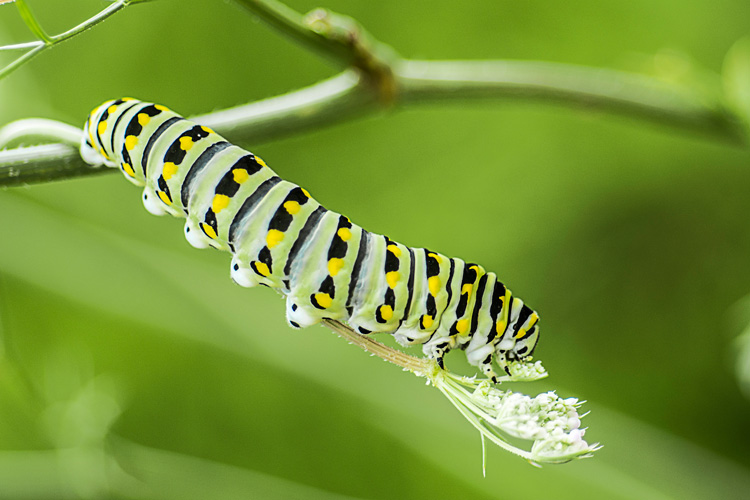
There are many objects right in your own backyard that make great macro photography subjects, such as flowers and insects. But don’t just stop there! Look for repeating patterns, textures and leading lines. Water droplets and spider webs can become beautiful subjects if photographed carefully. Just as in any other form of photography, look for the color red to compose a powerful image.

14844445274_cf84722530_o

Choose your background wisely

The background is one of the most important elements of a good macro. Setup your camera at the level of your subject. This will allow you to move 360 degrees around it, and carefully choose just the right background to enhance the subject. Be aware that if the background is too busy or too light, it will draw the viewer’s eye away from the subject.

DSC_6693-Edit

The muted colors of the background causes the subject to stand out sharply.

Light

Avoid harsh lighting or flat lighting. By looking for side light, or even back-lighting, you can create more dramatic images. Adding an off-camera flash is an effective technique to enhance your subject and separate it from the background. By setting your fastest flash sync-speed, and using a small aperture, you can make your subject pop from an otherwise boring background.

Focusing

Focusing can be the most difficult component of macro photography. Here’s a little trick to help you get the focus result you are looking to achieve: First, set your lens on manual focus. Next, turn the focus ring to the minimum focus length. Now simply move your camera closer to your subject until the part of the image that you want to be sharp is in focus and take the shot.

The wind is not your friend

Windy days make it very difficult to capture sharp macro images, and even harder to compose one if your subject is swaying back and forth in the wind. Try adding a flash to freeze your subject in windy conditions. In some cases the wind can help create interesting effects, but it’s a challenge!

Found this in the under growth in my backyard. Because of very low light I add a off camera flash set to low power on the side. I wanted to add some light to the top so I used my hat to reflect some of the light from the flash to the top of the plant.

An off camera flash was used here to add side light to this Jack-in-the-Pulpit. A light colored hat was used as an impromptu reflector to add light to the top of the wild flower.

Conclusion

Capturing images of nature in your own backyard is rewarding and convenient. One of the best things about a Backyard Macro Safari is that you don’t have to go anywhere for the shooting experience, so if things don’t work out, you don’t have that long disappointing ride home with nothing to show for it. If it was successful, you can kick back and celebrate right away, though you may still have to face mowing the lawn! What macro images can you capture in your backyard safari?


macro-coverWant to learn more about macro photography? Check out Ed Versosky’s Introduction to Close-Up & Macro Photography ebook – just $ 10 (over 30% off) this week with coupon code: DPS. You will need to enter the code to apply the discount.

googletag.cmd.push(function() {
tablet_slots.push( googletag.defineSlot( “/1005424/_dPSv4_tab-all-article-bottom_(300×250)”, [300, 250], “pb-ad-78623” ).addService( googletag.pubads() ) ); } );

googletag.cmd.push(function() {
mobile_slots.push( googletag.defineSlot( “/1005424/_dPSv4_mob-all-article-bottom_(300×250)”, [300, 250], “pb-ad-78158” ).addService( googletag.pubads() ) ); } );

The post Backyard Macro Photography Safari by Bruce Wunderlich appeared first on Digital Photography School.


Digital Photography School

 
Comments Off on Backyard Macro Photography Safari

Posted in Photography


Samsung WB2200F real-world sample gallery posted

26 May

We’ve been toying around with Samsung’s WB2200F, which resembles a small Canon 1D X more than a superzoom, for several weeks. We picked out our favorite photos from this 60X zoom camera and have compiled them into a real-world samples gallery for your enjoyment. View photos

Articles: Digital Photography Review (dpreview.com)

 
Comments Off on Samsung WB2200F real-world sample gallery posted

Posted in Uncategorized


Your Hunk-a, Hunk-a Burning Questions Answered Here

26 May

Meet our stellar customer service team. They’re chock-full of information about all of our shop goodies (also great at telling jokes!)

We picked their brains about some of our most popular products in order to answer your most FAQs.

Don’t see your question? Shoot them an E-mail, they love chatting!

CS FAQ ASAP

(…)
Read the rest of Your Hunk-a, Hunk-a Burning Questions
Answered Here (988 words)


© Erin for Photojojo, 2015. |
Permalink |
No comment |
Add to
Answered Here”>del.icio.us

Post tags:


Photojojo

 
Comments Off on Your Hunk-a, Hunk-a Burning Questions Answered Here

Posted in Equipment


Der Leipziger Ring auf einem Bild

26 May

Der Augustusplatz am Leipziger Ring, früher und heute

Ein Beitrag von: Jörg Dietrich

Vor zwei Jahren zeigte mir der Verleger Mark Lehmstedt auf der Leipziger Buchmesse ein extrem langes Leporello mit einer Lithographie aus der Mitte des 19. Jahrhunderts. Es handelte sich dabei um eine Abbildung des dreieinhalb Kilometer langen Leipziger Rings auf zehn nahtlos aneinandergefügten Panoramen.
kwerfeldein – Fotografie Magazin | Fotocommunity

 
Comments Off on Der Leipziger Ring auf einem Bild

Posted in Equipment


Anti-Gravity Hotel: Sleep Suspended in Levitating Space Suit

26 May

[ By Steph in Boutique & Art Hotels & Travel. ]

antigravity sleep 1

If various aches and pains or a childhood fantasy about being an astronaut make you wish you could sleep in antigravity, here’s a way to make it happen – sort of. A group of architecture students at the AA Visiting School Slovenia have designed a ‘levitating’ suit suspended from ropes so you can find out what it feels like to sleep in ‘3D.’

antigravity sleep 2

The suit is essentially a bunch of mini hammocks that support individual parts of the body, including the feet, knees, hips, arms and neck. Pulleys allow the wearer to adjust the ropes to distribute their weight in whatever way feels most comfortable, so you can recreate your favorite sleeping position in mid-air.

antigravity hotel 5

It’s part of a project called KSEVT Hotel, which invites visitors to spend a night at the Cultural Centre of European Space Technologies in rural Slovenia. The experience is meant to replicate what it feels like to sleep in space, minus the straps that astronauts use to keep themselves from bumping into things in the night.

antigravity hotel 6

“The site-specific added value to the KSEVT exhibition is the experience of levitation in an environment of gravity. The team’s field of research was the transition from conventional 2D sleeping to the experience of 3D sleeping.”

It’s an intriguing idea, and can probably be quite comfortable if you adjust all the ropes just right, but you’d better hope you don’t have to go to the bathroom once you’re strapped in.

Share on Facebook


[ By Steph in Boutique & Art Hotels & Travel. ]

[ WebUrbanist | Archives | Galleries | Privacy | TOS ]


WebUrbanist

 
Comments Off on Anti-Gravity Hotel: Sleep Suspended in Levitating Space Suit

Posted in Creativity


Getting Started with Abstract Macro Photography

26 May

Editor’s Note: This is part a series on macro photography this week. Look for a new one each day. The next newsletter will have them all if you miss any!

Lines and light can emphasise your subject

Lines and light can emphasize your subject

Macro photography truly is a unique genre of photography. In most of the other types of photography (landscape, portrait, sport, etc.) you want to get the context of your scene in the image. In macro photography, you can literally focus in on what’s important and remove any distractions by simply getting closer. One of the best things about macro photography is that you can do it anywhere, all you need is something to photograph. In my previous article: Getting Started Guide to Macro or Close-Up Photography, I went into some details about what you will need to get started in macro photography. Take a look at that article to be sure that you understand more about the genre of macro photography.

In this article we are going to be looking at getting great abstract images using macro photography.

Look for shape and colour

Look for shape and colour

What is abstract macro photography?

Abstract photography in general is about representing a subject in a non-literal way. The focus of abstract photography is more about colour, shape, and texture as opposed to the literal representation of the subject. Abstract macro photography, takes this to the next level by enabling you to get even closer to your subject, and therefore also able to be more abstract in a sense.

The same guidelines around composition apply, you can use the rule of thirds, curves, and lines to draw the viewer into the image. The difference is, the subject may not be immediately recognizable, your centre of interest might be a colour or a curve of a flower. So for abstract macro photography, you will need to think a little differently.

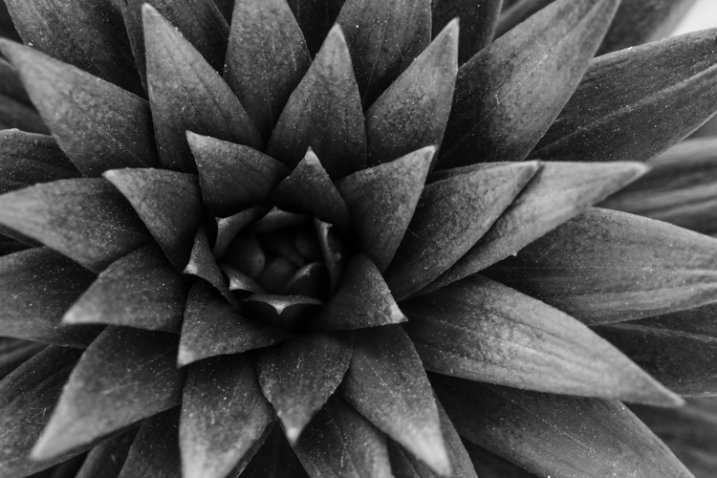
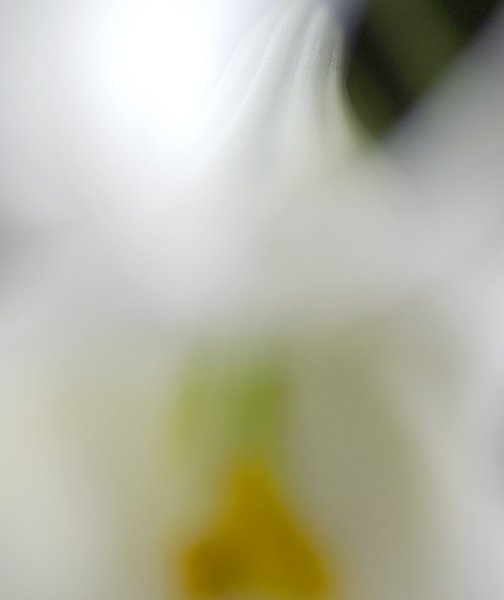
Abstract close up of a lily

Abstract close up of a lily

What will I need?

You will need a macro lens if you want to get in really close. You can use a prime lens like a 50mm, or even an 85mm lens, but for this type of work, a macro lens will work best. The reason is that you want be able to get in close enough to remove all distractions; in other words, you want to fill the frame with your subject. With a macro lens, you can do this. Most macro lenses have the ability to focus on subjects that are really close to the lens. The prime lenses can focus on subjects that are reasonably close, but you may not be able to get in close enough to remove the background.

You will also need to use a tripod. The close focusing ability of the macro lens means that it is very easy for your subject to become out of focus with the slightest movement. Ideally, you will want to have you camera set up with your macro lens mounted, then get that in as close as possible to your subject. Next, you will want to set your aperture to f/8, or higher, and then click onto manual focus to get your subject good and sharp in the frame.

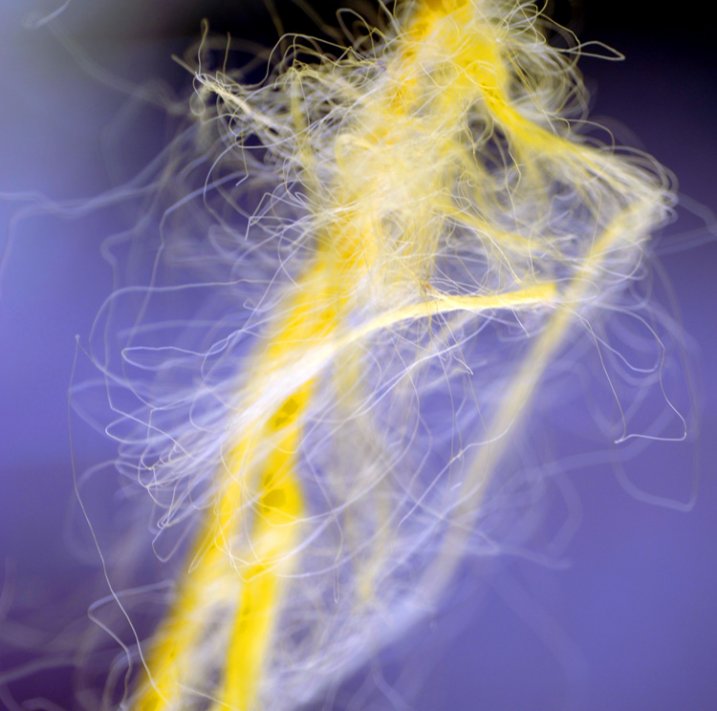
Frayed rope abstract

Frayed rope abstract

What can I photograph?

For abstract macro photography, I find that organic items work best. By organic I mean flowers, wood, fruit, vegetables, and so on. That does not mean you can’t photograph an abstract macro image of a computer keyboard or a coffee cup, but sometimes, these well known shapes are difficult to transform into abstract images. If you are going to photograph a product like a computer or another manufactured product, try shooting it from a different angle or get in very close so that any telltale signs of what it is, will be lost. Ultimately, you can photograph anything that you think will work, but start out with some easy subjects first,  then move on to the trickier ones.

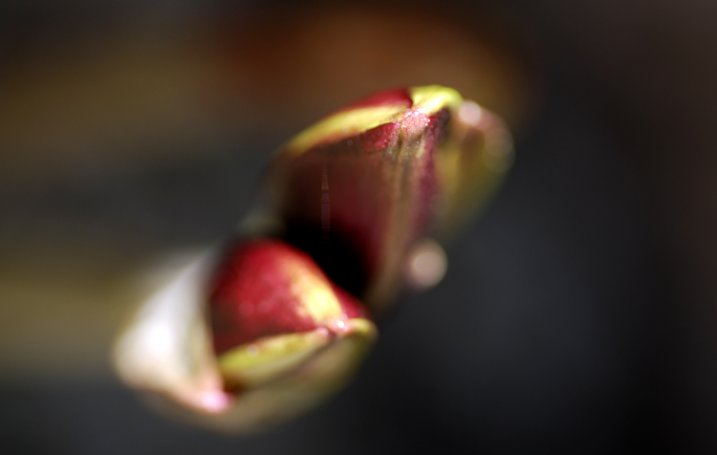
Buds about to bloom

Buds about to bloom

Try this…

Set up your subject and get your camera in position. Look through the viewfinder and start working on your composition. Try some of these pointers to get started and work from there:

  • Work on building your composition – are there any curves, lines, shapes ,or colours that you want to emphasize?
  • Use manual focus to bring even a small part of your image into sharp focus, this will be your centre of interest.
  • Make sure your centre of interest is obvious. In other words it should be in focus, it can be a different colour to the rest of the frame, or it can even be a well defined line or shape in the image
  • Check the exposure to make sure that you are exposing your scene correctly.
  • You can even overexpose slightly. In abstract macro photography, some slight overexposure is okay, as long as it does not distract from the rest of the image
  • Capture the shot
  • Try shooting the same image from a different angle and maybe even a different centre of interest.
  • Take as many images as possible, from different angles, with different focal points.
  • Choose the best three images and edit them in your chosen image editing software.

This is a great indoor project, but you can try this outside too. Shooting macro images outside can be more challenging as the subject may be affected by changes in lighting. If it is a flower or a plant, there may be a slight breeze which can move the flower as you are trying to photograph it. The most important thing is to try this type of photography if you can. It will cause you to think creatively and to look for different things in your image setup. Give it a try and load up your results below – let’s see what you get.

Abstract of a lily leaf

Abstract of a lily leaf


macro-coverWant to learn more about macro photography? Check out Ed Versosky’s Introduction to Close-Up & Macro Photography ebook – just $ 10 (over 30% off) this week with coupon code: DPS. You will need to enter the code to apply the discount.

googletag.cmd.push(function() {
tablet_slots.push( googletag.defineSlot( “/1005424/_dPSv4_tab-all-article-bottom_(300×250)”, [300, 250], “pb-ad-78623” ).addService( googletag.pubads() ) ); } );

googletag.cmd.push(function() {
mobile_slots.push( googletag.defineSlot( “/1005424/_dPSv4_mob-all-article-bottom_(300×250)”, [300, 250], “pb-ad-78158” ).addService( googletag.pubads() ) ); } );

The post Getting Started with Abstract Macro Photography by Barry J Brady appeared first on Digital Photography School.


Digital Photography School

 
Comments Off on Getting Started with Abstract Macro Photography

Posted in Photography


What it Takes to Go Pro – Lessons from 10 Professional Photographers

26 May

The decision to go pro with your photography business is a big step. It’s a time when the future is ripe with possibility and fears tend to run high. In what we call a “crisis of confidence,” you may find yourself comparing your work to other photographers and wondering, “am I really good enough?” or “will people give me a chance?”

When you begin experiencing these thoughts, take a deep breath and remember this; almost everyone feels this way before they begin a new journey – especially if their dreams are on the line. In fact, those super successful photographers you keep comparing yourself to likely experienced those same emotions when they decided to go pro themselves.

I asked 10 experienced professional photographers to reflect on the early days of their careers – from finding their first clients, to marketing strategies they used to establish their brands. Read on to see how each of them was able to find success as a professional photographer — and how you can, too.

It all starts with relationships
750 CaseyKelbaugh

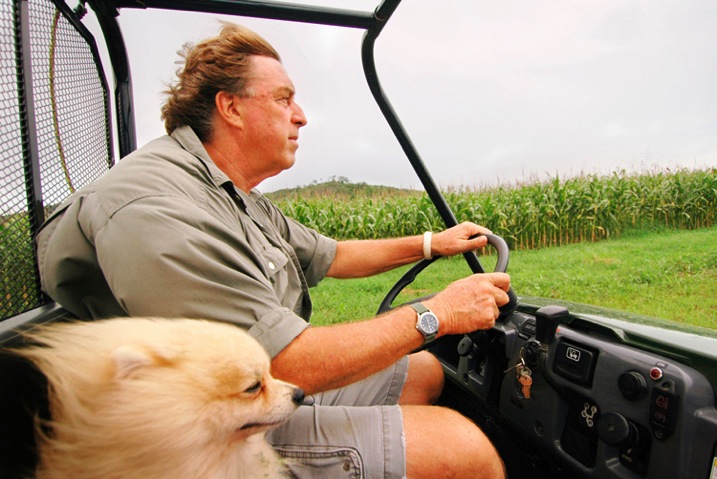
Photo by Casey Kelbaugh

When you decide to offer your photography as a professional service, you’ll need to find a few clients who are willing to take a chance on you. For many photographers, this means starting with friends and family members who already like and trust them. “In my 15 years in the business, I have never gotten a job out of thin air,” NYC-based photographer Casey Kelbaugh said. “ Every single break, every assisting gig, every big campaign, every meat-and-potatoes job has come to me through some kind of relationship.”

Alfred Eisenstaedt, famous Life Magazine photographer said, “It’s more important to click with people than to click the shutter.” and “People hire you because of the quality of your work, but will hire you again and again because they enjoy your attitude and manner both on and off the set.” says landscape and commercial photographer Michael Zide.

Steve Hansen, a headshot photographer from Los Angeles also began his career by leveraging his personal network. “My first client was actually a friend who needed headshots,” he said. “He couldn’t afford some of the more pricey photographers, and I needed clients, so we struck a deal.”

According to photo and video educator Marlene Hielema, networking is also critically important. “You have to get out and meet people! People like to work with people they like, so you need to make connections with people who need the type of work you want to do. Have your elevator pitch ready, because I have met a lot of future clients at parties.”
Marlene hielema 0347

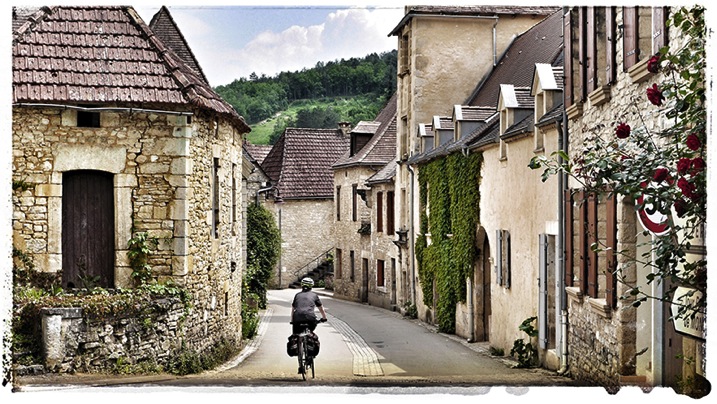
Photo by Marlene Hielema

When networking, Kelbaugh also recommends looking beyond photo editors and art directors, since they’re already being bombarded with photography pitches. “Clients can be found anywhere, so think about reaching out to your friends that work at startups, universities, law firms and restaurants” she said. “When building your clientele, try to think outside of the box.”

Speak up

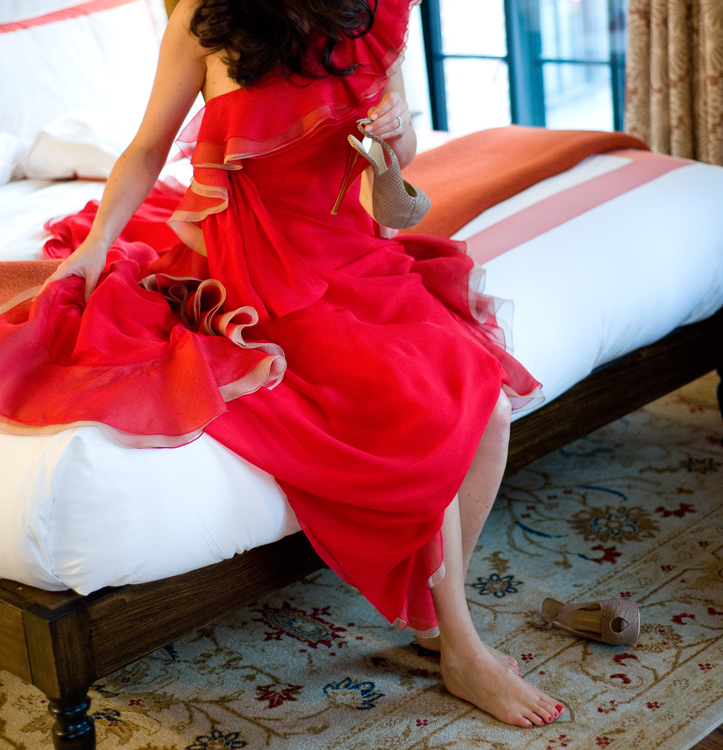
In addition to utilizing the power of your existing network, don’t forget to take advantage of opportunities as they arise – no matter the time or place. Take Cappy Hotchkiss, a New York-based wedding photographer who met her first buyer at a dog run (a park where dogs can run off-leash). “I had photographed weddings for a few friends and absolutely loved it” Hotchkiss said. “Someone at the dog run overheard me talking about it and asked me to shoot her wedding. I still remember what a thrill it was – and how scary and fabulous it was.”
750 CappyHotchkiss

Photo by Cappy Hotchkiss

Sports photographer Chris Marion had a similar experience when he happened to meet the editor of a local sports magazine. “I asked him if they had a need for additional photographers” Marion said. “He said yes and gave me what was most likely a test assignment. The assignment went well and it went on to become my first real sports job.”

Small wins lead to big ones

As your portfolio and word-of-mouth referrals begin to grow, so will the likelihood that you’ll land that one, great assignment. These assignments can be game changers for some professional photographers – leading to high-profile work and long-term relationships that ultimately lead to even bigger projects in the future. “I got my best client, Google, by landing a smaller event for them and delivering photos that they just loved” photographer Andrew Federman said. “Word spread and they asked me if I would come shoot the inaugural Google Science Fair out in Mountain View, California at Google HQ.”

750 AndrewFederman2 GoogleScienceFair

Photo by Andrew Federman

Marion landed his best client, the NBA, in a similar way. “My hometown of Springfield had an NBA development league and I was their team photographer for five years,” he said. “Through that experience I was able to capture the attention of the NBA, which then led to freelancing opportunities with Sports Illustrated, as well as others.”

Professionalism counts more than you realize

Sometimes that great assignment comes simply from being available. “One day I was at the library and got a phone call from a weird number,” said James Brosher, an editorial, commercial and wedding photographer in Bloomington, Indiana. “I answered, and I was glad that I did; it was a great job that paid my bills for an entire month. The client said he had called a couple other people but I got the job because I answered the phone. Ever since then, I’ve made a point to always answer my phone. You never know when a great client will call.”

Brosher has also landed several jobs because of his flexibility to take on last-minute projects. “One day I was on the couch and got a call from the Indianapolis Star needing an event covered in 15 minutes,” he said. “Being around, available, and being able to anticipate when a publication might need you goes a long way.”
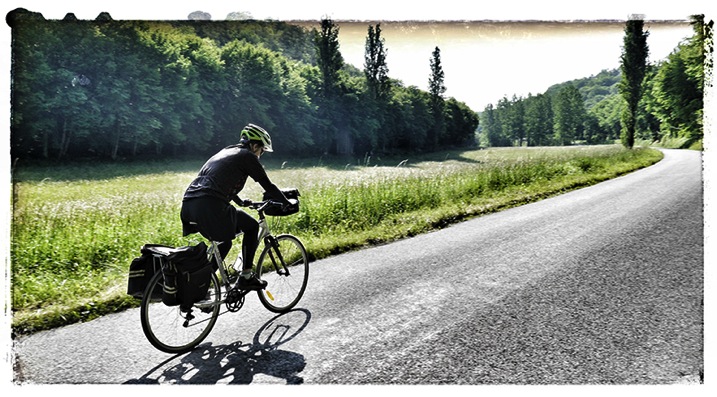
Marlene hielema cycling 703

Photo by Marlene Hielema

According to Christina Van Dyke, the owner and founder of Van Dyke Design & Photography, something she’s found incredibly important is a focus on providing both great work and a great customer experience. “My best client found out about my photographic services from a word-of-mouth referral,” she said. “The lesson I’ve learned is to always treat each and every client as if they are your ONLY client. In return, your clients will reward you with wonderful referrals that keep your business growing and thriving.”

Play the long game

Hansen recommends focusing more on building your name, and less on your paycheck – at least in the beginning. “Don’t be afraid to take a pay cut in the early stages of building your business and name,” he said. “Yes, you may be worth a lot more, but having your work out there is invaluable to building a solid client list.”
750 AndrewFederman1 YouTubeBrandCast

Photo by Andrew Federman

“My advice for young photographers is to remember that it’s the photographs you actually deliver to your clients that set you apart – not how slick your website is, how many Instagram followers you have, or how many blog hits you get,” Federman said. “Marketing is important, but delivering photos that blow away your clients will generate a powerful word-of-mouth force.”

View the complete interviews on SlideShare (below)

Thanks to our contributing photographers:

  • Casey Kelbaugh
  • Michael Zide
  • Steve Hansen
  • Marlene Hielema
  • Cappy Hotchkiss
  • Chris Marion
  • Andrew Federman
  • James Brosher
  • Christina Van Dyke

googletag.cmd.push(function() {
tablet_slots.push( googletag.defineSlot( “/1005424/_dPSv4_tab-all-article-bottom_(300×250)”, [300, 250], “pb-ad-78623” ).addService( googletag.pubads() ) ); } );

googletag.cmd.push(function() {
mobile_slots.push( googletag.defineSlot( “/1005424/_dPSv4_mob-all-article-bottom_(300×250)”, [300, 250], “pb-ad-78158” ).addService( googletag.pubads() ) ); } );

The post What it Takes to Go Pro – Lessons from 10 Professional Photographers by Kelly Kingman appeared first on Digital Photography School.


Digital Photography School

 
Comments Off on What it Takes to Go Pro – Lessons from 10 Professional Photographers

Posted in Photography


Coolest Pools: 15 Enviable Modern Swimming Spots

25 May

[ By Steph in Architecture & Houses & Residential. ]

modern pool jellyfish 1

Daydream about escaping into an aquatic paradise of your very own in the form of a modern swimming pool that puts swimmers on display with a glass floor, appears in your ballroom at the push of a button or seems to blend right into a tropical sea on the horizon. These drool-worthy swim spots include a private living room pool in a five-story New York City townhouse, an interior courtyard pool accessible by a glass hatch in the floor, and a shady oasis in a Grecian cave.

Cantilevered Rooftop Pool with a Glass Floor

modern pool jellyfish 2

modern pool jellyfish 3

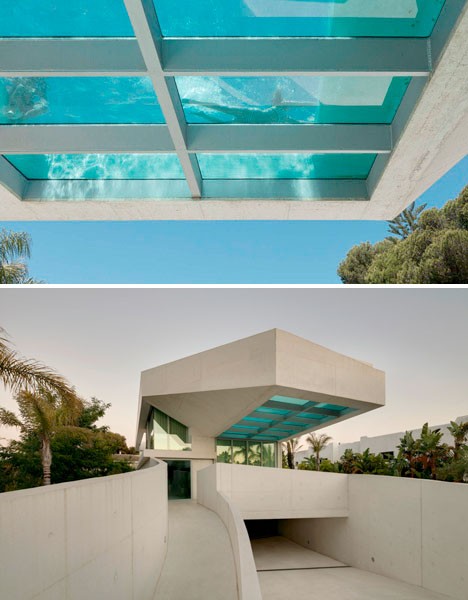
Not only does this swimming pool cantilever off the roof of a modern concrete home in coastal Spain “so the beach and sea can always be seen while sunbathing or swimming,” it’s got a glass floor so swimmers can be seen from the terrace below. Jellyfish House by Wiel Arets Architects features a staircase that goes straight from the yard to the rooftop for a beach-to-pool experience, and the pool can be seen from nearly all areas of the house.

Secret Under-Floor Pools
modern pool hidden floor 2

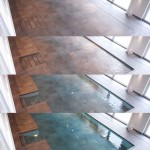
Even the ultra-rich have space concerns sometimes, or maybe they just really like cool things that appear and disappear at the touch of a button, like the rest of us. Either way, ‘Hydro Floors’ enable them to basically conjure a swimming pool out of nowhere on command with mobile flooring that can be stopped at various intervals to create pools of different depths. Push the button again to watch the water seep out of the way so the floor space can be used for dining, dancing or whatever else it is that people with too much money do with that kind of space.

Glass-Walled Above-Ground Modern Pool

modern pool glass walled wooden deck

modern pool glass wall wooden deck 2

modern pool wooden deck 3

The lush lawn of this house by Andres Remy Architects in Devoto, Argentina gently rises to meet the edge of a wooden deck surrounding an unusual above-ground pool. The pool features one glass side for a fishbowl-like view from the outside and an infinity effect from the swimmer’s perspective.

Slice House by Procter-Rihl

modern pool slice house 2

k 034

k 034

The Slice House in Porto-Alegre, Brazil by Procter-Rihl Architects features a complex prismatic geometric layout that generates “a series of spatial illusions in the interior spaces,” including a view right into the rooftop swimming pool from the dining room.

Indoor/Outdoor Living Room Pool

modern pools indoor outdoor

modern pools retractible 2

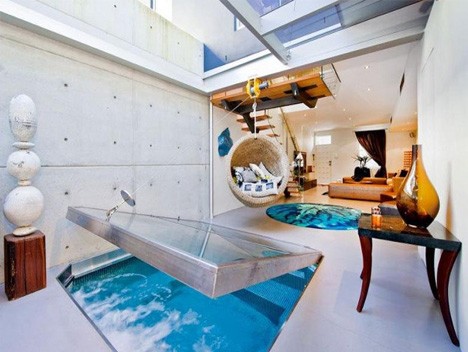
A glass hatch in the concrete floor of an urban townhouse can simply be lifted out of the way to provide access to a swimming pool, right under a retractible glass roof, creating a private and protected indoor/outdoor space on demand.

Next Page – Click Below to Read More:
Coolest Pools 15 Enviable Modern Swimming Spots

Share on Facebook


[ By Steph in Architecture & Houses & Residential. ]

[ WebUrbanist | Archives | Galleries | Privacy | TOS ]


WebUrbanist

 
Comments Off on Coolest Pools: 15 Enviable Modern Swimming Spots

Posted in Creativity