RSS
 

Archive for May, 2015

10 Tools to Make Your Photography Blog Rock

13 May

These days blogging is not only a tool to share your thoughts and tips with the public, but is also a tool through which to promote your products and services, attract new clients and increase conversions. It’s an easy and low cost method to get your brand noticed. Moreover, for photographers, it’s a great opportunity to get on the top Continue Reading

The post 10 Tools to Make Your Photography Blog Rock appeared first on Photodoto.


Photodoto

 
Comments Off on 10 Tools to Make Your Photography Blog Rock

Posted in Photography


Space Hacking: Modular Joints Connect IKEA & Everything Else

13 May

[ By WebUrbanist in Design & Furniture & Decor. ]

ikea modular home

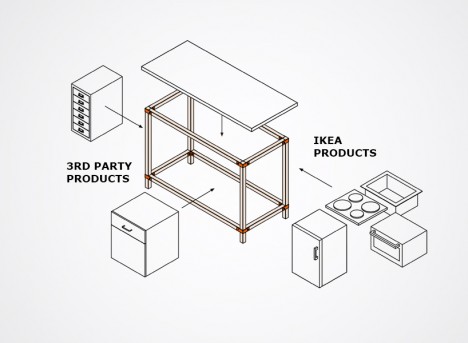
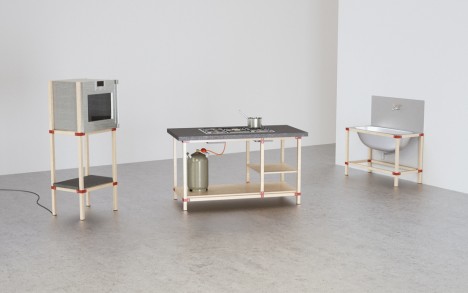
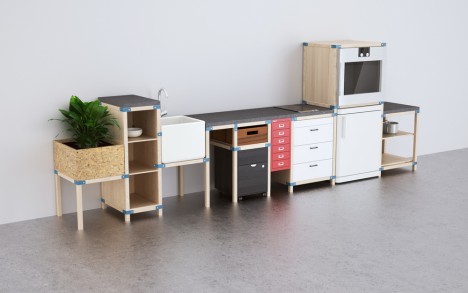
This kit-of-parts solution draws on the do-it-yourself ethos as well as the modular furniture movement, allowing savvy homeowners to combine off-the-shelf designs with custom connections and modifications. The implications are subtle but powerful: buy only the elements you need that are too hard to personally construct, then use this system of joints, legs and beams to bridge the gaps.

ikea hacka additions connections

modular parts framework concept

ikea support structure

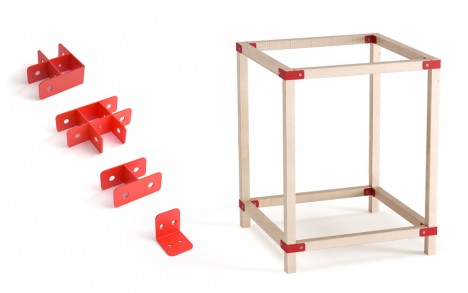
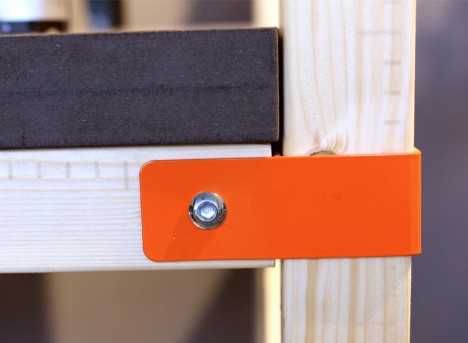
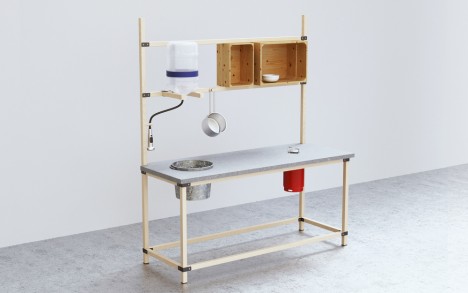
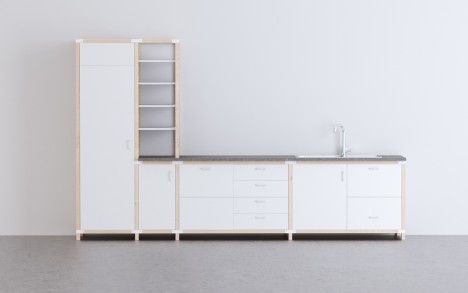
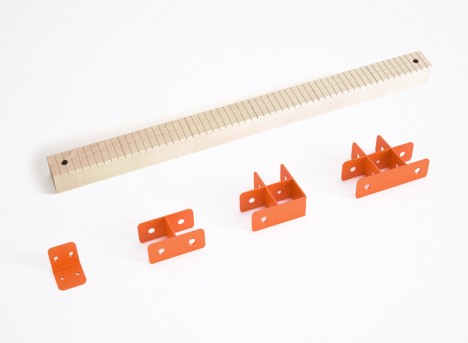
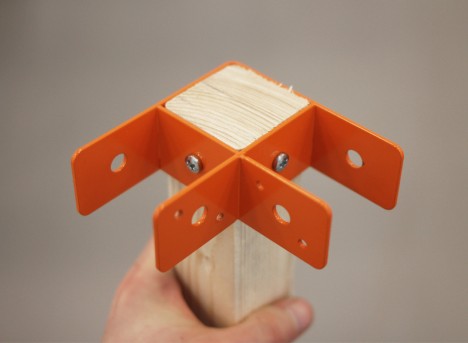
On display at Milan Deign Week, the IKEA HACKA toolbox consists of a key set of metal joints that create connections between modular wooden beams, all using regular dimensions for ease and consistency of construction. Cutting beams down to size, users can effectively create new hybrid furniture or built-ins styled and fit to their own unique spaces, stacking, supporting and hanging things between. Minimalist, modern, funky, the connectors are neutral enough to suit all personalities and approaches, as illustrated in the examples below.

modular minimalist kitchen design

modullar kit of parts

modular joint system

Together, these parts allow for the construction of support systems that turn individual elements into part of a network, allowing personalized touches and enabling space-saving solutions. They can also be re-hacked into new shapes as your needs grow or change.

ikea joint system design

ikea triple corner joint

space saving ikea hack

An effort to bridge the gap between purely hacked-together creations and existing products, IKEA HACKA was developed as a collaboration between IKEA, IDEO and a group of industrial design and technology students. It is intended to be part of a “future kitchen that bridges the gap between the hacking movement and the modular systems of today. Its flexibility helps people to create their own solutions, and makes it easy for them to hack it to suit their unique needs and style.”

Share on Facebook


[ By WebUrbanist in Design & Furniture & Decor. ]

[ WebUrbanist | Archives | Galleries | Privacy | TOS ]


WebUrbanist

 
Comments Off on Space Hacking: Modular Joints Connect IKEA & Everything Else

Posted in Creativity


Nikon 300mm F4E PF ED VR real world samples gallery posted

13 May

The Nikon 300mm F4E PF ED VR is an extremely light-weight, compact telephoto lens well-suited for use on both FX and DX Nikon bodies. It is 30% shorter and 1.5 lbs / 0.68kg lighter than its predecessor, thanks to the use of a Phase Fresnel design. We paired it with a variety of FX and DX cameras and put together a selection of real world sample images. See gallery

Articles: Digital Photography Review (dpreview.com)

 
Comments Off on Nikon 300mm F4E PF ED VR real world samples gallery posted

Posted in Uncategorized


5 Easy Studio Setups With One Light

13 May

Studio lighting is one of the most versatile tool sets available to you as a photographer. Apart from 24 hour access to a quality light source, there is a vast quantity of modifiers, accessories, and techniques that allow you to design and shape the light exactly as you need to fulfil your creative vision. However, all of this choice that is available to you can often result in confusion and indecision. The sheer amount of stuff available can also lead you to believe you need more than you already have.

Fortunately, in the case of lighting, less is often really more. In this tutorial I am going demonstrate five ways to use a single light source to good effect, with a variety of subjects. Even though each of these images was created with a specific modifier, each setup will work with most any modifier of your choice. For example, you could swap a softbox for a beauty dish. This will alter the shape and softness of the light but you will still get good results. Some of the techniques also use a silver reflector.

If you don’t have a reflector, you can get a large piece of cardboard and glue a sheet of aluminium foil to it. Another option is to use a mirror. You don’t even need a strobe or flash to make these techniques work; window light, with a bit of extra effort can produce the same effects.

Here are five easy studio setups with one light you can try yourself.

Setup #1

Amb john mcintire photography 0049

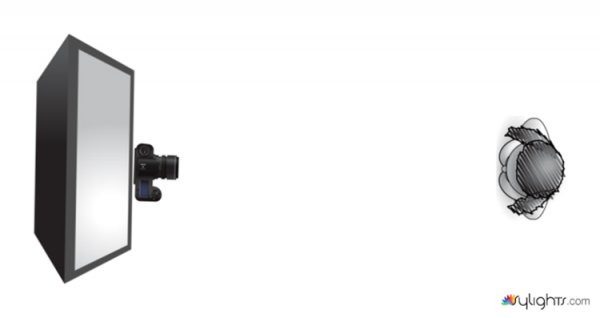
Simplicity in technique is the aim of this first image. The light source is a strobe fitted with a medium sized softbox. It is positioned about five feet away from the subject, elevated about four feet above, and pointed down at a 45 degree angle. The camera is directly under the softbox (this is called Butterfly lighting).

lightingdiagram1

Lighting diagram for light placement

The centre of the softbox is pointed to the left of the model (camera right) with only the edge of the light source directly falling on her. This technique is called feathering. It is useful for controlling and fine-tuning the light in a scene, and helps to soften light from a harder modifier such as an 110 degree reflector.

If you don’t think you’re ready to try feathering just yet, try to aim your light source at your subject’s nose instead.

Setup #2

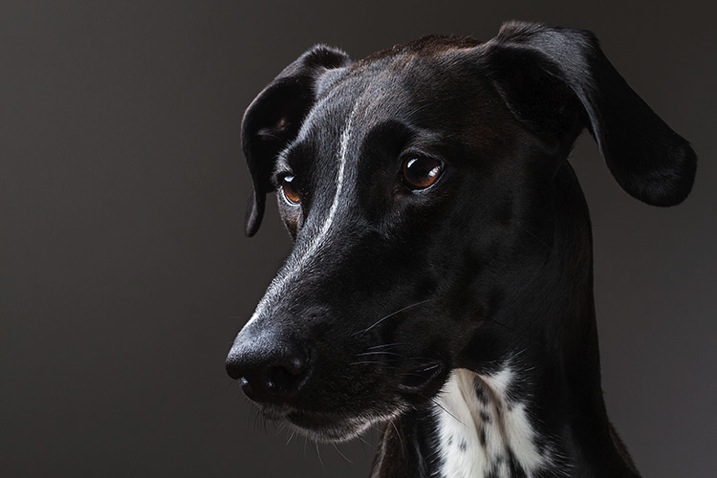
Greyhounddalmatian john mcintire photography 0795

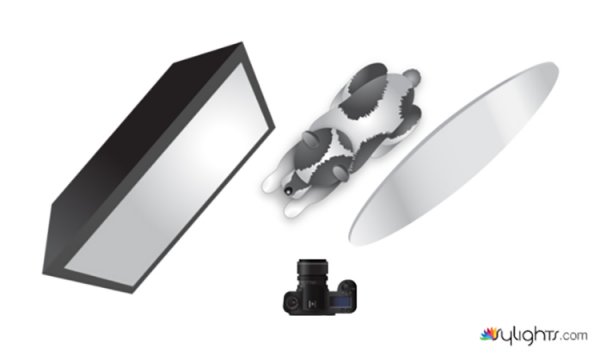
lightingdiagram2

To create dramatic lighting in your photos, try lighting your subject from behind. This image of my dog is lit by a softbox placed at a 45 degree angle behind her at camera left. The softbox is just out of the left-hand side of the frame and is very close to the subject. Because she is black and white, there is a huge amount of contrast in the scene. This left the shadow areas closest to the camera very dark. To fix this, you would introduce a reflector. The reflector is also only just out of the frame on the right-hand side. Bringing it in close allows you to increase the amount of reflected light filling in the dark shadows.

Setup #3

Pastry john mcintire photography 6968

For added versatility, you can combine the previous two techniques. This image is again lit by a softbox six feet behind the pastry and elevated about five feet above. Instead of pointing the light source at the pastry, it is aimed straight ahead so that the softbox is not directly illuminating the subject. This is a more extreme version of feathering that creates beautifully soft light.

lightingdiagram3

When you feather the light in this way, be aware that you are lighting the scene with a only a tiny fraction of your flash’s output. You will need to compensate by altering your ISO, increasing the flashes power output or altering your aperture.

To fill in the shadows created by the backlighting, use your silver reflector.

Setup #4

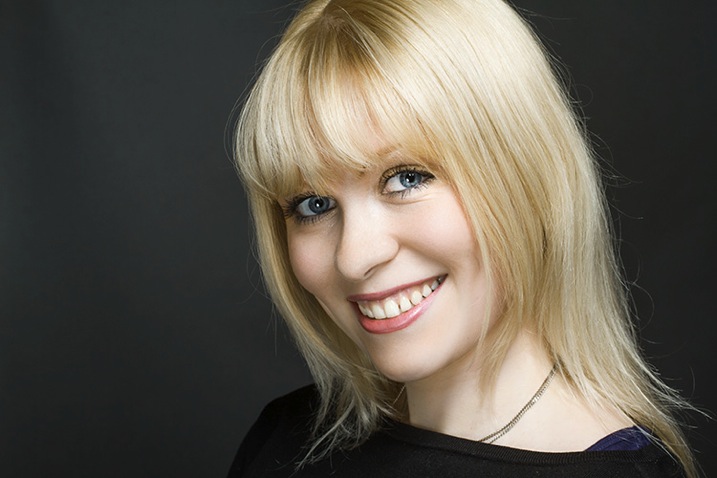
Romey john mcintire photography 0971

lightingdiagram4

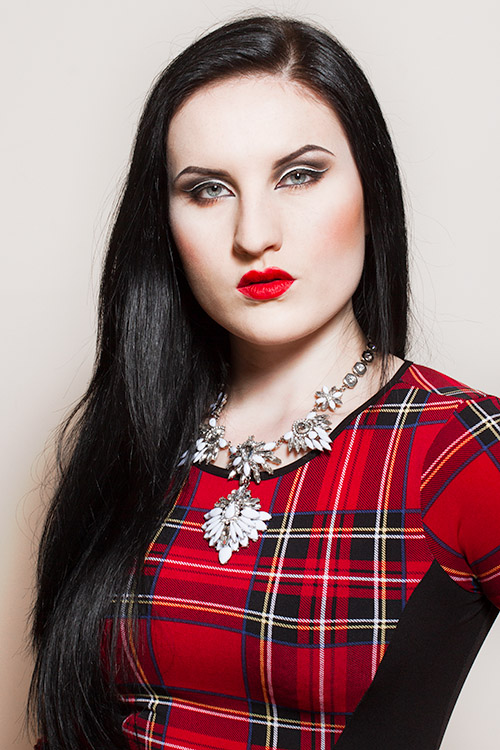
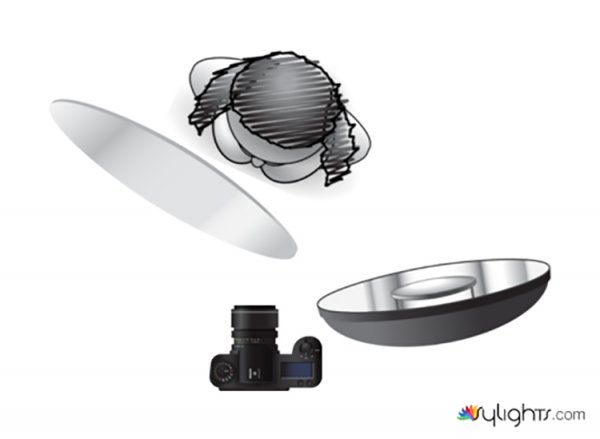
If you want to create images with more contrast in your light than a softbox provides, try using a silver beauty dish. The light source in this photo is slightly to the right of the camera and is three feet away from the subject. The bottom edge of the beauty dish is lined up with the top of the model’s head, again creating the feathering effect. To fill in the shadows, ask your model to hold the reflector pointed towards her chin and just out of the frame.

Setup #5

Monika john mcintire photography 5347

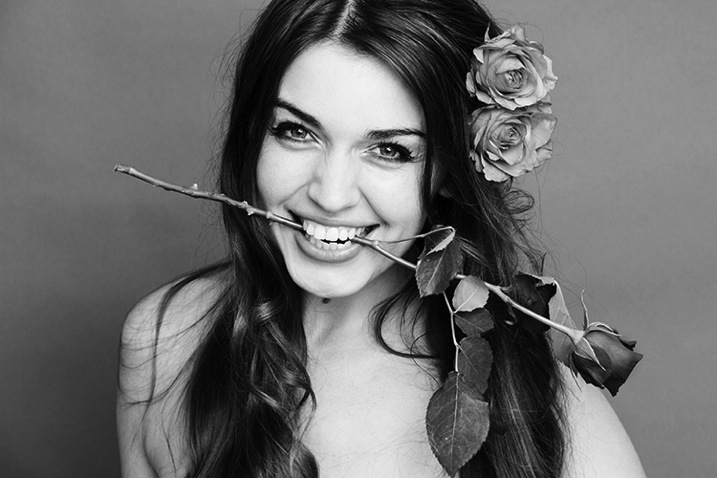
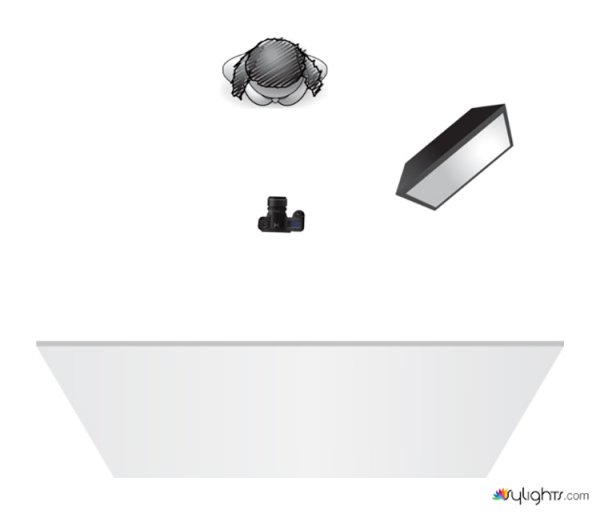
If you prefer really soft light, you need to increase the size of your light source in relation to your subject. The obvious ways to do this are to move your light source closer to your subject, or to use a bigger modifier.

Alternatively, you can bounce your light into a wall or a ceiling, converting that surface into your light source.
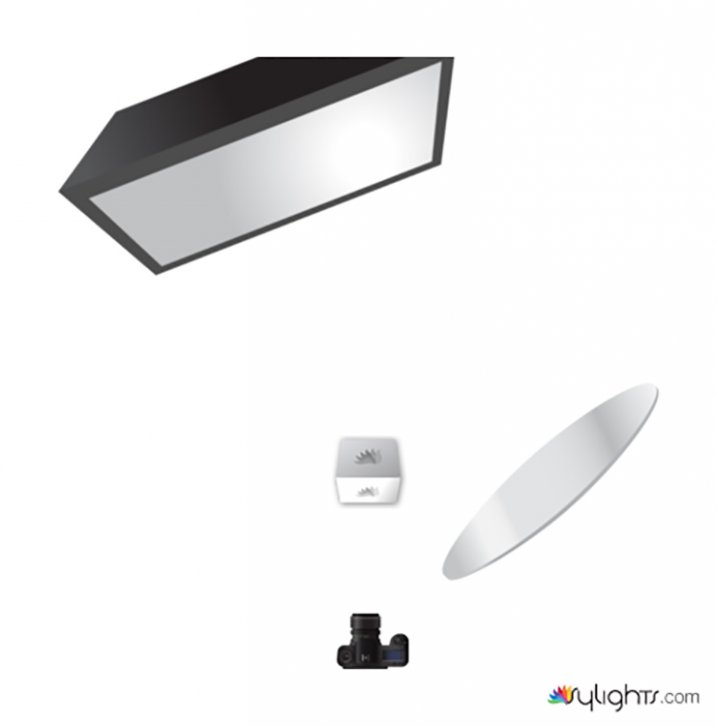
To imitate the lighting in this image, fit your light source with a bare reflector and point it into the corner of a room. Be wary of off-coloured walls though; the slightest deviation from white can cause colour casts in your images that take a lot of time to correct. If you’re shooting black and white, then colour casts are irrelevant and you can bounce your light from just about any surface you can imagine.

lightingdiagram5

As you can see, you don’t need piles of equipment to get the most out of the studio. A single strobe, a modifier or two, and a reflector will provide you limitless creative opportunities for your photography. Go ahead and alter these suggestions to suit your needs and style and don’t be afraid to experiment, there really are an infinite number ways to use this modest amount of equipment.

googletag.cmd.push(function() {
tablet_slots.push( googletag.defineSlot( “/1005424/_dPSv4_tab-all-article-bottom_(300×250)”, [300, 250], “pb-ad-78623” ).addService( googletag.pubads() ) ); } );

googletag.cmd.push(function() {
mobile_slots.push( googletag.defineSlot( “/1005424/_dPSv4_mob-all-article-bottom_(300×250)”, [300, 250], “pb-ad-78158” ).addService( googletag.pubads() ) ); } );

The post 5 Easy Studio Setups With One Light by John McIntire appeared first on Digital Photography School.


Digital Photography School

 
Comments Off on 5 Easy Studio Setups With One Light

Posted in Photography


Linnaeus Tripe photographs of 1850s Burma and India on show in New York and London

13 May

An exhibition of photographs taken by Captain Linnaeus Tripe during a tour of India and Burma is on show in The Metropolitan Museum in New York, and will then move to London’s Victoria and Albert Museum. The collection of 60 images made on paper negatives display historic places, buildings, geology and the infrastructure of parts of the two countries, and were in some cases the first photographs ever to be taken of these sites. Read more

Articles: Digital Photography Review (dpreview.com)

 
Comments Off on Linnaeus Tripe photographs of 1850s Burma and India on show in New York and London

Posted in Uncategorized


Mobile Village: Seattle Teens Build Micro-Homes for Homeless

13 May

[ By WebUrbanist in Architecture & Houses & Residential. ]

seattle shack designs

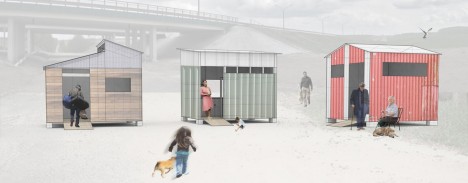
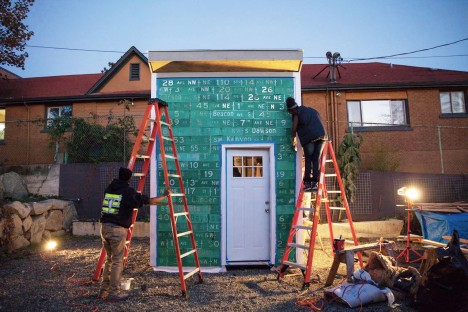
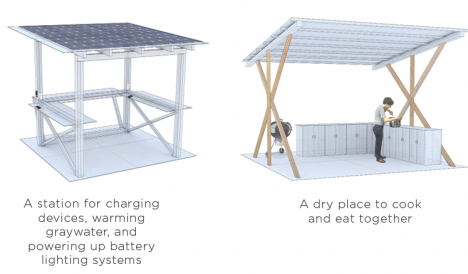
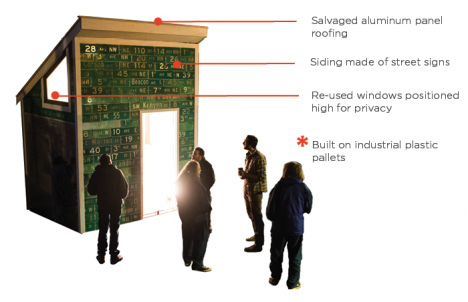
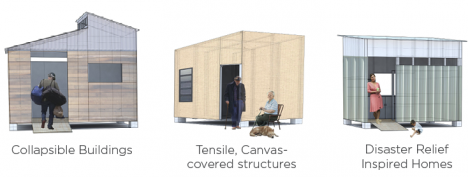
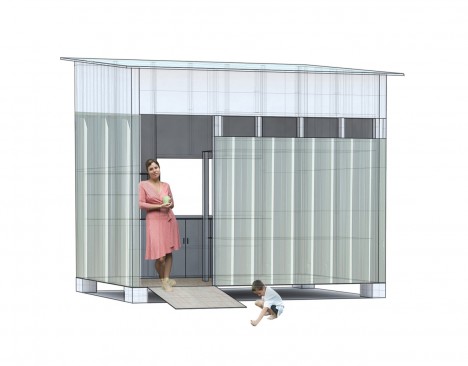
Serving a nomadic homeless shanty town known as Nickelsville, the Impossible City project involves a group of a teenagers who are creating not just tiny houses but also solar power stations, composting latrines and a community kitchen.

seattle homeless build

seattle homeless camp help

Nickelsville moves from place to place, going where land is available since its residents cannot afford to pay rents. Slowly but surely, thanks to this project, its rickety collection of tarps, tents and donated Home Depot shacks are being replaced by modest but functional shelters.

homes for homeless

seattle homeless home

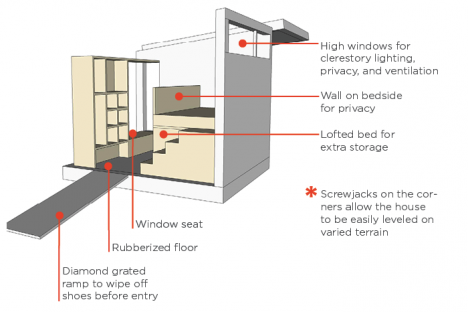
The challenge is non-trivial – the structures need to be somewhat easy to disassemble and move while also meeting city code and basic safety standards. Backing the youth builders is Sawhorse Revolution, an area non-profit that teaches kids how to use tools and build structures.

seattle homeless project

seattle homeless shelter

While many institutions, organizations and governments take an all-or-nothing approach, trying and generally failing to get the homeless off the streets, this project attempts to take on the actual situation on the ground, bridging the gap between sleeping on the streets and having a permanent residence.

Share on Facebook


[ By WebUrbanist in Architecture & Houses & Residential. ]

[ WebUrbanist | Archives | Galleries | Privacy | TOS ]


WebUrbanist

 
Comments Off on Mobile Village: Seattle Teens Build Micro-Homes for Homeless

Posted in Creativity


Organizing and Archiving Your Photos

13 May

It’s spring cleaning time and that means organizing a lifetime or two worth of photos! Whooo! (Guh.)

Let’s break this daunting task into bite-size pieces, yeah?

Step 1: Choose a place to store photos
Pick one place to stash your snaps and stick to it! This Wall Street Journal article makes it easy to find your perfect storage fit, whether you’re a simplicity-lover or tech-savvy pro.

Step 2: Organize at a reasonable pace.
Set aside just 5-10 minutes a day to organize your photos. Then treat yourself to a cupcake, you’ve earned it!

Step 3: Preserve your favorites.
As you go along organizing, you’ll find a few photos that you want to save – maybe even for generations. Like of your parent’s wedding or that time you met Justin Bieber. In the ever-changing digital age, it’s hard to know what the best archival solution is. Take a few minutes to read through this write-up from Photo District News which covers a 3-point consideration for saving your best shots. *Spoiler alert*: Prints are still king.

Whew, that wasn’t so bad was it? Now … about your closet …

Photo by Geoffrey A. Fowler


© Erin for Photojojo, 2015. |
Permalink |
No comment |
Add to
del.icio.us

Post tags:


Photojojo

 
Comments Off on Organizing and Archiving Your Photos

Posted in Equipment


Creating Effective DIY Studio Lighting With Household Items

12 May

When I first started to experiment with controlling the light, I couldn’t afford to splash out on studio gear just to experiment, so I improvised with what I could find around the house, or acquire for only a few dollars. Some improvisations were, let’s just say, less successful than others. But some did produce good results. Some DIY studio lighting I still use, even though I now have a studio setup.

Let’s start with an easy and free lighting method, because free is my favourite price!

Use a table lamp
HawkinsDPS1

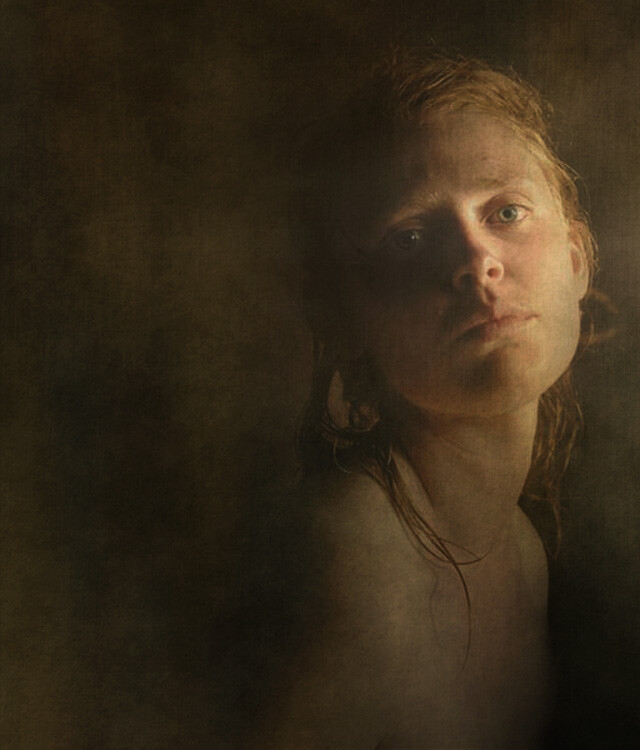
This shot was taken with a table lamp. Most of us have some sort of lamp around the place. Any kind will do. They come with their own diffuser, the lamp shade, and are easy to move around. You can adjust height with boxes, books, or anything stable you can find. You can experiment with alternative lamp shades as well as different strength, variety, or colour of light bulbs, or the number of lamps you use.

Lamp lighting usually isn’t very bright so you might need a tripod or somewhere solid to put your camera. For the image above I had the model hold the lamp and move it around slowly as I fired away, getting her to go even slower or stop when things were looking good.

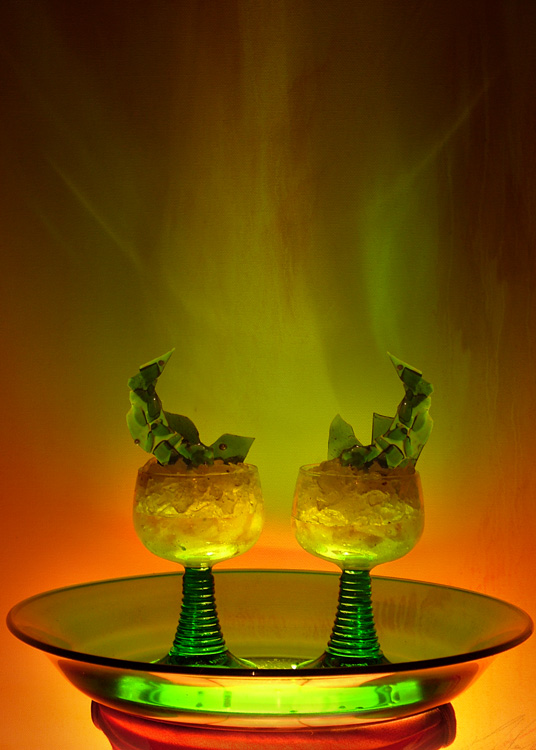
For the shot below I put the green glass dish directly on top of a lampshade, in front of an abstract painting. It’s all about experimenting.
HawkinsDPS2

Make-shift softbox

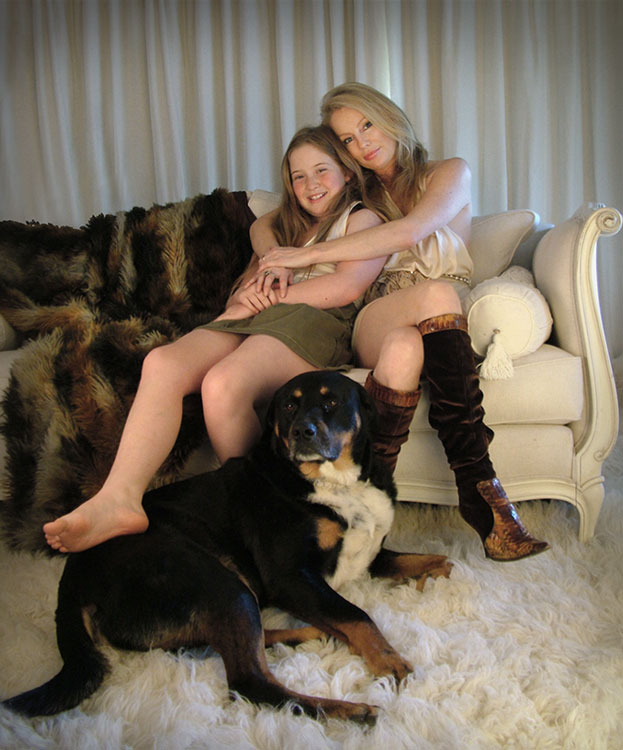
While lamps were great, I really wanted to try soft box style lighting, so I had to get a bit more creative. The portrait below of friends and their dog was lit using a large open cardboard box lined with aluminium foil and placed on its side. I then shone a bright halogen work-light into the box, and softened the resulting light with a white sheet held up in front of the setup. Off to the side was a similar setup using a lamp with the shade removed, a smaller foil lined box, and a white pillow case.
HawkinsDPS3

It’s not a perfectly lit portrait. I was just starting out with portraiture and it was my first attempt with my DIY softboxes, but the results were encouraging enough for me to keep experimenting.

Try different things – experimentation is key

I went on to using regular white umbrellas, of the rain repelling variety, to diffuse the bright bulbs used for household outdoor lighting. I’ve bounced the light from an array of heavy duty flashlights, into a foil lined rain umbrella, all attached to a tripod with about a million miles worth of gaffer tape. I’ve used metallic cardboard sheets from the newsagent, or foil covered boards as reflectors. There were many experiments, some good, some not so much, and some were surprising.

Basically you just need a light, or two, and something to diffuse or reflect/bounce the light, or both. Preferably without setting fire to anything. Work-lights and other really bright bulbs can get surprisingly hot. It’s best not to have flammable things like sheets or cardboard too close and have something protective underneath if the light is placed on surfaces.

If you are not so keen on lining boxes and hanging sheets, you might like to try light painting.

Light painting
HawkinsDPS4

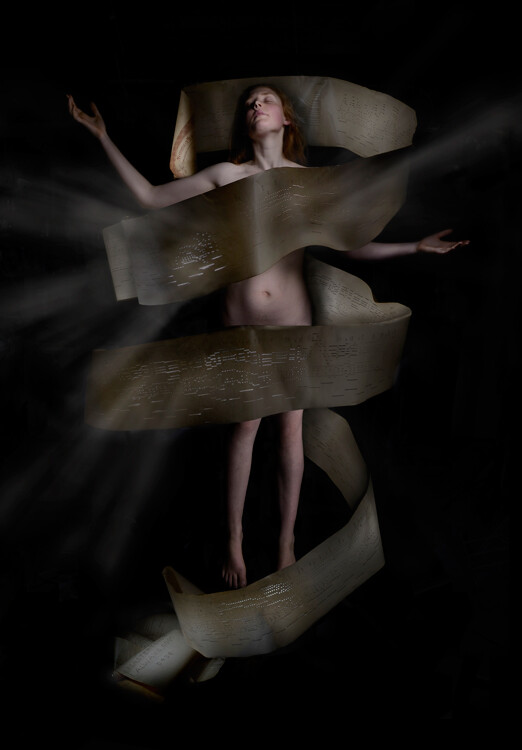
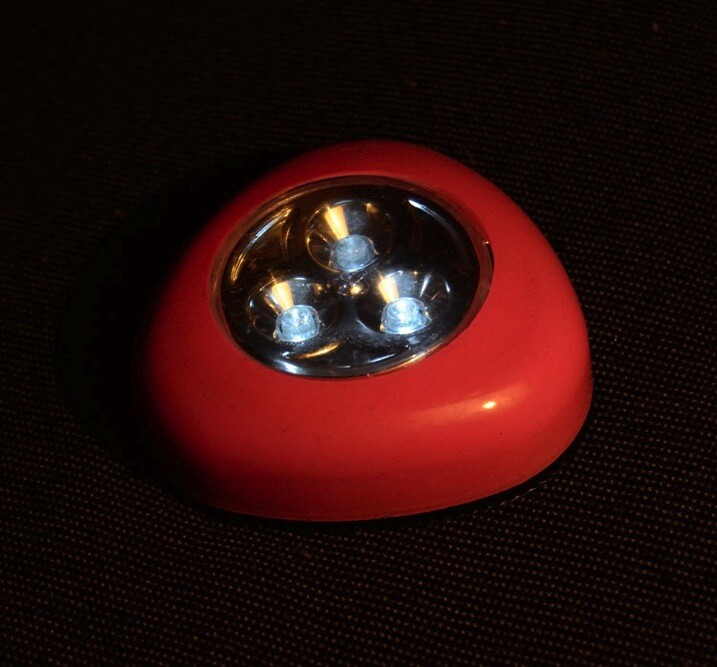
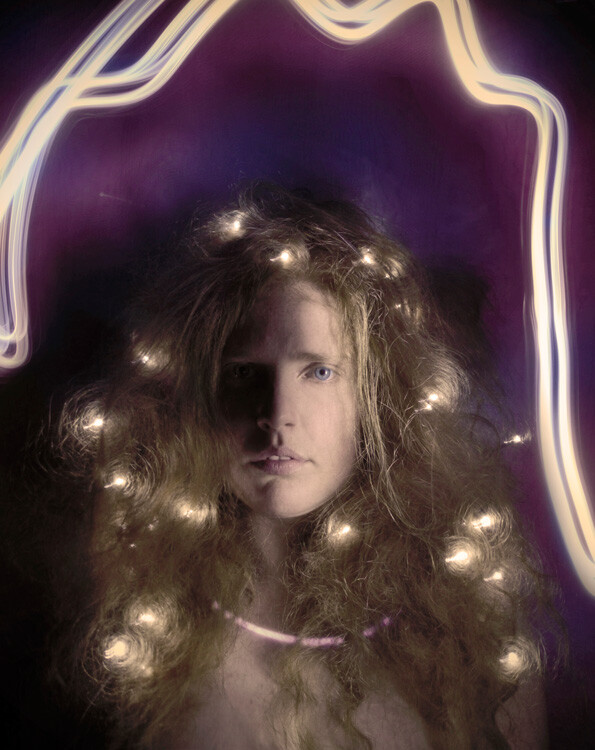
Apart from the emanating beams of light which were added later in Photoshop, the rest of this image, shot in my kitchen, was lit with only a two dollar LED light from the junk store. This was a complicated shoot, which had to be lit and shot several times, then blended in Photoshop. But you don’t have to go to that extreme. With a bit of experimenting and practice you can light a subject this way in one single shot.

There are many interesting and informative articles about light painting here on dPS. I highly recommend having a browse through them if you’ve never tried it before, but I’ll just run you through the basic idea here.

You’ll need a tripod (or somewhere solid to put your camera), a completely or almost completely dark room and a cheap little flashlight, or LED light. This is what I used for the shot above, a two dollar press button, night light.
HawkinsDPS5

A slow shutter speed is necessary to give you time to paint. I usually start off with a shutter speed of about 20 seconds, ISO 400, aperture at roughly f/11. Then adjust from there, depending on the subject and light brightness. Once you are all set up, turn out the lights, shine your flashlight on your subject while looking through viewfinder to get your focus, then click the shutter and start painting your subject with light.

You’ll have to move in close and run your light around only a few inches from the areas you want to light. That means being in front of the lens when the shutter is open, but the camera will only pick up what you shed light on, so as long as you don’t accidentally light yourself up, you won’t show up in the shot.

Try a bit of side lighting, play around with different lengths of exposure time, different light sources. If the light shines directly into the lens, you will get what I call ghost lines, which can be used deliberately as I did in this shot below.
HawkinsDPS6

While these methods are obviously not a replacement for studio lighting gear, they are an effective alternative that can produce some surprisingly good results and allow you to take a bit of control over your lighting without forking out more than a few dollars. It’s also very fun and even though I now have a properly equipped studio, I still sometimes love to play around with a simple table lamp or two dollar torch (flashlight).

Feel free to share any photographs you created with DIY lighting setups in the comments, I’d love to see them!

googletag.cmd.push(function() {
tablet_slots.push( googletag.defineSlot( “/1005424/_dPSv4_tab-all-article-bottom_(300×250)”, [300, 250], “pb-ad-78623” ).addService( googletag.pubads() ) ); } );

googletag.cmd.push(function() {
mobile_slots.push( googletag.defineSlot( “/1005424/_dPSv4_mob-all-article-bottom_(300×250)”, [300, 250], “pb-ad-78158” ).addService( googletag.pubads() ) ); } );

The post Creating Effective DIY Studio Lighting With Household Items by Lea Hawkins appeared first on Digital Photography School.


Digital Photography School
 
Comments Off on Creating Effective DIY Studio Lighting With Household Items

Posted in Photography


12. Mai 2015

12 May

Das Bild des Tages von: Sabek R.

@ Sabek R

Im Ausblick: Vivian Maier, ein unmögliches Geschenk und das Verbot einer Lolita-Werbung.
kwerfeldein – Fotografie Magazin | Fotocommunity

 
Comments Off on 12. Mai 2015

Posted in Equipment


Olympus offers limited edition Titanium OM-D E-M5 II and firmware update

12 May

Olympus has announced that it is is producing a new limited edition ‘Titanium’ OM-D E-M5 II camera. The Titanium E-M5 II will offer all of the same features and specs of the regular version, with its top and bottom plates swapped out for dark metallic versions that match those of the OM-3/Ti from 1994. Worldwide, 7,000 copies of the Titanium model will be made, though how many will be available in the US is yet to be announced. The company is also readying firmware updates for both the E-M1 and E-M5 II, related mostly to underwater shooting. Read more
Articles: Digital Photography Review (dpreview.com)

 
Comments Off on Olympus offers limited edition Titanium OM-D E-M5 II and firmware update

Posted in Uncategorized