RSS
 

Archive for May, 2015

Tamron SP 15-30mm f/2.8 Di VC USD Lens Review

19 May

Tamron SP 15-30mm F/2.8
digitalphotographyschool-1-42

Background

While I was at WPPI this past year I got to meet our illustrious managing editor Darlene Hildebrandt. We walked the expo floor for a bit and I was introduced to a number of people by Darlene. We talked with some of the people over at Tamron and had some of their snacks and coffee that they offered at their booth. One of the perks of writing for Digital Photography School is gaining access to new equipment and software for review. It was there at WPPI that I got to see the Tamron SP 15-30mm F/2.8 for the first time (to be perfectly honest, I didn’t even know it existed!). A few weeks later, a loaner lens arrived at my apartment in Brooklyn, and I spent the next week taking it to a wedding, a travel trip to Seattle, a portrait session with a ballerina, a shoot with a fashion blogger, a corset ball, and a yoga party. Here are some my thoughts in this mini lens review:
digitalphotographyschool-1-43

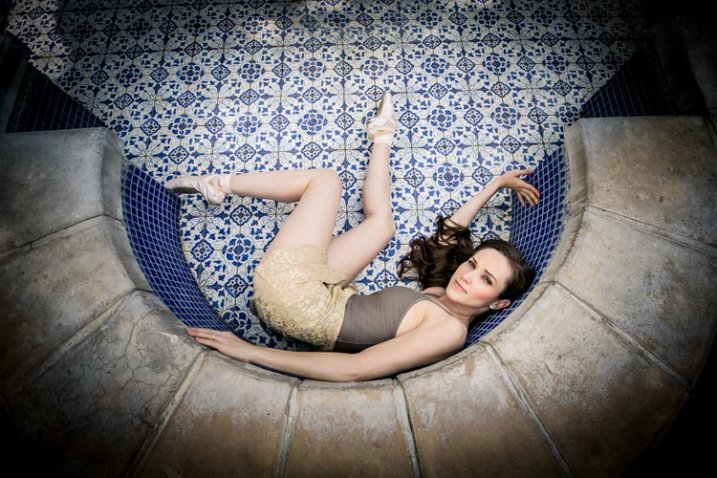
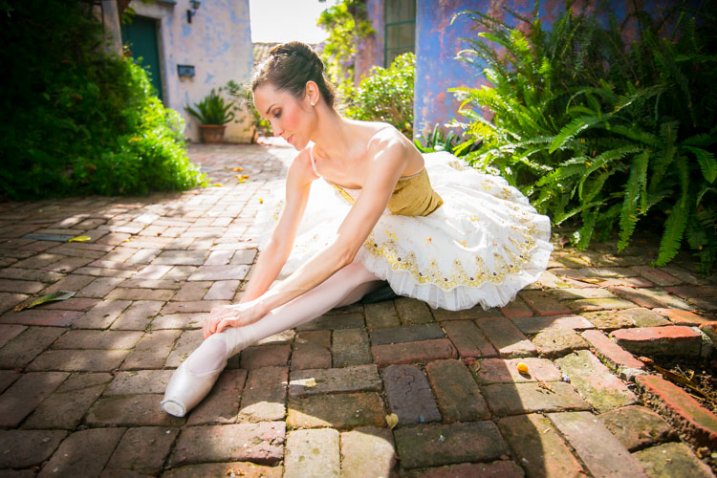
Tiffany the ballerina (@glitteringpointe) looking lovely on the other side of the Tamron SP 15-30mm f/2.8. Taken at 1/1000 of a second at f/2.8, ISO 250

What do all the letters and numbers mean?

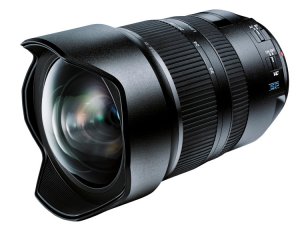
This is a Tamron SP 15-30mm f/2.8 Di VC USD. Let’s define some of the named elements of this lens so we know what we are dealing with:

  • Tamron: A Japanese company manufacturing photographic lenses.
  • SP: Superior Performance. This is Tamron’s version of an L Series lens for Canon. These lenses have superior sharpness compared to their other lenses, as well as a larger maximum aperture and other elements that make it a cut above.
  • 15-30mm: This is sometimes referred to as an “ultra-wide” lens. These types of lenses can give you a very wide angle of view, and often have some distortion when at its most extreme focal length (15mm). These lenses are typically used for landscape photography, some event photography, and interior shots.
  • f/2.8: The lens has a maximum aperture of f/2.8, at whatever focal length you use within its range.
  • Di: Digitally Integrated. This lens is made for full frame cameras (but can also work on cropped sensor cameras as well).
  • VC: Vibration Compensation. This is Tamron’s version of IS (Image Stabilization) on a Canon lens and VR (Vibration Reduction) on a Nikon lens. There are motors inside the lens that will auto-steady the lens as you shoot at slower shutter speeds, allowing for you to get sharper images.
  • USD: Ultrasonic Silent Drive. A USD designation means the lens has faster, and noiseless focusing.

Basically this lens is a beast. It’s at the top of the food chain in terms of quality, build, and performance.

digitalphotographyschool-1-44

Tarisa the bride descending the spiral staircase at the Santa Barbara Courthouse. Taken at 1/640th at f/2.8, ISO 1000.

How it feels and performs

This lens feels like a tank. It is super solid, heavy, and durable. I had no worries about bringing it out in some weather in NYC (and Seattle) since it has lens coating and moisture resistant construction to keep water away (still – don’t drop it into a pool). The front end has an enormous bulbous lens element that looks impressive when on the camera.

As I used the lens throughout my various shoots there was one funny thing that I had to get used to, and that was that the direction that I twisted the lens to zoom in or out was opposite that of my Canon lenses. There was some “learnability” involved when using the lens.

One thing I like about wide angle lenses, and shooting with a wide open aperture at f/2.8, is the natural vignetting that occurs. I think it is moody, cool looking, and natural.
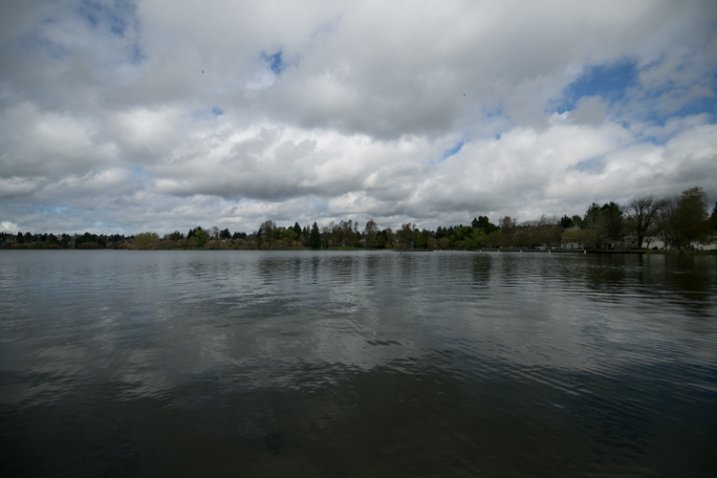
1/4000 of a sec at f/2.8, ISO 100, at 15mm. Notice the natural vignetting around the edges of this unedited photo.

1/4000th at f/2.8, ISO 100, at 15mm. Notice the natural vignetting around the edges of this unedited photo.

One area that I think the lens performed spectacularly was shooting in low-light environments, when I had to focus in the dark. I really noticed this because every other lens I use always ends up “searching” a bit in the dark before focusing, or it just doesn’t focus at all. So it was extremely satisfying pressing my focus button and having the lens lock in right away. There is nothing more embarrassing than telling people to wait a moment while you try to focus in the dark, then ending up with a blurry picture anyway.

digitalphotographyschool-1-48

Focusing in the dark was a breeze at this corset and gown ball.

My last observation was that this is a big, heavy lens. This is not a lens I would take traveling around the world. For this New Yorker, who doesn’t have a car and travels with everything on his back, I could definitely feel the weight of this lens throughout the day as I went up and down the stairs into subways, airports and gigs. For the rest of you non-urban travellers, throw this in your bag, put it in your car and you’ll be fine.

Sharpness

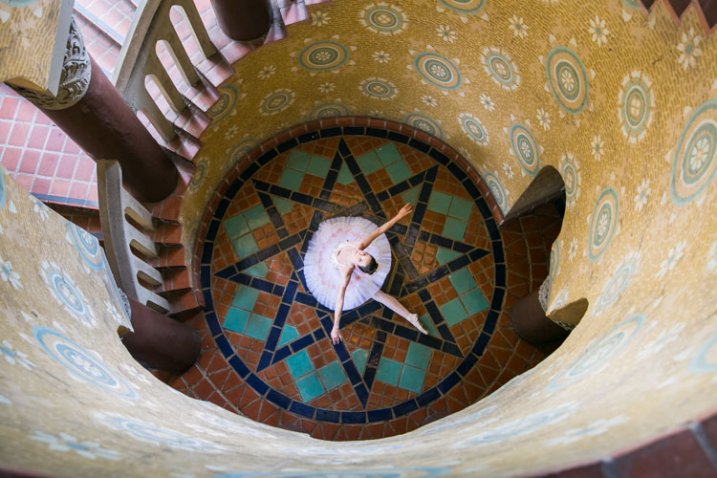
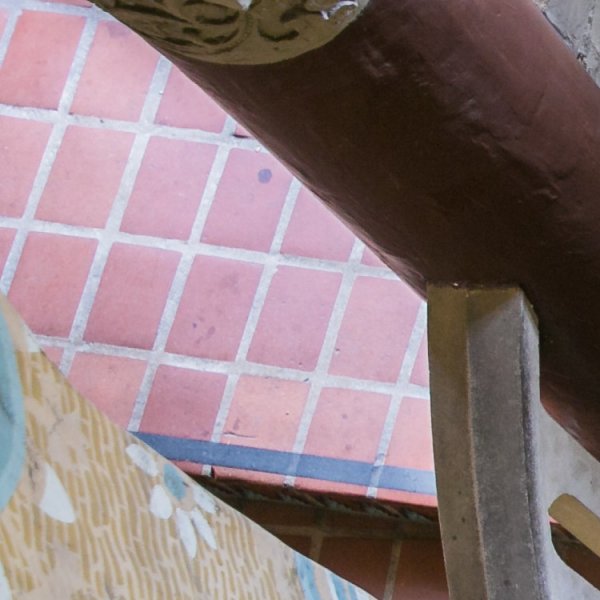
Although this is not something I normally notice on a lens, the Tamron SP 15-30mm is consistently sharp from edge to edge. Lack of sharpenss around the edges is a complaint heard often with regards to ultra wide lens. They perform fairly well in the center of the image, but tend to get a bit fuzzy as you move closer to the edges. You can see in the ballerina picture and the accompanying cropped in photos how consistent the lens is across the image (below). Again, another point in favor of the Tamron SP against the big names debate.
digitalphotographyschool-1-4 digitalphotographyschool-1-2

digitalphotographyschool-1-3

Pros and Cons of the Tamron SP 15-30mm f/2.8
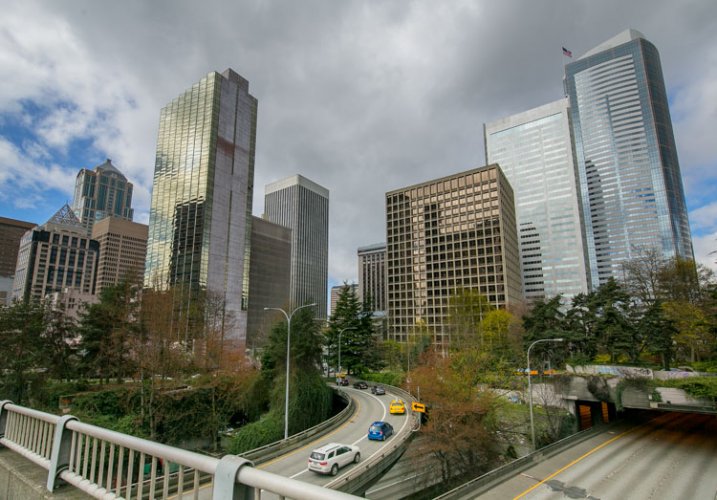
View of Seattle through the eyes of the Tamron SP 15-30mm f/2.8

View of Seattle through the eyes of the Tamron SP 15-30mm f/2.8

Pros:

  • Great low-light focusing ability.
  • Maintains aperture at f/2.8 all the way through its focal length range (I believe this is the only ultra-wide angle lens to do this with image stabilization).
  • It’s weather resistant.
  • It has a solid, durable body.
  • Price: This lens is about $ 400 cheaper than its Canon rival, the 16-35mm L f/2.8, almost $ 500 less than the Nikon version.

Cons:

  • It’s heavy.
digitalphotographyschool-1-45

Tiffany the ballerina hanging out in an empty fountain. Taken at 1/400th at f/4.5, ISO 100, 15mm.

Overall Thoughts

This is really a great lens and Tamron is making a point to set itself apart from the competition by it being the least expensive lens with the widest aperture, fastest focus, while also incorporating image stabilization. I would definitely use this for interior photography all the time, and for great urban or natural landscapes. I would not bring this along for long travel trips abroad because of its size and weight.

On Amazon.com you can find the Canon mount here or the Nikon mount here.
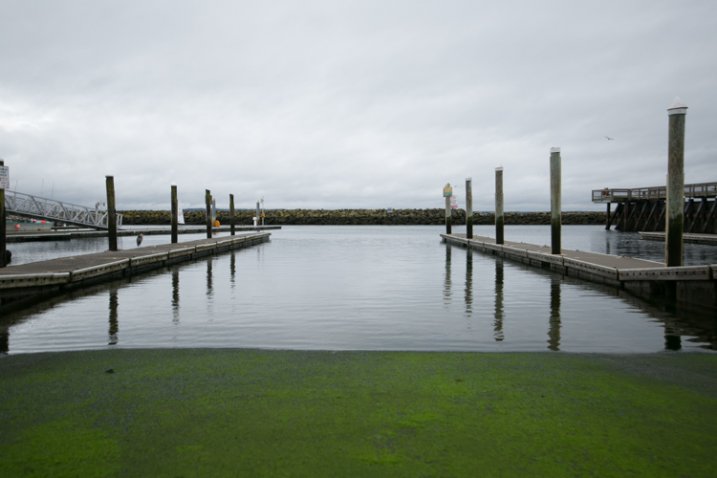
digitalphotographyschool-1-50

googletag.cmd.push(function() {
tablet_slots.push( googletag.defineSlot( “/1005424/_dPSv4_tab-all-article-bottom_(300×250)”, [300, 250], “pb-ad-78623” ).addService( googletag.pubads() ) ); } );

googletag.cmd.push(function() {
mobile_slots.push( googletag.defineSlot( “/1005424/_dPSv4_mob-all-article-bottom_(300×250)”, [300, 250], “pb-ad-78158” ).addService( googletag.pubads() ) ); } );

The post Tamron SP 15-30mm f/2.8 Di VC USD Lens Review by Phillip Van Nostrand appeared first on Digital Photography School.


Digital Photography School

 
Comments Off on Tamron SP 15-30mm f/2.8 Di VC USD Lens Review

Posted in Photography


Gramming for Good

19 May

Your Instagram presence is a superpower just waiting for that perfect opportunity to shine in selfless acts of kindness.

Welcome to your Hero moment. Gramming for Good is a new project that matches up talented ‘grammers with non-profit organizations, so you can use your visual power for good.

Sign up to participate here. Gramming for Good will match you up with a non-profit organization that suits your style and interests. Take over their account for a week, donate old gems from your photo collection, or spark a long-term collaboration and extend your impact.

If you’re in the Bay Area, check out Gramming for Good’s event coming up on June 11th.

Villains need not apply (we’ll keep you updated on when Tinder for Minions launches.)

Photo by Gramming for Good


© Erin for Photojojo, 2015. |
Permalink |
No comment |
Add to
del.icio.us

Post tags:


Photojojo

 
Comments Off on Gramming for Good

Posted in Equipment


Zerbrechlich

19 May

Hand und Haut

Ilaria Di Biagio erzählt mit ihren fotografischen Arbeiten persönliche und einfühlsame Geschichten. Unter ihren konzeptionellen Arbeiten findet sich ein Projekt über ihre Schwester Gioia, das nicht nur von ihrem Leben, sondern auch von der schwesterlichen Beziehung berichtet.
kwerfeldein – Fotografie Magazin | Fotocommunity

 
Comments Off on Zerbrechlich

Posted in Equipment


Samsung releases NX1 firmware update, with improvements for both photo and video

19 May

Samsung has announced yet another firmware update for its flagship NX1 mirrorless camera. The company has been good about providing useful updates for the NX1, and firmware version 1.30 continues this trend. It includes numerous enhancements for still photos, video, and even Wi-Fi connectivity. Read more

Articles: Digital Photography Review (dpreview.com)

 
Comments Off on Samsung releases NX1 firmware update, with improvements for both photo and video

Posted in Uncategorized


Fractal Formations: The Fascinating Future of Urban Growth

19 May

[ By Steph in Conceptual & Futuristic & Technology. ]

Screen Shot 2015-05-18 at 5.06.25 PM

What might the patterns of urban sprawl look like if humanity were to survive another thousand years or so? Artist Tom Beddard envisions fractal formations seemingly cut right into the earth, broken up by the occasional sky-high tower or curving superstructure. The architecture in this futuristic vision entitled ‘Aurillia’ ranges from bleak industrial scenes to incredibly complex city centers, all created using a fractal formula called Mandalay.

Screen Shot 2015-05-18 at 5.06.35 PM

The London-based artist, who earned a PhD in laser physics before moving on to design and web development, used the Fractal-lab tool that he built himself to render the images. Fractals in visual form are generally characterized by obvious patterns, but with this formula, the resulting aerial views have a surprisingly organic look.

Screen Shot 2015-05-18 at 5.07.00 PM

Screen Shot 2015-05-18 at 5.06.43 PM

“What I found particularly interesting was the mix of architectural forms that could be found when certain parameter combinations create structural resonances,” Beddard told The Creators Project. “The curved domes are due to the Mandlebox sphere folding effect and the towers result from the different fold scaling of individual axes.”

Screen Shot 2015-05-18 at 5.06.52 PM

We’ve seen some amazing applications of fractals and parametric designs in architecture and furniture designs, from mobile pavilions to fantasy cities, but nothing on quite this large of a scale. Check out aerial views of real-life suburban complexes and you’ll see that these patterns aren’t all that far from the patterns we’re already creating with urban development.

Share on Facebook


[ By Steph in Conceptual & Futuristic & Technology. ]

[ WebUrbanist | Archives | Galleries | Privacy | TOS ]


WebUrbanist

 
Comments Off on Fractal Formations: The Fascinating Future of Urban Growth

Posted in Creativity


12 Steps to Successly Promote your Photography on Instagram

19 May

If you’re reading this and are interested in digital photography, chances are you’re a user of Instagram, the current goliath of social media in photography. Instagram has become home to over 300 million users in the four years it’s been around, and it seems ready to only get bigger.

post 1 image

300 million is a big, big number. It can seem overwhelming, but it’s a great tool to not only create community, but also to become a better photographer. So how do you create a presence for yourself in all that noise? There are a lot of websites claiming to offer you the fastest way to Instagram success, but most of them offer terrible advice that will get you nowhere. Here are a number of strategies to get better exposure for your photography, build a community, and grow as a photographer through Instagram.

1) Great artists only show great work

The difference between a good artist and a great artist is that great artists only show great work. While nobody is expecting you to rival National Geographic photographers right off the bat, you should pay close attention to what you’re sharing. It only takes one uninteresting photo to for people to lose interest in your work. If a photo doesn’t make you say “OH yeah!” when you see it, don’t post it.

Also, don’t post too often. Unless you have a really good reason for spamming my feed, don’t. I recommend sharing one or two images a week, which is a safe number to keep people interested without getting annoying.

2) Find your niche.

This is as important to your growth as a photographer, as it is in defining your brand: what makes you different from everyone else? The amazing thing with Instagram is that it is composed of people from across the world who each have something in which they’re interested. I’ve seen fantastic accounts focused just on street food in Vietnam, rock climbing in Utah, or architecture in Turkey. What the best accounts have in common is a focus around a central theme that captures their audience’s attention and keeps it.

point 2 image

Exploring the ancient #forests of Vancouver island, @kaitross and I found that even these giants succumb to time and the winds. Afterlife for these trees means giving life to a new world of creatures, from insects and animals to moss and a new generation of trees. When time calls, what will you leave behind? What will I? Will it be enough?

Don’t forget: the only person who should define your niche is you. Do you love paper maché and dinosaurs? Then become the best photographer in the world working on seaside portraits of paper maché Velociraptors. For me, I love to travel and explore nature, so my account reflects that, and only that. You will not find photos of my food, my dog, or my nieces. If you want to share snapshots from your daily life, get a private account for your friends and your mother to follow, because they’re the only ones who (might) want to see that stuff.

3) Use a real camera.

Yes, your shiny new smartphone may take gorgeous snapshots, but relying on it is like trying to perform a piano recital on a kid’s electronic keyboard. Not only does using a dSRL (or a serious mirrorless) give you far more choices of focal length to play with, your opportunities for manipulating depth of field will result in way better photographs than anything coming out of your smartphone. As if that’s not enough, using a dSLR will let you shoot in RAW, allowing you to make those photos really pop in the editing process.

Point 3 image

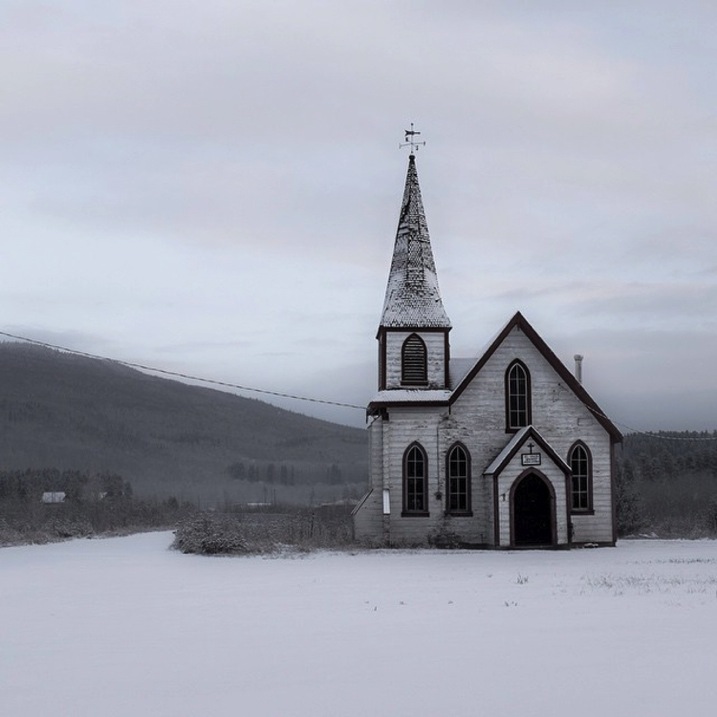
Turning off the Yellowhead Highway and heading north to Alaska, you’ll quickly find yourself in Kitwanga, traditional lands of the Gitksan and Wetsuwet’en peoples. The massive Skeena River nearby has nurtured civilization and trade routes for over 7,000 years and today is a beloved fishing ground for all people. I stopped in this small reserve community early one morning when there was more dark than light, and a fresh snowfall cast a tranquility over the village.

4) Take the editing process seriously.

Instagram may lend itself to a snap-and-post style of photography, but producing excellent photographs doesn’t. Great photographs aren’t taken – they’re created. This means working in your favourite image editing program (I recommend Adobe Lightroom) to learn how to manipulate light, shadows, and clarity until your final product is something to be proud of. The Instagram app just isn’t built for this level of sophistication, so ditch all those cheesy filters and effects and do your work on the computer.

Point 4 image

Think your Monday is challenging? These porters in Huangshan, China haul 150-200lbs of materials up 2500m vertically each day, supplying the tourism infrastructure of this popular destination with daily necessities like food, toiletries, and building materials. While there is a gondola for tourists to ascend and descend the mountain, this is the raw manpower that runs Huangshan.

5) Share a story with your photo.

Great photography leaves an impression. So do well-written stories. But when you combine strong images with powerful words, you’ll evoke an emotional response in your viewer, and lead them to make a personal connection to your work. It wasn’t until I realized this and started sharing the story behind my photos that my account started getting real interaction – people speaking about how the image or words affected them, their own experiences, and their appreciation for it. Nobody expects the next Hemingway to come out of Instagram, but some carefully-chosen words in a thought-provoking caption will do wonders for connecting you to your fans.

Point 5 image

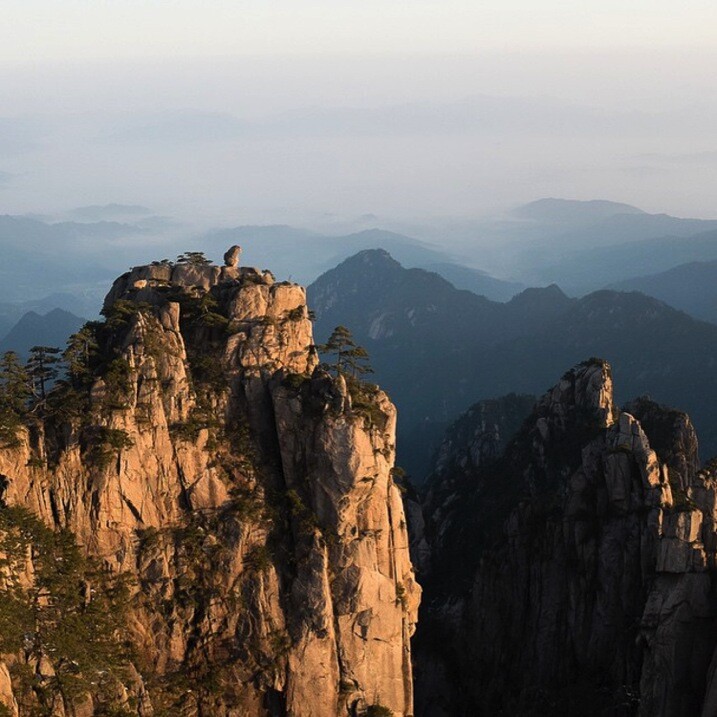
After the frenzied atmosphere of Shanghai’s urban jungle, the fresh air of Huangshan’s Yellow Mountains was exhilarating. Still in the low-season, March snow clung to the boughs of trees while distant clouds made it feel like the horizon could go forever. One of China’s better-developed tourist attractions, Huangshan has a long history: first recognized in 747 AD, it was said to be the place from which the Yellow Emperor ascended to heaven. This year, over 1.5 million visitors (mostly Chinese) will wander its paths. I caught it on a quiet day, and these peaceful memories linger with me still.

6) Ask questions in your captions!

The difference between a story and a caption is that a story builds an emotional connection between the viewer and the image; a question builds a personal connection between your viewer and you. Your questions should be open-ended and create a space for your fans to contribute some of their own story to the community. Never forget, many Instagram users are new to digital photography and are looking for people to connect with, and this gives them the opportunity.

Point 6 image

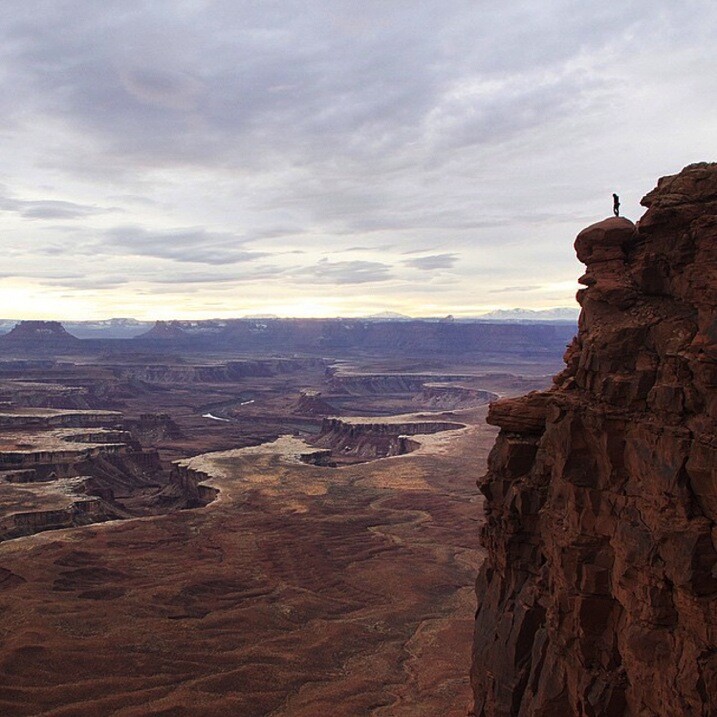
“I mean… All I really need is a pair of wings. Anyone else get the insatiable urge to jump when they get to the edge of something really high? I tried it once when I was little after watching Mary Poppins off the second story of a building with an umbrella.” – Image and caption by @minayounglee

7) Use hashtags effectively.

I never understood the value of effective hashtagging until I started using them interwoven in my posts. You should be hashtagging important nouns and verbs – stuff people will be searching for. The effectiveness of using #fishing compared to #instagood is huge for obvious reasons: people who might be interested in your photo are much more likely to be searching for their favourite hobby or location than some meaningless term.

point 7 image

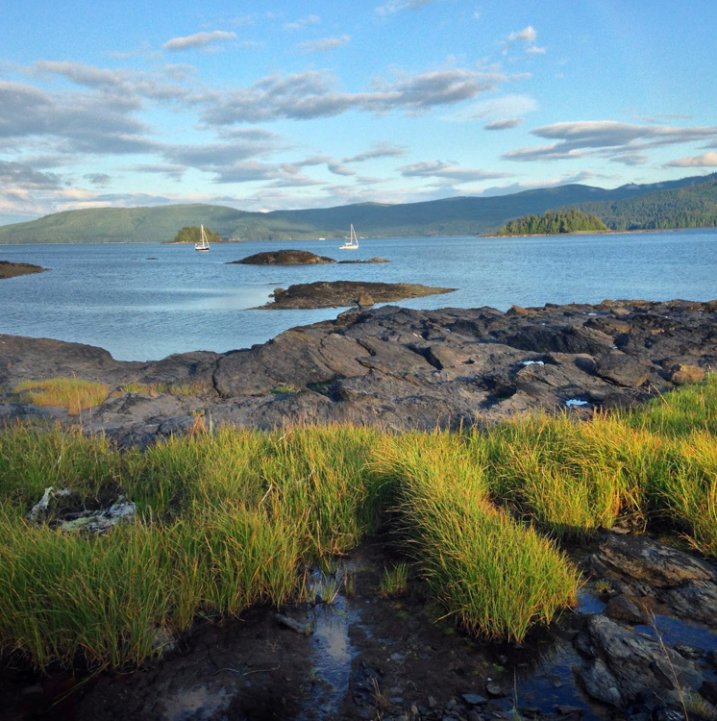
The seed from which the Haida Nation sprang, Haida Gwaii now works to redefine itself from a timber economy into an eco-tourism powerhouse. For an outstanding introduction to the history of these islands known as Canada’s Galapagos, pick up Vaillant’s “The Golden Spruce”. I’ll be exploring the rugged coasts and remote, old growth forests of these islands for the next ten days.

Speaking of hashtagging, do a bit of digging around to see what effective hashtags you might be missing. It wasn’t until I came across the hashtag #explorebc that I began connecting with a ton of great local photographers who eventually featured my work on their account, resulting in a huge boost of exposure for my work.

8) Wake up and post.

Mornings are when most Instagram users login and check their feed, so cater to this. I live on the west coast, so I know I’m already posting late for my east coast followers when I share a photo at 8 a.m. Aim to get your posts out early in the day for whatever time zone you’re targeting (if your followers are worldwide, this is less useful).

Is there a best day of the week to post? Studies are showing that Sundays have the greatest number of interactions, which makes sense given that many of you are trying to crawl out of your hangovers through long hours of cuddling with your phones. Otherwise, stick to weekday mornings.

9) Build a community

Build a community by actively finding photographers you respect and developing relationships with them. I won’t lie – this is a long process, but it’s necessary and worthwhile. Find a hashtag that speaks to you and your work, then check in with it whenever you can to see who’s posting what. When you find work you like, leave a thoughtful compliment and follow them. Chances are, they’ll check out your account and will reciprocate if they like what you’re posting. Whatever you do, don’t ask people to check out your account or follow you back. It’s tacky and makes you look desperate.

point 9 image

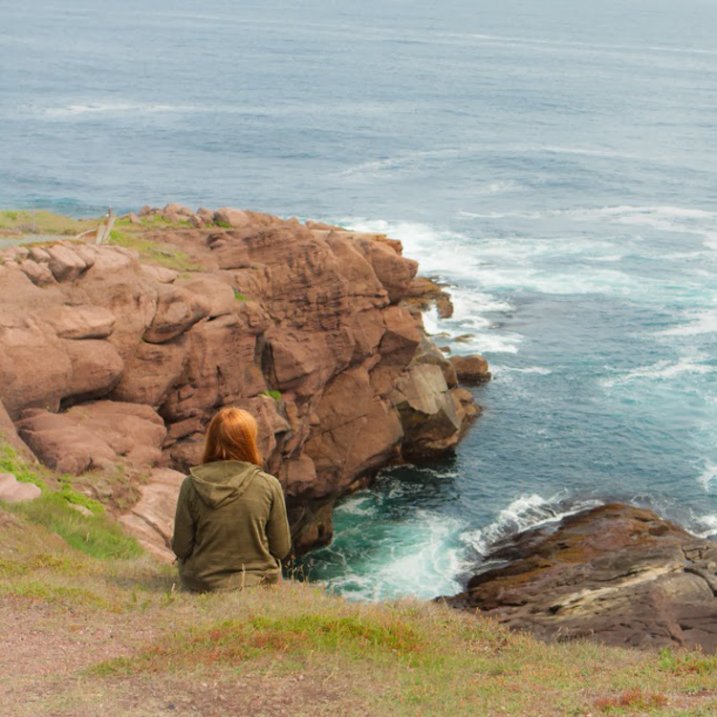
We all know where the roads we walk take us, but do we pause to realize how with the journey we are changed? This is why I love travelling by land… it gives me time to sit and meditate on how the things I’ve done, the people I’ve loved and who have loved me, the hurts I’ve caused and have been caused to me, all of which paint a complex life. At the end of each journey remains one lesson that can always be learned better: to #love with an open and humble heart and to let go of whatever pain has tied one to memories that belong in the past. After days of planes, ferries, hikes, and hitchhiking with the finest people of Newfoundland, @maggiewhoa and I sat at the edge of the Atlantic Ocean and breathed in the salty breeze that was so hard-won.

10) Cultivate champions

Cultivate champions by fostering relationships with other users. Easier said than done, right? If users are leaving you thoughtful comments (as opposed to the ubiquitous thumbs-up nonsense), return the favour and respond with something more meaningful than “thanks!” If someone cares enough about your work to awkwardly type out praise on their smartphone, they’re worth their weight in followers. These are the people who are going to follow along through your adventures and refer their friends and followers, which really is one of the goals of this social network. Do enough of this, and these delightful unicorns will be out there promoting your work for you.

11) Bring other into the conversation

Bring others into the conversation by shooting with them or referencing them in your posts. Two amazing girls from Vancouver kicked off @localwanderer a year ago, in which they travel around North America visiting the hidden gems in communities. Where they really excel (besides their photography and writing skills) is in their ability to constantly bring local shops, restaurants, and people into the discussion. By doing this, they introduce their community to someone new, who in turn will introduce their community to @localwanderer.

Point 11 image

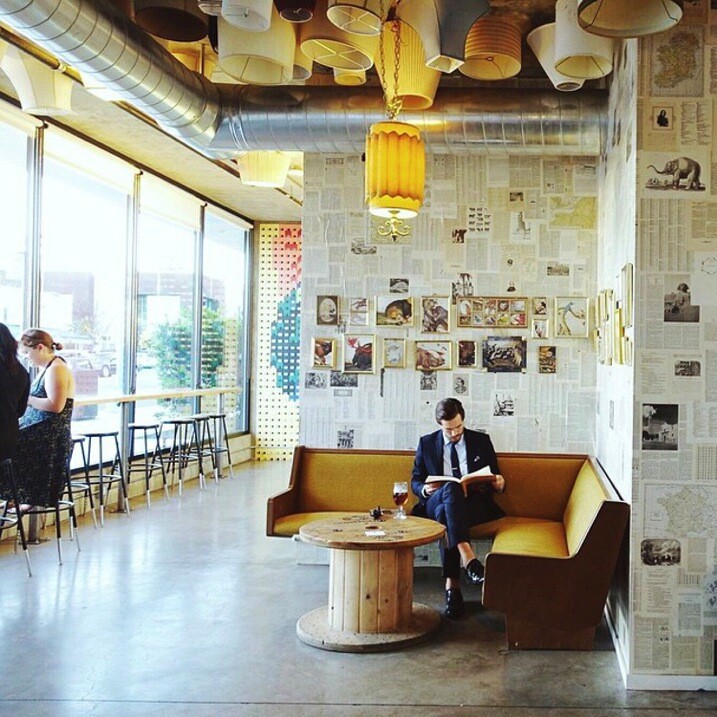
“Hellloooo, San Diego! We are soooo happy to be back in the sunshine state as we make our way around the California coast. Our first stop was the @moderntimesbeer tasting room (a.k.a. the “flavordome”) which combines two of our favourite things: coffee + beer! Also, be sure to check out their wall mural made out of floppy disks!” – Image and quote by @localwanderer

Hellloooo, San Diego! We are soooo happy to be back in the sunshine state as we make our way around the California coast. Our first stop was the @moderntimesbeer tasting room (a.k.a. the “flavordome”) which combines two of our favourite things: coffee + beer! Also, be sure to check out their wall mural made out of floppy disks!

12) Don’t confuse followers with community

I’d rather have 100 fans who interact with my work than 1,000 followers who couldn’t be bothered. Your goal should never be the quantity of followers, but the quality of your community. Speaking of numbers, you’ll find a random assortment of Russian princesses begging for you to come cuddle with them – report them and block them if they add you. The last thing you need is a bunch of zombie accounts clogging up your Instagram. Also, one danger of having lots of inactive followers is that your account is less likely to be recommended to other users of Instagram.

There you have it – the 12 steps to success with Instagram. What are yours? Let’s hear them in the comments section.

See Robin’s Instagram account for more of his images and examples of putting these tips into practice.


googletag.cmd.push(function() {
tablet_slots.push( googletag.defineSlot( “/1005424/_dPSv4_tab-all-article-bottom_(300×250)”, [300, 250], “pb-ad-78623” ).addService( googletag.pubads() ) ); } );

googletag.cmd.push(function() {
mobile_slots.push( googletag.defineSlot( “/1005424/_dPSv4_mob-all-article-bottom_(300×250)”, [300, 250], “pb-ad-78158” ).addService( googletag.pubads() ) ); } );

The post 12 Steps to Successly Promote your Photography on Instagram by Robin Ryan appeared first on Digital Photography School.


Digital Photography School

 
Comments Off on 12 Steps to Successly Promote your Photography on Instagram

Posted in Photography


Fujifilm makes XF 90mm F2 R LM WR official

19 May

Fujifilm has formally announced the 90mm F2 R LM WR, a lens we saw in prototype at this year’s CP+ show in Japan. It gives a 137mm equivalent view on Fuji’s APS-C camera bodies, a popular focal length with portrait and event photographers. The lens uses 11 elements in 8 groups and offers a new Quad Linear Motor with four magnets for higher torque in autofocus. Read more

Articles: Digital Photography Review (dpreview.com)

 
Comments Off on Fujifilm makes XF 90mm F2 R LM WR official

Posted in Uncategorized


18. Mai 2015

18 May

Das Bild des Tages von: Lukasz Wierzbowski

Mädchen mit trockener Pflanze vor blauem Himmel.
Im Ausblick: Hütehunde in Neuseeland, das alte New York und eine neue Nachlassklage.
kwerfeldein – Fotografie Magazin | Fotocommunity

 
Comments Off on 18. Mai 2015

Posted in Equipment


Flip for This: 12 Crazy and Creative Skate Ramps & Parks

18 May

[ By Steph in Architecture & Cities & Urbanism. ]

skate ramp grand canyon

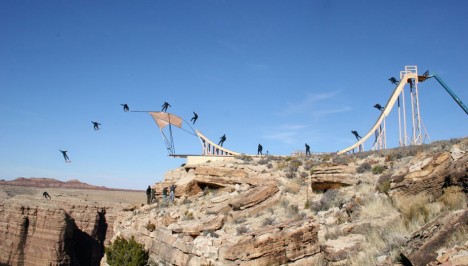
Glide you way through a multi-story dedicated skate park, a glow-in-the-dark bowl, an old subway tunnel under London, a floating ramp on Lake Tahoe or even a ramp that goes right off the edge of the Grand Canyon. These 12 skate parks and ramps, from California to Dubai, offer some of the world’s most amazing places to practice your tricks – places that are legal, anyway.

World’s First Multi-Story Skate Park
skate parks multistory 2

skate parks multistory 1

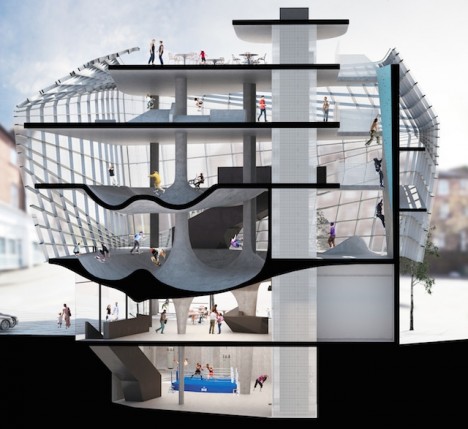
Many a skater has eyeballed the surfaces of a spiraling parking garage and wished they were curvier. Soon, a quiet seaside town in Britain will be home to the world’s first multi-story structure devoted to exactly this activity: the Folkestone Sports Park by architecture firm Guy Holloway. The world’s first facility of its kind, Folkestone will feature three entire floors for skaters as well as a climbing wall, underground boxing ring, cafe, training room, youth room and first aid center.

Skate Park Doubles as a Working Sundial
skate park sundial

skate park sundial 2

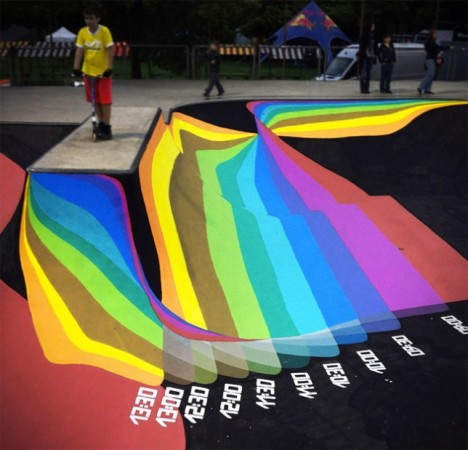
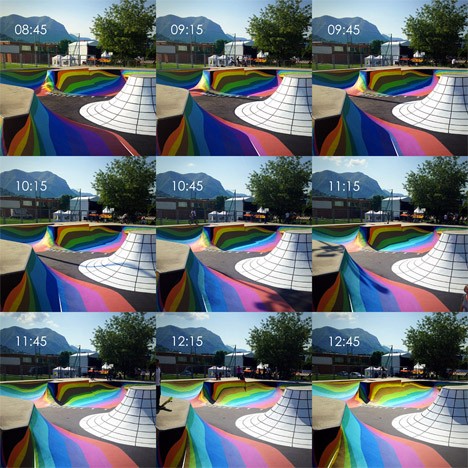
You don’t have to glance at a watch or phone to figure out what time it is when you’re skating at this park in Lugano, Switzerland. Brightly painted markings on the concrete of the bowl will tell you according to the sun and shadows. Designed by Moscow group Zuk Club, this park is one big rainbow-hued sun dial.

Abandoned Tunnel Turned Subterranean Skate Park
skate park tunnel london

skate park london 2

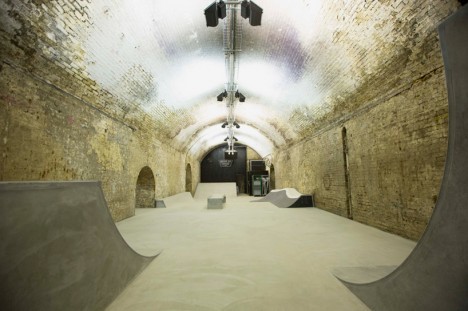
London’s famous Old Vic Tunnels under the Waterloo Station are home to the city’s first subterranean skate park, a cultural complex taking up 32,000 square feet. House of Vans offers a pool-style bowl, street section and mini ramp as well as a music venue, bar, theater, cafe, artist studios and gallery space.

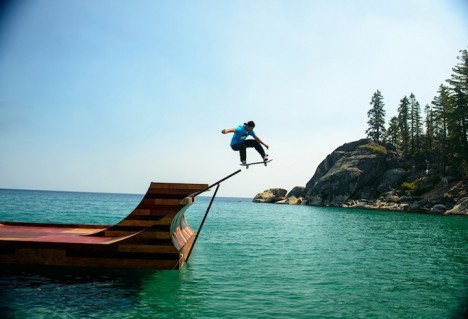
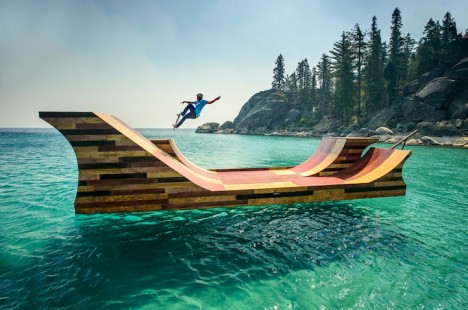
Sink or Skate: Floating Ramp Design

skate parks floating ramp 2

skate parks floating ramp

This sculptural wooden ramp took up residence right on the surface of sparkling Lake Tahoe as a promo for the California tourism industry. Built by skateboarding pro Bob Burnquist with the assistance of art director Jerry Blohm, the structure features a half pipe, quarter pipe and 45-degree ramp and weighs an amazing 7,300 pounds. Bob had a wet-suited snorkeler waiting in the waters nearby to retrieve his board anytime it went over the edge.

Next Page – Click Below to Read More:
Flip For This 12 Crazy And Creative Skate Ramps Parks

Share on Facebook


[ By Steph in Architecture & Cities & Urbanism. ]

[ WebUrbanist | Archives | Galleries | Privacy | TOS ]


WebUrbanist

 
Comments Off on Flip for This: 12 Crazy and Creative Skate Ramps & Parks

Posted in Creativity


Fujifilm X-T10 cuts X-T1 features down to size

18 May

Fujifilm has announced the X-T10 – a smaller, beginner-friendlier version of its flagship X-T1. Using the same 16MP APS-C X-Trans image sensor as its big brother, the X-T10 is equipped with new subject tracking AF modes introduced via firmware to the X-T1. Read more

Articles: Digital Photography Review (dpreview.com)

 
Comments Off on Fujifilm X-T10 cuts X-T1 features down to size

Posted in Uncategorized