RSS
 

Archive for March, 2015

5 Lessons Learned Switching from DSLR to Mirrorless for Travel Photography

23 Mar

Two months ago, after shooting for 10 years with Canon, I completely switched to Sony. It surprised some readers of my blog, as well as some fellow photographers. To address the issue, I published a detailed post on my blog with the reasons behind my switch. To save you time, I will summarize my reasoning, not only in one sentence but in one word: INNOVATION. I could see that, in the last two to three years, the main innovation was happening in the realm of mirrorless systems and I felt that Canon was simply an outside observer.

I considered the switch for a long time. I first waited because mirrorless systems were not up to DSLR standards to which I was accustomed. Then suddenly, about a year ago, all mirrorless manufacturers began releasing new camera models that could compete with any DSLR and, in some cases, even surpassed them.
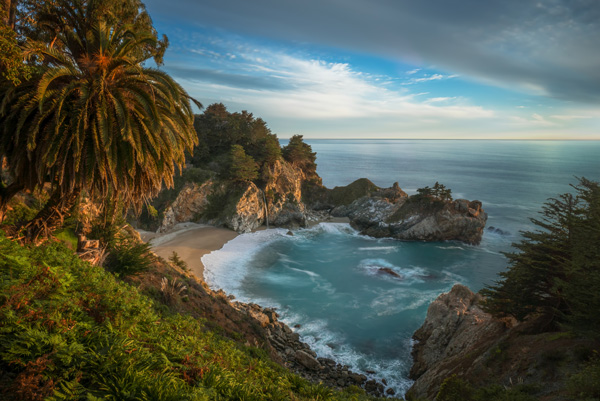
SwitchingfromCanont Sony Photo 1

Big Sur, California – Sony A6000, Sony 10-18mm lens

That was when I decided to switch. But, it took another six to seven months to choose the right kit (camera and lenses) for my travel photography needs.

My initial choice was the Panasonic Lumix GX-7 which was the perfect camera for me feature-wise but I was not too crazy about the selection of high-end wide angle lenses.

My second choice was the full frame Sony A7 and, I almost pulled the trigger last fall. However, after holding it in my hands, the Sony A7II in combination with the newly released Zeiss 16-35mm lens was almost comparable to the DSLR in weight and size.

That was when my choice was made. Just before the Christmas holidays, I sold all of my Canon gear to prevent cold feet. Then, I ordered the Sony A6000, Sony 10-18mm f/4, and Zeiss 16-70mm f/4 in one shot. I paid $ 2000 in total. Sony lenses are always pricy but I found that the price of the complete kit was very reasonable.
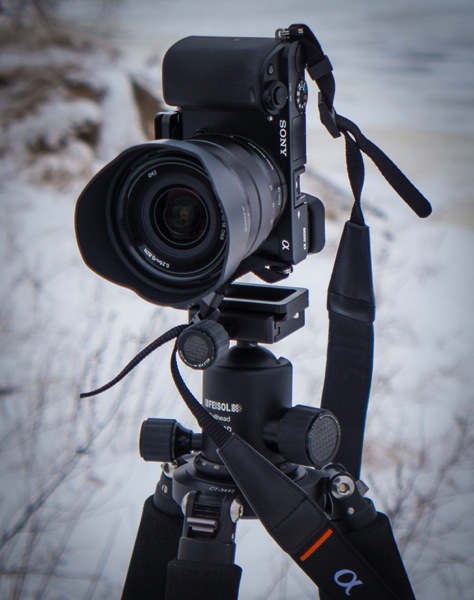
SwitchingfromCanont Sony Photo 2

Sony A6000, Sony 10-18mm lens and Feisol Tournament Tripod

I just returned from my first photography trip of the year; I spent two weeks in Hawaii and Northern California where I exclusively shot with my brand new Sony gear.

Below are my thoughts after putting this new equipment through the real life test of travel photography. Please note, I only addressed the features of the camera which are important to me as travel photographer.

Lesson 1: Size does matter in travel photography

As a DSLR shooter, when preparing for a long and demanding sunrise/sunset hike, I always faced the same dilemma – what equipment to bring? Should I carry everything and look (and feel) like a Sherpa tackling Everest? Or should I hike light and risk missing important gear?

I do not have to compromise anymore as I can now put everything in a small camera bag and bring it with me. The Sony A6000 (344g) and the Sony 10-18mm (220g) weigh 564g (19.9oz) total. I still cannot believe that a high-quality wide angle zoom lens can weigh only 220g. I call it freedom.

Don’t get me wrong, the size and the weight were not the main reasons for my switch. I would never jeopardize quality for the sake of weight reduction but it was important consideration.
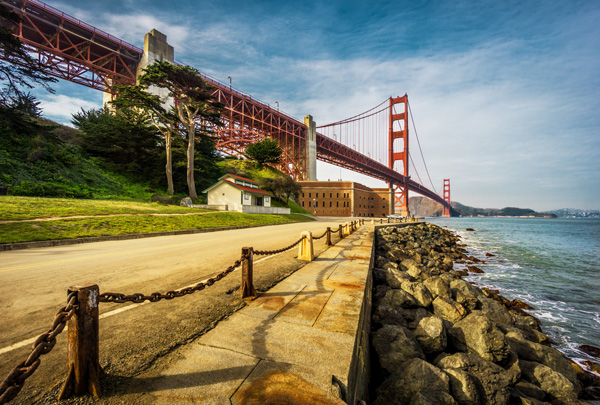
SwitchingfromCanont Sony Photo 3

San Francisco, California – Sony A6000 with Sony 10-18mm lens

Lesson 2: Electronic Viewfinder (EVF) – a new way of looking at the scene

Somehow, in many mirrorless reviews, the EVF is presented as a negative factor and is portrayed as somewhat of a disadvantage compared to the DSLR optical viewfinder. I do not agree with that conclusion. For me, the EVF is one of the main advantages of mirrorless cameras. Finally, when I look through the viewfinder I can see what the camera’s sensor sees.

It is a very new and refreshing experience with the EVF, when you can assess the depth of field of the scene before taking the picture.

Here’s a real life scenario. Earlier I was shooting using exposure compensation -2EV and I forgot to reset it to zero. Now, when looking through the EVF, I can see right away that the exposure is wrong because the EVF picture is too dark.

When I shoot wide at 10mm, I can even see barrel distortion which realistically represents the photo I am about to take.

I often use manual focusing when shooting landscapes, which was pretty much an impossible task with the DSLR in bright conditions because of the display screen glare. Now, not only can I easily use the manual focus in any condition, I can also take advantage of Focus Peaking, an amazing feature that highlights areas that are in focus with the bright color. There is no more guess work.

In one of the reviews, I read how awful and pixelated the EVF picture becomes in dark conditions. I can confirm that it looks pretty bad but it is good enough for composing the shot and beats the DSLR where all you can see is pitch black.

For me, the EVF simplifies the process of taking pictures and makes it more predictable.
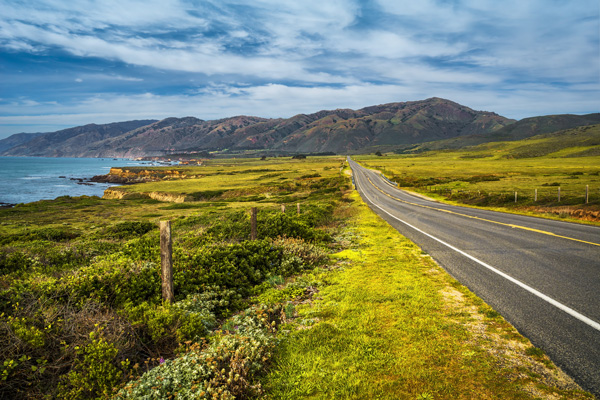
SwitchingfromCanont Sony Photo 4

California State Route 1 – Sony A6000 with Zeiss 16-70mm lens

Lesson 3: I love the 24 megapixels sensor

During the silly megapixel war between major camera manufacturers, I decided for myself that 16Mpx was the right pixel count for my needs and I had no plans of upgrading only for that reason.

The Sony A6000 comes with 24Mpix, which I initially did not consider as an important upgrade. What I realized later, after starting to process photos, is that the 24Mpx sensor produces unbelievably clean and sharp images and, in combination with native quality lenses, it resolves an insane amount of detail. Photos look acceptable even at 100% magnification.

Although, I have to admit the higher pixel count is more taxing on my computer and I might need to upgrade it soon.

High ISO photography is not something that I do often when I travel and it was hard for me to assess low light performance of the sensor. But, what I can see based on family photos from the holidays is that ISO 3200 is still acceptable and excessive noise is easy to eliminate in Lightroom.
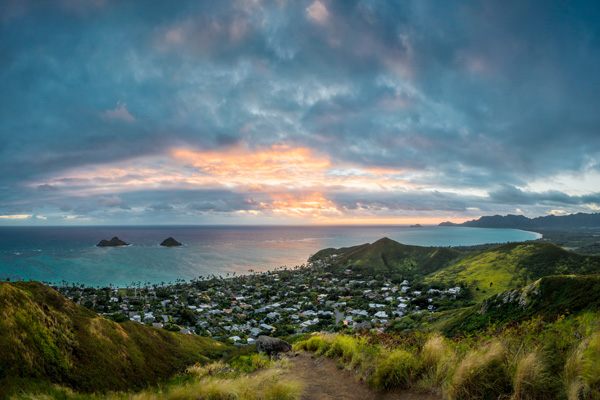
SwitchingfromCanont Sony Photo 5

Lanikai Beach O’ahu, Hawaii – Sony A6000 with Sony 10-18mm lens

Lesson 4: 11fps is a game changer

Sports photography is somewhat of a hobby for me. The only times when I shoot sports are when professional cycling peloton comes to Montreal every September and when my daughter is playing water polo. In order to test 11fps in combination with the fastest focusing system in the industry, I went to the beach in Hawaii to photograph surfers.

I switched from RAW to JPEG, set the camera to a continuous shooting mode and enabled Object Tracking. I was amazed not only with the new experience of shooting but with the results as well. Shooting at 11fps reminded me of filming the video and then going frame by frame in the editing software, selecting the best frames. There are no missing moments. The focus was spot on, in pretty much every frame.

I can see how the Sony A6000 can be a game changer for sports and wildlife photographers.
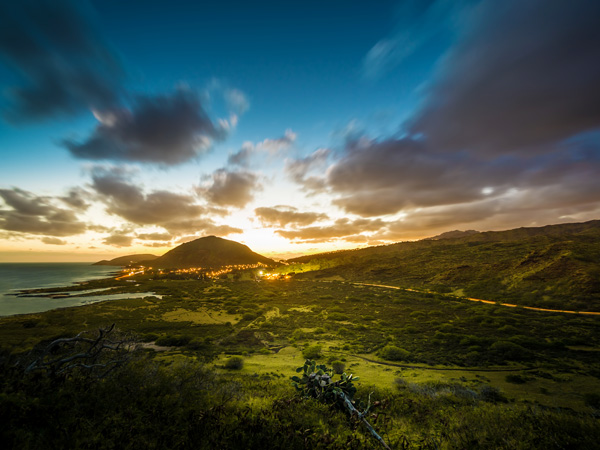
SwitchingfromCanont Sony Photo 6

Makapu’u Point O’ahu, Hawaii – Sony A6000 with Sony 10-18mm lens

Lesson 5: Not everything is perfect in paradise

Even though my initial experience of using the Sony A6000 is very positive, there are some shortcomings and annoyances I want to address.

Battery life:

According to Sony, you can take up to 360 shots on a single battery charge and I found this number to be pretty accurate. I even managed to take close to 390 shots when shooting in bracketing mode. It is not bad at all considering the small battery size and the EVF high power consumption. However, when you are accustomed to shooting 1500 shots on a single charge with the DSLR, the difference is very obvious. Now, I carry three spare batteries with me at all times and I have to remember to keep them charged.

Bracketing:

For some inexplicable reason you can shoot five bracketed shots at 0.7EV intervals only, which makes it completely useless. In extreme lighting conditions I have to shoot two sets of bracketed shots (-2, 0, +2), offsetting them manually using exposure compensation (-1 EV). This is very annoying.

No GPS tagging:

Even though the camera has decent wireless connectivity, the GPS tagging utilizing a mobile phone is missing.

Buffer writing lock:

When a camera transfers photos from the buffer to a memory card, the system is completely locked. You cannot even preview images during the transfer.

2-Second delay shortcoming:

You cannot trigger bracketed shots using the 2-second delay functionality. I had to buy, and carry around, an unnecessary extra piece of equipment: Wireless Shutter Release ($ 10).
SwitchingfromCanont Sony Photo 7

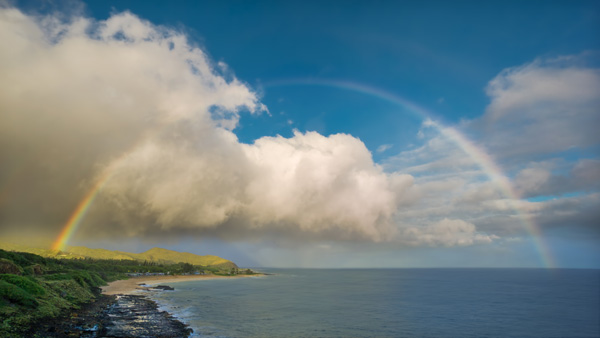
Sandy Beach, Hawaii – Sony A6000 with Sony 10-18mm lens

Conclusion

The switch from a Canon DSLR to the mirrorless Sony A6000 was less stressful and less painful than I expected. I believe that one of the main factors that made it possible was my purchase of native Sony lenses so I did not have to deal with the glass from other systems with the converters.

I am waiting for the widely rumored Sony A7000 which is supposed to be the successor of the Sony NEX-7. I hope Sony addressed the shortcomings of the A6000 and introduces new pro features like: weather sealing, built-in body stabilization, GPS tagging and advanced bracketing. I am definitely planning to get the new A7000 and keep the A6000 as a backup body.

googletag.cmd.push(function() {
tablet_slots.push( googletag.defineSlot( “/1005424/_dPSv4_tab-all-article-bottom_(300×250)”, [300, 250], “pb-ad-78623” ).addService( googletag.pubads() ) ); } );

googletag.cmd.push(function() {
mobile_slots.push( googletag.defineSlot( “/1005424/_dPSv4_mob-all-article-bottom_(300×250)”, [300, 250], “pb-ad-78158” ).addService( googletag.pubads() ) ); } );

The post 5 Lessons Learned Switching from DSLR to Mirrorless for Travel Photography by Viktor Elizarov appeared first on Digital Photography School.
Digital Photography School

 
Comments Off on 5 Lessons Learned Switching from DSLR to Mirrorless for Travel Photography

Posted in Photography


Social Dance Photography Tips

23 Mar

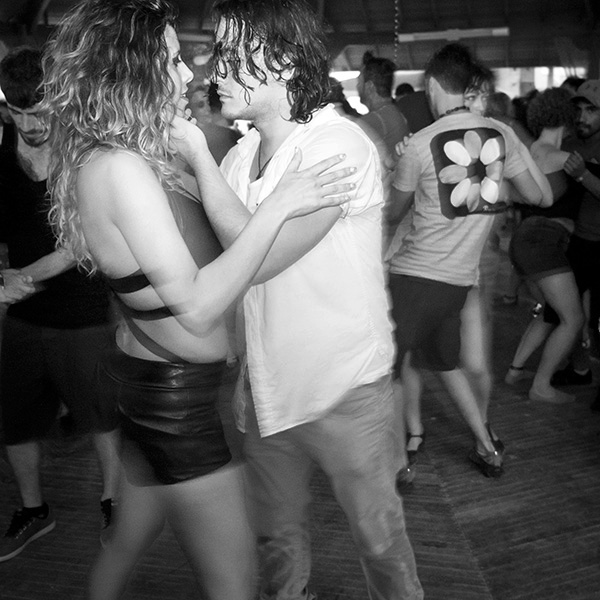
Nowadays it is very popular to have social dancing as hobby; people go dancing to the themed parties, special events, and travel to the international dance congresses. So definitely the subject of social dance photography is getting more interest worldwide. Doesn’t matter what kind of dance you enjoy the most – the challenges of capturing a great dance moment are very similar.

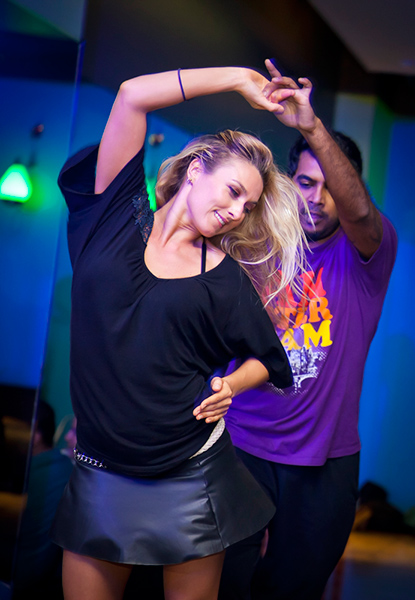
Photo1

Have you ever seen dark, blurry photos, taken from a weird angle of yourself on the dance floor? I bet your answer is yes. Being a dancer myself I could relate to such matters too, which made me realize that it’s not an easy task to get great dance shots. So I started practicing.

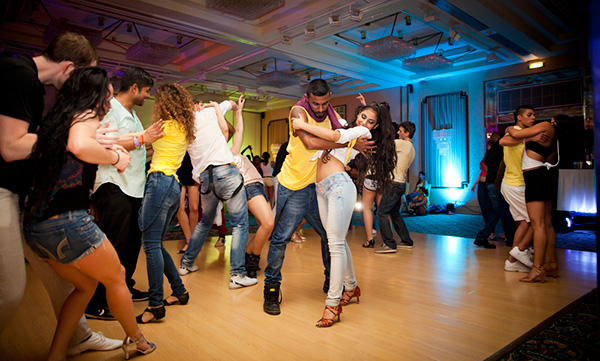
Photo2

Gladly I had a lot of opportunities to do so due my active role in growing Zouk community in Abu Dhabi, capital of United Arab Emirates.

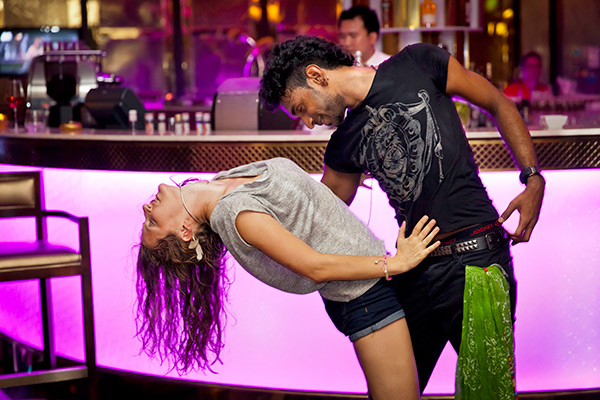
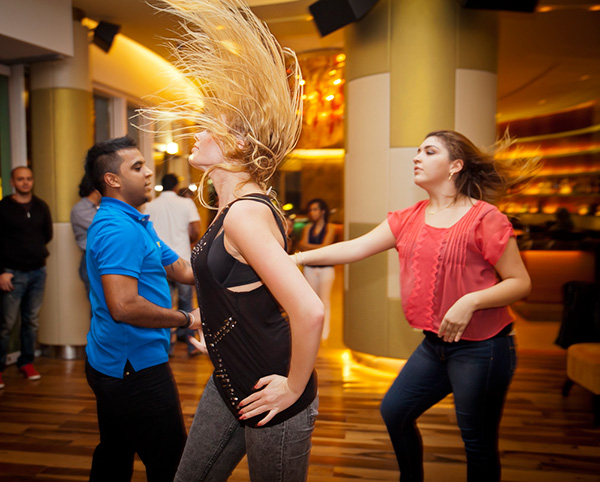
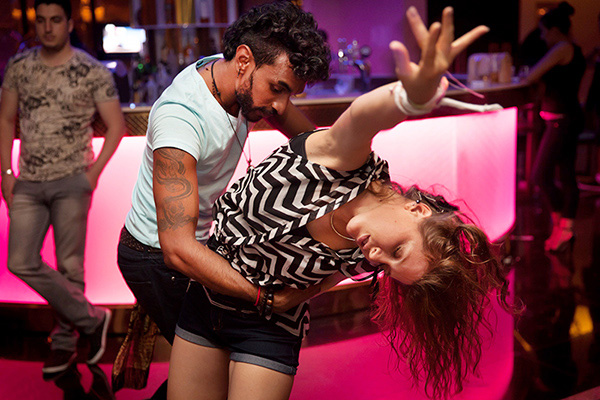
Zouk is a Brazilian dance; very sensual and addictive. It is known as the dance of the 21st century, and is becoming viral all over the world. The rhythm of Zouk gives dancers a lot of flexibility and freedom to experiment and adapt their style to the music. It offers a lot of beautiful poses for photographer to capture (head flicks, body rolls, spins, twirls, dips and various hip movements).

Let’s look at the challenges of capturing beautiful dance movements and how to overcome them:

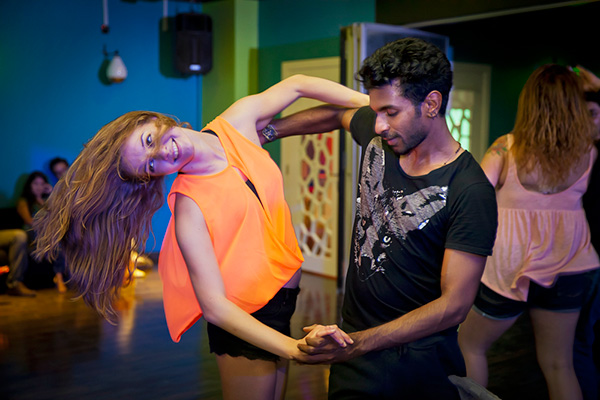
Photo3

A dark environment

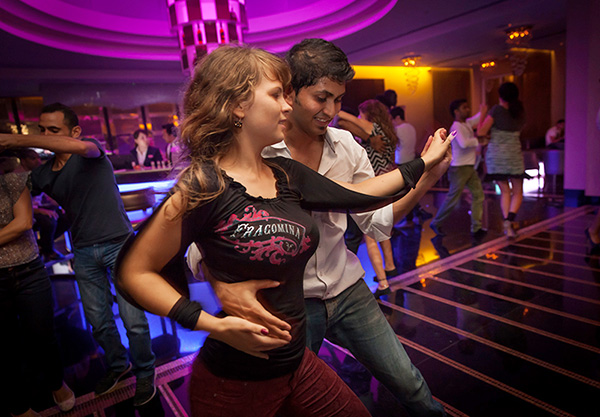
Social parties are usually happening in bars, restaurants, or ballrooms where the lights are dimmed. The trick is to expose for the ambient light (use a slower shutter speed, open your aperture as much as possible, increase ISO – up to 1600 worked fine with a Canon 5D Mark II), and use second curtain shutter sync for your flash. For Canon 5D Mark II users that option is located under External Speedlite control>Flash function settings>Shutter sync – check your camera’s manual if you have a different body. Not a problem if your shutter speed gets really low – you still will get last part of the frame frozen, thanks to those flash settings. You can get really creative if the ambient lights include lasers and rotating heads. By moving your camera sideways when the shutter is open you will get strikes and lines which will make your photos even more interesting. Sometimes it is hard to get focus right in a dark environment, so I usually have small pocket laser with me to light the dancers at the moment of focusing.

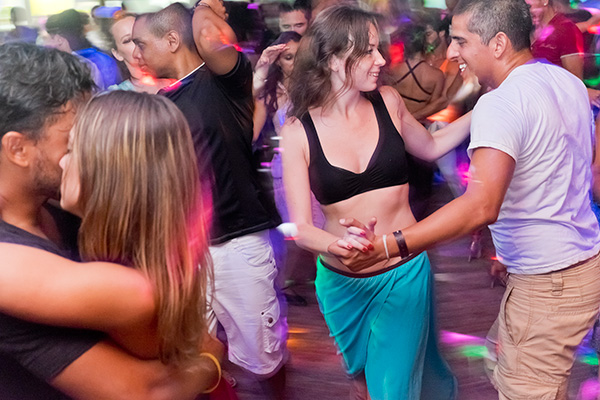
Photo4

Direct flash

Often with this option you get overexposed figures of dancers and a dark, underexposed background. If possible, scout the environment before the dance event. Search for white walls and ceiling, which can work as a large soft box to reflect light, and use bounce flash instead of direct flash. Another alternative is to use a portable speedlight softbox off-camera to diffuse, and soften strong light.

Photo5

Shutter delay

Have you ever pressed the shutter release button and the slight delay gets you a photo of dancers with their backs to the camera, instead of what you imagined? Try to study movements (if you are not dancer yourself) to oversee what move comes next and press the shutter just before that so you catch the right moment. Each camera is slightly different, so test yours to understand.

Photo6

Camera angle

If your camera angle is too high the dancers’ heads will look bigger and their legs shorter – not always pretty to look at. I usually shoot at the chest level, or in some situations – waist level. Sometimes experimenting with getting really low works well too. Decide on the go what works for you – judge the available space between you and the dancers, and keep in mind how you’re using your flash (if you are bouncing it – you need some distance).

Photo7

Lens choice

My favorite social dance photography lens is 24-70mm f/2.8. It serves me well most of the time, though it depends on size of the party. If the crowd is big and you would like to show that, you might switch to a wide angle lens from time to time, for example, a 16-35mm f/2.8.

Photo8

Full-body shots or close-ups?

This is up to you again, depending on dance aesthetics. One note: do not cut off hands or fingers and include a little space around the subject, so photo can breathe. Although this is very subjective, sometimes it can create a different mood when you fill the frame really tight.

Photo9

Lastly – keep practicing

Apply the general rule of photographers; the more you practice – the better shots you get!

Photo10

I wish you happy social dance photography; hope you will make dancers look beautiful and graceful! Catch your moments!

Please share your experiments in comments below and ask any questions there as well.

googletag.cmd.push(function() {
tablet_slots.push( googletag.defineSlot( “/1005424/_dPSv4_tab-all-article-bottom_(300×250)”, [300, 250], “pb-ad-78623” ).addService( googletag.pubads() ) ); } );

googletag.cmd.push(function() {
mobile_slots.push( googletag.defineSlot( “/1005424/_dPSv4_mob-all-article-bottom_(300×250)”, [300, 250], “pb-ad-78158” ).addService( googletag.pubads() ) ); } );

The post Social Dance Photography Tips by Viktoryia Vinnikava appeared first on Digital Photography School.

Digital Photography School

 
Comments Off on Social Dance Photography Tips

Posted in Photography


Mufflers: 10 Artistic Acoustic Highway Noise Barriers

22 Mar

[ By Steve in Architecture & Public & Institutional. ]

Highway Acoustic Walls 1a
These artistic acoustic highway noise barriers combine form with function, neatly blocking the sound of road traffic while looking darned good in the process.

Highway Acoustic Walls 1b

This proposal for an environmentally-friendly acoustic barrier (“Forest Corridor”) in Hong Kong was designed by Bread Studio to meet three strict conditions: masking the sight of the highway from nearby residential buildings, improving the view of the highway’s underside for people in the park below, and relieving drivers from any claustrophobic impressions as they cruise through the de facto tunnel.

Leapin’ Lizards!

Highway Acoustic Walls 2a

Highway Acoustic Walls 2b

Stretching for six miles along both sides of the Pima Freeway’s sound barrier wall in Scottsdale, AZ, “The Path Most Traveled” by artist Carolyn Braaksma evokes the essential nature of the region’s desert ecosystem.

Highway Acoustic Walls 2c

Interspersed among a mix of abstract and Native American-style motifs are prickly pear cacti standing up to 40 feet tall and enormous lizards almost 70 feet long.

Clearly Beautiful

Highway Acoustic Walls 3a

Highway Acoustic Walls 3b

Melbourne’s freeway network is the largest of any Australian city, and without sound barriers the aural impact on residential neighborhoods would be substantial. Cheap and unimaginative acoustic walls would also have a detrimental effect on drivers so a pleasing compromise was achieved that satisfied both.

Highway Acoustic Walls 3c

Tinted acrylic plastic panels set into sound walls along the EastLink Freeway maintain audio insulation while adding visual interest at a reasonable cost. Want to see the world through rose-colored sound barriers? Get your eyes to Australia!

“Sixty Seconds of Architecture”

Highway Acoustic Walls 4a

Highway Acoustic Walls 4b

Louwman Exclusive Cars is a high-end exotic automobile dealer located in Utrecht, the Netherlands, just off the A2 highway between Amsterdam and Maastricht. Instead of making do with a bland and boring sound wall, the dealership opted instead for an acoustic barrier “designed from the perspective of a flow of cars passing by with the speed of 120 km/h.” Fast company indeed.

Highway Acoustic Walls 4e

Highway Acoustic Walls 4d

Highway Acoustic Walls 4f

Highway Acoustic Walls 4c

Stretching 1.5 kilometers in length, the 5,500,000-euro barrier designed by Kas Oosterhuis widens to a 30m “cockpit” that accommodates the auto dealer’s showroom and service bays. No doubt it’s quite quiet inside as well.

Next Page – Click Below to Read More:
Mufflers 10 Artistic Acoustic Highway Noise Barriers

Share on Facebook


[ By Steve in Architecture & Public & Institutional. ]

[ WebUrbanist | Archives | Galleries | Privacy | TOS ]


WebUrbanist

 
Comments Off on Mufflers: 10 Artistic Acoustic Highway Noise Barriers

Posted in Creativity


A light touch: Dean Bradshaw’s commercial and personal portraiture

22 Mar

‘Conceptual’ and ‘commercial’ photography are styles that relatively few are able to achieve success in, especially at the same time. But Dean Bradshaw’s intellectual and humorous approach to advertorial work sets his portfolio far above that of the typical commercial photographer. Take a look at a selection of his imagery and find out a few insights behind his success in our Q+A. See gallery

Articles: Digital Photography Review (dpreview.com)

 
Comments Off on A light touch: Dean Bradshaw’s commercial and personal portraiture

Posted in Uncategorized


21. März 2015

22 Mar

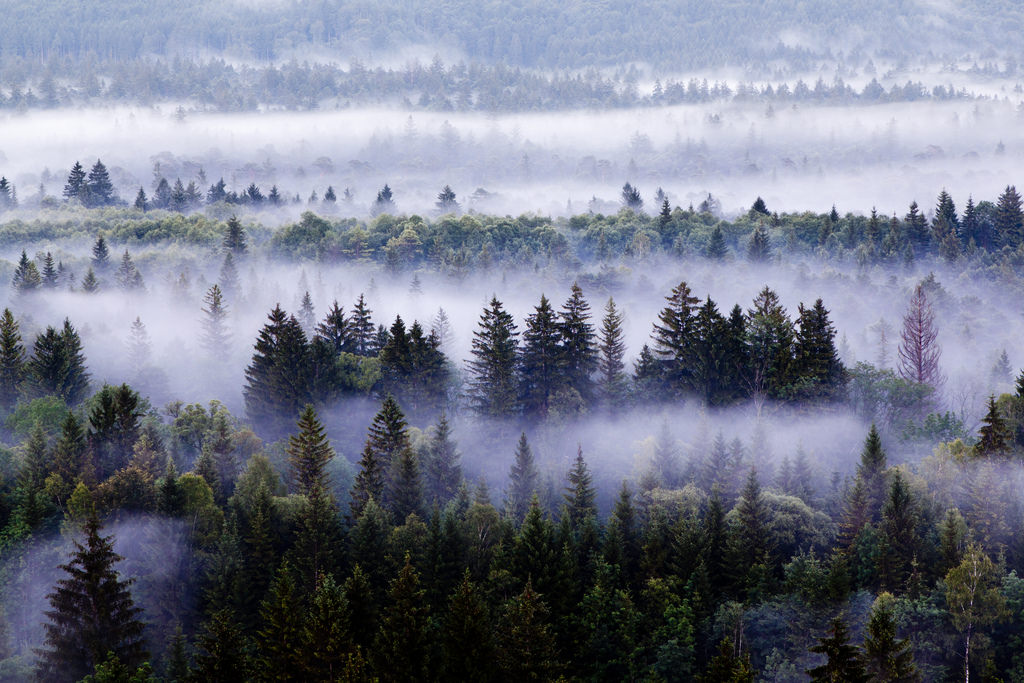
Das Bild des Tages von: Philipp Ledényi

Nebel über dem Wald

Heute ist internationaler Tag des Waldes! Auch in unserem Ausblick.
kwerfeldein – Fotografie Magazin | Fotocommunity

 
Comments Off on 21. März 2015

Posted in Equipment


Die 5 Artikel des Monats

22 Mar

Grüne kaputte Schreibmaschine

Liebe Leser, fünf Mal die Woche versorgen wir Euch mit tagesaktuellen Links zur Fotografie – im Ausblick. Täglich scannen wir das Internet nach spannenden, relevanten Artikeln, Interviews oder Klickstrecken. Doch unser Unterfangen stellt einige Leser vor ein Problem: Wer soll das alles lesen?
kwerfeldein – Fotografie Magazin | Fotocommunity

 
Comments Off on Die 5 Artikel des Monats

Posted in Equipment


Table for Two: Window as Bridge & Barrier Between Shared Seat

22 Mar

[ By WebUrbanist in Art & Installation & Sound. ]

table public art piece

Putting you in the spotlight with a stranger, this installation in New York City is a perhaps-paradoxical commentary on both connection and isolation in urban environments.

table for two project

Located at 7th Avenue and Carmine Street in Manhattan, Table for Two by Parisian native Shani Ha was designed to separate the participants with a window, yet by its placement and proximity makes simultaneously for intimately-shared moments.

table glass nyc art

Vicky Gan describes it as “part sculpture, part performance art, it challenges those who sit down to look up from their smartphones and into the eyes of a friend, a stranger, or their own reflections in the glass. A self-conscious homage to Edward Hopper’s Nighthawks, the work realizes the age-old concept of the big, crowded city as a lonely, isolating place.”

table for two corner art

Like any good piece of interactive art, the stories about its usage are what show it works – deaf people communicating in sign language across the glass in one case or a couple talking to each other (like in prison) on phones in another.

table for two new york

Technology, claims the artist, is responsible “making us more self-centered because [it gives] us the power to access only the people we decide to access,” whereas the intention in this piece is “to break the bridge between the outside and the inside, and allow a new form of interaction between people.”

Share on Facebook


[ By WebUrbanist in Art & Installation & Sound. ]

[ WebUrbanist | Archives | Galleries | Privacy | TOS ]


WebUrbanist

 
Comments Off on Table for Two: Window as Bridge & Barrier Between Shared Seat

Posted in Creativity


Death Valley: One of America’s Worst National Parks?

22 Mar
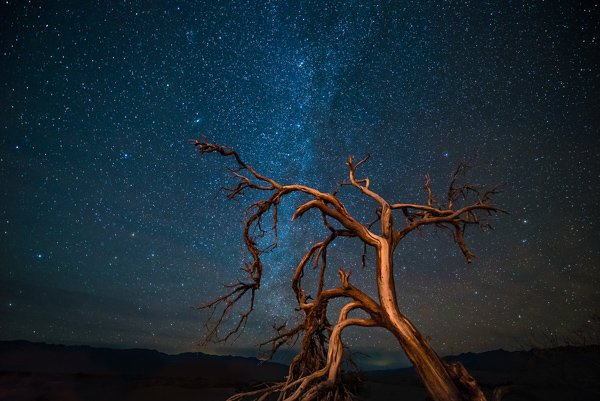
An ages old mesquite tree looking up at one of the darkest rated night skies in America.

An ages old mesquite tree looking up at one of the darkest rated night skies in America.

I recently came across an article by Bill Fink on Yahoo titled “Our Tax Dollars Pay for What? The Nation’s Worst National Parks.” In all fairness, there are some pretty lame national parks and monuments, I’m not going to argue that. Certainly a few of them ended up on this list as expected. But when I got to number five on the list and saw Death Valley National Park, I was astonished.

Fink writes in the brief article that the best way to simulate a visit to Death Valley is to “heat a pan full of sand to about 200 degrees, then pour it on your head,” and that “when it’s not hot [in Death Valley] it’s bitterly cold, so at least you get some variety in your misery.”

I’ve been to Death Valley National Park five times now. Twice on photography trips and three times to lead workshops through the park. All three workshops in Death Valley sold out in less than 24 hours. So either I (and my students) have terrible taste in beauty or Bill Fink doesn’t know what he’s talking about. In fact, after reading through his brief writeup a few times, I’d wager that Bill hasn’t even been to the park. If that’s true, it just goes to show how far we’ve come from true journalism in today’s age of click bait articles.

Death Valley is, in my opinion, one of the absolute best national parks in the country. Here’s a few ways to make certain you agree after your next visit:

Visit the park between January and March

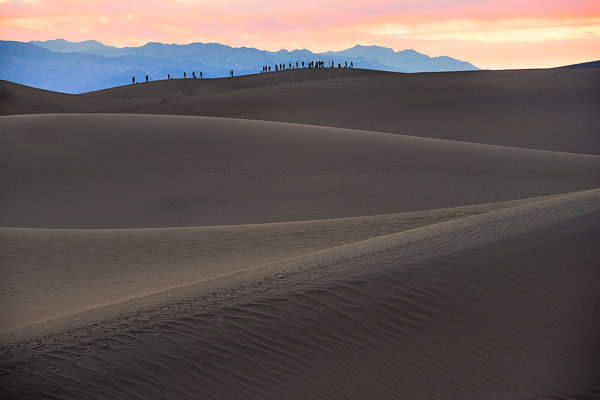
The second time I visited Death Valley was in early September back in 2013. The reported temperate at Stovepipe Wells was right around 118 degrees fahrenheit (47.8c). We knew it was going to be hot in the park, but we didn’t know it would be that hot. We were after some Milky Way images and figured we’d give it a go. Since it was still daylight, we decided to hike out into the Mesquite Flat Sand Dunes where the temperatures were around 10 degrees higher (128f or 53c) because of all the reflective sand.

I had a Camelback on to stay hydrated but if I didn’t continuously drink out of it, the water that gets stuck in the tube would get piping hot. Suffice it to say, the last thing you want to do when you’re experiencing the highest temperatures you’ve could ever imagine is to drink it a mouth full of piping hot water. It was, in a word, miserable.

As sunset approached, we decided to head to Badwater Basin. There, temperatures had cooled down to a much more manageable 113f (45c). The crazy thing is, the temperature didn’t drop as the sun set and darkness approached. It was pitch black outside and my tripod was too hot to touch and my Canon 1Ds Mark III was flashing warnings at me saying it was overheating. Yes, Canon’s flagship (at the time) pro level camera made to endure the harshest elements couldn’t handle the heat.

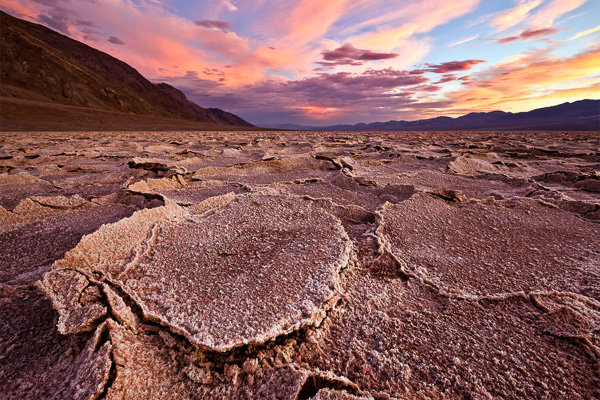
Badwater Basin at a scorching 113?F.

Badwater Basin at a scorching 113f (45c).

You may be thinking at this time that Bill Fink was pretty spot on, and if that had been my only visit to the park, I might be inclined to agree. If you want to enjoy everything Death Valley has to offer, you shouldn’t go when the temperatures are unbearable. The average high/low temps in fahrenheit in January for Death Valley are 67/40 (19.4/4.4C), February is 73/46 (22.8/8C)and March is 82/55 (28/13C). Anything past that and you’re looking at possible highs in the 90s and 100s. All three workshops I’ve done in the park have occurred during these months and they all had absolutely beautiful weather.

Rent a Jeep from Farabee’s

Much of what Death Valley has to offer isn’t accessible with the Ford Fiesta you rented in Vegas. Places like Racetrack Playa, Eureka Sand Dunes and Titus Canyon simply can’t (and shouldn’t) be reached without a good 4×4 vehicle. I’ve been to Racetrack Playa three times now. Once in a VW Toureg, once in a Chevy Tahoe and once in a Jeep from Farabee’s. The Toureg is a great SUV but it wasn’t 4-wheel drive. We got to the playa without any problems, but on the way out we busted something in the transmission and had to limp back to Vegas for three days while we waiting to get the car repaired. The second trip, with the Tahoe, resulted in a flat tire on the way in at Teakettle Junction. I think it goes without saying that the rest of the drive in, as well as the drive out was pretty nerve racking, considering our only spare tire had already been used.

The third trip (and my most recent), I finally decided to rent Jeeps for our workshop group from Farabee’s Jeep Rentals in Furnace Creek. We had to rent three because we had nine students and two instructors so we got two 4-door Jeeps and one 2-door. Getting out to Racetrack Playa in the Jeeps was like a dream. Sure, the road was still rough and unforgiving, but the Jeeps handled it without a problem. They also include coolers in the back full of ice cold water and a radio beacon in case you run into trouble, which will send them to your location immediately.

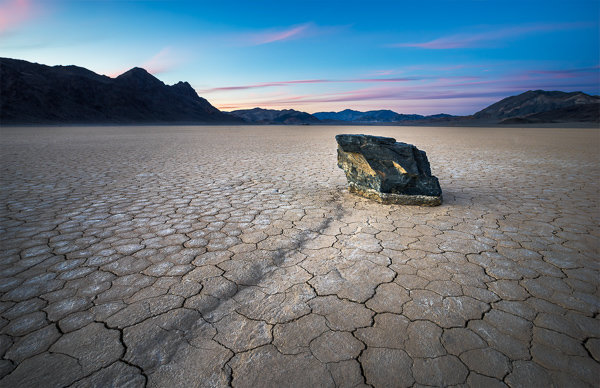
A "sailing stone" at the Racetrack Playa.

A “sailing stone” at the Racetrack Playa.

Parking lots are for tourists – don’t be a tourist

Two of the most incredible places in Death Valley are the Mesquite Flat Sand Dunes and Badwater Basin. Both have large parking lots that can be totally full at any given time and both locations can be pristine or totally useless depending on the recent weather conditions in the park. When the winds calm down for days or weeks on end, the sand dunes get covered in foot prints quickly and become totally un-photogenic. The salt plates at Badwater Basin are always changing and depend on rain to get back to their pristine condition with white salt and low, thin borders. As the plates dry and time goes on, the salt turns brown and the edges rise until they become totally unrecognizable.

The best thing to do at the Mesquite Sand Dunes is to park about a half mile before or after the parking lot on the side of Highway 190. Then, just hike out to the dunes from there. You’ll be free of nearly 90% of all foot traffic and will have mostly untouched dunes at your disposal. Just be smart and do your very best to tread lightly. Only walk were you have to and try not to trample the most beautiful dunes.

If the salt patterns at Badwater Basin look terrible from lack of rain, head over to West Side Road. You’ll actually drive right past this road on the way to the Badwater Parking lot, but most people just keep driving because it just looks like a dirt road. Drive about half mile or so down this road and you’ll have a great chance at finding some incredible patterns here. Just keep in mind that Badwater Basin is always changing and this information could be totally reversed during your visit.

From our location at sunrise (looking toward the parking area) we could see the circus or photographers already underway at sunrise.

From our location at sunrise (looking toward the parking area) we could see the circus or photographers already underway at sunrise.

Scout during the day – shoot at the edges

Blue skies are the norm in Death Valley. So don’t be surprised if you don’t see much in the way of clouds on your trip. I’ve actually lucked out quite a bit during my visits to the park and have experienced some incredible conditions. All that aside, don’t go photographing this place in broad daylight thinking that you’re going to come out with a bunch of keepers. This is the same with any landscape photography, all over the world. If you want to experience this park in all its glory, you need to capture it at sunrise, sunset or at night.

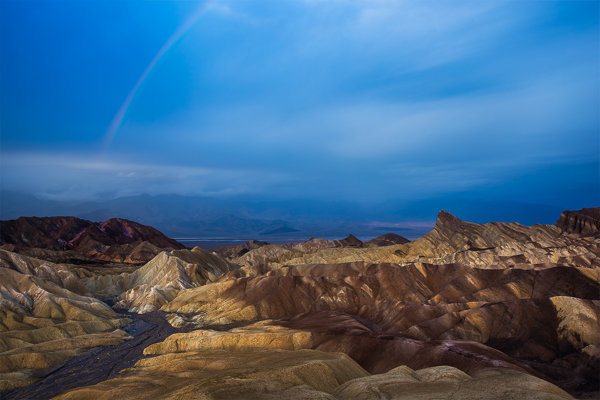
Zabriskie Point at dawn as storms move through the park.

Zabriskie Point at dawn as storms move through the park.

Conclusion

Death Valley is one of the most magnificent, diverse and photogenic national parks in America (USA). You just have to know how to do it right. You can either listen to some editor on Yahoo who just threw a list together (probably) without even going to the places in the article. Or you can listen to the throngs of photographers who visit the park each and every year, including ones like me who keep coming back again and again.

What do you think? Should Death Valley have made this list of worst national parks? Let’s talk in the comments below!

googletag.cmd.push(function() {
tablet_slots.push( googletag.defineSlot( “/1005424/_dPSv4_tab-all-article-bottom_(300×250)”, [300, 250], “pb-ad-78623” ).addService( googletag.pubads() ) ); } );

googletag.cmd.push(function() {
mobile_slots.push( googletag.defineSlot( “/1005424/_dPSv4_mob-all-article-bottom_(300×250)”, [300, 250], “pb-ad-78158” ).addService( googletag.pubads() ) ); } );

The post Death Valley: One of America’s Worst National Parks? by James Brandon appeared first on Digital Photography School.

Digital Photography School

 
Comments Off on Death Valley: One of America’s Worst National Parks?

Posted in Photography


21. März 2014

21 Mar

Das Bild des Tages von: Philipp Ledényi

Nebel über dem Wald

Heute ist internationaler Tag des Waldes! Auch in unserem Ausblick.
kwerfeldein – Fotografie Magazin | Fotocommunity

 
Comments Off on 21. März 2014

Posted in Equipment


Readers’ Showcase: Rutger Bus

21 Mar

It was curiosity that got DPR reader Rutger Bus into photography. Of his dad’s darkroom in his childhood home he says, ‘ I always wondered what was going on in that little dark room with the red light above the door.’ That spark of curiosity comes across in his colorful landscapes, which first caught our eye in our Landscape Readers’ Showcase. Check out more of his images and read our Q&A. See gallery

Articles: Digital Photography Review (dpreview.com)

 
Comments Off on Readers’ Showcase: Rutger Bus

Posted in Uncategorized