Phase One has released its new Capture One Pro 8.2 software, and with the update comes a new Color Balance Tool making it easier to produce color graded images, as well as additional ways to find images and support for higher resolution displays, including 4K. In addition, support for a few new cameras and nearly a dozen lenses is in place. The update is available now for existing Capture One Pro users and new customers. Read more
Month: March 2015
-
24. März 2015
Das Bild des Tages von: Alex Haala
Im Ausblick: Russland, eine Stirnlampe und ein Interview mit einem Straßenfotografen.
kwerfeldein – Fotografie Magazin | Fotocommunity -
A Beginners Guide to Light Modifiers
Regardless of the light source you use (daylight, continuous or flash) it’s really easy to use light modifiers or shapers to train the light in any direction you want.

***A quick note about costs
Every kind of light modifier will have a top of the line version and a really cheap version. The main difference between the options is that the cheaper ones won’t be as durable. This becomes important when you’re using them every single day.
When you’re learning how to use them however, I recommend choosing cheap versions. You’ll figure out how they work and save yourself a lot of money.
I rarely work without some sort of diffusion because using naked flash spreads the light around too much. The result is hard shadows that I personally think look really unflattering.
Nobody is ever going to tell you, “Wow I love the way your hard lighting has captured and enhanced every single pore, line and blemish on my skin. I actually look ten years older. Thanks!”
There are, of course, many really cool uses for hard lighting and some photographers can make it look brilliant. I’m just not one of them. I like to control the light and only illuminate certain areas of my shot.
There are a couple of factors I consider before deciding what kind of light modifier to use:
1. What kind of lighting am I trying to replicate?
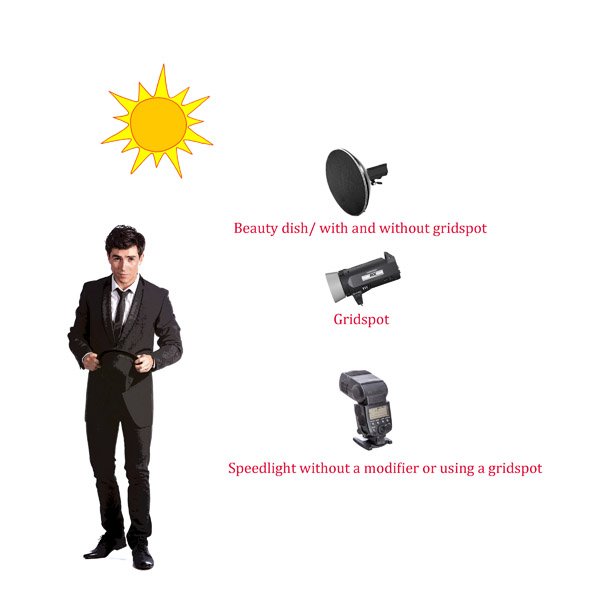
As a general rule of thumb if you are in hard light conditions like full sun, then opt for a light modifier that creates hard light like a gridspot, beauty dish, fresnel lens or naked flash.
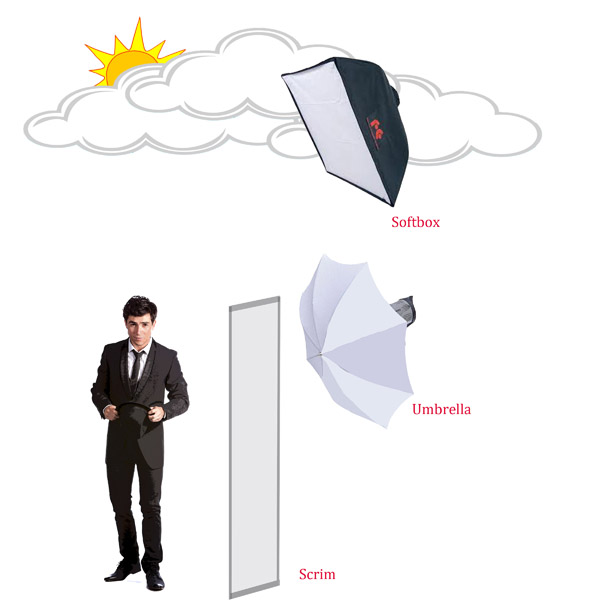
If the light is soft like early morning, twilight, open shade, or overcast then chose a light modifier that produces soft light such as: a scrim, umbrella or softbox.
2. What kind of mood I’m in
What are the best light modifiers to recreate soft light?
The Umbrella
An umbrella creates a quality of light that is soft and abundant, and very forgiving. They are great to use if you want to light a large area with flat even lighting. Because umbrellas are quite easy to use, and relatively cheap, they are great as your first light modifier.
On the downside, umbrellas will over-light your shot spreading lots of light around. Lots of light. Everywhere. Like a hose with its spray nozzle set to “everywhere”.
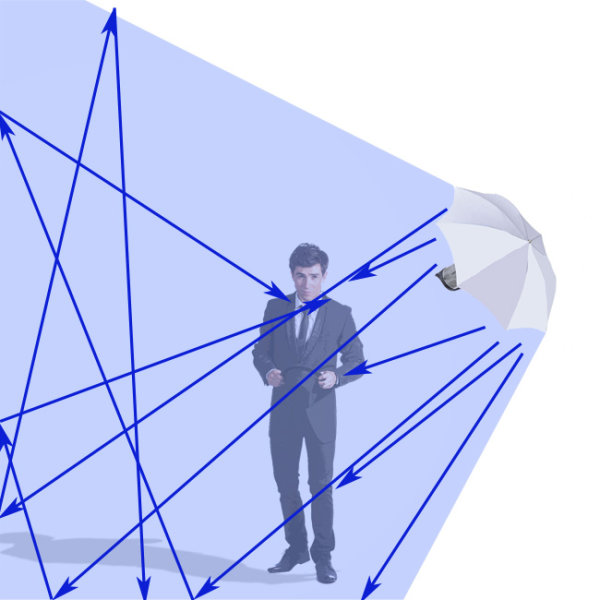
Bounce umbrella throws light everywhere
Just like I consider eating Nutella straight out of the jar a sometimes food, you should consider using umbrellas as an only use in case of emergency style of lighting. If I overuse either, things tend to get a bit ugly.
Types of umbrella light shapers
- Silver/gold reflective umbrella: These babies throw light everywhere. They are great for lighting large groups of people. The silver umbrella will give you a slightly cooler light, while the gold umbrella creates warmer light. Both produce a slightly harder light than the white reflective umbrella.
- White reflective umbrella: This umbrella creates a soft light with slightly less spread and contrast than the silver or gold reflective umbrellas. Because the style of light created allows people to move around a lot and in a constantly even source of lighting, they are great to use when you are shooting groups and couples under pressure, like for an event.
- White Shoot through umbrella: These are perfect as your first light modifier as they diffuse and spread light quite evenly.
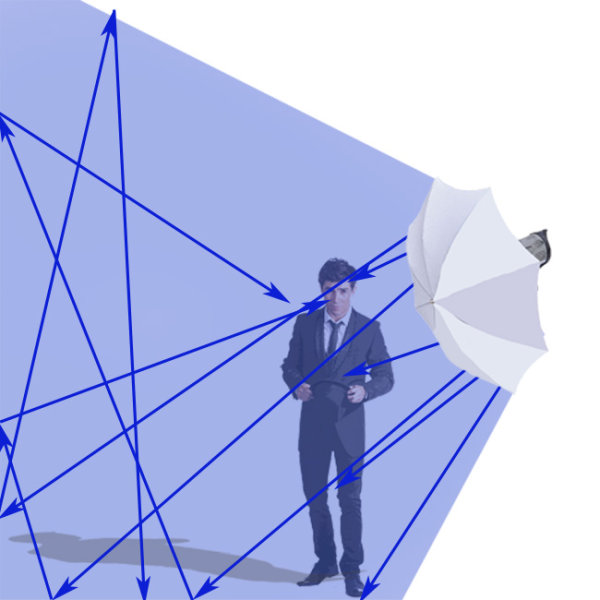
White shoot through umbrella
When my children were young, I taught them how to ride bikes using training wheels. The wheels boosted their confidence more than anything else. After a while, I took the wheels off and they rode on two wheels as if they’d been doing it all their lives.

I think using flash with umbrellas is the same. Use them as a learning tool until you get your balance, then move on to a better bike.
A final note on umbrellas
They are perfect for indoor lighting but become tricky, actually downright dangerous, to use outside. I’ve had countless (expensive) lights blown over using umbrellas! If you must use them then please make sure you have somebody holding them, or sand bags to keep them in place.
Scrim, baby
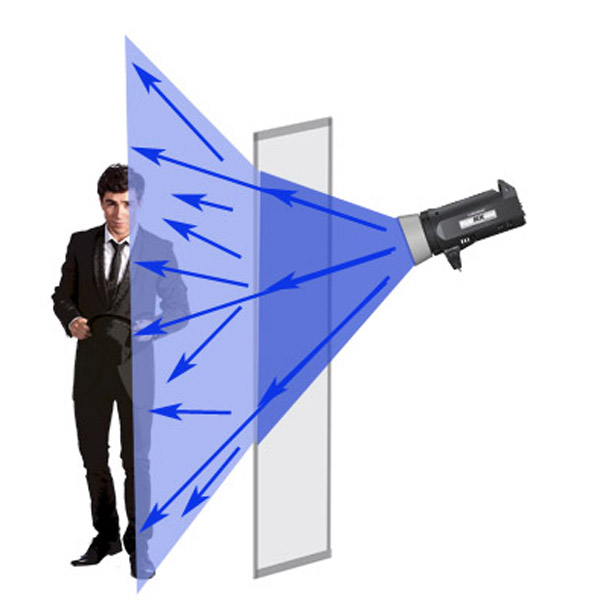
After you’ve ditched your umbrella training wheels, the next step is to work with a scrim panel which is a square or rectangular frame with a fabric diffusion material covering it. Of all the light modifiers, a scrim is probably the most versatile and a must have in your kit.
 This is a really cool way to create large areas of soft diffused light, as if you were shooting next to a large window, or have light clouds over the sun.
Remember: The larger the light source, the softer the light.
This is a piece of equipment that you can easily make yourself. I used a DYI one for my first 10 years as a photographer and they are great for diffusing flash, continuous light, and sunshine.
Using a softbox
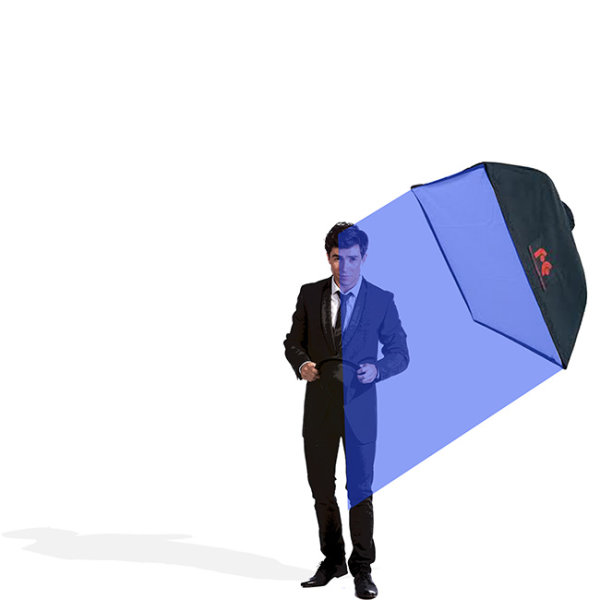
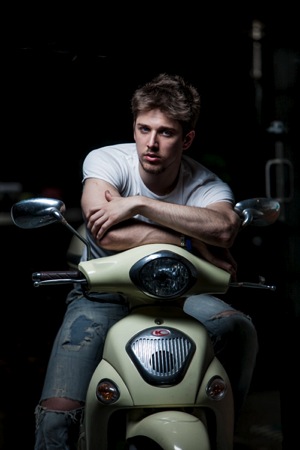
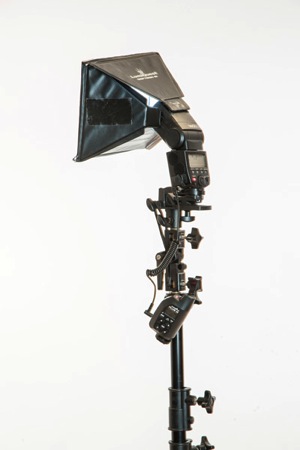
This image of race-car driver, Glauco Junior Solleri, was taken using a speedlight and small Lumiquest Pro softbox. This is a low-cost and versatile modifier that creates a beautiful soft light source that you can easily control. In this instance I only wanted to light Glauco’s face and let the background go to black, If I had used an umbrella (and spray light everywhere) the entire background would also be lit, killing my moody vibe.
If I could only pick one light modifier to take to a deserted island, it would have to be the softbox. Small, medium, or large – this little puppy is my go to light source for 80% of my shoots.
Why? The quality of light is soft, flattering and malleable. Changing the angle and proximity of the softbox to the sitter easily changes the hardness of light, and direction of shadow.
It’s one of the light modifiers that, I feel, recreates the effect of soft daylight through a window. I think what I like most about this light modifier is that it’s subtle. Highlights gently merge to shadows. I think I love this light modifier more than Nutella – there I said it.
Different softboxes
I use a few different kinds of softboxes depending on where and what I’m shooting.
If it’s a studio shoot I love using my Chimira Medium softbox with white reflective interior. The white interior creates a softer light and this particular softbox has an extra layer of diffusion on the inside, adding even more softness to the light.
Some photographers remove this interior panel because they like having more contrast of the harder light (because it’s not as diffused as much), but I prefer less contrast. You can also increase the spread and contrast of your light by using silver or gold interior panels.
Shooting using beauty lights
The beauty dish I have is quite a cheap brand, which goes to show you don’t need to shell out a lot of money for every piece of equipment. I like mine because it works with my speedlight, my Elinchrom monolight, and battery flashes.
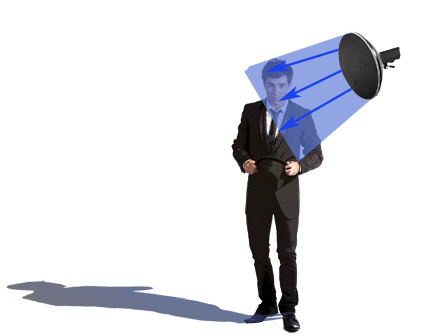
I like that kind of versatility in equipment because it means I have more options on the day of the shoot, and less to carry around!
The beauty dish differs from other light modifiers because it gives you a distinct circular, soft-contrast light, which is perfect for lighting faces and defining bone structure such as cheek bones and chin lines. They also create a circular catch light in your model’s eyes, which makes the reflection seem quite natural.
You can see why these modifiers are popular with fashion/beauty and celebrity photographers.
The downside of using beauty dishes is that the fall-off, from light to dark, is very rapid so you’ll often get shadows under your model’s chin and nose. You can compensate for the shadows by adding a fill board, like a white reflector, to reflect light up, onto your subject’s face.
Why would you use this over other modifiers?
A beauty dish gives you a certain look. It will just light a small area and flatten out your model’s features. It makes people look great but you need to light your model in quite a specific way, lighting them from above, to really pull it off.
Using a grid spot
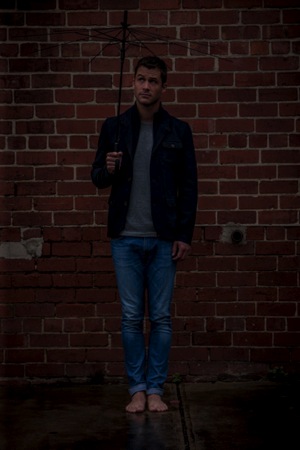
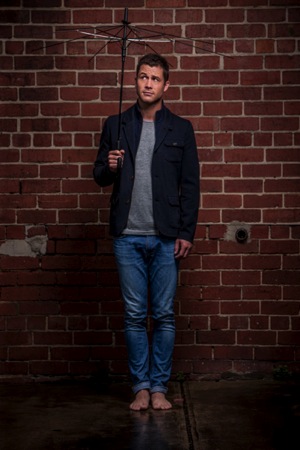
A portrait shoot I did with Australian actor Scott McGregor shows lighting without gridspot (left) and with gridspot (right).
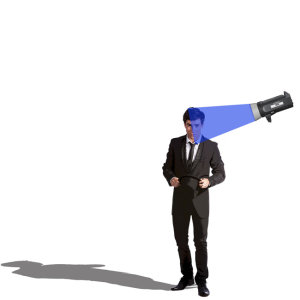
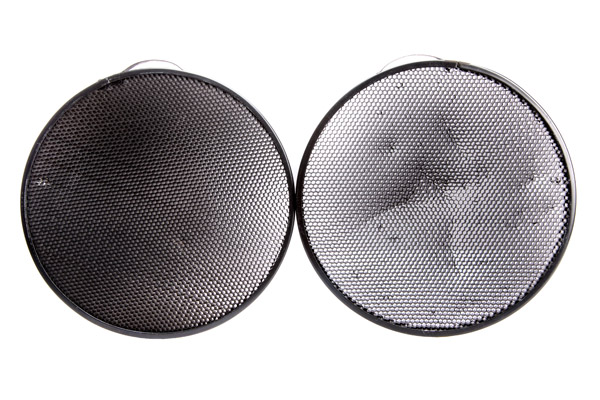
The gridspot is a bit of kit you can use in conjunction with a speedlight, monolight, or battery operated flash. The width of the grid and the size of the holes will affect the width of the light beam hitting your subject. This is a hard focused light. I love to use grid spots in the same way I use beauty lights.
Why would you use this over other modifiers?
I like using grid spots because they create a similar light to beauty dishes. The light is a bit harder but they’re perfect for single portraits because you can pop a bit of light onto someone’s face and shoulders without impacting the background mood.
They are also perfect to use outside as they won’t get blown about.
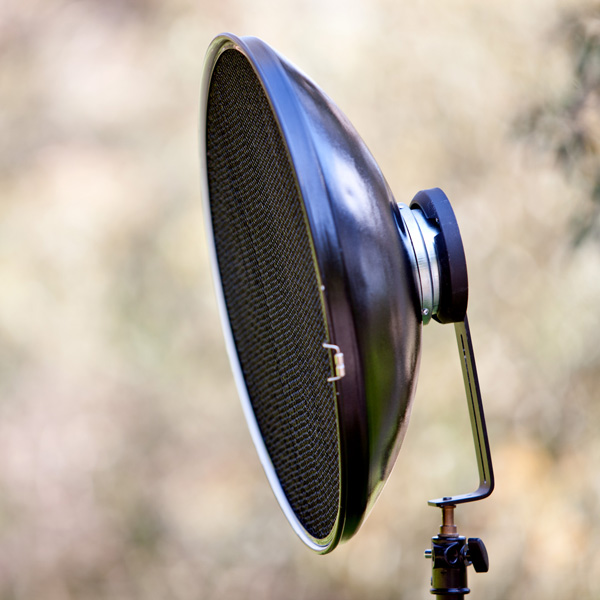
Beauty dish with a gridspot
Fresnel light (lens)

The Fresnel light modifier gives a soft, crisp and very distinct look to my portraits. In this portrait of Australian actor Robbie Magasiva, I’ve placed the Fresnel light slightly to camera right to create a shadow, which I’ve softened by using an umbrella (Sprays soft light everywhere) to increase the amount of daylight fill.
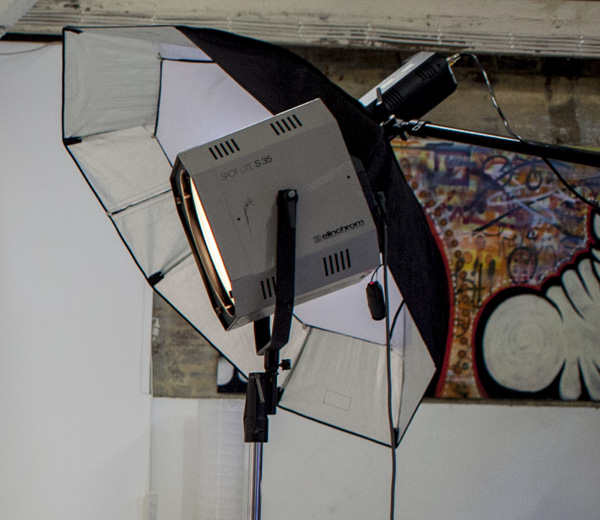
A Fresnel is a light modifier that can be focused. They were first used in lighthouses, then the technology was developed to include continuous lighting for movies and television.
The style of lighting is soft and crisp, reminiscent of 1940s portrait lighting. This style of lighting has become really popular lately, particularly with fashion and editorial photographers. The downside of this type of lighting is you need to hock a kidney to afford one.
Octabox
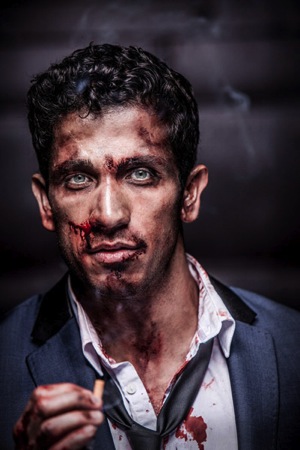
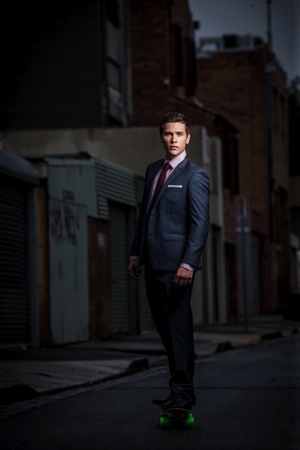
Here are two different ways to use the Rotalux deep octabox. The image on the left of actor Firass Dirani is shot using a deep octabox as a beauty dish. The light source is hard and drops off rapidly under his chin to give a hard and contrasty light source, which not only defines and sculpts his features it also gives the image an edgy look.
The image on the right of actor Harley Bonner is shot using the same Rotalux deep octabox as I used with Firass but this time I’ve added the interior and exterior bevel giving a much softer light which blends in with the muted light and low key feel I was going for.
An octabox is what you’d get if a softbox and umbrella got married and had babies. An octabox has soft light, just like its mama the softbox, but spreads its light around more just like his daddy the umbrella.
They are fantastic for lighting large groups evenly. The other advantage some people like is they give round catch lights.
I don’t own an Octabox because I’m not a huge fan but do have a Rotalux deep octabox, which is what you get if a softbox married a beauty dish and made babies. This, as far as I’m concerned is a match made in heaven for lighting single portraits.
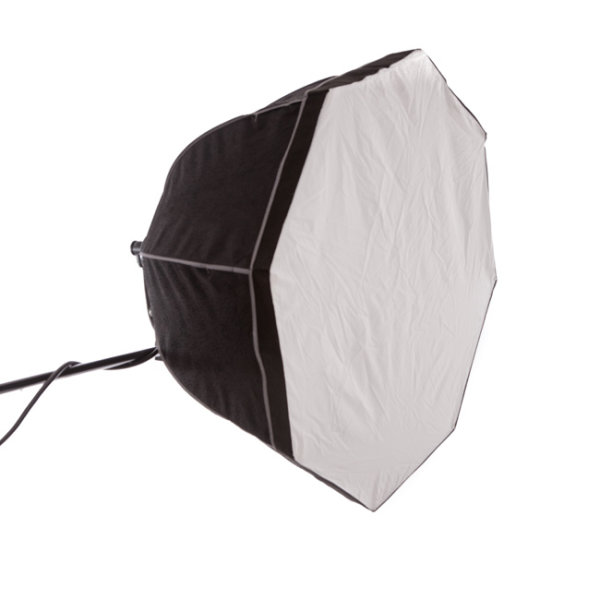
Octobox with the front panel in.
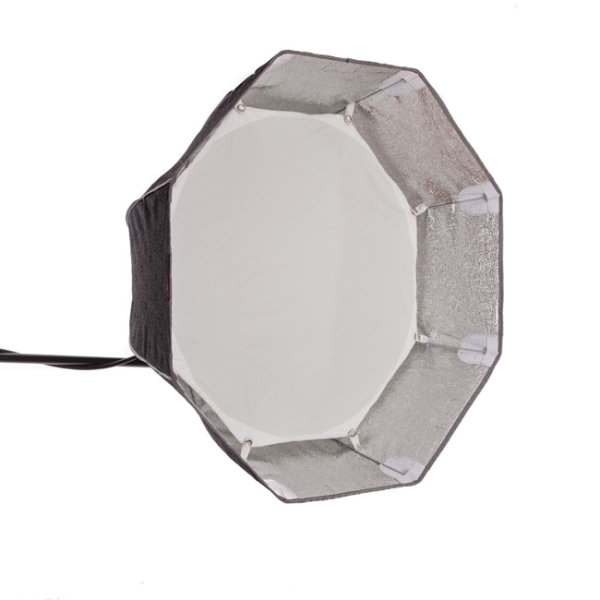
Octobox with interior baffle exposed.
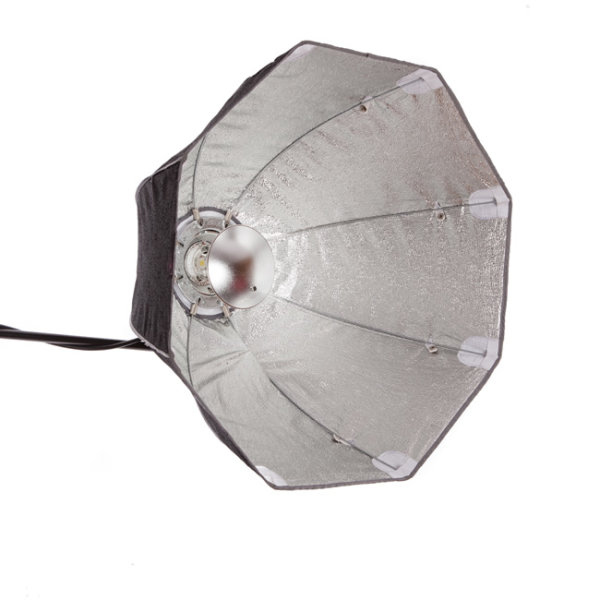
Octobox as a beauty dish.
Mixing modifiers
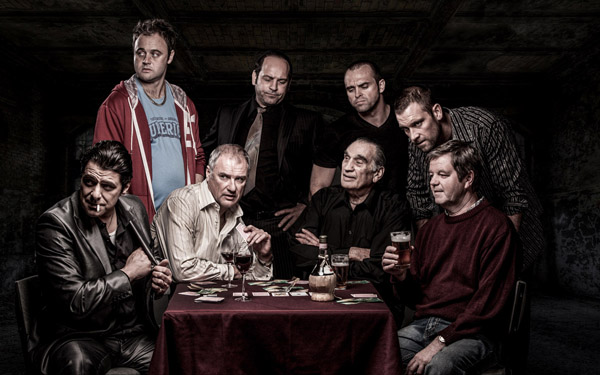
Model credit: Fat Tony and Co., image courtesy Nine Network Australia.
I often mix my lighting modifiers to make my images more interesting. In this television promotional shot I did for Fat Tony and Co., I used a medium deep octabox as my main light and a gridspot as a hair light. I also added an umbrella for fill light to camera left because the deep octabox alone was too moody and I wanted more detail in the shadows.
Do you have a favorite light modifier or do you like working with naked flash? Do you have examples of your favorite images? Please share them in the comments below. I’d love to see them and hear your thoughts.
googletag.cmd.push(function() {
tablet_slots.push( googletag.defineSlot( “/1005424/_dPSv4_tab-all-article-bottom_(300×250)”, [300, 250], “pb-ad-78623” ).addService( googletag.pubads() ) ); } );googletag.cmd.push(function() {
mobile_slots.push( googletag.defineSlot( “/1005424/_dPSv4_mob-all-article-bottom_(300×250)”, [300, 250], “pb-ad-78158” ).addService( googletag.pubads() ) ); } );The post A Beginners Guide to Light Modifiers by Gina Milicia appeared first on Digital Photography School.
-
The Dryline: BIG Plan Fights NYC Floods with Waterfront Park
[ By WebUrbanist in Architecture & Cities & Urbanism. ]

A huge infrastructure project designed to prevent future Hurricane Sandy-style devastation, the Dryline is a perfectly-named solution for a city already sporting a successful High Line and an underground Low Line currently under construction. In the wake of that devastating super-storm, over 300,000 homes were left damaged or destroyed and nearly 20 billion dollars of destruction was caused in total – the first section of the Dryline is slated to cost a few hundred million, which in contrast does not seem like so much money.


Developed by Bjarke Ingels Group (BIG), the scheme continuous to evolve with each iteration. This latest video illustrates many of the mechanisms of action through easy-to-understand sketches and diagrams. It also features interviews with New Yorkers about their vision for a greener southern tip for Manhattan.

Designed to be deployed incrementally, the grand plan involves many discrete steps, each intended to shore up the lower portion of the city – the place that takes the brunt of incoming tides. The individual interventions vary, from berms that double as parks to sliding barriers that move into position during unusually high tides. Ultimately, “the Dryline imagines a landscaped buffer stretching all the way from West 57th Street, looping down to the Battery and back up to East 42nd Street, bestowing Manhattan with a protective green cushion.”


At the same time, the design follows classic principles of urban landscape pioneers like Robert Moses and Jane Jacobs, taking this environmental challenge as an opportunity to create more park and civic space. Per The Guardian, “With a sprinkling of fairy-dust, the shoreline becomes furnished with undulating berms and protective planting, flip-down baffles and defensive kiosks, promenades and bike paths, bringing pedestrian life worthy of Lisbon or Barcelona to the gritty banks of Manhattan.”


BIG is a firm known for thinking large and this project is no exception. Then again, lessons learned from the other ambitious urban projects (like NYC’s High Line) can be applied here: built it piece by piece to reduce one-time costs and provide room for adjustment, and take citizen input into account. In the end, anyone who has walked the south edge of Manhattan knows it is a disjointed and, in many places, unwelcoming space – there is a huge opportunity for a new kind of part to provide connectivity and green space from this disparate set of urban landscapes.


“The Dryline consists of multiple but linked design opportunities; each on different scales of time, size and investment; each local neighborhood tailoring its own set of programs, functions, and opportunities. Small, relatively simple projects maintain the resiliency investment momentum post-Sandy, while setting in motion the longer-term solutions that will be necessary in the future.”
Want More? Click for Great Related Content on WebUrbanist:

Turning Tides: 10-Mile Park to Protect NYC from Flooding
Designed to shield the exposed edges of Lower Manhattan from increasingly-disastrous storms, this impressive system of parks and other public spaces is also …
Click Here to Read More »»

Lowline for NYC: World’s First Underground Park in Manhattan
Using fiber optics as “remote skylights” to pipe illumination down from the surface, this bold plan aims to transform a century-old trolley station …
Click Here to Read More »»

Urban Nest: New Round Amphitheater Section for High Line
New York’s elevated park is expanding in new directions both physically and proverbially, its new addition a stark circular shift from the overall linear …
Click Here to Read More »»


[ By WebUrbanist in Architecture & Cities & Urbanism. ]
[ WebUrbanist | Archives | Galleries | Privacy | TOS ]
-
It’s Your Image Do What you Like to it
Quite some years ago when I was doing my Fine Art Degree at University I was working on an image which I wasn’t quite sure about. My tutor came over and asked what was wrong. I told him that I thought people wouldn’t like one aspect of it. He looked at me and said, “It’s your image, you can do anything you like to it.” Ever since then I keep repeating those words to myself.
For a number of years now I’ve been putting images on the internet like so many other people. The internet is flooded with them, yet, since the advent of digital photography, there seems to be a growing trend that making images your own is somehow cheating, or it is no longer a photo because you “Photoshopped” it. I don’t understand where this has come from.
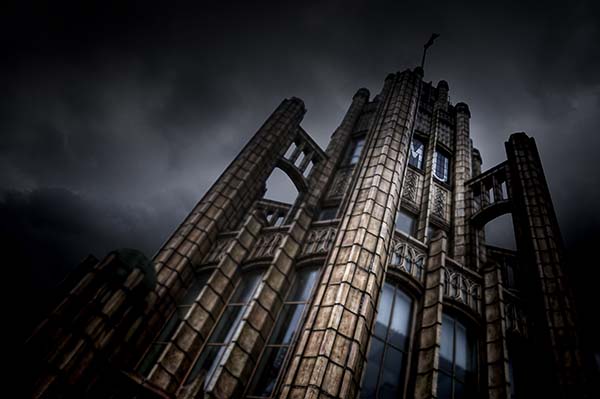
Manipulating Photos
So many times we hear people saying that they want to take the perfect image straight from the camera, but even in the days of film every image was manipulated to some extent in the darkroom. When working in the darkroom not every photo was printed exactly the same. They were all given different exposure times, or different levels of magenta for contrast (I only printed black and white) to get the best result. You could also dodge and burn for tone control.
Even color good labs would print an image once, then make colour corrections and repeat until they were happy with the final result.
I have no issues now in manipulating my photos until I am happy with the result. I am not looking for a true representation of what I see – I am looking for something more.
Of course, I have to add that there are different types of photography and some styles, like nature and pure landscape, that frown on too much editing. You can really only do basic editing to those. I do fine art photography and I think in this genre as anything goes.
I once read Adobe said about Photoshop “If you can imagine it, then you can create it.” I love that statement and it is one I live by. I believe there is nothing that is impossible and I push my images to get the best results for what I desire.
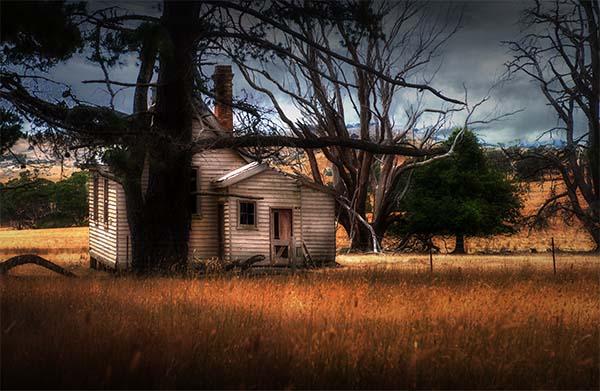
Having a Vision
Before you start doing a lot of work to your images it is good to have an idea of what look you are trying to achieve. I don’t know about having a preconceived idea first. Some people can work like that, but I’ve never found it helpful. I usually find if I do work from a preconception, I’m often disappointed with the final result.
I have a certain thing, or look, that I try to get with my images because I like lots of drama and a sense of theatre. I have always been fascinated with how the world we live in would look if it were abandoned. I like empty images – images void of people. So many of my images, the fine art ones, don’t have people in them.
The thing to remember is that everyone works differently, and how I work is not going to be the same as you. I have some techniques that I often try with images, but I tend to work intuitively. I just try things, delete things, and keep going until I am happy with what I have.
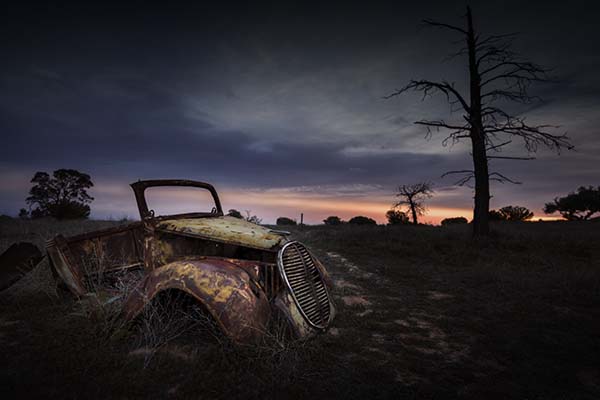
Putting Images on the Internet
The big test comes when the images are put online and people tell you what they think of them. The biggest thing to remember here is that it is your work; it is your image and your vision. What other people think shouldn’t matter.
There are always going to be people who tell you what to do with your image, and think they know what you want to do with it more than you. I come across these people all the time, and I usually say something like, “Thank you, that is an interesting idea, but it isn’t really what I wanted,” or, “I tried it, but decided I didn’t like it.”
Sometimes I think we care too much about what other people think, but in the end the only person who really has to like the work is you. If you are true to yourself then people start to understand that and begin to appreciate what you do.
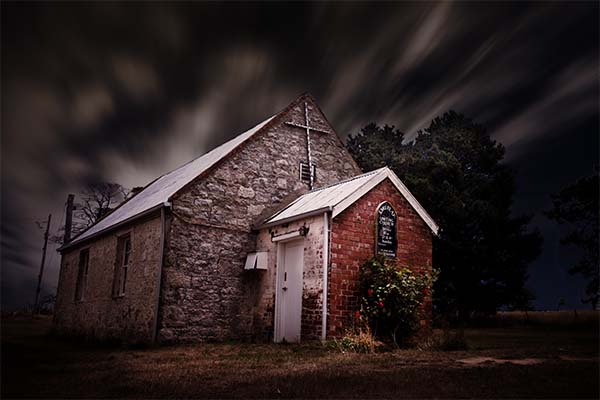
Fine Art Photography
When you start disregarding the rules, you are moving further into fine art photography. There is a history in this area of pushing work to the limit, and bringing it back.
If you go to any gallery and look at the contemporary art works you will find things that are unique and were considered, at the time they were done, as breaking rules, not conforming. You have to admire artists like Picasso who just did what they wanted. They make their own images the way they wanted. How different would the world be today if artists like Picasso, Monet, Warhol, to name a few, hadn’t disregarded what was considered art and just did what everyone else was doing?
We live in a world where anything is possible and you can do whatever you like to your photos. There are always going to be people who think what you do isn’t photography, but you have to remember that it is just their opinion and you don’t have to listen to them.
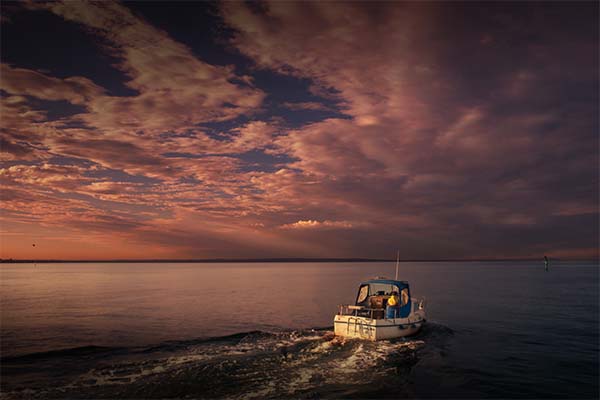
Making My Work My Own
In my own work, I have visions of what I am trying to accomplish and I strive to reach them. Though often, I have no plan of how I will actually get there, I just keep doing things until I am happy.
I have folders of skies, so I can make sure I get the sky I want for my images. I’ve had people tell me that if I replace the sky then I have changed the image and it is no longer a photo. I ask them, “What is it now?”, they say they “don’t know, digital art”, but what is digital art? I don’t listen, it is still a photograph. It is merged, and there’s more than one image, but it is still photography.
I have folders of textures to apply, though they can be overused. Again, it is a personal opinion and I might think that, and you can disagree. I find they can help certain images, but take over in others. It usually depends on how I feel at the time. I will try them, delete them, and then try something different. Often the hardest part is finding the texture that works best for that image.
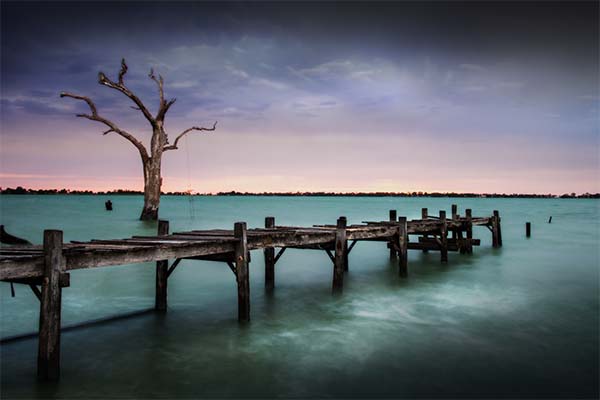
Conclusion
It really is all personal. Art is subjective. Love it or hate it, you have to respect what others do to their images. No one thing that Ansel Adams did in his darkroom was bad, we love his images. I say to you embrace that, make your images your own. Always remember;
It is your image and you can do what you like to it.
googletag.cmd.push(function() {
tablet_slots.push( googletag.defineSlot( “/1005424/_dPSv4_tab-all-article-bottom_(300×250)”, [300, 250], “pb-ad-78623” ).addService( googletag.pubads() ) ); } );googletag.cmd.push(function() {
mobile_slots.push( googletag.defineSlot( “/1005424/_dPSv4_mob-all-article-bottom_(300×250)”, [300, 250], “pb-ad-78158” ).addService( googletag.pubads() ) ); } );The post It’s Your Image Do What you Like to it by Leanne Cole appeared first on Digital Photography School.
-
Field test: Shooting Roller Derby with the Olympus OM-D E-M5 II
James McDaniel is a self-taught photographer with a special interest in roller derby. He’s also a Micro Four Thirds shooter, so when we were looking for someone to test out the E-M5 II in the real world with us, we immediately thought of James. Watch our latest video field test to see how how the camera performed on game day, and don’t miss an opportunity to see Barney on roller skates. See video
-
Fotografie – warum?

Ich bin ein Technik-Freak. Und ein Qualitätsjunkie. Ich liebe überragende Bildqualität. Ich bin begeistert darüber, was mit heutigen Kameras und Objektiven möglich ist und welch technisch hochqualitative Fotografien damit machbar sind.
kwerfeldein – Fotografie Magazin | Fotocommunity -
Panasonic Lumix DMC-CM1 added to studio test scene comparison
It’s not often that a smartphone being added to our studio test scene warrants a mention on our homepage, but it’s not everyday we see the likes of the Panasonic Lumix DMC-CM1. It’s a photo-centric mobile device with a 1-inch 20MP sensor and an F2.8 28mm equiv. lens, capable of 4K video and Raw image output. See how it performs in our studio scene. Read more
-
The Beauty Beneath: Ceramic Tile Illusion on Electric Box
[ By Steph in Drawing & Digital. ]

The ugly banality of a worn beige electrical box in a Lisbon plaza seems to give way to colorful ceramic tiles hidden beneath, the paint cracking and peeling to reveal a glimpse traditional Portuguese patterns. Street artist Diogo Machado (known as Add Fuel) completed this optical illusion as part of the Trampolins Gerador project, which aims to revitalize the city through urban art, performance, music and other interventions.


The work is a continuation of Machado’s Ceramic series combining contemporary street art with Portuguese ‘azulejo,’ tile patterns that have been a part of the country’s history for centuries. The artist often collaborates with other street artists to fuse these decorative historic details with other styles, bringing them to the city streets in a new way.


Electrical boxes, substations, bathrooms and other less-than-aesthetically-pleasing elements found on city streets are generally eyesores, making them an ideal canvas for imaginative transformations.


Street artist EVOL turns them into tiny buildings, while Dutch designer Roeland Otten disguises them by blending them into their environments.
Want More? Click for Great Related Content on WebUrbanist:

Rural Underground: City Pops Up Beneath a German Field
Under a quiet field in Hamburg, Germany, a tiny city has appeared. Its temporary existence is thanks to a street artist who is turning his talents underground.
Click Here to Read More »»

Flowering Potholes: Lovely Tile Plants Fill Ugly Street Voids
An uniquely elegant solution to a dirty everyday problem, these gorgeous handcrafted tile mosaics are turning unfilled potholes back into functional pieces …
Click Here to Read More »»

Urban Infill: Colorful Tile Mosaics Patch Potholed Streets
In a city with over a half-million open potholes, one artist is helping address the problem and raising awareness by installing his own creative patches, …
Click Here to Read More »»
[ By Steph in Drawing & Digital. ]
[ WebUrbanist | Archives | Galleries | Privacy | TOS ]
-
23. März 2015
Das Bild des Tages von: Frank Brehe
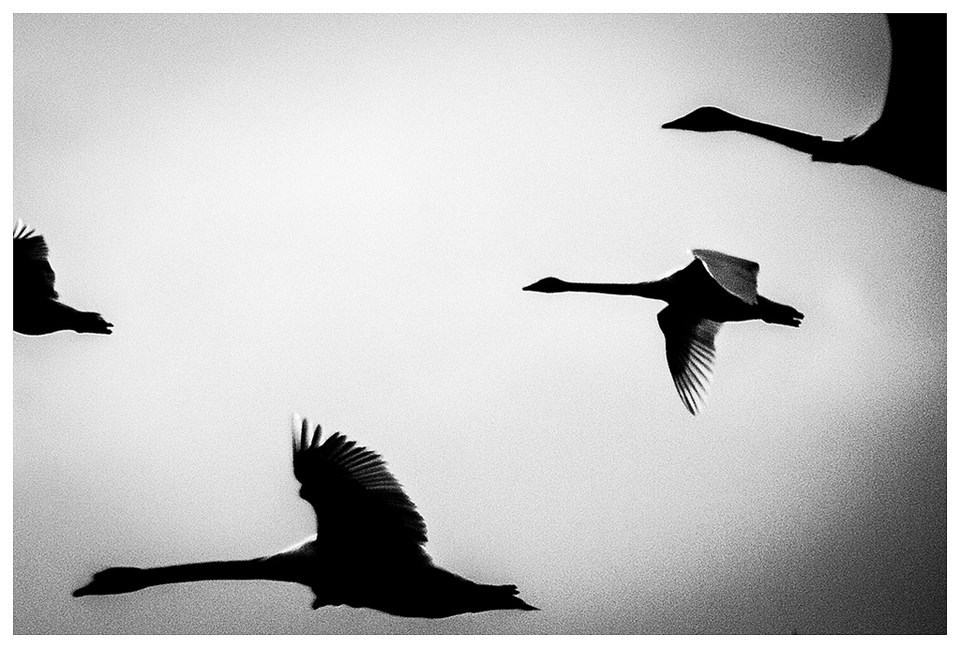
Im Ausblick: Tschernobyl, Armuts-Tourismus und ein Starfotograf.
kwerfeldein – Fotografie Magazin | Fotocommunity