RSS
 

Archive for March, 2015

There is No Bad Light for Street Photography

12 Mar

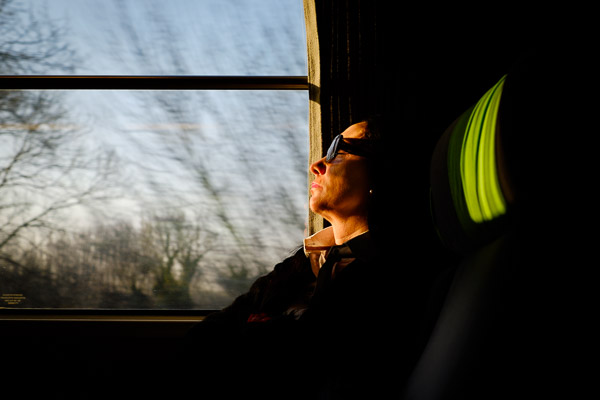
One of the advantages of being a street photographer is that you certainly don’t need to get up before dawn to catch the good light. Harsh sunlight, nighttime and rainy days are only a few of the most desired situations on the streets. Getting up too early, before people are out and about, may actually be counter-productive in your search for the decisive moment.

The key is to use light, any light, to your advantage

Any time of day or night, be aware of the quality and quantity of light, and look for interesting light sources and subjects.
©Valérie Jardin

©Valérie Jardin

Nighttime photography

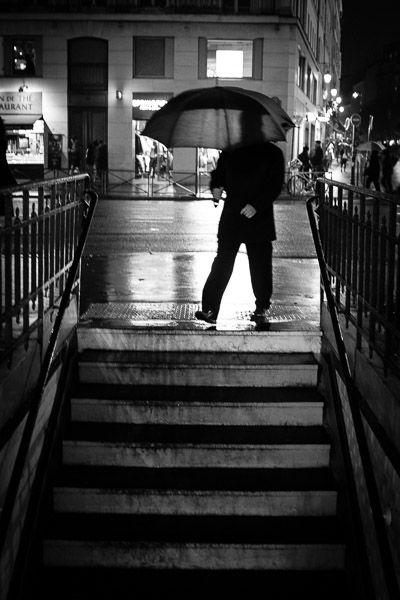
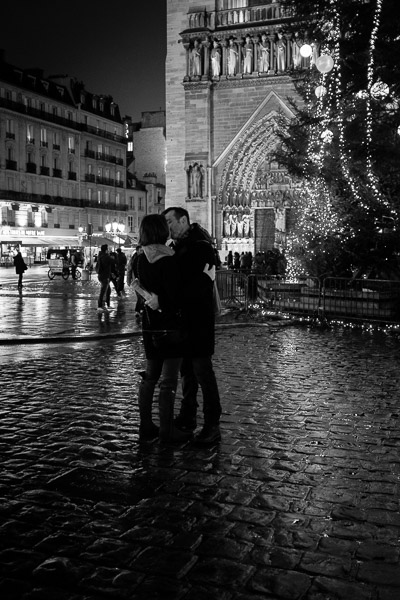
The night adds a new dimension to your street photography. There are so many interesting light sources to work with such as street lights, traffic lights, car lights, neon signs, etc. Even bright Smartphone screens illuminating people’s faces can make for a fun shot. Learn to focus manually for night photography. Even if the auto focus works in most conditions, practice switching to manual focus rapidly, it may save the shot!

It’s true that a simple slider action in post-processing can bring out details from the shadows, but that doesn’t mean that you should always use it. This is a common mistake that I see too often when the night scene starts to look like it was shot in the daytime. Let the shadows fall where they do and embrace the atmosphere and mystery of the night.
©Valérie Jardin

©Valérie Jardin

Don’t worry about noise, especially if you shoot black and white. First, you can now push the ISO of most cameras to very high numbers with very little noise. Second, the little bit of grain in your pictures will enhance the mood and atmosphere. Likewise, embrace the motion blur and the slightly out of focus shots. Who says that a good image has to be tack sharp? What’s the point of technical perfection if your subject is boring, or the story non-existent?
©Valérie Jardin

©Valérie Jardin

Silhouettes

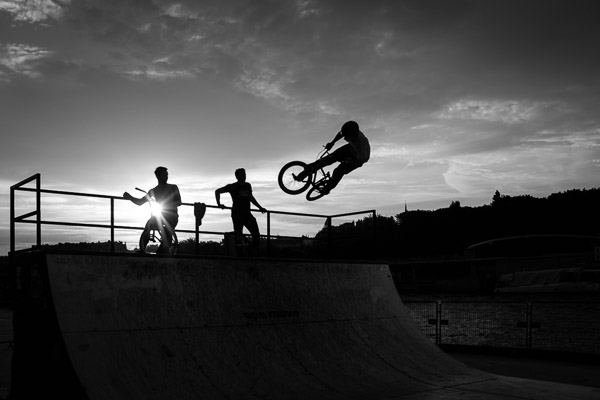
The key to successful silhouette photography is to find a well-defined subject. Remember that not everyone makes an interesting street photography subject and the same principle applies to silhouettes. The shape of the body should be well defined, capturing the right gesture is even more important to achieving a strong image. Many elements can add interest as well, such as umbrellas, bicycles, hats, etc. Watch for obstructions in front of and behind your subject, and if they are moving, make sure you don’t catch them in between steps. Setting your camera in burst mode will increase your chances of getting the right gesture. Remember that your subject is not the background, which can act as a distraction, so do not be afraid to blow out the highlights behind your silhouettes unless it is an integral part of the story.

In order to shoot successful silhouettes, you need to take control of your camera first. Instead to going through all the steps here, check out: How to Photograph Silhouettes in 8 Easy Steps.

Shooting into the bright sun

Shooting into the sun when it’s low in the sky can create some dramatic shots. Add a sunburst effect when possible. The starburst effect is best achieved by setting your camera at a small aperture and hiding the sun partially behind a structure or person. Experiment with exposure compensation to get a nice dark silhouette and once you’re happy with the result, wait for the right subject to enter your frame, or the right action to happen.
©Valérie Jardin

©Valérie Jardin

Strong shadows

Street photographers love shadows. Similarly to silhouettes, not every shadow works. It should be really dark and well defined. The surface on which it shows will also play a part in the result. It’s important to strategize and position yourself to get the best possible shot, the shadow may hit a wall next to the subject for instance. Long shadows are also really interesting when shot from a higher vantage point. Sometimes it’s all about the shadow, and the subject casting it does not even need to be fully included. This method, if well executed, will add an element of mystery.
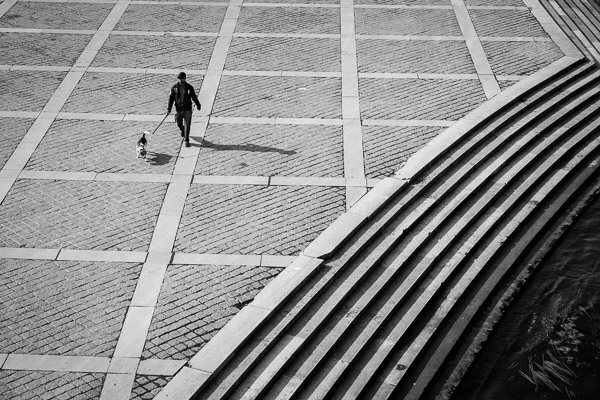
©Valérie Jardin

©Valérie Jardin

Reflections

Sunlight can create some really cool reflections in windows, puddles, or other surfaces and add interest to your street photography. Don’t be afraid to experiment!
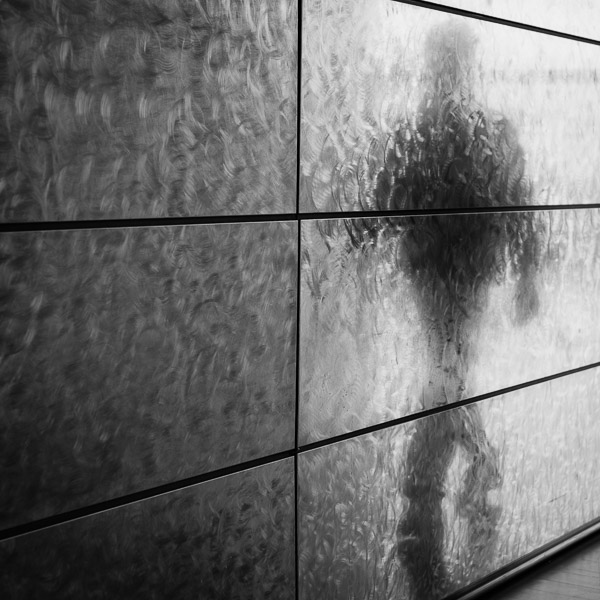
©Valérie Jardin

©Valérie Jardin

High contrast situations

Harsh sunlight and deep shadows can create ideal situations for the discerning street photographer.  The sun comes out after the rain? Even better! The wet pavement will add yet another dimension and interest.
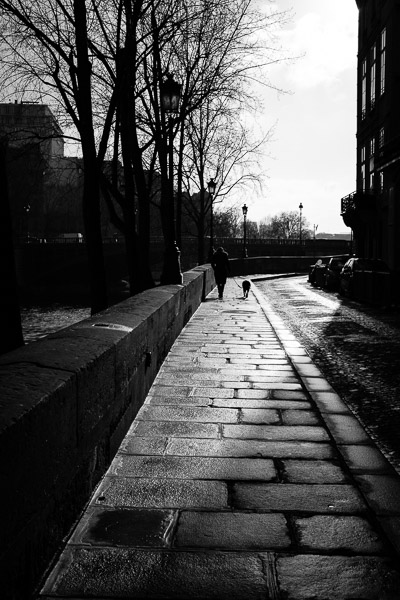
©Valérie Jardin

©Valérie Jardin

Dappled light

One of my favorite daylight situations in street photography is when I find a nice source of dappled light. Remember that even if the situation is ideal, not every person walking down the street will make an interesting subject. It’s often a game of patience…
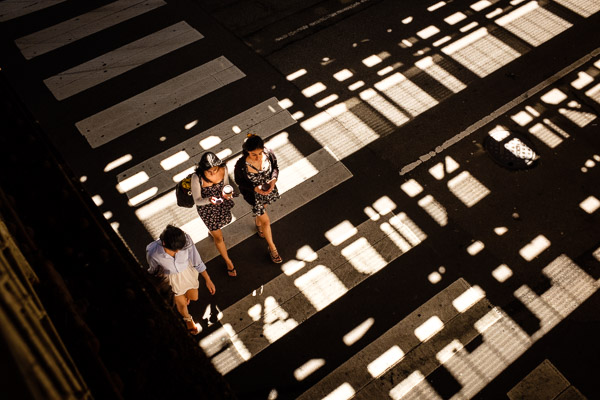
©Valérie Jardin

©Valérie Jardin

Rainy days

As long as you protect your gear (and yourself), rainy days can provide some of the best street photography opportunities. People on the streets will behave very differently when it’s raining, creating some interesting situations. Umbrellas also make for good props. There are also ways to embrace the rain by focussing selectively through windows, car windshields, etc.
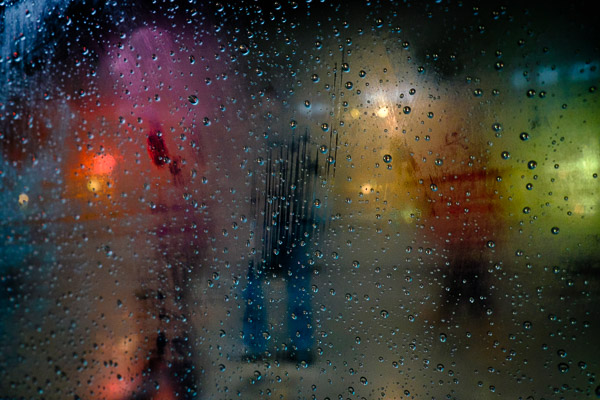
©Valérie Jardin

©Valérie Jardin

Open shade for street portraits

If you enjoy doing street portraits, then the same simple rules that you apply for any other portrait will help you achieve the best result. Once you’ve asked your subject for a portrait, you might as well go the extra step and ask them to move slightly, or even cross the street for the most flattering light. Look for open shade to avoid harsh shadows on their face.

Golden and blue hour

Of course, there are also beautiful photographs of people to be made in the early morning and late evening hours, but always remember that there is no bad light!
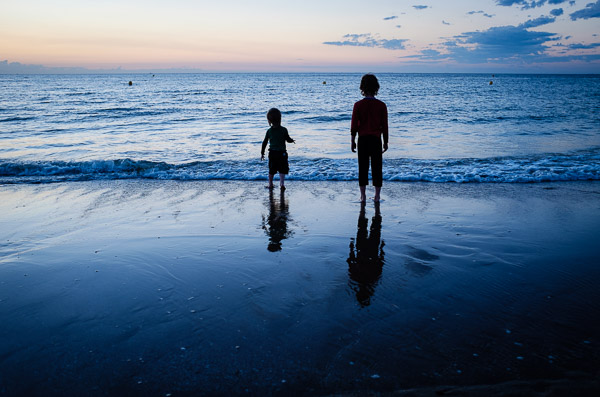
©Valérie Jardin

©Valérie Jardin

Conclusion

Never use the quality of light as an excuse not to hit the streets. Making any light work in your favor is part of the fun and also the best way to improve your skills and get some cool shots. Have fun!

googletag.cmd.push(function() {
tablet_slots.push( googletag.defineSlot( “/1005424/_dPSv4_tab-all-article-bottom_(300×250)”, [300, 250], “pb-ad-78623” ).addService( googletag.pubads() ) ); } );

googletag.cmd.push(function() {
mobile_slots.push( googletag.defineSlot( “/1005424/_dPSv4_mob-all-article-bottom_(300×250)”, [300, 250], “pb-ad-78158” ).addService( googletag.pubads() ) ); } );

The post There is No Bad Light for Street Photography by Valerie Jardin appeared first on Digital Photography School.

Digital Photography School

 
Comments Off on There is No Bad Light for Street Photography

Posted in Photography


Panasonic Lumix DMC-ZS50 real-world samples

12 Mar

The Panasonic Lumix DMC-ZS50 (TZ70 outside North America) earns its travel zoom designation with a 30x optical zoom range, equivalent to 24-720mm. It features a 12MP CMOS sensor, full manual controls, Raw shooting and a built-in 1.2M dot electronic viewfinder. Find out what it’s capable of doing in the field. See gallery

Articles: Digital Photography Review (dpreview.com)

 
Comments Off on Panasonic Lumix DMC-ZS50 real-world samples

Posted in Uncategorized


Tenba announces Switch bags for mirrorless cameras and lenses

12 Mar

Tenba has unveiled a new customizable camera bag designed for mirrorless cameras and their accessories. The product is called Switch, a name derived from its interchangeable front flap. A total of three sizes are offered, all of which are now available through Tenba’s website. Read more

Articles: Digital Photography Review (dpreview.com)

 
Comments Off on Tenba announces Switch bags for mirrorless cameras and lenses

Posted in Uncategorized


Imagination und Vision

12 Mar

© Michaela Knizova

Ein Beitrag von: Michaela Knizova

Meine Leidenschaft für Fotografie begann vor etwa sieben Jahren, als ich mit einem Studium der Malerei begann. Vielleicht war ich zu faul für die Malerei. Außer der Tatsache, dass Fotografie ein schnelleres und direkteres Medium war, bot es mir mehr unterschiedliche Wege, meine Visionen zu verwirklichen.
kwerfeldein – Fotografie Magazin | Fotocommunity

 
Comments Off on Imagination und Vision

Posted in Equipment


Put a Miniature Diorama On It: Amazing Tiny Ring Box Art

12 Mar

[ By Steph in Art & Sculpture & Craft. ]

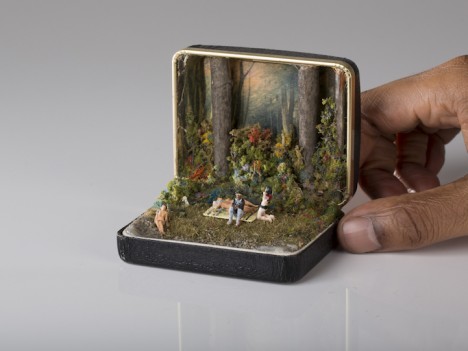
ring box art 1

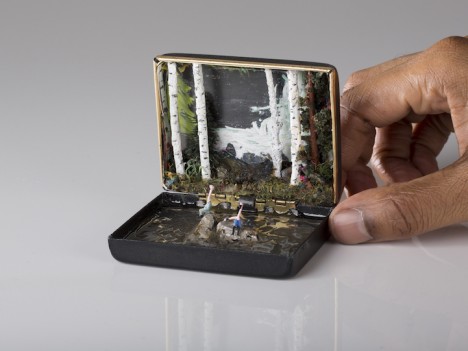
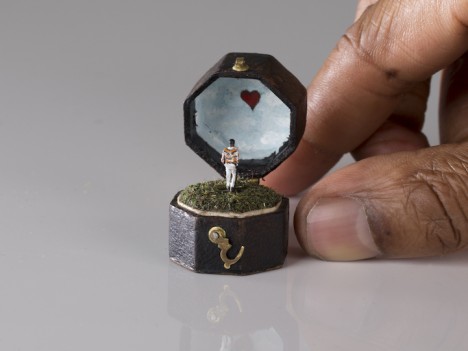
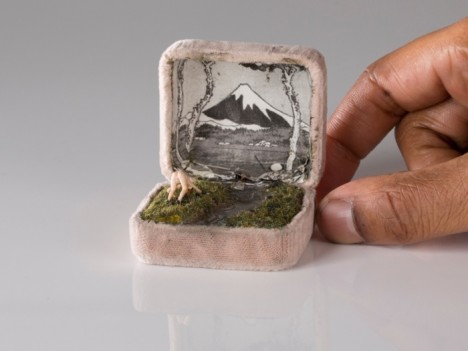
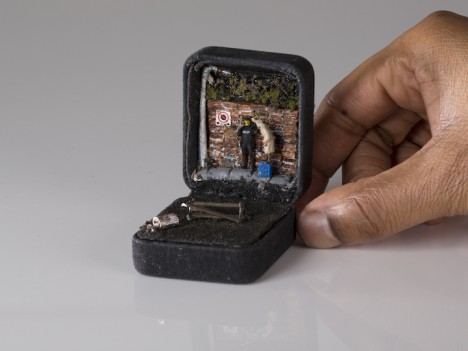
A vendor at a market in Paris handed artist Talwst an antique ring box and said, ‘I want to see you do something with this.’ From that chance encounter has sprung an entire collection of tiny miniature scenes that fit inside these compact little containers, with minuscule figurines and painted backdrops replacing the expected jewels when you open the lids.

ring box art 4

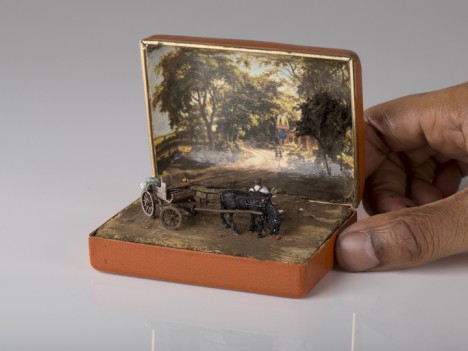
ring box art 3

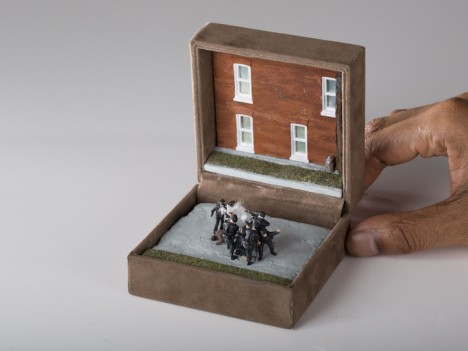
The Toronto-based artist depicts everything from surreal scenes, like a couple and a snake on the moon in ‘Space Family Rothschild,’ to historic current events like the death of Michael Brown, in which a group of police officers shoot off their guns with cotton smoke.

ring box art 5

ring box art 2

The humorous ‘Banksy Is Your Gran’ (top image) reveals the true identity of England’s most famous anonymous street artist, while ‘Errrbody loves McDonalds’ shows a horse and cart in the foreground with an incongruous fast food sign visible within the trees.

ring box art 6

ring box art 6

“I like to capture memories and fleeting moments,” says Tawlst. “They feel all the more moving because of their fugitive nature. I want the viewer to open the box and feel they have been transported to another world.”

Share on Facebook


[ By Steph in Art & Sculpture & Craft. ]

[ WebUrbanist | Archives | Galleries | Privacy | TOS ]


WebUrbanist

 
Comments Off on Put a Miniature Diorama On It: Amazing Tiny Ring Box Art

Posted in Creativity


11. März 2015

12 Mar

Das Bild des Tages von: spcknmgnt

Landschaft an einer Küste, diagonal aufgenommen

Im Ausblick fragen wir uns heute, ob die Welt ein Frauen-Fotomagazin braucht.
kwerfeldein – Fotografie Magazin | Fotocommunity

 
Comments Off on 11. März 2015

Posted in Equipment


Adaptive Architecture: 12 Transforming, Breathing Buildings

12 Mar

[ By Steph in Architecture & Houses & Residential. ]

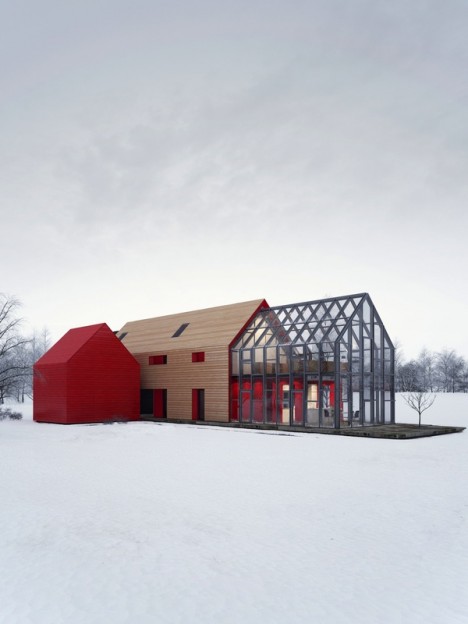
transforming buildings sliding house 2

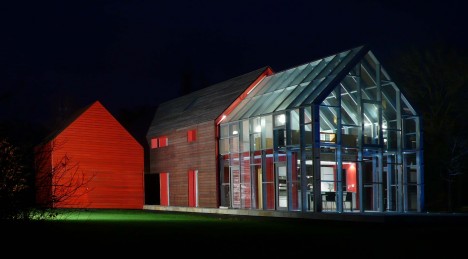
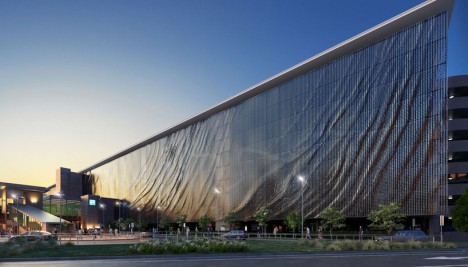
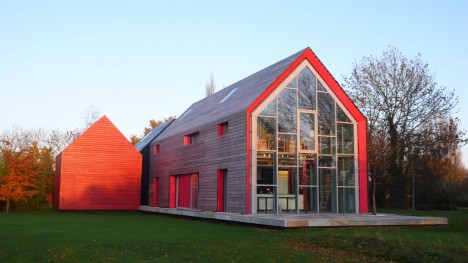
The exterior walls of homes slide back to reveal transparent volumes, the facade of a parking garage ripples like the surface of a nearby river and individual rooms rise high into the sky at the push of a button in these transforming, adapting, kinetic works of architecture.

Kinetic Parking Garage Facade

transforming buildings kinetic garage 1

transforming buildings kinetic facade 2

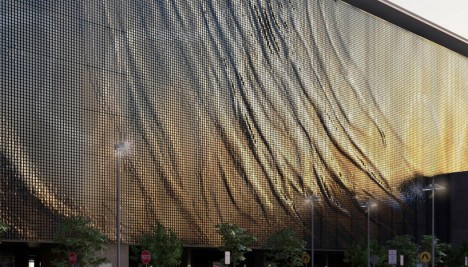
The entire 8-story facade of the Brisbane airport seems to ripple like a vertical body of water thanks to the kinetic effects of 118,000 suspended aluminum panels that shift in the wind. A collaboration between American artist Ned Kahn and Hassell Architecture, the installation makes reference to the city’s most iconic natural feature, the Brisbane River. In addition to its visual appeal, it provides shade to the inside of a parking garage.

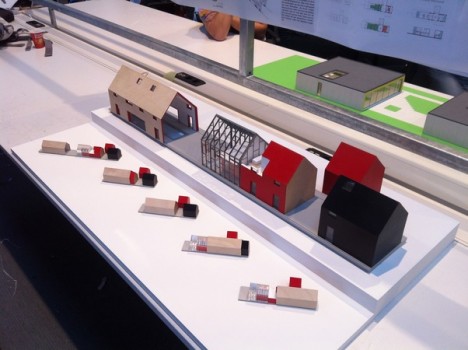
Sliding House by DRMM

transforming buildings sliding house 1

transforming buildings sliding house 3

transforming buildings sliding house 4

An ordinary-looking residence in the archetypal gabled house shape reveals itself to be a kinetic work of astonishing genius, almost like a performance piece in itself, when the protective outer wood facade slides forward to open a transparent volume to the sky and create new indoor/outdoor spaces. The 20-ton mobile roof/wall structure traverses the site, creating new combinations of living spaces depending on how far it’s pushed on its tracks via electric motors. The tracks could even be extended further in the future to accommodate an indoor/outdoor swimming pool, if the clients desire.

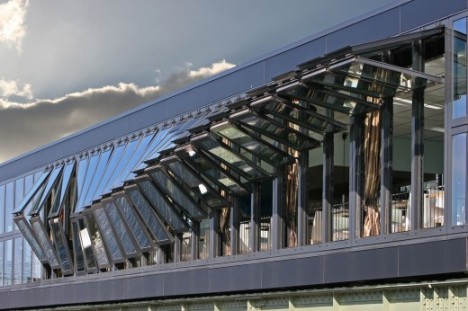
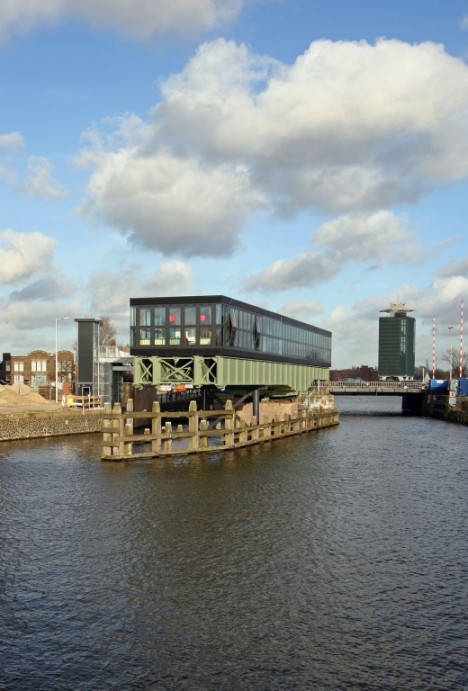
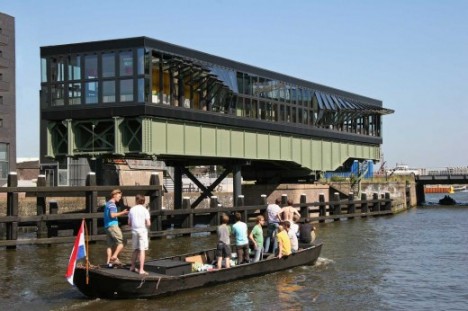
Cafe-restaurant OPEN, Amsterdam by de Architekten Cie

transforming buildings cafe 1

transforming buildings cafe 2

cafe buildings transforming 4

The accordion-like pivoting windows on this unusual reclaimed restaurant in Amsterdam transform the facade in wave-like patterns when they are opened in certain ways, adding visual interest to what would otherwise simply be a steel and glass box. De Architekten Cie built the restaurant upon one of the last surviving pivot railway bridges in the Netherlands, making use of a striking historic feature with panoramic views.

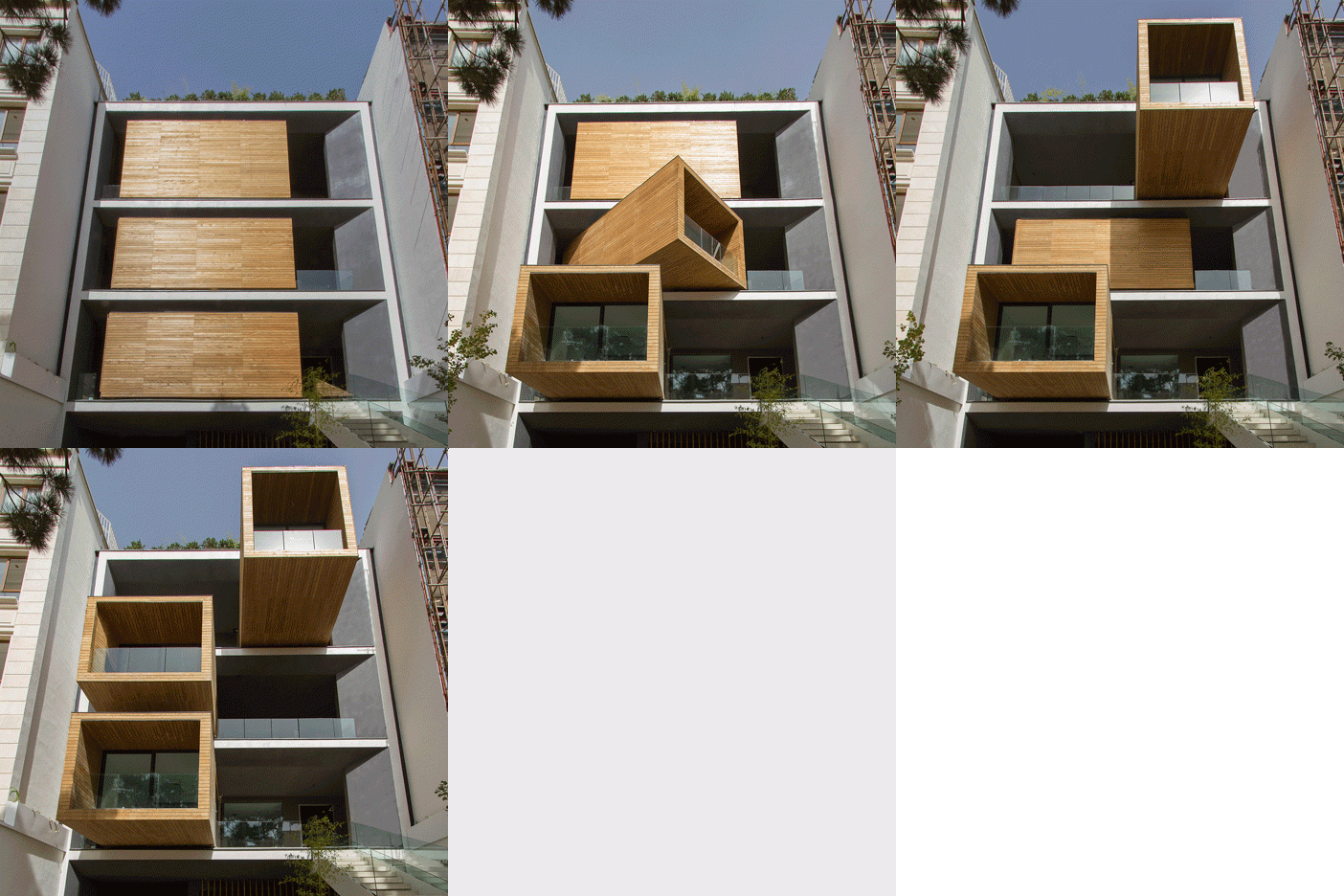
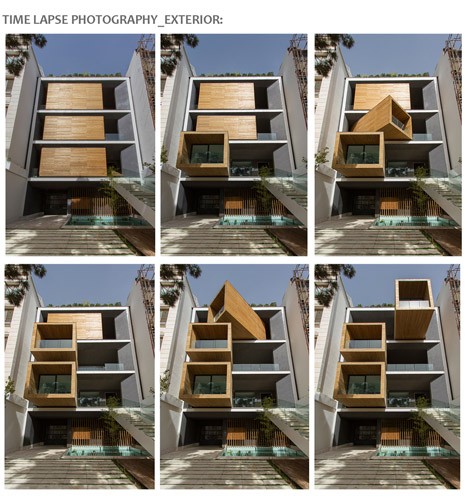
Shapeshifting Sharifi-Ha House

sharifi-ha-test-gif

transforming buildings sharifi-ha 2

Three dynamic inner volumes sheathed in wood pivot nearly 360 degrees within a concrete shell at the Sharifi-Ha House in Tehran by design firm nextoffice, orienting these rooms in new ways to provide varying degrees of natural daylight and privacy. The push of a button sends the guest room, home office or dining room cantilevering out over the street, spinning to face a new direction or pulling them protectively back into the envelope. When facing straight out, they open up new terraces on each level.

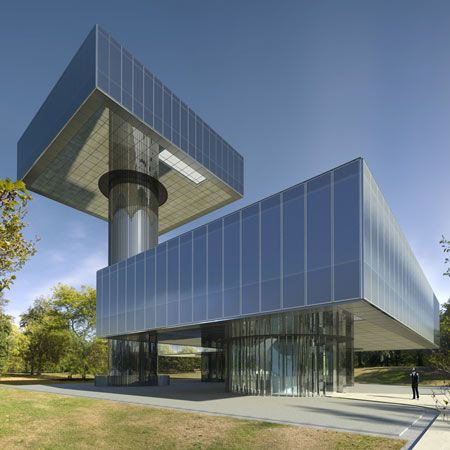
Elevating Towers on Villa Hush Hush

transforming buildings hushhush 1

transforming buildings villa hushhush 2

transforming buildings villa hushhush 3

Sections of this incredible morphing home by Marks Barfield Architects can go from ground level to high up in the sky within minutes. Push a button and two of Villa Hush Hush’s four rectangular zones elevate far above the canopy of the adjacent forest, up to 130 feet into the sky.

Next Page – Click Below to Read More:
Adaptive Architecture 12 Transforming Breathing Buildings

Share on Facebook


[ By Steph in Architecture & Houses & Residential. ]

[ WebUrbanist | Archives | Galleries | Privacy | TOS ]


WebUrbanist

 
Comments Off on Adaptive Architecture: 12 Transforming, Breathing Buildings

Posted in Creativity


Aerial View of South Platte River at Wildcat Mound below Platteville

12 Mar

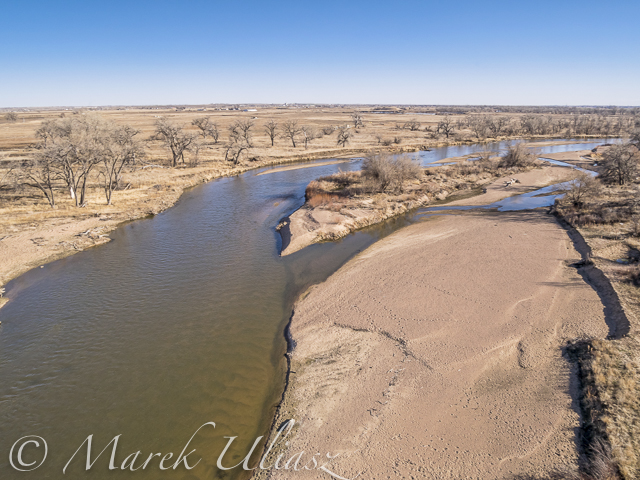
A stretch of the South Platte River along Wildcat Mound below confluence with St Vrain Creek is my favorite river section for paddling. It can be accesswd from the county road 19.5 bridge on the St Vrain Creek (north of the power station). River access is relatively easy without a need to climb any fences. From here you have 1 mile of paddling to the confluence. This may be a start of a longer downriver trip or just downstream/upstream workout. The St Vrain current is pretty mild and you can easily paddle upstream. The South Platte is, in turn, much faster with some shallows and even little rock gardens (easy to navigate). It is more interesting for paddling downstream and more challenging for paddling upstream than the river section below Evans.

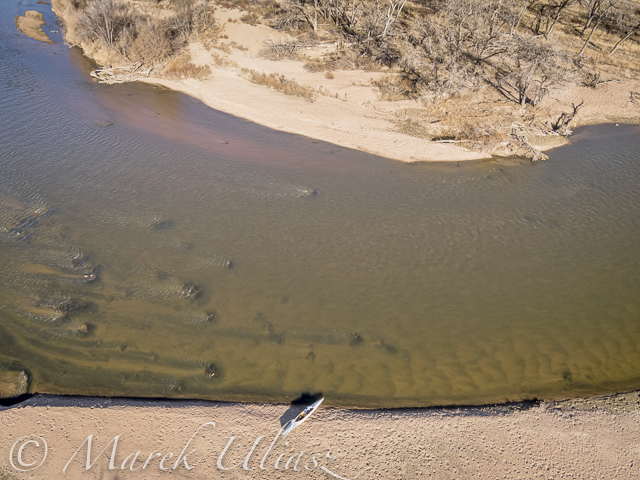
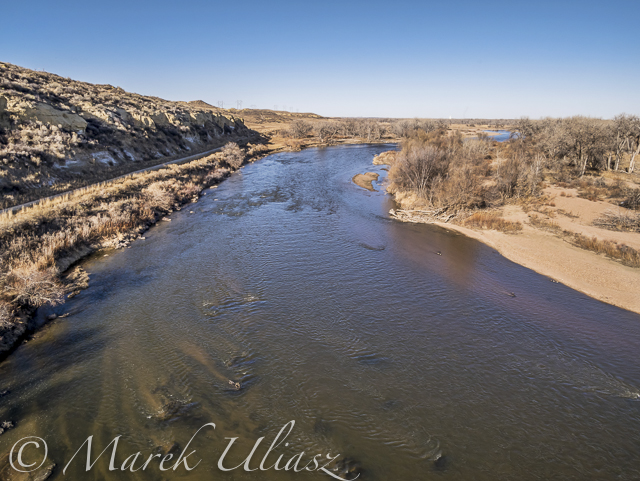
During my last trip (March 10, 2015) I shot some aerial pictures of the river at Wildcat Mound from a low flying drone. This place is about 1 mile below confluence. There is a shallow rapid just below the confluence. It gave a very good workout when I was paddling back upstream. River flow was ~120 cfs at St Vrain Cr and ~400cfs on South Platte at Ft Lupton (several diversion dams upstream).

For comparison you can check pictures from my packrafting trip in June, 2011. The 2013 flooding cleared all previous log jams on the St Vrain. You can still see these huge cottonwood trees in the water, but they do not block the river.

South Platte River aerial view

South Platte River at Wildcat Mound looking up stream

South Platte River aerial view

South Platte River with Sea Wind canoe

South Platte River aerial view

South Platte River at Wildcat Mound with a little rock garden looking down stream

Related posts:
Paddling SUP on South Platte River from Kersey to Kuner
Opening 2015 Paddling Season on the South Platte River
South Platte River below Denver – GPS/photo river guide


paddling with a camera

 
Comments Off on Aerial View of South Platte River at Wildcat Mound below Platteville

Posted in Photography


How to Make the Most of Hard Light with Black and White Photography

12 Mar

Black & white photography

The quality of light is an important aspect of successful photography – good photographers spend hours chasing the most suitable light for the type of photography they do. That usually means working at the beginning or the end of the day, when the sun is low in the sky and the light has many beautiful qualities.

But what about the middle of the day? Many photographers avoid shooting in direct sunlight in this period, especially in summer, because the light is so hard and strong. You can’t use it for portraits (unless you use flash, which is the subject for another article) or find a place in the shade for your model. It’s nearly impossible to use it for landscapes, because they always look so much better in the softer light, characteristic of the the day’s end.

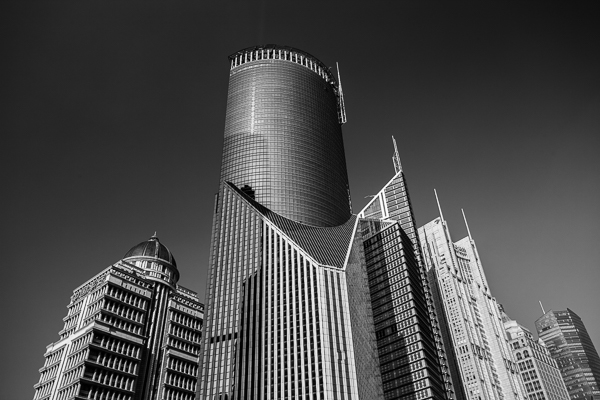
Perhaps the problem is not so much bad light, but a poor match of light to subject. So the question becomes, is there a subject that you can successfully shoot in strong, midday light? I believe there is. I like to use this part of the day for photographing a subject comprised of strong lines and graphic shapes – architecture.

Black & white photography

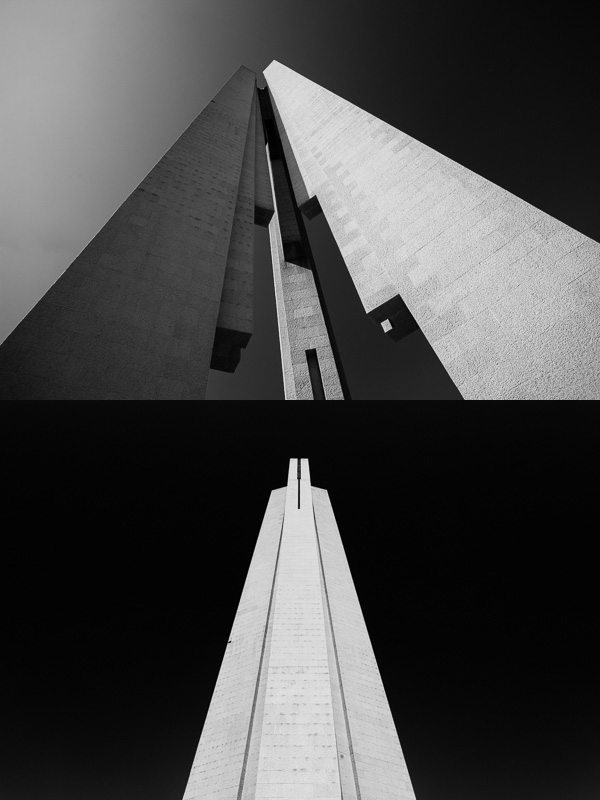
Two photos of the same structure (Monument to the People’s Heroes in Shanghai) taken moments apart. In both cases I was exploring the shape of the structure against the blue sky, shooting with a wide-angle lens from ground level looking up. The first image concentrates on shape and line. The second is more abstract. I used a polarizing filter to darken the sky, and photographed the sunlit monument against it for maximum tonal contrast.

This may seem a little strange because buildings are often best photographed during the golden hour, but there is no reason why you can’t shoot during the middle of the day as well. The only drawback is that colour photos of buildings taken at this time of the day, often with a deep blue sky in the background, are usually not very exciting.

But switch to black and white photography and it’s a different story. Without colour, and the strong distraction of a deep blue sky, the photographic possibilities change entirely. Suddenly you’re not looking at the colour of a scene. Instead you’re exploring line, shape, texture, form and shadow. Then, take those photos into Lightroom and there’s all kinds of wonderful, creative things you can do in post-processing to enhance the image.

Black & white photography

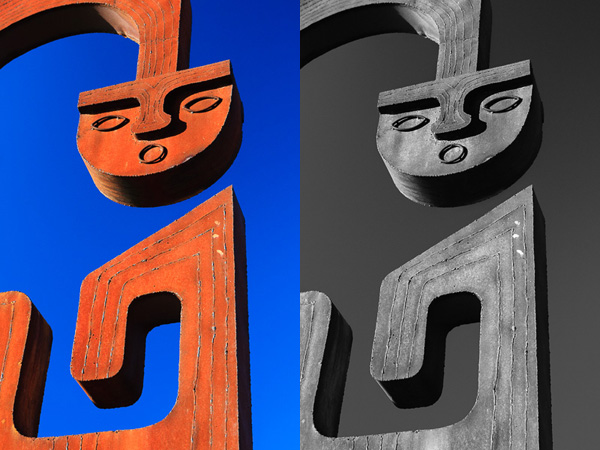
Details like this sculpture can work very well in midday light as the hard shadows suit the material it is constructed from. I enhanced the black and white version of this photo in Lightroom by using an Adjustment Brush to increase Clarity and Contrast on the metal surfaces in the image.

Learning to see in black and white takes time, but there are a couple of things you can do that will help.

The first is to shoot in your camera’s black and white mode, but with image quality set to Raw. When you play back your image on the camera’s LCD screen it is displayed in black and white, yet because you are using Raw you have the full colour file to work with in Lightroom or Photoshop.

You will probably find it useful to spend some time looking at your photos on the camera’s LCD screen during the shoot to see how the colour scene in front of you translates to monochrome. As you gain experience you will need to do this less and less, but it can be incredibly helpful the first few times you try.

If you have a camera with an electronic viewfinder, the camera displays the scene in black and white in the viewfinder. This is even more useful because you don’t have to visualize how the colours in the scene will convert to black and white. The camera does it for you and you can concentrate on creating beautiful compositions.

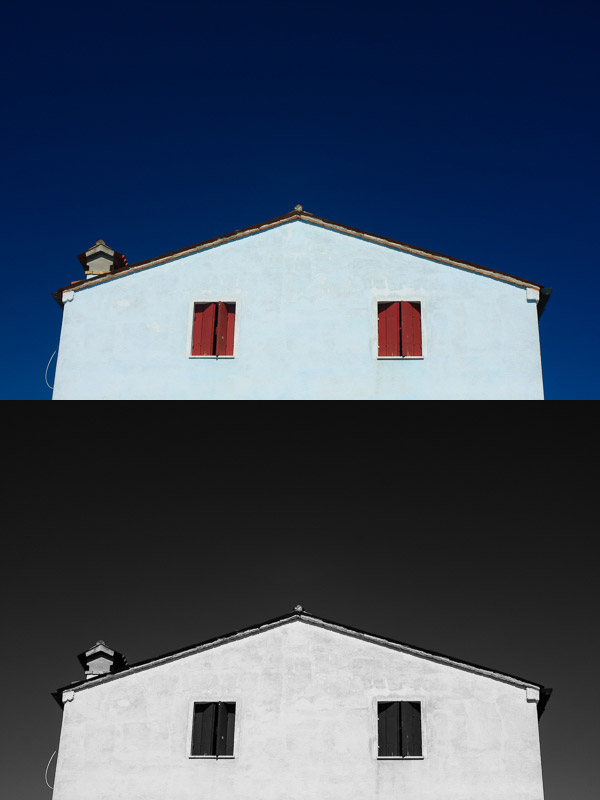
The second is to use a polarizing filter to turn the already blue sky an even darker shade of blue. This can look fantastic in black and white. If you enable the red filter setting in the camera’s black and white mode options it will make the blue sky darker yet, and it may even turn black. Position a sunlit, light-toned, building in front of that dark sky and you have some amazing tonal contrast and the basis for a dramatic black and white architectural study.

Black & white photography

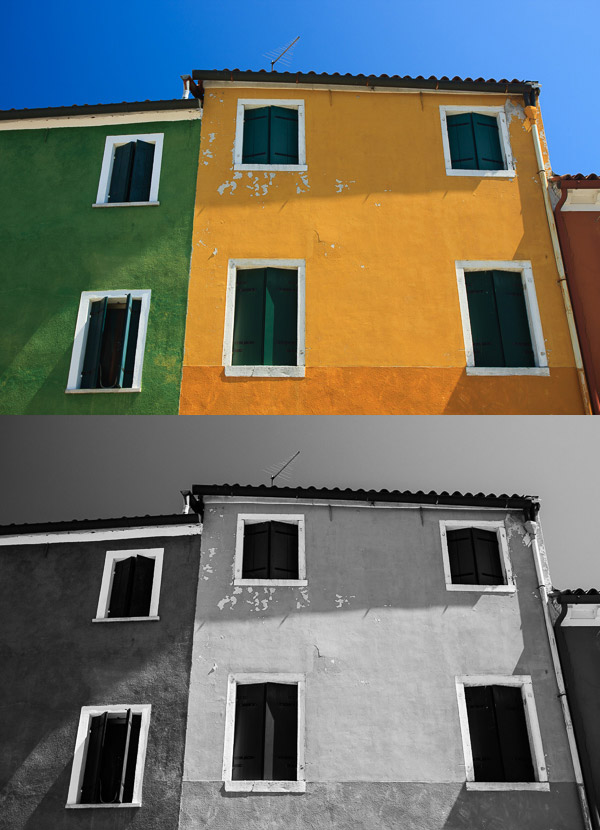
It is easy to be seduced by colour, especially when presented by colour buildings such as these ones in Burano, Italy. This photo was taken around midday, but because the sun was overheard it cast a raking light over the front surface of the buildings, bringing out the textures in the wall. I increased Clarity in Lightroom to emphasize the texture in the black and white conversion.

I’ve concentrated on photographing buildings in this article, but I’d like to hear what other subjects you shoot during the middle of the day. Please let us know in the comments.

Black & white photography

This photo, also taken in Burano, is a study of the shape of the house against the deep blue sky (emphasized by a polarizing filter). The symmetry of the house is broken by the chimney on the left.


The Mastering Lightroom Collection

Mastering Lightroom ebooksMy Mastering Lightroom ebooks will help you get the most out of Lightroom 4 and Lightroom 5. They cover every aspect of the software from the Library module through to creating beautiful images in the Develop module. Click the link to learn more or buy.

googletag.cmd.push(function() {
tablet_slots.push( googletag.defineSlot( “/1005424/_dPSv4_tab-all-article-bottom_(300×250)”, [300, 250], “pb-ad-78623” ).addService( googletag.pubads() ) ); } );

googletag.cmd.push(function() {
mobile_slots.push( googletag.defineSlot( “/1005424/_dPSv4_mob-all-article-bottom_(300×250)”, [300, 250], “pb-ad-78158” ).addService( googletag.pubads() ) ); } );

The post How to Make the Most of Hard Light with Black and White Photography by Andrew S. Gibson appeared first on Digital Photography School.

Digital Photography School

 
Comments Off on How to Make the Most of Hard Light with Black and White Photography

Posted in Photography


Sunshine: My Favorite Light Source

11 Mar

w170

I’m a minimalist gal when it comes to most things, and photography equipment is no exception. I know that some people love equipment and gear; the more the better. But when I think about lugging lights, reflectors, and flashes around, my creativity takes a nosedive. My favorite light source, hands down, is the sun. In the words of John Denver, sunshine on my shoulder makes me happy!

I’d love to share some dos (because who likes to be told what NOT to do?) to help you harness the power of the giant lamp in the sky. Hopefully you’ll gain a new appreciation for this natural light source, whether or not you hate lugging equipment around like I do.

The sun is unique

One thing I love about the sun is that it is never the same. Although having an unpredictable light source can be a big challenge, I love that every day, every shoot, every photo, is unique and special. I couldn’t recreate any given day’s exact lighting even if I wanted to. Some days everything works together like magic, and I call that a gift.

DO pay attention to how the light falls on your subject’s face

w500

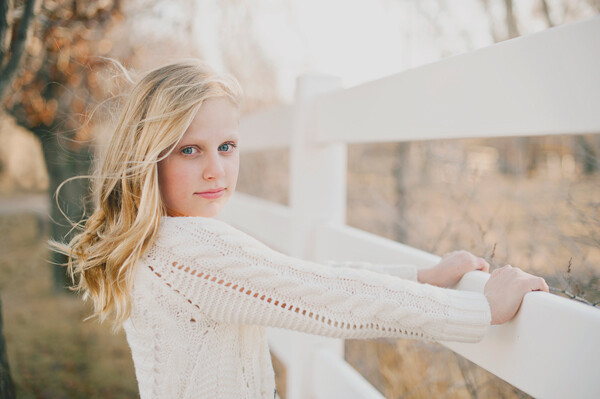
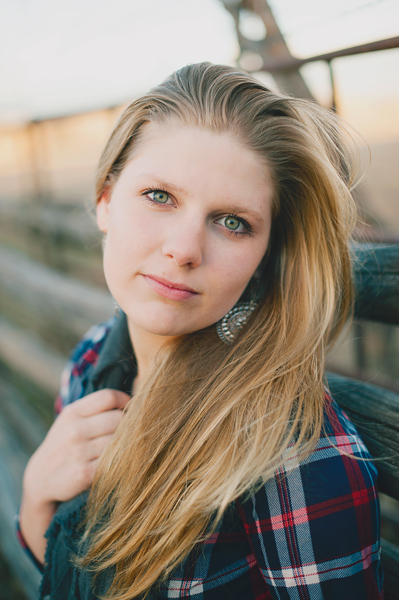
I see many amateur photographers take photos like the one above, with harsh light and shadows on the face. Most of the time they are paying more attention to a pretty background than the lighting. If the sunlight is very bright, such as midday, or early afternoon, this can be a big problem.

Sunlight is a beautiful light source, but you have to work with it, and position your subject in the correct place, since try as you might, you’re not going to be able to move the sun (unless you want to wait a couple of hours, and let it move itself).

DO try backlighting

w152

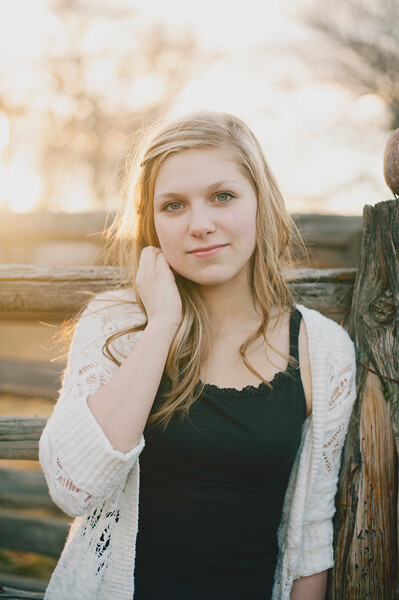
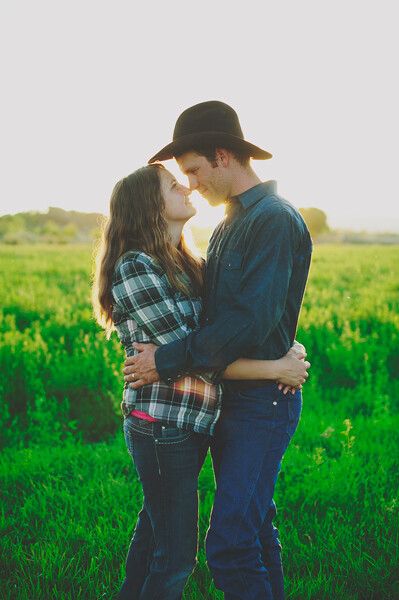
This means that the sun is behind your subject, facing you. This method of using the sun is my absolute favorite, because it makes your subject just glow. There are a few things to keep in mind as you try backlighting:

  • DO use backlighting at any time of day. You get different effects backlighting with the sun in different positions. It’s an effective tool to use even when the light is harsh, since it softens the light on your subject’s face, and helps them not to squint. It’s also an ideal tool to use when the sun is low, golden, and gorgeous.
  • DO move yourself around. Slight differences in angles can make a big difference in the look you get. I like to have the sun behind and slightly to the side of my subject (as you can see in the photo above). If the sun is directly facing your camera, you may get flare in your lens that can totally wipe out your subject. You can get beautiful lens flare effects if you find a spot somewhere in between the two. Experiment to find exactly the look you are going for.

w174

  • DO use poles, trunks, bushes, or whatever is there to manipulate the light to your advantage. If the sun is positioned behind leafy trees, you can create beautiful soft bokeh. The trees filter the light a bit so it isn’t so harsh, and you get beautiful warm, soft, lighting. You can position yourself where the sun is partially behind a trunk or pole off to the side, which will cut some of the harshness and glare in your lens. The trunk doesn’t need to be in your photo, it’s just working as an assistant for you.
  • DO pay attention to the clothes YOU are wearing. Try wearing light/white tops as the photographer, and avoid wearing bright colors. It may seem strange that it matters what the photographer is wearing, but when the sun is reflecting off your chest, it can cast colors onto your subject that you weren’t intending, and put odd colored highlights in their eyes.

w162

  • DO use your subjects and your own body to work with the sun. You can position yourself so the sun is directly behind your subject, so your subject filters the light a bit and cuts the glare in your lens. This can create a beautiful glow, or a starburst effect. Sometimes if there is just a little too much glare on my lens, I hold my hand off to the side of my lens (not in the photo) and achieve just the amount of sun flare that I want, without all the washed out glare.

DO experiment with the sun directly lighting your subject

w198

There are lots of great advantages to this type of lighting, including the beautiful sky captured in the photo. When you backlight, your sky is usually washed out in order to have your subjects properly exposed. You can add a sky in post-processing, but when you shoot with the sun behind you, and toward your subjects, you can expose for both at the same time. A few more tips for front lighting using the sun:

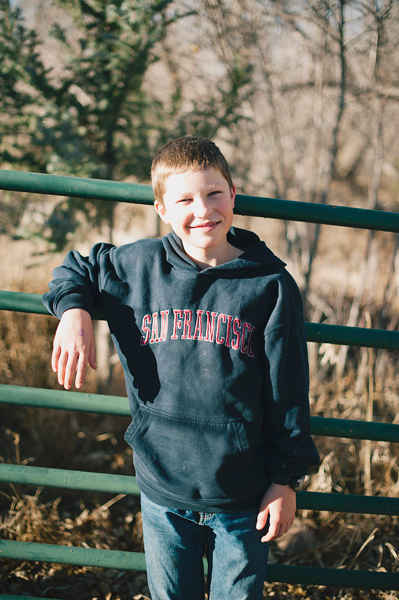
  • DO keep in mind that it is usually hard for people not to squint when they are looking into the sun. If it’s a particularly bright day, you may have to have your subjects looking away from the sun. Some people are extra sensitive to light, and you may not be able to use front lighting unless the sun is really low in the sky, almost ready to set. Squinting eyes aren’t very attractive, neither are watery eyes and scrunched up faces.

w149

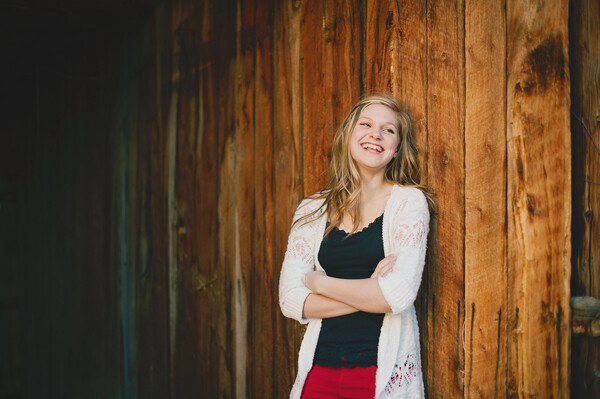
  • DO use front lighting when you want a dark background. If you position your subject near the opening of a shed or garage, the background will fall into darkness, since you have your exposure set for the bright subject in the front.
  • DO use front lighting for drama, and for high key photography, but be careful that you don’t lose too much dimension and end up with flat images.

DO use the sun for beautiful portraits

w167

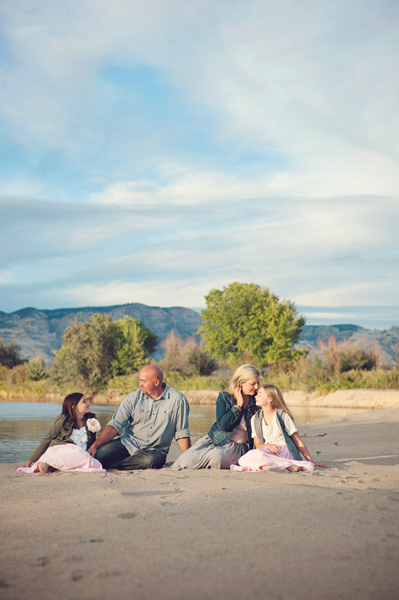
When the light is soft, either when it’s almost down, or with a few clouds over it, you can light your subject from the side to get dimension. You can get dramatic moody portraits, soft flattering portraits, fun happy portraits…the sky is the limit!

DO become a light watcher

I can’t talk to someone without noticing how the light falls on their face. I look at how shadows fall at different times of the day. I study the quality of the light constantly, and take photographs with my mind all day long. The more you know about how the sun works, and how you can work with the sun, the better your photos will get.

Lastly – just one little don’t

DON’T be discouraged if the sun is hiding behind clouds. If you’re lucky, they’re thin clouds, and you can still harness a bit of that magical sunny glow. If it’s overcast, just remember that you’re still using the sun as your light source, and be grateful for the ease of using the whole sky as a giant soft light. Don’t forget; in the words of Annie, the sun will come out tomorrow!

googletag.cmd.push(function() {
tablet_slots.push( googletag.defineSlot( “/1005424/_dPSv4_tab-all-article-bottom_(300×250)”, [300, 250], “pb-ad-78623” ).addService( googletag.pubads() ) ); } );

googletag.cmd.push(function() {
mobile_slots.push( googletag.defineSlot( “/1005424/_dPSv4_mob-all-article-bottom_(300×250)”, [300, 250], “pb-ad-78158” ).addService( googletag.pubads() ) ); } );

The post Sunshine: My Favorite Light Source by Melinda Smith appeared first on Digital Photography School.

Digital Photography School

 
Comments Off on Sunshine: My Favorite Light Source

Posted in Photography