RSS
 

Archive for February, 2015

Russian gay rights story wins World Press Photo contest for Danish photographer

17 Feb

A photograph that highlights the difficulties facing sexual minorities in Russia has won the World Press Photo contest’s top prize. ‘Jon and Alex’, from a project called ‘Homophobia in Russia’, shows an ‘intimate moment’ between a gay couple from St. Petersburg and won Danish photographer Mads Nissen the Contempory Issues category of the competition, as well as the first prize for a single image, netting him 11,500 Euro and Canon DSLR equipment. See winners

Articles: Digital Photography Review (dpreview.com)

 
Comments Off on Russian gay rights story wins World Press Photo contest for Danish photographer

Posted in Uncategorized


Aerial Urbex: 7 Difficult Deserted Places Filmed with Drones

17 Feb

[ By WebUrbanist in Travel & Urban Exploration. ]

drone footage abandoned deserted

Drones have changed the landscape of urban exploration and building infiltration, allowing their navigators access to toxic, irradiated, forbidden and structurally unsound places. These haunting videos illustrate how drones have been used to document inaccessible spaces and find amazing forgotten places.

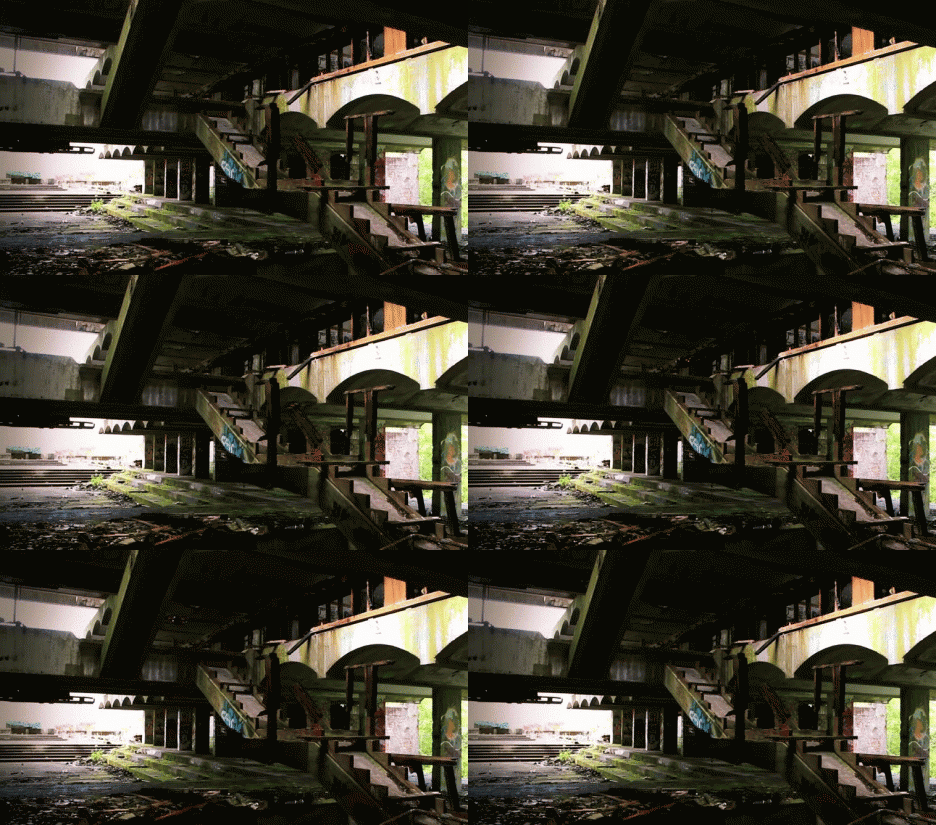
St. Peter’s Seminary in Cardross, Scotland, is set to be restored thanks to millions in grants and donations, but for now it remains in a remarkably ruined state – crumbling, overgrown and vandalized.  The scenes shot for this film are amazing as they not only fly over and around the building by right through it, passing between levels missing both floors and ceilings that would otherwise be impossible to see in person.

underdrone

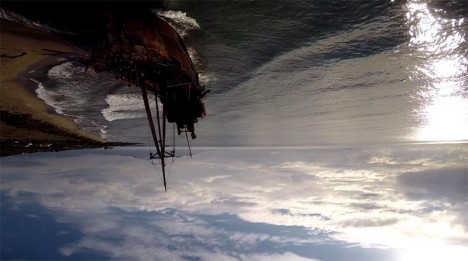
Underdrone combines upside-down footage from the “Lost Places Project,” a world tour including destinations within France, Argentina, Sicily, Greece and China using a DJI Ph2, H3-3D and GoPro3. The inverted perspective adds a layer of eerie vertigo to these spectacular and strange settings.

drone fair discoery

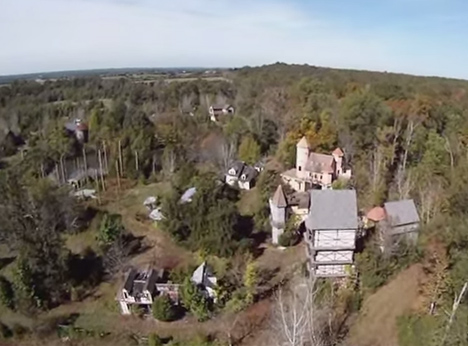
Drones can also provide the means to uncover new abandonments, discovering long-deserted places that have fallen from maps and have no landmarks pointing the way, as was the case with this abandoned Renaissance Faire. Locate in Fredericksburg, Virginia, it was found thanks to the use of a quadcopter and TBS Discovery with Naza GPS. The remote location is possible to reach, but thanks to ticks in the area may be best enjoyed remotely (or: via remote control).

Next Page – Click Below to Read More:
Aerial Urbex 7 Difficult Deserted Places Filmed With Drones

Share on Facebook


[ By WebUrbanist in Travel & Urban Exploration. ]

[ WebUrbanist | Archives | Galleries | Privacy | TOS ]


WebUrbanist

 
Comments Off on Aerial Urbex: 7 Difficult Deserted Places Filmed with Drones

Posted in Creativity


How to Recover Lost Files from a Memory Card

17 Feb

Whether you’re a novice or veteran photographer, chances are you’ve experienced a moment of dread when you thought all of your precious photos were lost forever. Maybe you damaged a SD or CF card, or accidentally formatted a card before offloading your images. As long as your memory card can still be plugged in to, and recognized by your computer, there’s a good chance you’ll be able to salvage your photos, even if you did an accidental deletion. Sometimes you can achieve this all by yourself, and recover your lost files.

There are many programs and apps that can help you recover data from a memory card, but the one I’m going to introduce you to is SanDisk RescuePRO. Created by the same folks who produce trusty SanDisk memory cards, RescuePRO has in my experienced maintained the same reliability and quality that one can expect from SanDisk products. Their recovery program is straightforward, easy to use, and does a great job at recovering lost photos. So before you make an appointment with an IT professional, give this memory card recovery method a try.

SanDisk Recovery PRO memory card recovery

About SanDisk RescuePRO

RescuePRO is a downloadable, data recovery program available for Mac or Windows. Using proprietary media recovery algorithms, RescuePro will scan your memory card and display previews of any recoverable data such as photos (JPG and most RAW formats), video, and audio. The software will work with most brands of digital cameras and memory card types including; SD, SDHC, CompactFlash, Memory Stick, CDs, and DVDs.

There are two versions of RescuePRO, regular and deluxe, with the main difference other than price being in the extra formats of photos and video/audio that deluxe promises to recover. RescuePRO has a fee of $ 39.99 for the regular version and $ 59.99 for deluxe, but they do offer a free evaluation so you can verify if the program will work with your memory card before you purchase. Payment buys you a one year subscription, which must be renewed annually to continue using the service. But on the bright side, this is a small price to pay if you stand to recover important photos or videos.

How RescuePRO Works

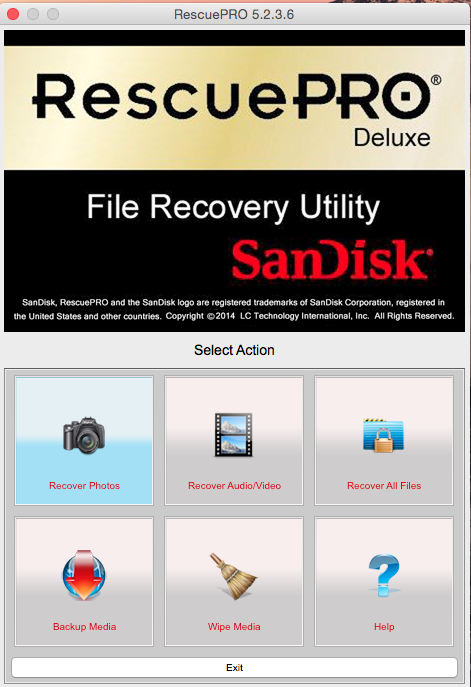
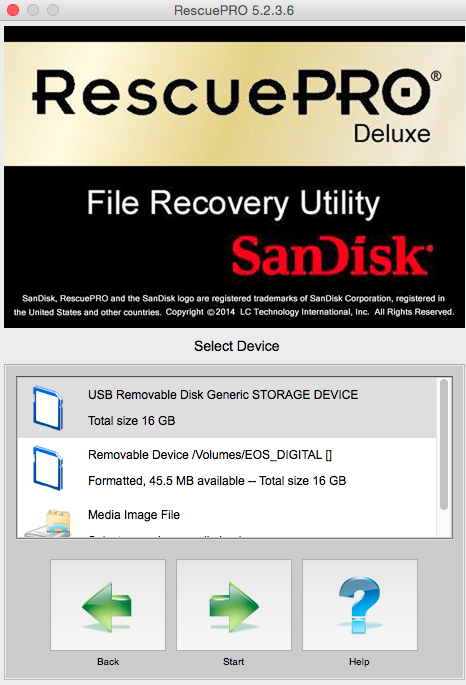
1. After you buy a subscription, download the RescuePRO program to your desktop computer. Insert your memory card into your computer and launch RescuePRO. The below menu will pop up on your screen, and you’ll want to select the option that’s relevant to your needs: either Recover Photos, Recover Video/Audio, or Recover All Files.

SanDisk Recovery PRO memory card recovery

2. After you select your desired outcome, the below screen will prompt you to select the memory card in question. Be sure you have your memory card connected to the computer. Select your card and hit the green Start button.

SanDisk Recovery PRO memory card recovery

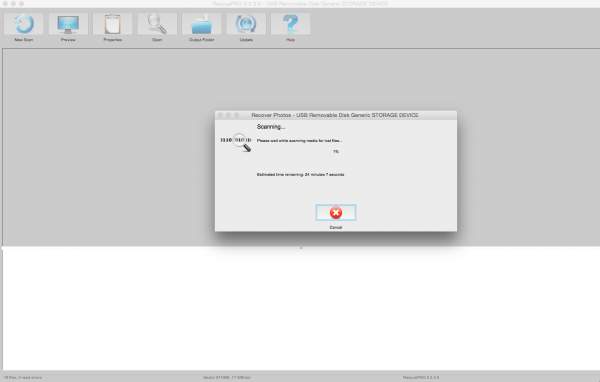
3. Now it’s time to sit tight and let the program do its thing. Feel free to pull up an Internet browser or Photoshop and multitask as you wait. Data recovery from your memory card can take a bit of time depending on how many files there are to be retrieved. In this particular instance, I had 927 files to recover from my CF card and it took about 30 minutes.

SanDisk Recovery PRO memory card recovery

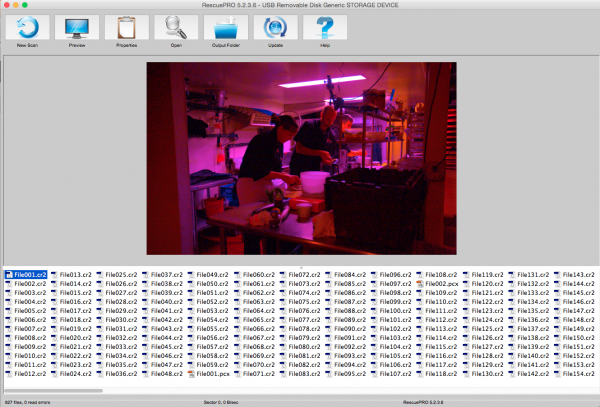
4. When the program is done recovering data, it unfortunately doesn’t do a great job at alerting you. There’s no fanfare, but you’ll know the recovery process is done when you see the bottom portion of the screen filled with recovered files. To verify what content the program has recovered, click on each individual file name and a preview will appear. In this particular instance, the previewed images were showing up tinted in pink, but the actual recovered images were just fine without any distortions.

SanDisk Recovery PRO memory card recovery

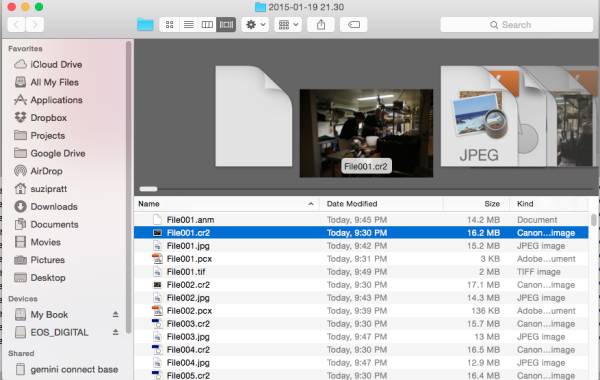
5. Once you verify that your files have indeed been saved, it’s time to locate them on your computer. The great part about RescuePRO’s long recovery process is that it includes saving the files on your device automatically. As a result, all you have to do to find the desktop folder full of your recovered images is click on the giant Output Folder button. The program should then pull up a desktop window like the one below, showing you a folder full of recovered data. Also, notice in the preview below that the recovered image does indeed, not carry over the extra coloring that RescuePRO’s software assigned to it in the preview.

SanDisk Recovery PRO memory card recovery

There you have it; a relatively simple, low cost way, to potentially get back precious photos that you thought were lost. Either way, do yourself a favor and remember to always format your memory card in your camera (not your computer) after every use; doing this will keep your memory card up to speed, and lessen the chance of it becoming corrupt over time.

Since this is one of many options, let me know in the comments below if you have a preferred method or program for recovering lost images.

googletag.cmd.push(function() {
tablet_slots.push( googletag.defineSlot( “/1005424/_dPSv4_tab-all-article-bottom_(300×250)”, [300, 250], “pb-ad-78623” ).addService( googletag.pubads() ) ); } );

googletag.cmd.push(function() {
mobile_slots.push( googletag.defineSlot( “/1005424/_dPSv4_mob-all-article-bottom_(300×250)”, [300, 250], “pb-ad-78158” ).addService( googletag.pubads() ) ); } );

The post How to Recover Lost Files from a Memory Card by Suzi Pratt appeared first on Digital Photography School.


Digital Photography School

 
Comments Off on How to Recover Lost Files from a Memory Card

Posted in Photography


Opinion: Canon EOS 750D and 760D

16 Feb

In the new EOS Digital Rebel T6s and T6i (EOS 760D and EOS 750D in Europe) Canon has produced beginner and enthusiast versions of what is essentially the same camera. Is this really necessary, why has the company done it and who will notice the difference? Damien Demolder gives his opinion. Read more

Articles: Digital Photography Review (dpreview.com)

 
Comments Off on Opinion: Canon EOS 750D and 760D

Posted in Uncategorized


10 Portrait Composition Tips to Frame Your Subject Perfectly

16 Feb

How you compose and frame your portrait is important for creating visual impact and connection with the viewer. It can dictate the mood and feel of the portrait, making it feel inviting or uncomfortable. Knowing a few rules, and how to break them effectively is a good place to start. In this article I’m going to give you some general Continue Reading

The post 10 Portrait Composition Tips to Frame Your Subject Perfectly appeared first on Photodoto.


Photodoto

 
Comments Off on 10 Portrait Composition Tips to Frame Your Subject Perfectly

Posted in Photography


kwerfeldein braucht Dich

16 Feb

kwerfeldein braucht dich #1 © Aileen Wessely

Liebe Leserschaft, liebe KollegInnen und Freunde, wir müssen Euch etwas mitteilen, das die Zukunft von kwerfeldein betrifft. Leider ist es ernst.
kwerfeldein – Fotografie Magazin | Fotocommunity

 
Comments Off on kwerfeldein braucht Dich

Posted in Equipment


On point: Steve Vaccariello’s dance photography

16 Feb

‘I do not touch my dance work with Photoshop. Never!’ says portrait photographer Steve Vaccariello – a bold statement in the digital age. But he’s no luddite. His extended portfolio of commercial, celebrity and beauty work has certainly seen its share of image enhancement. When working with dancers, Vaccariello likes to use reductionist lighting designed to stay out of the way of the movements of the performers. See his work and find out more about him. See gallery

Articles: Digital Photography Review (dpreview.com)

 
Comments Off on On point: Steve Vaccariello’s dance photography

Posted in Uncategorized


3 Questions to Ask Yourself When Starting a Photography Business

16 Feb

I have met a lot of people who, upon getting their first DSLR, immediately want to start taking pics of their kids, their friends, some high school seniors, or maybe even a wedding. They want to dive headfirst into the deep end of the photography pool, even if they aren’t entirely sure what they are doing. For the record, I fully support this! Experience can be the best teacher of all, and even if the stakes are high like a wedding or graduation, I admire those who can throw caution to the wind and jump right in, even if they may be a bit unprepared.

father-boy

That sense of excitement and wonder, as well as a willingness to try new things and experiment with your equipment, is something that tends to wane as the years go by and so many cameras start gathering dust on closet shelves. It’s this sense of newness and enthusiasm that, in my opinion, is missing from some of the more seasoned photographic veterans that I visit with from time to time.

However, if you are one of those individuals with a new camera who just can’t wait to start snapping photos of friends and family, and maybe even create a Facebook page for your new photography side project – I would advise you to pause and consider a few questions first. This will help ensure that you are getting your photography business started on the right foot and setting yourself up for long-term success, not just a few bucks on the side and some clicks to your website.

1. What does my client expect?

“Wait a second,” you might be saying to yourself right now. “These people are my friends and family…not my clients!” While this might be true, if you don’t start seeing the people you photograph as clients, you might find it hard to separate your personal relationships from your professional side as you get more established in your craft.

student-fence

The first thing you need to square up are their expectations of what you will provide. Everyone you photograph, whether it’s people you have known your whole life or new clients who found your website or social media account, will have a unique set of expectations for what their photography session will involve. Aunt Ginny might think you will take some tasteful outdoor pics like the ones her sister posted on her Instagram. Your buddy George might want some indoor studio photos of his kids like the ones he saw at an art fair downtown last weekend. Someone named Rachel, who emailed you from your website, would like you take bridal photos like the ones she saw in a wedding magazine. Meanwhile, your own personal style is more suited to newborns and infants since you are not very comfortable directing people and telling them what to do during a photo session.

That’s just the beginning! If you don’t know what these people are expecting, they will likely walk away less than satisfied, even if you think your photos of them are beautiful.

Setting expectations for success

One of the best ways you can manage your clients’ expectations is to provide them with some existing images that showcase your overall style and approach. Plan on giving your clients some examples of the types of photographs you take so they know whether or not you will be a good fit for what they want. You can also visit with them over email, social media, phone, or in person to make sure you can provide the types of photos they are looking for.

family2

If you do not already have a portfolio to show potential clients, you can enlist the help of some friends and family specifically for this purpose–but again, remember to manage expectations. If you take this approach, the goal is to get pictures that you want, not necessarily what your models want. Make sure the people you are photographing in these situations know that they are doing this to serve you and your needs, and if they do happen to like the pictures you take then you could reciprocate by doing a session for them in the future.

The flip side of knowing what your clients expect is making sure that you understand your expectations, which is just as important. Do you want to take photos that are posed or candid? Will you travel outside of your community, and if so, will you charge a fee? Do you plan to do extensive edits after the shoot, or are you the type of person who prefers to shoot in JPG and not alter things afterwards? Will you photograph major life milestones like weddings, if given the chance, or do you prefer more subdued scenarios like casual family photos?

Of course one of the best ways to mitigate any potential problems is to have a contract in place so you can make sure you and your clients are both on the same page. At this point you might be thinking “Why does it have to be so complicated? I just want to go out and shoot photos.” This might all seem like it’s a big hassle, but if you don’t spend some time considering your expectations as well as those of your clients, you are likely going to end up with far worse problems sooner than you think.

student-tree

Being clear on exactly what this young man wanted, as well as what I would do, helped make this high school senior photo session go smoothly.

One of the most painful experiences you can have as a photographer is when your clients are unhappy with their photos. Usually, but not always, this is a result of mismanaged expectations. They were wanting one thing, and you delivered something else. By making sure you understand what your clients want, whether they are family, friends, or perfect strangers, you will make great strides in not only providing the best photos possible, but building long-term relationships that will keep them returning for pictures in years to come.

2. Can I make my camera do what I want it to do?

There is a strong temptation when you first upgrade to a DSLR to put it in Auto and expect your photos to be amazing. To some degree, that can certainly happen–the Auto mode on modern cameras does a good job of getting things like exposure and white balance right, but this is only a small part of the total photographic equation. As a photographer you need to spend time learning not only about the basics of exposure, but how to control your camera in such a way so as to make it do what you want.

Knowing how various f-stops affect the image is one thing, but knowing how to quickly change the aperture while in the middle of a photo shoot is another thing entirely. Less expensive cameras like the Nikon D3300, Canon Rebel T3i, and Sony a6000 are, in many aspects, just as capable as their more expensive counterparts. But many of them require you to use various menus and multi-purpose buttons to change settings instead of having dedicated buttons for things like ISO, White Balance, etc.

I know it sounds elementary, but reading the manual for your camera is a great way to familiarize yourself with its capabilities. Make sure to have your camera in your hands while doing this so you can start to learn not only what your camera can do, but how to make it happen. As the saying goes; practice, practice, practice. If you’re in the middle of a shoot and you need to quickly change from matrix to spot metering, or do some bracketing in order to get the proper exposure, you don’t want to waste time fiddling with buttons and menus while the moment passes before your eyes.

Popular entry-level cameras like the Nikon D3200 have many advanced functions, but their lack of dedicated buttons and dials requires you to use menus to access them.

Popular entry-level cameras like the Nikon D3200 have many advanced functions, but their lack of dedicated buttons and dials requires you to use menus to access them. Make sure you know how to do this before doing a photo session.

As an example, I recently spent some time with my father who is an avid photographer, and throughout the course of our conversation we got to talking about off-camera flash techniques. He shoots with a Rebel T4i, and through some experimentation we discovered that it is capable of triggering an off-camera flash with the built-in pop-up flash. We both thought this feature was reserved for Canon’s more expensive cameras, and he was delighted to find out that he would not need to purchase wireless triggers for photo sessions that require off-camera lighting. The moral of the story is that your camera can probably do more than you think, but it requires some research, experimentation, and the courage to move away from the convenient Auto mode.

With a little practice, you will start to figure out the many capabilities your camera has, and how to use them on photo shoots. If you are trying to achieve a particular look or style when shooting photos for clients, you might not need to buy any new gear at all–you just need to make sure you know all the details of operating what you already own.

Of course it’s also entirely possible that your camera, lenses, or other gear can’t do what you want them to do. Your creative vision and goals for a photo session might be far beyond the reach of what your setup is capable of achieving, and you might discover that in order to fulfill your, or your client’s, wishes you will need to spend hundreds or even thousands of dollars on equipment. But remember the old adage; knowing is half the battle.

You might not need to get any new camera gear in order to pull off a particular photo shoot–you might, instead, have to simply adjust your expectations and make sure to communicate with your client about it as well. Even a DSLR with a basic kit lens can do many things, but there are some limits. Knowing them before you are on location or in a studio with a client will help ensure you can get the most out of what you do have.

canon-70-200-L

Canon’s popular 70-200mm f/2.8 lens is an outstanding workhorse, but costs as much as several less-capable lenses. You might discover that you need to spend money on equipment like this, but it’s also possible that you can get by with what you already own.

3. Am I prepared for the long haul?

It’s such a thrill to start taking photos for other people, and in a way I envy all you new photographers who are reading this while pondering the incredible opportunities in front of you. But if this is you, I would advise you to take a step back and spend some time thinking about your long-term goals so you have a better understanding not only of what you want, but what you will be able to do for your clients.

As you take on more jobs and word begins to spread, you might find yourself becoming far too wrapped up in what was once just a fun hobby. Planning for sessions, re-shooting when things don’t work out, investing in new gear, and spending hours editing and fine-tuning in Lightroom or Photoshop are not the sorts of activities people usually have in mind when they start to get into photography as more than just a simple pastime. But all these elements (and many more) will ultimately become factors in how you approach your photography, so it’s important to think about them upfront.

Before you start spreading the word to your friends about your newfound photography venture, spend some time considering all the other elements besides just taking photos that will come into play as the months and years go by. It’s entirely possible that a month or two down the road you might find yourself dreading the editing process, but so many people like your photos that you are getting dozens of requests for photo sessions. This would put you in a bit of a bind, enough so that you might be tempted to toss your camera aside and wish you had never even started taking photos in the first place!

Considering right upfront whether you are prepared to do this over the long run will help you deal with these situations if and when they arise.

family

Photography can be a lot of work, but it can also be a ton of fun. And it’s such a good feeling knowing you can capture moments that people will have with them for the rest of their lives.

Of course the flip side of all this is that you might be positively giddy at the prospect of meeting with clients, taking photos, editing them, and all the other activities that are involved with photography. But, no one notices. Months go by without getting any clients or photo opportunities and you could find yourself wondering why you bothered to even do this in the first place. Again, you need to have a plan for how you will deal with these types of situations, and figure out if you really are in this for the long haul. The truth of the matter is everyone has their ups and downs, with periods of frantic activity followed by long stretches of finger-tapping. If you spend time thinking about how you will deal with both of these extremes and everything in between, it will help you set yourself up on the road to success from the very beginning.

Of course these are just three questions to consider, and I feel as though we have barely touched the surface. What about you? Are you a seasoned pro with some advice to people just starting out, or are you just beginning to think about doing more with your camera, but wondering what to do? Leave your thoughts in the comments below.

googletag.cmd.push(function() {
tablet_slots.push( googletag.defineSlot( “/1005424/_dPSv4_tab-all-article-bottom_(300×250)”, [300, 250], “pb-ad-78623” ).addService( googletag.pubads() ) ); } );

googletag.cmd.push(function() {
mobile_slots.push( googletag.defineSlot( “/1005424/_dPSv4_mob-all-article-bottom_(300×250)”, [300, 250], “pb-ad-78158” ).addService( googletag.pubads() ) ); } );

The post 3 Questions to Ask Yourself When Starting a Photography Business by Simon Ringsmuth appeared first on Digital Photography School.


Digital Photography School
 
Comments Off on 3 Questions to Ask Yourself When Starting a Photography Business

Posted in Photography


Commercial Break: 8 Abandoned TV Stations & Studios

16 Feb

[ By Steve in Abandoned Places & Architecture. ]

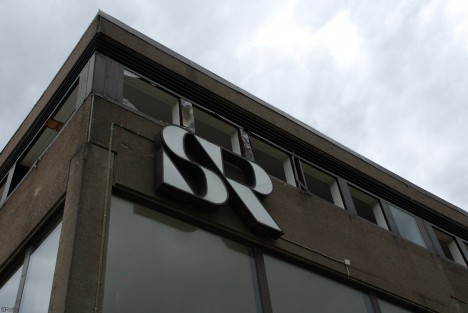
abandoned TV station SR Gothenburg 1
The golden age of television has long since passed, especially for these 8 abandoned TV stations whose cameras have permanently put on their lens caps.

abandoned TV station SR Gothenburg 3

abandoned TV station SR Gothenburg 4

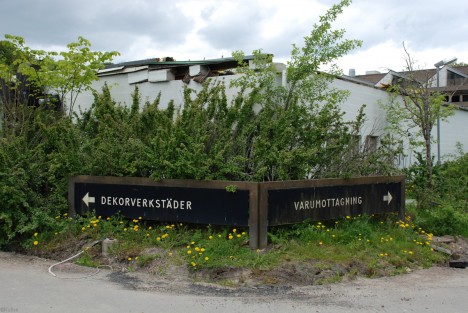
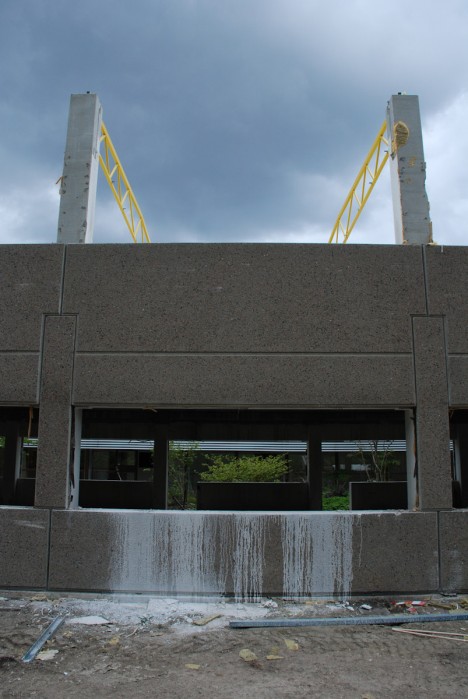
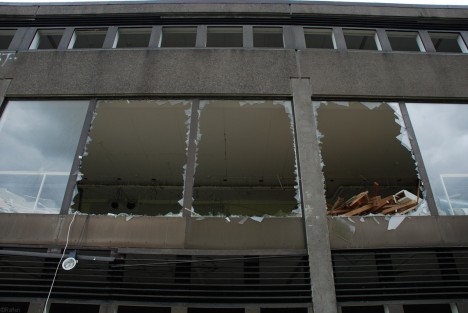
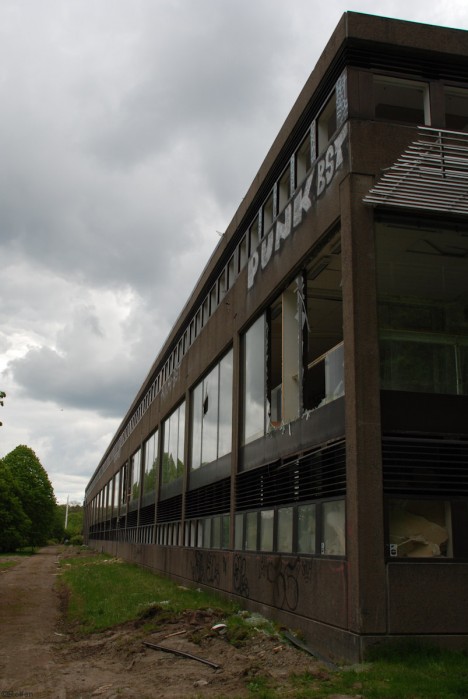
The Sveriges Radio TV building in Gothenburg, Sweden opened in 1970 – the same year Swedish TV began broadcasting in color. We’re assuming the novelty wore off, as by the end of the decade the building had been abandoned to the depredations of squatters, salvagers and the unavoidable swing of the wrecking ball.

abandoned TV station SR Gothenburg 5

abandoned TV station SR Gothenburg 2

How Swede is was, now not so much. Kudos to Flickr user Rolfen who visited the decrepit SR television studios (or “TV-house”, as he puts it) in May of 2009.

KVVV-vvv…

abandoned TV station KVVV Texas 1

abandoned TV station KVVV Texas 2

abandoned TV station KVVV Texas 3

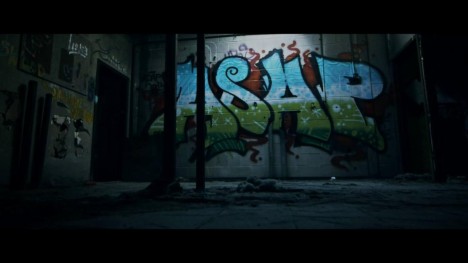
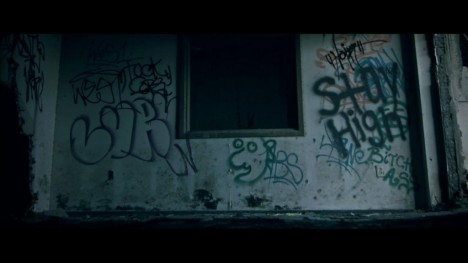
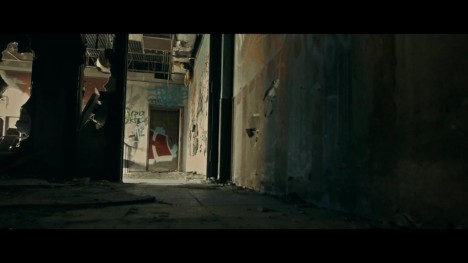
Based in Friendswood, Texas and broadcasting to the metro Houston area, KVVV-TV was an independent television station that opened in February of 1968. A money-losing proposition from the get-go, the station fired most of its staff by the end of ’68 and finally shut down entirely on August 31st of 1969. The station may not have broadcasted for long but its studio building is still hanging in there, though after decades of vandalism hanging’s probably too good for it. Full props to urban explorers UER for recently posting some screencaps from their must-see video of the extremely decrepit ex-station.

Southern Discomfort

abandoned TV station WTVY 1

abandoned TV station WTVY 2

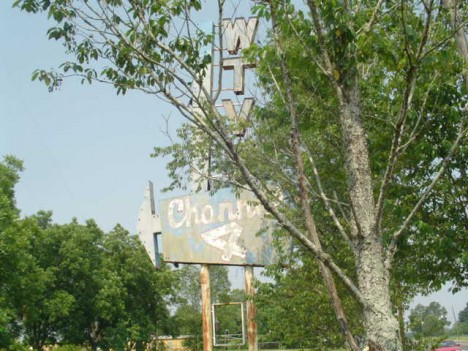
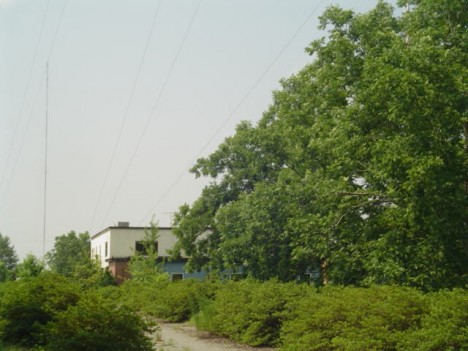
WTVY is a CBS-affiliated television station from Dothan, Alabama, that began broadcasting on channel 4 in 1960. In 1978 the station moved to new digs in Bethlehem, Florida where its 2,035 ft tall transmission tower is still the tallest in the state. Meanwhile, WTVY’s old studio building and much-faded kitschy Sixties sign molder away, slowly succumbing to the relentless march of scrub brush and kudzu.

Next Page – Click Below to Read More:
Commercial Break 8 Abandoned Tv Stations Studios

Share on Facebook


[ By Steve in Abandoned Places & Architecture. ]

[ WebUrbanist | Archives | Galleries | Privacy | TOS ]


WebUrbanist

 
Comments Off on Commercial Break: 8 Abandoned TV Stations & Studios

Posted in Creativity


15. Februar 2015

15 Feb

Das Bild des Tages von: Bassam Allam

© Bassam Allam

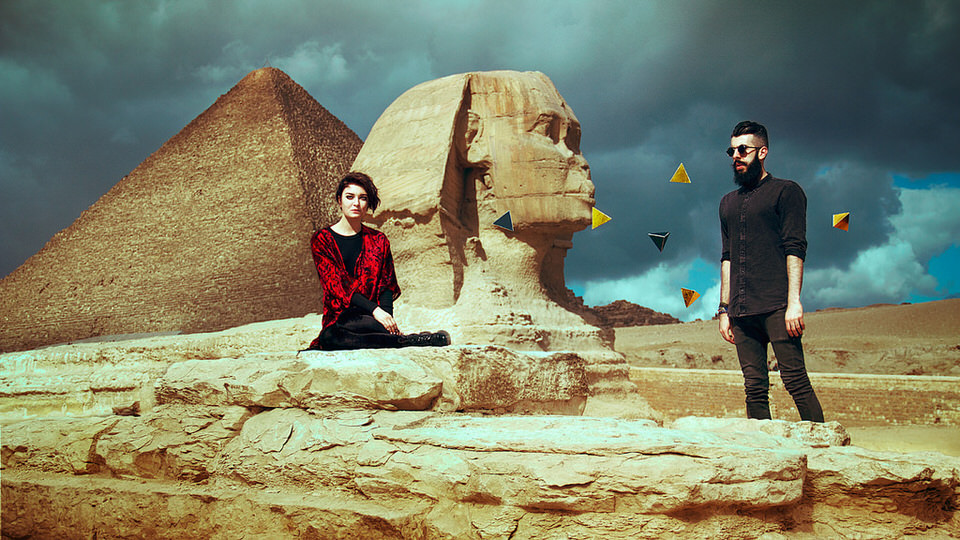
Unser heutiger Ausblick entführt uns nach Ägypten.
kwerfeldein – Fotografie Magazin | Fotocommunity

 
Comments Off on 15. Februar 2015

Posted in Equipment