RSS
 

Archive for January, 2015

Eine Geschichte zum Thema Urheberrecht im Internet

29 Jan

Title ©- Martin Langer

Ein Beitrag von: Martin Langer

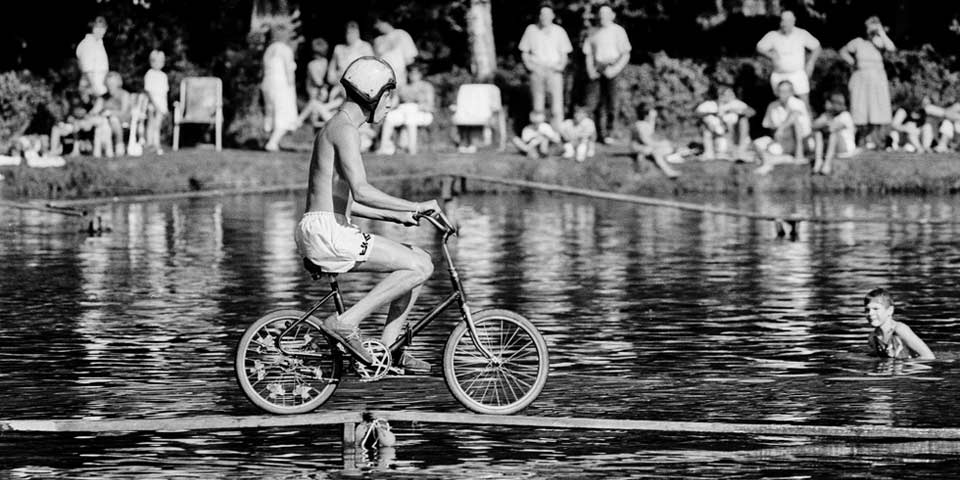
Bei routinemäßigen Suchen nach meinen eigenen Fotos im Internet stoße ich immer wieder auf Bilder, die nicht von mir lizensiert wurden, sondern (umgangssprachlich) „geklaut“. In den meisten Fällen handelt es sich um das gleiche Motiv: ein Foto, das ich in Rostock-Lichtenhagen 1992 bei den rassistischen Ausschreitungen gegen ein Wohnheim für Ayslbewerber gemacht habe.

Dieses Foto wurde in den Medien als weltweit bekannt beschrieben und es wurde wegen seiner besonderen Symbolkraft immer wieder für Veröffentlichungen eingekauft. Mich kontaktieren seit 20 Jahren viele fremde Menschen und bitten darum, das Bild für ihre Initiative, für eine Demo gegen Rechts und ähnliche Veranstaltungen und Zwecke benutzen zu dürfen. Ich lasse mir diese Anliegen in der Regel schriftlich geben und gebe das Bild dann für die skizzierte Nutzung frei; häufig kostenlos, manchmal gegen geringe Schutzgebühren.

Nicht einverstanden bin ich als der Fotograf allerdings damit, wenn mein Bild ungefragt irgendwo auftaucht und verbreitet wird. Dann entgeht mir das Honorar und (was mir bei diesem Motiv besonders wichtig ist) die Kontrolle über den inhaltlichen Zusammenhang. Denn – und diese Haltung will ich mir leisten – ich verkaufe meine Bilder nicht an jeden.

Nun zur Gegenwart: Vor einigen Wochen entdeckte ich über die Suchmaschine wieder einmal einige nicht lizensierte Internet-Veröffentlichungen von diesem Bild. Früher habe ich dann oft persönlich nachgefragt, ich habe E-Mails geschrieben und/oder angerufen und nach dem Hintergrund gefragt, warum mein Bild einfach ohne Rücksprache verwendet wurde. Das war auf die Dauer aber so nicht mehr machbar, weder zeitlich noch nervlich. Die „Entschuldigungen“ bzw. Erklärungen für den Bilderklau könnten ein ganzes Buch füllen, ich habe sehr viel Zeit investiert und meine Einnahmen als Fotograf blieben aus. Deshalb gebe ich diese Urheberrechts-Verletzungen inzwischen an einen Rechtsbeistand weiter. So, wie man das gelegentlich auch bei anderen rechtlichen Streitigkeiten tut.

Soweit, so gut. Bis dann am 21. Januar 2015 der große Shitstorm über mich herein brach: Ein prominenter Fernsehmoderator namens Jan Böhmermann löste eine massive Wutwelle gegen mich aus. Er hatte mein Foto über den Kanal Twitter verbreitet und dafür von meinem Rechtsanwalt eine Abmahnung bekommen, da die Nutzung weder abgesprochen noch lizensiert war. Abmahnungen sieht der Gesetzgeber als niederschwellige Lösungsmöglichkeit vor, um gerichtliche Klagen auszusparen. Zu dieser Abmahnung gehört eine Unterlassungserklärung, das Bild muss also von der Person wieder gelöscht werden. Außerdem wird das Nutzungshonorar verlangt sowie die Übernahme der Kosten für meinen Rechtsbeistand.

Was dieses Nutzungshonorar beim Ertappten auslöste, das kann ich nicht beurteilen. Aber die Person hat sich offenbar so darüber geärgert, beim Bilderklau ertappt worden zu sein, dass sie mich nun öffentlich dafür anprangert und zwar auf verschiedenen Social-Media-Kanälen. Dabei habe ich mich nur an geltende Gesetze gehalten und wollte nicht, dass meine Bilder einfach überall verwendet werden. Da er den entsprechenden Betrag bezahlt hat, bekomme ich etwa 200 Euro – das ist lediglich das Honorar, das mir laut MFM-Liste zusteht und was auch bei jedem deutschen Richter so akzeptiert wird.

Eine Veröffentlichung ist eine Veröffentlichung, daran hat das Internet und auch Social Media nichts verändert. Der Fernsehmoderator hat 150.000 Follower auf Twitter und benutzt seinen Kanal für Werbezwecke für seine Auftritte, man kann dort eindeutig auch nicht mehr von einer privaten Nutzung sprechen. Und natürlich verlange ich eine Bezahlung dafür, denn ich habe 1992 in fünf sehr langen Tagen und Nächten meinen Kopf hingehalten für eine Fotostrecke, die eigentlich aus insgesamt 25 Bildern besteht. In Rostock tobte ein Mob, Steine flogen, scharfe Schüsse fielen. Ich war von Anfang an für den Spiegel dort, weil der einen anonymen Hinweis bekommen und ich vorher schon vieles zum Thema Rechtsextremismus fotografiert hatte.

Nun steht mein Name dort in der Öffentlichkeit am Pranger; ich habe nichts falsch gemacht, bin aber der Arsch. Auf Twitter, auf Facebook, im halben Internet bin ich die „Kapitalistendrecksau“. Meine Adresse wurde veröffentlicht mit Aufrufen zur Gewalt („Hier, wer ihn mal besuchen will, hier ist seine Adresse …“), ich bekomme nächtliche Anrufe („Wollen Sie sich von PEGIDA distanzieren?“) und E-Mails von wildfremden Personen („natürlich ist das, was Sie machen, totaler Unsinn und meiner Meinung nach geldgieriger Mist“). Selbst meine 14-jährige Tochter wird von Mitschülern in der Schule inzwischen blöde angelabert. Radiosendungen und andere Medien tragen Falschmeldungen immer weiter, immer in Verbindung mit meinem Namen. Noch einmal: Ich lasse keine Re-Tweets, Shares und keine Verlinkungen abmahnen.

Der Sidekick des Fernsehmoderators, der Sänger Olli Schulz, sagte in einer gemeinsamen Radiosendung auf RBB sinngemäß: Der Fotograf hat sicher nur dieses eine gute Foto gemacht und schlachtet das jetzt aus.

Ich empfinde den ganzen Vorgang inzwischen als schäbig, kränkend und respektlos gegenüber mir als Fotograf und als Mensch, der sich jetzt in einer solchen Situation wiederfindet, ohne etwas verbrochen zu haben. Man muss kein Medienexperte sein, um das selbst nachvollziehen zu können.

Zuletzt bleiben für mich nur noch offene Fragen: Woher kommt dieser Hass gegen mich? Wieso sagt oder tut das ZDF nichts gegen seinen Mitarbeiter? Wer hat hier eigentlich einen Grund, sich aufzuregen? Die Internetnutzer, der Fernsehmoderator Herr Böhmermann, der ungefragt mein Bild verwendet und mich anschließend an den Pranger stellt oder ich, dessen Rechte im Laufe der Zeit nicht nur dieses eine Mal verletzt wurden?


kwerfeldein – Fotografie Magazin | Fotocommunity

 
Comments Off on Eine Geschichte zum Thema Urheberrecht im Internet

Posted in Equipment


Handiwork: How to Pose Hands

29 Jan

“Never neglect the little things. Never skimp on that extra effort, that additional few minutes, that soft word of praise or thanks, that delivery of the very best that you can do. It does not matter what others think, it is of prime importance, however, what you think about you. You can never do your best, which should always be your trademark, if you are cutting corners and shirking responsibilities. You are special. Act it. Never neglect the little things.” – Og Mandino

All images copyright Gina Milicia

Hands main

What to do with your model’s hands is the one thing most photographers and their models get flustered with. Hands can feel like the leftovers of a pose but giving your models relaxed and natural looking hand poses is going to make your portraits look really polished. In fact, skillful hand placement is one of the abilities that separate an experienced photographer from a beginner.

How to pose hands

I can remember, back in my assisting days, we used to hire professional hand models to hold objects for advertising shots. Their hands were truly beautiful with long elegant fingers and perfect soft flawless skin that made everything they held look really expensive.

Sadly, not everyone you photograph will be born with these kinds of hands so here are a few things to keep in mind when photographing hands.

  1. Clean nails are a must. I always ask my models to at the very least have clean nails and clear nail polish for women.
  2. If your model is wearing makeup on their face, remember to add a bit of bronzer to hands, as nothing looks worse than hands that are three shades lighter or darker than rest of body or face.
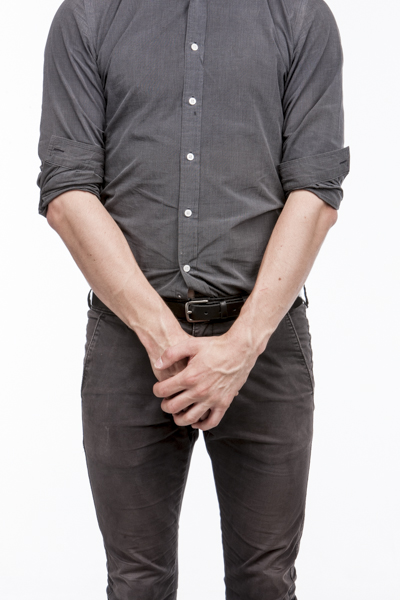
  3. Watch out for clenched hands, which is a common instinct to help with nerves but it doesn’t photograph well!

Hands 002

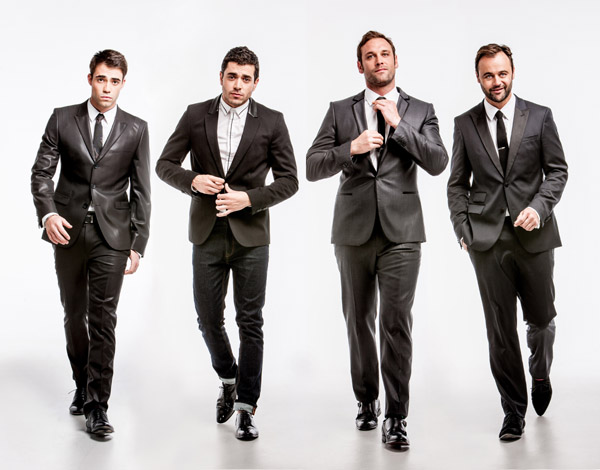
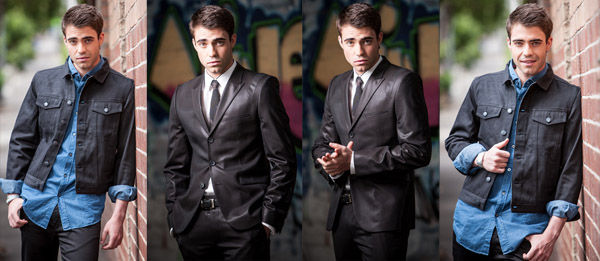
Model Credit: Jonathan Newton. A great hand pose for men is to hold their hands as if they are holding a pen or to ask them to pretend they are twirling a ring on their little finger.

Hands 003

Business Chicks Ceo, Emma Isaacs, Arms crossed in front of a female model looks more elegant but make sure you balance the shot with both hands showing to give the body language a more open feel. Get your model to only lightly touch their arms when they are crossed.

Hands 005

Model Credit: The Cast of Fat Tony/image courtesy Nine Network Australia

Giving your model something to do with their hands helps create a natural looking pose. Putting hands in pockets, doing up buttons or rubbing hands together can all create a natural pose for hands.

Hands hair

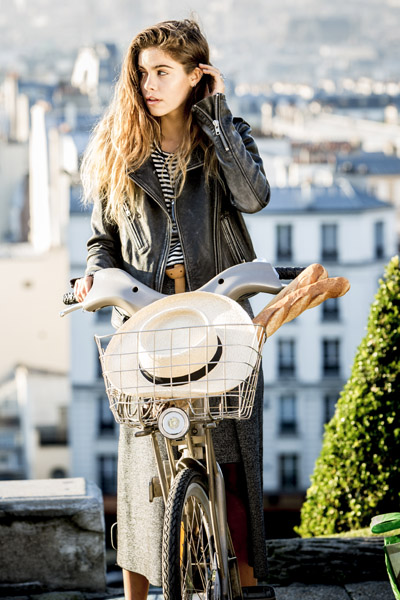
Model Credit_ Mimi Elashiry on location, Sacre Coeur , Paris. Playing with strands of hair or running hands through hair. This works for male and female models.

Hands HIPS

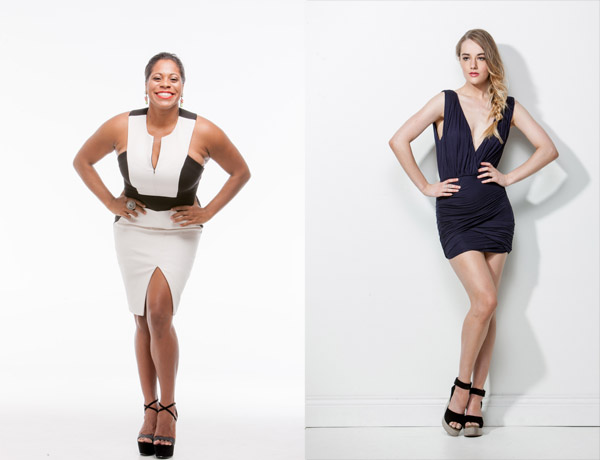
Model Credit Shareena Clanton/Foxtel ( left) Piperlane (right). For female models, placing their hands on their hips can create an optical illusion of a smaller waist.

Hands chin

Model Credit Rachael Lever

Hands chin2

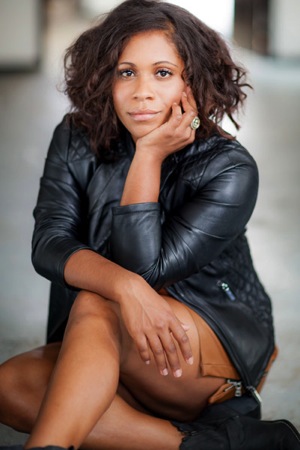
Model Credit Shareena Clanton/Foxtel

When asking models to rest their hands on their face or their bodies, ensure they are only lightly touching with their hands so they don’t distort the face or body. Hands look best when they are photographed side-on as it reduces their size.

Hands 004

Hands 007

Model credit: Lester Ellis/Nine Network Australia

This “soccer goalie” pose is a classic “go to” pose for most men when they are not given any direction. This is a sign that they are feeling vulnerable and insecure and, thus protecting their masculinity. There are many alternatives to the soccer goalie pose. Try asking your model to place hands in pockets, hanging them from belt hoops, or pretending to adjust an item of clothing.

Group White

When posing groups, I like to ask each of my models to do something different with their hands because I think it makes the portrait look more dynamic.

What are your techniques for posing natural looking hands? If there is anything I may have missed? I’d love to hear from you.

googletag.cmd.push(function() {
tablet_slots.push( googletag.defineSlot( “/1005424/_dPSv4_tab-all-article-bottom_(300×250)”, [300, 250], “pb-ad-78623” ).addService( googletag.pubads() ) ); } );

googletag.cmd.push(function() {
mobile_slots.push( googletag.defineSlot( “/1005424/_dPSv4_mob-all-article-bottom_(300×250)”, [300, 250], “pb-ad-78158” ).addService( googletag.pubads() ) ); } );

The post Handiwork: How to Pose Hands by Gina Milicia appeared first on Digital Photography School.


Digital Photography School

 
Comments Off on Handiwork: How to Pose Hands

Posted in Photography


Candy Carpets and Chocolate Skulls: 13 Edible Designs

29 Jan

[ By Steph in Art & Sculpture & Craft. ]

edible chocolate lego 3

Would you walk up to a gallery wall made entirely of sweet-smelling dark chocolate and lick it, Willy Wonka style? These 13 (more!) edible art creations use colorful candies, tomatoes, croissants, Kool-Aid, Jello and other food items to build everything from recreations of Mondrian paintings to massive carpets stretching across entire city blocks.

Candy Carpet in Chengdu, China

edible art candy carpet 1

edible art candy carpet 2

The ‘Sweet as One‘ exhibition in Chengdu, China took up nearly 14,000 square feet with a colorful expanse of candy measuring 607 feet long by 23 feet wide. 2,000 volunteers spent five days hand-pouring 13 tons of sweets into smalls quarries to create a quilt-like patterned artwork filled with flowers and panda bear faces.

Edible Chocolate LEGO Bricks

edible chocolate lego

edible chocolate lego 3

Precise molds make it possible to create and stack tiny chocolate LEGO bricks into whatever you can dream up in this fun project by illustrator and designer Akihiro Mizuuchi.

Edible Furniture by Lanzavecchia and Wai

FOR_BLOG_AUSTERITY_HARDCANDYcoffeetable-animation

FOR_BLOG_AUSTERITY_CHOCOLATEchair-animation

Edible elements like hard candy, coffee, chocolate and grains create table and chair surfaces on top of metal support structures in a series of four conceptual designs by Studio Lanzavecchia + Wai. “The domestic landscape reflects our culture, our taste and our habits,” say the designers. “The objects that populate it absorb the atmosphere that pervades the space through their physicality, functionality and identity. Ostensibly living intact through good times and also adverse ones,t he domestic objects become invisible to us over time with their familiarity. How can furniture react to times of crisis? The decorative elements that were once appreciated, suddenly become superfluous and should evolve to reflect a new era of austerity; the objects become edible and offer themselves to be consumed when needed.”

Edible Versions of Art Masterpieces

edible versions of masterpieces 1

edible versions of masterpieces 2

The Art Fund challenged art lovers and designers to recreate famous artworks using edible materials, like a Mondrian-inspired slice of cake and a marshmallow treat version of Jackson Pollock’s ‘Autumn Rhythm (No. 30).’ Say the coordinators, “We’re hoping to inspire people, through the medium of food, to raise money for our national museums and galleries. What could be more fun than recreating your favorite work of art out of simple ingredients you have in your fridge – which you can then eat!”

Brunch-Based Cityscapes

edible cityscapes 1

edible cityscapes 2

edible cityscapes 3

Brunch City is a collaboration between illustrator Bea Crespo and photographer Andrea G. Portoles, using food as a medium to create architectural landscapes relating to the culture and character of particular cities. The series depicts Barcelona, Athens, Paris, Tokyo, London, Rome and more.

Next Page – Click Below to Read More:
Candy Carpets And Chocolate Skulls 13 Edible Designs

Share on Facebook


[ By Steph in Art & Sculpture & Craft. ]

[ WebUrbanist | Archives | Galleries | Privacy | TOS ]


WebUrbanist

 
Comments Off on Candy Carpets and Chocolate Skulls: 13 Edible Designs

Posted in Creativity


28 January, 2015 – In an Asian Night Market

28 Jan


Vancouver street photographer JC Wilson spends time on Summer evenings photographing the ebb & flow of customers and workers in an Asian night market.
JC keeps his gear light and simple and goes with the flow. His post production technique gives an unusually compelling look to his black & white photographs.


The Luminous Landscape – What’s New

 
Comments Off on 28 January, 2015 – In an Asian Night Market

Posted in News


5 Tips for Getting Fresh Ideas for Macro Photography

28 Jan

Are you seeking some inspiration for getting creative with some new macro photographs? Perhaps you’ve grown tired of taking close-ups of typical macro subjects like flowers and insects. Help is on the way.

There is a whole world of macro photography available to you that doesn’t involve the typical subject matter so often associated with close-up photography. There are some amazing images of insects and flowers to enjoy on the web, but what about going in a different direction?

Photo 1 macro photography ideas

Here are some ideas to get your creative juices flowing, to challenge your imagination, and direct you to doing more interesting macro photography:

1. Pick a location

This is a good technique to use when the weather outside isn’t the best for macro work. Your kitchen is the easiest place to start generating ideas. I usually grab a notebook, or a tablet and a pen, and start brainstorming by opening drawers and cabinets and writing ideas down.

You have appliances, silverware, glasses, cooking utensils, and plates to start with. Add food and liquids to your list and you’ve got a great big inventory to work with. Coffee beans, cherry tomatoes, and peanuts work well because of their size and variety in surface and color (see photo above).

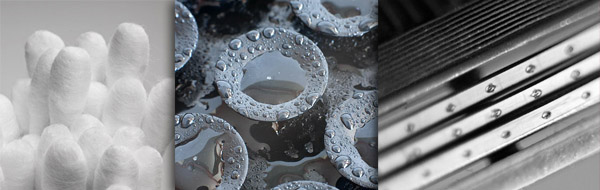
A few years back, I gave myself a photo assignment to create some new macro images using bathroom subjects. I don’t consider myself an expert macro photographer, but I did have a good time with the challenge of making a few non-typical macro photos. Cottons swabs, a suction-cup shampoo bottle holder, and a razor became the subjects from the bathroom.

Photo 2 macro photography ideas

Other locations could be an office, a workshop, or yes, perhaps even the bedroom. You could also leave your house and take a trip into town, visit a junkyard, or go to a local thrift store.

2. Come up with a theme

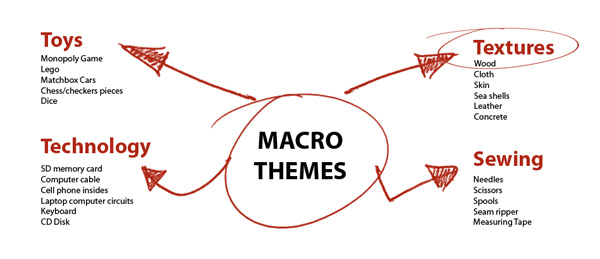
Rather than limit yourself to a single location, take a theme approach. What if you picked texture as a theme to develop? Take a second right now to jot down anything you can think of that has texture. Take a deep breath, relax, clothes your eyes, and let your mind go.

Use a mind map like the one pictured below. This is just a brainstorming method to generate creative possibilities. Here are just four random examples. These can lead to other tangent ideas so write down all of your thoughts and you can edit your lists later.

Photo 3 macro photography ideas mind map

3. Take a workshop

There are plenty of courses online you can take, or find a live workshop nearby. Not only will you be exposed to the close-up photos from the instructor, but you’ll surely have an opportunity to interact with other budding macro shooters.

You could ask them what their most unusual macro subject has been. They may have ideas that never would have occurred to you.

I started a practice of attending a minimum of at least two workshops or seminars yearly, and it has been a great way for me to recharge my creativity.

4. View macro photography portfolios

One of the most powerful idea tools I use is Google. Try using a variety of keyword searches with “macro” and “close-up”. Search specific categories and those search results will lead you to other themes and ideas.

You can go to big photo gallery web sites that have search boxes to explore literally millions of macro images. Do a variety of macro searches, based on subject, lighting, or location at web sites like 500pixels, SmugMug, or Flickr, just to mention a few.

5. Play with the lighting

Challenge yourself to come up with a few completely different ways to light one of your subjects. We know photography is a form of painting with light. Try to significantly change the appearance of your subject by dramatically changing the way you light it.

Change the direction, the size of your light source, and the shadow to highlight ratio in a variety of ways to get new results. This may lead to the discovery of different ways to reveal specific characteristics of your subject like texture, color or compositional lines.

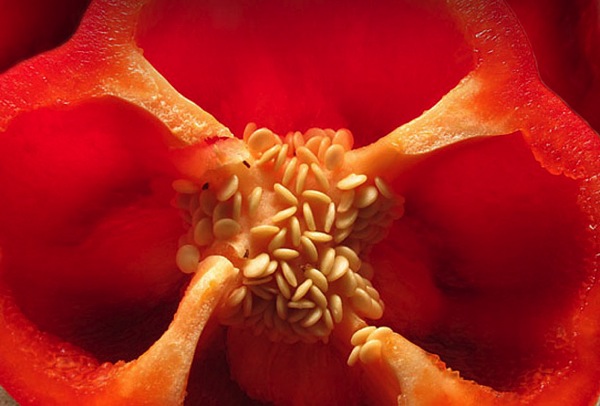
The red pepper photo below was lit with a single speedlight, bounced off of a small white piece of cardboard, above and behind the subject.

Photo 4 macro red pepper speedlite

Idea generating tips

The best time for creative thinking is when your mind is fresh and rested. Many personal development books and various brain studies make the point that there are specific peak performance conditions that you can implement to boost your creativity and effectiveness.

For many, certain environments or activities can work. A few minutes of focused and relaxed breathing, time during or after exercise, a walk in the woods, or even brainstorming while in the shower can bring forth great ideas.

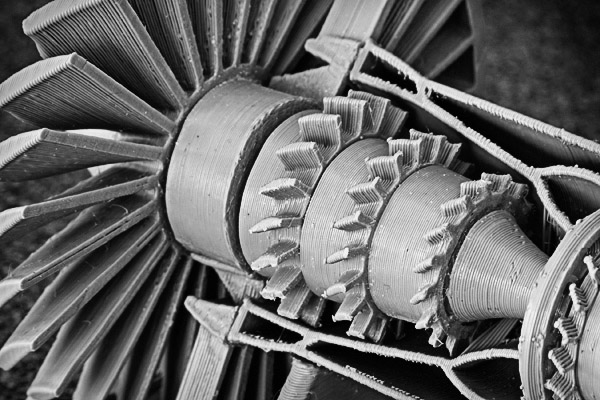
Other avenues you can explore can be taking your macro photographs with different lenses or manipulating them afterward with software. The photo below is of a plastic model turbine engine.

Photo 5 macro photography ideas software

I liked all of the details revealed in the close-up, but the original photo had remnants of a yellowish glue from its assembly. I used Nik Silver Efex Pro 2’s Low Key filter to convert it to a black and white image.

In addition to these five ways of getting creative ideas for macro photography, there is a wealth of information available to you for creativity, imagination, and brainstorming techniques in general which you can apply to your photography.

Some of the books by Michael Michalko, Amy Wallace, and Austin Kleon are worthwhile reading if you are looking to apply creativity to your photography or any another aspect of your life.

Have a blast and share any comments or images you have below.

googletag.cmd.push(function() {
tablet_slots.push( googletag.defineSlot( “/1005424/_dPSv4_tab-all-article-bottom_(300×250)”, [300, 250], “pb-ad-78623” ).addService( googletag.pubads() ) ); } );

googletag.cmd.push(function() {
mobile_slots.push( googletag.defineSlot( “/1005424/_dPSv4_mob-all-article-bottom_(300×250)”, [300, 250], “pb-ad-78158” ).addService( googletag.pubads() ) ); } );

The post 5 Tips for Getting Fresh Ideas for Macro Photography by Bruce Lovelace appeared first on Digital Photography School.


Digital Photography School

 
Comments Off on 5 Tips for Getting Fresh Ideas for Macro Photography

Posted in Photography


Fished to Freedom: Deserted Mall Full of Fish to be Demolished

28 Jan

[ By WebUrbanist in Abandoned Places & Architecture. ]

abandoned mall capture process

Though the circumstances of their liberation seem somewhat more political than practical, the thousands of fish set to be freed into the wild may not care much about the reasons for the positive change in venue either way.

abandoned mall fish floors

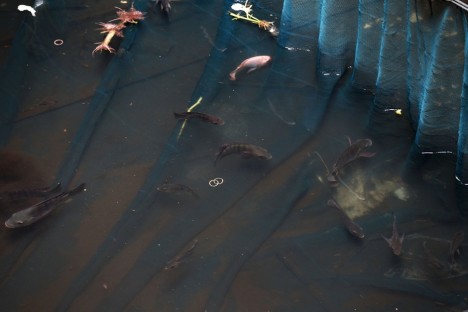
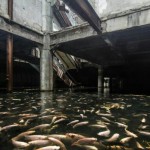
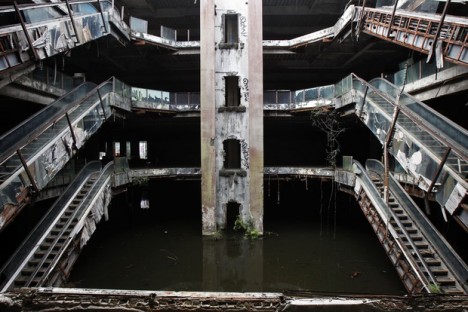
The ruins of the New World Mall in Bangkok, Thailand, were initially introduced by area vendors to a mixture of tilapia, carp and catfish after their roof collapsed, for indirectly obvious reasons: the stagnant water that subsequently collected in the void space had become breeding ground for mosquitoes.

abandoned mall gathering fish

The resulting informal fishery was fueled by tourists who came to see the strange site, which in turn captured the attention of the local government – as it turns out, abandoned buildings are not what most places want to be known for.

abandoned mall fish buckets

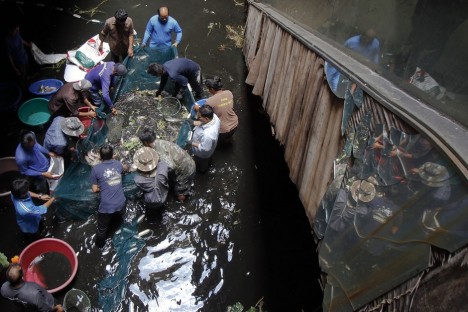
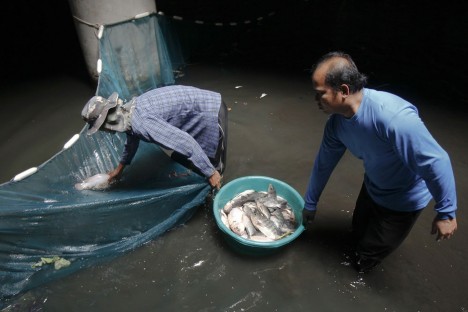
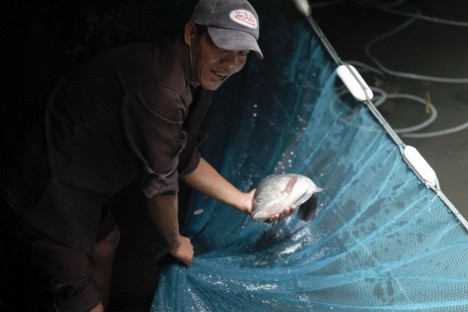
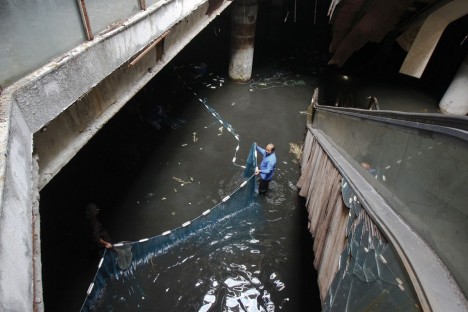
Presumably due to the high profile of the case, the fish are being treated with great care: caught in nets, they are being rounded by Bangkok Metropolitan Administration staff and sent to various lakes and streams around the region.

abandoned mall net species

abandoned mall working fishes

As to the structure itself: officials have called for its demolition and a court has ordered the corporation behind the failed structure (which never got proper permits) to pay for the draining, destruction and cleaning of the site. Update and images via CityLabs.

Share on Facebook


[ By WebUrbanist in Abandoned Places & Architecture. ]

[ WebUrbanist | Archives | Galleries | Privacy | TOS ]


WebUrbanist

 
Comments Off on Fished to Freedom: Deserted Mall Full of Fish to be Demolished

Posted in Creativity


Mastering The Photographic Workflow

28 Jan

Alana Tyler Slutsky shares with the readers of FashionPhotographyBlog.com, the processes she goes through in her workflow. After revealing her tips for working with agency models, Alana explains that there are two types of workflow that photographers should pay attention to. In this article she will be discussing the photographic workflow process.  The stage is yours Alana!   

Mastering The Photographic Workflow

Having establish a workflow system that works for you means that you’ll be more efficient. Once you have a set routine you’re less likely to forget something or mess something up. Rather, you’ll find yourself almost on autopilot and able to get through things much more quickly.


I used to be a mess when it came to organizing my files and keeping things clean and precise. I was a workflow nightmare! But over time I’ve recognized the importance of workflow now have everything impeccably organized. What is a workflow? A sequence of steps, or a routine, that creates a sense of flow to your typical workload.


There are two types of workflow we’re going to look at here, Photographic Workflow and Digital Workflow.  Technically all of this just falls into workflow, but I’ve broken it down into two different categories to make it less overwhelming.


Photographic Workflow


Basically this entails everything that happens with your camera before you get to a computer (or if you’re working with film, before you bring the film into the darkroom). My typical photographic workflow goes as follows:


– Check File Format, Size and Color Output (you only really have to do this once depending on how you shoot.)

– Set to Auto/Manual/Aperture Priority/Whatever (Manual for life!)

– Set ISO

– Set Aperture and Shutter Speed

– Check Focus

– Shoot!


Checking File Format and Size:


Typically with cameras you can chose what file format to take pictures in. On Canon and Nikon you have two options: JPEG and RAW (Canon: CR2, Nikon: NEF). What’s the difference?


JPEG files are compressed files.  The sensor on your camera captures a scene then packs all that it sees into one nice, neat little file.
RAW files are uncompressed.  They are significantly larger files that JPEG’s because they take everything that the sensor sees and packages it into one file which then has to be converted to open.  This can be done through software that comes with your camera or a RAW converter (Photoshop has one that can be installed.)


You can also choose the size in which your camera captures an image. While I prefer to shoot full res RAW files, that is purely because of the nature of what I shoot. Someone who is shooting an event may prefer to work in JPEG because their work requires less retouching, faster capture time and more images to be captured. Because of the sheer size of a RAW file, you can’t capture nearly as many images on one CF/SD card as you can if you’re shooting JPEG (Why?  Remember… JPEG’s are compressed!)


Setting Color Output:


With Canon and Nikon cameras there are two color output, Adobe RGB 1998 or sRGB. What’s the difference?


Adobe RGB 1998 is a “larger” color space.  Essentially a color space, or “gamut,” is a range of colors that can either be seen by a camera/computer or printed by a printer.  Being that Adobe RGB 1998 is a “larger” color space, means that it contains more colors than other color spaces, such as sRGB.  Adobe RGB is becoming a common gamut to print in.
sRGB is a smaller, more condensed color space.  It’s best when an image is being used for web or something that will be viewed on a screen, rather than in print.  A good way to think of it is screenRGB.


General rule of thumb is to always start with your images in the largest color space you have access to and then convert them into a smaller color space later on.


– Alana


Did you find Alana’s post useful? Please leave your comments below in the comment section. We would like to know what you thought about this post. If you enjoyed this article, do stay tuned as Alana has another post just around the corner on FashionPhotograhyBlog.comIf you want to know about shooting with models from agencies, check our post on Tips For Working With Agency Models.


IMAGE SOURCE: 

Feature image & images 1: courtesy of Alana Tyler Slutsky.


Fashion Photography Blog

 
Comments Off on Mastering The Photographic Workflow

Posted in Uncategorized


A Starter’s Guide to Film Photography: What You Need to Know

28 Jan

Photography has never been more accessible than it is now in the digital age. Every cell phone features a camera, and those cameras are quickly becoming more advanced. DSLRs are becoming more affordable while offering increasingly higher quality and functionality. And the advent of mirrorless cameras are packing more photo punch into smaller and easier to use packages. So why would Continue Reading

The post A Starter’s Guide to Film Photography: What You Need to Know appeared first on Photodoto.


Photodoto

 
Comments Off on A Starter’s Guide to Film Photography: What You Need to Know

Posted in Photography


Willkommen in Deutschland

28 Jan

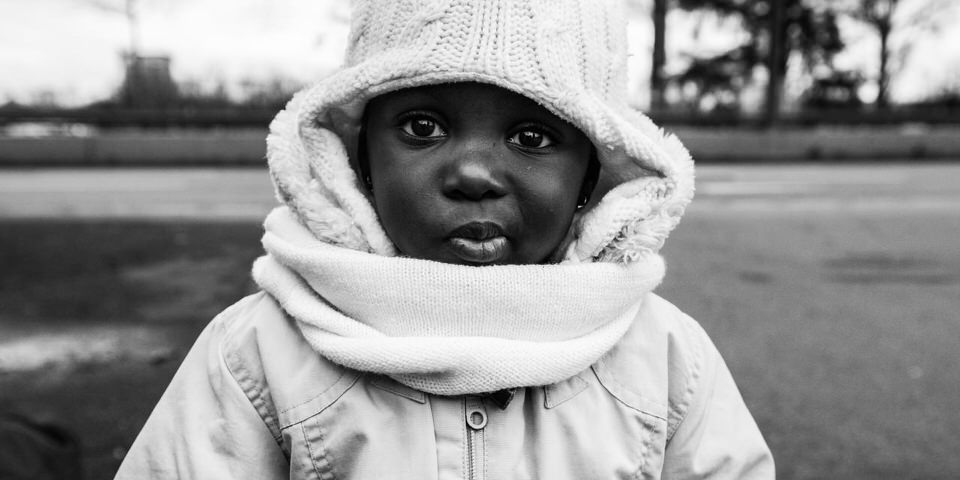
Ein Flüchtlingskind schaut in die Kamera

Ich war genervt. Mitte Dezember waren die Nachrichten überfüllt mit Zahlen über Flüchtlinge, Pegida-Demonstrationen und Gegendemonstrationen. Mit Politikern, die versuchten, sich in die Situation einzumischen oder irgendetwas Kluges zu sagen.

All das war mir zu viel und vor allem zu abstrakt. Ich konnte mir aus den Statistiken über Asylsuchende keinen Reim machen. Manchen Menschen geben mathematische Analysen ein Gefühl, den Überblick zu haben. Mir? Nicht so sehr.

Was mir fehlte, waren die Menschen, an denen schön herum- und vorbeidiskutiert wurde und ich hatte das Verlangen danach, Gesichter zu sehen. Ich wollte wissen. Wissen – nicht in Form angelesener Information, sondern in Form von Begegnungen.

So traf ich eine Entscheidung, schnappte meine 5D und lief zur Landes-Erstaufnahme-Stelle für Flüchtlinge in Karlsruhe, die vor zwei Jahren noch mit LaSt, heute Gott sei Dank mit LEA abgekürzt wird.

Nachdem ich vom Pförtner der Einrichtung einen Hörer in die Hand gedrückt bekam, zweimal weiterverbunden wurde und dann von der Pressestelle ein Verbot bekam, in der LEA ohne Termin und Begleitung zu fotografieren (dies hat Sicherheitsgründe, die ich respektiere), sprach ich Menschen zunächst auf der Straße vor der Aufnahmestelle an.

Die Kamera in der einen Hand, gab ich ihnen die andere und hieß sie willkommen in Deutschland. Plauderte mit ihnen und hörte zu. Stellte Fragen, die mir in den Sinn kamen.

Zum Abschluss erbat ich, ein Foto machen zu dürfen, da ich über Flüchtlinge in Deutschland berichten wolle. Von diesen Begnungen möchte ich nun erzählen.

Godstime steht vor einer Absperrung.

Godstime

Ich sehe einen Mann in bunter Kleidung und mit einem Dragonballrucksack auf dem Rücken, der die Ampel überquert und nehme mit ihm Augenkontakt auf. Lächele ihn an und stelle mich vor.

Wir einigen uns auf English, beginnen, ein wenig zu plaudern und er verrät mir seinen tollen Namen. Godstime ist gut gelaunt und hat sichtlich Spaß an unserer Unterhaltung.

Plötzlich wird er bestimmter und schaut mir offen in die Augen, denn er möchte mir sagen, warum er hier ist.

„There is war in my country.“

Ich muss schlucken. Ich habe doch keine Ahnung von Nigeria. Doch als er im nächsten Satz die militante Bewegung Boko Haram nennt, macht es in meinem Kopf ein paar Mal Klick.

Ja, davon habe ich gehört. Doch was das alles bedeutet für ein Menschenleben, das kann ich nicht wissen. Doch er weiß es, hat es erlebt.

Godstime schaut zur Seite.

Ich frage, wie er nach Deutschland gekommen sei und ob er mit einem Boot nach Italien geflohen war. „Yes. That was very dangerous“, antwortet er und ich erinnere mich an die Nachrichten von im Meer ertrunkenen Flüchtlingen.

Wir kommen auf seine Familie zu sprechen. Godstime hat keine Familie mehr, er habe sie verloren.

Verloren. Wie würde es mir gehen, wenn ich meine Familie verlieren würde? Ich möchte nicht daran denken, zu schmerzvoll. Für ihn ist es Realität, die er nicht einfach verdängen kann.

Ich bohre nicht weiter nach, da ich unser Gespräch nicht überstrapazieren möchte und Godstime nicht in die Emotionen aus der Vergangenheit drängen will.

„I’m sorry, Godstime“, sage ich und er nickt.

Nachdem ich ein paar Fotos gemacht habe, bedanke ich mich herzlich bei Godstime und wünsche ihm das Beste für sein Leben.

Mnebi schaut lächelnd an der Kamera vorbei.

Mnebi

Mnebi läuft mit einer Gruppe Flüchtlinge an mir vorbei und und imitiert die Pose eines Fotografen. „Foto?“

Überrascht drehe ich mich zu ihm. „Gerne!“ – doch vorher möchte ich wissen, wer dieser freundliche Herr überhaupt ist.

Mnebi hat eine tiefe, freundliche Stimme und verrät mir, dass er aus Istog im Kosovo kommt. Er spricht gutes Deutsch, was mich verwundert.

„Ich war schon einmal hier“, erzählt er. Mnebi hat von 1997 an 15 Jahre in Deutschland gelebt, doch es zog ihn zurück in seine Heimat.

Dort konnte er jedoch keine Arbeit finden – ein Umstand, den ich häufig von Menschen aus diesem Land gehört habe. Viele Menschen leben und wohnen im Müll und suchen verzeifelt nach etwas Nahrhaftem.

„Es ist sehr schlimm. Wir haben keinen Krieg, aber keine Arbeit, kein Geld, kein Essen.“ Und somit auch keine Chance, zu überleben.

So machte Mbebi sich vor drei Wochen auf, um der Armut zu entrinnen, gemeinsam mit seiner Frau.

Mnebi ist froh, hier zu sein. Seine Erleichterung ist deutlich zu spüren.

So nehme ich seine Einladung an und und mache ein paar Fotos. Nur drei, vier, um dieses Linse-ins-Gesicht-Halten so kurz wie möglich zu gestalten.

Einen kurzen Moment lang schaut Mnebi in die Ferne und ich drücke den Auslöser. Dieses Bild habe ich genommen, weil es für mich Mnebis Sehnsucht nach einer besseren Zukunft verdeutlicht.

Juuil schaut in die Kamera.

Isse und Juuil

Es ist bitterkalt und Januar. Ich besuche ein paar Flüchtlinge aus Gambia, die ich im Asylheim kennengelernt habe.

Es ist schon Abend geworden und in der Gemeinschaftsküche wird gekocht. Es reicht nach frisch zubereiteter Suppe und Hühnchenfleisch – der Duft lässt mir das Wasser im Mund zusammenlaufen, obwohl ich Vegetarier bin.

Am äußersten Rand sitzt eine Frau mit Kopftuch, die mit den Kindern einer anderen Frau spielt. Sie lacht ausgelassen und hat offensichtlich Spaß, den jüngsten Racker, der etwa zwei Jahre alt ist, durchzukitzeln.

Ihr Name ist Juuil und sie ist eine Muslima.

Juuil erzählt mir, dass sie aus Somalia stammt, lenkt aber sofort das Gespräch auf ihren blinden Vater, mit dem sie geflohen ist. Bereitwillig führt sie mich zu dem Zimmer, in dem ihr zweiundsiebzig Jahre alter Vater im Bett liegt.

Isse liegt in seinem Bett.

Sie stellt uns gegenseitig vor, doch der Anblick dieses Mannes zerreißt mir fast das Herz. Die Vorstellung, in einem fremden Land der Fremde zu sein, die Regeln nicht zu kennen und in hohem Alter auszureißen, grenzt schon an Wahnsinn.

Doch in diesem Stadium nichts sehen zu können – wie ist das auszuhalten? Es muss ein Horror sein.

Isse spricht nicht viel, reichte mir die Hand. Der kraftlose Händedruck dieses Mannes sagt in diesem Moment alles.

Juuil übersetzt für mich und umgekehrt. Es ist ein kurzes, aber intensives Gespräch. Beide sind mit meiner letzten Frage einverstanden und so darf ich fotografieren.

Während ich meine Kamera einpacke und mich bedanke, packte Juuil aus. Die beiden wären aus Somalia geflüchtet und mit einer eindeutigen Handbewegung sagt sie: „Because of BOOM BOOM, the Islamists“.

Isse liegt in seinem Bett.

Vor drei Jahren verlor Juuil auf diese Weise zwei ihrer Geschwister.

Und der Vater zwei Kinder.

Ich muss innehalten und bin wie getroffen.

Juuil spricht deutlich und klar. Sie gibt mir zu verstehen, dass sie eine stille Kämpferin ist, die noch lange nicht aufgegeben hat. All das, was ihr und Isse widerfahren ist, kann diese Frau weder brechen, noch davon abhalten, für ein besseren Leben zu streiten.


Mein Projekt „Willkommen in Deutschland“ hat mich verändert. Nun habe ich zu all den Zahlen und Debatten Gesichter und die Erlebnisse von Menschen, die nach Deutschland geflohen sind.

Dennoch war es nicht so, als ob ich mal so nebenher eine Erfahrung dazugewonnen hätte. Die Erzählungen, Stimmungen und Blicke der Flüchtlinge haben mich tief berührt und erschüttert.

So habe ich oft nach meinen Besuchen geweint, nachdem ich mich lange Zeit dagegen gewehrt hatte. Damit habe ich nicht gerechnet.

Diejenigen, die scheinbar nichts haben, geben mir so viel. Ihre Liebe zum Leben, die unbesiegbare Hoffnung und die Kraft der Flüchtlinge, durchzuhalten, haben mich sehr beeindruckt.

Willkommen in Deutschland!


kwerfeldein – Fotografie Magazin | Fotocommunity
 
Comments Off on Willkommen in Deutschland

Posted in Equipment


7 Photography Podcasts That are Worth a Listen

28 Jan

There is no shortage of podcasts about photography. They cater for everyone from beginners to experienced amateurs, semi-pros and professionals. A quick search in Google returns so many options it can be a bit overwhelming. It’s impossible to listen to them all, so how do you decide which ones to download or subscribe to? The simplest answer is to follow recommendations from friends and colleagues. So, in no particular order, here are seven photography based podcasts that I currently subscribe to, that I think will be of interest to you as a photographer:

1. This Week in Photo

Image 1 twip podcast logo sans text 480

This Week in Photo (TWiP) has been on my playlist for a long time now. My listening goes back to when Scott Bourne was running it. I found the show early in its lifetime, and have enjoyed listening each week as the many guests and co-hosts share their knowledge and expertise. TWiP is now hosted by Frederick van Johnson. It’s a light hearted look at the major stories from the previous week. Frederick and his guest hosts get down to the nitty gritty of the photographic world. The show is topical, very relevant and usually delivered with just a smattering of humour. It’s one of those podcasts that hasn’t left my playlist from the time I first discovered it quite a few years ago!

Editor’s note: yours truly, Darlene Hildebrandt, has been a co-host on the show several times as well! Always a good time and great discussion.

2. TWiP Street Focus

Image 2 TWiP SF

Street Focus is a new podcast under the TWiP umbrella, hosted by dPS author, Valerie Jardin. She says on her website, “The day I picked up a camera I became a storyteller. Photography is my passion, my obsession, my addiction. I live and breathe in pixels!”

This is obvious when you listen to the Street Focus podcast. I listened to a couple of episodes and immediately subscribed. These days I have to think a podcast is very good before I subscribe because I always unsubscribe from another to make way for the new one. There just isn’t enough time to listen to all the great podcasts out there. This one was good enough for me to do just that! Valerie shares her knowledge about street photography openly, and freely, and has some great guests too.

Her interviews draw out interesting snippets of information from her guests. If you’re thinking of travelling somewhere for the first time, it might pay you to check out the Street Focus archives and see if Valerie has interviewed a photographer from the city you’re visiting. They always describe locations, often in areas not usually frequented by tourists, that offer great opportunities for street photography.
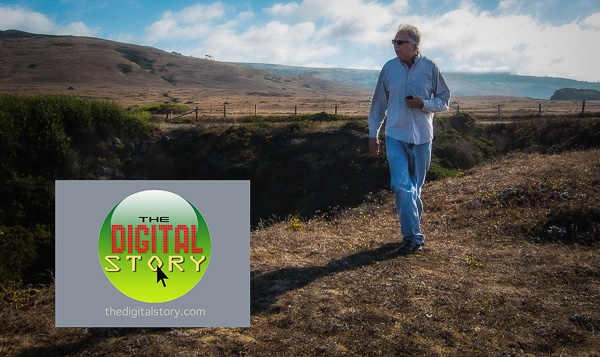
3. The Digital Story

Image 3 Derrick with TDS logo

The Digital Story is a short and pithy podcast hosted by Derrick Story. He usually covers a few topical stories at the beginning of each episode before getting into three more in-depth stories. His technical knowledge is very good and he distills that knowledge into language that everyone can understand. Derrick wears many hats as a photographer and technologist, and his stories cover all manner of subject matter that relate in some way or another to photography. Derrick is also known as the “Nimble Photographer” and enjoys sharing ways to make your life easier as a travelling photographer. He is also a semi-regular guest host on This Week in Photo.

4. The Candid Frame

Image 4 TCFlogo3

I discovered The Candid Frame a couple of years ago and it is one of the most refreshing photography podcasts I’ve heard. You won’t find anything to do with the latest cameras or equipment. Nor will you find anything to do with technique. What you will discover is Ibarionex Perello, a man with a deep insight and understanding of the photographic world.

Each episode, Ibarionex interviews someone new and delves deep into their psyche to extract information about their thought processes. He has grown as an interviewer and is a pleasure to listen to. It’s obvious that Ibarionex does his research before each interview because his questions are not those you would normally expect to hear. They are insightful and deliver responses that go to the core of the interviewee.

5. Photobiz Xposed

Image 5 PhotoBizX logo 600

The Photobiz Xposed podcast by Andrew Hellmich is well worth a listen for any photographer. Its primary focus is the business of photography, particularly for those specializing in portraits and weddings. To be honest though, any photographer can learn from the expert guests Andrew has on his show. In fact, I’d say many of the strategies and much of the information could be helpful to anyone running a business, no matter what it is. The principles explained during the podcast episodes could translate equally well across many platforms.

Andrew has a relaxed way of interacting with his guests and manages to elicit great information from them. There are two levels for this podcast – a free version and a subscription version. Those that pay the monthly subscription get the full interview, whereas those that subscribe to the free version get a shortened, but still very valuable, version. There are usually downloads for those who subscribe too. I’m a fan, and I do pay the monthly subscription.

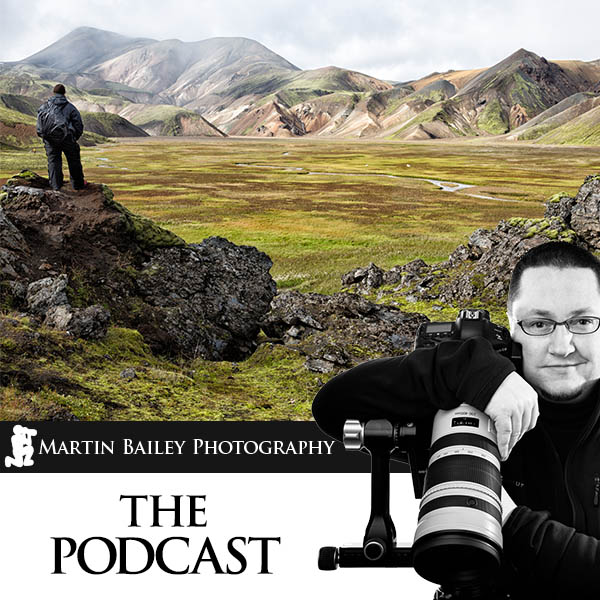
6. Martin Bailey Photography Podcast

Image 6 mbpp logo 600px

The Martin Bailey Photography Podcast is another long running show. Martin has been putting out weekly episodes since 2005. He hails from England originally, but has been based in Tokyo for many years and specializes in nature and wildlife photography. He’s also a regular guest host of This Week in Photo, an author, and a Master in The Arcanum. Martin is a font of knowledge and his relaxed attitude makes him easy to listen to each week. He covers many topics related to photography and the business of photography. Another must listen!

7. Tips from the Top Floor

This is probably one of the first, if not THE first photography podcast to hit the air. Hosted by Chris Marquardt, Tips from the Top Floor has been running since about 2005 and covers all sorts of photography related topics – from photographing the night sky, to answering reader / listener questions and shooting portraits. Each episode is relatively short and easy to listen to. Like the other podcasts in the list, Chris has an easy going approach and shares his knowledge freely.

Honourable Mentions

Although this is the list of seven podcasts I currently listen to, there have been many others I’ve subscribed to over the years. There just aren’t enough hours in the day to listen to them all, so I have to unsubscribe from some occasionally. That doesn’t mean they’re bad podcasts, or not as good as the seven above, it simply means that at this current time I find myself listening to these seven. So, here’s a few more that might be more suitable for you (check out them all and you decide):

TWiP Your Itinerary is a new addition to the TWiP network and I’ve listened to them all so far to check them out. I’m not sure I’ll subscribe at this point, but I’m certainly keeping my eyes and ears on it. The content is good and Rob Knight is well suited to the hosting role. The podcast covers topics related to travel photography.

TWiP All About The Gear is another one from the TWiP network. Frederick van Johnson has made some really good decisions with the format of the main show and then branching out into sub-genres. This one is no different. Host Doug Kaye and Frederick discuss the nitty-gritty of cameras and other related products. They delve into the heart of the subject to keep listeners informed about all the latest gear. This is a great podcast, but not one I subscribe to. I regularly visit their website to check what the latest episode is about and then listen if it’s of particular interest to me. So I pick and choose the episodes I listen to.
Ready Steady Pro is a podcast hosted by Michael Rammell out of the United Kingdom. It’s dedicated to those moving from amateur to pro and has some great information. The show has been on a bit of a hiatus lately but Michael is planning more episodes again soon. The podcast will be moving from weekly to bi-weekly when it resumes. I’m looking forward to listening to this one again as Michael always covers interesting topics.

Digital Photo Experience hosted by Juan Pons and Rick “Godfather” Sammon is a fantastic listen. Although I’m not currently subscribed, I highly recommend this podcast. Both Juan and Rick discuss all sorts of topics around photography. They’re easy to listen to and get the information across in a way that’s easy for beginners to understand, without being too simplified for the advanced amateur. I’m sure Rick’s mind only stops when he’s sleeping and I’m not sure it even stops then! There’s always something new and exciting on this show.

Adorama TV post numerous video podcasts covering quite a range of topics. There’s tutorials by Mark Wallace, Gavin Hoey, Tamara Lackey – there’s something for everyone under the Adorama banner. They’re well worth checking out. I tend to watch them ad hoc when I have some spare time because they’re video related and I usually listen to my regular podcasts while I’m driving.

Do you have any other favourite podcasts not on this list? We’d love to hear about them or if you listen to the ones mentioned tell us what you enjoy about those.

googletag.cmd.push(function() {
tablet_slots.push( googletag.defineSlot( “/1005424/_dPSv4_tab-all-article-bottom_(300×250)”, [300, 250], “pb-ad-78623” ).addService( googletag.pubads() ) ); } );

googletag.cmd.push(function() {
mobile_slots.push( googletag.defineSlot( “/1005424/_dPSv4_mob-all-article-bottom_(300×250)”, [300, 250], “pb-ad-78158” ).addService( googletag.pubads() ) ); } );

The post 7 Photography Podcasts That are Worth a Listen by Ken Lyons appeared first on Digital Photography School.


Digital Photography School

 
Comments Off on 7 Photography Podcasts That are Worth a Listen

Posted in Photography