RSS
 

Archive for January, 2015

Panasonic reveals Lumix DMC-GF7 with tilting LCD

20 Jan

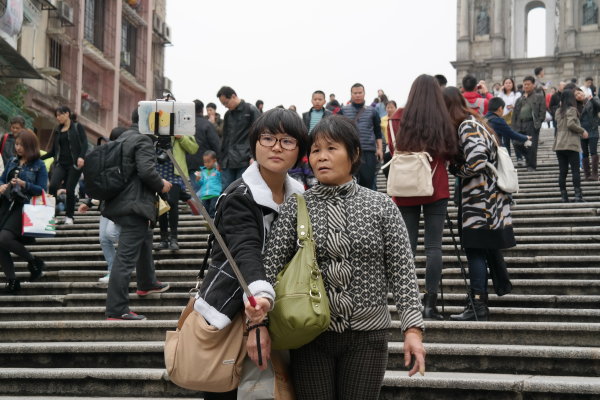
Panasonic has taken the wraps off the Lumix DMC-GF7, a retro-styled 16MP mirrorless camera with a 180-degree upward-tilting screen ready for – you guessed it – selfies. Internally, it shares much of the GM1/GM5’s components including built-in Wi-Fi with NFC and a sensor it also shares with the Lumix GX7 offering 1080/60p HD video. Read more

Articles: Digital Photography Review (dpreview.com)

 
Comments Off on Panasonic reveals Lumix DMC-GF7 with tilting LCD

Posted in Uncategorized


Trina Turk On Growing A Fashion Business

20 Jan

Hi FashionPhotograhyBlog.com readers,

Vince Gonzales from Vinpix is back on FPBlog, after the interview he did with fashion photographer, Jonathan Skow detailing his  workflow processes. Vince chats to the faces behind the popular Californian fashion design label, “Trina Turk”, to uncover how the dynamic duo built their fashion business and designer brand, and to find out if there are any future plans they have with their business. The stage is all yours Vince!  

Vince Gonzales Vinpix Trina Turk & Jonathan Skow

Vince Gonzales: Trina when you started you were primarily focused on women’s clothes?


Trina Turk: Yes, we started as a women’s contemporary collection… in 1995 out of our house in Los Villes… and (at) that time Jonathan was still a stylist. We started in a very small way with just a 15 piece collection and got into some great stores right off the bat and it’s just been this very sort of slow and steady growth since then. Now, we have eight of our own retail stores but we are still primarily wholesalers and have expanded into some (new) categories.


I think that the most interesting thing is the part of having your own stores, because you’re in touch with who your customer is and what they are actually saying about the product – what they like, what they don’t like and what they want so now; it’s become more of a mini lifestyle brand and I think, through (our) photos and everything we are doing, we are creating this lifestyle. We are always looking at everything – anything can be an inspiration; it could be an artist’s work or (something else) but of course it has to be interpreted and it has to be principle. 

Vince Gonzales Vinpix Trina Turk & Jonathan Skow

 Now with digital printing you can pretty much print anything. We have a line of indoor/outdoor printed fabric, it’s called Trina Turk Indoor/Outdoor for Schumaker. Schumaker is a venerable, old interior design textile firm and we have a licence with them for brightly printed fabric for outdoor furniture, although a lot of people use it for indoors too. We (also) have a license for bedding, (the category is really going through some big growth right now) and decorative pillows (like embroidered needle point pillows) for your home. So there’s quite a few things going on. 

Vince Gonzales Vinpix Trina Turk & Jonathan Skow

Vince Gonzales: What about you, Jonathon, you got anything interesting (coming up)?


Jonathon Skow: Well, Mr Turk is becoming more a part of my day to day schedule which is kinda exciting. The more it grows the more time I have to spend on it, that’s (always) fun. The website has been big (on the list). It’s been more about videos, photos and stuff that’s there to bring people to the site, so we have been spending a lot of time creating it.


Vince Gonzales:  Well, thanks guys. We’ll see you next time… I really appreciate it guys, that was fun!


Did you find Vince’s interview with Trina Turk and Jonathan Skow interesting? Please leave your comments below in the comment section. We would like to know what you thought about this post. If you enjoyed this post, stay tuned as Vince has another post coming up soon on FashionPhotograhyBlog.com. You can also read our article on how Jonathan Skow explains his workflow process here. You can also follow Trina, Jonathan and Vince on social media.

Vince Gonzales Vinpix Trina Turk & Jonathan SkowTrina Turk: @ShopTrinaTurk

Jonathan Turk: @MrTurk

Vince Gonzales @vinpix


IMAGE SOURCE: 

Feature image & images 1 & 3: courtesy of Jonathan Skow

Image 2 & 4: courtesy of Vinpix


Fashion Photography Blog

 
Comments Off on Trina Turk On Growing A Fashion Business

Posted in Uncategorized


New GF: Panasonic Lumix DMC-GF7 flips for selfies

20 Jan

The GF7 is the newest member of Panasonic’s entry-level line of compact mirrorless cameras, this time with a heavy emphasis on social media. It takes many of its design cues from the Panasonic’s stylish GM camera bodies, bringing fresh lines for a look that will appeal to photo purists. How does the new design influence the GF user experience? Read our preview to find out.

Articles: Digital Photography Review (dpreview.com)

 
Comments Off on New GF: Panasonic Lumix DMC-GF7 flips for selfies

Posted in Uncategorized


Go-go GoPro Accessories

20 Jan

Go big or go home? Your GoPro is capable of both those things and so much more.

You’re gonna go big and beyond with these GoPro Accessories.

Four items that’ll elevate, concentrate, protect and stabilize your GoPro shots.

See Photojojo’s GoPro Accessories
(…)
Read the rest of Go-go GoPro Accessories (0 words)


© Erin for Photojojo, 2015. |
Permalink |
No comment |
Add to
del.icio.us

Post tags:


Photojojo

 
Comments Off on Go-go GoPro Accessories

Posted in Equipment


Nikon provides instructions for flare-affected D750 owners

20 Jan

Nikon has just provided detailed instructions for D750 owners seeking to repairs to correct an issue related to flare. The company had previously announced plans to service affected cameras for free, and has just issued information that will help camera owners identify whether their unit is included under the advisory. Read more

Articles: Digital Photography Review (dpreview.com)

 
Comments Off on Nikon provides instructions for flare-affected D750 owners

Posted in Uncategorized


Das Dunkle in mir

20 Jan

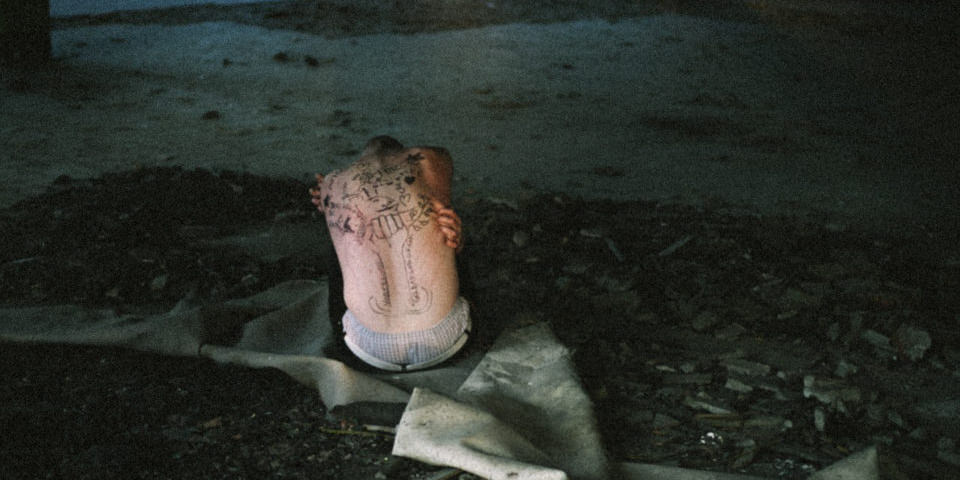
Eine Person mit bemaltem Rücken

Ein Beitrag von: Christoph Ermert

Es gab eine Zeit in meinem Leben, da erschien mir alles geregelt und normal verlaufend. Ich fühlte mich in mir sicher und mein Handeln war souverän. Inzwischen kommt mir das vor wie ein fremdes Leben. Denn plötzlich sollte alles anders kommen und nicht nur diverse Umstände in meinem Leben änderten sich, sondern auch ganz viel an mir. Meine Komfortzone löste sich um mich herum auf.

Bis zu diesem Zeitpunkt war es mir immer gelungen, eine ganz bestimmte Sache fast komplett aus meinem Leben rauszuhalten: Gefühle. Je weniger ich an positiven als auch negativen Gefühlen zuließ, desto besser würde es mir gehen, dachte ich. Aus heutiger Sicht – naiv und dumm.

Mit stetiger Entwicklung und Auseinandersetzung mit mir selbst kam es zu mehr und mehr Gefühlen. Mehr als mir lieb waren und scheinbar auch mehr als ich ertragen konnte. Denn irgendwann sollte ich mich nicht nur am Boden meiner Wohnung, sondern gefühlt am Ende meines Lebens wiederfinden. Was ich hatte? Depressionen ­­– wie es später auch offiziell hieß.

Ein Mann im Tütü

Nach einiger Zeit war mir klar: Entweder das Ganze kostet mich mehr als ich habe oder ich muss meinen Stolz überwinden und mir Hilfe suchen. Ich entschied mich für Letzteres und begab mich in Therapie – ein Segen! Innerhalb der Therapie ging es unter anderem darum, zu beschreiben, wie es mir geht, wenn ich keine Kraft mehr habe, wenn ich nicht mehr an mich und an das Gute glaube.

Aber ich konnte und kann es kaum beschreiben, was ich empfinde und wie ich mich fühle. Wie kann ich davon reden, was mich derart an den Abgrund bringt? Wie soll ich mit Sprache darstellen, dass mir die Kraft zum Atmen fehlt? Wie soll ich Worte finden, wenn ich nichts Schönes an und in mir selbst finde? Sprache kreiert und schafft Neues. Aber was ist, wenn sich kein Material finden lässt, mit dem die Sprache arbeiten kann?

Einsamkeit, Passivität, Isolation – dies sind Schlagwörter, mit denen man eine Depression beschreiben kann. Doch nicht nur Betroffene sind sich im Klaren, dass dieser Versuch des Sprachgebrauchs, des Ringens um Worte einen erschöpft und unbefriedigt zurück lassen muss.

In Konfrontation mit der Krankheit selbst findet man sich meist in Angst und Hoffnungslosigkeit wieder, denn die wichtigste und entscheidendste Kommunikationsmöglichkeit mit der eigenen Umwelt wird einem verwehrt.
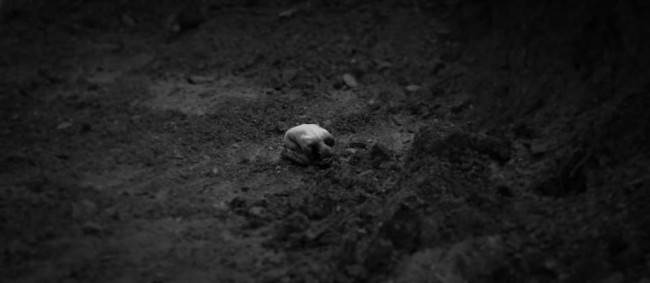
Ein Mensch kniet in der Erde

Also brauchte ich einen anderen Weg. Eine Möglichkeit, die mir und meiner Umwelt zeigt, was mit mir passiert, was ich empfinde. Der Plan war folgender: Wann immer ich unter dieser dunklen Wolke saß, sollte ich mir überlegen, wie das ganze als Foto aussehen würde.

Welche Haltung würde ich einnehmen? Wie sieht der Raum aus, in dem ich mich befinde? Welche Farben würden dominieren? Dies war und ist der erste Teil meiner Selbsttherapie und im Grunde der wichtigste und schwierigste, denn so schlecht es mir auch geht, ich muss mich auf mich konzentrieren, schauen wie es mir geht, ein Gefühl für mich bekommen.

Am Anfang kam mir das alles mehr als seltsam vor, denn nun musste ich mich meinen Gefühlen wirklich stellen und sie ausdrücken. Außerdem fehlte mir die Kraft, der Antrieb und der Glaube daran, mich darauf einzulassen.

Aber ich versuchte es trotzdem, machte mir Notizen und kleine Skizzen. Denn vieles, was ich in diesen dunklen Zeiten denke und erlebe, verschwindet später zusammen mit dem Nebel, da ich in der Dunkelheit zumeist nicht wirklich bei mir bin und alles wie in einem Traum erlebe.
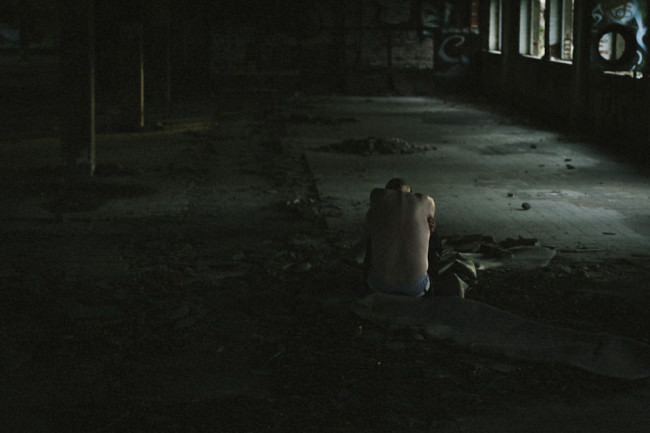
Eine Person mit blankem Rücken

Der zweite Teil ist deutlich einfacher. Sobald es mir etwas besser geht, nehme ich meine Fotoausrüstung und suche mir einen Ort, an dem ich das Foto machen kann, baue alles auf, spiele etwas mit Perspektive, Belichtung und Fokus und bringe mich in Stellung.

Besonders perfektionistisch bin ich dabei nicht. Erstens würde es nicht zu mir passen und zweitens geht es mir selten um ein perfektes Bild, sondern darum, einen Ausdruck für das zu finden, was in mir ist. Und das ist selten perfekt.

Dass ich jedoch überhaupt anfange, produktiv zu werden, ist für mich ein wichtiger Schritt. Es gibt mir eine Aufgabe und das Gefühl, dass ich etwas schaffen kann. Aber auch die Bewegung, das Laufen durch den Wald und den Ort gibt mir wieder Augen für die Dinge, die ich zuvor nicht wahrnehmen konnte. Diese wiedergewonnene Sicht löst mich bereits ein Stück aus meiner Dunkelheit und Isolation.
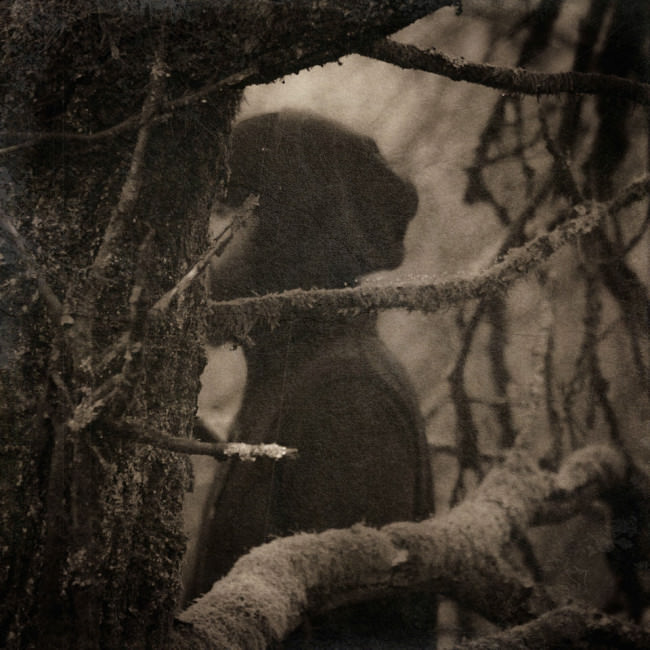
Eine Person hinter einem Baum

Sobald ich mit dem Zwischenergebnis zufrieden bin, mache ich mich auf dem Weg nach Hause, setze mich an den PC und schiebe so lange an den Reglern von Lightroom, bis ich das Gefühl habe: Ja das kommt hin – das ist im Groben das, was ich haben wollte, das ist ein Teil von mir.

Danach kommt nur noch etwas Kleinarbeit, ich verlasse meinen PC und lasse das Foto im Vollbildmodus darauf. Nun gehe ich immer wieder an den PC und schaue, was der erste Eindruck mit mir macht und verändere die Kleinigkeiten, die nicht zur Stimmung passen. Irgendwann bin ich zufrieden, die Stimmung und dieser erste Eindruck, das alles passt zu mir.
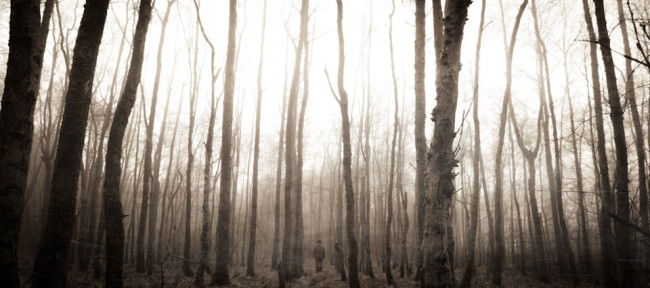
Bäume und die Silhuette einer Person

Meistens drucke ich mir die Bilder aus, hänge sie in meine Wohnung und versuche dieses Wesen im Bild und diese Welt, in der es wandelt, zu verstehen. Dadurch werden die Bilder Warnzeichen für mich selbst. Sie erinnern mich daran, dass ich mich in diesen Zeiten verloren fühle und sie voller Schmerz sind.

Gleichzeitig sind die Bilder dadurch aber auch ein Antrieb, diese Zeiten so selten und so mild wie möglich zu erleben. Manchmal rauben die Bilder mir auch heute noch den Atem – ich bin sprachlos, was aus mir geworden ist und ich habe Angst, dass der Schmerz mit all seiner Wucht zurückkommt.

Aber ich sehe auch, was anders ist, wenn ich die entwickelten Bilder mit den ursprünglichen Bildern in meinem Kopf vergleiche. Oft komme ich zu einem interessanten Punkt: Fast alle Bilder sind nachher heller und freundlicher („freundlich“ ist sicherlich ein vollkommen falscher Begriff in diesem Zusammenhang) als es ursprünglich vor meinem Auge war. Heller und schärfer als ich mich gefühlt habe. Vermutlich ist es das, was mich letzten Endes ausmacht: Ich bin nicht nur dunkel, abseits und unscharf. Nein. An mir gibt es auch viel Gutes und Schönes.
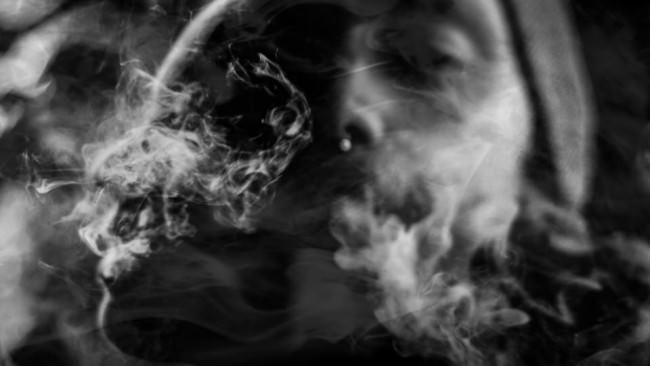
Doppelbelichtung mit Rauch

Oft sind es eben zwei Welten, in denen ich mich bewege: Eine helle und eine dunkle Welt. Diese zwei Welten zu vereinen ist schwer, aber mein großes Ziel. Ich möchte diese Depression nicht mehr von mir wegschieben und so tun, als wenn sie eine Krankheit wäre, die sich mal eben mit Hilfe von Tabletten und Therapie kurieren lässt. Nein, das, was dunkel und beängstigend an mir ist, das bin eben auch ich.

Ich möchte, dass Freunde und Menschen, die mich lieben, mich als Ganzes, bestehend aus diesen zwei Welten, wahrnehmen. Ich möchte nicht mehr nur das Eine sein. Deshalb lasse ich sie meine Bilder sehen und stelle sie ins Internet. Ich strebe dabei nicht nach Anerkennung oder versuche, Mitleid zu erwecken – sondern ich versuche, mich mitzuteilen und somit Verständnis für meine Situation zu schaffen.

Seitdem ich diese zweite Seite an mir entdeckt habe und sie erkennbar ist, sind deutlich weniger Freunde um mich herum – denn ich bin wohl kompliziert. Oder zumindest ist es meine Situation. Aber die Menschen, die ich heute noch habe, sind die Menschen, die mir Geborgenheit geben.
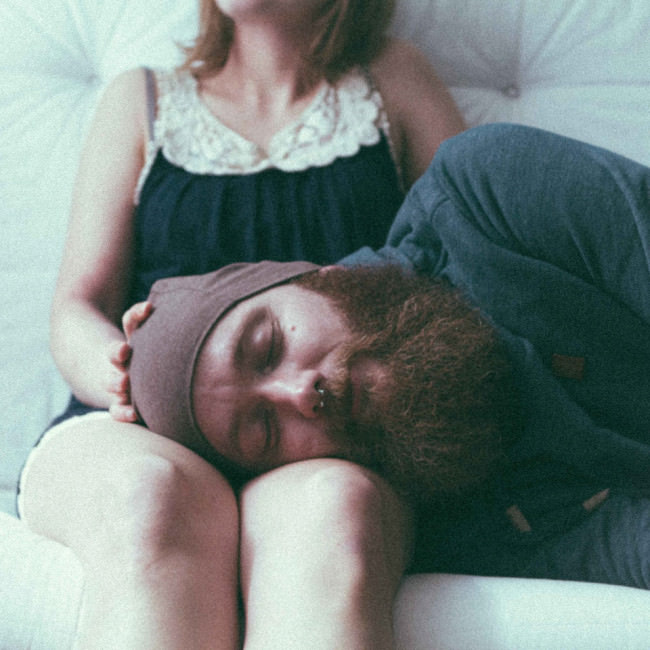
Ein Mann liegt auf dem Schoß einer Frau

Ich möchte keinen Appell für diejenigen schreiben, denen es auch so geht wie mir, denn ich weiß nicht, inwieweit es anderen eine Hilfe sein kann, sich in Bildern auszudrücken und selbst zu sehen. Aber einen Appell habe ich doch: Es ist keine große Kunst, solche Bilder zu machen, aber eine große Kunst, Menschen in ihren Bildern als Ganzes zu sehen und zu verstehen.


kwerfeldein – Fotografie Magazin | Fotocommunity

 
Comments Off on Das Dunkle in mir

Posted in Equipment


Textscape: 3D-Printed Typography Stretches Up Like City Blocks

20 Jan

[ By Steph in Design & Graphics & Branding. ]

type landscape 1

Like braille for the seeing, this 3D-printed text raises off the page to add an extra dimension of physicality and meaning to its subject matter, the end result resembling a cityscape made of typography. The ‘Textscape’ project by Hongtao Zhou includes actual braille, as well as various languages and alphabets, calligraphies and number systems.

type landscape 2

The intent is to connect the text to its visuality in architecture, landscape, portraits and ‘abstract matters,’ profiling it in a way that can be consumed both literally and intuitively.

type landscape 3

Says the artist, “Printing technology was first created in ancient China to reproduce text using woodblocks, however today’s definition had been widely adopted in 3D printing, an additive process more often to create objects instead of duplicative text.”

type landscape 4

In this project, the text itself retains a legible meaning, while other letter-centric works often focus solely on the beauty of the typography. One example is Jaume Plensa’s monumental typographic sculptures. See 12 more works of typography art.

Share on Facebook


[ By Steph in Design & Graphics & Branding. ]

[ WebUrbanist | Archives | Galleries | Privacy | TOS ]


WebUrbanist

 
Comments Off on Textscape: 3D-Printed Typography Stretches Up Like City Blocks

Posted in Creativity


Manfrotto launches Off Road camera gear

20 Jan

Manfrotto has introduced a new lineup of backpacks in its Off Road collection designed for outdoor photographers. The backpacks allow for both personal items and camera gear to be toted around, including the new walking sticks and tripods the company has also launched. Read more

Articles: Digital Photography Review (dpreview.com)

 
Comments Off on Manfrotto launches Off Road camera gear

Posted in Uncategorized


Retro Style Tech: 10 Modern Gadgets with a Nostalgic Look

20 Jan

[ By Steph in Technology & Vintage & Retro. ]

philco pc

If you’re nostalgic for Walkman-equipped jogs, need a desktop computer that fits into a midcentury modern design scheme or just want to gaze lovingly at cassette tapes and reminisce while you’re working, these gadgets will scratch that itch while still providing all the functions you expect from contemporary technology.

CURVED/labs Macintosh-Inspired Computer

retro tech macintosh

This computer by CURVED/LAbs features the same sleek aluminum casing seen on the latest slimline Apple computers, but takes the aesthetics in the other direction – way back to the original Macintosh released in 1984. The computer mimics the original in looks, but features a 11.6-inch touchscreen, SD card slots, speakers, microphones and all of the other modern functions and accessories you’d expect.

Rotary iPhone Dock

retro tech rotary iphone dock

Cast in resin to perfectly replicate vintage rotary phones, this iPhone dock by iRetrofone on Etsy features a spot that fits various generations of iPhones just right. It’ll charge your phone, and the handset is actually usable, so you can pretend like it’s 1985 while chatting, even as you swipe at apps on your screen.

Audio Infuser Stereo & Record Player

retro tech audio infuser 2
retro tech audio infuser 1

It may look like it could be, but designer Todd Kumpf emphasizes of the Audio Infuser 4700 that it’s “not your grandpa’s stereo.” The exterior looks just like retro stereos with its stained wood and brushed aluminum, but in addition to playing records, it’s equipped with a Linux-driven Raspberri Pi that operates as the wifi receiver so the stereo can stream music wirelessly from any mobile device, laptop or desktop computer. It can even stream music from the record player out to other wifi enabled speakers.

Vintage Camera iPhone Dock

vintage camera iphone dock

Sometimes high-tech gadgets just don’t fit in with the aesthetics of your personal space. Anyone with a vintage flair in their interior design might like an iPhone charger that fits in with the decor on their bedside table, like the camera docks created by Etsy shop Laboratorio Altieri.

Gramaphone for iPhone

iphone gramaphone

Take it way back to the early 20th century with an iphone amplifier made to look just like an old gramophone, with a solid walnut dock. It’s available at Restoration Hardware.


Next Page – Click Below to Read More:
Retro Style Tech 10 Modern Gadgets With A Nostalgic Look

Share on Facebook


[ By Steph in Technology & Vintage & Retro. ]

[ WebUrbanist | Archives | Galleries | Privacy | TOS ]


WebUrbanist

 
Comments Off on Retro Style Tech: 10 Modern Gadgets with a Nostalgic Look

Posted in Creativity


4 Things You Must do BEFORE Becoming a Professional Photographer

20 Jan

Are you considering making the leap from being an amateur photographer to a professional? Join the club!

There are many pro photographers today making a living off of the craft, but of course there are a fair number of challenges that come with the job. I’ve been a successful full-time professional photographer for two years now, and like most others, I have my share of things I wish I had done to prepare for the lifestyle. Here are four basic things that every aspiring professional photographer should do before they make the leap.

John Lee Maverick

By John Lee Maverick

1. Determine what kind of professional photographer you want to be

The most important thing you should carefully detail is what type of photographer you strive to be, and who is your ideal client. Do you want to shoot weddings and families, corporate events and head shots, or creative portraiture for editorial or advertising use? The answer to this question is crucial to help you identify if the market segment you choose is profitable, and if so, who is your target audience and how best to appeal to them to hire you. You wouldn’t market wedding photography services in the same way that you would sell corporate headshot services because your ideal client is different.

Once you determine the photography skills you want to market, the next step is to make sure that you have demonstrated skill in that area. Do you and the current clients you’ve worked with feel that your photography work to date demonstrates commercial viability (in other words, would enough other people pay for it)? If so, then it’s time to build an online portfolio of images demonstrating your creativity and skill. Make sure your portfolio not only contains a fair number of unique images, but also some words that introduce yourself and establish the qualities that set you apart from your competition. Don’t skimp on the words – remember that some people connect better with words over images.

Jonathan Chie

By Jonathan Chie

2. Establish your baseline expenses and make sure you have some savings

One of the biggest challenges that professional photographers can face is the instability of a reliable paycheck. Unless you can strike up long-term photography contracts with clients or find a steady stream of clients, there’s no guarantee you’ll be getting a monthly paycheck. Even if you do get clients, there’s a huge chance that payments will come in later than expected (to compensate in these instances, be sure to charge a late fee).

As a result of potential payment instability, it’s important that you assess your monthly baseline expenses and know how much you absolutely need to be making in cash each month. Next, match these expenses to how much you currently have in savings and make sure you would have enough saved away to cover yourself in case you don’t bring in enough revenue. Give yourself about six months to a year to establish your business and generate regular income; if over time you can’t cover your baseline expenses with your savings and sales, that’s the first signal that your professional photography career might need some reconsidering.

Kenny Louie

By Kenny Louie

3. Buy and insure all of the gear you will need, and know where to rent if needed

As a professional photographer, you should own, or have regular access to, all of the essential camera gear that is needed to fulfill the photography jobs that you are seeking. For example, wildlife and sports photographers absolutely need to have telephoto lenses, whereas real estate photographers need to have wide angle lenses. Do your homework and know what kind of gear you’ll need, and start acquiring it, or at least know where you can rent the gear that is too expensive or impractical to own. If you’re lucky, you’ll have a brick-and-mortar camera rental center in your town or a nice friend willing to loan out gear; if not, there are several gear rental options online worth looking into.

If you do purchase your own gear, be sure to get insurance on all of your equipment to aid in covering the expenses of needing to fix broken gear or replace stolen gear. As an amateur photographer, you’ll likely be able to have your equipment covered by personal property insurance, which is usually pretty affordable. However, as a professional photographer, you’ll need to get professional or business insurance coverage of your gear, which tends to be a bit pricier, but also more inclusive of business-related problems that could occur such as liability issues.

Vintspiration

By vintspiration

4. Get professional photography memberships

As a professional photographer, you’re entitled to some benefits if you know where to look. One of the first memberships you should look into is Canon Professional Services (CPS for Canon shooters) or Nikon Professional Services (for Nikon shooters) – there will be a membership for your brand in your country, just do some searching. The benefits of each vary but can include expedited shipping on repairs, equipment loans, and on-site support at certain events. To enjoy the full benefits of Professional Services, you’ll have to prove that you are a full-time professional or that you own a set amount of professional gear, and in the case of Canon pay an annual fee. But the value of having quicker repairs is immeasurable for professionals.

Another membership worth looking into is with the Professional Photographers of America (PPA). A non-profit association with over 27,000 members in 50+ countries, the main benefits of membership are equipment insurance and discounts and savings from select vendors, all of which are included in PPA’s annual fee. There are of course many other photography associations, distinguished mainly by the types of photographers they serve, each offering its own set of benefits. Examples include the American Photography Association, National Press Photographers Association, and North American Nature Photography Association, to name a few. This is again when it becomes pertinent to specialize in a specific type of photography. Look for similar groups in your area or country.

Are you considering becoming a professional photographer? What other questions are on your mind as you prepare?

googletag.cmd.push(function() {
tablet_slots.push( googletag.defineSlot( “/1005424/_dPSv4_tab-all-article-bottom_(300×250)”, [300, 250], “pb-ad-78623” ).addService( googletag.pubads() ) ); } );

googletag.cmd.push(function() {
mobile_slots.push( googletag.defineSlot( “/1005424/_dPSv4_mob-all-article-bottom_(300×250)”, [300, 250], “pb-ad-78158” ).addService( googletag.pubads() ) ); } );

The post 4 Things You Must do BEFORE Becoming a Professional Photographer by Suzi Pratt appeared first on Digital Photography School.


Digital Photography School

 
Comments Off on 4 Things You Must do BEFORE Becoming a Professional Photographer

Posted in Photography