RSS
 

Archive for November, 2014

Using a 10 Stop Neutral Density Filter to add Drama to the Sky

24 Nov

In this Adorama video Bryan Peterson shows you how he uses a 10 stop neutral density filter to take an image from average, to dynamic. The filter basically just blocks light allowing you to make longer exposures. In this city skyline shot it changes how the clouds appear in the final image.

Filter mentioned in the video:

  • B+W 10 stop neutral density filter

Other dPS articles about using ND filters:

  • Polarizing and Neutral Density Filters: Essentials for Landscape Photography
  • High Speed Sync Versus a Neutral Density Filter to Overcome Bright Sunlight in Portraits
  • How to do Dreamy Landscape Photography with a Neutral Density Filter
  • 7 Tips to Help Improve Your Seascape Photos by Controlling the Waves
  • Step-by-step Guide to Long Exposure Photography

The post Using a 10 Stop Neutral Density Filter to add Drama to the Sky by Darlene Hildebrandt appeared first on Digital Photography School.


Digital Photography School

 
Comments Off on Using a 10 Stop Neutral Density Filter to add Drama to the Sky

Posted in Photography


Positionen zur Landschaftsfotografie

24 Nov

Zu Beginn eine Behauptung: Die Landschaftsfotografie ist derzeit ein stinkender Haufen kitschiger Müll, sich nie verändernder überdramatischer, pittoresker Reproduktionen. In Anbetracht gängiger und populärer Umsetzungen denkt man eher an billigen Plastik-Techno der 90er Jahre, als an anspruchsvolle, Geist und Seele berührende Singer-Songwriter-Musik.

Natürlich muss hier sofort die Frage beantwortet werden, was eigentlich mit Landschaftsfotografie gemeint ist. Das Wort erklärt sich zwar von selbst, doch es gibt wohl tausende Fotografen, die nicht identische Ergebnisse liefern.

Gemeint ist das, was ich zu sehen bekomme, wenn ich das Genre im Exposé von 500px besuche oder die englische Version des Begriffes auf Flickr eingebe. Weitere Paradebeispiele brauche ich nicht zu nennen und auch die Google-Bildersuche unterstreicht den Befund.

An dieser Stelle könnte ich diesen Artikel beenden, denn eigentlich ist alles gesagt. Doch ich sehe keinen Sinn darin, auf ein Thema derart einzuprügeln, ohne ansatzweise konstruktive Gedanken hinterlassen zu haben.

Buntheit, Dramatik und HDR

Doch dazu muss ich weiter ausholen: Als Herausgeber dieser Internet-Zeitschrift bin ich sehr, sehr oft auf Streifzügen durch Foto-Communities jeglicher Art. Seien dies nun Flickr, 500px, Behance oder gar bei aller Verzweiflung die FC.

Dort halte ich Ausschau nach ungesehenen Talenten aller Art, unter anderem auch aus dem Teilbereich der Landschaftsfotografie. Was mir dort jedoch an Bildmterial entgegenwuchert, halte ich häufig keine zehn Minuten lang aus.

Die perverse Buntheit, übertriebene Dramatik und (oh, boy) HDR-fetischistische Aufregung dreht mir, wie man so schön sagt, den Magen um. Ich muss mich schon sehr zusammenreißen, um auch mal ein Portfolio zu finden, das annähernd innovativ ist und sich keiner dieser vorgekauten Techniken bedient.

Natur in „natürlichen“ Farben? Ganz, ganz selten. Und meist fernab von jeglichen Popularisierungs-Algorythmen. Fernab von vielen Favs, Kommentaren oder gar Lobeshymnen.

Landschaften ohne Weitwinkeldrama im Sonnenuntergangslicht? Landschaftsfotos, die nicht immer die gleichen, seit 30 Jahren totfotografierten Locations zeigen? Es gleicht der Suche nach der Nadel im Heuhaufen.

Natürlich, jede_r soll frei Schnauze fotografieren, was und wie es der Person selbst gerade gefällt. Ich will und kann niemandem vorschreiben, wie ein Genre zu fotografieren ist.

Da ich aber dieses Magazin gegründet und einer großen, (meist) intelligenten Leserschaft dankbar bin, möchte ich diese Plattform nutzen, um diesem Missstand Aufmerksamkeit zu verleihen.

Was mir heutzutage im benannten Genre fehlt, sind Innovationen, Bezug zur Natur und ein frischer Mut zum Normalen.

Innovationen? Es ist äußerst mühsam über die gängigen Kanäle Menschen zu finden, welche die Landschaftsfotografie neu denken und die Sache mit einem (zumindest) klitzekleinen Fünkchen Erfindergeist angehen. Die sich weigern, Kopien von Kopien von Kopien zu machen.

Bezug zur Natur? Den vermisse ich sogar sehr, denn das, was ich auf diesen Bildern meist sehe ist nicht natürlich und ist auch nicht Natur. Es ist eine völlig überdrehte Maximierung jeglicher Schönheitsvorstellungen unserer Gesellschaft und sie brüllt quasi den Sinn eines jeden Bildes förmlich heraus.

Doch wo bleibt das Stille? Das Zurückgenommene? Das Subtile? Natürlich kann Natur gewaltig sein, aber sie ist es nicht die ganze Zeit. Natürlich können Landschaften bunt sein, sind es jedoch nicht immer.

Mut zum Normalen? Wer traut sich schon eine grau-grüne Wiese so abzubilden, wie er (oder sie) sie vorfindet?

Nein, es muss immer Weitwinkel sein. Die Farben müssen knallen oder der Himmel ist dramatisch bewölkt. Alles andere wird selten tatsächlich umgesetzt und schon gar nicht „populär“. Normal ist langweilig und Langeweile ist nicht auszuhalten. Es muss krachen.

Von der ersten Begegnung

Auf mich wirkt ein Gutteil dieser Publikationen wie die Formulierung einer ersten Begegnung des Großstädters mit der Natur.

Der ist nur feinsäuberlich gemähte Parks, Baustellenlärm und U-Bahnromatik gewohnt. Für ihn (oder sie) wirkt ein Blick auf einen Gebirgszug, den sie (oder er) zum ersten Mal sieht, natürlich unfassbar intensiv.

Boah, wie derb.
Ist. Das. Krass.
Megageil!

Doch dieser Eindruck verliert sich irgendwann. Auch wenn man (oder frau) nach jahrelanger Zuwendung einen tiefen Respekt vor ihrer Schönheit hat, werden Momente in der Natur seltener, in denen man komplett aus allen Wolken fällt.

Das nennt man Gewohnheit und sie hat nichts Verwerfliches, sondern – da ist es wieder, das Wort – normal. Denn wir können nicht in einem ständigen Rausch der Sinne leben. Müssen wir auch nicht.

Es ist keine Seltenheit, dass Fotoeinsteiger ebensolche Landschaftsfotos wahnsinnig toll finden. Sie überfluten mit Bildgewalt, Pathos und leidenschaftlicher Glut. Jedoch nutzt sich das – ich wiederhole mich – nach einiger Zeit ab.

Mir stellt sich die Frage, warum in der Landschaftsfotografie der Bezug zum Trivialen nur selten Raum bekommt. Meine Annahme ist, dass sich Pathos und Kitsch gesellschaftlich immer stärker durchsetzen werden, als das Ruhige, Besonnene und Stille.

Weit verbreitete Beliebtheit von Schundblättern wie der Bild-Zeitung, Kinofilme wie „Transformers“ und die meist schwache musikalische Leistung von trendiger Charts-Musik unterstreichen das. RTL und Helene Fischer erledigen den Rest.

Und genau das ist es, was Landschaftsfotografen, die ihren eigenen Weg gehen, als erstes wissen müssen: Abseits knallig kitschiger Ausdrucksformen wird der Erfolg relativ gering ausfallen – ein dauerhaftes Anstreben eigener Ideen abseits des Mainstreams wird in sozialen Netzwerken kaum beachtet oder honoriert.

Geschmacksache?

Ich bin mir darüber im Klaren, dass die hier von mir angeprangerten Stilmittel gänzlich meinen persönlichen Vorlieben und meiner eigenen kulturellen Prägung geschuldet sind.

Wenn man so will, kann man meine Kritik vernichtend mit dem Satz „Ist halt alles Geschmacksache“ hinfortfegen. Jedoch muss sich jeder, der diesem Sujet zugewandt ist, fragen, ob er oder sie auf Dauer das machen möchte, was alle machen. Dazu kann ein Ja oder ein Nein fallen.

Ich möchte Mut machen, sich mit der eigenen Geschichte auseinanderzusetzen, in sich hineinzuhören und mit allen Kapazitäten zu experimentieren – sowohl mit den eigenen, als auch mit denen der Fotografie. Neue Ansätze, Themen und Projekte zu erforschen, sich auch mit der recht kurzen Historie der Fotografie auseinanderzusetzen, aus ihr zu lernen und dann und dem Kitsch einen Tritt in den Hintern zu verpassen.

Was dann entsteht muss mir, Martin Gommel, nicht gefallen. Die hier kritisierten Techniken können verschoben, umgedreht oder bis ins Extreme durchexerziert werden. Ich würde sogar soweit gehen und sagen, dass alles besser ist, was anders ist als der Mainstream.

Epilog

Als ehemaliger Landschaftsfotograf begewege ich mich heute weit abseits des Themas, habe aber dennoch das Interesse daran nicht verloren – was für mich persönlich auch ein Grund ist, sie weiter zu verfolgen.

Vielleicht liegt mir so viel an diesem Thema, weil ich als junger Fotograf selbst furchtbaren Kitsch produziert, diesen Ansatz dann aber überdacht und hinterfragt habe und hinter dem Mainstream-Horizont eine fotografische Freiheit entdeckt habe, die ich anfangs nicht für möglich gehalten hätte.

Und deshalb werde ich als Herausgeber dieses Magazins weiter unterstützen, dass Andersarbeitende hier zu Wort und Bild kommen.

Damit meine ich Fotografinnen und Fotografen, wie Kathrin Loges und Jan D. Wunderlich, Bernd Uhde und Lotta Heinz, um den Artikel nicht ohne lobenswerte Beispiele zu beenden. 


kwerfeldein – Fotografie Magazin | Fotocommunity

 
Comments Off on Positionen zur Landschaftsfotografie

Posted in Equipment


How to Photograph Your Baby with a Special Gift or Toy

24 Nov

This week, I had the opportunity to shoot photos for an adorable boutique clothing line called Bella and Gracies. Karen, the fabulous owner/designer had some super soft plush puppies that she wanted to show the world, so I lined up some of the most beautiful children known to mankind and we went to town. While I was shooting, I thought Continue Reading

The post How to Photograph Your Baby with a Special Gift or Toy appeared first on Photodoto.


Photodoto

 
Comments Off on How to Photograph Your Baby with a Special Gift or Toy

Posted in Photography


Vehicular Hives: Envisioning Urban Commutes in Compound Cars

24 Nov

[ By WebUrbanist in Conceptual & Futuristic & Technology. ]

modular office on wheels

Imagine a future where driverless vehicles transcend their expected role in transit, becoming modular hubs that can link up for meetings or socializing beyond just getting you from Point A to Point B.

platooning-car-idea-example

modular office warehouse cars

modular vehicle gathering event

There is a great deal of talk about how car-sharing will save space (we only use 4% of roadway surfaces even during peak transit times), reduce waste (less pollution and fewer idle vehicles) and cost (by up to $ 100 billion a year in fuel) and reshape the urban experience, but what if platooning cars could also help reconnect us with other people?

modular office interior design

modular office interior board

That is part of the premise behind IDEO’s Automobility project, which extrapolates current trends and modes of transportation to predict how we might use vehicles in the not-so-distant future. We may use empty vehicles during the day, for instance, to drop off packages, or to pick up things from stores-on-wheels.

modular office display walls

modular park vehicle place

Beyond that, though, we might come together in new and different ways, too, at portable parklets, coworking space and open-space offices that migrate, congregate and dissolve on demand.

modular car shipping idea

modular car delivery cargo

“It opens up ideas about what the communal experience is in a vehicle, versus a single person in a car,” says Danny Stillion. “We’re definitely thinking about vehicles as a much more social space, where you could have face to face conversation and socialize in a much richer way while you’re in transit.”

modular car system design

modular parked empty vehicle

Imagine, too, destination events – a sort of next-generation tailgating – in which the spaces of the vehicles used to take you to and from a place become temporary spaces inhabited or otherwise utilized by those same attendees, rather than dead loads to be dropped off.

modular car cell call

car modular design idea

With legislation in place to keep wheels in cars for the foreseeable future, there may be intermediate steps. Still, none of these ideas are a particularly radical departure from the present, just a natural extension of how we already socialize, carpool and use public transit. “How different will tomorrow be from today? Both a lot and very little. More of us will live to be 100. Our resources will diminish while our technological capacity grows. Stuff will get faster and cheaper. But our basic needs? We’re betting those stay the same—that humans will still need to sleep, to eat, to work, and to move from place to place. That last part is what we’re interested in here. What happens to mobility in the next 15 years? Let’s go for a ride and find out.”

Share on Facebook


[ By WebUrbanist in Conceptual & Futuristic & Technology. ]

[ WebUrbanist | Archives | Galleries | Privacy | TOS ]


WebUrbanist

 
Comments Off on Vehicular Hives: Envisioning Urban Commutes in Compound Cars

Posted in Creativity


23 November, 2014 – Antarctica 2015 Trip Winner Announced

24 Nov


Earlier this year Luminous-Landscape announced a special promo for our video subscription services.  The offer was that if you purchased an annual subscription to our videos we would enter your name for a chance to win an all expense paid trip to our 2015 Antarctica Workshop Trip.  We are happy to today to announce the winner of this trip, Michele Sons from Roanoke, Virginia USA.


The Luminous Landscape – What’s New

 
Comments Off on 23 November, 2014 – Antarctica 2015 Trip Winner Announced

Posted in News


24 November, 2014 – Samsung NX-1 First Impressions

24 Nov


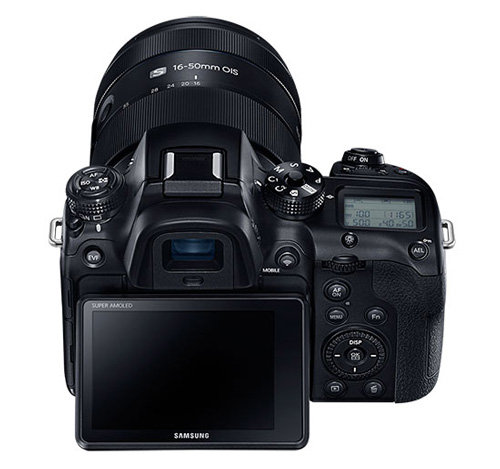
It’s been an exciting week at LuLa.  All the cool new products that were announced at Photokina are finally shipping and arriving at our doorstep for testing and reviews.  Every Photokina has its surprises and this Photokina the buzz was all about the Samsung NX-1.  The specs of the NX-1 were certainly impressive.  Of course we were skeptics as the camera was made by Samsung, a relatively new player in the camera field.  So, does the NX-1 live up to its specs?  Read Michael Reichmann’s Samsung NX-1 First Impressions article to see.


The Luminous Landscape – What’s New

 
Comments Off on 24 November, 2014 – Samsung NX-1 First Impressions

Posted in News


10 Tips for Getting the Most Out of Ello

24 Nov

10 Tips for Getting the Most Out of Ello

Ello is the most exciting new social network to appear in years. It’s a vibrant place full of interesting thinkers and artists — I spend more time on Ello than any other network right now. Every day new and interesting people are signing up, plugging in and joining. Although Ello is a social network like many others, it is also unlike many others as well. Ello has it’s own way of organizing things and after spending a few months on the site I thought I’d share some best practices for getting the most out of Ello.

1. NSFW. As a community with a lot of artists as early members, Ello seems to have a healthy tolerance for all forms of expression, including fine art nudes and other adult oriented material. I’m a big fan of the human body as form and expression and think this is great.

You won’t be bounced off Ello or censored (like Facebook) because you express the beauty of the human body in your art. If this sort of work is your thing, then Ello asks that you set your account as NSFW. I’m guessing that if you don’t do this voluntarily, they can/will do it for you.

Similarly, it is up to you whether or not you want to *see* this sort of work on Ello.

These are two independent settings.

So there are two things for you to consider. Do you want to see NSFW content AND do you yourself in fact post NSFW content. A lot of people get this setting wrong. They check NSFW for both when they produce work that is entirely SFW. Be sure to understand the distinction and manage your settings (you can do that here: https://ello.co/settings) accordingly.

If you are not posting nudes or other adult oriented materal, then make sure the “post adult oriented content” button is checked no. You can still check yes that you want to view it, but more people will see your stuff if you manage this setting correctly.

2. Don’t overshare. I see a few people posting 10, 15, 20 photos in a row on Ello. Most people won’t want to see 20 of your photos in a row. They want variety. They want to see other stuff by other friends too. If you overshare, there is a very good chance that people will move your account into their noise bucket and a lot less people will see your work. The right number of items to share on Ello per day is probably a matter of personal opinion, but realize that every time you post you give people an option of moving you into the noise bucket where your work will be much less (if at all) visible to them going forward.

I’d say anything over 4 or 5 posts a day on Ello is probably too much and starts to feel spammy. Save your very best work for Ello and self edit a bit more. I probably post 1 – 3 images there a day depending on the day. That might even be too much.

3. Quality counts. Never has quality been as important. Again, people can easily move you into the noise category so consider that in what you post. Post your best work for others to see. Nothing makes me want to move someone to noise like thoughtless, mediocre work.

I probably sound like a broken record with my dislike for watermarking and signatures, but on Ello it’s more important than other places to avoid these distasteful aesthetically displeasing nuisances. If you put ugly watermarks and signatures on your photos people will move you to noise (if they follow you at all) and your work will not be seen. Even your best friend might do this and you will never know. So put your best foot forward and only share what you consider to be your highest quality content.

4. Be social. Ello is a *social* network, so be social. I see people already complaining that it doesn’t feel like they are getting enough attention on Ello. You shouldn’t expect to just post content and have people flock to your brilliant work. You need to engage with others. The best way to do this is to participate in conversations on other people’s posts. Find some interesting people who are engaging on the site and jump into conversations that you find. Ello is a place best served by meaningful, articulate dialog. Offer up considered thoughtful contributions to other people’s work and I think you’ll make friends fast there. Lurk and you will be alone.

If you are new and are looking for some interesting and engaging people you may find some here. Also, don’t forget about the invite button. Do you know some really great people who should be on ello? Then make sure you send them an invitation to your new party. Inevitably people will start saying that “none of their friends,” are on Ello. This is your fault. It’s up to you to get them here. It’s also up to you to make new friends. :)

Post about Ello on your other networks and encourage people there to come join you. Tweet, FB, G+, Flickr, etc. letting people know that you are hanging out there and offer to get an invitation to anyone who wants one.

5. “I think everybody should be nice to everybody.” — Andy Warhol It goes without saying that you should be nice to others. This is one of the most important things that Andy Warhol ever said. Especially on Ello where there is not only a block function, but also a noise feature, people who are antisocial assholes will quickly be marginalized out of the experience. Being nice does not mean being bland, uncontroversial and boring. It just means that when you disagree with others, try to do it as respectfully as possible. Don’t personally attack people. Rise above that. Great ideas can be discussed on Ello and people can disagree on things, but respect is the key.

6. Be visible. Make sure you have an avatar, a profile, and links to your other sites as the *very first thing* you do when you join Ello — then add some interesting content of your own. You only get one chance to make a strong first impression. When someone new follows me, a lot of the time I’ll go look at who they are by clicking on their profile link. If I’m taken to a blank page with a blank avatar and minimal description, I probably will not follow them back or engage with them. On the other hand if I find a thoughtfully written profile, links to other places where I can check out your work, and some compelling content already uploaded to your Ello account, I just might try to make friends by adding you back.

7. Be active. If you want to get the most out of Ello, you should consider making a meaningful contribution to the site. Especially after you first join you should plan on spending some time on the site every day. Post content yourself daily, but also participate in posts by other people every day, and this means more than just typing “nice photo.” If you post a few photos and then disappear for a week, when people look at your account you’ll be passed over as a dead account.

8. Understand Ello’s advertising position. Ello does not have ads on the site. Also, they don’t profile you and sell your personal data to advertisers (like they do on Facebook). This does not mean that brands are not welcome on Ello though, they are. They just won’t be able to advertise to people by paying Ello. Brands may not fully understand this and think that they need to stay away. One of Ello’s founders Paul Budnitz spells this position out clearly here:

“Because Ello doesn’t have ads, the only way for brands to be on Ello effectively is to post interesting things that people want to see.

Another way to say it is, the worst way to for a company to use social media is to advertise, because that is essentially paying money to show us things that we don’t want to see. Brands are welcome join Ello, but if their content sucks, nobody will want to follow them.”

Budnitz’s own company Budnitz Bicycles has a brand page on Ello. And you know what, it features kick ass beautiful artistic quality photographic works of their bicycles. That’s a pretty good example of how you should think about Ello if you are a brand. Just because the anti-advertising ethos runs strong on Ello, this doesn’t mean your business/company/brand should not be there. It just means you are going to really have to work to get people’s attention by providing them interesting content and not typical advertising crap.

9. Watch your activity. Click on the little lightning bolt frequently on Ello. Are new people following you? Go check them out. Did someone make a meaningful comment on a photograph of yours or ask a question? Go respond to them. Did someone mention you in one of their posts somewhere else on Ello, then acknowledge that and go say hi back. It’s important that you use this tool regularly. While you may not be able to get back to everyone who mentions you or look at everyone who adds you as a contact, be sure to spend time on your activity when you can and participate.

10. Understand and respect both imagery and text. Are you a writer? Consider adding an interesting photo to your post (or borrowing one from an image creator with attribution and permission). This will make things more interesting than just a wall of text.

Are you a photographer? Consider using the strong text function on Ello as a way to tell people more about you and your work. I’m sharing more about myself personally on Ello than I ever have on any network. When I post a photo, frequently, I write about where I was when I took it, how I made it, what my feelings are/were around the image. And I use my space on Ello as a sort of personal diary through text just as much as a visual diary through my imagery of America.

A lot of people don’t get Ello yet. Many never will. It’s so early for Ello, but I do believe that Ello has the potential to become the most substantial social network going forward — bigger and more important than Facebook or Twitter or Google+.

Being early there, you have an opportunity to participate in shaping this important new community — what it will be today and what it ultimately will become.

You can find me most days on Ello here. :)


Thomas Hawk Digital Connection

 
Comments Off on 10 Tips for Getting the Most Out of Ello

Posted in Photography


Readers’ Showcase: Portraits and People

24 Nov

DPReview members are a talented group and we’ve been highlighting their photography in a series of readers’ showcases. Recently we asked the Portrait & People Photography forum to share their favorite shots. They responded with excellent work both in and out of the studio, and we’ve picked a few of our favorites to share. See gallery

Articles: Digital Photography Review (dpreview.com)

 
Comments Off on Readers’ Showcase: Portraits and People

Posted in Uncategorized


browserFruits November, Ausgabe 4

24 Nov

Schreibt Ihr eigentlich noch Wunschzettel? Was steht diedes Jahr darauf: Eine neue Kamera, Fotobücher oder andere Fototechnik? Wenn Ihr noch keine Ahnung habt, schaut doch mal in unserer Rubrik „Rezensionen“ vorbei und lasst Euch inspirieren. Hier findet Ihr vor allem Bildbände, die vielleicht auch ein paar schöne Geschenkideen für befreundete Fotografen sind. Und nun viel Spaß mit den browserFruits.


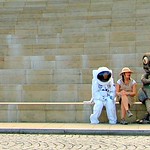
Fotospecial: Astronauten

Flickr

500px


Deutschsprachig

• Golem (und viele andere) berichteten darüber, dass „Amazon Prime”-Kunden nun auch in Deutschland unbegrenzten Fotospeicher in der Cloud haben. Bis auf einen klitzekleinen Haken.

• Wired Germany hat den Chef-Entwickler von Rosettas Kamera Holger Sierks interviewt, welche den Kometen 67P fotografiert.

• Fujifilm Schweiz hat mit Create ein neues Online-Fotomagazin am Start, das sich mit Ratschlägen und leicht verdaulichen Tipps vor allem an Neubegeisterte wendet.

• Die Kollegen von emerge arbeiten an einem Printmagazin. Das Thema der ersten Ausgabe wird Migration sein. Auf Startnext könnt Ihr mehr über das Projekt erfahren und es bei Gefallen unterstützen.

• Sinnvoller Schutz oder Überregulierung? Ein Gesetz, das Kinder schützen soll, könnte das Ende der Straßenfotografie als Kunstform einläuten. Einen Bericht dazu gibt es momentan auf Arte (3 min).


International

• Professionelle Fotografen leiden häufig unter Vorurteilen. Diese werden in folgendem Artikel entkräftigt.

• Wie stark soll und darf im Fotojournalismus ein Bild bearbeitet werden, ohne an Glaubwürdigkeit einzubüßen? Dieses immer wiederkehrende Streitthema wird an dieser Stelle eingehend behandelt.

• Tschukotka liegt im äußersten Nordosten Russlands. Hier arbeitet der Bergbauingenieur Ivan Kislov, der zwischen seinen langen Schichten zur Erholung durch die Wildnis streift und Tiere fotografiert. Seine besten Models sind Füchse. Unglaublich gute Bilder dieser wunderschönen Tiere!

• Amanda Jasnowskis Portraits zeigen, welch große Auswirkungen der gezielte Einsatz von Farben auf die Bildwirkung haben kann. Juxtapoz stellt sie vor.

• Worbz hat Eric Guo entdeckt und stellt seine ranzig-schönen Portraits vor. Falls Ihr nun vor lauter Begeisterung nicht aus noch ein wisst, dann folgt ihm doch direkt auf Flickr.

• Wie verschiedene Fotojournalistinnen die Erziehung ihrer Kinder beim Arbeiten miteinbeziehen (oder unter der Arbeitssituation leiden), greift dieser Artikel des NYT Lens-Blogs auf nachvollziehbare Weise auf.

• Liebe Leute, es geht wieder los mit den Best-Of-des-Jahres-Listen. Heute im Angebot: 10 tolle Fotobände auf dem Bibliotheksblog des IPC.

• Neuster Trend: Lochkamera-Selfies. Sehen bescheuert aus, aber die Selbstportraits übertreffen wohl die meisten, die sonst so im Netz herumschwirren.

• Immer wieder eine schöne Idee: Zwei Brüder stellen zum Hochzeitstag der Eltern ihre alten Kinderbilder nach.

• Die drei Versionen der Sony A7 waren schon ziemlich revolutionär. Jetzt will Sony noch einen drauf setzen und hat die A7 II angekündigt.


Neuerscheinungen und Tipps vom Foto-Büchermarkt

Buchtipps

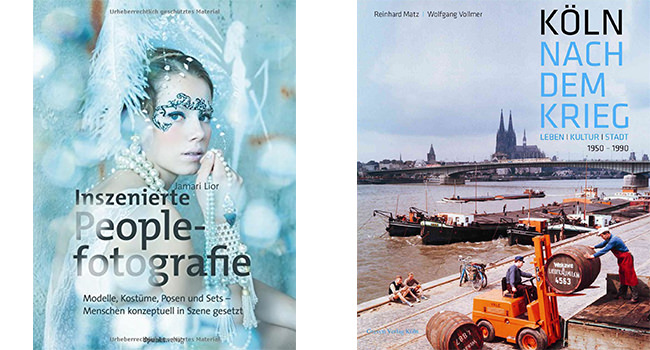
• Inszenierte Portraits*, wie geht das eigentlich? Diesem Thema hat die nicht unbekannte Jamari Lior ein Buch gewidmet, das unterschiedliche Ansätze verschiedenster Fotokünstler herausstellt und somit Einblick in die Diversität des Themas gibt.

• Wie Köln in der Zeit der Bonner Republik aussah und sich selbst erneuerte, wird im Band „Köln nach dem Krieg: Leben Kultur Stadt. 1950-1990“* mit Fotografien vieler bekannter (Cartier-Bresson, Chargesheimer) und unbekannter (Fabri, Fischer) Fotografen und Chronisten vorgestellt.


Wettbewerbe

• Ihr lebt in Hessen oder habt einen persönlichen Bezug zum Bundesland? Bereits zum vierten Mal laden der hessische Rundfunk und die Frankfurter Allgemeine Zeitung zum Fotowettbewerb ein. Gesucht werden Lieblingsorte in Hessen.


Zitat der Woche

Eine Kamera zu tragen, ist wie eine Freikarte für das Unerwartete.

Joel Meyerowitz –

Mehr Zitate


Videos

Wer die Fotografin Diane Arbus verstehen will, kommt an dieser Video-Dokumentation aus dem Jahre 1972 nicht vorbei. Intensiv und persönlich.


* Das ist ein Affiliate-Link zu Amazon. Wenn Ihr darüber etwas bestellt, erhält kwerfeldein eine kleine Provision, Ihr bezahlt aber keinen Cent mehr.


kwerfeldein – Fotografie Magazin | Fotocommunity

 
Comments Off on browserFruits November, Ausgabe 4

Posted in Equipment


Print Charming: Safe, Simple 3D-Printing Comes Home To Play

24 Nov

[ By Steve in Gadgets & Geekery & Technology. ]

POIEO3D family-friendly 3D printer
Following in the footsteps of the microwave oven, at-home 3D printing in the form of the Poieo3D Printer is ready for prime time, play time and study time!

POIEO3D family-friendly 3D printer

Designed BY families FOR families, the Poieo3D Printer aims to make an exciting new technology as commonplace and worry-free as microwave ovens and other home appliances we now take for granted. While not quite “Tea, Earl Grey, Hot”, the Poeio3D Printer just might be the closest thing on Earth to home-based Star Trek tech.

POIEO3D family-friendly 3D printer

Poieo3D is the brainchild of several families in the greater Toronto area who felt inspired by the wealth of opportunities offered by the amazing new world of 3D printing. The founders fervently believe an affordable, easy to use, and child-safe 3D printer should be available to ALL families and should be a vital component of every home, workplace and classroom.

POIEO3D family-friendly 3D printer

The Poieo3D Printer isn’t just user-safe, it’s environmentally-friendly too – something you’d expect of a product that’s to be a permanent part of one’s lifestyle. The 3D printing process employs biodegradable print material derived from renewable resources such as corn starch and sugarcane. Unlike petroleum-based plastics, this material doesn’t give off foul-smelling, toxic fumes when the printer is used making it ideal for non-industrial use. Available in a rainbow of colors at a surprisingly low price, the material comes in the form of thin flexible filaments wound on spools for ease of storage.

Next Page – Click Below to Read More:
Print Charming Safe Simple 3d Printing Comes Home To Play

Share on Facebook


[ By Steve in Gadgets & Geekery & Technology. ]

[ WebUrbanist | Archives | Galleries | Privacy | TOS ]


WebUrbanist

 
Comments Off on Print Charming: Safe, Simple 3D-Printing Comes Home To Play

Posted in Creativity