RSS
 

Archive for October, 2014

Canon PowerShot G7 X First Impressions updated

27 Oct

From the outside, Canon’s PowerShot G7 X enthusiast compact looks like the S-series models that came before it, but inside it’s an entirely different story. The G7 X offers a 20MP 1″-type BSI CMOS sensor, a 24-100mm equiv. F1.8-2.8 lens and built-in Wi-Fi with NFC. We’ve made a substantial update to our First Impressions Review of the G7 X including a writeup of our shooting experience and performance tests. Read more

Articles: Digital Photography Review (dpreview.com)

 
Comments Off on Canon PowerShot G7 X First Impressions updated

Posted in Uncategorized


Lost Places: Alte Gewächshäuser

27 Oct

Es ist Sommer und warm. Wir machen uns zu dritt auf den Weg zu den verlassenen Gewächshäusern, die am Rhein im Süden von Köln stehen sollen und finden sie tatsächlich sehr schnell. Es sind drei direkt nebeneinander, die Glasfronten alle noch sehr gut erhalten und nicht eingeschlagen, nur die Eisenstangen und Rohre im Inneren sind schon stark verrostet.

Als wir die Häuser betreteten, schlägt uns die Hitze entgegen. Lange halten wir es hier nicht aus, aber doch eine kleine Weile, denn so ein leeres Gewächshaus wirkt schon sehr beeindruckend. Durch die Hitze und die fehlende Bewässerung ist der Boden staubtrocken und es wachsen kaum Pflanzen, nur hier und da erobern sich strohige Büsche und Disteln ihren Platz.

Frau tanzt in leerem Gewächshaus

Foto: Normen Gadiel

Frau sitzt auf staubigem Boden.

Foto: Normen Gadiel

Frau in einem Gewächshaus stehend.

Foto: Normen Gadiel

Das Licht in den Häusern ist durch die vielen Fenster unglaublich hell und diffus. Von allen Seiten wird jedes Motiv wunderbar gleichmäßig ausgeleuchtet. Auch, wenn es nicht viel Verschiedenes zu entdecken gibt, ist es spannend, in den Häusern zu fotografieren. Nicht nur das Licht, sondern auch die vielen Linien des Gerüstes laden zum Experimentieren ein und geben schöne Möglichkeiten für perspektivische Aufnahmen.

Die drei Häuser ähneln sich sehr, weshalb wir uns mit dem begnügen, in das wir am besten hereinkommen, um zu fotografieren. Mit freudigen Gesichtern, aber furchtbar verschwitzt, retten wir uns anschließend wieder nach draußen.

Trockene Pflanzen vor Fenstern

Foto: Aileen Wessely

Fensterscheiben eines Gewächshauses

Foto: Aileen Wessely

Etwa vier Monate später besuche ich die Gewächshäuser erneut. Es ist nicht mehr so heiß und die Natur holt sich ihren Platz zurück. Die Eingänge zu den Häusern sind zugewuchert und wir kommen kaum durch die Dornen und Brennesseln.

Innen wirkt alles völlig verändert. Grüne Pflanzen haben sich entwickelt und überall über den Boden wachsen unglaublich dicke Dornenstränge und hängen sogar an den Wänden herunter. Barfußlaufen wie beim ersten Mal ist nur mit höchster Vorsicht möglich.

Ein Mädchen sitzt in einem Gewächshaus.

Foto: Katja Kemnitz

Foto: Katja Kemnitz

Foto: Katja Kemnitz

Der hintere Bereich des einen Gewächshauses führt zu einem kleinen überdachten Hinterhof. Ein Bettgestell, einzelne Kleidungsstücke und Geschirr liegt herum. Hier hat sich jemand ein Obdach gesucht.

Den geschichtlichen Hintergrund der Häuser kenne ich leider nicht. Ich wüsste gern, was hier wohl früher angebaut wurde und warum die Häuser sich nun selbst überlassen werden. Lange werden sie wohl nicht heil bleiben, denn Wind, Wetter und die Zeit werden ihr Übriges tun.


kwerfeldein – Fotografie Magazin | Fotocommunity

 
Comments Off on Lost Places: Alte Gewächshäuser

Posted in Equipment


Micro Metros: Abstract City Models Carved from Wooden Scraps

27 Oct

[ By WebUrbanist in Art & Sculpture & Craft. ]

wood art on pavement

With the eye of an architect and hand of street artist, James McNabb blends urban inspiration with a fast-paced creation process to make these amazing sketch-like sculptures of all sizes.

wood sculpture offcut art

wood grain closeup detail

woold sculpture james mcnabb

wood art in gallery

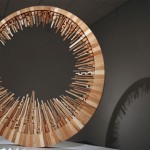
His latest series, dubbed Metros (opening at the Robert Fontaine Gallery), follows in the footsteps of Long Nights, Big City Lights, taking exotic and beautiful wood offcuts then chipping, chiseling,, cutting and sawing them into buildings and towers to form abstract skylines.

wood art new piece

wood sculpture urban woodworking

wood sculpture table design

wood sculpture above below

The results reflect a combination of architectural and artistic sensibilities, seeming much like pieces of furniture or sculpture but intentionally crafted without the same slow detail-oriented care we normally associate with those arts.

james mcnabb various woods

jaames mcnabb closeup detail

Seen at a distance, the structural details seem to blur into skylines – up close, like trees in a forest, individual buildings take shape, highlighting differences in form, color, grain and materiality.

Share on Facebook


[ By WebUrbanist in Art & Sculpture & Craft. ]

[ WebUrbanist | Archives | Galleries | Privacy | TOS ]


WebUrbanist

 
Comments Off on Micro Metros: Abstract City Models Carved from Wooden Scraps

Posted in Creativity


26. Oktober 2014

27 Oct

Ein Beitrag von: Stefanie Hoepner

Aneinandergereihte Luftballons über der Wüste.


kwerfeldein – Fotografie Magazin | Fotocommunity

 
Comments Off on 26. Oktober 2014

Posted in Equipment


DPReview Live: Interview with Art Wolfe

27 Oct

As part of our DPReview Live event earlier this month, we sat down with renowned wildlife photographer Art Wolfe to ask him some questions about his work, vision and philosophy. With over sixty books published and a public television documentary series under his belt, Wolfe has plenty to offer on the subject of wildlife photography. See video

Articles: Digital Photography Review (dpreview.com)

 
Comments Off on DPReview Live: Interview with Art Wolfe

Posted in Uncategorized


10 Tips to Help You Grow as an Artist in Photography

27 Oct

UmbrellasinTokyo

Over the past few days, I’ve thought about what’s helped me become a better photographer over the years. It’s a constant journey, and developing as an artist is a never ending pursuit that extends beyond owning any camera. In addition to practicing as much as possible with your camera, here are 10 tips to share that you may wish to consider while you continue on your own path in photography to help you grow as an artist.

1. Wait to look at your photos

I discovered this piece of advice over time, though a number of other photographers have suggested the same thing. Wait to look at your photographs if that’s possible. I know after a shoot you may feel anxious to go through and edit your pictures, but your anxiety and perception will often skew how you see your photos because this is at the height of your emotional attachment to your images. I’ve found that waiting a few days or better yet a couple of months to really go through a batch of photographs will be enough time to break down some of that attachment and reduce any biases you may carry.

2. Only delete the obviously bad shots

Some photographers even argue not to delete any of your shots because in the future, software developments may actually exist to fix super blurry or unfocused images. It’s your call, but if you see an image that you just don’t like, consider waiting a bit before you delete it. I’ve come across images that I marked with an X in my Lightroom, but interestingly, I’ve found that sometimes my perception of what I think is “good” changes. Photography is a learning experience as you expose yourself to other work and different styles. Down the road, you may rediscover some of your images in light of new ways you learn how to see. Besides, it’s always good to keep some of the bad shots around to really get an idea of the progress you make through the years.

3. Shoot some film

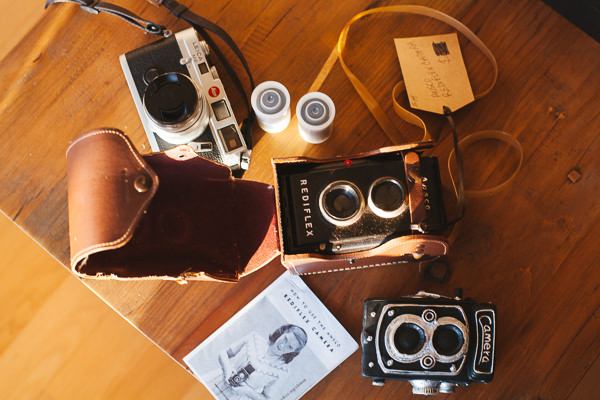
Shooting film can be more expensive, but it’s a great tool in becoming a better artist and photographer. With only a fixed number of exposures, you’re more selective of the images you shoot and the cost of developing film will keep you from shooting hit or miss style which forces you to think more. When shooting film, you’re in a different state of mind because of its limitations which challenge you to become more selective and refined before you press the shutter button.
Shootfilm

4. Study other artists’ work

You have no idea how good your stuff is until you have something to compare it to. You can shoot a ton and feel pride in your images, and as you grow, you should feel good about this progress. Studying from great artists and photographers you admire is really the best way keep you humble; but it also prevents you from falling into creative stagnation. I find this to be one of my biggest sources of inspiration, and it’s a great motivator for when you start to feel a little bored with your images.

5. Take a drawing or painting class

Years ago, before I ever even picked up a camera, I wanted to learn how to paint. I loved mixing colors and the thought of learning how to compose a scene and conveying my own impressions upon a subject interested me. So I enrolled in a class at a local art college which served as the foundational cornerstone as my development in photography. My teacher sat with us intimately every class and taught us about reading light and composition. She told us flat out at the beginning of the class that we would never see the same way again, and she was right! She taught us about negative space, composition, and all the basic concepts that artists are supposed to know, things which photographers should know too. My teacher was right and I did learn to see for the first time. If you have the time or haven’t been through art school already, consider signing up for a drawing or a painting class. It will take you a long way toward your artistic growth.
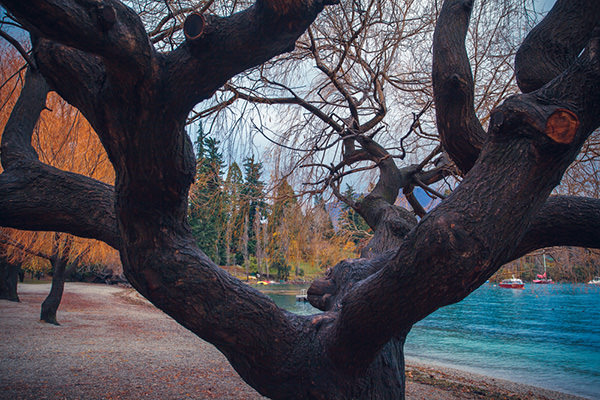
Tree

6. Don’t listen to your friends and family

I come across this advice often and it’s useful. Your friends and family are your biggest supporters, but because of this, they make it hard to get an objective, unbiased, perspective on your work. They all love your photos and they’ll even like or love all your pics on every social media site. But I’ve found that so much praise can become counterproductive or even misleading when you put too much stock into their opinions. Instead, you can join critique forums online or contact artists you admire to get them to review your work, as in my next point.

7. Ask for a portfolio review from a professional artist that you admire

This can often have an associated fee, but it’s a great way to get some professional feedback on your images. You can even seek help in sequencing the photographs in your portfolio as well. Better yet, join a workshop with a photographer you really admire and they’ll surely give you some substantial feedback.

8. Capture the essence of a place

Capturing the essence of a place in a photograph is its soul and without this connection, it’s hard to connect the story behind your images. It’s easy to get sidetracked or overwhelmed with seizing photo opportunities on a trip or when you’re traveling somewhere. But before you get too carried away with shooting, let your senses rest a little and try to feel the essence of the place and connect with it. Sometimes it takes a couple days or so to slow down and catch on to its vibe. When I went visited Sydney for the first time, I shot this photo of the ice cream truck on the beautiful day because I felt it perfectly captured both the beauty and the pace of life in the city.

Sydney

9. Fall in love with photography

Becoming a photographer can feel downright intimidating in a world full of talent. If you’re running a full-time business then it’s easy to lose sight of why you fell in love with photography in the first place. Don’t forget to continue to immerse yourself in other people’s work, indulge in the history of photography, and enjoy the art of photography for its own existential reasons.

10. Focus more on books and less on gear

It’s impossible not to appreciate the craftsmanship of a nice camera or a beautiful lens, but fixating upon having the latest and best gear won’t make your photos any better if you have a limited artistic vocabulary. Instead, invest in some inspirational photography books from a variety of different artists; look at the sequencing and learn from their styles. I feel this is even more important if you are self-taught. Learning what a good photograph looks like can’t be accomplished by just shooting alone. There’s a rich number of artistic styles you can potentially gain inspiration from. Even more important, brushing up on color theory, composition and lighting techniques will take your photographs to a whole new level. You don’t need to follow these rules all the time, but it’s important to know they exist so you can manipulate your camera and subject matter with more purpose in mind. I like the image below because it uses a simple compositional technique of aligning the foreground with the background. But without first reaching out and learning these kinds of ideas, you most likely won’t even know they exist.

Yokohamabridge

In the end, Mark Twain gives some excellent advice, “You cannot depend on your eyes if your imagination is out of focus.” I’d love to hear about your tips as well for honing your own artistic side as a photographer.

The post 10 Tips to Help You Grow as an Artist in Photography by Stephanie Huynh appeared first on Digital Photography School.


Digital Photography School

 
Comments Off on 10 Tips to Help You Grow as an Artist in Photography

Posted in Photography


An Opportunity Not To Miss: Art Wolfe & Rick Sammon Webinar

27 Oct


Register today for $ 7 using code: JMG7 (normally $ 25)

Friend and photographer Art Wolfe and Rick Sammon are hosting a “Composition & Inspiration” webinar November 3rd, 2014 at 6pm.

Register today for $ 7 using code: JMG7 (normally $ 25)

If you’ve yet to hear Art or Rick present now is your chance. Having attended their presentations in the past I’ve always found their insights and experience incredibly valuable. The webinar will be held on November 3rd, 2014 at 6pm PST / 9pm EST. Don’t miss out.

Copyright Jim M. Goldstein, All Rights Reserved

An Opportunity Not To Miss: Art Wolfe & Rick Sammon Webinar

The post An Opportunity Not To Miss: Art Wolfe & Rick Sammon Webinar appeared first on JMG-Galleries – Landscape, Nature & Travel Photography.


Related Stories

  • An Opportunity Not To Miss: Art Wolfe & Rick Sammon Webinar – Enclosure
  • Blood Moon Eclipse: Mark Your Calendar 10.8.14
  • Blood Moon Eclipse: Mark Your Calendar 10.8.14 – Enclosure
Feed Ads by FeedBlitz
powered by ad choices


JMG-Galleries

 
Comments Off on An Opportunity Not To Miss: Art Wolfe & Rick Sammon Webinar

Posted in Equipment


Looking Grave: 12 Spooky & Scary Abandoned Funeral Homes

26 Oct

[ By Steve in Abandoned Places & Architecture. ]

abandoned Ward's Funeral Home Opelika 1
Funeral homes are mortal, much like their clients. When funeral homes are abandoned, however, they’re left to decay, deteriorate and decompose in public.

Built in 1870 during the difficult era of post-Civil War Reconstruction, Ward’s Funeral Home in Opelika, Alabama has long since surrendered to the inexorable march of time. Flickr user Jessica Williams (JessicaNicholex) brings us these images of the former funeral home that, like the neighborhood it still resides in, has seen better days.

abandoned Ward's Funeral Home Opelika 2

abandoned Ward's Funeral Home Opelika 3

It’s not known exactly how long Ward’s Funeral Home has been abandoned; long enough for it to become an eerie urban legend at least. Some Opelika residents claim to have seen haints (haunts, or ghosts in the local parlance) peering through the windows at night. Those brave enough to enter the building itself will find a few caskets in what may have been the business’s showroom. Opening them isn’t recommended… especially to anyone who’s seen a certain scene from Raiders Of The Lost Ark.

Dark Undertakings

abandoned funeral home undertaker Aquasco Maryland

This abandoned “undertakers” establishment can be found in beautiful suburban Aquasco, Maryland – or at least it could be back in mid-March of 2009 when Flickr user ZOOPMON captured it for posterity. Check out the window on the upper left (embiggened view here)… if you weren’t planning on enjoying a sound sleep tonight.

Bodie’s Bodies

Bodie ghost town funeral parlor 1

Bodie ghost town funeral parlor 2

Bodie ghost town funeral parlor 3

Bodie, a California desert ghost town founded in 1876 and designated a National Historic Landmark in 1961, had a working funeral parlor for much of its history – and like most Wild West mining towns, the resident undertaker had plenty of regular business. The funeral home has deteriorated somewhat since the last few Bodieans abandoned the town but enough remains (pardon the pun) to distinguish it as such.

Little Rock Of Ages

OLYMPUS DIGITAL CAMERA

abandoned Miller's Funeral Home Little Rock Arkansas 1

Abandoned funeral homes don’t need to be photographed on gloomy overcast days to bring out their essential creepiness. Just check out these photos of the abandoned Miller’s Funeral Home in Little Rock, Arkansas, snapped by Flickr user Terry Williams (IM2_OCD) on July 25th of 2010. The images cast the business’s decay in gritty focus while bringing out the essential beauty of the sun-washed subject. Especially poignant is the top photo, contrasting the timeless dereliction indoors with the soulless flyover banality glimpsed through the window.

Next Page – Click Below to Read More:
Looking Grave 12 Spooky Scary Abandoned Funeral Homes

Share on Facebook


[ By Steve in Abandoned Places & Architecture. ]

[ WebUrbanist | Archives | Galleries | Privacy | TOS ]


WebUrbanist

 
Comments Off on Looking Grave: 12 Spooky & Scary Abandoned Funeral Homes

Posted in Creativity


Canon EOS 7D Mark II: A professional’s opinion

26 Oct

With the increasing affordability of digital full frame cameras, there’s been speculation about the future of APS-C as an enthusiast format. But with the launch of the 7D Mark II, Canon has made it pretty clear it believes there’s still a high-end market for crop-sensor formats. We spoke to Bettina Hansen, a photographer who regularly shoots Canon and has experience working with the original EOS 7D to see what she made of the new camera

Articles: Digital Photography Review (dpreview.com)

 
Comments Off on Canon EOS 7D Mark II: A professional’s opinion

Posted in Uncategorized


First Impressions of the New Canon 7D Mark II are out!

26 Oct

7d-mark2Canon introduced the new 7D Mark II recently to a lot of fan fair and hype. But does it live up to all of that? Some of the things that are really exciting include:

  • 10 frames per second burst rate
  • Extra large buffer to allow shooting 31 RAW files, or 130 full JPGs using burst mode
  • 65 cross-type autofocus points for fast, super accurate autofocus
  • Advanced autofocus menu settings similar to some of the higher end full frame cameras like the 1Dx
  • Low noise and great high ISO levels and performance
  • Built-in GPS
  • Accepts both Compact Flash and SD memory cards
  • Lots of customization of features and buttons

In this video from B&H Photo Video, Larry Becker goes over some of the features that have sports and action photographers really excited, and a few you may not have heard about yet. Learn all that and more, just watch the video and click through to the B&H site if you want more info on pricing and technical specs.

The post First Impressions of the New Canon 7D Mark II are out! by Darlene Hildebrandt appeared first on Digital Photography School.


Digital Photography School

 
Comments Off on First Impressions of the New Canon 7D Mark II are out!

Posted in Photography