RSS
 

Archive for September, 2014

Phantom Monuments: Haunting Works of Light Graffiti by Sola

23 Sep

[ By Steph in Art & Street Art & Graffiti. ]

Sola Light Graffiti 17

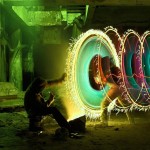
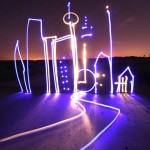
Swirls and pillars of light hover in fields or against dark urban backdrops like phantom monuments, captured on camera in a way that just can’t be perceived by the human eye. UK-based artist Sola literally paints with light, his amorphous creations seeming to take on three dimensions for just a split second as if the light itself has gathered up a mass of its own.

Sola Light Graffiti 13

Sola Light Graffiti 3

Sola Light Graffiti 1

Sola Light Graffiti 14

Looking for an outlet for personal expression led Sola to professional photography, documenting the sports, bands and lifestyles that he was into. Eventually, though, he wanted something that would give him more control over the creative process.

Sola Light Graffiti 2

Sola Light Graffiti 4

Sola Light Graffiti 6

Sola Light Graffiti 11

Sola Light Graffiti 15

“Then I found light painting. Quite by accident one night while shooting landscapes of the urban environment and instantly I knew it was what I’d been looking for. I like to keep things real. I shoot with digital cameras, yes, but I employ principles of analogue film technology – in that once I’ve made an image I don’t change it any more than I could in a darkroom and therefore what you see, is what I shoot.”

Sola Light Graffiti 7

Sola Light Graffiti 8

“I believe there’s a real magic to creating something wondrous that’s ‘real.’ Sure, there’s a place for post production in this world but on the whole, you won’t find any here. To the point that even if I am caught in the scene the image is thrown away. I aim to create images that allow the viewer to suspend their reality and simply enjoy the energy and mystery of the image.”

Sola LIght Graffiti 9

Sola Light Graffiti 16

See lots of more Sola’s work, including collaborations with NIKE and other brands, at LightBombing.com.

Share on Facebook


[ By Steph in Art & Street Art & Graffiti. ]

[ WebUrbanist | Archives | Galleries | Privacy | TOS ]


WebUrbanist

 
Comments Off on Phantom Monuments: Haunting Works of Light Graffiti by Sola

Posted in Creativity


Albträume

23 Sep

Albträume. Wer hatte sie als Kind nicht? Gruselige spinnenbeinige Tiere unterm Bett, Gespenster, die an den Rollläden kratzen, böse Clowns im Wald, die Kinder in den Hochstand locken. Wir alle kennen das so oder anders noch aus unseren Kindheitstagen, doch die meisten dieser Träume, die uns damals so sehr beschäftigt und verängstigt haben, sind heute längst vergessen.

Der häufigste Grund, warum wir heute nachts aufschrecken, ist die Panik, einen wichtigen Termin zu verpassen oder die Sorge um nahstehende Menschen. Vielleicht gibt es noch den einen oder anderen Albtraum, der sich so tief eingebrannt hat, dass wir uns auch noch nach Jahren an ihn erinnern können.

Ich habe heute äußerst selten solche skurrilen und detaillierten Albträume, wie ich sie als Kind hatte. Vielleicht hat sich meine Fantasie verändert, vielleicht habe ich die Angst vor Übersinnlichem verloren, denn so träumen wie damals, das kann ich heute gar nicht mehr.

Obwohl Menschen in jedem Alter ihres Lebens träumen, sind sie im frühen Kindesalter besonders sensibel und empfänglich dafür. Die Abgrenzung zwischen Realität und Fantasie ist bei jüngeren Kindern viel weniger ausgeprägt als im Alter und dies führt zu verwirrenden und ängstlichen Träumen, da das Kind für vieles, was es tagsüber beobachtet, noch keine rationale Erklärung hat und sich somit seiner Fantasie behelfen muss.

Angst, Traurigkeit, Ärger, Verwirrung, Ekel, Enttäuschung und Scham sind die Gefühle, die wir am häufigsten in unseren Albträumen empfinden. Und genau diese Palette menschlicher Emotionen bietet auf der künstlerischen Ebene viel Platz für Interpretationen.

Ein Junge hat Wurzeln anstelle von Händen.

Ein Wesen in scharzem Umhang hält ein Kind fest.

Der 1940 geborene New Yorker Künstler Arthur Tress hat sich schon vor 50 Jahren viele Gedanken um die fantasievolle Traumwelt der Kinder gemacht, vor allem Albträume haben ihn fasziniert. Im Alter von zwölf Jahren bekam er von seinem Vater seine erste Kodak geschenkt, das Filmentwickeln brachte er sich durch Zeitschriften und geliehene Büchern aus der Bibliothek selbst bei.

Schon früh interssierte er sich für das klassische Schwarzweiß-Kino und begeistert von den Surrealisten rund um René Magritte entwickelte er seinen Hang zu melancholischen und fantastischen Bilderwelten. Zufälligerweise hatte er Ende der 60er Jahre die Möglichkeit, in einem alljährlichen Kreativ-Workshop mit Kindern in Manhatten mitzuarbeiten und das damalige Thema war „Träume“.

Dies brachte Arthur auf die Idee, sich mit den Kindern über ihre Albträume zu unterhalten, zumal er seine eigenen Träume als banal und alltäglich beschreibt. Später befragte er auch Freunde, an welche prägnanten Träume aus ihrer Kindheit sie sich noch erinnern können.

Ein riesiger schwarzer Rabe sitzt über einem Jungen.

Ein Mann verbrennt seiner Frau die Hand mit einem Bügeleisen.

Arthur begann, diese Albträume mit den jeweiligen Kindern nachzustellen. Oftmals ist es schon der gewählte Ort allein, der dem Bild seine düstere Stimmung verleiht, sodass die Schwierigkeit der Darstellung eines Traumes überwunden werden konnte. Ein alter Autofriedhof, verlassene Häuser – er fand viele Möglichkeiten, zu improvisieren und die Fantasien der Kinder zu inszenieren, was allerdings für die Fotografie der 60er und frühen 70er Jahre sehr untypisch war.

Damals wurde in New York hauptsächlich Straßenfotografie gemacht, „staged photography“ – also gestellte Bilder wie auf einer Theaterbühne – war gegen den Strom. Er schaffte es, diese fantastischen Traumsequenzen in einem sehr realistischen, fast schon dokumentarischen Stil zu visualisieren. Und Arthur sollte mit seinen gruseligen und düsteren Bildern Erfolg haben, denn:

Ich sehe auch nicht länger den Unterschied zwischen gestellter Fotografie, inszenierter Fotografie, Konzeptfotografie oder dokumentarischer Fotografie. Sie sind doch alle nur Projektionen der Fantasie des Fotografen. Dieser Stil wurde mein Markenzeichen für die nächsten 20 Jahre, diese Art von surrealer und verstörender Fotografie.

Ein Junge ist in Sand eingegraben.

Ein Kind schaut aus dem Dach eines schwimmenden Hauses heraus.

Ein Kind hat Hörner anstelle von Ohren.

1972 stellte Arthur Tress erstmals seine Albtraum-Serie aus, ein Jahr später erschien das Fotobuch „Dream Collector“*. Durch die Veröffentlichung schaffte er es, Vorurteile über inszenierte Fotografie abzubauen, verhalf dieser schließlich zum Durchbruch und wurde damit wegweisend für viele Fotografen und Fotografinnen nach ihm.

Die Kinder, die der heute 73-Jährige in den 60er Jahren auf den Straßen New Yorks nach ihren Albträumen befragt hat, sind in einem ganz anderen Umfeld als unsere heutigen Kinder aufgewachsen. Und dennoch würde ich behaupten, zum Leben erweckte Märchenfiguren oder riesige Raben können auch heute noch in nächtlichen Fantasien in Kinderköpfen auftauchen.

Beim Erschaffen dieser Szenarien kommt es oft zu einer Kombination aus dem eigentlichen Traum, mystischen Archetypen, Märchen, Horrorfilmen, Comics und einem Spiel der Fantasie. Diese Erfindungen reflektiert oft das Innere des Kindes, seine Hoffnungen und Ängste sowie die symbolische Verwandlung in seine Lebenswelt, wie Zuhause oder Schule, in ganz neuen Formen. Und ich wollte wissen, wie diese Visionen darstellbar sein könnten.

ein Mädchen trägt einen riesigen Kegel als Hut.

Ein riesiger Ball überrollt einen Jungen.

Eine Braut und ein Bräutigam in einer Person.

Nichtsdestotrotz wäre es spannend, heute Kinder nach ihren Albträumen zu befragen und diese fotografisch umzusetzen, vor allem wenn es stimmt, dass wir in unseren Träumen unsere Realitätswahrnehmung verarbeiten. Kindliche Traumbilder als kleine Sozialstudie: Inwieweit sich die Gute-Nacht-Geschichten, Kinderfilme und Medieneinflüsse heutzutage auf die Träume und Albträume von Kindern auswirken, das wäre sehr interessant.

Haben Kinder in den 60ern, in denen Hitchcocks „Die Vögel“ in die Kinos kam, anders geträumt als die junge Generation, die in den 70ern „Der Exorzist“ gesehen hat und wieder anders als Kinder zu Zeiten von Kings „Es“ in den 90ern?

Arthur Tress’ Fotos wären somit Zeitzeugen der Ängste, die Kinder vor rund 50 Jahren die Nacht über gequält haben. Aber wie sähe dieses Kopfkino heute aus? Genau das habe ich ihn abschließend auch gefragt und auch er glaubt, dass Kinder von damals im Traum mit den selben Archetypen wie heute zu kämpfen haben. Dennoch vermutet er:

Obwohl, mit all dem Input der visuellen Welt mit ihren Spezial-Kinoeffekten und Videospielen träumen Kinder heute vielleicht sogar in 3D, Surround Sound und HD. Ich hatte als Kind beispielsweise auch nur Schneewittchen und nicht Guardians of the Galaxy.

Ein riesiger Gartenzwerg läuft eine Treppe hoch.

Ein Karussellpferdchen überfällt ein Kind.

Eine Hexe in der Form eines alten Sessels.

Würde man seine Serie fortsetzen, kämen heute sicher mit Hilfe von Digitaltechnik und Nachbearbeitung in Photoshop rein technisch gesehen ganz andere Ergebnisse heraus, als Arthur Tress vor knapp 50 Jahren mit rein analoger Ausrüstung und seiner zweiäugigen Rolleiflex darstellen konnte.

Der Mittelformatfotografie ist er viele Jahre lang treu geblieben, auch wenn er sie 1974 sogar vor Henri Cartier-Bresson verteidigen musste, der bekanntermaßen eher dem Kleinbildfilm verfallen war. Und auch, wenn sie sich nicht auf das Format einigen konnten, teilten sie doch die Liebe zum Surrealismus und achteten die Arbeit des anderen. Heute fotografiert Arthur Tress mit einer Hasselblad, aber Photoshop besitzt er immer noch nicht.

Vielleicht ist die wahre Revolution in der hohen Qualität zeitgenössischer Fotografie heutzutage nicht der Computer oder die Digitalkamera, sondern die Ausbreitung exzellenter Bearbeitungsprogramme, Workshops und Fotomessen, die es in meinem Alltag gar nicht gab. Vielleicht aber habe ich als Autodidakt einen besonderen Sinn für Eigeninitiative und die Neugierde für lebenslanges Lernen hat mir geholfen, Kommerzialisierung oder Langeweile in meinen Arbeiten zu vermeiden.

Ein gruseliger Hockeyspieler mit Maske.

Mistgabeln liegen auf einem Bett mit Blättern.

Abschließend kann ich nur sagen, dass ich seine Bilder und vor allem diese Serie großartig finde. Beängstigend und verstörend, aber auch eine Zeitreise in unsere Kindertage, in denen uns die eigene Fantasie manchmal schlaflose Nächte gebracht hat. Arthur Tress gehört sicherlich zu den wichtigen Fotografen der 60er und 70er Jahre in New York, auch heute noch stellt er aktuelle und frühere Serien in großen und kleinen Ausstellungen überall auf der Welt aus.

Seine Arbeiten hängen in Museen und Galerien, sind in Bildbänden und Monografien zu sehen, er hat allerhand Preise gewonnen und trotz aller Berühmtheit hat er sich die Zeit genommen, mir einige Fragen zu beantworten. Gerade in den letzten Jahren sind seine frühen Werke wiederentdeckt, medial weit gestreut worden und heute relevanter denn je, wobei er vermutet, den traurigen Grund dafür zu kennen:

Vielleicht hat es genau deshalb eine so große Internetreaktion auf diese starken Bilder gegeben, weil in den vergangenen Jahren mit dem Wiederaufleben der schrecklichen Bombenanschläge von Gaza, Irak und Afrika die Welt augenscheinlich wieder ein sehr beängstigender und gefährlicher Ort geworden ist.

Der „Dream Collector“ scheint genau dieses Unwohlsein und diese Ängsten mit uns als verletztlichem Opfer aufzugreifen. Unsere Ängste in einem konkreten Bild verarbeitet zu sehen, ist also etwas Beruhigendes, wie wenn einen damals die Eltern nach einem verstörenden Albtraum getröstet haben.

Mit herzlichem Dank an Arthur Tress für seine Antworten und die Bereitstellung von Fotografien und Interview-Material.

* Das ist ein Affiliate-Link zu Amazon. Wenn Ihr darüber etwas bestellt, erhält kwerfeldein eine kleine Provision, Ihr zahlt aber keinen Cent mehr.


kwerfeldein – Fotografie Magazin | Fotocommunity

 
Comments Off on Albträume

Posted in Equipment


The Winner of $1000 from our Essential Guide to Black and White Photography eBook Competition is….

23 Sep

NewImageRecently we launched our Essential Guide to Black and White Photography. As part of the launch we put everyone who purchased a copy into the draw to win $ 1000 in camera gear.
The winner of this competition is…. Yves Wepadjuie!

Congratulations Yves – we’ve just emailed you with details of how we’ll get you your prize and can’t wait to see what you buy!

Thanks everyone else for picking up a copy of the Essential Guide to Black and White Photography – the eBook has received some amazing feedback and we appreciate you supporting dPS with your purchase – the sale of our eBooks is how we are able to keep producing 14 free tutorials each week here on the blog!

Our Next eBook is Just Around the Corner

For those looking forward to our next eBook – you don’t have to wait too long! We’ve got another exciting one for you very soon from our best selling author – Gina Milicia!

The post The Winner of $ 1000 from our Essential Guide to Black and White Photography eBook Competition is…. by Darren Rowse appeared first on Digital Photography School.


Digital Photography School

 
Comments Off on The Winner of $1000 from our Essential Guide to Black and White Photography eBook Competition is….

Posted in Photography


20 September, 2014 – Photokina Day 4 Report

23 Sep


Today was an extremely busy day and our last day at Photokina.  This has been a non-stop four days.  We have packed as many meetings in as we could.  We have walked miles looking at all the booths and we have learned a lot.  We’re actually very excited about some of the products we have seen and look forward to trying many of these products out and reporting back to you what we learn.  In today’s Photokina Day 4 Report we share a number of videos as well as comments and photos from around the Photokina Trade Show floor. Tomorrow we will wrap up our coverage with a Wrap Up Video. 


The Luminous Landscape – What’s New

 
Comments Off on 20 September, 2014 – Photokina Day 4 Report

Posted in News


Fujifilm X100T (beta) real-world samples

23 Sep

Fujifilm’s new X100T is the latest evolution of its popular X-series of enthusiast compacts. Introduced with this model is an updated Hybrid Viewfinder that includes a new electronic rangefinder feature and automatic brightness controls. The X100T carries over the 16MP APS-C X-Trans CMOS II sensor seen in its predecessor as well as a fixed 23mm (35mm equiv) F2 lens. We’ve had access to a pre-production model for a few days – just time to prepare a small gallery of samples.

Articles: Digital Photography Review (dpreview.com)

 
Comments Off on Fujifilm X100T (beta) real-world samples

Posted in Uncategorized


Nature and Wildlife Photography Tips for Beginners

23 Sep

If you have an interest in wildlife or nature photography there is a good chance you have seen an image at some point that has completely taken your breath away. Maybe it was a photograph of a sweeping landscape washed in the golden light of the dying afternoon sun or close-up of some small natural miracle that you had never noticed before that moment. You might even have asked yourself, “How did they do that?”

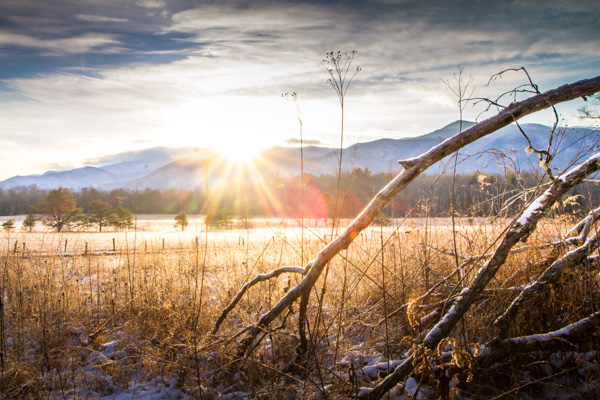
Winter landscape

Well, the majority of those incredible photographs came about through a good deal of physical hardship, practiced patience, and a healthy amount of self-made luck.

Here are some tips to help you become stronger at wildlife photography and better at recording of the natural world.

Do your homework before heading out

Be as educated as possible before you ever make a photo. Doing your homework is one of the most important, yet loathed parts of wildlife photography. It never pays to walk into a situation and be completely clueless. Though you can never be totally prepared for every challenge you will face (that’s part of the fun) you can educate yourself so that you safely make the most of your outing.

What gear to pack

Advanced gear is not a requirement, however, patience and perseverance are essential. You don’t need the latest and greatest zoom lens or space-age gadgetry in order to produce outstanding nature and wildlife photos. At the same, you must also understand any limitations of your kit, so that you will have realistic expectations and avoid disappointment.

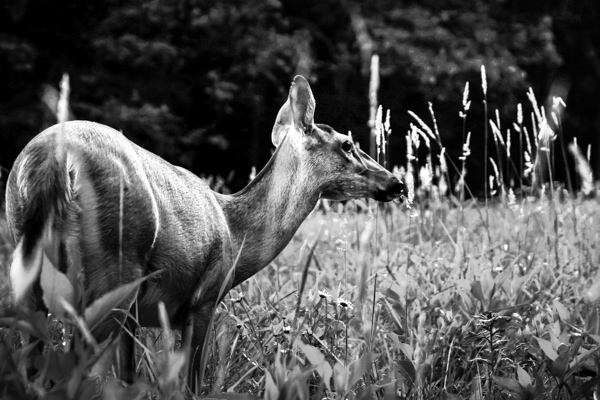
Deer

This photograph was made using the 28-135mm kit lens that came with my camera – after I slowly and quietly crawled into range.

Gear up for what you’ll most likely be shooting. Packing for a photographic outing can cause a lot of anxiety. It’s easy to over pack due to fear of lacking a piece of gear. Over packing though, can be even worse than under packing. You become weighed down and uncomfortable. You find yourself not enjoying what you’re doing which is one of the most preventable of all mistakes, made by photographers. Research the animals and scenes you are likely to encounter. Decide what is most and least important to you. Make choices, commit to them, and then let it go. It will make packing a lot less stressful.

If you plan on photographing wildlife, such as birds and animals that scare easily, then pack your best zoom lens so you can keep distance between you and your subject. Shooting landscapes or scenes where stealth is not a concern? You might consider taking along a wider angle lens to better capture your scene. Ultimately, there is no secret formula and no true all-in-one lens to cover every situation. Be informed before you leave so that you can make the best use of whatever lens you have.

A good bag is worth its weight in gold

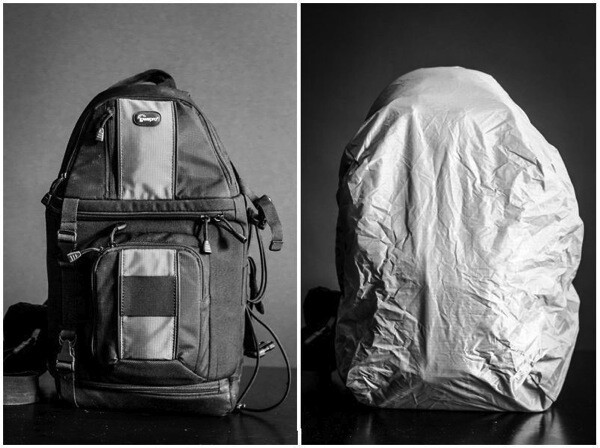
All the planning in the world isn’t worth much unless you can comfortably carry your essential tools with you. Find a camera bag that can carry the gear you need easily, and is equally comfortable on your body. Bags range greatly in price and quality but you usually get what you pay for. For added piece of mind, you might consider a bag that is semi-weatherproof or water resistant.

My go-to lightweight bag for wildlife photography, shown with and without the handy rain cover deployed.

Camerabag

Read reviews and find a bag that fits your body, your gear, and your planned outing. You will have a much more comfortable and enjoyable experience. Speaking of comfort…

Shoes

Comfort items

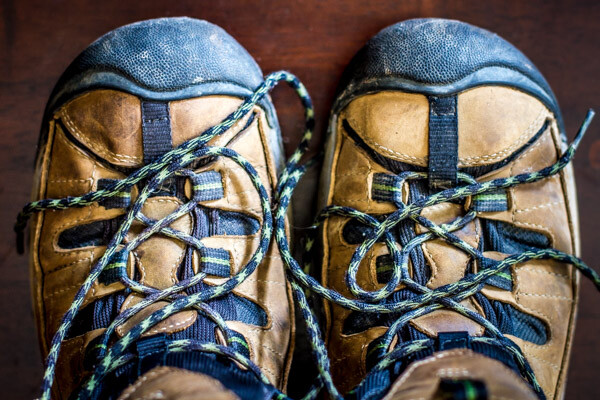
Shoes: A good pair of hiking shoes or boots is one of the most important pieces of gear for any wildlife photographer. Grit, dirt, mud, water, insects, rocks, and creepy-crawlies – you need a pair of shoes or boots that can handle all of these elements. Your shoes should be well fitting and suitable for walking long distances. If your feet become uncomfortable it won’t be long before you start thinking about cutting your trip short.

Prepare a checklist

It’s always a good idea to have a mental checklist before beginning any shoot. Before your outing ask yourself the following questions:

  • Are any special permits or permissions required? Some National or State Parks and wildlife sanctuaries require special permits for access to certain areas, especially those deemed as backcountry environments.
  • Where will I park my vehicle? This is very important. Believe me, if you park your vehicle in an unauthorized area you will be stuck with a sizeable fine or worse, return to find your vehicle has been towed.
  • Are there time restraints of any kind? Most natural areas and parks have hours of operation just like a business. You might arrive expecting to shoot a great sunrise only to find out the location you chose isn’t accessible until after daybreak. Also remember that wild creatures and critters are usually most active in the early morning or late evening.
  • What are the expected weather conditions? This is a biggie. Know what to expect as far as the weather is concerned. Check the forecast the day of departure and keep tabs on it throughout the day if possible. NEVER chance endangering yourself or your equipment by venturing out unprepared for bad weather.
  • What are the times for sunrise and sunset? Again, be sure the places you want to capture a sunrise or sunset are accessible during those times. You need to also be aware of the schedule so that you can allow enough time to reach your location and set up your gear before it’s go time.
  • Are there any commonly photographed animals, landmarks, or structures? Research what is usually photographed around the area you plan to visit. Find a park ranger or staff member and ask about lesser known spots that are less travelled by tourists. Knowing what’s popular will save you time and help to avoid shooting a scene the same way it has been done time and time again. Look for ways to be creative and set your work apart!

So, you’ve researched your location and have a good idea of what to expect. Here are a few basic tips that can help you after you’ve reached your destination.

Shoot RAW

Shootraw

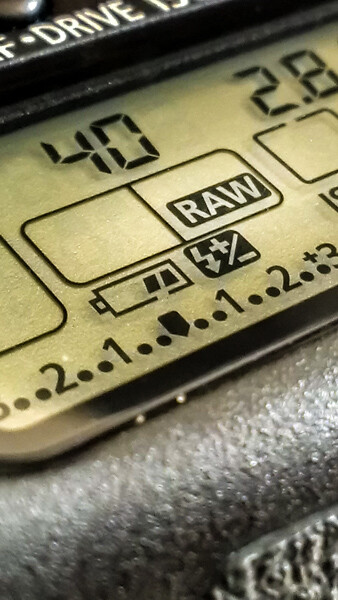
If possible, set your camera to capture images in camera RAW format. RAW image files are basically unprocessed, one might say uncooked, straight from your camera’s image sensor. They contain a massive amount of pixel information when compared to JPEG and take up a lot more memory card space. However, this additional information allows more latitude for adjustments in post-processing.

Use the lowest practical ISO

The ISO number of photographic film and image sensors relates to their sensitivity to light. The boiled down explanation is, everything else being equal, the higher the ISO number the less light is required to make an image. Unfortunately with higher light sensitivity comes increased image noise. In most (but not all) situations you will generally want to use the lowest ISO possible. That is not to say you should be afraid of bumping up the ISO. A fast shutter speed is often needed to capture the quick movements of wildlife and increased noise is far less noticeable than a blurred image.

Use AF continuous (AI Servo) mode when photographing wildlife

Afservo

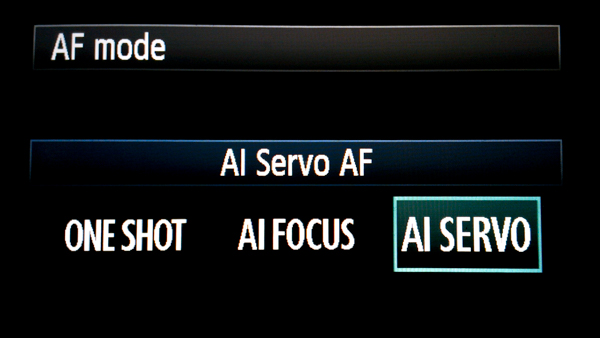
Autofocus (AF) can be your best friend or your worst enemy. When it comes to photographing most wildlife, however, autofocus is a great tool! Animals and birds, especially the wild variety, are almost constantly on the move. They shift positions and move closer or farther away selfishly, with little regard for the photo you are so carefully trying to compose. This is when AF-Continuous and AF-Servo modes come in handy. Though called different names depending on your camera’s make, they both accomplish the same objective which is keeping a moving subject constantly in focus. Place your selected focus area over your subject and half-press the shutter button to engage the AF. Focus will be tracked for as long as you follow your subject while maintaining pressure on the shutter button. Read your camera’s manual (you’ve done that already, right?) for detailed information concerning specific autofocus capabilities for your model, and how each mode can be selected.

Don’t forget the tripod

“I really didn’t think I would need my tripod” are words that usually begin a sad story about how a potentially great shot is missed. In most wildlife and nature photography situations a tripod is always a good idea. It’s better to have access to one and not need it than to need it and not have one available. Find the lightest and most compact tripod that is sturdy enough to handle your camera setup.

Learn so you can prepare. Prepare so you can photograph. Photograph so you can grow.

Photographing wildlife can be difficult but it can also yield huge artistic, personal, and even spiritual rewards. So go out and have fun doing what you do, but don’t forget to put the camera down every now and then to enjoy the world around you.

“Nature never goes out of style.” – Unknown

The post Nature and Wildlife Photography Tips for Beginners by Adam Welch appeared first on Digital Photography School.


Digital Photography School

 
Comments Off on Nature and Wildlife Photography Tips for Beginners

Posted in Photography


Twice as good? What you need to know about the Canon EOS 7D Mark II

23 Sep

Five years is a long time in the camera world, but that’s how long Canon’s EOS 7D was on the market – buoyed by a midlife firmware update that kept it impressively competitive against APS-C offerings from other manufacturers. Canon has not been idle in the past few years, it seems, and the new EOS 7D Mark II is a huge upgrade over the original 7D, offering improvements to every aspect of its feature set. We got hands-on with a pre-production sample recently. Click through to see more.  

Articles: Digital Photography Review (dpreview.com)

 
Comments Off on Twice as good? What you need to know about the Canon EOS 7D Mark II

Posted in Uncategorized


How to Photograph Teenagers: a Kick-ass Guide

23 Sep

Whether it’s for a magazine beauty and fashion spread, senior pictures, or my daughters and their friends just dressing up and having fun, teenagers are up for absolutely anything, which makes them my favorite subjects to photograph. Stand fully dressed under a freezing cold waterfall while hanging ten off a surfboard and holding a drooling English Bulldog? “Sure!” Go to Continue Reading

The post How to Photograph Teenagers: a Kick-ass Guide appeared first on Photodoto.


Photodoto

 
Comments Off on How to Photograph Teenagers: a Kick-ass Guide

Posted in Photography


When Every Inch Counts: 14 More Clever Small Space Hacks

22 Sep

[ By Steph in Design & Furniture & Decor. ]

Small Space Hacks Compact Kitchen 3

Making a tiny living space comfortable and practical means integrating multi-purpose furniture, custom built-ins and lots of other clever space-saving tricks. These 14 (more) small space hacks include a few DIY projects that can be achieved with components purchased at Ikea.

Incredibly Compact Kitchen
Small Space Hacks Compact Kitchen 1

Small Space Hacks Compact Kitchen 2

Starting as a narrow dining table, this ultra-compact kitchen swings open to reveal an induction cooktop, oven, refrigerator and storage space with a sink and a work surface. Slide it under the white table unit when not in use or pull it out into its own little island – perfect for the minimalist cook working in a small space. Check out 15 more modular & multipurpose kitchens for small spaces.

Spaceflavor Mobile Cube: Office/Tea House in One
Small Space Hacks Spaceflavor Cube 1

Small Space Hacks Spaceflavor Cube 2

Feng Shui expert Liu Ming created the Mobile Cube to compartmentalize his personal space in a live/work apartment that has to accommodate over 30 students during classes. The entire cube is on wheels, with a lower portion that can contain a bedroom or an office, and a loft that functions as meditation space, a sleeping area or a tea room (as he uses it.) It measures just eight feet square and has hidden stairs that double as drawers, as well as cabinets, closet space and translucent roller shades.

Fold-Out Picnic Table
Small Space Hacks Fold Out Table 1

Small Space Hacks Fold Out Table 2

This picnic table offered by a Brazilian furniture store has enough seating for six people, yet folds completely flat against the wall when not in use, opening up the floor for other purposes.

IKEA Closet Makeover
Small Space Hacks Closet 1

Small Space Hacks Closet 2

A cluttered closet in a small Brooklyn apartment now has a dedicated space for everything from shoes to handbags courtesy of an IKEA makeover. While the overall size of this closet would be luxurious in most small spaces, the setup could easily be customized to your own needs while maintaining organization.

DIY Murphy Bed
Small Space Hacks DIY Murphy Bed 1

Small Space Hacks DIY Murphy Bed 2

If you’re an ambitious DIYer, you can attempt your own murphy bed, like this one at a sustainability camp in Maryland. DIY Network has plans for a simpler version, or you can try an Ikea hack with sliding doors over at Instructables.

Next Page – Click Below to Read More:
When Every Inch Counts 14 More Clever Small Space Hacks

Share on Facebook


[ By Steph in Design & Furniture & Decor. ]

[ WebUrbanist | Archives | Galleries | Privacy | TOS ]


WebUrbanist

 
Comments Off on When Every Inch Counts: 14 More Clever Small Space Hacks

Posted in Creativity


Carry Less – Photograph More: Elevate Your Travel Photography

22 Sep

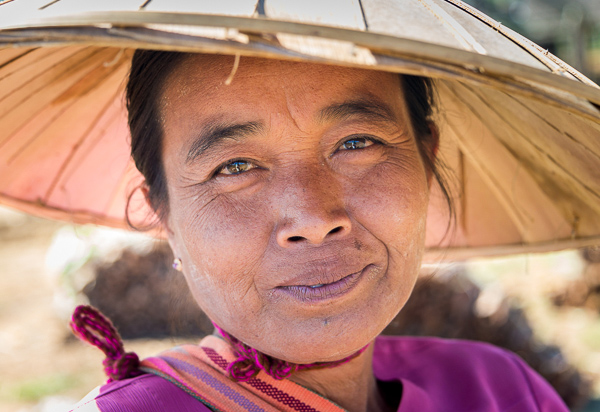
20131206_Bagan_563b

As a travel photographer, either on assignment or shooting a personal project, capturing great quality images that represent the spirit of a place and its people is key.

Looking to achieve that was a priority for me, so I always traveled with a bag full of gear, including at least two DSRL bodies, three or four lenses, flash, tripod, batteries, etc. It was a heavy load, and it slowed me down. I am a Nikon shooter, so my first approach to unload weight was to carry an all-purpose lens. I got the Nikon 28-300mm, and along with this, I’d carry the 14-24mm for wide-angle shots. Now I needed a backup camera or second body. I debated whether to keep carrying another Nikon body or to try something more compact. Finally I decided to get myself a mirrorless camera; enter the Fuji X system. My first mirrorless camera was the Fuji X-E1 with the kit lens, the wonderful Fuji 28-55mm. That camera was a turning point for me, and after my first trip I was sold on the system. Yes, I still shoot Nikon, but I just don’t travel with those big guns anymore.

The mirrorless technology is now really advanced – gone are the days when the image quality was not up to par with DSRLs and the availability of lenses was scarce. There are similar options from different manufacturers: Sony, Olympus, and Panasonic all have systems that eliminated the reflex portion and bulkiness of the typical DSRL. Please understand that I am mentioning Fuji because that’s the camera I use, but this is not an article to discuss a specific camera or brand. What you should consider is that for the most of us, the image quality of these cameras nowadays is amazing.

20131212_Inle_Lake_535b

I’d say I’ve switched, at least for travel. Fuji is now my go-to system for everything on the move, including photo walks. If you are planning to invest in a camera system, you should at least give mirrorless consideration, and here is why:

1) Travel Light

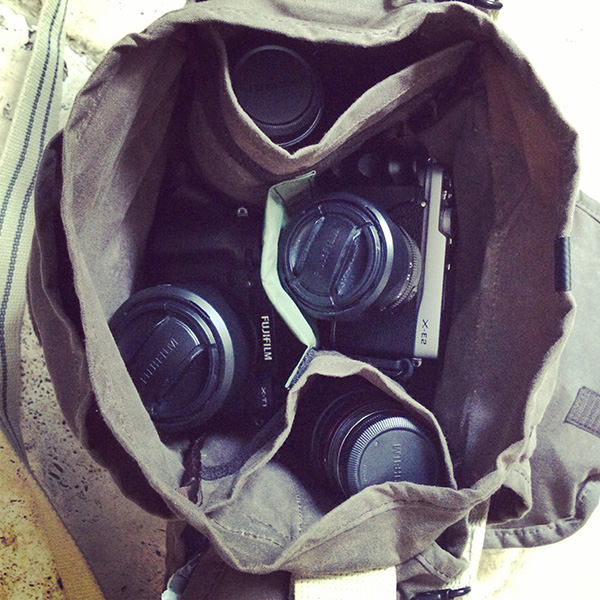
When using a mirrorless system, traveling light doesn’t mean that you’ll be out of options in the field. In just a small camera bag, you can fit a lot. This Domke F-3X Super Compact bag contains two bodies, five lenses, a flash, four extra batteries, radio triggers, a GPS for geotagging and SD cards. What I have here in terms of camera are the Fuji X-T1, Fuji X-E2, Fuji18-55mm zoom, Fuji 55-200 zoom, the 23mm and 35mm primes and an 8mm fish-eye from Rokinon. Believe me, I can carry this all day long without putting strain on my back, which brings me to the second point.

CAMERA BAG

2) Shoot all day

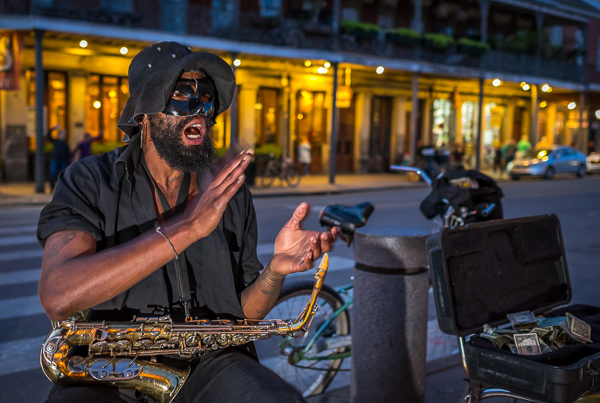
Wandering light means you can wander more. A small and light kit won’t wear you out and you can pretty much shoot all day long. With these cameras you can always have one on you, even if you are not carrying a camera bag. There are plenty of options where you can take them on your belt and even inside the pocket of a jacket. Having a camera with you all the time brings more opportunities to capture the people and places where you are traveling. The photo below was taken my first day in New Orleans; after a long flight I just went out for a walk with the Fuji X-E2, the 23mm prime and a flash in my pockets, and when the opportunity presented itself I was able to shoot it.

Street performer at night in New Orleans

3) Be invisible, blend in

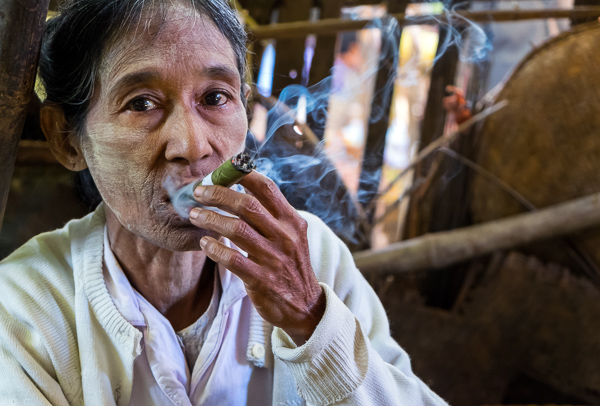
There is nothing more annoying than people being scared of you. Trying to stick a big lens or camera in front of people in public spaces, or even worse, in remote locations where you don’t speak the local language, is a formula for disaster. There is also a difference if they see you as a pro photographer or just another tourist. When you carry a small camera, you’ll most likely go unnoticed or they won’t feel as intimidated as they would when they think you are pro shooting for a magazine. I personally love to shoot markets: these places, away from big cities, are one the best ways to explore local cultures. I’ve noticed a big difference since I started to shoot with the Fujis on my trips. I can blend in more, I can aim the camera, smile, and get a photo with no problems, whereas before many times I’d have people turning their faces down or away from me. Just consider this fact alone and the difference it can make in your photography.

Old Burmese woman smoking a cigar

Another great feature besides what is mentioned above is how easy it is to work with an electronic viewfinder. Imagine being able to see exactly what are you getting in your viewfinder before making the shot. You can quickly adjust camera settings and see the changes on the fly. Seeing where your whites are clipping or how the shooting mode will affect the result of the image without having to move your eyes out of the viewfinder is phenomenal. I could go on an on about the benefits, but I am not a technical person.

If you like to travel and go places, in my opinion this is the way to go. The future is even brighter, as manufacturers continue to develop their lineups. Mirrorless is versatile and delivers excellent results. Touring light will make your travel photography better and you’ll be able to enjoy your trip more.

Any other mirrorless fans here? Show us your photos and tell us about it.

The post Carry Less – Photograph More: Elevate Your Travel Photography by Daniel Korzeniewski appeared first on Digital Photography School.


Digital Photography School

 
Comments Off on Carry Less – Photograph More: Elevate Your Travel Photography

Posted in Photography