RSS
 

Archive for September, 2014

Zeiss introduces ‘no distortion’ Otus 1.4/85mm

09 Sep

Zeiss has announced a new fast mid-telephoto prime to join last year’s widely acclaimed 1.4/55 lens in the Otus range. Due out in the middle of this month in Canon EF (ZE) and Nikon F (ZF.2) mounts, the new Zeiss Otus 1.4/85 is a manual focus lens claimed to offer exceptional performance even when used wide open on full frame cameras. Read more

Articles: Digital Photography Review (dpreview.com)

 
Comments Off on Zeiss introduces ‘no distortion’ Otus 1.4/85mm

Posted in Uncategorized


Floating Neighborhood for NYC, or: How to Hover a Whole Megablock

09 Sep

[ By Steph in Architecture & Cities & Urbanism. ]

NYC Floating Skyscraper 1

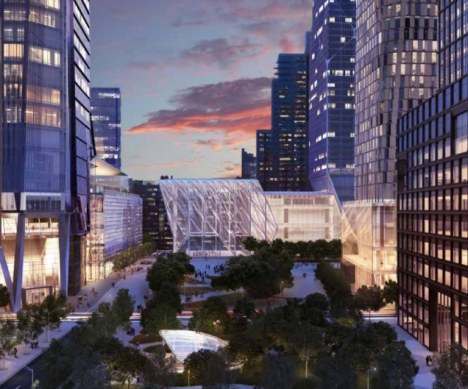
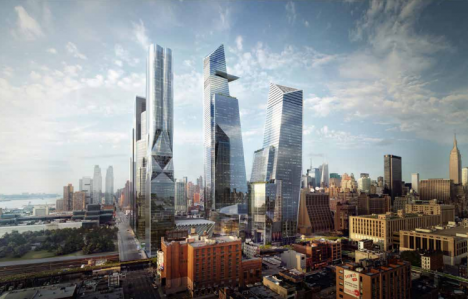
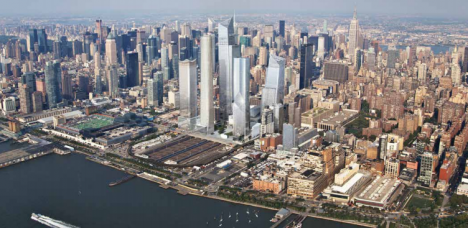
How do you fit an entire new neighborhood for 65,000 people, complete with offices, schools and streets, into the already congested and overdeveloped island of Manhattan without knocking anything down? Hover it. That’s the plan for Hudson Yards, the largest private development project in U.S. history, which will be erected on a super-strong platform over an existing active rail yard between Chelsea and Hell’s Kitchen.

NYC Floating Skyscraper 3

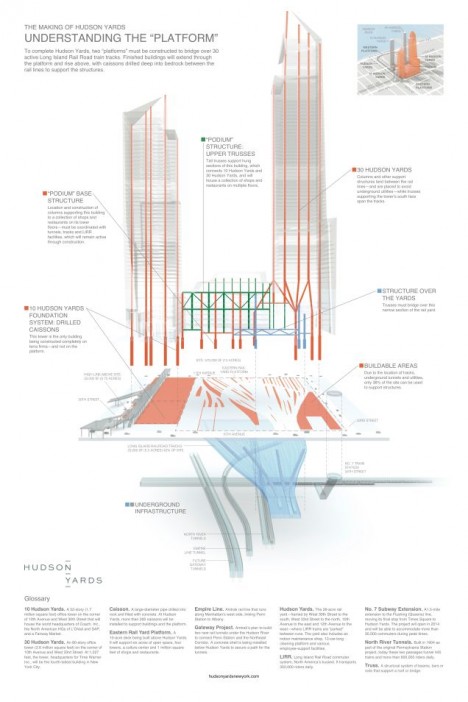
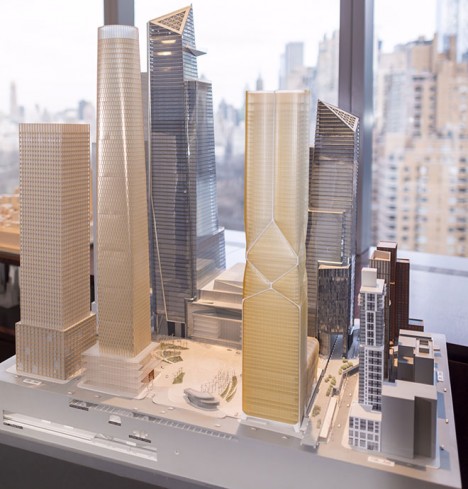
The whole massive, incredibly heavy thing will barely touch the ground, resting on 300 concrete-sleeved steel caissons inserted 40-80 feet into the bedrock. Borrowed from bridge-building techniques, these supports will hold up a slab that will serve as the foundation of six skyscrapers, 100 shops, 20 restaurants, a school and 14 acres of parks.

NYC Floating Skyscraper 2

The 26-acre West Side Yard over which this development will be built is a critical part of New York City’s transit system, serving overflow Long Island Railroad trains during rush hour with 30 tracks and space for storage and maintenance. Luckily, its original developers in the 1980s realized that one day the space would be prime for redevelopment, and left a gap around the edges of the yard just big enough for structural members to be installed without interrupting traffic.

NYC Floating Skyscraper 4

Since the trains will still be active while Hudson Yards is under construction, actually getting everything into the ground will be a bit of a challenge. The builders plan to sink the caissons in sections and then attach them to 100-foot trusses whenever there’s a window of opportunity in between moving trains.

NYC Floating Skyscraper 5

Gizmodo got an early look at the plans and has a series of mesmerizing gif images of exactly how everything will come together. It’s an interesting example of developers finding space for something new in a bustling metropolis without disturbing existing functionality, and even arguably improving a lot that many find an eyesore. The final phase of the city’s High Line park, set to open later in 2014, will connect directly to Hudson Yards, which should be complete by 2024.

Share on Facebook


[ By Steph in Architecture & Cities & Urbanism. ]

[ WebUrbanist | Archives | Galleries | Privacy | TOS ]


WebUrbanist

 
Comments Off on Floating Neighborhood for NYC, or: How to Hover a Whole Megablock

Posted in Creativity


Herzklopfen

09 Sep

Manchmal frage ich mich, was mich antreibt zu fotografieren. Welche Momente es eigentlich ausmachen, täglich aus dem Haus zu schleichen und morgens, nachdem ich die werte Tochter im Kindergarten abgegeben habe, meine Radtour in die Stadt fortzusetzen, die Kamera umzuschnallen und nach Motiven zu suchen.

Es gibt viele davon. Gründe, meine ich. Viele sind sehr offensichtlich und präsentieren sich gerne, wenn nach Ihnen gefragt wird. Zuerst kommt, wer hätte es gedacht, der Spaß in den Sinn, wobei ich den gerne wieder zurück auf seinen Platz stelle, denn Spaß ist ein oberflächlicher Grund.

Darunter verborgen liegt eine Begegnung mit mir selbst. Spaß ist nur ein Ettikett, das nicht tief genug geht, um zu definieren, was in mir vorgeht, wenn ich durch die Straßen von Karlsruhe flaniere.

Ich könnte noch viele weiter Gründe aufzählen, aber ich hege eine starke Abneigung gegenüber Listen, denn sie klingen so verkehrt, militärisch und kalt. Wenn aufgeführte Punkte dann auch noch nummeriert werden, komme ich mir als Leser ein bisschen für dumm verkauft vor.

Nein, ich möchte recht schnell zum Hauptpunkt meiner Reflexion kommen. Es handelt sich dabei um eine Gemütsregung, die mit keiner anderen vergleichbar ist.

Im Titel schon angerissen springt das Wort Herzklopfen ähnlich hysterisch auf wie der Spaß, wenn es angesprochen wird und räkelt sich im Scheinwerferlicht, um hier einmal Titelmusik spielen zu dürfen.

Da lasse ich es nun und schaue es mir etwas genauer an. In dem Wort steckt nämlich, ebenso wie in Spaß, noch mehr.

Es ist ein kurzer Moment, wie ein Nadelstich so dünn, ebenso so intensiv, wie ein Auto, das viel zur knapp und in hohem Tempo an mir vorbeirast und dann blitzartig verschwunden ist.

Müsste ich all das, was ich zu umschreiben versuche, in einen Satz fassen, wäre es dieser:

DAS IST ES.

Es ereignet sich, wenn ich auf der Straße plötzlich etwas sehe, das ich fotografieren möchte. Zwei, drei oder tausend Dinge passen gut zusammen. Die Bewegung einer Person, eine Geste, ein Lächeln, zwei Farben korrelieren miteinander, oder etwas ganz anderes erregt meine Aufmerksamkeit.

Ich komponiere kurz aus (viel Zeit habe ich auf der Straße selten), suche fix eine gute Perspektive und stelle mit der linken Hand das Objektiv scharf. Ich drücke sofort ab.

Dann passiert es. Das was ich sehe und das was ich tue harmoniert so miteinander, dass sich in mir etwas regt. Aus dem Innersten meiner Seele pulsiert eine Bewegung, die nach draußen drängt – und äußert sich als Herzklopfen.

Und im Denken des Satzes:

DAS! IST! ES!

Dieser Satz ist nicht heuchlerisch, klopft sich nicht gönnerhaft selbst auf die Schulter, als ob ich, Martin, ein so toller Fotograf wäre.

Nein, dieser Satz ist die Aussprache meiner zentralen Motivation, meiner tiefsten Lust an der Sache und zugleich Jubel über das, was jetzt gerade geschieht.

Ich bin einfach glücklich, im Jetzt und Hier, ganz bei mir selbst.

Das ist es.

An dieser Stelle wird der Artikel viele Leute, die bis hierhin mitgeschwärmt haben, enttäuschen. Denn dieser Moment ist sehr, sehr selten.

Er scheint sich manchmal sogar vor mir zu verstecken, sodass ich versuche, ihn einzufangen. Das Verb jagen wird nicht zufällig mit der Straßenfotografie in Verbindung gebracht.

Doch je mehr ich diesen Moment greifen will, ihn vielleicht sogar erzwingen will, desto weiter entfernt er sich von mir. Es scheint mir sogar, dass er immer seltener wird.

Damals, als ich anfing zu fotografieren hatte ich bei jedem Klick das Gefühl, ein tolles Bild zu machen. Überall machte ich aus allen möglichen Perspektiven ein Foto, ganz im Rausch der Möglichkeiten gefangen.

Stunden später am Rechner bemerkte ich enttäuscht, dass meine Euphorie beim Fotografieren nicht deckungsgleich war mit dem, was ich fühlte, wenn ich mir die Bilder in groß auf dem Bildschirm ansah.

Heute drücke ich seltener ab. Ich bekomme in einer Stunde höchstens einen Kleinbildfilm mit 36 Bildern voll.

Fotografieren bedeutet gleichzeitig und innerhalb von Sekundenbruchteilen zu erkennen – einen Sachverhalt selbst und die strenge Anordnung der visuellen wahrnehmbaren Formen, die ihm seine Bedeutung geben. Es bringt Verstand, Auge und Herz auf eine Linie. – Henri Cartier-Bresson

Verstand, Auge und Herz auf einer Linie. Das ist – bei mir – eine Ausnahme. Doch wenn es passiert, weiß ich wieder, warum ich fotografiere.

Bevor ich geneigt bin, ungeduldig diesen Text abzuschließen, möchte ich noch eines hinzufügen: Manchmal fotografiere ich vor mich hin und bemerke gar nicht, dass mir ein Foto gelungen ist.

Doch spätestens beim Sichten der Negative trifft mich dann wortwörtlich ein kleiner Schlag und ich bekomme Herzklopfen. Mal mehr, mal weniger. Aber wenn ich achtsam bin, spüre ich es.

Wenn ich weder beim Fotografieren noch hinterher von einem Bild berührt bin (und das ist bei mir die Regel), dann soll es eben nicht gewesen sein.

Ich fotografiere weiter, immer weiter, und warte. Auf den entscheidenden Moment.


kwerfeldein – Fotografie Magazin | Fotocommunity
 
Comments Off on Herzklopfen

Posted in Equipment


8. September 2014

09 Sep

Ein Beitrag von: Nico Zumstein

Nebel über Wasser mit Bäumen


kwerfeldein – Fotografie Magazin | Fotocommunity
 
Comments Off on 8. September 2014

Posted in Equipment


8 Essential Tips for Travel Photographers

09 Sep

#1 Great travel photos are planned

Just think about what you are going to do, understand the scene, watch the light, the movement of people inside the image. When you take your pictures you have to consider all factors: from the time of day and the light, to the emotional preparation of the characters. It is true that luck exists, that someone at some time photographed just that smile, that you can collect stolen photos using a long lens. But few stolen photos have survived to become part of the history of travel photography.

DPS Plan your photos 8953

#2 The hair in your soup: An error for some people is something creative for others

A hair is a hair, but one thing is having it on your head and another quite different story is finding it in your soup. An error for some people is something creative for others.

Some questions customers usually ask me when traveling together are:

  • Is it okay if I use an aperture of f/8?
  • Hey, what is the right speed for this?
  • Does it matter if it comes out fuzzy?

My answer is always the same: It depends on what you want to do and what you want to highlight.

In sports photography you usually want to focus movement, and for this purpose you use high sensitivity (ISO) and high speed (shutter speed); but great photographers – specialists in their field – leave images fuzzy to emphasize movement, and get splendid results.

The important thing is that viewers of your photo understand the way you have used the error: if you intended to show movement, the viewer must understand it that way. Otherwise the result is just a blurred picture.

DPS  A hair 5636

#3 Eyes are the magnet of every photo

Look into people’s eyes, make personal contact. Eyes say a lot about people’s emotions, so much so that in many cultures people don’t want to look you in the eyes because they fear that you will be able to guess what they are thinking. Look for the light in the eyes – or total darkness. They are a magnificent photographic story line.

DPS  Eye contact

#4 One good photo a day – nothing else – nothing more

There is no rush. You don’t have to go off shooting like crazy. One photo a day is much more than the greatest photographers achieve when traveling. Don’t rush when shooting the photo. Take your time to take a good photo rather than waiting for luck to achieve what you are not capable of doing calmly.

#5 Forget about the long lenses if you are actually interested in real people on the street

The long lens is the perfect instrument to get away from people, and keep them at a distance. It isn’t the best method to create emotions and capture them in a photo. Get close. Look into people’s eyes. Create an emotion! The vast majority of Magnum’s photographers specializing in people prefer 24mm, 28mm or 35mm lenses.

If you want to grow as a photographer, use prime lenses: they force you to be fully aware of the frame and to take your time. If you are too far away, get closer. If you are too close, move away. I assure you that you will notice a tremendous improvement in your photos. If you don’t own fixed lenses, set your lens to the 35mm position using a band-aid.

#6 Many good pictures are made on your knees

Yes, on your knees. You’ll see how your whole concept of photography changes. I always get irritated by tourists taking pictures standing, from above, of a monk who is sitting on the floor. If you want people to have respect for you, the first thing you have to do is to show respect for others. Get down to their same height.

DPS  On your knees

#7 Find the best light and walk uphill or look for the worst light

Get up very early or wait for dusk. The best light appears with sunrise and lasts for the next 20 minutes or at nightfall. Walk where nobody else walks. In cities and villages, you will most certainly find more opportunities than most photographers, by going uphill, because most people look for what is easiest and requires less effort.

It always depends on what you want to show. Many great pictures are made at the worst moment: when the sun is at its zenith. This situation is exceptional for emphasizing shadows and highlighting hard heat conditions.

DPS  The worst Light 88

#8 Don’t act like a pro

Don’t work, just take photos. Many professional photographers who have lost their way in the struggle to create saleable images come to my courses. Try to keep up your freshness. Remember what it was that originally attracted you to photography. Don’t be afraid of taking photos your colleagues don’t like, and especially don’t be afraid of taking photos that don’t sell.

The post 8 Essential Tips for Travel Photographers by Harry Fisch appeared first on Digital Photography School.


Digital Photography School

 
Comments Off on 8 Essential Tips for Travel Photographers

Posted in Photography


Modular Cities: 13 Expandable Solutions for Urban Growth

09 Sep

[ By Steph in Architecture & Cities & Urbanism. ]

Modular Cities Seeds of Life 1

As urban populations flourish, cities typically expand outward into suburbia or suffer growing pains with static infrastructure that just can’t keep up. What if, instead, cities were based upon modular structures with virtually no limits as to how much they could grow? These modular urban concepts include developments that hover above LA’s freeway system, Jenga-like towers and pixelated stacks of prefabricated residential units.

Modular Paracity
Modular Cities Paracity 1

Modular Cities Paracity 2

A gridded framework made up of basic 6-meter-square wooden structural models can be built out almost endlessly, rising above the ground in flood-prone places like Taipei City and Jakarta. ‘Paracity’ by Marco Casagrande is designed for unrestricted growth by gradually infilling the open column-and-beam lattice framework with dwellings, gardens, roadways, shops, restaurants and more. The idea is ‘self-sustainable bio-urban growth,’ using sustainable technology for water purification, waste water treatment and energy production. Says the designer, “In a sense Paracity is a high-tech slum, which can start tuning the industrial city towards an ecologically more sustainable direction. Paracity is a third generation city, an organic machine, urban compost, which is helping the industrial cit to transform into being part of nature.”

Garden City K66
Modular Cities K66 1

Modular Cities K66 2

The ‘pixelated’ look of this development comes from the seemingly random arrangement of 10×10 modular volumes stacked in a flexible grid that’s interchangeable and adaptable. The modules can for the basis of apartments, offices and other spaces, making it easy to switch out the function of various parts of the community. Public spaces are on the lower levels, and living spaces on the top.

Car-Free Skyvillage Over Los Angeles’ Freeways
Modular Cities Skyvillage 1

Modular Cities Skyvillage 2

Modular Cities Skyvillage 3

LA’s system of freeways divides the city into separate quadrants, restricting activity to whatever area you happen to live in, hemmed in by the massive and perpetually backed up roads. But what if the city could literally rise above that freeway system? This concept called Skyvillage imagines a Los Angeles that grows vertically, interconnecting above the roads to bring the community together. This would eliminate the need for cars, making it easy for residents to fulfill all of their needs within walking distance. The pillars that make up the building are ‘green filtering towers’ filled with vegetation to counteract the pollution from the freeways.

A New Vision for Egypt’s Garbage City
Modular Cities Seeds of Life 1

Modular Cities Seeds of Life 2

Modular Cities Seeds of Life 3

The people of Egypt’s so-called ‘Garbage City,’ which processes nearly all of the waste from the enormous city of Cairo, do so with an admirably inventive spirit – but as you might imagine, sorting trash for a living can make for a less-than-pleasant living environment. Mekano Architects came up with a way that actually uses the heaps of waste around the city as an advantage, recycling it as building material for a vertical city. The Seeds of Life skyscraper consists of a series of ‘wind stalks’ that can be stacked with modular homes interspersed with parks, plazas and other public spaces. The ‘wind stalks’ would be topped with mini turbines to collect energy.

Vertical City with Plug-In Houses
Modular Cities Plug In 1

Modular Cities Plug-In 2

Hexagonal living units are plugged into a primary structure made of reinforced concrete, making it easy to add and remove modules as necessary or group several together into a larger home. Inspired by Le Corbusier’s theory that “a house is a machine for living,” the concept is flexible, easy to dismantle and could be prefabricated and transported to cities anytime growth calls for it.

Next Page – Click Below to Read More:
Modular Cities 13 Expandable Solutions For Urban Growth

Share on Facebook


[ By Steph in Architecture & Cities & Urbanism. ]

[ WebUrbanist | Archives | Galleries | Privacy | TOS ]


WebUrbanist

 
Comments Off on Modular Cities: 13 Expandable Solutions for Urban Growth

Posted in Creativity


DIY How to Build and Use a Reflector to Take Better Portraits

09 Sep

Photography is essentially capturing light. Beginners to photography can find the learning curve quite steep. To start with, there is the technical side. You need to understand what the camera can do and its limitations. Then there is the theory aspect, simply put you need to know what exposure is and how to achieve this with your camera if you want to get that creative shot.

About four years ago, I was shooting a couple of models in my city of Dublin outdoors with a few fellow photographers. The day was overcast and I was just hoping it wouldn’t rain. Thankfully, it didn’t. One of the photographers had this big reflector, a 52 inch, translucent one. I was amazed at how effective it was, especially as it added these wonderful catchlights in the model’s eyes.

Model with catchlights

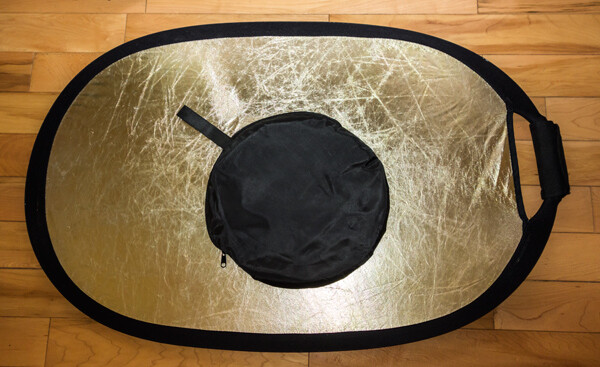
Think in terms of directing the light when photographing your subject or object. This is why a collapsible reflector is an excellent piece of additional camera gear. They are relatively inexpensive to buy, so portable, and lightweight. They do come in various sizes but a 42″ 5-in-1 collapsible reflector can be bought online for under $ 40 USD.

Collapsible Reflector 36x24 GoldSilver

Recently, at a family get together, my sister wanted me to take some headshots of her. We were outdoors, it was early in the evening around 6 p.m., and the sun was a ball of amber. I positioned her with the sun behind and it had created a wonderful rim light on her hair. But I didn’t have enough fill-light on her face.

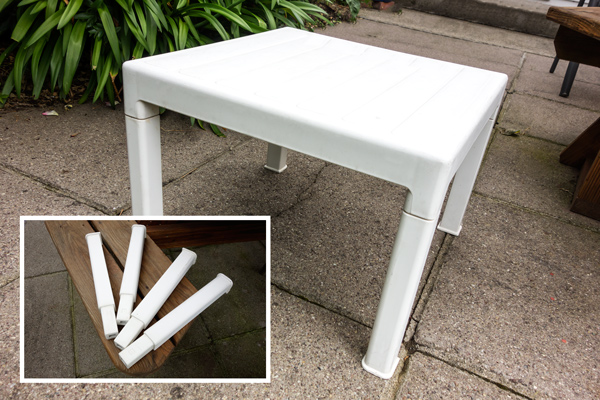
Then I realized, I didn’t have my reflector with me. On this occasion I had simply forgotten to bring it with me. After all, I wasn’t on a professional assignment. Anyway, I saw the small white plastic garden table. I grabbed it, turned it upside down and yanked the legs off. I got my youngest daughter to hold the table top slightly to the right and below my sister’s face.

Small white plastic garden table

Technology is speeding along at a very fast pace. The latest DSLR/mirrorless camera of today is fast becoming yesterday’s news in a relatively short time. As a newcomer to photography, it can be difficult to choose what gear and accessories to buy.

The basics of exposure havn’t changed with technology, nor has light. So practice with the camera that you have and learn to shoot with it in available light, and low light. Learn to see the different ways light can make a difference to your imagery.

I came up with five DIY options to serve as a reflector and tested them out. Here are some tip on how to use a reflector to take better portraits:

  1. White mount card from an art or hobby craft shop, size A1(33.1 x 23.4inches) 300g
  2. Kitchen aluminum foil crumpled up before fixing it on the back of the white card using spray
    adhesive
  3. Radiator reflective foil
  4. White plastic garden table
  5. Silver car mats

I still have, and use, the white card for demo purposes when I give workshops for beginners. It is so simple and affordable ,and the impact is quite dramatic. This option is the easiest to buy for a few dollars(USD). This piece of card can enhance your shots whether you are inside or outside. It’s great.

A simple indoor set-up for a portrait shoot using the white card

Have your model or subject seated (or stand) beside a large window. The model will be facing the camera, so one side of his or her face will be in shadow. Take a shot. Then have someone hold the white card near the model’s shadow side, at an angle so that a nice even light is cast across your subject’s face. Take numerous shots as you will need to direct your assistant on how close or far they hold the card up to the model. When you have taken a number of shots, you will get a clearer understanding of how to reflect the light upon your subject in a more pleasing manner. When you have uploaded your images to the computer, you will have the initial shot as your frame of reference to see the difference.

Tip – if the surface of your card starts to get grubby, I have covered up dirt marks using white interior matt paint.

Using kitchen aluminum foil is really simulating a silver reflector, which adds a cool light on your subject.

Becky silver reflector

If you don’t have spray adhesive or photo mount, an alternative method would be to water down a little PVC glue and paint this on one side of the white card. Then lay the aluminum foil (crumpled first) on top and smooth it out. This needs a good 24 hours to set. Also be careful when reflecting the light onto your model. Keep your distance as it reflects a large amount of light.

This roll of radiator reflector foil was inexpensive to buy. I can’t remember exactly but I think it was less than ten dollars (USD). Similar to above, this option works in the same way.

Becky radiator reflector foil

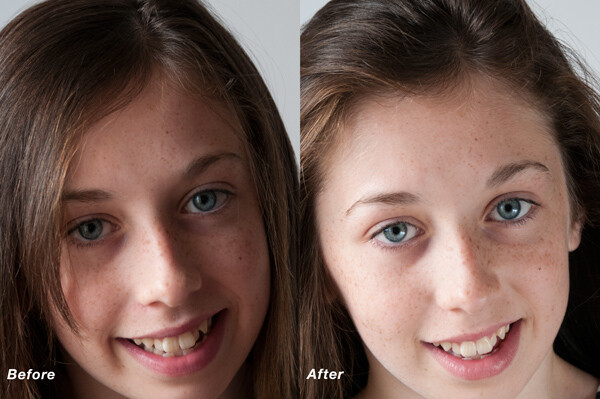
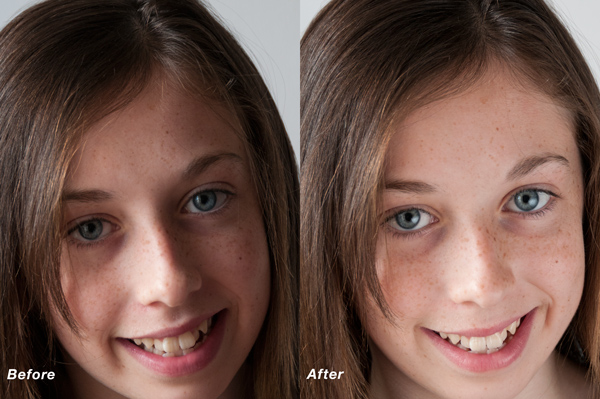
I recreated a similar test of my daughter in my Mum’s back garden using the small white plastic table. Unfortunately, I didn’t have the wonderful sun shining in the background, like I had for my sister’s shot. This was a quick test but as you can see there is an improvement in the after image. The light was cast more evenly across her face. Catchlights were created in the eyes which are key to good portraiture and shadows were eliminated under the chin.

Amy before and after small table

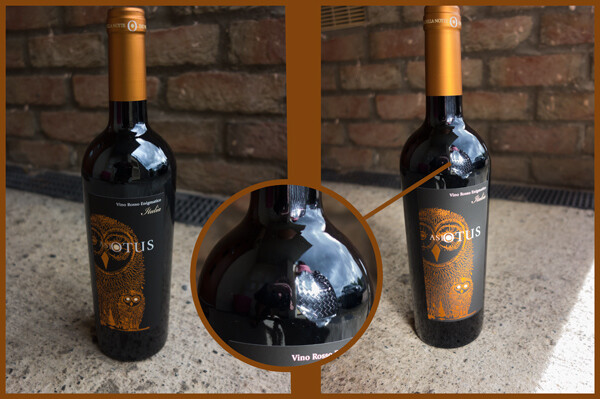
I included the silver car mats more as a tongue-in-cheek test! However, I decided to test them out to see would they actually work. I chose a bottle of wine so that you could see the silver car matt reflected in the bottle.

Wine bottle

Have you tried using a reflector before? What are your thoughts? Please give it a try if you haven’t and share your results and comments below.

The post DIY How to Build and Use a Reflector to Take Better Portraits by Sarah Hipwell appeared first on Digital Photography School.


Digital Photography School

 
Comments Off on DIY How to Build and Use a Reflector to Take Better Portraits

Posted in Photography


Beginner’s guide: shooting high-key at home

08 Sep

High-key lighting is a classic look for portraits or product photography that minimizes shadows and produces a bright, vibrant look. Although typically shot in the studio with lots of high-powered lights, it’s possible to produce a similar look at home using some fairly basic kit. In this article we’ll talk you through a simple backyard setup and some easy post-processing that will serve as a great introduction to high-key portraiture. Learn more

Articles: Digital Photography Review (dpreview.com)

 
Comments Off on Beginner’s guide: shooting high-key at home

Posted in Uncategorized


Dazwischen liegt Schönheit und Melancholie

08 Sep

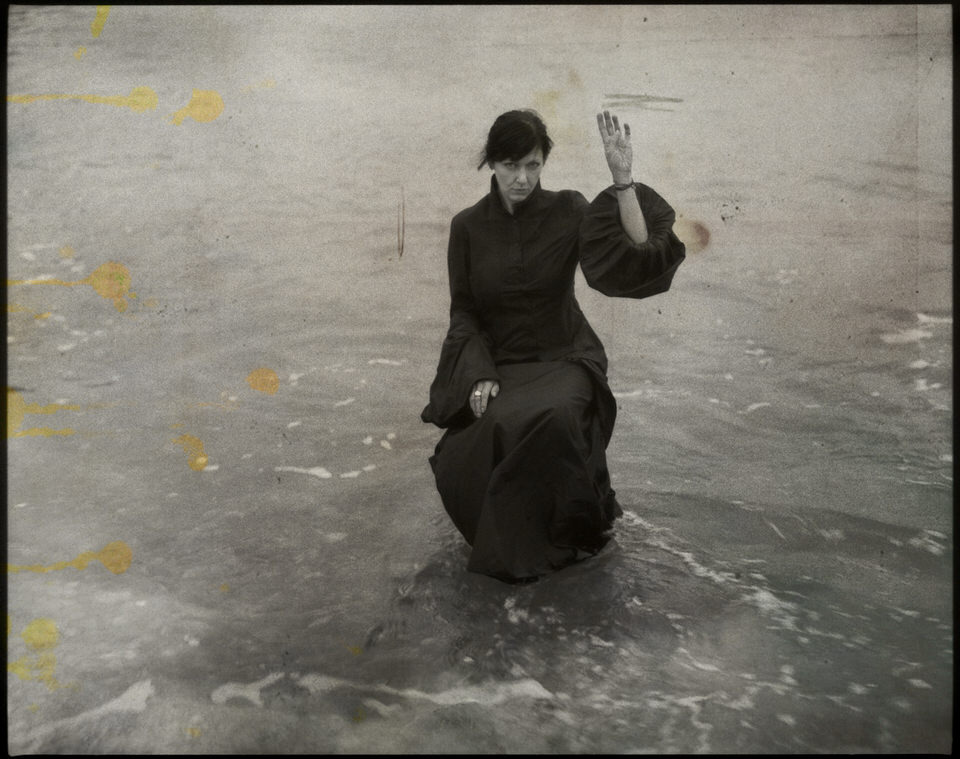
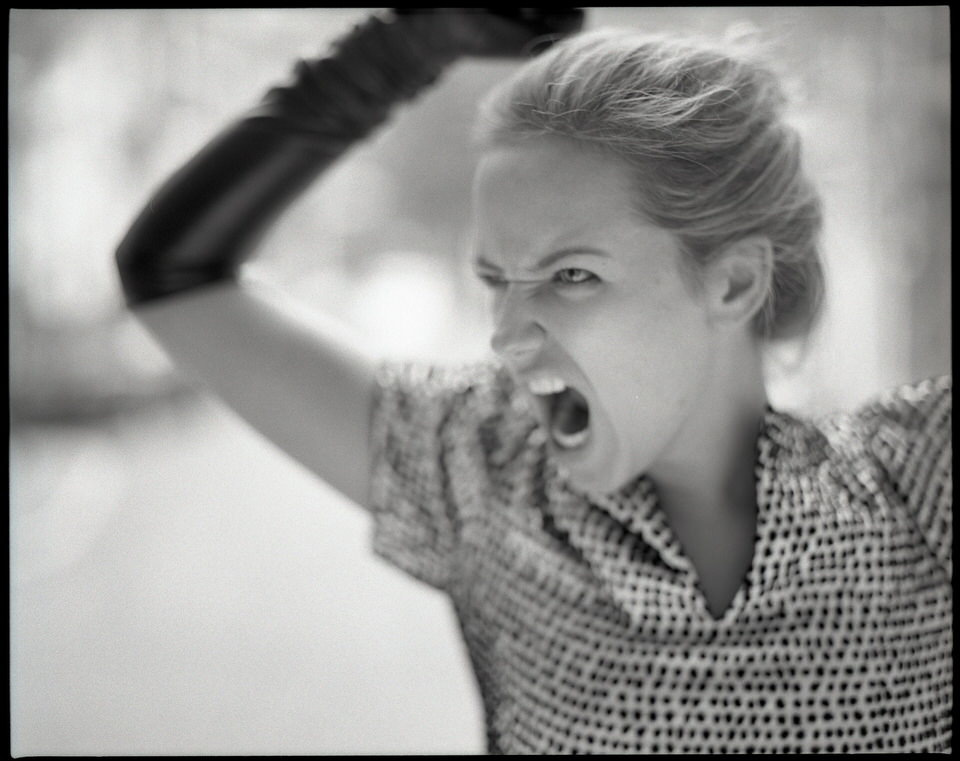
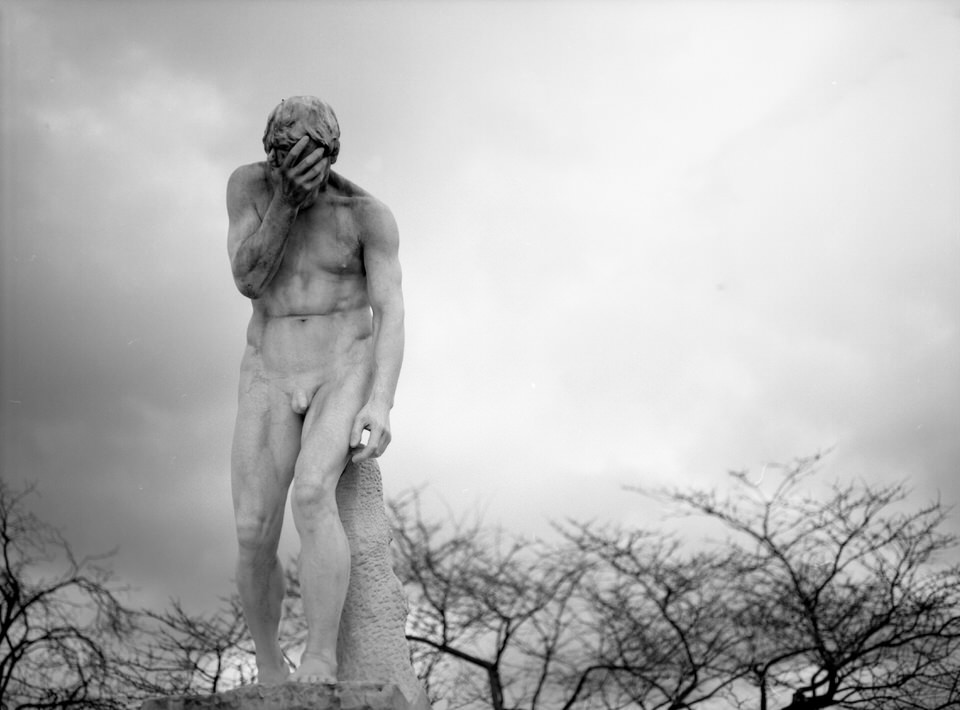
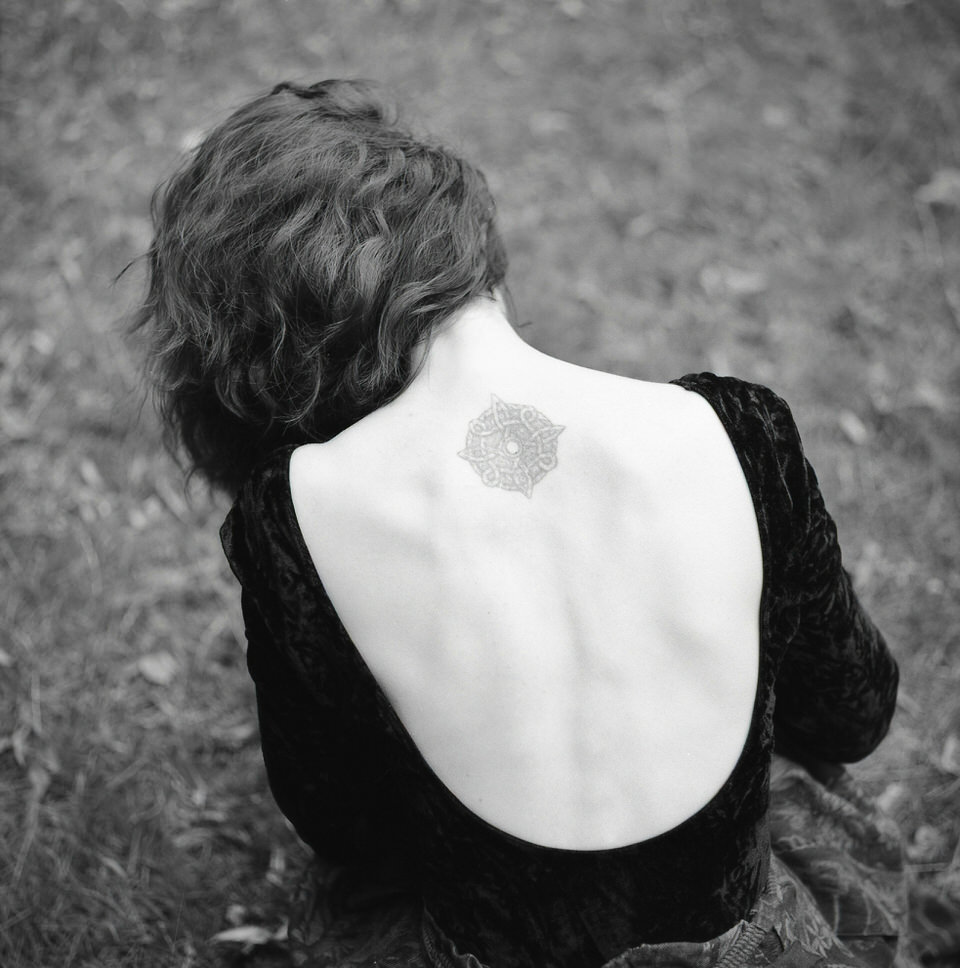
Tom Petkus’ Fotos sind fantastisch und schwer greifbar und sie faszinieren mich sehr. Er experimentiert vorrangig mit schwarzweißen Aufnahmen. Einige Effekte entstehen durch Doppelbelichtung, andere wiederrum kann ich nicht zuordnen. Aber es ist auch völlig egal, wenn die Motive einen packen und nicht mehr loslassen.

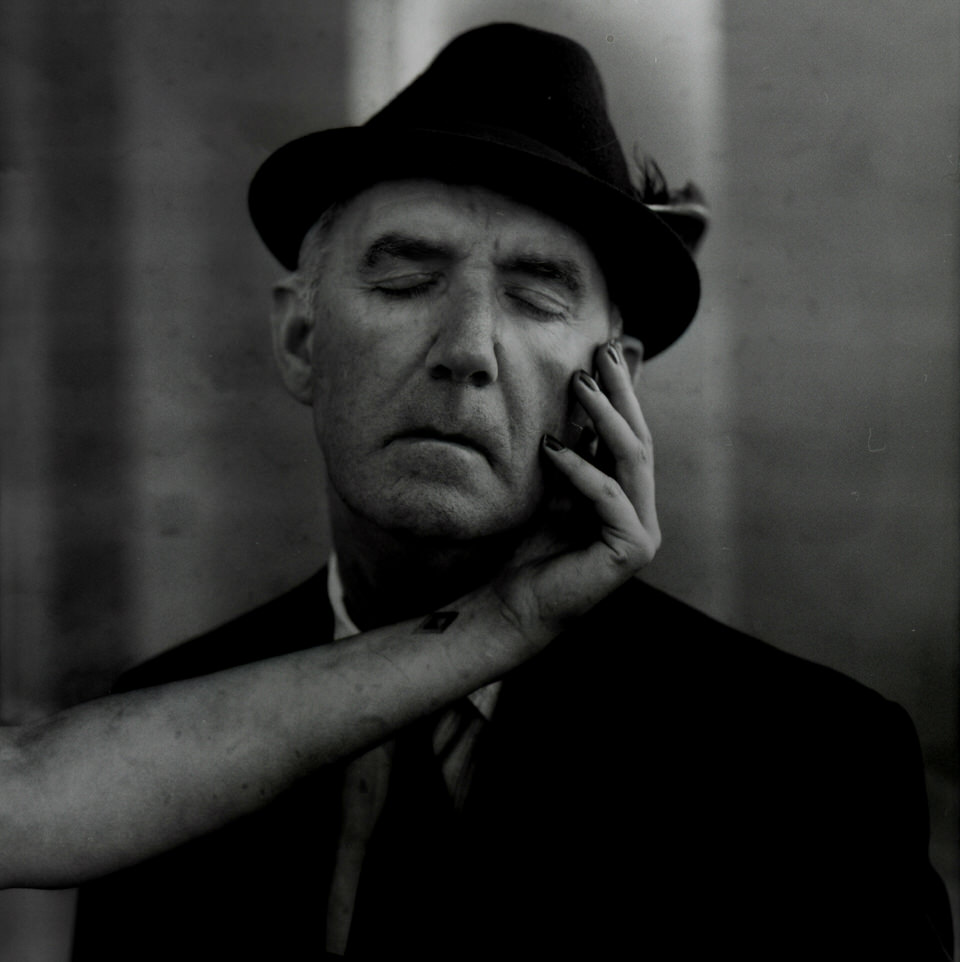
Mein liebstes Motiv ist das des alten Mannes, der mit geschlossenen Augen von einem Arm an der Wange gestreift wird. Es hat so etwas wunderbar Emotionales. Jedes seiner Bilder strahlt für mich eine ganz eigene Empfindsamkeit aus, fröhlich ist jedoch keines.

Mein Bestreben zur Fotografie begann nach einem herzzerreißendem Ereigniss in meinem Leben, welches mich Traurigkeit und Einsamkeit in einem völlig neuen Licht sehen ließ – nicht als etwas komplett Negatives, sondern vielmehr als fundamentale und fast notwendige Erfahrungen im Leben, die das genaue Gegenteil von Glück sind.

Diese Emotionen von Traurigkeit und Einsamkeit sind etwas, denke ich, das uns erlaubt zu realisieren was Glück wirklich ist und was es bedeutet. So gesehen, glaube ich, dass auch diese Emotionen eine gewisse Schönheit in sich bergen; etwas, das ich versuche in meinen Schwarzweiß-Portraits zu vermitteln.

Darüber hinaus, versuche ich Gedichte verschiedener Dichter in meine Bilder zu integrieren, die den Inhalt meiner Bilder erklären helfen.

Ein älterer Mann mit geschlossenen Augen. Ein Arm streichelt seine Wange.

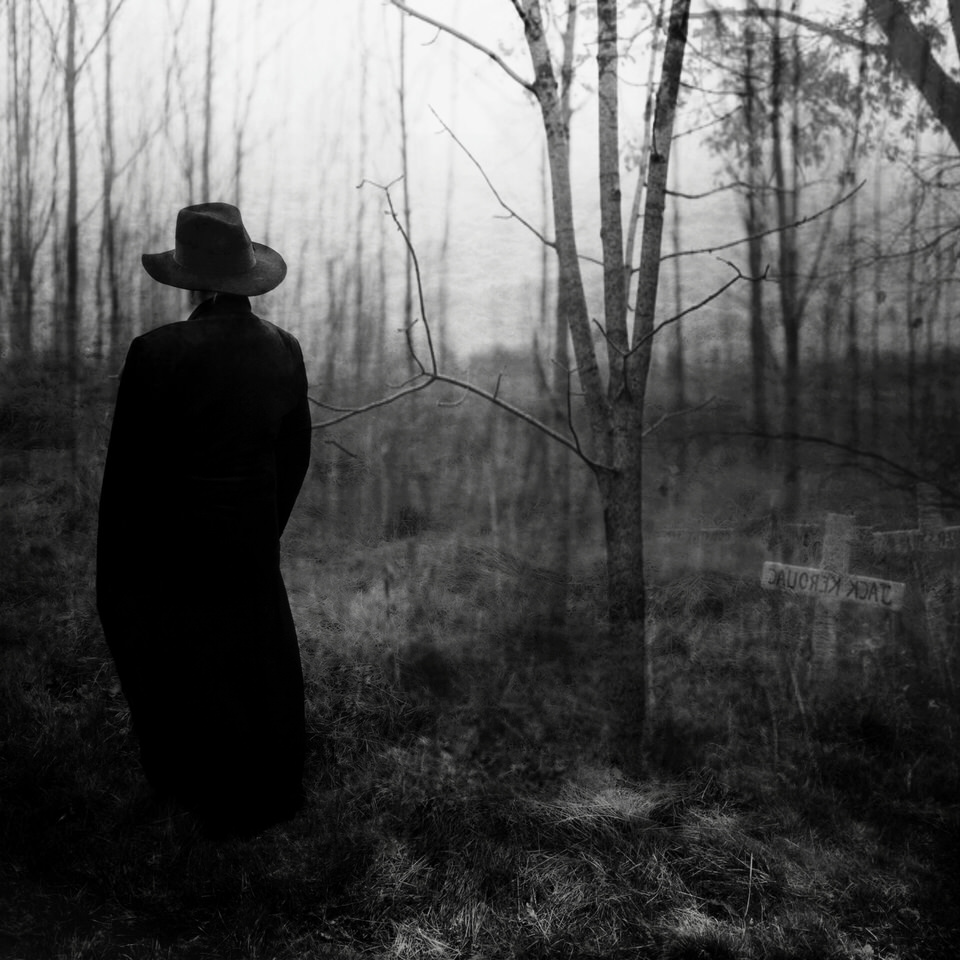
Ein Mann im schwarzen Mantel steht im Wald neben einem Kreuz.

Eine Frauenportrait mit Blick auf Schulter und Haar.

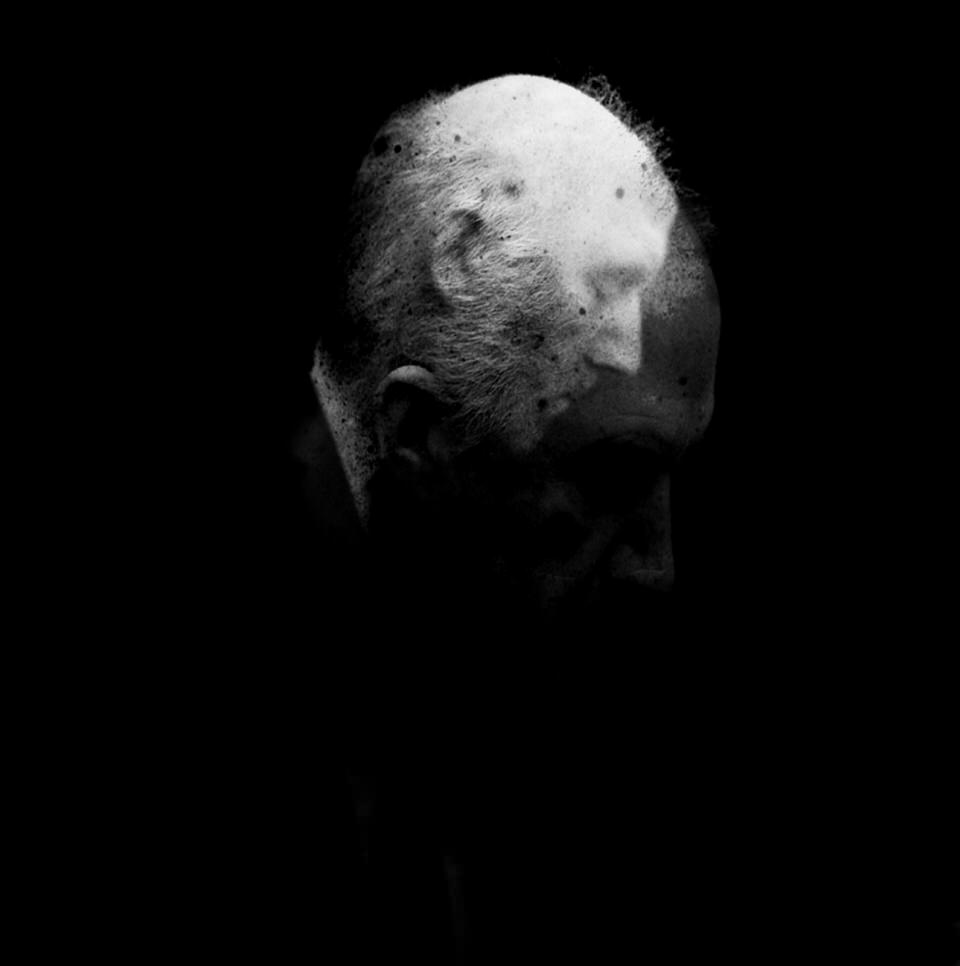
Doppelbelichtung eines alten Mannes.

Eine Frau sitzt im Wasser und hebt ihren Arm.

Eine Frau schreit voller Wut.

Eine Statue vor Bäumen.

Ein Frauenrücken mit Tattoo.

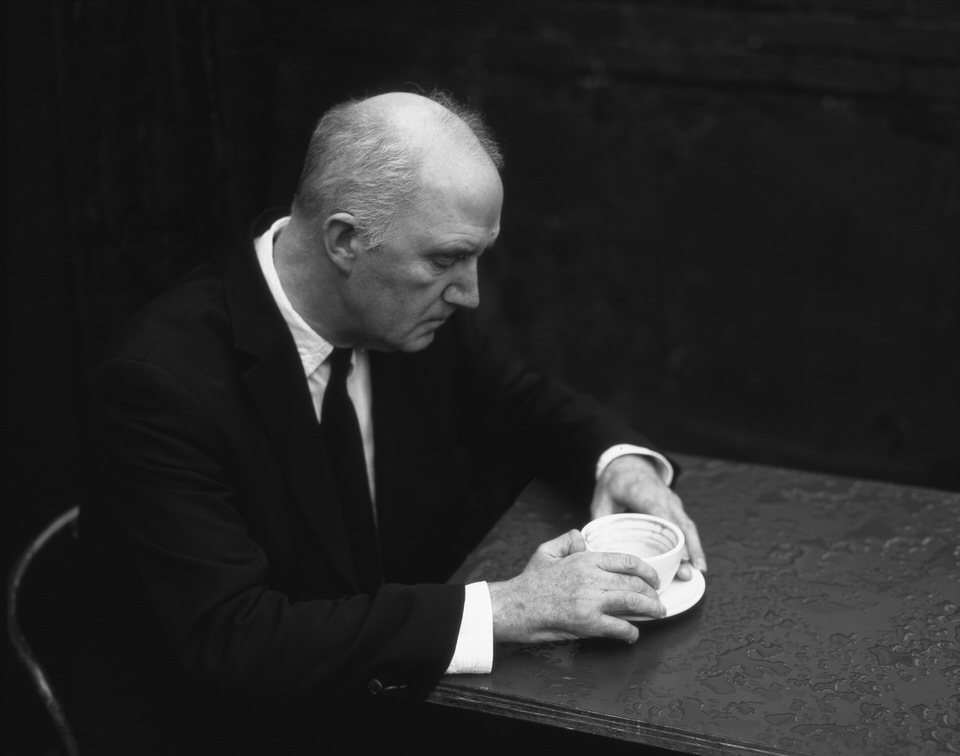
Ein alter Mann am Tisch mit Kaffeetasse.

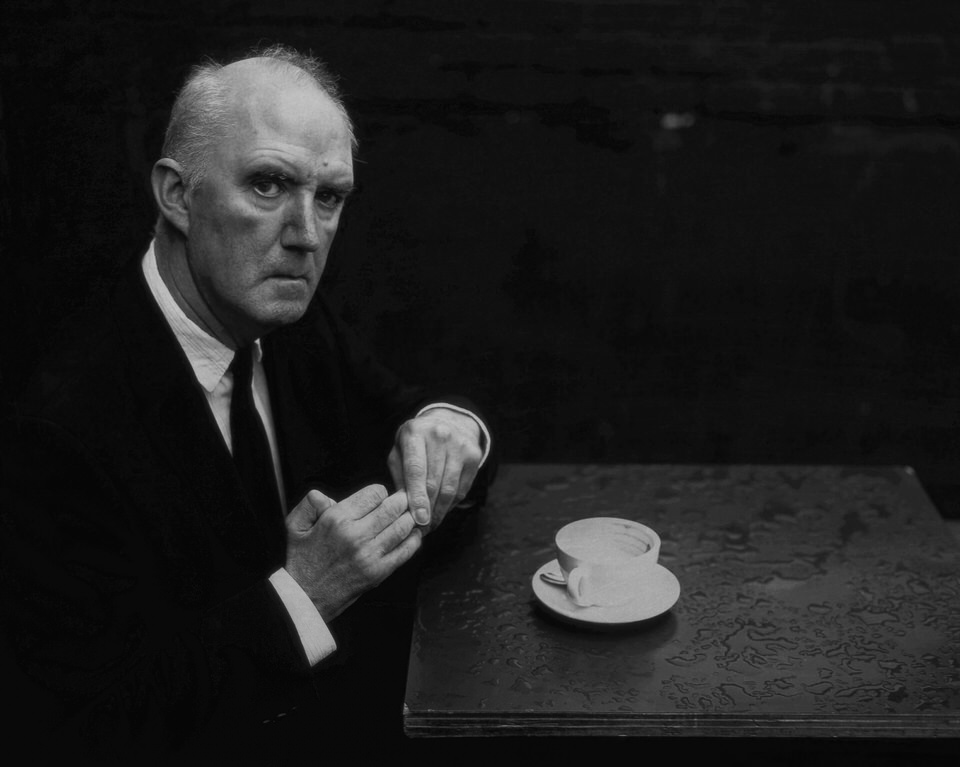
Ein Mann am Tisch sieht auf.

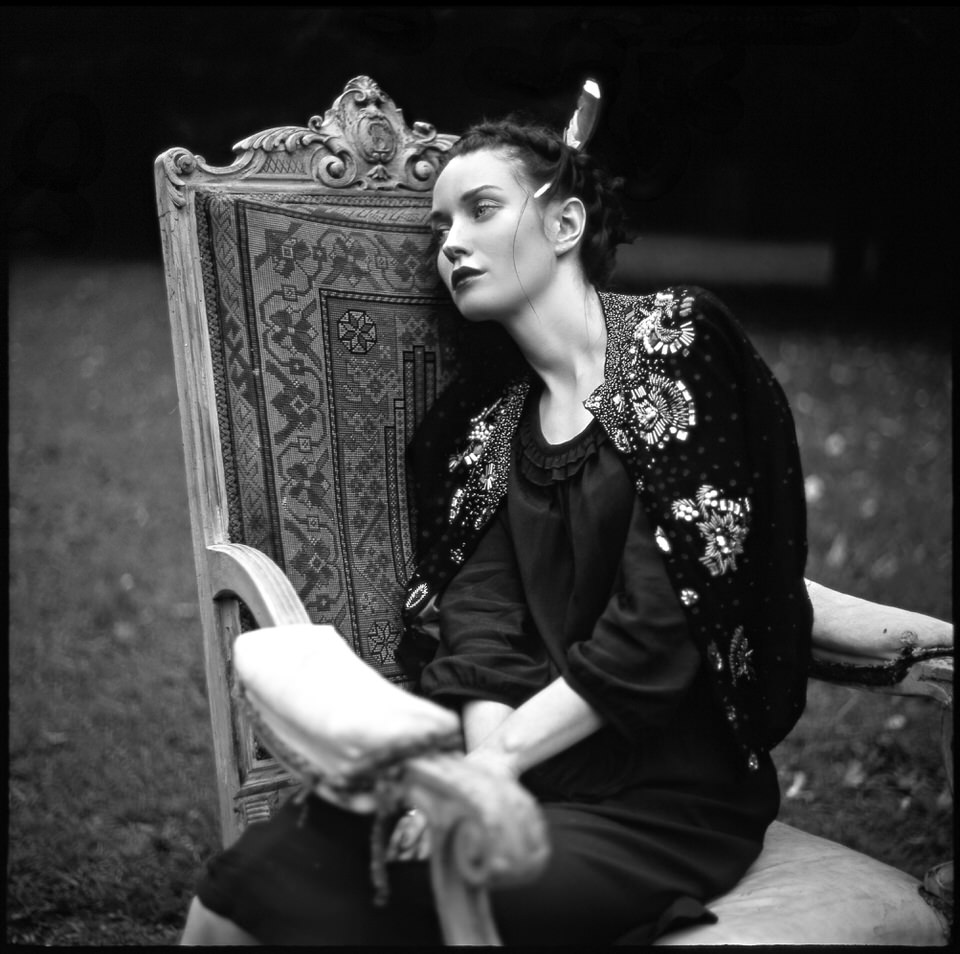
Eine Frau auf einem antikel Stuhl.

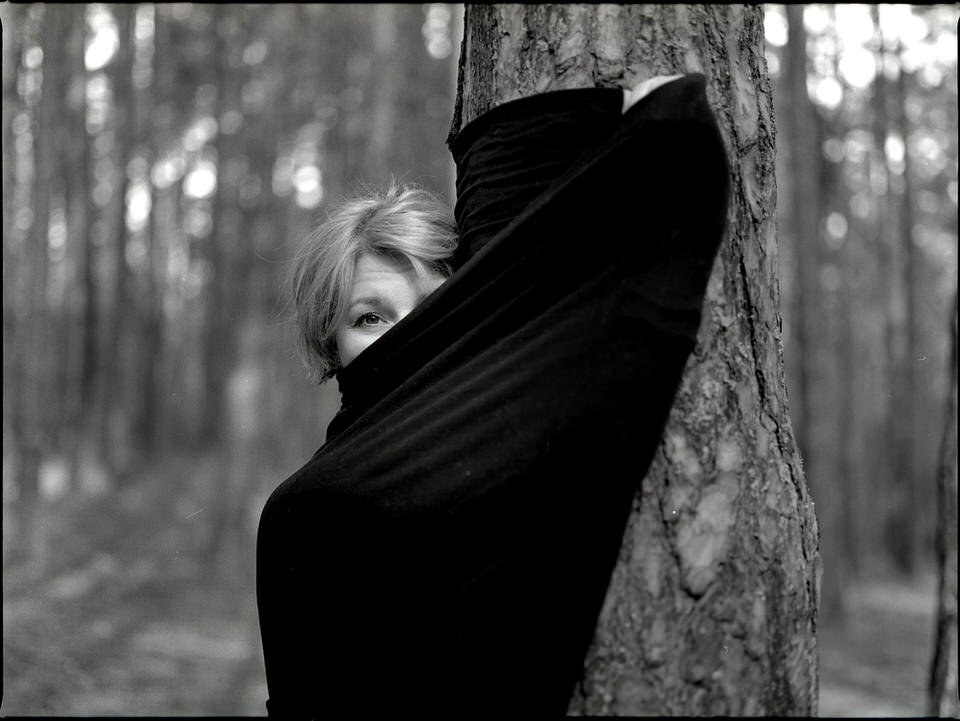
Eine Frau hält Stoff nach oben, so dass man nur einen Teil ihres Gesichts sieht.

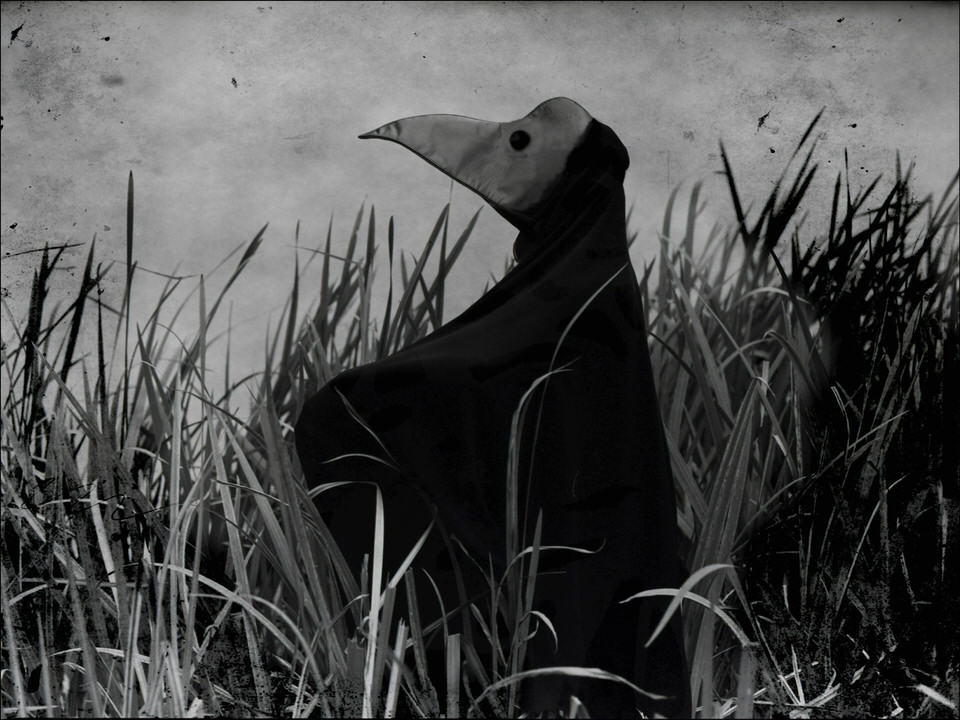
Ein Vogelmann im hohen Gras.

Es gibt ein Leben und einen Tod und dazwischen liegt Schönheit und Melancholie. – Albert Camus

Tom Petkus stammt ursprünglich aus der kleinen Stadt Mazeikiai in Litauen und arbeitet momentan als Schwarzweiß-Fotograf in Großbritannien. Seine Arbeiten findet Ihr auf Facebook, Tumblr oder Flickr.


kwerfeldein – Fotografie Magazin | Fotocommunity
 
Comments Off on Dazwischen liegt Schönheit und Melancholie

Posted in Equipment


5 Lessons from Rihanna to Learn for Your Photography Brand
08 Sep

Rihanna is probably one of the world’s biggest pop stars right now. But along with her catchy songs and rough music videos, there is something else that gets her to the top of the music world. It’s unique marketing campaign. Today I’m going to talk about 5 lessons you can learn from Rihanna for your photography brand. Here you’ll get Continue Reading

The post 5 Lessons from Rihanna to Learn for Your Photography Brand appeared first on Photodoto.


Photodoto

 
Comments Off on 5 Lessons from Rihanna to Learn for Your Photography Brand

Posted in Photography