RSS
 

Archive for September, 2014

Istanbul Demolishing 3 Skyscrapers to Preserve City Skyline

10 Sep

[ By WebUrbanist in Architecture & Cities & Urbanism. ]

istanbul city skyline

After a huge and lengthy legal battle fought on various fronts by developers, municipalities and the Council of State, the Turkish government has ordered the partial destruction or total demolition of multiple buildings said to threaten the historic architectural heritage of Istanbul (above image via Gokorg).

istanbul historic skyline

When speaking of skylines, one generally thinks of of the towers that define them – but the courts have ruled that modern-day Istanbul (not Constantinople) is not allowed to reach for new heights, or even maintain its currently-constructed ones. Adding pressure to the mix, Unesco has threatened to revoke the city’s status as a World Heritage Site, in part due to rampant urban development (additional images by Moyan Brenn).

istanbul night view

At the heart of this particular legal issue are views of a series of structures long central to the civic identity of Istanbul, including the Hagia Sophia, Topkapi Palace and Blue Mosque, all of which are now being overshadowed by three new structures standing dozens of stories tall. These new threats to the existing sihuoette are part of Onalti Dokuz complex, a residential development already largely finished.

istanbul city streets

Detractors are celebrating the victory, which started with legal attacks beginning last year. From Dezeen and the Turkish newspaper Todays Zaman, “two legal cases were launched against the development – one seeking cancellation of the permits for the construction of the building and another to shut down the construction and destroy parts of the buildings that had already been completed.”

istanbul sunet

istanbul distant hills

The government has rejected appeals by the developers and city, and it remains unclear who will pay for the cost of the necessary size reductions the buildings in question must now undergo. It is easy to see why critics would feel threatened by these and other new developments, but at some point one has to wonder: who has the right to suppress urban growth, and where do we draw the line between preservation and urbanization?

Share on Facebook


[ By WebUrbanist in Architecture & Cities & Urbanism. ]

[ WebUrbanist | Archives | Galleries | Privacy | TOS ]


WebUrbanist

 
Comments Off on Istanbul Demolishing 3 Skyscrapers to Preserve City Skyline

Posted in Creativity


How Apple Botched This Morning’s Livecast

10 Sep

How Apple Botched This Morning's Livecast

I’m a huge Apple fan. My wife and I both have an Apple iPhone 5s and both own MacBook Pros as our primary computers. We have 5 Apple TVs connected to the 5 TVs in our home. We have Mac minis in the kitchen and in the home office.

I’ve pretty much purchased just about every iPhone ever sold. I waited in line overnight for the very first iPhone down in Palo Alto.

So, as you can imagine, I was looking forward to the this morning’s livecast of Apple’s new announcement.

Like millions of other Americans, however, the livecast took place at 10am on a Tuesday morning when I was at work. This is prime time as far as product announcements go. It doesn’t get any more prime time than Tuesdays at 10am.

I tried to watch the livecast at apple.com this morning from work. Unfortunately for me, however, the Apple livecast was only available on Apple products. That’s right, in order to watch this morning’s Apple livecast you had to stream the video from Safari, an Apple browser. So anyone on a PC could not watch.

Even though I’ve spent thousands of dollars buying Apple products for my home and for myself personally, like millions of other Americans, my work computer is a PC and that effectively locked me out of the Apple livecast. Why Apple can’t stream to Google Chrome, Firefox or Internet Explorer in 2014 boggles my mind, but for some reason this morning they could not.

This left me having to try and watch the livecast on my iPhone. Here I tried watching for about 30 minutes and then finally just gave up. The first 10 minutes or so it just gave me the weird Flint screen at the top of this post. After that it sort of connected, but it was hard to follow because the livecast was overdubbed with an annoying translator translating everything live into Chinese. I kept trying to relaunch the livecast and it would hang, or wouldn’t work, and after about a half hour I just gave up.

I was watching CNBC and trying to follow the announcement on TV, but even there when they pulled to a clip of Tim Cook talking about the new product it was with the annoying Chinese overdubbed translator on it.

Personally speaking I don’t think I’ll get an Apple Watch or an iPhone 6 — but Apple lost a great opportunity to try to sell me and millions of other people one by botching up their livecast so badly.

As far as the watch goes, I’m just not sure why I’d want one. I asked my 13 year old son what he thought of the Apple watch and he told me he thought it was stupid. Why would you want a watch when it already shows the time on your phone, he asked. I guess I sort of feel the same way. I don’t know what the Apple Watch would do for me that would make me want to have an uncomfortable thing strapped to my wrist.

As far as the iPhone 6 goes, the best I can tell is that it’s bigger and bigger is supposed to be, well, bigger? I don’t need bigger on my phone. The size is fine as it is. There was also something about payments in today’s livecast I think, but I’m not sure why I would want to use my iPhone to pay for things. These days I mostly use credit cards because I try to maximize my points/miles I get on purchases. I suppose it would be cool if my phone stored my reward credit cards, but that’s not really something that would make me buy a new phone.

For future presentations, Apple should consider hiring a more reliable company to do the livecast for them. They should also be aware that if they are going to announce a new product at 10am on a Tuesday morning, that many of their potential customers will be at work and on PCs and they should consider allowing you to stream the livecast from your PC. It’s really not that difficult to stream video to a PC these days, certainly a technology company with Apple’s mad skillz can figure that out.


Thomas Hawk Digital Connection

 
Comments Off on How Apple Botched This Morning’s Livecast

Posted in Photography


New Apple iPhones feature phase-detection AF and larger sensors

10 Sep

Last week saw a slew of new Android and Windows Phone devices launched at IFA in Berlin, and today it was Apple’s turn. The company has announced two new smartphones – the iPhone 6 and iPhone 6 ‘Plus’ which feature new 8MP imaging sensors with phase-detection autofocus and (in the case of the iPhone 6 Plus) optical image stabilization. Read more at our sister site, connect.dpreview.com

Articles: Digital Photography Review (dpreview.com)

 
Comments Off on New Apple iPhones feature phase-detection AF and larger sensors

Posted in Uncategorized


6 Tips for More Unique Travel Photos in Busy Tourist Locations

10 Sep

Imagine this: you’ve scrimped and saved for months for your dream vacation, and a snazzy digital camera, hoping to capture some unique travel photography images along the way, only to be flustered by the hordes of other tourists with the same intentions. With the increased accessibility of cameras on devices of every kind, this is becoming a common scenario that can frustrate many photographers, both professional and amateur. But don’t lose hope! With these tips, I’ll show you some ways to think of travel photography in a new light so that you can take unique travel photos in busy tourist locations.

DPS Travel Photography 03

1. Take shots from different angles

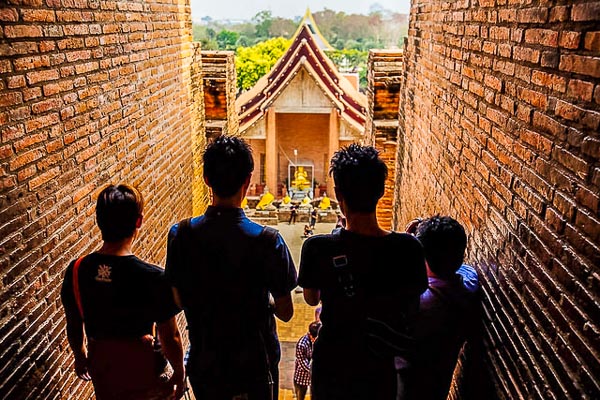
To get a unique photo, consider your subject from a wide variety of angles. Get down on your knees and shoot from below, or step up on a bench, or use a monopod to shoot from on high. Do whatever you can, within reason, to shoot from different perspectives; this will greatly increase the odds of capturing a unique image.

2. Time your visits to outdoor attractions to coincide with the most ideal natural lighting available

One of the biggest challenges to shooting outdoor attractions can be harsh shadows due to lack of lighting control. You obviously don’t want to bring strobes and excessive flashes with you when you travel, so it’s best to use the sun to your advantage. Do your research with apps, such as The Photographer’s Ephemeris, to see where the sun will be, and plan your trip accordingly. Sunrise and sunset are probably among the most ideal times, but be aware that you’ll likely get competition from other photographers thinking the same thing (see image above).

3. Go where the crowds aren’t going

DPS Travel Photography 05

If the crowd in a tourist attraction is fixated on one particular part, turn around and see what is behind them. Look for details that are being passed by and not given attention. This gives you less competition, in addition to increasing the odds, of capturing a unique image that everyone else is overlooking. While you’re shooting in the opposite direction, this also gives you something to do while waiting for the crowd to thin out so that you have more time to capture a clean shot of the main attraction. Having patience, and waiting for breaks in the crowd, is also a key to shooting unique images.

4. Pull out your zoom lens and focus in on details

Challenge your photography skills and creativity by shooting exclusively with a macro, or zoom lens, for a while. Shooting with a longer focal length will encourage you to take in the intricate details of a place; something that is usually overlooked by other tourists who likely focus on taking selfies and wide-angle shots. There’s beauty in details, and zooming in close eliminates most of the risk of having other people block your shots.

DPS Travel Photography 04

5. Make other tourists part of your shot

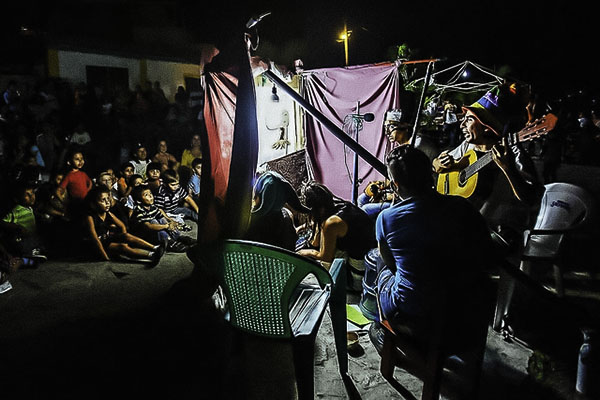
Instead of viewing the hundreds of other tourists around you as burdens, why not make them a part of your photo? Pull a fast one on other shooters by pointing your camera in their direction. Many tourists will likely duck or move out of your way, so act fast to catch them in natural poses. The point is, think like a photojournalist, or marketing photographer, and consider the idea that conveying the idea of a full, and popular, tourist attraction is a photo-worthy moment in itself.

DPS Travel Photography 01

6. Take candid shots or portraits of the locals

In and around many tourist attractions, you’ll likely find lots of locals in the forms of security guards, vendors, taxi drivers, and more. If you’re searching for truly unique photo subjects, consider pointing your camera at some of these people who help run the tourist attraction, and making them a part of your photo. You could even get bold and approach some locals for a portrait. This might be tricky if you’re in an area where language barrier is a problem, but if you get creative with your body language, it’s fairly easy to get your point across. Portraits not only give you more opportunities to get creative, but also provide opportunities to chat with people, and perhaps find out other unique photo ideas in the area.

DPS Travel Photography 02

Have you got some great photos from crowded tourist locations? Please share them and your tips in the comments below.

The post 6 Tips for More Unique Travel Photos in Busy Tourist Locations by Suzi Pratt appeared first on Digital Photography School.


Digital Photography School

 
Comments Off on 6 Tips for More Unique Travel Photos in Busy Tourist Locations

Posted in Photography


Die Reisen des Richard Gaston

10 Sep

Ich habe eine Schwäche für Aufnahmen, in denen der Dokumentierende mit einer gewissen Alltäglichkeit seine Wanderungen und Reisen veranschaulicht. Sie versetzen mich ins Schwärmen und ich bekomme sofort Lust, selbst mit Wanderstock und gefülltem Rucksack auf die Pirsch zu gehen.

Eines dieser Talente, die ich hierbei entdeckt habe, ist Richard Gaston. Der 1989 Geborene lebt in Glasgow und scheint niemals die Kamera aus der Hand zu legen, wenn er mit Freunden oder alleine unterwegs ist.

Er selbst ist ein Mensch weniger Worte und so findet sich im Netz fast nichts Selbstreferenzielles. Als ich ihn direkt darum bitte, seine Motivation zu beschreiben, reagiert er so:

Wenn ich diese Momente festhalten will, muss ich in meinem Element sein. Für mich bedeutet das, zu leiden. Durch kalte Hände und einen schmerzenden Rücken werde ich mir selbst wirklich bewusst. Es fühlt sich immer an, als ob ich einen hohen Preis bezahle, aber die Belohnung wird kommen. So weiß ich, dass ich wirklich etwas gegeben habe, um dieses Foto zu bekommen.

Baden am See mit Wald dahinter.

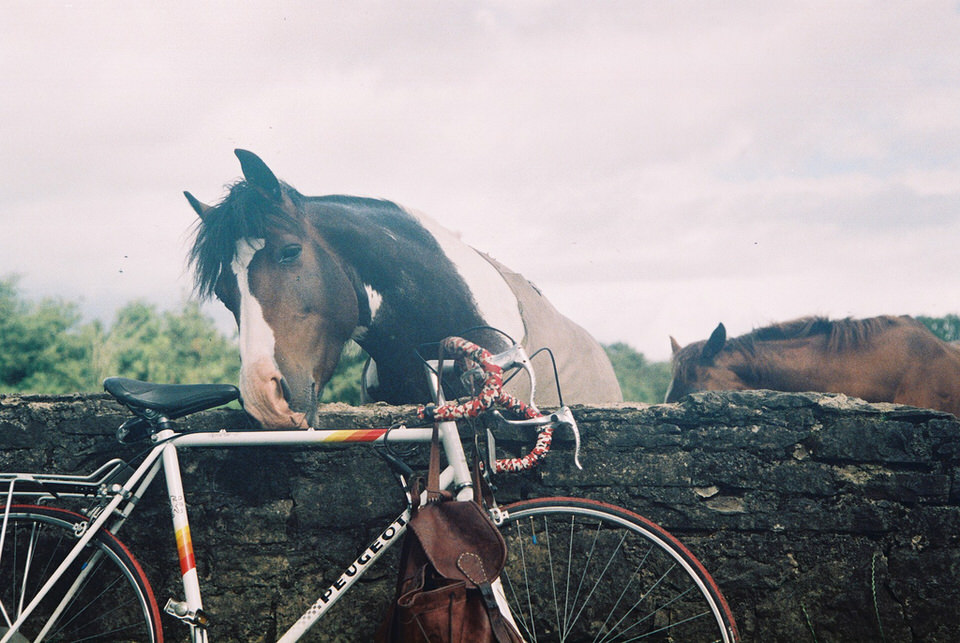
Ein Pferd leckt an einem Rennrad.

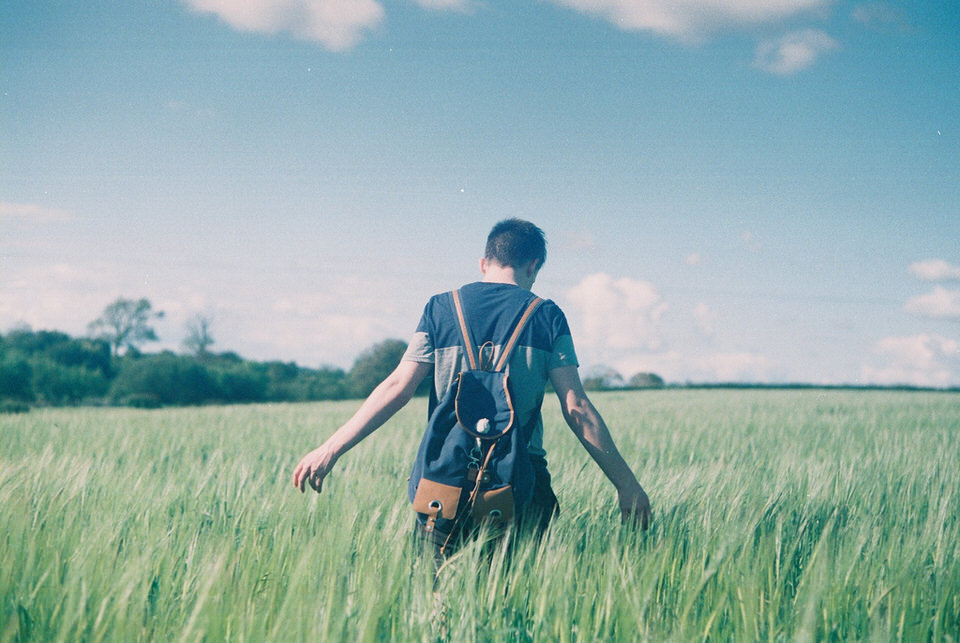
Ein Mann läuft durchs Gras.

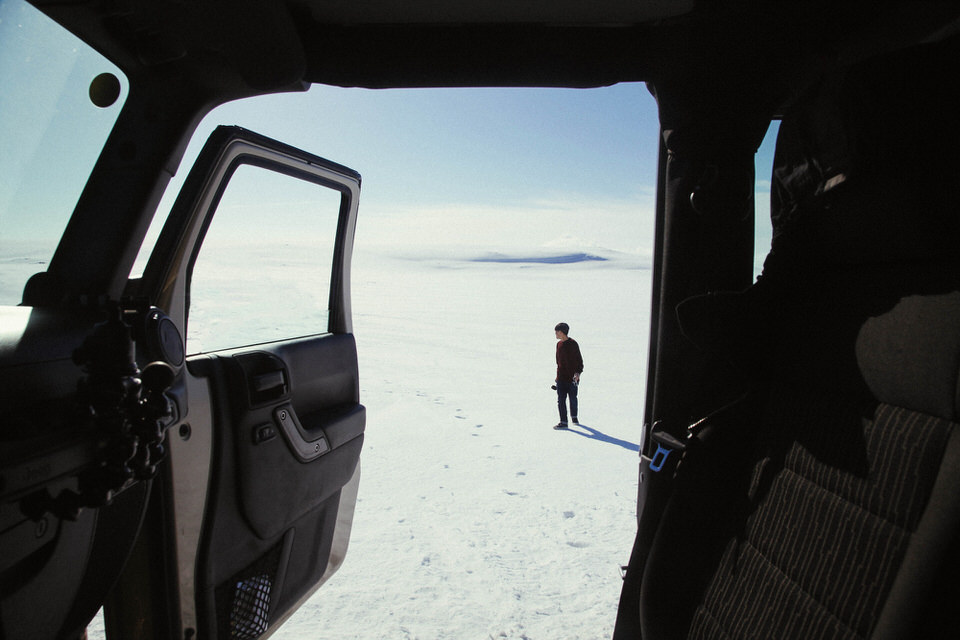
Durch die Tür eines Autos ist ein Mensch im Schnee zu sehen.

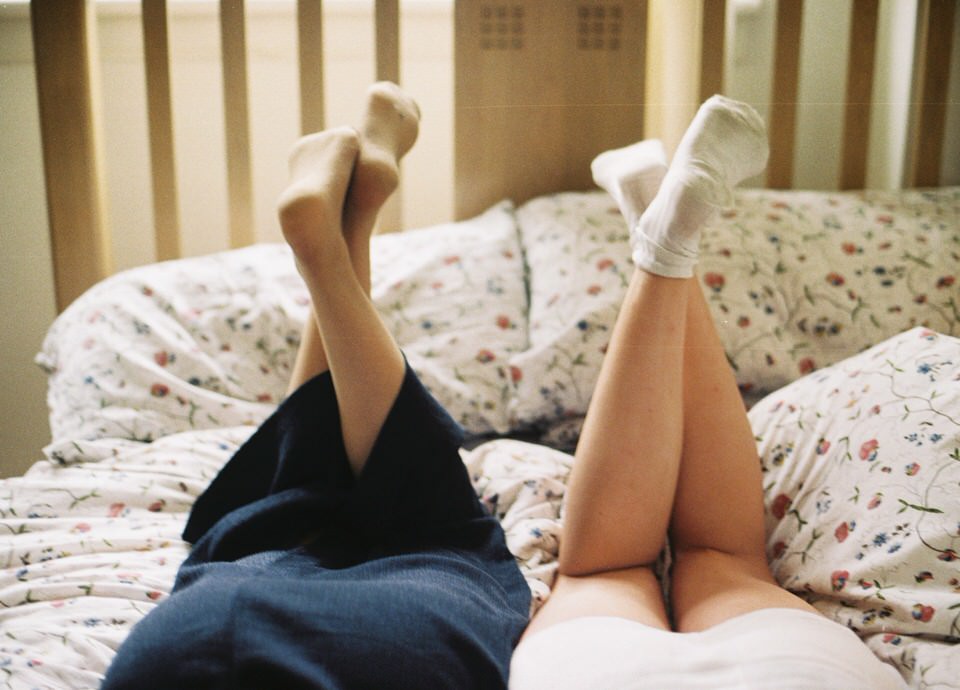
Zwei Beinpaare in einem Bett.

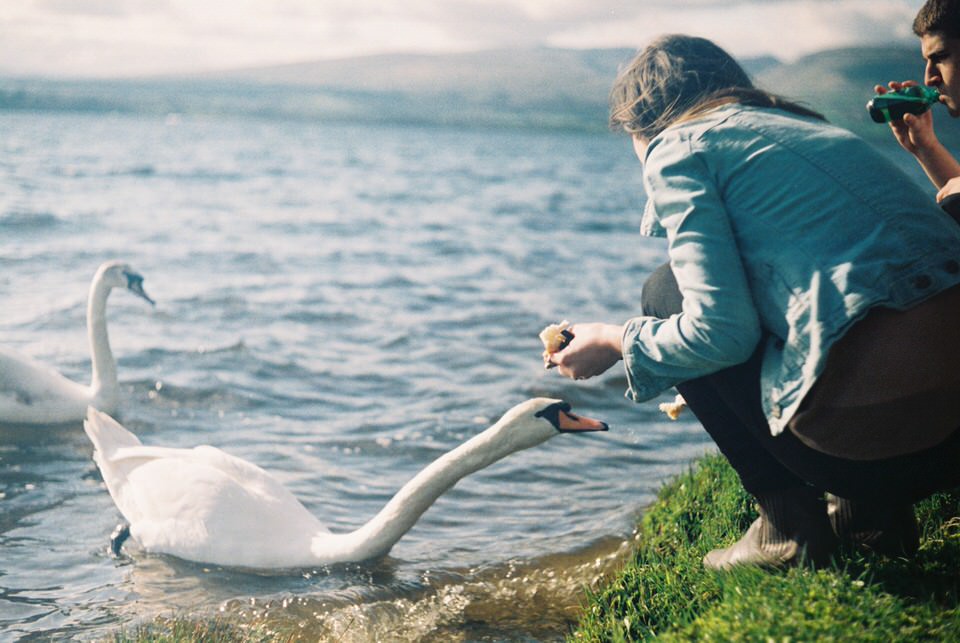
Zwei junge Menschen füttern einen Schwan.

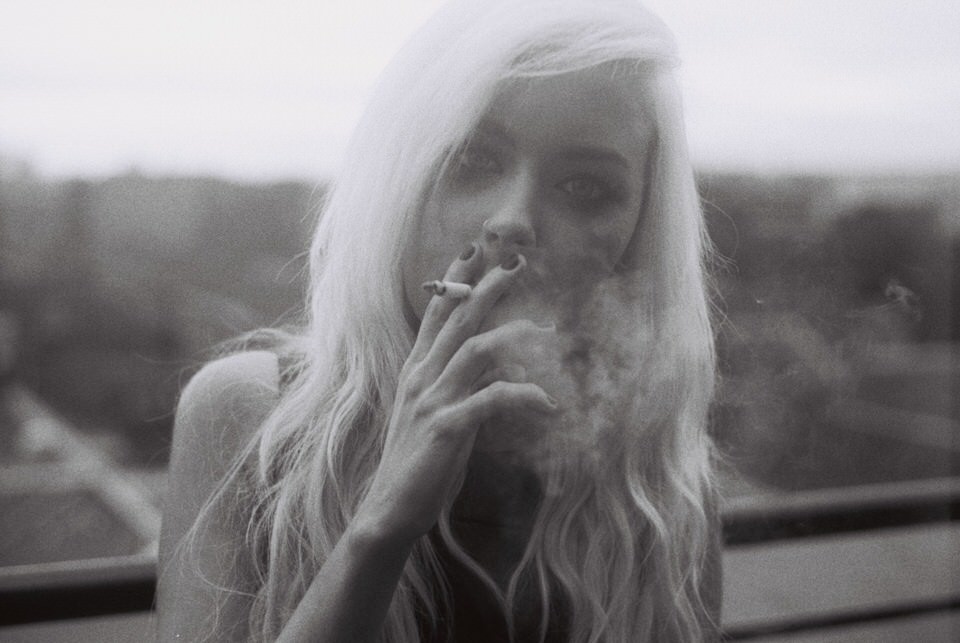
Eine Frau raucht eine Zigarette und schaut in die Kamera.

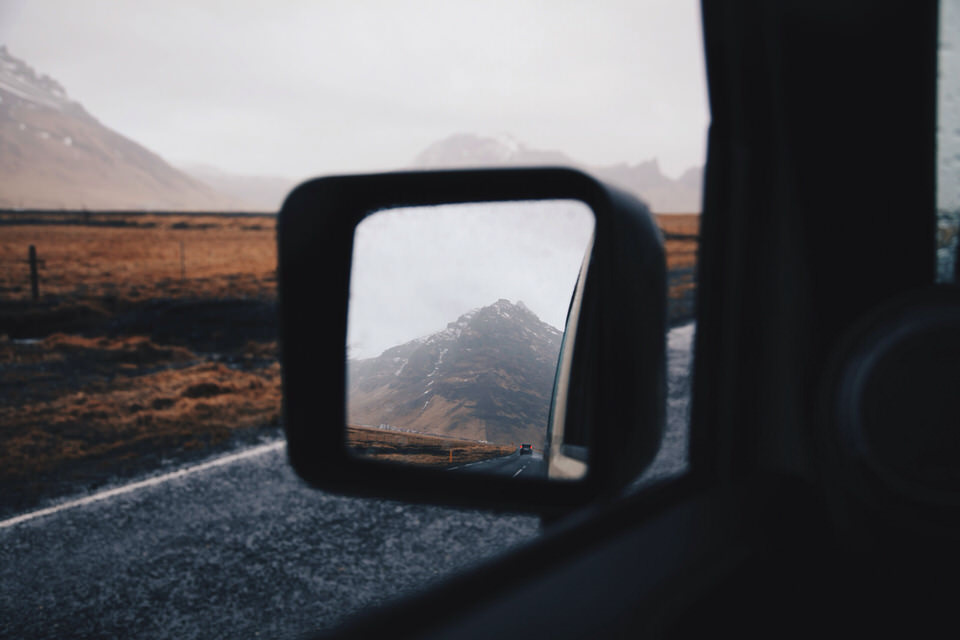
Vernebelte Berge im Rückspiegel eines Autos.

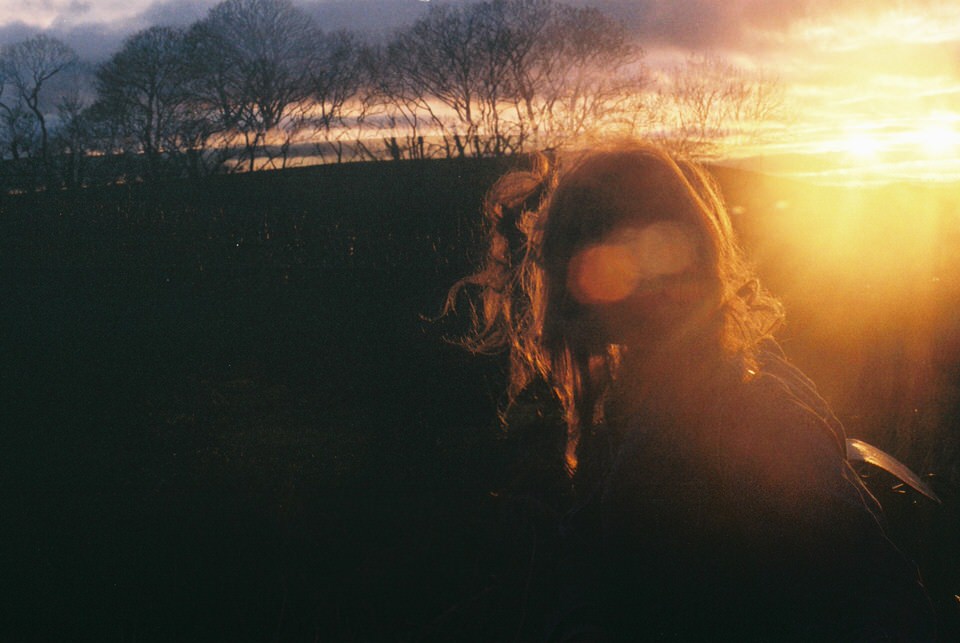
Eine Gegenlichtaufnahme einer Frau.

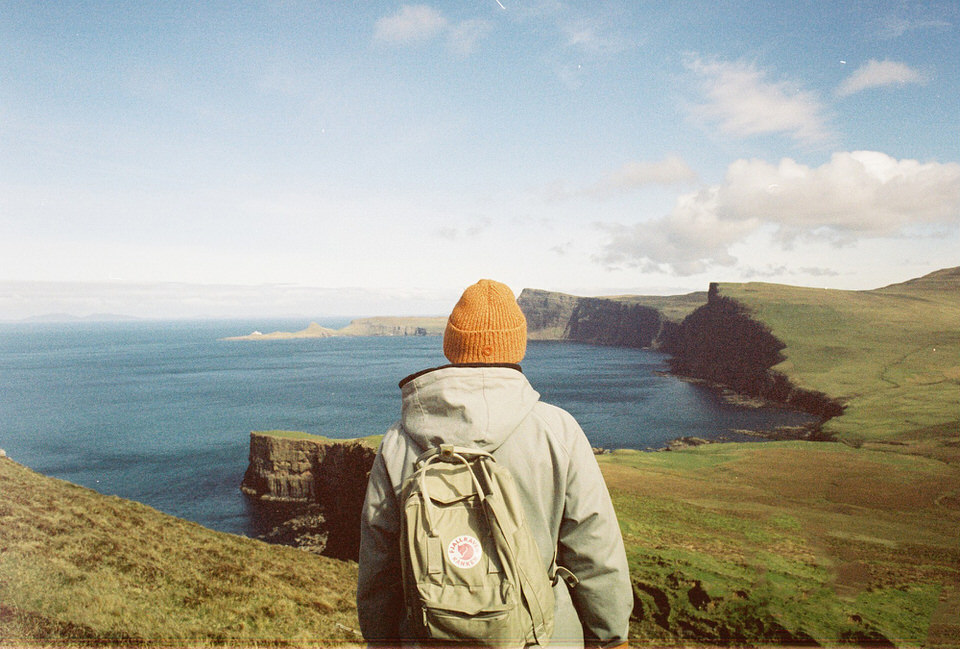
Ein Wanderer steht vor einer Landschaft.

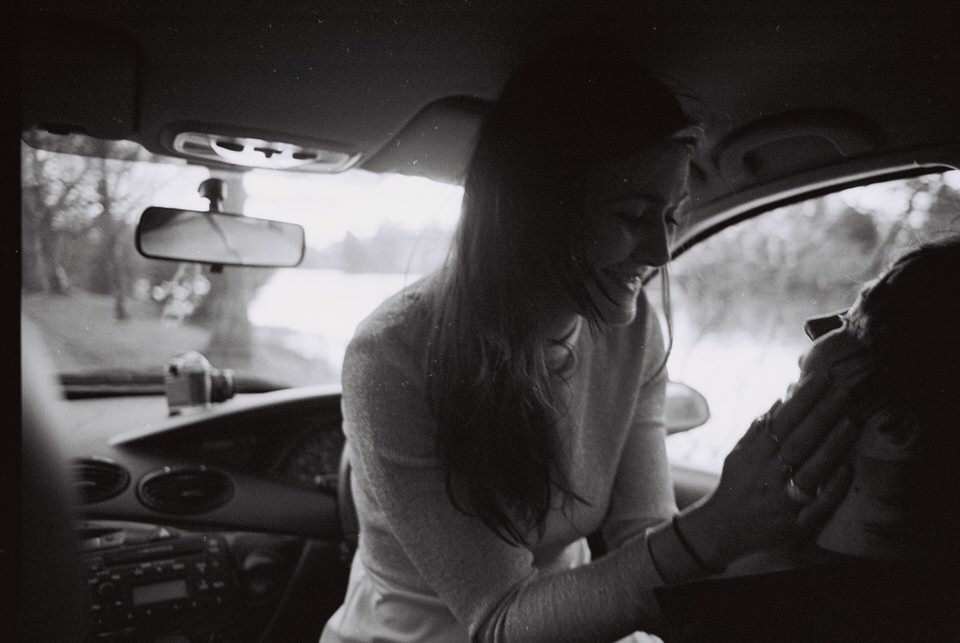
Zwei Menschen lieben sich in einem Auto.

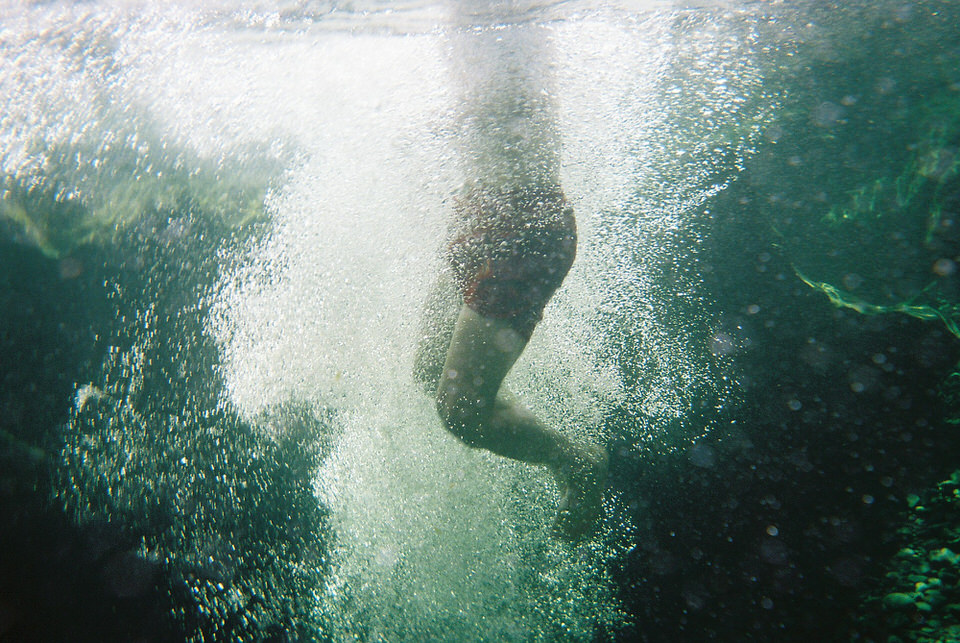
Eine Unterwasseraufnahme von gerade eingetauchten Beinen.

Richards Bilder haben nicht nur das Potential hängen zu bleiben, sondern sie wirken tiefer und wecken Sehnsüchte. Insofern hat seine Fotografie einen romantischen Anklang und will nicht ausschließlich dokumentieren. Dabei kommt Richard ohne wilde Bildbearbeitungs-Verkünsteleien aus, was seinem selbstbewussten Auftritt einen natürlichen Charme gibt.

Falls Euch Richards Aufnahmen ebenso sehr gefallen wie mir, dann folgt ihm doch auf Flickr, Tumblr oder Instagram.


kwerfeldein – Fotografie Magazin | Fotocommunity

 
Comments Off on Die Reisen des Richard Gaston

Posted in Equipment


Happy iPhone 6 Day! Learn Your Phone Phortune

10 Sep

iPhone 6 is cool …

But we’ve got our own magic!

Visit our shop on your phone and *shake* to get your phone phortune and win up to $ 10 off.

If there’s a new iPhone in your future, check out our photo accessories for your iPhone 6 or 6 Plus.

Check out these iPhone 6 Accessories (that work with other phones too)

(…)
Read the rest of Happy iPhone 6 Day! Learn Your Phone Phortune (156 words)


© laurel for Photojojo, 2014. |
Permalink |
No comment |
Add to
del.icio.us

Post tags:


Photojojo

 
Comments Off on Happy iPhone 6 Day! Learn Your Phone Phortune

Posted in Equipment


IFA 2014: The mobile imaging highlights

10 Sep

IFA in Berlin is one of the most important trade shows of the year for the makers of smartphones and other mobile devices. We spent the last week attending press conferences and roaming the show floor in the German capital and saw an abundance of new devices being launched and on display. With the show about to finish, let’s have a look at the mobile imaging highlights at IFA 2014. Read more

Articles: Digital Photography Review (dpreview.com)

 
Comments Off on IFA 2014: The mobile imaging highlights

Posted in Uncategorized


Post-Olympic Abandonment: Sochi Already on the Road to Ruin

09 Sep

[ By WebUrbanist in Abandoned Places & Architecture. ]

sochi ghost town olympics

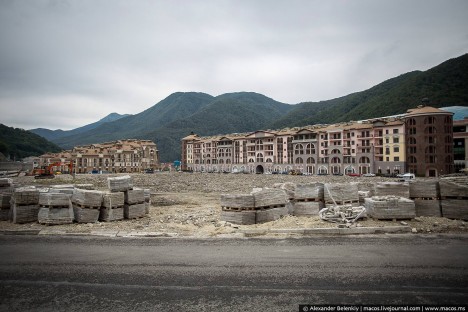
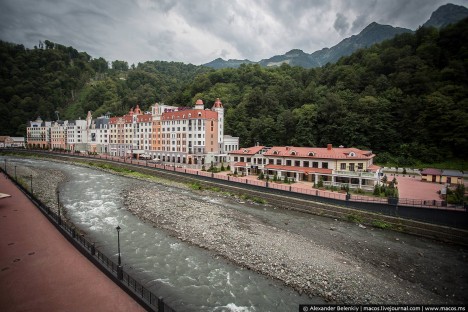
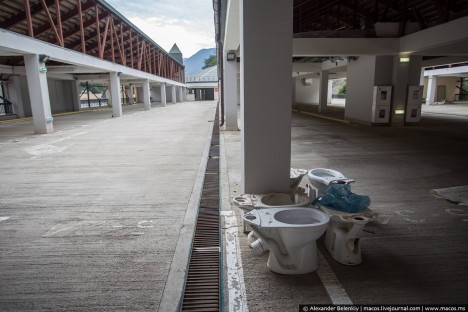
The Olympics have a long history of leaving a mixed legacy in their wake but the story of Sochi is particularly strange – it was never completely finished in the first place, and is already nearly abandoned less than a year after it hosted the Winter Games of 2014.

sochi art abandoned deserted

sochi remains building square

sochi abandoned after games

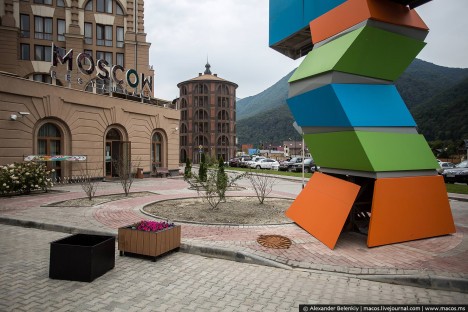
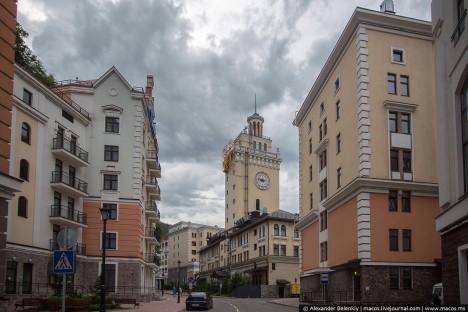
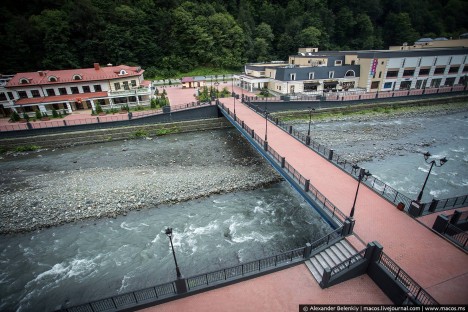
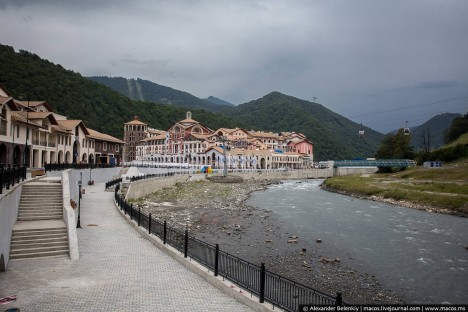
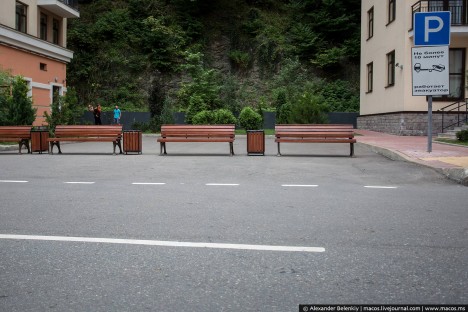
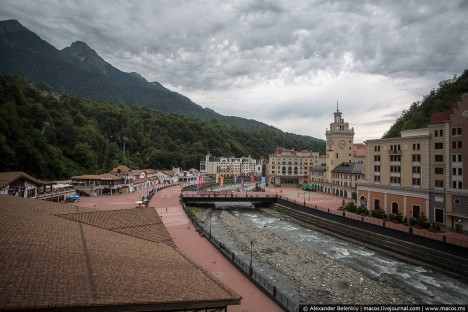
Already located in a remote area of Russia (albeit near the country’s largest resort area), it is perhaps no surprise that this Olympic Village would not be sustainable after serving as a venue. Russian photographer Alexander Belenkiy recently visited to document the deserted architecture of the area.

sochi ghost town river

sochi empty bridge scene

sochi sidewalk river place

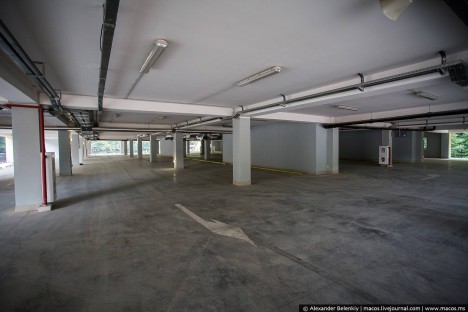
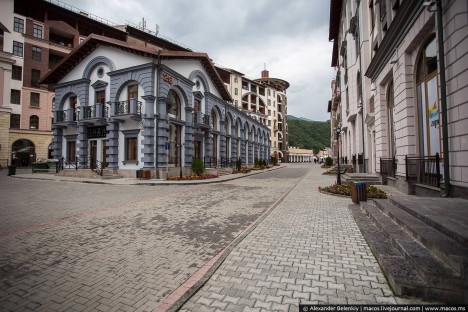
His photos show what you might expect – empty streets, sidewalks, buildings and parking structures, many showing signs of degradation and disuse. Anyone who tuned into the media attention during and in the run-up to the games knows that the facilities were also in many cases shoddily constructed or incomplete to begin with.

sochi failed parking structure

sochi abandoned deserted place

Stylistically, the architecture is a strange mix of contemporary and chistorical with elements of rural-town traditionalism, resort-village detailing and decorative columns, colors and facades spanning and mixing various movements and periods. Without upkeep, though, these eclectic remixes may not be long for this world.

sochi russia 6 months

sochi after the games

sochi deserted city streets

TThis was Russia’s first time hosting the Winter Olympic Games, but it had to start largely from scratch: “The site of a training centre for aspiring Olympic athletes, in 2008, the city had no world-class level athletic facilities fit for international competition. To get the city ready for the Olympics, the Russian government committed a $ 12 billion investment package. According to some estimates, the investments necessary to bring the location up to Olympic standards may have exceeded that of any previous Olympic games. By January 2014 the construction costs had been reported to exceed the $ 50 billion mark, making it the most expensive Olympic Games in history.”

Share on Facebook


[ By WebUrbanist in Abandoned Places & Architecture. ]

[ WebUrbanist | Archives | Galleries | Privacy | TOS ]


WebUrbanist

 
Comments Off on Post-Olympic Abandonment: Sochi Already on the Road to Ruin

Posted in Creativity


9. September 2014

09 Sep

Ein Beitrag von: Julian Tauert

Schaufelradbagger in blauer Nebelstimmung


kwerfeldein – Fotografie Magazin | Fotocommunity

 
Comments Off on 9. September 2014

Posted in Equipment


Die Kunst von Paula Muhr

09 Sep

Paula Muhr beschäftigt sich mit Fotografie als historisches und zeitgenössisches Instrument der Wirklichkeitserzeugung. Ihre Installationen aus inszenierter Fotografie, Found Footage und filmischen Montagen basieren auf wissenschaftlichen Prinzipien und beziehen aktuelle empirische Befunde ein. Zentraler Gegenstand ist die Diskussion gesellschaftlicher Erscheinungs- und Verhaltensnormen.

Ich traf die aus Serbien stammende Künstlerin Paula Muhr in ihrer Berliner Wohnung, wir sprachen über biographische Bezüge ihrer Arbeit, die nicht nur Brücken zur Psychologie und Philosophie schlägt, sondern auch aktuelle Befunde der Neurowissenschaften einbezieht.

Paula Muhrs Arbeiten verzaubern, verstören, regen an und hinterfragen. Interessant an ihren Arbeiten ist vor allem, dass sie auch unabhängig von jedem theoretischen Hintergrund erfahren werden können. Das heißt: Paula Muhr bietet zwar Möglichkeiten zur Auseinandersetzung mit Inhalten an, überlässt jedoch den Betrachtern, auf welchen Wegen sie mit den Arbeiten kommunizieren wollen.

Im folgenden Beitrag werden Hintergründe zu einigen ausgewählten Arbeiten vorgestellt. Es sei allerdings den Lesern überlassen, ob sie sich mit Text und Bild auseinandersetzen möchten oder die Arbeiten frei vom konzeptuellen Hintergrund auf sich wirken lassen wollen.

Im Mittelpunkt ihrer Arbeiten stehen Fragen zur Konstruktion von Identität. Als Paula Muhr nach Deutschland kam, sah sie sich mit einem Land konfrontiert, in deren Sprache sie sich anfangs nicht frei ausdrücken konnte. Sie begann zunächst, die Verbindung zwischen Sprache und Gefühl sowie die Rolle des Umfelds zu erkunden.

Eine ihrer ersten Arbeiten, die in diesem Zusammenhang entstand, war „Etat normal“. Zentraler Bestandteil dieser Arbeit waren Selbstportraits, die in unterschiedlichen Momenten der Ekstase entstanden, in denen die Künstlerin keine Kontrolle über ihren emotionalen Ausdruck hatte.

Vier Gesichter der Paula Muhr in verschiedenen Gefühlsregungen

Auf den Selbstbildnissen sieht man deformierte Gesichtszüge und Grimassen, die nicht eindeutig einem Gefühlsausdruck zuzuordnen sind, sondern eher gemischte Gefühle wiederspiegeln. Die Serie hinterfragt damit, inwieweit die Fotografie authentische Bildnisse produzieren kann, da die Persönlichkeit eines Portraitierten häufig nicht von ihrer Wirkung im Kontext eines Umfelds substrahiert werden kann. Paula Muhr erklärt genauer:

Ziel dieser Arbeiten war es, Selbstportraits zu erzeugen, die sich semantisch jeder einfachen und eindeutigen Interpretation entziehen. Damit wollte ich die Unlesbarkeit von gemischten oder komplexeren Gefühlen thematisieren. In der psychologischen Forschung wird häufig von den sechs Basisemotionen gesprochen (das heißt Freude, Angst, Ärger, Schuld, Scham, Überraschung). Menschen erleben allerdings in komplexen Situationen häufiger gemischte, anstatt eindeutig zuordenbare Gefühle. In meiner Arbeit wollte ich auf diese Diskrepanz zwischen Realität, Wissenschaft und Bild hinweisen. Tatsächlich ist es sehr schwer oder fast unmöglich, komplexe emotionale Zustände an Gesichtern oder der Fotografie eines Gesichts eindeutig zu identifizieren.

Vier Gesichter der Paula Muhr.

Paula Muhr erweiterte die Serie, indem sie Portraits entwickelte, die nach Vorgaben ihrer Mutter entstanden. Auf diesen „Nullportraits“ bestimmte ihre Mutter, dass sie sich konservativ anziehen und nicht lachen solle. Inhaltlich geht es darum, zu bestimmen, wo Identität anfängt beziehungsweise aufhört, das heißt, wer wir durch die Existenz des Anderen sind. Es geht aber auch um Abgrenzung von Identitätsvorgaben und wie man die eigenen Interessen, Wünsche, Ziele unabhängig von Anderen ausleben und gestalten kann.

Paula Muhr löst diesen Konflikt über das Mittel der Collage. Sie greift in die entstandenen Portraits ein, indem sie sich dem Willen ihrer Mutter auf gewisse Weise widersetzt. Die emotionslosen Augen ersetzt sie durch emotionsvollere Augen eines anderen Selbstportraits. Der neutrale Mund wird durch einen lachenden Mund ersetzt. Auf diese Weise gewinnt die Künstlerin Kontrolle über ihre eigene Identität zurück. Diese Selbstportraits in Momenten der Ekstase, Portraits nach Vorgabe ihrer Mutter sowie die zerstörten Nullportraits bilden eine Arbeit, da sie die Formierung von Identität in Abhängigkeit von äußeren Quellen kritisch beleuchten.

Zwei Gesichter der Paula Muhr mit ausgeschnittenen und neu eingefügten Augen und Mund.

Von diesen Selbstportraits ausgehend, begann Paula Muhr über historische Emotionskonzepte in Bezug zu Geschlechterverhältnissen zu forschen. Dabei stieß sie auf Arthur MacDonald, der 1985 das Buch „Abnormal Woman“ publizierte. Interessanterweise war MacDonald kein Wissenschaftler, sondern pflegte eine gewisse Leidenschaft für wissenschaftliche Erkenntnisse und führte psychologische Experimente fernab von ethischen Konventionen als Hobbywissenschaftler durch.

MacDonald postulierte, dass Gefühle der Liebe bei Frauen zu Wahnsinn führen. Er definierte Liebe als Zustand der Obsession und eines Deliriums, der sich in borderline-typischen Gefühlsschwankungen zeige. Er ging davon aus, dass Männer, im Gegensatz zu Frauen, charakterstärker und für intensive Gefühlsregungen unempfänglicher seien.

Um seine Hypothesen zu überprüfen, rekrutierte er Frauen über Kontaktanzeigen, in der er als „Mann höherer sozialer Klasse“ nach Frauen suchte, die ihm offen über die eigene Person Bericht erstatten. Im Prinzip verschleierte er sein Forschungsvorhaben im Rahmen einer uneindeutig formulierten Kontaktanzeige.

Tatsächlich fand er Frauen, die sich für seine Forschung zur Verfügung stellten. MacDonald vermaß den Körper und die Reflexe der Frauen, aber auch ihre Reaktionen auf Druck und Schmerz. Paula Muhr nimmt auf diese historische Quelle Bezug und portraitiert den weiblichen Körper mit Nadeln gespickt. Die Fotografien entwickeln durch ihre Konzeption malerisch-sinnliche Ästhetik, und hinterfragen die rationale, erkenntnistheoretische Kraft der pseudowissenschaftlichen Erkenntnisse von MacDonald.

Females under tension © Paula Muhr

Females under tension © Paula Muhr

Um die Serie noch stärker in einen zeitgenössischen Kontext zu transportieren, bat Paula Muhr Frauen aus heutiger Sicht auf die Kontaktanzeige zu antworten. Zusätzlich bat sie einen Mann in der Funktion eines Ghostwriters aus der Perspektive einer Frau auf die Anzeige zu reagieren. Diese Antworten, die sie durch eine computergenierte Stimme wiedergibt, kombiniert sie mit filmischem Material aus „How a French Nobleman Got a Wife through the New York Herald ‘Personal’ Column“ (1904).

Die Geschwindigkeit des Films ist so adjustiert, dass eine hypnotische Stimmung erzeugt wird. Die Verlangsamung des Tempos und durch die Montage mit der computergenerierten Stimme wird absichtlich ein Komik-Effekt erzeugt. Die Montage wirkt also ein bisschen slapstick-artig und ist von einer Art schwarzem Humor geprägt.

Ein Kinosaal und ein Bild auf der Leinwand.

Paula Muhr hinterfragt damit historische und zeitgenössische Zuschreibungen der Persönlichkeit von Frauen sowie die Definition von Krankheit in medizinisch-psychologischen Abhandlungen des 19. Jahrhunderts.

Bei ihren weiteren Recherchen stieß Paula Muhr auf psychoanalytische und medizinische Schriften sowie neurologische Dokumente über Hysterie des späten 19. und frühen 20. Jahrhunderts. In ihrer Serie Double Flowers erweitert sie die Annäherung an historische Wirklichkeitskonstruktion anhand des Beispiels „weiblichen Wahnsinns“.

Der Titel Double Flowers bezieht sich auf eine Bezeichnung Joseph Breuers, in der Hysterikerinnen als Beispiel für verführerische weibliche Abnormität dargestellt werden. Das Projekt nutzt Originalfotografien hysterischer Patientinnen der Nervenanstalt Salpêtrière in Paris zwischen 1870 und 1905, die zum Zwecke der Katalogisierung von Erscheinungsformen der Hysterie erstellt wurden.

Zwei Bilder einer Frau, einmal von vorne und einmal von hinten.

Die historischen Abbildungen weiblicher Patientinnen wurden mit Gegenständen, Pflanzen und Tiere collagiert, um die symbolische Bedeutungen der Ikonografie der Stilllebenmalerei zu berücksichtigen. Behutsam schmiegen sich Weidenblüten, Insekten, Hase und Hummer an den Körper der Frauen, eine Mooslandschaft bedeckt den weiblichen Schoß.

Durch die Neukombination wurde die ursprüngliche Bedeutung der Pathologien aufgehoben und die Portraits erhalten eine neue ikonografische Bedeutung. Paula Muhr stellt damit die Codes von Abnormalität in Frage. Durch die lebensgroße Darstellung der Portraitierten erhalten die abgebildeten Frauen ihre Persönlichkeit zurück, die in den ursprünglichen medizinischen Abhandlungen entmenschlicht wirken.

Die Vorder- und die Rückansicht einer Frau. Auf ihren Körpern tote Tiere.

Des Weiteren wird die Rolle der Fotografie in wissenschaftlichen Abhandlungen kritisch diskutiert. Paula Muhr erklärt, dass man die Abbildungen in medizinischen Handbüchern zur Hysterie heute ohne den angehängten Text nicht mehr verstehen kann. Auf vielen Portraits ist der zugeschriebene Wahnsinn nicht wirklich kenntlich.

Dieses Projekt unterstreicht, dass die Definitionen von psychischen Störungen immer vor dem Hintergrund einer Zeitgeschichte wirken und demnach variabel sind. Vor dem Hintergrund aktueller Debatten um das DSM-5 (ein Handbuch psychischer Störungen) sind die Arbeiten von Paula Muhr hochaktuell.

Vorder- und Rückseite einer Frau mit toten Tieren.

Die Arbeit von Paula Muhr hat nicht nur durch diesen aktuellen gesellschaftspolitischen Bezug ein Alleinstellungsmerkmal. Ihre Arbeiten erinnern mich an die Konzeptkunst von Sophie Calle, gepaart mit der Aussagekraft der performativen Arbeiten der aus Belgrad stammenden Performancekünstlerin Marina Abramovic. Ihre Projekte bestechen nicht nur durch die feinfühlige Analyse menschlichen Erlebens und Verhaltens, sondern auch durch die ausgewählten ästhetischen Gestaltungsprinzipien.

Wer sich näher mit der großartigen Kunst von Paula Muhr beschäftigen möchte, sei eingeladen ihre Webseite oder eine ihrer kommenden Ausstellungen zu besuchen.


kwerfeldein – Fotografie Magazin | Fotocommunity

 
Comments Off on Die Kunst von Paula Muhr

Posted in Equipment