RSS
 

Archive for September, 2014

Über Pfade und Grenzen hinweg

19 Sep

Ein Beitrag von: Star Rush

Vor etwas mehr als zwei Jahren begann ich, meine Zeit zwischen Seattle und dem ländlichen Pacific County, etwa 230 km südwestlich der Stadt, aufzuteilen. Der Landkreis ist einer der ältesten im Bundesstaat Washington. Die Gründung durch die Regierung des Gebiets Oregon geht zurück auf das Jahr 1851. Die Gegend erhält ihre Dramatik durch den Columbia River, der hier in den Pazifik mündet.

Die Landschaft ist gekennzeichnet durch große Vorkommen an Bodenschätzen, dramatische Geschichte und vielschichtige Erinnerung. An dieser Stelle erwähnte die Expedition von Lewis und Clark 1805 das erste Mal den Pazifik. Sie fanden, was sie gesucht hatten, nachdem sie ein Jahr zuvor in St. Louis aufgebrochen waren.

Die Gruppe hatte sich am Columbia River wochenlang versteckt, an einem Ort, der sich heute „Trostlose Nische“ (Dismal Niche) nennt. Ironischerweise handelt es sich heute um einen Rastplatz am Highway 4, der mit einer Infotafel zur Geschichte und pittoresken Ansichten von Astoria (Oregon) und der Megler Bridge ausgestattet ist.
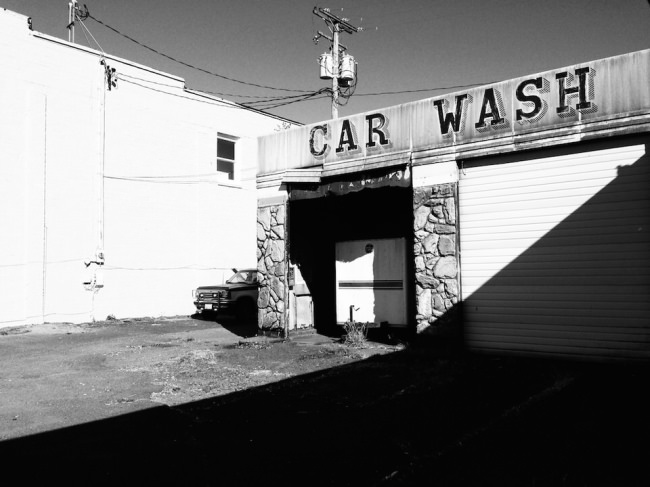
Eine alte Autowaschanlage im harten Sonnenlicht.

Anderthalb Kilometer weiter westlich liegt das Middle Village Station Camp, seit jeher Heimat der Chinook, die seit Tausenden Jahren entlang des Columbia River lebten und Handel trieben. Heute leben mehr als 20.000 Menschen im Pacific County.

Über dass ganze Land verteilt finden sich Gemeinschaften, die das kulturelle und ethnische Erbe der Auswanderer aus Schweden, Dänemark, der Schweiz, Norwegen und Finnland pflegen, genauso wie die Nachfahren der Chinook, die in Bay Center, Chinook und Ilwaco leben.
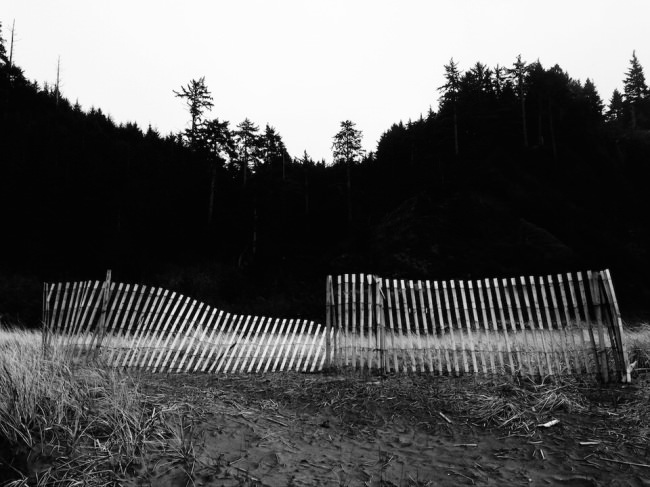
Ein Zaun vor einem dunklen Wald.

Forts des Militärs findet man noch als Ruinen, Überbleibsel ihrer vergangenen Bestimmung, vom ausgehenden 19. Jahrhundert bis zur Schließung nach dem zweiten Weltkrieg die strategisch wichtige Mündung des Columbia River zu überwachen.

Die Forts sind nun als Parks für Besucher zugänglich und bei Campern beliebt als Sehenswürdigkeit oder einfach nur, um sich in der Natur zu erholen. Die Schützenstände stehen immer noch. Von den Bunkern jedoch stehen nur noch die Umrisse der aus Beton gegossenen Fundamente.

Beobachtungsposten gewähren weithin Ausblick auf den Columbia River sowie eine Mischung aus Einkaufszentren, freiem Feld und Campingplätzen.
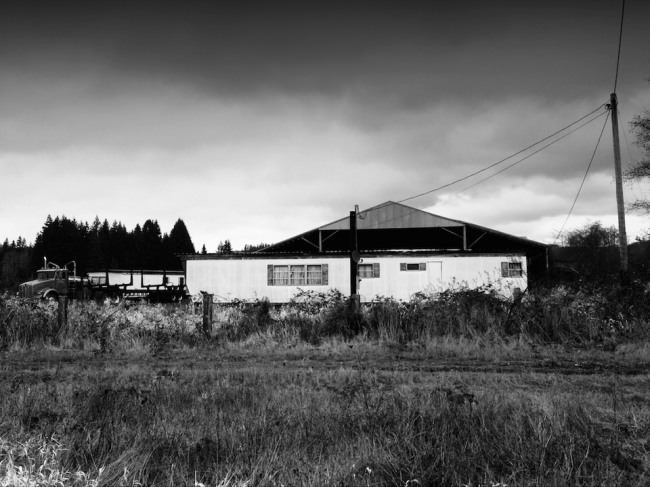
Blick auf ein entferntes Gebäude.

Zu den Städten des County gehören Raymond, die größte Stadt, South Bend, der Verwaltungssitz, und eine Anzahl kleinerer Städte, deren Wirtschaft einst dank des Reichtums an natürlichen Ressourcen gedieh. Was für die Region dereinst Holz und Fischfang waren, ist heute der Tourismus und die Freizeitindustrie.

Die historischen Stadtzentren verfallen, das alte Schild der Firma Sears & Roebuck an einem Ziegelsteingebäude verwittert langsam. Willapa Bay, ein Meeresarm und durch die Halbinsel Long Beach vom Pazifik getrennt, ist bekannt für seine vielfältige Flora und Fauna.

Es ist eine intensiv genutzte Bucht, die Grundlage der lokalen Austern- und Fischereiindustrie ist. Neun Prozent aller Austern in den USA werden hier von den Austern-Männern und -Frauen gezüchtet. Der Meeresarm und seine Flüsse bieten ein reichhaltiges Ökosystem aus Wald, Grasland sowie Küstenpflanzen und -tieren.
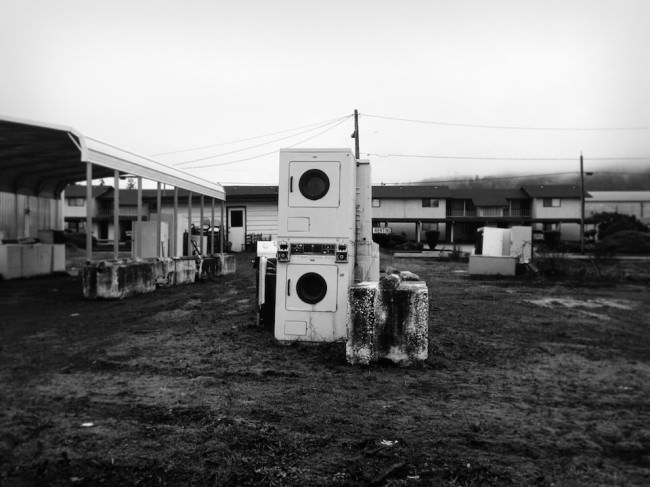
Ein alter Platz, auf dem zwei aufeinandergestapelte Waschmaschinen stehen.

Das Fotografieren in dieser geographischen und kulturellen Landschaft bringt mich auf neues Terrain, nicht nur in Bezug auf die Landschaft und das Meer, sondern auch was meine Vorstellungskraft betrifft. Ich interessiere mich für das Erinnern als aktiven Wandel und als stetige Erneuerung. Ich sehe historische Momente, Bauwerke und Wahrzeichen im Nebeneinander mit dem, was heute daraus geworden ist.

Ich sehe, worauf das heutige wirtschaftliche Wachstum und Gedeihen fußt. Ich sehe die kulturelle Assimilation, die territoriale Inbesitznahme und die Auslöschung der Ureinwohner. Es bleiben Überreste aus einer Zeit, als reger Handel und Industrie die Grundlage für wachsende Wirtschaft waren und gleichzeitig die Ausbeutung der Umwelt quer durch das gesamte, noch immer vorhandene Ökosystem stattfand.
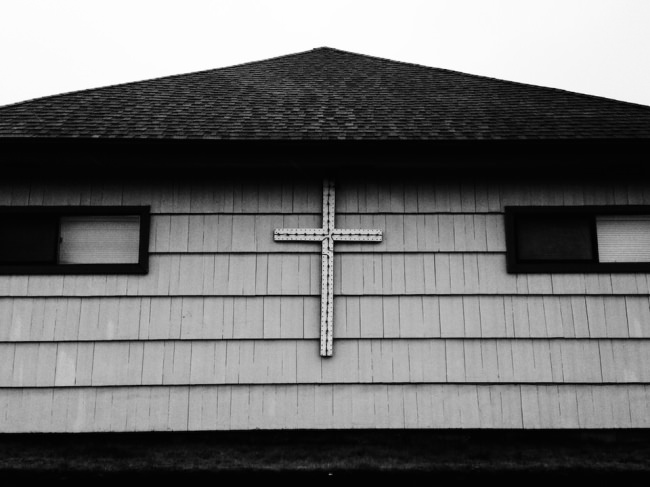
Ein Kreuz an einer Hauswand.

Das „Damals“ und das „Jetzt“ verschwimmen zwischen den Artefakten natürlicher und menschengemachter Landschaften, von gefundenen und gebauten Objekten, die ein imaginiertes und ein reales kulturelles und soziales Erbe durchscheinen lassen.

Oberhalb des Willapa River reiht sich Hügelkette an Hügelkette. Die Anhöhen sehen kahl und leer aus, wenn sie durch die Holzwirtschaft freigelegt werden.

Schnitte wie gerade Linien wirken wie Narben entlang des Highway 101 von Olympia bis zum Pazifik. An jeder Stelle des Highways kann ich, durch das Autofenster wie in ein Bild gerahmt, schauerlich wirkende Sitka-Fichten und Weißkopfseeadler erblicken.
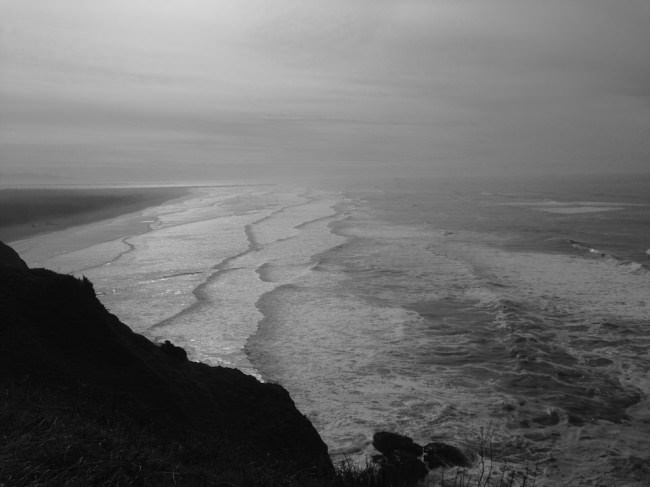
Blick aufs Meer. Weite.

Hinter der nächsten Kurve finde ich Bäume, die bis auf den zersplitterten Stumpf amputiert sind und verstreutes Geäst. Das Land ist verwüstet und Falken kreisen am Himmel; Bilder einer verrückten Fantasie. Im Sommer zieht ein stetiger Strom aus Campern in Wohnmobilen mit Namen wie „Herumtreiber“, „Geschoss“, „Elite“ oder „Expedition“ und Pickup-Trucks mit Bootsanhängern auf dem Weg nach Westen bis an den Ozean.

Sie passieren Middle Village, Dismal Niche und Cape Disappointment, auf ihrem Weg zu den Strandpromenaden mit ihren salzigen Toffees, der Eiscreme und den hell leuchtenden Windsäcken an der sonnigen Urlaubsküste.
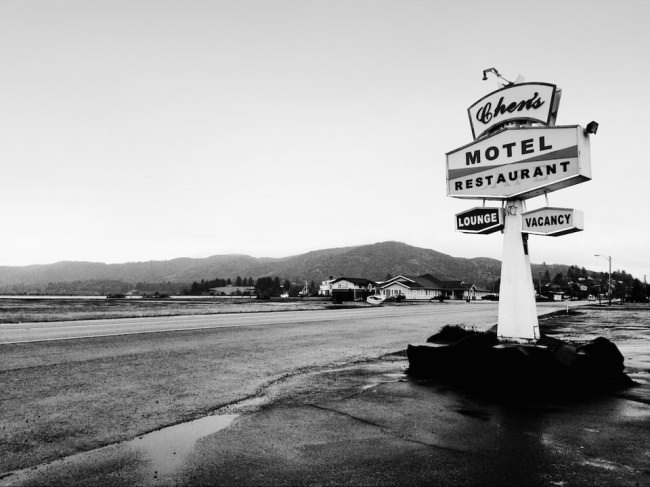
Ein altes Motel-Schild am Wegesrand.

Dieser Artikel wurde von Tilman Haerdle aus dem Englischen übersetzt. Danke an Grryo für die freundliche Genehmigung zur Wiedergabe.


kwerfeldein – Fotografie Magazin | Fotocommunity

 
Comments Off on Über Pfade und Grenzen hinweg

Posted in Equipment


Magnetic Furniture: Modular Blocks Connect via Unseen Forces

19 Sep

[ By WebUrbanist in Design & Furniture & Decor. ]

bob modular magnetic boxes

Magnetized to stick together when you arrange them, these boxes take LEGO-style furniture construction to a new level by leaving exposed surfaces connector-free in any configuration.

cube box chair design

Dubbed the BOB system by its creator, Paul Kelley, the component cubes themselves are durable but light and clad in copper that will weather differently over time depending on which surfaces are exposed.

magnetic cantilever

The magnets inside them are designed to let you create anything you can imagine, from chairs, benches, stools and tables to interior space dividers or simply abstract sculptures. Their attraction is strong enough (and the boxes sufficiently lightweight) to allow limited cantilevers as well.

bob magnet box system

bob modular boxes stacked

This work is being publicly displayed as part of the London Design Festival (via Inhabitat)- hopefully its creator will also allow the public to play with and reconfigure the exhibit, keeping it fun and interactive. Fans of magnetic furniture designs should be sure to check out this tensile floating table as well, which works on similar but reversed principles, repelling rather than attracting the constituent boxes.

Share on Facebook


[ By WebUrbanist in Design & Furniture & Decor. ]

[ WebUrbanist | Archives | Galleries | Privacy | TOS ]


WebUrbanist

 
Comments Off on Magnetic Furniture: Modular Blocks Connect via Unseen Forces

Posted in Creativity


Photokina 2014: Hands on with new Tamron lenses – including 15-30mm F2.8

19 Sep

We caught up with Tamron at Photokina 2014 to get a peek at the new 15-30mm F2.8 ultra-wide angle zoom. It’s designed to cover a full frame sensor and was shown to us in a late prototype form, though its official launch date is unconfirmed. We also got some hands-on time with the manufacturer’s latest all-in-one zoom lenses as well as the always-impressively-huge 150-600mm F5-6.3. Read more

Articles: Digital Photography Review (dpreview.com)

 
Comments Off on Photokina 2014: Hands on with new Tamron lenses – including 15-30mm F2.8

Posted in Uncategorized


3 Tips to Help Keep Your Photography Passion Alive

19 Sep

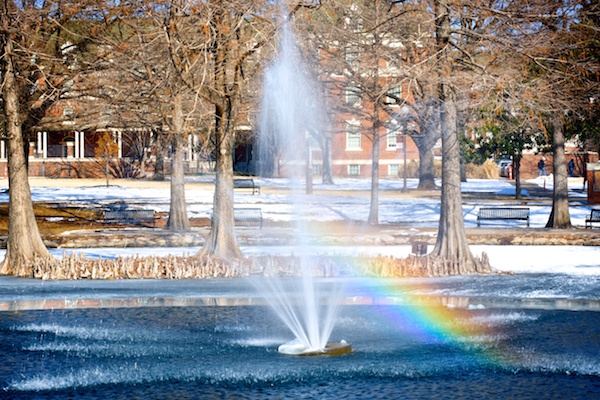
Fountain rainbow

Photography is like any other pursuit in life, in that it requires a great deal of time and practice. Unless you make a living as a professional photographer, you might find that you simply don’t have enough hours in the day to devote to taking pictures. With work, family, school, and plenty of other obligations in our lives, it’s easy to let photography take a back seat to everything else. So, unfortunately we often find our expensive cameras gathering dust on the shelf, and our vibrant photo libraries growing ever more stagnant as the months and years pass. How in the world is it possible for hobbyist or enthusiast photographers, much less beginners who are just entering this brave new world for the first time, to find chances to learn, stretch, and grow, or just do what they enjoy doing? Thankfully there is hope, and I’d like to share a few tips that have worked for me.

1. Hold yourself accountable

When most people get their first camera, or upgrade to a better one, they go through a similar process. Initially it seems like anything and everything is worthy of a photograph – kids, pets, food, cars, flowers, clouds, friends, skylines – nothing is off limits. There’s a newness and excitement to the whole endeavour that seems almost childlike. People in this early phase never seem to have an issue with finding time to indulge their new infatuation, and often they find it hard to stop taking pictures! But soon the veneer wears off, the pressures of life start to add up, and cameras often end up spending more time on shelves and dresser drawers.

Leaves rain

There is beauty all around, but sometimes you have to stop and look for it.

If this sounds like you, one of the best things you can do is find a way to hold yourself accountable for keeping your photography passion alive. Some people decide to take a picture every day or each week. Others join an online photo community and start posting on a regular basis. Most cities have photography clubs where members gather to discuss techniques, photo opportunities, and gear. dPS, and plenty of other sites, have weekly assignments or challenges that are a great way to try something new, while also keeping your photography hobby alive.

When I was in this rut a while ago I started my own blog, Weekly Fifty, where I post one photo each week taken with a 50mm lens. Doing this has forced me not only stay active with my hobby, but to seek out new opportunities that I otherwise might have missed. Having some type of assignment or challenge that forces you to use your camera will often help rekindle the flame that was once burning so bright, and help you fall in love with photography all over again, even if you do have other things going on in your life.

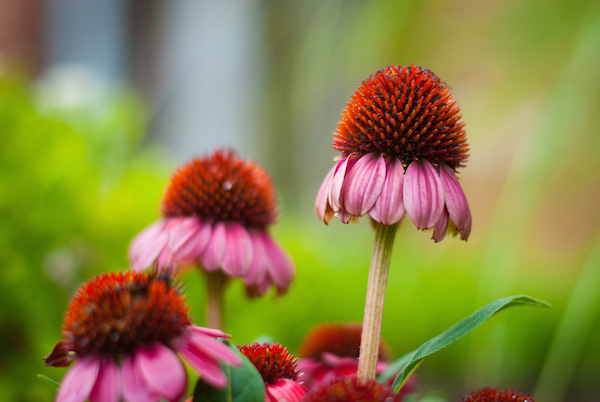
Coneflower

I had to find a photograph for my blog, so I walked around a flower garden for a few minutes and got this shot of a coneflower. Without something to hold me accountable, I probably would never have gotten this shot.

If you do go this route it’s important to find a method that is fun and enjoyable, rather than a burden. Photography should not be a chore, and I have known some individuals who have grown to resent their accountability methods because they took on more than they could handle. If you already find yourself stretched too thin, signing up for a daily challenge will probably not help. But a weekly challenge, monthly assignment, or local club meeting might be just what you need to fit photography into your already busy life.

2. Bring your camera and keep your eyes open

Whether you decide to participate in a photo assignment or not, one thing you can do to fit photography into your packed schedule is simply bring your camera with you. Most of us have similar daily routines involving home, work, school, or other obligations and you might think that the photogenic moments in your daily life are few and far between. But if you keep your camera close at hand, and keep your eyes peeled, you might learn to turn the mundane into the magnificent. That might sound like hollow grandiosity, but it’s true: if you start looking for the beauty in your everyday life, you will likely find a whole new world of picture-taking possibilities that you never noticed before. It’s a great way to keep your love for photography alive without adding another burden to your already crowded lifestyle.

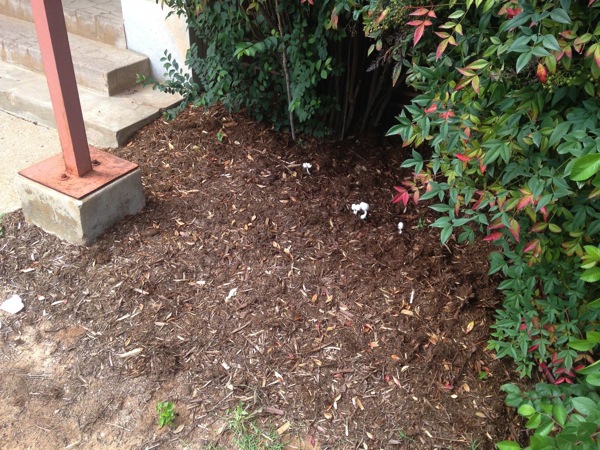
Case in point: the other day I walked up to the office building at work and saw a patch of mushrooms by the door. At first I thought it was nothing special at all:

Mushrooms iphone

Shot with my iPhone

But because I almost always have my DSLR with me I was able to take this picture of what might otherwise have been an entirely forgettable scene.

Mushrooms d200

Circumstances like this are all around you, and finding them is not a matter of time but of observation. If you find your expensive camera spending more time gathering dust than taking photos, it wouldn’t hurt to simply start bringing it with you more often and keeping your eyes opened.

3. Get out of your comfort zone and try something new

It’s human nature to grow complacent and comfortable. We are creatures of habit, and change can be difficult, especially when it threatens to upset a careful balance we have achieved in our lives. But stepping away from your comfortable surroundings and trying something new is a fantastic way to inspire you to find photographic opportunities in your life. Whether it’s a new lens, a new filter, a new technique, a new piece of software, or even a new camera, trying something new is a great way to spice up your photography and help you get your camera off the shelf and into your hands again.

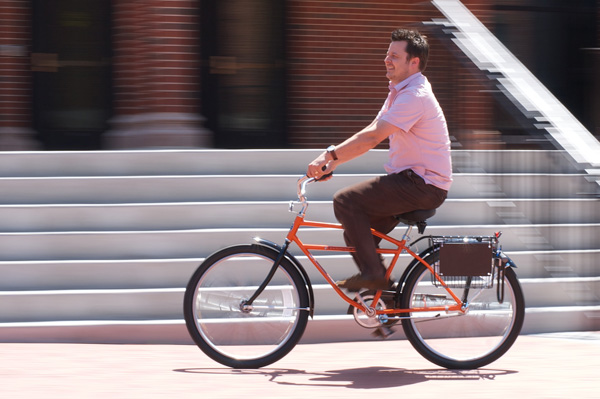
Here at dPS there are hundreds of articles with a myriad of tips, tricks, and techniques to try – and that’s just the start. There is no shortage of articles on the internet filled with new ideas, and doing so won’t add any more hours to your day. But it might help you find ways to squeeze more time in for photography than you might otherwise think. For example, when I found myself stuck in a rut several months ago I read some articles on a technique known as panning. Then my friend, (and photography mentor) Ryan, rode around on a bike while I practiced with my camera, and we ended up with this shot. While it’s not perfect, it gave me an idea of a whole new aspect of photography to explore.

Biking

One of the main selling points of DSLRs and mirrorless models is that they have interchangeable lenses. While the kit lens that comes standard with most cameras is fine for many situations, shooting with a different lens can radically alter your perception of what the camera can do. In the process, you will likely experience the same spark of inspiration and creativity that you had when you first got your camera.

Think of your camera body as a mobile device, and the lenses like applications. Every app on your phone or tablet has a different purpose and allows your device to do different things; in the same way every lens gives you different photographic possibilities for your camera. Using a camera with only one lens, especially the kit lens, would be like buying an expensive new smartphone or tablet but never downloading a single app. You might enjoy it, but you would be severely limiting the capabilities of what your device can actually do. If you want to inject a renewed sense of vitality into your photography, buying, renting, or just borrowing a new lens can do exactly that.

General index

This simple shot of some books in a dimly-lit library would not have been possible with a kit lens, but switching to a 50mm prime lens with wider f/1.8 aperture opened up a whole new set of possibilities like this.

You are busy with plenty of demands on your time; it might seem impossible to fit photography in with everything else going on. But hopefully these tips give you a starting point, and if you have any others that have worked for you feel free to leave them in the comment section below.

The post 3 Tips to Help Keep Your Photography Passion Alive by Simon Ringsmuth appeared first on Digital Photography School.


Digital Photography School

 
Comments Off on 3 Tips to Help Keep Your Photography Passion Alive

Posted in Photography


Photokina 2014 Video: The Fujifilm X100T

19 Sep

In our latest from-the-show-floor video, we visit the Fujifilm booth at Photokina 2014 to learn more about the Fujifilm X100T, the newest member of the company’s ultra-premium compact camera family. See video

Articles: Digital Photography Review (dpreview.com)

 
Comments Off on Photokina 2014 Video: The Fujifilm X100T

Posted in Uncategorized


Clever Land Artist Copyrighted Earth to Beat an Oil Pipeline

19 Sep

[ By WebUrbanist in Art & Installation & Sound. ]

land artwork surface copyright

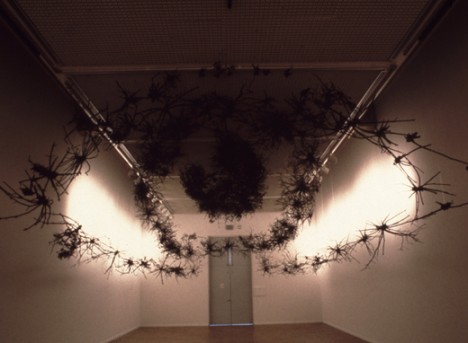
Canadian land artist and sculptor Peter von Tiesenhausen occupies a stretch of land in Alberta covered with his artworks, but it was not until he turned the top six layers of the soil on his 800 acres of land itself from private to intellectual property that he was able to fend off encroaching corporate interests.

land sculpture water figures

In Canada, a landowner has surface rights but must allow the government to grant paid subterranean access, allowing companies to create or mine passageways, pipelines, minerals or other natural resources below the ground.

land art hole breach

They are compensated, per This.org, and “this compensation is usually for lost harvests and inconvenience, but, Tiesenhausen reasoned, what if instead of a field of crops these companies were destroying the life’s work of an acclaimed visual artist? Wouldn’t the compensation have to be exponentially higher?”

land artwork gallery bridge

Effectively, by contacting a lawyer and protecting the surface of his land as intellectual property, he has prevented anyone from breaching that surface without compensation, which, for a work of art, could be essentially any amount. While oil companies could contest his claim, so far they have settled for costly reroutes, perhaps to avoid losing and setting a precedent that could hurt them more in the long run.

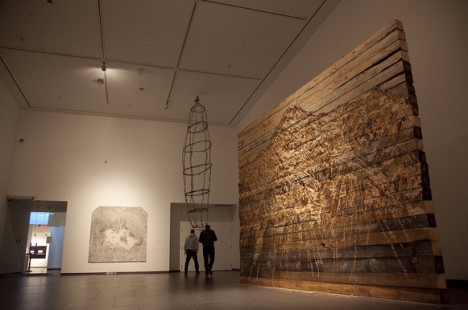
land art gallery installation

“I’m not trying to get money for my land, I’m just trying to relate to these companies on their level,” says Tiesenhausen from his home near Demmitt, Alberta. “Once I started charging $ 500 an hour for oil companies to come talk to me, the meetings got shorter and few and far between.”

land art hanging museum

Now an artist, Tiesenhausen has a great deal of experience with natural resource companies, having worked in oil fields, mining gold and even crushing boulders for airstrips earlier in life before turning to large-scale works of land and installation art and sculpture.

land art wood sculpture

Cantech Letter notes of the clever strategy, “This is eerily similar to the defense Portia deploys against Shylock in ‘The Merchant of Venice’ in which he is legally entitled to extract a pound of flesh from a debtor who can’t pay, so long as he doesn’t extract a single drop of blood or marrow or bone.”

Share on Facebook


[ By WebUrbanist in Art & Installation & Sound. ]

[ WebUrbanist | Archives | Galleries | Privacy | TOS ]


WebUrbanist

 
Comments Off on Clever Land Artist Copyrighted Earth to Beat an Oil Pipeline

Posted in Creativity


7 Tips to Help Improve Your Seascape Photos by Controlling the Waves

18 Sep

When photographing outdoors, you generally take the world as you find it, and you have very little control over the elements. You cannot control the weather. The terrain is a given. You certainly cannot control the skies or the clouds.

But when photographing seascapes there is one thing you can control, and that is the waves. At least, you can control the appearance of the waves. This is a fundamental difference between landscapes and seascapes.

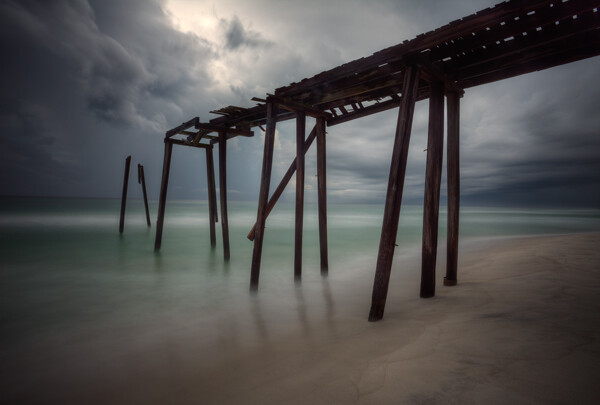
Picture1 Pier

In landscapes you have generally static ground and foreground elements, while in seascapes you are dealing with a fluid substance that is in constant motion. If you just treat a seascape as a landscape, you will get an ordinary photo, but with some attention to the waves you can get extraordinary pictures.

You can actually control the appearance of the waves in order to add just the right mood and interesting effects to your photos. It is actually very simple to do; it’s all about controlling your shutter speed. In general, the slower the shutter speed, the more calm and serene the water will appear, while a very fast shutter speed implies power and action.

In this article, I will walk you through some shutter speed ranges that you might try in your own seascape photography next time you are at the coast. So here are some tips to help you take better seascape photos:

#1 Minimal Gear Needed

To photograph moving water successfully at various speeds, you will not need much in the way of extra gear. Other than a camera, a tripod, and perhaps a remote shutter release, the only necessity is a neutral density filter.

It is best to have a few different strengths of neutral density filters. A 10-stop filter is a must, and from there I recommend adding a 3-stop and a 6-stop filter. In a pinch, remember that polarizing filters typically reduce the amount of light reaching the camera by two stops, so you can use a polarizer as well.

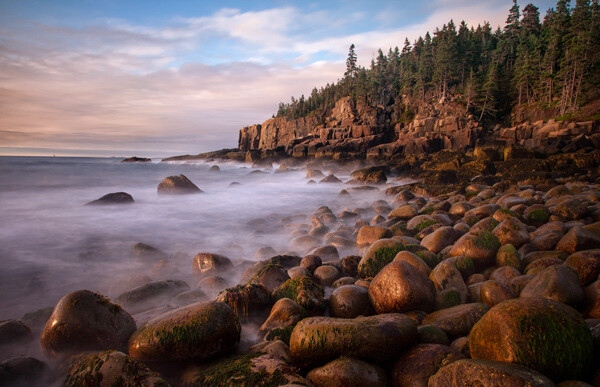
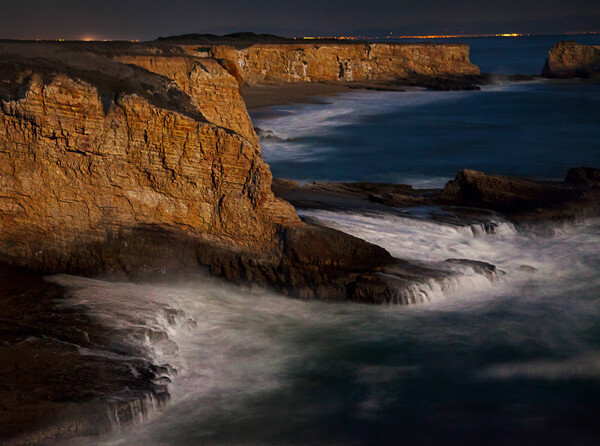
Picture2 AcadiaRocks

#2 Controlling Shutter Speed

Coastal pictures are all about controlling the shutter speed, and you will usually find yourself trying to slow down the shutter speed. If you are shooting in one of the automatic modes, this is a good opportunity for you to step up Manual (M) mode. Just set the shutter speed where you want it, then if you can get the proper exposure by changing the aperture settings, great. But if not, use your neutral density filter to cut down on amount of light entering the camera.

This is also a rare instance where you might consider Shutter Priority (Tv or S) mode. Once you set the shutter speed, the camera will set the aperture for you. Of course, you could also use Aperture Priority (Av) mode and set the aperture with an eye toward where the camera is setting the shutter speed.

When you get to the coast, take a few test shots, Keep an eye on the histogram to make sure your exposure settings work for the mood you are trying to create.

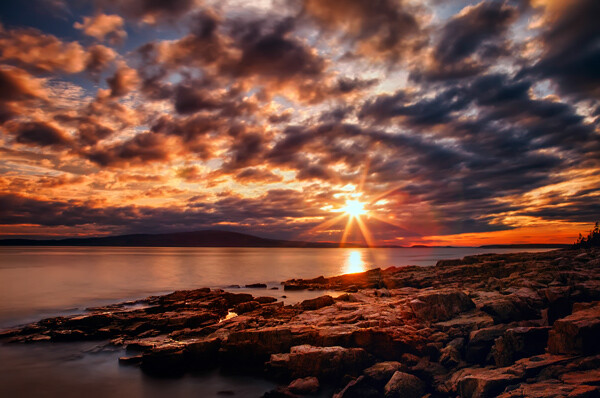
Picture3 SchoodicSunset

#3 Creating Flat Seas with Extremely Long Shutter Speeds (at least 10 seconds)

Most of my favorite seascapes were taken at shutter speeds of 10 seconds or more (sometimes a lot more). Under calm conditions this adds a sense of serenity to the seascape. Under other conditions the slow shutter speed can add some drama to the scene.

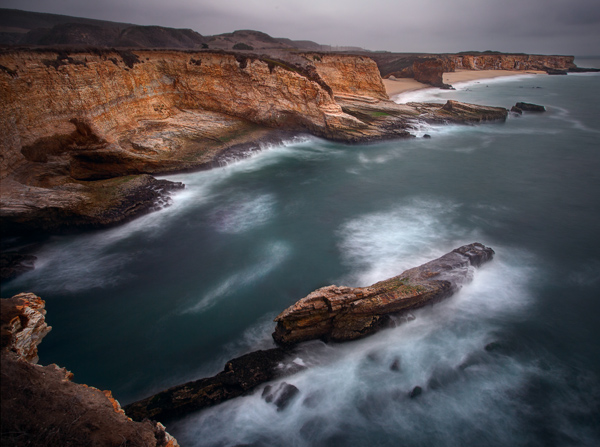
Picture4 DavenportCliffs

To accomplish this effect, you are probably going to need to use the 10-stop neutral density filter. If you are set up for a proper exposure before you put the filter on the lens, you will need to add 10 full stops of light to get the proper exposure once the lens is on the camera. If your camera is set up to adjust in 1/3-stop increments, that will mean 30 clicks (of your dial) of additional light.

This filter is so powerful that it leads to some challenges. You are going to need to focus and set your exposure before you put the filter on the camera. Once you put the filter on, you will not be able to see anything or focus. A great process for these long exposures is this article: Step-by-step Guide to Long Exposure Photography

In addition, keep in mind that the exposure will be quite long and the camera will need to be very stable. If you are on sand or other unstable surface, be sure to jam the legs deep into the sand to make it as stable as possible. If you are near the water, let a wave or two touch the tripod’s feet before shooting because the first wave will shift the tripod a little bit.

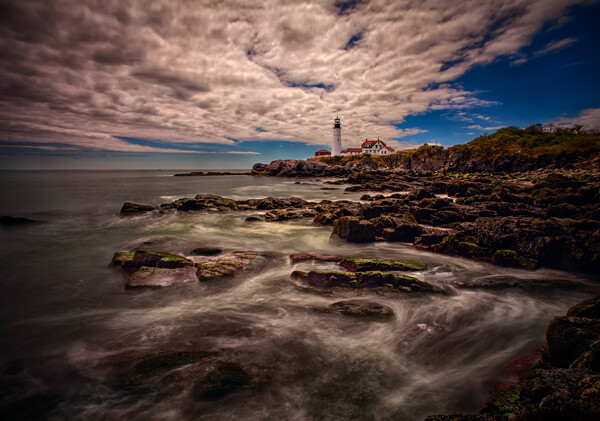
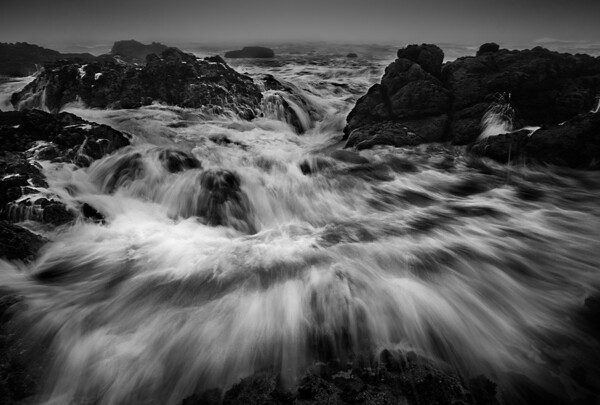
Picture5 PortlandHeadLight

#4 Ocean Trails: Long shutter speeds (2-8 seconds)

Another great way to capture the sea is with a long shutter speed of at least a few seconds, but not so long as to blur everything out. The advantage of the speed is that it gives the viewer an idea of the rhythm, or currents, of the ocean. This range of shutter speed will often show trails in the ocean and give a general sense of the location of the waves.

Picture6 DavenportSurf

To capture this look, the shutter speed will ordinarily be between two seconds and eight seconds. That also means a neutral density filter, but often not the 10-stop filter. If you have a 3-stop or 6-stop density filter, those usually work best in this situation, depending on the amount of light available.

Picture7 WaveApproaches

#5 Motion and Power: Moderate shutter speeds (1/8 – 1/2 second)

Sometimes you want the viewer to see the actual wave. It still helps to have a little motion to the wave though. This will convey both a sense of motion and give a sense of the power.

To accomplish this, you will typically need to slow the shutter speed down just a little bit. You will find the best shutter speeds for this range are between 1/8th and 1/2 of a second. At these speeds, you can still clearly see the waves, but the slower shutter speed takes the jagged edges off of them.

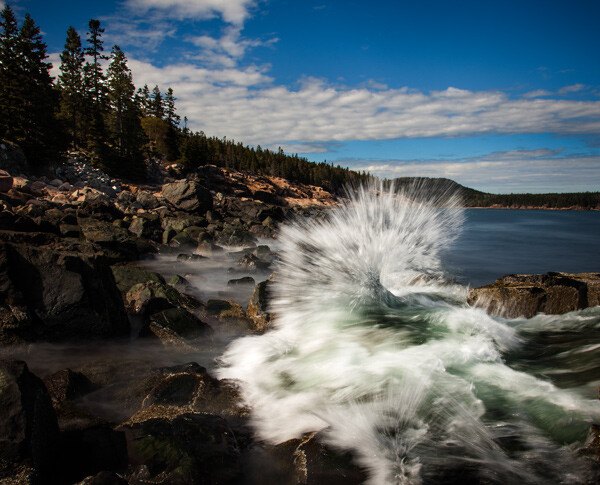
Picture8 AcadiaWave

While you will still need a tripod at these shutter speeds (they are too slow to hand-hold your camera and get sharp images), you can often get away without using a neutral density filter by stopping down the aperture.

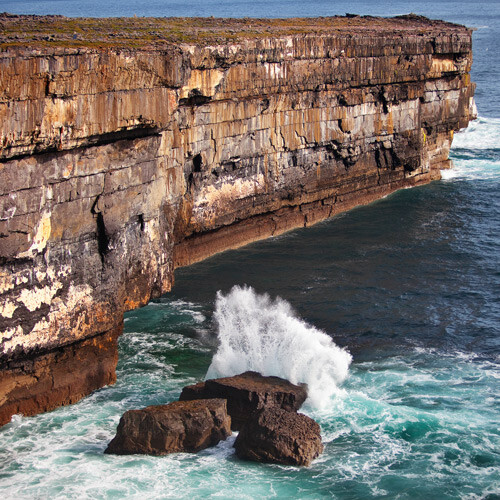
Picture9 DunDochathair

#6 Pure Power: Fast shutter speeds (1/500 and up)

Finally, there are days when the ocean is very active where you will want to stop the motion and really capture the power of the sea. A great way to do that is with a fast shutter speed. Speeds of 1/500 of a second and faster work best.

Picture10 CrashingWave

The good news here is that you will not need to use a neutral density filter. You can also ditch the tripod and just hand-hold your camera. These shots offer maximum flexibility and mobility.

A fun thing to do is try to time the wave at it crashes into a rock or the surf. This means a lot of trial and error, but when you hit one, the results can be spectacular.

#7 Before You Go

Remember that the sea coast is a harsh and unforgiving environment. Salt water and electronics do not mix very well, and just the spray of the ocean can lead to serious camera problems (which, unfortunately, I have experienced firsthand). In addition, the terrain can be slippery and treacherous. If you are not careful, you can also find yourself stranded on some rocks in a rising tide (learned this one the hard way too, I’m afraid).

But if you are careful about what you are doing, there is no better place to be than on the coast at dawn or sunset. So get out there and give it a try, and if you have questions or need additional information just use the comments below.

The post 7 Tips to Help Improve Your Seascape Photos by Controlling the Waves by Jim Hamel appeared first on Digital Photography School.


Digital Photography School

 
Comments Off on 7 Tips to Help Improve Your Seascape Photos by Controlling the Waves

Posted in Photography


Photokina 2014: Ricoh stand report

18 Sep

Behind Nikon’s Photokina 2014 stand is the Ricoh booth, the most colorful we’ve seen thus far. It’s not the design of the booth that’s colorful. Rather, it’s the dozens of color combinations available for the company’s DSLRs and mirrorless cameras. The waterfall in front was pretty cool, too. Take the tour.

Articles: Digital Photography Review (dpreview.com)

 
Comments Off on Photokina 2014: Ricoh stand report

Posted in Uncategorized


Photokina 2014: Polaroid Socialmatic combines camera, printer and Android OS

18 Sep

The Polaroid Socialmatic was first announced a while ago but is still in development and expected to ship sometime later this year. However, at the Polaroid stand in Hall 5.2 Photokina visitors can already get their hands on a few prototypes and play with the unique device. The Socialmatic combines a 14MP camera, an Android smart device and a Polaroid Zero Ink technology printer. Click through to read more.

Articles: Digital Photography Review (dpreview.com)

 
Comments Off on Photokina 2014: Polaroid Socialmatic combines camera, printer and Android OS

Posted in Uncategorized


18. September 2014

18 Sep

Ein Beitrag von: Hille Thomasson

disko island © Hille Thomasson


kwerfeldein – Fotografie Magazin | Fotocommunity

 
Comments Off on 18. September 2014

Posted in Equipment