RSS
 

Archive for August, 2014

Robotic Printer Creates Artist’s Portrait Using His Blood

28 Aug

[ By Steph in Art & Drawing & Digital. ]

Robotic Blood Printer 1

Blood streams from Ted Lawson‘s arm into a CNC printer, which uses it like ink or paint to robotically create the Brooklyn-based artist’s image. ‘Ghost in the Machine’ is a life-sized nude self-portrait rendered in just about the most graphic way possible, the whole process captured on video as an alarming amount of blood is applied to a blank white surface.

Robotic Blood Painting 2

Visibly drained by the process, Lawson sits beside the machine as it works, replenishing himself with juice as his blood streams out in little squiggles. At first, the image is abstract, slowly coming together as the robot follows the guidelines of the illustration.

Robotic Blood Painting 3

“I’m generally not into doing selfies, particularly nude ones, but when I came up with the idea to connect my blood directly to the robot (CNC machine), it just made too much sense to not try one as a full nude self-portrait,” Lawson told the Associated Press.

Robotic Blood Painting 4

“In this series I’m really just trying to make a good drawing, which requires a lot of process and spontaneity to achieve. I do consider these works to be drawings and not prints, in that I allow the robot to make certain mistakes or leave in certain glitches on purpose.”

Robotic Blood Painting 5

The final print will be on display at the Joseph Gross Gallery in New York City from September 11th through October 4th as part of Lawson’s solo exhibition, “The Map Is Not the Territory.”

Share on Facebook


[ By Steph in Art & Drawing & Digital. ]

[ WebUrbanist | Archives | Galleries | Privacy | TOS ]


WebUrbanist

 
Comments Off on Robotic Printer Creates Artist’s Portrait Using His Blood

Posted in Creativity


Hands-on with the Pentax K-S1

28 Aug

The Pentax K-S1 is a unique-looking DSLR, with pulsing LED lights on the front and a backlit mode dial on the back. There’s more to the K-S1 than just its looks, including a new sensor, image processor, and even a new font in the menus. As always, all of the features one would expect to see on a Pentax DSLR are here too. Learn more in our slideshow.

Articles: Digital Photography Review (dpreview.com)

 
Comments Off on Hands-on with the Pentax K-S1

Posted in Uncategorized


27 August, 2014 – The Mirrorless Revolution

28 Aug

There is no question times are a changing and in the photographic world we are witnessing these changing times with the migration to mirrorless camera systems.  A recent report by CIPA and summarized by Mirrorlessrumors shows that DSLR shipments are falling and mirrorless camera shipments are steadily climbing.  

Recently Michael and I sat down and made a video The Mirrorless Revolution.  We discuss the move to mirrorless and why both of us have adopted it and why we enjoy it and what we think of the present offerings in this market.  Plus, Michael sends a message to Nikon and Canon.  

Have you wanted to travel to the bottom of the world and experience one of the most incredible photographic environments there is?  Well you can this January and February with the Fly Over The Drake – Antarctica Workshop.  Don’t hesitate register today

The Ultimate Iceland Workshop.  See the Iceland others don’t experience.


The Luminous Landscape – What’s New

 
Comments Off on 27 August, 2014 – The Mirrorless Revolution

Posted in News


Containertecture: Shipping Crate-Based Buildings by LOT-EK

28 Aug

[ By Steph in Architecture & Offices & Commercial. ]

LOT-EK C-Home 1

Early explorers in the realm of prefab shipping container-based architecture, design studio LOT-EK stacks these steel crates to create everything from compact homes to massive retail complexes. Making aesthetics and functionality equally important, LOT-EK gives the containers a visual dynamism while keeping its structures economical, portable and easy to assemble.

Sanlitun South
LOT-EK Sanitlun 1

LOT-EK Sanitlun 2

Bright red shipping containers burst out of the facade of the Sanitlun South retail complex in Beijing, “organized like a medieval village with a dense fabric of narrow alleys, low-rise buildings, elevated walkways and bridges connection all levels.” Eight-foot-wide shipping containers inserted randomly throughout the structure determine the rhythm of the whole, functioning as canopies over the retail store entrances on the exterior and functioning as small lobbies for stores on the inside.

Whitney Studio
LOT-EK Whitney Studio 1

LOT-EK Whitney Studio 2

Six stacked steel shipping containers form a dense, minimalist cube functioning as an ultra-modern art studio space for the Whitney Museum of American Art in New York. The 700-square-foot, 2-story space features a vivid yellow diagonal slice running up to the roof to create a skylight.

PUMA City Shipping Container Store
LOT-EK Puma City 1

LOT-EK Puma City 2

LOT-EK Puma City 3

Transported from Spain to Stockholm to Boston, PUMA’s pop-up store had to be highly portable and easy to assemble and disassemble. LOT-EK retrofitted 24 shipping containers to create a retail and event building that could go from one international port to the next, but still feel fresh and dynamic and highly functional. The four-story space features double-height ceilings, a downstairs retail space, upstairs offices and storage, and a bar and open terrace on the top. 40-foot-long shipping containers along the outside join and secure the whole structure both horizontally and vertically.

APAP OpenSchool
LOT-EK APAP 2

LOT-EK APAP 3

LOT-EK APAP 4

The APAP2010 OpenSchool building serves as a recreational space for a public art program at an art school in South Korea, and also as a testing ground for ‘radical container assemblies with high sculptural potential.’ 8 containers are cut along a 45-degree angle and assembled in what LOT-EK describes as “a fishbone pattern generating a large arrow-like volume lifted three meters over the landscape.” The bent container offers access from the pedestrian path outside to the upper levels of the building.

C-Home
LOT-EK C-Home 3

LOT-EK C-Home 2.jp

C-Home is a series of pre-fabricated homes upcycling shipping containers to provide anywhere from 300 to 1300 square feet of living space. Since they’re made of recycled materials – and shipping containers are composed of strong Cor-ten steel – they’re both affordable and durable. Folding cut-outs in the facade let in light and provide a terrace when open.

Next Page – Click Below to Read More:
Containertecture Shipping Crate Based Buildings By Lot Ek

Share on Facebook


[ By Steph in Architecture & Offices & Commercial. ]

[ WebUrbanist | Archives | Galleries | Privacy | TOS ]


WebUrbanist

 
Comments Off on Containertecture: Shipping Crate-Based Buildings by LOT-EK

Posted in Creativity


Which Three Lenses do You Need for Photography?

28 Aug
Camera lenses

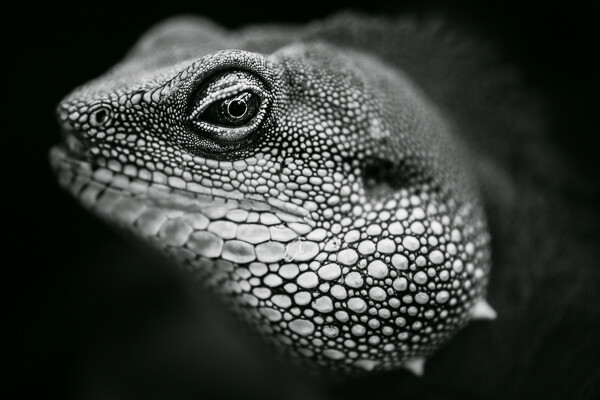
I used an 85mm lens fitted with a 500D close-up lens to create this photo of a Chinese Water Dragon.

Two things occurred to me When I read Phillip VanNostrand’s article The Only Three Lenses You Need for Travel Photography. One, is that his choice of lenses would not be my choice. Two, is that you cannot recommend three lenses for every photographer to use, as everybody’s requirements are different.

Imagine if you went to a showroom to buy a new car and the salesperson said “Sir, the only car for you is a Ford Focus”. Fine, if that’s the car you happen to want. But how annoying would it be if the salesperson insisted that you should buy a Ford Focus if it didn’t fit your needs?

A professional would establish your requirements first by asking you questions. How many miles do you drive a year? How many people does the car need to transport? Do you need lots of storage space? How important is fuel economy? Safety? What is your budget? And so on. When the answers to are known, the salesperson can make a recommendation.

It’s the same for lenses. My needs are different from yours because we are different people with different priorities and requirements.

Please don’t take this as a criticism of Phillip’s article (which is a great read, and the comments are fascinating). I learned this lesson when I wrote my article Buyers’ Guide – Prime Lenses vs Zoom Lenses in which I came down in favour of primes (my personal preference). Some readers quite correctly pointed out that the convenience of zooms makes them invaluable in certain situations. I realized that I was imposing my preferences on other people.

The three lenses I couldn’t do without

So here’s my question. If you could only own three lenses, which ones would they be? That’s right, three lenses to cover you for all the types of photography that you do. And, taking it further, if you could only own one lens, which one would you choose?

It’s a hypothetical question for most, as we are free to buy as many lenses as we like. But there is a semi-serious point behind it. Creativity works best within constraints, and limiting your lens collection to three is certainly a constraint. Also, it is possible to put together a good selection of three lenses that cover you for most situations on a limited budget – there is no need to spend many thousands of dollars on expensive glass if you can’t afford, or don’t want to.

Before you give your answer, have a think about your requirements, because they will drive your choice of lenses. These are my requirements:

  • My lenses must be light and relatively small. I don’t want to carry around a large, heavy bag full of gear.
  • My lenses must be good value for money. I don’t have a budget as such but when I buy a lens I need to know that I will use it a lot, it will last for decades and that I won’t have buyer’s remorse.
  • The autofocus must be reasonably quick and quiet.

To get the debate started, here’s my choice of three lenses, in order of preference. Bear in mind that I’m a Canon user so that naturally influences my choice of lens, and that I use a full-frame camera.

85mm f/1.8 lens

This is my favourite lens. I use the 85mm f/1.8 for portraits, close-up photos and landscapes that benefit from selective framing and compression. It’s light, relatively inexpensive and the image quality is excellent. The only weakness of this lens is that the minimum focusing distance is 85cm (2.8 feet), so it is not so good for close-up photography. I get around that by attaching a 500D close-up lens (this is technically a lens, although I think of it as a filter and I’m not including it in my choice of three) which gives me excellent quality for close-up images as long as I stop down to f/2.8 or smaller.

Camera lenses

The 85mm f/1.8 lens is ideal for portraits, especially those taken in low light, like this one.

Camera lenses

The 500D close-up lens that I use with my 85mm lens for close-up photography.

40mm f/2.8 pancake lens

While I love the quality and versatility of 50mm prime lenses, they are too middle of the road in terms of focal length for me to include one in my choice of three. Instead, I’m selecting the Canon 40mm f/2.8 pancake lens. I love this lens because it is extremely small and has high image quality. On my full-frame camera the focal length sits on the borderline between wide-angle and normal focal lengths, and turns out to be a surprisingly useful focal length. I use this lens a lot and I love it.

Camera lenses

The 40mm lens is ideal for scenic photos like this.

Camera lenses

The 40mm lens is also idea for photos where the composition demands a gentle wide-angle, in this case for the converging verticals effect created by shooting from a low viewpoint.

24mm f/2.8 IS lens

This is the newest addition to my lens collection and while I’m still getting to know it, the 24mm f/2.8 become one of my favourites. There’s something special about the 24mm focal length – it’s ideal for landscapes and scenic photos without being too wide. The maximum aperture of f/2.8 is a little limiting (I like to experiment with wide apertures for creative effect) but I can live with it as the lens is much lighter, cheaper and smaller than the Canon 24mm f/1.4L lens.

Another thing I like about it is the Image Stabilizer (IS). Theoretically with this engaged I can handhold the camera at shutter speeds down to around 1/2 second and still get sharp images. Yet anything moving within the frame will record as a blur – lots of creative potential there.

Camera lenses

The 24mm lens is great for environmental portraiture, where you want to show you subject and include a dramatic background.

If I had to chose just one of these lenses, what a difficult decision! If I could only ever have one lens, and it had to be one of these three, I think I would go for the 85mm f/1.8. Otherwise I would go for something like the Canon 24-105mm f/4L lens. It’s bigger and heavier than my primes but it covers a very useful set of focal lengths.

Your choice

Now it’s your turn. If you could only own three camera lenses, which ones would they be? If you could only own one lens, which would you choose?  Please let us know why. What are your personal requirements? It should make for an interesting discussion.
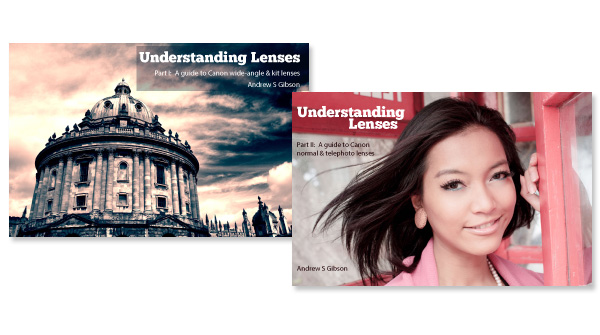

Understanding Lenses ebook bundle

Understanding Lenses ebooks

My ebooks Understanding Lenses Part I and Understanding Lenses Part II will help Canon EOS owners decide what lenses to buy for their cameras. They are both filled with lots of tips to getting the most out of your Canon lenses. Click the links to learn more.


The post Which Three Lenses do You Need for Photography? by Andrew S. Gibson appeared first on Digital Photography School.


Digital Photography School

 
Comments Off on Which Three Lenses do You Need for Photography?

Posted in Photography


27. August 2014

27 Aug

Ein Beitrag von: Tatum Wulff

Eine Frau hinter einer verregneten Scheibe.


kwerfeldein – Fotografie Magazin | Fotocommunity

 
Comments Off on 27. August 2014

Posted in Equipment


Vertrautes Licht

27 Aug

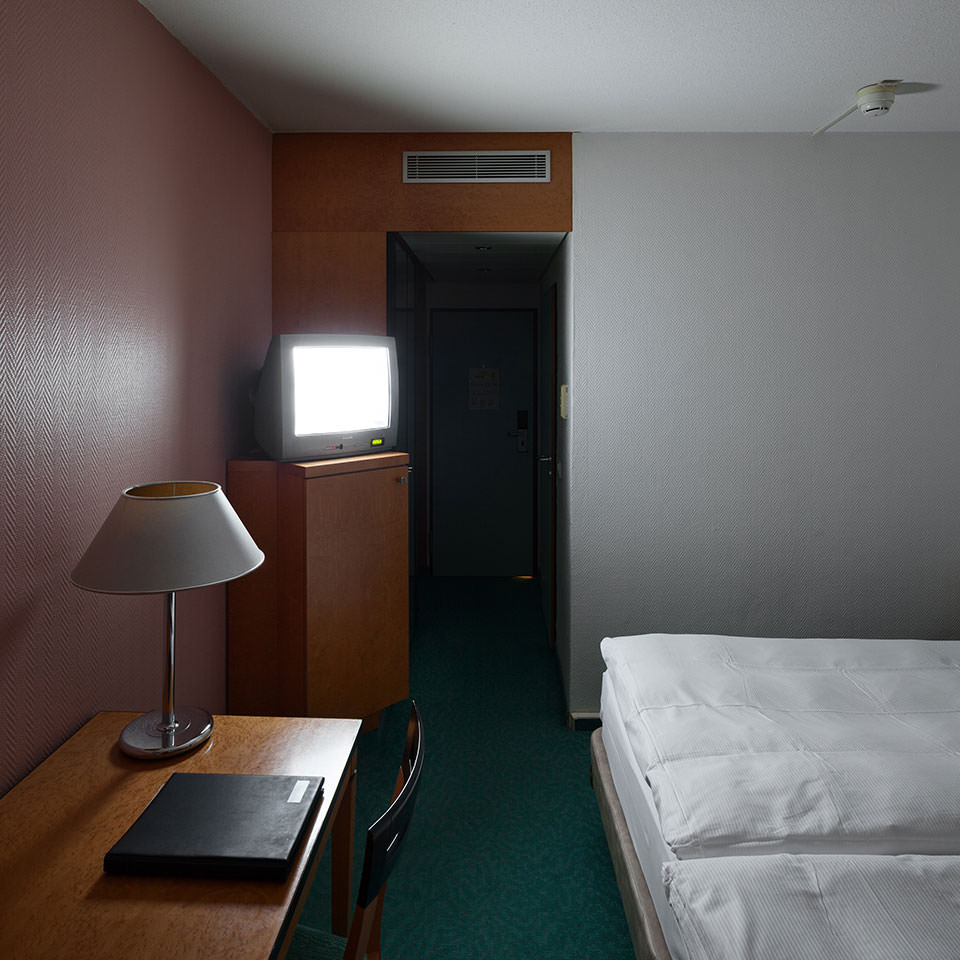
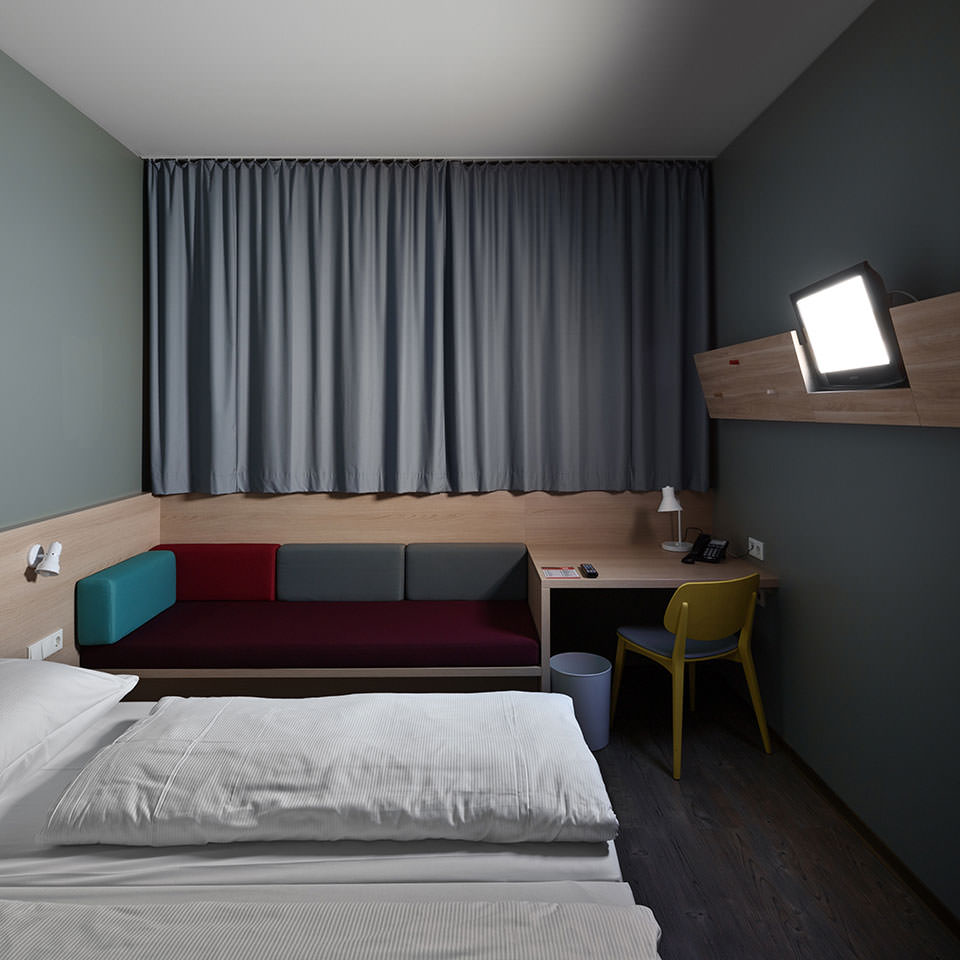
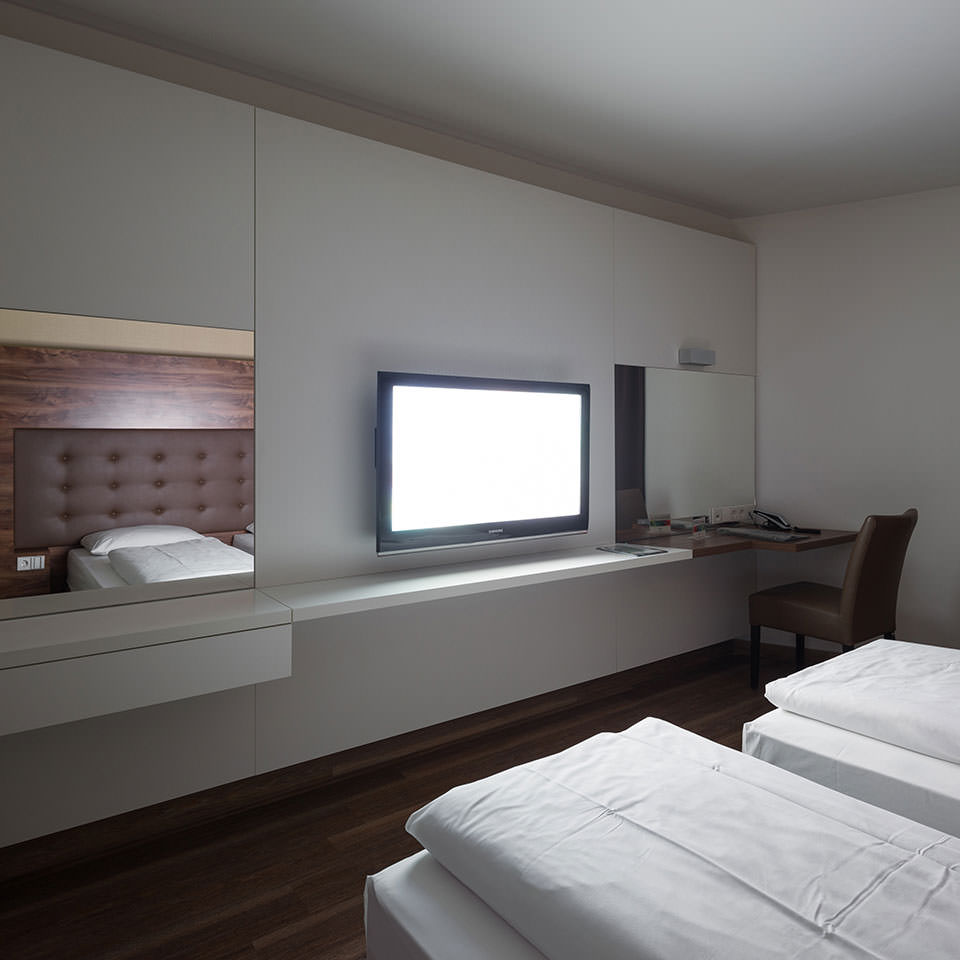
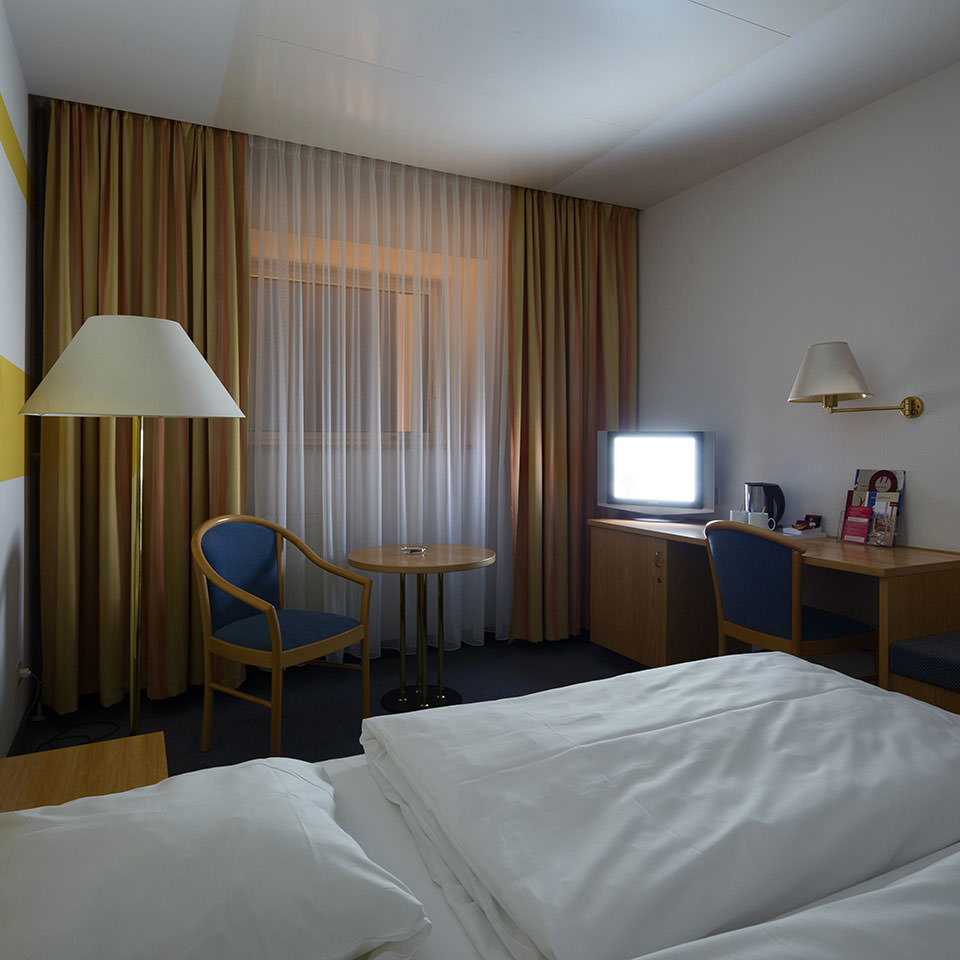
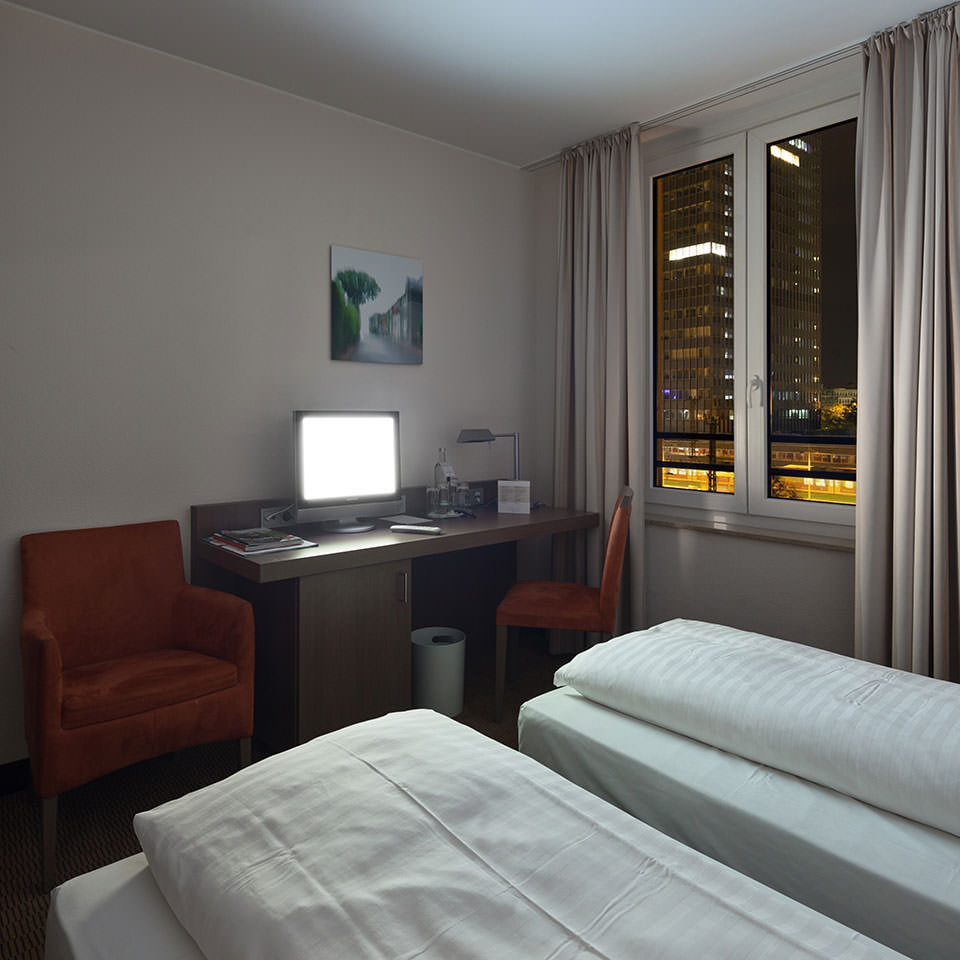
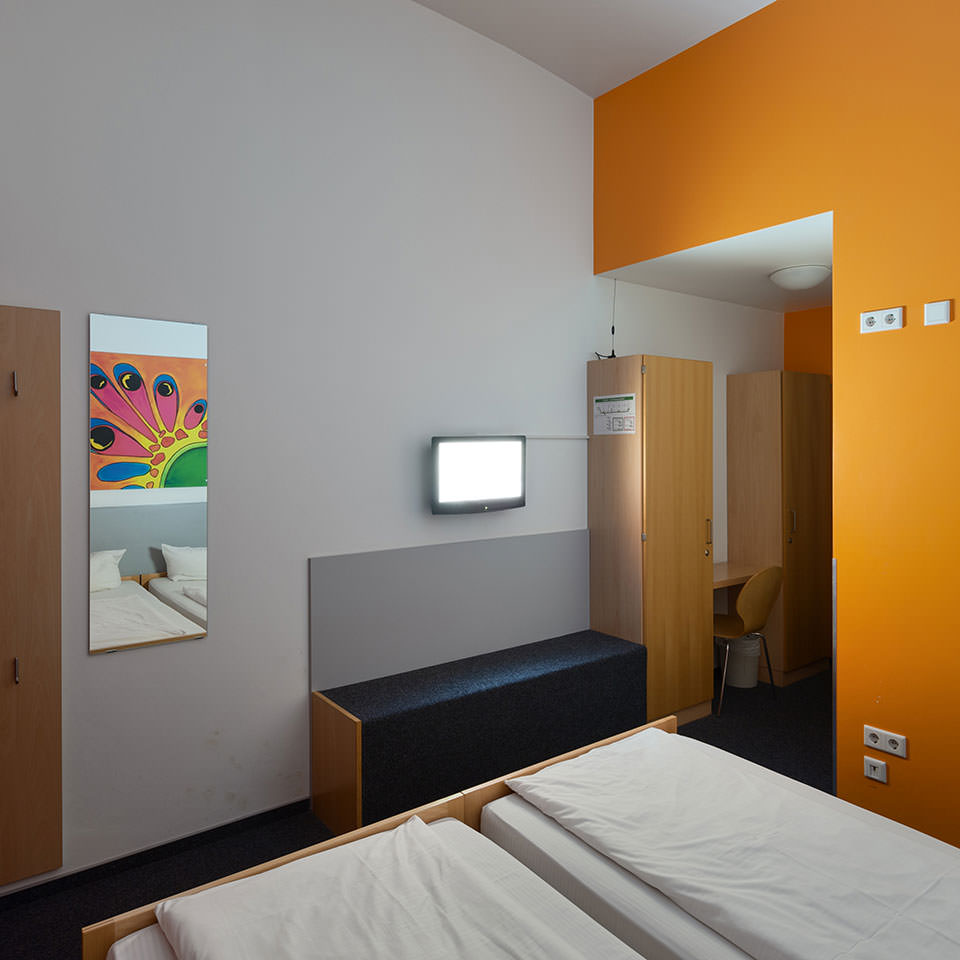
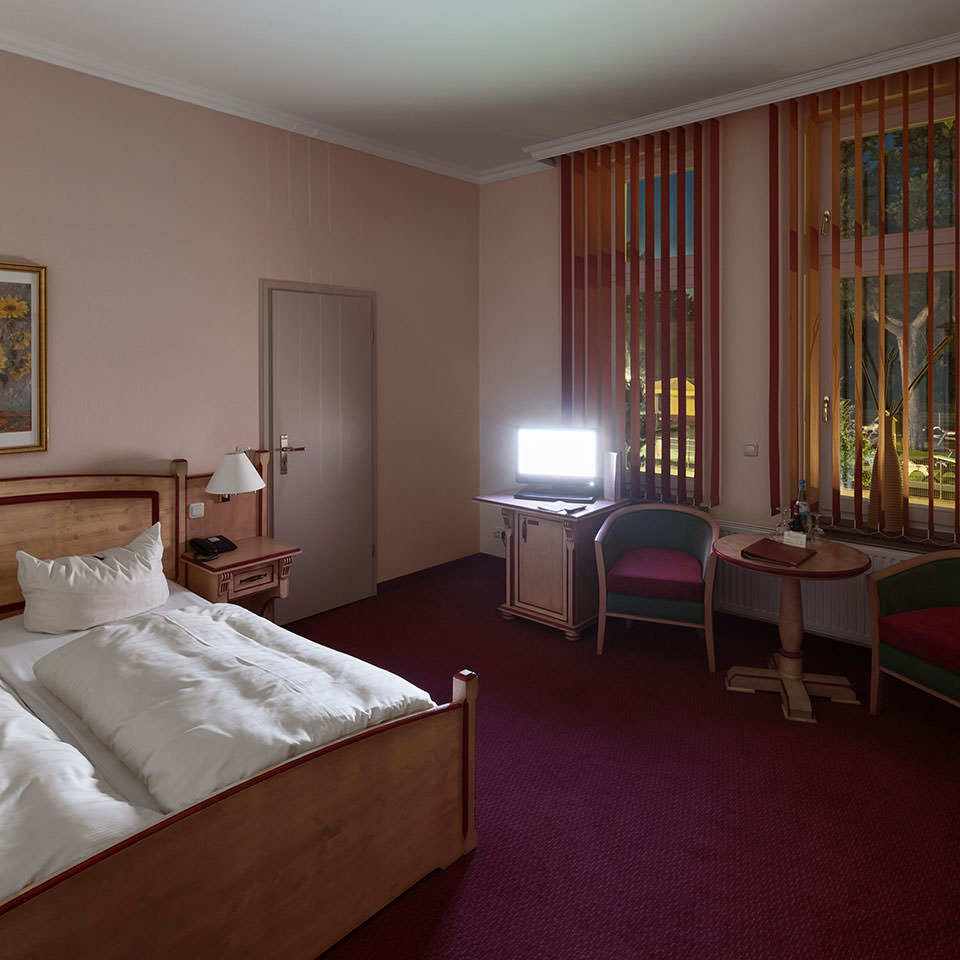
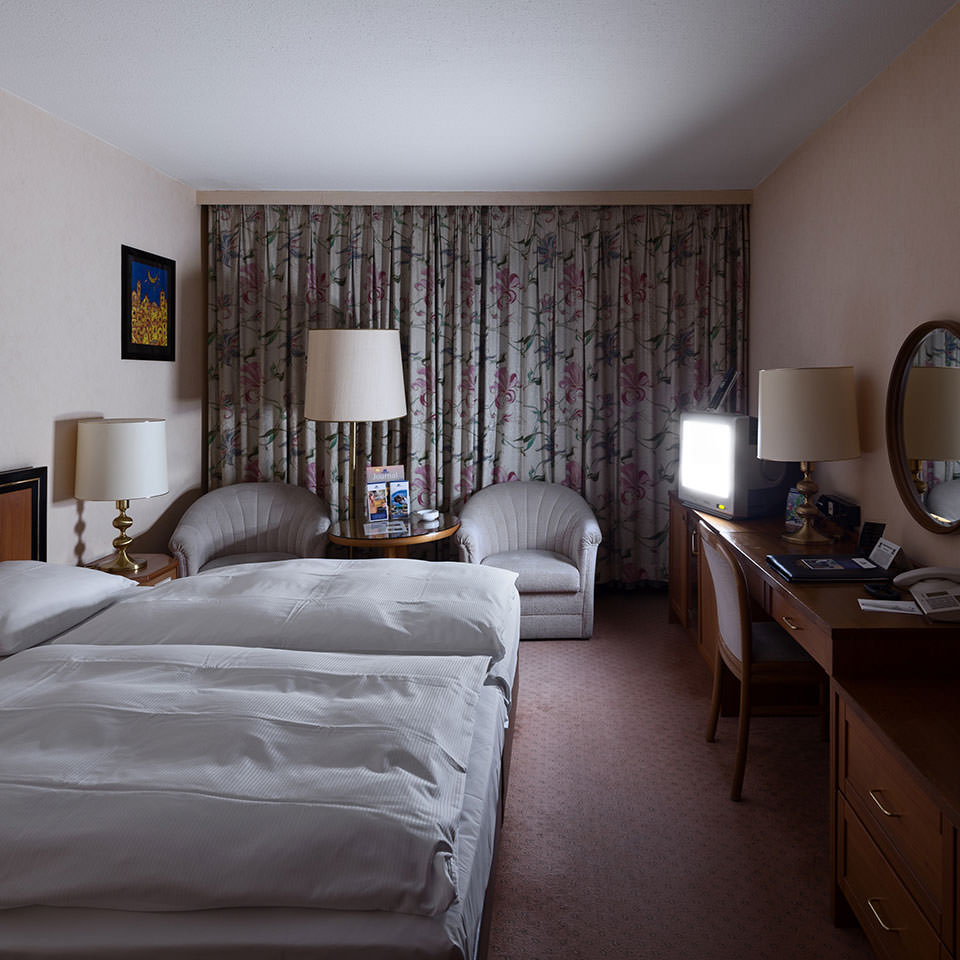
Jeder, der viel reist, kennt vermutlich das Gefühl, das sich beim Betreten eines Hotelzimmers einstellt. Der Ort ist vielleicht noch fremd, doch das Zimmer erscheint irgendwie vertraut. Standen Tisch und Stuhl im letzten Zimmer nicht sogar an der gleichen Stelle?

Ach nein, nicht ganz; das Bett stand anders herum und das Fenster war auf der anderen Seite, vielleicht war es auch ein bisschen größer. Egal, eigentlich ist doch alles immer gleich und der obligatorische Fernseher fällt auch nur auf, wenn er fehlt.

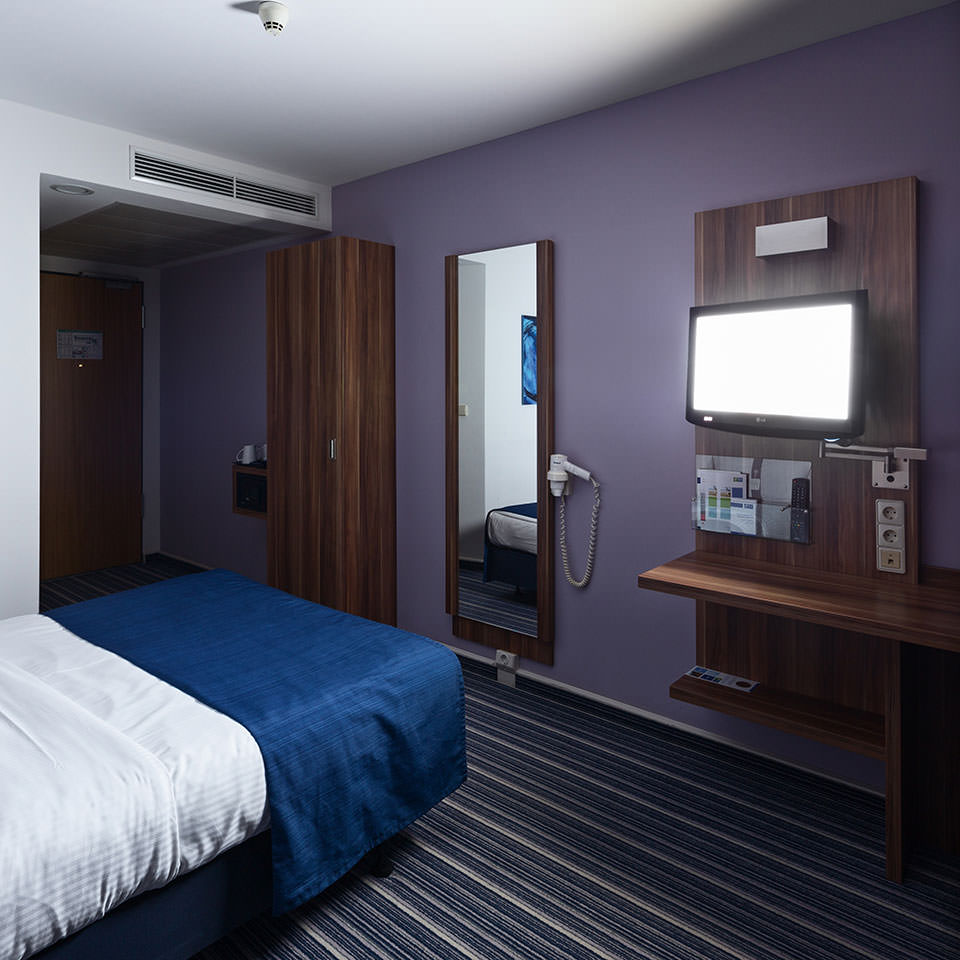
Steffen Walter fotografiert diese Unterkünfte auf Zeit, immer wenn er auf Reisen ist. Jedes Zimmer löse zunächst ein leichtes Unbehagen in ihm aus, so der Fotograf, und er frage sich stets, wer wohl vorher schon hier übernachtet und in diesem Bett geschlafen hat. Und er schalte dann den Fernseher ein, denn das vertraute Licht lenke ihn ab.

Der Fernseher ist dann auch die einzige Lichtquelle, die seine Bilder beleuchtet. Je nach Zimmergröße und Helligkeit des Fernsehprogramms seien Belichtungszeiten von wenigen Sekunden bis mehreren Minuten notwendig, so der Autor.

Eine beträchtliche Zahl an Bildern hat Steffen Walter mittlerweile zusammengetragen. Bilder, die in ihrem seriellen Ansatz und dem ähnlichen Konzept an Sugimotos Filmtheater erinnern. Strahlen jene Bilder hingegen das Erhabene dieser Orte aus, so vermittelt die Serie „Familiar Light“ das Gefühl des Eingesperrtseins.

Innenperspektive eines Hotelzimmers.

Innenperspektive eines Hotelzimmers.

Innenperspektive eines Hotelzimmers.

Innenperspektive eines Hotelzimmers.

Innenperspektive eines Hotelzimmers.

Innenperspektive eines Hotelzimmers.

Innenperspektive eines Hotelzimmers.

Innenperspektive eines Hotelzimmers.

Innenperspektive eines Hotelzimmers.

Innenperspektive eines Hotelzimmers.

Innenperspektive eines Hotelzimmers.

Innenperspektive eines Hotelzimmers.

Jenes eingangs erwähnte Unbehagen überträgt sich auf mich, wenn ich diese Bilder betrachte. Ich sehe neben der Enge auch Einsamkeit und – vor allem – Ortlosigkeit. Ich starre auf diese Bildschirme, einen nach dem anderen, und wünsche mir am Ende, sie ausschalten zu können und die sterile Stille des Zimmers zu durchschreiten, die steifen Vorhänge beiseite zu schieben und zu schauen, was sich in der Welt draußen vor dem Fenster verbirgt.


kwerfeldein – Fotografie Magazin | Fotocommunity

 
Comments Off on Vertrautes Licht

Posted in Equipment


Tips on How to Get New Photography Clients

27 Aug

Aaaaghhhh!!!! Why aren’t people knocking down my door to get me to photograph their most precious moments?!

We’ve all said this. We’ve all had those moments where we just don’t understand where the people are, or the ones that will pay us are. Or you’ve finally built a business and now it’s time to move. I get it.

MonicaDayDPSMarketing-01

I’m a military spouse. I move…a lot. I have to rebuild my business every two to four years. But I’ve done it, and so can you. You don’t have to be a military spouse to benefit from these tips. They can be applied to a new business, a new market, a new city, or a new focus of your business. I’ve implemented these and have been able to standout and be successful in the places I’ve lived.

So here are some tips on how to get new photography clients:

1. Get Involved

I’m sure you’ve heard it before, but I’m saying it anyway. Get involved. How will people know who you are if you don’t put yourself out there? Attend events, your children’s functions, community markets and festivals, and anything that’s going on in your target area. Talk about what you do.

MonicaDayDPSMarketing-02

2. Network

Networking and getting involved are close, but not quite the same thing in my book. When I network, I do so with others in the industry. This means that I seek out hair stylists, makeup artists, wardrobe stylists, designers, models, and even other photographers. These can be great sources of leads.  When I moved to Boston I hooked up with a hair stylist/makeup artist that I’ve worked with continually. I send her clients and she sends me clients. Most of the time we are working together, but I can also refer her to other photographers. This has helped her see the value in continually referring her clients to me.

Do you get your hair done? Your makeup or nails? Bring up what you do in a casual conversation with these service providers. They’ll remember…trust me.  Keep the door of communication open and use them when you can.

3. Build Your Portfolio

Portfolio building is great whether you’re brand new to photography or if you’re a seasoned veteran.  This is a great way to get people talking about what you do. It’s also a great way to find your favorite spots in the new area. I portfolio build whenever I get to a new area. I’m not shooting for free though. I will charge a very reduced price and run it as a special. Don’t give them everything for nothing but be sure to offer them a deal that can’t refuse, or won’t want to.

Whenever I’m portfolio building I have an end goal in mind. I will heavily style these shoots. I will pick out wardrobe, makeup, hair, and location. Use this time to get those key shots that will showcase your new city. Your keywording in blog posts will make much more sense when the images show the actually place you’re targeting.

MonicaDayDPSMarketing-03

4. Blog

We photographers are always trying to figure out a way to move up the search engine rankings. Well here’s a tip. Blog.  That’s right. Blog, blog, blog. Blog about your upcoming move. Blog about your new business. Blog about your preparations. Blog about your work. Be sure to keyword your images and blog posts. Learn good SEO practices and implement them. While word-of-mouth has been one of the best ways I’ve attained new clients, my blog posts bring in quite a few too. People like to search for images, and when they see one they like, they tend to look up the photographer. You want to be that photographer.

MonicaDayDPSMarketing-04

5. Creative Projects

This goes along with portfolio building but is more focused towards shooting projects for fun. The ones that your clients might not “get”, but will get great feedback on Facebook and other social media outlets. These also help you keep your creative juices flowing while you’re building your business in a new area. I love doing “for me” project because there’s no pressure. There’s no pressure to please anyone but me.

So how does this creative project get you new clients? Well, you’re most likely working with hair stylists and makeup artists for this project. You actually put in work to find them because there’s no pressure. These new connections can refer their clients to you. You didn’t seek hair and makeup professionals? No worries. Your amazing photos will be shared on social media and increase your exposure. You’ll also be posting this entire experience on your blog. Your amazing images will catch the eye of new people.

MonicaDayDPSMarketing-05

This image was taken during a photographer shoot out. This image alone brought many new people to my page and brought exposure to more new clients.

6. Maintain Relationships

I get a lot of repeat business from clients from other areas. That’s right. I get repeat business from clients in other cities. One of the most lucrative things I do is the traveling session. I will host boudoir marathons, mini-sessions, etc., in cities that have a substantial group of clients. That way I can capitalize off of all the work I’ve done, and maintain these people as my lifelong clients. Not all of your clients will wait for you, but many will. It’s important to keep those relationships positive. This world is small and your past clients can be your biggest cheerleaders.

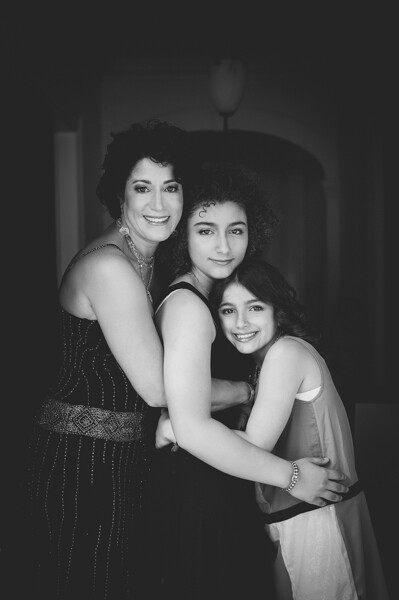
I have photographed this family 3 times. They are even coming to visit me in my new location for another family shoot.

I have photographed this family 3 times. They are even coming to visit me in my new location for another family shoot.

Try this tips out and stay in front of your target market. Remember, people won’t know you’re around unless you put yourself out there.

You can also read these dPS articles for more tips:

  • How to Get More Referrals Than You Can Handle
  • 36 of the Best Online Tools to Boost Your Photography Business
  • The Ultimate Guide to Going Pro as a Photographer

The post Tips on How to Get New Photography Clients by Monica Day appeared first on Digital Photography School.


Digital Photography School

 
Comments Off on Tips on How to Get New Photography Clients

Posted in Photography


Defrozo Giveaway: Comment for a Chance to Win Premium Ebook

27 Aug

Great news everyone! Today we’re starting a giveaway with which you have a chance to get one of Photodoto’s camera guides (normally priced at $ 9.99 each). Defrozo, our partners we have already told you about, are a new, awesome startup geared at both aspiring and pro photographers. Built by photogtraphers, Defrozo is an all-in-one platform that helps photographers better organize Continue Reading

The post Defrozo Giveaway: Comment for a Chance to Win Premium Ebook appeared first on Photodoto.


Photodoto

 
Comments Off on Defrozo Giveaway: Comment for a Chance to Win Premium Ebook

Posted in Photography


Consumer SLR Camera Roundup (2014)

27 Aug

To improve my general purpose and family photography, which camera should I choose?
Articles: Digital Photography Review (dpreview.com)

 
Comments Off on Consumer SLR Camera Roundup (2014)

Posted in Uncategorized