RSS
 

Archive for August, 2014

Frozen in Motion: 24 Stunning High Speed Photographs

14 Aug

[ By Steph in Art & Photography & Video. ]

High Speed Reugels 1
Spectacular forms that come together and dissipate far too quickly for human eyes to perceive are captured permanently using high-speed photography techniques. The elusive and temporary shapes created when liquid is thrown into the air or pellets are shot at strawberries become momentarily sculptural.

Floating Sculptures by Floto + Warner
High Speed Floating Sculptures 1

High Speed Floating Sculptures 2

High Speed Floating Sculptures 3

Ephemeral sculptural forms that shift and change by the nanosecond are captured against stark landscapes in particular chaotic arrangements that will never be seen again. The final theatrical photographs in this series by Floto + Warner momentarily make elusive forms within colored liquid seem three-dimensional and static. Getting these dramatic images just right is no easy task; many attempts are made to toss the fluid into the air so that it looks just right against the hills and desert of northern Nevada.

Liquid Orchids: Paint Splash Flowers
High Speed Liquid Orchids 1

High Speed Liquid Orchids 2

High Speed Liquid Orchids 3

Colorfully streaked, blossom-like forms come into being just for a split second when artist Fabian Oefner drops a sphere directly into a tank filed with layers of acrylic paint in various shades. The explosion that results from the impact of the object in the tank, which often happens too quickly for our eye sot properly take it in, is permanently preserved via high-speed photography.

Exploding Food by Alan Sailer
High Speed Exploding Food 1

High Speed Exploding Food 2

High Speed Exploding Food 3

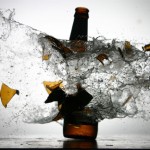
Avocados, popsicles, strawberries and chocolate bunnies are ripped apart in spectacular patterns and forms when photographed just at the instant of an impact from a pellet or marble. Photographer Alan Sailer uses a micro-second guided spark flash to get the images, and a PVC or copper cannon to launch the food-destroying objects.

Black Hole: A Visual Demonstration of Centripetal Force
High Speed Black Hole 1

High Speed Black Hole 2

High Speed Black Hole 3

High Speed Black Hole 4

Physics and art come together in another project by Swiss artist Fabian Oefner, appropriately titled ‘Black Hole’ for the visual effect that’s achieved. The images are created using a drill and a high-speed camera that can create flashes as brief as 1/400000 of a second; a sensor connected to the drill sends an impulse to the flashes to freeze the paint in motion.

Next Page – Click Below to Read More:
Frozen In Motion 24 Stunning High Speed Photographs

Share on Facebook


[ By Steph in Art & Photography & Video. ]

[ WebUrbanist | Archives | Galleries | Privacy | TOS ]

WebUrbanist

 
Comments Off on Frozen in Motion: 24 Stunning High Speed Photographs

Posted in Creativity


Urban Camo: Body Paint Blends Humans into City Backdrops

14 Aug

[ By Steph in Art & Drawing & Digital. ]

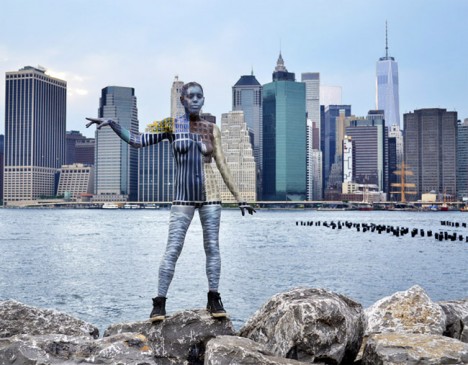
Urban Body Paint Camo 1

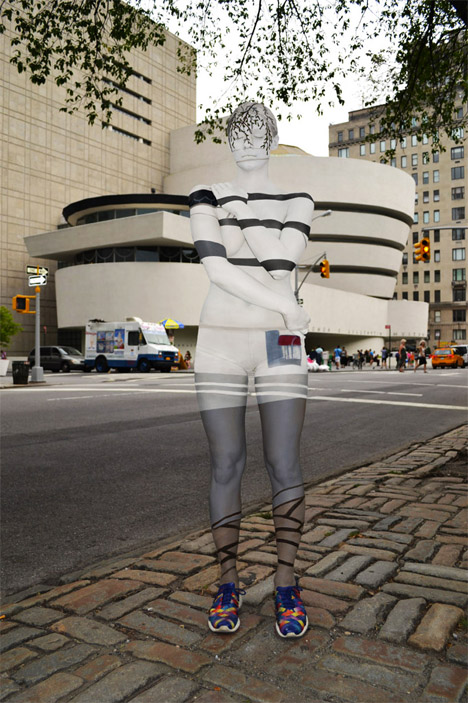
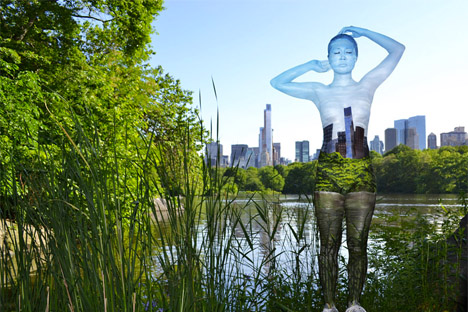
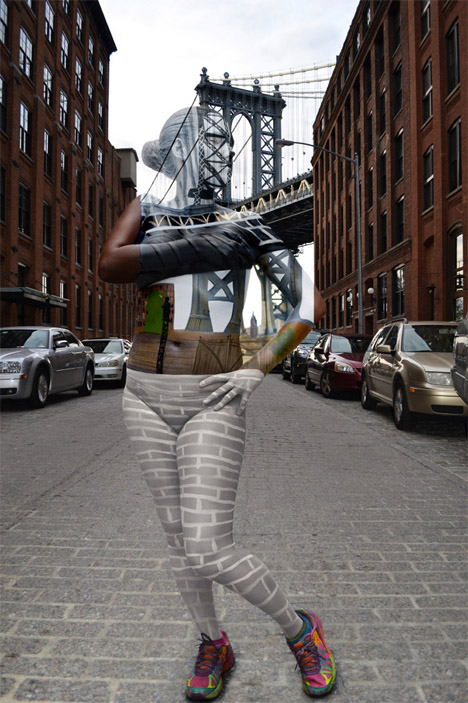
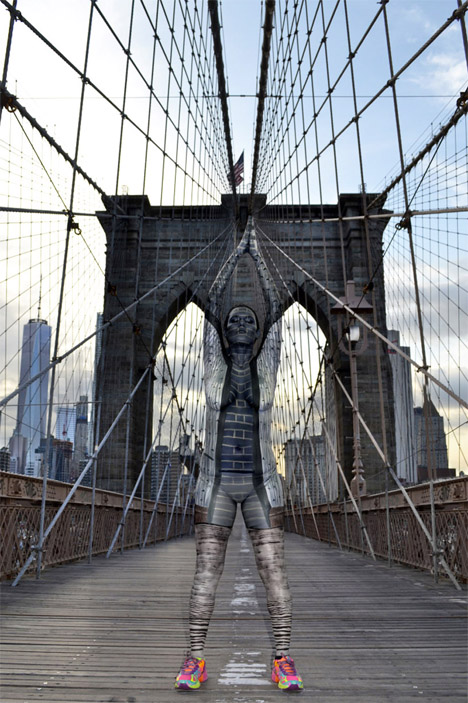
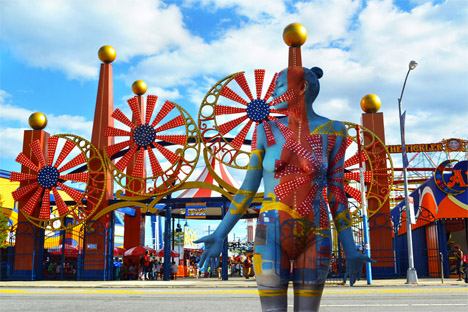
Human figures blend into iconic New York City scenes, from the Brooklyn Bridge to the Guggenheim Museum, in artist Trina Merry‘s tromp l’eoil urban camouflage works. Each subject is carefully posed against a backdrop and painted in place to virtually disappear.

Urban Body Paint Camo 2

Urban Body Paint Camo 3

The work is reminiscent of that of Liu Bolin, the Beijing-based artist known as the ‘Invisible Man,’ who spends hours studying his chosen locations and painting himself and other subjects. It’s also another amazing example of surreal and sometimes mind-bending works of art that use human bodies as canvas.

Urban Body Paint 4

Urban Body Paint 5

“My surface is living, breathing human beings making this a highly relevant & immediate medium,” says Merry. “The painting is temporary, like a Tibetan sand painting, beginning to change into another work as soon as I stop painting, changing texture & color.”

Urban Body Paint 6

“For this reason highly intentional photography has become an important part of documenting my work… likewise, I work with y human canvases on poses, creating new opportunities for line & Form. My work is sometimes experienced live as an installation, for example, at museums, or preserved through photographs as limited edition fine art prints.”

Share on Facebook


[ By Steph in Art & Drawing & Digital. ]

[ WebUrbanist | Archives | Galleries | Privacy | TOS ]

WebUrbanist

 
Comments Off on Urban Camo: Body Paint Blends Humans into City Backdrops

Posted in Creativity


Manfrotto announces carbon fiber BeFree tripod

14 Aug

Manfrotto has announced a carbon fiber version of its BeFree tripod, previously available only in aluminum. The lighter carbon fiber BeFree weighs 1.1 kg/2.4 lbs (as compared to the 1.4 kg/3 lb aluminum version) and features a reverse folding design that allows it shrink to 15.7 inches (~40cm) in length when collapsed and stored. Designed for travel, it can hold up to 4 kg/8.8 lbs and is available now in the US for $ 389. Read more

Articles: Digital Photography Review (dpreview.com)

 
Comments Off on Manfrotto announces carbon fiber BeFree tripod

Posted in Uncategorized


13, August 2014, – Don Burrell – Our First Masters Video

14 Aug

Things are getting very exciting at Luminous-Landscape.  We have a lot of projects in the works.  In addition to the workshops that we are announcing and running, we have been writing articles and producing a number of new and different videos.

As our industry moves rapidly to a total digital environment we leave behind our heritage of film and analog photography.  As part of a number of new video series, we proudly offer up the first of a series of videos where we sit down and talk with The Masters.  These are the men and women who have been in this industry and watched it change –  and who have changed with it.  They have fascinating stories to tell and exceptional insight to share, gained through their journeys.

Today we invite you to join Kevin Raber, Luminous-Landscape’s publisher and CEO as he sits down with Don Burrell of Burrell Imaging, in Crown Point, Indiana.  Don is a man of inexhaustible energy who at his age is still going with energy that any one of us wish we could have.  His passion for photography and the people that surround him is a good part of his story. This Video is available HERE for purchase or as part of the annual subscription


The Luminous Landscape – What’s New

 
Comments Off on 13, August 2014, – Don Burrell – Our First Masters Video

Posted in News


Event Photography: How To Take Electric Photos of Rock Bands

13 Aug

Do you remember the photographs that inspired you to want to take photography more seriously? If so, you must have a better memory than me. 😉 I don’t remember the specific photographs that made me want to keep me camera with me at all times. Maybe it was Henri-Cartier Bresson’s street photography, or maybe it was Andreas Gursky’s Rhine which Continue Reading

The post Event Photography: How To Take Electric Photos of Rock Bands appeared first on Photodoto.


Photodoto

 
Comments Off on Event Photography: How To Take Electric Photos of Rock Bands

Posted in Photography


13. August 2014

13 Aug

Ein Beitrag von: Hannes Leitlein

Streetphotography © Hannes Leitlein


kwerfeldein – Fotografie Magazin | Fotocommunity

 
Comments Off on 13. August 2014

Posted in Equipment


Weather Channel announces photo contest winners

13 Aug

The Weather Channel has announced the winners of its inaugural photo contest. Photographers submitted images that best capture the spirit of the Weather Channel’s ‘It’s Amazing Out There’ tagline. From over 30,000 entries, one Grand Prize Winner was selected along with three finalists from each category – Living World, Adventure and the Elements. Take a look at the winning photos. See gallery

Articles: Digital Photography Review (dpreview.com)

 
Comments Off on Weather Channel announces photo contest winners

Posted in Uncategorized


Die Flut in Bosnien

13 Aug

Ein Beitrag von: Sebastian Stenzel

Schlagzeilen wie „Balkan-Staaten versinken im Wasser“ und „Die schlimmste Flut, die der Balkan je erlebt hat“ beherrschten die Medien am Wochenende 17./18. Mai 2014. Ein zweitägiger Dauerregen hatte in Serbien und Bosnien-Herzegowina zu heftigen Überschwemmungen und Erdrutschen geführt. Mehr als eine Million Einwohner in der Balkan-Region waren von der plötzlichen Flut betroffen.

Als Mitglied der Hilfsorganisation „@fire Internationaler Katastrophenschutz Deutschland e.V.“, die weltweit schnelle Nothilfe nach verheerenden Naturkatastrophen leistet, war ich natürlich sofort in Alarmbereitschaft.

In der Nacht zum Sonntag erfolgte dann der Einsatzauftrag, ein Team wurde zusammengestellt. Als Fotojournalist sollte ich das Team foto- und videografisch begleiten und die Öffentlichkeitsarbeit aus dem Einsatz heraus unterstützen.

Der Blick ins Tal.

Vorsicht Minen-Schild.

Schon vor der kroatisch-bosnischen Grenzen hatten wir die ersten Anzeichen der Flut gesehen. Seitlich der Autobahn waren immer wieder Felder und ganze Landstriche überflutet. Direkt nach Überfahren der Grenze bei Slavonski Brod direkt, am Fluss Sava, waren dann bereits einige Häuser überflutet.

Die weitere Fahrtroute musste dann sogar aufgrund überfluteter und zerstörter Straßen umgeplant werden. Durch eine Bergregion hindurch wurden die gewaltigen Schäden immer sichtbarer: Notdürftig wieder befahrbar gemachte Straßen, von Erdrutschen niedergewalzte Häuser und überflutete Ortschaften.

Während ich schon bei der Abfahrt beim Verladen der Ausrüstung einige Fotos gemacht hatte, versuchte ich auch auf der Fahrt, die verheerenden Schäden fotografisch zu dokumentieren. Zeit, anzuhalten war selten, deshalb musste ich oft aus dem Fenster heraus im Vorbeifahren fotografieren. Spät am Abend kamen wir dann im Zielort, der Stadt Bijeljina in der Grenzregion zu Serbien, an.

Kaputte Häuser am Strassenrand.

Ein Mann rettet sein Hab und Gut.

Doch die Ausmaße der Flut in der Stadt wurden erst am nächsten Tag sichtbar. Viele Straßen, Häuser und Landstriche waren noch immer überflutet. Nur drei Tage vor unserer Ankunft stand in der gesamten Stadt das Wasser noch rund 1,5 Meter hoch. An mehreren Häusern begannen wir mit Pumparbeiten, um Keller, Garagenzufahrten und Senken vom Wasser zu befreien.

Als Dokumentarfotograf, der gleichzeitig Teammitglied ist, musste ich dabei immer einen Spagat machen. Zwar sollte ich die Arbeit der Hilfsorganisation und die Eindrücke im Katastrophengebiet festhalten, musste aber natürlich immer wieder auch selbst anpacken.

Auch die Tatsache, dass ich natürlich durch meine Kleidung als @fire-Mitglied erkennbar war, erforderte ein besonderes Fingerspitzengefühl, wenn es darum ging, die von der Flut betroffene Bevölkerung zu fotografieren. Jedoch kam es zu keinerlei Problemen.

Die Menschen waren sehr aufgeschlossen und froh, dass ihnen endlich geholfen wird. Als die Bewohner eines Slums bei sinkendem Wasserstand während unseren Pumparbeiten mit den Händen Fische fingen, präsentierten sie gern ihren Fang vor der Kamera.

Ein Mann im gelben Tshirt beim Wasserabpumpen.

Jungen fangen einen Fisch im Wasser.

Ein Junge mit einem Fisch in der Hand.

Nach zwei Tagen Pumparbeit in Bijeljina ging es dann am Donnerstag weiter in die Ortschaften Samac und Odzak. Die jeweiligen Bürgermeister hatten @fire um dringend benötigte Hilfe gebeten. Für das zweite Einsatzteam, das sich bereits in Deutschland auf seinen Einsatz vorbereitete, sollten wir die Lage erkunden.

Auf der Ladefläche eines LKW der bosnischen Armee ging es mit dem Bürgermeister durch die Stadt. Die in einem Kessel gelegene Ortschaft war noch immer teils zwei Meter hoch überflutet. Zahlreiche Bewohner wurden bereits evakuiert – einige Menschen waren aber in ihren Häusern verblieben.

Auf der Fahrt mit dem LKW galt es für mich, so viele Eindrücke wie möglich einzufangen. Vorbei an Menschen, die auf dem Balkon den vorbeifahrenden Hilfskräften zuschauten, überfluteten Häusern und Autos, aber auch einem unter Wasser stehenden Friedhof.

Dabei hatte ich fast das Gefühl eines Katastrophentouristen, der möglichst spektakuläre Fotos schießen will. Ging es aber doch um eine wichtige Aufgabe. Denn nur mit einem detaillierten Lagebericht, der auch über die UN den zahlreichen anderen internationalen Hilfsorganisationen zur Verfügung gestellt wird, kann die Hilfe zielgerichtet koordiniert werden.

Ein überflutetes Haus, ein Kind steht auf dem Balkon und schaut zum Fotografen.

Ein überfluteter Friedhof.

Ein Mann schaut in die Ferne und steht auf einer zerstörten Strasse.

Nicht nur menschlich und als Hilfskraft war der einwöchige Einsatz für mich eine besondere Erfahrung, sondern auch fotografisch.

Seit fast acht Jahren als Fotojournalist für wiesbaden112.de habe ich schon einige Feuerwehr-, Rettungsdienst- und Polizeieinsätze erlebt. Eine Flutkatastrophe solchen Ausmaßes ist da trotzdem noch etwas anderes. Zumal ich als Fotograf gleich mehreren Aufgaben gerecht werden musste.

Zwei Männer in gelben Tshirts beschauen sich die Lage.

Einerseits sollten eindrucksvolle Fotos entstehen, die die Arbeit der Hilfsorganisation darstellt. Das ist insbesondere wichtig, um den Einsatz über Spenden finanzieren zu können.

Andererseits hatte ich auch den Anspruch, mich als Fotojournalist und Dokumentarfotograf weiterzuentwickeln und die Emotionen und auch das Leid der Bevölkerung, die von der schlimmsten Flutkatastrophe im Balkan seit Beginn der Wetteraufzeichnungen betroffen war, festzuhalten.


kwerfeldein – Fotografie Magazin | Fotocommunity

 
Comments Off on Die Flut in Bosnien

Posted in Equipment


Architectural Apocalypse: Famous Museums Seen After the Fall

13 Aug

[ By WebUrbanist in Art & Photography & Video. ]

guggenheim half buried sand

Like that iconic scene in the original Planet of the Apes film, these artists have displaced great works of architecture in time and space to see what each museum might look like after the end of days, relocated in ominous environments and recast in black and white.

guggenheim museum after fall

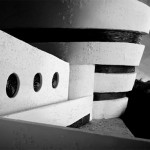
Ukrainian photographers Vitaliy and Elena Vasilieva use surrealistic landscapes as the backdrop for these imaginative transformations, picturing structures like the Guggenheim in a sand-strewn context that looks like anything but modern-day Manhattan as we know it.

new museum in water

new museum at night

The New Museum is seen rising up from post-armageddon floodwaters, presumably after rising sees wash away the rest of New York City.

Niteroi Museum snow dunes

snow filled museum fall

The Niteroi Museum is perched precariously on a mound of snow, everything else perhaps buried in the frozen wastes around it.

pompidou center picture fall

pompidou center storm front

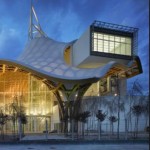
The Pompidou Center is set in a swirling dust storm, Paris long vanished and its inside-out appearance making it look all the more like a remnant than a finished structure.

guggenheim post apocalypse photo

guggenheim half buried sands

When the dust settles, the smoke clears and the world freezes over, what if only our artistic institutions were left? From the creators of the series: “It is difficult to escape the feeling that ‘Apocalypse in Art’ really shows the world, standing on the edge, barren, falling in decay like a story line of a picture that is breaking into fragments.”

Share on Facebook


[ By WebUrbanist in Art & Photography & Video. ]

[ WebUrbanist | Archives | Galleries | Privacy | TOS ]

WebUrbanist

 
Comments Off on Architectural Apocalypse: Famous Museums Seen After the Fall

Posted in Creativity


Capturing Better Portraits Between Poses

13 Aug

1-Mike_Bataki

If you do portraiture of any kind you are probably used to people giving one look when the camera is away from them and another when it is on them. This is the unfortunate game of the portrait photographer.

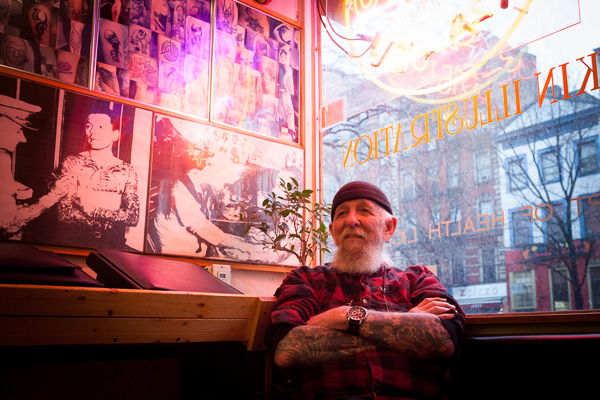
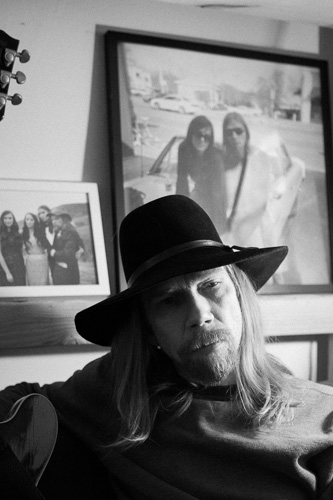
For my own work, I find that many of the most poignant portraits of people are the ones in between the actual ‘portraits’ taken during a session. These are the moments when your subject is at ease, in their element, thinking about something, and when they have the most interesting expressions.

So how do you capture these and take better portraits?

Paul KostabiThere is an important reason for taking your time to do a portrait session. It gives your subject time to get comfortable with you and the way you work. You can go through multiple backgrounds and ideas, and it is common for subjects to get over the initial portrait trepidation as the time goes on. That deer in headlights look will often (but not always) go away as they get used to how you work and what you want from them. This is the reason that you do not want to start off right away with your best idea because that will often be at their most uncomfortable moment.  Wait until they seem comfortable and in the right mindset.
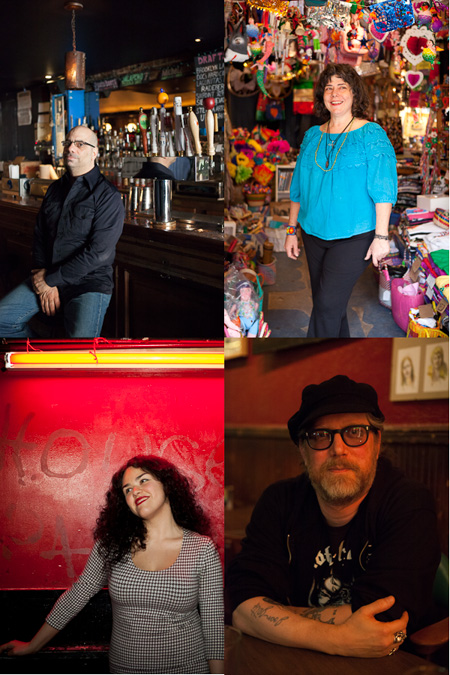
Give them direction, especially at first. When people do a portrait session they want to be told what to do, even if you want them to just be natural. Talk to them about what you’re doing and what you want from them. Do you want them to give you an emotion? How are their hands and arms? How is their posture?  Where should they stand? I personally prefer to engage the subject and get them standing and interacting in a natural way, but often I will pose people at the beginning just so they feel confident that I know what I’m doing. Then over time I will start trying to get them to pose in ways that feel the most natural for them, as they get more comfortable with what they are doing.

The main key to this is that you want to get them interacting with you. Some types of shots are better posed of course, but you want them in some sort of moment. When they feel something, or think about something interesting, that feeling will shine through in the photograph.

Talk about the person’s life. Get to know them. Ask them questions and get them thinking introspectively. Tell them this is part of the process so they don’t feel uncomfortable or unsure of what to do when they are talking. This is one of the reasons that I sometimes like to interview people as part of portrait sessions. Then, within the interview, right after they have finished talking about something interesting or emotional, I will stop them and ask them to stay just like that and I will take their photo.

Portraits

Sometimes you even have to fake people out. Tell them that you are just taking a few shots to test the light and to relax for a moment. Some of my best images have been taken that way.

There are ebbs and flows in a portrait session. Sometimes it makes you feel like a boxer, bobbing and weaving with what they give you. Other times you will feel like a psychiatrist, trying to bring something out of them. If someone starts to look more and more uncomfortable, don’t keep photographing them hoping they’ll start to get better. Break them out of it by asking them to move to another location or take a break. Keep them on their toes and engaged.

All subjects are different and will react differently to you, but the key is always that you must find ways to get through to them . Then to have the wherewithal to be able to catch the moment once they finally give it to you, because often the best moments are quick and fleeting.

The post Capturing Better Portraits Between Poses by James Maher appeared first on Digital Photography School.


Digital Photography School

 
Comments Off on Capturing Better Portraits Between Poses

Posted in Photography