RSS
 

Archive for August, 2014

Zeichnung und Fotografie

19 Aug

Ich zeichne gern. Hauptsächlich Konstruktionsskizzen für Skulpturen oder kleine Kritzeleien, aber die Zeichnung begleitet mich genauso wie die Fotografie durch meinen Alltag. Und manchmal kombiniere ich sie auch. Und damit bin ich nicht allein.

Das erste Mal, dass mir bewusst die Kombination von Zeichnung und Fotografie aufgefallen ist, war vor einigen Jahren beim Durchblättern eines Auguste-Rodin-Katalogs. Der französische Bildhauer hat schon Mitte des 19. Jahrhunderts, also zu einer Zeit, in der die Fotografie noch in den Kinderschuhe steckte und erst wenige Jahrzehnte erprobt wurde, seine Skulpturen abfotografieren lassen.

Diese Silbergelatineabzüge hat er stets behalten und sie zum Teil benutzt, um seine Arbeiten weiter zu skizzieren und Änderungen an den Skulpturen zu markieren.

„Er bearbeitete die Abzüge mit Gouache und Bleistiftmarkierungen und seine Kommentare führten oft zu kreativen Kreuzungen von Zeichnung und Fotografie“, ist es im Katalog FotoSkulptur (2011) zu lesen.
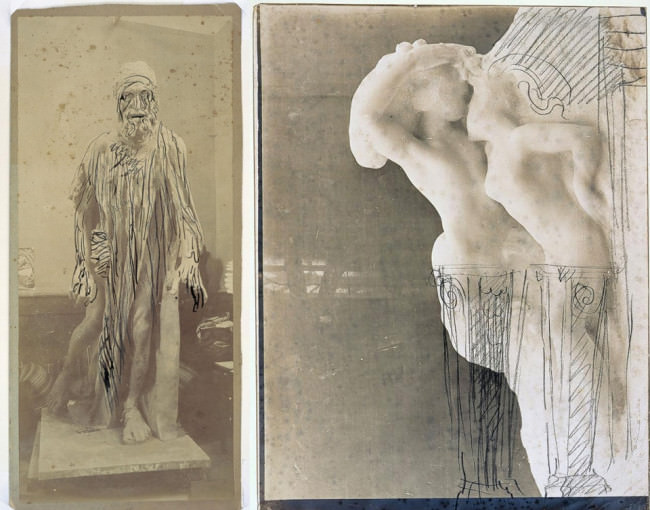
Zwei alte Skizzen von Rodin auf denen man das Foto einer Skulptur sowie feine Korrekturstriche Rodins sehen kann.

Es hat mich damals sehr beeindruckt, dass Rodin schon 1880 das Potential der Verbindung dieser beiden Medien erkannt hat und ich habe mich seitdem immer wieder bewusst oder unbewusst auf die Suche nach solchen Kombinationsmöglichkeiten gemacht, ob in meiner eigenen Arbeit oder beim Durchstöbern der Portfolios anderer Fotografen.

Herausgekommen ist dabei eine Vielzahl an Techniken und Möglichkeiten, die Zeichnung mit der Fotografie zu verbinden, um so ganz neue, gemeinsame Sinnpotenziale zu erhalten. Frei nach dem Motto „Das Ganze ist mehr als die Summe seiner Teile“ erzählen kombinierte Foto-Zeichnungen ganz eigene Geschichten, die das einzelne Bild oder die einzelne Skizze vielleicht nicht erzählen könnte.

Ich habe mich mit verschiedenen Fotografen und Fotografinnen darüber unterhalten, welche Bedeutung die Zeichnung in ihrem Werk einnimmt und habe speziell nach der Technik gefragt, durch die die beiden Arbeiten kombiniert wurden. Darum kann ich Euch heute eine kleine Übersicht über verschiedene Positionen geben, die mich besonders interessieren und die ich als gelungen und spannend empfinde.

Um dem Ganzen einen Rahmen zu geben, habe ich die Arbeiten nach ihrer Entstehungsweise und dem technischen Verfahren sortiert, von analog bis digital, mit all ihren Mischformen.


1. Kombinieren

Die Schweizer Fotografin Sarah Michel ist als „Böses Munggi“ mehr für ihre fotografischen Portraits als für Zeichnungen bekannt, dennoch gibt es in ihrem Portfolio ein großartiges Selbstportrait. Hierfür kombinierte sie ein Foto mit einer verwaschenen, düsteren Skizze von ihr. Die Kombination läd zum Vergeleichen ein und gibt einen Einblick in Sarahs Fähigkeiten, nicht nur mit der Kamera, sondern vor allem auch mit Stift und Papier.

Zwei Bilder, links das Foto einer Frau mit aufgezeichnetem verarzteten Mund und rechts eine Zeichnung eines Gesichts mit roten Flecken.

Ich zeichne hauptsächlich in meine Skizzenbücher. Zu manchen Zeichnungen gehören Fotos, die ich daneben oder dazu klebe. Das Polaroid einiger Origamivögel kam erst nachträglich dazu; bevor ich das Foto schoss, füllten gezeichnete Vögel die Buchseite. Manchmal wandern die Linien der Skizze auch auf das Foto, manchmal haben sie ihre Stärke durch reine Gegenüberstellung oder schriftliche Elemente.

Ein aufgeklapptes Buch, darin ein Foto mit Origamikranichen und gezeichneten Vögeln.


2. Auf Fotos zeichnen

Auch bei Sol Exposure wandern die Linien über ihre Fotos. Die Fotografin kombiniert Bild und Zeichnung ganz analog. Mit einem Fineliner maht sie kleine Tierskizzen auf Drucke ihrer Polaroids, wobei sie sich in der Wahl des Motivs vom Inhalt des Foto leiten lässt.

Zuerst suche ich das Bild aus und dann inspiriert das Foto mich ganz von allein, ob ich ein Tier oder ein Insekt darauf zeichne.

Wir sehen einen gezeichneten Gecko und einen Hirsch.


3. Aufmalen auf das Modell

Eine weitere rein analoge Kombinationsweise ist das direkte Zeichnen auf das Modell. Für mich ist es eine wunderschöne Arbeit, sich vorher Gedanken zu machen, welche Elemente ich meinem Motiv noch zusätzlich hinzufügen könnte, um dem späteren Foto eine Botschaft mit auf den Weg zu geben.

Das Malen auf der Haut bringt mich dem Ganzen sehr viel näher als ein nachträgliches digitales Rumbasteln, ich fühle lieber Haut, halte den Stift und habe eine intensive haptische Nähe zu dem Modell oder der Situation, die ich fotografieren möchte. Einer Freundin die Muttermale auf dem Rücken wie bei Malen-nach-Zahlen verbinden zu dürfen, hat uns in dem Moment sehr nah gebracht.

Eine Melodie im Kopf zu haben und mir dabei in aller Seelenruhe Klaviertasten auf die Wade zu malen, hat mir Ruhe und Zeit gegeben, das Foto genauer durchdenken zu können. So verbinde ich auch heute noch ein sehr intensives Gefühl mit dem Moment, in dem ich die Bilder geschossen habe.

Ein Rücken, auf dem die Punkte mit einer Linie verbunden wurden.

Zwei Bilder, auf denen man ein Menschen mit aufgemalter Klaviertastatur auf dem Bein sieht.


4. Papierskizze digitalisieren

Nur noch zum Teil analog arbeitet die Künstlerin Aliza Razell. „Ich liebe es die Möglichkeiten der Fotografie zu überschreiten“, hat sie mir erzählt und ich kann ihr darin nur zustimmen; es ist wunderbar fruchtbar, die Grenzen des einen Mediums zu verlassen und sich in neue Grenzgebiete vorzutasten. Aliza spricht von einem spannenden Spiel, wenn sie ihren Fotos „real-world elements“, wie sie ihre Zeichnungen nennt, durch Digitalisierung hinzufügt.
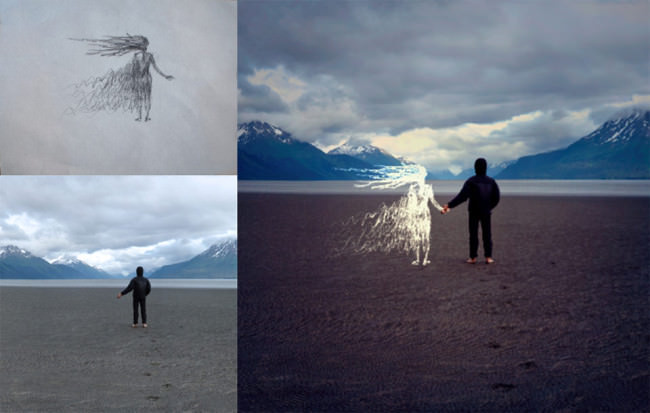
Man sieht die Zusammensetzung von Zeichnung und Fotografie. Ein Junge am Strand dreht uns den Rücken zu und hält die Hand eines Mädchens, das aber nur gezeichnet ist.

Eine Frau verbirgt sich hinter einer Zeichnung und wischt mit ihren Händen einen Teil davon weg.

Mit den hybriden Arbeiten aus analogen Zeichnungen und digitalen Bildern arbeitet auch Monique Zimmer unter dem Namen Bumbleandbees. Für sie sind es spannenderweise gerade die Fotos, die der realen Welt ensprungen sind:

Ein Foto zeigt einen realen, eingefrorenen Moment, der eine im Bild kombinierte Zeichnung oder Malerei zum Leben erwecken kann.

In jedem Fall lassen sich durch solche Hybride zwei Welten miteinander kombinieren, die sich sonst vielleicht nicht treffen würden. So ist es auch nicht verwunderlich, dass sich der Enstehungsprozess oftmals in die Länge zieht und viele Stunden oder Tage nach der richtigen Kombination gesucht wird.

Erst, wenn mich das Zusammenspiel von Zeichnung und Bild in irgendeiner Weise berührt, wenn in mir ein zärtliches, komisches, staunendes oder bedrückendes Gefühl keimt, belasse ich das Zusammenspiel so wie es ist.

Gezeichneter Hirschkopf neben einem Frauengesicht

Für Yuliana Mendoza, unter dem Künstlernamen Silence Effects, ist das Kombinieren eine Möglichkeit, eine Balance zwischen zwei Leidenschaften zu schaffen, die sie liebt: Zeichnen und Fotografieren. Sie hat es mir wunderschön poetisch mit „volare con i piedi per terra“ (mit den Füßen auf dem Boden stehend fliegen) versucht, zu erklären.

Ein zweigeteiltes Bild einer nackten Frau, die eine Hälfte ist ein Foto, die andere gezeichnet.

Ich bewundere die drei Fotografinnen dafür, dass sie es schaffen, Zeichnungen anzufertigen, die sich dann in einem zweiten Schritt perfekt in das Foto einfügen. Um möglichst wenig Änderungen digital an den Skizzen durchführen zu müssen, sollte das Bild auf dem Papier schon in Größe und Form auf das Foto abgestimmt sein.

Ebenfalls gut mitdenken muss Ben Heine. Er fotografiert seine Modelle mit Papierskizzen in der Hand, die er vorher weitestgehend an Ort und Stelle angefertigt hat. Ben bemüht sich, so präzise wie möglich die Linien von Skizze und realer Szene ineinander übergehen zu lassen, sodass er später am Rechner nur noch die Linien überarbeiten oder verstärken muss.

Ich möchte zeigen, dass es möglich ist, Zeichnung und Fotografie auf einem fantasievollen, harmonischen und dennoch ins Auge springenden Weg zu kombinieren. Ich habe diese Technik extra dafür erfunden, sie erlaubt mir, mich mit starken Botschaften auszudrücken und zwar mit den Werkzeugen, die ich am meisten benutze.

Der Fotograf hat sich in zahlreichen Ausstellungen einen Namen gemacht und vielen sind seine meist humorvollen Szenen ein Begriff.

Eine Ziege sehen wir und eine Hand, die vor den Ziegenkopf ein Stück Papier hält, auf dem der Ziegenkopf gezeichnet ist.

Auch für Ryan Grees geht es um die Erweiterung des Realen durch das Fantastische.

Für mich ist und bleibt die Fotografie ein Abbild des „realen“ Momentes und meine Illustration dazu, das, was ich für mich selbst ausdrücken bzw. kommunizieren möchte – das macht es für mich zu einem persönlichen und einzigartigen Bild.

Seine Papierzeichnungen, weiterentwickelt in Photoshop, sind surreal und eindringlich, manchmal bedrohlich oder verwirrend. Ich verfolge seine Arbeiten seit einigen Jahren und es lohnt sich, immer mal wieder auf Ryans Webseite zu schauen.

© Ryan Grees

Eine rotrosa Zeichnung eines Portraits.


5. Analoges Foto, digitale Zeichnung

Die Fotos von Dilsad Aladag entstehen analog und ihre Geschichte über Zeichnung und Fotografie begann durch einen Zufall: Sie fotografiert mit einer Minolta XG-1 und hat sich oft darüber geärgert, dass das letzte Foto ihres Film halb weggebrannt war. Einmal hat sie eine Freundin portraitieren wollen, doch unglücklicherweise war die Hälfte ihres Gesichts nicht mehr auf dem Film.

Dilsad entschloss sich kurzerhand dazu, den fehlenden Teil comicmäßig und bewusst undetailliert hinzu zu skizzieren. Damals benutze sie noch Paint als Hilfe, inzwischen hat sich daraus eine ganze Serie entwickelt, sodass Dilsad immer wieder mal auf das letzte halbierte Foto eines Films zurückgreift und es in Photoshop vervollständigt. Ihre wunderbaren Hybriden aus gescanntem Foto und digitaler Zeichnung sind im Album „Little Drawings“ in ihrem Flickr-Portfolio zu bestaunen.

© Dilsag Aladag


6. Komplett digital

Vollständig digital arbeiten viele Fotografinnen und Fotografen, von denen ich Euch zu guter Letzt noch die kolumbianische Künstlerin Andrea Carvajal vorstellen möchte. Sie ist Grafik-Designerin und erstellt all ihre Zeichnungen auf dem Wacom Bamboo Fun.

Für sie ist jede Zeichnung wie eine Erinnerung an ihre verlorene Kindheit, lauter kleine Hinweise, die sie auf ihrem einsamen Weg verstreut.

Meine Zeichnungen sind Brotkrumen, wie die, die Hänsel gestreut hat, für diejenigen, die sie und mich sehen.

Man kann sich durch Andreas märchenhaft-melancholische Welt klicken, versuchen, ihre Zeichnungen zu verstehen und gerade in der Kombination mit Fotografien sind sie noch viel verschlüsselter.

Eine zweigeteilte Frau, die Augen sieht man nicht.

Ich hoffe, ich konnte Euch eine kleine Übersicht über die vielen Möglichkeiten aufzeigen, denn das Feld der Kombination aus Zeichnung und Fotografie ist weit und sowohl analog als auch digital zu bestreiten.

Ich freue mich immer wieder, wenn ich solche Mischformen in Portfolios entdecke und es gibt sicherlich noch eine Vielzahl toller Künstlerinnen und Künstler, die ich hier nicht vorgestellt habe. Auf jeden Fall kann ich jedem, der sich in beiden Medien zuhause fühlt, nur raten, das Skizzenbuch und die Kamera einander mal vorzustellen.


kwerfeldein – Fotografie Magazin | Fotocommunity

 
Comments Off on Zeichnung und Fotografie

Posted in Equipment


How to Photograph People: 7 Tips for Photographers Who Never Photograph People

19 Aug

lynseymattingly7

No matter what type of photography you specialize in or prefer, at some point you will find yourself having to photograph a human, or multiple humans. For favor, for fun, or because they share your genetic make-up or home address. If you own a fancy camera, there you will be at least once in your photographic life (but probably many more) where you will find yourself taking a portrait. Taking pictures of people is much different than beautiful mountains, scenic oceanscapes, historic architecture, butterflies, plates of food, or whatever it is that you usually photograph. Here are some basic tips to get the best portrait possible, especially for you if don’t usually see a human on the other side of the lens.

#1 Be realistic

Don’t overpromise your abilities or expect too much out of yourself. If someone asked me to take a picture of the snowcapped Rocky Mountains, which, as they have been my entire life, are right outside my window and something I know like the back of my hand, it would not be a good picture. I lack the skills for landscape photography, and more importantly, the interest. In my favor though, people aren’t likely to ask me to take a landscape image near like a non-portrait photographer will be asked to take portraits. Be upfront if you are willing to try it so that in the event it doesn’t go as planned, it won’t bother you enough to affect how you feel about photography in general.

lynseymattingly2

#2 Simplify everything

Backgrounds, clothing, props, light, etc. – simplify everything. Give yourself a running start out of the gate by having a solid foundation to work with. Look for flat or level backgrounds, horizon lines that don’t run through people’s heads, even lighting, and solid colors. I can’t emphasize this enough. The details which are the focus should only relate to the person, whether it’s a portrait of just the face or a full body, everything else should compliment this, or completely disappear to the viewer’s eye.

lynseymattingly5

#3 The easiest setting I know

At the risk of starting a heated discussion or this becoming a dumping ground for comments debating otherwise, I am going to share what I consider to be my best general setting and equipment advice.

First a few disclaimers: I shoot Canon and have no idea if these will translate to something else. Also, you must promise you will not be upset if this doesn’t work for you; sometimes finding what doesn’t work is just as important as finding what does (I tell myself this often to justify my many mistakes). Lastly, taking a great portrait is a lot more complicated than just one setting, but you have to start somewhere. There are likely to be people who disagree with my advice and I hope that this could start a supportive discussion on what has worked for others, rather than unhelpful commentary. Now, on with it…

  • Using natural light only if at all possible, dial in your ISO for something that makes sense; ISO 200 if it’s bright, 400 if it’s cloudy but even, 600 if it’s darker.
  • Shooting in Aperture Priority mode will allow you the most room for error, and is how many portrait photographers shoot regularly.
  • I like the f-stop to be at f/2.2 for one or two people, and f/2.8 or f/3.2 for groups of three or more (obviously this is speaking very generally and would best be used as a starting point to find what works for you). These settings will give you that “portrait blurry background effect” known as good bokeh.
  • Shooting in RAW will give you more wiggle room later when editing, though it takes more space on your memory card.
  • Use a prime lens if you can; I shoot nearly everything I take with my 50mm L1.2. This is a fancy lens no doubt, but any prime lens will typically be faster (have a larger maximum aperture) than a zoom lens, and with everything else going on, I find that using my feet as my zoom is one less adjustment my eyes and hands have to do.
  • I typically underexpose my images one stop. This works for me because I like to get the details and then bring it back up as needed myself in post.

This may not work for you, and there is absolutely no shame in running everything you aren’t sure about on auto. This doesn’t make you less of a photographer. All it means is that you think in this scenario, your camera – a magnificent piece of machinery that was created by thousands of professionals over decades with countless research, information, and experience – might guess better than you. That’s all.

lynseymattingly1

#4 Shoot from their eye level or higher, and at an angle

While photographing a person from below and not capturing an amazing view of 15 chins they don’t even have is possible, it’s not easy. For the best, most flattering set-up, shoot at their same eye level or above. I often have people kneel down and look up at me while I remain standing. As someone who has 20 different chins that only come out and play for pictures, I’m sensitive about this one and I find that even a child with the most adorable chubby cheeks and double chin is best photographed on a level playing field.

Additionally, taking pictures of someone straight on is both unflattering and uninteresting. Asking them to twist at the waist, shoulders, or neck and not face their body square-on, but rather follow their face’s direction will not only be much more forgiving to any subject (every single human has one eye that is smaller than the other – I’ve researched it), but will also make for a more professional finished portrait.

lynseymattingly3

#5 Don’t command a smile

Don’t command a smile, or instruct “cheese!” or say “hold still!”, or anything that could be interpreted as you attempted to force your feelings, or agenda, onto your subject. Even if you are going for a serious tone, and are trying to catch an image when they don’t realize or least expect it, you are much better off engaging them in conversation than setting up the moment and expecting a single second of utter perfection. A true portrait is genuine at its very least.

lynseymattingly6

#6 Resist the urge to run your final images through every Photoshop trick you’ve ever learned

If you don’t usually photograph people, the idea of playing around with editing tools might be fun. There are so many! This one turns their eyes into laser beams. This one makes their skin look like pure plastic perfection. It’s fascinating, I get it. However, if you’re wanting to stick to the basics, there isn’t much that needs to be done. Clean up blemishes with the Spot Healing Brush Tool, run a basic sharpen (I like the oddly named Unsharp Mask at 60%/2.0/0), and adjust your color and levels if needed. If I get stuck while editing an image, I ask those thousands of professionals what they think by running auto color, tone, and contrast just to see what it does. It nearly always takes everything too far, but it gives me an idea of where I want to go sometimes, just by showing me where I don’t.

lynseymattingly4

#7 Don’t try to turn it into something it’s not

Oh how I wish this image had a little more POW. A little zing. I’d love it if her entire face was showing and her hair was either more haphazard, or more perfectly fanned out. I wish there was more background showing. However, this is not a picture for a fashion magazine cover, but rather an image of my stepdaughter I took with my iPhone. We were on a walk and I spotted the purple flowers on the ground and told her to go lay in them. And because all of my stepdaughters do whatever I say, and think that I am totally magical, she raced right over and did it. Then an enchanted unicorn wandered up and flew us home. It’s drastically cropped, not necessarily for effect, but because she was giving me a snarl and wearing a very busy shirt. Is this a portrait? To me, it is. It’s a perfectly fine, authentic image and the subject herself loves it.

That is probably the most important thing when taking pictures of people.

Do you have any other tips you’d like to share? Please leave a comment below.

The post How to Photograph People: 7 Tips for Photographers Who Never Photograph People by Lynsey Mattingly appeared first on Digital Photography School.


Digital Photography School

 
Comments Off on How to Photograph People: 7 Tips for Photographers Who Never Photograph People

Posted in Photography


Profoto confirms Nikon compatible B1 update for September

19 Aug

Profoto, the Swedish flash manufacturer, has confirmed that a Nikon compatible TTL remote will be available for its popular B1 off-camera flash on September 15th – just in time for Photokina. The Air Remote TTL-N will give Nikon photographers the same TTL functionality enjoyed by Canon shooters with its Air Remote TTL-C since the November 2013 launch of the B1 flash. Read more

Articles: Digital Photography Review (dpreview.com)

 
Comments Off on Profoto confirms Nikon compatible B1 update for September

Posted in Uncategorized


CityCharge: Solar Gadget Charging Stations Installed in NYC

19 Aug

[ By Steph in Gadgets & Geekery & Technology. ]

CityCharge Solar Charging Station 1

Anyone passing through New York City’s Bryant Park can avoid the headache of searching for free outlets at coffee shops to juice up their phones, powering up at outdoor tables with built-in solar charging stations. Solar company Green Barrel Energy Inc. teamed up with street furniture manufacturer Landscape Forms and the Bryant Park Corporation to provide free power with cables that fit most electronic devices.

CityCharge Solar Charging Stations 5

CityCharge Solar Charging Stations 6

Each small round table is set on swiveling wheels (lockable, so they can’t be stolen), making them portable enough to move out of the way for special events or to keep the rotating panels in the sun throughout the changing seasons.

CityCharge Solar Charging Stations 2

CityCharge Solar Charging Station 4

The round design promotes social interaction, encouraging people to gather around and have a conversation as their gadgets charge. The six prototypes are currently being tested in Bryant Park, and six additional tables are coming soon, along with more in other areas throughout New York City and eventually, the United States.

CityCharge Solar Charging Station 3

The compact footprint makes it easy to fit the tables into existing public spaces, working with a variety of seating, umbrellas and ground surfaces. Waterproof and weatherproof, it can be left outdoors full-time without needing any special storage during rain or snow.

Share on Facebook


[ By Steph in Gadgets & Geekery & Technology. ]

[ WebUrbanist | Archives | Galleries | Privacy | TOS ]


WebUrbanist

 
Comments Off on CityCharge: Solar Gadget Charging Stations Installed in NYC

Posted in Creativity


Tarot

19 Aug

Charlotte Grimms Handschrift ist düster und emotional. Ihre Bilder sind kleine Märchen für Erwachsene. Die Serie „Tarot“ wurde inspiriert von Tarotkarten und der Anwesenheit dreier schöner Männer. Dass sie selbst auch fotografieren, hat die Umsetzung der Serie sicher einfacher gemacht hat, denn sich so vertraut und gefühlvoll vor die Kamera zu stellen, ist sicher nicht leicht.

Eigentlich war es ein Gemisch aus Zufall, Glück und dem richtigen Moment, aus dem „Tarot“ entstand. Die Idee, die drei gemeinsam zu fotografieren, hing mir schon länger ungesagt im Kopf herum. Aus einem vorherigen Shooting blieben die Tarotkarten zwischen meinen Fingern hängen und wurden so spontan als verbindendes Requisit eingesetzt. Sonne, Mond, Stern. Konstellationen, zueinander, miteinander. Kaum fünfzehn Minuten und eine Serie, die ich liebe wie kaum eine vor ihr, nicht zuletzt, weil sie auf ihre eigene Art so viel Seele zeigt.

Drei Männer stehen nebeneinander und halten jeder eine Tarotkarte vor ihre Brust.

Drei Portraits dreier männer mit Karten vor der Brust.

Sechs Hände halten drei Karten zueinander.

Sechs Hände halten drei Karten zueinander.

Drei Männer stehen zwischen Farn.

Drei Männer liegen auf dem Waldboden und decken gegenseitig ihre Augen mit Karten ab.

Drei Männer liegen auf dem Waldboden und halten vor ihre Brust Tarotkarten.

Mehr von Charlotte Grimm alias Esprit Confus findet Ihr auf Facebook und Flickr. Modelle der Serie sind Nikolas Brummer, Moritz Aust und Martin Valentin Fuchs.


kwerfeldein – Fotografie Magazin | Fotocommunity

 
Comments Off on Tarot

Posted in Equipment


Another 15 Cheat Sheets, Printables and Infographics for Photographers

19 Aug

Editor’s note: Last week we shared a list of some great resources for photographers. It was so popular we thought we’d bring you another set compiled for dPS by Julia May, enjoy.

More Photography Tech and Creative Process

The basics every photographer must know. Click the links to see the original article and source.

Continued from #15 from last weeks: 15 of the Best Cheat Sheets, Printables and Infographics for Photographers

#16 Digital Macro and Close-Up Photography for Dummies

(click the link to read the full summary and see the whole sheet)

18 macro dummies

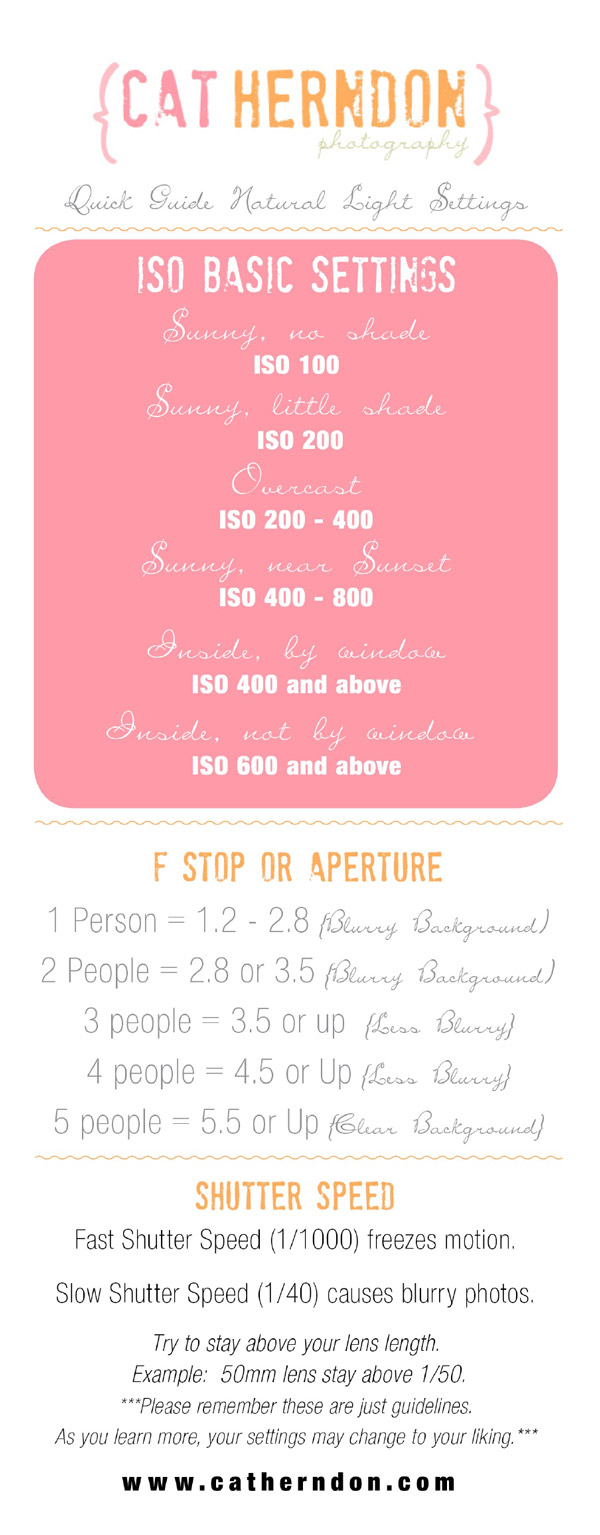
#17 Quick Guide Natural Light Settings

(Click the image to get a larger view of this graphic)

18 natural light 600

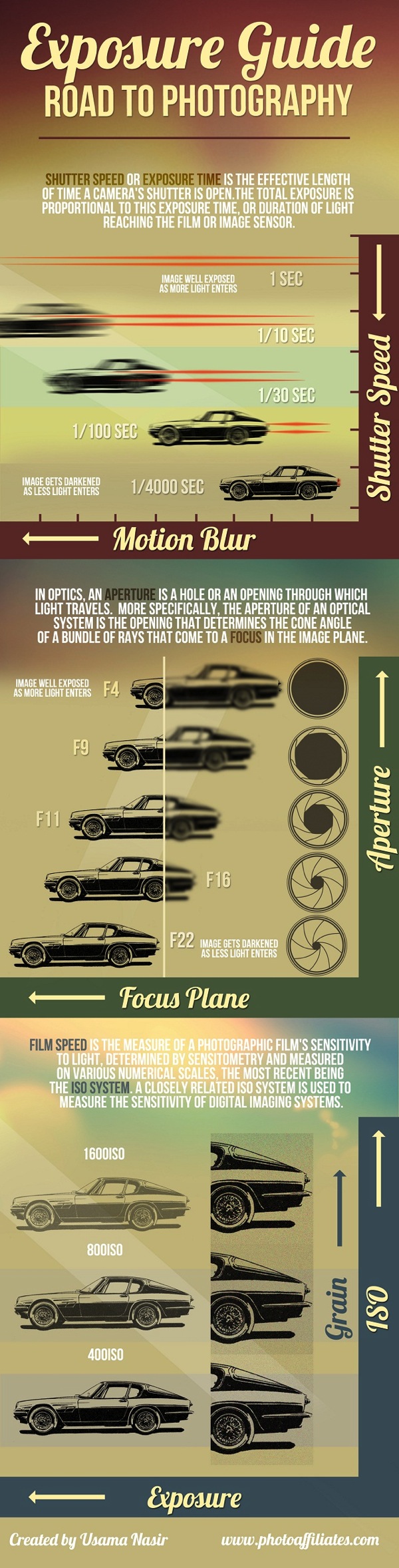
#18 Exposure Guide: Road to Photography

19 digital photography exposure guide

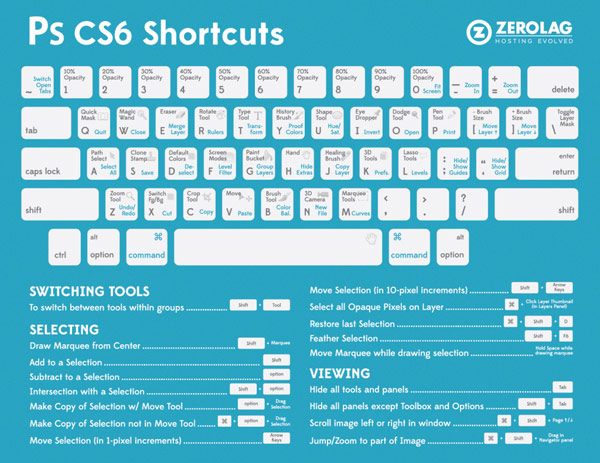
#19 Photoshop CS6 Shortcut Cheatsheet

20 photoshop cs6 shortcuts

#20 How to Take Pictures Like a Pro

(Click the image to get a larger view of this graphic)

21 photography pro 600

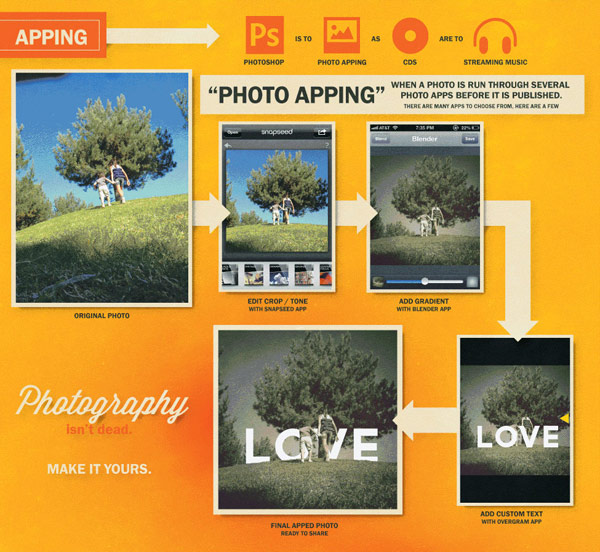
#21 Is Photography Dead? Mobile Photography Explosion

(Click the image to see the full graphic)

22 mobile photography

#22 21 Simple Poses to Get You Started With Photographing Children – a dPS article!

(Click the link above for the full article and all images)

23 posing guide children

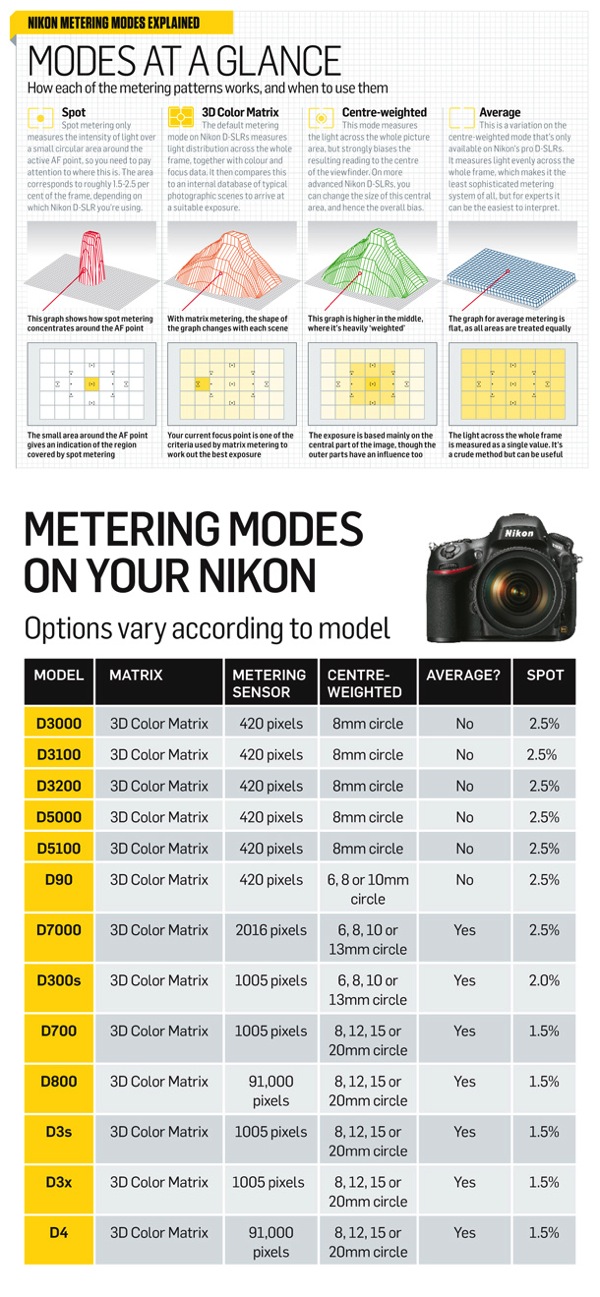
#23 Using Nikon Metering Modes

24 Nikon DSLRs metering modes full

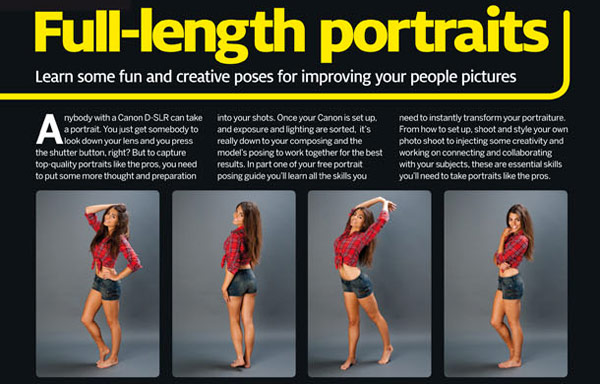
#24 Portrait Posing Ideas (Printable)

  • Part One 54 Portrait Ideas – posing guide

(Click the image to see the full graphic)

25 Portrait Ideas

  • Part Two 40 More Portrait Ideas – posting guide

(Click the image to see the full graphic)

25 Portrait Ideas part2 cropped

Photography Business and Legal

Learn how to get started with your own photography business and check if your marketing strategy includes all the latest techniques.

#25 9 Ways to Grow Your Photography Business in 2014

(Click the image to see the full graphic)

26 photography business plan

#26 9 Free Photography Contracts

(Click the link above for the full article and get the contracts)

27 photo contracts

#27 Creating a Marketing Plan That Works (Printable Worksheet)

(Click the link above for the full article – click the image below for the full printable sheet)

28 marketing photo worksheet

#28 Know Your Rights As a Photographer

(Click the image to see the full graphic)

29 Photographers rights

#29 Photography Marketing Cheat Sheet (SEO, Social Media, Classic Marketing, Email Marketing)

(Click the image to see the full graphic)

30 defrozo photography marketing cheat sheet

#30 Top 15 Photographers Under 25 by Defrozo

(Click the image to see the full graphic)

30 photographersunder25 600

Any useful resource I missed? Share your suggestions in the comments below.

The post Another 15 Cheat Sheets, Printables and Infographics for Photographers by Julia May appeared first on Digital Photography School.


Digital Photography School

 
Comments Off on Another 15 Cheat Sheets, Printables and Infographics for Photographers

Posted in Photography


Topographic Tables: 12 Terrain-Inspired Furniture Designs

19 Aug

[ By Steph in Design & Furniture & Decor. ]

Topographic Furniture Abyss Duffy 4

Meandering rivers, icebergs and a deep blue abyss are invoked in layers of blue-green glass, burled wood and cast concrete and translated into tables. Ranging from self-taught artists crafting each piece by hand to high-end designers using precision laser-cutting machinery, these three sculptors and furniture makers take inspiration from the natural world to make practical pieces that mimic topography.

River Collection by Greg Klassen

Topographic Furniture Klassen River 1

Topographic Furniture River Klassen 2

The naturally wavy edges of discarded lumber, considered too imperfect for standard usage in construction and furniture, are aligned just right and joined with strips of pale blue-green glass to become watery landscapes.

Topographic Furniture River Klassen 3

Topographic Furniture River Klassen 4

Taking inspiration from the beautiful natural scenery of his home in the Pacific Northwest, theologist-turned-furniture-maker Greg Klassen sources his wood at construction sites and from fallen trees in the forest. “I Love the idea of taken a discarded tree and giving it a new life,” he says.

Topographic Furniture River Klassen 5 Topographic Furniture River Klassen 9

“The collection is inspired by the exciting edges and vivid grains found in the trees sustainably taken from the banks of the Nooksack River that twists below my studio.”

Topographic Furniture River Klassen 7

Topographic Furniture River Klassen 8

Topographic Furniture River Klassen 10

Designs include the striking River Console, with its undulating ribbon of water, the Pond Table carved from a massive maple trunk, and Folded River, an asymmetrical L-shaped design in which the glass trails down one side.

Next Page – Click Below to Read More:
Topographic Tables 12 Terrain Inspired Furniture Designs

Share on Facebook


[ By Steph in Design & Furniture & Decor. ]

[ WebUrbanist | Archives | Galleries | Privacy | TOS ]


WebUrbanist

 
Comments Off on Topographic Tables: 12 Terrain-Inspired Furniture Designs

Posted in Creativity


18. August 2014

18 Aug

Ein Beitrag von: Katharina Jung

Eintauchen ins Wasser


kwerfeldein – Fotografie Magazin | Fotocommunity

 
Comments Off on 18. August 2014

Posted in Equipment


5 Actionable Tips to Get More Word-of-Mouth for Your Photography Brand

18 Aug

Finding clients for your professional photography can be a challenge. That’s why your photography business, as with any other type of business, needs some promotion. Word-of-mouth marketing techniques are as old as the world itself, and it really works! In this article, we’re going to talk about the importance of personal style, which photo portfolio format works best for your Continue Reading

The post 5 Actionable Tips to Get More Word-of-Mouth for Your Photography Brand appeared first on Photodoto.


Photodoto

 
Comments Off on 5 Actionable Tips to Get More Word-of-Mouth for Your Photography Brand

Posted in Photography


The New and Improved Flickr

18 Aug

Flickr Staff Pre Marissa Mayer

Flickr Staff Today

Look at the two screenshots above. I took the first one in April of 2012, a few months before Marissa Mayer became CEO of Yahoo. The second one I took earlier today.

Between pre-Mayer 2012 and today, Flickr’s staff has grown from 39 people working on Flickr to 109.

About half of the 39 working on Flickr in 2012 are no longer on the team, which means that over 80% of the new, much larger team has been built since Mayer took over at Yahoo.

After years of layoffs, CEO neglect, and lackluster product development, Flickr is back in a big way, firing on all cylinders.

Under solid new leadership by former Googler Bernardo Hernandez, Flickr is getting strong and competitive again in photo sharing.

All Flickr users have been given a terabyte of free high res photo storage.

Flickr is making new smart and interesting acquisitions around the photo sharing space.

Flickr recently relaunched a new and much better received photo page.

Flickr’s new mobile app is among the best of breed with a 4.5 star rating in Apple’s app store.

Flickr more recently has been ramping up photowalks and community again and recently hinted at future plans to help photographers monetize their photo collections.
Marissa Mayer is the first Yahoo CEO to publicly have a Flickr photo page herself.

I’ve had a few different opportunities to interact with staffers at the new and improved Flickr over the past few months and have come away each time super impressed at the new life that seems to flow through the team.

Unlike the old Flickr, where staffers were demoralized over layoffs and hostile with users, the new Flickr feels incredibly positive and optimistic about Flickr’s future. A bright team of really smart engineers, designers and product managers are as enthusiastic as I’ve ever seen. The energy and morale at Flickr feels very high right now.

I think the future really looks bright for Flickr and am happy to see the sort of rebirth and revitalization that is taking place there. While there still is a ton of work that can be done to make Flickr even better, I’m more confident than ever that Yahoo is going about it the right way and that Flickr, for the first time since being acquired by Yahoo, is in capable hands.

Former Yahoo Jeff Minich recently wrote a post defending many of the ways that Mayer has improved Yahoo since taking over there as CEO. In it, he makes an important point that in order to really improve a tech company, you need to grow it. You can’t just lay people off to save money.

Minich makes the point also that even as Yahoo has hired/acquired many new talented engineers, they’ve also managed the slackers out. I think the growth and change in employee composition at Flickr is a visible example of this — and I think the improvement in the product (especially in mobile) shows for it.

If you are a photographer and have been neglecting your Flickr account, I’d encourage you to check back in and see where things are headed going forward.

You can find me on Flickr here.


Thomas Hawk Digital Connection

 
Comments Off on The New and Improved Flickr

Posted in Photography