RSS
 

Archive for July, 2014

Yeehaw! It’s a Firework Photography Roundup

03 Jul

History Fact: Shortly after signing the Declaration of Independence Benjamin Franklin invented fireproof pants. He knew … Freedom = Fireworks.

Before tomorrow night’s celebrations of freedom sparkle across the sky, brush up on your firework photo taking skills.

Study 11 Tips for Photoing Fireworks

Learn to Light-Paint with Sparklers

Or, if you dislike following rules as much as you dislike tea taxes, exercise creative freedom with these twists on firework photography.

  • Shoot a video completely out of focus. Stanislas Giroux did, and it’s so dreamy.
  • Make your firework photos look like sea creature pix with a simple focusing trick á la David Johnson.
  • Or, simply film your fireworks then reverse the video like Julian Tay.

Now, grab your camera, go out, and make ol’ Ben proud.


© laurel for Photojojo, 2014. |
Permalink |
No comment |
Add to
del.icio.us

Post tags:


Photojojo

 
Comments Off on Yeehaw! It’s a Firework Photography Roundup

Posted in Equipment


Getting off the ground: Cheap drones for photography

03 Jul

With the popularity of drone photography ever increasing, curious hobbyists may be looking for a way to try it out without spending a lot. It’s not the most expensive hobby you could pick, but $ 1000 for a DJI Phantom II and a GoPro Hero3+ is about the same cost as a mid-range camera and lens. Low-cost drones with built-in cameras seem like a great option for the curious. But do the price benefits outweigh the inevitable image quality and usability tradeoffs that come with a cheaper quad? Read more

related news: Digital Photography Review (dpreview.com)

 
Comments Off on Getting off the ground: Cheap drones for photography

Posted in Uncategorized


Chris’ Technik – Als Student mit teurem Hobby

03 Jul

Die Auseinandersetzung mit der eigenen Technik kann ganz schön aufschlussreich sein, wie ich beim Schreiben dieses Artikels merkte. Ich halte es für wichtig, sich zu überlegen, aus welchen Gründen man sich für sein Handwerkszeug entscheidet, wie sich Bedürfnisse entwickeln und welche Faktoren bei der Kaufentscheidung eine Rolle spielen.

Bei mir war entscheidend, wie sich meine Beziehung zur Fotografie entwickelt hat. Ich fange mal vorn an.

Mann schaut auf eine Straße

Vor Jahren kaufte ich mir, naiver Weise irgendeinem Testbericht glaubend, eine Bridgekamera. Im Nachhinein frage ich mich zwar, warum, aber eigentlich ist es auch egal. Diese Kamera war mein Einstieg in die Fotografie, abgesehen von einer analogen Kompaktkamera, die APS Filme fraß.

Lange blieb ich dabei aber nicht, weil ich merkte, dass es mir im Vergleich zu einer DSLR an entscheidenden Merkmalen fehlte. Also verkaufte ich sie wieder und legte mir eine gebrauchte Canon 350D* zu, zusammen mit dem 18-55-mm-Kitobjektiv. Das waren schon ganz andere Welten. Ich fotografierte damals einfach alles, was mit vor die Linse kam und verknüpfte auch meine Leidenschaft für Konzerte damit.

Konzertfoto, ein Sänger wirft sich in die Menge

Vor der ersten Reise mit Kamera im Gepäck hatte ich das Gefühl, mich so weit entwickelt zu haben, dass ein weiteres Objektiv dazu kommen konnte. Da ich oft auf Konzerten mit schlechten Lichtverhältnissen fotografierte, fiel die Wahl, auch wegen des Preises, auf das Canon 50 mm f/1.8*.

Ab diesem Moment hielt mich die Offenblende in Faszination gefangen, die Kitlinse verschwand im Schrank und kam auch erst wieder raus, als ich sie verkauft habe. Zwischen Reise- und Konzertfotografie kamen immer mehr Portraits hinzu, immer mehr Geschichten und Konzepte, die ich umsetzen wollte.

Augen spiegeln sich in einer Scherbe

Die Canon 350D habe ich irgendwann, nach einer Auslösezahl jenseits von Gut und Böse, an einen Freund verschenkt und mir konsequenterweise eine Canon 550D* gekauft. Für Landschaftsaufnahmen kam ein Tamron 10-24 mm f/3.5-4.5* dazu, das 50 mm bekam irgendwann ein Upgrade auf die f/1.4-Version*, um meine Tiefenschärfe-Faszinazion zu befriedigen.

Für Konzertaufnahmen besorgte ich mir, des Preises wegen, einen Yongnuo YN-460-II*, den ich komplett manuell einstelle. Der Ultraweitwinkel-Effekt des Tarmron war genau das, was ich für Landschaften, aber auch für Konzerte haben wollte, die geringe Lichtstärke störte mich nicht, da ich auf Konzerten, um kürzere Verschlusszeiten zu verwenden, den Blitz nutzte und Landschaftsaufnahmen ohnehin bei eher geschlossener Blende machte.

Ein Angler im Sonnenuntergang

Mit dieser Ausrüstung war ich absolut glücklich. Bis ich mich, aus der Not heraus, umstellen musste. Während eines Praktikums in Kambodscha legte meine Kamera eine Bruchlandung hin: Runter von dem hohen Regal, auf dem ich sie vor den Mäusen schützen wollte, die bereits die Gummiteile angeknabbert hatten. Zerbrochen war zwar nichts, aber der Autofokus machte ab sofort nur noch, was er wollte.

Für mich unvorstellbar, den Rest der Zeit dort ohne funktionstüchtige Kamera zu verbringen, machte ich mich auf den Weg nach Phnom Penh, wo es eine Handvoll Fotogeschäfte gibt, zum Vergleichen der Preise. Der Plan sah vor, einfach eine neue 550D zu kaufen, die alte daheim reparieren zu lassen und zu verkaufen. Nur musste ich feststellen, dass alle APS-C-Kameras dort teurer waren als zuhause in Deutschland. Mein toller Plan wäre also nur mit Verlust aufgegangen. Dafür, obwohl ich preislich nicht daran denken wollte, waren sämtliche Vollformat-Kameras erheblich billiger.

Zwei Frauen sitzen an einem Stand in der Dämmerung

Nach einigem Ringen mit mir und dem Bankkonto kaufte ich also dort eine Canon 5D Mark II*. Im Nachhinein die beste Entscheidung, die ich hätte treffen können. Ich möchte nicht mehr ohne sie arbeiten. Vor allem das Rauschverhalten auch bei hohen ISO-Werten und die hohe Auflösung geben meinem Hang zu düsteren Motiven optimale Möglichkeiten. Auch meine Objektive habe ich allesamt aufgrund der Lichtstärke ausgewählt.

Eine Menschenmenge steht um einen vollen Bud herum

Mein geliebter Tamron-Weitwinkel war leider nicht vollformat-tauglich und musste daher weg. Ersetzt hat ihn das Canon 28 mm f/1.8*. Das ist zwar, auch am Vollformatsensor, kein Vergleich zu den 10 mm, aber für mich absolut ausreichend, vor allem in Kombination mit der Lichtstärke.

Mittlerweile hatte sich in mir eine starke Vorliebe für Festbrennweiten entwickelt. Die Einschränkungen in Sachen Bildausschnitt und die Notwendigkeit, mich mehr bewegen zu müssen, stoßen eine kreativen Prozess in mir an, der sicher anders verlaufen würde, wenn ich einfach nur am Objektiv drehen müsste.

© Chris Hieronimus

Quasi vervollständigt wurde meine aktuelle Ausrüstung durch das Canon 85 mm f/1.8*, das ich gerade für Portraits auch nicht mehr hergeben würde. Mit diesen drei Linsen und der 5D bin ich derzeit wunschlos glücklich. Zumindest fast. Wenn in tropischen Gebieten das Objektiv innen kondensiert und man den halben Tag nur weißen Schleier sieht, fängt man gedanklich schon an, auf ein versiegeltes Canon-L-Objektiv zu sparen. Man muss sich ja schließlich auch Träume bewahren.

Ich probiere und experimentiere gern, was sicher auch damit zu tun hat, dass mein Studentengeldbeutel vieles nicht zulässt. So kam kürzlich ein altes 135-mm-f/2.8-Objektiv vom Flohmarkt dazu, das über einen Adapter, der mich die Fokuspunkte der Kamera nutzen lässt, an der 5D funktioniert.

Test-Portrait mit dem alten 135mm f/2.8

Test-Portrait mit dem alten 135 mm f/2.8

Ich überlege auch schon länger, mir ein Lensbaby* zuzulegen, weil mir eine Tilt-Shift-Linse* allein für den Effekt zu teuer wäre. Ich hatte aber ohnehin noch ein kaputtes 50 mm f/1.8 hier liegen, das ich dann einfach auseinander genommen und stümperhaft mit einem Stück Teichfolie zusammen geklebt habe, damit ich es frei bewegen kann. So spare ich mir jetzt auch erst einmal das Lensbaby.

Ein Mann steht vor einem Fenster

Testfoto mit dem DIY Tilt Objektiv

Für meine Selbstportraits und manche Spielerei brauche ich ein Stativ. In meinem Fall ist das ein ziemlich altes, schweres Velbon-Stativ, das bei mir Zuflucht vor der Verschrottung gesucht hat. Und dann sind da noch die billigsten Funkauslöser, die ich finden konnte, die Yongnuo RF-603 C3*.

Neben der digitalen Technik stehen noch einige analoge Flohmarkt-Funde in der Vitrine, neben einer Canon AE-1*, die ein Geschenk meines Schwiegervaters war und leider viel zu selten benutzt wird.

Ich denke, jeder muss die Ausrüstung finden, die persönlich am besten passt. Ich bezweifle stark, dass ich mich von meiner 5D jemals trennen werde, eher würde ich dieselbe wieder kaufen. Ähnliches gilt für meine Objektive, die würde ich höchstens (irgendwann, Träume und so) gegen die jeweils lichtstärkere Version tauschen.

Ein Mann fotografiert

© Samuel Kümmel

Für mich ist Technik reines Handwerkszeug, das es mir ermöglicht, die Bilder aus meinem Kopf umzusetzen. Wenn man weiß, was man will, kann sie einem ganz neue Welten eröffnen. Ich finde es auch wichtig, zu wissen, was man nicht will.

Für mich als Student käme allein aus finanziellen Gründen nicht in Frage, etwas zu kaufen, das ich nicht regelmäßig nutze. Selbst meine vergleichsweise billigen Flohmarkt-Funde landen daher regelmäßig wieder bei Ebay. Mit meinem aktuellen Equipment sind die Grenzen sehr weit gesteckt, auch wenn es natürlich immer noch eine Kategorie nach oben geht.

Vielen Dank für das Titelbild an Samuel Kümmel!

* Das ist ein Affiliate-Link zu Amazon. Wenn Ihr darüber etwas bestellt, erhält kwerfeldein eine kleine Provision, Ihr zahlt aber keinen Cent mehr.


kwerfeldein – Fotografie Magazin | Fotocommunity

 
Comments Off on Chris’ Technik – Als Student mit teurem Hobby

Posted in Equipment


Compact Cube Home: Storage Unit Turned Micro Apartment

03 Jul

[ By Steph in Design & Fixtures & Interiors. ]

Compact Cube Apartment 1

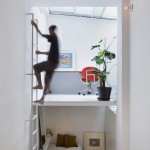
A compact space with thirty years’ history as a storage unit is now a sleek, modern apartment outfitted with everything a single occupant needs with the addition of a built-in bed platform with storage. Architect Karin Matz purchased the unit in a state of total disarray, as the previous owner had begun a renovation in the 1980s that was never completed. When she began, it was a mess of peeling wallpaper, no electricity and “a bathroom only with signs of rats as inhabitants.”

Compact Cube Apartment 2

Compact Cube Apartment 3

The new architectural volume consists mostly of IKEA kitchen units, extended beyond the food preparation space to form a storage-filled platform for the raised bed. A small void under the bed offers a closet space, and a glass partition gives the little loft a sense of separation from the kitchen.

Compact Cube Apartment 4

Compact Cube Apartment 6

Aside from the bathroom, which was modernized, the rest of the apartment has been left virtually as Matz found it, with all surfaces remaining the way they’ve looked for the past 20 years. The rough, weathered surfaces of the walls contrast with the smooth new wood of the floors and furniture.

Compact Cube Apartment 7

Says Matz, “In a city like Stockholm with enormous housing shortage and with every square meter increasing in price by the minute, this story was somehow impossible to understand and resist. The finished apartment is the result of a fascination for this; a try to let the previous layers and stories of a space live on and at the same time fill the requirements for the new story that will take place.”

Share on Facebook


[ By Steph in Design & Fixtures & Interiors. ]

[ WebUrbanist | Archives | Galleries | Privacy | TOS ]


WebUrbanist

 
Comments Off on Compact Cube Home: Storage Unit Turned Micro Apartment

Posted in Creativity


Fotografie zur blauen Stunde

03 Jul

Vor einiger Zeit habe ich mich in einem Artikel der Landschaftsfotografie zur Mittagszeit gewidmet. Hartes Licht und grelle Farben zeichnen diesen Tagesabschnitt aus. Die blaue Stunde bildet dazu einen starken Kontrast. Sie wird von indirektem Licht dominiert. Fotos, die dann aufgenommen werden, wirken oft mystisch und bekommen einen leicht bläulichen Farbstich.

Die blaue Stunde beginnt nach Sonnenuntergang und dauert in Europa je nach Jahreszeit zwischen 30 Minuten und einer Stunde lang. Wem diese Zeit nicht reicht, um das gewünschte Foto einzufangen, der hat morgens vor Sonnenaufgang noch einmal das gleiche Zeitfenster.

Noch vor ein paar Jahren war die blaue Stunde für mich eher eine Notlösung. Oft wartete ich auf einen glühend roten Himmel nach Sonnenuntergang, doch stattdessen musste ich mit tiefem Blau vorlieb nehmen. Nach und nach fand ich aber Gefallen an den resultierenden Fotos.

Das schöne an der blauen Stunde ist, dass man immer mit ihr planen kann. Egal ob bei klarem oder bewölktem Himmel und sogar bei Regen, es lassen sich immer tolle Fotos machen. Sofern man einen leicht mystischen, teils düsteren Look mag.

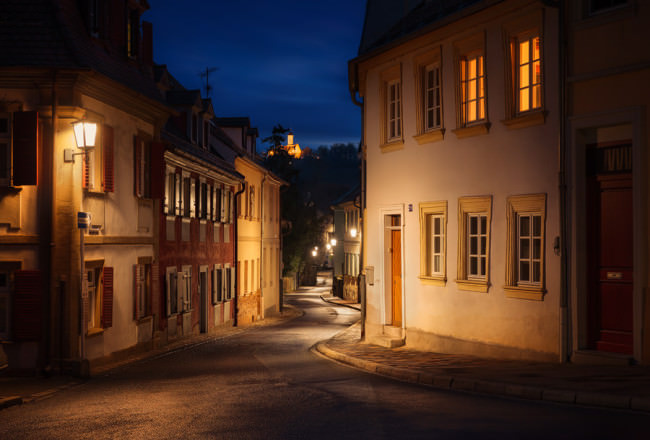
Warm erleuchtete Gasse unter einem dunklen, blauen Himmel

Städte

Am liebsten fotografiere ich Städte im Licht der blauen Dämmerung. Ich warte dann ganz gezielt auf den Moment, wenn das warme Licht der Straßenlaternen und das kühle Umgebungslicht die perfekte Balance bilden.

Die hell erleuchtete Karlsbrücke mit dem Blick auf die Prager Altstadt

Ein Stativ ist bei solchen Fotos Pflicht. Die Belichtungszeiten liegen bei f/11 und ISO 100 zwischen 15 Sekunden und einer Minute, wenn ich ein perfektes Histogramm erhalten möchte. Zudem mache ich immer mehrere Belichtungen, um zusätzlichen Spielraum bei der Bearbeitung der Fotos zu haben.

Meistens steht mein Stativ gute 30 Minuten an einem Fleck und ich mache über den Zeitraum der Dämmerung hinweg mehrere Fotos. So fange ich unterschiedliche Lichtstimmungen ein, teils mit weniger künstlichem Licht, teils mit mehr. Zuhause kann ich dann ganz bequem auswählen.

Mit Kopfsteinen gepflasterter Weg führt durch eine Gasse mit historischen Häusern

Landschaften

Während es mir bei Städten nicht schwer fällt, zur blauen Stunde zu fotografieren, ich diese Zeit sogar gegenüber Sonnenauf- und -untergang bevorzuge, muss ich mich bei Landschaften deutlich mehr anstrengen, um ein überzeugendes Foto zu erhalten.

Mir fehlt hier meist der Farbkontrast, das Blau beherrscht die komplette Szenerie und hat keinen Gegenspieler. Bei manchen Landschaften ist das aber gar nicht nötig. Das sind solche Landschaften, die von besonderen Formen und Strukturen dominiert werden. Oder wo die Linienführung im Bild den Reiz ausmacht und weniger das Licht.

Die markanten Felsen am Giant’s Causeway im blauen Licht der Dämmerung

Es sind solche Fotos, die auch gut in schwarzweiß funktionieren würden. Die sanften Kontraste der blauen Sunde und das fast schon monochromatische Licht erschaffen einen ausgeglichenen Bildeindruck.

Als Fotograf kann man sich voll auf die Komposition konzentrieren. Es gibt keine Ablenkungen und ich selbst kann an solchen Abenden oder Morgen die Landschaft viel intensiver genießen, als wenn ich mit meinen Fotos spektakulärem Licht nachjagen würde. Zur blauen Stunde ist weniger oft mehr.

Ein einsamer Leuchtturm an einer felsigen Küste

Über die Jahre habe ich gelernt, dass es für einen Landschaftsfotografen weit mehr gibt, als einen gelegentlichen spektakulären Sonnenuntergang oder eine glühende Dämmerung am Morgen. Ich kann mittlerweile mit fast jeder Lichtsituation etwas anfangen. Wichtig ist die geeignete Motivauswahl und etwas Flexibilität, um vorgefertigte Pläne auch mal über den Haufen zu werfen.

Lasst Euch also nicht entmutigen, wenn der Himmel am Abend zuzieht und das erhoffte Lichtspektakel ausbleibt. Wartet noch ein bischen länger und nutzt das Licht der blauen Stunde, um ein Foto zu machen, bei dem die Landschaft im Vordergrund steht. Oder wechselt zu einem Motiv, das einen schönen Farbkontrast mitbringt.


kwerfeldein – Fotografie Magazin | Fotocommunity

 
Comments Off on Fotografie zur blauen Stunde

Posted in Equipment


Sony drops list price of Cyber-shot DSC-RX10

03 Jul

Sony has lowered the price of its Cyber-shot DSC-RX10 premium superzoom. The MSRP in the US is now $ 998, down from $ 1299, and prices in Europe have dropped as well (though it’s unclear if they’re official). It’s not known if this was a planned price reduction, or a reaction to the Panasonic FZ1000 which is about to hit store shelves at a list price of $ 899. Read more

related news: Digital Photography Review (dpreview.com)

 
Comments Off on Sony drops list price of Cyber-shot DSC-RX10

Posted in Uncategorized


Cecilia Gallery Camera Straps Review

03 Jul

Fashion Photography Blog Reviews Cecilia Gallery Camera Straps (FashionPhotographyBlog.com)When FashionPhotographyBlog.com was approached by Cecilia Gallery to review their camera straps I was excited. I had seen their products on their website and on first impressions I thought they looked really trendy and exuded quality… a perfectly stylish camera accessory. I have always been intrigued about ancient civilizations, particularly the Incas, so when I saw their hand-woven Peruvian designs I was in a happy place.

Fashion Photography Blog Reviews Cecilia Gallery Camera Straps (FashionPhotographyBlog.com)

If you haven’t heard of Cecilia Gallery before, the story of the online store began in Cusco, Peru in 2011. During the filming of a documentary, Michael Fleisch purchased a woolen belt made of alpaca wool from a peddler on the street. With a belt and scrap leather in hand he presented these items to a cobbler and requested that they be fashioned into something that resembled his strap for his Canon camera. The result was the basis of a unique product that he and his friend, MacLean Fisher could create a potential business together, that lead them to León, Mexico where they worked with the skilled leather artisans there.  Two years later in 2013, Celia Gallery was formed.

Fashion Photography Blog Reviews Cecilia Gallery Camera Straps (FashionPhotographyBlog.com)

Cecilia Gallery stocks a range of designs of their camera straps, all made with real Argentinian cowhide leather tanned in different shades, to suit any camera color, whether for DSLRs or vintage camera models. The straps are strong yet soft under the fingers, while the textile design has been interwoven using genuine baby alpaca wool and come in a range of patterns and solid colors as seen on their website.

Fashion Photography Blog Reviews Cecilia Gallery Camera Straps (FashionPhotographyBlog.com)

As some of you are aware, I have been known to be an avid traveler, and generally, a busy person always on the move. When I am hopping across country to country and sprinting across town for my next appointment I ideally want all my equipment to be lightweight, but can also handle some rugged wear. It has to be comfortable to wear around my neck or over my shoulder for long periods of time (many hours). It also has to feel good, look good and actually be functional with my avid schedule, which is why I was keen to give Cecilia Gallery’s camera straps a try.

Fashion Photography Blog Reviews Cecilia Gallery Camera Straps (FashionPhotographyBlog.com)

When I opened the package, to inspect the contents, I was not disappointed. The camera straps look even better than the pictures. On close inspection I can see the intricacies of the detailed pattern of the Challaypu (representing mountains) and Q’enqo (representing rivers) designs and stitching between the leather backing and nylon reinforcements, as well as the incredible softness of the leather front.

Fashion Photography Blog Reviews Cecilia Gallery Camera Straps (FashionPhotographyBlog.com)

The price range for these products range between the $ 90-100 mark, which is the price of quality and reliability, when you are looking for a camera strap that will provide a return on investment and be able to last in the long run, due to its attention to its workmanship (as explained on the information card that comes with the product). The straps can handle the weight of my camera, and has adjustable lengths.

Fashion Photography Blog Reviews Cecilia Gallery Camera Straps (FashionPhotographyBlog.com)

So what kind of photographer would these camera straps suit? The connoisseur of fine accessories, the eclectic and the trendsetter are what comes to mind, someone who is looking to spice up their camera with a unique camera strap that is not only aesthetic to the eye, but also durable and practicality.

Stay tuned to FashionPhotographyBlog.com because we will be announcing how one of our lucky readers can win one of these gorgeous camera straps from Cecilia Gallery really soon!

PHOTO SOURCE:

Images courtesy of Cecilia Gallery


Fashion Photography Blog

 
Comments Off on Cecilia Gallery Camera Straps Review

Posted in Uncategorized


Why Aperture Priority Mode Isn’t Always the Best Choice

03 Jul

There are a lot of common mistakes to make in photography, but possibly the most frequent is to shoot in Aperture Priority mode when it’s not the best choice.

There are many situations where shooting in Aperture Priority is ideal, such as when you are using a tripod and your shutter speed does not matter, when you are in strong sunlight, when you are shooting a scene with a wide-angle lens and nothing is moving, or when you want a very shallow depth of field for aesthetic purposes.

However, in most other situations it is beneficial to shoot in Shutter Priority mode (or manual mode).

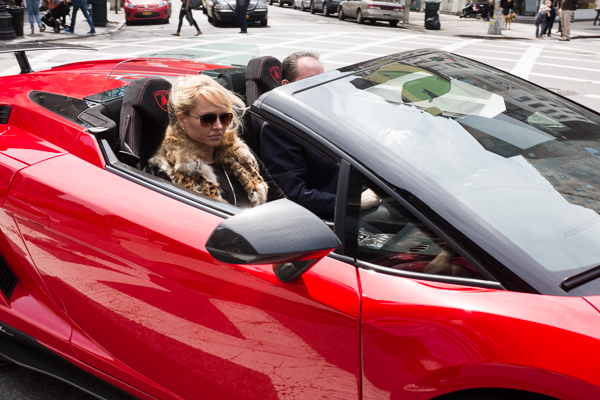
Lamborghini, SoHo

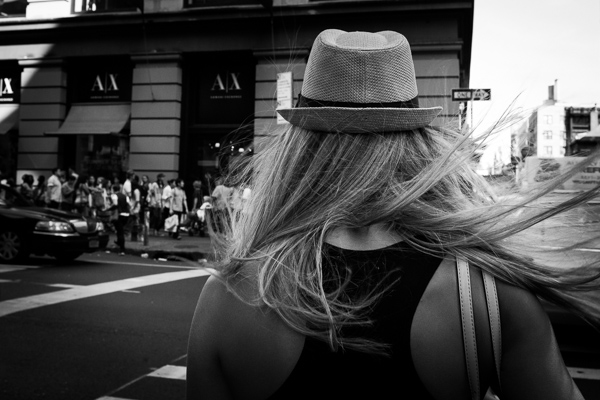
Lamborghini, SoHo – Shutter Speed priority can be much more effective for Street Photography, where spontaneous shots occur frequently, and freezing motion is very important.

I see this problem most often when people are traveling. They will stick their camera on Aperture Priority for the entire day, forgetting that the light sometimes will not be strong enough to yield a shutter speed fast enough to offset camera shake or to freeze moving subjects, particularly if their lens aperture does not go below f/4 or f/3.5.

The result is that they will come home and many of their images will be blurry, when they didn’t have to be.

Your shutter speed is the first line of defense for creating a sharp image. The rule of thumb is that the shutter speed should be at least one over the focal length of the lens to offset handheld camera shake. I like to add a little extra speed to that to be safe, so if you are shooting at 50mm on a full frame camera, I would keep the shutter speed at least at 1/80th. On a cropped sensor however, such as an APS-C camera, a 50mm might be the equivalent of an 80mm view, so I would shoot at least at 1/100th of a second.

You can see, especially if you are using a telephoto focal length, how quickly and easily your shutter speed can go below this threshold when on Aperture Priority and not in strong, direct light.

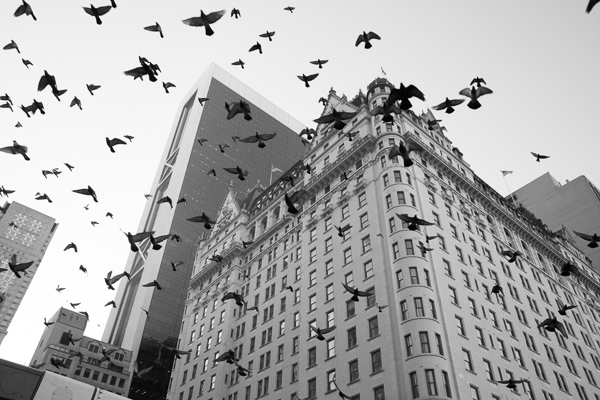
Plaza Hotel

The Birds and Plaza Hotel. A spontaneous shot on Shutter Priority at 1/500th and ISO 800.  On Aperture Priority there is a much stronger chance that I would have yielded too slow of a shutter speed, especially since it was overcast and late in the day.

When there are moving subjects in a scene such as people, 1/320th or 1/250th is often a good shutter speed to freeze their motion. So when traveling, I use 1/320th as my baseline shutter speed and will lower it for the situations where there is no motion or when the light is extremely low. This guarantees that no matter what I capture, it will be sharp, including the spontaneous moments. Often, because I shoot this way and prefer to also shoot with an aperture of f/8 or above, I will raise the ISO to 800, 1600, or even 3200 in areas with very low light. This will add more grain/noise to the image, but especially on the newer digital cameras you will quickly notice that the technical quality and sharpness of your images will actually be improved, despite this grain.

Now you might be saying that you are able to shoot in Aperture Priority mode (or Manual mode) all of the time and can pay attention to the corresponding shutter speeds so you never have a problem. That’s great, and in that case, please keep shooting in Aperture Priority. I do not want to stop you from shooting in a way that works well for you. If you know your camera settings well then you can effectively shoot in any situation with any of these modes.

However, I teach a good amount of students and I would guess that about 80 percent of them come in shooting in Aperture Priority. Then, when I look at their photos, for a good portion of these students, way too many of their photos turn out blurry, or have some sharpness issues. They will pay attention to their aperture but then zoom for a shot and not notice that the shutter speed is lower than their focal length, or not notice that is too low to freeze the motion of a subject. I find that switching them over to Shutter Priority for these situations puts the shutter speed in their mind first and then they can pay attention to the corresponding aperture to achieve the largest depth of field possible (if you are purposely looking to create a shot with a shallow depth of field, then Aperture Priority would be ideal.)

Particularly for travel photography in cities or in areas with people, often when I explain to students to try photographing around 1/320th of a second and a higher ISO, they quickly remark about how much sharper their photos become.

Give it a try and see if yours do too.

The post Why Aperture Priority Mode Isn’t Always the Best Choice by James Maher appeared first on Digital Photography School.


Digital Photography School

 
Comments Off on Why Aperture Priority Mode Isn’t Always the Best Choice

Posted in Photography


5 Photoshop Tools to Take Your Images from Good to Great

03 Jul
Seascape image - Before and After image editing

Seascape image – Before and After image editing

We hear it all the time, “That photo has been Photoshopped”. Sometimes it sounds like the photo has caught a disease or that Photoshop is some undesirable effect that has been added to the image. Photoshop is the KEY to making your good images look spectacular. Yes, I said “good” images. Photoshop is not about fixing mistakes or trying to rescue a bad shot. It is more about refining your images and making them look amazing without overdoing it. Photoshop is a fantastic tool when it is used effectively but can be your enemy when you overdo it. Depending on what you want to achieve with your photos, this quick guide to five Photoshop tools will help you adjust your exposure effectively and make the colour really pop out of your image.

NOTE: the examples in this article simply show you how to make the adjustments on a separate layer. You could also use an adjustment layer which gives you much more control over the adjustment. The only tool that can’t be used with an adjustment layer is Shadow and Highlights. I will go into more details about adjustment layers in upcoming articles, for now, if you follow these guidelines, your images will look compelling and rich without looking overdone.

1. Shadow and Highlights Tool

This tool will be used to get more detail in the shadow areas of your image. Modern cameras can capture lots of detail, but depending on the light in the scene you are shooting, the shadows may be a little dark. The Shadow and Highlights tool will bring back some of the details in those areas.

Open your image in Photoshop and go to:  IMAGE > ADJUSTMENTS > SHADOW AND HIGHLIGHTS.

Finding the Shadow and Highlights tool

Finding the Shadow and Highlights tool

The tool will pop up and you will see this (as shown below), if you don’t see all these sliders, click “more options” to expand the box. You will use this tool to bring detail back into the shadows and you won’t be making any adjustments to the highlights. I find that the highlights part of this tool does not do a really good job, so I don’t use it at all.

Making adjustments to the Shadows in the image

Making adjustments to the Shadows in the image

The best way to work with the tool is to slide the Amount slider under the Shadows box to about one third across (33%). Then slide the Tonal Width slider to directly under the Amount slider. Lastly  bring the radius slider to directly under it. In most cases, you will want to have these sliders directly under each other (see screenshot below right).

shadows-highlightsThe important thing to remember here is to make the adjustments and take careful note of your image has been affected. Click on the preview button on the right hand side of the tool (you can do this with all the tools in this article) to see the “before and after”. You will be able to see at a glance how your changes are working. If you need to extract more detail from the shadows then slide the Amount slider to the right even more but make sure you line the other two sliders underneath it.

The amount that you decide to adjust the shadows is up to you. Be careful not to overdo it. Once you start seeing a “glow” around certain parts of your image, you may have gone too far. This glow is often referred to as a halo which can be avoided by watching carefully how your adjustments are affecting your image. If you see them appearing, simply drag the sliders back to the left until they disappear. Once you are happy, click OK.

2. Levels Tool

With your image open and the shadows adjusted, you will now adjust the overall exposure in the scene. If your image is a little over or under exposed, the levels tool can fix that. Go to: IMAGE > ADJUSTMENTS > LEVELS on the menu bar (or using the keyboard shortcut Command/Control+L). You will see the LEVELS dialogue box pop up and it will have a graph in it. This graph is called a histogram.

histogram

A histogram is simply a graphical representation of the pixels in the scene. If the graph is pushed over to the left side it means that your image has more darker tones in it, if the graph is over on the right side it means that your image has more brighter tones. There is no right or wrong histogram, it is simply a representation of the light in your scene. There are some great articles about histograms on the dPS site, so if you want to learn more about them, click on one of the links above.

Using the Levels tool to enhance the exposure and boost contrast

Using the Levels tool to enhance the exposure and boost contrast

The important thing to remember when working with levels is to make sure you don’t adjust your image so much that it causes the image to become under or over exposed. Thankfully, Photoshop gave us a way to see if that is happening, which I will explain shortly. Firstly, you will notice there are three sliders on the bottom of the histogram. The slider on the right is white (adjusts highlights) the slider in the middle is grey (adjusts mid tones) and the slider on the left is black (adjusts shadows). The levels tools will help adjust contrast and colour in your image. You can start the process by clicking and dragging the white slider in (move it to the left) to touch the edge of the histogram. Do the same for the black slider (drag it to the right). Your image will already look better.

Using the ALT key to see where the highlights are being overexposed

Using the ALT key to see where the highlights are being overexposed

Then you can move the middle slider to the right or the left to see which works better. Small changes always work best, so don’t make extreme changes on each slider. If you want to see how your adjustments are affecting your image, hold down the ALT key (PC) or OPTION key (Mac) while you click on the white or black slider. When you click ALT and hold down the white slider, the image will go black. As you slide to the left, you will see some red areas in your image (see above). When you see this, Photoshop is showing you which parts of the image will be overexposed, or clipped. The opposite is true for the the black slider. If you hold down ALT and click on the black slider, the screen will go white and as you slide to the right, the areas that come up on the screen will be underexposed, or clipped. It is a good idea to use this function if you are not sure if you have overdone your adjustments in Levels.

3. Colour Balance

This is a good tool to use to change the overall colour in the image. If your image is too blue and want you want it to be warmer, then you can do that by pulling up the red tones. Also, if your image has an undesirable colour cast, maybe the overall colour of the scene seems too green, then you can correct that by using this tool. The colour balance tool is found in the top menu bar under IMAGE > ADJUSTMENTS > COLOUR BALANCE (or using the keyboard shortcut Command/Control+B).

color-balance

Once the dialogue box is open, you will see three sliders (as above). The sliders represent the visual colours in the image, and are set in the middle by default. By moving them to the left or the right you will be able to change the colour in the image. The top slider affects Cyan/Red, the middle slider works on Magenta/Green and the bottom slider is Yellow/Blue. The colour will change according to which slider you choose and how far left or right you move it.

Note: you can also choose which area of your image to affect as in the Shadows, Midtones or Highlights but selecting the appropriate button in the Tone Balance section below the sliders.

You will want make small adjustments here too. A big adjustment can make your image look over saturated with a particular colour and that will look unnatural. The idea is to enhance your image by boosting certain colours in the scene. So, if you have a sunset image (as below) you may want to boost the reds, yellows and magentas. That will make your image look warm and will give the scene some colour boost.

Using Colour Balance to boost the colours in the image

Using Colour Balance to boost the colours in the image

4. Hue and Saturation

One of the most powerful colour tools in Photoshop is the Hue and Saturation tool. To open it go to: IMAGE > ADJUSTMENTS > HUE/SATURATION (or using the keyboard shortcut Command/Control+U). This tool can be used very effectively to adjust all the colours in your image. When you open the tool, you will notice that there are three sliders again, namely Hue, Saturation and Lightness.

hue-saturation

Hue means colour, this is not used very often as it will reassign the colours in your image, what you want to use this tool for is saturation. Saturation controls the richness or intensity of the colours in your image. Above the three sliders you will see a drop down box called Master. If you click on this, you can choose the colours that you want to saturate. This gives you very fine control over each colour in your image. You can select each colour individually and adjust it according to your preference. You may want to saturate the reds and yellows more than the blues, as an example, this tool allows you to do that. It is good to know that you are not adding colour to your image, you are saturating the colours that are there. Again, incremental adjustments are key. Don’t overdo it, small adjustments throughout this process will make your image look more natural and more dramatic

Getting the most out of the Hue and Saturation tool by saturating colours by channel

Getting the most out of the Hue and Saturation tool by saturating colours by channel

5. Vibrance

vibranceThe vibrance tool is found under IMAGE  > ADJUSTMENTS > VIBRANCE (no shortcut). It effectively saturates colours that are not completely saturated. This is a good finishing touch to your image editing to make sure your image gets a final boost. There is no real guideline as to how much you should adjust on this tool, but be aware of how it is affecting your image. Once this step is complete, your image should look remarkably different and if done correctly, the viewers won’t be saying those dreaded “Photoshopped” words.
The final step, boosting the vibrance to get that extra pop in the image

The final step, boosting the vibrance to get that extra pop in the image

In Conclusion

These five tools will help you make your good images spectacular. The important thing to remember in Photoshop is to make adjustments incrementally. As you can see from this process you slowly and incrementally make changes but the overall effect is dramatic without looking overdone. There are many other tools in Photoshop that can add even more enhancement to your images (I will be doing articles on those over the next few months) but start with these and get comfortable with how they work. To summarize, in Photoshop, slower is better and many small adjustments make a more dramatic impact on your image than a few large adjustments. Enjoy and experiment and as always, let me know what you think in the comments below.

The post 5 Photoshop Tools to Take Your Images from Good to Great by Barry J Brady appeared first on Digital Photography School.


Digital Photography School

 
Comments Off on 5 Photoshop Tools to Take Your Images from Good to Great

Posted in Photography


Experimental Architecture: 14 Boundary-Pushing Pavilions

03 Jul

[ By Steph in Architecture & Public & Institutional. ]

Experimental Architecture Pavilions

Before a new form of architecture can be executed on a large scale, it has to be demonstrated through smaller structures, making temporary pavilions an ideal way to experiment. These 14 pavilions represent novel and often radical designs and construction methods, from carbon fiber structures woven by robots to living architecture made by silk worms.

Evolving Pavilion Made by Silk Worms
Pavilions Silkworm 1
Pavilions Silkworm 2

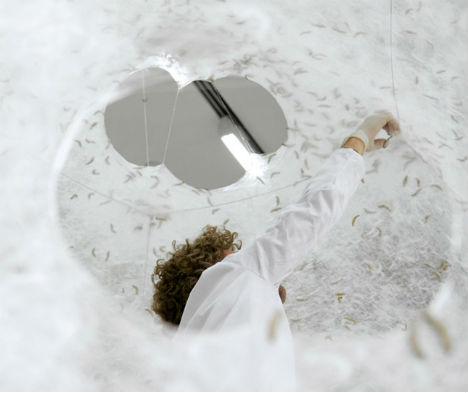
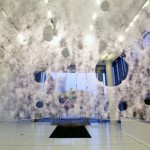
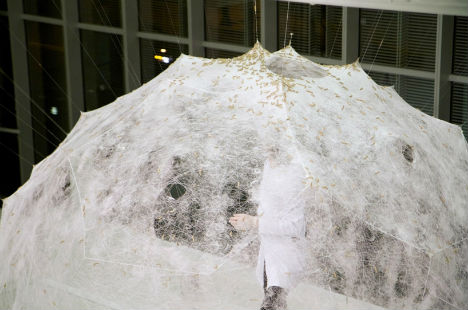
Nature and technology work together on a pavilion that grows and transforms like a living organism. The Silk Pavilion by the MIT Media Lab features a basis of silk threads made by a CNC machine, which grows into a cloud-like structure with the addition of natural netting from dozens of silk worms. The worms were essentially deployed as a biological ‘printer’ to create the secondary structure on top of the geometric base. If the sculpture were to remain in place indefinitely, it could reproduce on its own, with new generations of silkworms constructing up to 250 additional pavilions.

Serpentine Pavilion by Sou Fujimoto
Pavilions Fujimoto 1

Pavilions Fujimoto 2

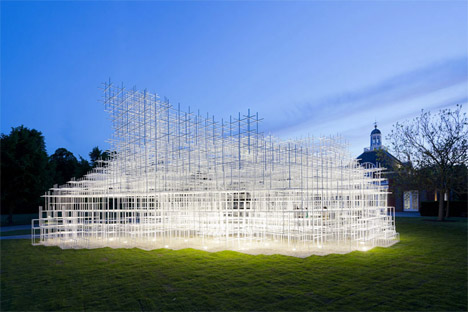
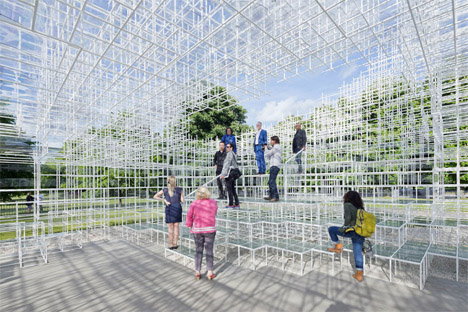
This 2013 Serpentine Gallery Pavilion by Sou Fujimoto is a contradiction in form, translucent yet solid. 20mm pipes are arrange din a lattice form to create a cloud-like appearance, inviting visitors to enter and climb the framework.

Abstracted & Faceted Bloomberg Pavilion
Pavilions Bloomberg 1

Pavilions Bloomberg 2

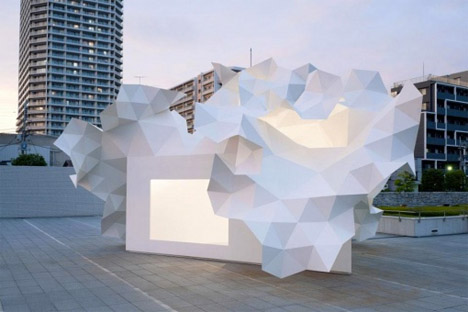
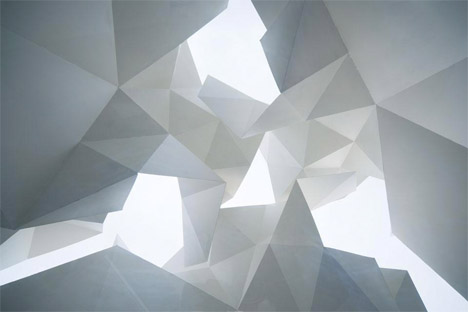
Looking like an oversized piece of paper origami, the Bloomberg Pavilion by Akihasa Hirata is actually inspired by a tree and constructed from pleated metal. “I wondered what would happen if the walls were to keep growing upwards and present an uneven surface like ‘pleats’. Pleats resemble a tree in the way that they spread out and capture the sun and I felt that they would produce a bright, impressive exterior. I also thought that the space beneath this surface would present a relaxed atmosphere, similar to that of tree shade that would be an ideal quality for an exhibition space.”

Carbon Fiber Pavilion Based on Beetle Shells
Pavilions Beetle Shell 1

Pavilions Beetle Shell 2

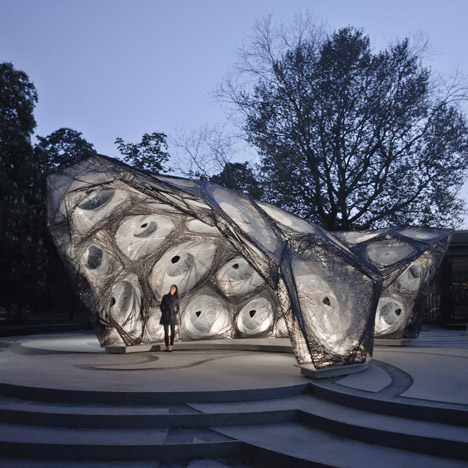
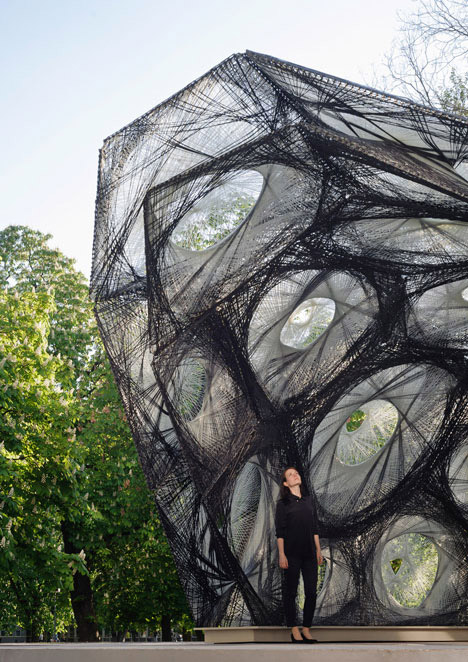
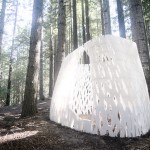
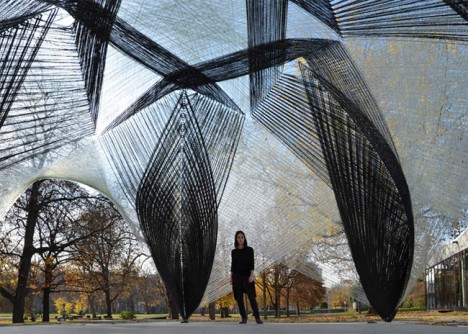
This incredible carbon fiber pavilion inspired by the lightweight shell encasing the wings and abdomen of a beetle was woven by a robot. Installed at the University of Stuttgart, the ICD/ITKE Research Paviliion 2013-14 was fabricated using a custom-built system of robotics used to create a series of modular fiber-composite components. Says team member Marshall Prado, “”It offers not only a unique architectural expression and spatial experience, it is also extremely lightweight and resource efficient.”

Next Page – Click Below to Read More:
Experimental Architecture 14 Boundary Pushing Pavilions

Share on Facebook


[ By Steph in Architecture & Public & Institutional. ]

[ WebUrbanist | Archives | Galleries | Privacy | TOS ]


WebUrbanist

 
Comments Off on Experimental Architecture: 14 Boundary-Pushing Pavilions

Posted in Creativity