RSS
 

Archive for July, 2014

Casa Futebol: Design to Deploy Housing in World Cup Stadiums

17 Jul

[ By WebUrbanist in Architecture & Houses & Residential. ]

converted football casa design

Imagine converting the circumferential spaces of sports stadiums into a plug-and-play system of modular residential units, leaving their open centers for use as open sports surfaces, green spaces or even mixed-use recreational, commercial and institutional purposes.

converted box office seats

converted stadium fifa cup

Architects Axel de Stampa and Sylvain Macaux, the minds behind this radical design concept, note that the world’s most biggest football competition, set this year in Brazil, has left a series a freshly made and refurbished arenas in its wake.

google

Some of these World Cup creations will continue to be used for sporting and other events but others that may be demolished could be better suited to another purpose, turned into hybrid urban complexes.

converted adaptive reuse concept

From 1Week1Project: “Casa Futebol proposes a reappropriation of the stadiums renovated or built for the World Cup using modules of housing. It is not a question of denying the interest of Brazilians people for the soccer” but of also suggesting an “alternative in the face of a [housing deficit].”

converted exterior facade residences

In effect, the seating and box offices would be joined with domestic functionality, the degree of transformation and adaptation depending on the other usage still anticipated for the existing structures. Residences would face outward to enjoy views of their environments and could take advantage of existing amenities and circulation built into the surrounding structure.

converted residential detail closeup

“It is thus a question of replacing a part of the sets by prefabricated housing and of colonizing the outside facade. Casa Futebol proposes a human scale in these disproportionate constructions.”

Share on Facebook


[ By WebUrbanist in Architecture & Houses & Residential. ]

[ WebUrbanist | Archives | Galleries | Privacy | TOS ]


WebUrbanist

 
Comments Off on Casa Futebol: Design to Deploy Housing in World Cup Stadiums

Posted in Creativity


How to Create Amazing Reflection Photos using Puddles

17 Jul

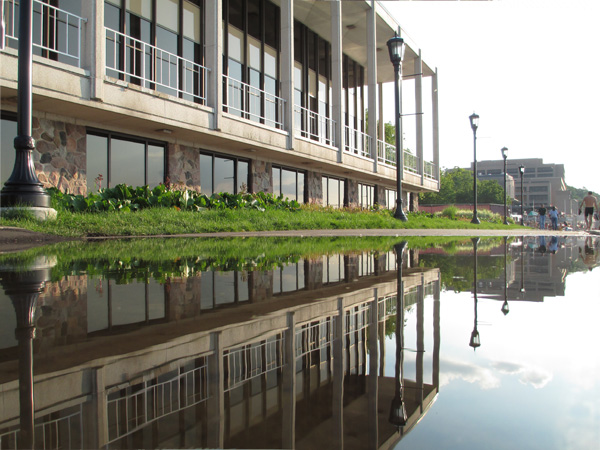
People are captivated by reflections, and photographers eagerly seek out still bodies of water in order to capture stunning reflection shots. But a perfect reflection may be closer than you think, especially if it has just been raining.

puddle, reflection, symmetry, how to

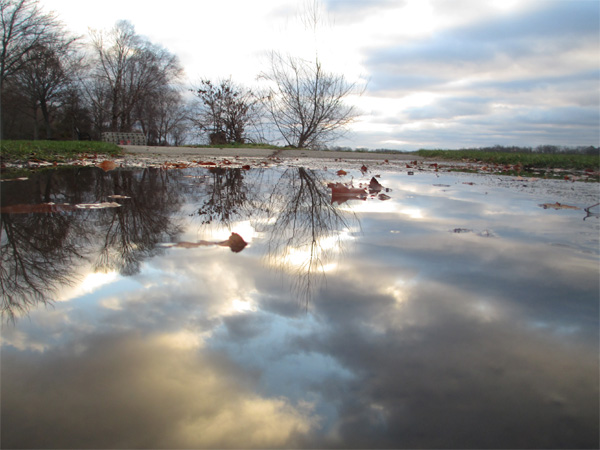
Puddle reflection

Photographing puddle reflections

Puddles are an incredibly useful if perhaps surprising source for reflections. Puddles are generally shallow and found in protected areas or depressions, which means that they are likely to hold smooth, still water. They can also be found in many different locations, providing a variety of options for subjects and compositions. Finally, puddles are so mundane and small that they are often overlooked, so you can create unique and surprising images that others likely missed.

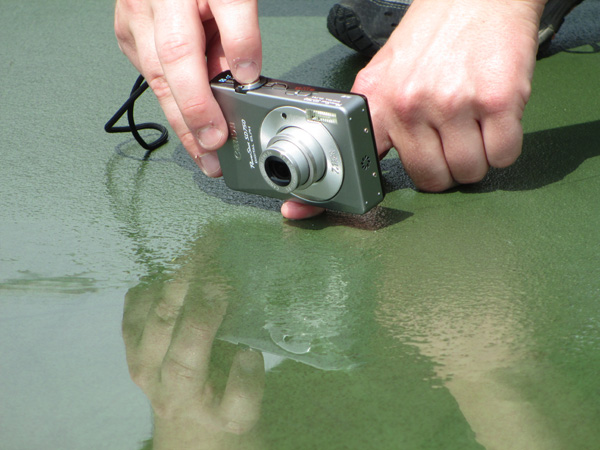
The trick with capturing amazing reflection photos using puddles, is to get down low. You want your camera to get as close to the surface of the puddle as possible. This will make even a small puddle appear expansive in your final image. I recommend putting your hand or a finger under your camera to steady it and keep it out of direct contact with the water. It is also useful to have a small bubble level attached to your camera to judge whether your composition is level.

puddle, reflection, symmetry, how to

This puddle reflection technique works equally well whether you have a DSLR camera or a point-and-shoot. I often use my point-and-shoot for these types of shot, as it is much easier to simply lean down and hold it near, or over, the puddle when shooting, and I am much less worried about it getting wet. When shooting puddles with my DSLR, I am much more likely to squat down to better support the camera with both hands and keep it out of the water or mud.

puddle, reflection, symmetry, how to, sunset

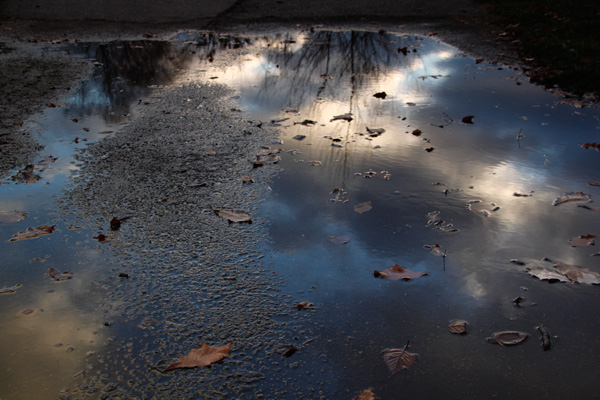
puddle

Puddle used for the reflection above

Puddles do not need to be very large for such photographs, but an ideal puddle would be at least a foot or more, long and wide. Puddles that have formed naturally on roads, or on the ground, provide a better transition from subject to reflection than puddles that are surrounded by a set boundary like a curb or a bank. You can also think beyond traditional puddles and try the same technique with wet roadways or stone pillars, which often become highly reflective when wet.

An example: puddle versus puddle reflection

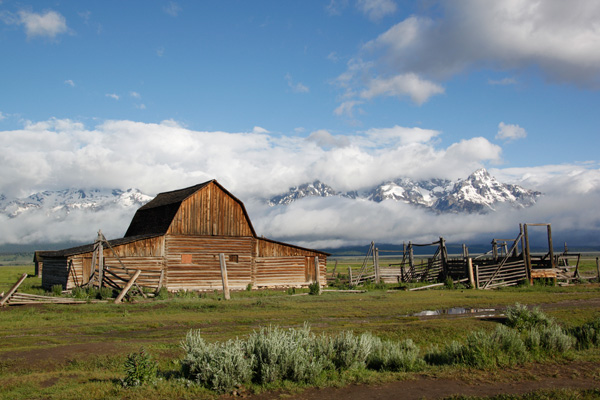
Grand Teton National Park, Tetons, Mormon Row, mountains, landscape, barn

Above is one of the classic scenes from the Grand Tetons: the abandoned houses of Mormon Row. It had rained the previous day, and much of the night, and in the lower right-hand section of the photograph, you will notice a fairly unassuming puddle remaining in the mud.

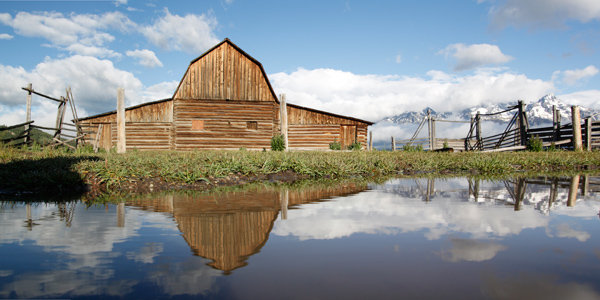
Grand Teton National Park, Tetons, Mormon Row, mountains, landscape, barn, reflection, puddle

Getting down low and holding my camera just above the surface of that puddle allowed me to capture this shot. Despite the slight breeze and rippling of the water, this reflection clearly highlights both the abandoned building and the incredible mountain view behind it. Merging three different compositions provided the panoramic view below.

McEnaney-Tetons-panorama-final

Seek out puddle reflections

Next time you find yourself in a wet situation, make the most of the puddles around you. Get down low, and you may be surprised at what your camera captures compared to what the scene looks like to you standing up higher. Do not limit yourself to taking the same shots as everyone else – try something new!

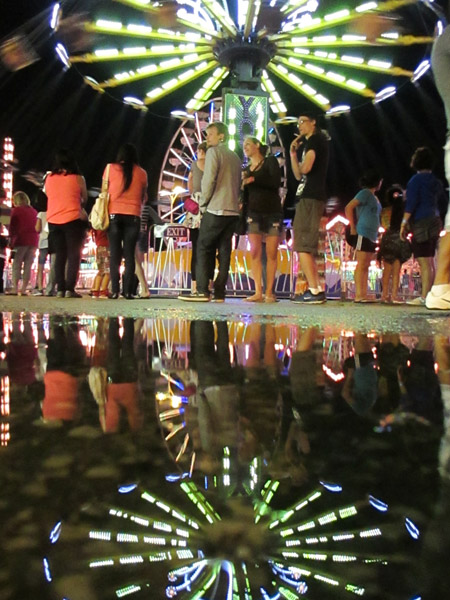
puddle, reflection, how to, carnival, night, street photography

The weekly photography challenge a little while ago was reflections. If you’re still working on that one try these tips out. Want to see more reflections – try this collection.

The post How to Create Amazing Reflection Photos using Puddles by Katie McEnaney appeared first on Digital Photography School.


Digital Photography School

 
Comments Off on How to Create Amazing Reflection Photos using Puddles

Posted in Photography


Sam Horine:Travel Photography Tips and Tricks

17 Jul

How do you capture the magical feeling of traveling to a new city for the first time?

Heck if we know! So … We found someone who does.

Sam Horine shoots cityscapes so stunning a scroll through his Instagram feed feels like a trip around a whole new world.

We wanted to know just how he captures the cities he visits so very well, so we asked him … and he told us!

Learn to Shoot Cityscapes Like a Pro (Sam Horine Specifically)

(…)
Read the rest of Sam Horine:
Travel Photography Tips and Tricks (859 words)


© laurel for Photojojo, 2014. |
Permalink |
No comment |
Add to
Travel Photography Tips and Tricks”>del.icio.us

Post tags:


Photojojo

 
Comments Off on Sam Horine:Travel Photography Tips and Tricks

Posted in Equipment


Identische Zwillinge

17 Jul

Ein Beitrag von: Gao Rongguo

Horoskope sind heutzutage beliebt. Die Leute mögen es, andere anhand ihrer Sternzeichen zu beurteilen. Ich ziehe es nicht vor, gegenseitiges Verständnis auf starken Vorurteilen aufzubauen. Ich denke da an einige Texte aus der westlichen Philosophiegeschichte. Augustinus von Hippo stellte Horoskope in seinen „Konfessionen“ anhand des sogenannten Zwillingsproblems schwer in Frage.

Seine Einwände stammen nicht ursprünglich von ihm selbst, sondern gehen auf den griechischen Skeptiker Carneades zurück, einem der Leiter in Platons Garten. Er sagte, dass zur gleichen Zeit geborene Menschen sich in ihrem Temperament und Schicksal unterscheiden und dass sich gleichende Menschen nicht zwangsläufig zur gleichen Zeit geboren worden sein müssen.

Für die Interpretation von Schicksal leihe ich mir Konfuzius’ Worte, der „im Alter von 50 das Schicksal erkannt“ hat. Es gibt viele Erklärungen, was das Schicksal nun eigentlich sei, aber es wird oft gesagt, im Alter von 50 wisse man es. So entschied ich mich, eineiige Zwillinge über 50 zu fotografieren.

Seitlichen Portrait einer Frau vor einer Landschaft.Seitliches Portrait einer Frau vor einer Landschaft
© Gao Rongguo© Gao Rongguo

Sie hatten die gleichen Gesichter, während sie gemeinsam in ihren Familien aufwuchsen, doch aufgrund verschiedner Ursachen änderte sich ihr Leben danach. Ich nehme die Zwilingspaare jeweils einander gegenüber stehend auf – ähnlich, als würden sie in einen Spiegel schauen.

Verwendet man Menschen als Spiegel, lernt man ihre Verdienste und Verluste zu verstehen, während man sich selbst offenbart.

Dieser Artikel wurde von Robert Herrmann aus dem Englischen ins Deutsche übersetzt.


kwerfeldein – Fotografie Magazin | Fotocommunity

 
Comments Off on Identische Zwillinge

Posted in Equipment


5 Ways to Create Better Images Without Buying More Gear

17 Jul

You are a photographer. You love getting out there and doing your best to create great images. Photographers also love something else. Camera equipment. Sometimes you may find that you spend more time searching for a new lens, filter or accessory than actually photographing with it. When you meet other photographers you will hear them talking about the latest piece of equipment that has just launched.

Why is this? Why are some photographers obsessed with equipment. My personal opinion is that we fall into the marketing trap. Sometimes we really do think that a new lens, or new camera body, will improve our images simply because it is a better piece of equipment. That might be true, but it’s only half true. A new lens might make your images a little sharper or have better bokeh, but the best way to get better images is to improve your ability as a photographer. Here are some thoughts that may help you create better images.

The key ingredient in any image is light

The key ingredient in any image is light

1. Become a light snob

Light is the key to every image you make. If you want a good image, shoot in good light, if you want a dramatic image, shoot in dramatic light. There really is no such thing as bad light, there is simply better light for creating images.

Light is the all important component of great photography. You may feel that shooting in the middle of the day is best because it is bright, and all the light you need is in that shot. Yes, there may be lots of light, but there is also a lot of contrast (bright highlights and dark shadows). The resulting shot may be unappealing because the light is flat or uninteresting.

How do you overcome this tendency to photograph at any time? Become a light snob. What does that mean? I mean in a good way, try this next time you go out with your camera. Make a point of shooting in the golden hours. Think about the light you are shooting in, go out in the early morning or early evening. Choose your subject carefully, compose your scene purposefully and shoot it with intention. Don’t shoot the same scene twice, work with the light, make sure you think about the exposure, try your best to get the shot and walk away from the scene. Make sure you expose for the light the results will speak for themselves.

2. Become more flexible – in more ways than one

POV2

How often do you photograph from your standing height and mostly in landscape orientation? I know I do, it is natural to do that, we shoot they way we feel comfortable. Change this up a little. Look for unusual angles and vantage points. We have all seen the photographs of children looking up at the camera. Change that, kneel down or even lie down in front of a child you are photographing. Turn your camera to portrait orientation, that changes the scene immediately. If you are photographing a street scene, maybe get to a higher vantage point on a balcony. If you are in a city, shoot straight up! The key thing here is, change your viewing angle and you will change the view of your image. You will give your viewers a unique perspective on a familiar topic and that can make for some very dramatic images.
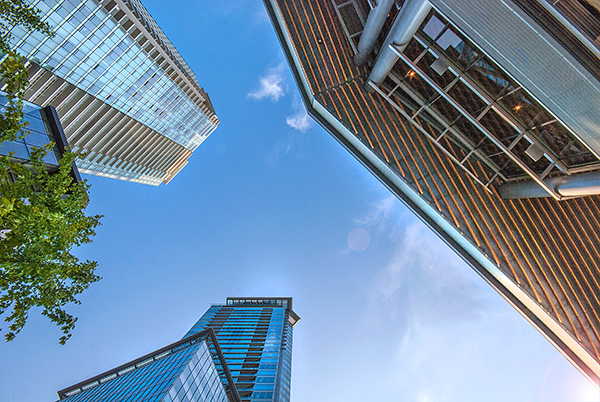
A unique point of view can make for dramatic images

A unique point of view can make for dramatic images

3. Time it right

You have probably heard this about many things, particularly sports:  “its all about the timing”. This is true in certain genres of photography too. In street photography, timing can be crucial to making or breaking the image. The famed street photographer Henri Cartier-Bresson spoke about “The Decisive Moment”. What he was saying was this, if you take the shot a moment too soon, the scene has not yet unfolded, if you are a moment too late, the scene has passed, you have to release the shutter at the precise moment.

This is not easy to get right. It requires lots of practice and the ability to sense or anticipate what will happen next. With practice you will get better and better, and in time, you will find that you will “time” the shot better. When is the right moment? It is different for every photographer and every photograph. It might be the moment before a smile, or the moment the first tear appears, the moment of surprise or elation. Each moment is different and each photographer will shoot it differently. You will know when you get that moment captured because the image will be memorable. The moment will come, but you have to be ready and you may have to be patient.

Photographing fireworks is often about timing.

Photographing fireworks is often about timing.

4. Get your exposure right

We all know this one, it’s an old one, but exposure is all important. How do you affect exposure? You take control of your aperture and your shutter speed. This alone is a topic for another article, but what is important is that you, as the photographer, need to take control of your image exposure and not let the camera do that. If you still shoot on Auto and hope for the best, now might be a good time to start venturing into the world of shooting on manual or even aperture priority. Learning how the aperture and shutter speed affect your images will help you make stronger images in just about any light. This is what makes the difference between a good image and a spectacular image, the exposure.

Mastering exposure will make a big difference in your images

Mastering exposure will make a big difference in your images

5. Use what you have

You have a great camera, seriously, you do! If your camera is less than five years old, it is perfect for taking astounding images. A new camera body will take pictures with more megapixels or better noise reduction, but I am pretty sure, in fact I am CERTAIN, that you can get some amazing images on your current camera. One key element in getting great images is choosing the right lens for the scene. The lens is the eye to the camera. If you are going to invest in any equipment, save up and buy good lenses. Buy some prime lenses and see the results.

First though, use the current lenses you have, make sure you know how each lens affects a scene. A wide angle lens has the effect of making everything in the scene seem far away and spread out, a telephoto lens (say a 200mm) has the effect of compressing everything in the scene (bringing the elements closer together). If you were to photograph a mountain scene with a wide angle lens and switch to a long (or telephoto) lens and shoot the same scene, the elements in that scene would look really different. The perspective and viewing angle changes on each lens, so make sure that you use your lenses and understand the effect that they have on your scene.

Exposure2

Putting it all together

By using these techniques with light, composition, timing, exposure and current equipment, your images will improve. You need to practice, constantly. Keep pushing the boundaries, do the weekly challenges that dPS puts out, try different techniques. Only buy new equipment if your current setup is limiting your photography. The best way to create better images is by practicing and spending hours and hours behind the camera.

I heard a story that a professional golfer who was one of the top three golfers in the world used a very unique way of practicing. Before playing a golf course in an upcoming tournament, he would book the whole course for a week. He would then take 300 golf balls and set up on the first tee. He would tee off from there, hitting each ball from that tee. He would then play each ball from where it landed. He did this on every hole of the golf course. By the end of the week he knew every inch of that course and he knew exactly which clubs he could use from where on the course. Try this in photography. Shoot 100 shots on aperture priority or shoot 100 shots with your 50mm only. Don’t change lenses until you have 100 shots with that lens. Then move to your next lens and do the same. Try each lens with different subject, use a 500mm and shoot some sports, landscapes and macro photos. Mix it up, but learn how that lens works and learn how your camera works and pretty soon, you will be making great images with all your equipment and that shiny new camera will not seem so tempting!

Look for the light, work with the scene and practice, practice, practice.

Look for the light, work with the scene and practice, practice, practice.

I will end off with a quote from the actor Will Smith, which sums it up in a good way:  “The separation of talent and skill is one of the greatest misunderstood concepts for people who are trying to excel, who have dreams, who want to do things. Talent you have naturally. Skill is only developed by hours and hours and hours of beating on your craft.” – True enough!

Have you put in the hours? Do you have any other additional tips? Please share in the comments section below.

The post 5 Ways to Create Better Images Without Buying More Gear by Barry J Brady appeared first on Digital Photography School.


Digital Photography School

 
Comments Off on 5 Ways to Create Better Images Without Buying More Gear

Posted in Photography


Drone lighting could be coming soon to your studio

17 Jul

A flying flash rig that tracks the position of both photographer and subject to maintain consistent lighting angles has been developed by researchers from Massachusetts Institute of Technology and Cornell University. In a project designed to test co-ordination between aerial robots and ground-based targets, researchers programmed a flash-carrying drone to light people in the studio as the subjects and the photographer changed positions. Read more

Articles: Digital Photography Review (dpreview.com)

 
Comments Off on Drone lighting could be coming soon to your studio

Posted in Uncategorized


Retro-Modern Radio Ball Rolls its Way to the Next Station

17 Jul

[ By Steph in Gadgets & Geekery & Technology. ]

Radioball 1

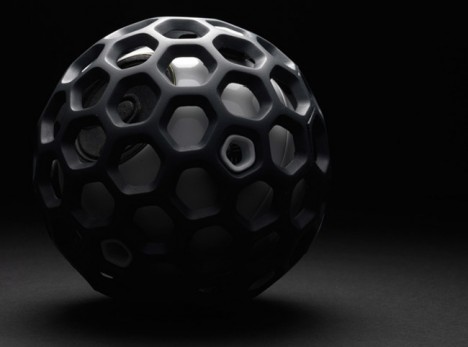
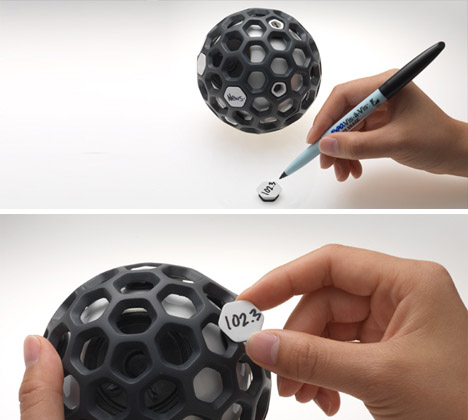
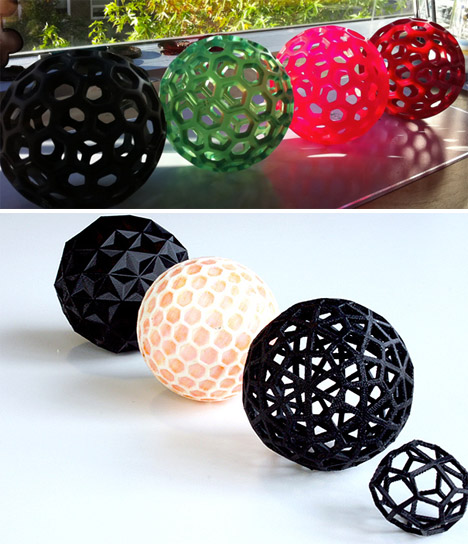
Remember when searching for a good radio station was a process of discovery, slowly turning a knob to hear snippets of music or talk making its way through the static? The anticipation was part of the experience, not knowing just what you might hear as you made your way around the dial. A fun concept called the Radioball brings back that feeling with an interactive three-dimensional design marrying retro and modern technologies. You simply roll the ball to change the station.

Radioball 2

“Thinking back to the days of old analog radios, the magic of finding unexpected stations in the midst of fuzz was both enchanting and evocative,” says designer Ben Collette. “Compare that with today’s digital-based interactions of screens and tact switches; they give us exactly what we want when we want it, but leave no room to stumble onto alternative choices. The radioball prototype was built as a starting point for conversation about the need for richer, more spatial interactions.”

Radioball 3

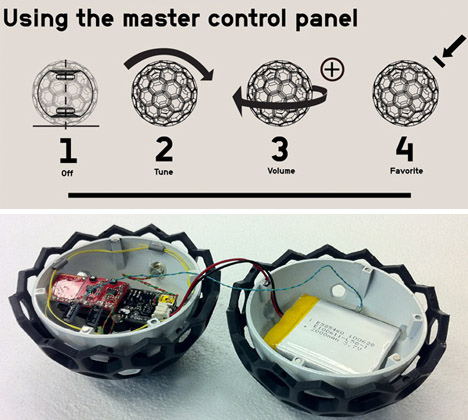
A lightweight, 3D-printed urethane mesh forms a honeycombed ball shape, which is then fitted with electronic components like speakers. The sections of the ball and the components are held together using magnets, and the design team is playing with various colors and levels of transparency for the outer mesh.

Radioball 4

For version 2.0, Collette added a digital gyroscope to the control board so that a slow twist on any facet turns the volume up or down. It’s also got a larger battery and an easily accessible mini-USB slot for recharging the device.

Share on Facebook


[ By Steph in Gadgets & Geekery & Technology. ]

[ WebUrbanist | Archives | Galleries | Privacy | TOS ]


WebUrbanist

 
Comments Off on Retro-Modern Radio Ball Rolls its Way to the Next Station

Posted in Creativity


Samung Galaxy S4 Zoom gets Android 4.4 KitKat update

17 Jul

The Galaxy S4 Zoom, Samsung’s first attempt to fit a zoom lens into an Android-powered smartphone-style body, is getting an update with the latest Android version: 4.4 KitKat. The new software version will give S4 Zoom users access to the KitKat improvements which include faster performance, a redesigned status bar, wireless printing support, full-screen album art in the media player and a camera shortcut on the lockscreen. Read more at connect.dpreview.com

Articles: Digital Photography Review (dpreview.com)

 
Comments Off on Samung Galaxy S4 Zoom gets Android 4.4 KitKat update

Posted in Uncategorized


Stay on the Go: 13 Stackable, Movable Modular Hotel Designs

17 Jul

[ By Steph in Architecture & Offices & Commercial. ]

Modular Hotels Main

These hotel rooms can be stacked on top of each other, swapped out for easy renovation and easily transported from one place to the next thanks to their modular design. From a shipping container hotel to floating hotel with detachable boat-like rooms, the 13 designs featured here are anything but stale and static.

Modular Bamboo Hotel
Modular Hotel Bamboo 2

Modular Hotel Bamboo 1

Using cheap and highly renewable bamboo as a sort of scaffolding, the ‘One with the Birds’ modular hotel concept by Penda stacks pyramid-shaped volumes high into the sky while barely making a mark on the ground below. The low-impact, tent-themed hotels would be easy and quick to reproduce and expand as necessary. Inspired by Native American tipis, the structures use X-shaped bamboo joints to hold horizontal bamboo rods in place, which support the flooring. Joints would be tied together with rope so the whole structure can be disassembled and reused in other projects.

Bayside Marina Hotel
Modular Hotels Bayside Marina 1

Modular Hotels Bayside Marina 2

Long, narrow two-story prefabricated cottages based on the form of the shipping container are grouped together along the seaside of Yokohama as the ‘Bayside Marina Hotel.’ The containers are staggered along the site to give each residence a different view. The units are fabricated in Thailand and transported to Japan, where they’re assembled on-site.

Botel Floating Hotel with Detachable Rooms
Modular Hotels Botel 1

Modular Hotels Botel 2

Ever wish you could detach your hotel room from the main building and move it somewhere else? With ‘Botel,’ not only can you do that, your hotel room is actually a boat. The concept by Ivan Filipovic enables guests to explore their surroundings autonomously while retaining access to all of the amenities provided by the core structure. Dock at the main part of the hotel to have dinner or go to a nightclub, or enjoy a little privacy in a separate area of the bay.

Shelf Hotel: Swappable Modules in a Frame
Modular Hotels Shelf 1

Modular Hotels Shelf 2

What if hotel rooms of various sizes, shapes and levels of luxury could simply be swapped out like objects on a shelf? The Shelf Hotel by 3Gatti, envisioned for Xian, China, sets little removable modules within a framework raised above ground level to preserve green space below. The modules would consist of hotels as well as homes and offices.

CitizenM Hotels
Modular Hotels Citizen M 1

Modular Hotels Citizen M 2

Now open in various cities around the world, including Amsterdam, Glasgow and London (pictured), CitizenM hotels provide affordable luxury by fitting compact yet comfortable rooms within a simple frame for an industrial, urban appearance. The shipping container-like rooms are stacked on top of each other like LEGOs and contain a king size bed, pod-like toilet, shower and sink as well as lighting and other functions controlled via iPad.

Next Page – Click Below to Read More:
Stay On The Go 13 Stackable Movable Modular Hotels

Share on Facebook


[ By Steph in Architecture & Offices & Commercial. ]

[ WebUrbanist | Archives | Galleries | Privacy | TOS ]


WebUrbanist

 
Comments Off on Stay on the Go: 13 Stackable, Movable Modular Hotel Designs

Posted in Creativity


Iconic ‘Flag Over Reichstag’ Leica to go Under the Hammer

16 Jul

The Lecia III used by Yevgeni Khaldei to take Raising a Flag Over The Reichstag is to go on sale in Hong Kong this November with a guide price of $ 390,000 – 580,000. Khaldei took the famous shot in 1945, as Russian troops overran Berlin in the final days of World War II. Learn more

Articles: Digital Photography Review (dpreview.com)

 
Comments Off on Iconic ‘Flag Over Reichstag’ Leica to go Under the Hammer

Posted in Uncategorized