RSS
 

Archive for July, 2014

Fliegende Wale über Nebelwäldern

18 Jul

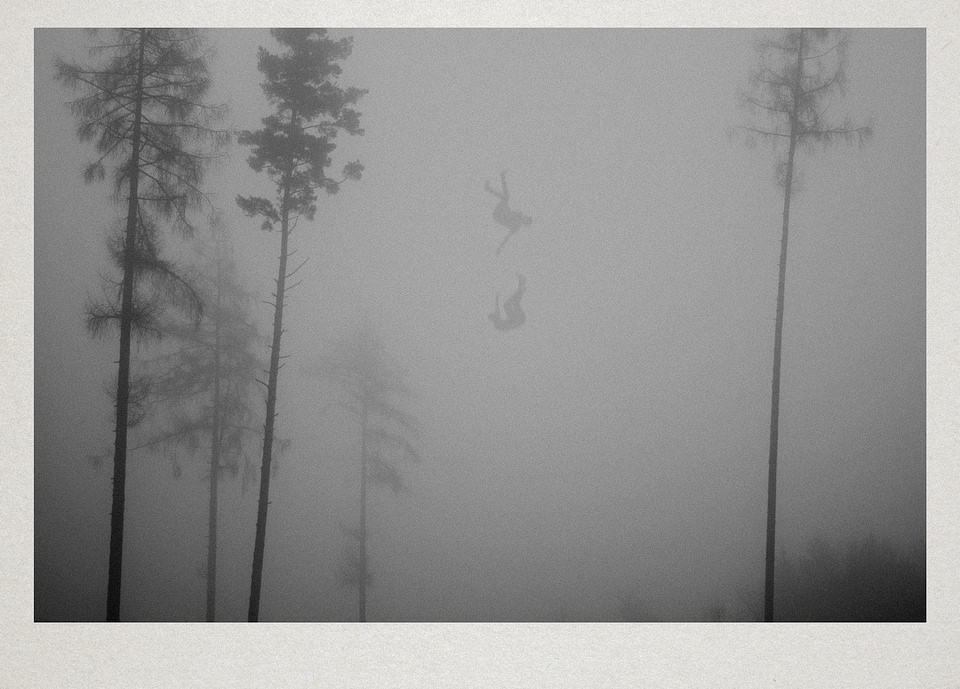
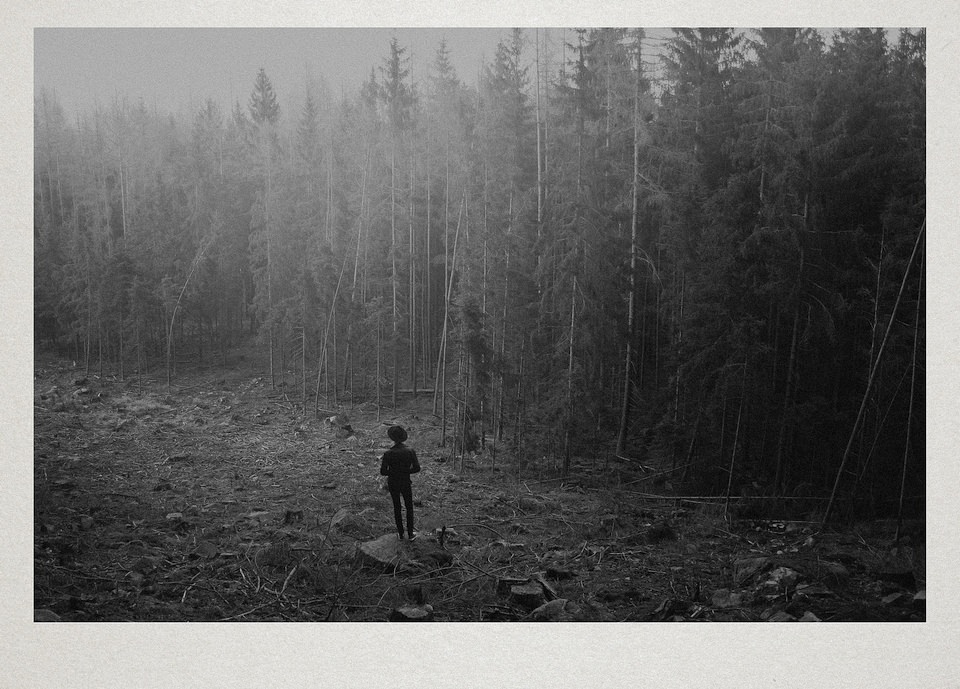
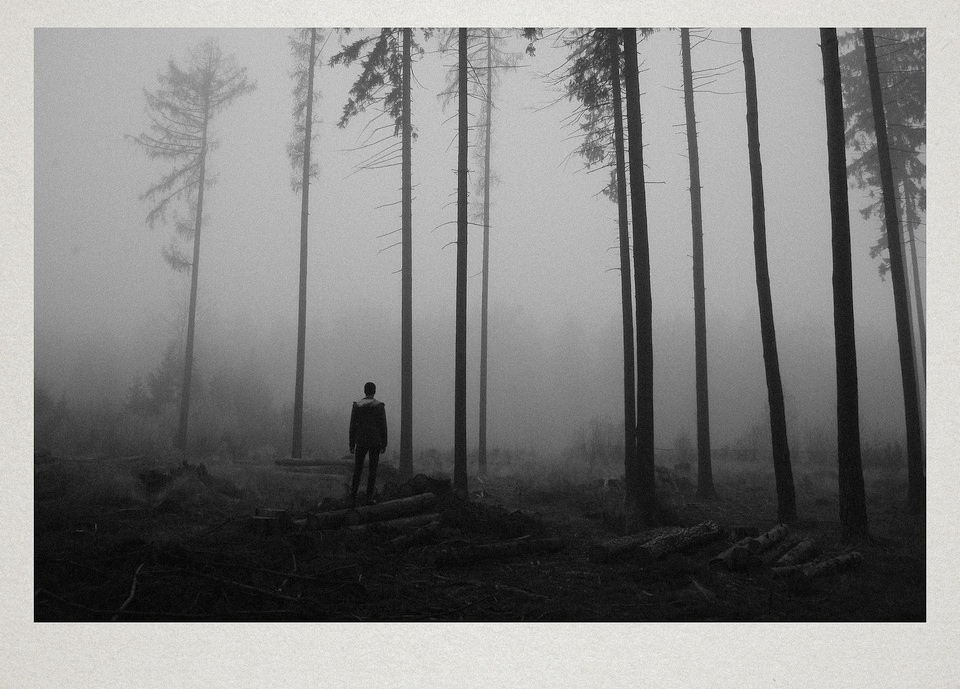
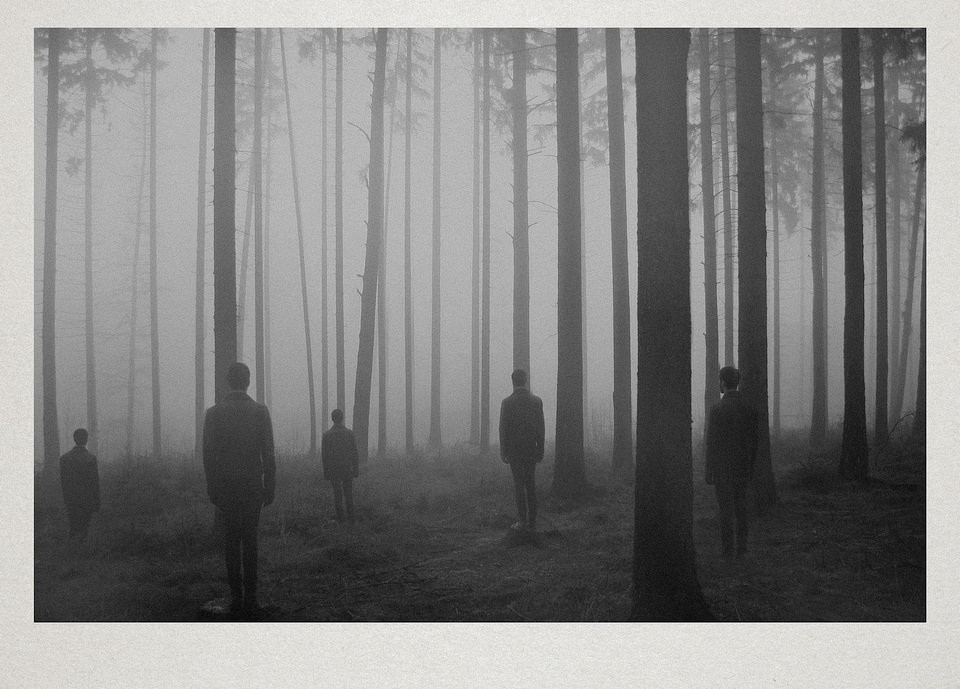
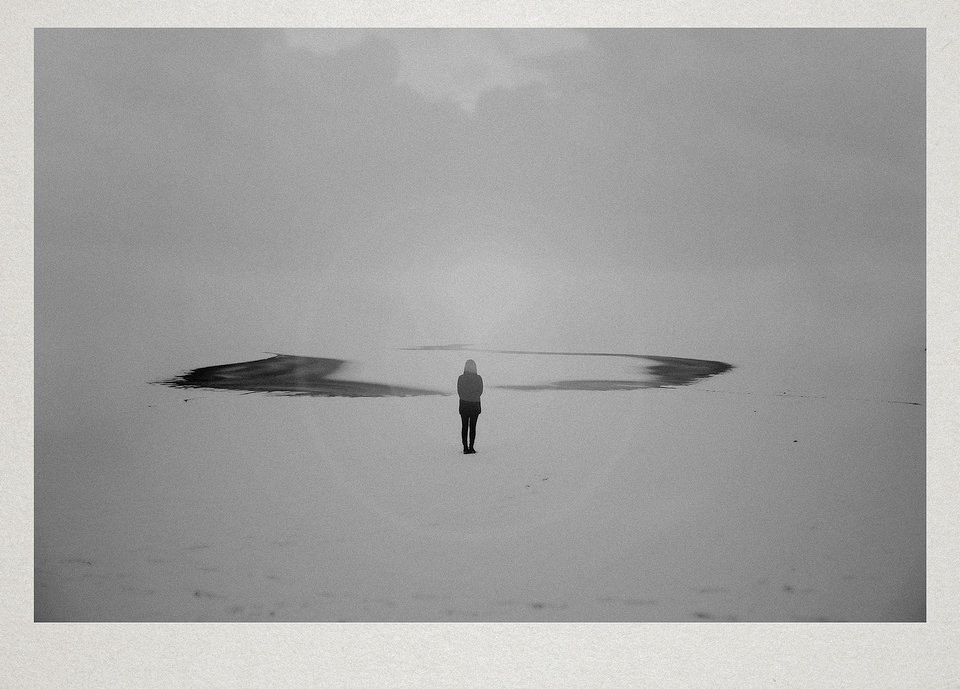
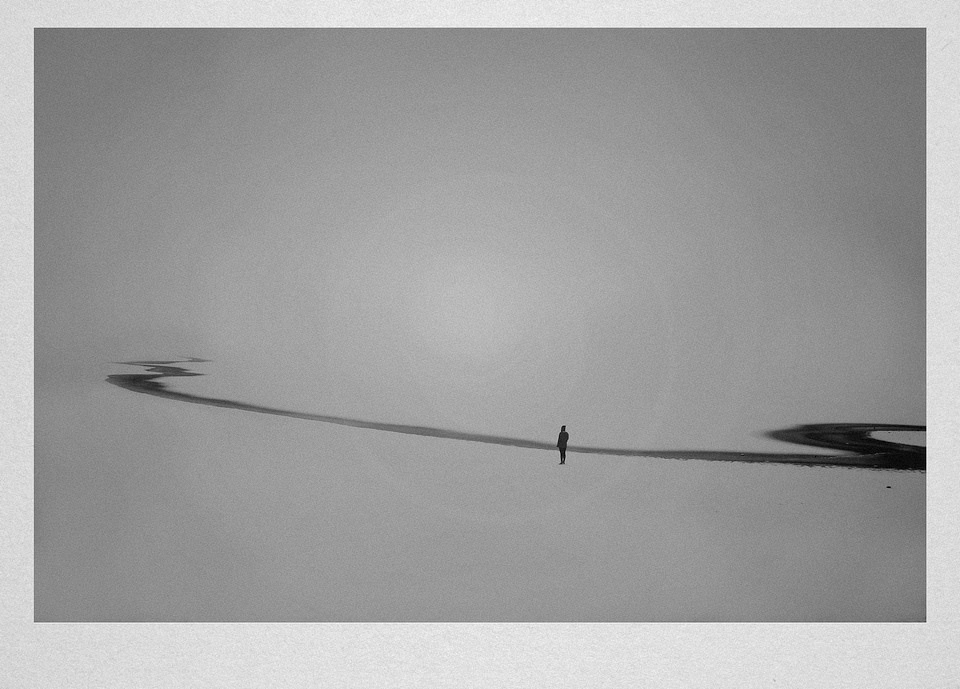
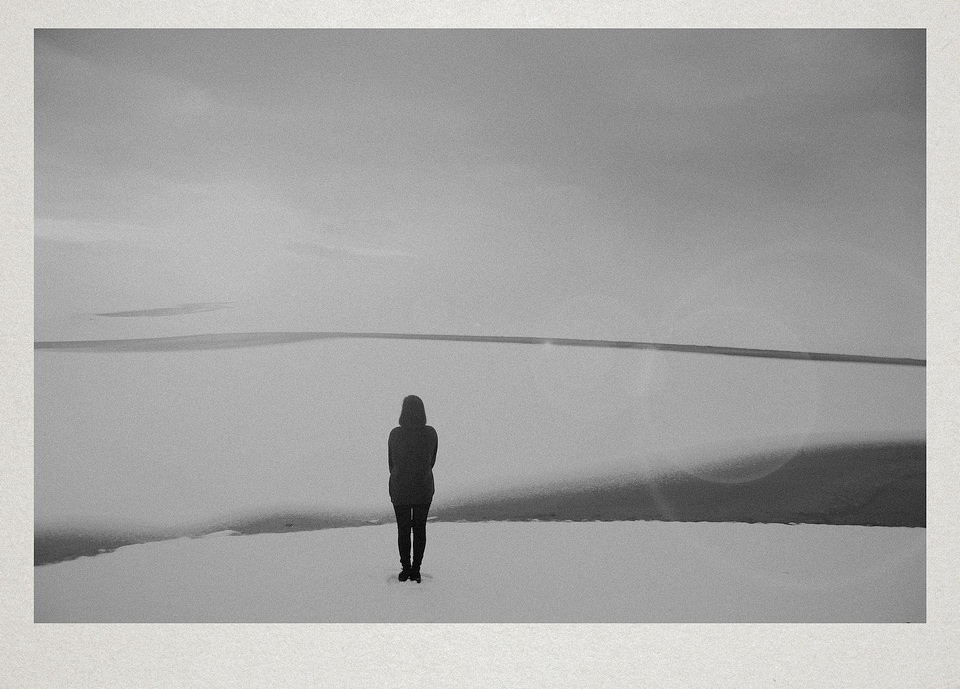
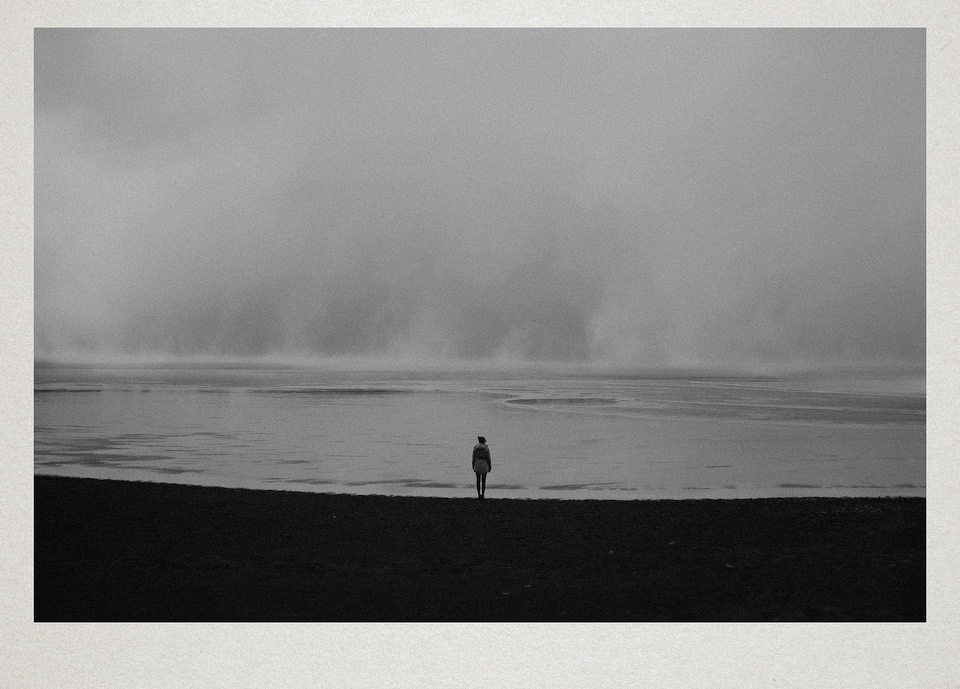
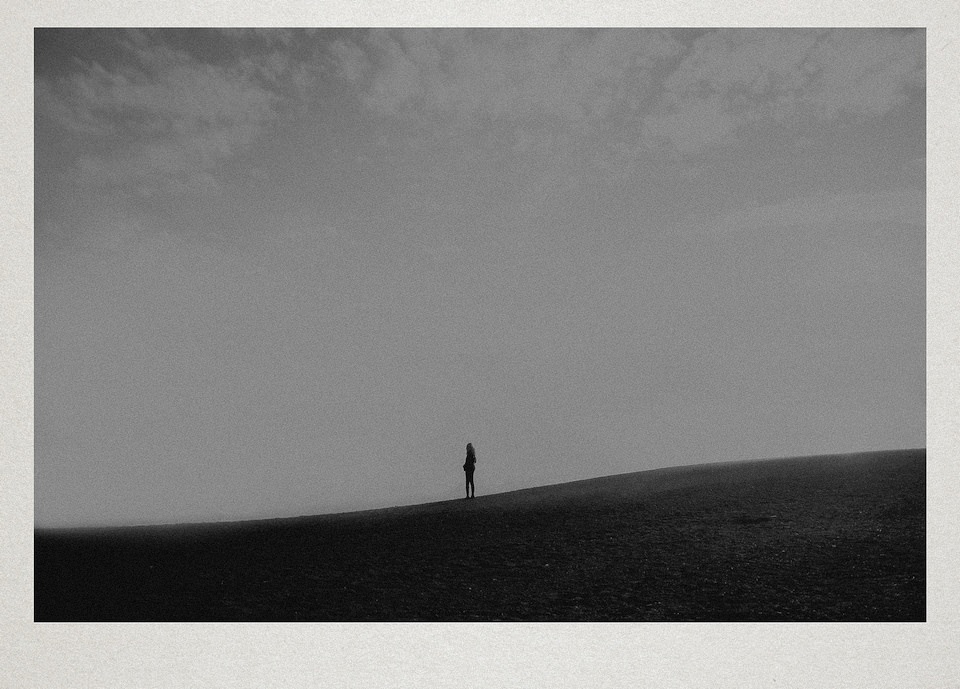
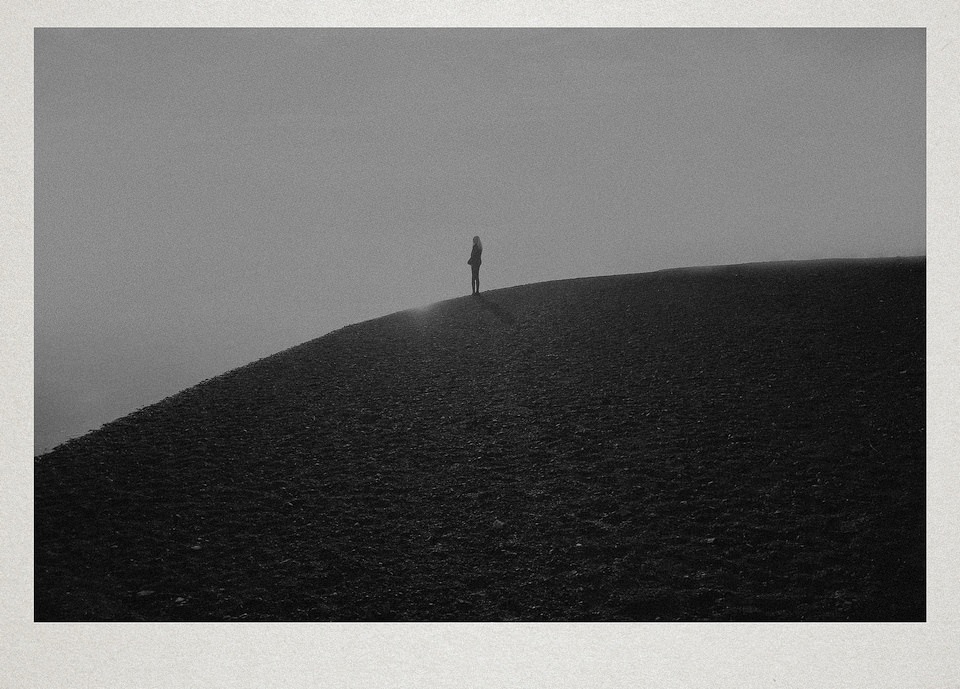
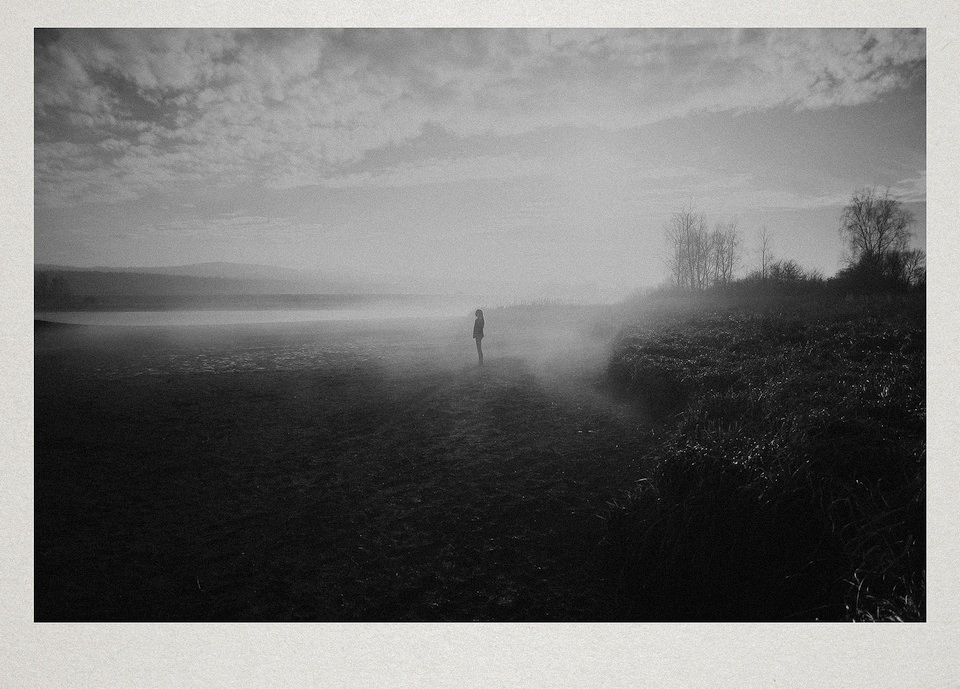
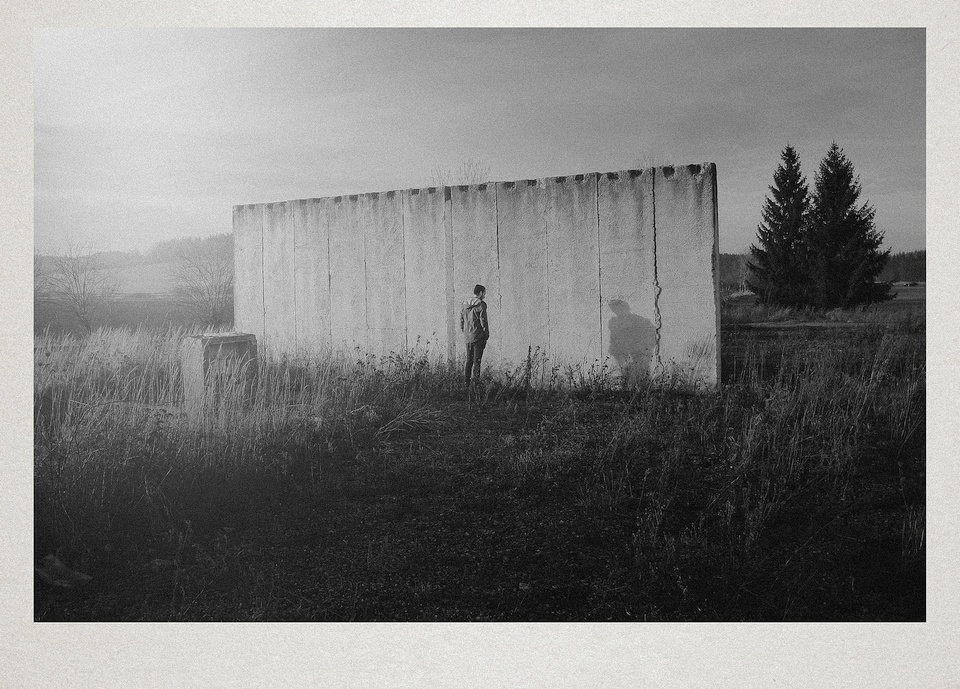
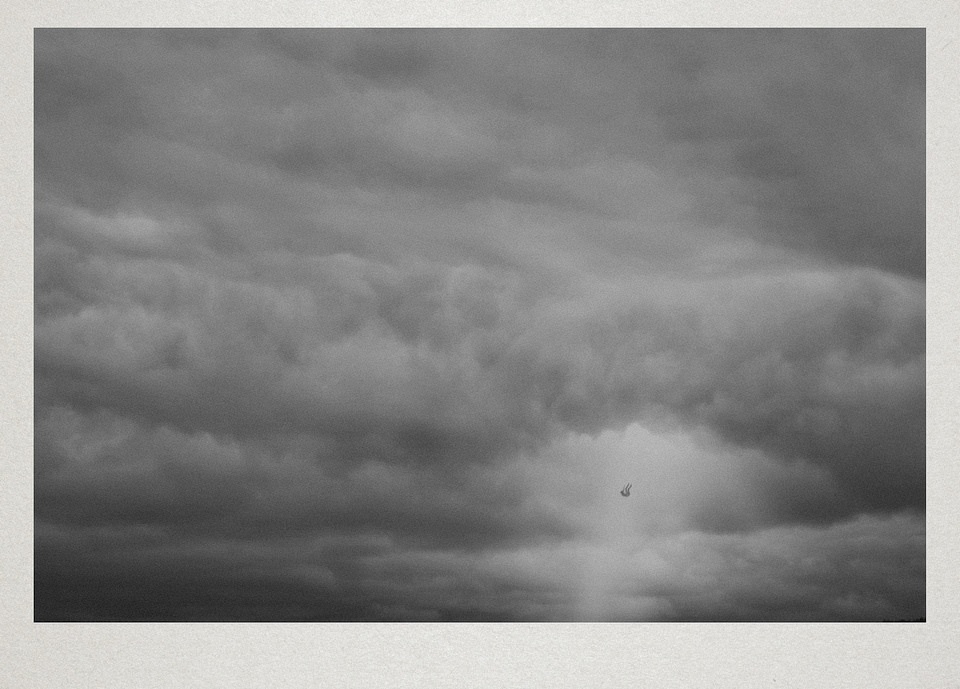
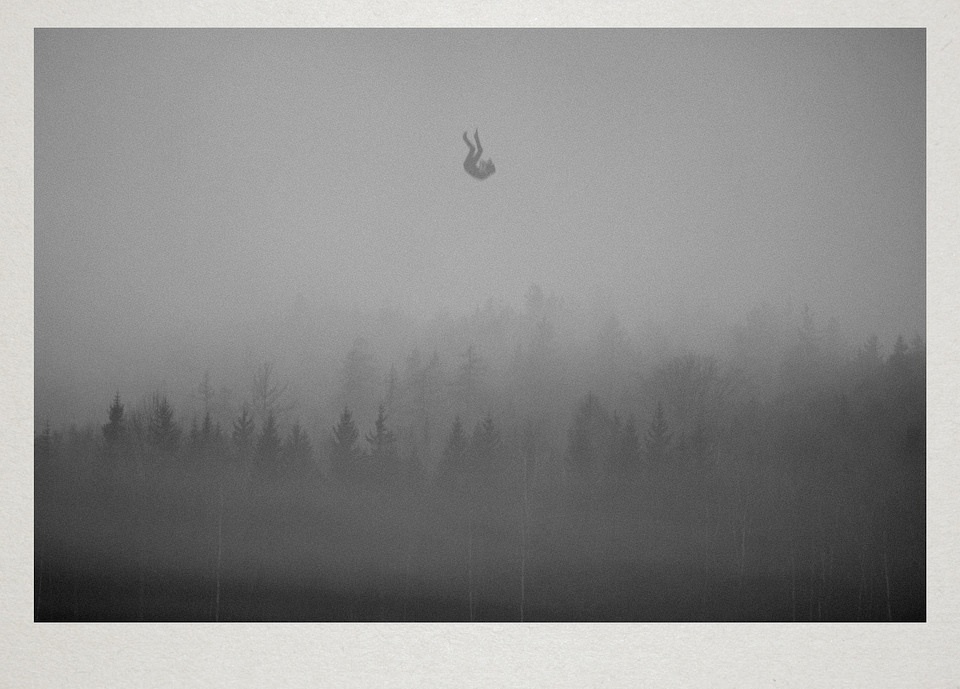
Martin Vlach gehört zu den eher mysteriösen Fotografen, wenn man so will. Im Netz findet man eine überschaubare Anzahl seiner Arbeiten, die alle in einem recht einheitlichen Stil gehalten sind. Neben Portraits und ein paar Körperstudien fällt vor allem eine Art Serie auf, die ich hier einmal herausgreife.

Da es weder wirkliche Informationen zu Martin selbst noch zu seinem Workflow gibt, habe ich versucht, mich seinen Bildern anzunähern, indem ich aus den Einzelteilen eine Geschichte baute. Da immer wieder ähnliche Versatzstücke in ihnen auftauchen, funktionierte das auch überraschend gut.

Die Bilder werden von Personen bevölkert, die – immer nur von hinten sichtbar – durch Landschaften wandern, die meditativ still und nebelgeflutet oft bis zur Abstraktion oder reinen Leere abstrahiert sind. Schwarzweiß, körnig und etwas flau verschwimmen die Grenzen von Fotografie und Manipulation.

Besonders spannend finde ich seinen Ansatz, den beschriebenen Stil nicht nur zur Unterstützung der Collagen zu benutzen, sondern ihn konsequent auch auf die Bilder anzuwenden, die wahrscheinlich die un-collagierte Realität zeigen. So werde ich misstrauisch. Vermute Manipulation, wo vielleicht keine ist und akzeptiere als echt, was es nie gab.

Aus einem Loch in den Wolken fällt ein Mensch.

Eine Person fällt über einem Wald vom Himmel.

Zwei Personen fallen im Nebel zwischen Bäumen vom Himmel.

Eine Person steht vor einem Wald.

Eine Person steht im Nebel in einem lichten Wald.

Fünf Personen stehen im Nebel in einem lichten Wald.

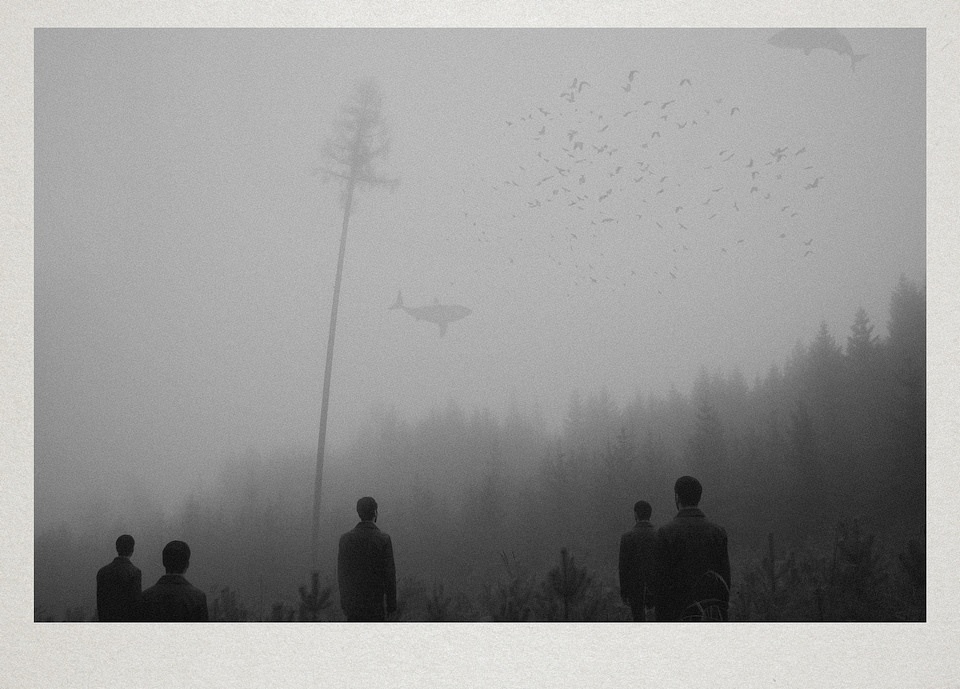
Fünf Personen stehen vor einem Wald und schauen zum Himmel auf, wo ein Vogelschwarm und zwei Wale fliegen.

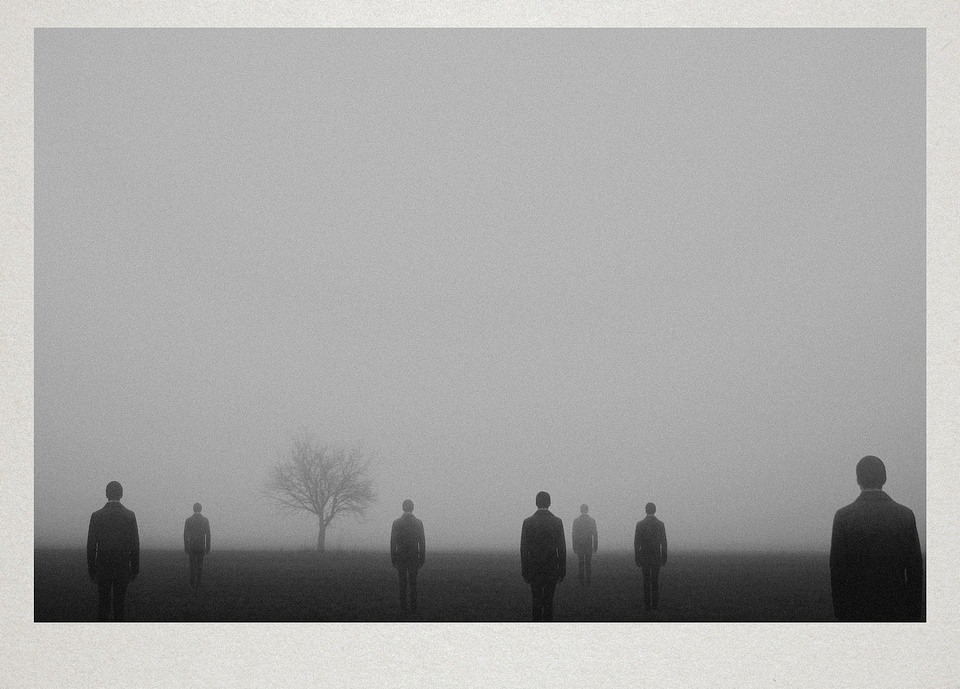
Einige Menschen und ein Baum stehen auf einem nebligen Feld.

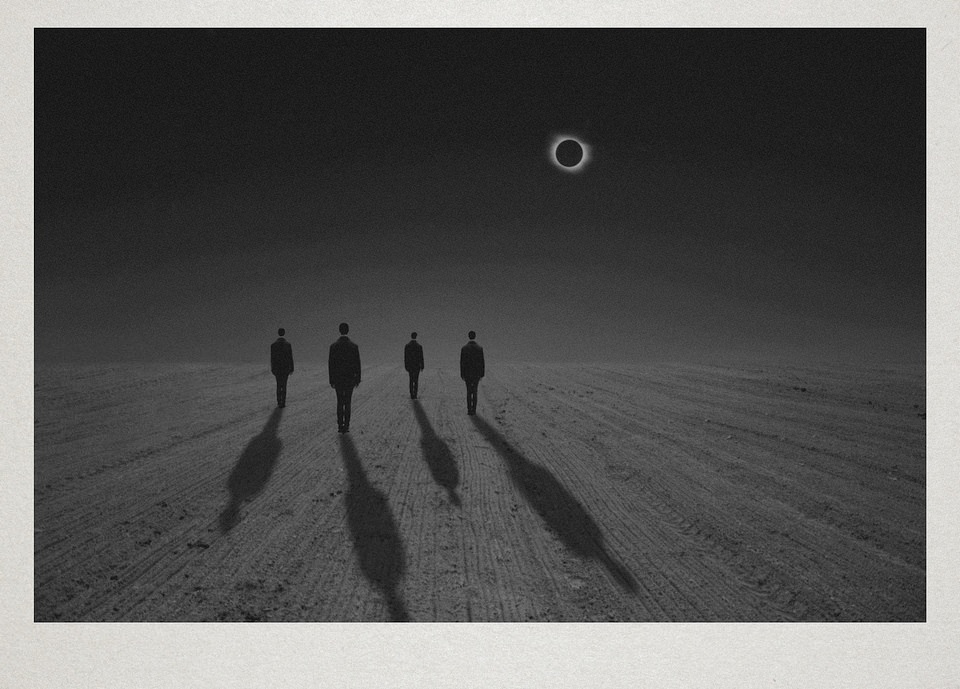
Vier Personen stehen auf einem Acker, am Himmel eine Sonnenfinsternis.

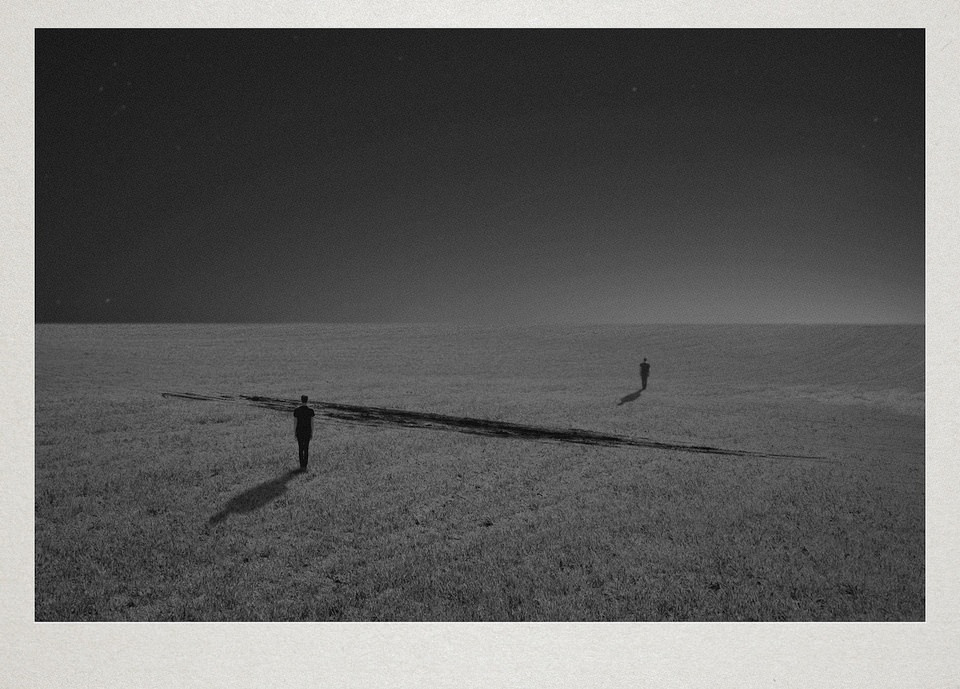
Zwei Personen stehen auf einem Feld, zwischen ihnen liegt ein Schatten.

Eine Person steht auf einem Schneefeld mit Lücken.

Eine Person steht in einer verschneiten Landschaft an einem Fluss.

Eine Person schaut auf eine fast abstrakte Schneelandschaft.

Eine Person steht am Strand.

Eine Person steht auf einem Hügel.

Eine Person steht auf einem Hügel.

Eine Person steht in einer nebligen Landschaft.

Eine Person steht vor einer Betonwand in der Natur.

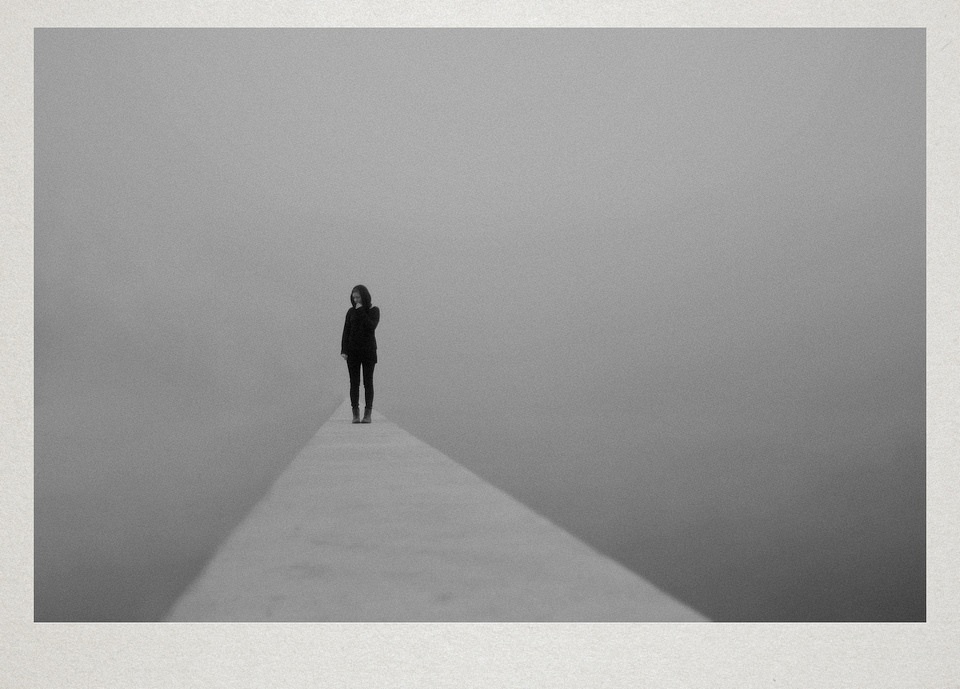
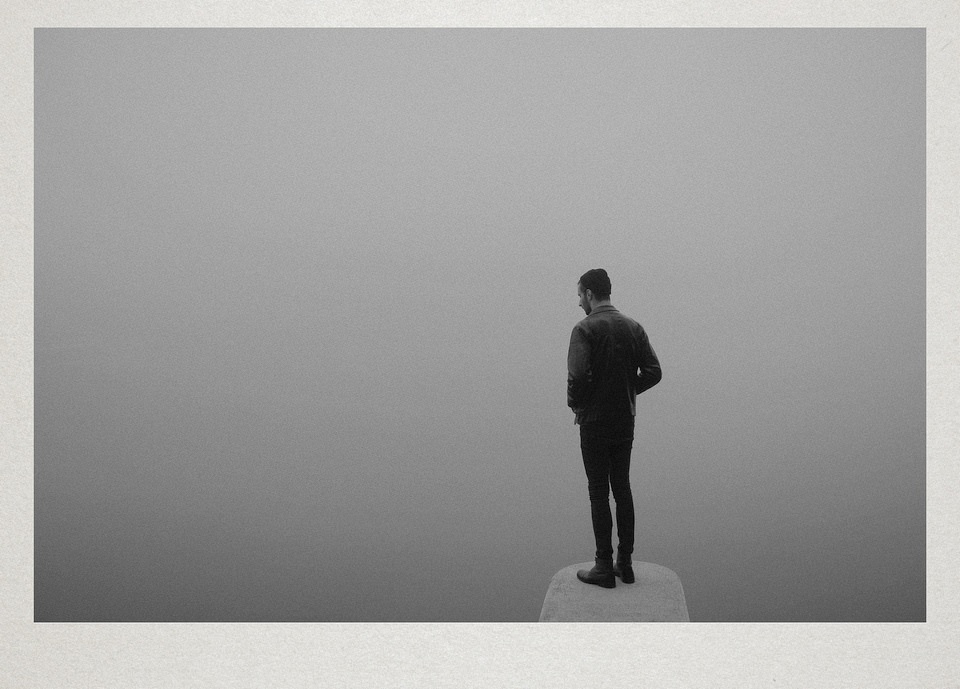
Eine Person steht auf einem Steg im Nebel.

Eine Person steht am Ende eines Steges im Nebel.

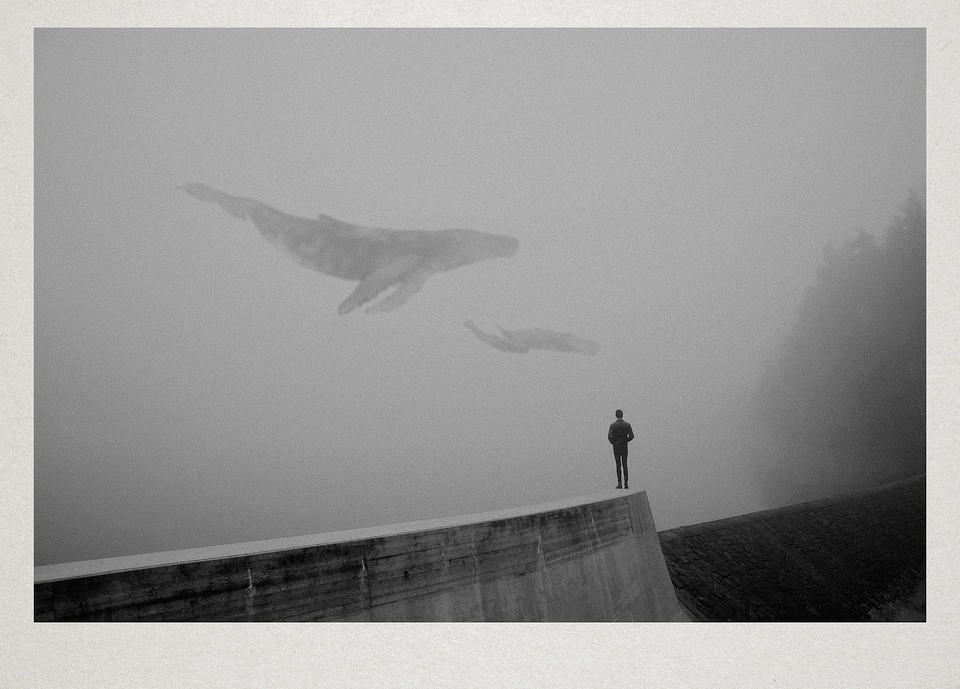
Ein Mann steht auf einem Steg, über ihm fliegen zwei Wale.

Martin Vlach lebt in Tschechien. Seine Arbeiten findet Ihr auf Flickr und Instagram, wo sich auch weitere, nicht-konzeptuelle Arbeiten ganz verschiedener Genres finden.


kwerfeldein – Fotografie Magazin | Fotocommunity

 
Comments Off on Fliegende Wale über Nebelwäldern

Posted in Equipment


18 July, 2014 – Out On The Streets with a Leica M8

18 Jul

There are as many stories as there are photographers… gear we’ve bought, and how it’s changed the way we see and work. This is one photographer’s story.


Don’t forget to check out our schedule of workshops for the rest of 2014 and into 2015. There are even a few spots left on our Antarctic workshops!!


The Luminous Landscape – What’s New

 
Comments Off on 18 July, 2014 – Out On The Streets with a Leica M8

Posted in News


Head Light: Popup Wall Lamp Has Horns that Glow in Shadows

18 Jul

[ By WebUrbanist in Design & Fixtures & Interiors. ]

light and dark headlight

A classy alternative to hanging animal parts, this deer head wall lamp started as a design concept, went viral as a prototype and has just been funded for full production via a successful crowdfunding campaign.

popup lighting design

owl lamp pop up

peacock lamp pop up

This particular popup lighting design is the first in a series of pieces that combine abstracted animals (including an owl and a peacock) and minimalist home lighting design – a sort of modern (and less morbid) take on faux taxidermy.

popup dear head light

deer head light pair

pop up light night

Chen Bikovski is a Tel Aviv-based designer exploring the relation of light and space. “Since I was a child, I was fascinated by Pop-up books…The excitement before turning a page, a simple pull that uncovers a whole new world. I loved how the story came to life, how the books created a fantasy world that flew off the page. The magic, the excitement, the naiveté…”

dear head light design

pop up lighting

dear head light in room

Named ‘Promising Young Designer of 2012,’ Chen’s work is presented in prominent galleries and featured in leading design publications. “The idea behind Popup Lighting was to create a permanent light fixture that would bring a magical ambiance to any space. A multi-dimensional light that would inspire the senses and ignite the imagination.”

Share on Facebook


[ By WebUrbanist in Design & Fixtures & Interiors. ]

[ WebUrbanist | Archives | Galleries | Privacy | TOS ]


WebUrbanist

 
Comments Off on Head Light: Popup Wall Lamp Has Horns that Glow in Shadows

Posted in Creativity


CreativeLive to host free one-day event with Art Wolfe

18 Jul

On July 18th from 9AM PT to 4PM, CreativeLive will host a free, one-day event with nature photographer Art Wolfe. The class will be streamed live on CreativeLive’s website, and viewers will be able to submit questions through Twitter, Facebook and CreativeLive’s chat. Once it’s aired, the class will be archived and available for download for $ 49. Learn more

Articles: Digital Photography Review (dpreview.com)

 
Comments Off on CreativeLive to host free one-day event with Art Wolfe

Posted in Uncategorized


Adobe Camera Raw 8.6 and DNG Converter 8.6 release candidates available

18 Jul

Adobe has made Camera Raw 8.6 and DNG Converter 8.6 release candidates available. This version adds support for the Nikon D810, Panasonic Lumix AG-GH4 (GH4 with interface unit) and Panasonic Lumix DMC-FZ1000. Color profiles are added for the Sony Cyber-shot RX100 III, A7S and Alpha SLT-A77 II. Also included are a number of new lens profiles. Learn more

Articles: Digital Photography Review (dpreview.com)

 
Comments Off on Adobe Camera Raw 8.6 and DNG Converter 8.6 release candidates available

Posted in Uncategorized


Using Composition to Create More Powerful Portraits

18 Jul

As part of my series on portrait photography, in this article, I will discuss composition, one of the most important aspects of creating a good portrait image.
F11A6332 1

  • Are there any laws regarding framing a portrait?
  • Can I leave hands, fingers, or part of the head out of the frame?
  • Does a portrait have to include a face?

I will answer these questions that my students often ask. It is important to keep in mind that as in all aspects of art, there are no “rules” or “must dos” here, because you can do anything as long as it works for you. So, I will describe techniques that work for me and I hope that they will work for you, resulting in much stronger portrait photography portfolio.

What is a good portrait?

A good portrait is an image of a person that manages to tell a story. A good portrait evokes emotion. A good portrait tells us something about the person in the image, and composition is a key element that helps us create a storytelling portrait.

How can I create a storytelling portrait with the help of composition?

I think good composition is a combination of the scene on the ground and the scene within your head. It combines the available with the desirable.

Here are a few examples of portraits I made recently (using natural light only) with explanations of the thinking process and goals in terms of composition. As Ansel Adams said, don’t forget that every image has two people behind it. the photographer and the viewer. So you might not feel the same emotions as I do with the images I created. But that’s okay, because photography is both an art and a science.

Choosing how much background to include
F11A3496 Exposure 1

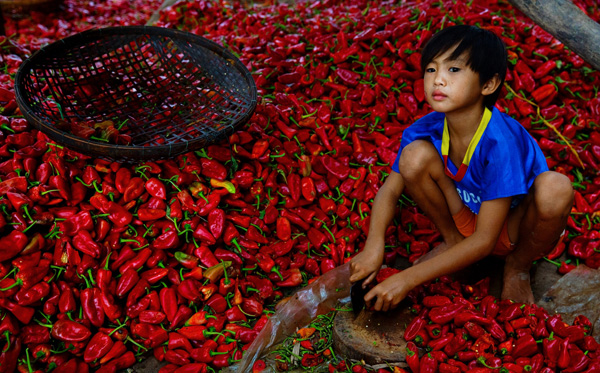
Focal length 24mm

I met this boy cutting Paprika in rural Cambodia. It was summer vacation and he was there with his family and other villagers. What’s my visual narrative in one line? “Small boy, big work.”

I immediately knew two things: one, the background is a significant element and two; I wanted to capture the boy working alone. So, I started with the background and decided on a high angle in order to capture this “mountain” of Paprika. It was important for me to show the boy’s entire body with some space above his head so that the viewer could compare (remember my one line story?) the size of the boy to the size of the work.

I even included that basket in the composition to add balance to the entire frame. After I set up my composition, I waited about 20 minutes to capture the boy looking up. I knew that if he was working with his head and eyes down, the whole story would fall apart. I think the wait was worth it.

For me, this is one of the most complex decisions in photography: to identify visual storytelling potential and decide how much time you’re willing to wait until the story materializes.

Story 56 the kid 1

Focal length: 17mm

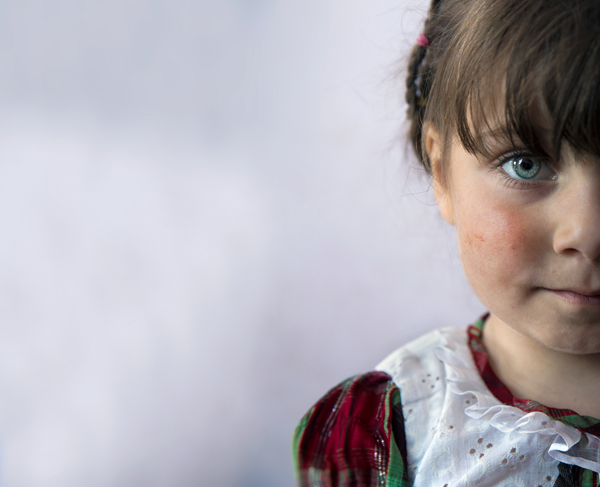
I used the same technique here in Kyrgyzstan, for this shot of six year old Aytinger, which I made for National Geographic Traveler magazine. Visual narrative in one line, “Small boy, big world”.

Here, I made the background much more dominant compared to the previous image. Here the boy is very small compared to the land. Imagine if I framed this image with only his face? I would lose the entire story, because his face alone doesn’t tell the story I want to portray. It was important for me to “include” the path and the big cloud in the horizon, to add sense of an “epic” feel to the image.

Web11 1

Focal length: 70mm

Here, you can see a different kind of portrait framing. Visual narrative in one line – “Quiet, peaceful, youth”.

I wanted to evoke peace and harmony. So I focused only on the face of this young monk, and included almost no background, in order to avoid interference from the environment. Also, note how the central composition (the subject is in the center of the frame) is balanced with the two orange frames on the sides.

I used soft natural light (coming from the right side of the frame) in order to create a sense of something religious and pure.

Cropping in tight

42 1

Focal length: 70mm

This is the type of framing that I’m asked many questions about by my students: whether it is allowed to cut off part of the head like this. Sure, as long as it helps the visual story you want to tell. Visual narrative in one line, “A sad reflection”.

Apollo’s wife died not long before I met him in the hills of northern Laos. In the image, Apollo’s face and the feeling of something tilting or shifting in his world is the only important thing. By framing his face on the right, while he was looking down and to the right, I wanted to create a feeling of an “unbalanced world”. Compare the very low key, dim lighting (with negative exposure compensation) in this image to the previous one of the monk. I was using the dark part of his house to evoke this story.

TheAccess 4photography people

Focal length: 85mm

This framing is even more radical than the previous one. Please note that this is the composition I did on the ground (no cropping) for a story I did for National Geographic Traveler magazine on Western China. Visual narrative in one line, “Strong and wise”.

Leaving space

When I saw the eyes of this man, the oldest man sitting in the back of a teahouse in remote western China, I knew I didn’t need anything else but his blue eyes. So I made it the dominant factor of my composition.

Story 35 alone 1

Focal length: 24mm

Now you might ask, is this a portrait too? Well, yes, for two reasons: one, do you see a person, and two, do you feel a sense of story?

What’s my visual narrative? It was a particularly hot afternoon. Dozens of worshipers left the mosque. I paused for a moment, trying to change lenses, as I noticed this guy. It seems that he was not affected by the hustle passing him by. He remained alone, continuing to read the prayer book. At first, my initial thought was “wow, what loneliness”. But then I thought, ”wow, what strength”.

I used the empty spaces of the place to enhance the sense of loneliness, but the balanced; “by the rules” composition (rule of thirds) should give the sense of power I was aiming for. The reason I chose to use negative exposure compensation and thus create a silhouette was to not compete with red color in the background and give it a sense of harmony.

Put it all together

You may be asking – “Okay, I understand the thought process. But honestly, do you really think about it before the creation of the frame or only afterwards?”.

Well, I do believe that good portrait photography is an outcome of a thinking process. Should I add the background or not? Should I crop the head or leave it full? Sometimes by over-thinking, the subject might lose patience. It has happened to me more than once. But for me, having the time to think, to plan, and to achieve the story I wanted is part of the fun.

Feel free to leave questions and comments below.

Note: the author would like to thank Nicholas Orloff for his help of writing this article.

The post Using Composition to Create More Powerful Portraits by Oded Wagenstein appeared first on Digital Photography School.


Digital Photography School
 
Comments Off on Using Composition to Create More Powerful Portraits

Posted in Photography


6 Tips to Take Your Architecture Photography to the Next Level

18 Jul

Liams Seattle

Architectural photography may seem like an incredibly boring subject, but there is lots of creativity involved with shooting buildings, not to mention it’s a rather lucrative way to make a side income as a photographer. However, the rules of photographing a building versus a person are quite different. Whether you are a relatively seasoned architectural photographer looking to refine your approach, or a budding photographer curious about how to create impactful architectural photos, these tips should help take your photography to another level. This post is written for a photographer approaching an official architectural photography assignment, but the tips also apply to casual shooters.

1. Do your homework and see if there are any photos of the space online

Most buildings in the world have been photographed at least once thanks to Google. A quick Google Image search of the space you’re looking to shoot should pull up a variety of photos by both professionals and amateurs. Use the work of others to your advantage. Check to see what angles other photographers may have already shot, and which ones they haven’t. Examine the photos for any potential challenges that may arise, such as tall interiors or exteriors, or areas that look better when naturally lit by a sunset. Do what you can to anticipate your needs on site before you arrive.

Puerto Vallarta

2. Know the geographical aspect of your building

Speaking of natural light, this can be your friend or your foe. Many modern buildings today are being built with lots of features that offer natural light such as floor-to-ceiling windows and skylights. While these may seem great for the actual building occupant, these features can make or break your architectural photo shoot. More than ever, it is important to know the geographical aspect of the building you are shooting. Is it east-facing or west-facing? Depending on the time of day, it truly matters. Be sure to consider the geographical aspect in relation to the time of day you choose to shoot.

3. Always walk through the space first

There are a couple reasons why a walk through is essential. First, it is much easier to remove any clutter or unorganized elements. Two things to always look out for are trashcans and wrinkles in fabrics such as curtains or bed spreads. These are two things that are much easier to remove before you shoot rather than in post-production. Second, think of the walk through as your scouting mission. Look for any “special access” places such as nooks and crannies or elevated spaces, that you may be able to squeeze yourself into to get an alternative view of the space. In this day and age where just about everyone has a camera, capturing stand out photos is about finding the angles of a space that aren’t so obvious.

Hecho Seattle

4. See if the space has been styled

Before you walk through the space, check with your photography coordinator to find out if the space has been staged or styled by a designer. If so, you’re in luck! Staged spaces tend to look like they’re straight out of a magazine with furniture, artwork, and props carefully placed in the area, making your job much easier. If the space hasn’t been staged, you will have to put in more effort to figure out the architectural importance of the space and have these elements shine through in your images. Ask yourself, “without furniture, what is it about this space that makes it special?”. Perhaps it’s the exposed brick and wood beams, or the floor-to-ceiling windows. Whatever it is, make sure these elements become the focal points of your photos.

5. As you begin shooting, watch for vertical lines

When shooting architecture, you almost always want to use a wide-angle lens such as a Canon 16-35mm, but these lenses have a tendency to cause converging verticals. This happens when two parallel lines in an image appear as if they are leaning in towards each other. To make your photos appear more professional, and the architectural subject appear more structurally sound, it is important to correct these converging verticals. The easiest way is to simply change your perspective. Take a few steps away from your architectural subject, or elevate yourself until your vertical lines appear more parallel. Other ways to correct for converging verticals is to fix it in Photoshop, or if you have the budget, invest in a perspective control or tilt-shift lens.

Fairwinds Seattle

6. Elevate yourself

There are two main reasons why you want to get to higher ground while shooting a building. The first is to correct for converging verticals as mentioned above. The second reason is to strive for a different photographic perspective. If you’re lucky, the space you’re photographing may come with a balcony, staircase, or natural element that lets you rise several feet for a taller perspective. However, keep in mind that again this is an obvious element that many other photographers will make a beeline for. This is why in 90% of architecture photography situations it pays to have a foldable, portable ladder or step stool and a monopod with you always. Having these two relatively cheap and lightweight items will help you achieve different, elevated perspectives of interiors and exteriors from atypical angles. Keep them in the trunk of your car; you never know when they will come in handy.

EMP SFM Seattle

Architectural photography at face value may not seem like an interesting subject, but think of it this way: when you travel, how many buildings do you see that you end of taking a photo of? Use these tips not only for approaching a real estate photo job, but whenever you plan to take semi-professional photos of buildings or just for yourself.

Have any other tips you want to share, please do so in the comments below.

The post 6 Tips to Take Your Architecture Photography to the Next Level by Suzi Pratt appeared first on Digital Photography School.


Digital Photography School
 
Comments Off on 6 Tips to Take Your Architecture Photography to the Next Level

Posted in Photography


LG launches G3 Beat with Laser AF

18 Jul

LG has announced the G3 Beat which in Europe will be marketed as the G3 „s“. With a smaller screen and downgraded specs compared to the LG flagship phone G3, the G3 Beat is to the G3 pretty much what the G2 Mini was to the G2. Despite its mid-range positioning the G3 Beat has a lot to offer to mobile photographers – click through to read more at connect.dpreview.com.

Articles: Digital Photography Review (dpreview.com)

 
Comments Off on LG launches G3 Beat with Laser AF

Posted in Uncategorized


17. Juli 2014

18 Jul

Ein Beitrag von: Florian Thein

Ein sehr spaciges Haus.


kwerfeldein – Fotografie Magazin | Fotocommunity

 
Comments Off on 17. Juli 2014

Posted in Equipment


On-Assignment: Full-Sun Group Shot

18 Jul

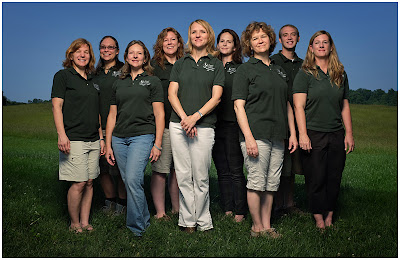
If you have never done it before, lighting a group shot outdoors in full sun can be daunting. After all, sun is pretty bright. And your subject is pretty big and thus harder to light at a high level.

But with a leaf-shutter camera and a couple of battery powered monoblocs, you can easily own the sun and just about anything you can put under it.

Read more »
Strobist

 
Comments Off on On-Assignment: Full-Sun Group Shot

Posted in Photography