RSS
 

Archive for May, 2014

5 Tips to Help You Slow Down and Take Better Photos

18 May

When you go out to take photos it can be tempting to start shooting right away with the goal of getting the ideal image or capturing the perfect picture. But before you get your camera out, it might be good to take the opposite approach and slow down. Way down. Let’s take a minute to consider some lessons you can learn from the age-old tale of the tortoise and the hare. Ironically, one of the most important things you can do when inspiration strikes is to move slowly like the tortoise, rather than rush along like the hare. The tortoise might not have been the quickest animal in the meadow, but he stuck it out and made it to the finish line while the hare had long since grown weary of the race and gave up altogether. As a photographer, it’s tempting to be a hare and race to photographic perfection, but if you look to the tortoise you see a much better example to follow.

image-001-mockingbird

Here are five tips to help you slow down and take better photos:

1. Study your surroundings

One of the most important elements of a good photograph is that of framing; how is your subject positioned relative to the environment? You might have already considered the subject of your photo (your child, your vehicle, a statue, a flower, etc.) but before you start racking up those pictures on your SD card, take a few minutes or more to consider where the subject is with respect to everything else in the area. Are there buildings, houses, or man-made structures that you could use to help make your subject stand out? Are there natural elements, like trees, shrubs, or rock formations that you could use to highlight features or colors of your subject? By pausing to consider everything else aside from your subject, you will be able to make better decisions about how to get the moments you are really striving to capture.

image-002-saint-francis

When I took this picture of Saint Francis on an overcast morning I had to consider not just the bust itself, but what else might help frame the photo. The quickest and most convenient option would have been to point my camera down and snap a picture, but by slowing down and taking time to consider everything else besides the statue it resulted in a much more pleasing image. I ended up crouching down low to the ground, and using the background elements to give the viewer a sense of space and context. By considering the environment and using that to inform my choice about how to take the photo, I was able to get a much better picture than I would have otherwise.

2. Wait for the light

You might not have a giant flash, or studio-style strobes and softboxes, but you can still get amazing pictures by using the best source of light anywhere – the sun. The downside is, you have to be patient if you really want to use it to its full potential. It might not be easy, but one of the best techniques you can utilize to take advantage of natural light is be patient and wait until it suits the needs of your photograph. Bright daylight is often not the best time to be outside and shooting, as the sun’s direct rays can be too harsh and create too much contrast especially if there are trees, building, or other elements casting big shadows.

image-003-bronze-man


Instead, take the tortoise approach and wait until the sun is lower on the horizon. An hour or so before sunset is one of the best times to be out taking pictures, as the low angle of the sun creates a much more pleasing source of light than when it’s directly overhead. Another good time to be shooting in nature is right after sunrise, as you still get the low angle and warm colors. I had to get up early to take this picture of a bronze pedestrian whom someone had bedecked with a bit of garland. But by waiting for the sunlight to be what I needed, rather than what happened to be available, I was able to get a much better photo.  It might not have been the quickest option, but it certainly yielded a much better image.

3. Be part of nature

Taking photos of wildlife does not always require a telephoto lens, but it does require patience. If you want to get good pictures of the animals around you, whether it’s in your backyard or on a hike up the mountains, it’s often best to be patient and let nature come to you. Animals will hear you coming and quickly scamper off, but if you stake out a good spot to wait for them you can be rewarded with some compelling photographic opportunities. A few weeks ago I wanted to get a picture of a squirrel, so I started chasing this one around while he looked for nuts and acorns. I soon realized this was an exercise in futility, as he kept running away from me! So instead I picked out one spot and just waited. After a while he crept back and started poking around near me, and I was able to get a decent picture.
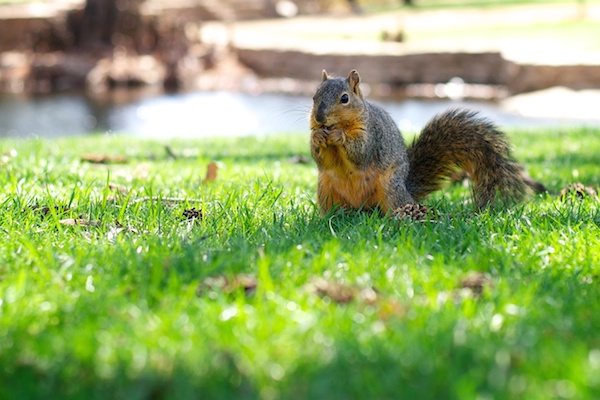
Image003 squirrel

Nature can be a fickle mistress, and will often refuse to comply with what might seem like quite reasonable requests (“Hold still, little birdie! No, don’t fly away!”). But if you take time to be part of nature, and even let nature come to you, you will often be rewarded with much better photos than you could get by rushing into things.

image-005-snake

4. Let kids be kids

Trying to get a good picture of children can take all the fun out of a birthday party or an afternoon at the park. For many of us, our instinct is to be in control: “Look here everyone! Now say cheese!” Inevitably one kid will be smiling, one will be blinking, one will be staring off to the side, and one might even be crying. It might seem like getting a good picture of kids is almost impossible! Thankfully, there is hope. Instead of rushing like the hare to construct a greeting-card-worthy photograph, try taking the opposite approach and just let the kids play. Keep your camera ready, and use it to capture the kids just being themselves. The catch is, you could be waiting quite a while, but you (and the kids) will have much more fun in the process.

Image004 girl

I took this photo of my friend’s daughter while she and my son were playing around in the dirt, and even though it took a while and I got myself rather muddy in the process, I ended up with a picture that was far more interesting than all the posed ones we took earlier. Another advantage of this approach comes months later when you are looking through your pictures. Posed photos of children smiling at the camera might seem like a good idea at the time, but afterwards you will often find that these are not nearly as interesting as the ones where the kids are just playing around and acting natural. But if you are not willing to be patient and wait for these moments to happen, they will often slip by and be lost forever without you ever even noticing.

image-007-kids2

No fancy studio, no special camera gear- just sunlight and patience

5. Learn one new camera function, and learn it well

Cameras today have so many options, buttons, and dials it’s no wonder so many people shoot in Auto mode, and I can hardly blame them for doing so! Learning to operate your camera can be a daunting task, and if Auto takes pictures that are generally good enough, why bother with all the menus and knobs? I have seen so many people try to learn how to operate their cameras to take better pictures, but give up in frustration because it’s so overwhelming. The trick is to pick one thing and learn it thoroughly, and in doing so the various elements of exposure and photography will slowly start to come together.

For example if you shoot in Auto, try choosing the Aperture Priority mode (Av or A on your camera) and learn how to control the aperture of your lens to get better shots. Don’t worry about shutter speed, ISO, white balance, AE-L, or anything else just yet. All that is important, but it can wait. Once you spend a few days, weeks, or even longer getting the hang of adjusting the aperture, then move on to something else like the Shutter Priority mode (S or Tv on your camera) where you control the shutter speed and let the camera figure out the rest. You will soon start to see how the various elements of exposure (Aperture, Shutter, and ISO) affect one another, and how to control them to produce the amazing shots that have somehow always eluded your grasp.

By sticking with just one new camera function at a time you might not learn everything about your camera as quick as you would prefer, but you will likely avoid the frustration and burnout that often comes with trying to learn too many new concepts at once. After all, the hare might have gotten off to a quick start but we all know how that turned out. In photography, it pays to be more like the tortoise: slowing down might not seem ideal at first, but it will help you produce brilliant results in the end.

The post 5 Tips to Help You Slow Down and Take Better Photos by Simon Ringsmuth appeared first on Digital Photography School.

Digital Photography School

 
Comments Off on 5 Tips to Help You Slow Down and Take Better Photos

Posted in Photography


17 May, 2014 – Rockhopper Workshops Web Site Is Launched

18 May


For the last few months we have been busy on a number of projects at Luminous-Landscape.  One of these was getting LuLa workshops up and running.  Luminous-Landscape pioneered the all inclusive workshop years ago and was one of the first workshops ever offered in Iceland. In January this year Kevin Raber joined the LuLa team and with his experience in running the PODAS Workshops for Phase One he has once again launched a top notch workshop series for Luminous-Landscape. Today Luminous-Landscape officially launches its workshop site Rockhopper Workshops.  Read about it HERE.


Image © Mark Maio

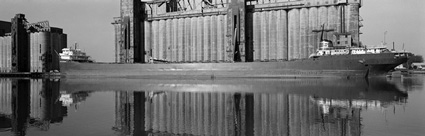
Michael and I (Kevin) will be in Buffalo June 5-8 as part of the Silo City Workshop.  This workshop conducted by Mark Maio will be photographing one of Michael’s and my favorite things; abandoned buildings.  In this case these will be the abandoned Buffalo Childs Street grain elevators.  If you are free and want to have a great few days shooting these amazing structures inside and out then go to the Silo City Web Page and register today.  There are only a few spots left.  Another bonus is Capture Integration will have a rep there with Leica Gear as well as Medium format digital gear if you are so inclined to try this gear out.  Hope to see you there.


The Luminous Landscape – What’s New

 
Comments Off on 17 May, 2014 – Rockhopper Workshops Web Site Is Launched

Posted in News


Paddling Canoe through a Magic Forest

18 May
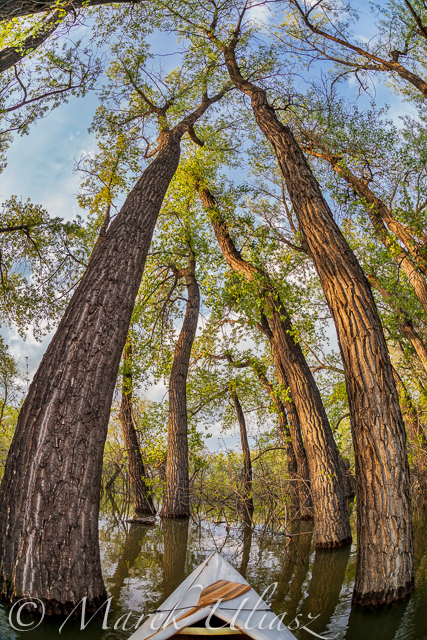
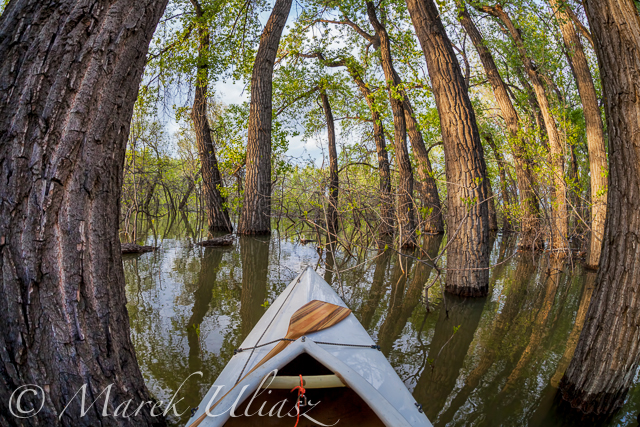
canoe paddling in fisheye lens prespective

Fish eye lens perspective when paddling through a submerged forest

I love to paddle the Lonetree Reservoir southwest of Loveland during springtime. You can always enjoy a nice view of Rocky Mountains Front Range. It is a great spot to shoot sunsets over mountains. When water is high I like to paddle through submerged trees and bushes. Please keep in mind that the heron rookery is a restricted area during the nesting season, but there are other places where you can paddle into a forest.

Picture featuring Sea Wind canoe in cottonwood forest was shot on May 15m 2014 with Canon 5D Mark II camera and Sigma 15 mm Fisheye lens. I confess … I spent a longer while gliding in a canoe between cottonwood tress and playing with that lens. I was shooting in both landscape and portrait formats.

Which version do you prefer? Horizontal or vertical?

canoe paddling in fisheye lens prespective

Let’s look at this scene in a vertical format.

Related posts:
– Paddling through Forest and Irrigation Ditches
– Fisheye Lens Perspective for Paddling?
– Horizontal or/and Vertical Format in Kayak Photography


paddling with a camera

 
Comments Off on Paddling Canoe through a Magic Forest

Posted in Photography


Broken Mirror: Shard Hotel Views Reflect Next-Door Rooms

18 May

[ By WebUrbanist in Boutique & Art Hotels & Travel. ]

shard hotel london night

Splintered corners, giving The Shard in London its iconic multifaceted look, are now also responsible for letting guests of Europe’s tallest hotel see into the spaces of their nighttime neighbors.

shard broken reflection mistake

As the Financial Times reports,a  series of glass panels standing out from the structure have turned into a series of accidental mirrors, giving room-with-a-view a new meaning in the context of this building.

london hotel interior problem

During the day, visitors to the Shangri-La can see out in nearly all directions, but at night with inside lights on they also get an uninvited sneak peak back into adjacent bedrooms. Designed by Renzo Piano, the famous building may not be as problem-plagued as its car-melting sibling but it certainly has some issues yet to be resolved.

shard hotel london day

The solution so far offered by the hotel seems somewhat incomplete – they are notifying guests of the issue and advising them to use curtains. Still, not everyone will remember to take such steps and many will want to leave their curtains open, since they came for the lovely views in the first place. In the end, one is left to wonder how no light modeling of the building revealed this potential problem (image above by Patrick Collins).

Share on Facebook


[ By WebUrbanist in Boutique & Art Hotels & Travel. ]

[ WebUrbanist | Archives | Galleries | Privacy | TOS ]


WebUrbanist

 
Comments Off on Broken Mirror: Shard Hotel Views Reflect Next-Door Rooms

Posted in Creativity


Fußabdrücke, sie und Wale

17 May

Zwei Walrippen formen einen Bogen. Meine Schwester und ich stehen zwischen ihnen. Es fängt an zu regnen. Regen? Ja, es regnet in der Wüste. Ich folge ihm zum Rand des Meeres, ich reise durch die Zeit, zurück zu meiner Kindheit. Ich schwelge in meinen Träumen und frage mich selbst, ob Kurzgeschichten aus Träumen geboren werden oder ob Träume sich selbst in Kurzgeschichten rechtfertigen.

Angélica Escotos Fotoserie „Fußabdrücke, sie und Wale“ klingt zugegeben im Spanischen etwas poetischer als im Deutschen: „Huellas, ellas y ballenas“. Poetisch sind auch ihre Bilder. Sie erzählen von Kindheitserinnerungen am Meer, von Vergangenheit und Sehnsucht.

Sie sind technisch nicht perfekt, rauschen, sind unscharf. Aber sie schaffen Athmosphäre und versetzen mich selbst zurück in meine Kindheit. Auch, wenn ich an der Ostsee selbst nie einen Wal zu Gesicht bekommen konnte.

© Angelica Escoto

© Angelica Escoto

© Angelica Escoto

© Angelica Escoto

© Angelica Escoto

© Angelica Escoto

© Angelica Escoto

© Angelica Escoto

© Angelica Escoto

© Angelica Escoto

© Angelica Escoto

© Angelica Escoto

© Angelica Escoto

© Angelica Escoto

Angélica Escoto studierte Journalismus am „Carlos Septién García“ in Mexico City. Heute lebt und arbeitet sie in San Diego, Kalifornien. Angelicas weitere Fotoserien findet Ihr auf ihrer Webseite und auf Flickr.


kwerfeldein – Fotografie Magazin | Fotocommunity

 
Comments Off on Fußabdrücke, sie und Wale

Posted in Equipment


17. Mai 2014

17 May

Ein Beitrag von: anemone.ontheroad

© anemone.ontheroad


kwerfeldein – Fotografie Magazin | Fotocommunity

 
Comments Off on 17. Mai 2014

Posted in Equipment


Von der Idee zum Bild mit Eva Gruber

17 May

Ein Beitrag von: Eva Gruber

Das Konzept für dieses Bild entstand sehr spontan, als wir bei dieser tollen Location ankamen. Die Stimmung dort war ruhig und hatte etwas von Vergänglichkeit. Ich wollte darstellen, dass alles endet, sogar die Sterne, die unendlich scheinen.

Ich war für ein Wochenende zu meiner Cousine gefahren und hatte alles, was sich irgendwie zum Fotografieren eignet, mitgenommen. Theresa hatte mir schon am ersten Tag gesagt, dass sie mir unbedingt dieses alte Freibad zeigen will und sie hat mit ihren Erzählungen nicht übertrieben.

Location © Eva Gruber

Schwimmbecken © Eva Gruber

An meinem letzten Tag hatten wir endlich Zeit und die richtige Motivation, um uns auf den Weg zu machen. Nachdem wir alle Hürden wie Brücken, Zäune und Unmengen an Sträuchern mit viel zu vielen Stacheln überwunden hatten, fingen wir gleich an, uns Dinge zu überlegen und nach möglichen Utensilien zu suchen.

Wir haben einiges fotografiert und viel Spaß gehabt. Die Sonne ging langsam unter und bevor wir uns auf den Weg gemacht haben, ist mir noch spontan dieses Konzept eingefallen. Wo hat man denn sonst schon die Möglichkeit, sein Modell von so weit oben zu fotografieren?

outtake © Eva Gruber

Nicht so oft! Und deshalb habe ich das auch gleich genutzt, obwohl ich große Höhenangst habe. Ich musste ganz an den Rand des Beckens, um die richtige Perspektive zu haben. Als ich ungefähr wusste, wo sich Theresa hinlegen sollte, hat sie sich ohne sich zu beklagen einfach umgezogen und auf den, wie ich danach erfahren habe, sehr kalten Boden gelegt. Ich habe ihr noch gesagt, wie sie ihre Hände und Füße positionieren soll und ab da ging es ziemlich schnell.

Die einzige Schwierigkeit war noch, dass ich nicht direkt durch den Sucher schauen konnte, sondern die Kamera von mir weg über Theresa halten musste. Aber mit ein bisschen Übung hat auch das gut geklappt und wir haben uns dann in der Dämmerung auf den Heimweg gemacht.

Einzelteil © Eva Gruber

Es war zwar das letzte Konzept, das ich an diesem Wochenende fotografiert habe, aber trotzdem das erste, das ich bearbeitet habe. Die Bearbeitung hat im Vergleich zu anderen Bildern wenig Zeit in Anspruch genommen. Ich habe das Bild als Expansion fotografiert und mir daher erst einmal alle Bilder, die ich brauchte, geöffnet und die ersten RAW-Einstellungen gemacht. Danach kam die Expansion, die hier sehr einfach war, weil es keine genauen Linien zu beachten gab. Zum Schluss habe ich nur noch Farben und Kontrast verändert.

before © Eva Gruber

after © Eva Gruber

Als Selbstportrait wäre dieses Bild wahrscheinlich fast unmöglich gewesen und darum bin ich froh, dass Theresa immer alles mitmacht, keine Fragen über die Sinnhaftigkeit meiner Vorhaben stellt, sich zum Beispiel auf den moosigen Boden zu legen und mich bei meinen Ideen unterstützt. Außerdem macht es zu zweit auch gleich doppelt so viel Spaß!


kwerfeldein – Fotografie Magazin | Fotocommunity

 
Comments Off on Von der Idee zum Bild mit Eva Gruber

Posted in Equipment


Flickering fireflies in time-lapse

17 May

Ozarks_Planet.jpg

You don’t have to be be a kid to enjoy the beautiful light show from fireflies. There’s something magical about their bioluminescence and the dancing display of lights they create. Photographer Vincent Brady loves fireflies too and his new time-lapse video, shot at Lake of the Ozarks, Missouri and around his hometown of Grand Ledge, Michigan, is an artistic look at one of nature’s most alluring insects. See video

News: Digital Photography Review (dpreview.com)

 
Comments Off on Flickering fireflies in time-lapse

Posted in Uncategorized


Alpacka Yukon Packraft on the Poudre River

17 May
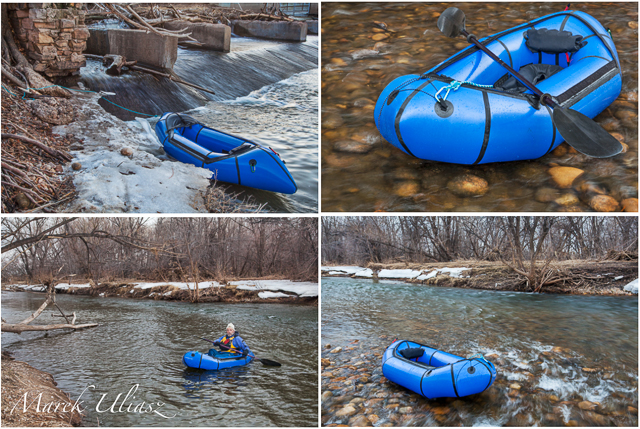
packraft poudre river

Packraft on the Poudre River in Fort Collins, Colorado – February 2014

I had two paddling photo sessions with my Alpacka Yukon packraft on the Poudre River in February. Both times I started at Kingfisher Point Natural Area. There is about half mile of slow water behind the diversion dam there. My cruising speed in a packraft is about 2.5 mph. So, paddling against even a slow current provided a pretty good workout.

I added pictures of a packraft to my stock photography portfolio.

Related posts:
Wintertime Canoe, Packraft and SUP Paddling in northern Colorado
Wildcat Mound Run – the South Platte River by Bike and Packraft
Biking and Packrafting – A Selfsupported Classic Run on the South Platte River near Greeley
Inline Skating and Packrafting – Road and River Test on the South Platte


paddling with a camera

 
Comments Off on Alpacka Yukon Packraft on the Poudre River

Posted in Photography