RSS
 

Archive for April, 2014

DIY Clay Camera Tags

03 Apr
Extra photos for bloggers: 1, 2, 3

Cherries go on cake, chocolate fudge on ice cream and camera tags on awesome gifts.

Camera tags are the gift (wrap) that keeps on giving. Long after the gift has been unwrapped and forgotten, this tag will live on.

They are simple to make and will impress your photo mad friends before they’ve even opened the gift.

Ready to be a wrap rockstar? Follow us.

Learn How to Make Your Own Camera Tags

(…)
Read the rest of DIY Clay Camera Tags (256 words)


© Erika for Photojojo, 2014. |
Permalink |
No comment |
Add to
del.icio.us

Post tags:


Photojojo

 
Comments Off on DIY Clay Camera Tags

Posted in Equipment


Sieh, das Gute liegt so nah

03 Apr

Letzte Woche erreichte mich unter meinem fotografischen Rückblick folgender Kommentar von Tobias Weisserth. Bezug nehmend darauf, dass ich in Karlsruhe wohne und Menschen auf der Straße fotografiere, schrieb er unter anderem Folgendes:

Für Fotografie braucht man Inspiration. Inspiration ist auch, wenn nicht vor allem, vom Ort abhängig. In deutschen Kleinstädten findet man das weniger. Ich weiß das, weil ich auch in sehr vielen deutschen Kleinstädten gelebt habe: Brühl, Kaiserslautern, Zweibrücken und einige andere. Karlsruhe fällt für mich auch in diese Kategorie. Ich habe mich nach dem Studium bewusst für eine Großstadt entschieden, auch wenn hier die Mieten dreimal bis viermal so teuer sind wie in einer Kleinstadt.

Nichts würde mich aus Hamburg in eine Stadt wie Karlsruhe bewegen können. Außerdem führt mich mein Beruf beinahe monatlich in Städte wie London, Paris, San Francisco, Las Vegas, Washington D.C., New York, Seattle, Turin. Ich war dieses Jahr bereits in Seattle und Las Vegas und werde im April wieder Zeit in Las Vegas, New York und San Francisco verbringen. DAS bringt Inspiration!

Auch wenn ich nicht hauptberuflich Fotograf bin, habe ich mein Leben und meinen Beruf nach meinen fotografischen Bedürfnissen ausgerichtet. Der wesentliche Bestandteil dieser Ausrichtung ist das heimische Umfeld und die Möglichkeit, regelmäßig an verschiedene Orte der Welt zu reisen.

Statt einer fotografischen Pause würde ich einfach mal einen fotografischen Ortswechsel empfehlen und Karlsruhe Karlsruhe sein lassen und andere Bühnen erkunden, vielleicht auch längerfristig mit einem Umzug in andere Stadt oder gar in ein anderes Land.

Warum ich hier darauf eingehe

Als ich letzte Woche von einem Bekannten auf Tobias’ Kommentar angesprochen wurde, merkte ich im Gespräch darüber, wie viel das Thema eigentlich hergibt. Denn es geht hier nicht um Tobias, sondern um die Aussage, die nicht selten in fotografischen Kreisen kursiert.

Doch damit ich das Thema nicht irgendwie mit metaphorischem Herumgeschwurbel erklären muss, habe ich mich entschieden, das letzte Drittel seiner Worte hier zu zitieren. So kann niemand behaupten, dass „sowas doch keiner denkt“.

Wichtig: Das Zitat oben behandelt nur den letzten Teil des Kommentars, den ganzen Kommentar könnt Ihr hier nachlesen.

Spezifikationen des Artikels

Ich bin kein Profi. Weder mag ich die Bezeichnung, noch bin ich der Schlaumeier vom Bau. Zwar geben sich „Profi-Fotografen“ gerne als solche aus, doch – oder gerade weil – die Erwartungen an mich oft in dieser Form geäußert werden, möchte ich mich direkt davon distanzieren.

Ich argumentiere hier als Mensch und kann deshalb nur von mir und meinen subjektiven, bruchstückhaften Erfahrungen sprechen.

Kommentierung des Kommentars

Ich werde nun einzelne Aussagen von Tobias herausgreifen und besprechen.

Für Fotografie braucht man Inspiration. Inspiration ist auch, wenn nicht vor allem, vom Ort abhängig.

Zu allererst wird hier die Argumentationsgestaltung von Tobias deutlich. Er setzt eigene Erfahrungen absolut, er spricht (wenn auch unbewusst) von „man“. Und „man“ wird im deutschen Sprachgebrauch stellvertretend für ich/wir benutzt. Oder auch als gedachte Person, die nach eigenem Ermessen richtig handelt1.

Im ersten Satz mag das noch passend sein, doch schon ab dem zweiten wird es haarig. Inspiration ist seiner Aussage nach vom Ort abhängig. Für alle.

Ich möchte an dieser Stelle im oben aufgeführten Kontext bleiben: Straßenfotografie. Diese findet an Orten statt, an denen sich Menschen aufhalten. Dörfer, Kleinstädte, Großstädte. Sogar in der Natur.

Daher würde ich sagen: Straßenfotografie ist natürlich vom Ort abhängig, aber von welchem ist – Gott sei Dank – jeder Person selbst überlassen. Und somit auch die …

Inspiration

Wer sich von welchem Ort inspiriert fühlt, ist so offen, wie Oma Friedas Scheunentor morgens um fünf. Inspiration hat so viele Gesichter, dass sie sich eben nicht an einen Ort binden lässt.

Um bei mir zu bleiben: Inspirierend ist für mich das Leben, wie es ist. Gespräche mit Freunden, Bücher und vor allem Bildbände. Diese führen mir vor Augen, wo Fotografen gelebt haben und wie sie damit umgegangen sind.

Und ganz besonders fühle ich mich inspiriert, wenn ich durch Karlsruhe laufe. Hier bin ich zuhause, kenne mich aus und fühle mich auf gewisse Weise mit den hier lebenden Menschen verbunden. Das Wörtchen Heimat kommt hier auch ins Spiel.

In deutschen Kleinstädten findet man das weniger. Ich weiß das, weil ich auch in sehr vielen deutschen Kleinstädten gelebt habe: Brühl, Kaiserslautern, Zweibrücken und einige andere. Karlsruhe fällt für mich auch in diese Kategorie.

In deutschen Kleinstädten findet man das (= Inspiration) weniger. Aha? Nochmal: Hätte Tobias „ich“ statt „man“ geschrieben, kein Problem.

Jedoch möchte ich dem Ganzen mal eines entgegensetzen: Ich mag deutsche Kleinstädte. Sehr sogar. Sie mögen trist und karg sein, vielleicht sogar hässlich. Manche Ecken sind wunderbar architektonisch gestaltet, andere brutal versifft, vernachlässigt und kaputt.

Was ist daran nicht liebenswert? Warum kann mich das nicht inspirieren? Gerade die Interaktion der dort wohnenden Menschen mit urbanen Elementen festzuhalten, kann sehr herausfordernd sein.

Außerdem führt mich mein Beruf beinahe monatlich in Städte wie London, Paris, San Francisco, Las Vegas, Washington D.C., New York, Seattle, Turin. Ich war dieses Jahr bereits in Seattle und Las Vegas und werde im April wieder Zeit in Las Vegas, New York und San Francisco verbringen. DAS bringt Inspiration!

Schön! Auch ich war schon in diversen „Weltstädten“ wie New York, Paris, Barcelona und und und. Ich liebe es, mir unbekannte Kulturen kennenzulernen. Das ist erfrischend, neu und wirklich spannend. Jedoch sind sie für mich nicht per se besser oder schlechter zum Fotografieren geeignet als Karlsruhe.

Ich mag Karlsruhe sehr. Warum? Weil es mir auch emotional nahe ist, weil ich meine eigene Geschichte damit verbinde, weil es ein bisschen zu mir gehört. Gerade das ist für mich (wohlgemerkt: für mich) fotografische Herausforderung und zugleich Arbeit an meiner handwerklichen Kompetenz.

Ganz nebenbei bin ich nicht so reich, dass ich regelmäßig Ausflüge in allerlei Weltstädte buchen könnte. Ich kann es mir schlicht und einfach nicht leisten. Und wenn ich ehrlich bin, will ich auch nicht. Ich habe hier die besten Freunde und meine Familie. Und das spielt für mich eine große Rolle.

Umzug?

Statt einer fotografischen Pause würde ich einfach mal einen fotografischen Ortswechsel empfehlen und Karlsruhe Karlsruhe sein lassen und andere Bühnen erkunden, vielleicht auch längerfristig mit einem Umzug in andere Stadt oder gar in ein anderes Land.

Wir sind also an der Spitze der Argumentation angekommen. Tobias rät mir, umzuziehen. Zur Not sogar in ein anderes Land.

Nun, ich werde mal die Inspiration Inspiration sein lassen und hier keine Haarspalterei betreiben.

Wenn die Konsequenz des Fotografierens jedoch sein sollte, dass ich nicht mehr dort leben kann, wo ich zuhause bin, dann male ich lieber kitschige Bilder von Bachblüten oder suche mir ein anderes Hobby.

Jedoch ist die Fotografie für mich exakt das Gegenteil. Sie bedeutet, achtsam und – Achtung, antiquiertes Wort – dankbar für das zu sein, was um mich herum ist. Hinter die Dinge und Personen zu schauen und selbige nicht als selbstverständlich zu sehen.

Ich für meinen Teil ziehe es jedenfalls vor, so zu arbeiten, als der Inspiration hinterherzureisen. Denn auch – man glaubt es kaum – ein Paris, New York oder Frisco kann irgendwann langweilig werden.

Und dann?

Langeweile

Vor nicht allzu langer Zeit hat mir ein ambitionierter New Yorker Straßenfotograf gestanden, dass er New York inzwischen schrecklich langweilig fände. O-Ton: „It bores the hell out of me.“

Er kenne mittlerweile jede Straße auswendig (und das muss was heißen), es gäbe nichts Neues mehr und außerdem wäre es seiner Ansicht nach nichts Außergewöhnliches, in solch einer Weltstadt zu fotografieren. Das könne jeder.

Immer, wenn ich ihm von Karlsruhe erzählte, bekam er große Augen. Wollte mehr davon hören. Für ihn war dieses unbekannte Karlsruhe, das er nur von meinen Bildern kannte, überhaupt nicht langweilig.

Mir hat das zu denken gegeben.

Ich glaube, dass ich als Straßenfotograf die Aufgabe habe, meine Heimat zu dokumentieren. Den Ort, an dem ich lebe, zu karikieren, einzufangen, plastisch zu machen. Damit sich Menschen in 30 Jahren daran erinnern können, wie es damals war.

Für mich ist das Inspiration. Und ich muss nur zur Haustür hinauslaufen und es kann losgehen. Ist das nicht toll? Finde ich schon.

Abschließen möchte ich mit einem Zitat von Mihály Csíkszentmihályi, einem emeritierten Professor für Psychologie an der University of Chicago, aus seinem Buch „Creativity: Flow and the Psychology of Discovery and Invention“*:

[…] creative individuals are remarkable for their ability to adapt to almost any situation and to make do with whatever is at hand to reach their goals.

Dieses Zitat schließt beides mit ein: Menschen, die sich an neuen Orten schnell anpassen können und diejenigen, die auch in der Heimtatstadt klarkommen. Kreativ zu sein, ist nicht entweder oder. Es ist mehr. Denn es hat etwas mit Persönlichkeit zu tun.

1 Quelle: Wiktionary zu „man“

* Das ist ein Affiliate-Link zu Amazon. Wenn Ihr darüber etwas kauft, erhält kwerfeldein eine kleine Provision, Ihr zahlt aber keinen Cent mehr.


kwerfeldein – Fotografie Magazin | Fotocommunity

 
Comments Off on Sieh, das Gute liegt so nah

Posted in Equipment


Canon announces Cine-Servo 17-120mm and HJ18ex7.6B HD zooms

03 Apr

Cine-Servov2.png

Canon has announced its new Cine-Servo 17-120mm T2.95 zoom lens for shoulder-mounted application or as a traditional cinema lens. It has an ENG-style Digital Drive handgrip with zoom rocker switch and will be available in either PL- or EF-mount. Canon has also launched the HJ18ex7.6B portable HD zoom lens for broadcast news and documentary situations. Learn more

News: Digital Photography Review (dpreview.com)

 
Comments Off on Canon announces Cine-Servo 17-120mm and HJ18ex7.6B HD zooms

Posted in Uncategorized


Ricoh to offer limited edition Pentax Q7 Premium Kit

03 Apr

140306_Q7_box.png

Ricoh Imaging will soon be offering a limited edition Pentax Q7 Premium Kit. The kit includes a black Q7, four lenses (standard prime, standard zoom, tele zoom, wide zoom) plus four hoods, a polarizing filter, and a camera bag that will surely be noticed. Only 1000 kits will be available worldwide, and those in the U.S. can pick up one later this month for $ 1199.95.

News: Digital Photography Review (dpreview.com)

 
Comments Off on Ricoh to offer limited edition Pentax Q7 Premium Kit

Posted in Uncategorized


Camera-Shaped Cafe Offers Picture-Perfect Cups of Coffee

03 Apr

[ By Steph in Architecture & Offices & Commercial. ]

Camera Shaped Cafe 1

A giant two-story camera rises from the grass beside an ordinary suburban home in the hills of South Korea. The Dreamy Camera Cafe is housed in a re-creation of a vintage Rolleiflex, featuring two lens-like oversized windows offering panoramic views of the surrounding countryside.

Camera Shaped Cafe 3

Camera Shaped Cafe 4

The cafe was built by a former army helicopter pilot with a passion for photography and vintage cameras, who lives in the house next door with his family. A range of miniature and toy cameras are displayed on the first floor, with a collection of photographs tacked on the walls upstairs. The cafe even has paper towel holders shaped like film canisters.

Camera Shaped Cafe

Camera Shaped Cafe 2

It may be unusual, but the Dreamy Camera Cafe is hardly the first building shaped like a giant object – there’s a 40-foot-tall milk bottle building among others modeled after food items, and even a house shaped like a toilet. 

Share on Facebook


[ By Steph in Architecture & Offices & Commercial. ]

[ WebUrbanist | Archives | Galleries | Privacy | TOS ]


WebUrbanist

 
Comments Off on Camera-Shaped Cafe Offers Picture-Perfect Cups of Coffee

Posted in Creativity


Legendary photographer David Goldblatt shares insights from career

03 Apr

Screen_Shot_2014-03-31_at_3.08.57_PM.png

Goldblatt has photographed everyone from Nelson Mandela to divorced housewives, and is especially noted for his stark portrayal of South Africa during Apartheid years. In a presentation at the 2014 Indaba Conference, Goldblatt talks about the challenge of managing the difference between his corporate work and his personal work. See video

News: Digital Photography Review (dpreview.com)

 
Comments Off on Legendary photographer David Goldblatt shares insights from career

Posted in Uncategorized


10 Photography Tips to Help You Take Your Photography up a Level

03 Apr

Man working

The best lessons are the ones you learn the hard way. Here are 10 photography tips I learned after lots of frustration, discouragement, money lost, and forever lost opportunities. These tips are not very common, I never heard them hence you probably never heard of them either. I hope they help you avoid the mistakes I made, and help you improve your photography. Let’s get to it shall we?

10 Photography Tips

1 – Always have a camera in your pocket. Always. Or else.
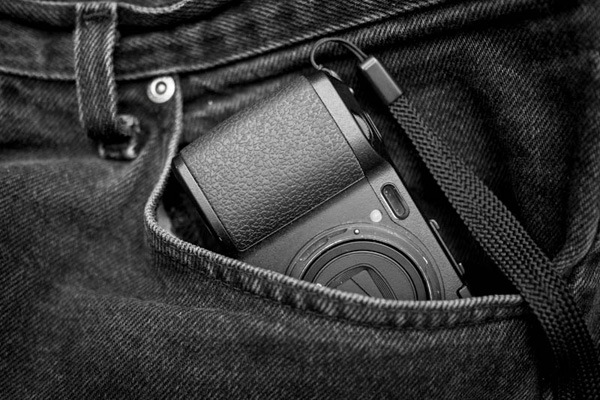
Pocket Camera Ricoh GRD IV

How many times have you been a situation where you kinda wanted to take your camera bag, but ended up not doing so because of the thought of lugging the bag, or even the DSLR itself?

It’s understandable. Do you want to take that DSLR everywhere you go? Who would want to dangle that thing while going to the grocery store? Nah. But one thing I’ve learned, is that images don’t wait for you. I’ve been through too many “I wish I had my camera with me” scenarios to know so.
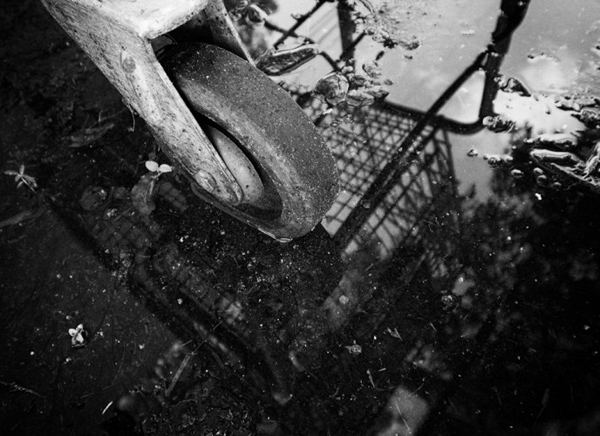
Abandoned Cart Ricoh GRD IV

Caption: An abandoned cart on my way to get a sandwich

One of the best things I did as a photographer was to get myself a pocket camera (The Ricoh GRD III, now I have the Ricoh GRD IV) and take it everywhere with me. It freed me photographically, and it made me stop thinking in terms of “photo shoots” and start thinking in terms of “life photography”.
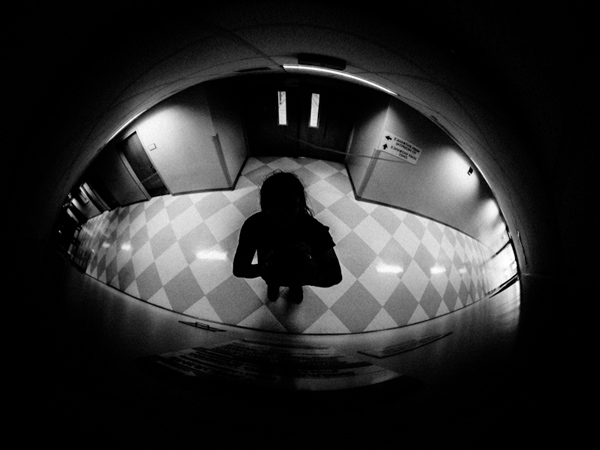
Distorted figure Ricoh GRD IV

Caption: At a hospital for a baby checkup

While the small compact ended up being my main camera, you don’t have to do the same, but do get a pocket camera. You have no idea how many images pop up in otherwise mundane situations like grocery shopping, or taking a stroll at the park.
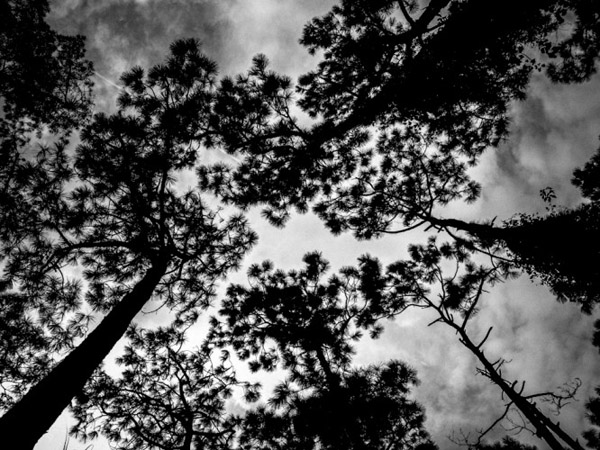
In the park

Caption: In the park

In a nutshell: photographs don’t wait for you, get a pocket camera to fill in the gaps where your DSLR is absent.

P.S: Your phone might do but I don’t know about you but I can’t stand using it, there’s no buttons nor dials! Also check out the Canon S120,

2 – Your background is as important as the subject
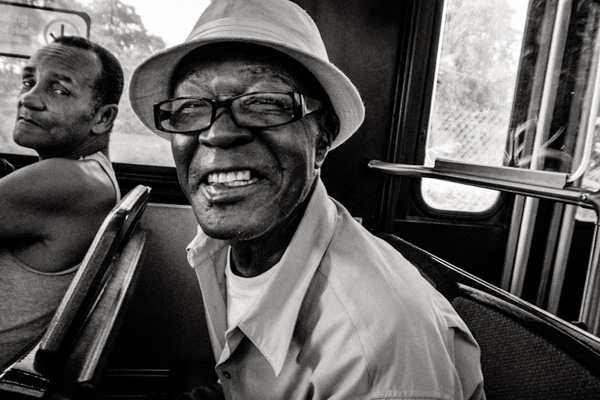
Man bus Ricoh GRD IV

When making an image, there’s bound to be a subject. But the subject is rarely alone, there’s the background to deal with. When looking through the viewfinder and you spot your subject, the first thing to do is not to press the shutter release button….it’s to pay attention to your background first.

There’s only two things a background can do for your subject: it can either bring attention to it, or detract from it. Say you are having a conversation with a friend, you wouldn’t want someone else’s voice distracting from your own, would you? So why let your subject be distracted by the background?
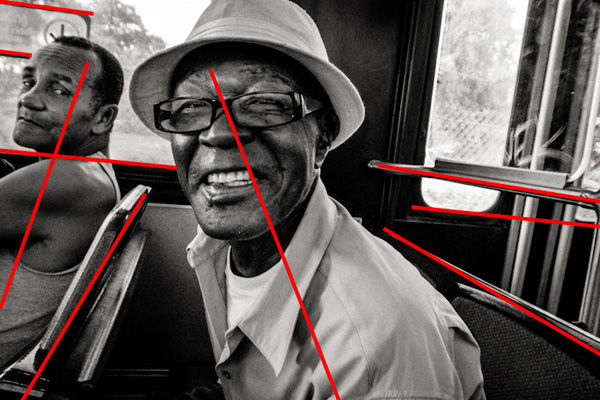
Man bus explanation Ricoh GRD IV

This guy was on the bus and was just priceless, after some entertaining conversation (too much, he was drunk and the whole bus was watching), I told him I would make his portrait. Even before rising my pocket camera, while talking I was wondering how I could draw attention to him.

At first I wasn’t going to include the guy on the left, but by changing the guy in the back leaned back and bought further attention to my subject. I happily made the shot.

In a nutshell: be attentive to your background, ask about every object, line, color: Does this distract or enhance what I am trying to focus on?

3 – Everything is light
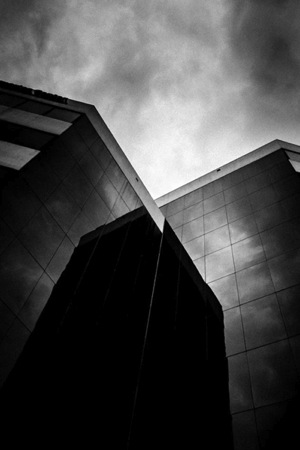
Building black white

What is the first thing you notice when you see your child or significant other? A person, right? Well that’s fine and all if you are dealing with them as another person, but when it comes to photography, you are dealing with LIGHT, so you have to train yourself to see everything in terms of LIGHT.

Did you ever notice how the face lights up when someone is watching TV? Did you notice that you feel differently when a landscape is shot at twilight versus dawn? Do you notice how there’s ugly shadows in the eye area when there’s harsh light?

The examples are infinite, but the skill starts when you force yourself to pay attention to the light. In the image above of the building, I was going to the bank and it was pretty overcast out, and I looked up. While I didn’t go to the bank to get this image, I knew what to expect (soft light, nice reflections of the clouds) and simply looked up and made the image.

In a nutshell: start noticing light, its qualities, the shadows it makes, the shapes it forms.
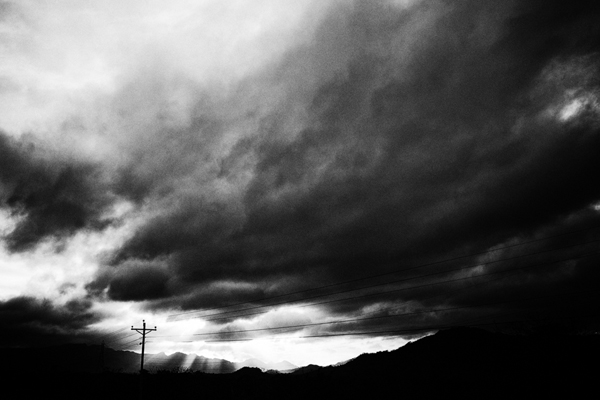
Clouds

4 – Treat your work as wine

Some photographs are either made by luck, or maybe you’re just a genius and you didn’t know it. I’ll vote for the second option because I like you. In all seriousness though, while your best photos might be made tomorrow, you could potentially have gold in your older work.
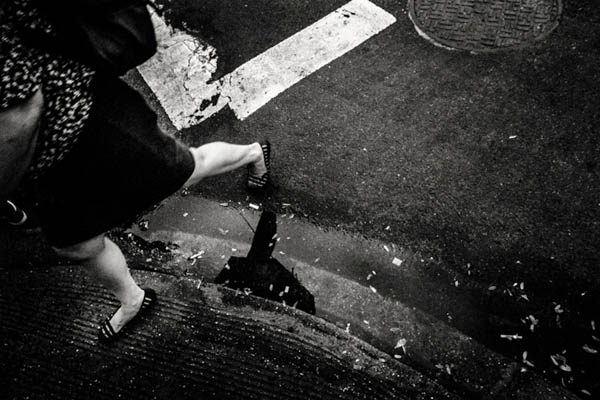
Woman walking

Caption: An image I found months later, I overlooked at first

Fact is, you might have something that you wouldn’t know the value of until you look at it with more mature eyes. I have shots from 10 years ago, (I never dreamed of becoming a photographer back then) that are stellar.
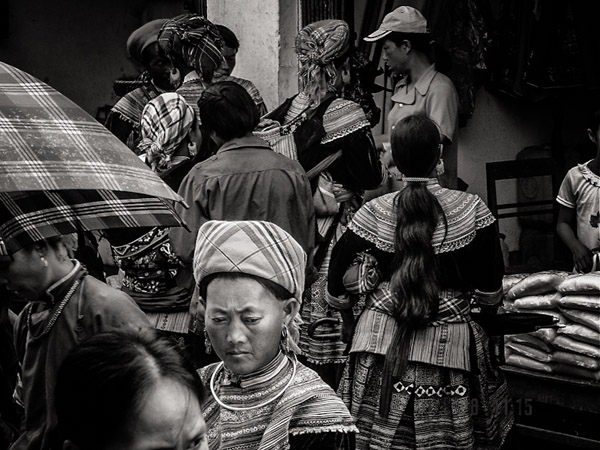
Vietnam hmong

I wouldn’t have seen them if I didn’t revisit the work. The image above was shot 10 years ago. Granted, there were only a few nuggets of gold in the whole pile, but who says no to gold? Plus after time has passed you won’t be as emotionally connected to the images, making you able to judge the images more objectively. Sometimes I go through my old stuff and I can’t believe what I missed! Or I am amazed at how I can recover images I believed were ruined.

In a nutshell: your photos are like wine, they get better with age, but you have to dig them up

5 – Shoot with your heart first

You know your stuff. You know what aperture is, when to bump up your ISO, you know how to expose well. But when you look at your images, you just can’t put your finger on what exactly is missing. Let me suggest that it’s the heart element that’s missing. You are not emotionally engaged with your work.

Photography is not about capturing what’s out there in the world, it’s about capturing what’s inside your heart. Shoot what matters to you and put more of yourself in the images.

Here I was in a dark spot:
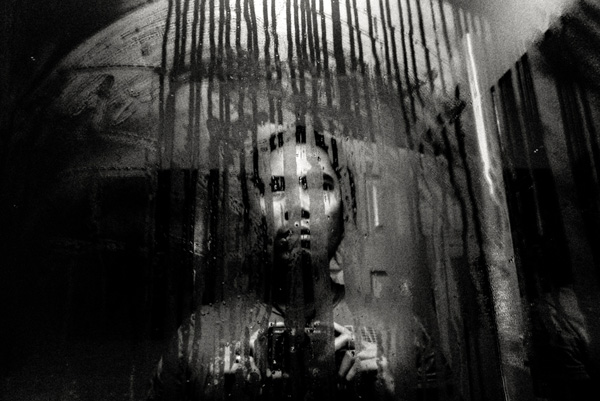
Dark photograph

Don’t judge me by this image, I was just in a really bad spot. Here I was more optimistic:
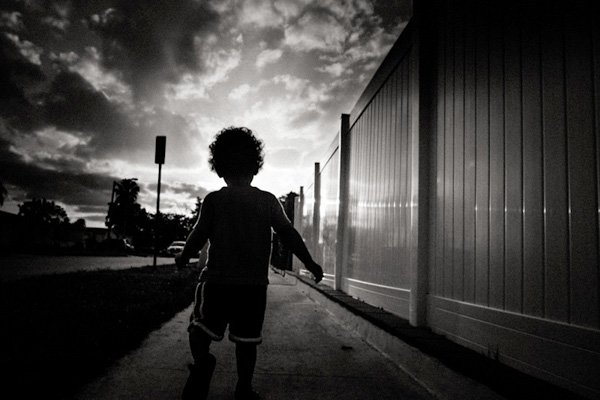
Hopeful

Here I was feeling the familial spirit:
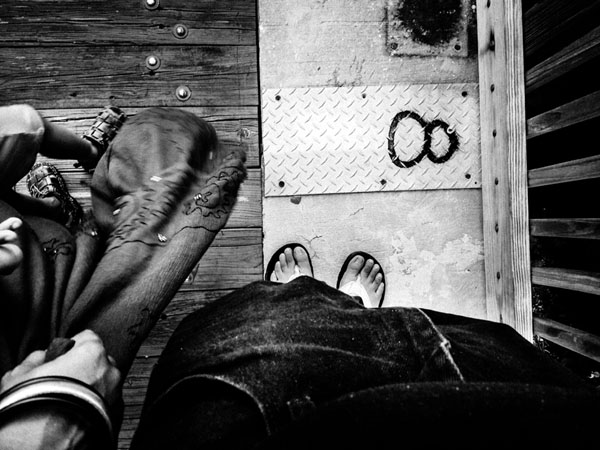
Family

In a nutshell: shoot how you feel, your images will be more powerful. Plus, humans are hardwired to relate emotionally.

6 – Ask why

Not everyone is into photography for the same reasons. Some want to get rich, others do it because they like it, others for fame or to document their kids growing up – you get the point. We all have different motives for doing photography.

Question your motives and your photography path will become clearer. Knowing your why is like having a loupe in front of a light source, it will help you focus and get where you want faster. I can’t tell you your reasons because only you know that.

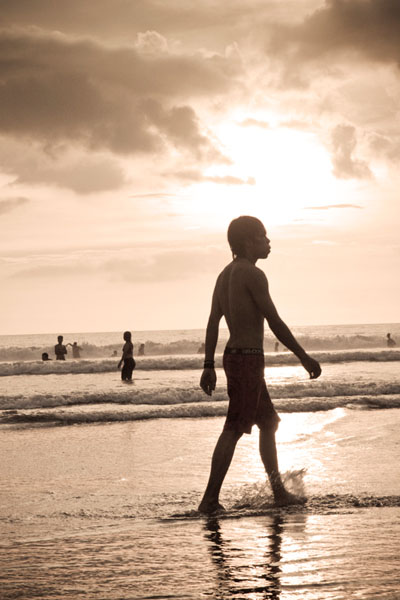
For me, photography is my way to dream awake. Don’t worry, my mom knew she had a dreamer in her hands early on. Don’t call the looney bin on me, but everyday I SEE things, no, not dead people, but slithers in the fabric of time that reveal my imagination. Take this image:
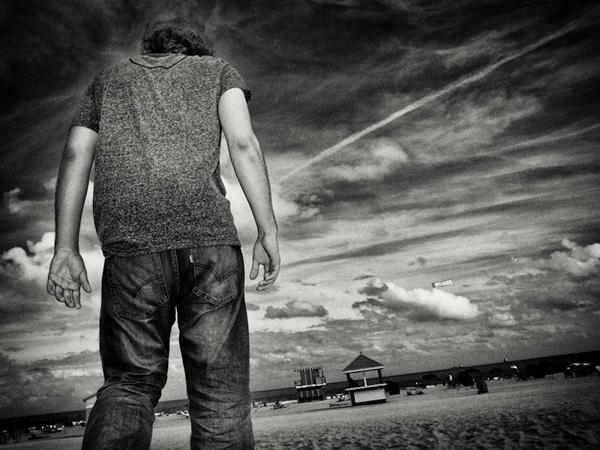
Take on life

When I saw this guy, I saw a hero ready to take on life itself. In reality, it was just a guy going to the beach. That’s my reason for photography: It helps me be in the world and in my imagination at the same time.

In a nutshell: it’s your turn, what’s your reason for photography? What is it about photography that attracts you so much?

7 – You are less limited by your gear than you think
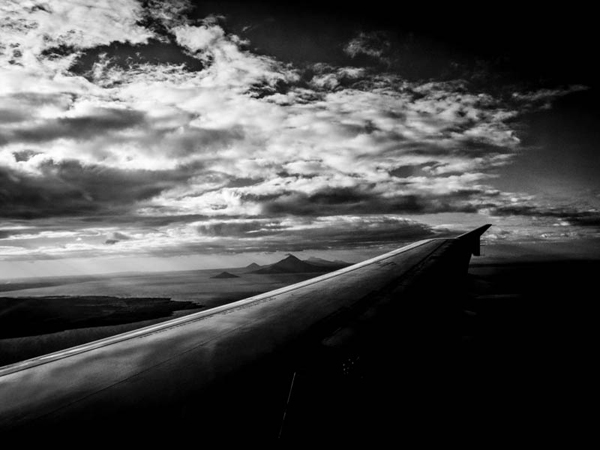
Airplane

Take it from a guy that lost $ 1000s in gear buying and selling, it’s not about what gear you have, it’s what you do with it. As a photographer, there are things that can keep you from doing your work, one of them is being too focused on your next purchase.

All the images in this article, (with the exception of 3-4) were made with a pocket, small sensor camera, with a 28mm fixed lens which I used with its upgrade for 4 years (the Ricoh’s mentioned above). Other cameras used were other compacts, my phone and one image with the NEX7 (the next point’s portrait).
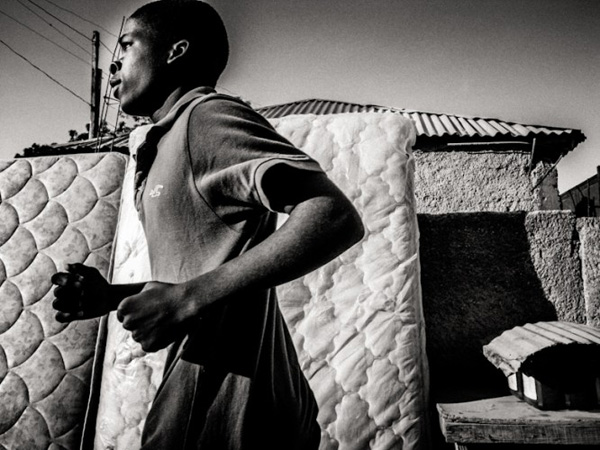
Man running

Believe it or not you are more creative with less than more. The puzzle-solving brain is much more creative when limited in some way or another. For example, if we could fly, we wouldn’t have invented airplanes.

In a nutshell: whatever gear you have, find new ways to use it. Plus having too much simply makes you miserable anyways (been there).

8 – Let go of technical perfection
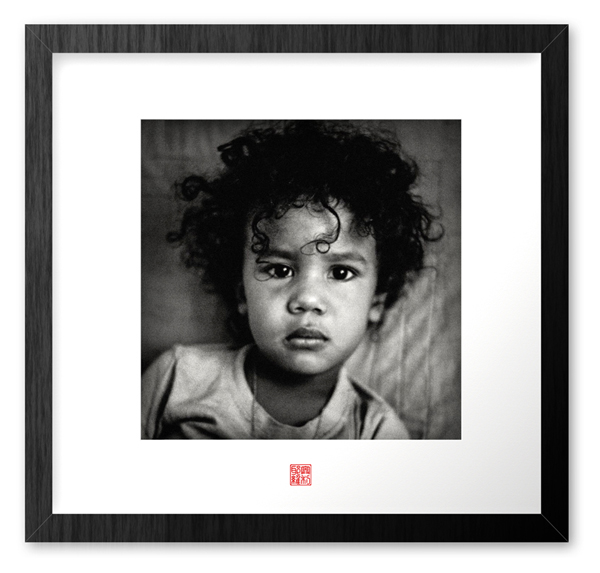
Son portrait

I think you should learn to expose correctly, learn when something is in focus, etc., and then let it go. I think too much time has been spent arguing on how a photo is slightly out of focus, or other small technicalities.

Some of the world’s most iconic photographs are slightly soft, some are outright blurry (Robert Capa – D.Day soldier), some even have white skies (Alberto Korda’s iconic image of Che Guevara – Guerriero heroico) amongst others.

Why didn’t you notice these imperfections? Well you didn’t seek them out, so you didn’t see them. The artistic qualities of a photograph are superior to its technical imperfections, so let go of them. Heck the Japanese have a concept, “Wabi-sabi” that basically means beauty in the imperfect.

So stop worrying about if you are 10000% in focus, if your white balance is the neutral greyest of neutral greys and start looking at what the photograph is about and how it makes you feel.

In a nutshell: let go of technical perfection, and focus on emotional impact.

9 – Think making photographs, not taking pictures

Being a photographer is an attitude, and one of the fundamental shifts that must happen is making the difference between taking a picture and making a photograph. What are you doing when you rise your camera up to your eye?

  • Are you taking a picture? In other words, are you content replicating what’s in front of the lens?
  • Or are you making a photograph? In other words using what’s in front of your lens as a starting point to communicate what’s inside you?

If you learned how to use your camera through the dPS Newsletter, you have the power the express yourself. Now you have to understand that you don’t take pictures, camera owners do that; you make them, photographers do that.
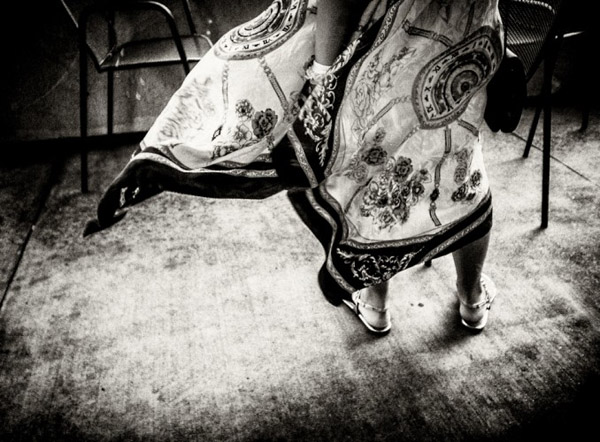
Angel heaven

I was at a coffee shop, sitting down, writing on my device when I saw this dress flow in front of me. For one second I believed I was in heaven and looking at an angel. I used what was in front of me (a girl’s dress, how boring) and made a photograph, replicating the feeling I felt.

In a nutshell: start thinking like a painter, focus on making something, not taking.

10 – Make your photographs sticky

Picture this with me for a moment: a beautiful van is driving down a road, a soothing voice enumerates all the features of the van, AC, GPS, windows, kids are smiling in the back. Ah, life is good, the van flows nicely in the streets. The van is making a turn when all of a sudden, a nasty crash happens. Shock!

“You didn’t see that coming” says the tagline. It wasn’t a commercial for a van, it was one for safety.

This commercial stuck in the minds of many because the ad spent its time building up a pattern (that of a typical van commercial) and then broke it. The human brain sees in terms of patterns and expects things to go in a certain way, when it doesn’t, it forces us to remember to be ready for next time.

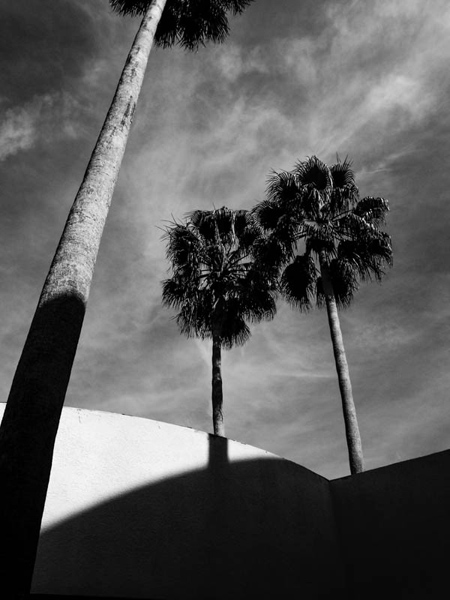
You can also do that with photographs. You can create a pattern and then break it. Roland Barthes, a philosopher, named the pattern the Studium, and the pattern breaker the Punctum in his book Camera Lucida. So, if you want your images to stand out, seek the Punctum.
Studium punctum

Meh. How many palm tree images have you seen in your lifetime? Well I’ve seen them a lot too, so in order to make this one stick out from the crowd, I decided to align the shadow of a tree that was behind me, to the tree in the middle in front of the camera. What started as an average palm tree image is now much more interesting because of that pattern breaker. It’s unexpected. You expected a complete tree trunk and I replaced it with a shadow.

In a nutshell: anticipate the expected in your photograph, then break it.

So what other tips do you have for beginners? If you are just beginning yourself what do you struggle with the most? Share with us in the comments below.

The post 10 Photography Tips to Help You Take Your Photography up a Level by Olivier Duong appeared first on Digital Photography School.


Digital Photography School

 
Comments Off on 10 Photography Tips to Help You Take Your Photography up a Level

Posted in Photography


Tips for Boosting Your Confidence Doing People Photography

03 Apr

Feelings follow actions

We all know most people aren’t comfortable being photographed. What’s less well documented is many photographers actually feel nervous about photographing people.

It’s understandable when you think about it. Since we know that the people we’re photographing don’t want to be photographed, we feel we’re invading their space. We also feel just as ‘on show’ as the subject. We have to perform, be charming, build rapport, make people smile, effortlessly change the settings on our camera and ultimately show them how great they look in the photo. It’s a lot of pressure!

But hey, there’s never going to be a big sympathy movement for photographers, so we have to overcome our confidence demons on our own. I know how you feel. I used to quiver with fear when photographing people, too. Over the years I’ve picked up many helpful tricks and now I can actually enjoy the spotlight and hectic pressures of a large wedding. Here are a few for you:

Tips for boosting your confidence doing people photography

Plan the photo before you speak to them

Plan the photo Plan the photo3

Once someone has agreed to be photographed you don’t want to be standing there flapping about wondering what you’re going to do with them. Have a clear image in your head that’s based on the available light, backgrounds, and the message you want to convey through the environment and their pose.

Think about why you wanted to photograph them in the first place and then use your composition, posing and photographic skills to tell the story. The better prepared you are the more confident you’ll feel. You’ll be able to give your subject instructions and explain why you’re doing what you’re doing.

For example, you could say “Your hair looks fantastic and if we take the photo over here then the sun will create a beautiful halo as it shines through it.” The model will feel great, you’ll feel in control and you’ll really sound like you know what you’re doing.

Help your model feel confident

Help model feel confident 2 Help model feel confident

The more relaxed your model is, the easier the process will feel for you too. Stay positive. Even if you can see you’ve screwed up a photo just keep sounding positive. Tell them how well they’re doing and never let silence descend. As soon as you stop talking, your model will instantly tense up. Imagine someone staring at you without talking and you’ll know how the model feels.

Often when we’ve just gotten started I’ll say, “Right, I’m just going to take a couple of practice photos to make sure I’ve got the exposure perfect, so you can pull funny faces at me if you like.”. Whether they pull a face or not they’ll often be more relaxed or even smiling naturally at this point. Because of this, some of the best images in a session can be your first.

How to keep the conversation going

Keep conversation going

We’ve already established that silence is kryptonite for a photography session, but what do you say to help take the model’s mind off the photography? As a portrait and wedding photographer I prepare what I’m going to say during the session almost as much as I plan the photos.

Here is a selection of the techniques I use in different circumstances:

  • When photographing a group I might ask everyone to look at the person with the smelliest feet, or who spends the most time in the shower, etc.
  • I ask them to keep their eyes open for as long as possible. You start with a glazed expression but as their eyes begin to dry out they start to smile and then laugh. I turn it into a competition if there are several people.
  • Do you have any nicknames for each other?
  • For group photos I have a method for avoiding people blinking. I ask everyone to shut their eyes and then open them on the count of three. Just after I say ‘three’ I tell them to remember where I’m standing!
  • I ask them to guess the two people I get told I look like (it’s the comedian Harry Hill and the TV chef Heston Blumenthal, by the way)

Keep conversation going2

For travel portraits some of the above ideas might work, but you can also just ask simple questions like:

  • What do you love most about this place?
  • Is there anywhere you recommend I go?
  • Where’s the best place to eat?
  • Do you have any hobbies?
  • Don’t forget to tell them how beautiful their country and food is!

To help make the conversation even more natural I sometimes use a tripod and remote shutter button once I have the photo composed. This means I can maintain eye contact and build rapport more effectively. It helps the model feel like they’re in a proper conversation rather than staring at a piece of machinery.

Talk with them first

For a posed photo you should speak with the model first, whether you’re photographing a stranger or an old friend. Tell them why you want to take their photograph (I love your hair, you look cool, etc.) so the model isn’t left wondering.

When I’m on holiday I like to chat with the locals before I ask for the photo. Maybe I’ll buy something from their shop or pretend I need directions to get the conversation going. Once you start chatting and build rapport it feels much easier and more natural to ask for the photo.

*Note: for more read:  Practical Tips To Build Your Street Photography Confidence  for Tips for Photography People when Travelling. 

Talk with model first Talk with model first3

Camera tricks for the super-nervous

If you’re really too shy to speak with people, or want a reportage style – then the obvious solution is to use a long lens. However, it can feel a bit creepy doing this and it’s even more embarrassing when you get caught!

An alternative is to put your camera on a tripod and use a remote shutter. This way people don’t realize you’re taking a photo at that exact moment because you’re not looking through the viewfinder. You then wait for people to walk into your composition and fire the shutter at the right moment. You’ll have to pre-focus the camera and use a deep depth of field to increase your chances of a sharp image.

Another method is to use a wide angle lens and place the person you want to photograph at the edge of the photo. The camera won’t be pointing at them so your motive is less obvious.

Camera tricks for the nervous

Feelings follow actions

When talking about building confidence most people talk about ‘positive thinking’. Psychological tests have shown that in reality feelings follow actions. What this means is that if you act like you feel confident then you’ll actually become confident.

If you smile, project your voice, dress sharp and stand up tall you’ll actually start to feel more assured.

Do you have any techniques, games or phrases you use when photographing people? Write them in the comments box below – we’d love to hear them. If you really want to step out of your comfort zone try How to Photograph Strangers: the 100 Strangers Project.

The post Tips for Boosting Your Confidence Doing People Photography by Dan Waters appeared first on Digital Photography School.


Digital Photography School

 
Comments Off on Tips for Boosting Your Confidence Doing People Photography

Posted in Photography


Flintstones Furniture: 15 Designs Made of Stone and Lava

03 Apr

[ By Steph in Design & Furniture & Decor. ]

Flintstones Furniture Main

Evoking the primitive furniture of mankind’s cave-dwelling days, these tables, chairs, stools and desks feel massive and monolithic, yet many are surprisingly lightweight. Some are hewn from heavy boulders, some carved from soft volcanic rock, and others made of materials like wool, wood and concrete.

ONYX Sofa with Volcanic Lava and Carbon Fiber

Stone Furniture ONYX

This hybrid sofa is part raw volcanic lava, part ultra-sleek carbon fiber. The ONYX sofa by Peugeot Design Lab in collaboration with designer Pierre Gimbergues features lava sourced form ‘the Auvergne,’ a landmark dating back almost 11,000 y ears. The aesthetics echo the bodywork of the Peugeot ONYX supercar, while the material choice is meant to invoke the ‘robustness’ of the car brand’s history.

Living Stones Wool Furniture by Stephanie Marin

Stone Furniture Living Stones 1
Stone Furniture Living Stones 2

They may look like enormous river rocks, but these ‘Living Stones‘ are actually soft and comfortable poufs made of wool. The oversized pebbles come in various shapes and sizes suitable as floor pillows, loungers and footstools.

Natural Stone Table

Stone Furniture Table 1

A ragged, rocky edge lends a sense of gravity to this natural stone table by Lex Pott. The variation from the raw natural finish to the smoothed-out table legs on the other side tells the story of the Belgian bluestone table’s creation, from the rock quarry to the final polishing of the finished product.

Mt. Etna Lava Transformed into Experimental Furniture

Stone Furniture Etna
An unusual series of sculptural tables consists of volcanic volumes held together by brass pegs and straps, visually and symbolically invoking Mt. Etna and the cultural history of its surroundings. ‘De Natura Fossilium‘ aims to “bring both the landscape and the forces of nature together as facilities for production,” actively using the lava from the volcano in various manipulated forms.

Rock Pendant Lamp

Stone Furniture Pendant Lamp

Handmade from natural stone, this pendant lamp seems to defy gravity, dangling from the ceiling with just two thin wires. In fact, the Aso San lamp by German designer Daniel Stoller is made of basalt lava and much lighter in weight than it looks.

Next Page – Click Below to Read More:
Flintstones Furniture 15 Designs Made Of Stone And Lava

Share on Facebook


[ By Steph in Design & Furniture & Decor. ]

[ WebUrbanist | Archives | Galleries | Privacy | TOS ]


WebUrbanist

 
Comments Off on Flintstones Furniture: 15 Designs Made of Stone and Lava

Posted in Creativity


2. April 2014

02 Apr

Ein Beitrag von: Flo.We

Being Part of the Nature © flo.we


kwerfeldein – Fotografie Magazin | Fotocommunity

 
Comments Off on 2. April 2014

Posted in Equipment