RSS
 

Archive for April, 2014

Lytro announces Illum light field camera

22 Apr

3-Quarter_NEW.jpg

Lytro has unveiled the Illum light field camera, its first new hardware since the original Lytro launched more than two years ago. Like its predecessor, the Illum captures information about the angle from which light has arrived, allowing it to calculate images with different perspective and focus. The biggest change is the use of a much larger sensor: now a 1″ type, rather than 1/3″ type usually found in smartphones. Learn more

News: Digital Photography Review (dpreview.com)

 
Comments Off on Lytro announces Illum light field camera

Posted in Uncategorized


Anregungen für Einsteiger in die Straßenfotografie

22 Apr

Seitdem ich versuche, mich aktiv als Straßenfotograf in Deutschland zu betätigen, bekomme ich regelmäßig E-Mails oder Replies zu meinen Bildern. Immer wieder fragen mich Leute, wie ich meine Angst überwinde, welche Kamera ich benutze oder was ich sage, wenn sich jemand beschwert.

Auf viele dieser Fragen möchte ich heute versuchen einzugehen. Ich wähle bewusst das Wort „Anregungen“ im Titel, weil ich keine Ratschläge von oben herab erteile.

Diese Anregungen, Ideen oder Handlungsvorschläge sind auf meinem ganz persönlichen Weg entstanden. Und ich glaube, dass sie dem einen oder anderen helfen können – aber nicht müssen. Legen wir also los.

Straßenfotografie: Ein Arbeiter mit Maske und blauem Anzug.

Werde Dir der Gesetzeslage bewusst

In Deutschland ist es vom Gesetzgeber nicht erlaubt, Menschen erkennbar in der Öffentlichkeit zu fotografieren. Wenn Du dieses Gesetz übertrittst, kann das bedeuten, dass Du Post von einem Rechtsanwalt bekommst, angezeigt wirst oder jemand sauer auf Dich wird.

Die Wahrscheinlichkeit ist zwar nicht besonders hoch (ich habe es noch nie erlebt), doch es kann theoretisch immer passieren. Wer falsch parkt, bekommt irgendwann einen Strafzettel. So einfach ist das. Und diesen Wikipedia-Eintrag solltest Du im Schlaf können.

Wäge ab, Menschen unerkannt zu fotografieren

Um in die Straßenfotografie einzusteigen, musst Du nicht gleich aus 30 cm Abstand und mit Blitz fotografieren. Du kannst Dich auch langsam ans Sujet herantasten und so der juristisch-misslichen Lage vorerst aus dem Weg gehen. Wie? Mit Abstand. Menschen von hinten, als Silhouette – oder den Kopf abschneiden. Letzteres ist rein fotografisch zu verstehen.

Lasse Deine Schuldgefühle und Ängste hinter Dir

Solange Du eine Phobie davor hast, „ertappt“ zu werden, solltest Du mit der Kamera keine Sekunde auf der Straße verbringen. Menschen merken Deine Befürchtungen sofort und werden Dich wesentlich schneller als verdächtig einstufen, als Dir lieb ist. Wenn Du aber voller Selbstvertrauen und Freundlichkeit unterwegs bist, strahlt das nach außen und die Menschen werden Dir ebenfalls freundlicher begegnen.

Warnung: Viele Menschen freuen sich darüber, fotografiert zu werden, fühlen sich dadurch geschmeichelt und werden mit einem hübschen Lächeln reagieren. Diesen wichtigen Moment wirst Du verpassen, wenn Du mit panisch-verzerrtem Gesicht um die Häuser schleichst.

Eine Frau sieht in die Kamera.

Prüfe Deine Absichten

Warum willst Du überhaupt auf der Straße fotografieren? Um was geht es Dir dabei? Kläre diese Frage, bevor Du losziehst und es wird Dir leichter fallen, mit Mut und Bestimmtheit aufzutreten. Und – das ist wirklich wichtig – Deine Stilmittel zu wählen. Mehr dazu weiter unten.

Die Kamera ist scheißegal

Du solltest keine Sekunde darüber nachdenken, ob Deine Kamera straßentauglich ist. Du kannst sogar mit dem Smartphone anfangen, Leute in der Öffentlichkeit zu fotografieren. Ich habe das ein Jahr lang gemacht.

Selbst, wenn Deine Kamera eine fette DSLR und super laut ist: Das kann Dir wiederum dabei helfen, offen mit Deinem Vorhaben umzugehen. Fang einfach an und vergiss den Schwachsinn, dass Du eine Leica brauchst.

Lächle

Brust raus, Rücken gerade, einmal kräftig durchatmen und los geht’s. Sprich mit den Menschen, lächle sie an oder zwinkere ihnen zu. Zeige ihnen, dass Du nicht gegen, sondern für sie bist.

Wenn Dir ein schöner Hut auffällt, dann sage das der Person – auch, wenn Du sie gar nicht fotografierst. Verbreite gute Laune, so oft es geht. Menschen werden Dich wiedererkennen und Du bestimmst, wie Du in Erinnerung bleibst.

Blick auf einen Sonderzug der Bahn.

Such nicht nach Bestätigung

Wenn Du eine Person fotografiert hast und nicht sicher bist, ob sie Dich bemerkt hat, dann schau sie um Gottes Willen nicht fragend an. Warte nicht auf eine positive Reaktion. Ziehe gemütlich weiter und suche Dein nächstes Motiv.

Die Menschen auf der Straße sind die letzten, von denen Du Bestätigung suchen solltest. Wenn Du von ihnen erwartest, Deine Aktion „in Ordnung“ zu finden, wirst Du a) enttäuscht werden und b) Dich auf eine zu niedrige Stufe stellen. Dein Auftreten wird dadurch nicht selbstbewusster, sondern eher das Gegenteil.

Keine Option: Lange Brennweiten

Zumindest zu Beginn nicht. Wenn Du Dir in die Hosen machst, vor Leuten die Kamera zu heben und sie zu fotografieren, dann ist ein Teleobjektiv doppelt hinderlich. Zum Einen wirst Du Deine Angst nicht überwinden (und das kannst Du nur mit Übung) und Dich zum Anderen auf ein Stilmittel begrenzen. Vor allem eines, das furchtbar schwer zu beherrschen ist.

Straßenfotografen wie Saul Leiter oder W. Eugene Smith, die Teleobjektive gekonnt einsetzten, wussten genau, was sie taten und was sie erreichen wollten.

Nimm ein Weitwinkel. Niemand sagt, dass Du den Leuten mit dem Glas vor der Nase herumtanzen sollst. Außerdem hast Du so stets die Möglichkeit, im Nachhinein zu croppen, weil Du (zu Beginn) eher zu viel auf dem Bild haben wirst, als zu wenig.

Frag Menschen vor dem Fotografieren

Nein, das muss nicht die Regel sein (siehe Punkt 2). Und Du musst keine 100-Leute-Serie machen, auf denen die Leute scharf sind und der Rest im Bokeh verschwindet. Das ist zwar hip, aber auch nur eines von vielen Stilmitteln.

Außerdem gibt es aktuell nur einen Straßenfotografen, der dies meiner Meinung nach innovativ beherrscht: Khalik Allah. Ich möchte mich hier aber nicht verzetteln.

Wenn ich jemanden mit einem tollen Bart sehe, dann verzichte ich manchmal auf den ungestellten Moment und frage freundlich.

Die meisten Männer tragen ihren Bart wie andere einen fetten SUV fahren und freuen sich über das Kompliment, für ein Foto posieren zu dürfen. Tipp: Animiere sie dazu, nicht zu lachen oder in die Kamera zu gucken – das sieht meist künstlich aus.

Vergiss jedoch die Option, die Dir die Persönlichkeitsrechts-Taliban nahelegen: Jede Person nach dem Klick zu fragen, ob sie mit dem Bild einverstanden ist.

Warum? Stell Dir vor, Du hast fünf Personen auf einem Bild, von denen zwei auf die Bahn warten und drei in unterschiedliche Richtungen laufen. Es ist schlicht unmöglich, diesem Ratschlag nachzukommen. Es geht einfach nicht.

Eine Frau schaut auf den Fahrplan.

Umgang mit negativem Feedback

Wenn jemand nicht fotografiert werden möchte, dann ist das sein oder ihr gutes Recht. Von so einer Person angesprochen zu werden, sollte nicht ignoriert und schon gar nicht frech beantwortet werden.

Schau der Person ins Gesicht, stelle Dich vor und entschuldige Dich für die Unannehmlichkeiten. Biete von Dir aus an, das gemachte Foto unverzüglich zu löschen. Weder lohnt es sich, sich mit fotografierten Menschen anzulegen, noch musst Du schamrot mit gesenktem Kopf im Boden versinken.

Wünsche einen angenehmen Tag und ziehe weiter Deines Weges.

Unsichtbar werden

Der große Traum vieler Fotografen, die auf die Straße ziehen, ist es, unsichtbar zu werden. Unbesorgt zu fotografieren, ohne bemerkt zu werden. Das wär’s. Doch darunter versteckt sich meist nichts anderes als Angst. Und die ist ein schlechter Ratgeber.

Du musst Dich ja nicht bunt wie ein Clown anziehen. Ich bevorzuge schwarze Kleidung, weil sie kein Licht reflektiert. Aber zwanghaft zu versuchen, unentdeckt zu bleiben und im peinlichen Agenten-Modus (Kopf nach vorn, Blick zur fotografierten Person) aus der Hüfte zu fotografieren, bringt gar nichts.

Warum? Weil Du so keine Kontrolle über Bildausschnitt und Perspektive hast. Natürlich gibt es Leute wie Mark Cohen, die das Fotografieren ohne Sucherblick perfektioniert haben, jedoch würde ich davon erst einmal abraten.

Halte die Kamera vor’s Gesicht, komponiere und drücke ab. So gibst Du Menschen auch die Chance, zu reagieren und sich Dir bemerkbar zu machen, wenn sie das nicht wollen.

Schneller!

Auf der Straße hast Du eines nicht: Zeit. Du kannst nicht ewig rumzoomen, denn währenddessen ist die fantastische Szene längst vorbei.

Von daher bietet es sich an, eines zu üben: Fokussieren. Der Amerikaner John Free empfiehlt, sich vor eine Wand zu stellen und zu stoppen, wie lange man brauchst, um aus der Hüfte die Kamera zu heben und die Wand anzufokussieren. Je schneller Du bist, desto einfacher wirst Du es später auf der Straße haben. Außerdem lernst Du so die tatsächliche Schnelligkeit Deines Autofokus kennen und im Vorhinein einzuschätzen.

Andere Fotografen wie Matt Stuart fokussieren bei geschlossener Blende vor und wissen so, welcher Schärfebereich immer abgedeckt ist. Das Problem: Wenn Dir wider Erwarten jemand näher kommt, musst Du reagieren. Das kann schon einmal hektisch werden und meist vergeigt man dann das ganze Bild. Auch hier ist Übung angesagt.

Joel Meyerowitz rät, ein guter Beobachter zu werden und das Vorhersehen von akzentuierten Bewegungen zu erlernen. Wie das geht? Ein Beispiel: Du siehst von Weitem, wie eine Frau die Arme irgendwie komisch verschränkt und sie dann wieder fallen lässt.

Warte. Warte. Warte. Warte ab, ob die Frau diese Bewegung noch einmal macht. In der Zwischenzeit kannst Du einen guten Bildausschnitt suchen und bist dann bereit, wenn es wieder passiert.

Weitere Anregungen sind meiner Meinung nach überflüssig. Klar, man könnte Bücher darüber schreiben, was wie wo wann am besten funktioniert. Doch das Beste an der Fotografie ist immer noch das Learning By Doing. Je öfter Du unterwegs bist, desto schneller wirst Du auch.

Ein Mann kurz vor dem Zigaretteanzünden.

Lass nicht den Profi raushängen

Niemand ist interessiert daran, welche Profession Du hast (oder denkst, zu haben). Viele Menschen reagieren sogar aggressiv, wenn sie merken, dass Du Fotograf bist. Warum? Weil sie Dich für einen Pressefotografen von der BILD halten.

Pressefotografen sind in ihren Augen das Schlimmste und wenn Du irgendwie profihaft rüberkommst, dann drückst Du bei ihnen den „Angreifen, JETZT!!!“-Knopf.

Wenn Du eine Rolle spielen willst, dann nimm lieber die des ahnungslosen, schrullig lächelnden Touristen, der seine Kamera ausprobiert. Das passt vielleicht Deinem Ego nicht, aber es hilft Dir garantiert, keine Paniken auszulösen.

Kauf Dir Fotobücher (statt einer neuen Kamera)

Der Terminus Straßenfotografie wird historisch gesehen noch nicht allzu lange als solcher gebraucht. Menschen haben schon immer fotografiert und wo sonst, wenn nicht zuhause? Auf der Straße. Im Park. Überall.

So gibt es millionenfach Literatur und Fotobücher, die Dir allesamt zeigen, wie Menschen andere Menschen fotografiert haben, ohne Fotos zu stellen. Das müssen nicht einmal Fotos aus der Stadt sein, wie der Band „Magnum Landscapes“* unterstreicht.

Der gesamte Bereich der Dokumentarfotografie* (ja, auch Reportagen aus Krisengebieten) sind daher von höchstem Interesse, wobei es selbstverständlich Unterschiede gibt.

Als Einstieg (und um einen Überblick zu bekommen), empfehle ich Dir das Buch „Street Photography Now“*. Du wirst darin nicht nur eine Menge Informationen darüber finden, welche Fotografen (und wessen Bücher) Du weiter verfolgen kannst, sondern bekommst auch einen gefühlten Container voller Inspiration.

Ignoriere

Finde Dich damit ab, dass Du in dem Moment, in dem Du offen Menschen auf der Straße fotografierst und die Bilder ins Netz stellst, vielen Leuten einen Grund gibst, Dich zu testen und Deine Position infrage zu stellen. Das ist gut so.

Denn Du musst lernen, Verantwortung für Dein Tun zu übernehmen und zu Dir zu stehen. Bleibe freundlich und akzeptiere die Positionen anderer. Du musst sie ja nicht übernehmen.

Wenn Menschen dennoch fies werden (und das werden sie), dann brauchst Du eine Strategie. Ich habe Leute in allen Netzwerken (und auch deren E-Mails) geblockt, weil sie nicht aufhörten, mich monatelang aufs Bitterste zu attackieren.

Es gibt Menschen, die reiten sich derart rein, dass sie nicht aufhören werden, Dich zu beleidigen. Jedoch ist es dann klug, eines zu wissen: Diese Menschen offenbaren dadurch ihre Persönlichkeit. Wer Dir vorwirft, ein Arschloch zu sein und das mit den Mitteln des eben benutzten Fäkalwortes tut, den brauchst Du keine Sekunde ernst zu nehmen.

Meine Devise: So lange wie nur möglich respektvoll und freundlich bleiben. Versuche, die Meinung der anderen zu verstehen und nachzuvollziehen. Wenn Leute aber erwarten, dass Du deshalb mit der Straßenfotografie aufhörst, wirst Du sie enttäuschen. Da müssen sie durch und das werden sie.

Mach einen Ausflug nach London

Nein, Du sollst nicht nach England ziehen (kleiner Insider). Jedoch kann es Dir gut tun, mal in einem Land zu fotografieren, in dem das Fotografieren von Menschen in der Öffentlichkeit vom Gesetzgeber erlaubt und gestattet ist.

Wenn Du dann wieder in Deutschland fotografierst, kann es sein, dass Dir das wesentlich leichter fällt. Und Leichtigkeit kann man immer brauchen, vor allem auf der Straße.

Ein Mann mit roter Brille.

Puh. Jetzt fallen mir noch 180 weitere Sachen ein, die ich aufführen könnte, wie Belichtungszeiten und ISO-Einstellungen, Bildkomposition, Bildbearbeitung in Lightroom und und und. Dennoch möchte es den ohnehin schon langen Artikel erst einmal so stehen lassen. Vielleicht komme ich ein anderes Mal drauf zurück.

~

Abschließend möchte ich sagen, dass ich sehr gern auf der Straße fotografiere. Ich habe seither viele nette Menschen kennengelernt, die mein Leben um vieles bereichert haben.

Meine persönliche Motivation ist die der Dokumentation. Ich möchte, dass in 30 oder 40 Jahren meine Bilder an ein Karlsruhe erinnern, wie ich es heute erlebe. Ich möchte Abertausende von Aufnahmen weitergeben, die zum Schmunzeln, Lachen und Erinnern anregen.

Hierzu habe ich einen künstlerischen Anspruch. Ich möchte, dass meine Bilder bewegen und einen gewissen visuellen Reiz haben. Nein, sie müssen nicht „schön“ im konventionellen Sinne sein, aber Betrachtern das Gefühl der Straße geben. Das ist rau, hektisch und schnell. So mag ich das.

* Das ist ein Affiliate-Link zu Amazon. Wenn Ihr darüber etwas bestellt, erhält kwerfeldein eine kleine Provision, Ihr zahlt aber keinen Cent mehr.


kwerfeldein – Fotografie Magazin | Fotocommunity

 
Comments Off on Anregungen für Einsteiger in die Straßenfotografie

Posted in Equipment


Reflexionen eines Architekturfotografen

22 Apr

Wenn es neben der dokumentarischen Fotografie ein Genre gibt, das mich regelmäßig begeistert, handelt es sich um minimalistische Architekturfotografie. Diese klaren Linien, gepaart mit feinen Grauabstufungen und so viele Parallelen zum Abstrakten, da werde ich schwach. Perfektion ist keineswegs langweilig, wenn sie Gebäude derart akkurat, wohlgezielt und kompositorisch präzise nachbildet.

Matthias Heiderich gehört für mich zu den Fotografen, die ein solches Unterfangen auf allen Ebenen mit Bravour bewerkstelligen. Heiderich selbst hat eigenen Angaben nach erst nach meinem Studium angefangen zu fotografieren.

Das Ganze ging mit meinem Umzug nach Berlin einher: Am Anfang habe ich ziemlich viel mit direktem Berlin-Bezug gemacht und ich denke, dass ich großes Glück hatte, dass mein Stil in Zusammenhang mit der Berlin-Thematik ganz gut ankam im Netz, so dass ich relativ schnell in der Lage war, von meiner Fotografie zu leben und auch der Gedanke an das Freiberuflertum nah lag.

Mittlerweile arbeitet der Fotograf auch für Kunden und Magazine, wie zum Beispiel Wallpaper*. Dennoch ist sein Schwerpunkt künstlerische Fotografie und seine Bilder sind hauptsächlich in Galerien zu sehen.

Die hier gezeigten Aufnahmen entstammen seiner Serie Reflexionen, die den Städten Hamburg, Berlin, Amsterdam, Madrid, Avilés (Centro Niemeyer) und Bilbao entnommen wurden. Stilistisch bezeichnet Heiderich das Gesamtpaket als künstlerische Architekturfotografie wird heuer das Projekt weiterführen.

Im Oktober wird außerdem mein erstes eigenes Fotobuch in einem französischen Verlag erscheinen. Wie gesagt, bin ich immer noch ziemlich überrascht, dass das alles so relativ schnell ging, ich freue mich aber jeden Tag auf’s neue darüber, das machen zu können, was mir Freude bereitet und an eigenen Projekten arbeiten zu können.

Architekturfotografie © Matthias Heiderich

Architekturfotografie © Matthias Heiderich

Architekturfotografie © Matthias Heiderich

Architekturfotografie © Matthias Heiderich

Architekturfotografie © Matthias Heiderich

Architekturfotografie © Matthias Heiderich

Architekturfotografie © Matthias Heiderich

Architekturfotografie © Matthias Heiderich

Architekturfotografie © Matthias Heiderich

Architekturfotografie © Matthias Heiderich

Architekturfotografie © Matthias Heiderich

Architekturfotografie © Matthias Heiderich

Der feinsinnige Leser bemerkt, dass die Sätze des Fotografen vor Dankbarkeit überfließen – eine Haltung, die ihm bei der Gestaltung seiner Gebäudestudien zweifellos von bedeutender Hilfe ist. Denn wer das Leben an sich, soziokulturelle Kontexte und erfahrene Umgebungen für selbstverständlich nimmt, übersieht in aller Regel die Besonderheiten eben dieser.

Nicht so Heiderich. Sein Blick ist getrimmt auf das Ineinanderfließen von sonderbaren Profilen moderner Architektonik und seine fotografischen Abbildungen scheinen nicht einen Millimeter zu viel davon abzubilden. Was das Wie seines Vorgehens betrifft, ist der Fotograf vielseitig bestückt:

Dazu kann ich nur sagen, dass ich nicht eine bestimmte Kamera benutze, sondern mittlerweile eine ganze Sammlung von analogen und digitalen Kameras habe. Welche zum Einsatz kommt, liegt ein bisschen an den jeweiligen Gegebenheiten und daran, was ich machen möchte.

Jedoch empfindet Heiderich es überdies wichtig zu experimentieren, auch wenn nicht immer alles, was dabei herauskommt, vorzeigbar ist. Frei nach dem Motto „der Weg ist das Ziel“, denn eigentlich geht es ihm oft einfach nur darum, künstlerisch tätig und unterwegs zu sein und nicht unbedingt um das perfekte Resultat. Hin und wieder sollten aber natürlich auch vorzeigbare Arbeiten dabei sein, wenn man von seiner künstlerischen Arbeit leben will.

Ein hoher Anspruch an sich selbst, dem er freilich gerecht wird. Ich jedenfalls bin äußerst gespannt auf seine erste Publikation und werde unter den ersten Käufern sein. Und um den Verkaufsstart nicht zu verpassen, verfolge ich seine Aktivität auf Twitter und Facebook. Ich empfehle, es mir gleich zu tun.


kwerfeldein – Fotografie Magazin | Fotocommunity

 
Comments Off on Reflexionen eines Architekturfotografen

Posted in Equipment


A travel-sized large-format 4×5 camera?

22 Apr

Screen_Shot_2014-04-21_at_9.50.18_AM.png

Ever wanted to shoot with the incredible image quality of large-format 4″x5″ film? Well now you can without lugging around a massive view camera. Wanderlust’s Travelwide 4×5 camera is small enough to go wherever you go. At 6.3 x 3.9 x 5 inches and 9.7 ounces it’s relatively compact and definitely lightweight. Constructed of glass-filled ABS plastic, the point-and-shoot camera features a focusing screen, focusing marks on the barrel, and a trio of cold shoe accessory mounts. Learn more

News: Digital Photography Review (dpreview.com)

 
Comments Off on A travel-sized large-format 4×5 camera?

Posted in Uncategorized


For starters: Nikon D3300 review

22 Apr

beautyshot_1_.jpg

Nikon’s introduction of the D3300 at this year’s CES didn’t shake up the industry, but it was still a noteworthy launch. The entry-level 3000 series have been popular with consumers looking to making a first step into more advanced photography, and the 24 megapixel D3300 is the latest generation in that popular line. With 1080/60p HD video capture, 5 fps burst shooting and 700-shot battery life it provides a beginner with some useful tools to experiment with. Is it a clear winner in the entry-level class? Read our full review

News: Digital Photography Review (dpreview.com)

 
Comments Off on For starters: Nikon D3300 review

Posted in Uncategorized


Return of Film: Snowy Sunrise at Gates of the Valley

22 Apr

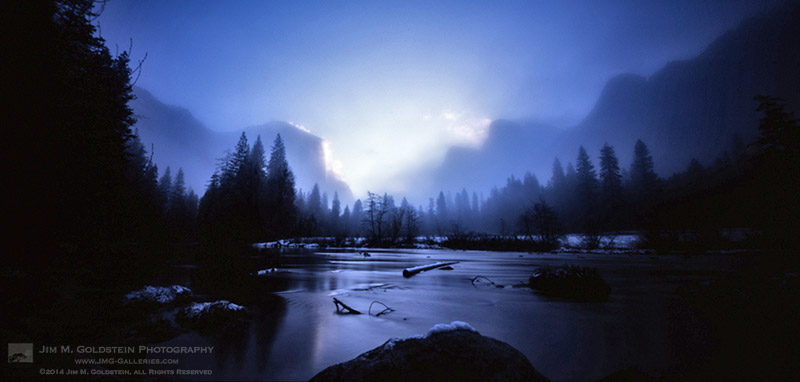
It’s been 10 years since I last took photographs with film. My backing a pinhole camera Kickstarter project, the Ondu camera, is what swayed me to take another stab at shooting film. The camera I chose from the project is a 6×12 medium format pinhole camera. It has an aperture equivalent to f/133 and a focal length of roughly 40mm (in 35mm camera terms).  I’ve never used a pinhole camera so it’s been quite an exciting exploration of a very primitive form of photography. No view finder, no glass lens, no CF cards, no histogram and being an extended piece of the camera as the human shutter (I open and close it) is a sure fire way to kick oneself into a new way of thinking and seeing.

Even with my digital camera I’ve been in a “slow photography” mode. Ironic considering I have been shooting a lot of time-lapse work. While my camera is running capturing a time-lapse I usually have a second camera in the wings where I very selectively take a dozen or so photos. To take that approach to another extreme I picked up the pinhole camera to capture a few frames here and there. I get 6 photos per roll with this camera so depending on the lighting conditions I’ll run through a roll quickly during the day or use the same roll of film over a few night shoots.

The photo above of a very foggy and snowy view of Gates of the Valley in Yosemite National Park was taken this past March. This brief window in the fog lasted but a minute. This was one instance when I was in the right place at the right time. Expect to see a few more pinhole photos in the future. As I venture around in the coming months we’ll see what other “right place at the right time” photos come about.


Copyright Jim M. Goldstein, All Rights Reserved

Return of Film: Snowy Sunrise at Gates of the Valley

The post Return of Film: Snowy Sunrise at Gates of the Valley appeared first on JMG-Galleries – Landscape, Nature & Travel Photography.


Related Stories

  • Return of Film: Snowy Sunrise at Gates of the Valley – Enclosure
  • In Defense of Pretty Pictures – Enclosure
  • Celestial Influences: Petroglyphs and Star Trails – Enclosure
Feed Ads by FeedBlitz
powered by ad choices


JMG-Galleries

 
Comments Off on Return of Film: Snowy Sunrise at Gates of the Valley

Posted in Equipment


Blurb collaborates with Amazon to distribute self-published photo books

22 Apr

blurb_logo_d.png

Blurb, an online self-publishing platform for photo books, is announcing a new program that will allow books created with its online tools to be sold on Amazon. Once a book is created through Blurb, authors may choose to create an ISBN, name a price and list the book for sale with the online retailer. Blurb charges a base price per book to cover printing, and Amazon charges a fee based on list price. Profit left over is paid to the author via Paypal. Learn more

News: Digital Photography Review (dpreview.com)

 
Comments Off on Blurb collaborates with Amazon to distribute self-published photo books

Posted in Uncategorized


Beats on Fire: Music Visualized with Movement of Flames

22 Apr

[ By Steph in Gadgets & Geekery & Technology. ]

Pyro Music Visualizer 3

We’ve seen what audio frequencies look like in mesmerizing resonance experiments using sand – so how does the same concept translate to a more volatile medium? The science video blog Veritasium carried out an experiment that uses flammable gas to create the pyromaniac music lover’s dream: an audio visualization in the form of fire.

Pyro Music Visualizer 1

It all comes down to the vibrations produced by sound. Veritasium teamed up with physics and chemistry demonstrators to create a ‘Pyro Board’ based on the Rubens’ Tube, also known as a standing wave flame tube. Invented by a German physicist, the Rubens’ Tube shows the relationship between sound waves and sound pressure.

Pyro Music Visualizer 2

Sealed at both ends and perforated along the top, the pipe is attached to a speaker or frequency generator at one side and a supply of flammable gas at the other. Variations in sound cause vibrations in the air to affect the flow rate of the gas, causing the flames to change in height.

Pyro Music Visualizer 5

The team translated this idea to two dimensions with what’s essentially a plane of bunson burners, with 2,500 holes. The louder the music is played, the higher the flames become.

Share on Facebook


[ By Steph in Gadgets & Geekery & Technology. ]

[ WebUrbanist | Archives | Galleries | Privacy | TOS ]


WebUrbanist

 
Comments Off on Beats on Fire: Music Visualized with Movement of Flames

Posted in Creativity


[MODIFIED] Google Chrome – View Memory and CPU Usage, Network Activity of Each Tab

22 Apr

Display memory, CPU, network, and other Google Chrome usage details.

For those trying to diagnose computer or networking issues when visiting resource-intensive websites, or just the merely curious, Google Chrome includes a Task Manager. This displays the amount of memory and CPU used by the browser and each tab as well as network activity, process IDs, and for developers the frames per second and ports used to debug native client apps (NaCl debug port). This way, you can determine if a particular webpage is using too many system resources, possibly slowing your computer down.

If you want extra information, a “Stats for nerds” screen shows the memory broken down by private and shared, as well as virtual memory usage. This details screen can even show basic memory usage statistics for other browsers such as Internet Explorer and Mozilla Firefox….

Read more at MalekTips.
New Computer and Technology Help and Tips – MalekTips.Com

 
Comments Off on [MODIFIED] Google Chrome – View Memory and CPU Usage, Network Activity of Each Tab

Posted in Technology


Improve Your Backgrounds – Improve Your Photography

22 Apr

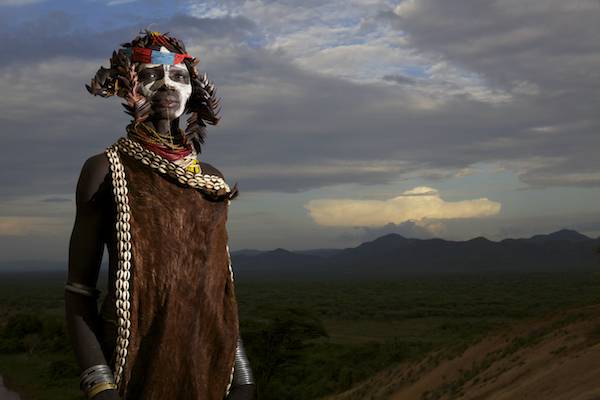
Photography-backgrounds-Omo-Valley-Piper-14

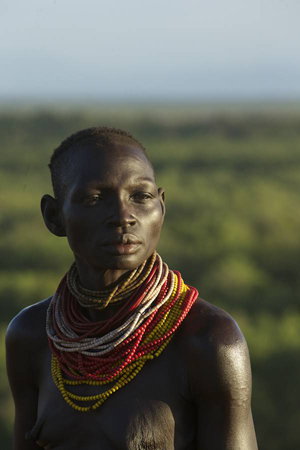
The background in your image can quickly reveal your skill level as a photographer. Learning to see past an exotic or exciting subject, to catch the details in the background, is what will distinguish you from a beginning, hobbyist photographer to an experienced professional. The background in your image immediately stands out to a trained eye. Learning just this skill can very quickly elevate and improve your photography.

Most times, the difference between a snapshot and a strong, compelling image can be as simple as one small step, slightly changing your perspective, or blurring out a background. If the photograph is about an exciting subject, then try to eliminate the background, making it about your subject. If you wish to photograph your subject in their environment check to make sure that:  the background is equally as  impressive as your subject, is part of the story, and adds value to the image.

Keep it simple for a more powerful image

Here are several examples of how one simple movement or adjustment can change an unusable image into a very powerful one. In the portrait below, the light had become too harsh to make a usable image.  I moved my subject into a hut, but then the light coming through the wood created a horrible background.

photography, distracting, background

Watch for bright, distracting spots in the background

I looked around, picked up one of the skins lying on the floor, and put it up behind the subject. This removed the distractions by making the background solid and created a powerful portrait.

photography, backgrounds

The image below on the left is beautiful, but once you look at the subject your eyes wonder up to the sky and out of the photograph. The sky is not part of the story. My subject is the story, therefore the sky is a distraction. I got a little higher and zoomed in a little closer, filling the frame with my subject, eliminating the distraction of the sky. Here the viewers eyes are drawn directly to the subject and stay there.

photography backgrounds photography background

Where is the horizon?

photography, backgrouds

Look where the horizon falls in respect to your subject

If you are going to have sky in your image, you want to make sure the horizon does not cut through the head of your subject, like the image above. To adjust and create the image below, I dropped  down about a foot lower and zoomed in slightly so the horizon line is below the subjects head, creating a stronger image.

photography backgrounds

Below is another example of keeping your subjects head above the horizon. This was a difficult shot. If my eyes had not been trained to quickly hone in on the background, the horizon could easily have cut right though his head, or been on a slant.   This would have ruined the power of this image. It is these small details that make the difference in a great shot or a snapshot.

Photography-backgrounds-Omo-Valley-Piper-Mackay-10

Create separation between subject and background

photography backgrounds

Separation between your subject and background is essential to draw the viewers eye to the subject

In the image above I was careful not to clip the toes and have the subject’s shadow in the frame, but the background around his head was distracting. I simply took a step to the left and the v-shape of the tree-line now leads the viewer directly to my subject. The man’s face is now in plain view without any distractions (image below).

photography background

Watch for bright spots

In this image I wanted to show the subjects connection with nature, but I was challenged by not being able to create a composition without the distraction of the bright sky coming through.

Photography background

Where does your eye go in this image? To the bright sky

The solution was to slightly change my angle and shoot it as a vertical (see below)

Photography backgrounds

Blur it out

photography backgrounds

The background in the image above is not bad, but since the subject is the bird it is distracting. The best way to handle this type situation is to blur the background by opening up to f/2.8 and zooming in on your subject, filling the frame. This is a much stronger image (below)

Photography backgrounds

Color can be a distraction

Photography background

When you are filling the frame with your subject always check for distracting elements in your background. In this first image (above) there is a brown line going directly across the background. Your eyes look directly at the cheetah, but then immediately pick up the break of color, distracting you as the viewer. The next two images have solid backgrounds. Your eyes go directly to the subject and stay there.

Photography backgrounds

Photography backgrounds

Great subject alone is not enough for a wow image

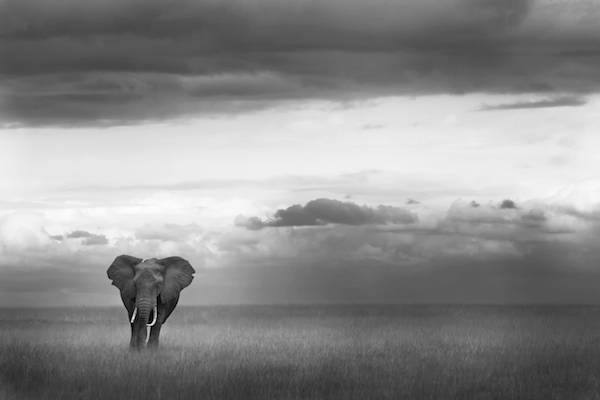
The image below looks more like a photograph that was taken because it was the first time the photographer saw a lion or because the photographer did not have a long enough lens. Sometimes a situation is what I call eye candy; just for looking at, and not for taking a photograph.  Just because your subject is exotic it does not mean it will make it a great photograph.

photography backgrounds

If the background does not add to the photograph or story, then remove it. Get up close and make the photograph about the subject.

photography backgrounds

Notice how much stronger this image is than the one above?

Put it into practice

The easiest way to train your eye is to practice. Get out and shoot, but before you head out, take a quick look through  a few of your existing galleries. Were you seeing what was in the background, when you clicked the shutter?

Challenge your self by going to a busy downtown tourist area and try to isolate your subjects or  visit the zoo where the backgrounds can be difficult. Download the images and view them on your monitor. Looking at them in the back of your camera is a good tool for a quick peek. But it is when are no longer in the emotion of the moment, viewing the images on your monitor, that unwanted elements will scream out at you. The more you see these mistakes on your computer, the more you will remember them behind the camera. Repeat this exercise often until what you see on the monitor is what you were seeing in the frame when you click the shutter.

Practice putting your subjects in simple clean environments first, as the sample images below.

photography backgrounds

Photography-backgrounds-elphant-africa-Piper-Mackay-01

Photography-backgrounds-Omo-Valley-Piper-14

Soon you will be able to introduce a secondary subject in the background for a more complicated image. This draws the viewer to the main subject and then through the image to the discover what else is going on in the images, holding their attention in your image a lot longer.

Good Luck and enjoy the process

Photography-backgrounds-lion-africa-Piper-Mackay-02

Photography-backgrounds-Omo-Valley-Piper-Mackay-11

The post Improve Your Backgrounds – Improve Your Photography by Piper Mackay appeared first on Digital Photography School.


Digital Photography School

 
Comments Off on Improve Your Backgrounds – Improve Your Photography

Posted in Photography