RSS
 

Archive for April, 2014

How to Plan the Perfect Portrait Shoot

22 Apr

Natural lIght portrait

In my last article I gave you five reasons to use natural light for portraiture. The next step in creating the perfect portrait shoot is planning. The more details you figure out in advance, the more likely you are to come away from the shoot with some beautiful portraits to make you proud.

Generating ideas

The creative side of portrait photography is something that some photographers seem to find easy, and others really challenging. One approach to generating ideas is to look at the work of others and let their portraits inspire you.

You’re probably familiar with the main photo sharing sites already (Flickr, 500px and 1x) and there’s no doubt that you will find plenty of inspiration if you take the time to search them. To help you out I’m going to give you a short list of portrait photographers and websites to look at. The work you will see here will open your eyes to the possibilities within the world of portrait photography.

For high quality black and white portraits take a look at the work of Betina la Plante, Eduardo Izq and Phil Sharpe (Phil has a lot of colour portraits in his portfolio too).

For beautiful colour portraits view the portfolios of Cristina Hoch, Alex Benetel, Alessio Albi, Emily Soto, Ling Li, Anna Karnutsch and Sarah Ann Wright. You can gain greater insight into how some of these photographers work by checking out my interviews with portrait photographers.

Other websites where you can see more work by portrait photographers are Faded & Blurred (leans towards the fine art and documentary side) and The D Photo (leans towards the creative side).

Creating mood boards

If you’ve had a good look through some of those links you’re probably feeling a little confused. That’s no surprise, I selected the photographers because they represent a wide variety of styles and techniques. So, how do you make sense of it all?

My favourite technique is to create a mood board with Pinterest. A mood board is a place where you gather photos that you like in order to communicate the feel or mood that you want to create. You’re not copying the photos you’ve added to your mood board, but using them for inspiration and to communicate to potential models what you’d like to achieve.

Creating mood boards is easy with Pinterest. You can make as many as you like, pin photos and move photos between different boards. Here is one of mine as an example, containing black and white portraits of men or this one on the dPS board – Portrait Inspiration.

Mood boards are also a good way to get a handle on what sort of portraiture appeals to you. When I look at my mood board of black and white portraits of men, it tells me that I like dark, moody portraits taken with natural light. As you look at your own mood boards you will see patterns emerge as to what style of portrait appeals to you. Use this feedback to inspire your portrait shoots.

Finding locations

Finding locations depends on where you live and the style of portrait photography you’d like to pursue. You may shoot in a studio and that makes the decision easy. Others may prefer to shoot outside, utilizing local beauty spots and other interesting locations. Here are some things to consider:

Are you looking for an urban environment or a rural one? If your mood boards contain photos taken in natural environments like forests or fields, then that is the sort of location you should look for. Going back to my mood board of black and white portraits, I can see that I have mostly chosen ones taken in gritty urban environments. I need a similar location to create portraits consistent with the feel of the images in this mood board.

Natural lIght portrait

The background in this photo was a bush, giving it a rural feel. Can you imagine how different this portrait would be if it had something like a concrete wall as a background? The atmosphere would be completely different.

How public or private is the location? You may prefer quiet places without many people around where you can concentrate on your portrait shoot.

Choose a lens

What lens will you be using? This is important when choosing a location. If you use a wide-angle lens, you will be including a great deal of the location in the photo. If you use a telephoto lens, you may only utilize a small part of the location, and that may be out of focus if you shoot at a wide aperture. Telephoto lenses give you more freedom when selecting locations because they can transform a small area such as a fence or wall into a beautiful background.

Natural lIght portrait

The portrait on the left was taken with a wide-angle zoom (focal length 26mm) and the one on the right with a short telephoto lens (85mm). Can you see how the focal length affects the background? Wide-angle lenses include more of the background, therefore you need a location suitable to this approach. Telephoto lenses include much less, and can turn mundane locations into interesting backgrounds.

Read my article How to Choose the Perfect Portrait Lens for more information on this topic.

What will the light be like at your location when you are there? Think about what time of day you will be shooting, and where the light will be coming from. The weather is a major factor, the nature of a location and its suitability for portrait photographer depends on both the weather conditions and time of day.

Natural lIght portrait

This portrait was taken at the end of the day as the sun was setting, casting a beautiful soft light with a red glow over the scene.

Build a dossier of locations

With these things in mind build up a mental dossier of locations close to where you live that you can use for portrait shoots. Keep your eyes open when you are out and about and you will find yourself seeing the potential of locations in a new way.

Natural lIght portrait

I took this portrait in a children’s playground. Every day places like this can become interesting locations. Take note whenever you find somewhere new that could one day be used for a portrait shoot.

Finding models

The final step is finding models to work with. By now you should have a fairly good idea of what type of portraits you’d like to create, and where you’d like to take them. Now you need a model to make that happen.

You may be lucky enough to have friends or family members who would make good models. If have to search a little harder, a good place to start is Model Mayhem. There are other websites where models and photographers can connect, but Model Mayhem is my favourite because it lets you search by location. You can centre the search around the city or town you live in, and save time wading through profiles of models from other parts of the country.

The good thing about websites like Model Mayhem is that its members are people genuinely interested in modelling. You will find that the models who come up in your search range from inexperienced to professional. You may feel most comfortable looking for somebody whose experience matches yours. For example, if you are new to portrait photography then you may feel a little intimidated by an experienced model, and prefer to approach somebody who is also starting out.

Bear in mind that if you have the budget, one advantage of using professional models is that you will benefit from their experience and expertise with posing. Inexperienced models will expect you to direct them. Depending on the style you are pursuing, you may learn quicker and create better portraits with a professional.

There are downsides to websites like Model Mayhem. Some of the models you approach won’t respond and others won’t like your style of photography. Some might let you down at the last minute. But on the whole, my experience has been positive, and I’ve found some of my best models here.

Here are a couple of other ideas that photographers I know have used successfully for finding models. One put up a sign at her local university (where she was also a student) and found models that way. Another friend of mine had some business cards made and approached people in the street to ask them if they would like to model for him. Not all responded, but he found a few good models that way.

By the way, if you’re a model based near Wellington in New Zealand, then feel free to get in touch. Contact details on my website (link below).

Perhaps the readers can share some of their experiences about searching for models. I would like to hear your stories, both the positive experiences and the negative.

Putting it all together

Hopefully these ideas have given you a head start in planning the perfect model shoot. What are your experiences with creating portraits? What advice would you give other photographers? Let us know in the comments.
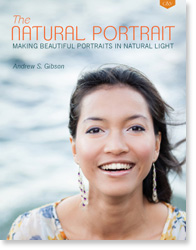

The Natural Portrait photography ebookThe Natural Portrait

My ebook The Natural Portrait teaches you how to take beautiful portraits in natural light. This 240 page ebook, published by Craft & Vision, takes you through the entire process of natural light portrait photography through from finding a model, deciding where to shoot, working with natural light and post-processing your images. Click the link to learn more or buy.

The post How to Plan the Perfect Portrait Shoot by Andrew S. Gibson appeared first on Digital Photography School.


Digital Photography School

 
Comments Off on How to Plan the Perfect Portrait Shoot

Posted in Photography


No Lot Too Challenging: 13 Ingenious Odd-Shaped Houses

22 Apr

[ By Steph in Architecture & Houses & Residential. ]

Odd Lots Main

The lot purchased by a homeowner might be seemingly impossible – clinging to a sheer cliff, squeezing into tight spaces, or consisting of an odd geometric shape – but by god, architects will find a solution. Whether by building up from a postage-stamp-sized property, zig-zagging a house between its neighbors or designing a home in the shape of a giant X, architecture firms have found ways to use seemingly undesirable spaces, leading to some very unusual and imaginative residences.

Twisting Zig-Zag House

Odd Lots Zig Zag House 1
Odd Lots Zig Zag House 2

To most people, it wouldn’t seem like there was actually room for a new house in this extremely narrow, oddly-shaped space between several other residences. But in Japan, every square inch counts. Alphaville architects came up with a novel approach: a zig-zagging house that might skim its neighbors by mere inches in some spots, but still manages to feel private inside thanks to very careful placement of windows and courtyards.

X-Shaped Cliffside House

Odd Lots X Shaped House 1
Odd Lots X Shaped House 2

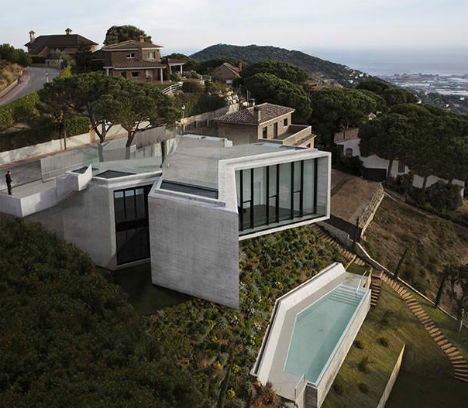
How do you build a house on a sheer cliff that has views on every side, but still feels private, and is virtually invisible from the street? Cadaval & Solá-Morales architects created a two-story, X-shaped residence that clings to the cliff, with the roof functioning as a driveway and terrace. Each side of the home’s edge gets its own sweeping view of Barcelona without facing any of the neighbors. Incisions at the top and bottom of the ‘X’ let in light while maintaining that privacy.

Super-Skinny Cliff-Hugging House

Odd Lots Cliff Hugging Skinny 1
Odd Lots Cliff Hugging Skinny 2

The slightest wedge of a lot on a rocky cliff gave way to this narrow, sloping house by Shuhei Endo. The triangular lot was confined by a Y-shaped intersection and several other residences, and gets as narrow as 5 feet at some points. Tucking the home beside the retaining wall anchors it, and a narrow space between the wall and the home provides a light-filled, private outdoor space with architectural interest.

Oceanfront Cabin on Stilts

Odd Lots Oceanfront Cabin Stilts

The strip of land this oceanfront cabin is built upon is hardly larger than a parking spot. But owner of that land wanted Yasutaka Yoshimura Architects to create a relaxing weekend getaway overlooking Sagami Bay, with views of Mount Fuji in the distance. The result is ‘Window House,’ a slim residence built on steel poles to protect it from storm surges and enable those stunning views. The interior features staggered lofts accessible by stairs and ladders.

Spite House Built on Pie-Shaped Lot

Odd Lots Seattle Spite House

The Seattle Spite House was built on a pie-shaped piece of land adjacent to a larger home, and gets so narrow at one end that it’s hard to open the oven door all the way. The story goes that it was built in 1925 out of spite because the tiny, odd-shaped lot was all that was given to a wife in a contentious divorce, and she was determined to make the most of it. The home sold for nearly $ 400K in 2013.

Next Page – Click Below to Read More:
No Lot Too Challenging 13 Ingenious Odd Shaped Houses

Share on Facebook


[ By Steph in Architecture & Houses & Residential. ]

[ WebUrbanist | Archives | Galleries | Privacy | TOS ]


WebUrbanist

 
Comments Off on No Lot Too Challenging: 13 Ingenious Odd-Shaped Houses

Posted in Creativity


Aperitif: Diese Woche auf kwerfeldein

22 Apr

In dieser Woche erwartet Euch, gut verteilt und zwischen anderen leckeren Happen eingestreut ein Schwerpunkt auf Straßenfotografie. Direkt morgen geht’s los, mit einer großen Sammlung von Martin, der sich den Kopf darüber zerbrochen hat, welche Tipps er Anfängern im Genre mit auf den Weg geben möchte.

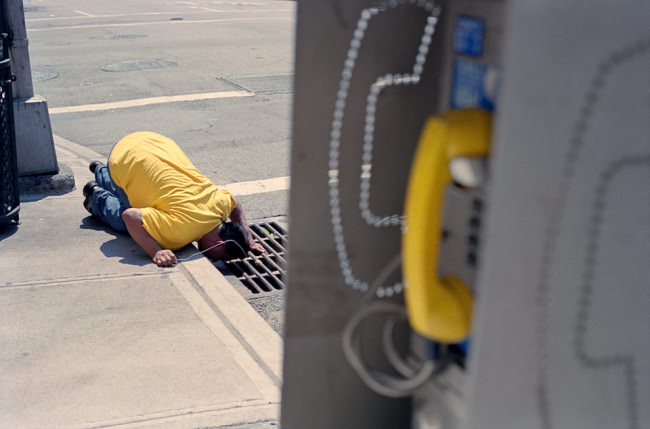
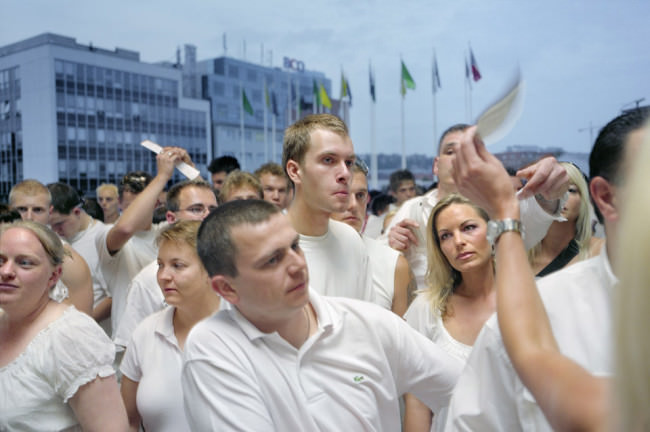
Später geht es weiter mit der Vorstellung von herrlich skurrilen Straßenfotografien aus New York und einer Serie, die ins gleiche Genre fällt, aber einen ganz anderen Ansatz verfolgt. In diesem Fall wurde nämlich nicht auf der klassischen Straße fotografiert, sondern auf einer Veranstaltung, auf der alle weiße Kleidung tragen.

Straßenfotografie von Todd Gross: Ein Mann in gelbem T-Shirt schaut in einen Dohlen

Hier zeigt Otto Snoek Leute auf der Sensation in Prag - eine Nahaufnahme.

Außerdem vertreten: Architekturfotografie. Von außen sowie innen. Wir haben beinahe abstrakte, wie aufgeräumt oder künstlich wirkend abgelichtete Gebäude sowie mal wieder jemanden, der ganz fasziniert von Treppen, Treppenhäusern und Aufgängen ist, die mit Schwung nach oben führen.

In dieser Woche fangen wir auch noch eine neue Serie an, zu der es in loser Folge immer mal wieder Beiträge geben wird. Sie nennt sich „Von der Idee zum Bild“ und ihr Name ist natürlich Programm: Fotografen stellen ein Bild von vorn bis hinten vor, vom ersten Funken einer Idee bis zum letzten Stempeln in der Nachbearbeitung. Ja, wir lieben Blicke hinter die Kulissen.

Am Samstag gibt sich Reales und Surreales die Hand. Katja macht einen historischen Ausflug zum Mond, rund um den sie viele fotorafisch spannende erste Male zusammengestellt hat. Anschließend wird es weniger greifbar, wenn in der Gischt der Gezeiten Nebel die Sicht verschleiern und schemenhafte Momentaufnahmen im Mittelpunkt stehen.


kwerfeldein – Fotografie Magazin | Fotocommunity

 
Comments Off on Aperitif: Diese Woche auf kwerfeldein

Posted in Equipment


[MODIFIED] Screen Capture – Greenshot for Windows can Upload to Dropbox, Flickr, Picasa, and More

22 Apr

Greenshot is an open-source screen capture program for Windows that allows basic image editing and integration with a variety of third-party software packages and web services.

Greenshot is an open-source screen capture program for Windows that supports window, region, and full-screen capture, as well as special support for Internet Explorer complete with auto-scrolling to grab entire webpages.

Greenshot has plugins for various services and applications including Imgur, Box, Dropbox, Flickr, Picasa, Photobucket, and Microsoft Office (make sure to enable them during setup), as well as support for multiple languages….

Read more at MalekTips.
New Computer and Technology Help and Tips – MalekTips.Com

 
Comments Off on [MODIFIED] Screen Capture – Greenshot for Windows can Upload to Dropbox, Flickr, Picasa, and More

Posted in Technology


The Instax Printer:From Phone Pix to Prints in Seconds

21 Apr

Extra photos for bloggers: 1, 2, 3

Meet the Instax Printer, the simplest way to instantly print pics from your phone. We’re sure you two will hit it off splendidly.

With a free app and just a few taps on your phone your new BFF makes it easy to turn any photo onto a real live Instax mini print!

Crop, edit and filter first … then, tap tap, you’re printing.

We might be moving a little fast here, but the Instax Printer makes a great addition to a wedding photobooth too.

Grab Your Own Portable Instax Printer
$ 220 at the Photojojo Shop


© laurel for Photojojo, 2014. |
Permalink |
No comment |
Add to
From Phone Pix to Prints in Seconds”>del.icio.us

Post tags:


Photojojo

 
Comments Off on The Instax Printer:From Phone Pix to Prints in Seconds

Posted in Equipment


National Geographic editor tells how photography changed her life

21 Apr

Screen_Shot_2014-04-21_at_8.40.28_AM.png

Photographer, producer and Senior Photo Editor at National Geographic, Pamela Chen first picked up a camera at around 9 months old. Although she was pointing the camera the wrong way, as children often do, the photo that Chen shares with us in this video is a sweet remembrance. During the video, which is sponsored by Microsoft OneDrive, Chen tells the story of how capturing one blurry photograph when she was a college student changed the course of her life. See video

News: Digital Photography Review (dpreview.com)

 
Comments Off on National Geographic editor tells how photography changed her life

Posted in Uncategorized


How to Improve Your Photographic Eye Super-Effectively

21 Apr

What does it mean to have an eye for photography? Is it something you are born with, or can you can learn? Besides taking pictures, our photographic eye lets us recognize situations, composition, subjects and then puts together all these elements in a frame that makes a great picture. Taking good pictures is not always easy, as there is a Continue Reading

The post How to Improve Your Photographic Eye Super-Effectively appeared first on Photodoto.


Photodoto

 
Comments Off on How to Improve Your Photographic Eye Super-Effectively

Posted in Photography


21. April 2014

21 Apr

Ein Beitrag von: streetw[o]rk

© Streetw[o]rk


kwerfeldein – Fotografie Magazin | Fotocommunity

 
Comments Off on 21. April 2014

Posted in Equipment


Lithprint – Eine Odyssee in der Dunkelheit

21 Apr

Tiefste Schwärzen und ein leichter Überzug, der an feinste Karamellplättchen erinnert. An den Rändern ein wenig körnig, die Linien klar umrissen. Dass ich nicht nur gern fotografiere, sondern auch gern esse, ist spätestens jetzt kein Geheimnis mehr. Aber im Folgenden geht es nicht um feines Gebäck, sondern um grobe Tatsachen.

Vor über zwei Jahren stand ich in der Dunkelkammer und probierte mich an Lithprint und war mir ziemlich sicher, es unmittelbar danach noch einmal zu probieren. Aber wie das mit Erwartungen so ist, enttäuscht man sich glatt selbst dabei.

In den letzten Tagen des abschwellenden Wintergefühls in der Magengegend und mit dem aufbrausenden Gefühl der nahenden Frühlingstage im Kopf, wie sie nur der Aprilmonat in einem auftauchen lässt, erinnerte ich mich doch wieder an mein Versprechen.

Lithprint © Marit Beer

Ich wartete auf die Dunkelheit wie ein Nachtmahr auf den Träumenden. Gegen 21 Uhr verdunkelte sich der Himmel und ich das Fenster des Badezimmers. Es war angerichtet. Der Vergrößerer stand wie üblich auf dem Wichtigsten, was ein Bad zu bieten hat – dem Klosett. Die Schalen reihten sich aneinander und nach Farben geordnet in Entwickler, Stoppbad und Fixierer auf der Badewanne auf. Das Papier, in diesem Fall das Fomatone MG 333, warte geduldig auf seinen Aufgabenbereich.

Für die Nerds unter Euch oder jene, die das auch mal ausprobieren wollen: Als Entwickler hatte ich noch vom letzten Mal den LP Lith von Maco/Labor Partner in einem Mischungsverhältnis von 1+4 angesetzt. Aber ich habe mir sagen lassen, der Easylith von Moersch sei auch nicht schlecht und für den Anfang reicht der auch völlig aus und ist zudem auch noch recht günstig zu haben. Worauf Du aber ebenfalls zu achten hast, ist: Lithfähiges Papier zu benutzen, denn nicht jedes ist dafür geeignet. Pass beim Kauf also auf und frag den Händler Deines Vertrauens.

Es geht los. Die Lichter sind aus und das rotglühende Dunkelkammerlicht wirft sein bedrohliches Licht in den kleinen Raum. Ich habe mich für ein kontrastreiches Negativ entschieden und schiebe es in den Vergrößerer. Das Papier wird 24 Sekunden belichtet und verschwindet augenblicklich in die Entwicklerschale, die ich immer wieder einmal hin- und her bewege, damit sich der Entwickler auch überall gleichmäßig verteilt.

Ich warte. Vergeblich. Erinnere mich an das letzte Mal, als es ebenfalls so lange dauerte. Immer, wenn man kurz vorm Aufgeben ist, schält sich das Bild heraus, glaube ich und starre auf das Papier, bis mich ein Geistesblitz durchfährt. Ich drehe das Blatt um.

Lithprint © Marit Beer

Lithprint © Marit Beer

Da ist es. Ich hatte das Papier falsch herum auf den Vergrößerer gelegt. Na wunderbar! Aber das kann leicht passieren, vor allem wenn man die Dunkelkammer nur noch einmal im Jahr aufbaut. Beim nächsten Mal erinnere ich mich: Die glatte Oberfläche muss nach unten und die leicht raue nach oben zeigen. Denn das ist die richtige Fläche für meine Belichtung.

Es klappt.

Jetzt aber aufpassen und mit allen Sinnen dabei bleiben! Ich sehe schon den Mund und die Augen, das Gesicht erscheint und dann geht es ganz schnell. Bevor es zu spät ist und alles in Schwarz verschwindet, ziehe ich es heraus und lege es sofort in das Stoppbad, damit die Entwicklung aufhört.

Ich atme aus und glaube, es im richtigen Moment geschafft zu haben. Nach ein paar Sekunden kommt es in den Fixierer. Ich zähle bis zwanzig und schalte das Licht an.

Da ist es, liegt vor mir. Ich lächle, ein Glücksgefühl breitet sich aus und durchströmt mich warm und leise. Mein erster Print seit Monaten. Er ist schön und in diesem Moment auch einfach das Schönste, was ich je gesehen habe. Stolz und erhaben blickt die Frau darauf zur Seite. Ich hebe den Print nach ein paar Minuten vorsichtig aus dem Fixierer und wässere ihn.

Lithprint © Marit BeerLithprint © Marit Beer

Ich entscheide mich noch für ein paar andere Motive und erkenne dabei schnell, wie wichtig es ist, ein gut ausformuliertes Negativ zu haben. Am Ende sind es drei Bilder, die mir sehr gut gefallen und zwei, mit denen man vielleicht noch weiter experimentieren kann.

Ich schaue auf die Uhr und erschrecke, denn es ist jetzt 3 Uhr morgens. Ich fühle nun auch langsam die Erschöpfung und wie sich die Müdigkeit in meinen Gliedern verfängt. Ich verwandle die Dunkelkammer noch schnell in ein Bad zurück, schütte die Flüssigkeiten in ihre Behältnisse, säubere die Armaturen und falle glücklich in mein Bett.

Ich verspreche mir dieses Mal hoch und heilig, dass ich die nächste Dunkelkammeraktion nicht so lange auf sich warten lasse. Denn das Gefühl, dabei zu sein, wenn ein Bild entsteht, ist so viel anders als das Gefühl beim Einscannen der Negative. Ich halte am Ende etwas in der Hand. Ein Ergebnis, das unmittelbar auf mich einwirkt und ein Gefühl, das ich ganz bald wieder erleben möchte.

Außerdem befinde ich mich noch am Anfang meiner Reise und fühle mich dabei manchmal wie die Rennschnecke aus der unendlichen Geschichte oder wie ein Fischer, der im Trüben nach der Schönheit Ausschau hält.


kwerfeldein – Fotografie Magazin | Fotocommunity

 
Comments Off on Lithprint – Eine Odyssee in der Dunkelheit

Posted in Equipment


Shape-Shifting Furniture: Interactive 3D Surfaces from MIT

21 Apr

[ By WebUrbanist in Conceptual & Futuristic & Technology. ]

shape shifting interactive surfaces

The Tangible Media Group from MIT has developed an approach to responsive design in physical space that is both conceptual and plausible, futuristic yet already a reality.

shape changing dynamic interactive

Displaying their work this year at Milan, the group unveiled Transform, an extension of their amazing interactive inFORM user experience invention from last year.

shape shifting furniture design

1,000 independently-mobile squares shift up and down to shape bowls and surfaces – with even more such ‘pixels’ of a soft material the same technology could be applied to chairs and couches, too.

shape transforming table interface

The morphing surfaces in play can be manipulated in all kind of ways, from passively sensing your mood (and changing shape accordingly) to responding directly to commands, gestures, movements or remote control. Their approach grows out of a notion that we increasingly take for granted: computers are moving into everything, not just dedicated laptops or handheld devices but everyday objects all around us.

This last video shows where it all started, with inFORM, a “Dynamic Shape Display that can render 3D content physically, so users can interact with digital information in a tangible way. inFORM can also interact with the physical world around it, for example moving objects on the table’s surface. Remote participants in a video conference can be displayed physically, allowing for a strong sense of presence and the ability to interact physically at a distance.”

Share on Facebook


[ By WebUrbanist in Conceptual & Futuristic & Technology. ]

[ WebUrbanist | Archives | Galleries | Privacy | TOS ]


WebUrbanist

 
Comments Off on Shape-Shifting Furniture: Interactive 3D Surfaces from MIT

Posted in Creativity