RSS
 

Archive for March, 2014

Chat with Commercial Photographer Joey Lawrence

03 Mar

This week I found a video interview with photographer Joey Lawrence. When he first hit the photography scene he was only 16, that was 2006. By 2009 he was living in NYC shooting celebrities, traveling the world, and had an instructional DVD. Who can say they did they all before they were 21?!

I have to admit when I first saw his work, I had two reactions.

  1. I was really, really impressed
  2. I was also a little pissed off!

Here was this kid doing what I had done for almost 20 years, and hitting the big time almost over night. I admit, I was a little jealous. But I soon settled in to really liking his work, regardless of his age, and allowing it inspire me rather than get mad about it.

Originally from Lindsay Ontario, Canada, Joey L (his working name) moved to New York to further his career. He shoots posters for movies, Hollywood actors and travels the world working on persona projects in India, Indonesia and Africa. Pretty much a dream job of what most photographers aspire to – and he’s only 24!

Here’s a short 8 minute interview with Joey where he talks about his philosophy, and gives advice for newbies just getting started.

 Some links to see more of Joey L’s work:

  • His personal projects including those mentioned about in remote villages, people from dying cultures
  • Learn from Joey, his educational site
  • How he got started, you can see his first photo contest entries on DPChallenge starting in 2004 when he was barely 15. I think this is helpful to understand that we all start at the beginning, and it takes hard work to make your dreams a reality.
  • I highly suggest you go into the video section of his site and watch “The Perfectionist”, and the Behind the Story video on it. He talks about his dad and how he encouraged him and gave him his drive to do things right the first time. A very heartfelt homage to his dad.

There is also a full length documentary on his journey back to Africa to actually show the people the photos of themselves. I couldn’t find it online, perhaps you can and share a link with us. But I did find this one below showing just how much he goes through to get this shots. Please keep this in mind as you look at his images and say to yourself, “I wish I could do that” and think long and hard about whether you have what it takes to do what he does in this video below.

I hope you find his work inspiring and it gives you some ideas. Maybe you won’t be jetting off to the rain forest of Indonesia any time soon, but perhaps you can think about how to use his tips, his energy, and philosophy of relating to the people he photographs, in your photography.

For more on portrait photography lighting check out:

  • 15 Tips for More Powerful Portraits
  • Portrait Tutorial Feast – Best of dPS 2013
  • Portrait Gear Essentials – by dPS eBook author Gina Milicia
  • Portraits: Striking The Pose – our newest dPS ebook, this one is flying off the shelves, grab a copy here

The post Chat with Commercial Photographer Joey Lawrence by Darlene Hildebrandt appeared first on Digital Photography School.


Digital Photography School

 
Comments Off on Chat with Commercial Photographer Joey Lawrence

Posted in Photography


Extreme Exposures: Light Landscapes Take Hours to Shoot

03 Mar

[ By WebUrbanist in Art & Photography & Video. ]

light art figure ground

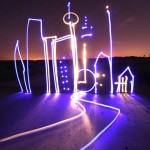
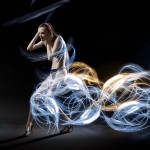
Most light photographers focus on making a shape in the foreground in a matter of seconds, then setting it against a dark static backdrop – this artist often animates every inch of the frame.

light art flowing energy

light art room interior

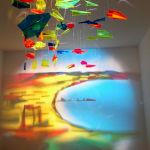
Finnish artist Janne Parviainen of Helsinki takes these all-encompassing, long-exposure shots over many minutes (even hours at times), each line representing mere seconds along the way.

light art crouching portrait

light drawing laying down

As surreal as they look, there is no post-production involved. Aside from props and plans, even their creator cannot really see what he is making them until they are completed.

light drawing water monster

Parviainen was an oil painter previously, but pivoted when an accidental long-duration photo of streetlights, clicked on a nighttime walk, triggered a fascination with lighting. Now using light as paint, he employs a new series palettes and brushes. Glowsticks, light strings, strobes and flashlights help him animate everything from human figures to abandoned cars.

light drawing figures circle

light drawing orange room

light art surreal scen

He begins tracing what is there and then adds his own haunting portraits and inventive twists to the scenes he sets. The results are so saturated with light that it is sometimes hard to tell what is really behind them and what he created from scratch along the way – what is foreground, background or sheer imagination.

Share on Facebook


[ By WebUrbanist in Art & Photography & Video. ]

[ WebUrbanist | Archives | Galleries | Privacy | TOS ]


WebUrbanist

 
Comments Off on Extreme Exposures: Light Landscapes Take Hours to Shoot

Posted in Creativity


2. März 2014

03 Mar

Ein Beitrag von: Jennifer Wettig

© Jennifer Wettig


kwerfeldein – Fotografie Magazin | Fotocommunity

 
Comments Off on 2. März 2014

Posted in Equipment


Home Ice: 12 International Antarctic Research Stations

02 Mar

[ By Steve in Architecture & Public & Institutional. ]

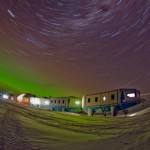
antarctic research stations
Constructing a research station in Antarctica means thinking outside the box-like building but not TOO far outside… Great Scott it’s COLD out there!

USA: Palmer Station

Palmer Station Antarctica(images via: Christopher Michel and WHOI)

Built in 1968 on Anvers Island, Palmer Station is the only American antarctic base located north of the Antarctic Circle. The base’s activities focus on the study of marine life and most projects are seasonal in nature: the station’s resident population averages around 40 in summer but drops to 15-20 in winter.

Palmer Station Antarctica(image via: NASA)

But enough about the station, check out the photo above! In November of 2009, red-parka’d base personnel got together to send a friendly greeting to NASA’s DC-8 flying science laboratory flying overhead.

Ukraine: Vernadsky Research Base

Ukraine Vernadsky Research Base antarctica(images via: EYOS Expeditions, Wikipedia/Lewnwdc77 and Around This World)

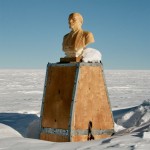
Ukraine didn’t build the Vernadsky Research Base; the former Faraday Station on Winter Island was purchased from Great Britain in 1996 for the bargain price of one pound. The station’s main claim to fame is its bar, said to be the southernmost such establishment on earth, where thirsty and/or bored patrons can pay $ 3 a shot for vodka brewed on-site.

Ukraine Vernadsky Research Base Antarctica(image via: Rachel Lea Fox)

Now operated by the National Antarctic Scientific Center of Ukraine, the Vernadsky Station consists of nine buildings and can house up to 15 staff members. Full credit to Flickr user Rachel Lea Fox for the image above. Time for a new flag? Er, I wasn’t asking you, President Putin.

Norway: Troll Research Station

Norway Troll antarctic station(images via: Norwegian Polar Institute, Wikipedia/Islarsh and Reuters, Alister Doyle)

Constructed in 1990 and expanded 15 years later, Troll Station is Norway’s only year-round antarctic science base… problem? The Norwegian Polar Institute operates 8-person capacity Troll Station, which is located in the Norwegian antarctic dependency of Queen Maud Land. Troll Station is built on a bare rock outcrop poking through the ice cap and since the region is considered to be a “desert” in meteorological terms, heavy snowfalls and wind-blown drifting are not major concerns.

Norway Troll Station Antarctica(image via: Epoch Times/Heiko Junge/AFP)

As is the case with all antarctic research stations, accommodations at Troll Station are both limited and spartan… even if you’re Norwegian Prime Minister Jens Stoltenberg.

Belgium: Princess Elisabeth Antarctica Research Station

Belgium Princess Elizabeth antarctic station(images via: Treehugger, International Polar Foundation and Architects24)

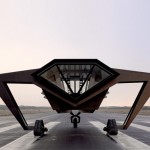
Belgium’s futuristic Princess Elisabeth Antarctica Research Station opened in February of 2009 and claims to be “the world’s first zero emission polar research station.” The 16-person capacity station draws electric power from solar panels supplemented by a network of nine wind turbines.

Belgium Princess Elisabeth Antarctic Research Station bicycle(image via: IRM)

Though sunlight is unavailable for months at a stretch, Princess Elisabeth Antarctica Research Station’s location backing onto the rocky Utsteinen Ridge in Queen Maud Land exposes it to howling gales measured at up to 300 kph (190 mph). Calmer days are much appreciated by station staff. He’s rollin’, don’t be hatin’.

Next Page – Click Below to Read More:
Home Ice 12 International Antarctic Research Stations

Share on Facebook


[ By Steve in Architecture & Public & Institutional. ]

[ WebUrbanist | Archives | Galleries | Privacy | TOS ]


WebUrbanist

 
Comments Off on Home Ice: 12 International Antarctic Research Stations

Posted in Creativity


browserFruits März, Ausgabe 1

02 Mar

Unsere browserFruits sind zugegeben sehr bunt: Bilder, Zitate, Buchtipps und Wettbewerbe. Und selbst in den Links folgen Fashion- und Landschaftsthemen aktuellen Kriegsfotos. Manchmal ist es nicht leicht für uns, das alles so auf einen Haufen zu schmeißen und viele der Links verdienen eigentlich einen eigenen Artikel. Wir hoffen dennoch, Ihr nehmt für Euch genau das mit, was Euch interessiert. Und wenn Ihr noch weitere gute Links habt, scheut Euch nicht und ergänzt sie in den Kommentaren.


Fotospecial: Surfer

Flickr

500px


Deutschsprachig

• Auf Lens Light Love werden Nahlinsen als kostengünstige Alternative zu Makro-Objektiven vorgestellt.

• Schadet Meerwasser dem Stativ? Diese Frage beantwortet folgender Artikel.

• Gerhard Paul konstatiert: Krieg ist fotografisch nicht darstellbar – und begründet seine These sehr fundiert. Denn „Bilder sind in einer kapitalistisch organisierten Gesellschaft immer auch Waren“.

• Die Süddeutsche bespricht das Frauenbild in der Fotografie und zeigt auf, wie Getty Images mit Lean In neue Wege geht.

• „Ich habe kein bisschen Höhenangst.“ Der Spiegel berichtet über einen der sehr gefährlich lebenden Fotografen, die ohne Sicherung auf hohe Gebäude klettern, um besondere Perspektiven für ihre Fotos zu ergattern.


International

• Erschreckende Fotos der weltweit größen Elektroschrott-Müllhalde, dokumentiert von Kevin McElvaney.

• Laura Williams berichtet über ihr surreales Selbstportrait, das mittlerweile sehr bekannt ist.

• 1984 fanden die Olympischen Spiele in Sarajevo statt. Wie es dort jetzt aussieht, könnt Ihr hier erfahren.

• Die Top 10 Klischees der Fashionfotografie.

• Während eines Fotoshootings mit einem Schauspieler passiert etwas völlig Unerwartetes: Seht selbst

• Wir haben ein wunderbares Video im Telegraph gefunden: Joel Meyerowitz spricht im Interview über Tony Ray-Jones, seine Eigenenheiten und warum er ihn so schätzt.

• Wer auf unkonventionelle Landschaftsfotografie steht, sollte Petros Koublis Serie „In Landscapes“ gesehen haben.

• Diese tollen Fashionfotos stammen tatsächlich aus dem Jahr 1963 und entstanden ganz ohne Photoshop.

• Bedrückende Nachrichtenbilder aus der Ukraine.


Neuerscheinungen und Tipps vom Foto-Büchermarkt

Buchtipps

• „Show Your Work!“* ist ein kleines Büchlein, das 10 Wege aufzeigt, Kreativität zu teilen und bekannter zu werden. Einen guten Einblick in das kreative Heft bekommt Ihr hier. Es ist nur auf Englisch für etwa 8 $ erhältlich.

• In der Fotoserie „Menschen des 20. Jahrhunderts“ versuchte August Sander, einen Querschnitt ausgehend von der Gesellschaft der Weimarer Republik zu geben. Die Sonderausgabe „Antlitz der Zeit“* zeigt 60 Portraits aus dieser beeindruckenden Serie und ist mit einem Preis von nur 6,95 € sehr günstig zu haben.


Wettbewerbe

• FEX sucht Positionen und Projekte experimenteller Fotografie und Bilder aus dem Untergrund. Bis zum 25. März 2014 können Fotoserien, Fotobücher und digitale Netzwerkprojekte eingereicht werden. Zu gewinnen gibt es eine Ausstellung sowie einen Gutschein für ein Fotofachlabor.


Zitat der Woche

Earth without art is just “eh”.

unbekannt –

Mehr Zitate


Videos

Nick Aitken, ein Fashionfotograf aus San Francisco, wird in der aktuellen Framed Show vorgestellt.


Joel Meyerowitz spricht darüber, wie er und Tony Ray-Jones sich die Straßenparade zu Nutze machten, um dort ihren fotografischen Stil zu verbessern.

* Das ist ein Affiliate-Link zu Amazon. Wenn Ihr darüber etwas bestellt, erhalten wir eine kleine Provision, Ihr bezahlt aber keinen Cent mehr.


kwerfeldein – Fotografie Magazin | Fotocommunity

 
Comments Off on browserFruits März, Ausgabe 1

Posted in Equipment


25. Februar 2014

02 Mar

Ein Beitrag von: Roger

Hong Kong from the Peak © Roger


kwerfeldein – Fotografie Magazin | Fotocommunity

 
Comments Off on 25. Februar 2014

Posted in Equipment


Live Pics io – a Way to Live Share your Photos

02 Mar

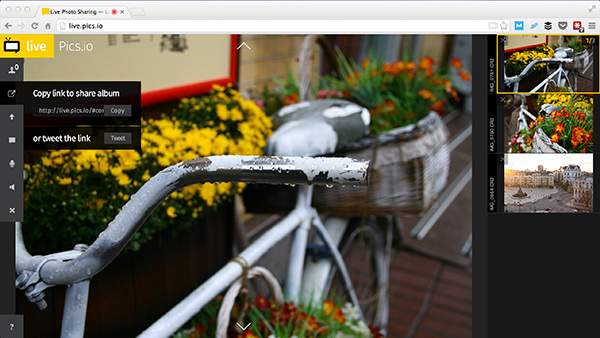
LivePicsio ScreenIt happens all the time. You came from a shoot, moved everything from memory cards and… your phone rings. It’s your friend and he wants to see what you’ve got. Right now.

That’s not always so easy, especially if you are shooting RAW. You need to export images to JPEG, upload somewhere, send your friend a link and occasionally explain what to do with this link in a series of emails. Things get even harder if it’s a client and you want to get directions before starting the post-processing step.

I have a good news. Just recently appeared a new web-service that leverages HTML5 and WebRTC technologies to deal with situation in a new way.

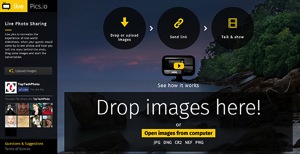
Live Pics io is a service for live photo sharing.

The sweetest part – it integrates seamlessly into your existing workflow. Here’s what you need to do to show someone a photo-shoot from within Lightroom:

Step 1. Run Lightroom and select a number of images from your recent shoot.

Step 2. Open Chrome or Firefox and type https://live.pics.io into the address bar. Allow the app to use your microphone and check that it’s connected to a computer (in case you use an external one).

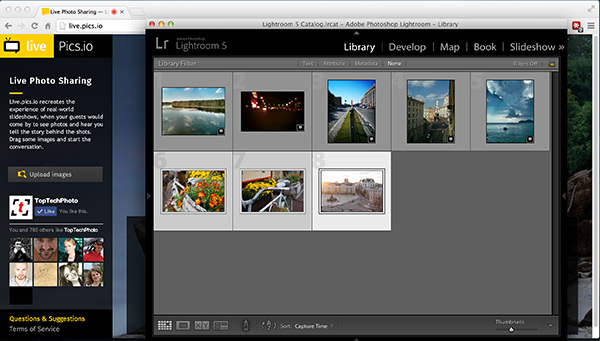
Step 3. Drag and drop the images from Lightroom to the browser window.

LivePicsio Lightroom

Live.pics.io supports CR2 and NEF formats, so if you’re Canon and Nikon owner it should work perfectly (Editor’s note, I tested it with a DNG and that worked also)

Step 4. Copy share album link to your clipboard.

Copy link

Step 5. Send it to your friend/client via IM, Skype or something else. Note, that they have to enable their microphone too and use the same browser (and not the mobile version).

Facebook message

Step 6. Navigate to the next image using arrow keys or simply clicking on a thumbnail. The image will change on your friend or client’s screen keeping you in the same context.

Note that images aren’t compressed. They are always displayed as is. But without the possibility to save an image (right-click protection).

Step 7. You can start another session simply reloading the page.

Important! Don’t close the window or the session will be closed and they won’t see anything. This is for real-time communication, nothing’s getting saved on servers.

P.S.: if you want to show images to more than one person, it’s totally ok. Send the same link to others.

The post Live Pics io – a Way to Live Share your Photos by Konstantin Shtondenko appeared first on Digital Photography School.


Digital Photography School

 
Comments Off on Live Pics io – a Way to Live Share your Photos

Posted in Photography


Mountaintop Tent: Airlifted Alpine Retreat Built at 8,000 Feet

02 Mar

[ By WebUrbanist in Global & Travel & Places. ]

mountaintop distance view structure

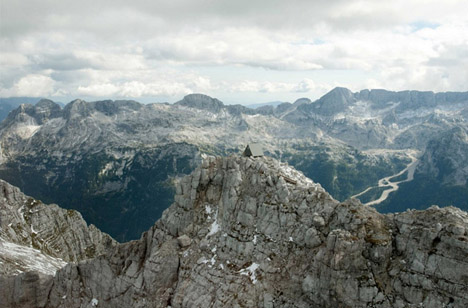
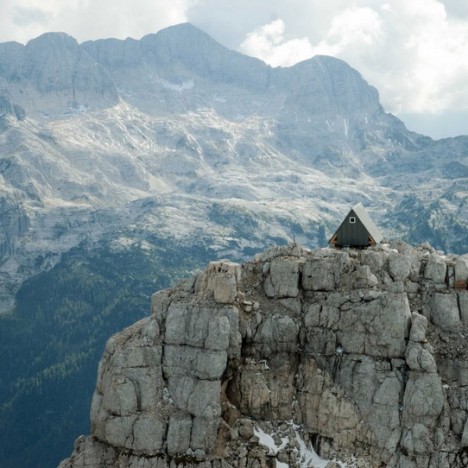
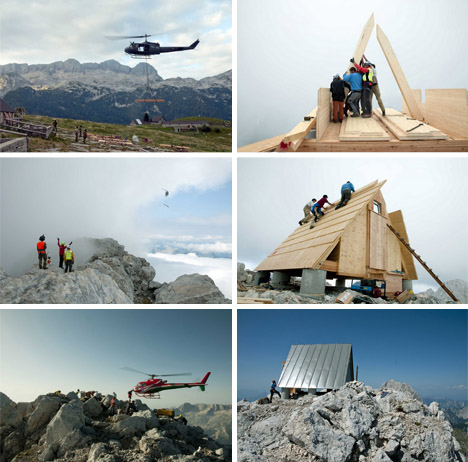
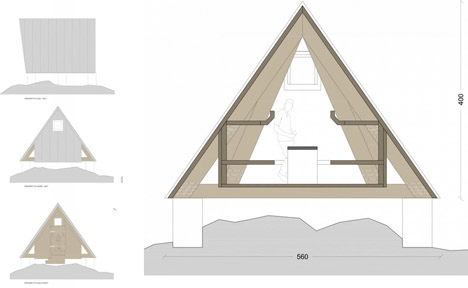
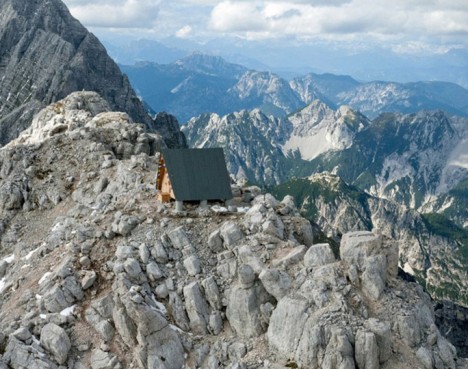
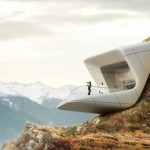
Created as a tribute to a mountain guide killed in an tragic avalanche, this tent-shaped shelter of wood and steel was helicoptered in pieces and assembled at an elevation of 2531 meters in Italy.

mountain cabin by cliff

mountaintop architecture design build

Commissioned by the family of the fallen and designed by Giovanni Pesamosca Architetto (images by Flavio Pesamosca), the building was made to honor Luca Vuerich, who perished in an avalanche while climbing a frozen waterfall.

mountaineer retreat construction helicopter

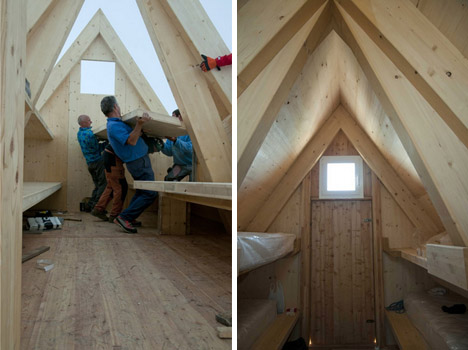
Thanks to the efforts of family, friends, colleagues and mountain rescue volunteers (twelve people in total), the shell was constructed on site in a single day from pre-marked parts deposited by helicopter.

mountain cabin entry side

mountain cabin in context

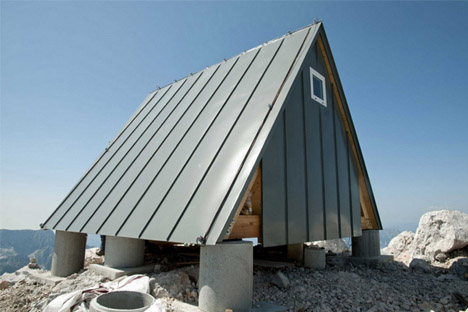
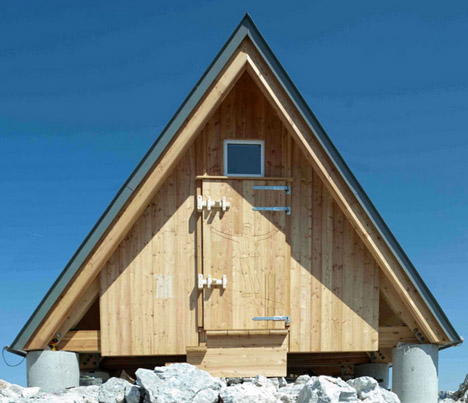
The triangular structure is shaped to shed snow but built capable of being covered entirely as well, with access on its south side where the sun melts accumulation the fastest.

mountain retreat edge

The wooden truss-reinforced frame is made to withstand high wind loads as well due to its exposed location, and set up on a series of concrete footings.

mountain tent retreat alps

mountain interior construction process

The interior sports nine beds for hikers and mountain climbers, which might look spartan to the outside observer but are strikingly luxurious when you consider their remote location.

mountaineering retreat hiking rest

mountain cabin money shot

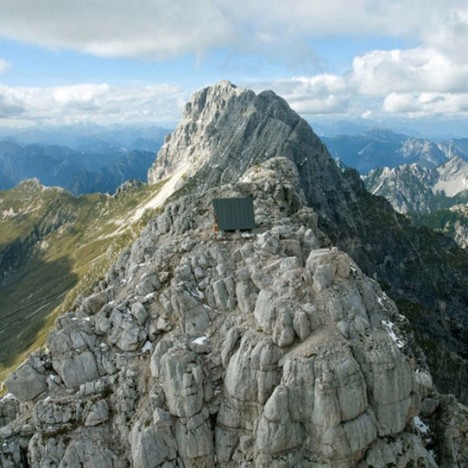
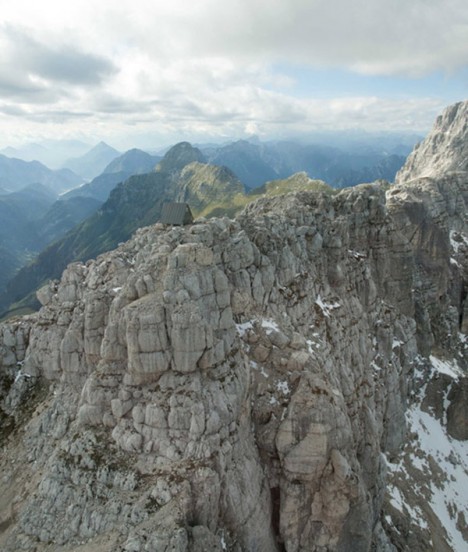
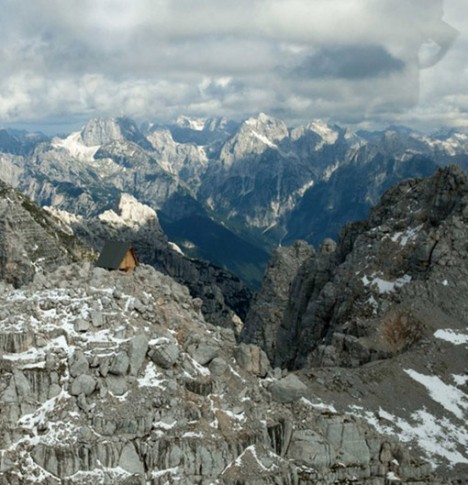
Open to anyone who can get there, the building is located in the Julian Alps, on the crest of the Foronon Buinz Mountain along the Ceria-Merlone trail.

Share on Facebook


[ By WebUrbanist in Global & Travel & Places. ]

[ WebUrbanist | Archives | Galleries | Privacy | TOS ]


WebUrbanist

 
Comments Off on Mountaintop Tent: Airlifted Alpine Retreat Built at 8,000 Feet

Posted in Creativity


Processing an Image in Lightroom 5 – a Video Tutorial

02 Mar

Lightroom5-processing

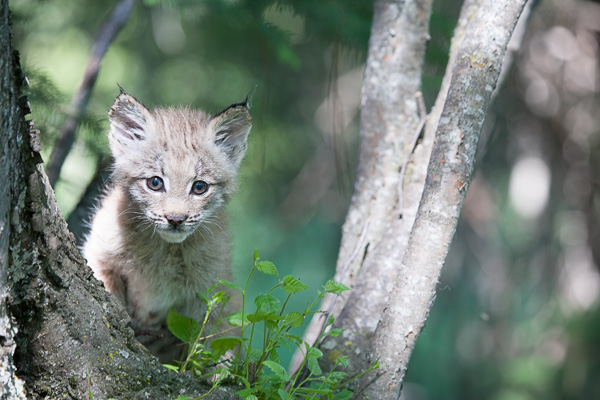
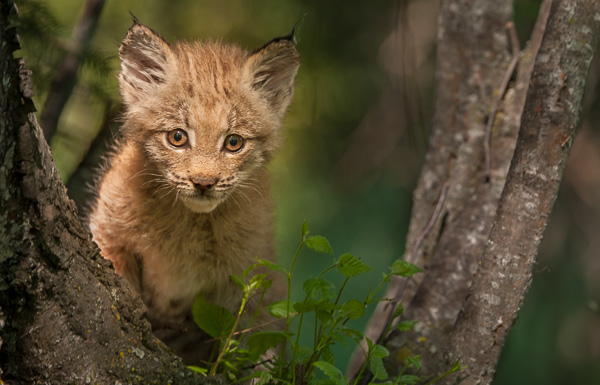
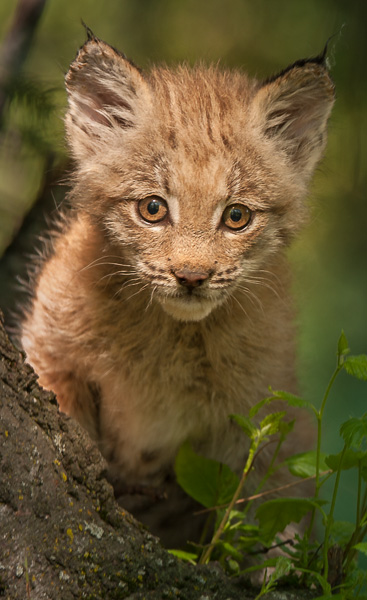
Of course, I always like to get the photo as perfect as possible, right in the camera.  But, sometimes the situation just doesn’t allow for a lot of adjustments to be made before the opportunity is lost. Today’s image of a Canadian Lynx kitten was one of those situations.

The kitten was in a forest on a bright sunny day with mottled light, pretty much nightmare’ish light.  Fill flash would have helped, but I’m hesitant to use fill flash with most mammalian critters because the flash will often show off hairs that our eyes don’t normally see, thereby rendering an artificial appearance to the critter.  So, instead, I attempted to expose for the highlights, trusting and hoping that my RAW files (later converted to Adobe’s DNG format) would help save the day when I got around to processing the image.  Today, is that day.

Processing an Image in Lightroom 5

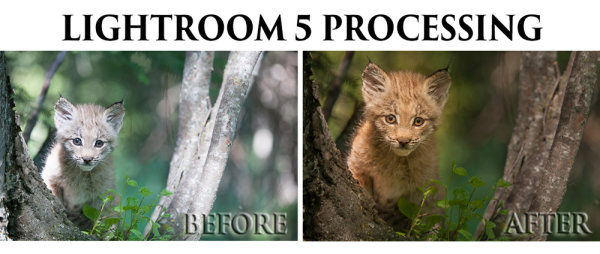
So here is a video tutorial on using the features in Lightroom 5 to change a photo that started off looking like this . . .

© Paul Burwell

Before Lightroom Processing

. . . into a photo that looks like this!

© Paul Burwell

After processing in Lightroom 5 – Horizontal Crop

OR even this . . .

© Paul Burwell

After Lightroom Processing – Vertical Crop

To accomplish this we’ll make use of the Crop tool, the Basic Adjustment Panel, the Adjustment Brush, the Radial Filter, the Detail (Sharpening) Panel and the Virtual Copy feature.

We’ll take the photo of the Canadian Lynx kitten that started off pretty bland and forgettable, and end up with a nice looking, intimate portrait of a beautiful cat.  The video will cost you about 30 minutes of your life to watch through from beginning to end, but when you’re done, you’ll have an excellent idea on how to use these tools that come embedded in Lightroom to transform (or save) some of your own, less than stellar images.

Enjoy this video on processing an image in Lightroom 5

For more Lightroom tips try these articles:

  • 3 Uses for the Radial Filter Tool in Lightroom 5
  • Lightroom 5 Tips – Hidden Gems
  • Lightroom Tips for the Develop Module – the Magic Alt Key
  • Comparing Images with Lightroom 5’s Survey View

The post Processing an Image in Lightroom 5 – a Video Tutorial by Paul Burwell appeared first on Digital Photography School.


Digital Photography School

 
Comments Off on Processing an Image in Lightroom 5 – a Video Tutorial

Posted in Photography


Im Gespräch mit Paul Hiller

01 Mar

Ein Beitrag von: Paul Hiller

Fotografie hat für immer auch damit zu tun, eigene Themen zu finden, seine Leidenschaft für bestimmte Dinge zu vermitteln. Ich war daher sehr erstaunt über die Arbeiten des Fotografen Paul Hiller, der sich sehr auf eine ganz konkrete Richtung spezialisiert hat und habe ihn dazu befragt.

Paul, wie würdest Du Deine Arbeit jemandem beschreiben, der nicht die Möglichkeit hat, sie anzusehen?

Eigentlich sind alle meine Arbeiten Fotoberichte aus unterschiedlichen Ländern, immer ein bisschen durch Fernweh geprägt. Ich zeige oft alltägliche Szenen. Durch eine minimalistische Bildsprache und eine besondere Farb- und Lichtatmosphäre versuche ich, meine persönlichen Erfahrungen dieser Orte mit dem Betrachter zu teilen.

Im Moment fotografiere ich seit drei bis vier Jahren sehr intensiv fast nur noch Landschaften in Vergnügungsparks auf der ganzen Welt. Diese Orte haben für mich eine besondere Anziehungskraft.
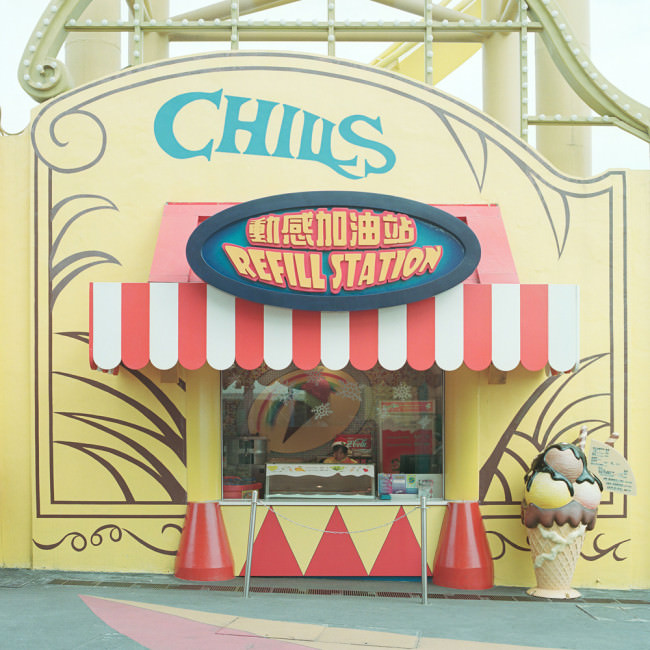
Untitled © Paul Hiller

Ein Ort, der aus dem Nichts konstruiert wird, nur um dort Spaß zu haben. Ein Ort, der gebaut wurde, um (wenn er gut funktioniert) für die Ewigkeit bestehen soll. Obwohl diese Orte Vergnügen vermitteln sollen, strahlen sie für mich gleichzeitig eine Traurigkeit aus. Auch ist nicht immer schönes Wetter oder ein gut besuchtes Wochenende. Genau diese Tage neben der Saison interessieren mich am meisten.

Außerdem sehe ich in allen Parks, die ich fotografiere, obwohl diese noch in Betrieb sind und von mir auch nur zu ganz normalen Öffnungszeiten besucht werden, eine gewisse Morbidität. Alles ist dem Verfall ausgesetzt. Die Attraktionen und Buden an diesen Orten kommen in die Jahre und verblassen mehr und mehr.

Vielleicht kannst Du uns kurz einen Hintergrund zu Dir geben: Wie hat das bei Dir angefangen mit der Fotografie und wie bist Du dorthin gekommen, wo Du heute bist?

Angefangen hat alles in der Schule. Dort hatten wir ein gut ausgestattetes Schwarzweiß-Labor. Weil ich irgendwann als einziger Schüler den Schlüssel für diesen Raum hatte, konnte ich mich in jeder Pause und Freistunde dahin zurückziehen. Nach der Schule wollte ich dann Fotodesigner oder sowas werden und habe deshalb erst einmal angefangen, in einem Fotolabor zu arbeiten.

Meine ersten Bewerbungen an den Fotohochschulen waren erfolglos. Durch Zufall bin ich dann zur Akademie der Bildenden Künste München gekommen, wo ich ab 2007 Freie Kunst / Neue Medien studiert habe. Meine Diplomausstellung im Februar hatte den Titel „loop“ und war eine Foto- und Videoinstallation.
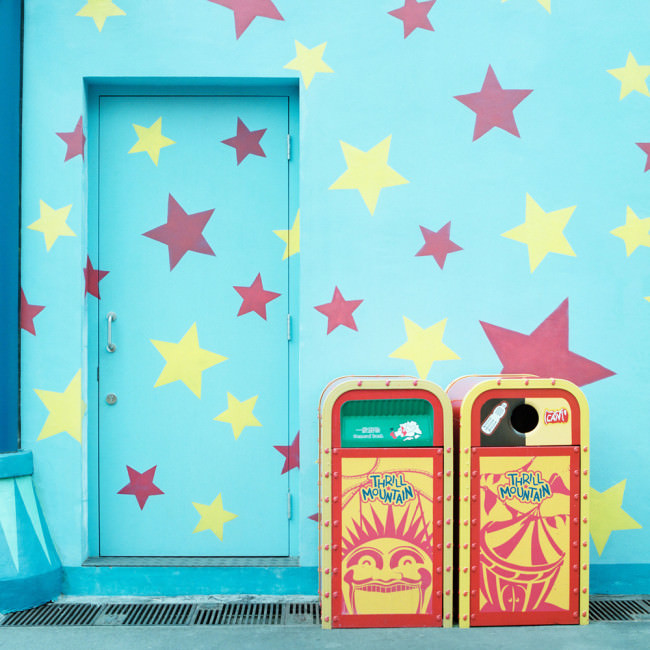
© Paul Hiller

Damit der Betrachter die Atmosphäre dieser Parks noch intensiver erleben kann, zeige ich meine Bilder schon immer in Leuchtkästen. Bei der Arbeit „loop“ bin ich nun einen Schritt weitergegangen und habe eine Installation mit sich drehenden Leuchtkasten-Würfeln gebaut, die auf jeder Seite ein Bild zeigten. Es war nicht mehr möglich, sich für eine längere Zeit nur auf ein Bild zu konzentrieren, weil die Bilder in Bewegung waren.

Das Ganze hatte zur Folge, dass man sich entweder den Bildern ähnlich der Bewegung eines Karussells mit der Drehung der Würfel bewegte oder man konnte an einer Stelle abwarten, bis sämtliche Bilder an einem vorbeigefahren kamen. Verstärkt durch zwei Videoprojektion hatte die ganze Installation auf den Besucher eine kontemplative Wirkung.

Deine Arbeiten sind sehr speziell. Wie kam es denn zu dieser Beschäftigung mit Freizeitparks?

Angefangen hat alles 2007 mit meinen Fotos vom Santa Cruz „Beach Walk“. In den Aufnahmen von damals tauchten eher am Rande die ersten typische Requisiten von Freizeitparks auf. Ab diesem Moment an habe ich mich dann auf die Suche nach solchen Motiven in den USA, China, Japan, Deutschland, Frankreich, Spanien und Italien gemacht.

Viele meiner letzten Bilder kommen aus Japan, weil das im Moment das Land ist, welches mich am meisten in den Bann gezogen hat.
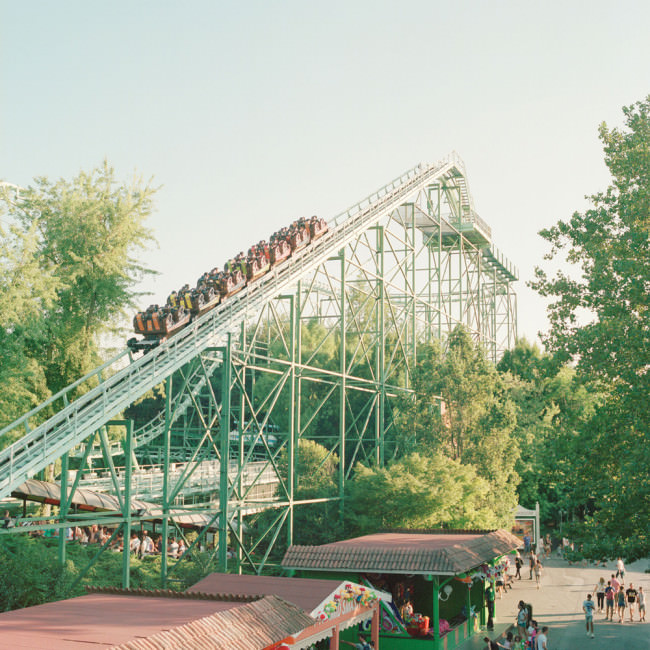
Untitled © Paul Hiller

Welches Genre ist das eigentlich für Dich? Man sieht manchmal Menschen auf den Bildern, oft nur Architektur, Riesenräder und Karusselle.

Für mich ist Landschaftsfotografie das Genre. Ursprünglich bin ich ja auch über die Stadtlandschaft zu diesen Parks gekommen. Im Moment interessieren mich Konsuminszenierungen in Vergnügungsparks am meisten. Auf meinen Reisen sind aber natürlich auch immer noch Fotos von Stadtlandschaften präsent – diese zeige ich aber gerade nicht so.

Dazu kommt dann noch Deine spezielle Farbgebung der Bilder. Vielleicht magst Du uns darüber und generell über die Technik hinter den Bildern etwas erzählen?

Meine Arbeiten entstehen mit einer alten Hasselblad auf Film. Ich benutze immer denselben Film (Portra 400) und belichte meistens 1/3 Blende über. Dann habe ich noch einen guten Scanner zum Digitalisieren. Früher, als ich noch im Fotolabor arbeitete, habe ich aber sogar ganz analog Farbabzüge in der Dunkelkammer gemacht. An dieser Ästhetik orientiere ich mich immer noch bei meinen Scans und der Bildbearbeitung.
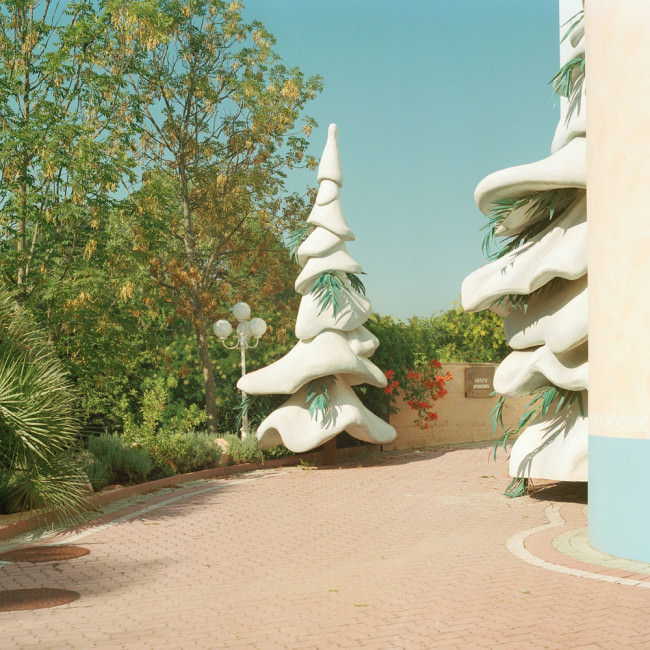
Untitled © Paul Hiller

Sämtliche Techniken habe ich bei meiner Ausbildung und späteren Arbeit im Fotolabor gelernt. Dort bin ich vielen Fotografen und Künstlern begegnet, die mich beeinflusst und teilweise sogar unterstützt haben. Letztendlich hat es sich aber ergeben, dass ich auf altbewährte Verfahren wie das Fotografieren auf Film zurückgreife.

Ein 400er Negativfilm hat für mich die perfekten Eigenschaften, um meine Bilder aufzunehmen: Es gibt einen hohen Belichtungsspielraum, die Farben und Kontraste sind weich, die Auflösung ist gut genug für schöne Abzüge bis 100 x 100 cm. Hinzu kommt der ganz eigene Farbcharakter von Negativfilm. Außerdem habe ich mich für das praktische quadratische Format einer Hasselblad Mittelformat-Kamera entschieden.

Fotografierst Du sonst eigentlich noch andere Sachen und sortierst die Dinge entsprechend aus oder sind es nur diese Bilder? Wie wichtig ist generell für Dich die Fokussierung auf einen roten Faden im eigenen Portfolio?

Auf meinen Reisen entstehen eigentlich nur noch Stadtlandschafts- und Vergnüngsparkbilder und davon zeige ich auch nur einen Teil. Für mich ist es sehr wichtig, den Betrachter nicht mit meinen Bildern zu überfluten, sondern nur eine konzentrierte Auswahl zu präsentieren.
Die Auswahl ist eine ganz bewusste Entscheidung von mir selbst, die ja schon während des Fotografierens beginnt.
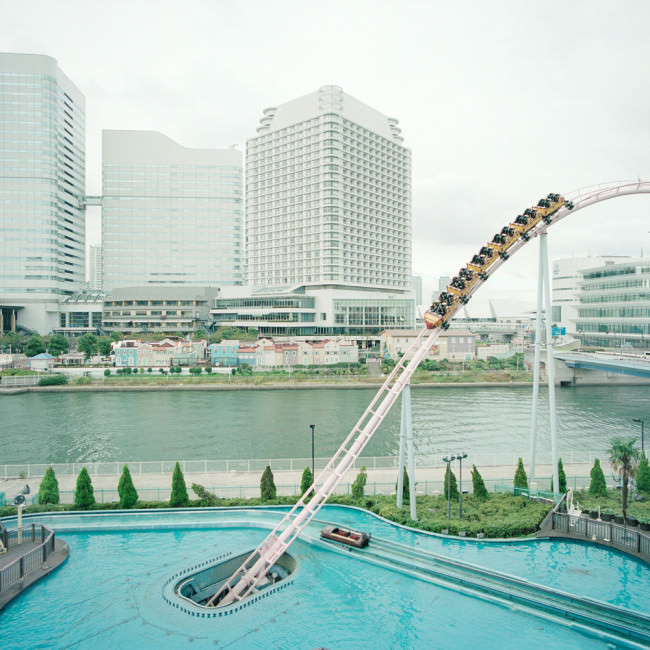
Untitled © Paul Hiller

Wenn man eine Reise mit nur einer Tasche voll Mittelformatfilmen beginnt, muss man diese schon gut einteilen und kann nicht jede Gelegenheit für einen Schnappschuss nutzen.

Außerdem habe ich ja eine klare Aufgabe, die ich mit meinen Bildern erfüllen möchte und dafür reicht dann meistens eine Handvoll fertiger Bilder. Ich glaube, dass zu viele Bilder, gerade wenn man sich so intensiv mit nur einem Thema beschäftigt, schnell auch langweilen können und das möchte ich natürlich vermeiden.

Neben meinen freien Arbeiten habe ich aber auch sonst jeden Tag mit Fotografie zu tun – ich arbeite noch als Fotograf und Bildbearbeiter für verschiedene Firmen.
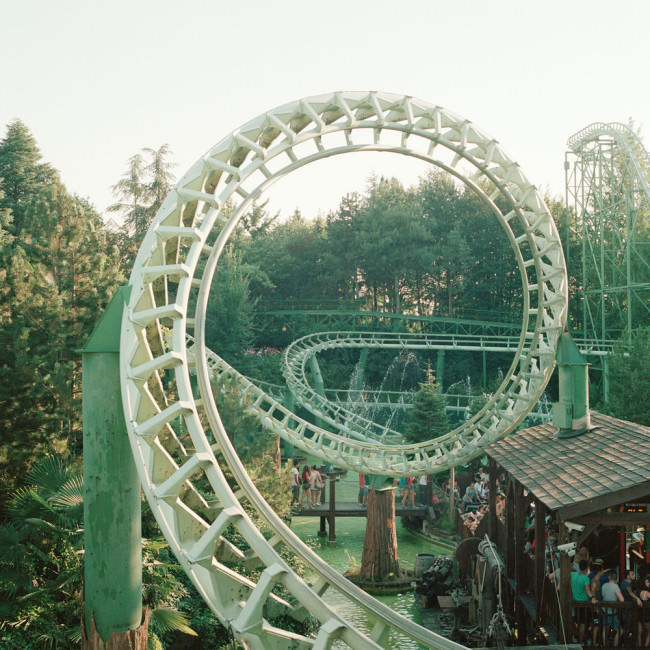
Untitled © Paul Hiller

Vielleicht noch etwas allgemeiner: Was bedeutet Dir Fotografie?

Fotografie ist für mich ein handwerklicher Beruf und eine Kunstform. Als Kunstform ist es für mich – wie schon so oft gehört – das einfachste und schwierigste Medium zugleich.

Jeder kann Fotos machen und es gibt so viele Fotos auf der Welt wie noch nie. Ein Foto oder eine Serie zu produzieren, die einen selbst und andere Betrachter berührt, ist die Herausforderung.

Danke für den Einblick in Deine Arbeit.


kwerfeldein – Fotografie Magazin | Fotocommunity

 
Comments Off on Im Gespräch mit Paul Hiller

Posted in Equipment