RSS
 

Archive for March, 2014

6 Tips for Lifestyle Newborn Photography

04 Mar

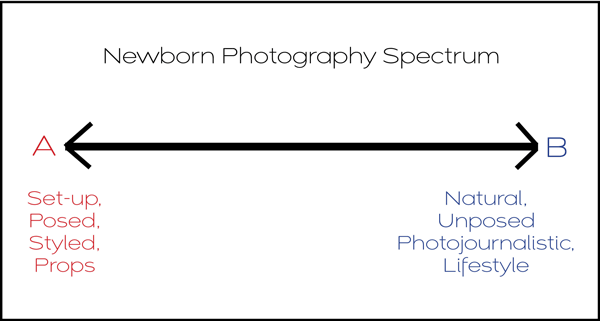
Newborn Photographers fall somewhere on a spectrum between producing posed, styled imagery and natural, lifestyle imagery.

Annie-Tao-Photography-newborn-photography-spectrum2b

While I enjoy looking at styled images of sleeping newborns in costume or appearing as though they are holding their own head up with the use of proficient Photoshop work, the emotions and stories captured in Lifestyle Photography images are what make my heart sing! So I stand comfortably and proudly on “side B” of the spectrum.

After following the rules outlined in The Sensitive Side of Newborn Photography, I follow these six tips for Newborn Photography:

1. Capture every detail

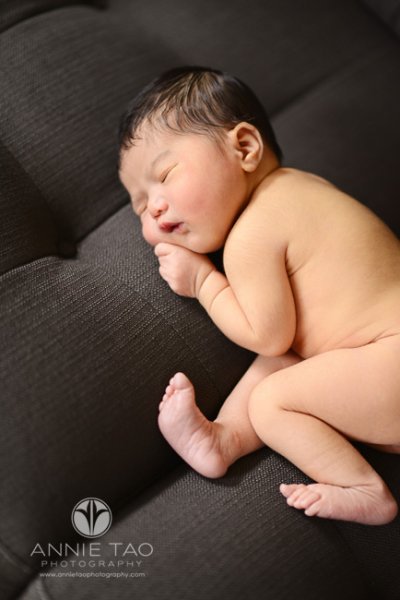
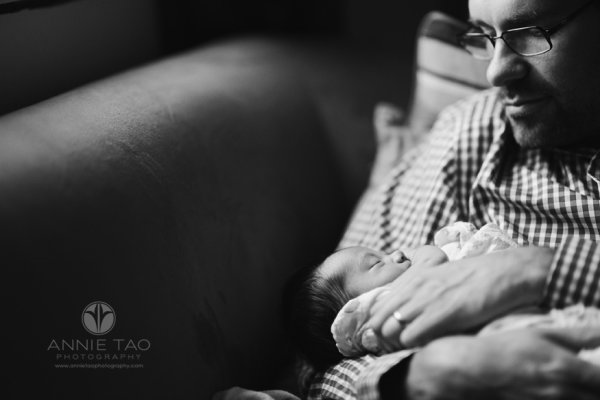
Whether the baby is crying heartily, yawning, or sleeping peacefully, they are all important and precious because the newborn stage is so brief. A yawn of a 4-day new infant, for example, looks different than a yawn of a 4-year old child, so photograph it all!

Annie-Tao-Photography-Lifestyle-Newborn-Photography-article-5b

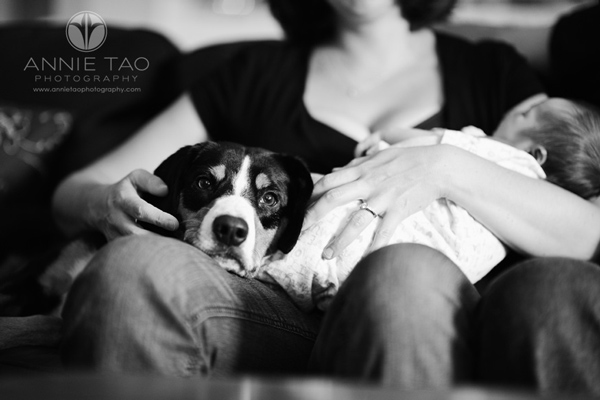
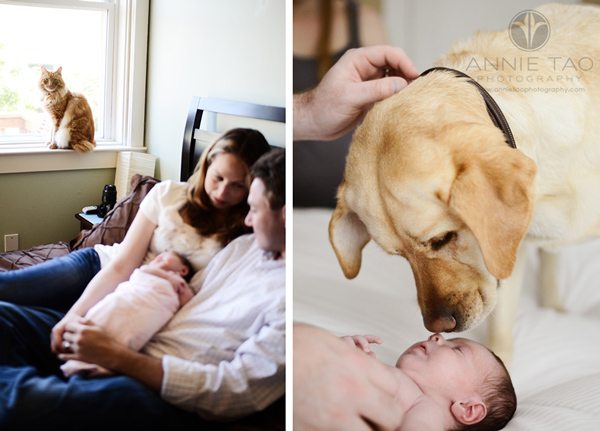
Memorialize the details, including items in the nursery. Talk to the parents and find out what baby items are meaningful to them. Maybe the grandparent knit the blanket or the dog is considered the first-born!

Annie-Tao-Photography-Lifestyle-Newborn-Photography-article-12b

2.  Photograph them at home

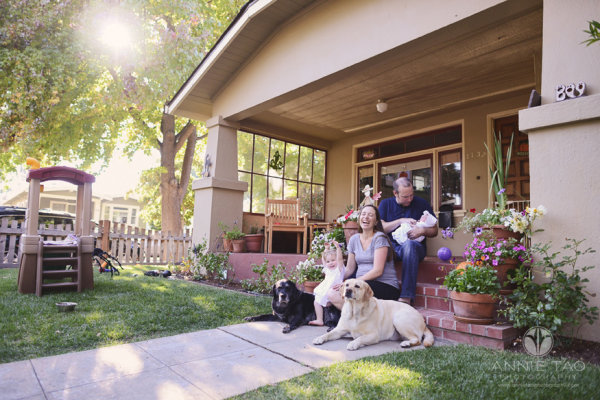
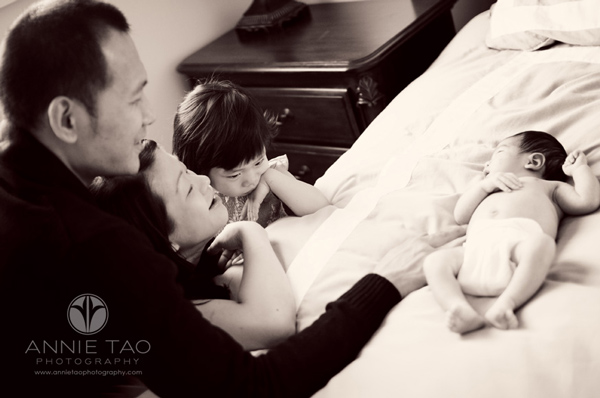
Capturing images of the baby in his or her very first home means every backdrop and furniture will be meaningful in the photos. It also means every session will be unique since every home looks different than the other.

Annie-Tao-Photography-Lifestyle-Newborn-Photography-article-6bg

Annie-Tao-Photography-Lifestyle-Newborn-Photography-article-13

3.  Do the newborn photography session within the first 10 days

Annie-Tao-Photography-Lifestyle-Newborn-Photography-article-8Technically, babies are considered “newborns” the first 3 months of birth. However, in the first 10 days, babies sleep most of the day and can more easily handle noises and movement. Though in Lifestyle Photography, newborns do not need to sleep the entire time, the session will run smoother if the baby is calm.

They also have a better chance of not having skin issues, like newborn acne, which will save you time in post-processing after the session.

4. Be well-equipped

Most of the time, I confidently tell other photographers that their equipment is NOT as important as the person behind the camera when it comes to good imagery. This is still true with photographing newborns, however, you do need to have equipment that performs well in various indoor conditions, such as tight spaces and low light, A wide angle prime lens and a reflector are key. You should also have a macro lens to capture detail shots of the baby.

When I arrive at a client’s home, it usually looks like I’m staying overnight because I have a roller bag and carrying case!

Annie-Tao-Photography-Lifestyle-Newborn-Photography-article-1bg

5. Use natural light

Flash can startle newborns.

Also, when you are photographing new parents with their baby, using flash or other lighting equipment can take away from the spontaneity and natural tone of the shoot.

Annie-Tao-Photography-Lifestyle-Newborn-Photography-article-3b

6. Be flexible

A lot can happen when you’re photographing a newborn, like having unexpected baby visitors looking over your shoulder or being spit on, pooped on, vomited on! (that has all happened to me.) Just remember, you can’t always prepare for what happens at a newborn shoot, so stay calm and take everything in stride.

The first few days of a newborn’s life can be a hazy memory for new parents who are often sleep-deprived and running on adrenalin. Know that you are capturing a magical time for the family, and your photos of their life in that narrow slice of time will be treasured.

Annie-Tao-Photography-Lifestyle-Newborn-Photography-article-10b

Have you photographed any newborns or small babies? Do you have any additional tips or comments to add?

For more information on photographing babies and kids read these:

  • A Guide to Birth Photography
  • Maternity Photography – 7 Tips for Taking Great Shots
  • 7 Tips for Photographing Newborns without Becoming Clichéd, Derivative or Boring
  • Baby Sessions on a Shoe String

The post 6 Tips for Lifestyle Newborn Photography by Annie Tao appeared first on Digital Photography School.


Digital Photography School

 
Comments Off on 6 Tips for Lifestyle Newborn Photography

Posted in Photography


4. März 2014

04 Mar

Ein Beitrag von: Michael Wolf

Patterns © Michael Wolf


kwerfeldein – Fotografie Magazin | Fotocommunity

 
Comments Off on 4. März 2014

Posted in Equipment


Camera ready in two shakes: Motorola Moto X camera review

04 Mar

x-square.jpg

Born from the brief union between Google and Motorola, the Moto X bears several unique features worthy of both names, including instant activation when removed from a pocket and constant attention to voice commands. Two shakes of the handset brings up the Moto X’s simplified camera interface, which is where we come in. How does the Moto X measure up? Read our Motorola Moto X review to find out

News: Digital Photography Review (dpreview.com)

 
Comments Off on Camera ready in two shakes: Motorola Moto X camera review

Posted in Uncategorized


Umfrage: Fotowettbewerbe

04 Mar

Wir verlinken seit einiger Zeit in den browserFruits auf den Wunsch von Lesern hin Fotowettbewerbe. Gute Fotowettbewerbe zu finden, ist jedoch gar nicht so leicht und kürzlich bekamen wir auch Kritik, denn die Nutzungsbedingungen eines Wettbewerbs waren fragwürdig.

Viele Hobbyfotografen freuen sich über kleine Wettbewerbe und machen auch gern mit, selbst wenn es nur einen Gutschein für Amazon zu gewinnen gibt. Anderen sind genau solche Wettbewerbe ein Dorn im Auge, denn sie werden im Endeffekt nur von Firmen veranstaltet, um Werbung für sich zu machen und kostengünstig an neue Werbebilder zu gelangen, wodurch Berufsfotografen wiederum weniger Aufträge bekommen.

Wettbewerbe sind meiner Meinung nach an sich nicht schlecht. Es kann Spaß machen, sich mit anderen zu messen und ein guter Platz schmückt den Lebenslauf. Große, bekannte Wettbewerbe sind jedoch meist nur für Profifotografen oder junge Fotografen in Ausbildung ausgeschrieben.

Für alle, die die Fotografie als Hobby betreiben, ist es enorm schwer, einen Wettbewerb zu finden, bei dem sie teilnehmen dürfen und der gleichzeitig noch aktzeptable Nutzungsbedingungen sowie ein faires Preisgeld bietet.

Nun habe ich hier schon fast zu viel gewertet, aber das Thema liegt mir schon länger am Herzen. Eigentlich geht es mir hier aber vor allem um Eure Meinung.

Wie empfindet Ihr Fotowettbewerbe? Bei welchen macht Ihr mit und welche Teilnahmebedingungen sind ein absolutes No-Go für Euch?


kwerfeldein – Fotografie Magazin | Fotocommunity

 
Comments Off on Umfrage: Fotowettbewerbe

Posted in Equipment


Small World: Mini Wooden Cutouts Take Over the Streets

04 Mar

[ By Steph in Art & Street Art & Graffiti. ]

Small World Joe Iurato Main

Life is an adventure for tiny wooden figures navigating the urban world in this miniature art installation series by Joe Iurato. The New Jersey-based street artist creates small spray-painted wood cutouts that tell the story of his life, from skateboarding as a kid to becoming a father himself. The little people lounge on rusting metal gates, cling precariously to the edges of overpasses, lunge to reach crosswalk buttons and spray-paint their own works of art.

Small World Joe Iurato 1

Small World Joe Iurato 3

No bigger than fifteen inches in size, the figures are created using layers of hand-cut paper and spray paint to create texture and form in a modern adaptation of an old-fashioned printing process. The artist places them around the city and leaves them for others to notice or overlook, depending on how observant they may be when they pass.

Small World Joe Iurato 2

“My art is nothing more than the exploration and documentation of personal experiences,” says Iurato. “The pieces form an abstract of my life. They are the questions I have, the conclusions drawn, the love, disgust, joy and sadness contained. Essentially, I paint what I know, or what it is I want to know, playfully or painfully.”

Small World Joe Iurato 6

Small World Joe Iurato 7

“However big or small, the works are often created in public spaces and left to interact with the environment and community. Like life itself, the nature of public art is one of transience. Each piece mirrors the unpredictability of existence and hopes to establish an intimate connection with the viewer in the here-and-now.”

Share on Facebook


[ By Steph in Art & Street Art & Graffiti. ]

[ WebUrbanist | Archives | Galleries | Privacy | TOS ]


WebUrbanist

 
Comments Off on Small World: Mini Wooden Cutouts Take Over the Streets

Posted in Creativity


4 March, 2014 – Fuji X-T1 Further Thoughts

04 Mar


The FujiFilm X-T1 is a handsome mirrorless camera in a small DSLR-like body. It offers a complete array of manual controls. But, this retro-style approach does not always work for my type of photography due to a couple of failings that limit the camera’s usability. Read Michael Reichmann’s Further Thoughts on the X-T1.


You can win an all-expenses paid photographic expedition to Antarctica, along with air fare from anywhere in the world. The value of this prize is $ 15,000.

The Luminous Landscape wants you to try any of our more than 60 training or travel videos and our new free video player. Each purchase is an entry, and an annual subscription that includes all previous as well as new videos counts as six entries. The winner of a free lifetime subscription is also chosen from each month’s entries.

FIND OUT MORE


The Luminous Landscape – What’s New

 
Comments Off on 4 March, 2014 – Fuji X-T1 Further Thoughts

Posted in News


7 Tips for Taking Better Photographs of Cars

04 Mar

Taking photos of cars is such an interesting thing on its own. It’s like science. Every time I shoot a car I learn something from it! I would like to share some basic guidelines to get you started and help you understand this interesting niche in the photography world.

7 Tips for Taking Better Photographs of Cars

1. Shoot at the right time of day

This is by far the most common mistake people make when shooting cars. The best time to shoot will be a few minutes after sunset (or a few minutes before sunrise). Use a tripod and get that perfect soft light on the paint! This photo was taken for TopGear a few minutes before sunrise.

Car photography BMW M135i

2. Be on the lookout for reflections

You must be very careful of what reflects in the car. Have a look around you and look closely at the car and see what reflects on its surface. A car (especially a new shiny one) is like a mirror. Try and have an open space behind you like a field. Try and avoid shooting with buildings or trees behind you. One of the most important things you want to show in your car pictures are the design lines of the car, or as I like to call it, ‘her curves’. Reflections can spoil these curves.

Also be very careful not to have your own reflection in the photo. If you can’t avoid your own reflection its best to put the camera on a tripod, set the timer and move out of the shot. Just look at this photo I took of a dark shiny BMW 428i, behind me was nothing except the horizon. You can clearly see the horizon reflecting in the car.

Car photography tips BMW428i

3. Driving shots

One very easy way to get a cool image, is to shoot the car out of another moving car. (Please be super careful when doing this!) Shoot the car out of your window while driving at 60 km/h (40 miles/h) with a shutter speed of 1/100th of a second.

By doing this you will get some nice movement on the road and on the wheels. You can even decrease the shutter speed some more, but this will increase your chances to sit with unsharp photos afterwards. This Audi S3 was shot before sunset, driving at 70 km/h with a shutter speed of 1/80th of a second.

Car photography tips S3 driving shot

4. Color of the car

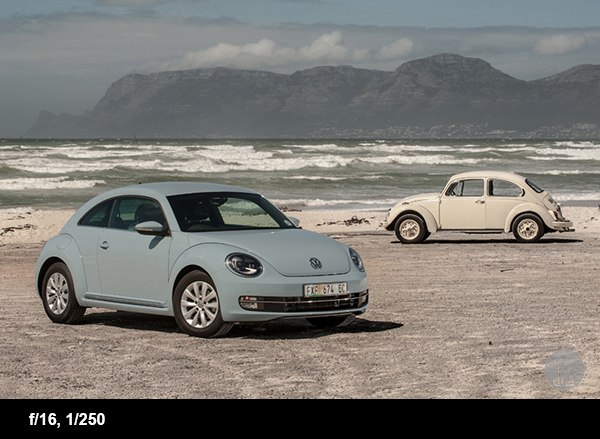
All types of paint react differently at different times of the day, with different light. Most colors hate direct sunlight, but some color works really well in direct sunlight. Just look at this baby blue beetle shot in the middle of the day.

Car photography tips beetle

5. Background

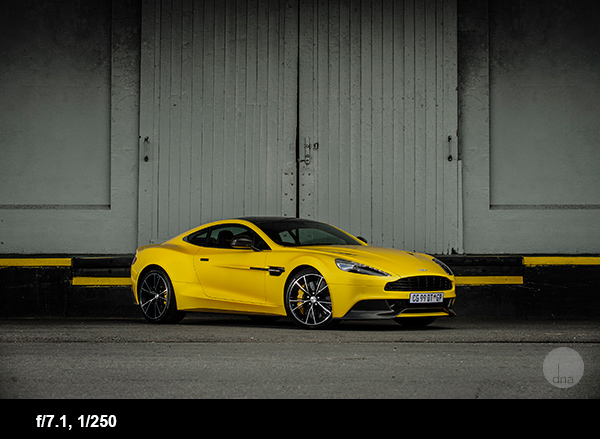
Make sure your background suits the car and the theme. Avoid having things in the background that will distract the eye. Things like dustbins, power lines and other cars can kill a picture. For this Aston Martin, I used a simple background . The yellow paint matches the car’s color.

Car photography aston martin

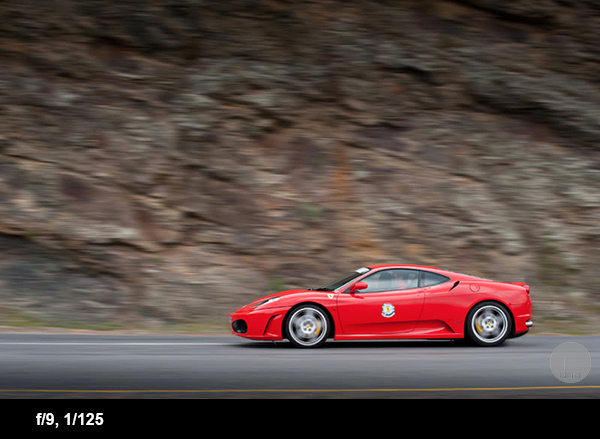
6. Panning for motion blur

A cool way to get some motion in your picture is to stand next to the road and let the car drive past you. Follow the car with your lens in one smooth action and set the shutter speed to 125th of a second. You will be amazed how easy this is! This Ferrari was shot at 125th of a second at 200mm. The car was driving roughly 60 km/h (40 miles/hr)

Car photography tips ferrari

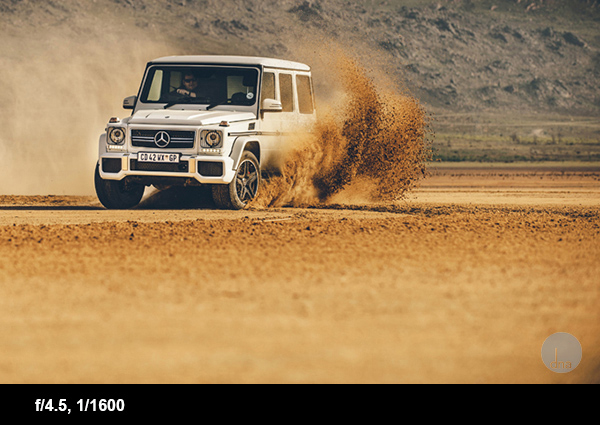
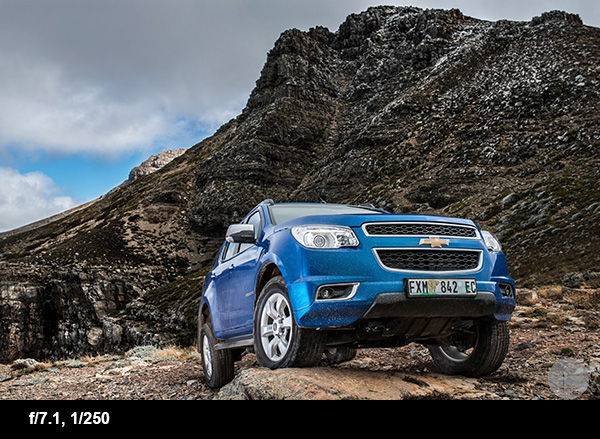
7. Let the car interact with nature

Another way to make the photo speak to you is to make the car interact with its surroundings. Examples of this could be the car making dust, a 4×4 climbing over an obstacle. Look at this Chevrolet Trailblazer climbing over a rock or this G-Class AMG drifting on loose sand!

Car photography tips G AMG

Car photography tips trailblazer

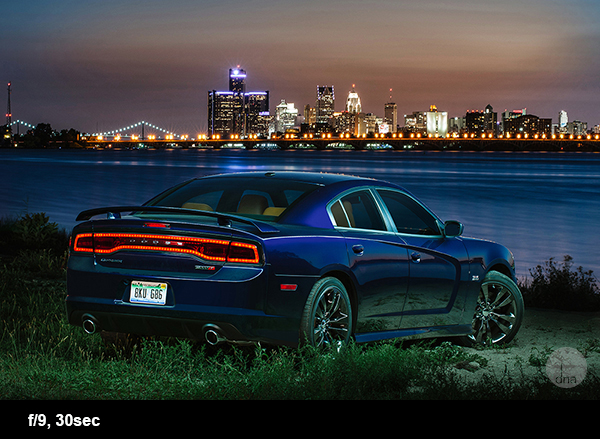
8. Shooting at night

This might sound daunting but you will be amazed how easy and awesome this is! The biggest secret here is to find a spot where it’s completely dark, any streetlights or even a full moon could make life tricky.

When you have found this spot, set the camera up on a tripod. Set your ISO to 100, the shutter speed on 30 seconds and the aperture to f/9.
When the shutter opens take a strong constant light source and walk around the car ‘painting’ the car with your light. A normal household torch (flashlight) works for this.

There are no rules here, paint the car in different ways to get different effects; you will be blown away with the results! Here are some examples of this technique:

Car photography tips Opel Astra

This is an Opel Astra shot next to Table Mountain with Cape Town in the background.

Dodge Charger with the skyline of Detroit City

This is a Dodge Charger with the skyline of Detroit City in the back. This photo took me no longer than 5 minutes to set up and take.

Do you have any other car tips or favourite images you’ve taken of cars? Please share in the comments below.

For more related tips try these:

  • Light Painting Part One – the Photography
  • Showing Speed: Using Panning When Shooting Action
  • 3 Tips for Creating Dramatic Images using Motion
  • Do you pack up and leave after sunset and miss the fun of night photography?

The post 7 Tips for Taking Better Photographs of Cars by Desmond Louw appeared first on Digital Photography School.


Digital Photography School

 
Comments Off on 7 Tips for Taking Better Photographs of Cars

Posted in Photography


Hasselblad officially launches 50MP medium-format CMOS camera

04 Mar

H5D-50c_god_back_dark.jpg

Hasselblad has started shipping the 50MP CMOS sensor camera that was first announced in mid-January. The new H5D-50c is a step away from the CCD sensors that have been standard in their medium-format digital cameras. Hasselblad says the H5D-50c can shoot up to ISO 6400 with dynamic range of up to 14 stops. What will the H5D-50c cost? A cool €20,900 (~$ 28,702). 

News: Digital Photography Review (dpreview.com)

 
Comments Off on Hasselblad officially launches 50MP medium-format CMOS camera

Posted in Uncategorized


The Winner of our Posing eBook Prize Is…

04 Mar

NewImageOver the last few weeks we’ve been launching our brand new Portraits Posing eBook and as part of the launch we offered anyone who picked up a copy would go in the draw to win $ 2000 towards a new camera, lenses or other gear.

Today I’m excited to announce that the winner of that competition is…

Editha Schoeffler!

Congratulations Editha – we’ve just shot you an email to notify you of your win and to arrange to get you your prize.

Thanks everyone else for picking up a copy.

We’re going to keep offering the eBook with the 7 bonus printables for just a few more days now so it’s not to late to still grab and get a little Early Bird goodness.

Order your copy with the bonus printables here.

The post The Winner of our Posing eBook Prize Is… by Darren Rowse appeared first on Digital Photography School.


Digital Photography School

 
Comments Off on The Winner of our Posing eBook Prize Is…

Posted in Photography


Yakuza

04 Mar

Ein Beitrag von: Anton Kusters

Das erste Mal sah ich ein Yakuza-Mitglied auf den Straßen von Kabukicho. Ich saß in einer Bar und trank mit meinem Bruder Malik ein Bier. Bis zu diesem Zeitpunkt hatten wir die gleiche Vorstellung von ihnen, wie alle anderen auch: Verrückte, tätowierte Gangster, die mit Schwertern und Pistolen herumrennen und sich umbringen, wenn sie die Chance dazu bekommen.

Aber dieser Typ hatte einen Anzug an, benahm sich freundlich, direkt und selbstsicher. Er lief auf der Straße, als ob sie ihm gehören würde und Menschen verbeugten sich vor ihm. Wir liefen zu ihm und fanden heraus, dass er Souichirou hieß.

Kurze Zeit später lächelte er, als wir ihm direkt eine Frage stellten. Er war ein hochrangiger Straßenboss im Bezirk, den seine Familie kontrollierte. „Wir töten heutzutage selten.“ Man beachte das Wort „selten“.

Yakuza © Anton Kusters

Wir fragten ihn, ob es möglich wäre, ihn und die Shinseikai-Familie zu fotografieren. Er war einverstanden, darüber zu verhandeln. Schließlich dauerte es ein Jahr voller intensiver und recht schwieriger Treffen, um die Erlaubnis zu bekommen.

Im Frühling 2009 ging ich zum ersten Mal los, um sie zu fotografieren. Es stellte sich heraus, dass es eine fünf Stunden lange Fahrt zu einem Gefängnis in Niigata werden sollte, wo an diesem Tag zwei Mitglieder freigelassen würden. Und die gesamte Familie fuhr hin, um sie willkommen zu heißen.

Um vier Uhr in der Dämmerung sitze ich in dem Auto, das Nitto-san, den Senior-Boss der Familie fährt. Es ist kalt. Klein in Statur, fährt sein Blick direkt durch mich hindurch, als mich Souichirou anweist, ihn zuerst zu begrüßen.

Ich sage „yoroshiku onegai shimasu“. Verbeuge mich. Sein Händedruck ist fest. Es scheint, als ob er sofort weiß, wer ich bin und während er sich wegdreht, um sich anderen Dingen zuzuwenden, bekomme ich weitere grundlegende Anweisungen.

Was ich sagen und wo stehen soll. Souichirou übernimmt die Verantwortung und lehrt mich sowohl japanische Verhaltensweisen, als auch die der Yakuza. Ich absorbiere alles.

Yakuza © Anton Kusters

Dieser erste Morgen, auf dem Weg zum Gefängnis, markiert den Anfang eines Kennenlernens auf einer anderen Ebene als bisher. Jetzt ist alles real. Mittendrin.

Sie werden sehen, wie ich arbeite, fotografiere, nicht interveniere, mich verhalte und bewege. Zugleich werde ich spüren, was für sie angenehm ist, zu welchem Zeitpunkt Fotografieren passend ist und wann nicht.

Ich merke, dass dies ein extrem sensibler Drahtseilakt ist. Wenn ich heute zurückschaue, dann würde ich sagen, dass zehn Monate vergehen mussten, bis ich jede Situation einschätzen konnte.

Alles ist so subtil. Die Details, die ich im Augenwinkel sehen kann. Manschettenknöpfe, gepflegte Hände, perfekte Frisuren, Narben, Autos, konfektionierte Anzüge, Lederschuhe, fehlende Finger, Bodyguards, Einblicke auf Tattoos.

Yakuza © Anton Kusters

Alles schreit „Kontrolle“ und ja, wenn es so etwas wie dicke Luft voller Spannung gibt, dann ist das hier der Inbegriff davon. Und für manche gibt es diesen Ort in den Bergen, ein paar Stunden entfernt, von dem sie nicht wieder zurückkehren.

So langsam beginne ich, zu realisieren, dass Yakuza mehr eine Lebensart als irgendetwas anderes ist. Es wirkt auf mich, als ob die Jungen nach Zugehörigkeit und Bestimmung suchen, während die Senior-Bosse ihre Aufgabe darin sehen, der Gefolgschaft Werte der Yakuza einzuprägen.

Ab und zu scheinen Einzelne opportunistisch zu sein, um in der Außenwelt für positive Berichterstattung zu sorgen, aber im Großen und Ganzen kümmern sie sich selten um das, was um sie herum geschieht.

Yakuza © Anton Kusters

Die Yakuza haben es geschafft, den schmalen Grat zu gehen, der zwischen guten und schlechten Taten verläuft. Sie haben einen Pfad für sich geschaffen, der so mit Japan als Land verknüpft ist, dass es Leute gibt, die die Gesellschaft ohne Yakuza schlimmer darstellen als die mit.

Im Februar 2013 erleidet einer der wichtigsten Shinseikai-Familien-Bosse, Miyamoto-san, einen fatalen Schlaganfall. Sein Tod ist eine allen drohende Gefahr. Ich lasse alles stehen und liegen und fliege umgehend nach Tokyo. Obwohl er ein Alleingänger war, hatte ich ihn beobachtet, kennengelernt und über 12 Monate lang fotografiert.

Ihn nun in diesem Krankenhausbett zu sehen, hilflos im Koma und ohne die geringste Chance auf Erholung wirkte sehr… menschlich.

An diesem Punkt war es nicht mehr wichtig, dass er Teil der Yakuza-Familie war. Vor mir sah ich einen sterbenden Mann. Ich hielt seine Hand und erzählte ihm von der kurzen Zeit, die wir miteinander erlebt hatten.

Was, wenn er mich hören könnte?

Ich besuchte ihn drei Tage nacheinander. Am dritten Tag, morgens um 2.30 Uhr, starb er. Seine Freundin und der ältere Bruder erlaubten mir, der traditionellen japanischen Beerdigung beizuwohnen.

Yakuza © Anton Kusters

An diesem Punkt schienen alle Bilder, die ich gemacht hatte, zu intim, um sie zu publizieren. Vielleicht würde sich das mit der Zeit herausstellen. Vielleicht würden sie im größeren Kontext des Projektes ihren Platz finden.

Es war kalt an diesen Tagen, und ich hatte nicht die richtige Kleidung an.

In meinem Projekt „ODO YAKUZA TOKYA“ geht es nicht um die Taten der Yakuza. Es ist ein persönliches Testament eines extrem komplizierten Lebensstils.

Yakuza © Anton Kusters

Und obwohl das Schlechte das Gute in dieser Art zu leben bei Weitem überwiegt, denke ich, dass ich nicht in der Position bin, diese Menschen zu verurteilen. Ich denke, dass ich weiter versuchen werde, offen zu sein und mittels Einblick in flüchtige Momente wie diese so viel wie möglich über die Menschheit zu lernen.

Warum

Der Grund für dieses Projekt ist – wie immer – eine sehr persönlicher. Ich lebe in Belgien und mein Bruder in Japan. Ich suchte nach einem Projekt, das wir gemeinsam umsetzen könnten, um einen Grund zu haben, öfter nach Japan zu gehen und ihn und seine Familie dort zu besuchen.

Mein Bruder ist Marketing-Experte, ich bin Fotograf. Wir glaubten, dass eine Kollaboration möglich sei.

Eines Nachts trank ich mit meinem Bruder in Tokyo ein Bier und wir diskutierten über unser Projekt. Auf einmal kam ein Yakuza in die Bar. Wir wussten sofort, dass wir uns auf dieses Thema konzentrieren sollten.

Yakuza © Anton Kusters

Zehn Monate verbrachten wir mit Verhandlungen, um eine Foto-Erlaubnis für zwei Jahre zu bekommen.

Was mich inspiriert? Alles, was in meinem Leben passiert. Glück, Traurigkeit, kleine Dinge, die meine Aufmerksamkeit erhaschen. Mich berühren. Insbesondere andere Menschen. Nahe und weit entfernte, denn mich begeistert das Wunder der Menschheit.

Wie

Ich fotografierte stets mit dem vorhandenen Licht, intervenierte oder konstruierte nichts. Ich war wie eine Fliege an der Wand.

Yakuza © Anton Kusters

Weil das Projekt in sehr engen Räumen und an dunklen Orten stattfand und meist absolute Stille herrschte, entschied ich mich für eine leise Leica M9. Dadurch hatte ich sehr leichtes Gepäck (nur ein Body, eine Linse und eine Backup-Kamera) und war immer bereit, auch an dicht gedrängten Orten wie in Autos oder Bars zu fotografieren, ohne die Stimmung zu zerstören.

In meinem Blog findet sich eine genauere Beschreibung des Inhalts meiner Kameratasche.

Da das 35mm ƒ/1.4 mein Immerdrauf war, konnte ich mit dem vorhandenen Licht und einem extrem schnellen manuellen Fokus fotografieren. Das Potential, auf die Szenen Einfluss zu nehmen, war also deutlich reduziert.

Yakuza © Anton Kusters

In Kombination mit der Messsucherkamera (die keine Vibration eines klappenden Spiegels hat), konnte ich mit bis zu 1/15 oder gar 1/8 Sekunde meine Aufnahmen machen. Durch diese Arbeitsweise gab es häufg exakt einen einzigen perfekten Moment und in vielen Fällen habe ich diesen verpasst. Jedoch gelang es mir immer wieder, etwas „Merk-würdiges“ aufzunehmen.

Ganz oft, wenn ich ein neues Projekt anfange, lerne ich erst mit der Zeit, was die beste technische Unterstützung (lies: die beste Kamera) ist, die mir es ermöglicht, die von mir angestrebten Fotos zu machen.

Yakuza © Anton Kusters

Und wenn es notwendig ist, verkaufe ich meine komplette Ausrüstung, um das richtige Equipment für ein Projekt zu haben. Für das Yakuza-Projekt war das die Leica M9 mit einem 35mm Summilux ƒ/1.4. Im Gegensatz dazu setzte ich mein Projekt „Heavens“ mit verschieden Holga-Kameras um, die ein Polaroid-Rückteil haben.

Jedoch muss ich sagen, dass ich über das Yakuza-Projekt die Messsucher-Kamera sehr zu schätzen gelernt habe und erst einmal bei ihr bleiben werde.

Dieser Artikel wurde von Martin Gommel aus dem Englischen ins Deutsche übersetzt.


kwerfeldein – Fotografie Magazin | Fotocommunity
 
Comments Off on Yakuza

Posted in Equipment