RSS
 

Archive for March, 2014

Eine zweite Sprache

20 Mar

Ein Beitrag von: Korinne Bisig

Es fühlt sich an, als würde ich schon mein ganzes Leben lang Fotos machen. Ich wachse in einer Fotografenfamilie auf und da gab es schon immer tolle Kameras, mit denen ich spielen konnte. Ich erinnere mich, dass ich auch schon immer begeistert von dem Möglichkeiten war, die einem Photoshop gibt. Die ganze Idee der Fotografie fesselt mich sehr.

Nun, mit 15 Jahren, ist sie eine Art zweite Sprache für mich geworden. Ich verbringe so viel Zeit damit, mich in meiner Fantasie zu verlieren, mir Geschichten auszudenken. Und mit der Fotografie kann ich diese Ideen aus meinem Kopf in die reale Welt holen.

© Korinne Bisig

© Korinne Bisig

© Korinne Bisig

© Korinne Bisig

© Korinne Bisig

© Korinne Bisig

© Korinne Bisig

© Korinne Bisig

© Korinne Bisig

Ich finde Inspiration in so vielen kleinen Dingen. Ich betrete einen Raum und stelle mir vor, was für Szenen dort stattgefunden haben könnten. Ich höre ein Lied und es werden Bilder in mir ausgelöst. Ich höre auch gern Geschichten von anderen Menschen und versuche diese nachzustellen.

Das ist genau das, was ich den Rest meines Lebens machen möchte. Nichts hat sich jemals natürlicher angefühl, als die Kamera in meinen Händen.


kwerfeldein – Fotografie Magazin | Fotocommunity

 
Comments Off on Eine zweite Sprache

Posted in Equipment


Gear breakdown: Behind the scenes with Chase Jarvis

20 Mar

Screen_Shot_2014-03-19_at_11.40.03_AM.png

Chase Jarvis has posted another show-and-tell video about the core gear he carries with him on shoots. In this video, you can see bag upon bag of photo and video gear sitting on industrial shelving in the background. Rather than going through every piece of equipment he owns, Jarvis presents his essential camera gear, the stuff he takes with him on every shoot. See video

News: Digital Photography Review (dpreview.com)

 
Comments Off on Gear breakdown: Behind the scenes with Chase Jarvis

Posted in Uncategorized


Surrealist Disaster-Proof Structures for Dangerous Locations

20 Mar

[ By Steph in Architecture & Houses & Residential. ]

Surrealist Disaster Proof Architecture 1

Some spots are such beautiful potential locations for a home, yet repeated natural disasters make them inhospitable for all but the strongest and most durable of dwellings. Architect Dionisio Gonzales imagines just how creative we could get in building disaster-proof structures with ‘Architecture for Resistance,’ a series of surrealist fantasies that often take their cues from natural shapes like shells.

Surrealist Disaster Proof Architecture 2

Individual collections envision architecture for a particular location. ‘Dauphin Island’ is a series of hurricane-resistant designs for the island of the same name, located just south of Mobile, Alabama. The island has been hit by one hurricane after another. Gonzales believes that sustainable architecture could stop nature’s cycle of destruction with a dramatic change in the way our houses look.

Surrealist Disaster Proof Architecture 3

Surrealist Disaster Proof Architecture 4

The Dauphin Island creations are “real futuristic forts made of iron and concrete,” with shapes that call to mind sea shells, crustaceans and other marine organisms. It’s easy to imagine these structures closing up like forts to guard against high winds and flooding.

Surrealist Disaster Proof Architecture 5

Gonzales also designed bizarro-world versions of Brazil’s favelas and the shabby settlements in the hills of Busan, South Korea, making a commentary on the coexistence of the wealthy and the very poor. The designs bring visually disjointed, futuristic structures into neighborhoods that are already chaotic in an attempt to legitimize the architectural vernacular of each location.

Share on Facebook


[ By Steph in Architecture & Houses & Residential. ]

[ WebUrbanist | Archives | Galleries | Privacy | TOS ]


WebUrbanist

 
Comments Off on Surrealist Disaster-Proof Structures for Dangerous Locations

Posted in Creativity


Apple releases cheaper 8GB version of iPhone 5c

20 Mar

iphone5c.jpg

When Apple launched their latest flagship smartphone, the iPhone 5s, they took the hardware of the predecessor, the iPhone 5, added iOS7 and a new colorful plastic body, and called the new creation the iPhone 5c. The 5c was meant to be a more affordable alternative to the 5s but it appears sales have thus far not met the expectations of Apple executives. Today the tech giant from Cupertino has made a move to fix this and released an 8GB version of the iPhone 5c. Learn more

News: Digital Photography Review (dpreview.com)

 
Comments Off on Apple releases cheaper 8GB version of iPhone 5c

Posted in Uncategorized


Apple patents remote control for iPhone camera

20 Mar

applepatent1.jpg

A patent for a wireless accessory that allows users to remotely control the camera of an iPhone – including image preview, capture and review – has been granted to Apple by the U.S. Patent and Trademark Office. Of course we don’t know at this point if the patent will ever result in an actual product but there is no doubt that, at the right price, it could be a useful accessory. Learn more

News: Digital Photography Review (dpreview.com)

 
Comments Off on Apple patents remote control for iPhone camera

Posted in Uncategorized


LifePrint’s portable wireless printer hits Kickstarter

20 Mar

lifeprint1.png

Robert Macauley wants to make photographs special again – by printing them. He’s one of the heads behind the LifePrint Kickstarter project that is aiming to build a portable wireless printer that is controlled via an iOS or Android app. The LifePrint team is looking to secure $ 200,000 of funding to build a printer that will be capable of printing a 3×4″ photo in approximately 30 seconds. Learn more 

News: Digital Photography Review (dpreview.com)

 
Comments Off on LifePrint’s portable wireless printer hits Kickstarter

Posted in Uncategorized


Dunkle Geschichten aus den Black Mountains

20 Mar

Ein Beitrag von: Rosie Anne

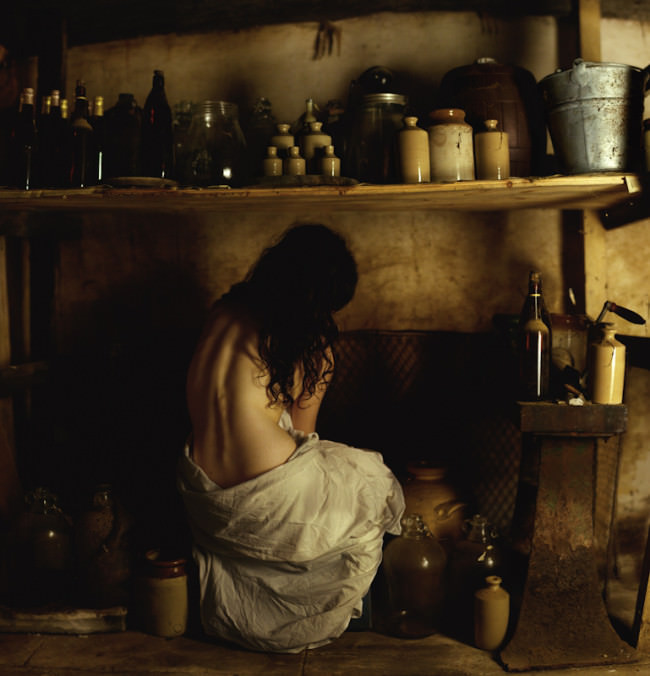
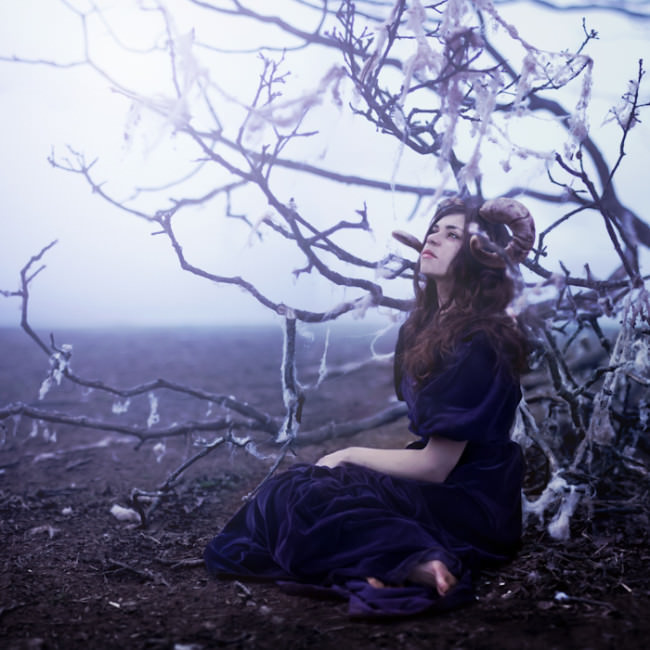
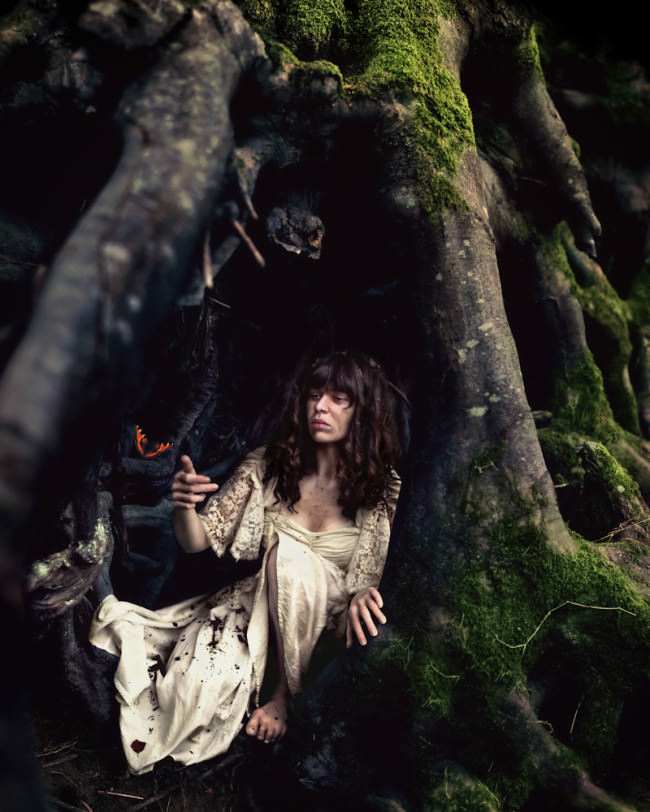
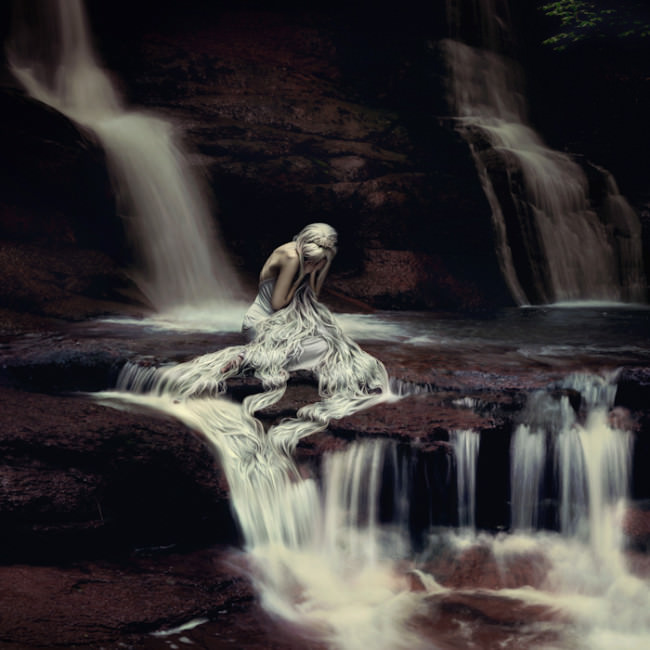
Ich bin Fineart-Fotografin und lebe in den Black Mountains in Wales, worauf sich vor allem ein sehr großer Teil meiner Arbeiten stützt. Ich fotografiere verlassene ländliche Orte, Natur und kleine Schätze vom Dachboden meiner alten Familie, die sie „hinter sich gelassen“ haben, um meine Geschichten zu erzählen.

Dabei habe ich mich auf Selbstportraits spezialisiert. Obwohl meine Fotografien nicht streng autobiografisch sind, ziehe ich Inspiration aus meinen eigenen Erfahrungen und oft merke ich auch, was für eine große Rolle mein Unterbewusstsein spielt. Ich übernehme oft die Rolle einer Heimatlosen, die in seltsamen und leicht surrealen Welten gefangen ist. Diese Charaktere kämpfen selten gegen die Landschaften an, sie sind ruhig und verständnisvoll.

© Rosie Anne

© Rosie Anne

Ich habe in den Black Mountains fast mein ganzes Leben gelebt. Ich ging nur kurz weg und als ich wiederkam, realisierte ich, wie sehr mich dieser Ort verfolge, aber nicht auf eine schlechte Art. Ich fühle eine starke Präsenz hier. Ich spüre die Atmosphäre der Landschaft; sie spricht zu mir, erzählt mir Geschichten.

Ich bemühe mich, stimmungsvolle Erzählungen mit einem Hauch von Mysterium zu erschaffen. Bilder, mit einer Stille, die den Betrachter anhalten, erwartungsvoll gemeinsam mit dem Charakter dem Fortgang der Geschichte zu harren.

© Rosie Anne

© Rosie Anne

Ich kreiere Welten, die von der Form her an Märchen erinnern, aber mit einer bedrohlichen Präsenz, einer provozierenden Geschichte, die Fantasie anregen. Sie zeigen auch die Entfremdung von der Natur und die Verbindung zwischen Mensch und Natur auf.

Es gibt einen gewissen Grad von Intimität in dem Raum, den die Charaktere einnehmen, sodass der Betrachter fast versucht ist, nach ihnen zu greifen. Meine Arbeiten sind gekennzeichnet durch die Verwendung von starken atmosphärischen Stimmungen, der Nutzung kräftiger Farben und effektvollem Licht, was zusammen etwas beinahe Malerisches erreicht.

Dieser Artikel wurde von Katja Kemnitz für Euch aus dem Englischen ins Deutsche übersetzt.


kwerfeldein – Fotografie Magazin | Fotocommunity

 
Comments Off on Dunkle Geschichten aus den Black Mountains

Posted in Equipment


Ein fotografischer Rückblick

20 Mar

Ich mache gerade eine fotografische Pause. In dieser Zeit rühre ich keine Kamera an und die iPhone-Foto-App bleibt zu. Ich bin dabei, meine letzten sechs Monate zu rekapitulieren und darüber nachzudenken, wie ich weiterarbeiten möchte.

Denn: Es gibt so viele Möglichkeiten. Es sind, wenn ich ehrlich bin, zu viele dergleichen. Und ich möchte mich für einen Weg entscheiden. Fotografisch gesehen heißt das:

Weiter Street? Wenn ja, was sehr wahrscheinlich ist, wie? Ich habe viel ausprobiert. Superweitwinkel, Superweitwinkel mit Blitz, Tele, bei Nacht, Mehrfachbelichtungen, Langzeitkram, nah dran, weit weg, mal komplex, mal sehr minimalistisch.

Es ist schön, so vielseitig arbeiten zu können, aber ich sehne mich nach Kontinuität. Auf welchem Wege ich diese finden werde, kann ich derzeit noch nicht sagen, aber jetzt ist es an der Zeit, mich zurückzulehnen.

Meine Fotos anzusehen und mich zu fragen, wohin es gehen soll. Und gerade möchte ich keinen ewig langen Artikel darüber schreiben, warum ich welches Bild wann gemacht habe oder darüber großmaulig meine Grätschposition beim Komponieren beschreiben.

Deshalb folgen nun meine wichtigsten Fotos aus dem letzten halben Jahr in loser Reihenfolge. Ich hoffe, sie gefallen. Wenn nicht, auch okay.

© Martin Gommel

© Martin Gommel

© Martin Gommel

© Martin Gommel

© Martin Gommel

© Martin Gommel

© Martin Gommel

© Martin Gommel

© Martin Gommel

© Martin Gommel

© Martin Gommel

© Martin Gommel

© Martin Gommel

© Martin Gommel

© Martin Gommel

© Martin Gommel

© Martin Gommel

© Martin Gommel

Habt Ihr auch schon einmal eine fotografische Pause bewusst eingelegt, um weiterzukommen? Welche Erfahrungen habt Ihr damit gemacht?


kwerfeldein – Fotografie Magazin | Fotocommunity

 
Comments Off on Ein fotografischer Rückblick

Posted in Equipment


DxO Optics Pro 9.1.4 supports Nikon D4s and four other cameras

20 Mar

opticspro8logo_large.png

DxO Labs has released version 9.1.4 of its DxO Optics Pro software. Both the Elite and Standard versions gain support for the Sony A5000, Leica X Vario and GoPro Hero 3+ Black edition. The Elite version also gives support for the Nikon D4s. The update also adds 170 lens and cameras combinations to its library, with a list of over 18,000 combinations now available. Click through for the download link.

News: Digital Photography Review (dpreview.com)

 
Comments Off on DxO Optics Pro 9.1.4 supports Nikon D4s and four other cameras

Posted in Uncategorized


Top Photo Spots – a New Way to Find Locations for Photography

20 Mar

Top Photo Spots is a hugely ambitious project headed up by James Brandon (a regular  dPS writer) that aims to take the guesswork out of travel photography. James has asked me to introduce TPS here on Digital Photography School in hopes of bringing attention to the project and helping bring his vision to life. It’s a great idea and one, that if it can be accomplished, could become a go-to resource for photographers looking to find locations for photography around the world – however it’s a long way from that point right now.

So what is Top Photo Spots?
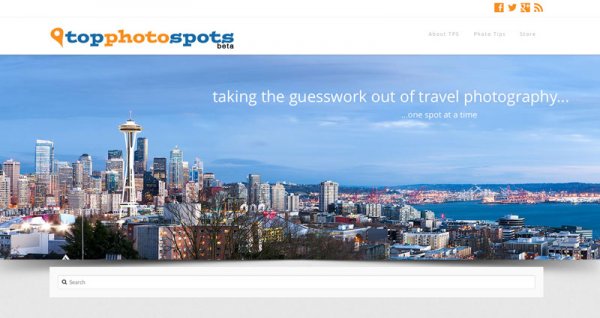
topphotospots1

The best way to introduce TPS is to take a quote from the man who created it – from James himself.

You can Google something like “best places to photograph in Big Sur” and while you might get some helpful information, it will mostly be from random one-off websites and it won’t always be geared towards photographers.

In essence TPS aims to solve the problem of searching the web, which is filled with tourists photos of various locations, inaccurate or confusing information on where and how the photographs were taken, and replace that with something that’s geared specifically towards photographers.

The concept, layout and design are there

Overall TPS has a unique concept that will fill a huge need in this industry, the layout and design are modern, easy to navigate and complement the concept well, but – oh yes there’s a but – the big hurdle that TPS needs to conquer is content (which I’ll touch on in a bit). So, let’s focus on the good first.

As I said, the design is great and well thought out. Each location that’s been added to TPS has a sample photograph, Google map with location pins for points of interest, and a description of what to expect.
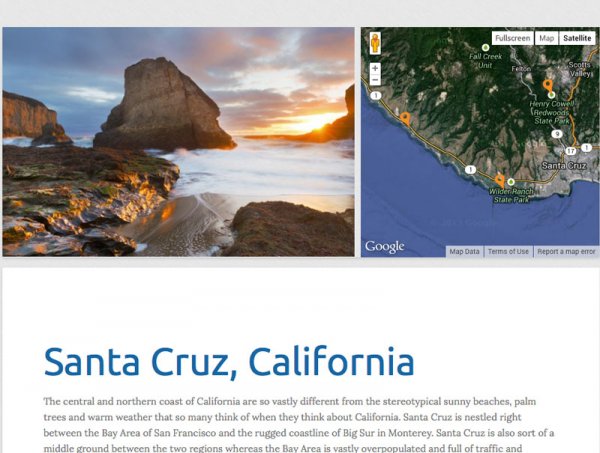
topphotospots2

After the brief introduction to the overarching location, in this case Santa Cruz, California, there are sub-posts that describe various photographic opportunities within the location in more detail.
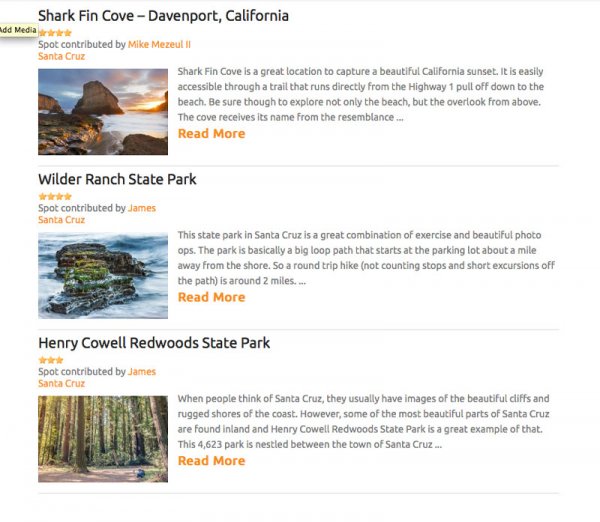
topphotospots3

Moving into one of these sub-locations will provide you with a sample photograph from that specific location as well as another Google map giving you exact coordinates to get you there and of course more information on the location itself. It’s a really well thought out concept and I can see these guides being very helpful to people visiting locations and looking for not only ideas of things to photograph, but exactly how and where to take photographs.

Now – about the content problem

Currently James has TPS listed in a beta status while he builds content and brings in contributors. As I’ve said from the start of this article – this is an ambitious project – it’s going to take a lot of time and effort to get it to the point where it needs to be in order to truly be meaningful to the majority of people searching for locations to photograph.

Currently there are only a few dozen locations, most of which are within the United States, so the location you are traveling to probably isn’t yet listed – which means there’s a lot of room to grow. But this is where you can help!

TPS is openly looking for contributors to help fill out the site with locations around the world. If you’ve got an interesting location and know a bit about writing for the web I’d suggest that you check out the write for TPS page and help James get the site rolling – it could be the next big thing in travel photography.

Final Thoughts and Suggestions

Top Photo Spots is a great concept that is too ambitious for the vast majority of people to even attempt – which is why it’s such a good idea. If James can succeed in his vision I think that TPS will become an extremely valuable resource for photographers looking for spots to photograph on their next trip.

That said, I do have a few suggestions for James, and I’m sure he’ll entertain more in the comments – here are the three big things that I’d like to see integrated into the site at some point in the future.

  • A visually appealing way to browse through all the currently available locations – sometimes people don’t know where they want to travel, but rather are looking for something to inspire them.
  • The ability to print and download guides, or save them to a mobile device. Ideally I’d want to have quick and easy access to the guide when I’m on location without having to refer back to TPS – especially if the location is in a remote location where access to the internet might be limited.
  • Integrate TPS with other photographers around the world who are willing to set up photo walks and guides of locations that are featured on TPS. This could take some time – but I think that a site like TPS is set up perfectly for this and would be a huge benefit to people traveling to the new locations. Not only that, but it would set it even further apart from the ‘Google search’ method that we are currently using to find places to photograph.

So go have a look at Top Photo Spots and check out what James has put together so far. Then come back here and tell us what you would add to the TPS wish-list above.

For more on travel photography:

  • Tips for Photographing Popular Tourist Destinations
  • 10 Ways to Improve your Vacation Photos
  • 6 Tips for Photographing People When Travelling

The post Top Photo Spots – a New Way to Find Locations for Photography by John Davenport appeared first on Digital Photography School.


Digital Photography School

 
Comments Off on Top Photo Spots – a New Way to Find Locations for Photography

Posted in Photography