RSS
 

Archive for February, 2014

A quick look at the Canon PowerShot G1 X Mark II

12 Feb

g1x-ii.png

One of the most exciting cameras released today is Canon’s PowerShot G1 X Mark II, which retains the 1.5-inch-type sensor from its predecessor and adds a faster processor, longer and brighter lens, tilting LCD, dual control rings, and much more. We’ve put together a short article that covers the most interesting new features on the G1 X II. Have a look.

News: Digital Photography Review (dpreview.com)

 
Comments Off on A quick look at the Canon PowerShot G1 X Mark II

Posted in Uncategorized


Canon PowerShot G1 X Mark II adds faster lens and AF to big-sensor body

12 Feb

HR_G1X_MARKII_BLACK_3Q_CL.png

Canon has announced the long-awaited follow-up to its PowerShot G1 X large-sensor compact: the G1 X Mark II. The G1 X II improves upon its predecessor in many ways. It’s smaller, features a faster 24-120mm equivalent F2.0-3.9 lens (with closer focusing distances), a 31-point AF system, dual lens rings, a touchscreen LCD that can tilt upward by 180°, and Wi-Fi with NFC. One added trick is that the G1 X II can shoot at 3:2 or 4:3 with the same field-of-view. The catch? No more optical viewfinder (though an EVF is optional). It will be available in April for $ 799.

News: Digital Photography Review (dpreview.com)

 
Comments Off on Canon PowerShot G1 X Mark II adds faster lens and AF to big-sensor body

Posted in Uncategorized


A quick look at the Canon PowerShot G1 X Mark II

12 Feb

g1x-ii.png

One of the most exciting cameras released today is Canon’s PowerShot G1 X Mark II, which retains the 1.5-inch-type sensor from its predecessor and adds a faster processor, longer and brighter lens, tilting LCD, dual control rings, and much more. We’ve put together a short article that covers the most interesting new features on the G1 X II. Have a look.

News: Digital Photography Review (dpreview.com)

 
Comments Off on A quick look at the Canon PowerShot G1 X Mark II

Posted in Uncategorized


Sony a6000 First Impressions Review posted

12 Feb

a6000beauty2.jpg

The a6000 sits in the middle of Sony’s range of mirrorless cameras, just above the a5000 and aging NEX-7. The feature that makes it stand out from the crowd (and not just among Sony cameras) is its Hybrid AF system, which has phase detect points across 92% of the frame. To learn what that means to photographers, and learn more about the a6000 in general, then have a look at our a6000 First Impressions Review.

News: Digital Photography Review (dpreview.com)

 
Comments Off on Sony a6000 First Impressions Review posted

Posted in Uncategorized


Nikon 18-55mm F3.5-5.6G VR II real-world samples gallery

12 Feb

1855mm_news_1.jpg

Nikon’s new collapsible kit zoom, the 18-55mm f/3.5-5.6G VR II rolled into our office Friday afternoon and we took it for a spin over the weekend. Like similar designs used in mirrorless kit lenses, the 18-55mm VR II twists to expand when you’re ready to shoot, and contracts into a more compact ‘at rest’ state. It’s a natural companion for Nikon’s consumer-level bodies including the D5300. While we put the finishing touches to our D5300 review, we used that camera to put together a gallery of real-world samples. See gallery

News: Digital Photography Review (dpreview.com)

 
Comments Off on Nikon 18-55mm F3.5-5.6G VR II real-world samples gallery

Posted in Uncategorized


Is Full Frame Still the Best?

12 Feb
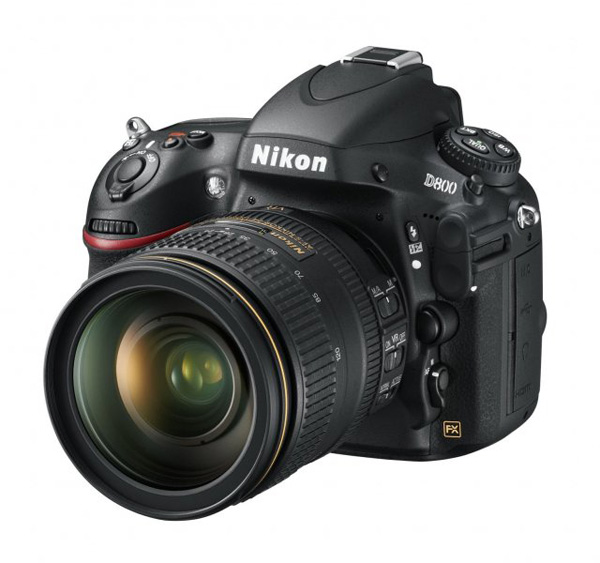
Nikon D800

The Nikon D800, a 36.3 megapixel full frame camera.

For many years photographers have accepted that, when it comes to image quality, a full frame camera beats one with a smaller sensor every time. Let’s look at some of the reasons why.

Advantages of full frame cameras

  • Full frame camera sensors have larger pixels. This means they create images with less noise and all-round better image quality.
  • Full frame cameras usually have more megapixels. While this doesn’t matter to most photographers, it may be useful if your client demands large images or you want to make large prints.
  • There are more wide-angle primes available. If you prefer prime lenses to zooms, you have more choice at shorter focal lengths with a full frame camera.
  • Legacy lenses can be used as intended. If you own a 24mm prime lens that you used with a 35mm film camera, you can use it exactly the same way on a full frame camera. On a camera with a smaller sensor the crop factor means you are effectively using a longer focal length.
  • There is less depth-of-field at any given aperture, and focal length setting, than there is with the equivalent focal length on an APS-C camera. For example, a photo taken at f/2.8 with an 85mm lens on a full frame camera has less depth-of-field than one taken at f2.8 on with a 50mm lens on an APS-C camera even though the field-of-view of both lenses is approximately the same. This is a benefit if you like to create photos with bokeh.
  • The top cameras in a manufacturer’s range are usually full frame. Let’s say you want to buy a durable, weatherproofed, Canon EOS camera, designed to handle everything a professional photographer could possibly throw at it – then you need the EOS-1D X. An APS-C (cropped sensor) version of this camera does not exist.
Portrait taken with EOS 5D Mark II

This portrait was taken with an EOS 5D Mark II. Using a full frame camera helped obtain the out of focus background.

Disadvantages of full frame cameras

Full frame cameras have some disadvantages too:

  • They cost more money than cropped sensor cameras. Larger sensors are more expensive to manufacture, therefore full frame cameras will always cost more than similar models with smaller sensors.
  • Size and weight. Full frame cameras are larger and heavier – they have to be to fit the larger sensor. However, the new Sony A7 and A7R cameras go against this trend.
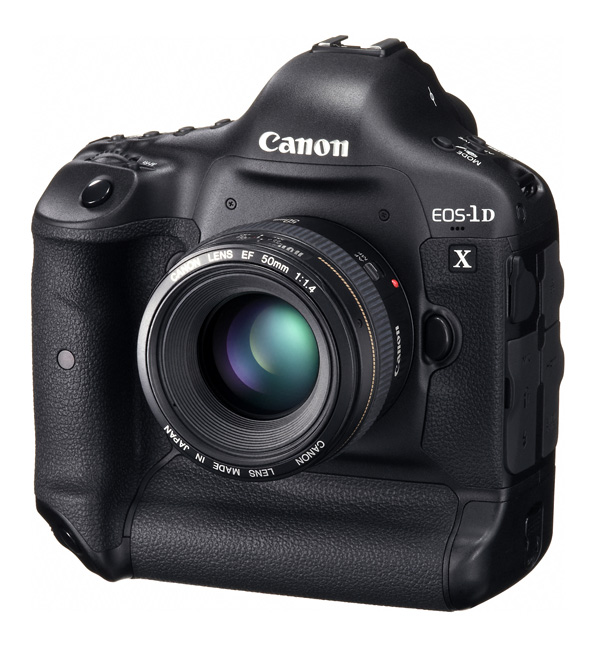
EOS 1D X

The EOS-1D X – Canon’s largest and most expensive full frame camera, designed for professional use. It’s an amazing, high precision camera for the most demanding photographer. But it also shows the main disadvantages of full frame cameras: size, weight and expense.

The rise of the mirrorless camera

If you’re an aspiring pro, you may feel that you need a full frame camera to be taken seriously. In fact, this has never been completely true. There are plenty of professional photographers who use crop sensor cameras. The quality is more than good enough, and if you’re a sports or wildlife photographer you may also appreciate the extra reach that an APS-C camera gives you with telephoto lenses.

So far most of these points apply mainly to digital SLR cameras. But over the last few years we have seen the rise in popularity of mirrorless camera systems (sometimes called compact camera systems). It is easy to see why these are popular. Their small size and unobtrusive design means they are easy to carry while travelling, and less likely to draw attention if you in an area where the locals are sensitive to photographers. Mitchell Kanashkevich has written an excellent article on this topic: Istanbul and My Review of Fuji X100S as has our own Valerie Jardin using the same camera.

Furthermore, the new Fujifilm cameras such as the X-Pro 1 and X100S have garnered a lot of praise for their high image quality, with some reviewers saying it is on a par with that of full frame digital SLR cameras (there is more information on the science behind it here).

Fujifilm X100S

The Fujifilm X100S. This camera has had some very positive reviews. Some photographers are moving away from full frame digital SLRs and towards smaller, mirrorless camera systems.

A new question

It seems to me the question has shifted. We used to ask ‘what camera gives you the best image quality?’ and the answer was inevitably – full frame. Now the question has become ‘which camera is best for me?’ Image quality is only part of the equation, and has become less important as the gap between full frame and crop sensor cameras has narrowed. So if you’re in the market for a new camera here are the things you might want to consider before making a purchase:

  • Budget – this is important for fairly obvious reasons. Don’t be afraid to buy a crop sensor camera if your budget doesn’t stretch to full frame.
  • Existing lens compatibility – If you’re staying within the same camera system, how do your current lenses work with the new camera? Some lenses are designed for crop sensor cameras and won’t work with full frame. Does upgrading to full frame mean that you will also have to spend money on new lenses?
  • Total cost with accessories –  If you’re moving to a new camera system, how much will you need to spend on lenses and other accessories? For example, there are a lot of photographers praising the merits of Fujifilm cameras and writing about making the switch from their current system. But bear in mind these guys make a living from photography and expect to spend a certain amount on camera gear each year. Cameras are tax deductible expenses and this is effectively a discount on new equipment that hobbyists don’t receive.
  • Size and weight – These are important factors if you like to travel with your cameras, but maybe not so important if you take most of your photos locally. Despite the advances in mirrorless cameras the digital SLR design is still the best for most types of photography. The trade-off is size and weight, as digital SLRs are bigger and heavier than other types of camera.
  • Alternative lens options – Do you want to use lenses from other manufacturers or old lenses on your camera? If you’d like to experiment in this area then think about a mirrorless camera system, as most of them have lens adapters that let you use them with a variety of different lenses. This can be a lot of fun and source of experimentation in itself.
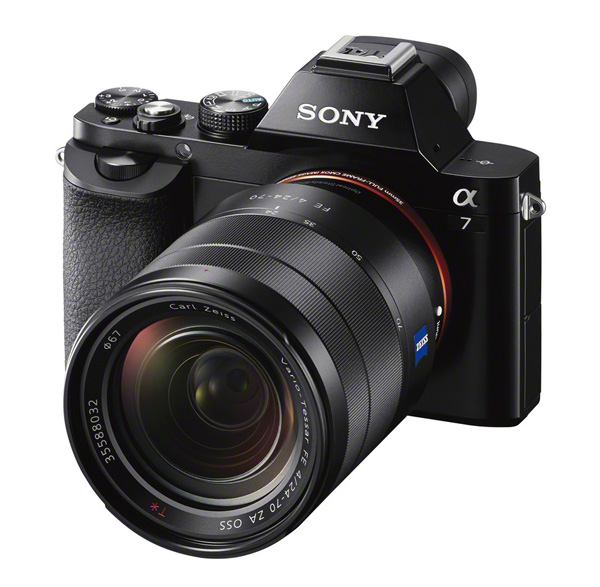
Sony A7

The Sony A7 (pictured) and A7R are the world’s smallest full frame digital cameras with interchangeable lenses.

What do you think?

What are your thoughts on the full frame versus crop sensor debate? Share your thoughts and experiences in the comments below.

More reading on this topic here:

  • Review: Comparison Canon 5D MarkIII vs the Canon 6D
  • The Best and Worst Cameras, Lenses and Video Cameras of 2013
  • All about Gear [Best of dPS 2013]

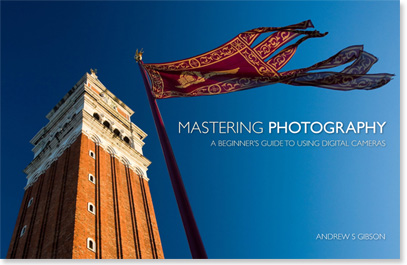
Mastering Photography

Mastering Photography ebook

My ebook Mastering Photography: A Beginner’s Guide to Using Digital Cameras introduces you to photography and helps you make the most out of your digital camera, no matter which one you own. It covers concepts such as lighting and composition as well as the camera settings you need to take beautiful photos like the one in this article.

The post Is Full Frame Still the Best? by Andrew S. Gibson appeared first on Digital Photography School.


Digital Photography School

 
Comments Off on Is Full Frame Still the Best?

Posted in Photography


Get To Know Your Photographer by Steve Brill

12 Feb

I have been photographing weddings for around 6 years now, and have been very fortunate to be able to contribute in my own small way, in making these fantastic events a memory that my clients will treasure every time they look back at their photographs and albums. The added benefit for me is that my […]
dslrBlog

 
Comments Off on Get To Know Your Photographer by Steve Brill

Posted in Photography


Time Stands Still: Sublime Slow-Motion Subway Panoramas

11 Feb

[ By WebUrbanist in Art & Photography & Video. ]

slow mo foto

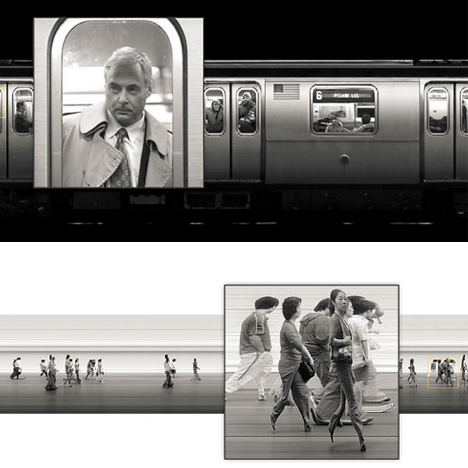
A subway speeds by the platform, leaving most passengers with a fleeting impression and fast-fading memories of people glimpsed only for a moment, but not this crafty slow-motion documentarian. If you watch no other video today, this week or this year, make the time for at least one of those below.

In the above video excerpt, Adam Magyar captures frozen bystanders in fast succession (50 frames per second) at a Tokyo, Berlin and New York (Grand Central) train stations. His custom technology captures everything, and limited post-processing generates a kind of three-dimensional panoramic portrait of everyone in view. These finished products come both in the form of prints and videos, but the latter in particular are must-watch wonders.

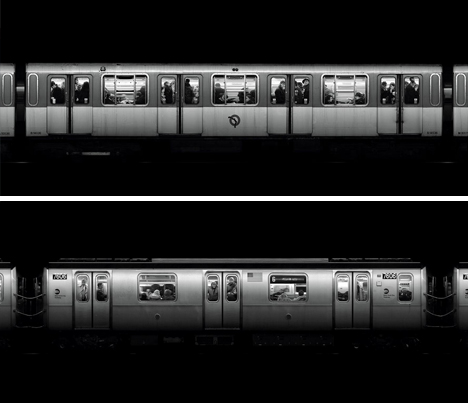
“In Stainless, I scan rushing subway trains arriving to stations. The images record a number of tiny details of this moment. We see people staring towards their destinations standing at the doors framed by the sliding door windows. They are scrutinizing the uncertain future. Similarly to all my images, their main motivation is arrival. The darkness of the tunnels deep below the city turns these chemically clean mock-ups into fossils of our time. “

time subway black white

Magyar uses slit-scan and other technologies and techniques to, as writer Joshua Hammer describes, “bend conventional representations of time and space, stretching milliseconds into minutes, freezing moments with a resolution that the naked eye could never have perceived. His art evokes such variegated sources as Albert Einstein, Zen Buddhism, even the 1960s TV series The Twilight Zone.”

The extended film from Tokyo is shown above. It is truly mesmerizing to watch the most mundane behaviors caught in mid-act, be it a wet dog in mid-shake, creamer hanging over coffee mid-pour or a woman seen in mid-sneeze. It took Magyar years to perfect his craft – the worthy projects that led up to it (shown below) are essential to understanding how he achieved his current mastery.

1-uyFMTPB431muvczp1PH1uQ

time people linear rows

time square people aligned

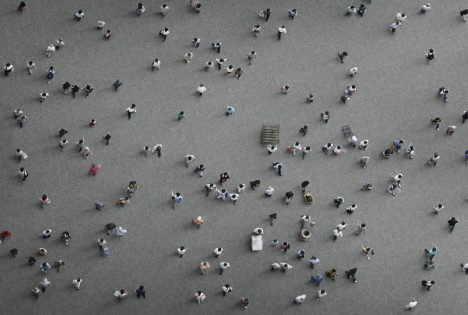
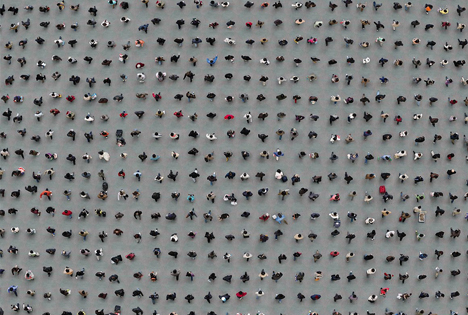
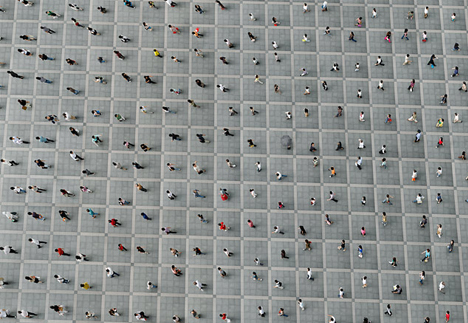
If the process behind this uncanny effect seems impossibly complex: his signature un-moving montages came with a great deal of time and technological experimentation. This Stainless series is indeed just the latest in a long line of  experimental photo projects, starting with Squares (shown above) which features collections of people taken out of time and selected to force a grid-like order on passersby.

Next Page – Click Below to Read More:
Time Stands Still Sublime Slow Motion Subway Panoramas

Share on Facebook


[ By WebUrbanist in Art & Photography & Video. ]

[ WebUrbanist | Archives | Galleries | Privacy | TOS ]


WebUrbanist

 
Comments Off on Time Stands Still: Sublime Slow-Motion Subway Panoramas

Posted in Creativity


11. Februar 2014

11 Feb

Ein Beitrag von: Frederic Huber

indonesia, mount bromo, indonesien, moint bromo, landschaft, weitblick


kwerfeldein – Fotografie Magazin

 
Comments Off on 11. Februar 2014

Posted in Equipment


Do you pack up and leave after sunset and miss the fun of night photography?

11 Feb

There’s no question that the best light occurs during the golden hours, but does that mean that you should pack up your cameras after sunset and miss all the fun of night photography?

city-skyline-example

Absolutely not!

Fun of Night Photography

Night photography offers so many great opportunities for photographers that it’s something that shouldn’t be overlooked. In fact – I think it should be experienced by everyone.

Of course photographing at night means that you’re going to be pushing your gear to its limits. High ISOs, long shutter speeds, fast lenses, tripods, remote shutters, and patience are a must when it comes to photographing after the sun has set, but the results will be worth it.

So what is there to capture at night, and more importantly how do you go about capturing each of these subjects?

City Lights

Walking-the-city

Cities are great places to take photos any time of the day, but at night, cities come to life. Just think of Times Square in NYC or the Vegas Strip for example. Of course, not everyone’s going to have access to such iconic locations, but that doesn’t mean that your local city won’t offer you the goods.

When photographing a city you have so many options open to you; from skylines, to the simple every day things that make cities run. Things like the traffic, the people, and the objects they use to get around are a great start. This photograph of a bike, chained to a parking meter, in front of a church lit up for the night, is a great example of what can be found walking the city streets.

For more tips and examples on photographing cities at night check out these great posts:

  • Nightscapes: Photographing the City at Night
  • 41 City Skylines to Inspire You

The Night Sky

When it comes to capturing the night sky there are two basic ways that you can go about doing this. You can either show the vastness of space and showcase the number of stars in the sky, or you can capture the motion of the Earth’s rotation by creating star trails.

night-sky-photography

Night photography showing vast open sky and stars

The basic concepts for capturing both types of night sky photos are the same. You’ll need a tripod, a wide angle lens, and you’re going to be working with a large aperture in most cases.

When it comes to the shutter speed and ISO that is where things start to differ between the two types of shots. As the Earth’s rotation is what causes star trails to form, you have to limit your shutter speed in order to capture a single frame shot before this rotation creates the trailing effect.

Startrails-OneWS

Night photography capturing star trails over a long period of time

A general guideline for this is known as the 600 rule which basically states that the longest shutter speed you can use is determined by dividing 600 by your focal length corrected for 35mm. So if you’re using an 18mm lens on a 1.5x crop sensor DSLR you’d take 600 divided by 27 (18mm x 1.5 crop factor) which would mean that the longest shutter speed you can use would be about 22 seconds. To control this you’re going to need to set a rather high ISO. However, with modern DSLR cameras being as good as they are with noise these days, this is becoming less and less of an issue.

However, if you DO want to capture the star trail effect, then the object is to capture the motion that you were trying to avoid before. Often times star trail photographs are created by stacking multiple long exposures of the same scene over a long period of time. Since shutter speed is not going to be an issue here it’s much easier to use longer speeds which will result in less frames in the end. You’ll also be able to use lower ISO and smaller apertures here if you prefer.

Here are some more great posts to send you in the right direction for taking better photos of the night sky

  • Tips for Photographing Star Trails
  • How To Take Better Photos of The Stars

Light Trails

light-trails-example

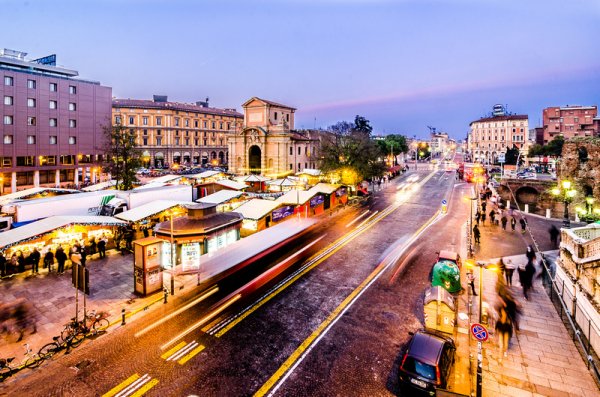
Light trails are a lot of fun to photograph and can be done just about anywhere you can find a busy road.

In general any shutter speed from one second, to a few seconds, should be enough to give you the look you’re after. But it doesn’t just come down to finding a road with traffic and photographing it – make sure you’re aware of your composition as well.
light-trails-example-2

As roads make for great leading lines, try to use those to your advantage. You can either shoot from above the traffic on a bridge or a building, or your can try and get down low and shoot from a median or side walk. No matter where you’re shooting from you’re going to want to be super aware of your surroundings and never do anything that would put your life in danger – no photograph is worth getting hit by a bus over.

For more tips and examples on light trails check out these posts:

  • How to Shoot Light Trails
  • 9 Tips for Capturing the City in Motion

What else?

What else can you think of for night photography? I know I left at least one big one off this list and I did that on purpose as I have no experience in light painting – oops did I just give one away?

The post Do you pack up and leave after sunset and miss the fun of night photography? by John Davenport appeared first on Digital Photography School.


Digital Photography School

 
Comments Off on Do you pack up and leave after sunset and miss the fun of night photography?

Posted in Photography