RSS
 

Archive for November, 2013

Buchrezension: Wall

26 Nov

Der neue Fotoband „Wall: Israeli and Palestinian Landscapes“ des tschechischen Fotojournalisten und Magnum-Fotografen Josef Koudelka ist in vielfacher Hinsicht ein echtes Schwergewicht: Das Thema, die Bilder, das Format – nichts an diesem Buch ist einfach zu konsumieren. Aber gerade deswegen lohnt sich die Auseinandersetzung damit sehr.

In den Jahren von 2008 bis 2012 machte Josef Koudelka großformatige Panorama-Aufnahmen entlang der Grenze zwischen Israel und Palästina. Er fotografierte die 750 Kilometer lange „Wall“, verschiedene Grenzanlagen in Ost-Jerusalem, Hebron, Ramallah, Betlehem und in mehreren israelischen Siedlungen im Grenzbereich zu Palästina.

© Josef Koudelka

„Wall: Israeli and Palestinian Landscapes“ bündelt auf 120 Seiten eine Auswahl von 54 Fotografien aus diesen vier Jahren, die sich jeweils in hochkontrastigem Schwarzweiß über eine Doppelseite von 70 x 26 cm erstrecken.

Man sieht eingezäunte Straßen, massive Betonmauern, Stacheldraht, Militäranlagen, elektrische Zäune. Die Kette eines Panzer schlängelt sich über den Sandboden, Graffiti erzählen von Gewalt, Betonpfeiler stehen wie Denkmäler vor einer Hügelkette.

© Josef Koudelka

Überall sehen die Grenzanlagen anders aus, aber eines ist ihnen immer gemein: Sie wirken bedrückend, groß, massiv, abschreckend, vor allem die Mauer selbst, die sich in bis zu acht Metern Höhe durch die Landschaft schlängelt.

Die apokalyptischen Bilder einer fremdartigen, bedrohlichen Landschaft stellen Fragen nach dem Sinn von menschlichen Bauwerken im Allgemeinen, Fragen nach dem Umgang der Menschen miteinander, aber auch mit der Natur.

© Josef Koudelka

Kouldelkas Fotografien sind neutral, soweit das bei so einem Thema möglich ist, auf der Oberfläche scheinen sie nur dokumentarisch, aber es sind keine schönen Bilder. Er geht an die Grenze in ihren vielen Erscheinungsformen heran wie ein Journalist, aber es gelingt ihm durch das Breitbildformat und durch die Abbildung in schwarzweiß auch, eine ungeheuere Emotionalität und künstlerische Wucht in die Bilder zu legen, ohne dass Menschen auf ihnen zu sehen sind.

Man sucht als Betrachter nach Hinweisen von Leben in diesen Bildern, als wären sie Aufnahmen von einem fremden Planeten. Aber man findet neben den gewaltigen Bauwerken der Abgrenzung nur ein paar dürre Bäume und das an eine der Mauern gesprühte Bild eines jungen Mannes mit einer Maschinenpistole.

© Josef Koudelka

Eine Chronologie der geschichtlichen Ereignisse der Region ist vorangestellt, ein Glossar am Ende schließt das Buch ab und erklärt die politischen Kontexte und Zusammenhänge. Wenn man „Wall“ in Ruhe durchgesehen hat, fühlt man sich plötzlich sehr nah dran am Konflikt zwischen Israel und Palästina.

Fazit: „Wall“ ist ein hochpolitisches, ein emotionales, beeindruckendes, sehr empfehlenswertes Buch, das definitiv nicht nur für an politischem Fotojournalismus interessierte Menschen eine Besonderheit ist.

„Wall“ von Josef Koudelka* ist als Hardcover-Ausgabe beim Verlag Prestel erschienen und umfasst 128 Seiten.

* Das ist ein Affiliate-Link zu Amazon. Wenn Ihr darüber etwas bestellt, erhalten wir eine kleine Provision, Ihr zahlt aber keinen Cent mehr.


kwerfeldein – Fotografie Magazin

 
Comments Off on Buchrezension: Wall

Posted in Equipment


Sleep with the Fishes: Floating Underwater Hotel Room

26 Nov

[ By Steph in Global & Travel & Places. ]

Underwater Hotel Room Manta Resort 1

Watch eerily illuminated sea creatures swim past your windows at night as you fall asleep on your own ‘private floating island,’ an underwater hotel room at the Manta Resort. This special getaway is a two-story floating wooden structure with a submerged bedroom, a surface-level deck that lets you dive into the sea, and a rooftop lounge area.

Underwater Hotel Room Manta Resort 2

Underwater Hotel Room Manta Resort 5

Located off the eastern coast of Africa near Pemba Island, the artificial floating island has virtually everything you’d want from a resort – as long as you’re okay with near-total seclusion. That means no other guests, but also no waiters or other attendees. You might be okay with that, given the scenery – but no worries, you can always take a boat back to the main resort to enjoy the restaurant and spa.

Underwater Hotel Room Manta Resort 4

Designed by Swedish firm Genberg Underwater Hotels, the three-story structure is envisioned as a private getaway for a couple. It’s anchored to the sea floor from its four corners so it won’t float away, bobbing gently on the sea. Guests can enjoy views of all sorts of marine life, and coral reefs. After dark they’re still visible thanks to underwater spotlights beneath each window.

Share on Facebook


[ By Steph in Global & Travel & Places. ]

[ WebUrbanist | Archives | Galleries | Privacy | TOS ]


WebUrbanist

 
Comments Off on Sleep with the Fishes: Floating Underwater Hotel Room

Posted in Creativity


Photojojo’s Holiday Gift Guide 2013, Part 1!

26 Nov

We’ve searched high and low and eye-level too to find six amazing new photo gifts for our friends and fam this holiday season.

Scroll along to see new phonography gear, limited edition Polaroid cameras and more.

Plus, a Sale on some old favorites!

null

These Photojojo Special Edition SX-70s have been restored to perfection by our friends and Polaroid experts at Mint. This limited run features a Photojojo exclusive colorway. So snatch them up quick for the Polaroid enthusiast in your life.

In the Shop for $ 400

null

Meet the all new version of our uber popular best-selling cell lens series! We added a mind (and image) bending Super Fisheye Lens and a glare stoppin’ color poppin’ Polarizing Lens.

Starting at $ 15


The Bolt Charger is a high-capacity backup battery for your phone, that’s also a wall charger. The perfect accessory for anyone who’s preferred method of battery depletion is snapping pix of all they see.

In the Shop for $ 60


The perfectly pocketable Phone-o-Chrome slide is an IRL filter that looks just like an old slide. Move its rainbow gradient in front of your lens to add a pop of color to any scene. Pick one up for your most colorful friend.

Starting at $ 15


Everything you need to take better photos with your phone. A lens, a light, a class at Photojojo University and a cool pouch to carry them all. 60 bux worth of gear for a mere 40 smackeroos. Great for phoneography whizzes and newbs alike.

In the Shop for $ 40


The Handleband holds your phone safe and snug on your bike’s handlebars. Take a traffic timelapse, film your commute, then use your maps app for directions! Just the thing for that special bike ridin’ photo lover in your life.

In the Shop for $ 20

Some of our faves, just got favier.
Hurry up! These deals are only around for one day.

  • The Instax Mini 8 Instant Cam

    $ 85

    $ 80 ? TODAY ONLY

  • Any Bag Camera Bag Insert

    $ 59

    $ 45 ? TODAY ONLY

  • iPhone 10-12x Telephoto Lens

    $ 35

    $ 30 ? TODAY ONLY

  • The Plaid Camera Satchel

    $ 70

    $ 60 ? TODAY ONLY

  • Seat Belt Camera Straps

    $ 25

    $ 20 ? TODAY ONLY

  • Canon and Nikon Lens Bracelets

    $ 25

    $ 15 ? TODAY ONLY


© Aaron for Photojojo, 2013. |
Permalink |
No comment |
Add to
del.icio.us

Post tags:


Photojojo

 
Comments Off on Photojojo’s Holiday Gift Guide 2013, Part 1!

Posted in Equipment


5 Pieces of Photography Gear to Consider as Your First Upgrade

26 Nov

Neil Creek is the author of our newest ebook Photo Nuts and Gear. In this post he offers some advice to the beginning photographer about the first upgrade they should buy for their camera.

So you’ve been getting into this photography thing pretty seriously ever since you bought that “good” camera you wanted. It turns out that you really enjoy photography, and you think you’ll be doing it for a while. You want to know what cool camera gear is out there, and you know there’s a lot, but what should you get first?

Where to start on the photography gear upgrade trail

When you’re just starting your photography journey, it’s intimidating how much gear there is and how much it costs. It’s obvious that some photos are impossible without certain gear, and sometimes it’s not obvious when gear has helped a photo.

I’ve been shooting and helping new photographers to get the most out of their gear for years, so I have a few suggestions for great first investments in photography to suit your varying interests and budget.

A 5-in-1 reflector

5in1reflector

Light is everything in photography, but sometimes you can’t quite get the right kind of light where you need it. A great example is outdoor portraits. With the light predominantly coming from overhead, there are often dark circles under the eyebrows. A reflector can be used to reflect some light back up into the face of your subject to fill these shadows.

A 5-in-1 reflector is cheap and very versatile. Built around a collapsible steel ring spanned by diffusion material, it has a reversible cover with four different surfaces. The diffusion material inside is great for turning full sun into bright shade, for small and macro subjects as well as head and shoulder portraits. I’ve even used it as a flash diffuser in a pinch. The cover has three reflective surfaces: white for gentle fill, silver for strong fill, gold for a warm strong fill, and a black surface for eliminating light to bring shade back to a scene which is too evenly lit.

This is an incredibly versatile tool at a very affordable price, and it neatly fits into the “laptop pouch” in camera bags which have one. This item should be in every portrait photographer’s kit.

Who is this for: photographers on a budget who shoot in natural light
Approximate cost: $ 20-50 depending on size

creek-130310-051

The Nifty 50 lens

Lenses are a critical part of the optical system that creates the photographic image. Unfortunately almost every lens choice is a compromise between price, speed, image quality and more. Plus, lenses are expensive!
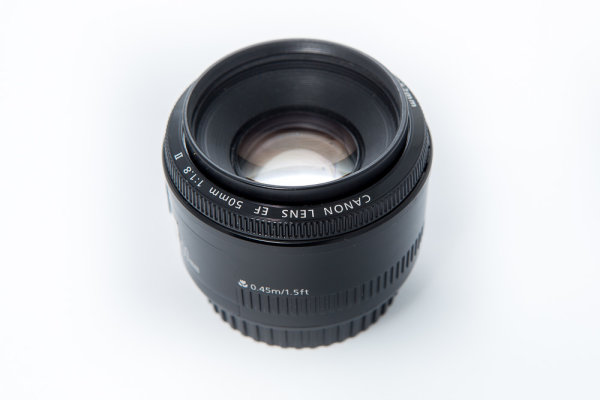
creek-131028-048

There is one lens however that is possibly the best of all worlds: the 50mm prime, also known as the “Nifty 50″. Several lens makers have their own or similar versions of this lens, but the most famous is probably the Canon 50mm f/1.8. This lens is small, fast (thanks to its wide f/1.8 aperture), tack sharp and extremely affordable. If you are looking for an excellent portrait lens that will take well exposed photos in low light, it’s hard to go past the Nifty 50 especially if you are on a budget.

These lenses aren’t without their weaknesses of course: cheap plastic body construction keeps the price and weight down, but negatively affects the durability; weather sealing is also thus not an option; it is notoriously slow to focus in low light; there’s no image stabilization; andthe focus ring is very small. Despite all this, it is hard to resist the appeal of professional level image quality, at a hobbyist price.

Who is this for? Anyone looking for a high image quality, fast, small lens on a budget
Approximate cost: $ 100-200 depending on brand

A good solid tripodcreek-131031-028-Edit
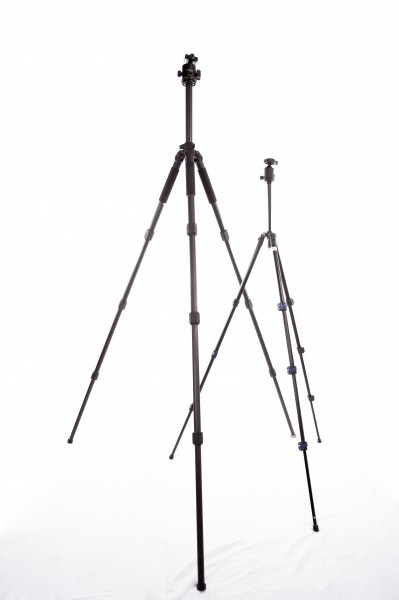
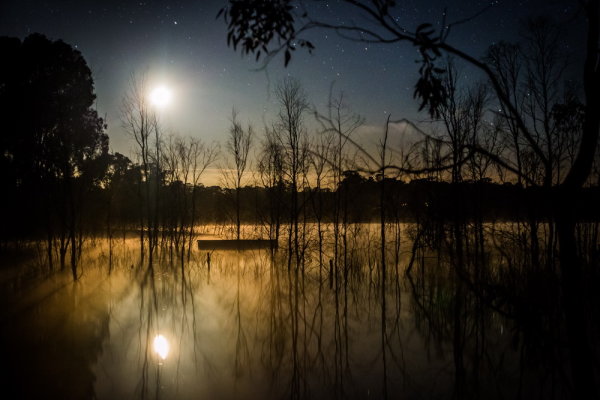
Photographers are always limited by the amount of light, and without adequate amount, you are forced to make compromises with your settings. When you have to use a slower shutter speed you risk getting blurry photos from camera shake. A tripod fixes that. By providing a stable platform you can almost eliminate camera movement from short, to incredibly long shutter speeds.

Not only does a tripod fix the problem of a shaky camera, it opens up whole new photographic and creative opportunities. Seven of the eleven special effects photography techniques discussed in my ebook Photo Magic use a tripod. A Tripod is possibly the most versatile piece of photography equipment you can buy. You will be able to try photos and techniques otherwise impossible.

Buying a tripod can be like walking through a minefield however. There are so many options from the very bad to the very expensive so it pays to do your research. For a first time tripod for a small DSLR user, I recommend one of the base end models from the big name tripod makers. I go into a lot of detail in Photo Nuts and Gear on choosing the right tripod for you. One tip – avoid department store tripods!

Who is this for? Photographers shooting in low light, with macro subjects, landscapes, and creative low light photography such as light painting.
Approximate cost: $ 100-200 for a first tripod
creek-130928-341 - Copy

An external hot-shoe flash or speedlight (speedlite)
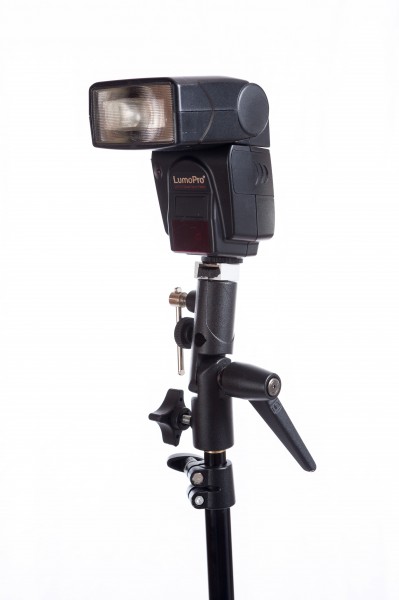
creek-131102-035

A flash unit or speedlight is often one of the first big purchases camera owners make, and unfortunately it’s very easy to pay more than necessary. The flagship units from Canon and Nikon are very expensive and packed with features, many of which a new photographer won’t need. I personally recommend buying a cheaper, manual power, third party flash first. The ETTL, or auto exposure, feature of the expensive flashes is handy, but I find that manual power control is pretty easy to master, and it will save you a lot of money: enough to buy one or two more flashes for the price of a flagship model. Manual flashes are also compatible with the more affordable radio triggers that let you fire your flash off the camera and enter the amazing world of Strobist photography.

Flashes adds a good deal of versatility when shooting in low light, but their real power comes when you get them off camera. A couple of flashes, triggers, light stands and simple modifiers can utterly transform your photography, and add creative options that match those offered by a tripod. A little research and careful spending can put all of these within reach for the about same price as a top of the line flash from Nikon or Canon.

Who is this for? Photographers shooting indoors in low light, Strobist wannabes

Approximate cost: $ 100-200
creek-130426-192-hdr

Walk-around lenscreek-131028-056

Like most people, you likely bought your camera with a kit lens. These lenses are often good enough for most photographers, but unless you buy a top end DSLR (which come with higher quality lenses as standard), they’re not going to be the best you can find. Most kit lenses are a bit slow, a bit soft, a bit “plastic-y”. If you’re getting serious about being a photographer, you’ll probably want something better. A walk-around lens is one you leave on your camera by default, and use all of the time you don’t have a specific need for another lens. As such, most of your photos will be taken with it, and you’ll probably want to upgrade it once you can afford to grow your lens collection.

There are a lot of options available, so you need to think a bit about how you use your camera, and what features are important to you. You will want to consider:

  • how heavy is the lens
  • how often you shoot in low light
  • what frustrates you most about your current lens
  • whether you’re always wanting to fit more in your shots or if you want to bring distant things closer

All of these issues will affect the best choice of walk-around lens for you. Be prepared to possibly spend a lot of money. Lenses are expensive, especially high quality ones. Since there are so many options and factors to consider it’s hard to offer much practical advice in a blog post, but I go into a lot more detail in Photo Nuts and Gear. In short however, be prepared to do a lot of research to understand your options and how to choose between them. A good walk-around lens will get a lot of use over many years, and the quality of your images will be impacted by the choice you make.

Who is this for?  Someone who is taking the first big step into turning photography from a pastime into a serious hobby
Approximate cost:  $ 300-1800

Post originally from: Digital Photography Tips.

Check out our more Photography Tips at Photography Tips for Beginners, Portrait Photography Tips and Wedding Photography Tips.

5 Pieces of Photography Gear to Consider as Your First Upgrade

The post 5 Pieces of Photography Gear to Consider as Your First Upgrade by Neil Creek appeared first on Digital Photography School.


Digital Photography School

 
Comments Off on 5 Pieces of Photography Gear to Consider as Your First Upgrade

Posted in Photography


25. November 2013

26 Nov

Ein Beitrag von: Alexander

Sea Of Love © Alexander


kwerfeldein – Fotografie Magazin

 
Comments Off on 25. November 2013

Posted in Equipment


Blickfang: Half Life

26 Nov

Als ich die von Bilder Michael Ackerman letztes Jahr erstmals in Berlin vor mir sah, ohne Rahmen und versetzt an der weißen Galeriewand befestigt, hatte es mich gepackt, geschüttelt und getroffen.

Ich musste mir den Fotoband „Half Life“* unbedingt zulegen, ganz egal, was mein Konto dazu sagte. Nennen wir es reflexartige Überlebensreaktion. Seitdem atme ich ein wenig ruhiger und merke es bei einem der Bilder besonders.

Blumenvase © Michael-Ackerman

Kürzlich las ich, dass die Betrachtung eines Bildes immer von den eigenen Erfahrungen und der Sensibilität für bestimmte Themen abhängig ist.

Betrachte ich das Bild, passiert etwas mit mir. Mein Gedankenkonglomerat kippt sich aus und setzt alte Bilder in mir frei. Ich bin ein DDR-Kind und mit meinen Eltern oft weggefahren. Ich kann mich an farblose Unterkünfte erinnern, an leere und große Speiseräume mit Deckchen und jeweils einer Vase und Blumen bestückt.

An die Menschen erinnere ich mich nur schemenhaft, so schenmenhaft wie die Menschen in Ackermans Buch dargestellt sind. Immerhin war ich erst sieben oder acht Jahre alt, da fühlt man sich klein, verletzlich und vor allem unwichtig zwischen all den großen Menschen, die doch immer viel klüger sind und das Kind nicht groß beachten.

Dies ist also mein Bild, obwohl ein fremdes, denn ich bestücke es mit meiner Erinnerung, die versteckt irgendwo in meinem Kopf saß und darauf wartete, hervorgeholt zu werden. Darüber hinaus kann ich diesen Fotoband aber allen ans Herz legen, die Schwarzweißwelten lieben und auch keine Angst haben, gedanklich mit ihnen in die Tiefe zu fallen.

Informationen zum Buch:

Michael Ackerman: „Half Life“
Seiten: 168 (Gebundene Ausgabe)
Abbildungen: schwarzweiß
Sprache: Englisch
Verlag: Dewi Lewis Publishing

* Das ist ein Affiliate-Link zu Amazon. Wenn Ihr darüber etwas bestellt, erhalten wir eine kleine Provision, Ihr zahlt aber keinen Cent mehr.


kwerfeldein – Fotografie Magazin

 
Comments Off on Blickfang: Half Life

Posted in Equipment


Roger Cicala cynically re-defines photography

26 Nov

logo.png

Lensrentals’ Roger Cicala continues his recent run of fine satirical form with his latest blog post – a series of cynical definitions for widely-used photography terms. We’re almost tempted to use it to replace our glossary, as it should be considered recommended reading before commenting on any photography or ‘gear’ forum. It’s certainly going to make us think carefully about the terminology we use in future reviews.

News: Digital Photography Review (dpreview.com)

 
Comments Off on Roger Cicala cynically re-defines photography

Posted in Uncategorized


Nostalgic images combine miniatures and real-life backdrops

26 Nov

8.jpg

Michael Paul Smith’s photos look like snapshots of classic cars. In reality, they’re clever creations that use forced perspective to combine miniatures and real-world backdrops in an utterly convincing final product. His miniatures live in a fictional U.S. town called Elgin Park, a place populated with vintage cars and the trappings of everyday life in the 1950’s and 1960’s. See gallery

News: Digital Photography Review (dpreview.com)

 
Comments Off on Nostalgic images combine miniatures and real-life backdrops

Posted in Uncategorized


Fantastic Digital Cameras Made for College Students

26 Nov

Most university students will have lots of new adventures to record while in college; but let’s face it, these days, young people want to take excellent photos of their dorm room parties and campus life and appear cool while they’re doing it. A contemporary camera in hand not only helps folks save their college memories, but it also can make Continue Reading

The post Fantastic Digital Cameras Made for College Students appeared first on Photodoto.


Photodoto

 
Comments Off on Fantastic Digital Cameras Made for College Students

Posted in Photography


It’s Electric: 14 Fun and Interactive Conductive Designs

25 Nov

[ By Steph in Gadgets & Geekery & Technology. ]

Conductive Design Main

Electronic functions aren’t just limited to gadgets anymore – they can be extended to everyday objects, architectural surfaces, paper, clothing and even our own bodies. Conductive paint, thread and wires are used in conjunction with little processors like the Arduino Lilypad to turn bananas into musical instruments or a pair of metallic false eyelashes into a controller for an LED headset.

Gilded Ceramic Radio Controlled by Gesture

Conductive Designs Ceramic Radio

The metallic patterns on what looks like no more than a ceramic vase aren’t merely ornamental. In fact, they’re how you control the volume, frequency and on/off functions of this object, which is actually a radio. Made using fine palladium paint that has conductive properties, geometric patterns each have an individual motif for the function they control. The Hibou, as it’s called, is the result of an unusual collaboration between a gilder and an electronic specialist.

MusicInk: Turning Paper into Instruments

Conductive Designs MusicInk

Flat sheets of ordinary paper become functioning, noise-making instruments thanks to a prototype kit containing conductive carbon paint, stencils and an Arduino Duemilanove board. Individual painted areas on the paper turn into playable trumpets, guitars, drums and more (recorded by the London Philharmonic Orchestra) by turning them into capacitive sensors that react to gestures. The Arduino board is synched with a smartphone app via Bluetooth.

Touch Board Turns Everyday Objects into Interactive Artifacts

Conductive Designs touchboard

Another touch board uses capacitive sensing  to turn any conductive material into an interface. The touch boards are pre-programmed to turn gestures into sound just by connecting them to a speaker and plugging in a micro USB cable. You effectively paint light switches, volume controls or musical instruments onto a surface with electrically conductive paint, and then use gestures to control them.

SmartWrap Interactive Building Film

Conductive Design SmartWrap

Now imagine taking that kind of interactive functionality and applying it to an entire building. That’s the idea behind SmartWrap interactive architectural film, which can be applied to a wall or the facade of a structure to provide not just shelter and climate control but also lighting, information display and power. It’s embedded with OLED technology, thin film batteries and silicon cells and conductive ink.

Conductive Body Paint Enables Novel Interaction with Environment

Conductive Designs Body Paint

A conductive ink applied directly to human skin can bridge the gap between electronics and the body. Bare Conductive’s body paint is a skin-safe, water-soluble carbon-based ink that can be brushed, stamped or sprayed on to allow users to interact with technology through gestures, creating ‘custom electronics.’ The makers list potential areas of use as dance performances, music, fashion, security, military, audio/visual communication and medical devices.

Next Page – Click Below to Read More:
Its Electric 14 Fun And Interactive Conductive Designs

Share on Facebook


[ By Steph in Gadgets & Geekery & Technology. ]

[ WebUrbanist | Archives | Galleries | Privacy | TOS ]


WebUrbanist

 
Comments Off on It’s Electric: 14 Fun and Interactive Conductive Designs

Posted in Creativity