RSS
 

Archive for November, 2013

Celebrated photographer Saul Leiter dies, aged 89

28 Nov

photo-leiter.jpeg

Photographer Saul Leiter has died aged 89. Leiter eluded mainstream fame for most of his life, but his body of work, particularly his experiments in abstract street color studies in the middle years of the 20th Century are a continuing inspiration to new generations of photographers. A shy figure, Leiter is the subject of a new film, ‘In No Great Hurry’ about his life and work which was recently released. 

News: Digital Photography Review (dpreview.com)

 
Comments Off on Celebrated photographer Saul Leiter dies, aged 89

Posted in Uncategorized


Adobe Password Resets Definite Cause For Concern

28 Nov

Adobe Password Resets Definite Cause For Concern

A guest article by Kevin Yank

As a digital photographer, you have probably used Adobe software (be it Photoshop or Lightroom) to manage, tweak, or publish your photos at one time or another. If so, chances are you’ve also received an email like this one in the past few weeks:

adobepasswordreset

Adobe is sending this message to just about everyone

If you’re thinking this might be cause for concern, you’re right. When I’m not out shooting photos with my trusty Panasonic GX1, I work on a site called Should I Change My Password, which tracks password security breaches, and I can tell you they don’t come much bigger than this one.

When we discovered the Adobe password database being shared among hackers earlier this month, we were stupefied by the size of the breach. Far greater than the 2.9 million customers Adobe had already announced were affected, the file contained the email addresses of over 152 million people. To give you an idea, the worst breach we had previously encountered contained “only” 34 million customer records.

How could Adobe be claiming only 2.9 million affected customers, you might ask? To hear Adobe tell it, most of the records stolen by hackers were “out-of-date”. Best as we can tell, if you gave Adobe an email address and password when downloading, say, Acrobat Reader ten years ago and haven’t been back since, Adobe figures that losing those details to hackers is no big deal. I beg to differ.

Besides the fact that you can pretty much guarantee every spammer worth his cut-price pharmaceuticals has now added your email address to his distribution list, the method Adobe had used to store your password has been discovered to be insecure. If you used the same password on multiple websites (and let’s face it—ten years ago, who didn’t?) your accounts on those other sites are now at serious risk. Particularly if you used a weak password (such as a date or an English dictionary word), or a password that someone else in those 152 million people might have also chosen (like a pop culture reference), you can pretty much assume hackers will be able to work out your password using the data that Adobe lost.

Pressure from sites like Should I Change My Password has forced Adobe to notify the full list of people in the database, which is why you and most everyone you know has now received an email from Adobe like the one above.

So, what do you do? Well, whether you have received an email from Adobe or not, you should check if your email address(es) have been compromised. Start by visiting Should I Change My Password, where you can check your email address against our database of breached addresses for free.

This is what you will probably see

sicmyp-adobe-check

Assuming your address (and likely your password) has been compromised, you’ll want to follow our 10-step guide (also free!) for what to do if your password has been hacked.

In short, don’t rely on Adobe to provide you with complete information about its own failure to protect your privacy and security. Adobe is in full damage control mode right now, and part of that is playing down the scale of the disaster. Think of the most important account you might have shared your Adobe account’s password with, and take the steps necessary to protect it now.


Kevin Yank is Avalanche’s technology guru. He has a wealth of experience building and managing businesses, and is a world-class developer to boot.

He might know every programming language ever written and types at a thousand words per minute. When he’s not at his computer, he’s writing books, helping to run Impro Melbourne, or playing the latest Assassin’s Creed.


Join us for a special event to discuss this issue!

Next Tuesday December 3rd at 2pm MST (Mountain Standard Time – convert to your time here) Darlene Hildebrandt, our new Managing Editor will be hosting a special LIVE Google Hangout to discuss the Adobe issue.

LINK TO THE GOOGLE PLUS EVENT – sign up to ask a question

Here are the details:

  • you don’t need any special software to watch us live just click on the link or watch it here when the time comes (the link will become a live YouTube feed)
  • if you head over to the actual event page you can RSVP to get a reminder notice when it’s starting
  • you can also watch it streaming live on the event page and ask questions of the guest panel

Some of the things to be potentially discussed are;

  • how has is effected you as a photographer?
  • how do you feel about it?
  • have you taken any actions?
  • have you contacted Adobe? What has their response been?
  • how do you feel about how Adobe has handled it?

These are things we will be discussing. Join us live to listen in and add your comments in the chat.

This is a highly volatile and sensitive issue and the discussion will be carried out in a dignified, respectful manner for all parties involved, including Adobe. Hope to see you there!

Post originally from: Digital Photography Tips.

Check out our more Photography Tips at Photography Tips for Beginners, Portrait Photography Tips and Wedding Photography Tips.

Adobe Password Resets Definite Cause For Concern

The post Adobe Password Resets Definite Cause For Concern by Guest Contributor appeared first on Digital Photography School.


Digital Photography School

 
Comments Off on Adobe Password Resets Definite Cause For Concern

Posted in Photography


Coming soon, DPReview LIVE!

28 Nov

shared:DPRlogo.png

We’re very excited to announce a day of live video coverage on Monday December 2nd in partnership with CreativeLIVE. The live stream, which will be broadcast on our homepage will cover product highlights from the past year, as well as live shooting demonstrations and panels discussing the current state of the photography market, and predictions for the future. Click through for more details.

News: Digital Photography Review (dpreview.com)

 
Comments Off on Coming soon, DPReview LIVE!

Posted in Uncategorized


DPReview Recommends: Best Compact Cameras for Travel

28 Nov

travel.jpg

There’s a big world out there, just waiting for you to explore it. In our opinion, a camera is one of the best traveling companions you can have. Depending on where you’re going, you might have specific priorities. Maybe you’re heading to the mountains? Or perhaps you’re exploring a city? Or maybe you’re doing a round the world tour. Here are our top five recommendations.

News: Digital Photography Review (dpreview.com)

 
Comments Off on DPReview Recommends: Best Compact Cameras for Travel

Posted in Uncategorized


Decay Down Under: 7 Abandoned Wonders of Australia

27 Nov

[ By Steph in 7 Wonders Series & Global. ]

Abandoned Australia Main

Whether covered in colorful graffiti or slowly disappearing under a profusion of moss and vines, Australia’s most intriguing abandoned places share the same sense of mournful decay as landmarks that are nearly lost to the ravages of time. These 7 wonders of abandoned Australia include historic tram stations, theme parks, asylums and factories.

Atlantis Marine Park, Yanchep, Western Australia

Abandoned Australia Atlantis Marine Park

(images via: tor lindstrand)

A massive statue of King Neptune still looks out over a marine park that’s been closed for nearly 25 years. Atlantis Marine Park opened in Yanchep, Western Australia in 1981 and hosted the typical array of aquarium wildlife like dolphins, sea lions, penguins and seals. But in the late 1980s, regulations about the size of enclosures for dolphins changed, and accommodating them proved too costly for the owners. All nine dolphins were rehabilitated and released back into the wild, but when three of them failed to thrive, they were relocated to another marine park.

Since then, the property has been in limbo, with much of the ruins retaken by nature. No fences keep out members of the public, so anyone can get in to take photos and enjoy the views of the ocean. Members of the community have petitioned to restore the park, but the property owners plan to develop the space for residential and commercial use.

Aradale Mental Hospital, Ararat, Victoria

Abandoned Australia Aradale Hospital 1

Abandoned Australia Aradale Mental Hospital 2

(images via: aradale ghost tours)

Built in 1863, Aradale Mental Hospital was an Australian psychiatric hospital built to accommodate the burgeoning population of ‘lunatics’ in Victoria. Designed as a town within a town, it had its own gardens, markets, orchard, vineyards, pig farm and other livestock along with hundreds of staff. The Victorian complex was built high on a hill and held thousands of patients in 18 wards until 1993. It held female prisoners until 2001 during the renovation of a nearby facility, and then closed for good. Companies like Aradale Ghost Tours now take curious visitors through the complex, including the morgue.

And how was it that Victoria was home to so many so-called lunatics? It was common during that time, all over the world, for people with conditions like Down Syndrome, epilepsy or autism to be declared insane. Sometimes, all it took was postpartum depression, homosexuality or ‘promiscuous behavior’ to be institutionalized for life.

Helensburgh Train Station, New South Wales

Abandoned Australia Helensburgh Train Station

(image via: robert montgomery)

Sometimes the most striking abandonments are those that are so overgrown, they’re almost entirely hidden. Such is the case with the Helensburgh train station in New South Wales. Left to decay since 1915, when a new station was built about 200 meters to the north, this stone-walled relic is all rust and rotting wood, lush with ferns, moss and ivy. Unsurprisingly, it’s an irresistible attraction for photographers – check out some stunning photos by Tom Jarman at Urban Ghosts Media.

Rozelle Tram Depot, Glebe, New South Wales

Abandoned Australia Rozelle Tram Depot 1

Abandoned Australia Rozelle Tram Depot 2

(images via: wikimedia commons)

Once the second-largest tram depot servicing Sydney and among the most sophisticated public tramway systems in the world, the Rozelle station in Glebe was open from 1918 until 1958. Six 1930s trams, mostly gutted on the inside, still sit inside the station so many decades later. Though they may have been abandoned inside this massive concrete and steel facility, they’re now practically works of modern urban art, brightly colored and covered in layer upon layer of graffiti. The trams were in near-mint condition prior to 2000, and could have been beautiful historical artifacts if not for the vandalism that began around that time. The whole property has been purchased by a developer, who plans to turn the site into medium density housing.

Next Page – Click Below to Read More:
Decay Down Under 7 Abandoned Wonders Of Australia

Share on Facebook


[ By Steph in 7 Wonders Series & Global. ]

[ WebUrbanist | Archives | Galleries | Privacy | TOS ]


WebUrbanist

 
Comments Off on Decay Down Under: 7 Abandoned Wonders of Australia

Posted in Creativity


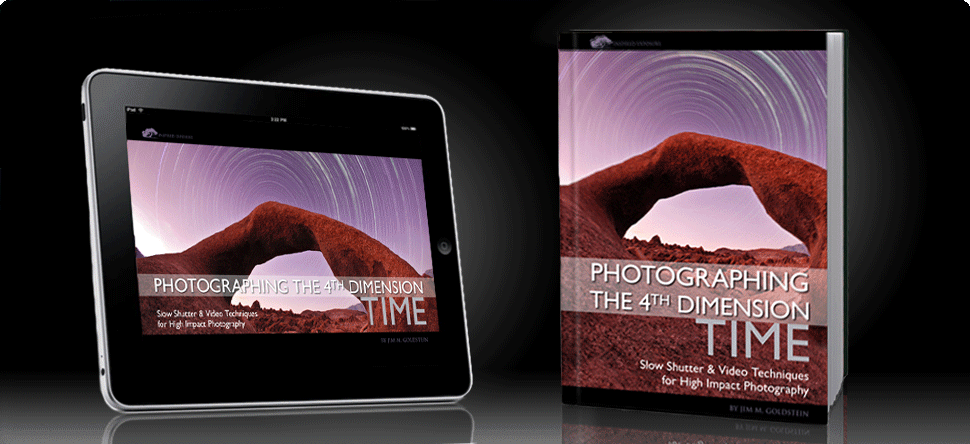
Save 25% on my eBook and Star Trail Webinar Now Through Dec. 2nd

27 Nov
Photographing the 4th Dimension - Time

Photographing the 4th Dimension – Time & Webinar

Black Friday – Cyber Monday Sale

Now through December 2nd at midnight PST you can save 25% on my eBook Photographing the 4th Dimension – Time and my Star Trail Photography webinar. To save 25% instantly use the code SAVE25 when you check out.

———

BEST DEAL: Mastering Star Trail Photography – Video Course – BUY THE VIDEO

This video course is for photographers of all skill levels interested in expanding their photography and post-production knowledge to make great astronomy landscapes. The course includes 6 hours of instruction and professional tips covering every aspect of star trail photography including gear selection, camera technique, post-processing and more. 

Bonus: Receive a FREE copy of the eBookPhotographing the 4th Dimension — Time with your webinar recording purchase.

Learn More

———

GREAT SAVINGS: Photographing the 4th Dimension – Time eBook – BUY THE PDF

No matter your skill level Photographing the 4th Dimension – Time will help you improve your photography and heighten the impact of your photographs by introducing you to numerous slow shutter and video techniques.

  • Learn to create amazing photos using Light Painting & Star Trails techniques
  • Discover how to easily make Time-lapse Videos
  • Transform your photography with motion as Cinemagraphs
  • Avoid time-wasting mistakes and learn insider tips
  • Keep it all with you in the included Field Checklist

Learn More  and Read the Reviews

Copyright Jim M. Goldstein, All Rights Reserved

Save 25% on my eBook and Star Trail Webinar Now Through Dec. 2nd

The post Save 25% on my eBook and Star Trail Webinar Now Through Dec. 2nd appeared first on JMG-Galleries – Landscape, Nature & Travel Photography.


Related Stories

  • Save 25% on my eBook and Star Trail Webinar Now Through Dec. 2nd – Enclosure
  • The Ancients – Bristlecone Pine Forest, California
  • News Flash Fellow Photographers You’ve Already Sold Your Soul To Facebook – Enclosure
Feed Ads by FeedBlitz
powered by ad choices


JMG-Galleries

 
Comments Off on Save 25% on my eBook and Star Trail Webinar Now Through Dec. 2nd

Posted in Equipment


27. November 2013

27 Nov

Ein Beitrag von: anwiphoto

© anwiphoto


kwerfeldein – Fotografie Magazin

 
Comments Off on 27. November 2013

Posted in Equipment


Vis-a-Vis avec les Chamois des Vosges

27 Nov

Ein Beitrag von: Radomir Jakubowski

Ich sitze auf einem Schiff, das mich von Norwegen nach Deutschland bringt. Wieder habe ich mehrere Wochen in Norwegen verbracht, nur um eines meiner fotografischen Projekte voranzutreiben. Ich lasse es in meinem Kopf Revue passieren.

Wie arbeite ich und warum haben es mir die Gämse so angetan? Wie gehe ich an ein fotografisches Projekt heran? Und warum tue ich es? Es ist mir, als wäre es gestern gewesen. Es war im Mai. Während in meiner Heimat Saarbrücken die Frühblüher größtenteils abgeblüht waren, saß ich zwischen Schneefeldern und den ersten Osterglocken auf über 1000m Höhe und suchte nach Gämsen.

Nachdem ich ein Fotoprojekt in Skandinavien im Frühjahr abgebrochen hatte und enttäuscht nach Saarbrücken zurückgekehrt war, wusste ich nicht recht, was ich machen sollte. Ein neues Projekt musste her. Am besten nicht weit weg und mit ein paar Motiven, die man vielleicht nicht ganz so häufig sieht.

Da entsann ich mich, dass ich vor einiger Zeit von Gämsen in den Vogesen gehört hatte. Ich war in der Gegend früher oft gemeinsam mit meinen Eltern unterwegs gewesen und liebte die Berge von klein auf. Ich recherchierte im Internet und fand bereits nach kurzer Zeit die ersten interessanten Amateurfotos, die darauf hindeuteten, wo ich etwa anfangen musste zu suchen.

© Radomir Jakubowski© Radomir Jakubowski

So begab ich mich ein paar Tage später das erste Mal in die Vogesen, um mir ein Bild von der Region zu machen. Natürlich wusste ich nicht, was mich erwarten würde. Ich packte meine gesamte Outdoorausrüstung ein, vom Gaskocher über Fertignudeln bis zum Schlafsack. Letzterer würde mir noch sehr gute Dienste leisten, was mir vor dem ersten Trip so noch nicht klar war.

Was die Gämsen betrifft, so wusste ich zu diesem Zeitpunkt noch nicht sehr viel über das Verhalten der Tiere und ihre Lebensbedingungen in den Vogesen. Die Vogesen sind ein Mittelgebirge in Ostfrankreich.

Sie sind mit dem Pfälzerwald, der sich nördlich der französischen Grenze ohne morphologische Trennung anschließt, Teil eines einheitlichen Mittelgebirgsraumes von etwa 8000km² Gesamtfläche. Mein Ziel war die Region um den Ort Gérardmer. Hier erheben sich einige der höchsten Berge der Vogesen.

Ich war mir nicht sicher, ob und wo ich die Gämsen finden würde und so fing ich einfach an, die Region zu bewandern. Ich begab mich auf die Suche, um bald darauf zu merken, dass ich mit Mitte Mai fast zu früh dran war. Es gab noch zahlreiche Schneefelder um die Berggipfel herum und die Osterglocken und Brockenanemonen blühten erst auf.

© Radomir Jakubowski

Der Balzgesang der Heidelerche sowie des Wiesenpiepers begleitete jede meiner Wanderungen und so schön die Frühlingsstimmung auch war, so kalt waren die Nächte. Sogar tagsüber kletterte das Thermometer auf nicht mehr als 6 – 8 °C, der starke Wind führte zusätzlich dazu, dass ich so manches Mal die „Blümchenfotografen der Täler“ beneidete.

Auf Grund des sehr starken Windes errichtete ich mein Nachtlager im Windschutz des Waldes, was Angesichts der Baumgrenze, die bis knapp unter die Gipfel reicht, kein Problem war. Neben den temperaturbedingten, widrigen Bedingungen nachts, gestaltete sich auch die anfängliche Suche nach den Gämsen der Vogesen als sehr schwierig.

Nach den ersten zwei Tage hatte ich immer noch keine einzige Gams gesehen und hätte ich nicht eindeutige Spuren gefunden, so wäre mir ein Vorkommen von Gämsen in dieser Region mehr als unwahrscheinlich erschienen. Nach langen Wanderungen und so mancher Enttäuschung hatte ich am dritten Abend nun endlich das Glück, zwei Gämsen zu sehen, die sich hangaufwärts in Richtung des Gipfels bewegten.

Ich verhielt mich sehr vorsichtig, da ich diese mir gebotene, erste Chance auch direkt nutzen wollte. Ich wartete und ließ die Gämsen auf mich zu kommen und so geschah es, dass ich an diesem Abend tatsächlich meine ersten französischen Gämsen im Abendlicht fotografieren konnte.

© Radomir Jakubowski

Der Morgen danach reihte sich lückenlos in die erfolglosen ersten Tage ein, sodass ich wieder kein einziges Tier sah. Ich beschloss, abzureisen und kehrte zu meiner Heimatstadt Saarbrücken zurück. Immerhin wusste ich nun, dass ich die Tiere in den Vogesen finden konnte und nach den ersten brauchbaren Fotos war ich ganz heiß darauf, noch mehr Fotos machen zu können. Das war der Moment, in dem ich spürte, dass dies mein nächstes Fotoprojekt werden würde.

Zuhause angekommen, begann ich sofort, mir Wissen über die Gämsen anzulesen. Jagdbücher und Naturführer wurden zur Hand gekommen und gelesen, denn ich wusste, dass ich nur zu guten Fotos kommen würde, wenn ich auch über das Verhalten der Tiere informiert wäre. Ich lernte, dass es wenig Sinn ergab, über die Bergkämme zu wandern und zu hoffen, dass eine Gams mal im Abend- oder Morgenlicht posierte.

Viel mehr musste ich lernen, dass die Tiere fast vorwiegend in den bewaldeten Hängen unterwegs waren. Gerade, wenn der starke Wind über die Berge bläst, bleiben die Tiere lieber in den Wäldern. Überhaupt gewann ich das Gefühl, dass es in den Vogesen niemals windstill ist und in den mittlerweile einigen Monaten die ich in den letzten zwei Jahren in den Vogesen verbracht habe, waren nur ein paar halbwegs windstille Tage dabei.

Morgens konnte man die Gämsen oft noch auf den Hochebenen finden, aber wenn tagsüber das Menschenaufkommen zunahm, verzogen sich die Tiere immer weiter ins Tal und die Wälder, bis sie in der Zeit der Sommerferien letztendlich kaum noch auf den Hochebenen anzutreffen waren.

© Radomir Jakubowski

Somit habe ich mit der Zeit umdisponiert und wollte die Gämsen in ihrem natürlichen Lebensraum dokumentieren. Dies sind in den Vogesen neben den Hochebenen vor allem die Wälder und das verbuschte Gebiet zwischen Hochebene und Wald. Ich hatte die Hoffnung, ein paar andere Bilder machen zu können, als die Gamsfotos auf den Gipfeln der Hochgebirge, die man sonst häufiger zu sehen bekommt.

Dies wurde jedoch schwieriger als gedacht, da es eine ganze Reihe von Hindernissen gab. Auf der einen Seite hat man in den Wäldern kaum einen Überblick und auf der anderen Seite sind die Wälder so nah an der Baumgrenze nicht wirklich fotogen. Oft habe ich die Tiere von den Gipfeln aus gesichtet und habe dann den Abstieg zu ihnen gewagt in der Hoffnung, dass sie sich in die Richtung bewegen würden, die mir zupass kam.

Dabei stellten nicht nur die Gämsen mit ihrem hervorragenden Geruchssinn eine Schwierigkeit dar. Auch das Gelände unterhalb der Gipfel, das von schwer passierbaren Sumpfgebieten gekennzeichnet ist, machte das Anpirschen mühsam und gefährlich.

Mir fiel auf, dass die Gämsen teilweise sehr scheu reagierten, wenn Menschen auf Wanderwegen unterwegs waren. Hielt man sich hingegen auf den Wildpfaden der Gämsen oder im Gelände auf, war dieses Verhalten weit weniger ausgeprägt.

© Radomir Jakubowski

Ich nutzte also fortan oft die schmalen Wildpfade der Gämsen und bewegte mich ruhig und vorsichtig auf sie zu. Nach einiger Zeit störten sich die Tiere so gut wie überhaupt nicht an mir, sodass ich mich sogar den Jungtieren bis auf wenige Meter nähern konnte. Ich genoss die Zeit zwischen den Tieren und sie faszinierten mich manches Mal so sehr, dass ich das ein oder andere Mal schlichtweg vergaß, auf den Auslöser zu drücken.

Ich habe in meinem Kopf noch sehr viele Gamsfotos, die ich noch nicht machen konnte, entweder weil ich bestimmte Verhaltensweißen bis heute nur beobachten, aber nicht fotografieren konnte oder weil die Witterungsbedingungen noch nicht gestimmt haben. Eines ist mir aber klar: Ich werde noch viele Tage und Nächte dort verbringen, in den Bergen, bei Wind und Wetter, bei den Gämsen der Vogesen.

~

In diesem Artikel habe ich meine Herangehensweise an ein fotografisches Projekt beschrieben. Viele mögen jetzt anmerken, dass der Aufwand, den ich betreibe, sehr hoch ist. Doch es ist für mich als Naturfotograf nicht nur das Bild, das am Ende zählt; nein, ich genieße jeden Moment und jede Strapaze in der Natur und stecke mein ganzes Herz in die Fotografie.

Für mich kann der Hintergrund für eine solche Arbeit immer nur die Faszination für die Natur, für eine Art, eine Gattung oder eine Region sein, denn nur dann bin ich bereit, hart daran zu arbeiten. Solltest Du selbst ein Projekt planen, beachte folgende Punkte:

© Radomir Jakubowski

Wichtig ist, dass Du Dir ein Projekt aussuchst, dass Du regelmäßig betreuen kannst. Probiere, neue Sichtweisen zu zeigen. Lass Dich von Rückschlägen nicht entmutigen und versuche, alle Facetten Deines Projekts in Deinen Bildern darzustellen.

Es geht nicht ausschließlich um schöne Bilder. Du solltest alles dokumentieren, was für Dich charakteristisch ist. So besitze ich beispielsweise sowohl Detailfotos der Hufe einer Gams, als auch der Abdrücke der Hufe im weichen Boden, aber auch Paarungs-, Säugungs- und Brunftszenen.

Erst, wenn Du Dich mit Deinem Projekt intensiv auseinandergesetzt hast und glaubst, Du hast möglichst alle Facetten einer Art beleuchtet und fotografisch erfasst, kannst Du sagen, dass Du ein fotografisches Projekt erfolgreich abgeschlossen hast.

Wobei auch das ein Trugschluss ist, da Du immer wieder neue Dinge entdecken wirst, die Dein Projekt stetig wachsen lassen werden. Denn zumindest ich kann mich von einem Projekt nie ganz verabschieden, sondern probiere immer wieder ein paar Tage im Jahr, an alten Projekten zu arbeiten. Es ist stets aufs Neue wie ein „nach Hause kommen“ und es macht Spaß, wieder an alten Projekten zu arbeiten.


kwerfeldein – Fotografie Magazin

 
Comments Off on Vis-a-Vis avec les Chamois des Vosges

Posted in Equipment


The Guide of How to Succeed at Freelance Photography

27 Nov

Many photographers work freelance. It’s just the nature of the industry. You may believe that working freelance is the ideal life since it means no boss, no micromanagement and definitely no annoying co-workers to deal with on a regular basis. Not so fast, there! Working freelance photography also means the potential of no regular paychecks, no support from fellow co-workers Continue Reading

The post The Guide of How to Succeed at Freelance Photography appeared first on Photodoto.


Photodoto

 
Comments Off on The Guide of How to Succeed at Freelance Photography

Posted in Photography


Tokina announces Sony Alpha-mount version of 11-16mm f/2.8 II

27 Nov

11-16-sony.png

Tokina has announced that its highly-regarded AT-X PRO 11-16mm f/2.8 DX II fast wideangle zoom for APS-C SLRs will be available in Sony Alpha mount from the start of next year. The ‘type II’ version adds improved coatings compared to the previous model of the lens. The design is otherwise unchanged, with the same optics and useful ‘one touch’ focus clutch mechanism. Click through for full details.

News: Digital Photography Review (dpreview.com)

 
Comments Off on Tokina announces Sony Alpha-mount version of 11-16mm f/2.8 II

Posted in Uncategorized