RSS
 

Archive for September, 2013

1914 – Welt in Farbe

21 Sep

Was passiert, wenn ein Bankier sein Vermögen in Kunst und Kultur investiert, um ein Zeichen zur Völkerverständigung zu setzen? Was klingt wie eine Utopie, gab es Anfang des 20. Jahrhunderts aber wirklich.

Der Franzose Albert Kahn ließ verschiedene Fotografen mit der neuen Technik der Brüder Lumière um die Welt reisen, um ein Archiv des Planeten anzulegen. So entstand ein Archiv mit über 70.000 Farbaufnahmen aus der Zeit vor dem ersten Weltkrieg. Eine unglaubliche Zahl, bedenkt man zudem, dass es sich um Bilder auf sogenannten Autochromplatten handelt.
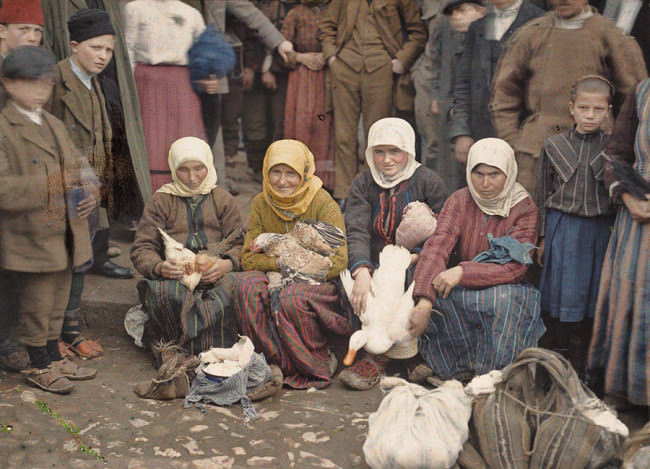
Auguste Léon. Serbien, Krusevac: Geflügelverkäuferinnen auf dem Markt. 29. April 1913.

Kahn hielt so eine Zeit fest, die kurz vor dem Umbruch stand. Die Situation vor dem ersten Weltkrieg in Europa, Kulturen und Traditionen auf der ganzen Welt, die nur kurz darauf verloren gingen. Die Bilder des Archivs erzählen von einer vergangenen Welt.

Dieser Bilderschatz steht im Zentrum der Ausstellung „1914 – Welt in Farbe“ des LVR-LandesMuseum Bonn, die vom 24. September 2013 bis zum 23. März 2014 nahe des Hauptbahnhofes läuft. Auch eine weitere Anreise sind diese Fotos sicher wert. Wer jedoch nicht das Glück hat, wie ich in Bonn zu leben, der kann sich vielleicht etwas mit dem zur Ausstellung gehörenden Buch „1914 – Welt in Farbe. Farbfotografie vor dem Krieg.“* trösten.
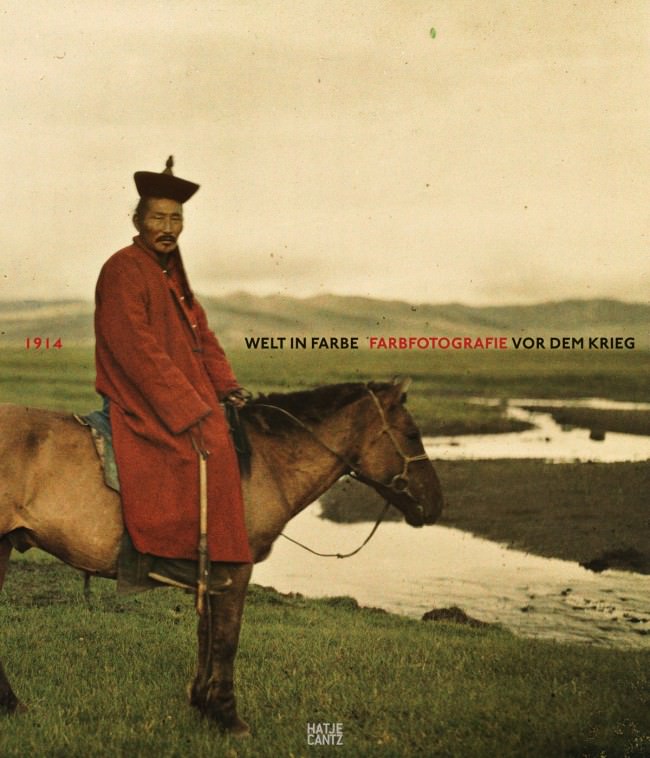
Cover: 1914 - Welt in Farbe.

Die Schärfe und Farbintensität der alten Autochrome sind beeindruckend und kommen auch im Buch wunderbar zur Geltung. Die Rottöne stechen dabei besonders hervor. Beim Durchsehen der alten Bilder entsteht fast ein bisschen Wehmut über den Verlust dieses alten Fotoverfahrens. Diese Bilder haben ihren ganz eigenen Charme.

Neben der Sammlung Albert Kahns sind auch Bilder aus einer weiteren Sammlung vertreten: Die Farbfotos des russischen Fotografen Sergej M. Prokudin-Gorskii, der ab 1905 im Auftrag des letzten Zaren Russlands, Nikolaus II., das gesamte russische Reich systematisch dokumentieren wollte. Aus diesem beinahe unmöglichen Auftrag sind bis heute noch über 10.000 Aufnahmen erhalten.

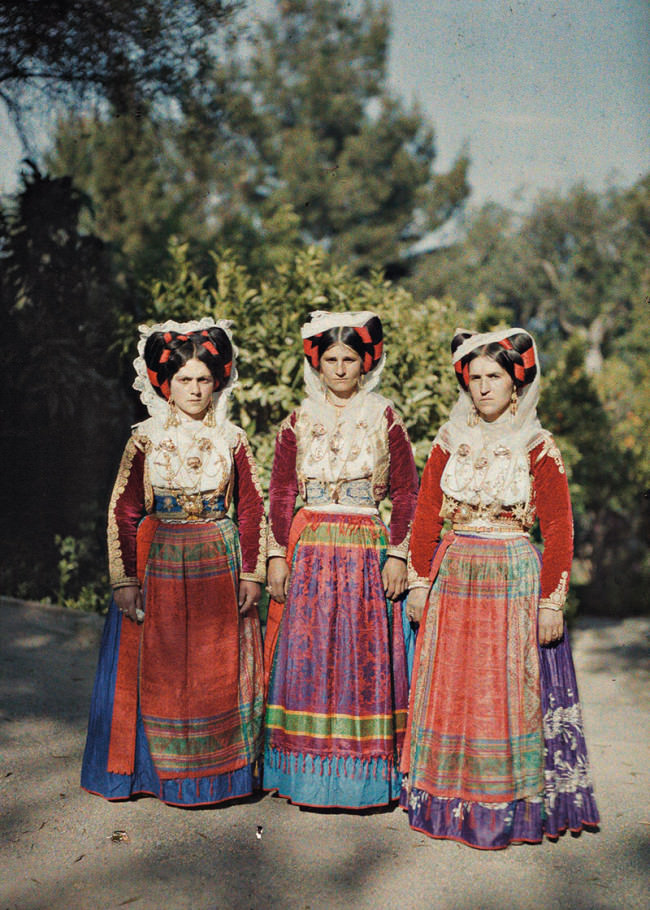
China, Peking: Palast des himmlischen Friedens, vierter Hof, östlicher Anbau, ein Hohepriester in zereminiellem Gewand. 26. Mai 1913Auguste Léon. Griechenland, Korfu: Drei Frauen in traditioneller Kleidung 1913

Gorskii arbeitete mit einer anderen Technik zur Erstellung von Farbaufnahmen, die er selbst entwickelte. Er belichtete kurz hintereinander drei monochrome Fotoplatten mit jeweils unterschiedlichen Farbfiltern in Rot, Grün und Blau. Diese Farbaufnahmen reichen qualitativ nicht an die Autochrome der Brüder Lumière heran. Die Farben sind nicht immer originalgetreu und oft muten die Fotos dadurch ein wenig surrealistisch an. Beeindruckend sind sie dennoch, ohne Frage.

Auch die Fotos des deutschen Pioniers der Fototechnik, Adolf Miethe, sind in der Ausstellung zu sehen. Im Buch liegt der Schwerpunkt auf dem Archiv von Albert Kahn, lediglich neun der insgesamt 135 Abbildungen stammen von Gorskii. Empfehlenswert ist das Buch dennoch. Die Bilder haben auf dem Format von 24 x 28 cm auch ausreichend Platz, die Farben wirken großartig, zudem enthält es viele begleitende Texte.

Das Buch
1914 – Welt in Farbe. Farbfotografie vor dem Krieg.*
Broschiert, 144 Seiten
Im Verlag Hatje Cantz erschienen
Preis: 24,80 €

Die Ausstellung
1914 – Welt in Farbe
Zeit: 24. September 2013 – 23. März 2014
Ort: LVR-LandesMuseum Bonn

* Das ist ein Affiliate-Link zu Amazon. Wenn Ihr darüber etwas bestellt, erhalten wir eine kleine Provision, Ihr bezahlt aber keinen Cent mehr.


kwerfeldein – Fotografie Magazin

 
Comments Off on 1914 – Welt in Farbe

Posted in Equipment


21 September, 2013 – Final Instalment of Olympus OM-D E-M1 Field Report from Paris

21 Sep

The week is up, and my trip to Paris and testing of the new Olympus OM-D E-M1 has drawn to a close.

The full report is now online.


"Having been to Antarctica with Michael and Kevin, I would say after having traveled the world and shot nearly my entire life as an exhibiting photographer,  it was one of my highlights in my life and I talk about it, all the time.  The images and experience of seeing something visionary and nearly extinct from the world, to see and experience the wildlife and scenery that does not fear humans is amazing.  The images I shot there won me two Smithsonian awards and nearly 18 other international awards". – Tim Wolcott

 Find Out More Now
These Expeditions Will Sell Out Quickly. They Always Do


The Luminous Landscape – What’s New

 
Comments Off on 21 September, 2013 – Final Instalment of Olympus OM-D E-M1 Field Report from Paris

Posted in News


5 Ways to Take Better Smartphone Photos

21 Sep

When you think about smartphone photography what comes to mind? My guess is you probably think about Instagram, photo filters, bad selfies and any number of other keywords that describe this new wave of photography.

hero

Today, I’m going to share a few tips on how you can improve your smartphone photography and start capturing interesting photographs wherever you are with whatever you have in your pocket. If you like this post you might also want to check out this DPS eBook specifically written for improving your iPhone photography.

Oh and no just because Apple improved their camera in the 5s doesn’t mean that they’ve created a device that will make you a better photographer – you’ll just get the same boring images – unless you learn how to become a better photographer.

Take Your Time and Treat it Like a DSLR

Smartphone photos on Flickr, Facebook and Instagram get a bad reputation for being terrible because well, 95% of them are terrible. One of the biggest reasons that this is the case is because 95% of the photos on these sites are taken not as photographs, but as a way of sharing moments – they’re snapshots.

IMG_0826-650x650

People aren’t thinking about capturing a photograph – they’re thinking about how cool that thing that happened in front of them is. If you want to truly impress people with your smartphone photographs you have to first and foremost start treating your smartphone more like a camera and less like a phone.

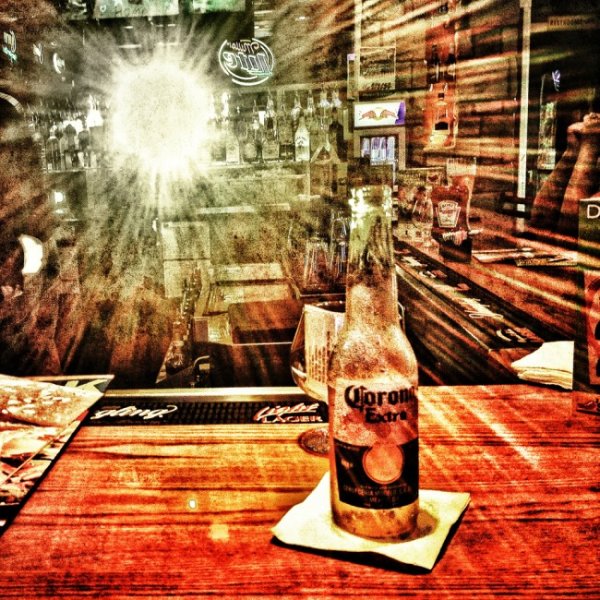
In the photo above I noticed that the sun setting behind me was reflecting off the mirror at the other end of the bar. I positioned my beer and spent a few minutes taking different shots, both in portrait and landscape orientation, as the sun quickly passed its way below the horizon.

Think With Filters in Mind

The great thing about smartphone photography is the ease of which you have to process your captured image. While it might not be true that every photograph looks “better” with a filter, it is certainly true that filters can add interest to an otherwise boring photo. That said you shouldn’t simply think “oh well I’ll just add a filter to it to make it awesome” instead think “that would look really cool with this filter!” and then shoot your photo accordingly.

IMG_0104

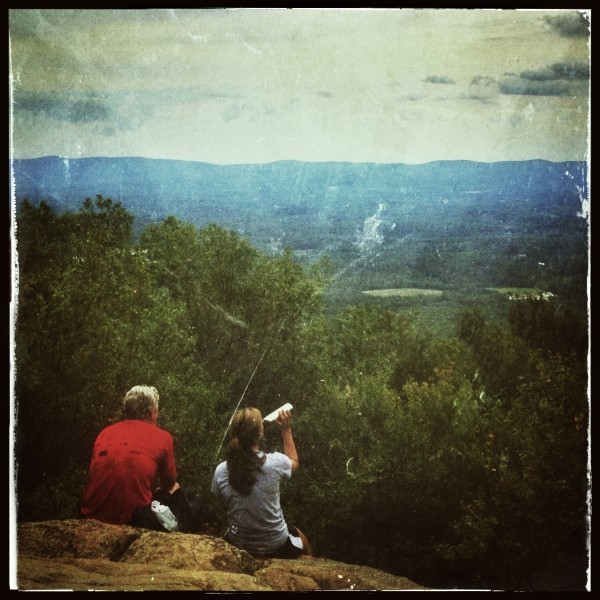
When I saw these two hikers sit down in front of me on a recent hike I knew right away that it’d make for a great “old time” family portrait style photo. I framed the shot and instantly went in that direction when I process the image – there was no doubt in my mind as to how I wanted the image to look from the moment I captured it.

Get Into Strange & Uncomfortable Positions

Smartphones are light, easy to maneuver and have a large screen making it possible to compose your image in awkward positions. Use this to your advantage and don’t be afraid of looking like someone who’s had a few too many hallucinogenic drugs in public. If you’re taking a photo people will understand won’t they?

So get down on your knees, on your back or hang upside down and have fun capturing photos that you would otherwise be unlikely to get with a larger heavier device.

Use Third Party Lenses

In most cases the third party lenses are best used for specialty situations like fisheye or macro photography that the built in cameras just aren’t capable of doing. With the iPhone I use the Olloclip 3 in 1 attachment and absolutely love the macro lens (read my full review here).

Dragonfly Macro

The above photograph was captured using an iPhone 4S with the Olloclip Macro attachment and to be honest the quality of this photograph even stunned me when I finally got it onto my computer. One of the key points to keep in mind here is that when you are using this lens you are required to be about 10-15 millimeters away from your subject to achieve focus – that’s incredibly close to a an insect that typically is fairly skittish.

Use Third Party Camera Apps

Yes the smartphones come with built in functionality, but in most cases they are fairly basic and while they will work well enough if you’re looking to capture a snapshot to go beyond that there are certainly better options out there. Many of the good quality camera apps on the market offer improved stability control, better filter options, and the ability to pick a focus and exposure point separately allowing for better control over the final image. Seeing as there are so many good apps out there rather than listing one that I recommend how about you leave your favorites in the comments below!

Have Fun and Share

Okay so ultimately the best part of smartphone photography is how easy it is to share your creations with the world. So now that you’ve learned how to take better smartphone photos how about sharing some of your favorites below – let us know which phone and apps you’re using to capture the images!

Learn more about taking photos with iPhones with our iPhone PHotography eBook.

Post originally from: Digital Photography Tips.

Check out our more Photography Tips at Photography Tips for Beginners, Portrait Photography Tips and Wedding Photography Tips.

5 Ways to Take Better Smartphone Photos


Digital Photography School

 
Comments Off on 5 Ways to Take Better Smartphone Photos

Posted in Photography


In Motion: Weekly Photography Challenge

21 Sep

This week your photographic challenge is to take and share an image on the theme of ‘In Motion’.

Image by Midlander1231

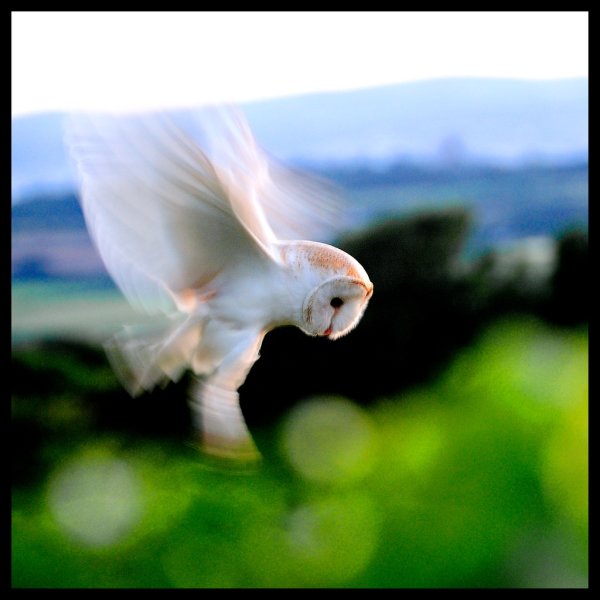
This gives you a great opportunity to practice a range of photographic techniques (like panning, zooming, slow sync flash) in a variety of settings – after all there’s ‘motion’ everywhere around us.

Before you head off to shoot your image – here are a few posts from our archives that might help with capturing some motion shots:

  • How to capture motion blur
  • 13 places to practice taking motion blur shots
  • A beginners guide to capturing motion in your photography

Once you’ve taken your ‘In Motion’ shots, upload your best ones to your favourite photo sharing site either share a link to them even better – embed them in the comments using the our comments tool to do so.

If you tag your photos on Flickr, Instagram, Twitter or other sites with Tagging tag them as #DPSINMOTION to help others find them. Linking back to this page might also help others know what you’re doing so that they can share in the fun.

Also – don’t forget to check out some of the great shots posted in last weeks Available Light Portraits challenge – there were some great shots submitted.

Post originally from: Digital Photography Tips.

Check out our more Photography Tips at Photography Tips for Beginners, Portrait Photography Tips and Wedding Photography Tips.

In Motion: Weekly Photography Challenge


Digital Photography School

 
Comments Off on In Motion: Weekly Photography Challenge

Posted in Photography


Augenschmaus: Pancakes

21 Sep

Pancakes sind meine kulinarische Entdeckung des Jahres. Nachdem ich jahrelang Eierkuchen gemacht habe, liebe ich jetzt diese viel dickere und saftige amerikanische Variante.

Wer jetzt beim Wort Eierkuchen stutzt, der kennt die deutsche Variante wahrscheinlich unter dem Begriff Pfannkuchen. Ich komme jedoch aus Sachsen und da bezeichnet das Wort „Pfannkuchen“ schon die in den Hochburgen des Karneval beliebten Berliner. Jetzt aber zu den Pancakes und was sie so besonders macht.

Portionen: drei Desserts
Zeit: 20 Minuten

Zutaten

300 ml Naturjoghurt
150 g Mehl
3 Eier
1 Pck. Backpulver
1 Pck. Vanillezucker
1 – 3 EL Zucker (je nachdem, wie süß man es mag)
Prise Salz
Olivenöl

Zum Servieren empfehle ich Euch Ahornsirup und frisches Obst.

Pancakes © Katja Kemnitz

Zubereitung

Zuerst die Eier verquirlen. Dann Backpulver, Vanillezucker, Zucker und Salz hinzugeben und verrühren. Den Joghurt dazugeben und wieder alles miteinander verrühren. Jetzt langsam das Mehl einrieseln lassen und unterrühren, bis sich eine nicht zu dünne, etwa streichfeste Masse ergibt.

Eine kleine Pfanne auf mittlerer Stufe erhitzen und etwas Olivenöl hineingeben. Ist das Öl heiß, beginnt man mit dem ersten Klecks Teig und drückt ihn in der Pfanne etwas platt. Der Teig ist wirklich dicker als bei Eierkuchen und verläuft nicht automatisch in der Pfanne. Ist die Unterseite des Pancakes schön braun, wird er gewendet und noch einmal gebraten, bis auch die andere Seite schön goldbraun ist.

So verfahrt Ihr nach und nach auch mit dem restlichen Teig. Ich esse Pancakes nur mit Ahornsirup, denn ohne sind sie mir zu trocken. Legt man noch eine ordentliche Portion Obst dazu, ergibt sich nicht nur ein einfacher Nachtisch, sondern auch eine hervorragende Hauptspeise. Außerdem schmecken Pancakes warm und kalt.

Pancakes © Katja Kemnitz

Fotorezept

Bei natürlichem Licht habe ich die fertigen Pancakes auf einer alten Kiste auf dem Balkon fotografiert. Als Farbtupfer habe ich mich für frische Himbeeren entschieden. Eine Perspektive von oben und eine von der Seite, um zu zeigen, wie dick die Pancakes werden.

~

Du hast auch ein leckeres Rezept und die passenden Food-Fotos dazu, die einem das Wasser im Munde zusammenlaufen lassen? Dann werde einfach selbst Teil von „Augenschmaus“!


kwerfeldein – Fotografie Magazin

 
Comments Off on Augenschmaus: Pancakes

Posted in Equipment


iPhone 5s compared in our new studio test scene

21 Sep

iphone5s.jpg

We lined up for the new Apple iPhone 5S this morning, and Dpreview’s Studio Manager Kelcey Smith wasted no time in getting it into our studio, to take a critical look at how its new camera performs. We’re taking the smartphone out for the weekend to gather shots for a gallery planned for this Monday, but in the meantime, you can take a look at how the iPhone 5s compares to the competition in our new studio widget. Click through to check it out.

News: Digital Photography Review (dpreview.com)

 
Comments Off on iPhone 5s compared in our new studio test scene

Posted in Uncategorized


30 Jaw-Dropping Examples of Performance Art Photography to Astound You

21 Sep

Art connects people. That’s a fact. While different cultural backgrounds, social status, genetic factors, personal experiences, upbringing and many other factors conspire to separate individuals, it falls to art to connect people: the artist, who is putting forth a message that is very personal and a deep part of himself, and the audience, who takes the time to listen and Continue Reading

The post 30 Jaw-Dropping Examples of Performance Art Photography to Astound You appeared first on Photodoto.


Photodoto

 
Comments Off on 30 Jaw-Dropping Examples of Performance Art Photography to Astound You

Posted in Photography


Where the sharpness comes from: A tour of Sigma’s factory

21 Sep

www.imaging-resource.com-crop.jpg

Some people are happy to shoot with lenses and think only of the results, but it can also be fascinating to think about how such complex, precision pieces of engineering are made. Some insight is provided by Dave Etchells over at Imaging Resource, who has just posted a story about his visit to Sigma’s factory in Aizu, Japan. However, no matter how hard you try, you can’t make every lens perfect – as Lensrentals Roger Cicala explains in his recent blog post. Click through for more.

News: Digital Photography Review (dpreview.com)

 
Comments Off on Where the sharpness comes from: A tour of Sigma’s factory

Posted in Uncategorized


20. September 2013

21 Sep

Ein Beitrag von: Rolland Flinta

haar, frau, portrait, studio, wind, auge, nase, mund, gesicht


kwerfeldein – Fotografie Magazin

 
Comments Off on 20. September 2013

Posted in Equipment


Gas Station to Sheep Pasture: NYC Urban Intervention

20 Sep

[ By Steph in Art & Installation & Sound. ]

Gas Station Sheep Urban Art 1

Twenty-five silent, unmoving sheep gather on a carpet of lush green grass in the unlikeliest of places: an industrial gas station in the Chelsea neighborhood of New York City. This surreal pop-up landscape is a team effort between art collector Michael Shvo and Paul Kasmin Gallery, aiming to bring outdoor exhibitions to a broad audience.

Gas Station Sheep Urban Art 2

Found in the center of the High Line arts district, ‘The Sheep Station’ installation incorporates iconic epoxy stone and bronze ‘Moutons,’ sculptures by the late artist Francois-Xavier Lalanne. For Lalanne, the sheep symbolized a personal mission to demystify art.

Gas Station Sheep Urban Art 3

This unexpected pastoral scene, which will be in place until October 20th 2013, is just one of a series of rotating public exhibitions that will be hosted at the former Getty Station. The station has been reclaimed by Paul Kasmin Gallery as a way to bring art – and a sense of fun – to a wider array of people than those who might wander into a museum or gallery.

Gas Station Sheep Urban Art 4

See more pictures and stay on top of other upcoming exhibitions at GettyStation.com.

Share on Facebook


[ By Steph in Art & Installation & Sound. ]

[ WebUrbanist | Archives | Galleries | Privacy | TOS ]


WebUrbanist

 
Comments Off on Gas Station to Sheep Pasture: NYC Urban Intervention

Posted in Creativity