RSS
 

Archive for July, 2013

26 July, 2013 – Hasselblad Jumps The Shark

26 Jul

No doubt you’ve heard of the Hasselblad Lunar, that company’s gussied-up version of the Sony NEX-7, sold at 6X the normal price of that soon to be superceded camera.

In an essay just published today I let you know in no uncertain terms what I think of this Wretched Excess.


"Having been to Antarctica with Michael and Kevin, I would say after having traveled the world and shot nearly my entire life as an exhibiting photographer,  it was one of my highlights in my life and I talk about it, all the time.  The images and experience of seeing something visionary and nearly extinct from the world, to see and experience the wildlife and scenery that does not fear humans is amazing.  The images I shot there won me two Smithsonian awards and nearly 18 other international awards". – Tim Wolcott

 Find Out More Now
These Expeditions Will Sell Out Quickly. They Always Do.


The Luminous Landscape – What’s New

 
Comments Off on 26 July, 2013 – Hasselblad Jumps The Shark

Posted in News


ACDSee 16 and Pro 6 gain Raw support for 14 additional cameras

26 Jul

ACDSee.png

ACD Systems has extended the Raw support offered by its ACDSee Pro 6 and ACDSee 16 software packages. Version 6.3 of the Pro version and and ACDSee v16.1 gain support for an additional 14 cameras including the Canon EOS 100D and 700D, Nikon D7100 and Coolpix A, Sony NEX-3N and SLT-A58, Olympus XZ-10, and the Panasonic DMC-G6. This update also includes performance improvements. Click through for more information.

News: Digital Photography Review (dpreview.com)

 
Comments Off on ACDSee 16 and Pro 6 gain Raw support for 14 additional cameras

Posted in Uncategorized


Dog Days of Summer: Tips for Shooting in the Midday Sun

26 Jul

Extra photos for bloggers: 1, 2, 3

Whoever said “If you can’t take the heat, get out of the kitchen” probably wasn’t aware we would be making such a liberal interpretation of the saying.

Heat comes from sun. Summer sun is bright. Bright light is tricky to photograph.

It’s no secret that bright midday sun is one of the more challenging types of light to expose properly. We’re talking blown out highlights, harsh shadows, squinty subjects… oh my!

Don’t sweat it, friends. This guide will show you how to get the best shots in the midday sun.

We can wrangle those top-down rays with quick easy fixes to soften harsh light, resolving your bright light issues before you even have time to hashtag them.

How else are you going to document that tan you’ve been working on all summer?

Pro Tips for Midday Shooting 

p.s. We’re hiring for an amazing opening at Photojojo. We’re looking to re-invent what/how/where we publish online, and we’re seeking one amazing somebody to lead the charge. Learn more and apply for our Editorial & Community Lead.

p.p.s. Tell friends!

Why It’s Cool

Summer is a great season for shutterbugs… between the golden mornings and evenings we’ve got, like, 2 extra hours of daylight to bask and snap in. And nothing says summer like bright, colorful, high-contrast photos! So why are you spending this extra shooting time inside?

Light is everything to photographers, so take the camera outside and stop actin’ like it’s not. It’s always high noon somewhere, so you might as well turn down those ISO settings and learn how to beat the heat.

Use these tips and tools to improve your lighting skills by shaping, bouncing, blocking, and even adding it back afterwards. You’ll perfect your sharp shootin’ so you can keep exposing when bright light is unavoidable, anytime of year.

Ingredients:

  • Any kind of camera
  • Lens filters – polarized, neutral density (ND), or your own DIY
  • Fill light – a reflector, foam board, or flash
  • Shade
  • Photo editing software or app
  • A friend or model

SLAP A FILTER ON IT

before

Think of lens filters like a sweet pair of shades for your camera. They come in all shapes and sizes (including phone sized), so no man or machine will be left squinting in the sun.

Generally – exposing for bright daylight requires some combination of small aperture setting and high shutter speed. Your camera’s sunnies… or, er… filters are one of the easiest ways to reduce the amount of light entering the lens and re-gain creative control in harsh lighting conditions.

Yep. That means shallow depth of field and slow shutter speeds are no longer out of the question! Since they’ll reduce your exposure by a few stops – neutral density (ND), polarized, or DIY filters will be your best bets for softening a case of the midday brights.

Need a FILTER hack? Try using your own sunglasses as a filter on your phone, point & shoot, or DSLR (depending on the size of your lens). Play with the composition a little and use your glasses as a frame within your photos.

ARE YOU FILL-IN’ THE HEAT YET?

before

There are two great ways to fill in and break up harsh shadows caused by overhead light: Bouncing light and flashing it.

Yeah… we said “flash”.  Sure, the concept of fighting light with more light may sound like an idea from another galaxy, but it’s actually necessary to get the right exposure on a backlit subject. Oh, and diffusing said flash will help to produce a more flattering end result!

Similarly, a reflector or white foam board will bounce the light, filling in shadows caused by an overhead light source (like that giant one we call “the sun”.) Pretty much any flat, white object can bounce light. You could even use a pocket-sized version in your phoneography.

Need a FILL hack? Look down! Lightly colored surfaces (like sand or concrete) will bounce a nice glow on your subjects. Scout out a spot near one of these bright patches when you’re lacking the extra arms to hold a reflector in place.

SHADY BUSINESS

before

When you’re getting scorched or just plain fed up, scour the area for a patch of shade. It can be manmade or au naturale, just watch out for spotty light! Buildings and trees are a good place to start your quest.

When there’s no shade to be sought, there are a couple easy ways to create your own. Keep an umbrella or a sheet on hand for such occasions. Not only will you soften that pesky light, you may even earn yourself a cool nickname like “MacGyver of the Shadows”.

Once your shade is in check, position your subject in front of an equally shaded background (near the edge of the shadow they’re under). Now when you shoot you’re getting the best of the shade AND the light. Like a boss.

Need a SHADE hack? Try using a bed sheet as a scrim. Throw it over something tall and place your subject beneath it. Or have a photoshoot while your beach towel is hanging out to dry!

EDITABLE INSURANCE

beforeKinda like a bad sunburn – there’s not much you can do after the fact to fix it an overexposed picture. No… not even with aloe vera.

It’s much easier to recover underexposed areas of a picture using photo editing software. That’s like photography SPF, dude.

To underexpose photos on your phone, tap the screen to focus on a bright area of your shot before hitting the shutter. Snapseed and VSCOcam are great apps that will help you edit your photo. You can change your exposure, adjust fill, and fix your photo’s highlights all from the comfort of your palm.

When shooting from your camera, play it safe by bracketing for exposure, underexposing back-lit subjects, and shooting RAW.

Two great ways editing software can help recover a photo taken in tricky bright light are:

1) Adjusting the levels to take back the shadows in the foreground of your photo, and

2) Using layers and masking tools to combine 2 images of a correctly exposed foreground (with an overexposed background), and vice versa.

Taking It Further

  • When you salvage important details (like eyes), deliberate overexposure can give your photos a surreal, dreamy look.
  • When your background is interesting and noteworthy, silhouettes are a great way to add drama and tell a story.
  • Some filters can reduce your exposure enough stops to create a really long exposures… wait for it… in the DAYTIME. Check it these out and give it a go!

Jenny Sathngam is a tutorial writer/photographer for Photojojo. She is based in Austin, TX – where cloudless, triple-digit summers last most of the year and shooting in the midday sun is more practice than theory. (Model: Sanetra Stewart)

Related posts:

  1. Pro-Tips for Shooting Better Instagram Videos Extra vids for bloggers: 1, 2, 3 “Well that’s weird,”…
  2. Summer Guide: Keep in Touch with Friends via Photo Apps! Extra photos for bloggers: 1, 2, 3 Prom, graduation, senior…
  3. Halloween Photo Tips — Our Ghoulish Guide to Scary Snaps How can you not love a holiday that encourages you…


Photojojo

 
Comments Off on Dog Days of Summer: Tips for Shooting in the Midday Sun

Posted in Equipment


Fujifilm posts revised X-Pro1 firmware 3.01 with movie mode fix

26 Jul

xp1news.png

Fujifilm has posted firmware version 3.01 for the X-Pro1, which resolves a bug in the recently-released v3.00 that caused movies to be recorded incorrectly under some circumstances. It’s otherwise the same, meaning that it promises faster AF speed, and adds a ‘peaking’ display mode to aid manual focus, compared to prevous versions. Click through for the download link.     

News: Digital Photography Review (dpreview.com)

 
Comments Off on Fujifilm posts revised X-Pro1 firmware 3.01 with movie mode fix

Posted in Uncategorized


Lose the Bubbles: How to Properly Apply a Screen Protector on Your Camera’s LCD

26 Jul

So why put up with them on your camera’s LCD? If you’ve ever tried to apply, or thought about applying, or even looked at a screen protector before – you might want to read this. Fancy receiving a ‘spanking new Nikon D800, only to find a wafer thin scratch down the main screen within weeks. You were careful with it, Continue Reading

The post Lose the Bubbles: How to Properly Apply a Screen Protector on Your Camera’s LCD appeared first on Photodoto.


Photodoto

 
Comments Off on Lose the Bubbles: How to Properly Apply a Screen Protector on Your Camera’s LCD

Posted in Photography


Life As We Know It

26 Jul

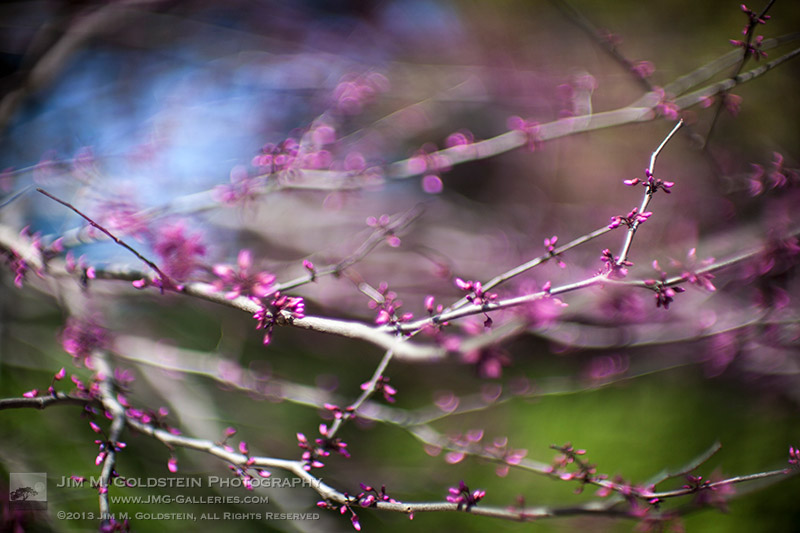
Springtime flower buds on nearly bare branches

These days it is pretty easy to lose myself in the stars with so many great images coming from NASA, the International Space Agency and others. It’s tough to resist day dreaming about what’s in the heavens and as a result become jaded with what is before us every day. While amazed by the constant flow of space photos it’s grounding to take a walk and appreciate what makes our oasis in the stars so special. This photo of springtime blossoms is a perfect example of the beauty and colorful universe right under our nose.

“We’re made of star-stuff.” – Carl Sagan

Photo Details:
Canon 5D Mark II, Canon 50mm f/1.0, f/1.0, 1/5000 sec, ISO 50

Copyright Jim M. Goldstein, All Rights Reserved

Life As We Know It

The post Life As We Know It appeared first on JMG-Galleries – Landscape, Nature & Travel Photography.


JMG-Galleries – Landscape, Nature & Travel Photography

 
Comments Off on Life As We Know It

Posted in Equipment


Just posted: Canon EOS 100D / Rebel SL1 review

26 Jul

sl1news.jpg

We just posted our Canon EOS 100D / Rebel SL1 review. Canon’s smallest SLR to date was built to take on mirrorless cameras while maintaining the optical viewfinder and compatibility with the company’s existing suite of EF and EF-S lenses. We put it through its paces in a busy family environment to see how well it held up in the type of setting it’s most likely to encounter. Click through for our review.

News: Digital Photography Review (dpreview.com)

 
Comments Off on Just posted: Canon EOS 100D / Rebel SL1 review

Posted in Uncategorized


Sea Fort Retreat: Island Hotel in 1860s British Harbor Base

26 Jul

[ By WebUrbanist in Boutique & Art Hotels & Global. ]

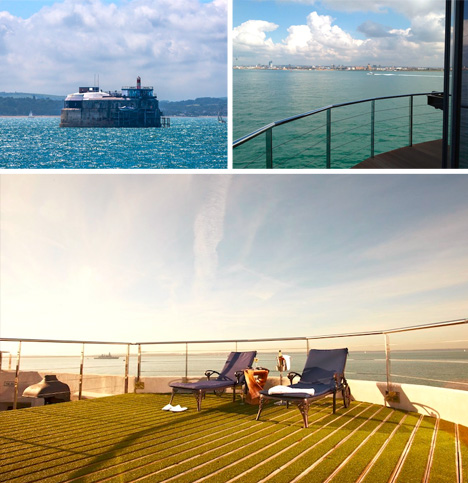
converted sea fort

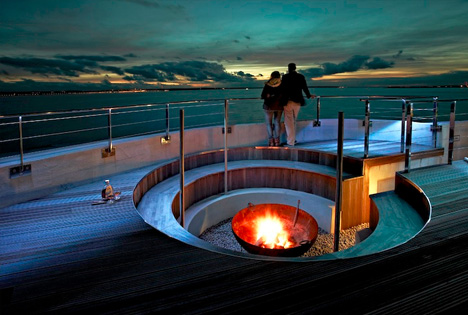
Known for its naval power, England has a great many leftover army and sea forts. Some have been turned into private islands, radio station or micronations, but this one has been made into a museum and luxury resort.

converted sea base hotel

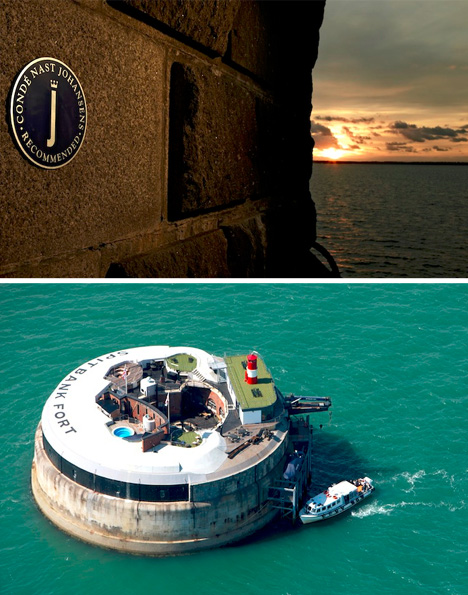
The Spitbank Fort was the result of an 1859 Royal Commission and is located in the Solent, near Portsmouth, England. Though its purpose and wares shifted somewhat over time, it was aimed at protect British shores from both sea and (eventually) air attacks.

converted nautical restaurant museum

The structure remained an operational military island for a full century before being decommissioned in the late 1900s as obsolete.

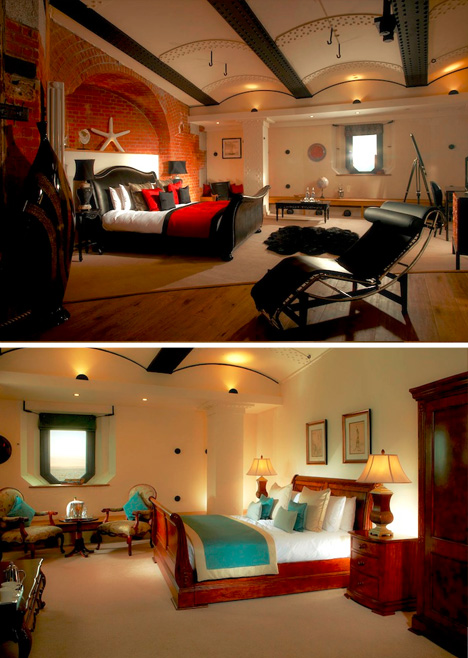
converted hotel room interiors

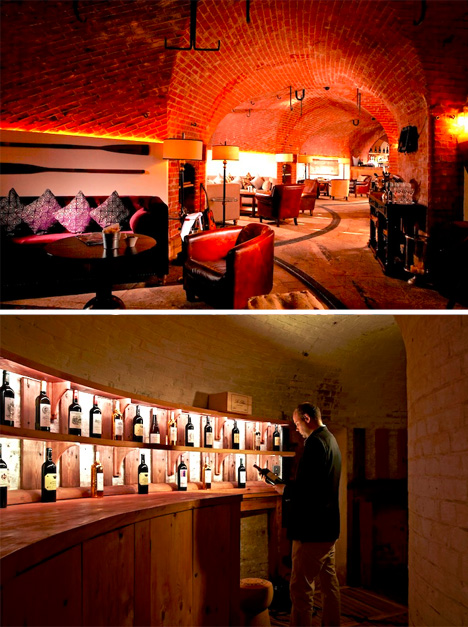
Five million dollars worth of renovations later, the structure is now a hybrid of its original architecture and engineering and added luxuries including (but not limited to) hotel rooms, bars, restaurants, libraries, saunas, sun decks and swimming pools.

converted british sea fort

Day and overnight guests alike can enjoy breakfast, brunch, lunch and dinner in the cozy brick interior or with a 360-degree exterior vista above.

Share on Facebook


[ By WebUrbanist in Boutique & Art Hotels & Global. ]

[ WebUrbanist | Archives | Galleries | Privacy | TOS ]


WebUrbanist

 
Comments Off on Sea Fort Retreat: Island Hotel in 1860s British Harbor Base

Posted in Creativity


Phottix Mitros [Nikon] Review: The Real Deal

26 Jul

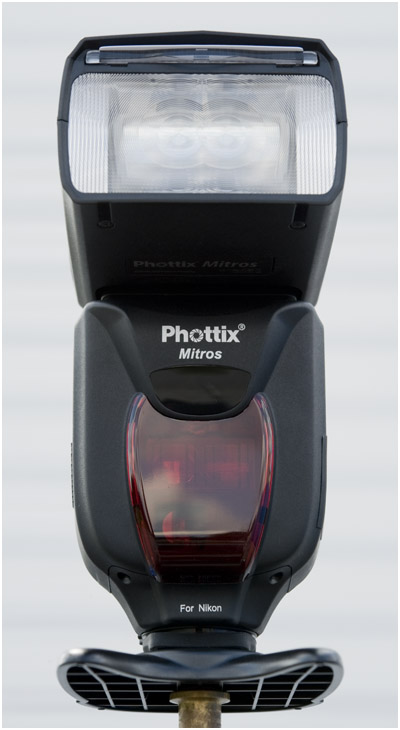
Big changes continue to ripple through the high-quality, 3rd-party flash industry this month. To wit: I've been testing a new $ 300 Phottix Mitros [Nikon] flash for several weeks now.

Here's the five-word short version: "Nikon, you should be very afraid."

Why? Because this solid, Manual/TTL/CLS/HSS flash delivers all of the punch and practically all of the functionality of your flagsship Nikon SB-910 for about half the price. With twice the warranty.

Put differently: as soon as word gets out, the days of the high profit margin OEM speedlights are numbered.

(More words, getting out, below…)

Read more »
Strobist

 
Comments Off on Phottix Mitros [Nikon] Review: The Real Deal

Posted in Photography


Istanbul

26 Jul

Ein Beitrag von: Thomas Braun

2012 war für mich ein sehr spannendes Jahr, unter anderem weil ich im Sommer beruflich drei Monate in Istanbul verbracht habe. Ich hatte dort in meiner Freizeit natürlich fast immer die Kamera dabei und war begeistert von den fotografischen Möglichkeiten der Stadt.

Aus den Bildern ist eine Serie entstanden, mit der ich zeigen möchte, wie die Stadt auf mich gewirkt hat. Wie es mich dorthin verschlagen hat und warum die Serie so ist, wie sie ist, möchte ich in einer kleinen Geschichte erzählen.

Historische Straßenbahn in Istanbul © Thomas Braun
Historische Straßenbahn in der Istiklal Caddesi

Ich sitze nichtsahnend im Büro und der Chef kommt vorbei, um ein paar Worte unter vier Augen zu wechseln. Ob ich im Sommer schon was vor hätte, fragt er. Und ob ich nicht schon immer mal ins Ausland wollte. Habe ich nicht und wollte ich schon immer.

Und so kommt es, dass ich kaum vier Monate später nach zahlreichen abenteuerlichen Besuchen in einer total verrückten Botschaft und ein paar interessanten weiteren Formalitäten im Flugzeug sitze und mich auf einen zwölfwöchigen Arbeitseinsatz in der Türkei, genauer in Istanbul, eingelassen habe.

15 bis 20 Millionen Menschen, so genau weiß das keiner, leben auf einer Fläche, die sechs Mal so groß wie Berlin ist. Was das bedeutet, ahne ich erst ansatzweise, als ich im Taxi vom Flughafen zum Taksim fahre, für das ich den Dummkopf-Aufschlag von 100% löhne. Die Fahrt dauert 40 Minuten, obwohl wir nicht einmal ein Viertel des auf etwa 100 km langgezogenen Stadtgebietes durchkreuzen.

Blick auf die Galata-Brücke Richtung Goldenes Horn © Thomas Braun
Blick auf die Galata-Brücke Richtung Goldenes Horn

Meine Reise beginnt direkt am Taksim, dem modernen Zentrum von Istanbul, wo ich für die ersten Tage ein sehr hübsches Hotel direkt neben einer nicht so hübschen Großbaustelle beziehe. Das riesige Panoramafenster bietet mir einen traumhaften Blick auf den Bosporus und das Goldene Horn.

Abends schlendere ich noch ein wenig durch die angrenzende Istiklal Cd, um mir etwas Essbares zu suchen und die Stadt ein bisschen auf mich wirken zu lassen. Überall tummeln sich Menschen, die gesehen werden wollen und zeigen, was sie zu zeigen haben.

An jeder Ecke wird irgendetwas verkauft: Maronen, Wasserpfeifen, Sonnenbrillen, Handys, Klamotten. Und zwischendrin immer mal wieder gemütliche Lokantas, die mehrstöckigen türkischen Restaurants, mit teils tollen Dachterrassen und leckerem Essen.

Es herrschen 35 °C im Schatten und es ist so viel los, dass ich ständig fremden Schweiß auf meinen Armen spüre, aber obwohl mich die ersten Eindrücke ziemlich überfordern, fühlt sich alles irgendwie entspannt an.

Hoffnungslos überfüllte Verkehrsmittel sind in Istanbul die Regel © Thomas Braun
Hoffnungslos überfüllte Verkehrsmittel sind in Istanbul die Regel

Istiklal Caddesi – die beeindruckendste Flaniermeile in Istanbul © Thomas Braun
Istiklal Caddesi – die beeindruckendste Flaniermeile in Istanbul

An den folgenden Tagen verbringe ich viel Zeit damit, eine Wohnung für die kommenden drei Monate zu finden, was sich als gar nicht so einfach erweist, denn wir sind reichlich spät dran. Aber die netten Menschen von der „Relocation Agency“, die mich quer durch die ganze Stadt fahren, haben dann doch noch ein paar Unterkünfte in petto.

Und weil ich keine große Lust habe, im 17. Stock mit Blick auf eine Baustelle zu wohnen, nehme ich die schnuckelige Dreizimmerwohnung im sehr zentralen Besiktas mit traumhafter Aussicht auf Bosporus und Asien. Ein paar Tage später ist dann auch hier eine Baustelle nebenan. Naja.

Die Bevölkerung wird aus Tarlabasi an den Stadtrand verdrängt, um hier ein modernes Nobelviertel im Zentrum zu errichten © Thomas Braun
Die Bevölkerung wird aus Tarlabasi an den Stadtrand verdrängt, um hier ein modernes Nobelviertel im Zentrum zu errichten

Die Stadt hat vieles zu bieten, im positiven wie im negativen Sinn. Es gibt viel zu entdecken und ich denke, wenn man nur ein paar Tage in Istanbul ist, kann man sich zwar die wichtigsten Sehenswürdigkeiten anschauen, aber das wahre Istanbul entgeht einem vermutlich.

Es ist die Stadt der Gegensätze und bevor ich hier war, hatte ich nicht den blassesten Hauch einer Ahnung, wie gegensätzlich ein Ort sein kann. Es gibt sehr gruselige, heruntergekommene Viertel, in denen sich der Müll stapelt und dunkle Gestalten sehr komisch gucken, wenn jemand mit einer Spiegelreflexkamera in der Hand an ihnen vorbeiläuft.

Es gibt aber auch enorm schicke Shoppingtempel mit Ferraris vor der Haustür und mondäne Villengegenden direkt am Bosporus mit Anlegern für die standesgemäße Yacht. Teilweise muss man keine fünf Kilometer gehen, um beide Welten zu sehen.

Dabei muss ich sagen, dass ich mich in Istanbul praktisch nie unsicher gefühlt habe. Die Kriminalitätsrate ist für eine derartige Mega-Metropole ohnehin verschwindend gering.

Istanbul von oben © Thomas Braun
Istanbul von oben

Nach ein paar Wochen in der Stadt kam ich auf die Idee, eine Bilderserie aus quadratischen Schwarzweiß-Fotos anzufertigen. Ich hatte bis dahin ein Gefühl für die Stadt entwickelt, hin und her gerissen zwischen Abscheu und Hingabe, mit einer Prise Respekt und etwas Demut.

Schwarzweiß musste einfach sein, das war sofort klar. Farben lenken nur ab. Das Quadrat unterstreicht noch einmal, dass mir der Inhalt wichtig ist, weil es sehr schlicht ist und ebenfalls keine Aufmerksamkeit auf sich zieht.

Die Bilder sollen für sich wirken, ganz schnörkellos. Alle Bilder sind in Lightroom entwickelt, wobei ich eine gehörige Portion Drama in die meisten Bilder gepackt habe, um die Stimmung zu vermitteln, die ich dort hatte.

Istanbul hat etwas leicht Melancholisches, ist aber keinesfalls träge, sondern sehr dynamisch. Es ist eine romantische Stadt, mit jeder Menge Inspiration und Gefühl. Ich habe versucht, das zu transportieren.

Maroni-Verkäufer bei der Arbeit © Thomas Braun
Maroni-Verkäufer bei der Arbeit

Angeln in Istanbul © Thomas Braun
Angeln in Istanbul

Die Stadt hat so viele magische Orte zu bieten und zu jeder Tages- und Nachtzeit fantastisches Licht. Es gibt fast jeden Tag Sonnenauf- und -untergänge, bei denen einem der Atem stockt. An jeder Straßenecke sind unglaublich nette und fotogene Menschen, denen es völlig egal ist, wenn man sie fotografiert.

Die Sehenswürdigkeiten sind mit die beeindruckendsten, die mir bisher untergekommen sind. Kurz gesagt: Für Fotografen, Städtefans, Geschichts- und Architektur-Junkies und überhaupt für jeden, der offen für Anderes ist, bietet Istanbul unvergessliche Momente. Man sollte sich allerdings auch darauf einstellen, dass nicht immer alles so läuft wie geplant.


kwerfeldein – Fotografie Magazin
 
Comments Off on Istanbul

Posted in Equipment